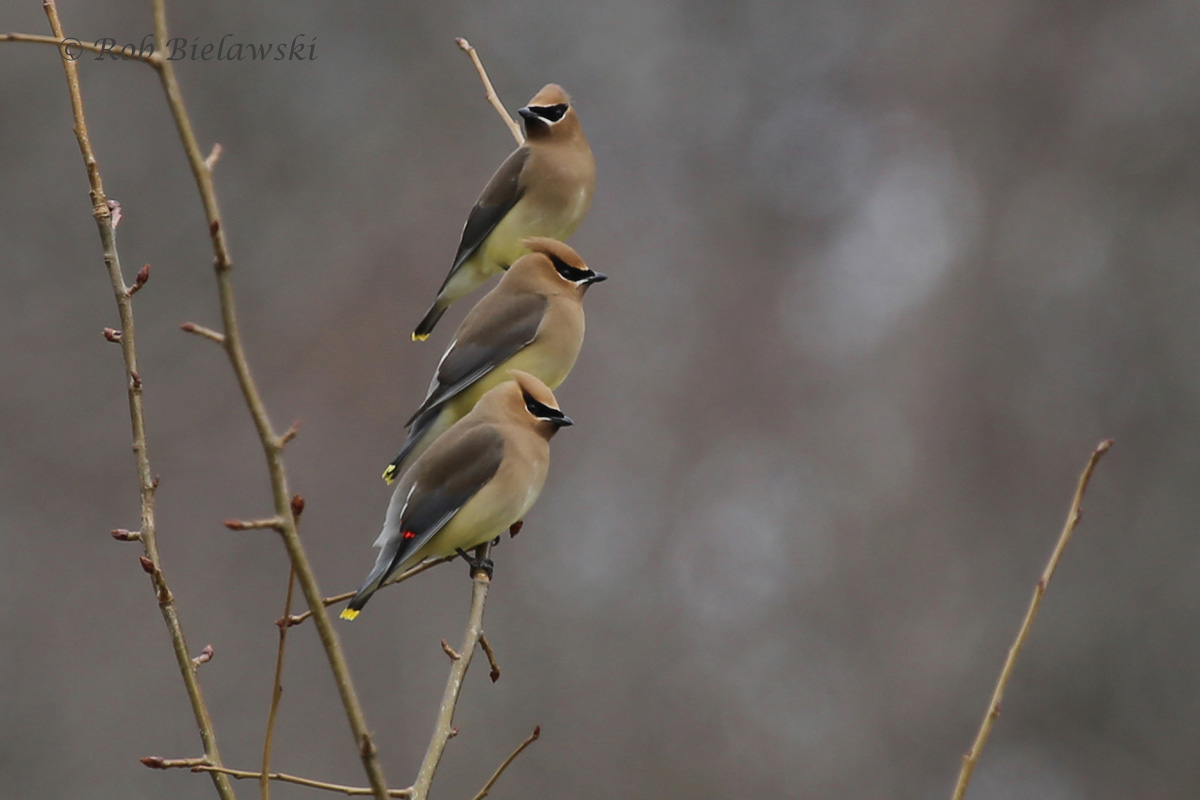
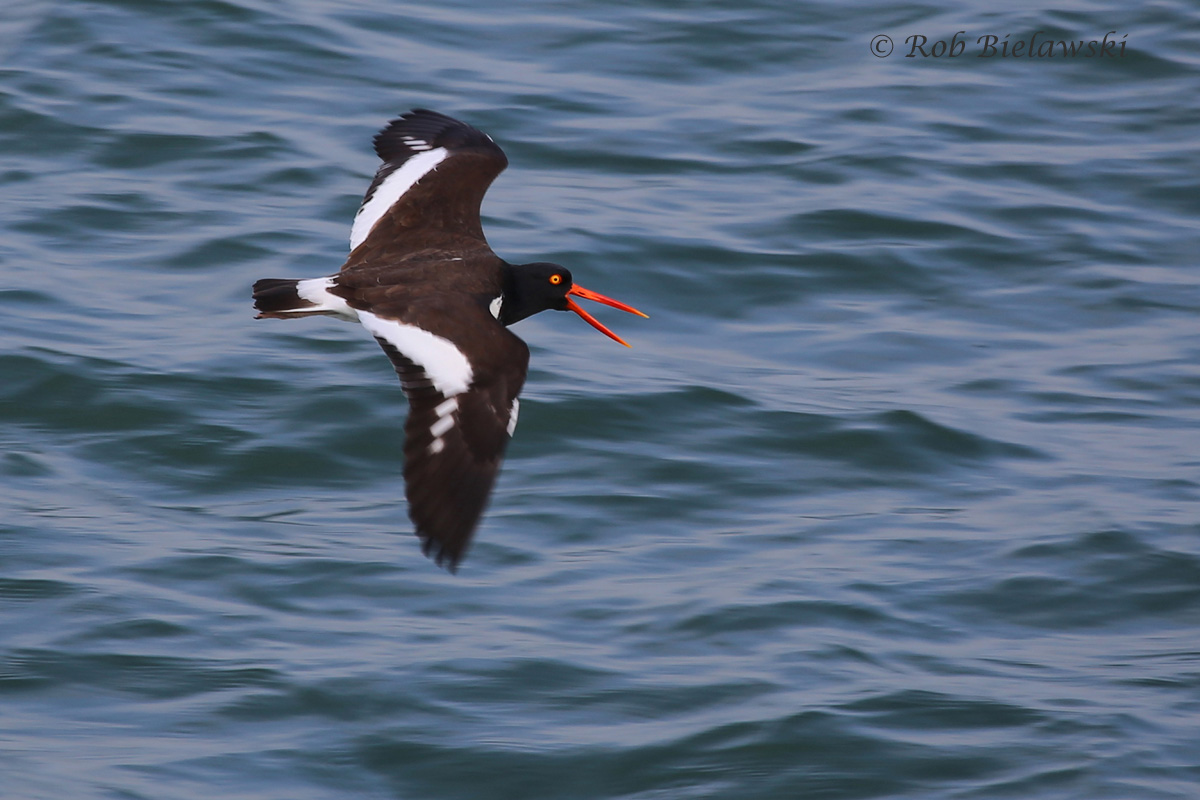
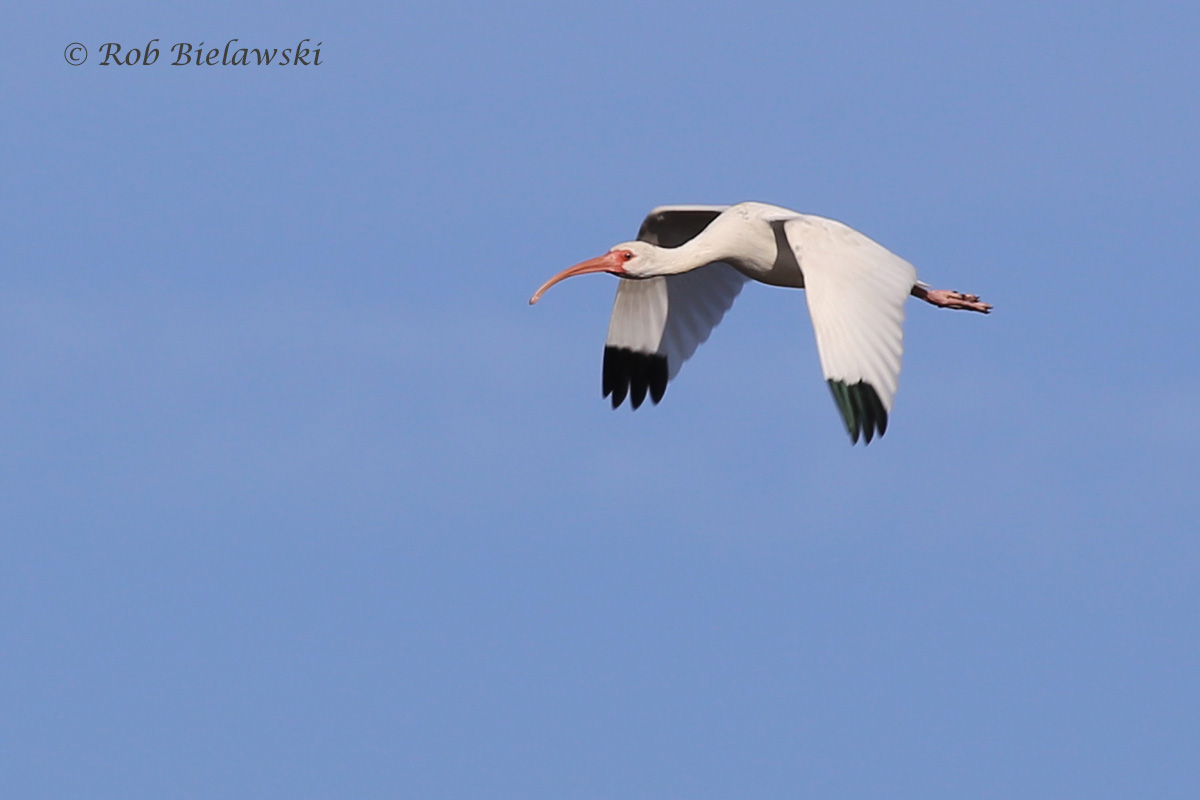
Week Ending March 6, 2016

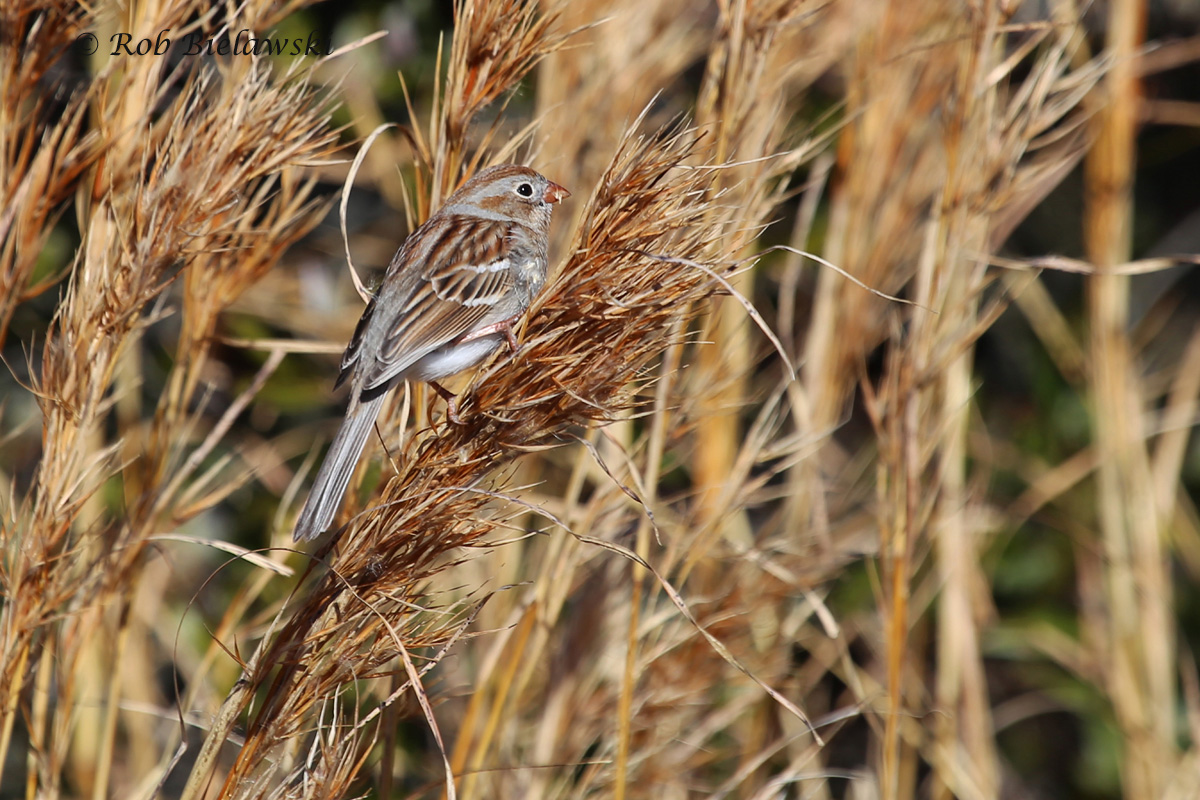
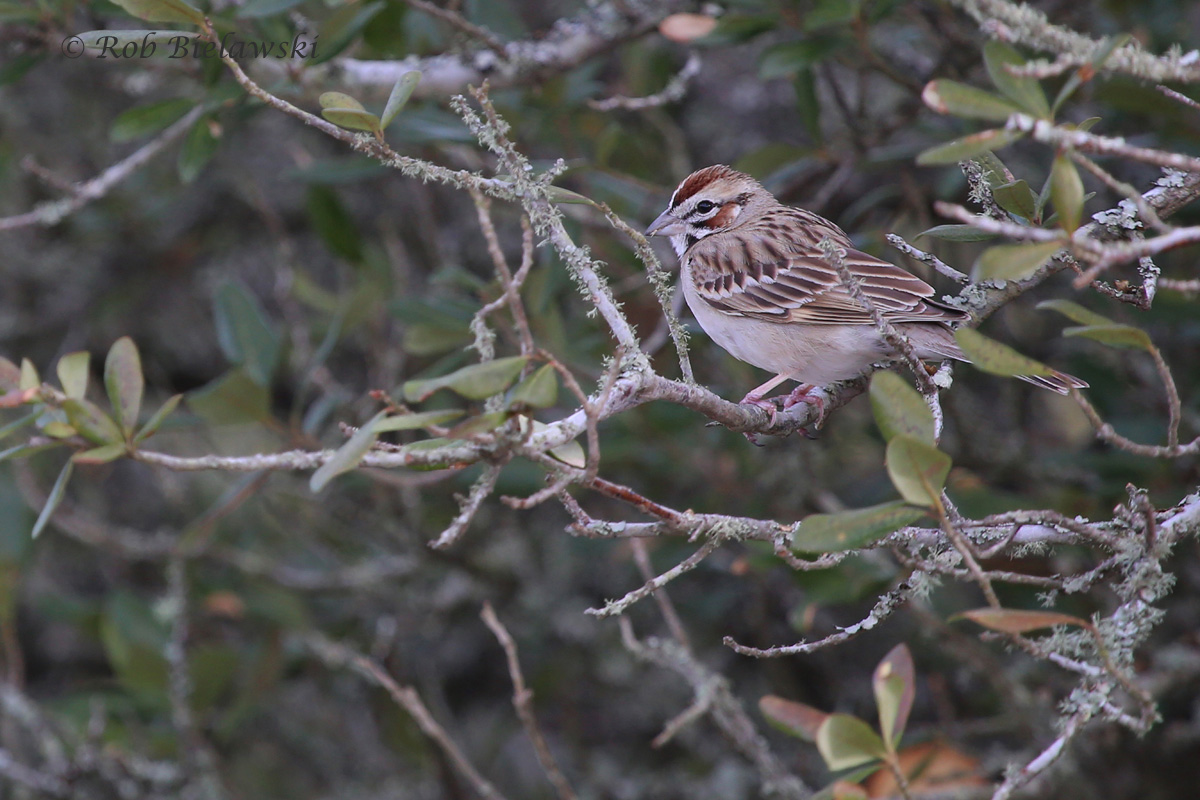
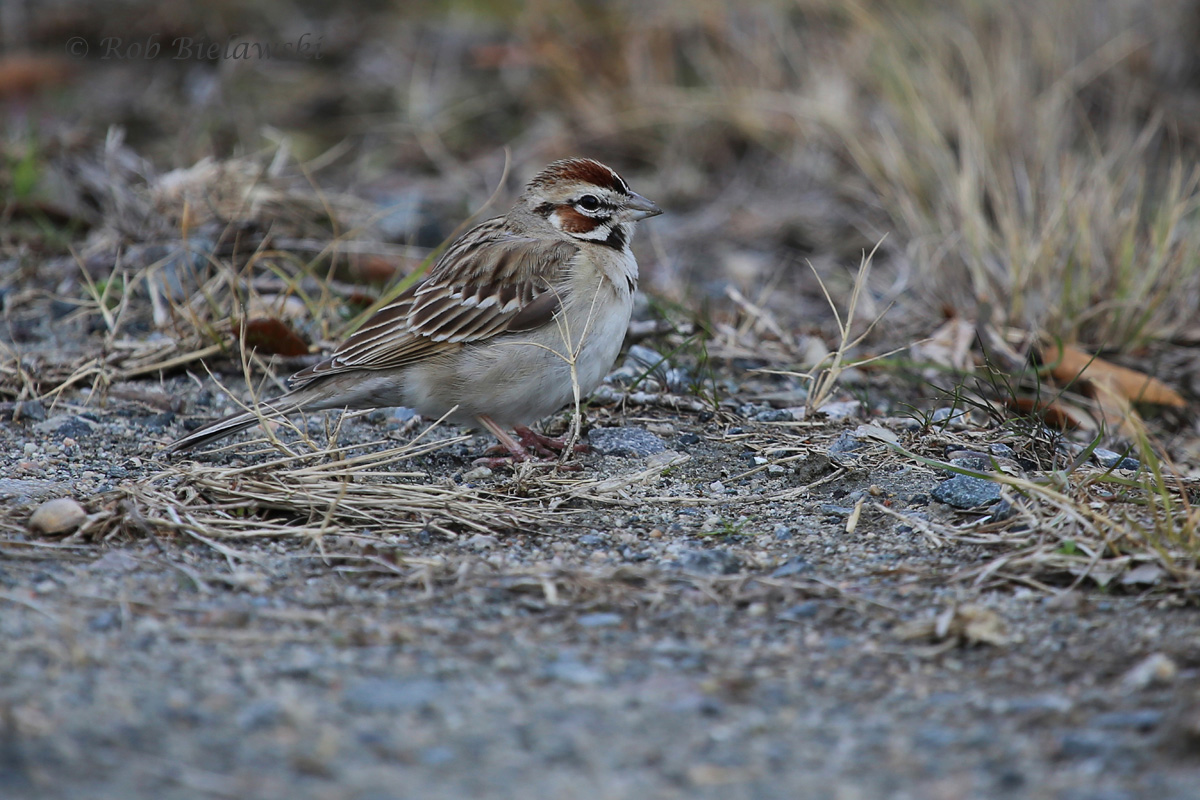
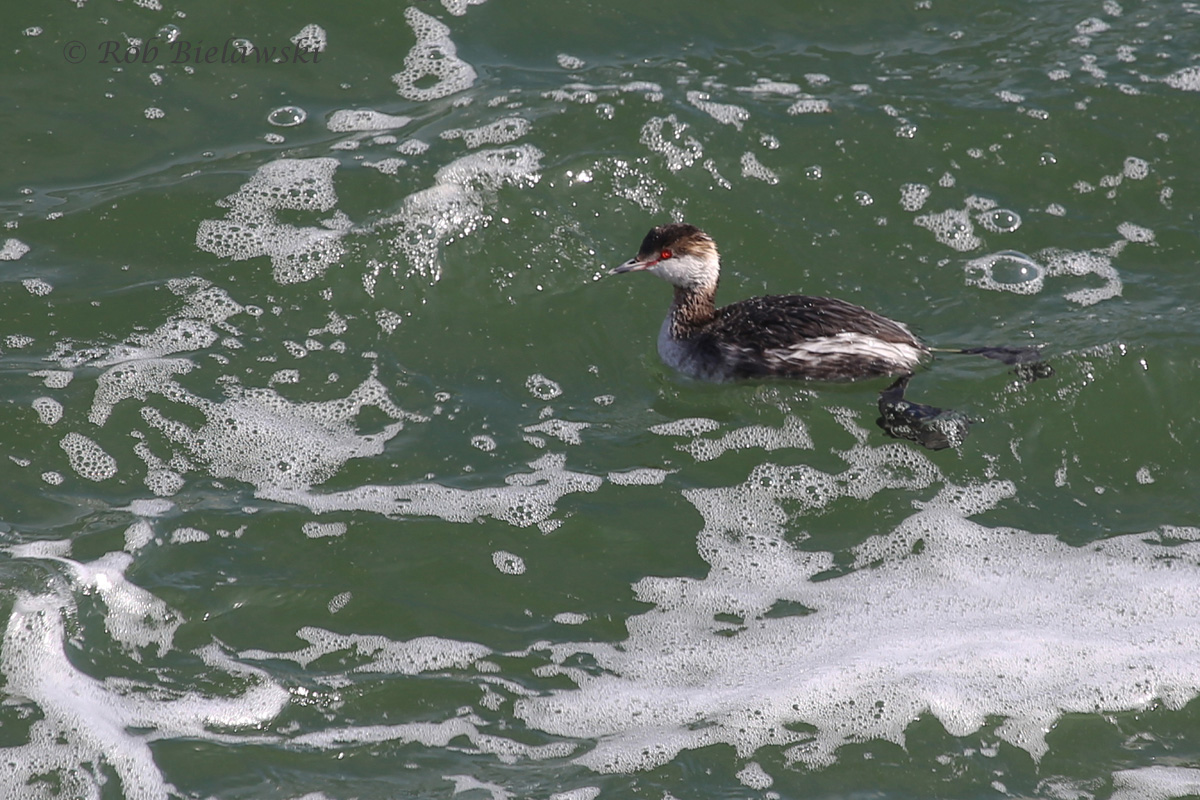
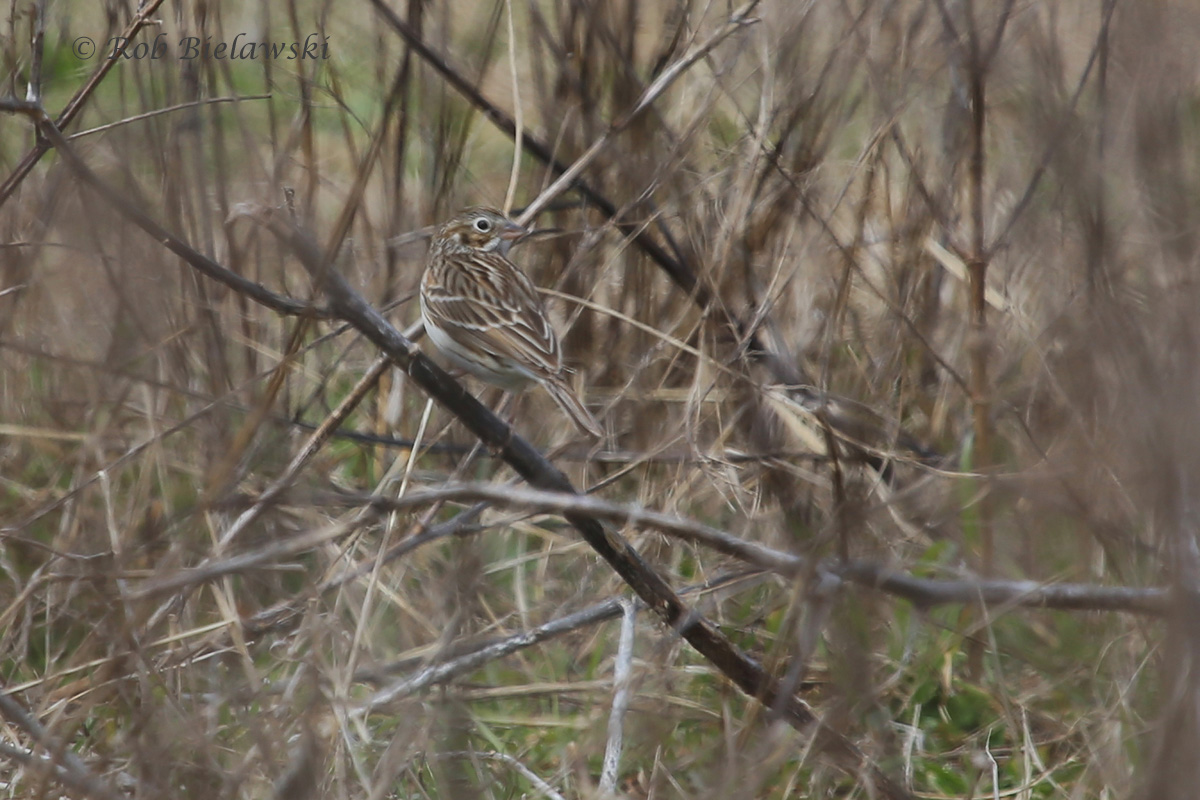
During the first week of March, temperatures dropped a bit to an average daily high of 57.6 degrees F (-2.0 degree shift from the previous week), and the average daytime lows crashed to a blustery 40.9 degrees F (an extreme -9.8 degrees F shift); 0.9 inches of precipitation accumulated through the Monday through Sunday timeframe. While we started the week in the 70s, by Thursday the high temperatures stayed in the 40s through the remainder of the week. No instances of severe weather occurred during the week, but we did have rain on and off throughout the weekdays. Rarities were a bit tougher to come by than in previous weeks here in Virginia Beach, with the only true rarity observed being a Lark Sparrow at Princess Anne Athletic Commons near the intersection of Princess Anne Road and Dam Neck Road on Saturday (5 Mar, Staci Mueller). From analysis of the photographs of this individual and many photographs of the sparrow that had been at Back Bay National Wildlife Refuge since 7 Feb, it appears that this is a second adult bird. The Eurasian Wigeon that was observed at Wishart Lake in the Wishart Cove subdivision of Virginia Beach was not re-sighted at all this week despite multiple attempts by several observers according to eBird (myself included). This drake was last observed on 28 Feb, but perhaps the warm weather at the beginning of the week pushed it northward already. No re-sightings of the Iceland Gull at South Thimble Island, nor the Cave Swallow at Pleasure House Point Natural Area occurred this week either. So, it was a tough week for re-sightings of the prior week’s rare birds. However, there was several more Razorbill and Red-necked Grebe sightings this week from the Chesapeake Bay & Rudee Inlet, and Horned Grebe numbers have shot way up finally. Just across our northern border in Northampton County, Vesper Sparrows continue to be reported at Magothy Bay Natural Area Preserve, and a field trip with the Hampton Roads Wildlife Enthusiasts Facebook group on Sunday turned up Harlequin Ducks on Islands 3 (continuing all winter) & 4 of the Chesapeake Bay Bridge-Tunnel complex. We’re now in March, and soon the migrants will start arriving, with Purple Martins likely leading the way and arriving in the next week or so. March is the start of ‘ornithological spring’ as I call it, since most quarterly ornithological journals use Dec-Feb as winter, then Mar-May as spring. So with spring having arrived, anything can happen as the transient spring birds & the arriving summer birds mix in with the departing winter birds here on the coast. As always, all noteworthy observations have been added to the log Here.
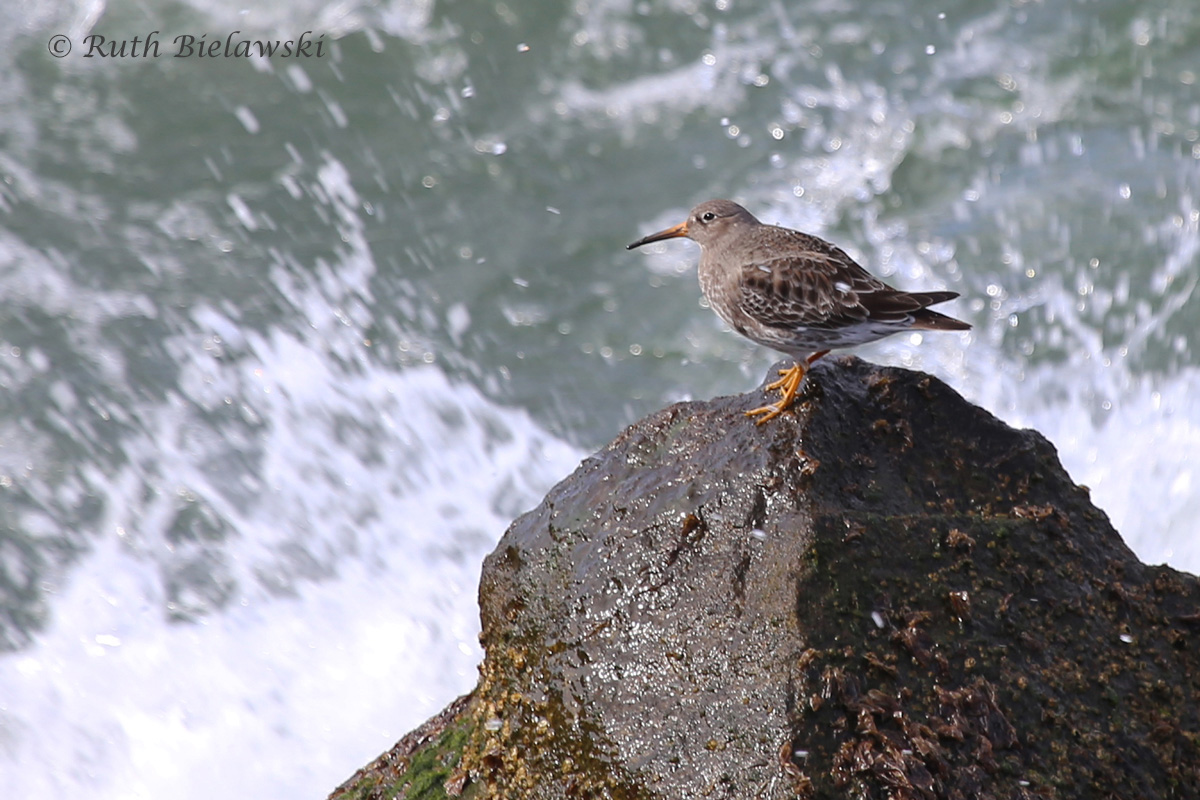
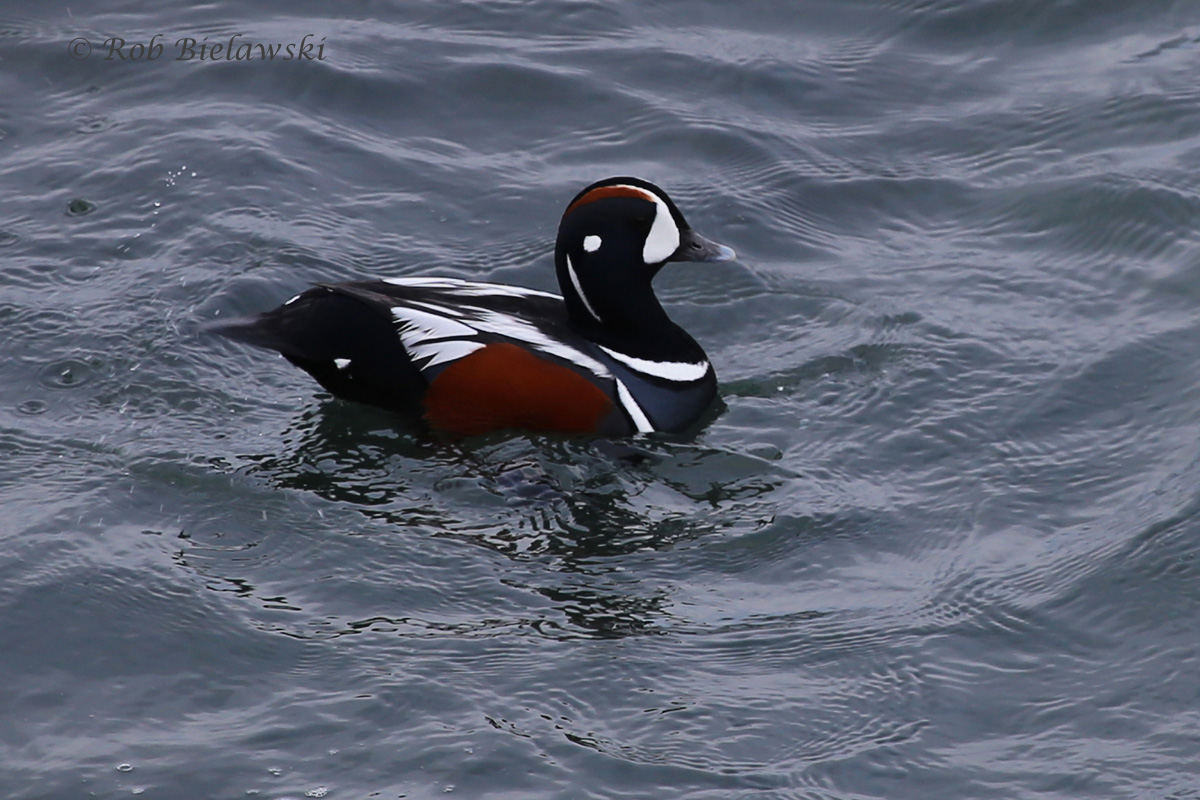
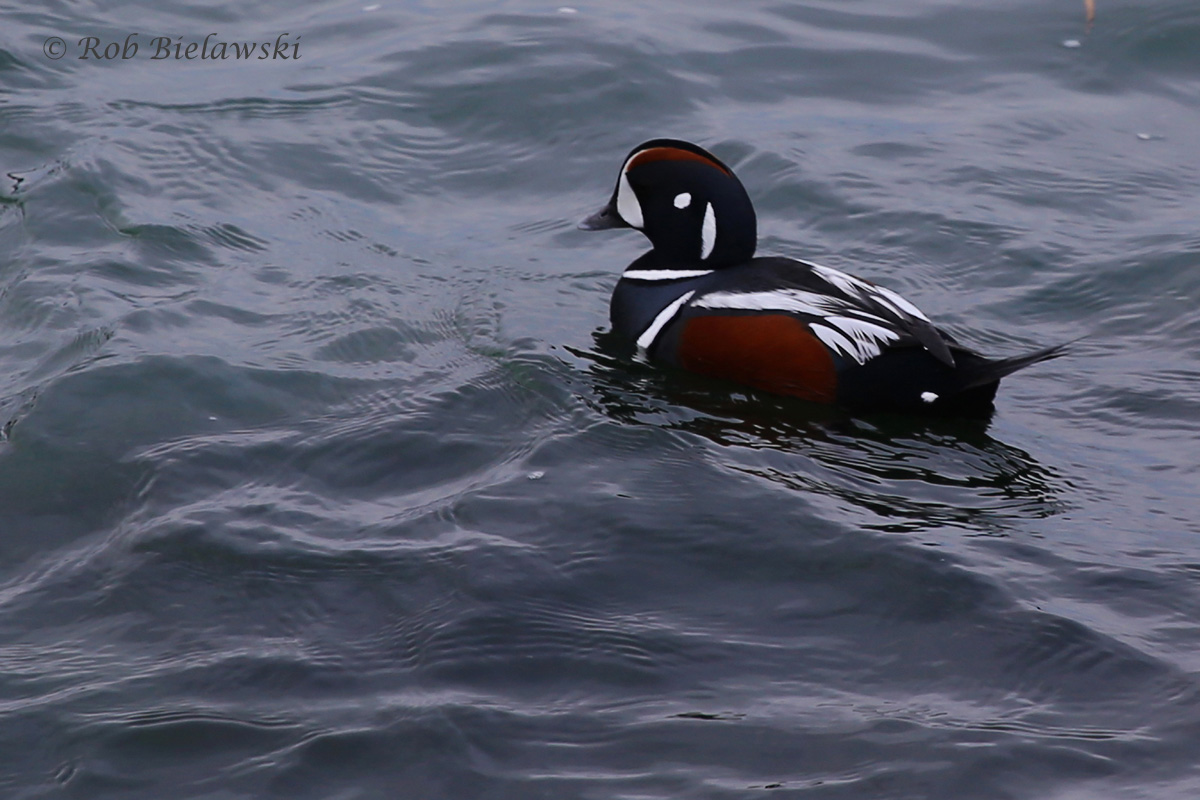
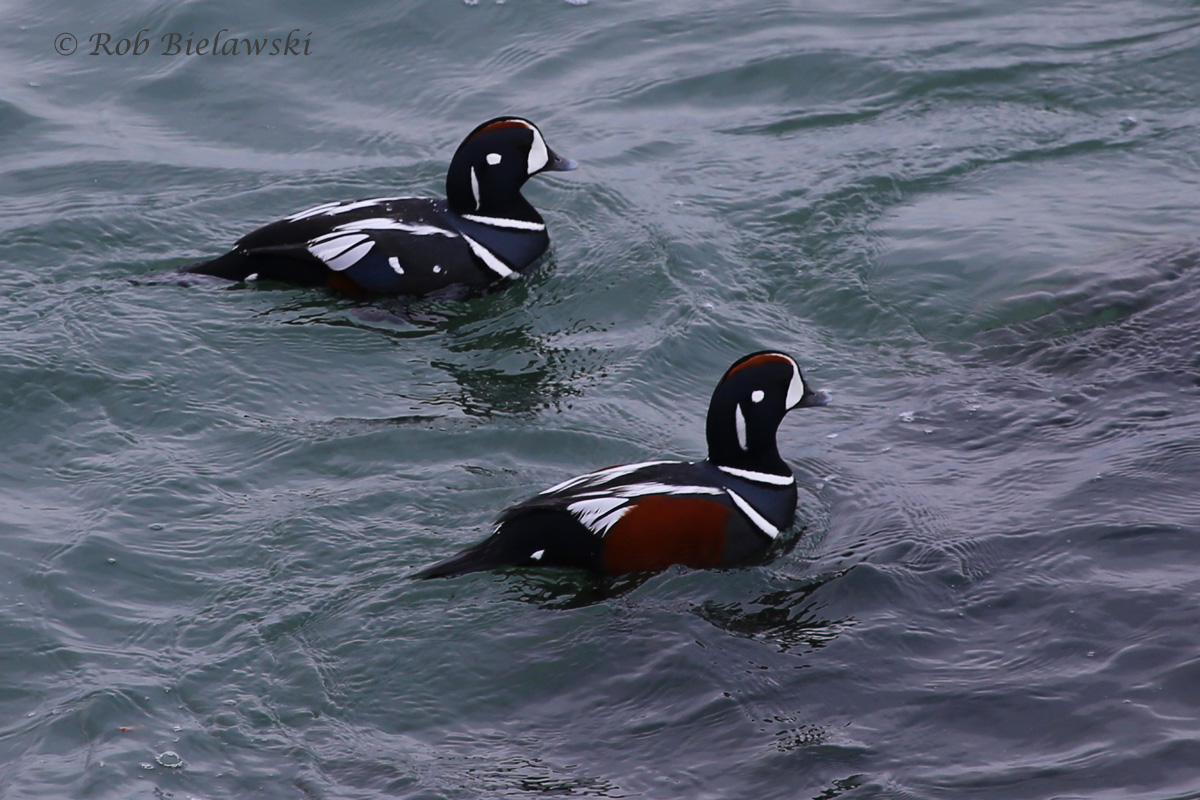
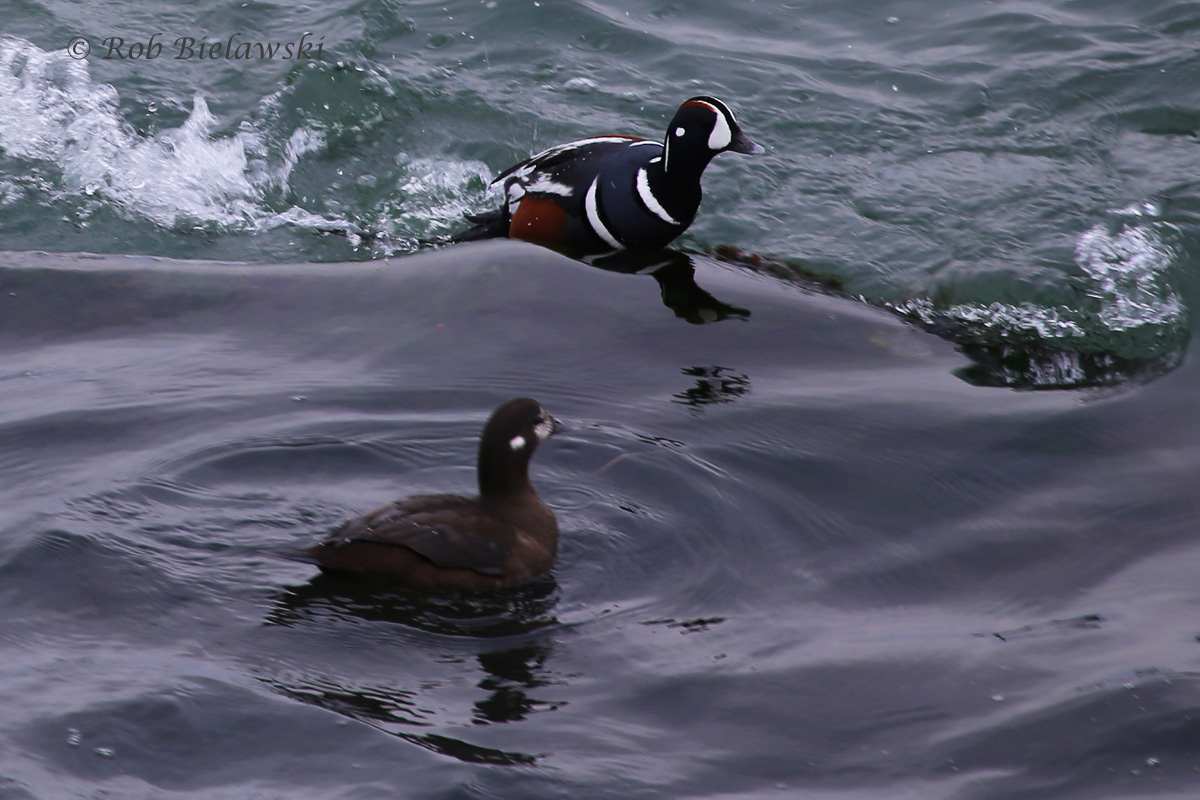
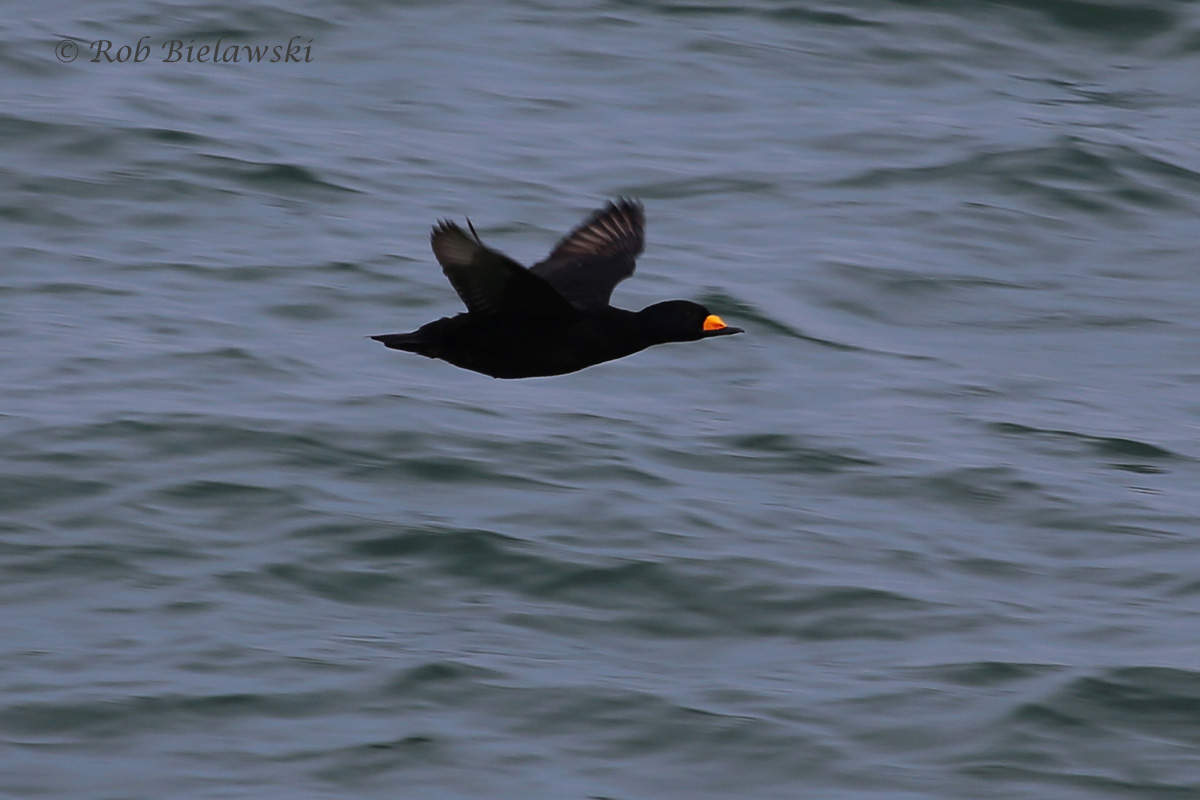
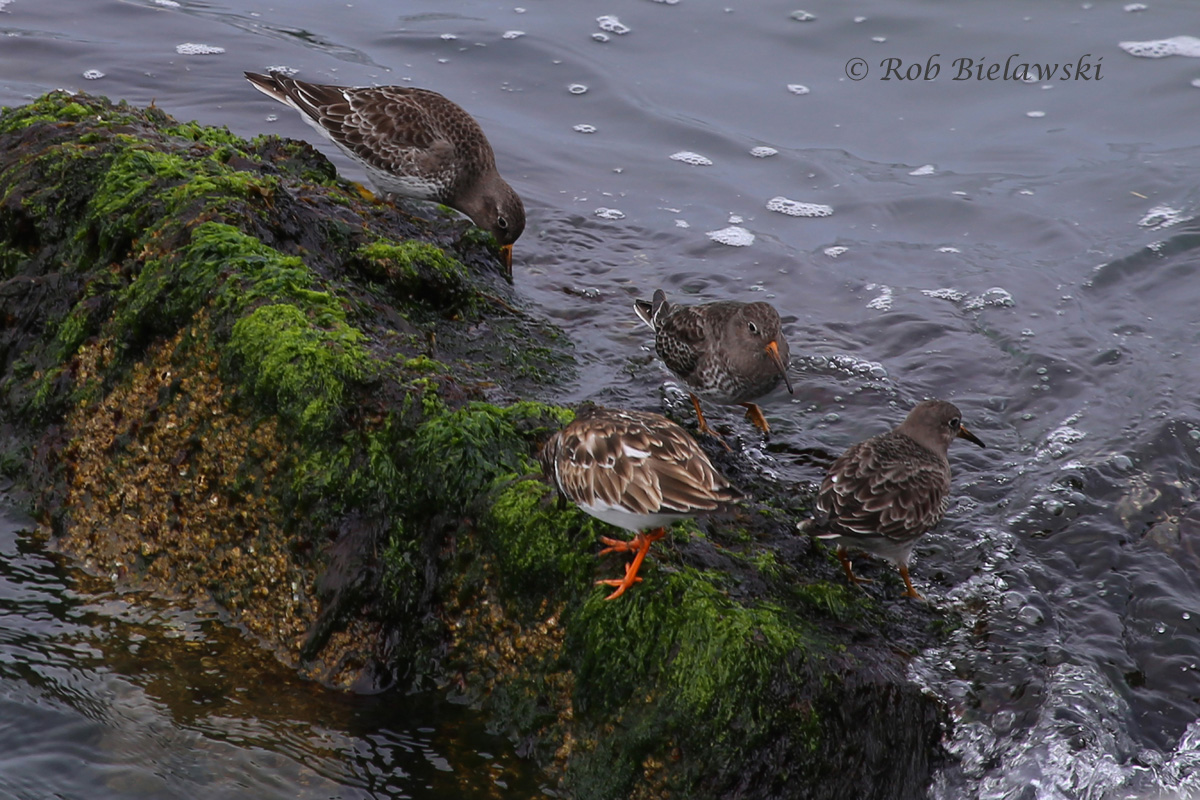
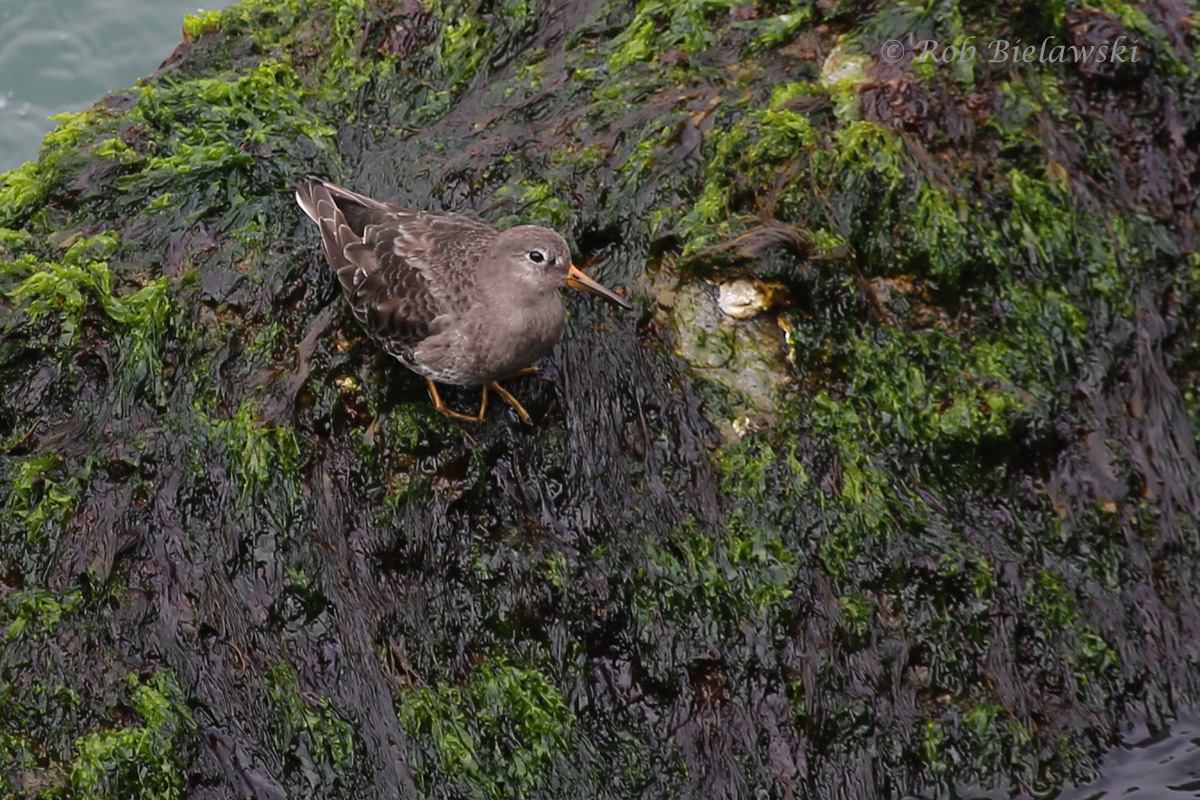
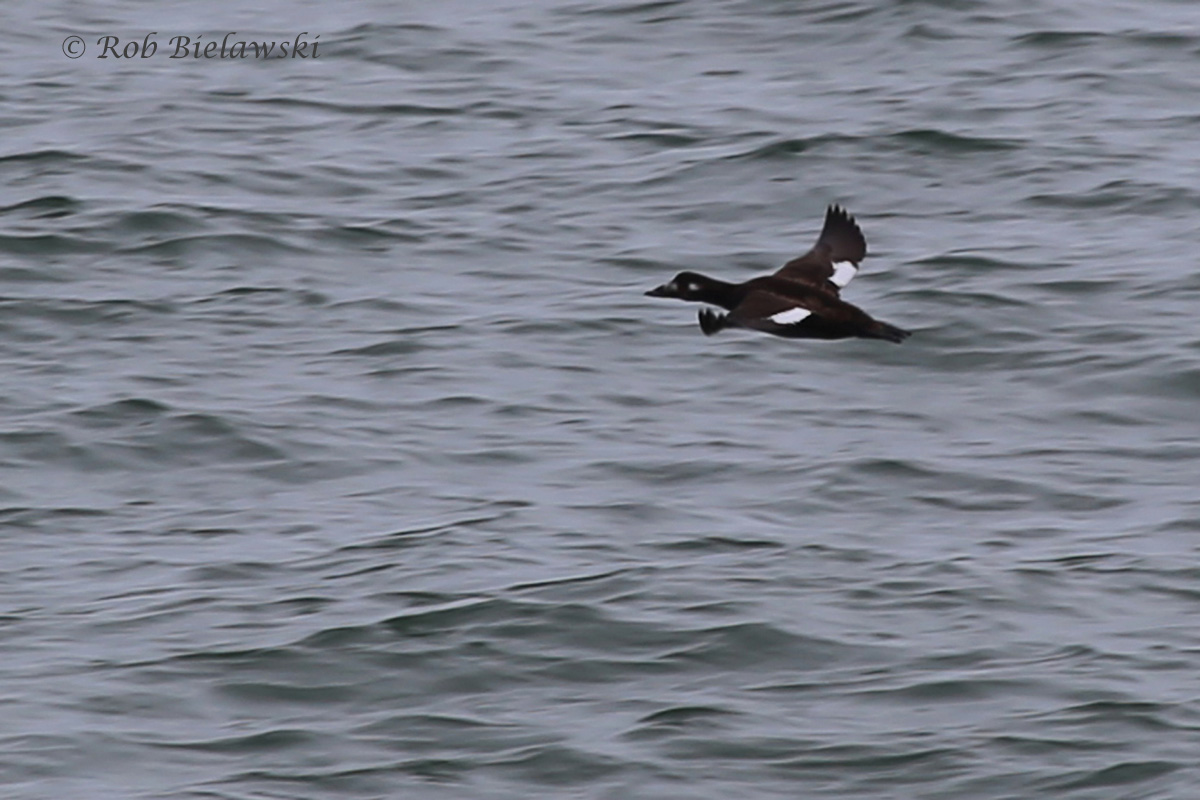
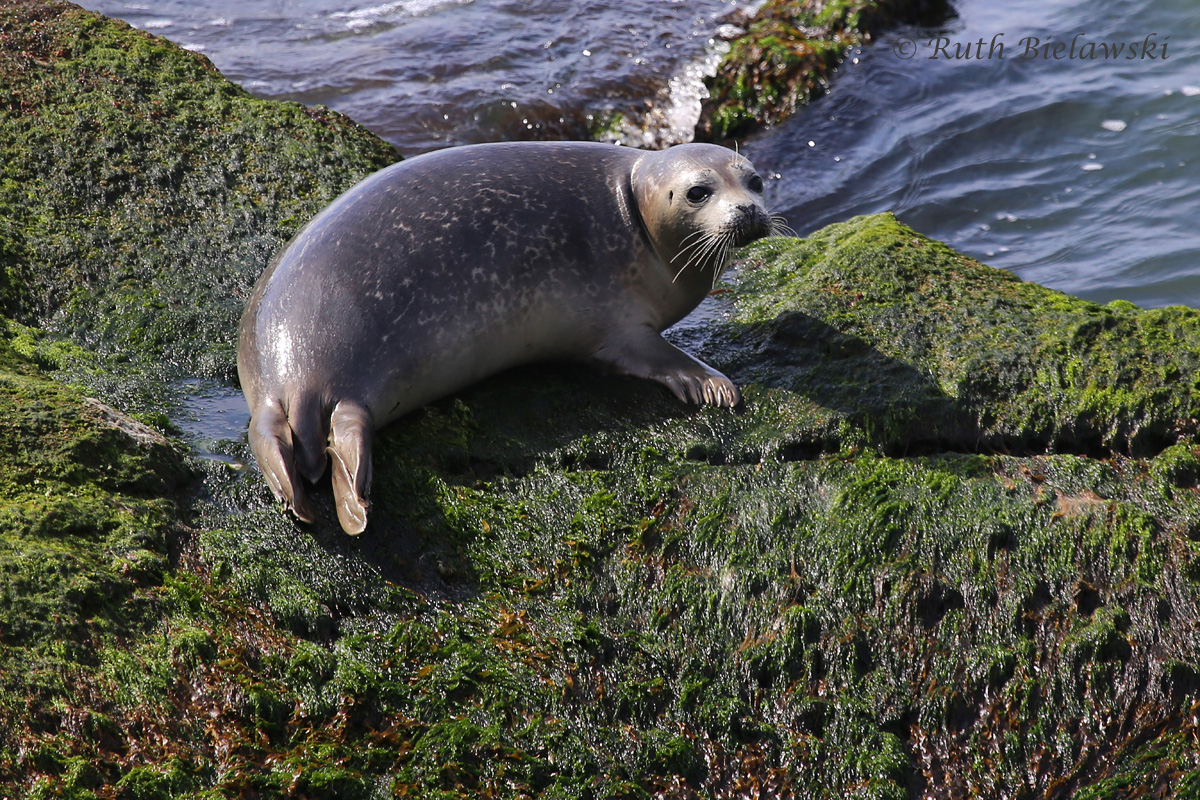
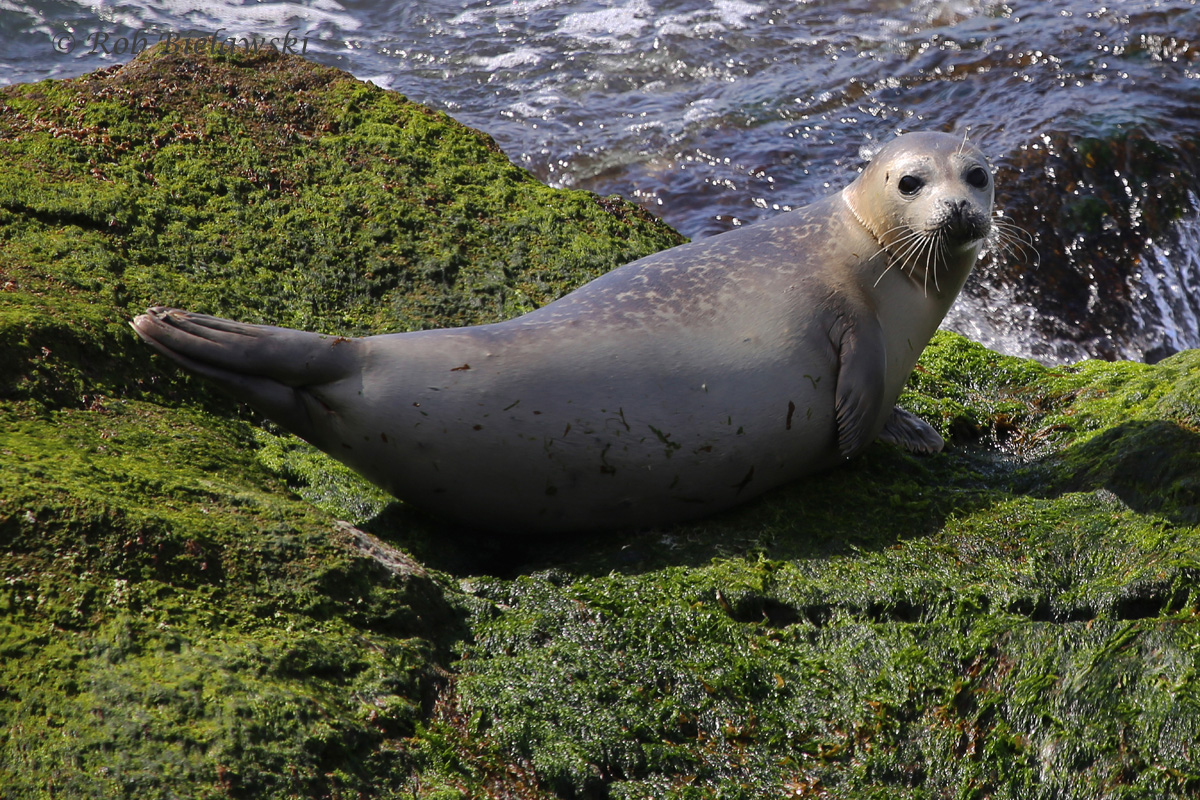
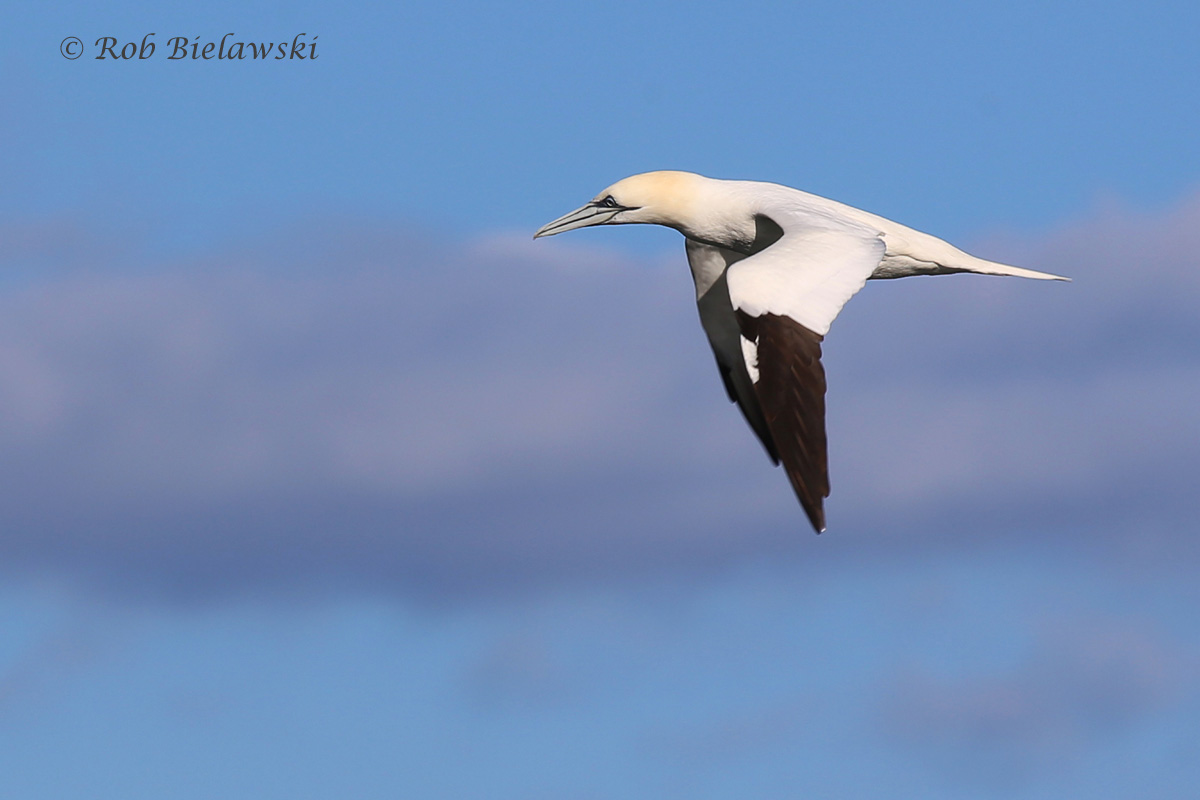
A rather dreary Friday kept me from my typical post-workday outing, but Saturday and Sunday were event-filled days. As mentioned above, there was HRWE group outings to the CBBT islands on both Saturday morning and Sunday morning. Jason Strickland, Ernie Miller, and I were signed on to help with spotting the birds, though there was plenty of other skilled birders present to assist as well. On the Saturday trip, we had 26 species of birds, with highlights being the Purple Sandpipers, a single White-winged Scoter on Island #2, and good flybys of Great Cormorants at several spots. Most folks were probably more excited by the very cooperative Harbor Seals that put on a stellar show on Island #2, even crawling up on a nearby rock and affording fantastic photo opportunities. My wife, Ruth, was on the trip as well, and seeing some of her fantastic photographs of the seals & birds alike was my own personal highlight (see her fantastic photo of a Purple Sandpiper above; not too shabby for the first time using my camera while I worked solely off binoculars all day!). After the outing, I went up to Magothy Bay NAP with Jason Strickland, and we were able to find the Vesper Sparrows near the parking area that have been present since November. On Sunday, we had harsher weather with overcast skies, but it didn’t stop the birds from being present (except the Eurasian Wigeon that Jason, James Fox, and I tried to find before the field trip to the islands at Wishart Lake to no avail). A grand tally of 30 species occurred on this trip to the islands, with highlights including a single Harlequin Duck on Island #4, and three of them on Island #3 that were viewed in very close for a long period of time by all members of the group. The Harlequins took on the role of the seals form the previous day, and I’m sure thousands of photographs were taken if added among all individuals present. We had two White-winged Scoters (Island #4 and Island #2), and a Razorbill (spotted in flight by Karen Roberts) passing west-east through the channel between Island #2 and #1! That individual was also photographically documented (Christine Peters) by some of the longer lenses on the trip but Jason, Ernie, James & I all somehow managed to miss seeing it! Some other highlights were a single Red-tailed Hawk flyover (which I also missed, sigh), and a male Long-tailed Duck already in transition to breeding plumage on Island #1, the first I’ve ever seen here since typically they depart to the north before the transition begins. Both days there was a surprising lack of gulls in the bay area, with no large flocks present on any of the islands, or even following boats through the channels. Double-crested Cormorants were also surprisingly lacking, and we almost saw as many Greats as Double-cresteds which is highly unusual. Northern Gannets did put on a good show with hundreds passing us each day, and lots of Black/Surf Scoters kept waterfowl counts plenty high, though the diversity of ducks was low as well. These are likely the last trips out to the islands for the season, so it was a fitting end at least, with lots of happy faces all around. After the event, I made a quick trip up to Magothy Bay and Magotha Road again (with Jason, James Fox, Lisa Rose & Melinda Carr), but we didn’t see much of anything outside a Common Goldeneye at Ramp Road, and another sighting of the Vesper Sparrows at Magothy so we headed back to Virginia Beach. Sping weather is expected in the coming week and it will be interesting to see what our warm winter did as far as the effects on arrival dates for the soon-to-be-incoming migrants!

Next Week's Blog | Blog Index | Previous Week's Blog

Week Ending February 28, 2016

During the final week of February, temperatures rose to an average daily high of 61.6 degrees F (+2.0 degree shift from previous week), and the average lows also rose to 50.1 degrees F (an extreme +12.7 degrees F shift); 0.4 inches of precipitation accumulated through the week. We had one instance of severe weather, occurring on Wednesday as a major cold front moved across the core of the continent, spawning a rash of tornadoes along the Gulf Coast and in northeastern North Carolina and crossing into Virginia. An EF1 tornado touched down nearly Waverly, VA killing 3 individuals. A second tornado, an EF3 hit Tappahannock later in the evening, causing mass injuries. Fortunately, Virginia Beach just experienced strong winds and some driving rain, but no injuries or casualties resulted from the unseasonal February storm event. While Wednesday was mostly a wash for birders, there was still a good number of rarity sightings throughout the week here. The Eurasian Wigeon drake that has become a winter resident on Wishart Lake was observed again on Sunday (Cheryl Jacobson) though the views of this lake from the roadways often required multiple visits before it happens to be in the right spot to be viewable. The Lark Sparrow that has been at Back Bay NWR for three weeks now continued at the same location with several sightings on both Saturday and Sunday. On Friday morning, a pair of birders (Richard Korpi & Phil Lehman) observed and photographed a Cave Swallow at Pleasure House Point, which could possibly be the same bird that had been observed there in early January. A few of us made an attempt at re-finding this bird on Sunday morning, but no swallows were observed while we were at the park from 7-7:30 AM. Lastly, I was lucky enough to observe and photograph an adult Iceland Gull on the first island (South Thimble Island) of the Chesapeake Bay Bridge-Tunnel on Sunday morning while birding with Matt Anthony, Todd Day, James Fox, Geoff Giles & Jason Strickland. Karen & Keith Roberts also happened to be there shortly after, and at least one other individual (Vickie Bell) saw it before it must have flow off since later eBird reports didn’t have the bird being picked up. From the photographs I took, I can’t tell with certainty if this is the same individual that had been observed about 10 miles away at the oceanfront in late January (Jeff Byrd) / early February (Andrew Baldelli) but it is a possibility since adult Icelands are by no means common here. This week held better counts & diversity of waterfowl species, but the numbers still seem low. Red-necked Grebes and Razorbills were observed by several individuals and at several locations which is a positive sign. These species had previously been pretty tough to nail down so far this year. As always, all noteworthy observations have been added to the log Here.
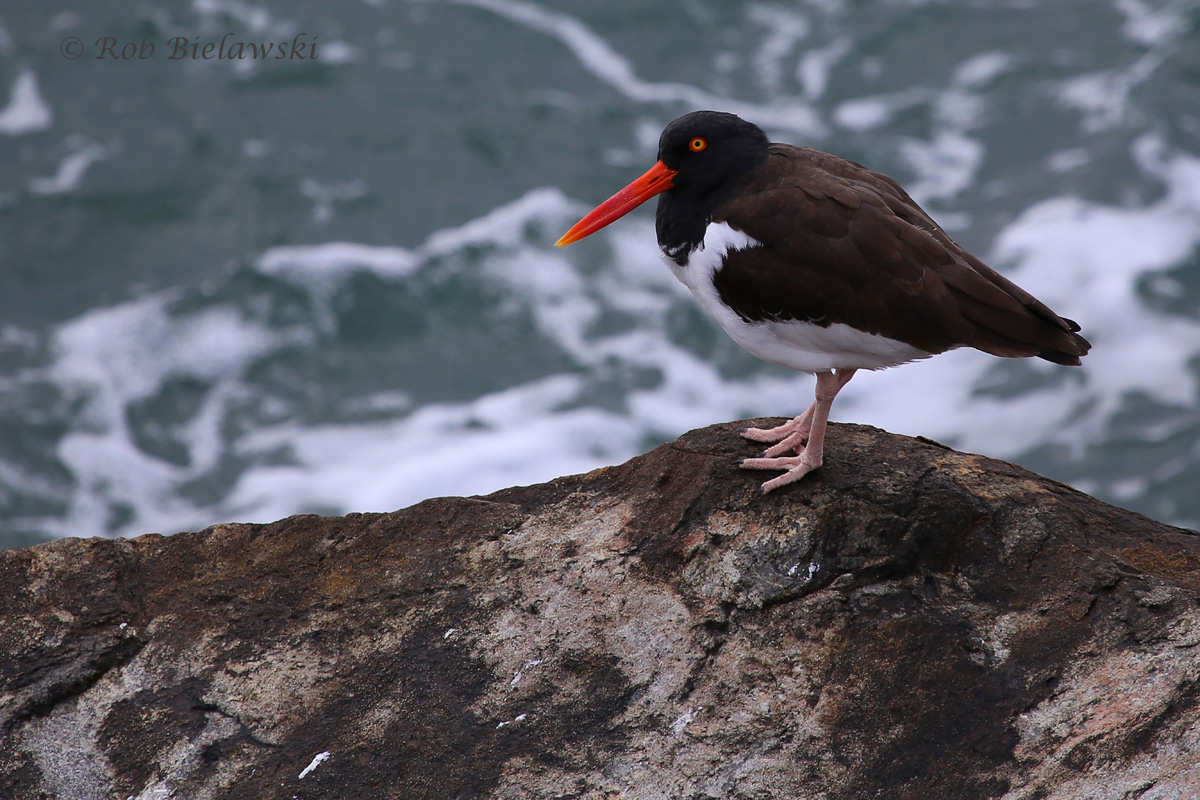
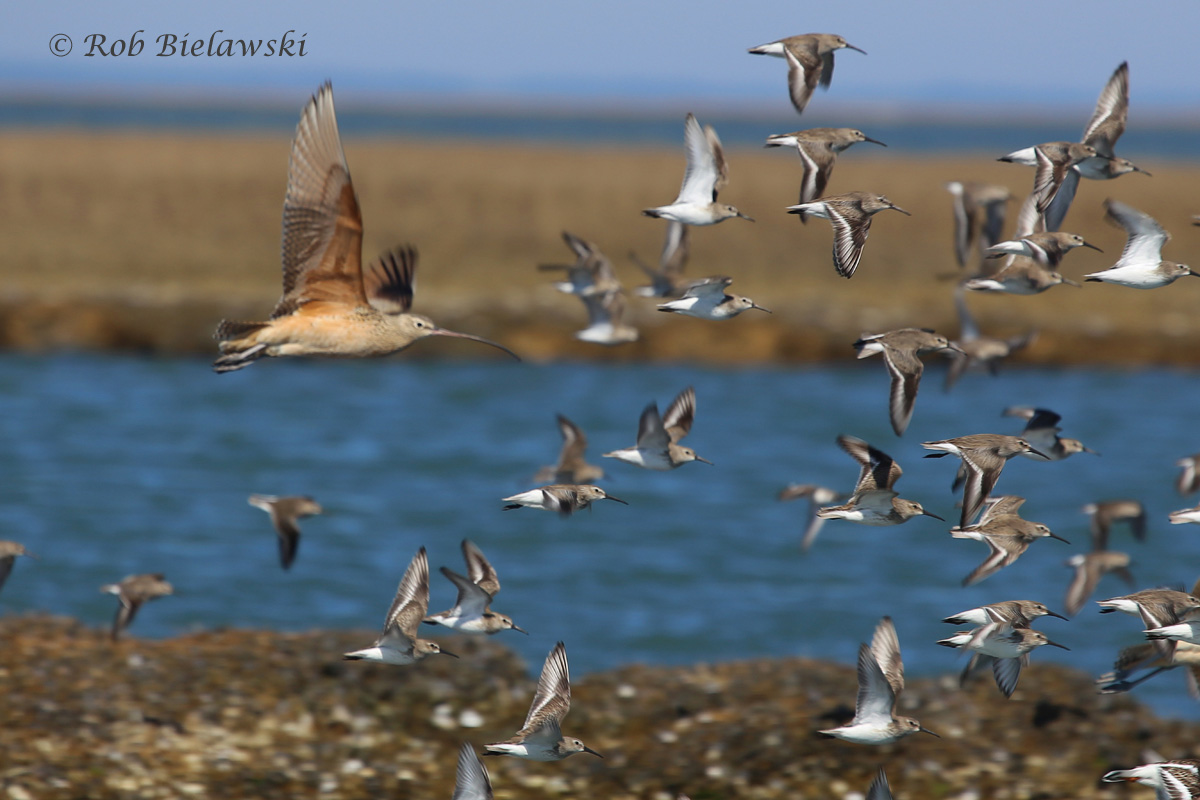
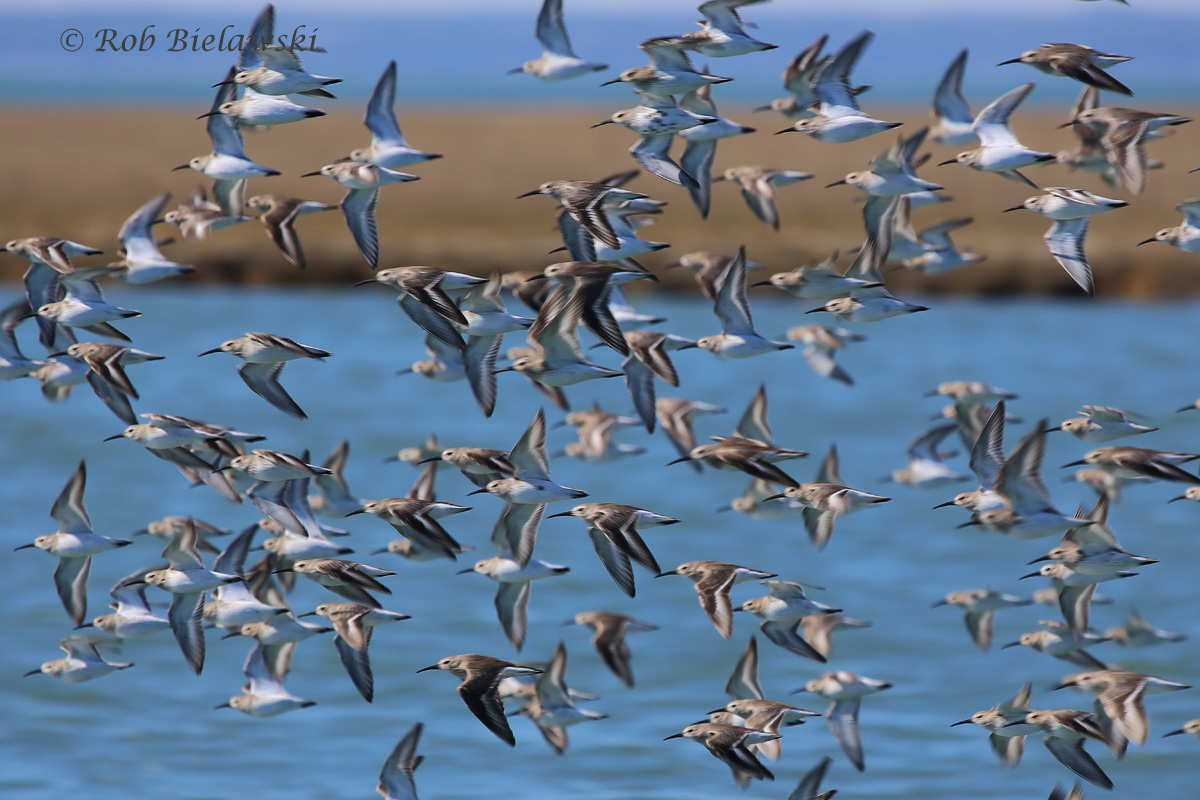
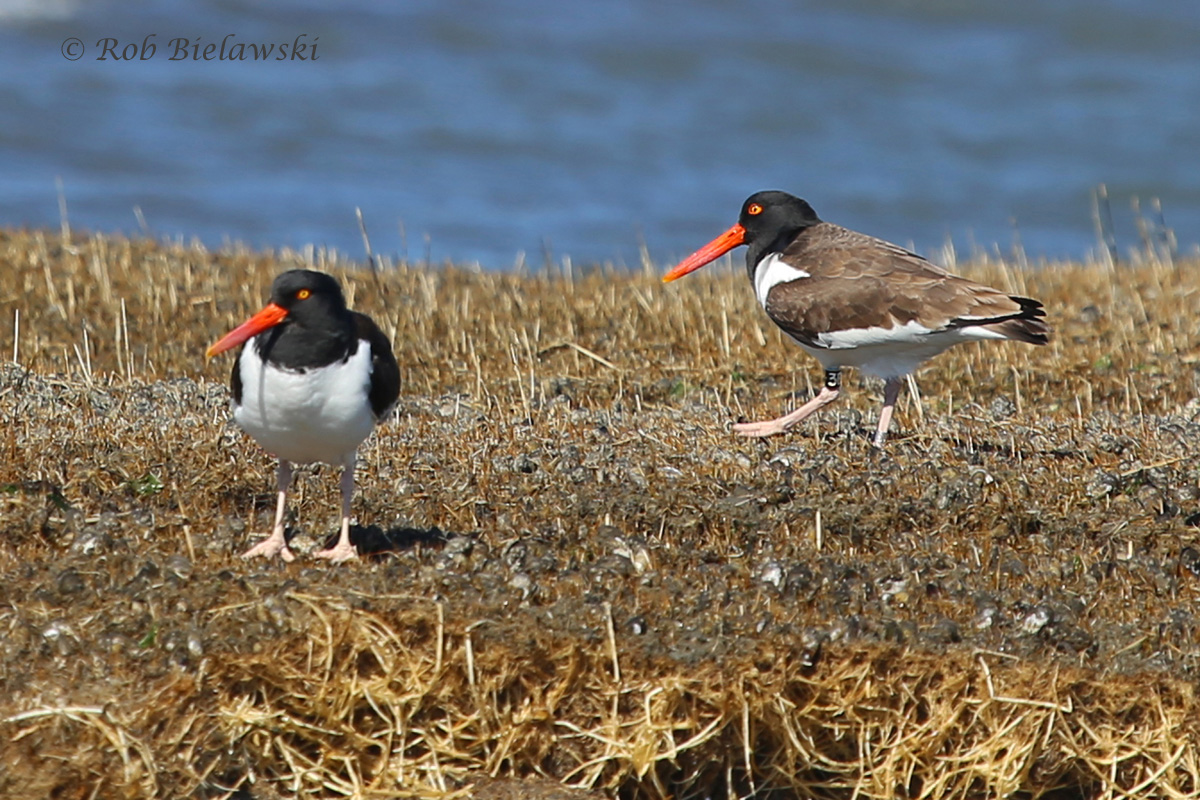
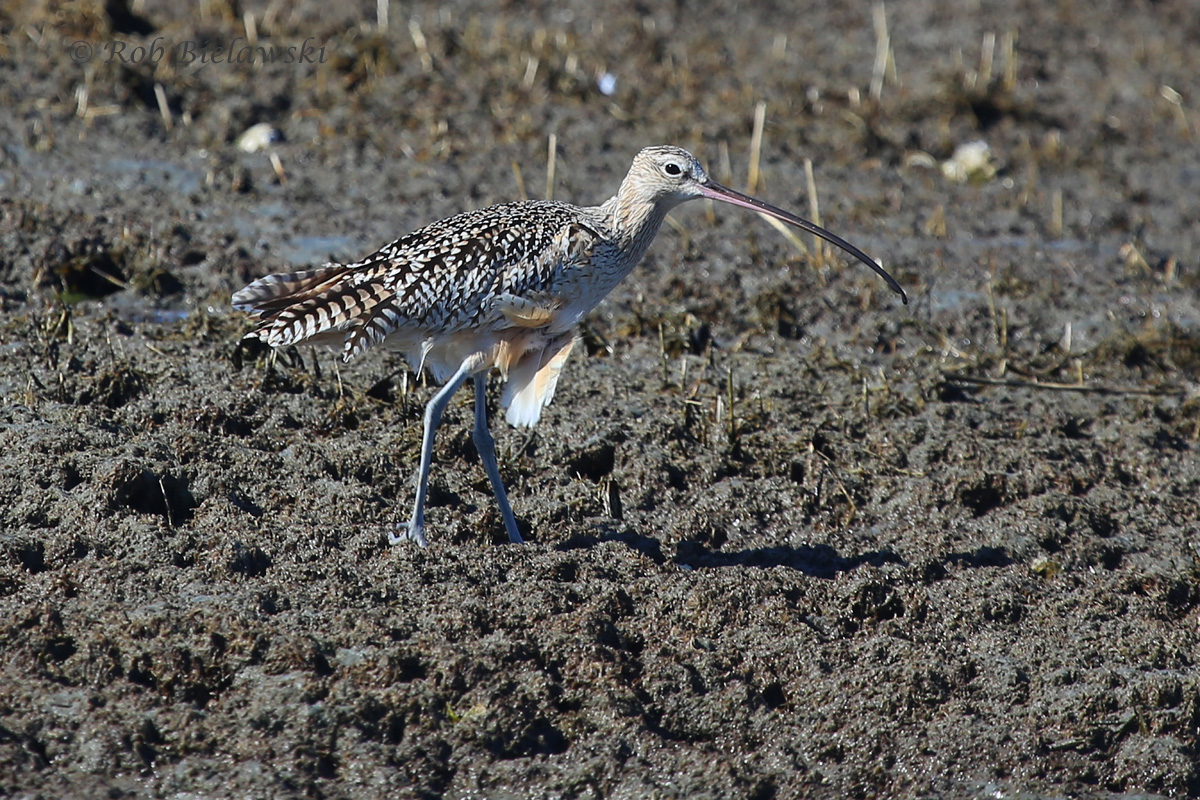
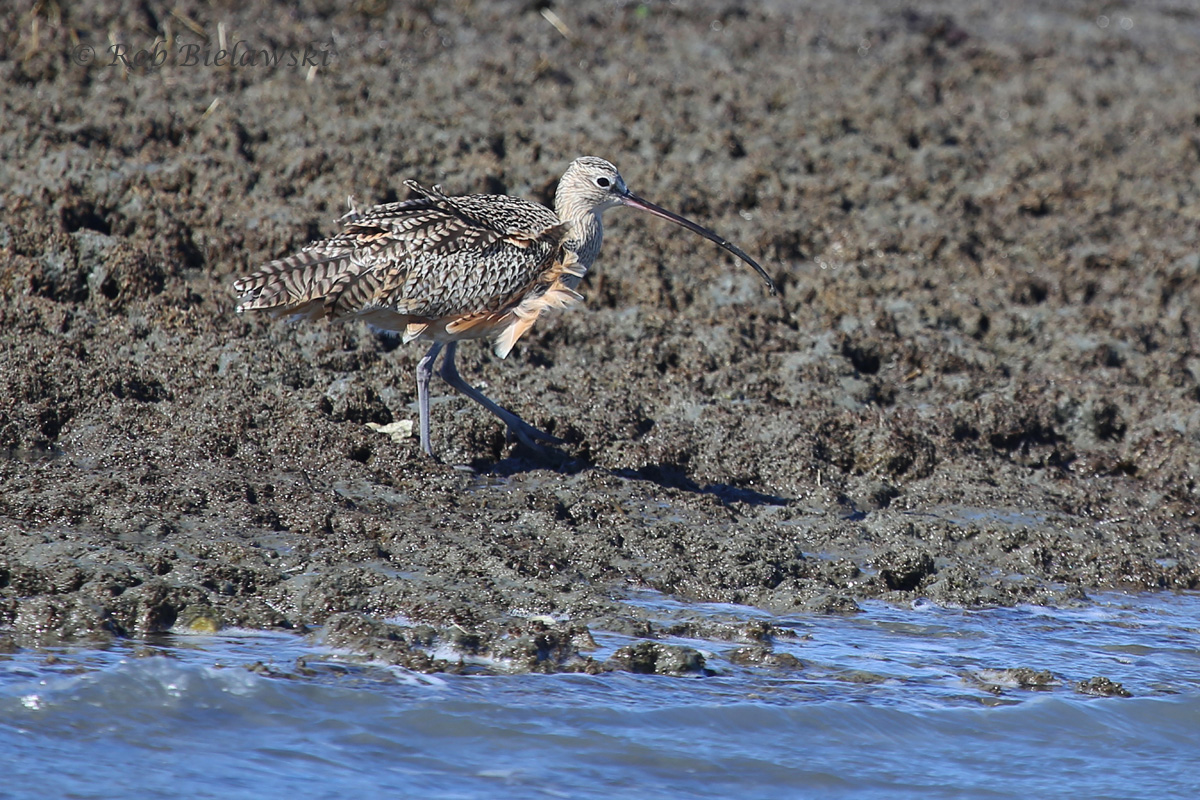
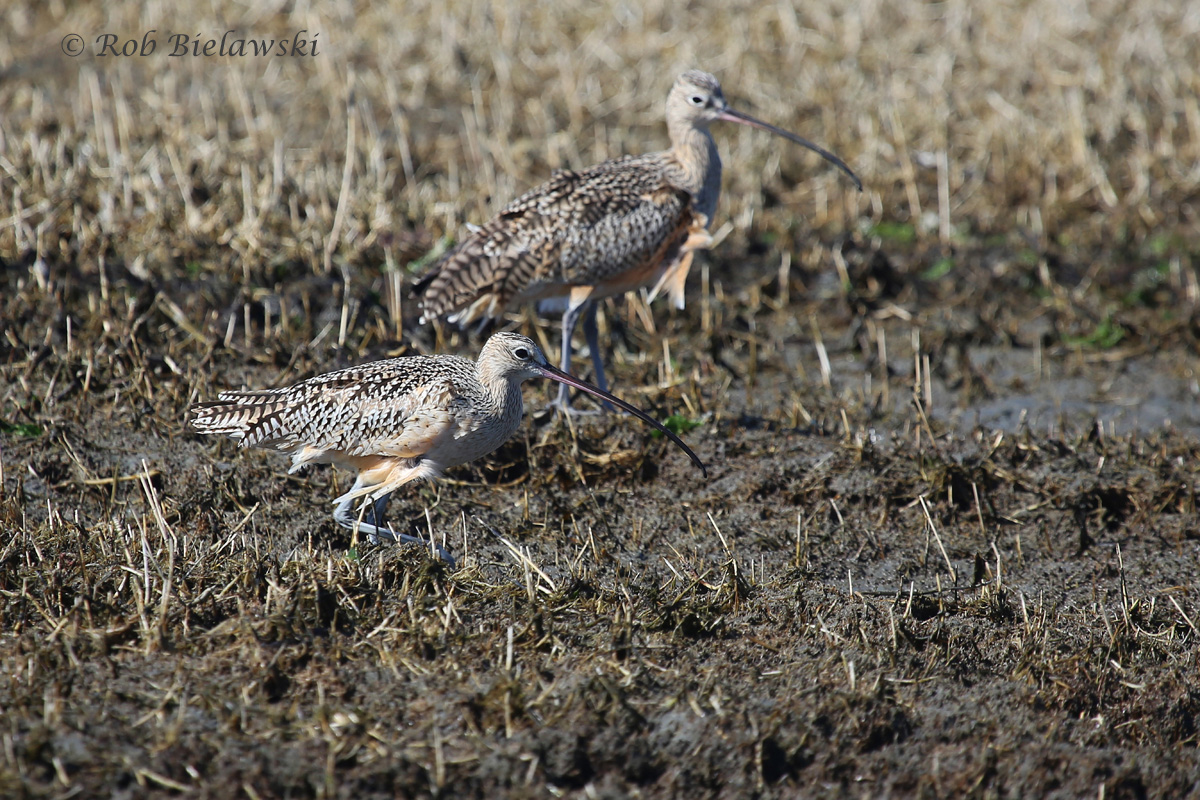
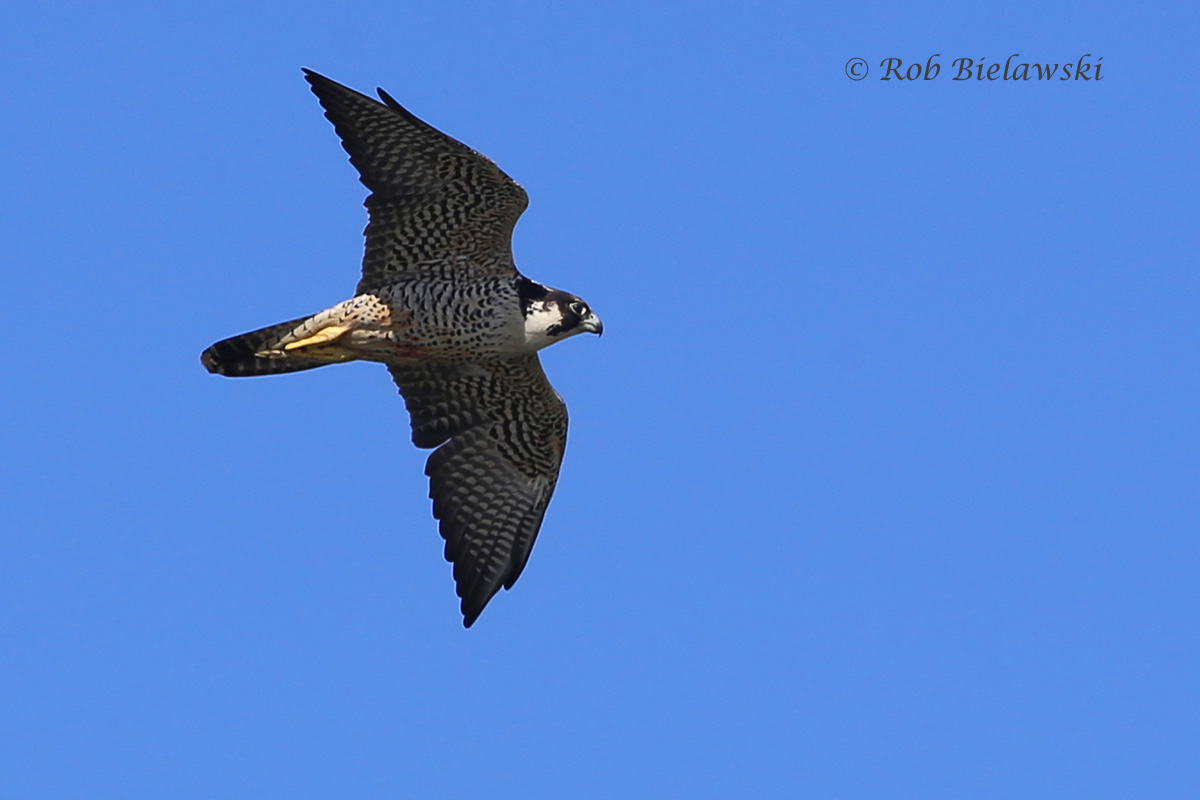
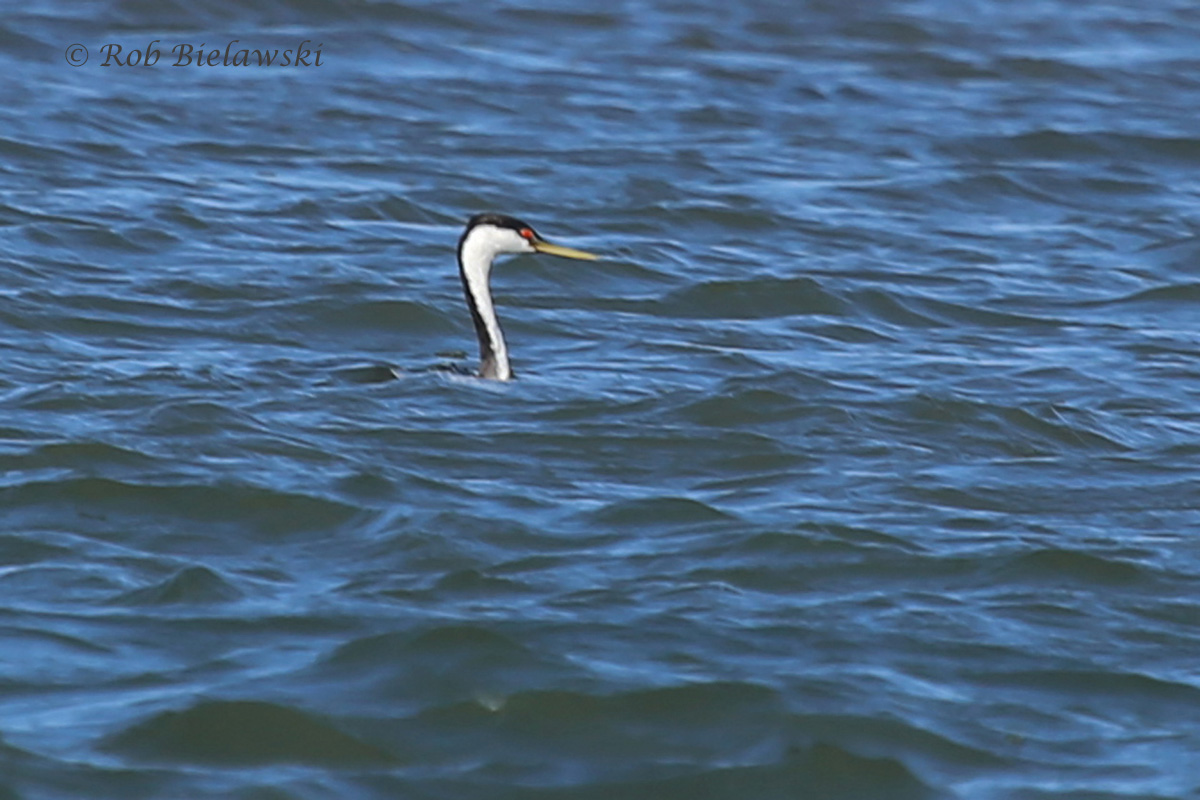
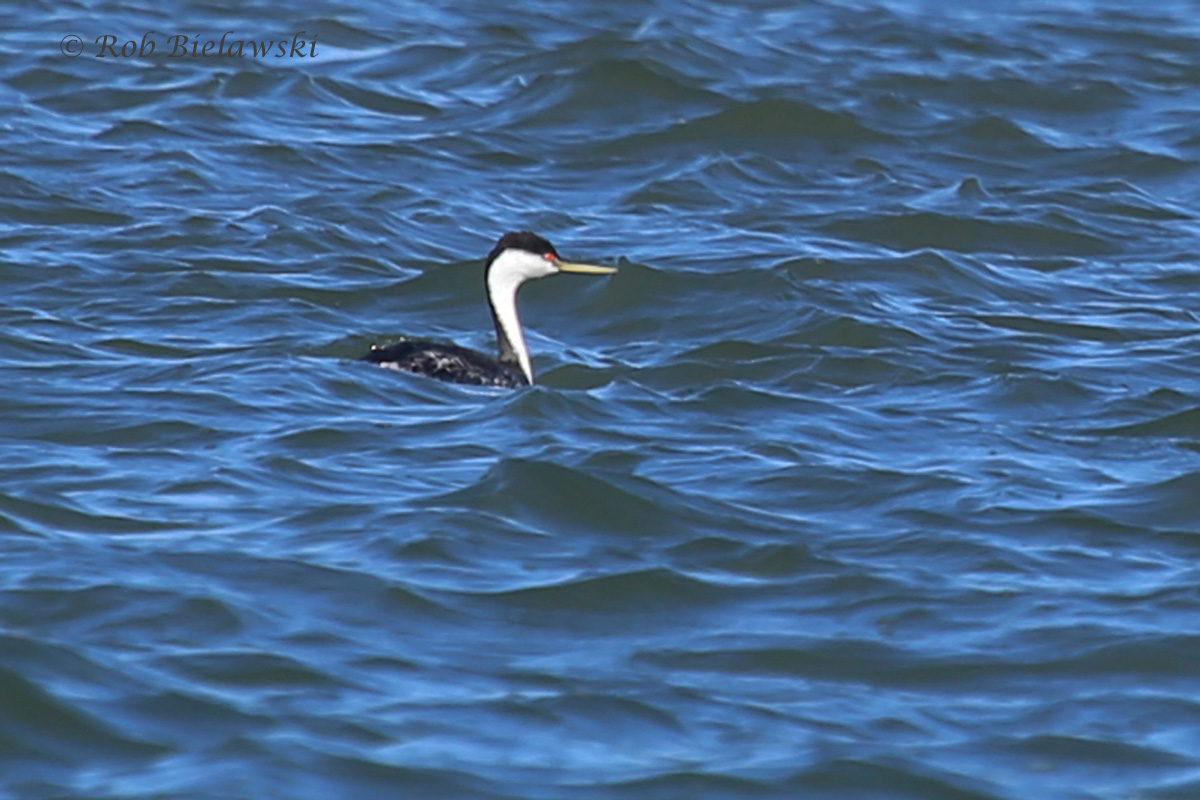
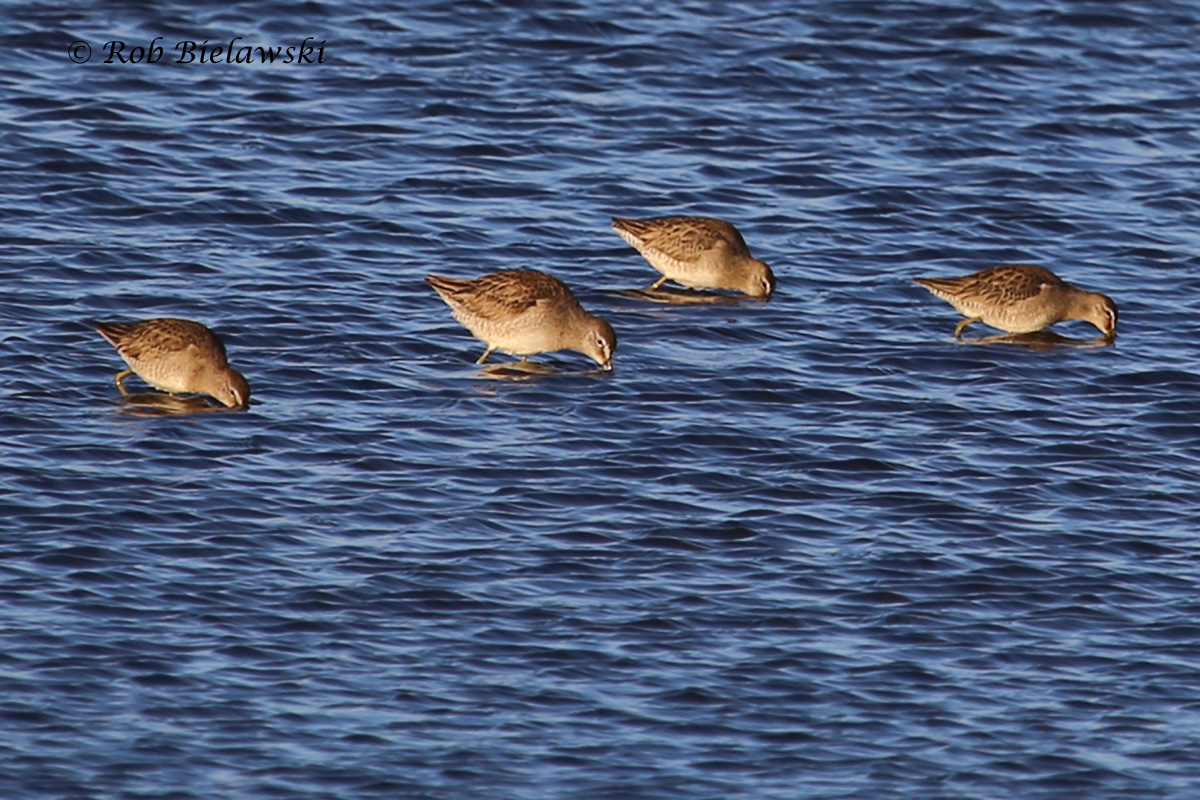
Though we’re starting to see more light in the evenings snow, I didn’t get out birding until Friday when I did a quick trip to the first island, and then down to Rudee Inlet where Tracy Tate & Cathy Willimson got me on my first Razorbill in the county! I spent some time on Saturday birding locally at Back Bay, but Sunday was really my full day out this week. As mentioned above, on Sunday I was out birding with a group of stellar birders, and we took a boat ride through Rick Kellam’s Broadwater Bay Ecotours out onto the barrier island lagoon system of neighboring counties Northampton & Accomack on the Eastern Shore. Our intent was to put eyes on a small wintering population of Long-billed Curlews that had been observed back in December. Departing Willis Wharf just before 10 AM, we made our way through tidal creeks out towards Gull Marsh, a collection of low-lying grassy islands. After about 3 hours of intently searching for the birds, we finally came upon them, mixed in with some American Oystercatchers, and Dunlin. We observed them from a healthy distance, and then moved around a bit to get in a better spot to document with photographs. The length of the bills was certainly incredible to view, and it was easy to see the color difference in their cinnamon plumage that the similar Whimbrels we get here on the coast during migration lack. After everyone was satisfied, we headed back towards Willis Wharf and ended up being center stage for a Peregrine Falcon show. One individual chased multiple Buffleheads and Horned Grebes, at amazing speeds, circling around several times but never quite coming up with a meal. One Bufflehead must have hit the water at about 30 mph and instantly disappeared, with the falcon right on its tail. About 2 miles from Willis Wharf, and just after the falcon excitement, we almost ran headfirst into a Western Grebe! Several of us saw the bird from far out, but Todd was the one who shouted for the boat to stop when he realized what it was. The bird dove, but over the next half hour, we got great looks as it resurfaced over and over again. Our initial sightings of the bird was in Northampton County per the USGS quadrangle map of the area, but the bird also moved to the other side of the river in Accomack County. Given our intent was to see some curlews, it was nothing short of incredible that we got to see those, and a Western Grebe, which is a VARCOM reviewable bird in the state, and will only be the second record in each of the two counties! After the trip, I had almost forgotten about the Iceland Gull seen earlier in the day, which is absurd; on any other day that Iceland would have been the crown jewel, especially since it was in my home county, but this day was just one for the books (or the blog in this case). Todd, Matt, James & I went on to Chincoteague, and Saxis afterwards, adding an Eastern Screech-Owl that remained just out of sight, but continuously called to us for a half hour or so after dark. It was a 7 AM to 7 PM birding day, but boy did it turn up some great species!

Next Week's Blog | Blog Index | Previous Week's Blog

Week Ending February 21, 2016

Perhaps a bit of a slowdown in the quantity of rarity finds occurred over the last week, but, the quality of bird sightings remained high! On Monday morning, we were treated to another 2” of snow on the ground as it had fallen overnight while most of us slept. The snow did not seem to detour the Cape May Warbler that has been visiting the feeders of one Loretta Silvia, having been present now since 20 Jan according to eBird. On Tuesday, the snow had all melted away, but it left behind one incredible bird just outside Virginia Beach, over in the Pughsville/Shoulders Hill area of Suffolk. For the first time since 1975, a Lazuli Bunting was observed, and photographed by a homeowner (Brooke Gordon) as it fed in her backyard throughout the day. When the eBird report popped up, showing beautiful photographs, it wasn’t long before the whole trove of state birders knew about it. Many birders made a trip to the house on Wednesday in an attempt to observe this highly rare species within state borders, but it never made a return, even though it was being watched for from sun up to sun down. This is only the third record of the species for the state, so hopefully it will submitted to VARCOM by the observer, as it is a reviewable bird by the committee’s standards. Back in Virginia Beach, the Rose-breasted Grosbeak continued to be seen by Tommy Maloney through Saturday, and the Lark Sparrow at Back Bay NWR stayed all the way through the week as well, giving some nice views to some folks who had seen it prior, and some who hadn’t yet made the attempt; it has now been present for two full weeks in the same area. On Saturday, I was excited to finally put eyes on the Eurasian Wigeon drake that has been a winter resident of Wishart Lake, and was reported to our local newspaper (The Virginian Pilot) by homeowner, Keith Sutton in early February. Quite a few individuals were able to view the bird from Battle Royal Court, and from Kings Way Drive to the northeast. For this particular individual, it is a matter of timing, given that the lake is surrounded by private residences, one must have a little luck that the bird will be in the proper place to be in view from the public roadways in the neighborhood. A last spot to attempt from is the sidewalk on the south side of Wishart Road, just east of the historic Lynnhaven House which provides a narrow view northward onto the lake.

Also worth noting, the Dickcissel that was found last Sunday at Princess Anne WMA’s Whitehurst Tract (Andrew Baldelli & Tracy Tate) was not seen again this Sunday during the only open day of the week for the park. Several observers, myself included, made the attempt but no one was able to come up with this first-year individual. There was also some sightings of Razorbills this week, with one being photographed nicely by Jeff Byrd off the Little Island Pier on Saturday. Some other good birds seen around the city were Horned Grebes, White-winged Scoters, Orange-crowned Warblers and lots of Snow Geese in the air. After Monday’s snow, the weather reached 70 degrees F by Sunday, so perhaps our short-lived winter has already come to a close. We’ll see what this warmup does to the birds over the next week. More information on this week’s noteworthy observations can be found Here. Please note that I am trying out a new format on this blog due the amount of time I have available to dedicate to it. I likely will spend more time discussing the weather & general Virginia Beach birding observations (as above) than my hyper-specific, personal outing details (which probably don’t need to be broadcast online all the time). The photo above is actually a slideshow of my favorite photographs that I took during the week, just click to advance to the next one. In the past, I’ve included one photo per 4-500 words of text, but some weeks, I have more information to write, and some I have more photographs to share. So moving forward, I’ll just have the one paragraph about weather & bird observations around the city, with the photo slideshow beneath. This will allow me to still post my favorite photographs, but without having to write thousands of words to justify the # of photographs, as I’ve been doing each week. I hope this format is enjoyed by readers, it should keep things a bit cleaner, and certainly easier for me timewise!

Next Week's Blog | Blog Index | Previous Week's Blog

Week Ending February 14, 2016

The second week of February continued the hot streak for rarities across Virginia Beach and southeastern Virginia. On Monday (8 Feb), the adult Iceland Gull seen a week prior was picked up again by Andrew Baldelli up at 40th Street Beach. Also that same day, Eric Alton & Jonathon Snyder posted up a nice photograph into the HRWE Facebook Group that they had taken of the Western Tanager previous observed at Pleasure House Point Natural Area. The bird hadn’t been seen for over a week so it was nice to see that it had indeed stuck around. Karen & Tom Beatty also picked up a Black-legged Kittiwake at Little Island, though this one appears to still be under review by eBird. While neither of these three birds were seen again throughout the remainder of the week, Tuesday (9 Feb) brought another great surprise. While doing a seawatch off the Little Island Park Pier, Andrew Badelli picked up another noteworthy sighting, this time a Pacific Loon which he was able to photograph for documentation. This was unfortunately a one-and-done observation, and it flew off shortly after he sighted it, never to be seen again locally. Somehow, Wednesday kept up the streak, when a Black-headed Gull was reported to eBird by Bob Swiader at Pleasure House Point and shortly after Chip Allen posted up a long-range photograph of the bird that Bob had pointed out to him just after observing it feeding among a group of Bonaparte’s Gulls over the creek. On Friday, the Great Backyard Bird Count (GBBC), a worldwide activity in which birders & non-birders alike tally the counts of each species they observe, and enter them into eBird. The GBBC can be a bit trying from an eBird standpoint, as a lot of unusual records will show up due to influx of a massive number of newer, less experienced birders. Fortunately for me, I was in a position to help change the acceptance of records in Virginia Beach since I joined the eBird team in November. During the Friday to Monday period, some extra checks were put in place to ensure some common misidentifications didn’t end up getting into the database without review. I think it worked quite well, and really, the reports from Virginia Beach seemed better to me than in year’s past, but of course I am a bit biased. On Saturday morning, a Lark Sparrow that was first observed late last week (7 Feb) was re-found by Matt Anthony & James Fox while at Back Bay National Wildlife Refuge. The bird had stayed in the same place as it had been reported 6 days prior, something not all rarities are willing to do. As such, several other individuals (myself included) were able to get on the bird. Given the major successes of the week in finding rarities across the city, it was no surprise that Sunday closed out the week with yet another major surprise. While at Princess Anne Wildlife Management Area’s Whitehurst Tract, Andrew Baldelli & Tracy Tate were able to observe and photograph a first winter Dickcissel, a species for which eBird only had one prior Virginia Beach record. So, if that wasn’t a successful week (especially for Andrew), I don’t know what is!

The interior dunes of Back Bay NWR were blanketed by snow from Friday evening through Saturday afternoon!

As I was furiously working to update filters in eBird ahead of the GBBC timeframe, I didn’t make it out birding at all until Saturday morning. Sometimes it is just nice to revel in the observations of others, and relax at home in the evening, though our daylight is sticking around later each day, and it is only a few more weeks before I’ll again be able to get out for after-work hikes. On Saturday morning, I set my sights on Little Island Park, hoping to spot something flying past like a Razorbill or White-winged Scoters that have so far eluded me in 2016. On Friday, we had gotten about 1-2” of snow across Virginia Beach, with higher amounts in the southeast and lesser amounts in the northwest. So I woke up a bit earlier than usual, at 5:40 AM and headed out, expecting the road conditions to force some extra time in getting to Little Island. When I arrived around 7 AM, I was amazed to find another vehicle already in the parking lot. I hopped out, and put on my warmer gear for what I expected to be incredibly cold weather for Virginia Beach. It was only in the 20s, with a northwesterly wind whipping at 25 mph. The nice thing about the northwest wind is that it wouldn’t be hitting me face on while on the pier, but, it also tends to blow birds farther offshore given our coastal alignment. When I got all my gear on, I saw two people walking back from the pier, and I should have guessed when I saw the car that it was another pair of crazy birders, probably even crazier than me: Matt Anthony from Williamsburg, and James Fox from Front Royal. Immediately they said it wasn’t worth going out to the pier since all the birds were blown so far out, my binoculars would be no use. Since James always carries a scope, it was fair to take that statement as truth. The three of us checked the area across the street near the kayak launch, hoping for a Bittern or something else unusual. We spooked a Wilson’s Snipe from the ditch that flows to Back Bay’s Little Cove to the west, and we got good looks at a Fox Sparrow in a short tree. There was only a few ducks, mainly Gadwalls but also some American Black Ducks out on Little Cove, and so we didn’t stick around long. An overhead flyover of a Killdeer, and the sounds of a Gray Catbird was about it, no bittern sadly, even though this has been a pretty reliable spot to see them for me over the last couple of years, at or above the reliability of Back Bay NWR in fact.

My first rarity of the year, a Lark Sparrow that was seen at Back Bay NWR on Saturday morning!

Matt & James were both heading down to Back Bay as well, since it would be crazy to come this far southeast and not continue into the best birding park in the city. I drove on ahead, figuring we’d run into each other again and I didn’t want to get in their way. But, when I arrived and realized I was the first one at the park, I didn’t want to spook off birds that they would then miss, so I waited til they arrived and walked with them. Three Northern Harriers were the first sightings, with a pair of them doing a reversal attack in mid-air, pretty neat to watch. There was a good group of Tundra Swans in close to the kayak launch near the parking area, sticking right up against the northern shore to block the wild winds. Among the swans were some Mallards, Gadwalls, American Black Ducks, and a few American Wigeons. Surprisingly this has been about the best diversity I have seen this winter at the park, which is a bit upsetting given how it has been in past winters as far as large, variety-filled rafts of waterfowl go. We checked the Kuralt Trail and around the parking lot, but with snow on the ground, the typical birds like sparrows and wrens were not seen here. A single Northern Flicker was observed on a power line, and we had some Northern Cardinals, Song Sparrows and Yellow-rumped Warblers moving through the thick vegetation around the parking lot. No Orange-crowned Warblers here though. We all walked over the small pond, and I opted to continue going down the Bay Trail while they splintered off and headed down the East Dike in hopes of finding the Lark Sparrow that had been reported by Sue Garvin and report to Listserv last Sunday. While walking the Bay Trail, I was enjoying myself knowing full well no one else had been down it as no footprints were visible in the snow. Birds were pretty quiet with the high winds whipping the low trees around, and again with snow on the ground there was no surface to stand on for the smaller species. Red-winged Blackbirds and Yellow-rumped Warbler was basically it as I walked out and back on the trail. So I tried the beach next, walking out on the Seaside Trail but spending very little time on the beach. The winds were pushing snow all along the beach, which while beautiful, was not the environment to see birds among. A pretty good sized group of Northern Gannets was viewable offshore, but just a few gulls and no shorebirds were observed, so I headed back over to the parking area. I ran into Erica, one of the rangers at the park, and she mentioned there was a winter waterfowl walk coming up at 9 AM, but so far no one had showed up for it. Matt & James both arrived back a minute or so later from the East Dike and reported that they had found the Lark Sparrow just northwest of the East Dike gate on the field near the waterfowl blind. With that information, I headed southward towards it, not looking forward to the walk back knowing the wind would be right in my face; something that Matt & James had just endured.

Sparrows were easiest seen during the snow since they needed to find exposed ground to feed on, helping to concentrate species like this White-throated Sparrow near roadways!

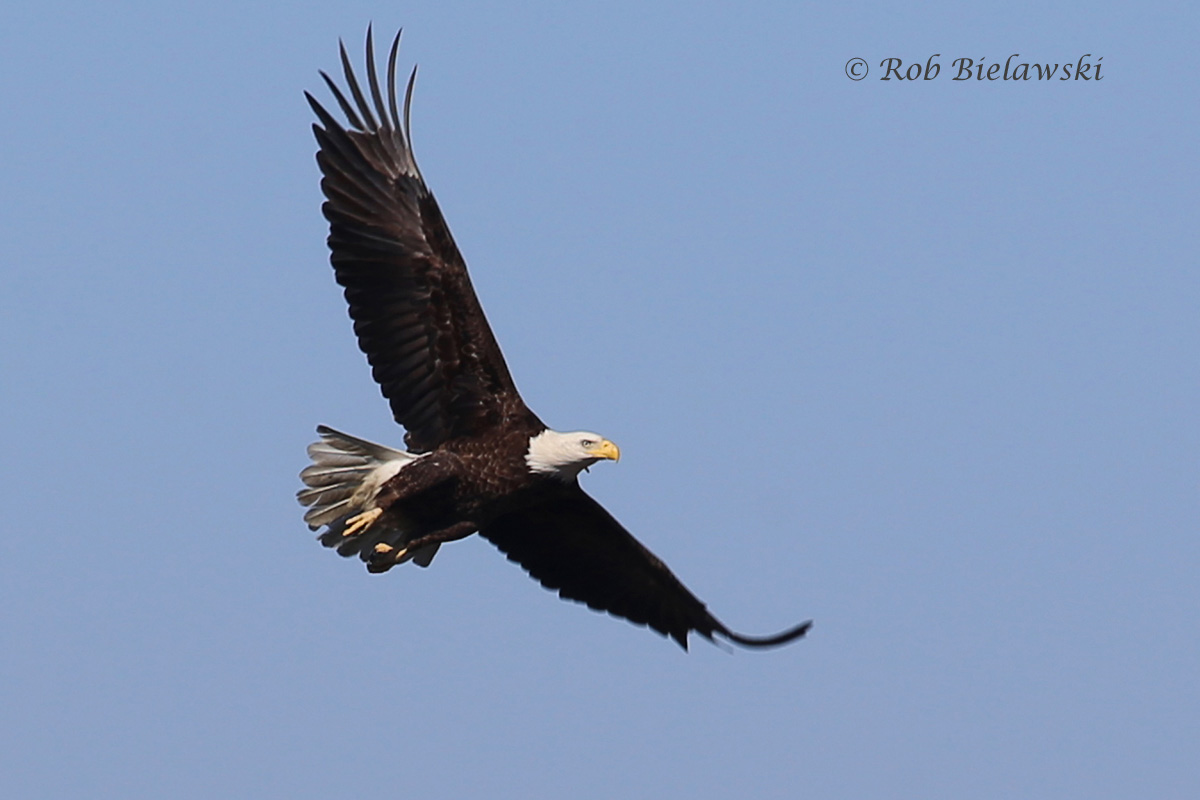
Since I had a mission in mind, I took the east side of the Loop Road south, heading directly towards the spot where the sparrow had been observed. If it had stayed 6 days afterall, hopefully another few minutes wouldn’t matter. There was an all around lack of birds en route to that spot, but a Bald Eagle did fly over, and shortly after a crow flew out and dropped a fish carcass right on the road. My thought was that it likely had picked up the eagle’s remnant meal. When I arrived at the spot, it wasn’t long before a couple of Song Sparrows flew out of the vegetation and landed on spot on the gravel road where they dug through the snow already. Moments later, the Lark Sparrow appeared, with its beautiful chestnut colored face patches, and very clean chest. I spent about 15-20 minutes taking photographs and watching the sparrow group as they repeatedly fled to the vegetation, then came back out to sift around the exposed ground for food. It is actually pretty amazing that this individual stuck around all week, even through the snowstorm that arrived on Friday afternoon/evening. I walked back north, not noticing the cold winds so much given I was excited to have gotten such a great observation of only my second Lark Sparrow. The winter waterfowl walk did have a few people show up, so I passed on the information that the sparrow was still there, and from eBird reports, at least two of the individuals went south and also photographed the bird. As I was leaving the park, I got a call from Jason Strickland, who was, amusingly, also on his way to see the bird since Matt & James had sent out a text message in the VA Rare Bird Alert text group after they’d re-found the bird. Jason probably drove right past me while I was entering my eBird list on the side of the road, but I never noticed him or I’d have back to walk with him to see the bird. He did eventually get the bird though it took a while before it came out. It was also observed by one other individual Saturday, and one more (Jason Schatti) on Sunday, so who knows if it ended up staying into the weekdays. With the success of adding a new bird to my year (#124 in VA, #121 in Virginia Beach), I excitedly headed off towards Pungo, with the hope of seeing some field birds and more sparrows that might be pushed to the roadway shoulders in search of exposed ground to feed on.

One of a pair of Horned Larks seen off Back Bay Landing Road, once again, the snows makes them much more visible!

In driving down New Bridge Road, the detour was finally closed down, and so Muddy Creek Road was passable all the way to Charity Neck Road. Driving Charity Neck Road I got a call from Andrew Baldelli asking for some information on the Lark Sparrow, but saying he was also driving around in southern Virginia Beach looking for birds just as I was. I found patches of Killdeer active in fields along Charity Neck, and as I got to Nanney’s Creek Road to the south, spotted a huge flock of Snow Geese out in the farmfield on the northwest quadrant of the intersection. I pulled over into a neighborhood street nearby hoping to pick something different out of the flock like a Ross’s Goose or a Greater White-fronted Goose, but without success due to the distance even in binoculars. A few darker birds mixed in all proved to be Blue morph Snow Geese, so not a different species, but with a different plumage, sort of how Ruffed Grouse or Screech-Owl have a red & a gray morph. Further south I drove down MorrisNeck Road, and then down Fitztown Road to Princess Anne Road. The amount of snow on the fields here was higher than what I’d encountered further north so I didn’t see a whole lot on the ground. When I turned east on Back Bay Landing Road though, a pair of birds were sitting right up on the shoulder of the road, and with binoculars turned out to be a pair of Horned Larks! I had seen one earlier this year on Munden Road, but at an extreme distance, so seeing this pair closer was great. I did get some photographs before they took to flight and headed off south on the wind. Further down the road, I encountered a group of birds that all landed on the snowy field, and immediately knew they had to be American Pipits. A quick scan into the sun with binoculars proved my hope correct, and I got a photograph to document before the flock of a dozen or so took off eastward. I texted Andrew & Jason both to let them know the birds were around, and they’d eventually get on them, though Jason missed the Pipits. A pair of American Kestrels was busily hunting this area as well. I left Back Bay Landing Road and went back north down Morris Neck & Charity Neck, eventually running into Jason on his way southbound. We had at least 3 Palm Warblers on the road between our cars when we met up, which is the most I have seen at one time in the winter here. He headed south towards the lark & pipits, and I headed back home for the day. So even though Saturday was the only day I got out during the week to go birding, it was a fruitful outing for sure, the Pipits were #125 in VA on the year (#122 in Virginia Beach), a number I didn’t achieve last year until March 30, so I still have high hopes for the year in terms of numbers with migration still a few weeks away. I am just trying to see all the winter species I can while they’re here, and though the Lark Sparrow is my first official rarity on the season, there is still time to find some of the others, hopefully next weekend!

The intense sunlight on south facing areas melted first on Saturday, and attracted sparrows like this Song Sparrow on Back Bay Landing Road!