Mid-October 2016 (11th-20th)

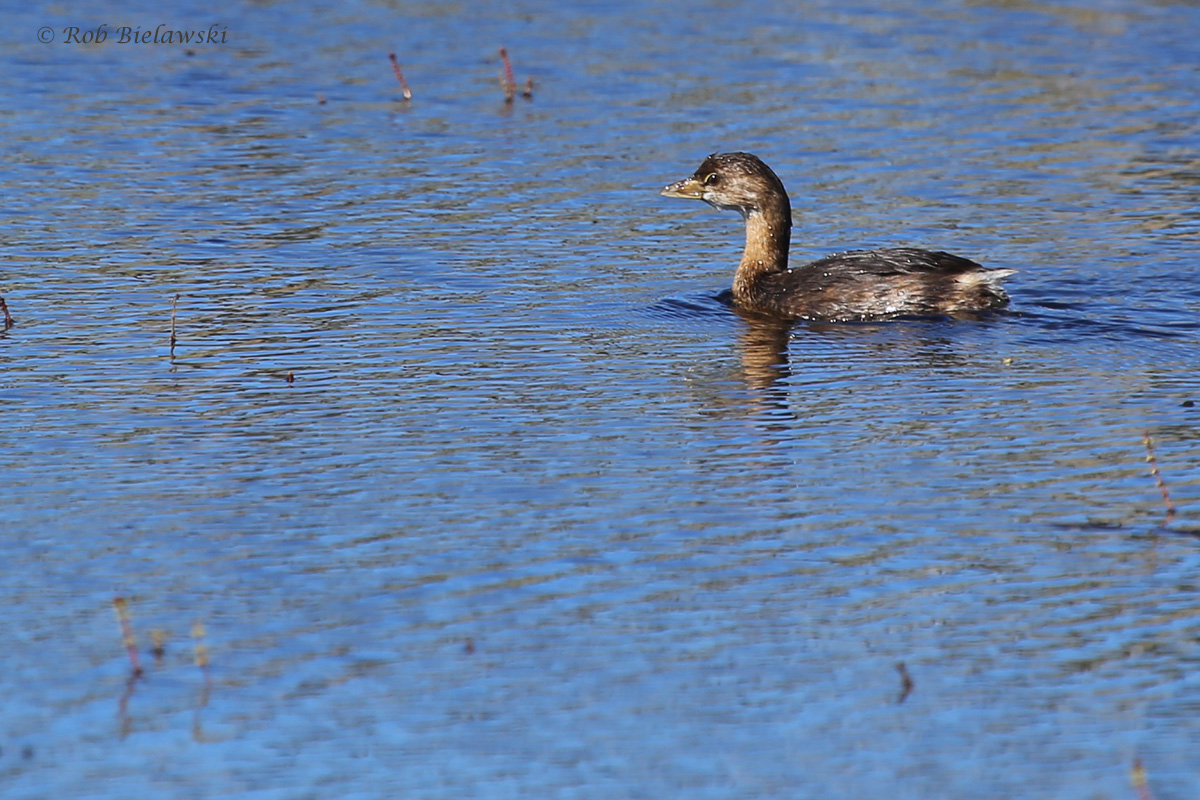
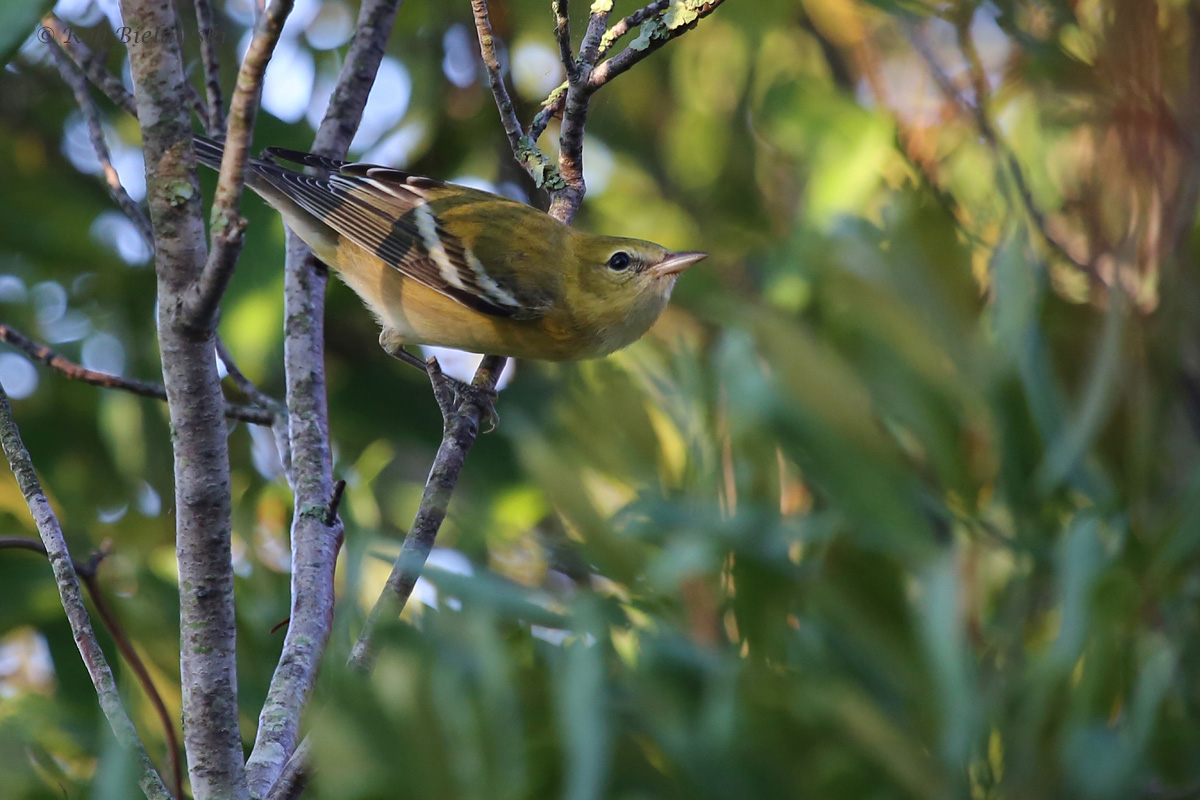
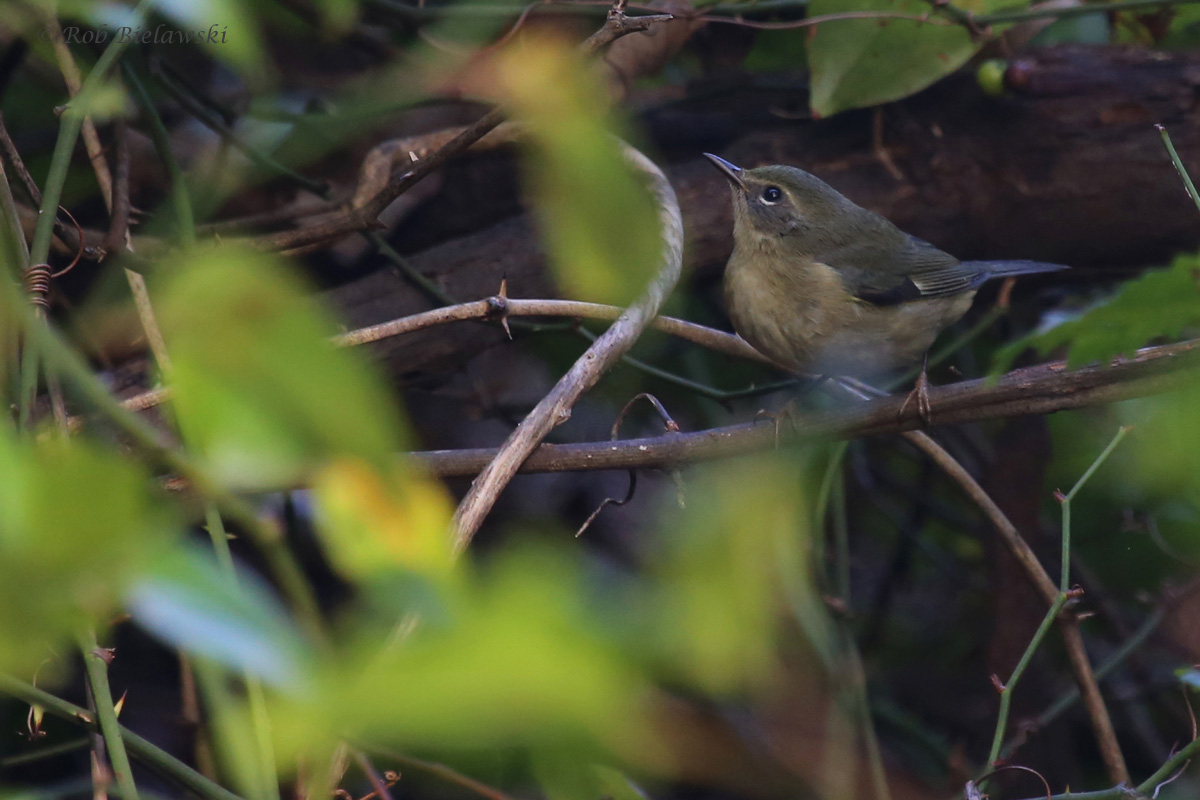
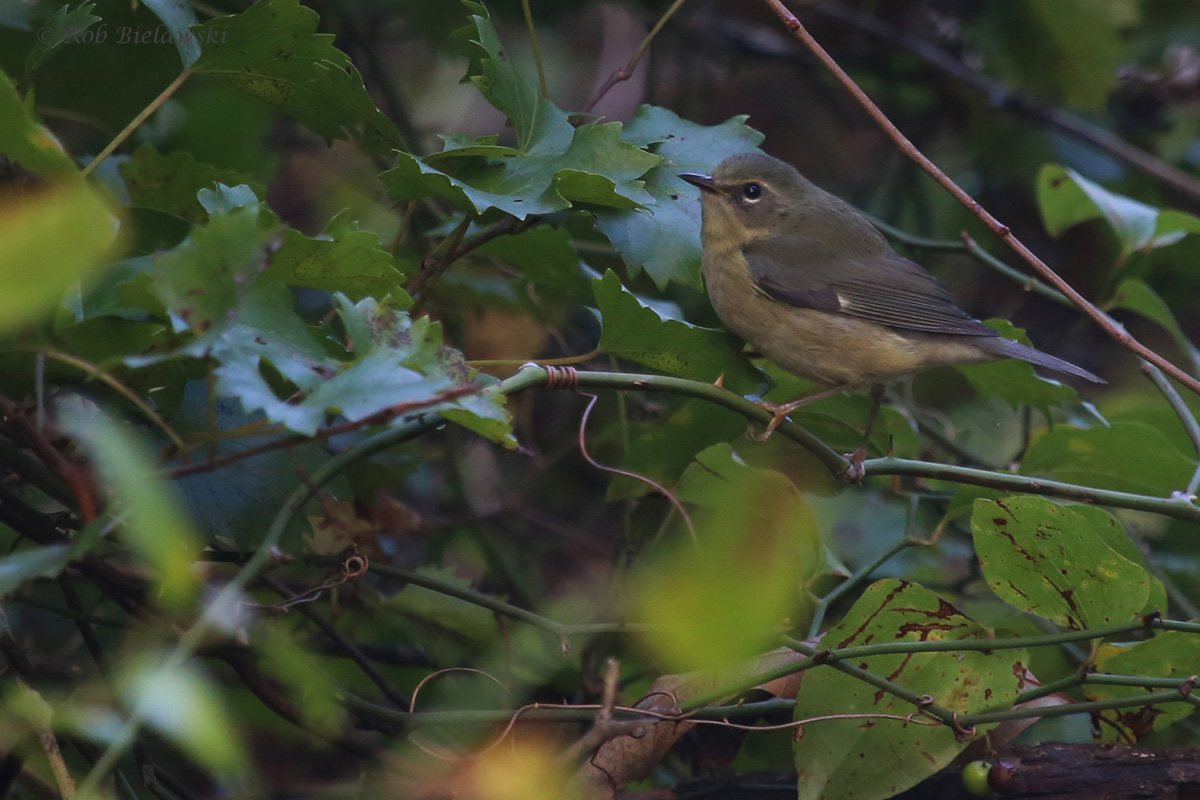
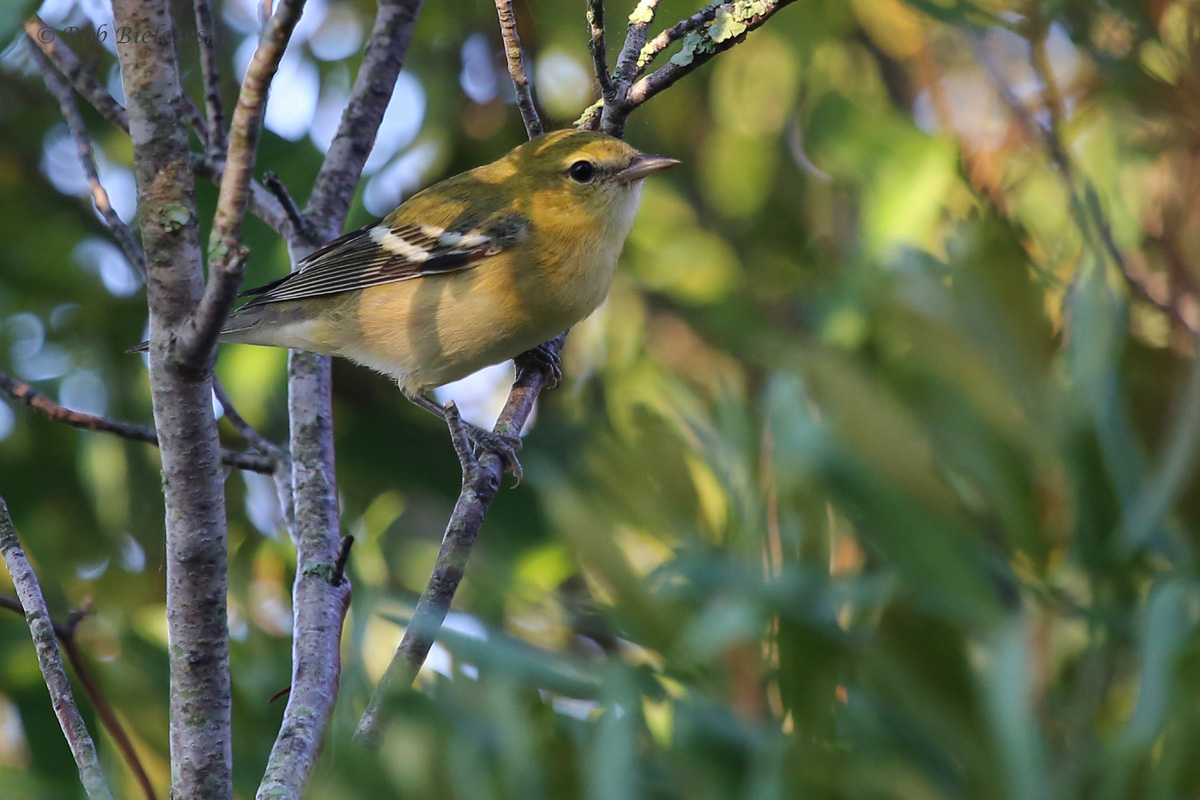
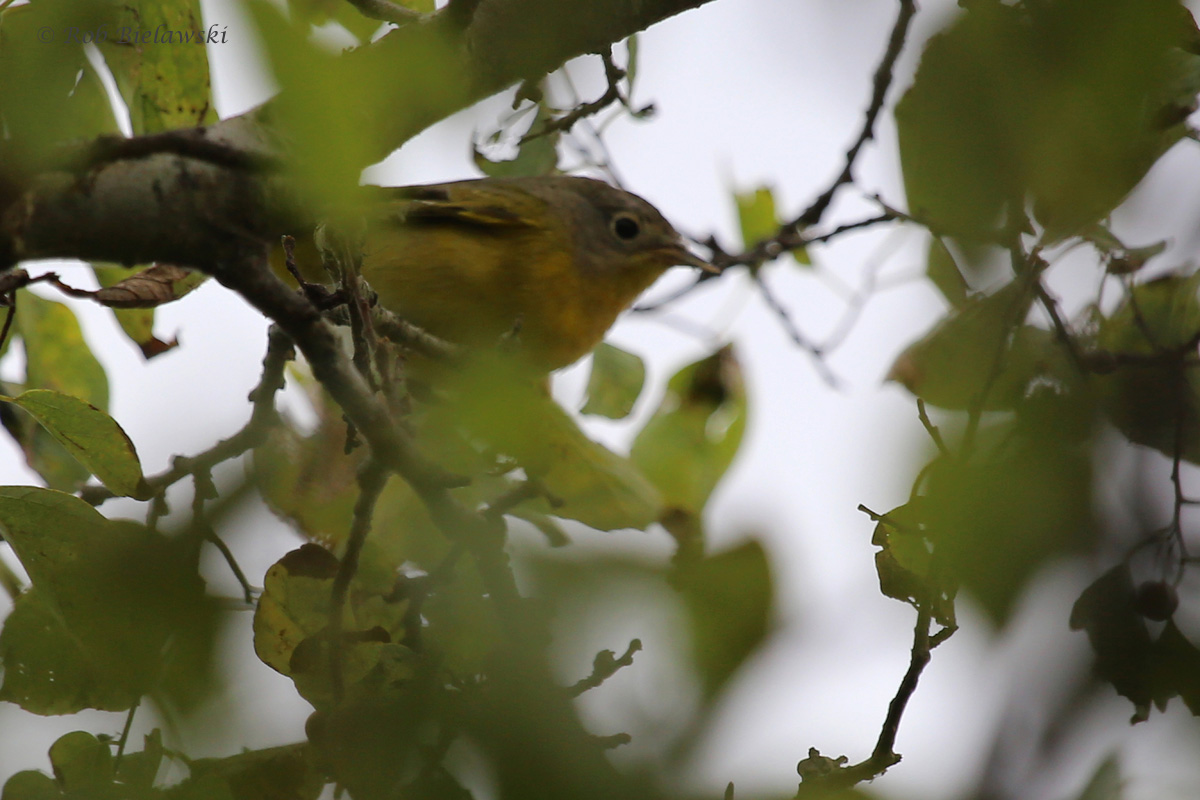
Dry weather finally took hold of the region during mid-October, and allowed us to begin the long process of drying out after being inundated by historic rainfall amounts due to the passage of Hurricane Matthew. A major cold front, the first of October, brought us a wide variety of passerines, including an explosion of sparrow species! There was a great deal of excellent finds this period, and top birds for Virginia Beach included GRAY KINGBIRD, CLAY-COLORED SPARROW, DICKCISSEL, LINCOLN’S SPARROW, LARK SPARROW, & PAINTED BUNTING. First-of-season arrivals slowed this period (though this is more a reflection on the extremely high number we had last period), but we still saw our first-of-fall Winter Wren (11 Oct), White-crowned Sparrow (11 Oct), Cliff Swallow & Hermit Thrush (13 Oct) and Surf Scoter (15 Oct)! Continuing occurrences of late birds included Eastern Kingbird (10 Oct), Canada Warbler (11 Oct), Blue Grosbeak (13 Oct), Yellow Warbler (14 Oct), Bay-breasted Warbler (15 Oct), Chimney Swift & Yellow-breasted Chat (16 Oct), Wilson’s Warbler (17 Oct), American Redstart (18 Oct), Nashville Warbler (19 Oct) and Magnolia Warbler (20 Oct). Lastly, we saw very high counts of Pied-billed Grebe & Northern Flicker as well as higher than expected counts of Yellow-billed Cuckoo, and both Nelson’s & Seaside Sparrows continue to be found around Pleasure House Point in healthy numbers though no Saltmarsh Sparrows have yet been observed there this season. WEATHER: Overall, mid-October’s average daily high temperature actually increased to 76.3 degrees F (+1.8 degrees from the early October period); the average daytime lows however, dropped considerably to 55.5 degrees F (-9.4 degrees) so in that regard it did still feel cooler, at least in the early and later hours of the day. The previous 10-year average daily highs & lows for the mid-October period were 71.9 & 54.7 degrees F, respectively which puts this period in 2016 at +4.4, and +0.8 degrees when comparing to the averages. Also during the previous 10-year period, the maximum average daily highs & lows were 76.5 (2007) & 60.2 degrees F (2013). For the first time in quite a while, we made it through the entire period with no measured precipitation, and it couldn’t have occurred at a better time as much of the region still struggles to dry out from the incredible amounts of rain that fell throughout the past month. Portions of Sandbridge still held standing water even a week after the passage of Hurricane Matthew! 
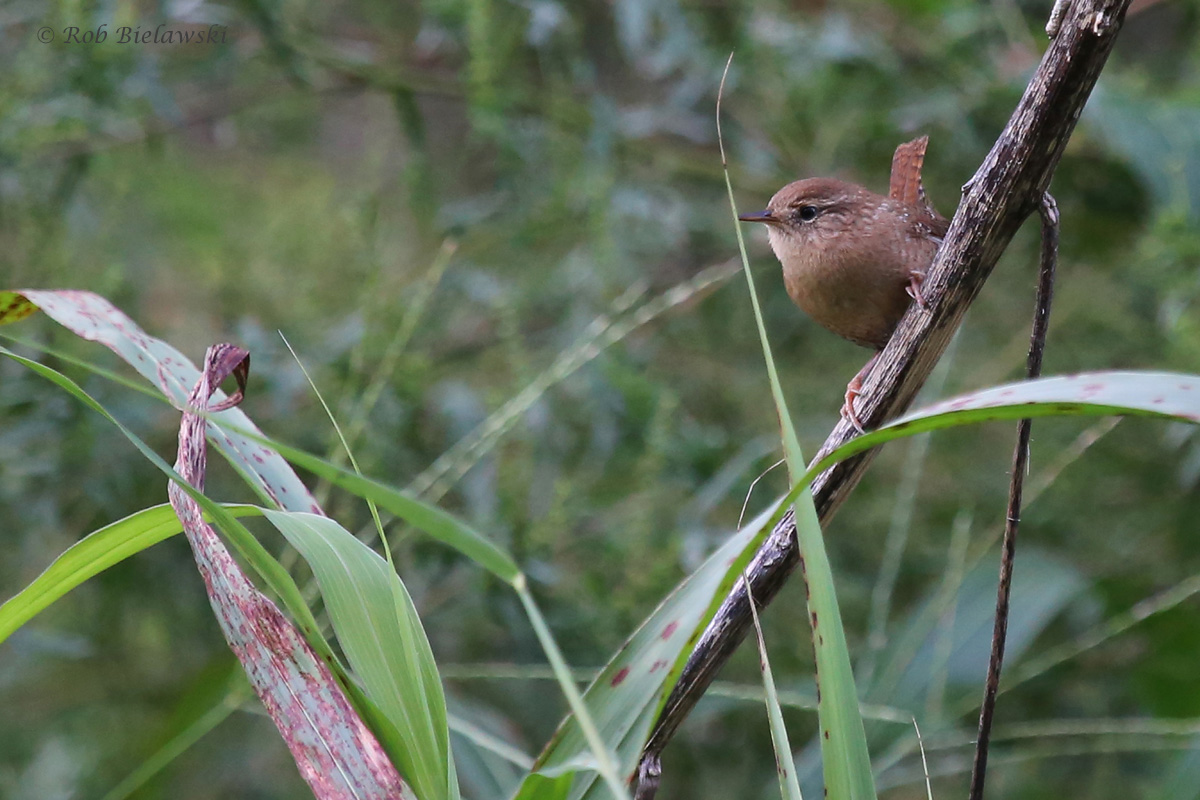
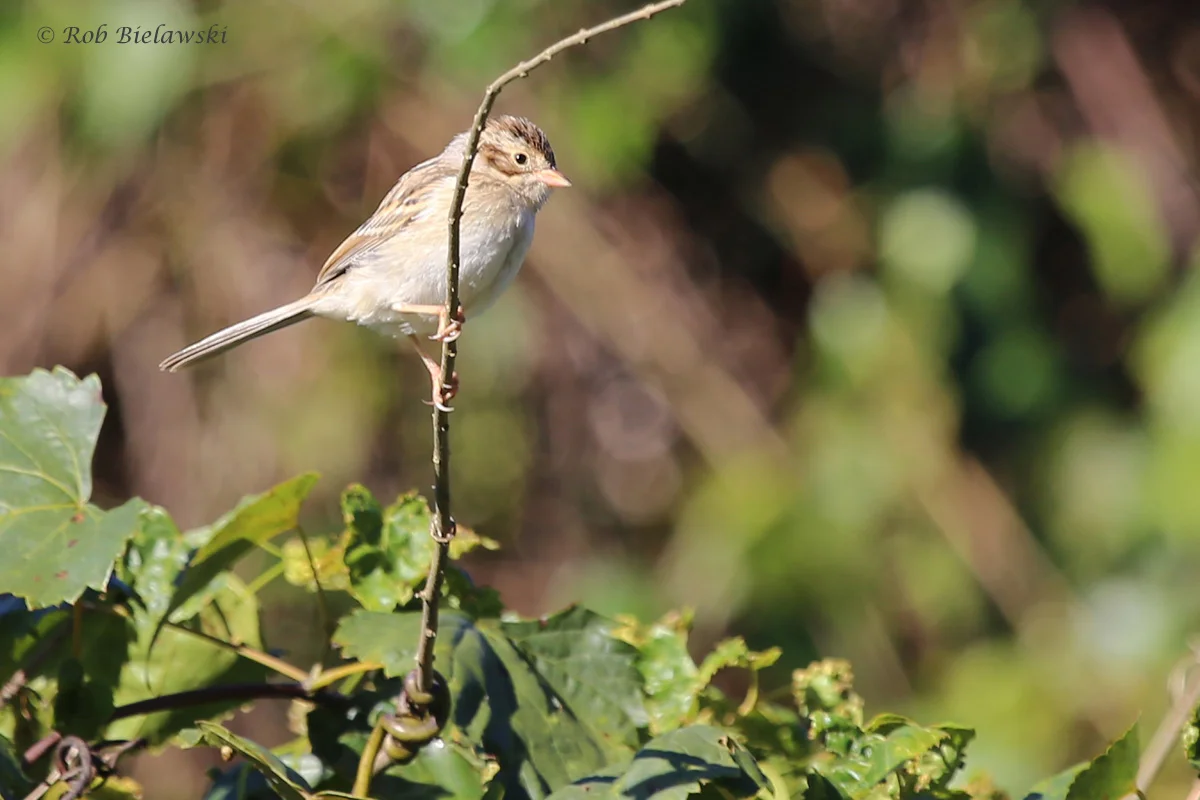
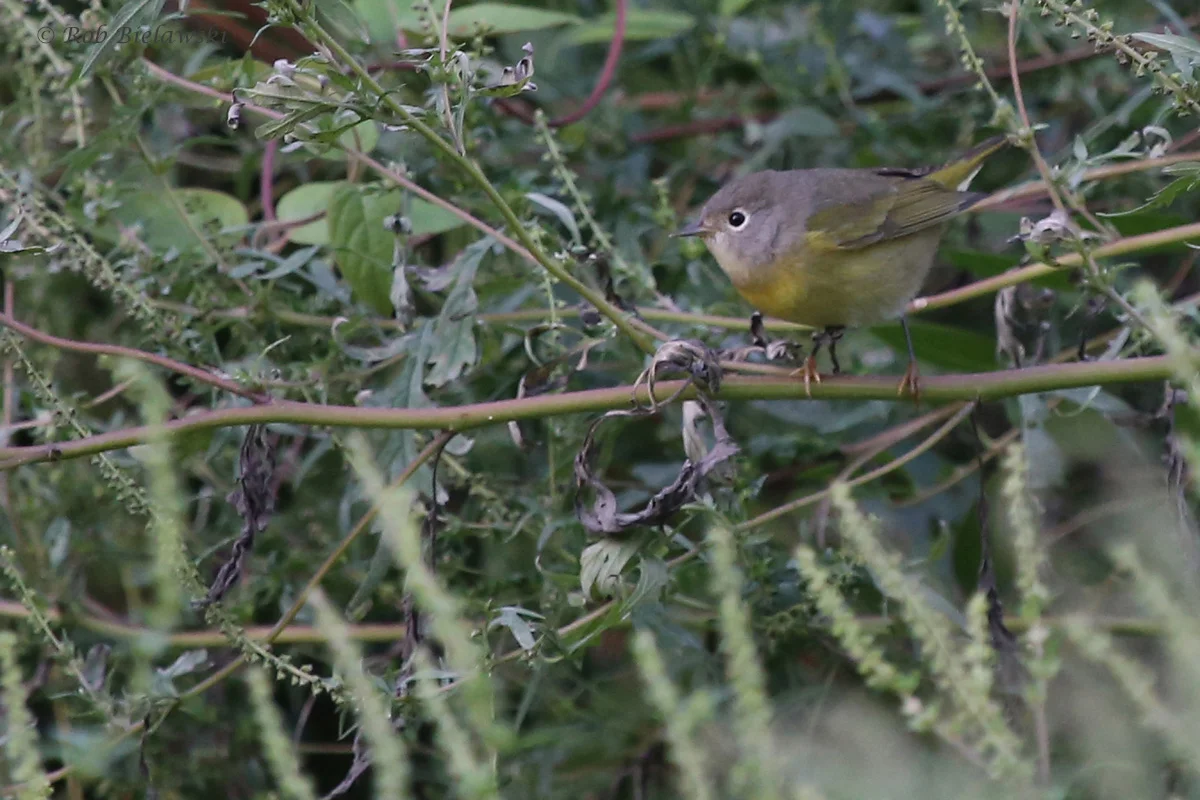
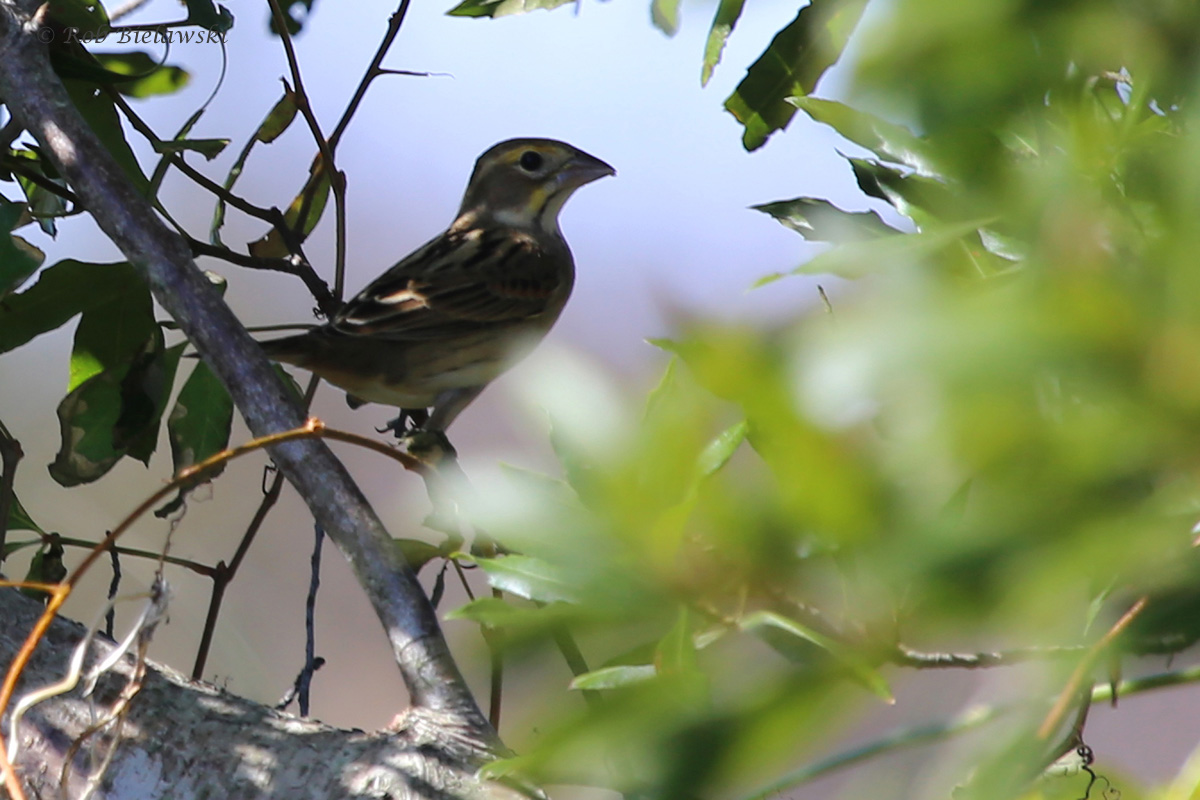
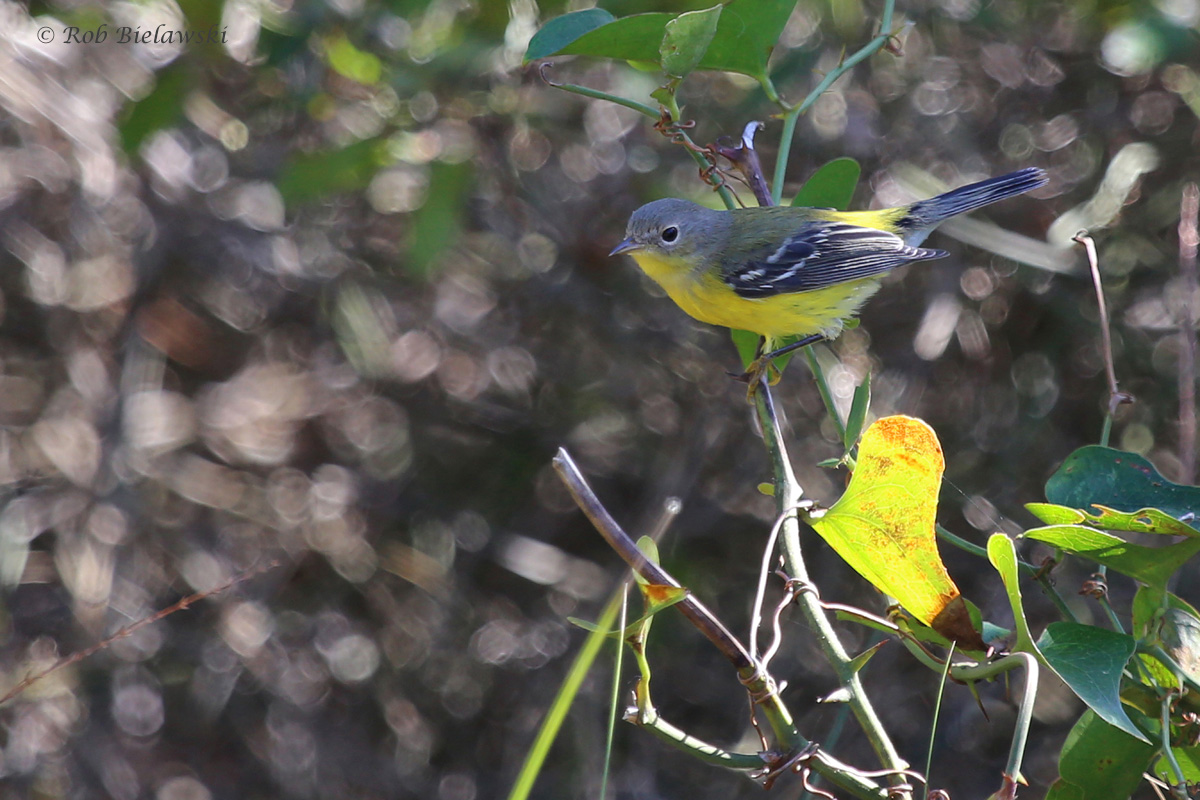
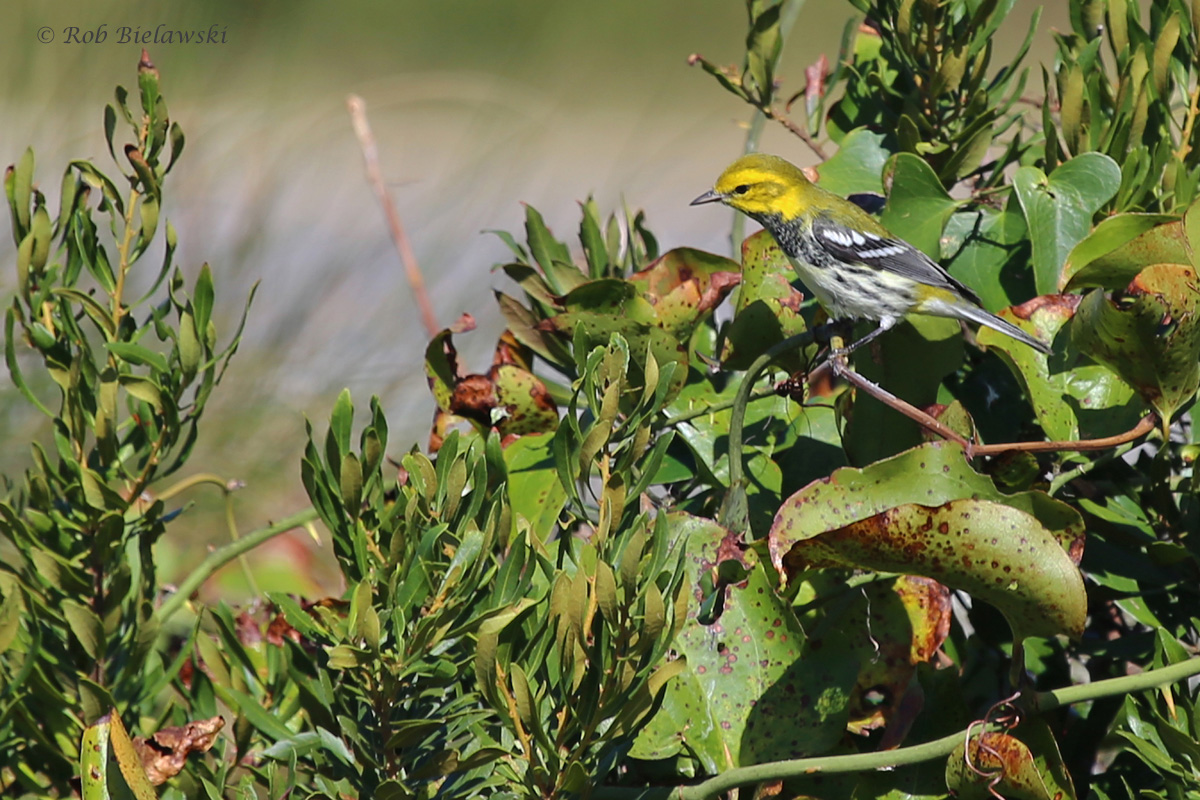
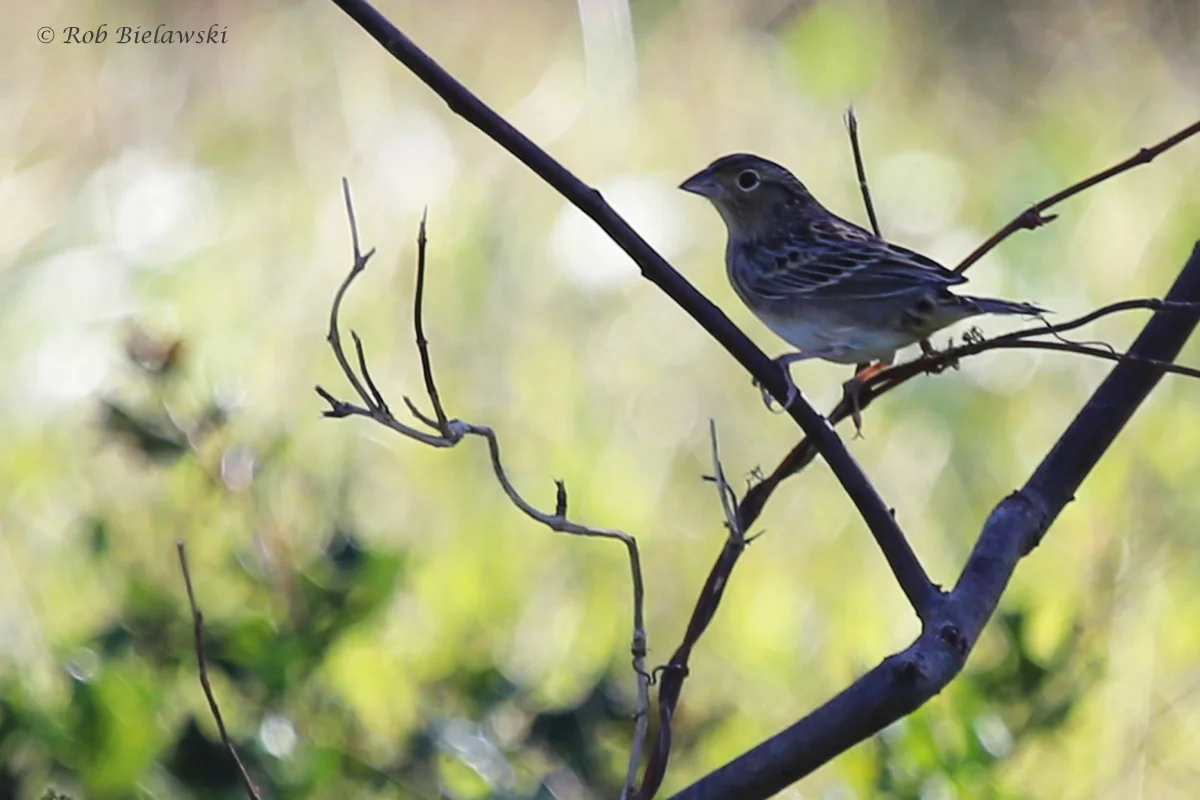
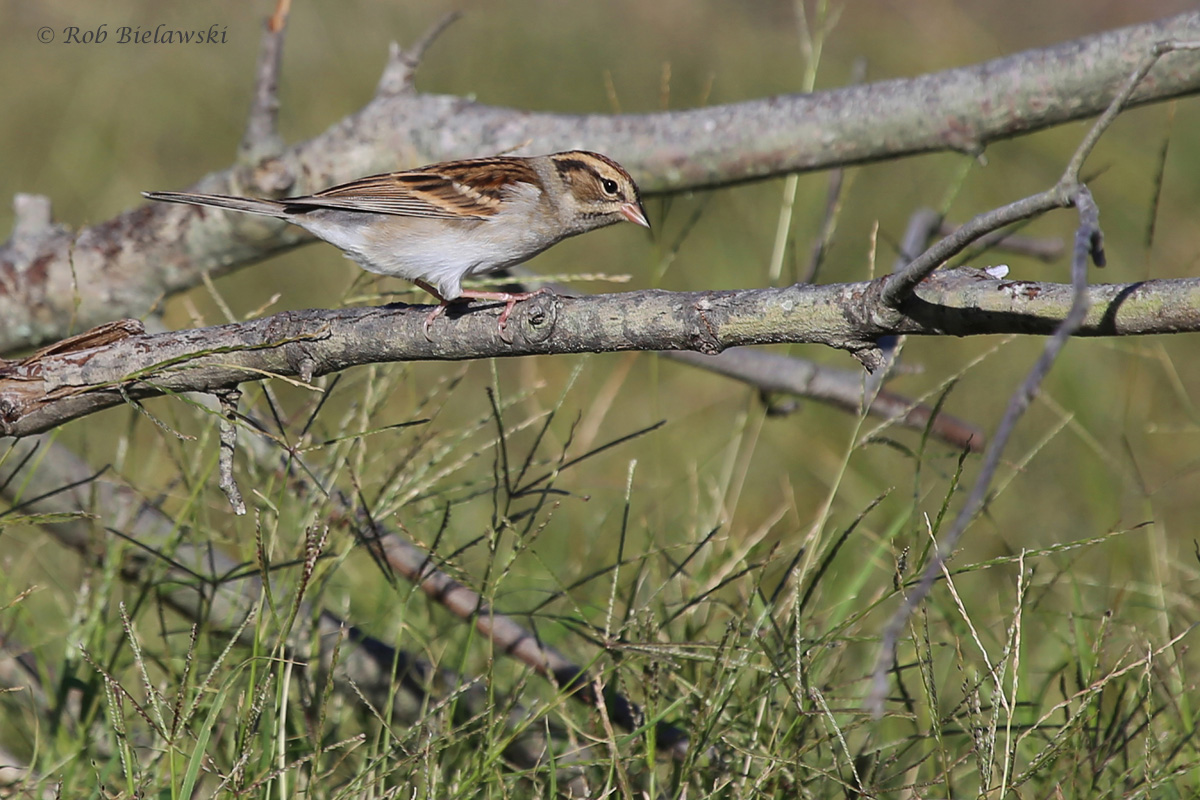
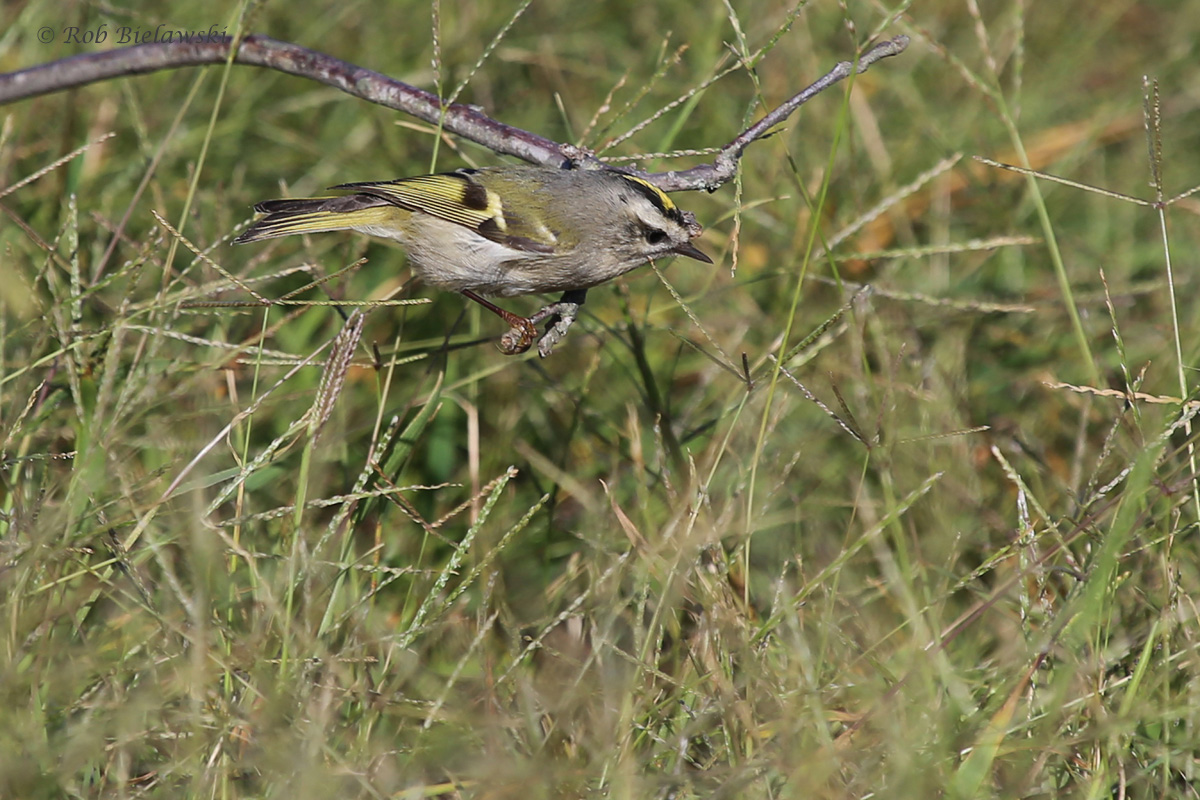
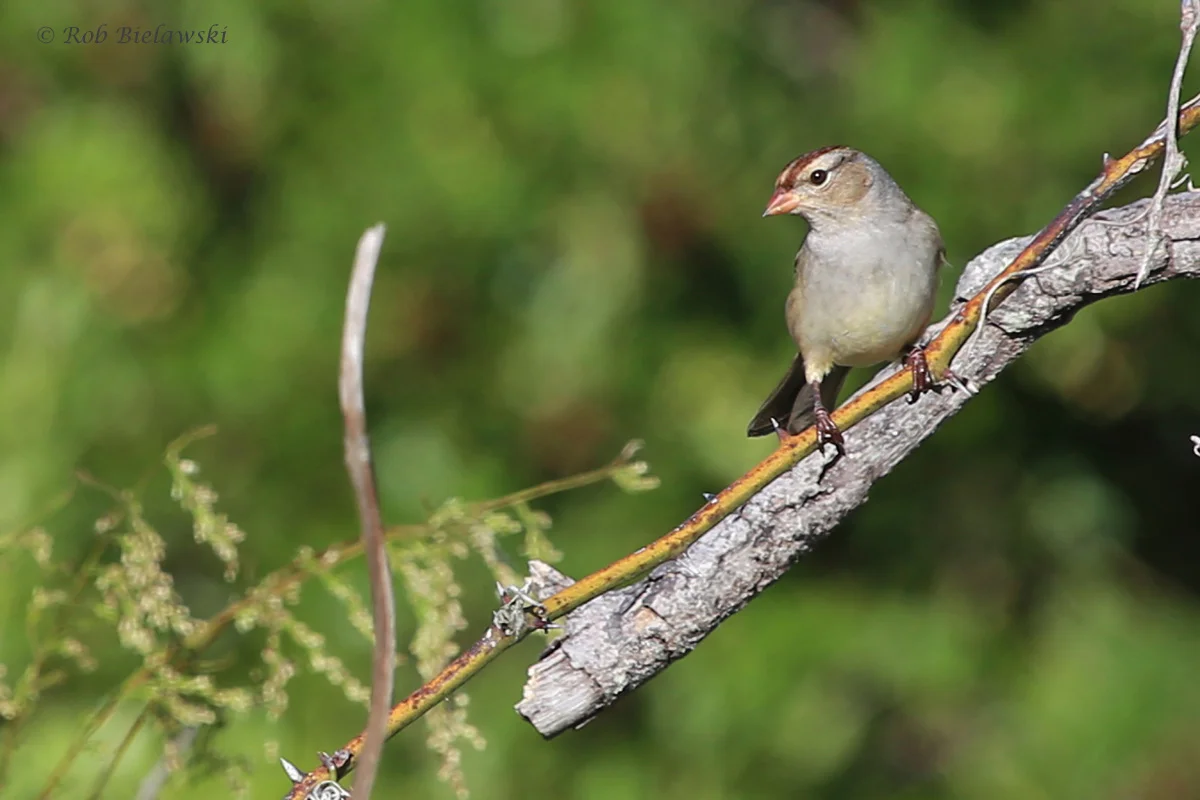
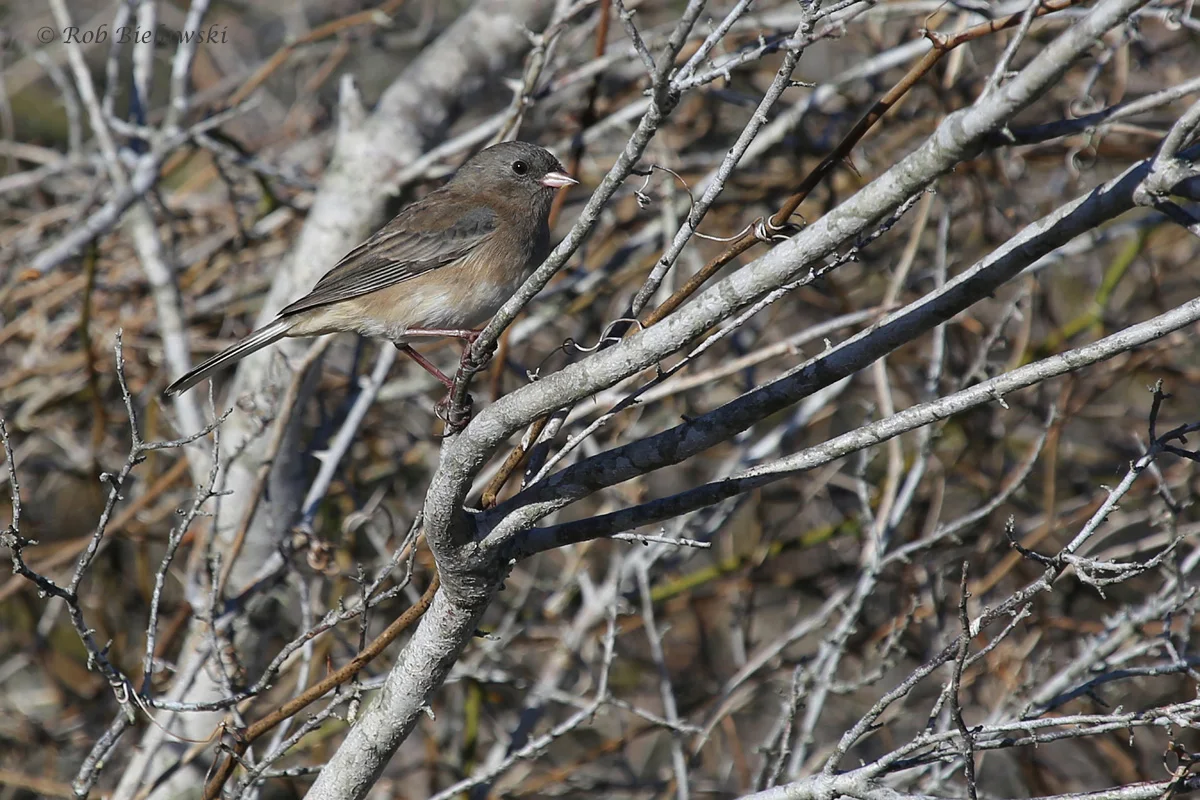
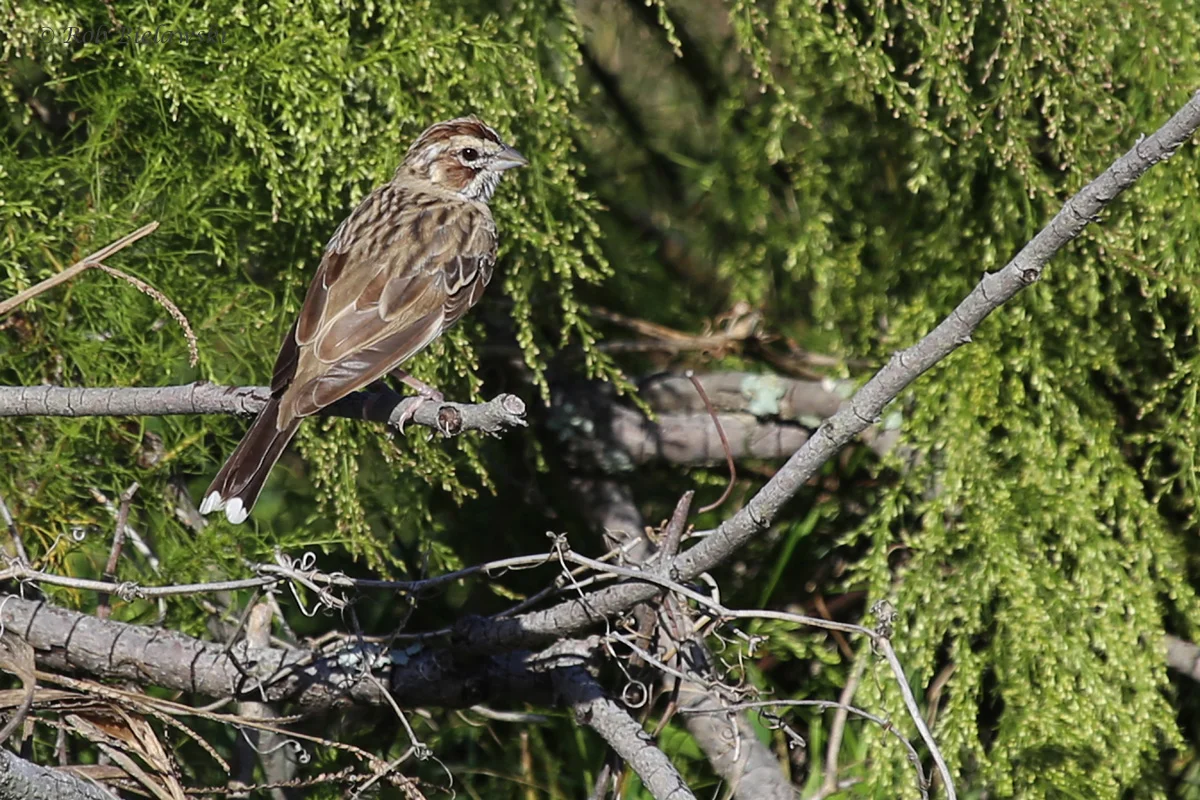
OBSERVATIONS:  Following the disastrous weather that occurred just prior to the close of the early October period, dry conditions finally set in for the region (thankfully). A strong cold front moved across Virginia Beach on Saturday, 8 Oct, which was partially to blame for the massive amounts of rainfall we received as the system collided with Hurricane Matthew’s wind-field. However, by mid-week it had become very apparent that the strong northerly winds associated with the front had also brought down large numbers, and great diversity of songbirds. Notably, this period will be remembered for its major push of sparrows (among many other passerines)! At the close of previous period, 10 Oct to be exact, Andrew Baldelli submitted this report which showed that a major songbird movement was underway. This movement carried on over the next few days, resulting in some fantastic finds.  When 11 Oct rolled around, would-be visitors to Back Bay NWR discovered that the park had been closed due to damage sustained during Hurricane Matthews assault on the coastline. However, Little Island Park just to the north provided the perfect habitat (thick brush) for songbirds to forage in during the daytime, and it wasn’t long before interesting reports started to pop up. In the morning hours a flight of 172 Northern Flickers was observed along with a late Yellow-breasted Chat (James Marcum) and a juvenile White-crowned Sparrow (Mike Collins), being the first-of-season here was also found. Later on in the day, a late Wilson’s Warbler was found at the site (David Johnston) as well. Up at the opposite side of the city, the thicket behind Taste Unlimited Bayville saw a lot of action as a direct result of Andrew’s mighty 61-species checklist. In the early afternoon, a very late Canada Warbler and a late Wilson’s Warbler were reported (Karen & Tom Beatty). During the evening, a first-of-season Winter Wren was found, and nearby our first CLAY-COLORED SPARROW of the year made an appearance on the edge of the thicket (Rob Bielawski). The last CLAY-COLORED SPARROW to be observed in Virginia Beach was also at Back Bay NWR, 8 Oct 2015 (Ron Furnish & Marie Mullins). As 11 Oct came to a close, most birders in the area had become aware (via eBird/Facebook/Listserve/etc.) as to the numbers and variety of birds being observed. When 12 Oct (a Wednesday) rolled around, more folks were out in the field seeking out, and reporting birds to eBird. Taste Unlimited’s thicket continued to produce birds in the morning hours as a high count of Nashville Warblers (6) was observed (Andrew Baldelli). As with the previous day, down on the opposite side of the city at Little Island Park, birders again scoured the area, though Back Bay NWR did open back up for the first day since Hurricane Matthew’s passage on 8-9 Oct. Topping the finds at this site, a DICKCISSEL was found (James Marcum), and then shortly thereafter, a second DICKCISSEL was also observed (Mike Collins). Rare finds here along the coast, these were the first of their species to be observed in Virginia Beach since an immature DICKCISSEL was found at Princess Anne WMA’s Whitehurst Tract 14 Feb (Andrew Baldelli & Tracy Tate). In the late morning, the Dickcissels were found again (Rob Bielawski, Karen & Tom Beatty), though unbeknownst at the time that they had already been reported earlier. The action then shifted to Back Bay NWR, as the edge of the parking area and near-visitor-center-trails were scoured for sparrows. An interesting find behind the visitor center occurred as a Grasshopper Sparrow (a first for Back Bay NWR in eBird) was found briefly before flying off to the north (Rob Bielawski). Shortly thereafter a single LARK SPARROW (Rob Bielawski / Karen & Tom Beatty) was found in the septic field to the northeast of the kayak parking area, among a large feeding flock of various species which also contained a juvenile White-crowned Sparrow (Rob Bielawski / Karen & Tom Beatty). The last Lark Sparrow to be observed in Virginia Beach was the individual that stayed here at Back Bay throughout last February & March, as well as a second individual observed near the Princess Anne Athletic Commons that never made it into eBird (5 Mar / Staci Mueller). The momentum carried on through 13 Oct (a Thursday) at Back Bay, when many birders arrived hoping to see some of the same birds found on the 12th. While hopes were high, no one was likely prepared for all the species that were about to be viewed. In the early morning hours, the LARK SPARROW was again detected, but with it this time were at least 3 White-crowned Sparrows, 4 LINCOLN’S SPARROWS, and a female PAINTED BUNTING (Andrew Baldelli)! Another pair of LINCOLN’S SPARROWS were detected further south on the East Dike, making a potential total of 6, which would be a new state high count per the Gold Book if validated by eBird. In addition to the sparrow excitement, a pair of CLIFF SWALLOWS was also observed (Andrew Baldelli). The PAINTED BUNTING was observed later in the morning (Karen & Tom Beatty / Mary Catherine Miguez), as were the LARK SPARROW (Mike Collins), the LINCOLN’S SPARROWS (Mike Collins, Karen & Tom Beatty, Mary Catherine Miguez). A late female Blue Grosbeak was also observed (Andrew Baldelli, Karen & Tom Beatty). In addition to this late occurrence, a first-of-season arrival was also detected when a Hermit Thrush was observed (Mike Collins, Karen & Tom Beatty). At Little Island Park to the north, a White-crowned Sparrow continued as well (Karen & Tom Beatty), and back at Taste Unlimited Bayville, the CLAY-COLORED SPARROW made its first reappearance (James Marcum) since the initial find two days prior! Given the excitement of the previous days, yet again when 14 Oct (a Friday) arrived, birders were out looking in the same spots for anything new that might have showed up. A high count of 76 Pied-billed Grebes was found on Back Bay just off of the visitor center pier (Karen & Tom Beatty, James Marcum) and masses of Tree Swallows had also begin to gather (3,000 count input by Karen & Tom Beatty, James Marcum). A late Yellow Warbler was observed as well (Karen & Tom Beatty), which continues to push back their expected departure date. Unfortunately, of the sparrows seen the previous day, only the White-crowned Sparrow (obs. Karen & Tom Beatty, James Marcum / ph. Kathy Spencer) seemed to remain, and the others must have moved on with the winds overnight. The same was true for Little Island Park to the north where the ‘resident’ White-crowned Sparrow was observed again as well (James Marcum). Up at Taste Unlimited Bayville, the CLAY-COLORED SPARROW was again reported (Cheryl J Jacobson), though this would be the last know report. Also, there was a report of a LINCOLN’S SPARROW at Bayville Farms Park (David Gibson). As the weekend arrived, hopes were even higher as many birders around the region simply don’t get out during the week (I was blessed with an unexpected power outage at my office on Wednesday, 12 Oct, that allowed me the fantastic day of birding). On Saturday, 15 Oct the early morning was unexpectedly quiet, though the ‘usual’ sites were all birded pretty heavily. In mid-morning, a LINCOLN’S SPARROW was found (Tracy Tate) on the first island of the CBBT (South Thimble Island), though it was not re-sighted later in the day. On a Virginia Aquarium boat trip, the first Surf Scoters of the season were found up near 63rd Street, giving us a bit of hope in terms of waterfowl starting to return to the region. A residential backyard in the Kempsville area provided only our second of season, and a late occurrence, for Bay-breasted Warbler (Hugh & Una Davenhill). In the early morning hours of Sunday, 16 Oct, a pair of late Nashville Warblers, and a late Yellow-breasted Chat were observed at Princess Anne WMA’s Whitehurst Tract (Rob Bielawski), but surprisingly no unusual sparrows turned up in that prime habitat. PLEASE NOTE: Both the Whitehurst & Beasley Tracts of the park are now open to birding only on Sundays until 1 May, see the Official Park Website for details. Up at Taste Unlimited Bayville, a pair of late Magnolia Warblers was observed (Kathy Spencer), and these are likely two of the same individuals observed a few days prior before their expected departure date arrived. Despite the previously mentioned reports, the volume of sightings on the weekend just couldn’t hold up to the momentum gained throughout the week. When Monday, 17 Oct, arrived, temperatures began to rise swiftly, and winds switched around to the south. Throughout the remainder of the period we saw highs in the 80s, peaking on 19 Oct at 88 degrees F (a new record high at Oceana NAS). The main excitement of 17 Oct occurred when a late Wilson’s Warbler was found near the visitor center at Back Bay NWR (Ted Keen), and observed & photographed shortly after (Mike Collins), and additionally photographed later in the afternoon (Mary Catherine Miguez). On the morning of 18 Oct, a Tuesday, another pair of late Nashville Warblers were observed at Back Bay NWR (Andrew Baldelli & Tracy Tate, James Marcum) and two late American Redstarts were found as well (Tamara Conklin). With all these great species being found throughout the period, it was astounding that during the evening hours, a GRAY KINGBIRD was observed in a residential backyard near Lake Joyce (Timothy Barry)! This is the very first eBird report of this species for Virginia Beach, and I can only find records of this species in the Gold Book from 29 Oct 1999 (near Lynnhaven Inlet), 30 Sep 1997 (Sandbridge), 28 Apr 1990 (specific location not noted), and 18 May 1978 at the CBBT, which may or may not have been on the Virginia Beach side (Northampton shares the CBBT with us). So this is perhaps only our 4th record for this species (possibly 5th if the CBBT individual did occur in Virginia Beach). The switch to southerly winds and warm weather might be the reason for this bird showing up in the area, but the main question that we’re all left with is, where did it go to next? Hopefully someone solves that mystery in the coming days. Finally, the period came to a close with perhaps the same LARK SPARROW being observed again at Back Bay NWR (Karen & Tom Beatty); a fitting end to a period that will long be remembered as the best few days of sparrow observations we’ve had in Virginia Beach in a very long time!

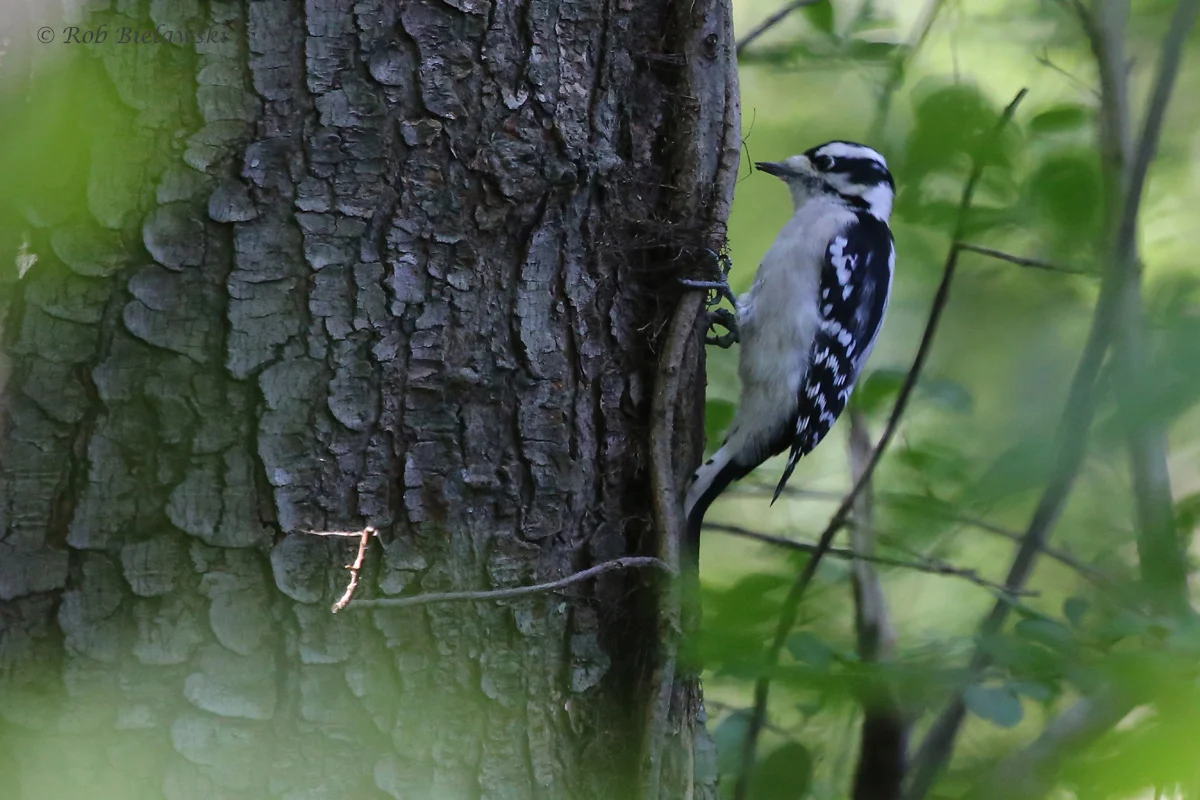
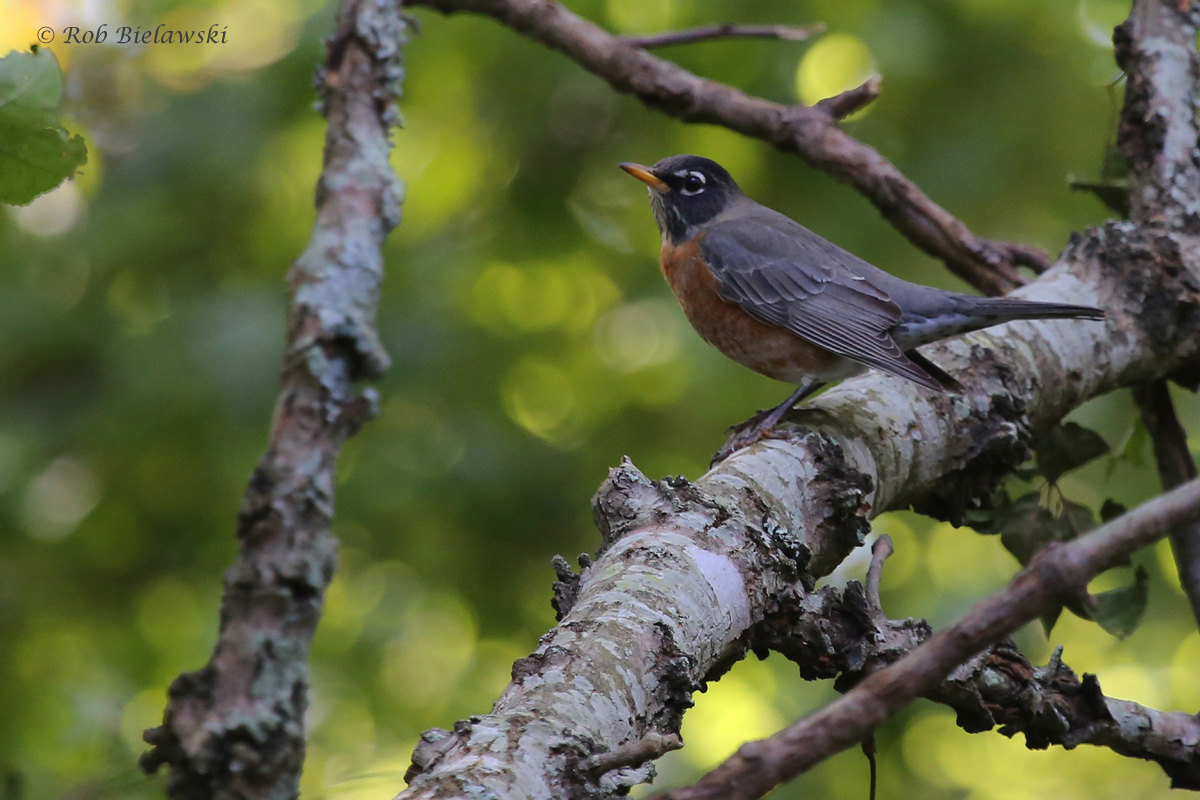
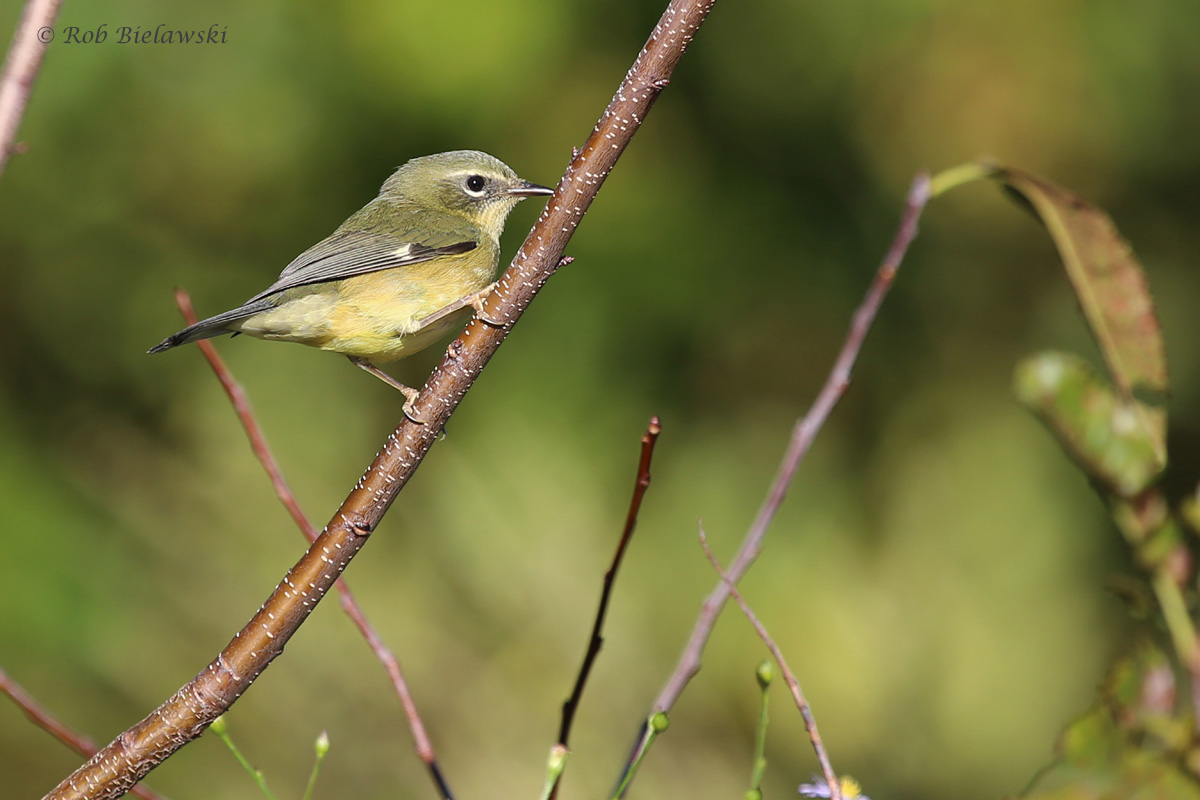
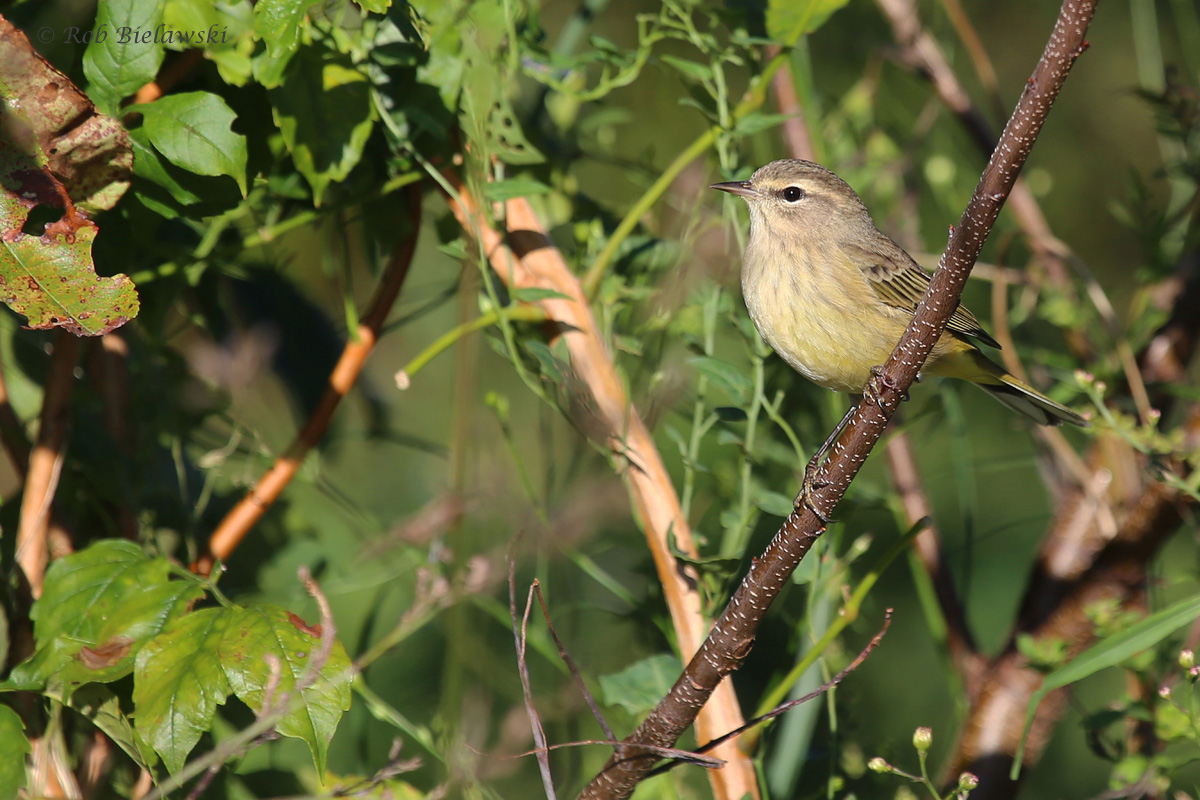
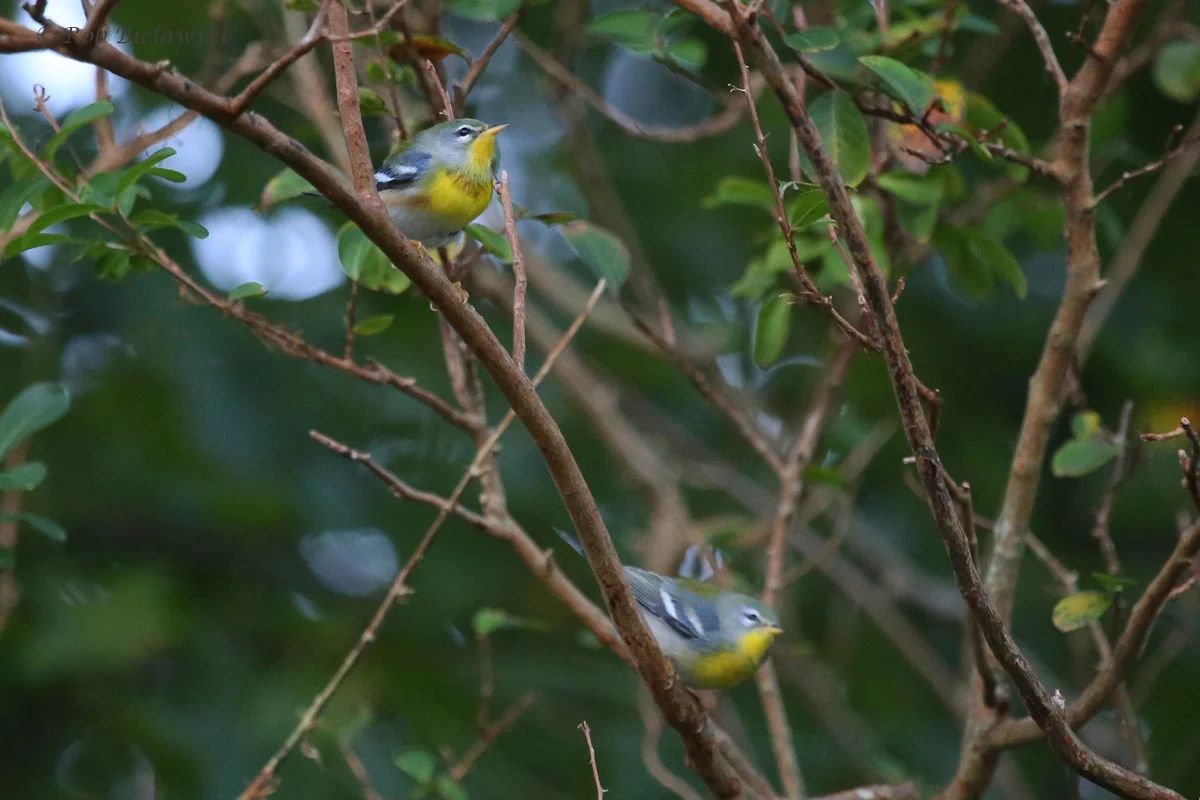
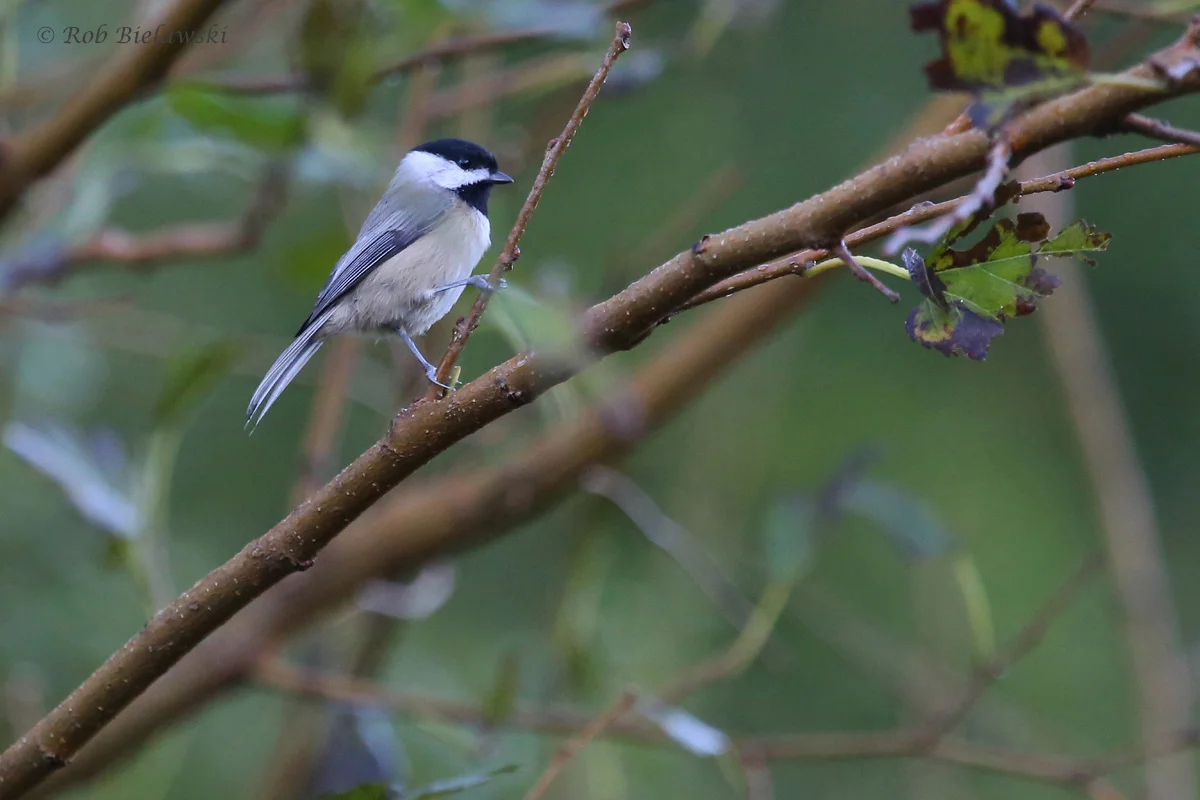
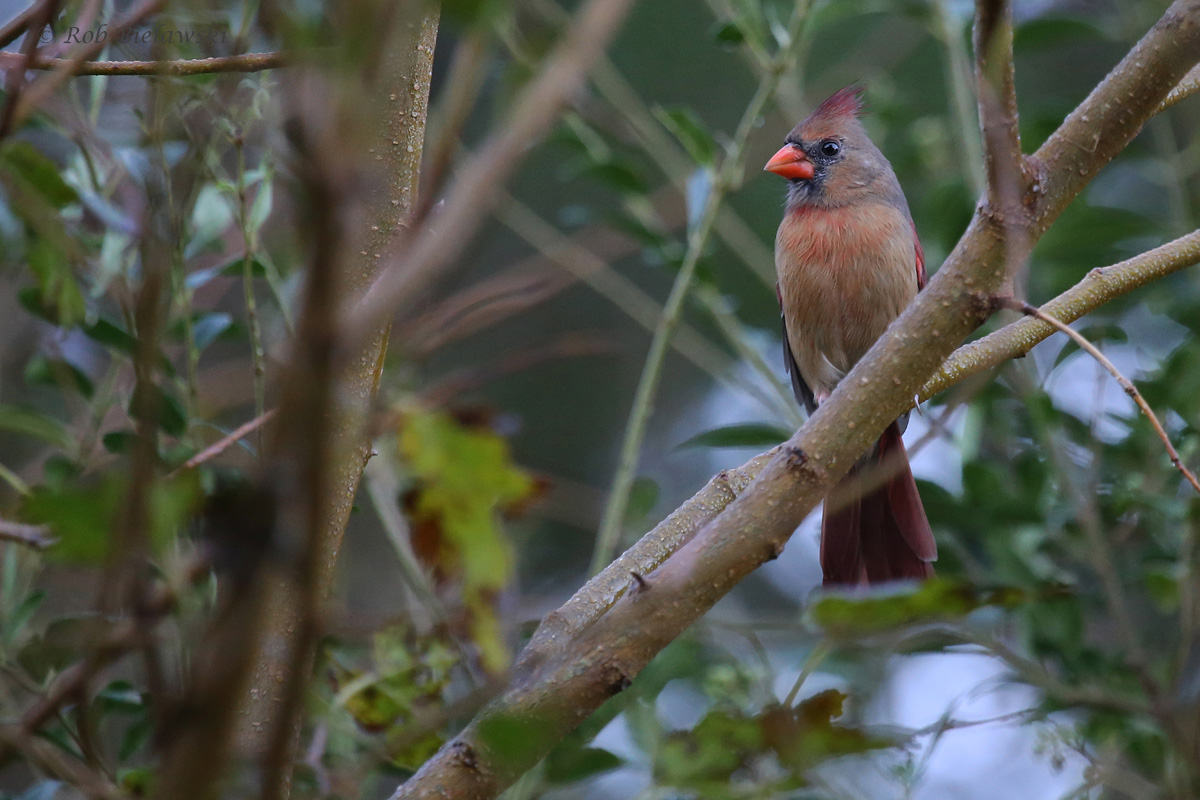
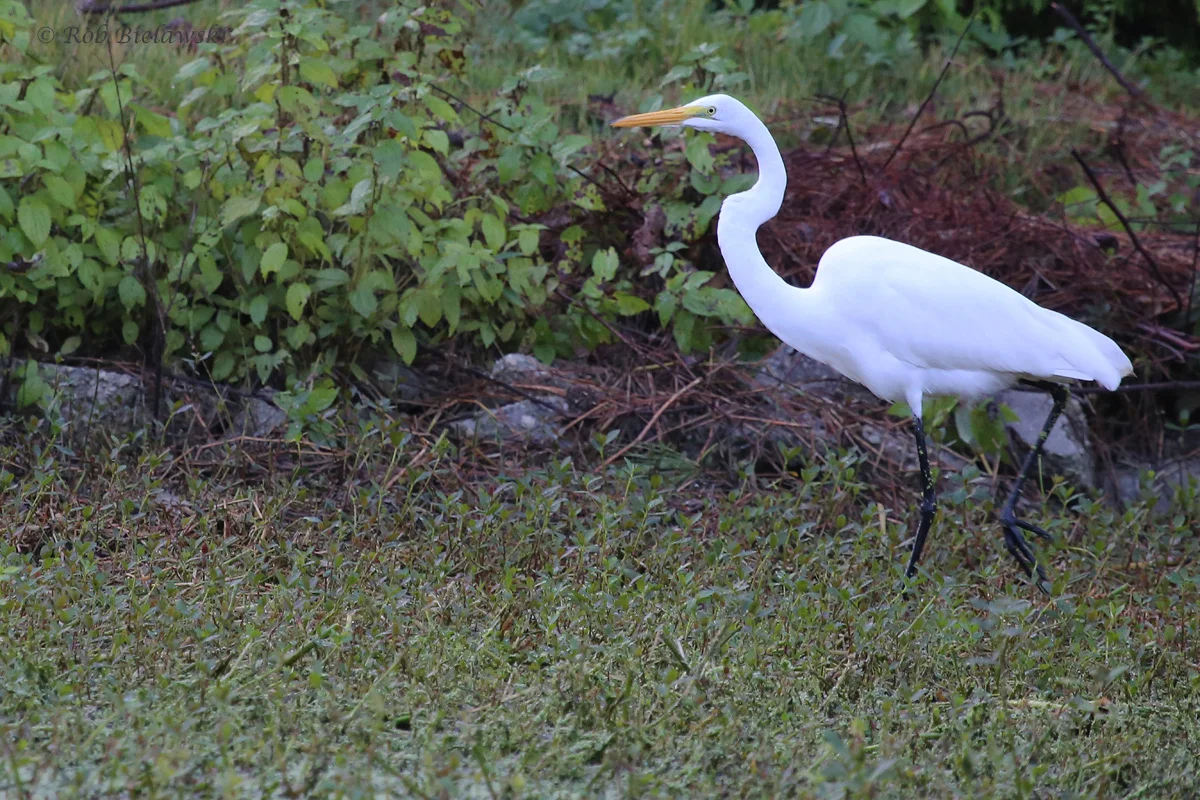
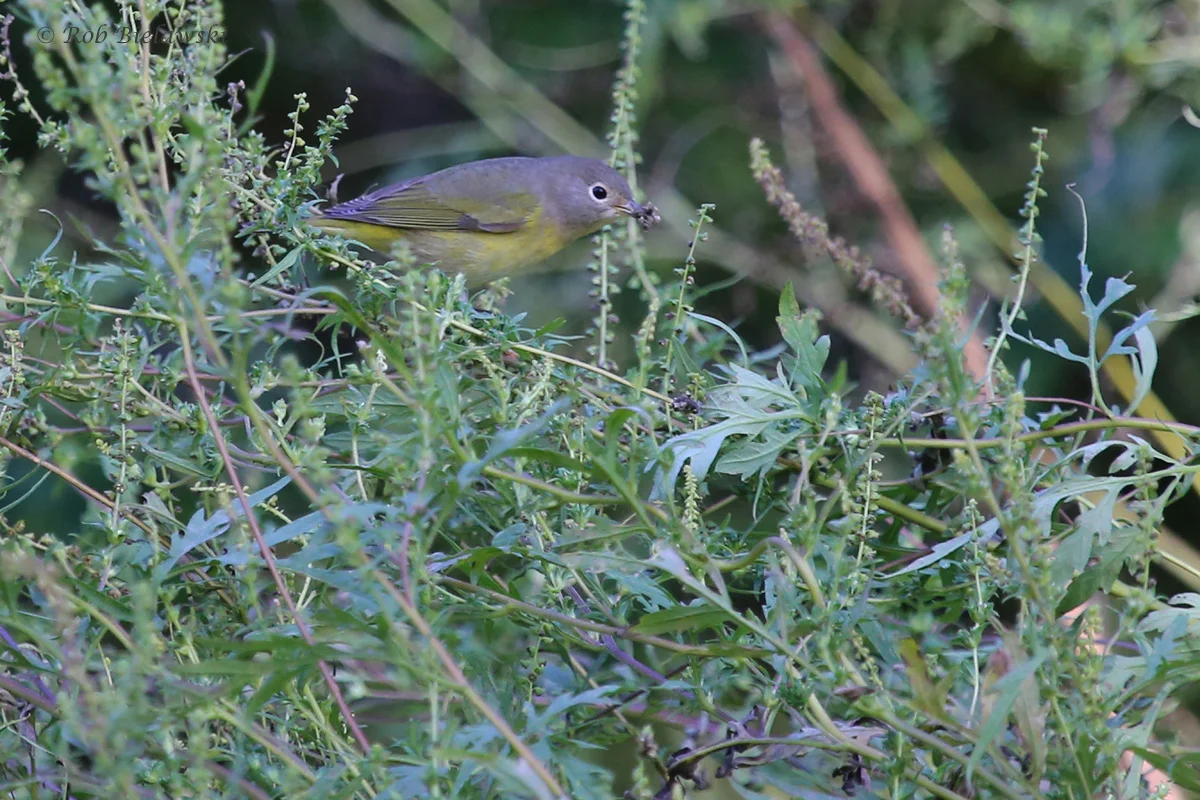
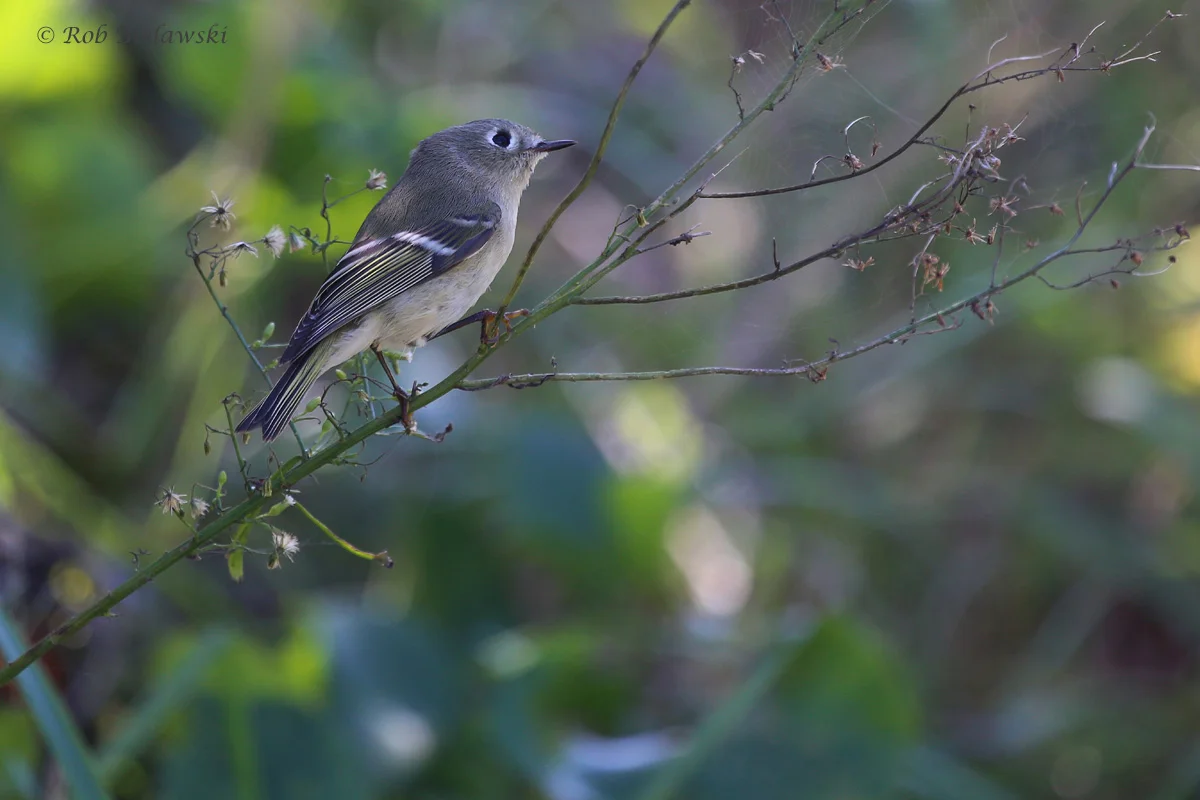
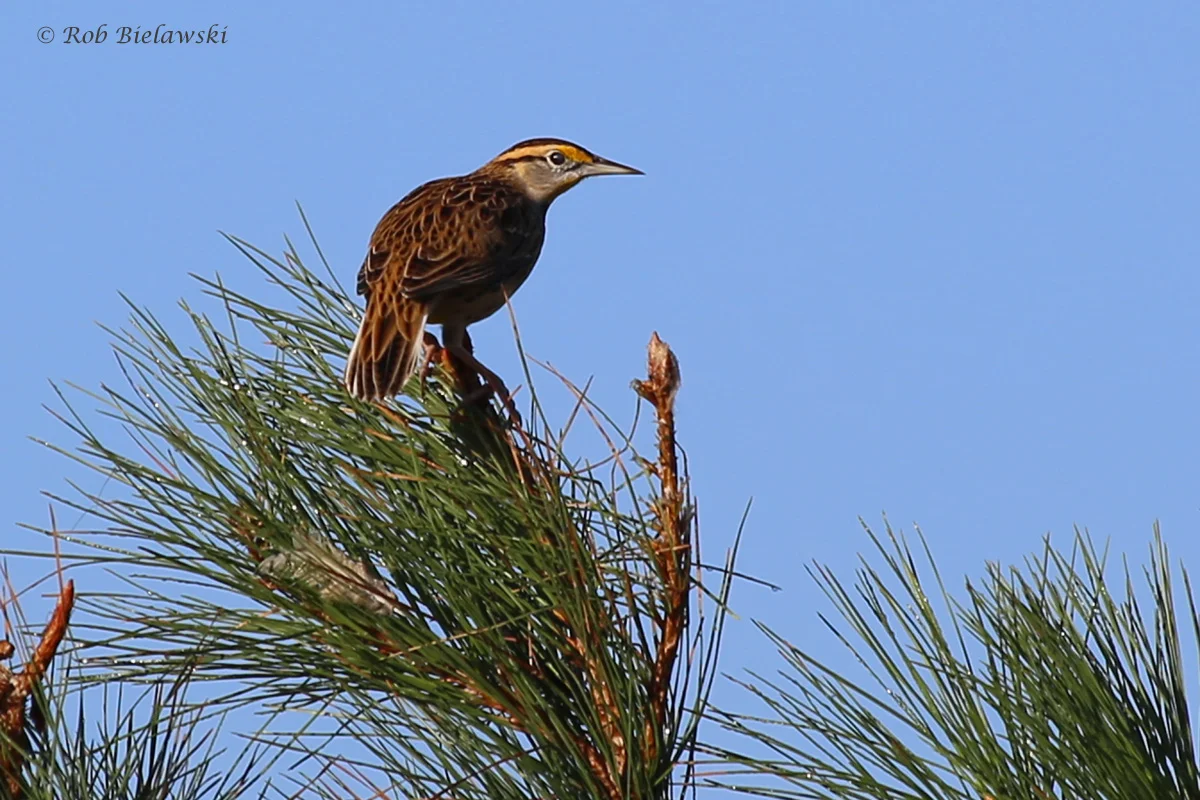
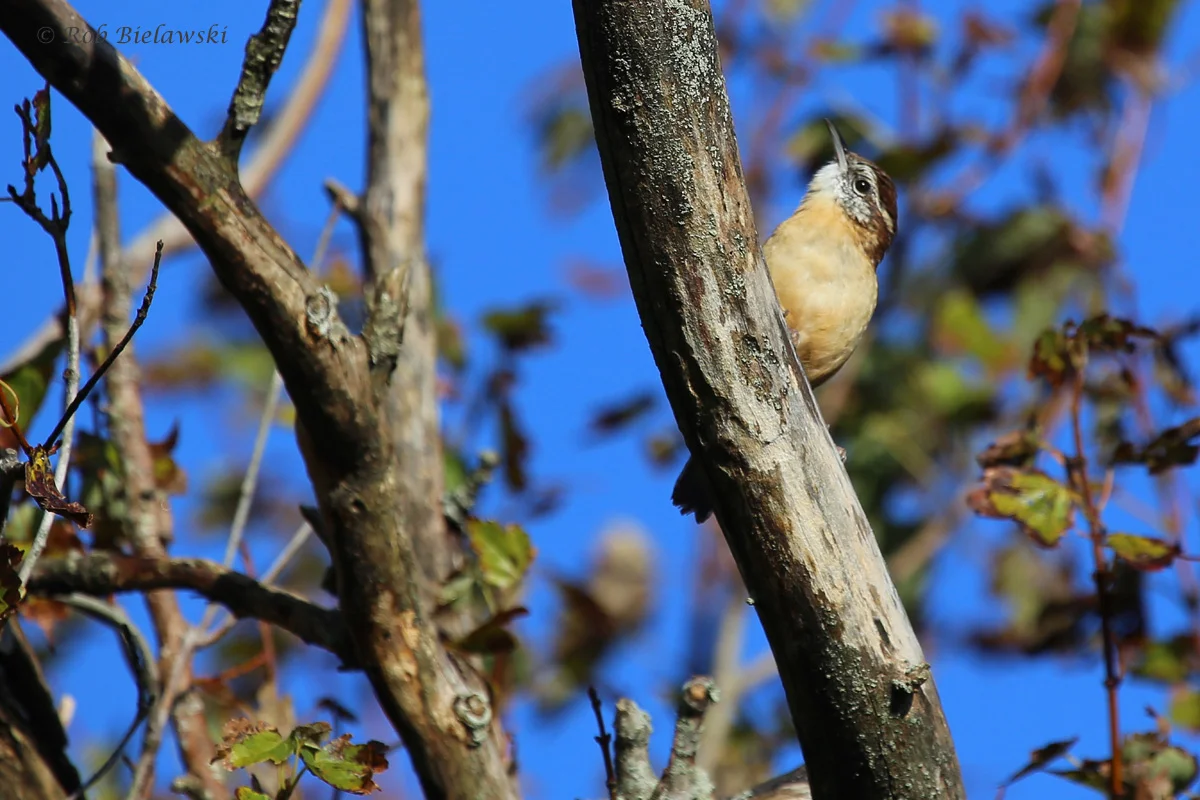
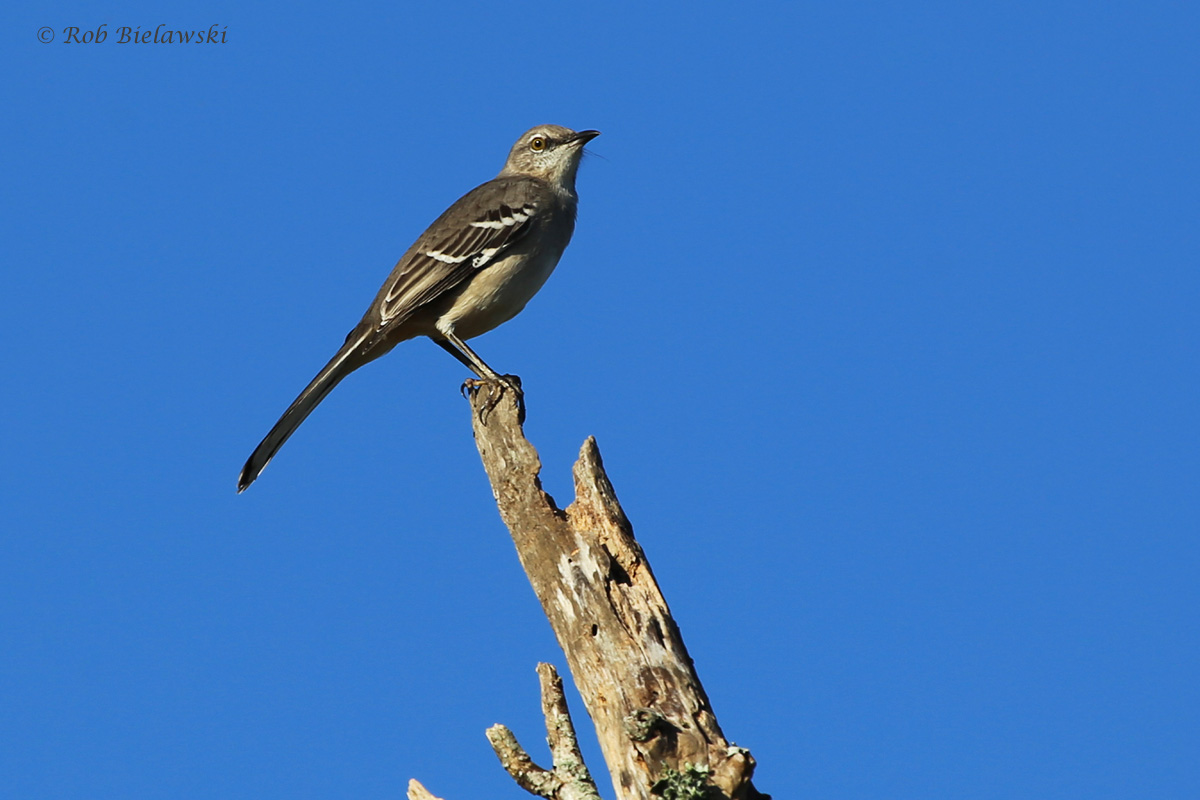
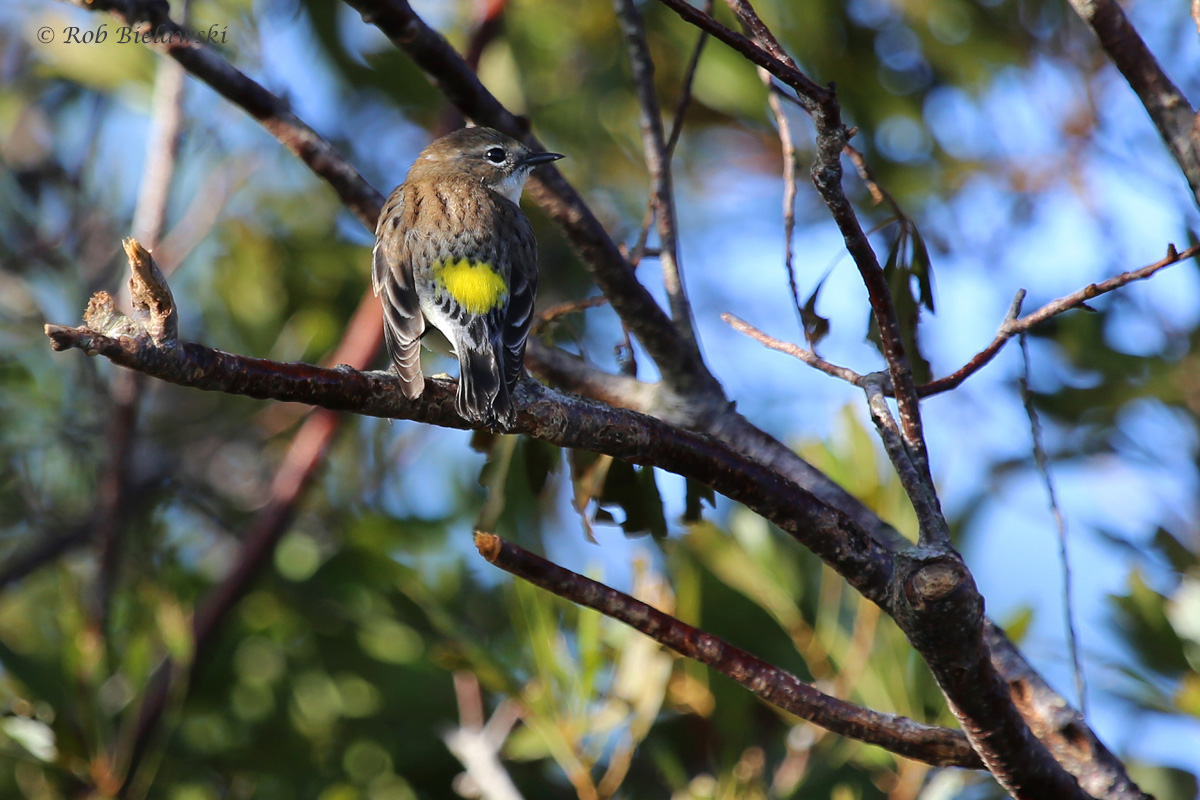
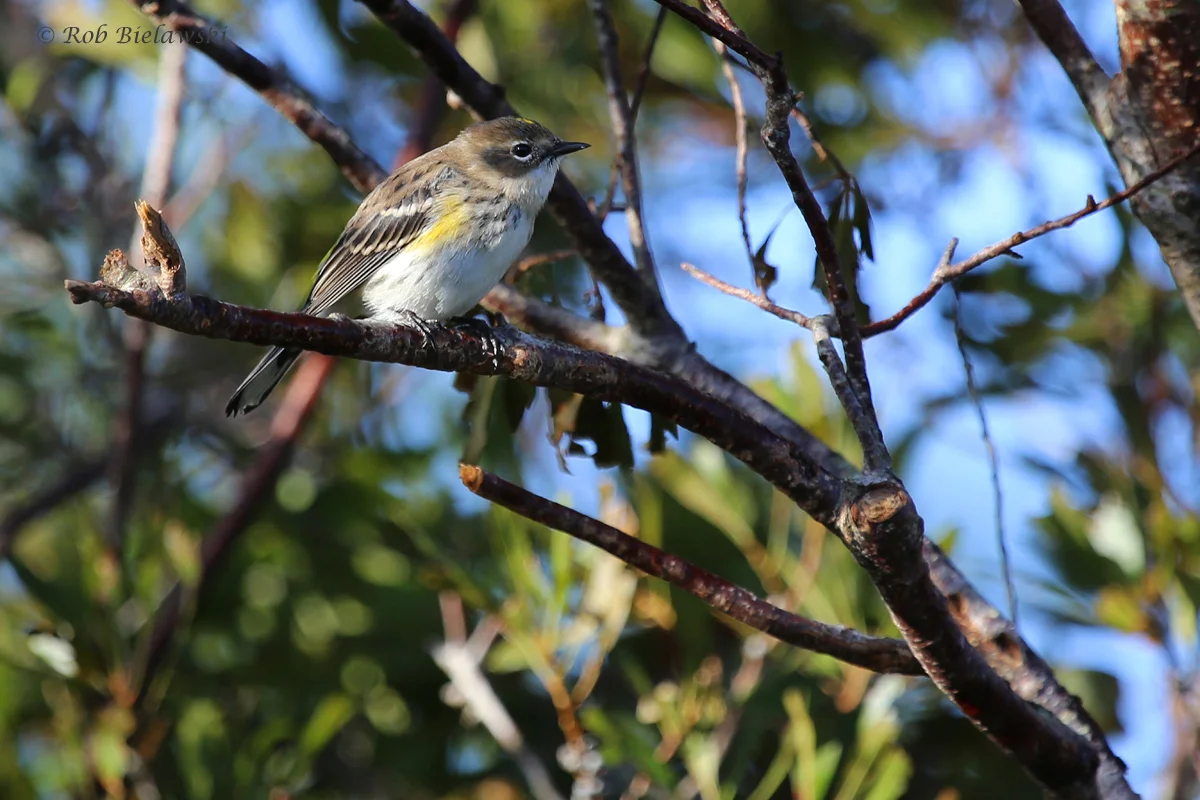
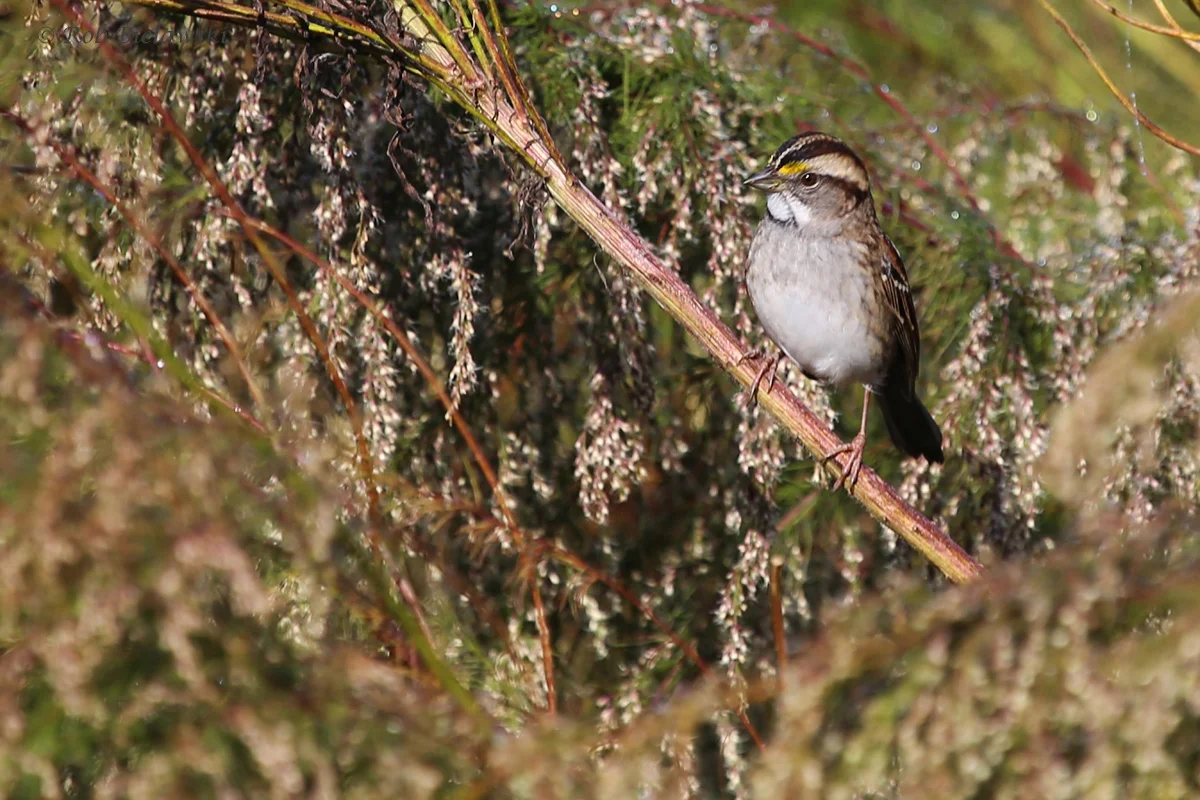
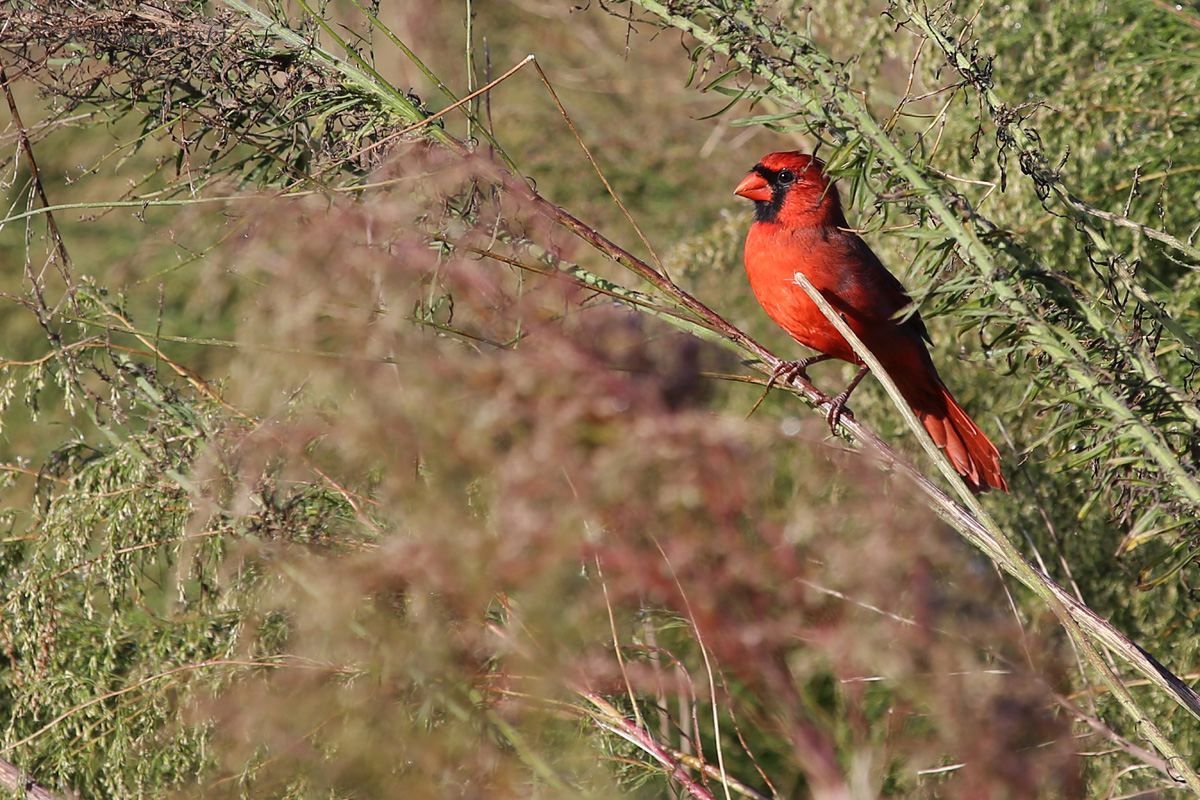
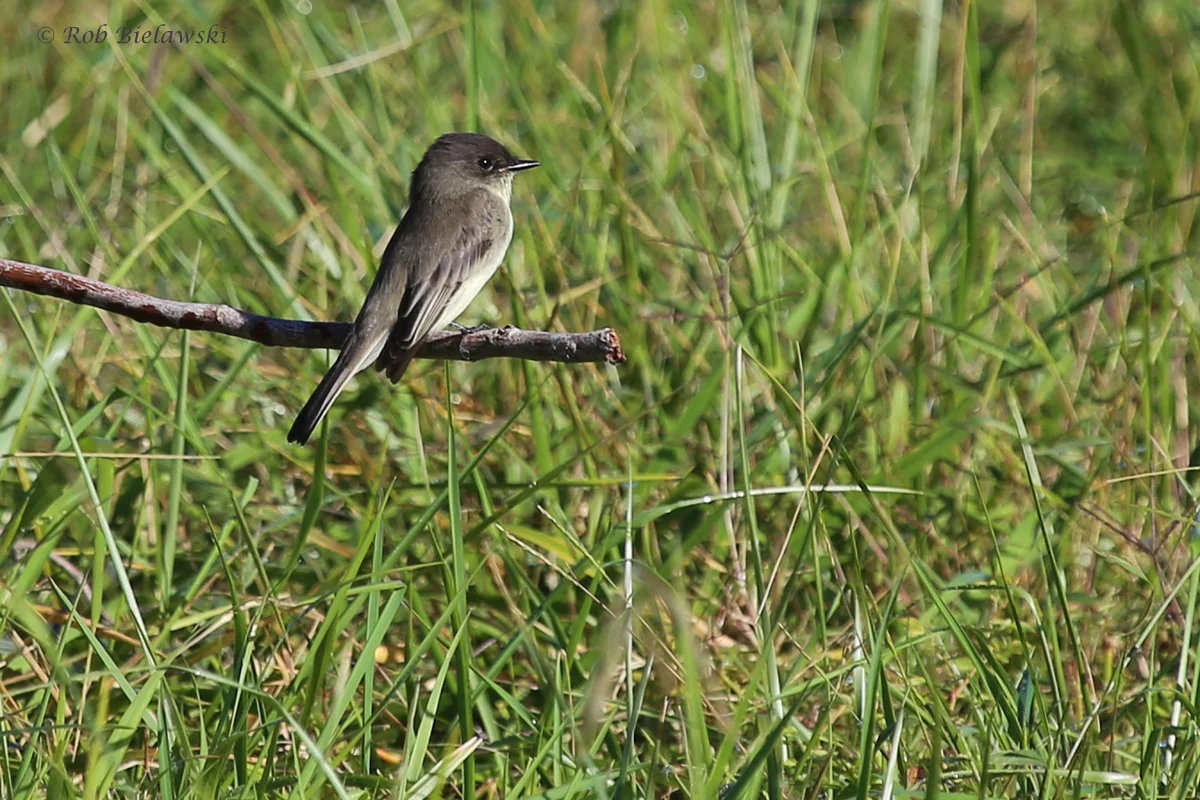
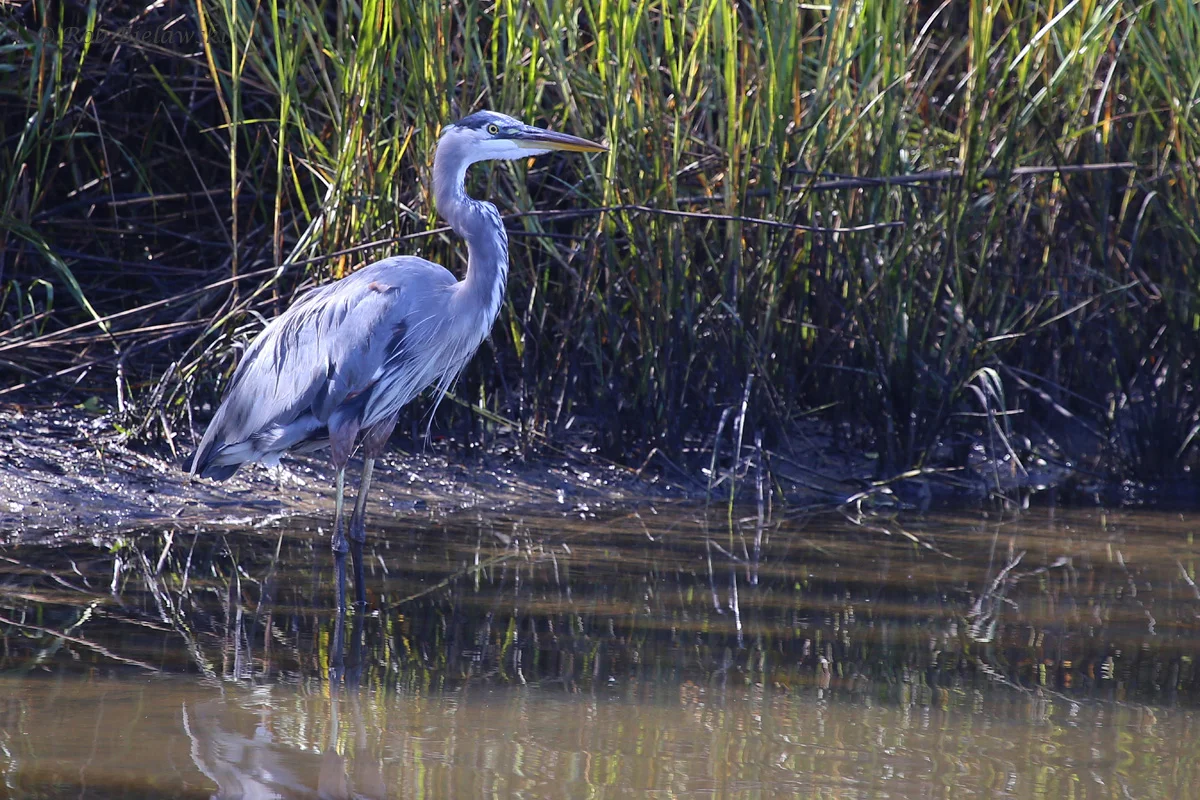
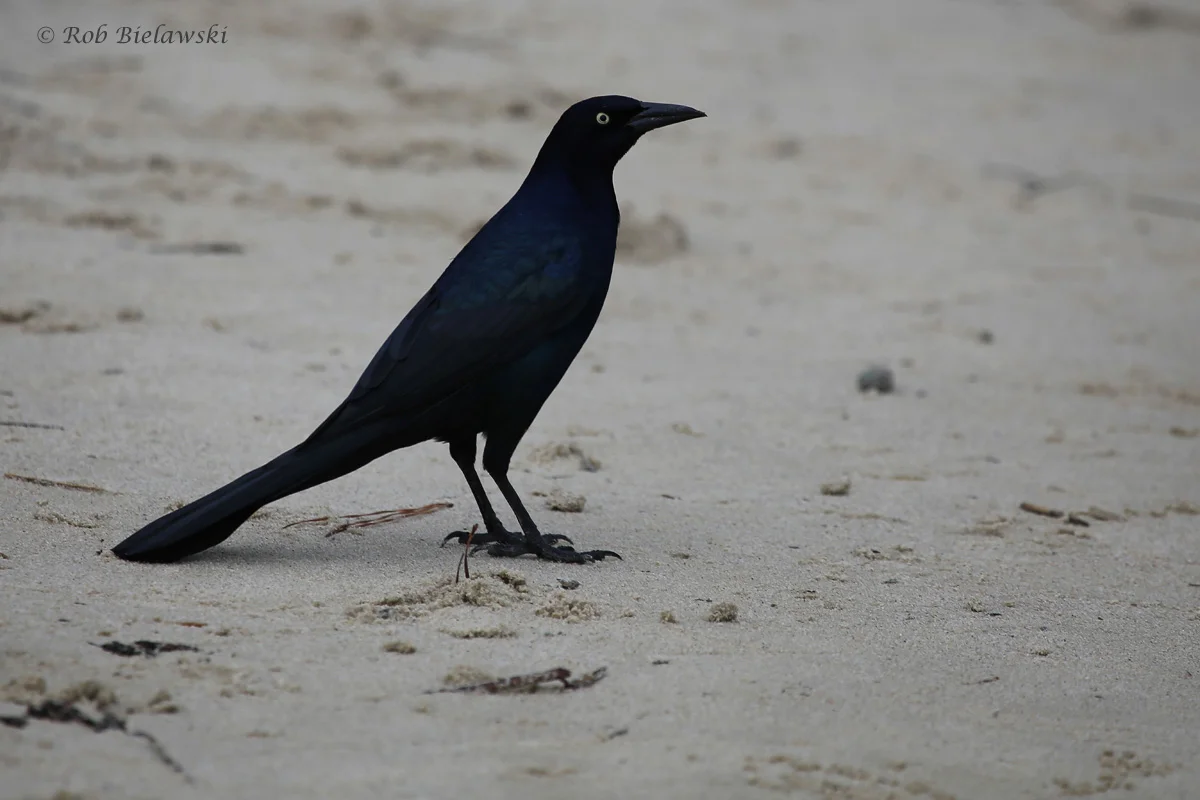
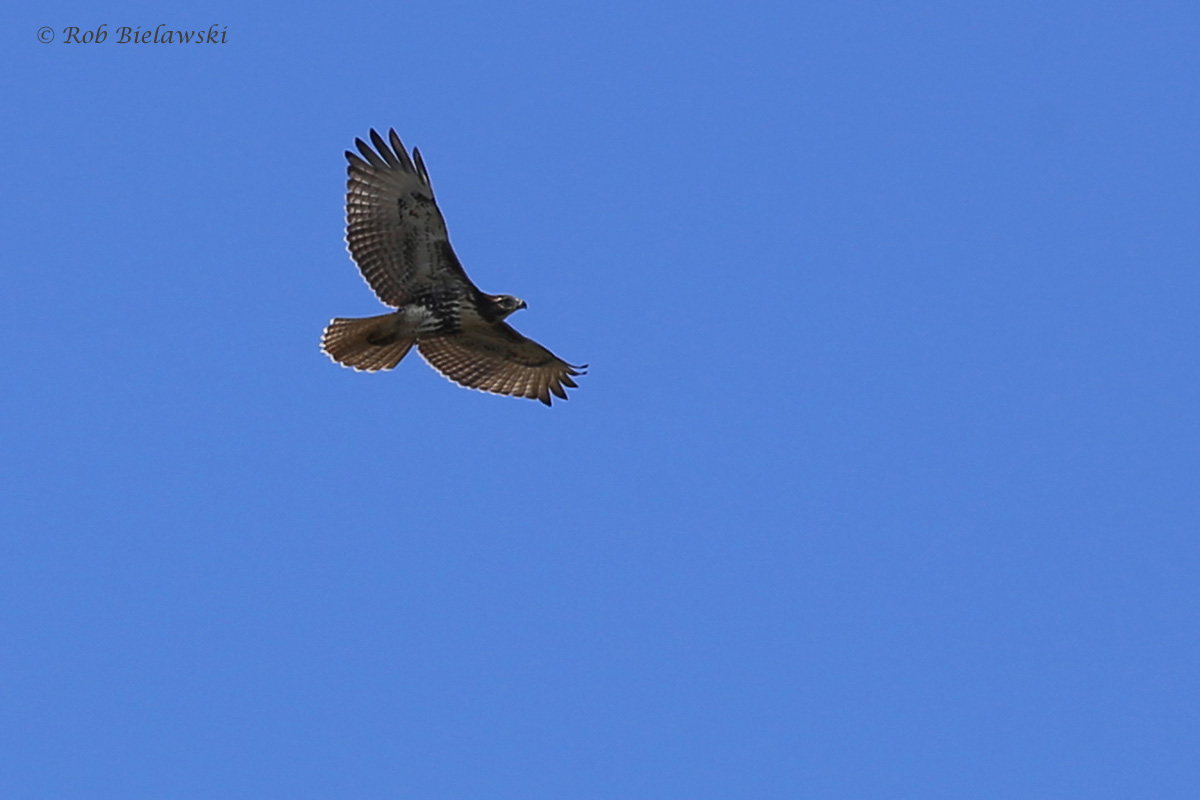
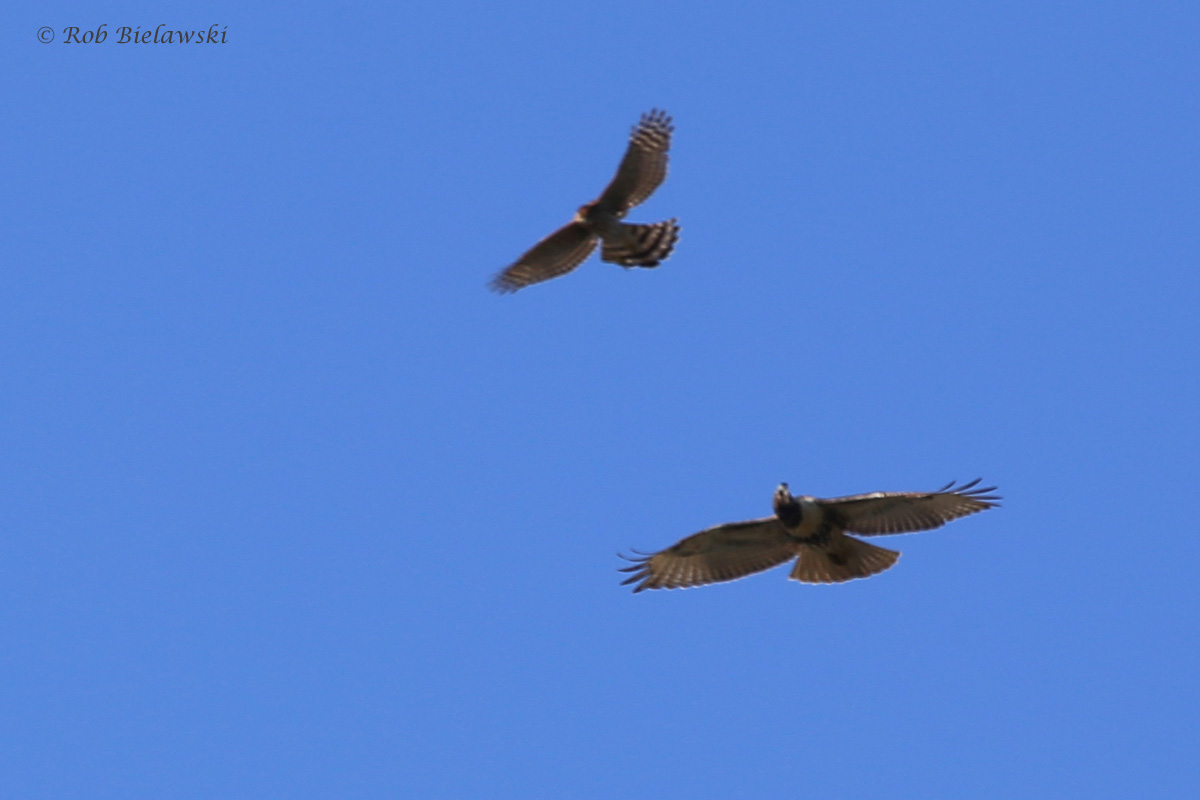
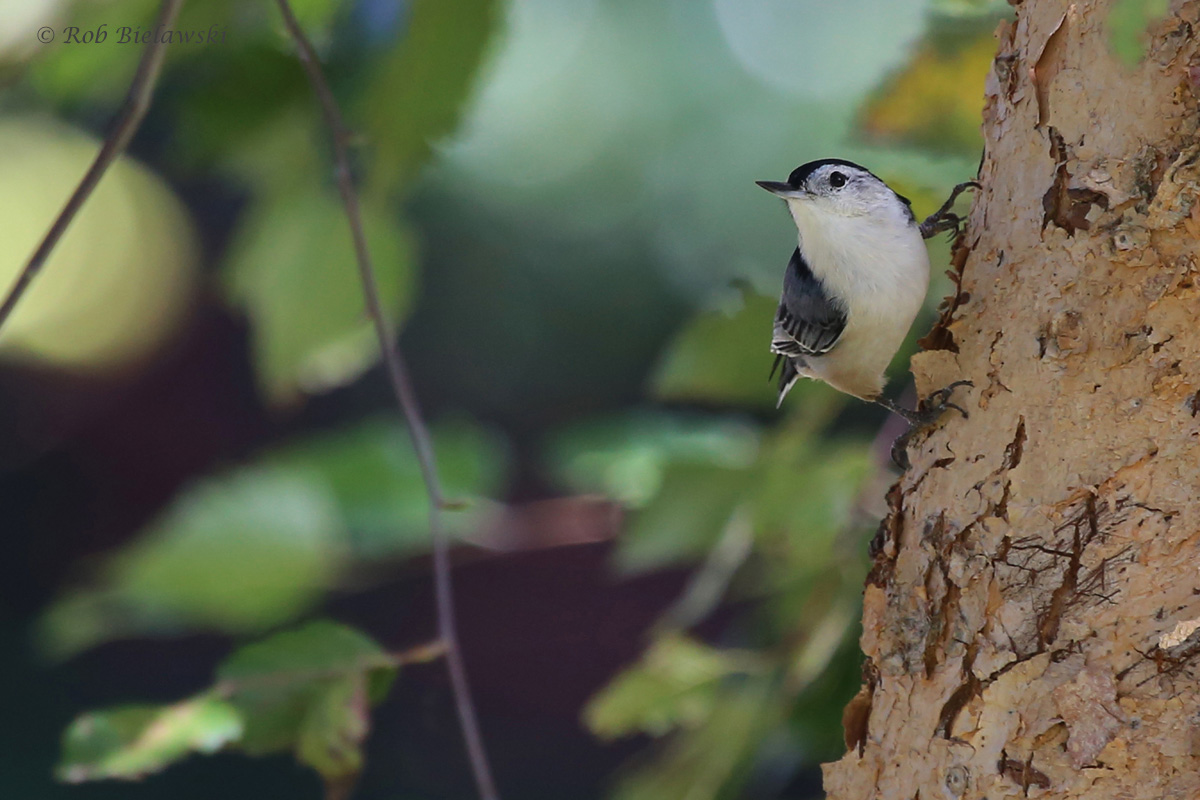
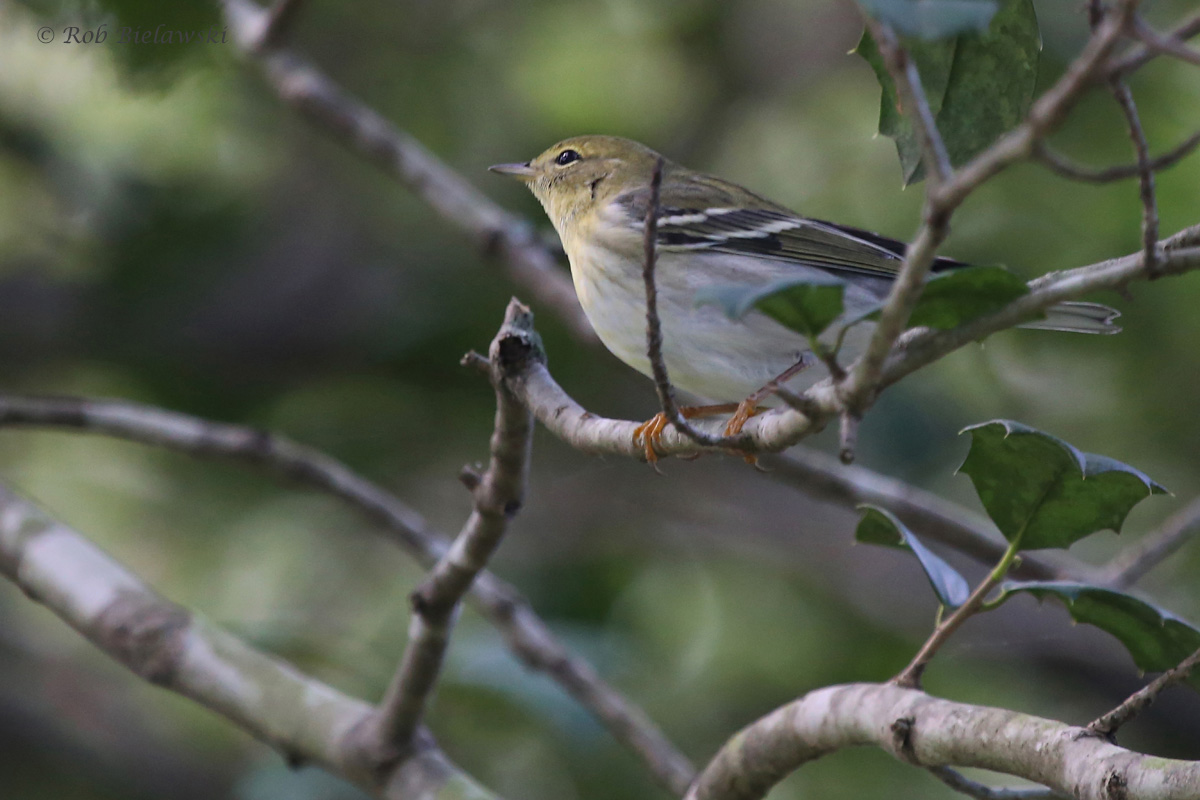
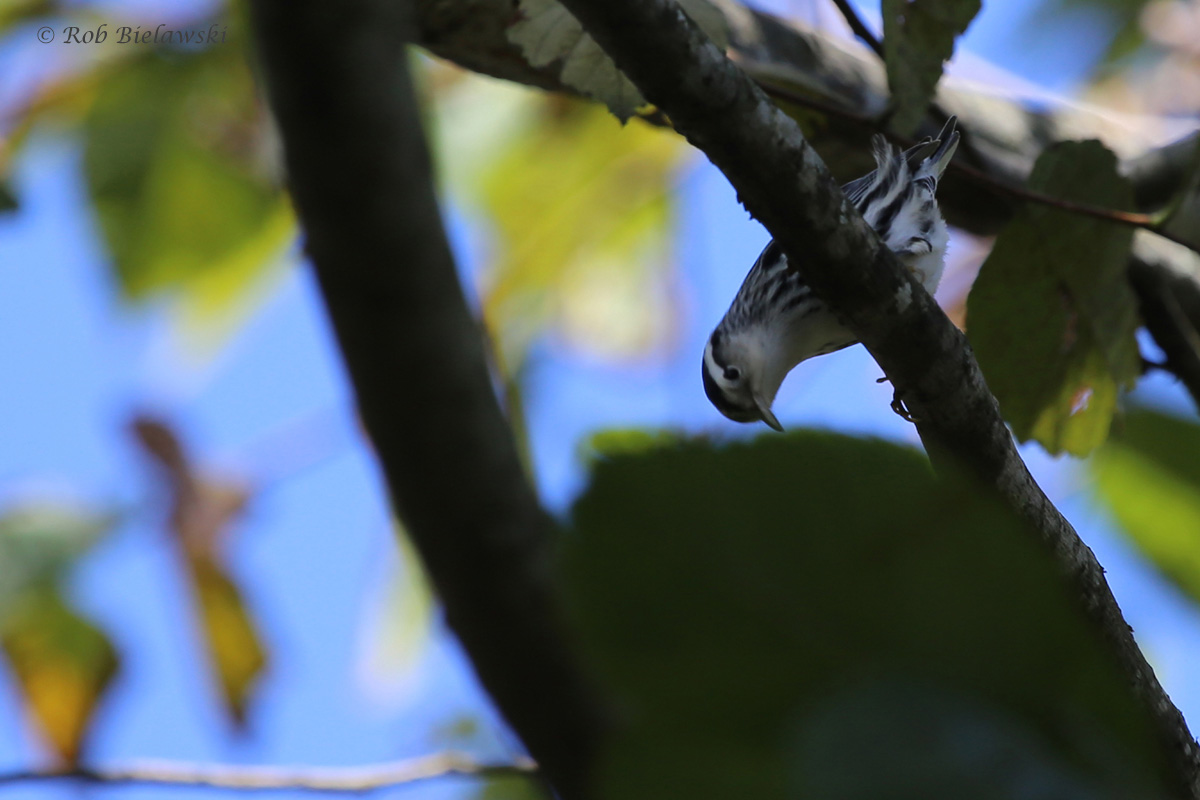
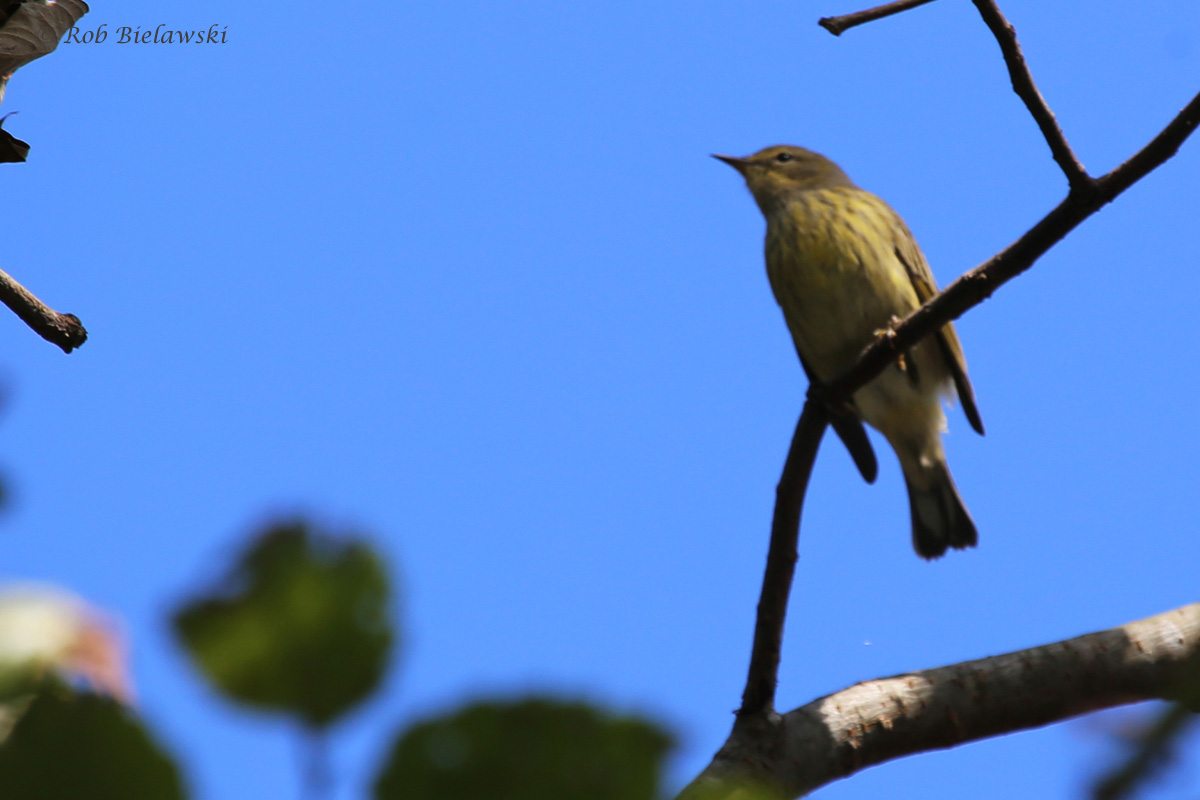
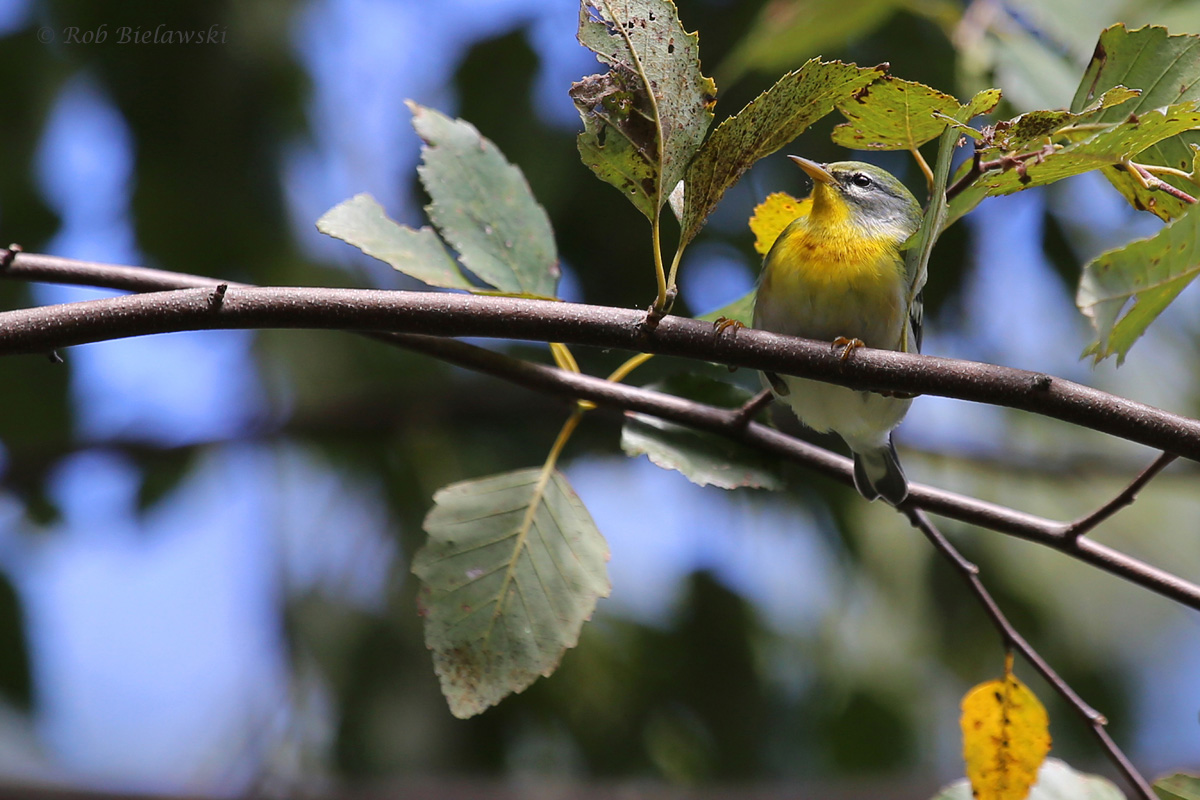
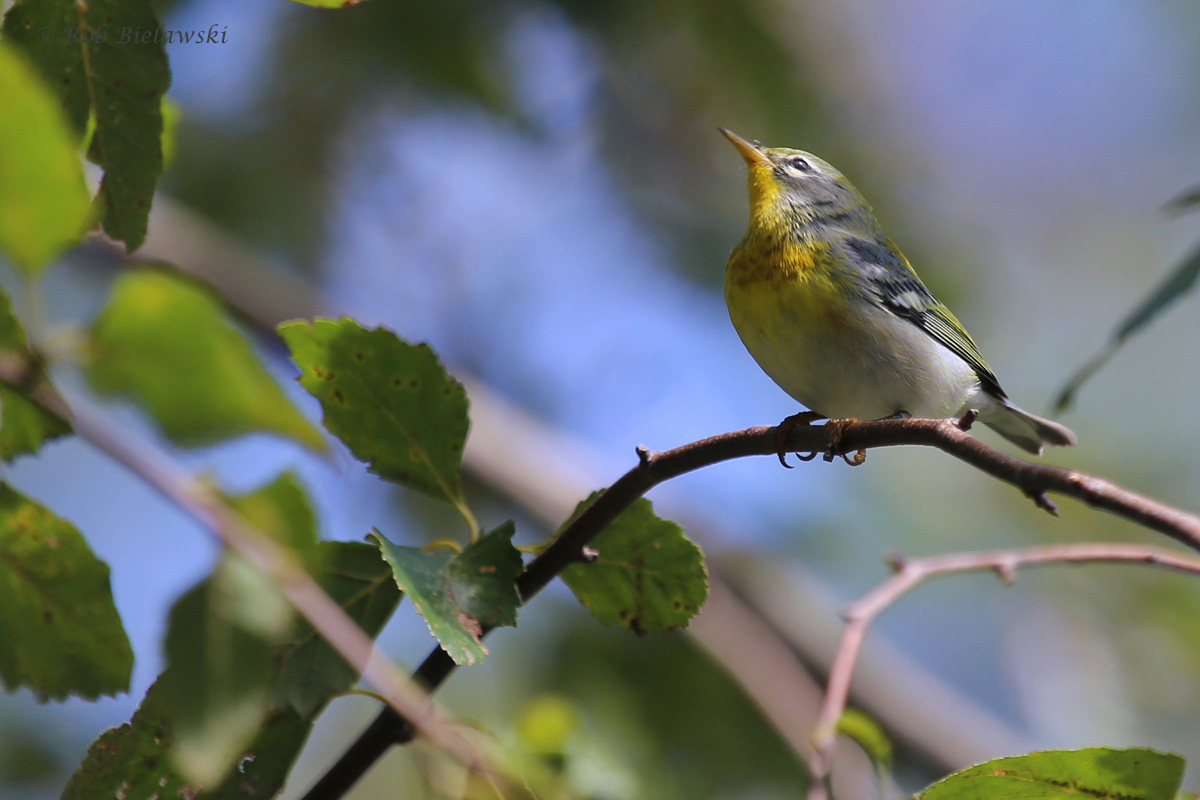
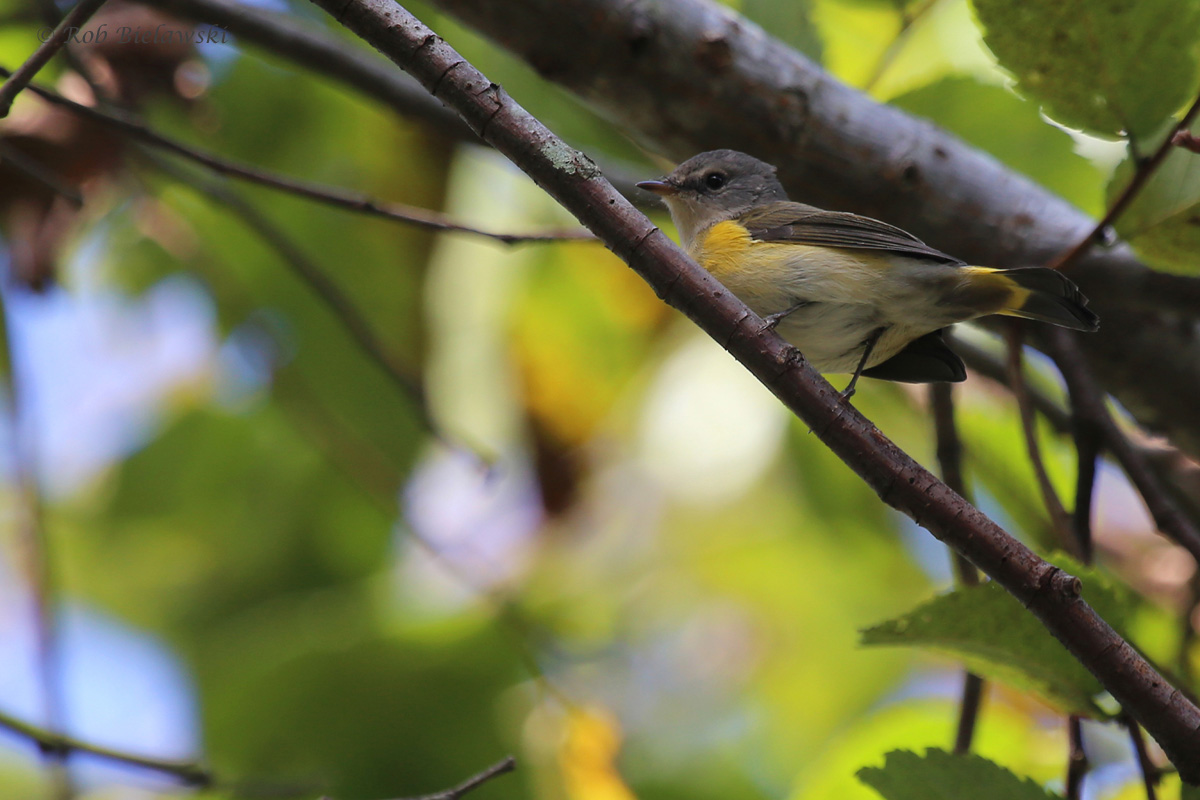
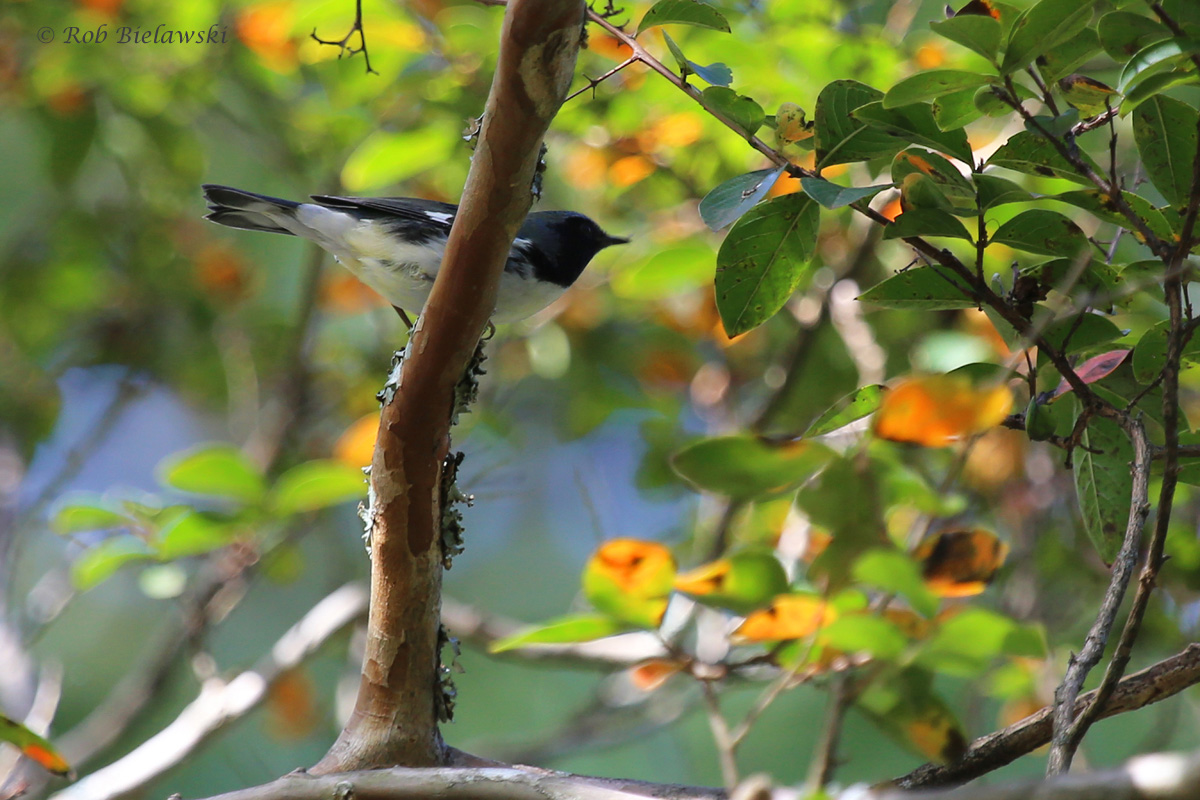
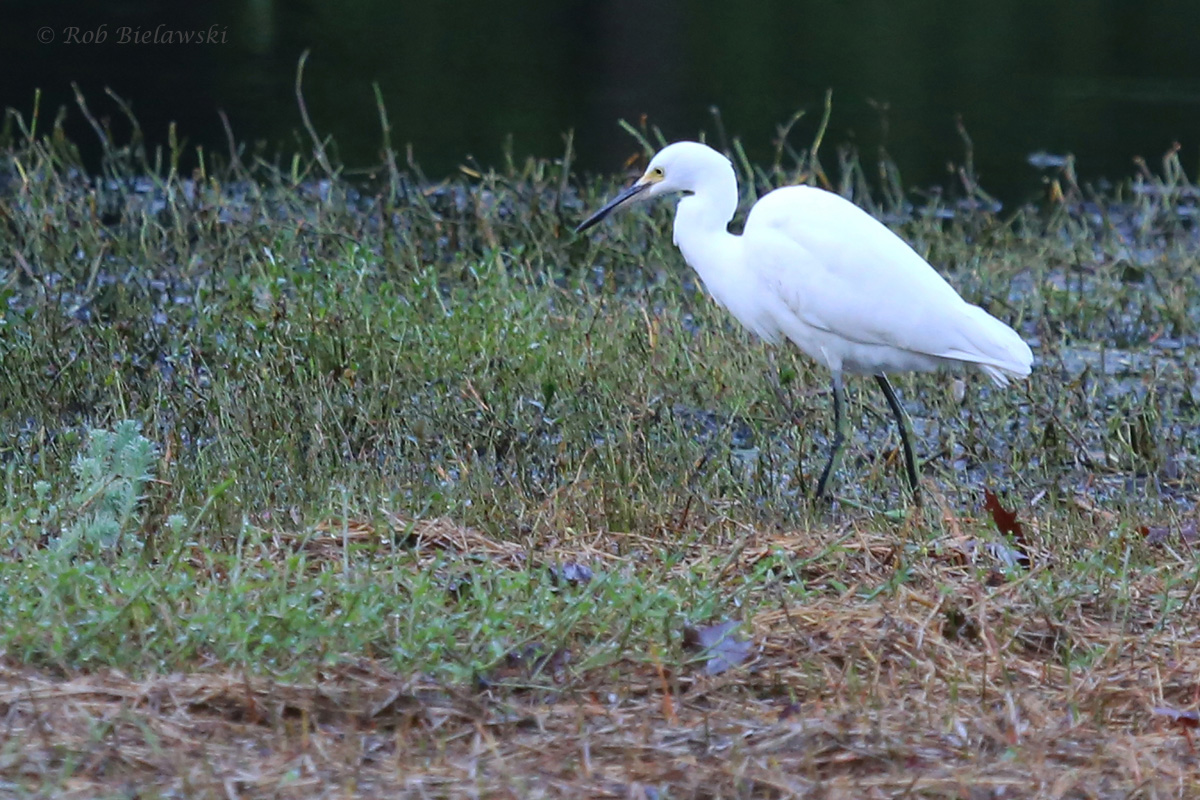
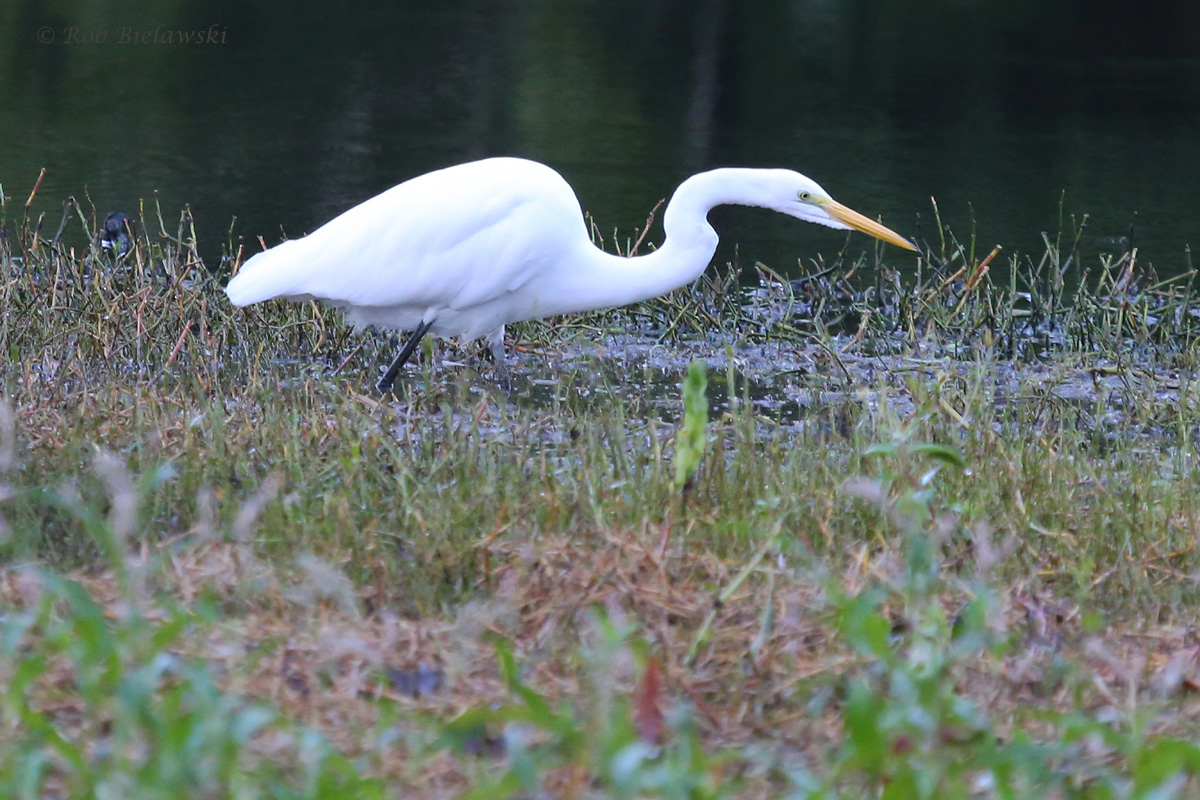
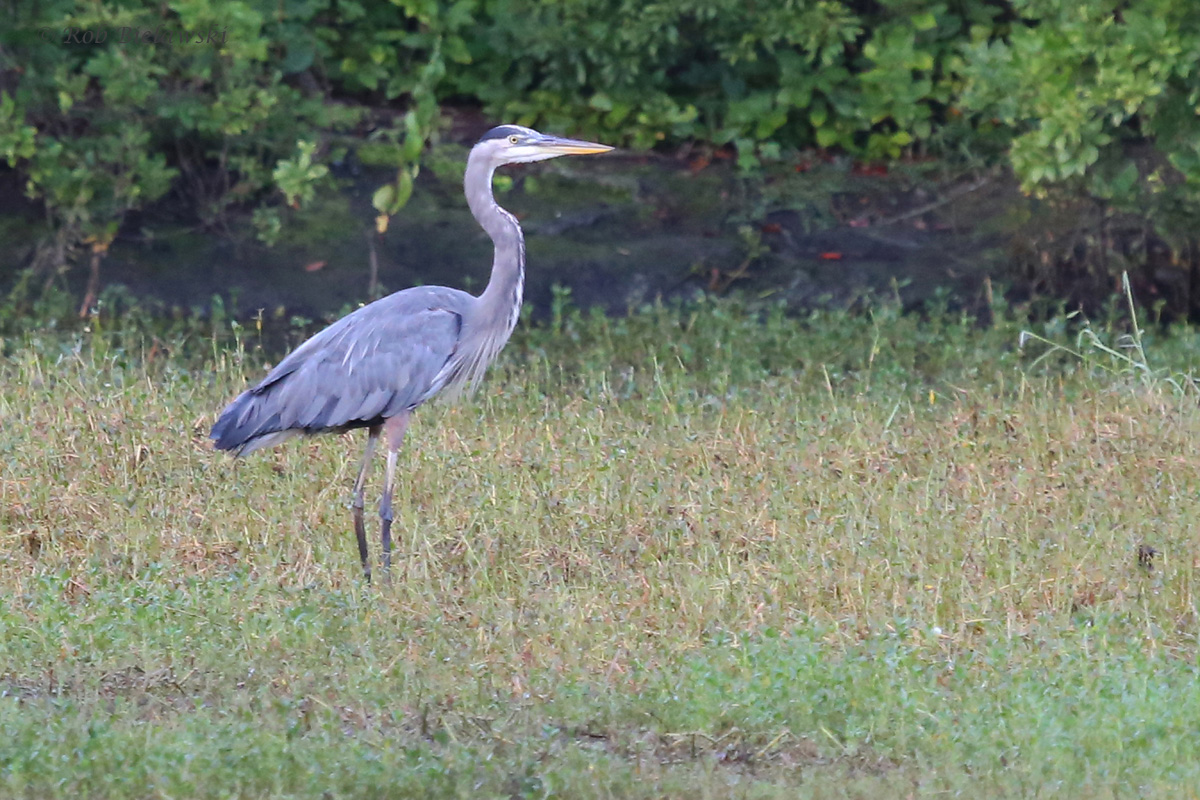
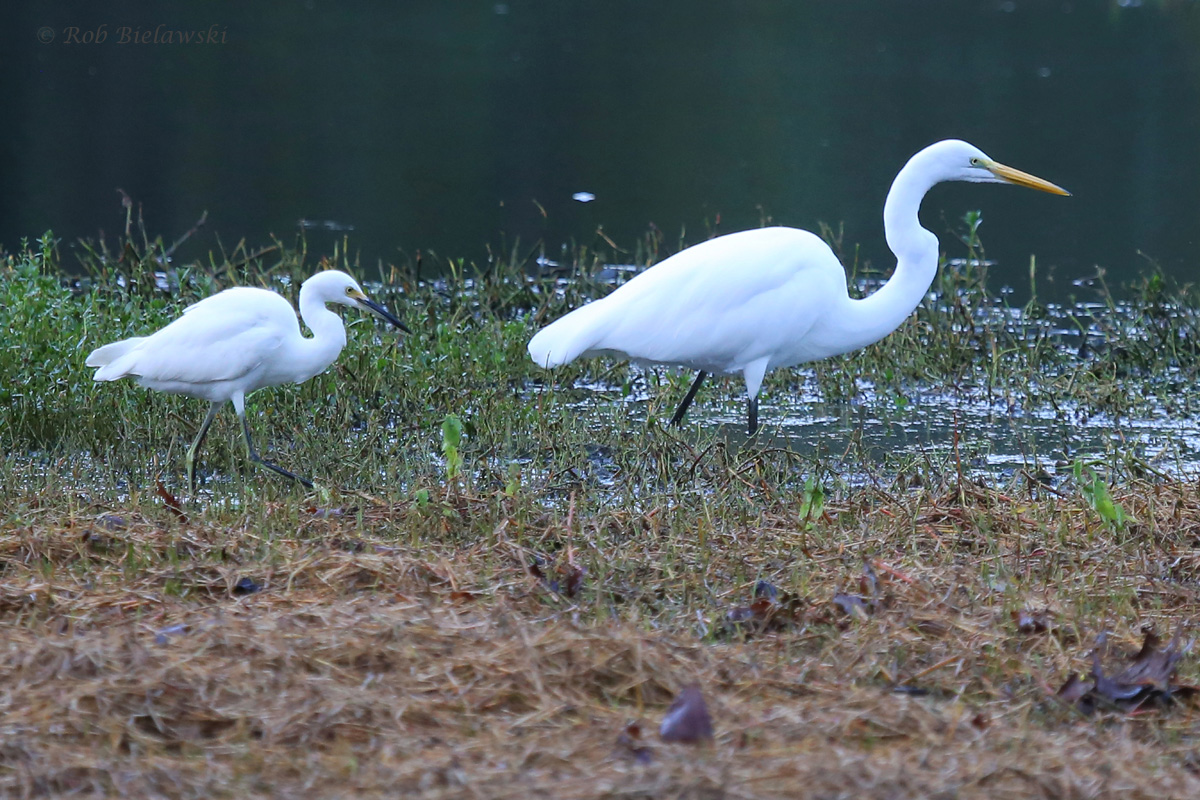
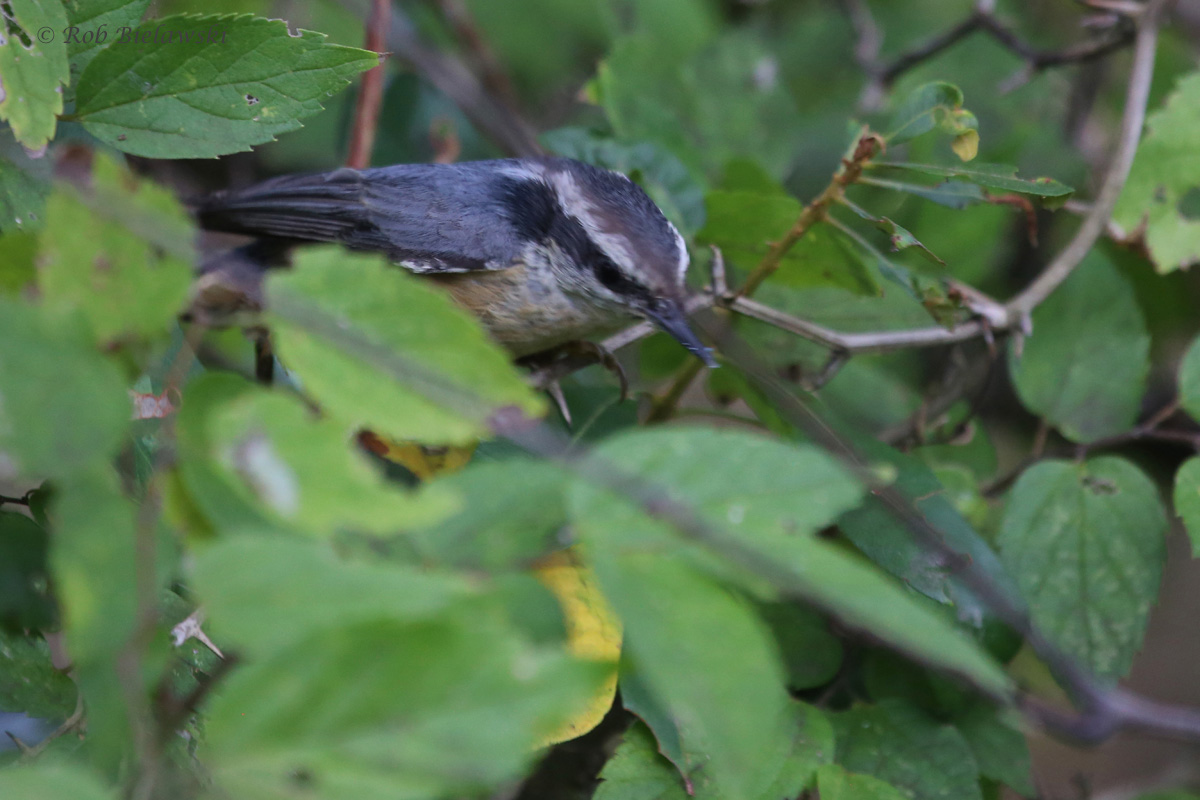
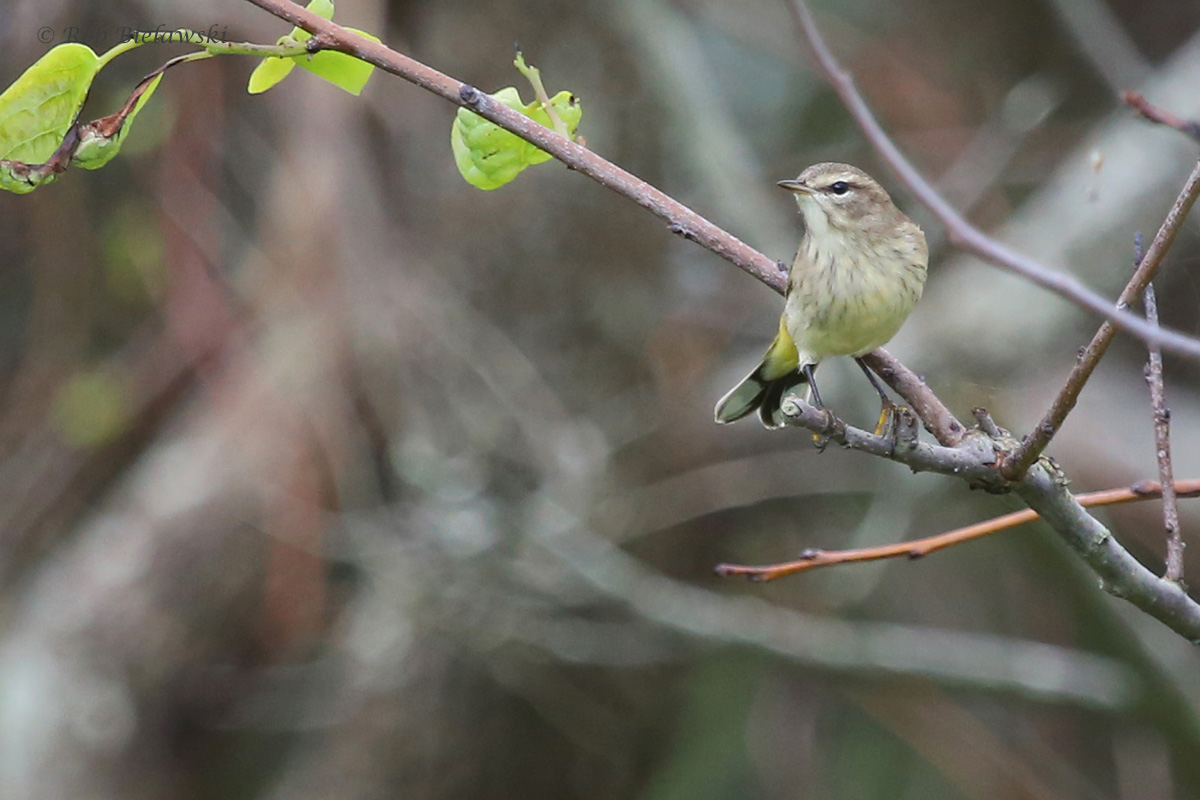
SPECIES DOCUMENTED BY MEDIA and submitted to eBird for Virginia Beach during this period included: 11 OCT – Downy Woodpecker, Carolina Wren & American Robin (Francis Land History Park / Rob Bielawski); Eastern Phoebe & Blue-headed Vireo (Taste Unlimited Bayville / Karen & Tom Beatty); Winter Wren, Ruby-crowned Kinglet, Nashville Warbler, Northern Parula, Black-throated Blue Warbler, Palm Warbler & CLAY-COLORED SPARROW (Taste Unlimited Bayville / Rob Bielawski). 12 OCT – Great Blue Heron, Great Egret, Carolina Chickadee, Northern Parula & Northern Cardinal (Kings Grant Lakes / Rob Bielawski); Purple Finch (Glenmore Hunt Tr. / Karen & Tom Beatty); DICKCISSEL (Little Island Park / Mike Collins); Nashville Warbler (Taste Unlimited Bayville / Rob Bielawski); Ruby-crowned Kinglet, Gray Catbird, Magnolia Warbler, Black-throated Green Warbler & DICKCISSEL (Little Island Park / Rob Bielawski); Black-throated Green Warbler & DICKCISSEL (Little Island Park / Karen & Tom Beatty); Osprey, Bald Eagle, Blue-headed Vireo, Ruby-crowned Kinglet, Black-and-white Warbler, Northern Parula & Yellow-rumped Warbler (Camp Pendleton / Mary Catherine Miguez); Golden-crowned Kinglet, Ruby-crowned Kinglet, Field Sparrow, LARK SPARROW, Dark-eyed Junco, White-crowned Sparrow & White-throated Sparrow (Back Bay NWR / Karen & Tom Beatty); Golden-crowned Kinglet, Grasshopper Sparrow, Chipping Sparrow, Field Sparrow, LARK SPARROW, Dark-eyed Junco & White-crowned Sparrow (Back Bay NWR / Rob Bielawski). 13 OCT – Golden-crowned Kinglet, Ruby-crowned Kinglet, LARK SPARROW, White-crowned Sparrow, White-throated Sparrow, LINCOLN’S SPARROW, Swamp Sparrow & PAINTED BUNTING (Back Bay NWR / Andrew Baldelli); Red-breasted Nuthatch, Blackpoll Warbler, Yellow-rumped Warbler, LINCOLN’S SPARROW & Blue Grosbeak (Back Bay NWR / Karen & Tom Beatty); Pied-billed Grebe, Sharp-shinned Hawk, Belted Kingfisher, Peregrine Falcon, Golden-crowned Kinglet, Ruby-crowned Kinglet, Blackpoll Warbler, Dark-eyed Junco, White-throated Sparrow & LINCOLN’S SPARROW (Back Bay NWR / Mary Catherine Miguez). 14 OCT – Blue-winged Teal, Pied-billed Grebe, Great Blue Heron, Northern Flicker, Golden-crowned Kinglet, American Robin, Gray Catbird, Northern Mockingbird, Cedar Waxwing, Cape May Warbler, Palm Warbler, Field Sparrow, Dark-eyed Junco, White-crowned Sparrow & Song Sparrow (Back Bay NWR / Karen & Tom Beatty); Yellow-rumped Warbler (Bayville Farms Park / David Gibson); White-crowned Sparrow (Back Bay NWR / Kathy Spencer); Brown Pelican, Laughing Gull, Lesser Black-backed Gull & Great Black-backed Gull (Oceanfront / Joe Coppock); Snowy Egret (Owl’s Creek / Joe Coppock). 15 OCT – American Oystercatcher & Ruddy Turnstone (South Thimble Island / Cheryl J Jacobson); Willet (Oceanfront / Joe Coppock); Sanderling, Laughing Gull, Lesser Black-backed Gull & Great Black-backed Gull (Back Bay NWR / Joe Coppock); Bay-breasted Warbler (Kempsville / Una Davenhill). 16 OCT – American Kestrel, Eastern Phoebe, Carolina Wren, Northern Mockingbird, Nashville Warbler, Yellow-rumped Warbler, White-throated Sparrow, Northern Cardinal & Eastern Meadowlark (Princess Anne WMA Whitehurst Tract / Rob Bielawski); Double-crested Cormorant, Brown Pelican, Great Black-backed Gull & Boat-tailed Grackle (Rudee Inlet / Joe Coppock); Pied-billed Grebe (Back Bay NWR / Rob Bielawski); Great Blue Heron (Pleasure House Point NA / Rob Bielawski). 17 OCT – Wilson’s Warbler (Back Bay NWR / Mike Collins); Eurasian Collared-Dove (Sandbridge / Mary Catherine Miguez); Eastern Phoebe, Ruby-crowned Kinglet, Wilson’s Warbler & Field Sparrow (Back Bay NWR / Mary Catherine Miguez). 18 OCT – Orange-crowned Warbler (Back Bay NWR / Tamara Conklin); Yellow-bellied Sapsucker & Hermit Thrush (West Neck Creek Natural Area / Mary Catherine Miguez); GRAY KINGBIRD & Prairie Warbler (Sandy Bar Dr. / Timothy Barry). 19 OCT – Double-crested Cormorant, Great Blue Heron, Caspian Tern, Yellow-billed Cuckoo, Red-headed Woodpecker, Red-bellied Woodpecker, Northern Flicker, Nashville Warbler, LARK SPARROW & Field Sparrow (Back Bay NWR / Karen & Tom Beatty); Cooper’s Hawk & Yellow-bellied Sapsucker (Sandy Bay Dr. / Timothy Barry). 20 OCT – Osprey, Belted Kingfisher, Hermit Thrush, Pine Warbler, Savannah Sparrow & Swamp Sparrow (Pleasure House Point NA / Mary Catherine Miguez).

LOOKAHEAD: We should see a cooldown through the next few days, and while the best of southbound songbird migration is now likely behind us, we are arriving at the vagrant-hunting season along the East Coast. During late October through probably December, reverse migrants from the West Coast often visit our area as they travel northward along the coast. These species can include Gray Kingbirds, as we have already seen here this fall, but other species to look for would be Western Kingbird (or any of the yellow-bellied-kingbird species, ie. Tropical/Couch’s/Cassin’s), Say’s Phoebe, Vermillion Flycatcher, Ash-throated Flycatcher, Scissor-tailed Flycatcher, and even Townsend’s or Black-throated Gray Warblers. Also, please remember that of the expected species arriving or passing through here during the fall season, we have not yet logged our first Northern Pintail (early September arrival), Gray-cheeked Thrush (mid-September arrival), Orange-crowned Warbler (late September arrival), Purple Sandpiper, Brant, American Pipit, American Woodcock, Bonaparte’s Gull & Horned Grebe (early October arrivals), Rusty Blackbird, Redhead, Ring-necked Duck, Greater Scaup, Lesser Scaup, White-winged Scoter & Great Cormorant (mid-October arrivals) and Fox Sparrow, Harlequin Duck, Red-throated Loon, Hooded Merganser, Snow Goose, Common Eider, Long-tailed Duck, Bufflehead & Red-breasted Merganser (late October arrivals) in Virginia Beach yet this fall. We should begin to see more waterfowl in the coming period as well, since thus far they have been rather nonexistent; though, perhaps they’re present, and most birders just haven’t focused on their habitat when birding due to the songbird movements.

Next Entry | Entry Index | Previous Entry

For more information on this thrice-monthly Birding Blog, please check out the Journal Overview Page on the website. It provides background information as to what sightings are considered for the blog, details about the format of the blog, and it will likely answer many other questions that readers might be wondering about as well! As always, thank you for reading, and please leave me a comment below (you may use your Facebook, Gmail or other accounts to easily do so), or just click the Heart icon to the lower right of this post to let me know you stopped in!

Early October 2016 (1st-10th)

Fall songbird migration held firm at the start of the period, but was quickly replaced by poor weather preceding the landfall of Hurricane Matthew in South Carolina. Conditions across the region deteriorated swiftly, and Virginia Beach was again drowned in heavy rainfall, high winds, and coastal flooding. As the storm cleared at the close of the period, conditions turned favorable once again and one fantastic day of migration was observed on the 10th. A couple of finds stood above all others though this period, and our top birds were BROWN BOOBY & ANHINGA. First-of-season arrivals flooded in throughout the period and included American Coot (early), American Bittern, Philadelphia Vireo, Tundra Swan (early), Savannah Sparrow, Hermit Thrush (early), Yellow-bellied Sapsucker, Ruddy Duck, Sedge Wren, Palm Warbler (Yellow race), Black Scoter, Red-breasted Merganser (early), Northern Gannet (early), Blue-headed Vireo, Golden-crowned Kinglet, Ruby-crowned Kinglet, Dark-eyed Junco, White-throated Sparrow, Swamp Sparrow, Purple Finch & Tennessee Warbler! Continuing instances of late birds included Yellow Warbler, Yellow-throated Warbler, Yellow-throated Vireo, Yellow-breasted Chat, Veery & Black Tern. Lastly, we saw high counts of Northern Parula, Pied-billed Grebe, Black Skimmer, Northern Flicker, and both Nelson’s & Seaside Sparrows. 

WEATHER: As with last period, we again found ourselves in the midst of devastating flooding due to a tropical system, this time being Hurricane Matthew. As Matthew trekked across the southern Caribbean, it attained Category 5 status, then made landfall in southwestern Haiti as a Category 4 storm before crossing land again in Cuba and the Bahamas as well. When it approached Florida, it somehow managed to essentially parallel the coastline all the way up to Charleston, SC before finally make landfall again as a Category 1 storm over South Carolina. The storm moved northeastward from there, and its counterclockwise-spinning wind field interacted with a cold front that had settled over our region, causing massive amounts of rain to fall (more than double what local weather crews were predicting). At Oceana NAS, 7.70 inches of rain fell on Saturday, 8 Oct. News stations and personal weather gauges reported amounts up to 12 or even 13 inches across the region so as always, depending on your specific location in the city, you could have seen varying rainfall. All of this precipitation fell onto soil that still hadn’t recovered from the effects of Julia in mid-to-late September, which only complicated matters. Coupled with the winds (a high gust of 62 mph was recorded at Oceana, with maximum sustained winds of 39 mph), a high number of trees uprooted, which caused widespread power outages leaving some 200,000+ residents without electricity as the period drew to a close (as of this writing, things have gotten much better, though not fully resolved). In terms of temperature values this period, overall, early October’s average daily high temperature dropped to 74.5 degrees F (-4.4 degrees from the  late September period); the average daytime lows also dropped to 64.9 degrees F (-0.2 degrees). The previous 10-year average daily highs & lows for the mid-September period were 75.9 & 59.3 degrees F, respectively which puts this period in 2016 at -1.4, and +5.6 degrees when comparing to the averages. Also during the previous 10-year period, the maximum average daily highs & lows were 83.1 & 69.9 degrees F (2007). As mentioned, Matthew decimated southeastern Virginia, dropping an incredible amount of rain during a very short period of time (mostly 3 PM through about 8 AM between 8-9 Oct). During the early October period, we received 7.91 inches of rain, with 7.70 of that falling just during the previously mentioned time frame! Oceana’s gauge did not pick up any rainfall on 9 Oct, so it may have gone offline during the storm event as well, so this total could be well under the final tally. Once the storm moved offshore, we were hit with northerly winds again and migration immediately began to pick back up. The forecasts for the coming few days all look excellent, and we should see large numbers of migrants sweeping through the region.

OBSERVATIONS:  With several days of overcast and dreary days preceding the impacts of Hurricane Matthew, one could have guessed that this would be a slow period. However, birding observations in Virginia Beach didn’t just maintain the levels from the past period, they managed to improve upon it. In the wake up Hurricane Matthew, the top bird of the period, a BROWN BOOBY (9 Oct / Kim Harrell) was observed flying near the pier on South Thimble Island of the Chesapeake Bay Bridge-Tunnel complex. It was unfortunately searched for the following day to no avail, but this is the first record for the species in Virginia Beach since 2006 (6-8 Aug / First Landing SP / Kim & Matt Hafner [See Page 47, Vol. 80 of The Raven]) so even with only one observer, it is cause for celebration. Another rarity for the area, three ANHINGAS were observed flying over Lake Smith (4 Oct / Tracy Tate) on strong northerly winds that preceded Hurricane Matthew’s approach. So far in 2016, only one other Anhinga has been observed, that record being of an injured bird in July at Stumpy Lake. Interestingly, these three were not observed at the Kiptopeke Hawkwatch site across the Chesapeake Bay’s mouth, so it makes me wonder a bit as to where they might have come from. We’re situated at basically the furthest north and east part of their breeding range, so perhaps these were local this summer and just were never found by any birders. As the introductory paragraph portrays, this was nothing short of an amazing period for first-of-season arrivals. To keep some semblance of order here, I’m going to list the arrivals chronologically, lest this article descend into truly unordered chaos. The first-of-season species observations were as follows: American Coot (3 Oct / Back Bay NWR / Tamara Conklin / slightly precedes expected 5 Oct arrival); American Bittern (3 Oct / Pleasure House Point NA / Timothy Barry); Philadelphia Vireo (3 Oct / Camp Pendleton / Karen & Tom Beatty and Andrew Baldelli / the very first of its kind for Virginia Beach in eBird though an annually transient species that is likely under-represented here); Tundra Swan (4 Oct / Lago Mar / Mary Catherine Miguez / very early ahead of its expected 30 Oct arrival); Savannah Sparrow (4 Oct / Back Bay NWR / Robert Ake); Hermit Thrush (5 Oct / Old Donation Creek / Carolyn Caywood / early for its expected 10 Oct arrival); Yellow-bellied Sapsucker (7 Oct / Glenmore Hunt Tr. / Karen Beatty); Ruddy Duck (7 Oct / Kempsville Lake / Brandon Holland); Sedge Wren (8 Oct / Pleasure House Point NA / Cheryl J Jacobson); Palm Warbler (Yellow Race) (8 Oct / Pleasure House Point NA / Rob Bielawski); Black Scoter (9 Oct / South Thimble Island / Andrew Baldelli / though they can over-summer, this is the first report for some time); Red-breasted Merganser (9 Oct / South Thimble Island / Andrew Baldelli / well ahead of expected 30 Oct arrival); Northern Gannet (9 Oct / South Thimble Island / Andrew Baldelli / slightly early of expected 10 Oct arrival); Blue-headed Vireo, Golden-crowned Kinglet, Ruby-crowned Kinglet, Dark-eyed Junco, White-throated Sparrow, Song Sparrow & Purple Finch (10 Oct / Taste Unlimited Bayville / Andrew Baldelli); and Tennessee Warbler (10 Oct / Lauderdale Ave. / Timothy Barry). In addition to all the first arrivals, some late occurrences of summering and transient species also occurred this period including: Yellow Warbler (last observed 7 Oct / Back Bay NWR / Mary Catherine Miguez), Yellow-throated Warbler (last observed 1 Oct / White House Ln. / Tracy Tate), Yellow-throated Vireo (last observed 3 Oct / Camp Pendleton / Mary Catherine Miguez), Veery (last observed 4 Oct / Taste Unlimited Bayville / Andrew Baldelli), Yellow-breasted Chat (last observed 10 Oct / Davenport Ln. / Tommy Maloney), Black Tern (last observed 9 Oct / Rudee Inlet / Andrew Baldelli). Since migration is reaching its peak, it came as no surprise that higher than typical counts of many species were reported. 36 Northern Parulas were observed at Lake Lawson & Lake Smith NA (6 Oct / Timothy Barry), 35 Pied-billed Grebes were near the visitor center at Back Bay NWR (7 Oct / Mary Catherine Miguez w/33 obs. earlier by Karen & Tom Beatty), and as Hurricane Matthews winds roared ashore, a massive flock of 175 Black Skimmers sought refuge on the Lynnhaven River (8 Oct / viewed from Pleasure House Point NA / Rob Bielawski). Nelson’s and Seaside Sparrows were also observed in high numbers thanks in part to the higher than typical tides we received due to the onshore winds and excessive rainfall. High water like this forces these marsh dwelling sparrows to move further up the grasses that they can be seen clinging too, putting them into a better spot for viewing. Northern Flickers have also started to move through in high counts, and as the period came to a close, it seemed as though a large movement of landbirds was looming, as seen through all the first-of-season arrivals on 10 Oct, notably along the Shore Drive corridor (the first land that these birds hit after their treacherous crossing of the Chesapeake Bay from the Eastern Shore). Depleted and exhausted, these birds seek both shelter and food to regain energy and will be easiest observed in and around thick vegetation as a result.

SPECIES DOCUMENTED BY MEDIA and submitted to eBird for Virginia Beach during this period included: 1 OCT – Nashville Warbler & Palm Warbler (Back Bay NWR / Mary Catherine Miguez); Yellow Warbler (Back Bay NWR / Lisa Rose). 2 OCT – Turkey Vulture & Red-tailed Hawk (Recreation Dr. / Clyde Wilson). 3 OCT – American Coot, American Kestrel, Eastern Phoebe, Nashville Warbler, Common Yellowthroat, Palm Warbler & Field Sparrow (Back Bay NWR / Tamara Conklin); Rose-breasted Grosbeak (Back Bay NWR / Bob McAlpine); American Coot (Back Bay NWR / Karen & Tom Beatty); Yellow-billed Cuckoo, Carolina Chickadee & Northern Cardinal (Lake Lawson & Lake Smith NA / Rob Bielawski). 5 OCT – Hermit Thrush & Yellow-breasted Chat (Old Donation Creek / Carolyn Caywood). 6 OCT – Canada Goose, Brown Pelican, Osprey, Herring Gull & Caspian Tern (Fort Story / Karen & Tom Beatty); Belted Kingfisher, Red-headed Woodpecker, Downy Woodpecker & Yellow-rumped Warbler (First Landing SP / Karen & Tom Beatty). 7 OCT – Black-throated Blue Warbler (Stumpy Lake NA / Betty Sue Cohen); Pied-billed Grebe, Great Blue Heron, White-eyed Vireo, Carolina Chickadee, Northern Mockingbird, Yellow Warbler & Field Sparrow (Back Bay NWR / Mary Catherine Miguez). 8 OCT – Great Blue Heron, Nelson’s Sparrow & Boat-tailed Grackle (Pleasure House Point NA / Rob Bielawski); Merlin (Pleasure House Point NA / Rob Bielawski). 9 OCT – BROWN BOOBY (South Thimble Island / Kim Harrell). 10 OCT – Yellow-billed Cuckoo & Dark-eyed Junco (Taste Unlimited Bayville / Andrew Baldelli); Eastern Phoebe, Common Yellowthroat & Palm Warbler (South Thimble Island / David Clark); Golden-crowned Kinglet (Lago Mar / Mary Catherine Miguez).

LOOKAHEAD: Thankfully, it appears we are in for some nice weather over the coming days, which should allow for a lot of birders to be out in the field seeking out migrant songbirds. Waterfowl will also start making their moves soon, but the next period should be dominated by songbirds, which are likely now past their peak of migration, but should still provide excitement. Sparrows and wintering landbirds will also show up in good numbers moving forward, and this might be the period where we become overrun by Yellow-rumped Warblers. Thickets and small pockets of forest with several stories of vegetation should continue to give up great birds, and remember, of the species that are expected here during fall, we have not yet logged our first Blue-winged Warbler & Chestnut-sided Warbler (mid-August arrivals), Blackburnian Warbler (late August arrival), Northern Pintail (early September arrival), Gray-cheeked Thrush (mid-September arrival), Orange-crowned Warbler & Winter Wren (late September arrivals), Purple Sandpiper, Brant, American Pipit, White-crowned Sparrow, Surf Scoter, American Woodcock, Bonaparte’s Gull & Horned Grebe (early October arrivals) & Rusty Blackbird, Redhead, Ring-necked Duck, Greater Scaup, Lesser Scaup, White-winged Scoter & Great Cormorant (mid-October arrivals) in Virginia Beach yet this fall. There are plenty of rarities to be looking for also right now as we get closer to vagrant season in November!

Next Entry | Entry Index | Previous Entry

For more information on this thrice-monthly Birding Blog, please check out the Journal Overview Page on the website. It provides background information as to what sightings are considered for the blog, details about the format of the blog, and it will likely answer many other questions that readers might be wondering about as well! As always, thank you for reading, and please leave me a comment below (you may use your Facebook, Gmail or other accounts to easily do so), or just click the Heart icon to the lower right of this post to let me know you stopped in!

Late September 2016 (21st-30th)

WARBLERS... they have finally arrived! Songbird migration finally stepped up to the plate this period, and hit a home run. After a lackluster fall migration for songbirds thus far on the coast, we were all very pleased when the winds finally made a shift out of the north, and brought down our first groups of migrant passerines. Despite the early period rains, some great birds were observed, and the top bird this period was a rarely occurring fall migrant here on the coast, a LOUISIANA WATERTHRUSH. Additionally we saw early first-of-season arrivals of Brown Creeper and Yellow-rumped Warbler, as well as on-time first-of-season arrivals of American Wigeon, Broad-winged Hawk, Veery, Cape May Warbler, Bay-breasted Warbler, Blackpoll Warbler, Black-throated Blue Warbler, Black-throated Green Warbler, Nelson’s Sparrow and Rose-breasted Grosbeak. To round out the new arrivals, right at the end of the period we were also treated to our first-of-season (and late), Canada Warbler! Several species have also persisted beyond their average expected departure dates, including lingering batches of Yellow Warblers (primarily at Back Bay NWR), a pair of Black Terns and Yellow-breasted Chat (at several locations). Red-breasted Nuthatches continue to be reported around the region and it continues to seem reasonably safe to state that this may be an irruption year for this species. WEATHER: Temperatures continued to expectedly fall through late September, and we started this period right where we left off in mid-September, with copious amounts of rain. The remnants of Tropic Storm Julia continued to stall to our south on 21 Sep, dumping a whopping 4.82 inches of rain (in addition to the 3.55 inches on 20 Sep, and the 1.17 inches on 19 Sep). In total, the storm was responsible for 9.54 inches of rain falling at Oceana NAS, with potentially higher totals in other areas of the region; an incredible amount of rain. Overall, the late September period’s average daily high temperature dropped to 78.9 degrees F (-3.4 degrees from the mid-September period); the average daytime lows also dropped to 65.1 degrees F (-4.2 degrees). The previous 10-year average daily highs & lows for the mid-September period were 78.4 & 64.2 degrees F, respectively which puts this period in 2016 at +0.5, and +0.9 degrees when comparing to the averages (very close to average). Also during the previous 10-year period, the maximum average daily highs & lows were 82.7 (2010) & 74.4 degrees F (2015). As mentioned, Julia’s remnants dropped incredible amount of rain during the 3-day period where it affected the region, but only an additional 0.94 inches of rain fell during the remainder of the late September period. The weather this coming period will require some intent tracking. Currently, Hurricane Matthew, which peaked as a Category 5 storm with 160 mph sustained winds, is trudging northward through the Caribbean Sea and impacts to our area from this storm are possible as early as 6 or 7 Oct. Depending on how the track of this dangerous storm plays out, this could have a major effect on the birding locally.

OBSERVATIONS:  As with the previous period, shorebird observations seemed to dwindle, while we finally got our first taste of fall passerine migration. Pockets of forest around Virginia Beach sprang to life once the remnant of Tropical Storm Julia finally released its hold on region’s weather patterns. Northerly winds took over, bringing down the first big push of transient songbirds.  The top bird of the period, a LOUISIANA WATERTHURSH (23 Sep / Camp Pendleton / Karen & Tom Beatty and Mary Catherine Miguez), became the very first eBird observation in Virginia Beach for this species during the fall season, of any year! Perhaps there have been others recorded, but no one has taken to time yet to enter them, so this is an exciting find! In reference to the distributional status of this species in Virginia, the Gold Book states “Rare on coast in fall and rarely observed anywhere in state on fall migration, which may begin as early as late June-early July.”  So not only is observing one in Virginia Beach during fall impressive, but one being found so late into the season, in late September, makes this sighting all the more interesting. Camp Pendleton (a restricted access military installation) also managed to produce several other first-of-season arrivals this period which included Cape May Warbler (22 Sep / Karen & Tom Beatty) and Black-throated Blue Warbler (22 Sep / Karen & Tom Beatty and Mary Catherine Miguez), as well as Black-throated Green Warbler (23 Sep / Tom Beatty) and Rose-breasted Grosbeak (23 Sep / Karen Beatty & Mary Catherine Miguez), and an early first-of-season arrival of Brown Creeper (23 Sep / Karen Beatty). On 24 Sep, the 22nd annual Kiptopeke Challenge, sponsored by the Coastal Virginia Wildlife Observatory, helped bolster eBird observations in Virginia Beach, as teams scoured the coastal plain in search of a wide variety of species. Very early in the morning hours, first-of-season Veery were identified by their nocturnal flight calls over Horn Point Road (Matt Anthony, James Fox & Nicholas Newberry). Also in the pre-dawn hours, a Barred Owl was observed at West Neck Creek NA, Great Horned Owls were observed at Horn Point Road & Catfish Road, and Eastern Screech-Owls were found at both Horn Point Road and West Neck Creek NA (all owls, Andrew Baldelli & Tracy Tate). While these species do not get reported often in eBird, they are all fairly common around Virginia Beach, and they likely just are underreported due to their nocturnal nature. When it comes to competing in a birding competition though, it is certainly important to start the day off finding these three species, or finish it off doing so. Once the sun did finally rise around 7 AM, a first-of-season Bay-breasted Warbler was found near the west end of the Bay Trail at Back Bay NWR (Rob Bielawski & Jason Strickland) with another individual being observed at Cape Pendleton shortly afterwards (Karen & Tom Beatty). The rest of the day kept up with the sightings as well, and first-of-season Broad-winged Hawk (First Landing SP / Karen & Tom Beatty), Blackpoll Warblers (Eldon Ct. / Brandon Holland) and a very early Yellow-rumped Warbler (Stumpy Lake NA / Betty Sue Cohen) were all documented. Typically when the Yellow-rumpeds start to show up here, it means the remainder of warblers’ migration is starting to taper down, but throughout the remainder of the period, only one other Yellow-rump arrived (28 Sep / Back Bay NWR / Karen & Tom Beatty); however, we should start to see LOTS of these soon, as when it comes to warblers they are our most abundant transient, and winter resident along the coast. In total on 24 Sep, an incredible 56 checklists were submitted to eBird in Virginia Beach, with a whopping 51 of these occurring before noon! Most teams that birded Virginia Beach started their day off here, then worked northward along the coast, stopping at preferred hotspots like Kiptopeke SP, Willis Wharf, and Chincoteague NWR in the process. During the previous 21 Kiptopeke Challenges, participants were limited to staying within the Eastern Shore counties of Accomack & Northampton, so it was an exciting change this year to allow other areas within the coastal plain (like Virginia Beach) to be utilized. Even after the challenge had come and gone, Virginia Beach produced plenty of great sightings. On 25 Sep and again on 30 Sep, a Wilson’s Warbler was observed behind the Taste Unlimited on Shore Drive (Andrew Baldelli) where this (presumably same) individual was first sighted on 11 Sep. Typically this species doesn’t stay in the same place here for long, so it is rather interesting that what is likely the same individual was seen over a 19-day time span. Only the second observed here this fall, a Yellow-throated Vireo was at Back Bay NWR on 26 Sep (Jerry Ledbetter). Also at Back Bay NWR, a high count of 14 King Rails were observed on the impoundment survey (Robert Ake), as well as two late Black Terns, and a second-of-season Sora for the city. At the opposite end of Virginia Beach far to the north, Nelson’s Sparrows were also first detected at Pleasure House Point (27 Sep / Loretta Silvia), and these should make for some excitement to local birders throughout the next month or two as their numbers steadily rise (if the last pair of years are any indicator at least). Saltmarsh Sparrows should also be looked for in this area mixed in with flocks of Nelson’s, though separating the two species is a bit tricky, and even most field guides I have tend to show a great deal of overlap between the species, which is why they were long-considered to actually be the same species (formerly, Sharp-tailed Sparrow). Higher than normal tides over the first few days of October should make this species even more visible as they seek out feeding habitat in the marsh reeds surrounding the Lynnhaven River. Nearing the end of the period, another first-of-season arrival occurred, when two drake American Wigeons were observed on the Salem Canal (29 Sep / Rose Chandler). Not much in the way of waterfowl have yet been detected here, but this should also change as October takes over. Wintering ducks, geese and swans should all begin to show up in the next couple of periods as songbird movements peak and start to taper down. As mentioned above, Red-breasted Nuthatches have also been a highlight this fall within the city, and reports continue to pop up from several different locations, with Back Bay NWR being the most reliable (see photo links below). On the final day of the period, 30 Sep, a Nashville Warbler (second-of-season here) was observed (Lisa Rose), and the individual and stayed put long enough for quite a few folks to view it before the period came to a close. Back Bay NWR also seems to be holding onto Yellow Warbler and Yellow-breasted Chats longer this year than in the average year. Both species continued to be reported through the end of the period, with Yellow Warblers having a typical departure date of 20 Sep, with Chats typically gone by 25 Sep, though occasionally lingering individuals obscure these dates, as we’re seeing this fall. Lastly, and just prior to close of the period on 30 Sep, we were all delighted to see a Canada Warbler (Back Bay NWR / Una Davenhill) posted to eBird! Canada warblers are referred to as ‘fairly rare transients’ in the coastal plain according to the Gold Book, and with this observation being the first since the spring of 2015, it was clearly a cause for celebration. Since I’m writing this post a couple of days after the period end, I’d like to mention that Back Bay NWR was scoured for this bird by a great many observers, and no one was able to turn it up again, but, there’s still a chance it is out there along the Bay Trail somewhere; certainly something worth keeping in mind if you find yourself in the area! If you find yourself at Back Bay NWR though, please beware of Eastern Cottonmouths, which are being sighted in high numbers along the trails due to the recent high water that has flooded the surrounding forests and marshes!

SPECIES DOCUMENTED BY MEDIA and submitted to eBird for Virginia Beach during this period included: 23 SEP – Cooper’s Hawk, Eastern Wood-Pewee, Ovenbird, LOUISIANA WATERTHRUSH & Cape May Warbler (Camp Pendleton / Mary Catherine Miguez); Bald Eagle, Cape May Warbler & Black-throated Blue Warbler (Camp Pendleton / Rob Bielawski). 24 SEP – Northern Parula & Bay-breasted Warbler (Back Bay NWR / Rob Bielawski); Cooper’s Hawk & Red-tailed Hawk (Pleasure House Point NA / Rob Bielawski); Yellow-rumped Warbler (Stumpy Lake NA / Betty Sue Cohen). 25 SEP – White-breasted Nuthatch, Black-and-white Warbler, Common Yellowthroat, American Redstart, Cape May Warbler, Northern Parula, Magnolia Warbler, Blackpoll Warbler & Black-throated Blue Warbler (Witt Park / Rob Bielawski); American Redstart, Northern Parula & Black-throated Blue Warbler (Witt Park / Ron Furnish); Black-crowned Night-Heron (Lake Joyce & Shore Drive / Tamara Conklin); Northern Parula (Bayville Farms Park / Tamara Conklin). 26 SEP – White-eyed Vireo, Red-breasted Nuthatch, Common Yellowthroat, Cape May Warbler, Northern Parula & Yellow Warbler (Back Bay NWR / Mary Catherine Miguez); Carolina Wren, Northern Mockingbird & Magnolia Warbler (Prince Phillip Dr. / Ron Furnish). 27 SEP – Caspian Tern, Forster’s Tern, Royal Tern & Boat-tailed Grackle (Back Bay NWR / Karen & Tom Beatty); Downy Woodpecker & Black-and-white Warbler (Prince Phillip Dr. / Ron Furnish). 28 SEP – Yellow Warbler (Back Bay NWR / Bob McAlpine); Double-crested Cormorant, Sanderling, Great Black-backed Gull, Royal Tern & Red-breasted Nuthatch (Back Bay NWR / Karen & Tom Beatty). 30 SEP – Great Blue Heron, Great Egret & Snowy Egret  (Kings Grant Lakes / Rob Bielawski); Yellow-billed Cuckoo, Nashville Warbler, Cape May Warbler & Yellow Warbler (Back Bay NWR / Lisa Rose); Canada Warbler (Back Bay NWR / Una Davenhill); Red-breasted Nuthatch & Nashville Warbler (Back Bay NWR / Betty Sue Cohen); Nashville Warbler (Back Bay NWR / Karen & Tom Beatty); Red-breasted Nuthatch (Back Bay NWR / Mary Catherine Miguez); Red-breasted Nuthatch, Nashville Warbler, Cape May Warbler & Palm Warbler (Back Bay NWR / Rob Bielawski).

LOOKAHEAD: Despite the potential for some nasty weather associated with Hurricane Matthew later in the period, our songbird migration should continue being the prime source of excitement in early October, and with winds switching back from the north, we could be in for a good few days of southbound movements. Unfortunately, the weather reports are not looking good for the Eastern Shore Birding & Wildlife Festival, but things could always change. In the mean time, areas that have both thick cover, and available freshwater like Redwing Park, Stumpy Lake, First Landing State Park and any neighborhood ponds & parks are great places to check, while natural bottlenecks like Back Bay NWR also rank very highly for morning flights of mixed warbler flocks. Mornings tend to be a bit more active for these species, which spend their nights traveling long distances and then needing to re-fuel in the morning wherever they’ve stopped. In addition to the warblers, we ought to see our first of the wintering sparrows (Swamp, Savannah & White-throated) during early October. Of the other species that have expected fall arrival dates we have not yet logged our first Blue-winged Warbler & Chestnut-sided Warbler (mid-August arrivals), Blackburnian Warbler & Tennessee Warbler (late August arrivals), American Bittern & Northern Pintail (early September arrivals), Gray-cheeked Thrush & Savannah Sparrow (mid-September arrivals), Orange-crowned Warbler, Ruby-crowned Kinglet, Blue-headed Vireo, Purple Finch, Winter Wren, Yellow-bellied Sapsucker, Dark-eyed Junco & Ruddy Duck (late September arrivals) and Purple Sandpiper, White-throated Sparrow, Golden-crowned Kinglet, Brant, American Coot, American Pipit, Hermit Thrush, White-crowned Sparrow, Surf Scoter, Northern Gannet, American Woodcock, Bonaparte’s Gull, Horned Grebe & Swamp Sparrow (early October arrivals) in Virginia Beach yet this fall. Those seeking out non-annually occurring (essentially, rare) species should be mindful that the following species all have extreme arrival dates that make them possibilities here per the Gold Book: Long-billed Dowitcher, Upland Sandpiper & Wilson’s Phalarope (mid-July arrivals), Baird’s Sandpiper & White-winged Dove (late July arrivals), Rufous Hummingbird, Sandhill Crane, Golden-winged Warbler (early August arrivals), American Golden-Plover, Red Phalarope, Long-tailed Jaeger, Olive-sided Flycatcher, Mourning Warbler & Lark Sparrow (mid-August arrivals), and Parasitic Jaeger, American White Pelican, Swainson’s Hawk, Yellow-bellied Flycatcher, Least Flycatcher, Alder Flycatcher, Willow Flycatcher, Western Kingbird & Yellow-headed Blackbird (late August arrivals), Arctic Tern, Warbling Vireo, Philadelphia Vireo, Clay-colored Sparrow, Connecticut Warbler (early September arrivals), Lincoln’s Sparrow, Golden Eagle, Western Tanager, Gray Kingbird, Cave Swallow, Eared Grebe & Bicknell’s Thrush (mid-September arrivals), Bewick’s Wren, Le Conte’s Sparrow, Vesper Sparrow & Lapland Longspur (late September arrivals) and Northern Goshawk, Yellow Rail, Eurasian Wigeon, Black-headed Gull, Brewer’s Blackbird, Ross’s Goose & Long-eared Owl (early October arrivals). So far, none of these rarities have been observed this year during fall migration in Virginia Beach. Most of these species require very specific weather patterns to bring them in, or can be found in only a very specialized habitat, so one should never expect to simply happen upon these species, but, they are species to be at least thinking about while birding the region.

Next Entry | Entry Index | Previous Entry

For more information on this thrice-monthly Birding Blog, please check out the Journal Overview Page on the website. It provides background information as to what sightings are considered for the blog, details about the format of the blog, and it will likely answer many other questions that readers might be wondering about as well! As always, thank you for reading, and please leave me a comment below (you may use your Facebook, Gmail or other accounts to easily do so), or just click the Heart icon to the lower right of this post to let me know you stopped in!

Mid-September 2016 (11th-20th)

With most shorebird habitat having been flooded by the passage of Tropical Storm Hermine in early September, the number of bird sightings dropped considerably during this most recent period. Primarily dominated by southerly winds, songbird migration also seemed to grind to a halt after the first few days, and by the end of the period, we were again impacted by the remnants of a tropical storm, this one being Julia. As always though, some bird sightings did shine above the rest, and top birds during the mid-September period in Virginia Beach included our first-of-season BLACK-BILLED CUCKOO (a rarity here on the coast, even in fall when they are somewhat more expected). Additionally, we had early first-of-season arrivals of Swainson’s Thrush & Palm Warbler. Other (on-time) first-of-season arrivals included Sharp-shinned Hawk, Nashville Warbler, Hooded Warbler, Wilson’s Warbler and even our first Sora. Magnolia Warblers were observed several times at different locales, and additional reports of Northern Waterthrush, Red-breasted Nuthatches and Peregrine Falcons continue to show that migration is still progressing. WEATHER: Temperatures continued to fall through mid-September and while we started off with mostly dry days, the period came to a close in the midst of one of the heaviest periods of precipitation seen in the region in recent memory. Overall, the mid-September period’s average daily high temperature dropped to 82.3 degrees F (-2.6 degrees from the early September period); the average daytime lows also dropped to 69.3 degrees F (-0.8 degrees). The previous 10-year average daily highs & lows for the mid-September period were 79.0 & 63.9 degrees F, respectively which puts this period in 2016 at +3.3, and +5.4 degrees when comparing to the averages. Also during the previous 10-year period, the maximum average daily highs & lows were 84.2 (2015) & 67.4 degrees F (2008), which puts the current period as the highest in terms of average daily low temperatures since at least 2005. While we had only two days with precipitation (at Oceana NAS that is), rainfall amounted to a whopping 4.72 inches, with 3.55 inches falling on 20 Sep alone. Due to the stalling of Tropical Storm Julia’s remnants to our south, the period came to a close with a great deal more rain in the forecast for the next couple of days, but that will be discussed more in the next entry (also check this posting on Weather Underground!)

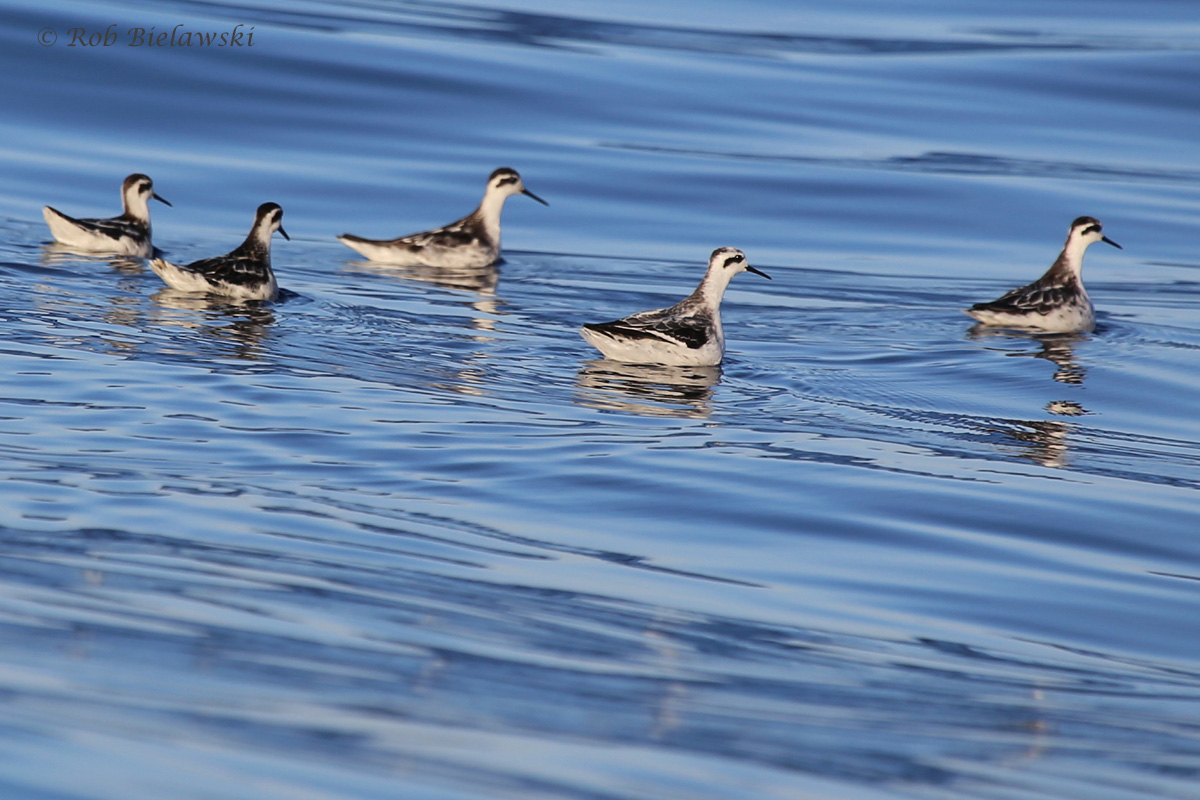
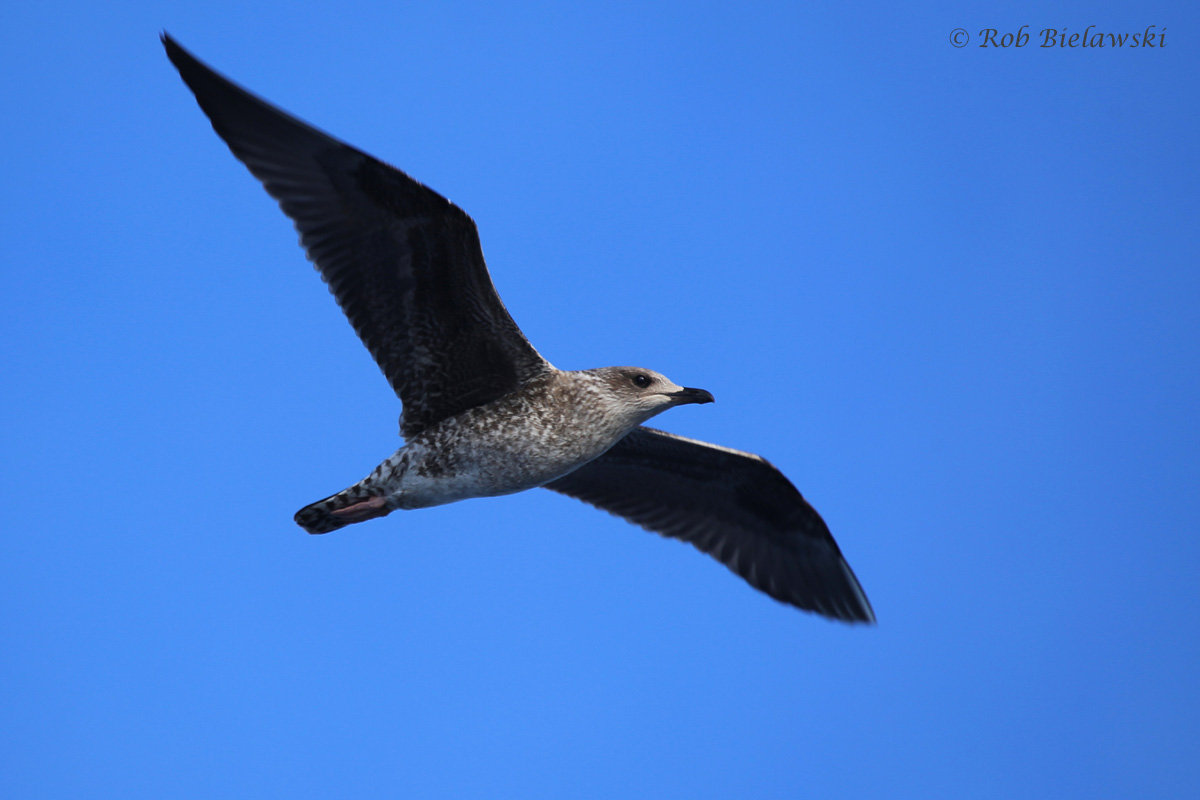
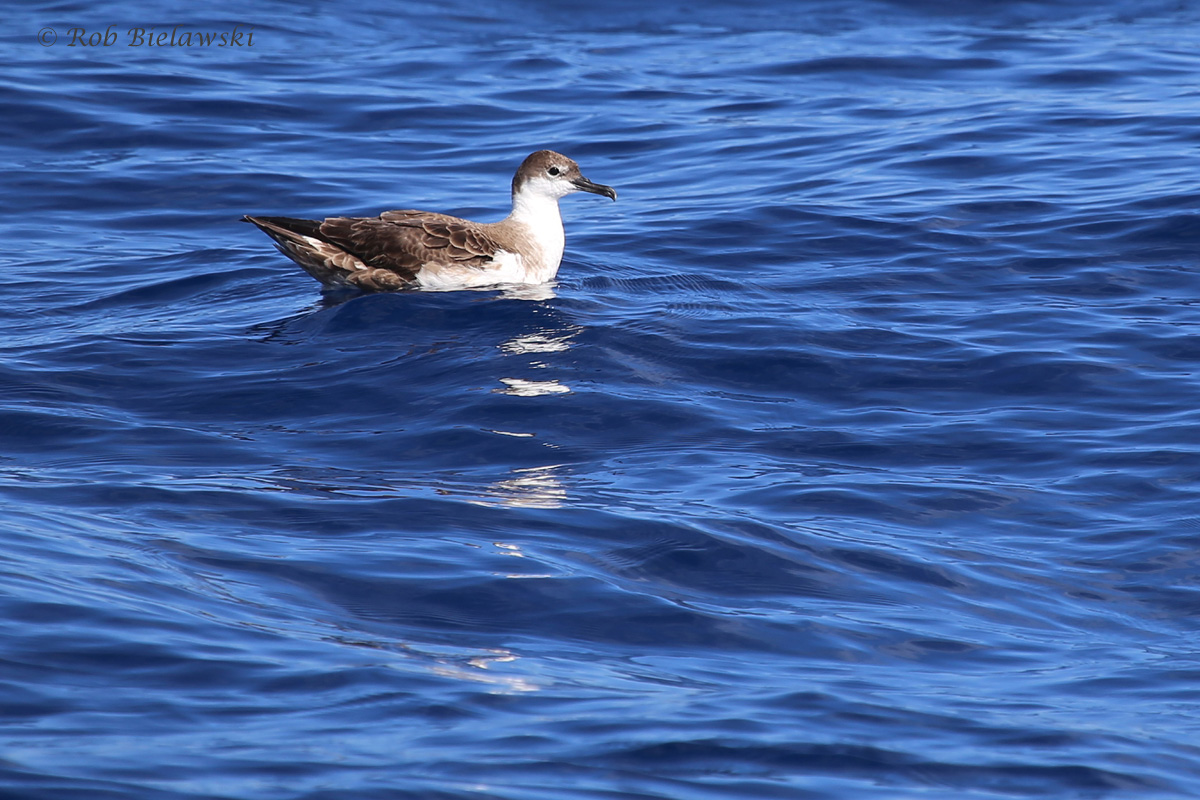
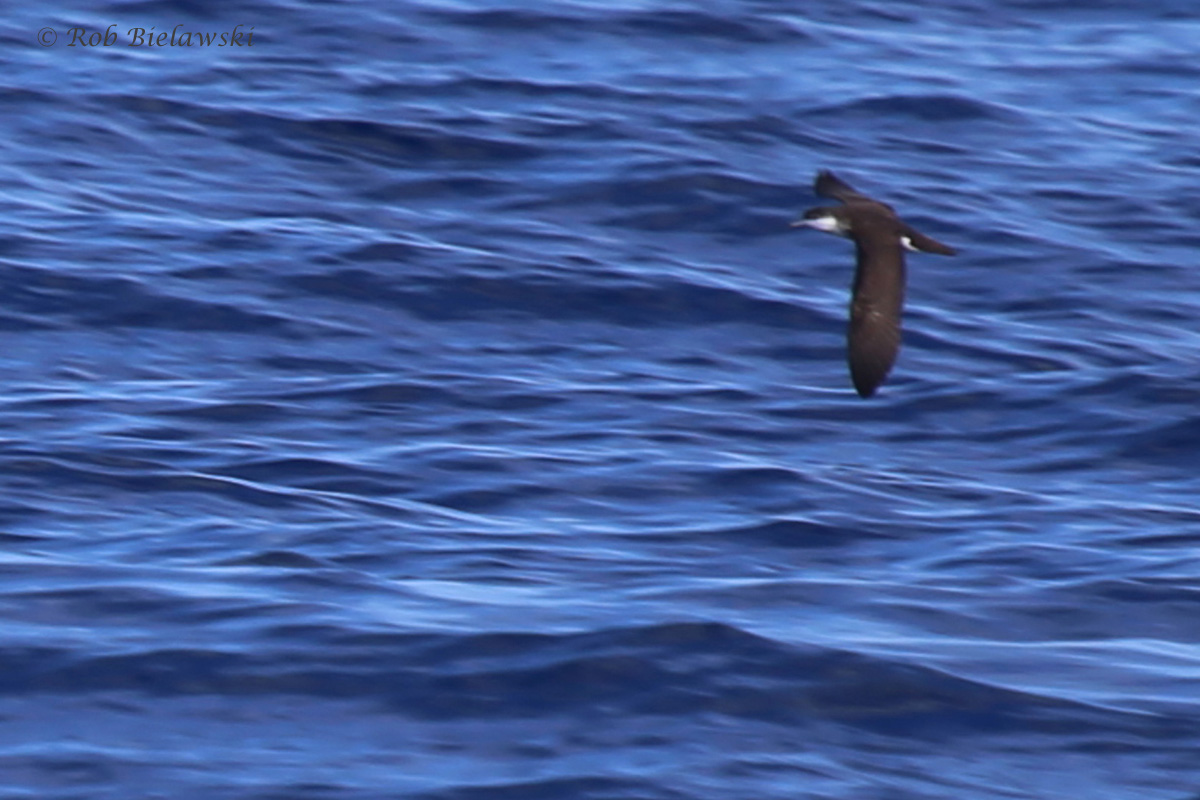
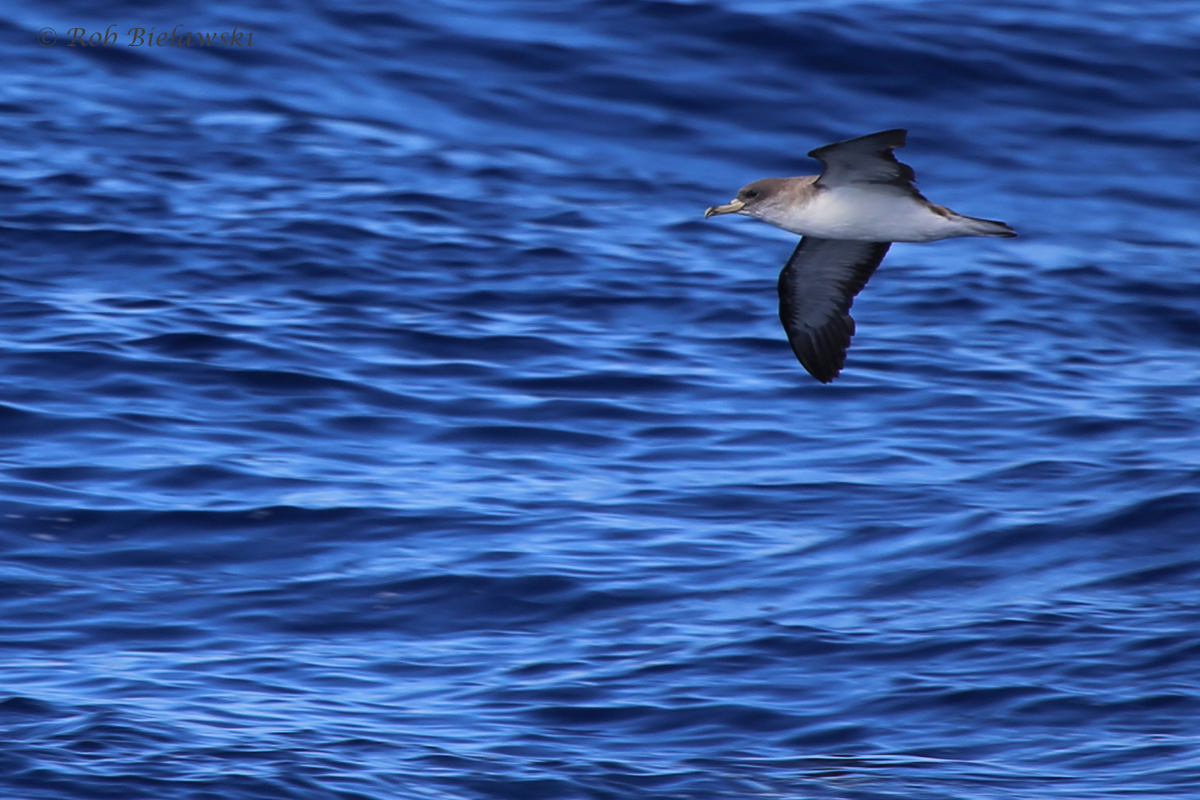
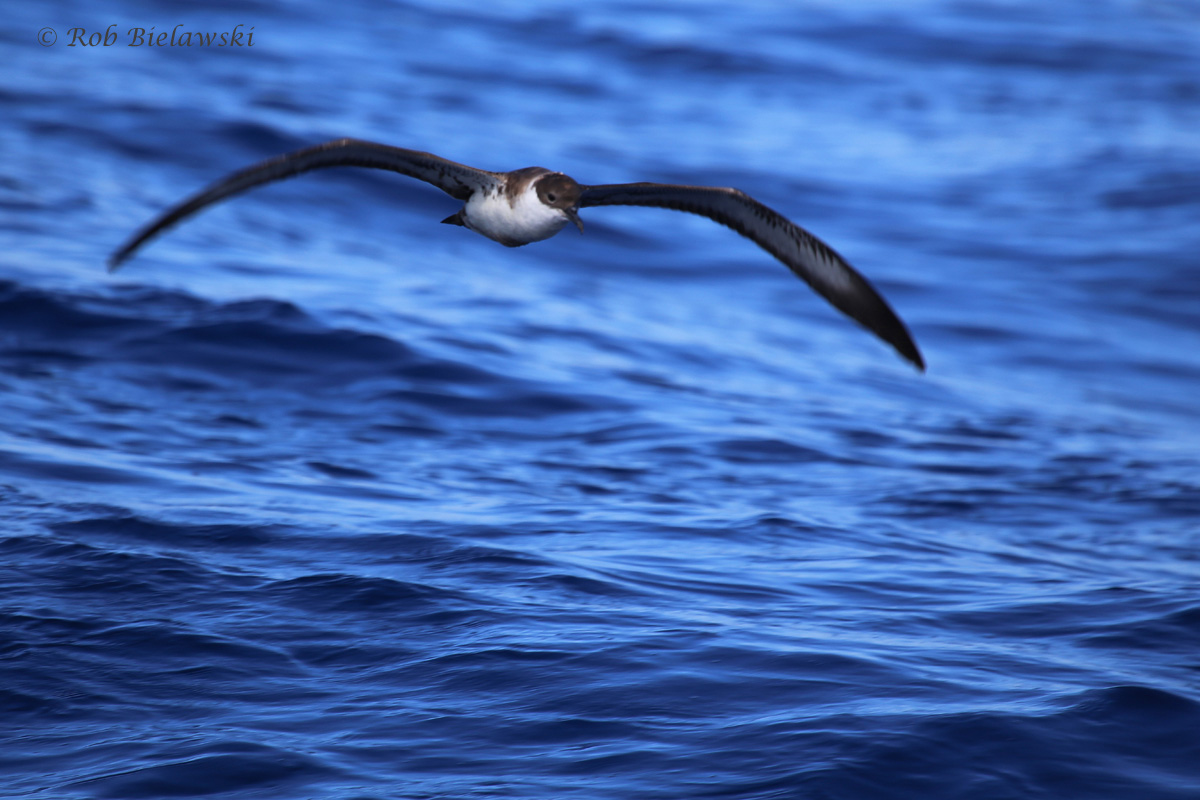
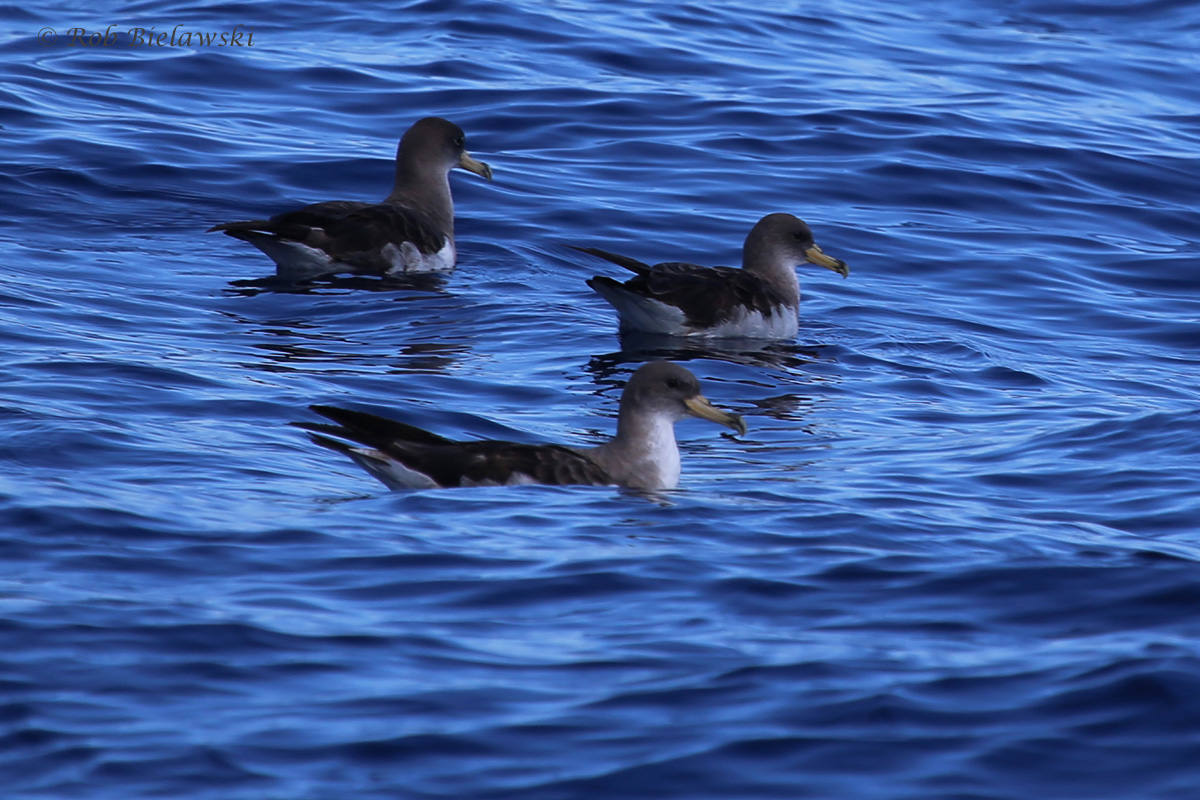
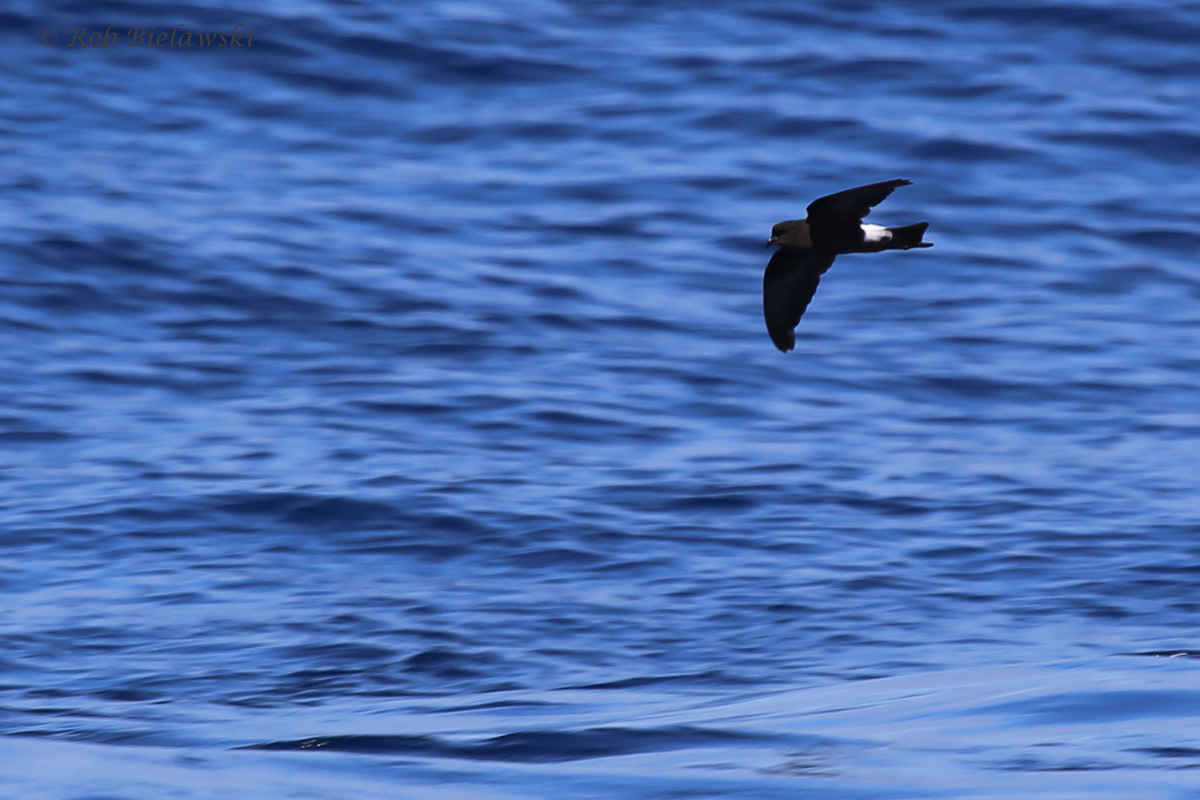
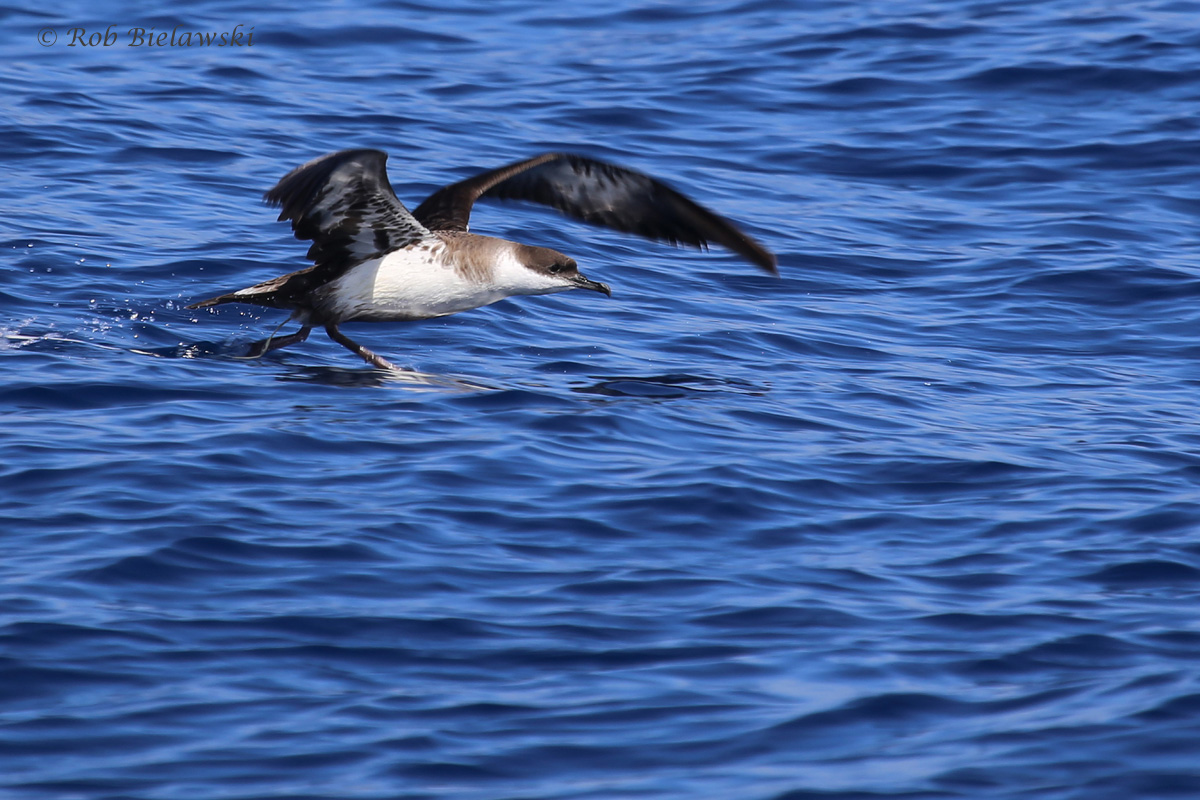
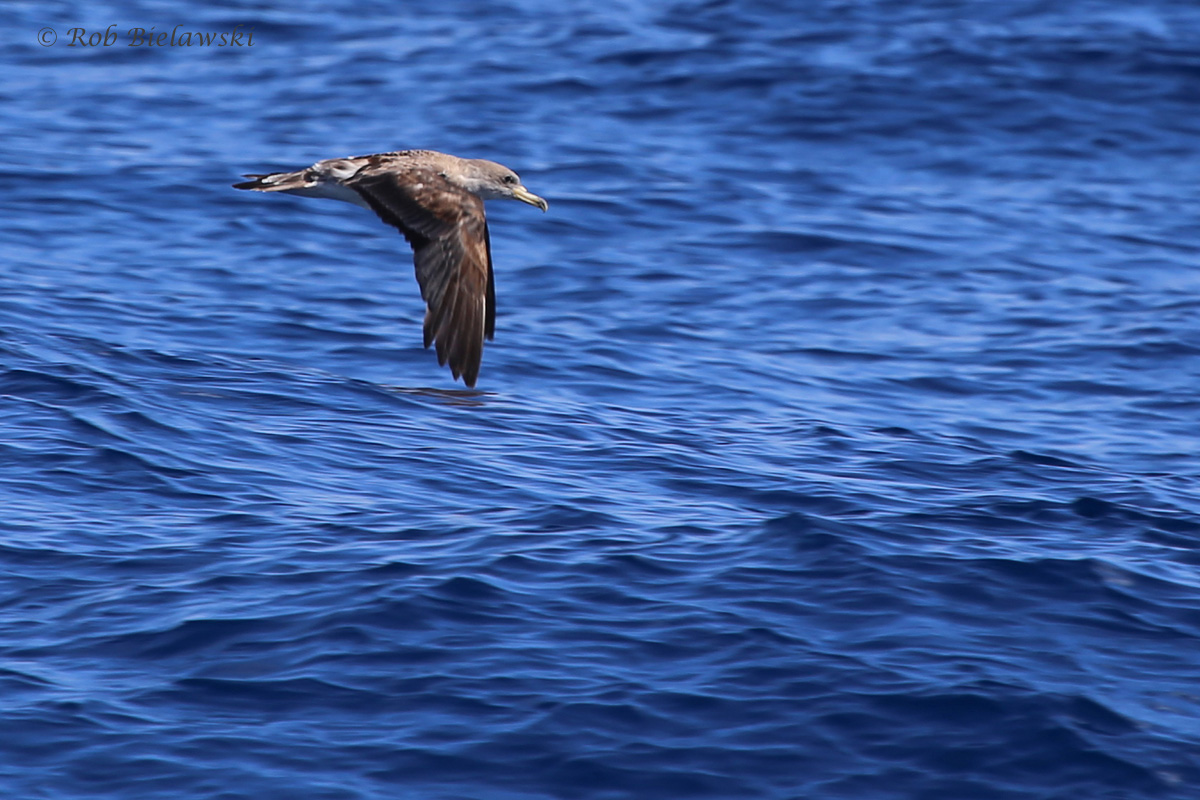
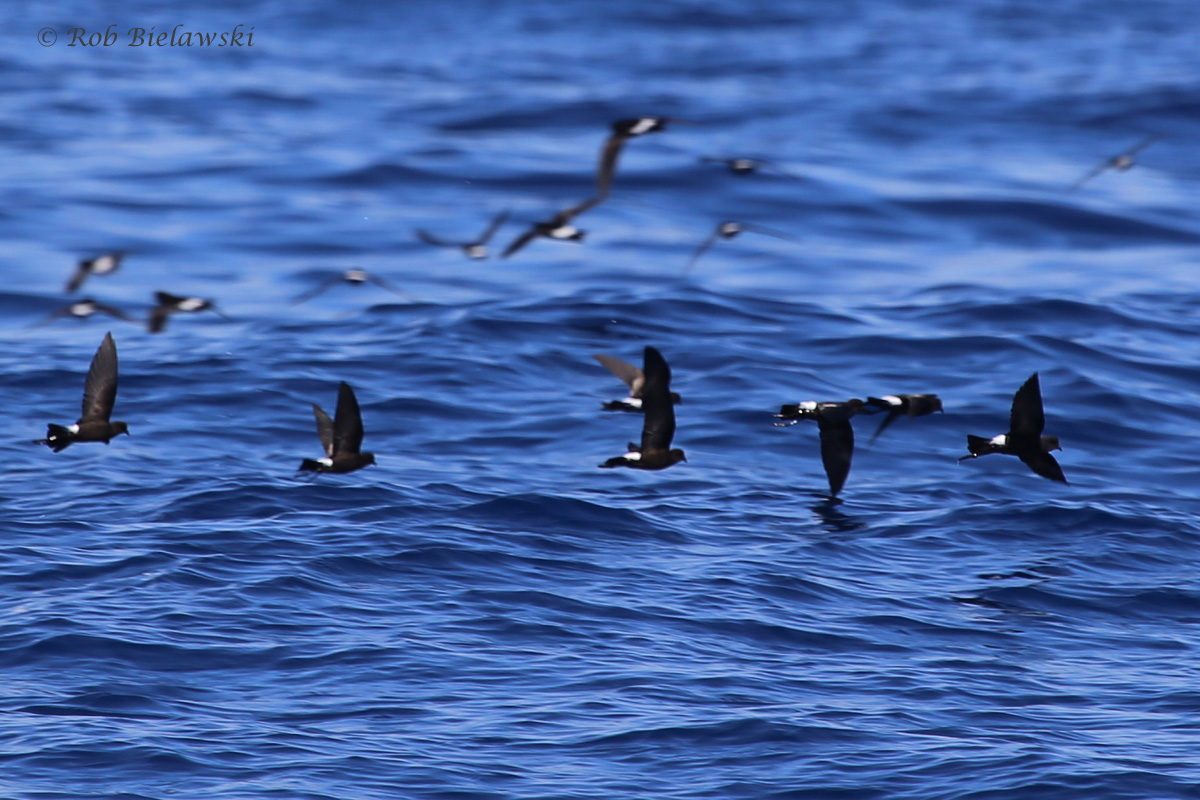
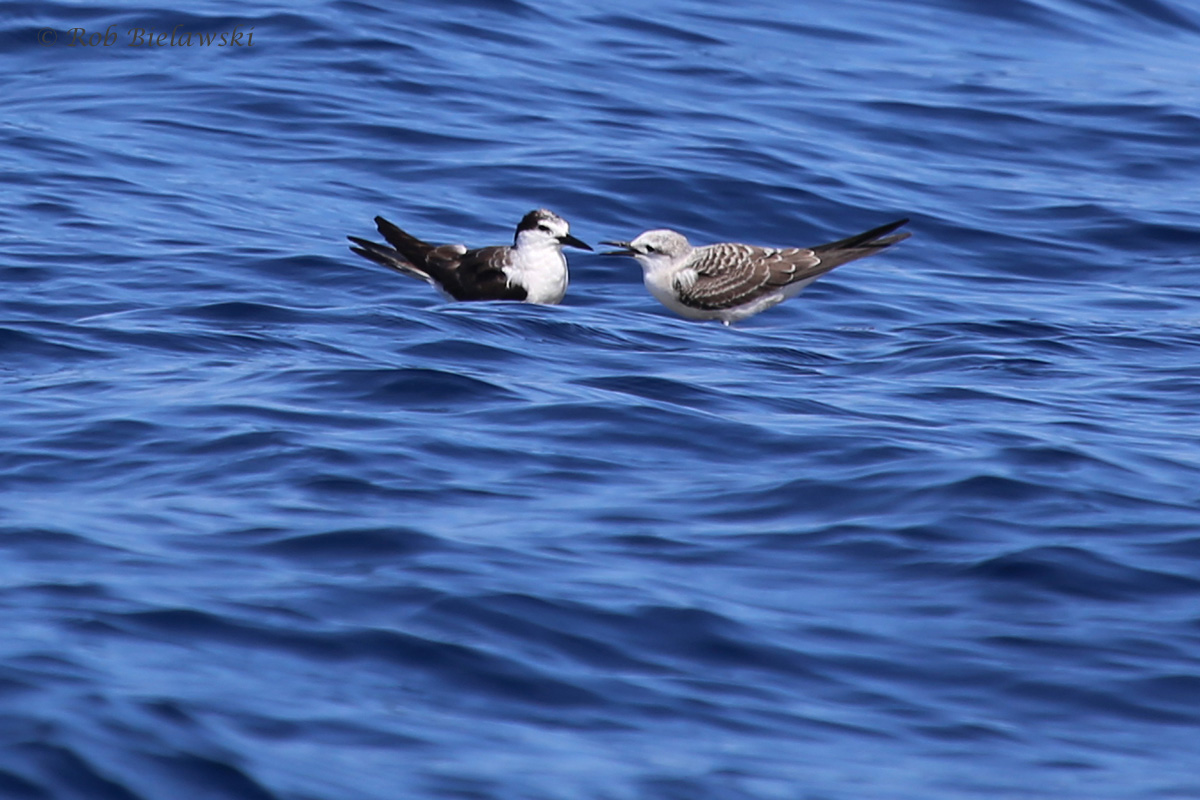
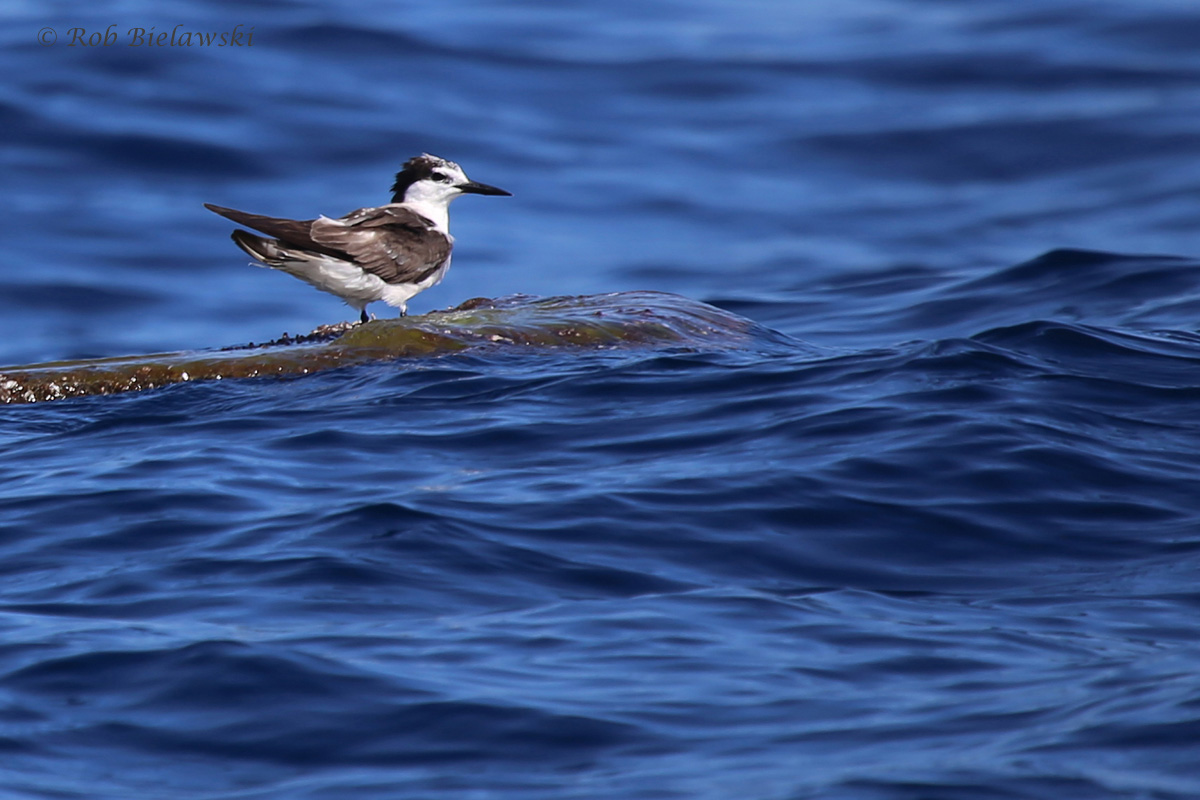
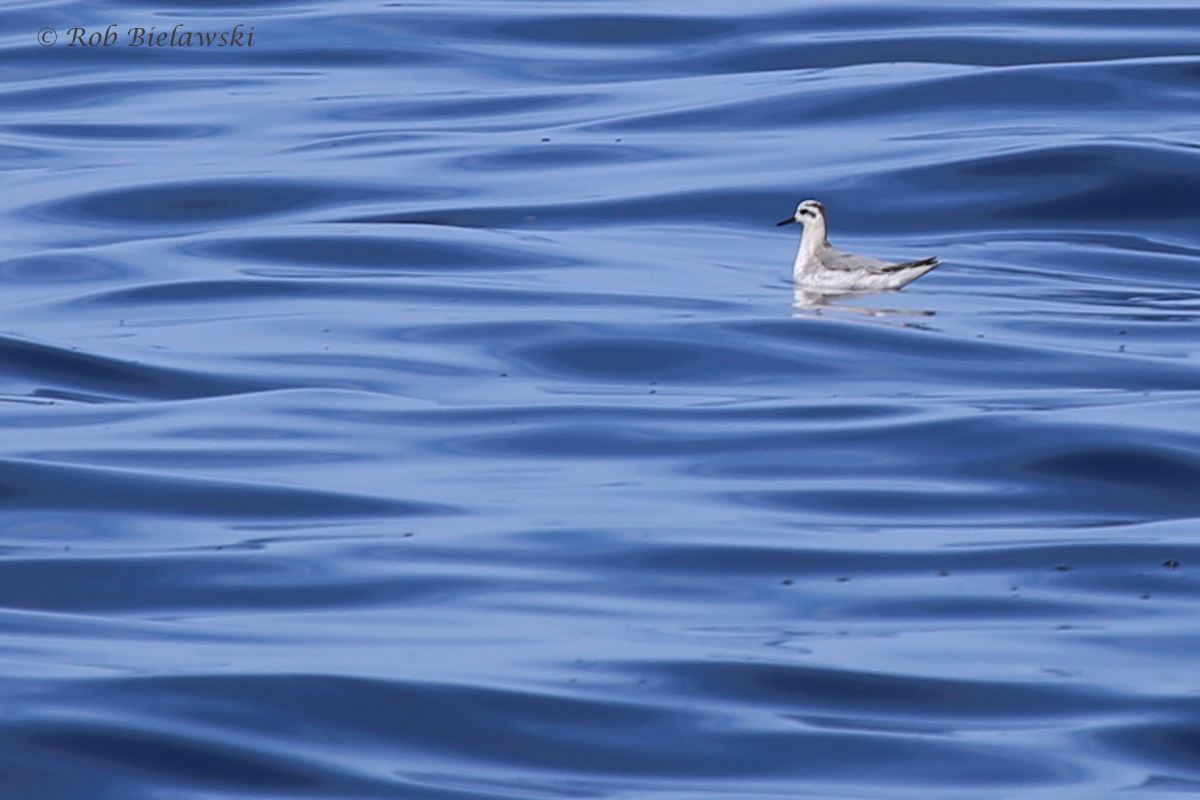
OBSERVATIONS:  With heavy rain totals amounting from Tropical Storm Hermine as it passed by us on 3-4 September, prime shorebird habitat found at Back Bay NWR was temporarily ‘ruined’ by high water. Shorebirds will use beaches, mudflats, and fields with slight amounts of water ponding on them, but when the water gets to be too high, they will seek out feeding grounds elsewhere. Due to this, shorebird reports during mid-September plummeted from the previous period. Songbird migration was also hindered considerably by dominating southerly winds throughout most of the period, which halts their southbound movement as they funnel down the Eastern Shore towards Wise Point, and then stops them dead in their tracks before they can attempt a crossing of the Chesapeake Bay mouth to reach us here on the southern shore of the bay. With these conditions persisting, it was all the more amazing that a BLACK-BILLED CUCKOO was sighted at Back Bay NWR (Robert Ake & David Hughes). Interestingly, the description in Robert Ake’s eBird report notes that this was “Only my third record in 47 years at Back Bay.” The last of this species to be observed in Virginia Beach also occurred at Back Bay this spring, on 12 May (Karen & Tom Beatty), but sightings prior to the last year or two are very sparse in eBird, perhaps because many local experts have yet to input historical checklists but more likely that the species just isn’t observed annually here. At the very beginning of the period, Andrew Baldelli & Will McPhail happened upon a nice mixed group of warblers behind Bayville’s branch of Taste Unlimited (one of my favorite lunch spots). Included in the group was an early first-of-season Swainson’s Thrush, and also first-of-season Nashville Warbler, Hooded Warbler and Wilson’s Warbler, as well as Magnolia Warbler, American Redstarts and Common Yellowthroats which all helped to make this the most diverse warbler checklist submitted so far since the spring season. While all these warblers are annual transients in the spring & fall through Virginia Beach, Wilson’s and Hooded Warblers are usually only reported once or twice a season, making them highly sought after, even though they aren’t considered to be true rarities since they are expected to pass through annually at least in low numbers. Another first-of-season warbler, and several days early as well, Mary Catherine Miguez was able to photograph a lovely Palm Warbler (Western race) at Pleasure House Point on 12 Sep (average expected arrival date is 15 Sep here). We had a new raptor arrival this period also, being a Sharp-shinned Hawk that was observed at Pleasure House Point (11 Sep / Andrew Baldelli & Will McPhail and also Gerco Hoogeweg & Phil Kenny). That leaves Broad-winged Hawk as our last expected raptor for which we have no fall sightings yet. While their migration is certainly ramping up, they typically migrate inland and aren’t picked up here very often, though they’re seen fairly frequently up at the Kiptopeke Hawkwatch on the Eastern Shore. Our final first-of-season observation for the period was that of a Sora at Princess Anne Wildlife Management Area’s Whitehurst Tract (15 Sep / Stephen Living). This park was a good spot to find Sora throughout the spring season as well, and it seems that they’re now starting to return to their wintering grounds around Back Bay and its freshwater tributaries. For those individuals starting to get hopeful for waterfowl migration, a group of ~100 Green-winged Teal was observed at Back Bay NWR (15 Sep / Robert Ake & David Hughes), making this the first actual flock of non-summering waterfowl within Virginia Beach so far this fall. As October approaches, we’ll start to see more on that front as well. Often times in these postings, it is easy to pick up on new arrivals to the area, but it is considerably harder to notice when a species is no longer being reported. During this period though it seems as if we might have seen the last of our Mississippi Kites for the season, with the last submitted report falling on 15 Sep (Thoroughgood / Lee Adams). It is possible that there are other observations not yet submitted, but this seems right for their southbound departure with at least one individual having fledged from the primary nest in that neighborhood this summer. Tracy Tate is the resident expert on the Mississippi Kite family that has nested here for three seasons now, so if she adds any additional content to eBird, I’ll be sure to discuss it in next period’s entry. As with last period, Brian Patteson’s Seabirding vessel, the Storm Petrel II, again took a full group out of Lynnhaven Inlet, this time on 18 Sep to Norfolk Canyon for a day of pelagic seabirding. Though the notable species found on the trip all occurred in Northampton County (despite most people’s eBird reports being plotted inaccurately in Virginia Beach waters) per eBird’s Closest Point of Land protocol, it warrants mention here since the trips depart from Virginia Beach and roughly one hour at each end of the trip does occur within Virginia Beach waters. This particular outing was able to turn up the following species of interest: CORY’S SHEARWATER, GREAT SHEARWATER, AUDUBON’S SHEARWATER, Wilson’s Storm-Petrel, RED-NECKED PHALAROPE, RED PHALAROPE & BRIDLED TERN (written by Kate Sutherland / ph. Dave Shoch & Kate Sutherland). I’ve included photographs from this outing in the slideshow above, partly because I didn’t actually take any photographs during this period in Virginia Beach, and partly because they’re all very interesting species that do occur in our offshore waters as well. Though this was the last trip out of Lynnhaven Inlet for the fall season, make sure to check out the schedules for upcoming seasonal trips on the Seabirding.com website if you have a desire to see these & other pelagic species. Last year, trips were offered here in December and January, so it is worth your time to check the site frequently prior to those months.

SPECIES DOCUMENTED BY MEDIA and submitted to eBird for Virginia Beach during this period included: 11 SEP – Great Egret, Snowy Egret, Yellow-crowned Night-Heron, Bald Eagle, Clapper Rail, Laughing Gull, Royal Tern, Belted Kingfisher, Blue Grosbeak & Boat-tailed Grackle (Pleasure House Point NA / Phil Kenny); Great Egret, Yellow-crowned Night-Heron, Osprey, Clapper Rail, Royal Tern, Belted Kingfisher & Blue Grosbeak (Pleasure House Point NA / Gerco Hoogeweg). 12 SEP – Carolina Chickadee, Ovenbird & Black-and-white Warbler (First Landing SP / Mary Catherine Miguez); Palm Warbler (Pleasure House Point NA / Mary Catherine Miguez). 16 SEP – Eurasian Collared-Dove (Sandpiper Rd. / Gerry Hawkins); Laughing Gull, Ring-billed Gull, Lesser Black-backed Gull & Great Black-backed Gull (Back Bay NWR / Gerry Hawkins); Willet (Rudee Inlet / Gerry Hawkins). 17 SEP – Cooper’s Hawk & Red-tailed Hawk (West Neck Creek NA / Mary Catherine Miguez). 18 SEP – Lesser Black-backed Gull (Camp Pendleton / Karen & Tom Beatty). 19 SEP – Caspian Tern & Sandwich Tern (First Landing SP / Andrew Baldelli); Red-breasted Nuthatch (First Landing SP / Mary Catherine Miguez). 20 SEP – Mourning Dove, Northern Mockingbird & Chipping Sparrow (Bow Creek Rec Center / David Clark); Mourning Dove, Ruby-throated Hummingbird, Downy Woodpecker, Carolina Chickadee, Tufted Titmouse, White-breasted Nuthatch, Brown-headed Nuthatch, Carolina Wren & Northern Cardinal (Glenmore Hunt Tr. / Karen & Tom Beatty).

LOOKAHEAD: Given the recent rains, that at times seemed never-ending, shorebird habitat is going to be tough to come across. Agricultural fields and beaches will likely be the best places to search for these species. Songbird migration should continue to pick up steadily, and any morning following a night of northerly or northeasterly winds could provide scores of warblers moving through pockets of forested areas. Areas that have both thick cover, and available freshwater like Redwing Park, Stumpy Lake, First Landing State Park and any neighborhood ponds & parks are great places to check, while natural bottlenecks like Back Bay NWR also rank very highly for morning flights of mixed warbler flocks. Of the species that have expected fall arrival dates we have not yet logged our first Canada Warbler, Blue-winged Oriole, Chestnut-sided Warbler & Black-throated Blue Warbler (mid-August arrivals), Blackburnian Warbler, Veery, Black-throated Green Warbler, Tennessee Warbler, Bay-breasted Warbler & Cape May Warbler (late August arrivals), Nelson’s Sparrow, American Bittern, Broad-winged Hawk, Rose-breasted Grosbeak, American Wigeon & Northern Pintail (early September arrivals), Blackpoll Warbler, Gray-cheeked Thrush & Savannah Sparrow (mid-September arrivals) and Brown Creeper, Orange-crowned Warbler, Ruby-crowned Kinglet, Blue-headed Vireo, Yellow-rumped Warbler, Purple Finch, Winter Wren, Yellow-bellied Sapsucker, Dark-eyed Junco & Ruddy Duck (late September arrivals) in Virginia Beach yet this fall. Those seeking out non-annually occurring (essentially, rare) species should be mindful that the following species all have extreme arrival dates that make them possibilities here per the Gold Book: Long-billed Dowitcher, Upland Sandpiper & Wilson’s Phalarope (mid-July arrivals), Baird’s Sandpiper & White-winged Dove (late July arrivals), Rufous Hummingbird, Sandhill Crane, Golden-winged Warbler (early August arrivals), American Golden-Plover, Red Phalarope, Long-tailed Jaeger, Olive-sided Flycatcher, Mourning Warbler & Lark Sparrow (mid-August arrivals), and Parasitic Jaeger, American White Pelican, Swainson’s Hawk, Yellow-bellied Flycatcher, Least Flycatcher, Alder Flycatcher, Willow Flycatcher, Western Kingbird & Yellow-headed Blackbird (late August arrivals), Arctic Tern, Warbling Vireo, Philadelphia Vireo, Clay-colored Sparrow, Connecticut Warbler (early September arrivals), Lincoln’s Sparrow, Golden Eagle, Western Tanager, Gray Kingbird, Cave Swallow, Eared Grebe & Bicknell’s Thrush (mid-September arrivals) and Bewick’s Wren, Le Conte’s Sparrow, Vesper Sparrow & Lapland Longspur (late September arrivals). So far, none of these rarities have been observed this year during fall migration in Virginia Beach. Most of these species require very specific weather patterns to bring them in, or can be found in only a very specialized habitat, so one should never expect to simply happen upon these species, but, they are species to be at least thinking about while birding the region.

Next Entry | Entry Index | Previous Entry

For more information on this thrice-monthly Birding Blog, please check out the Journal Overview Page on the website. It provides background information as to what sightings are considered for the blog, details about the format of the blog, and it will likely answer many other questions that readers might be wondering about as well! As always, thank you for reading, and please leave me a comment below (you may use your Facebook, Gmail or other accounts to easily do so), or just click the Heart icon to the lower right of this post to let me know you stopped in!