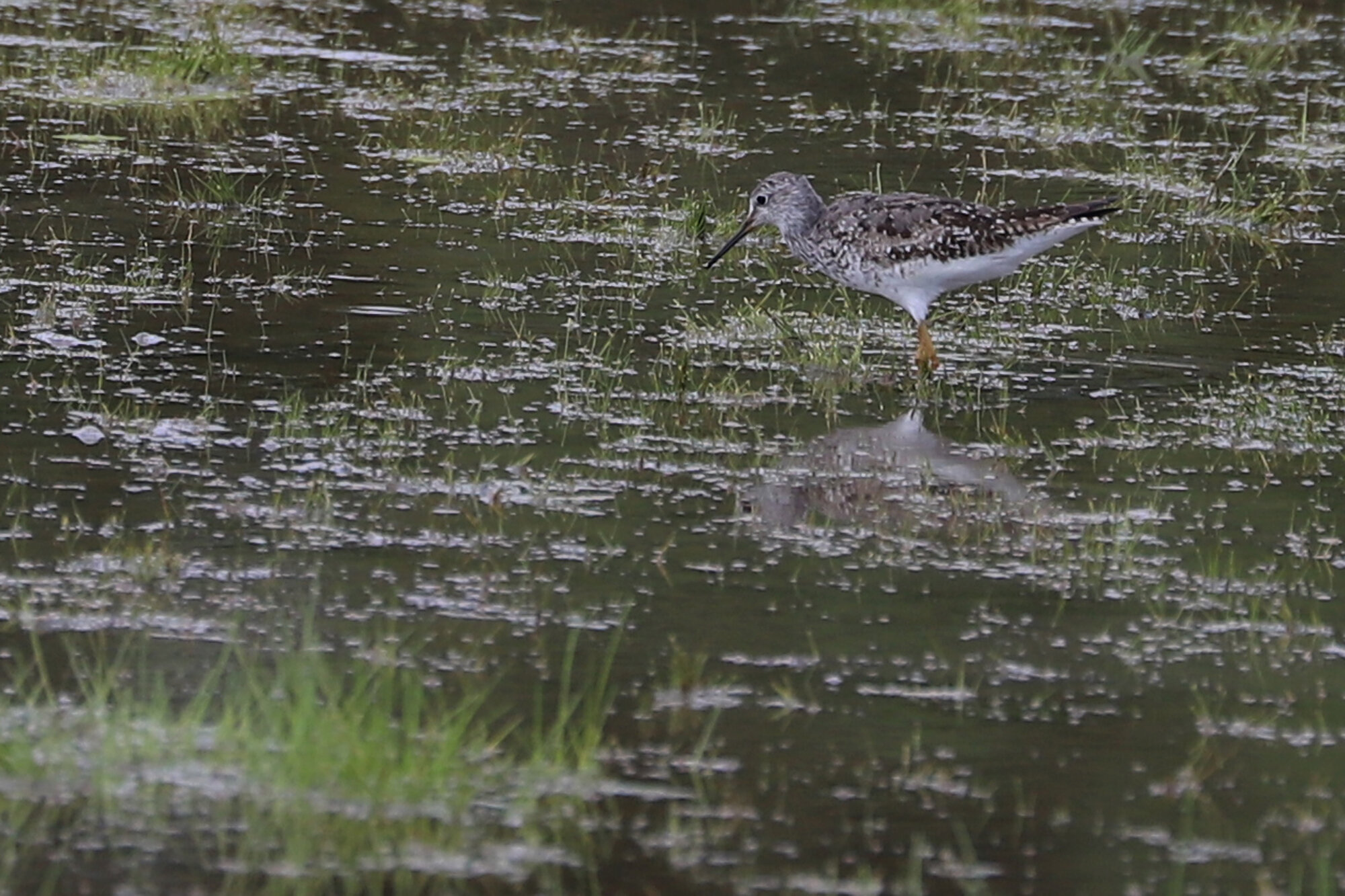
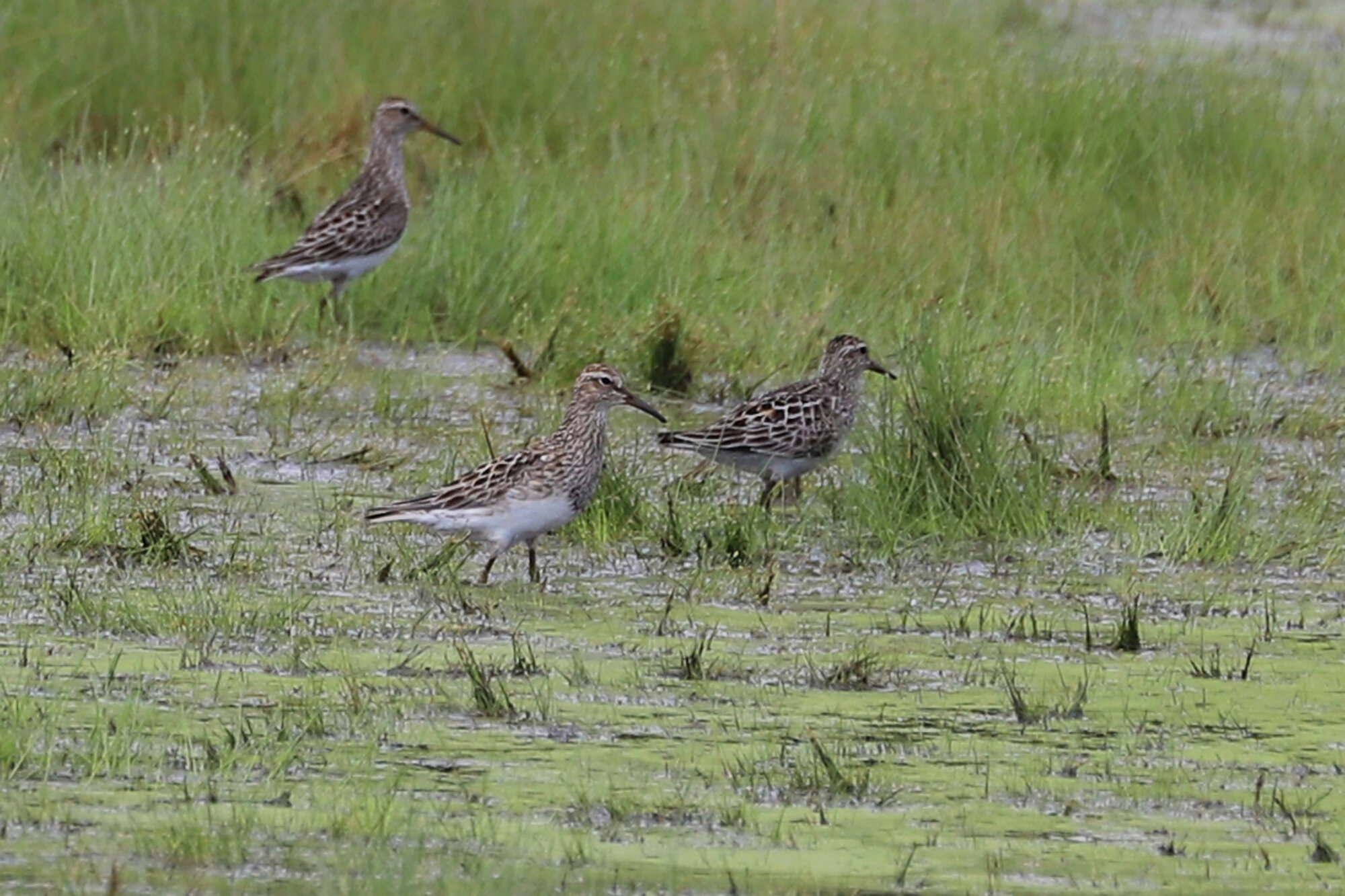
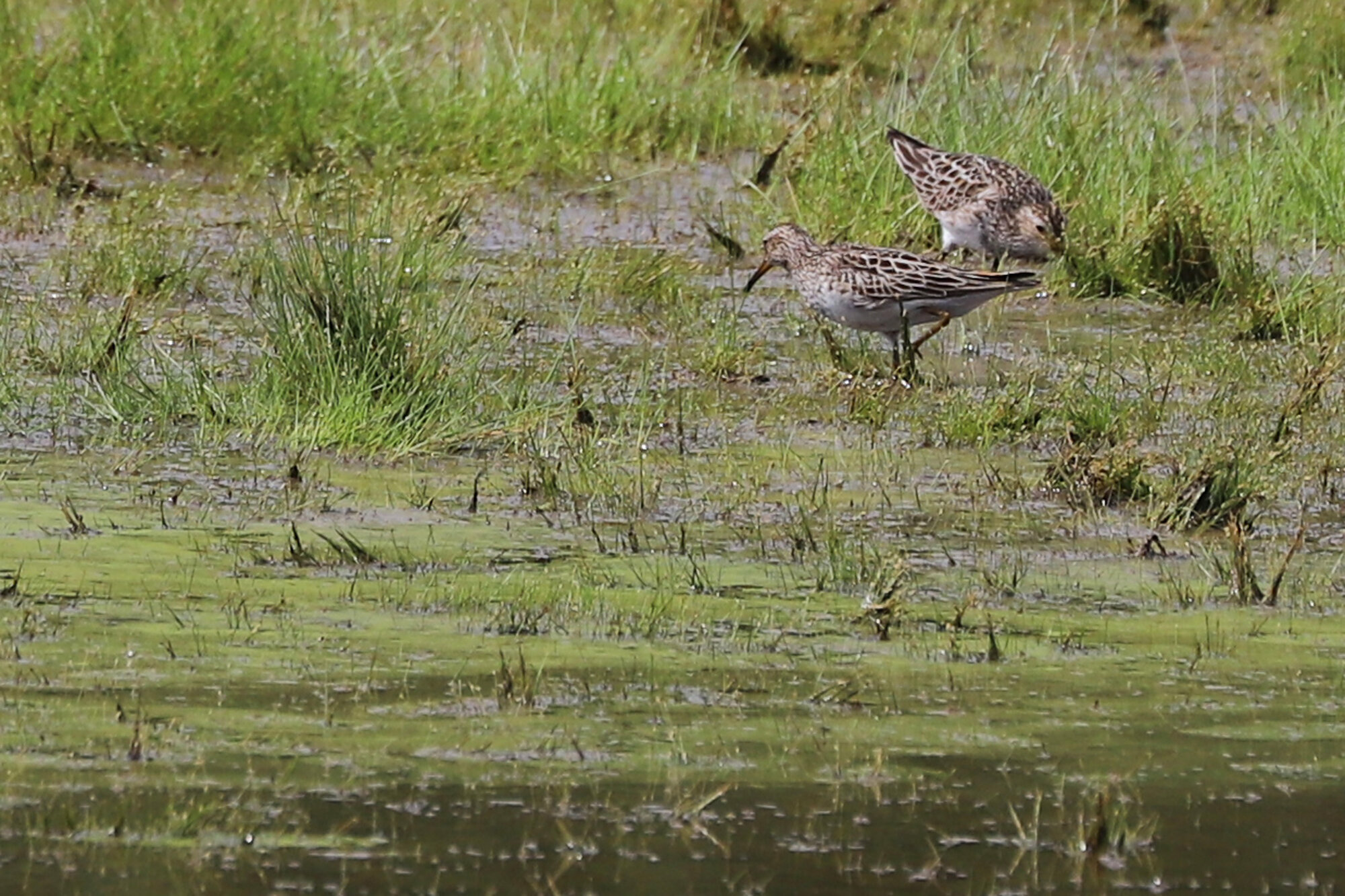
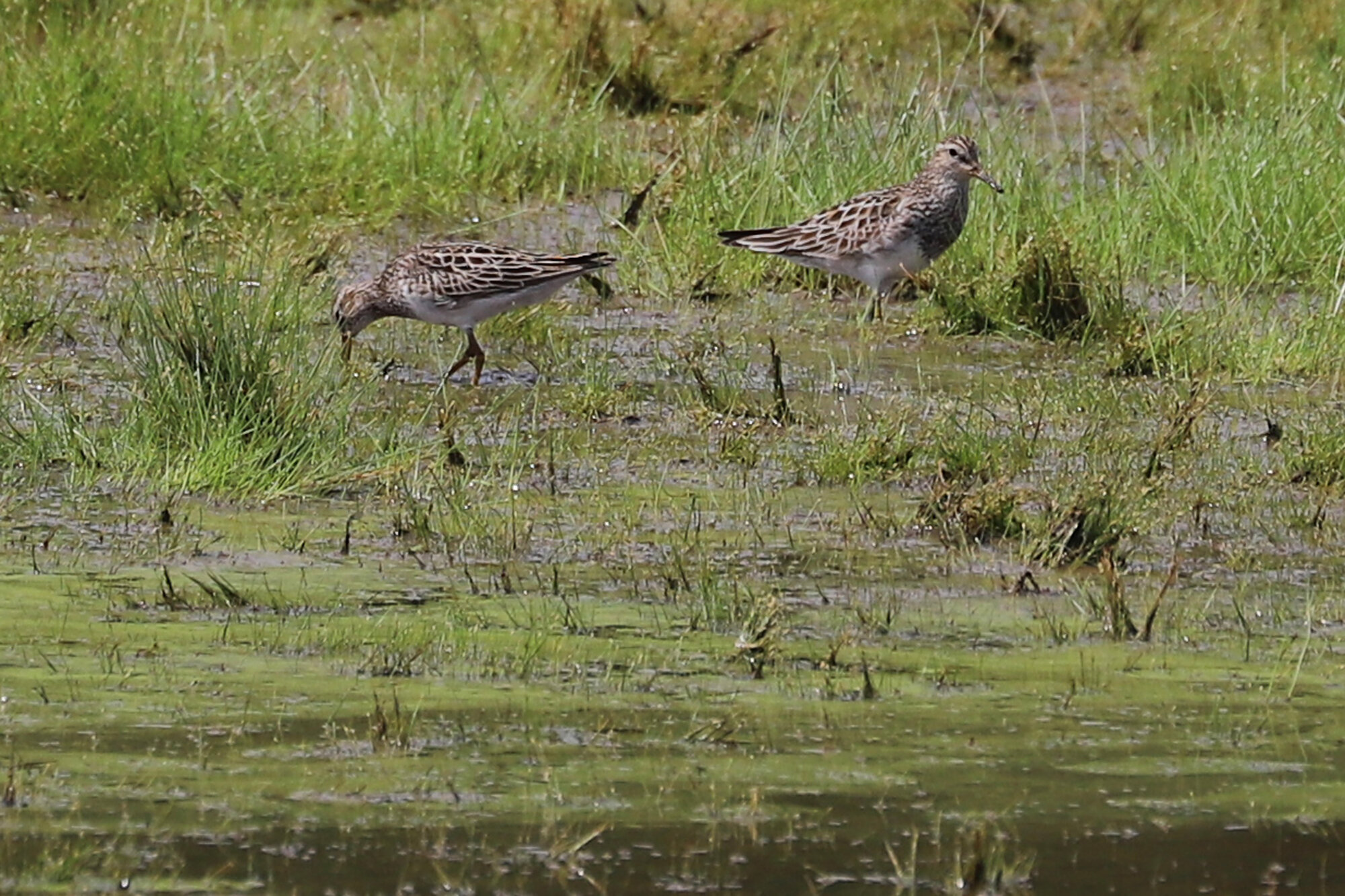
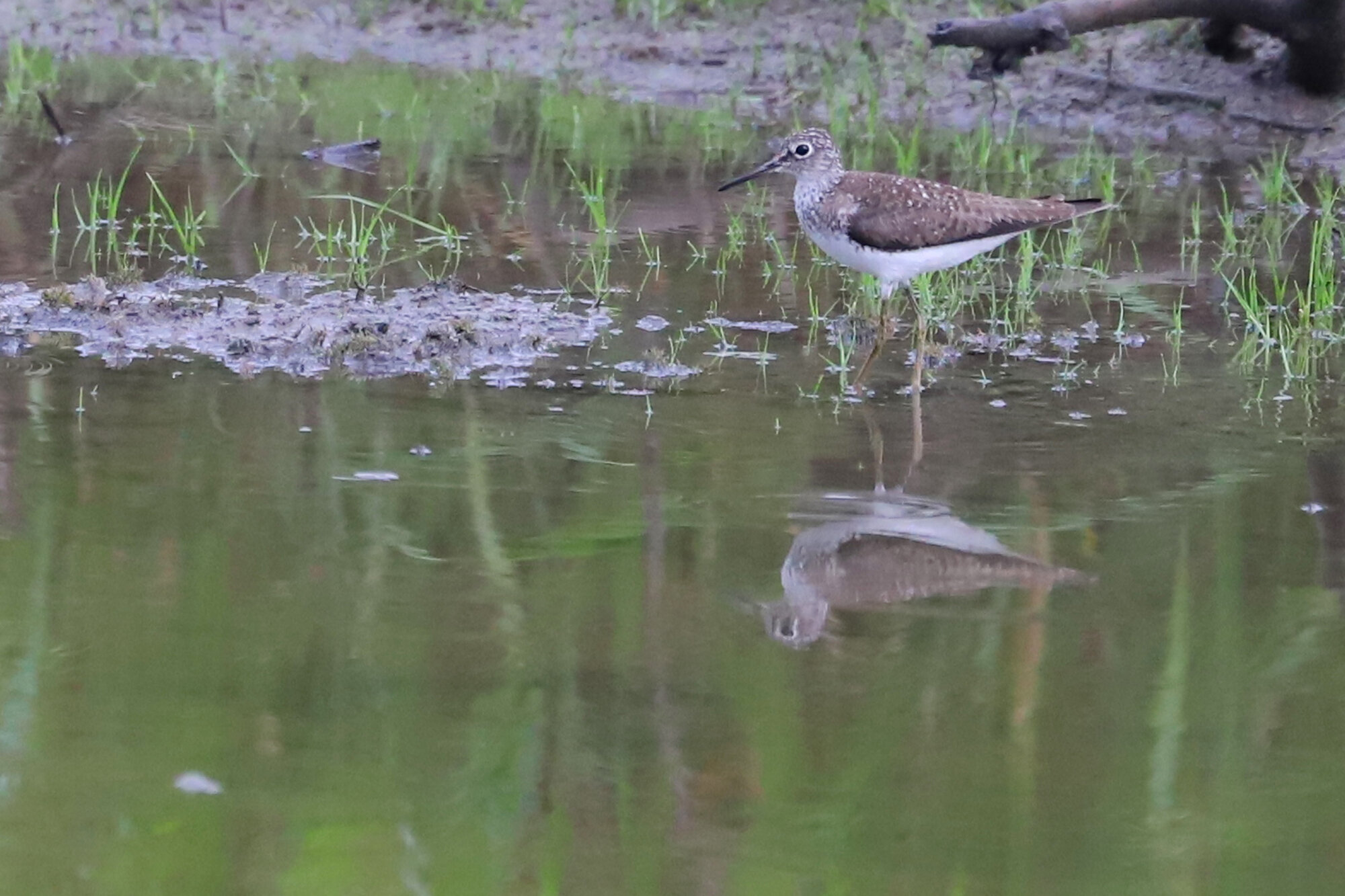
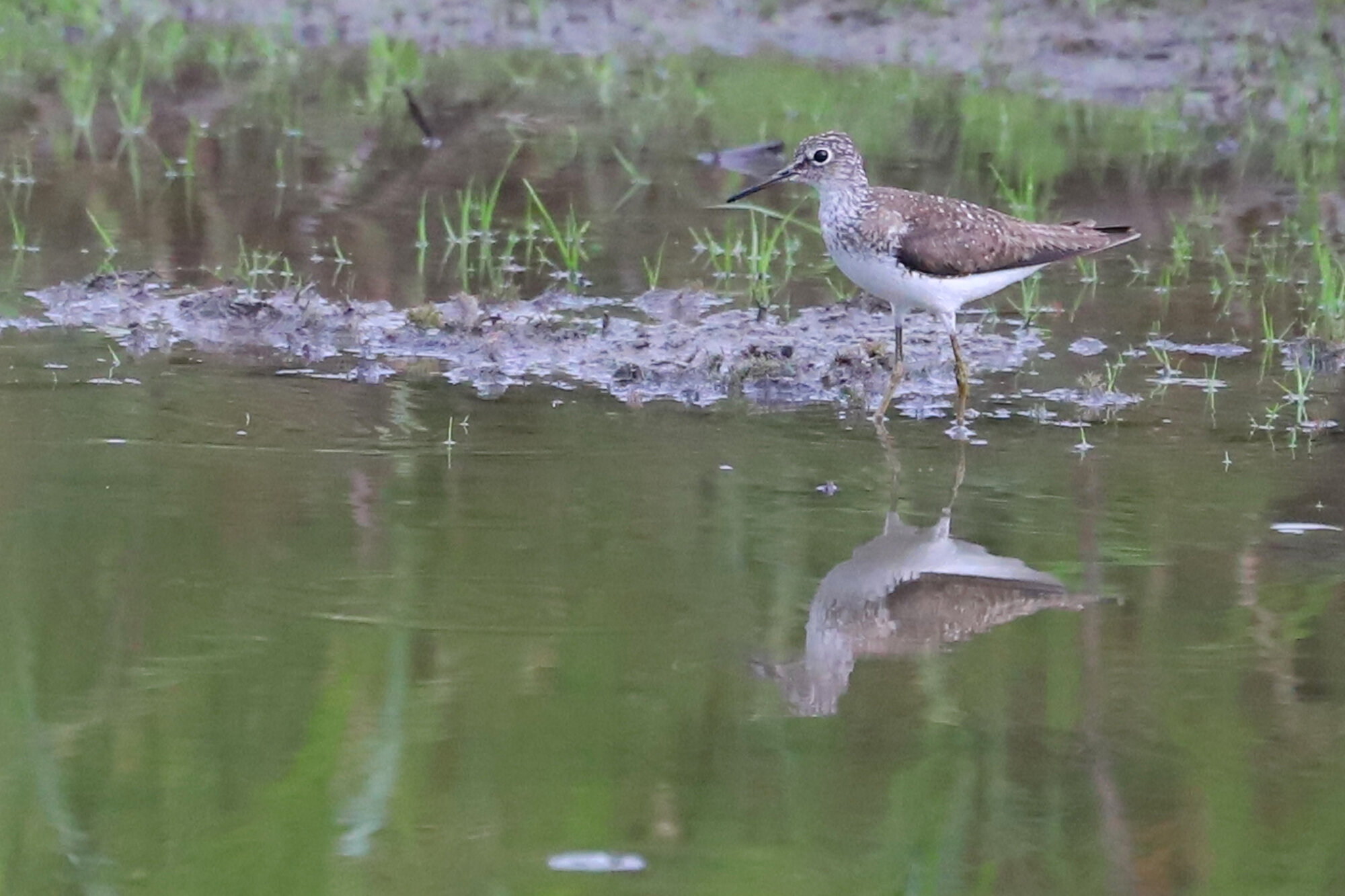
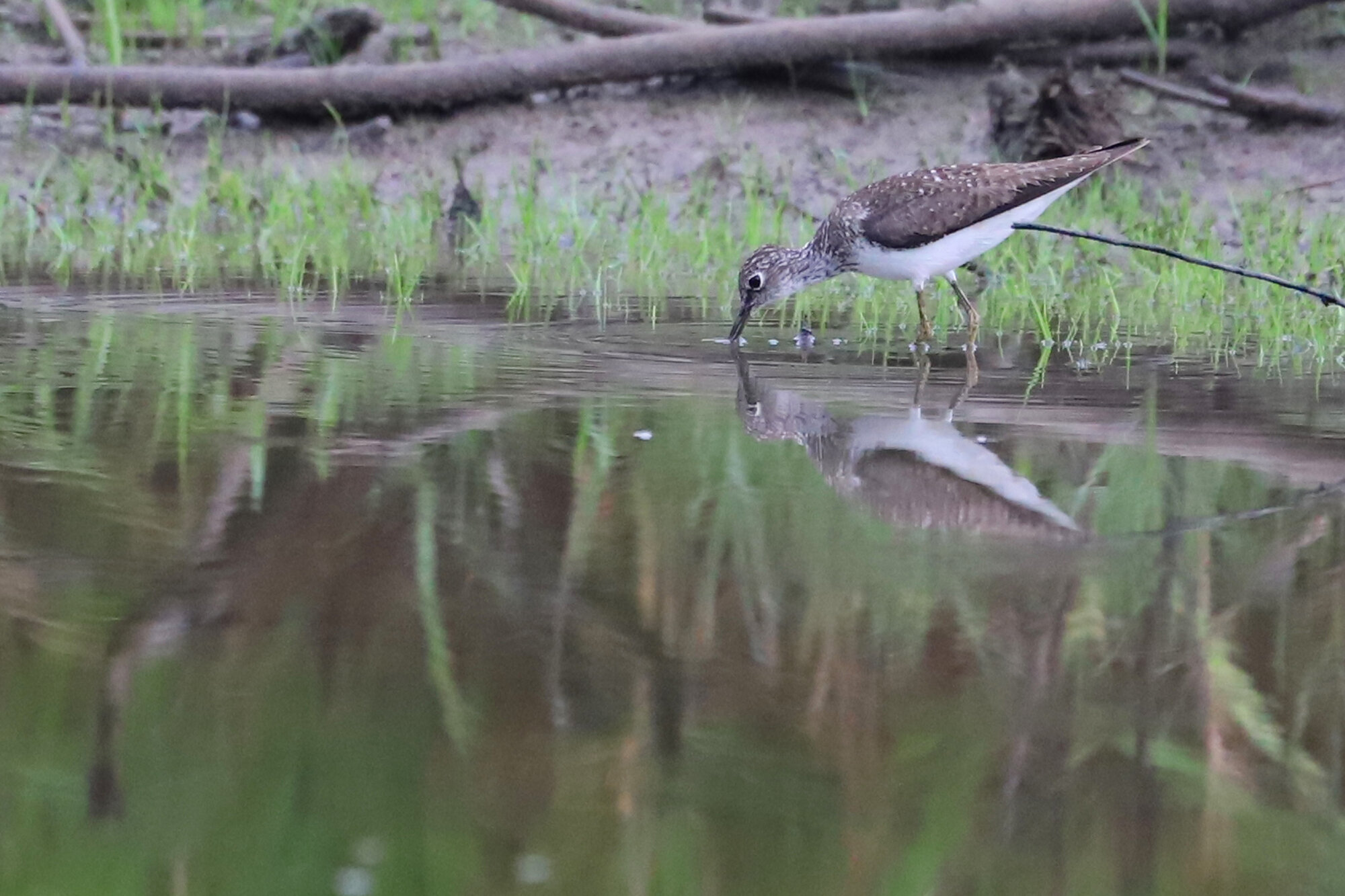
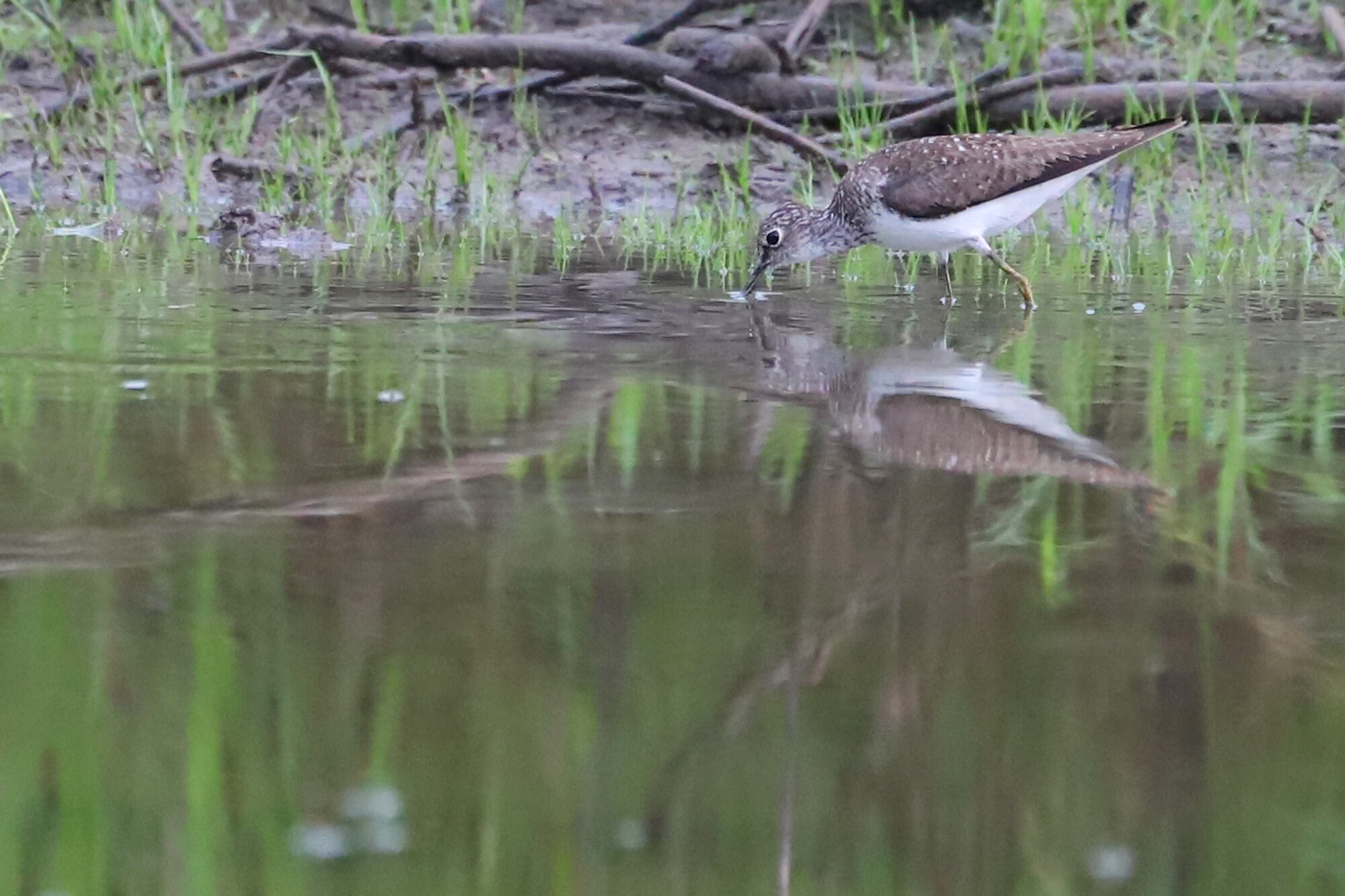
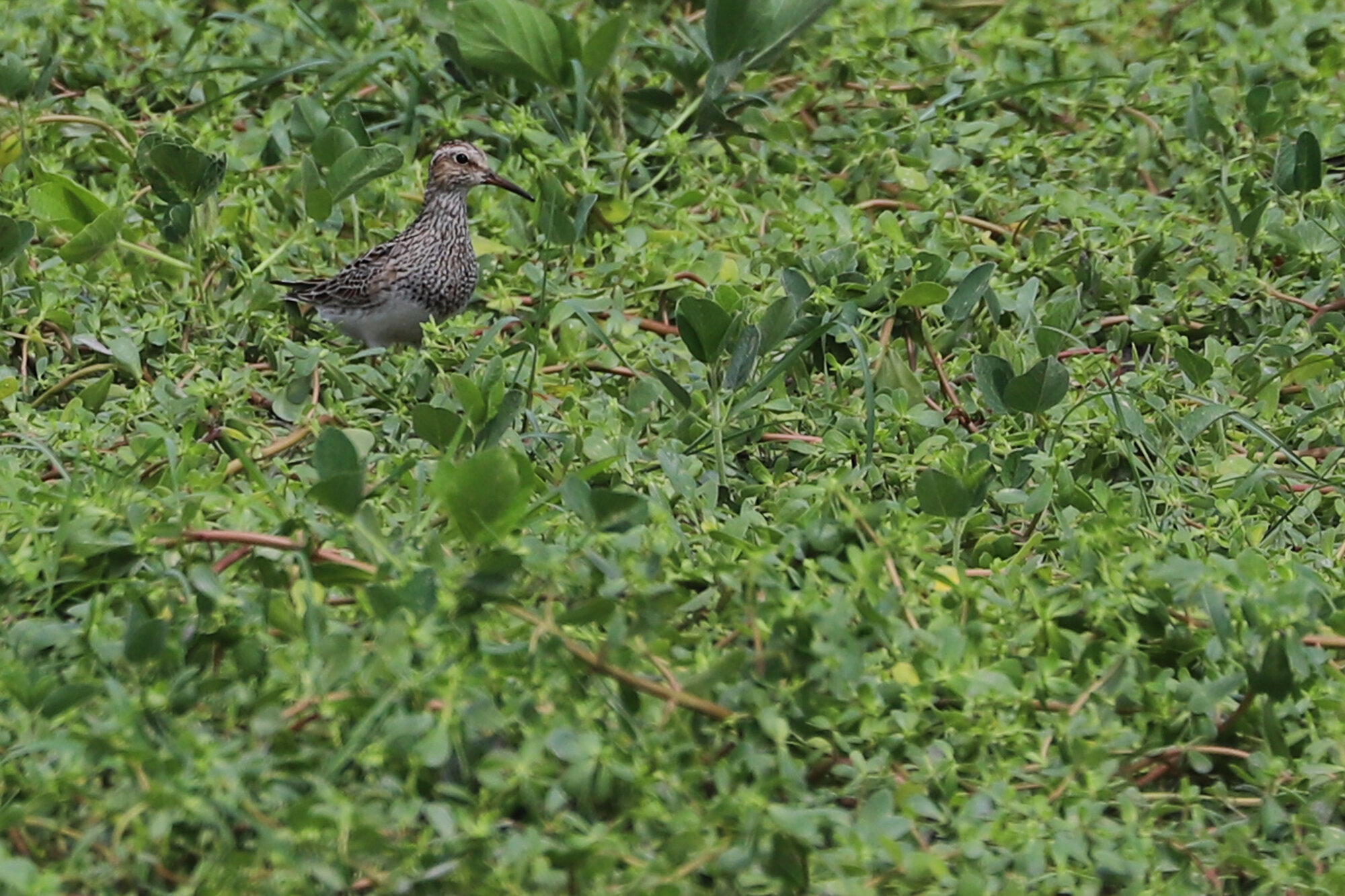
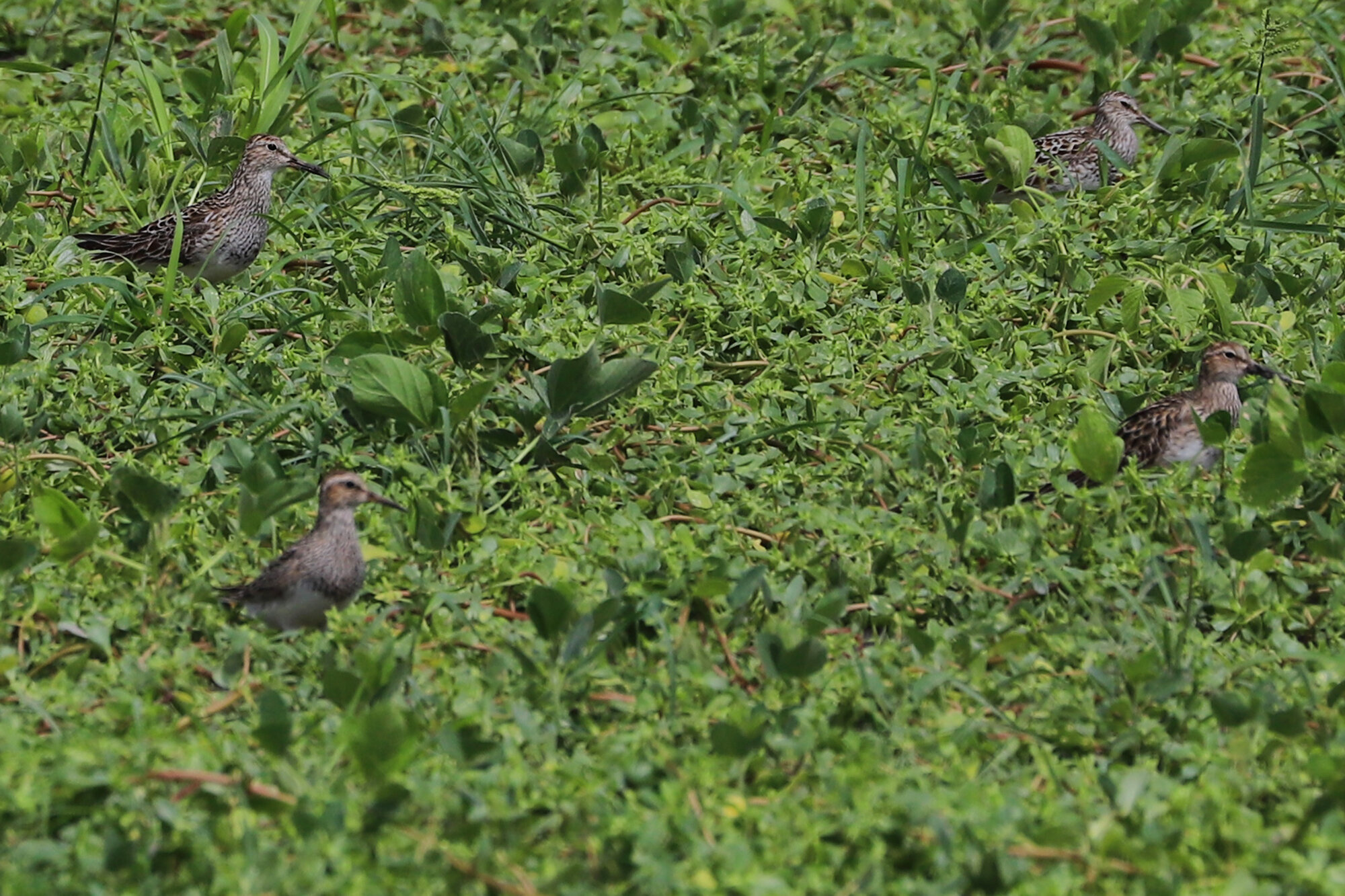
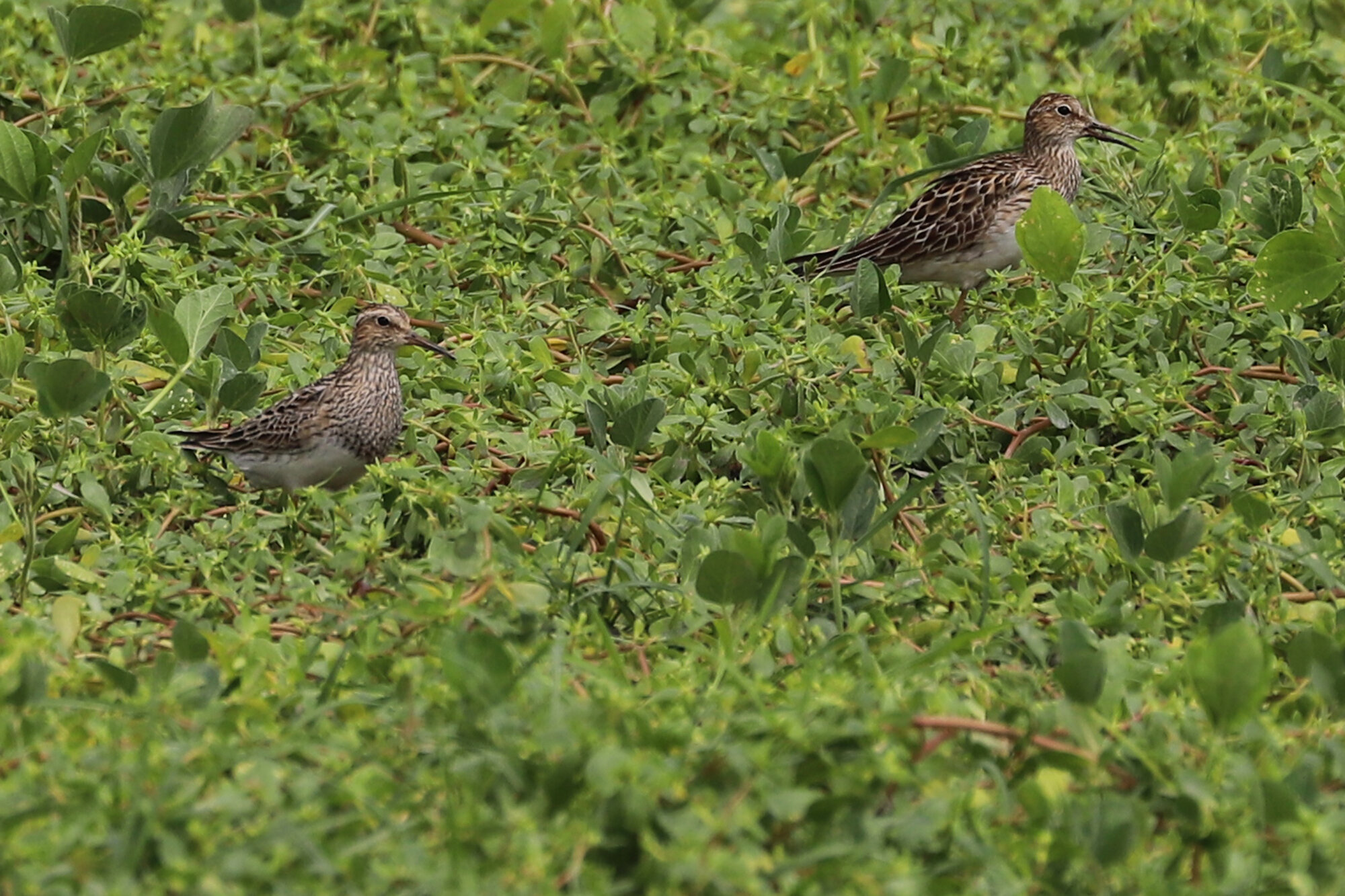
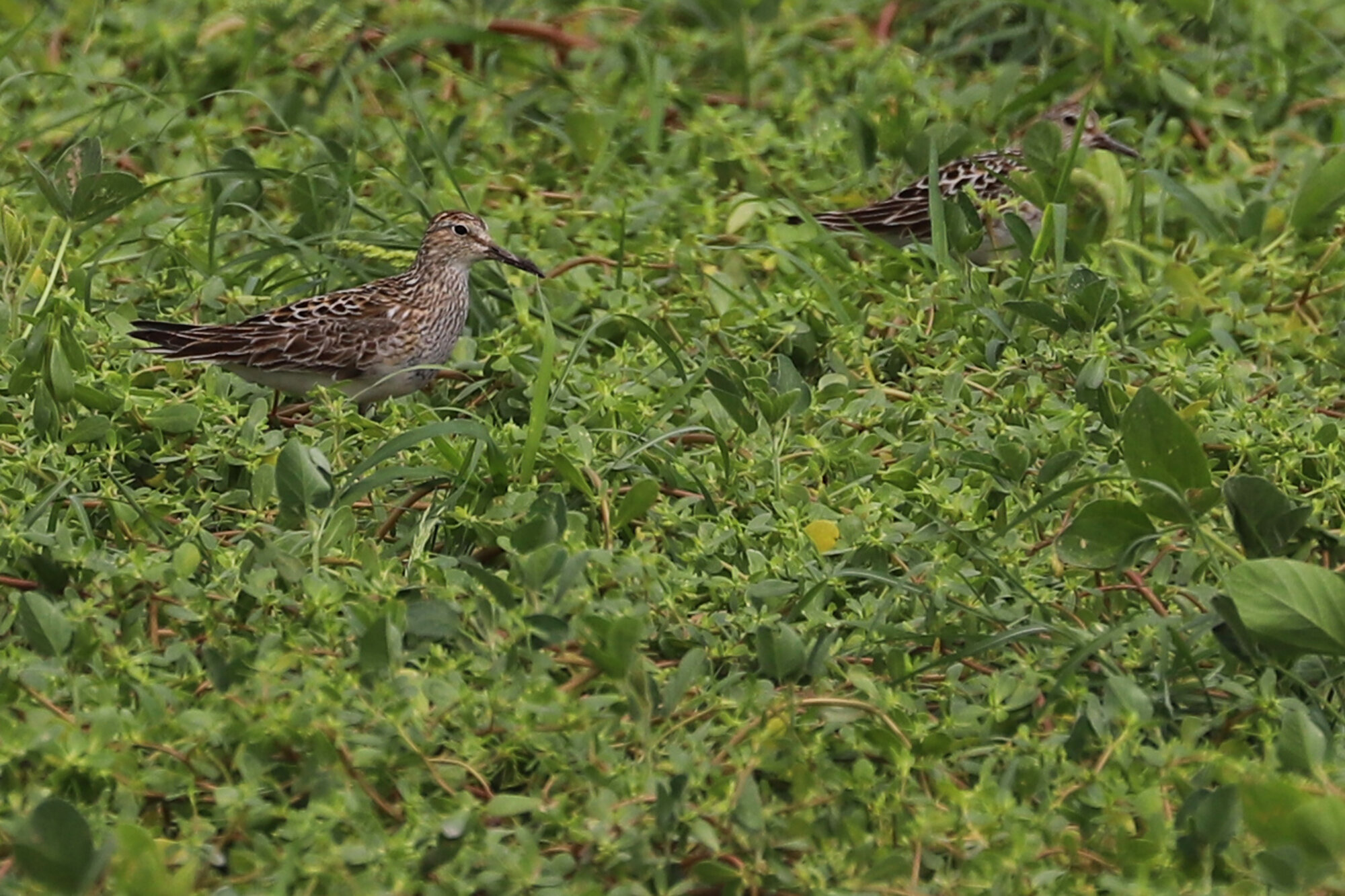
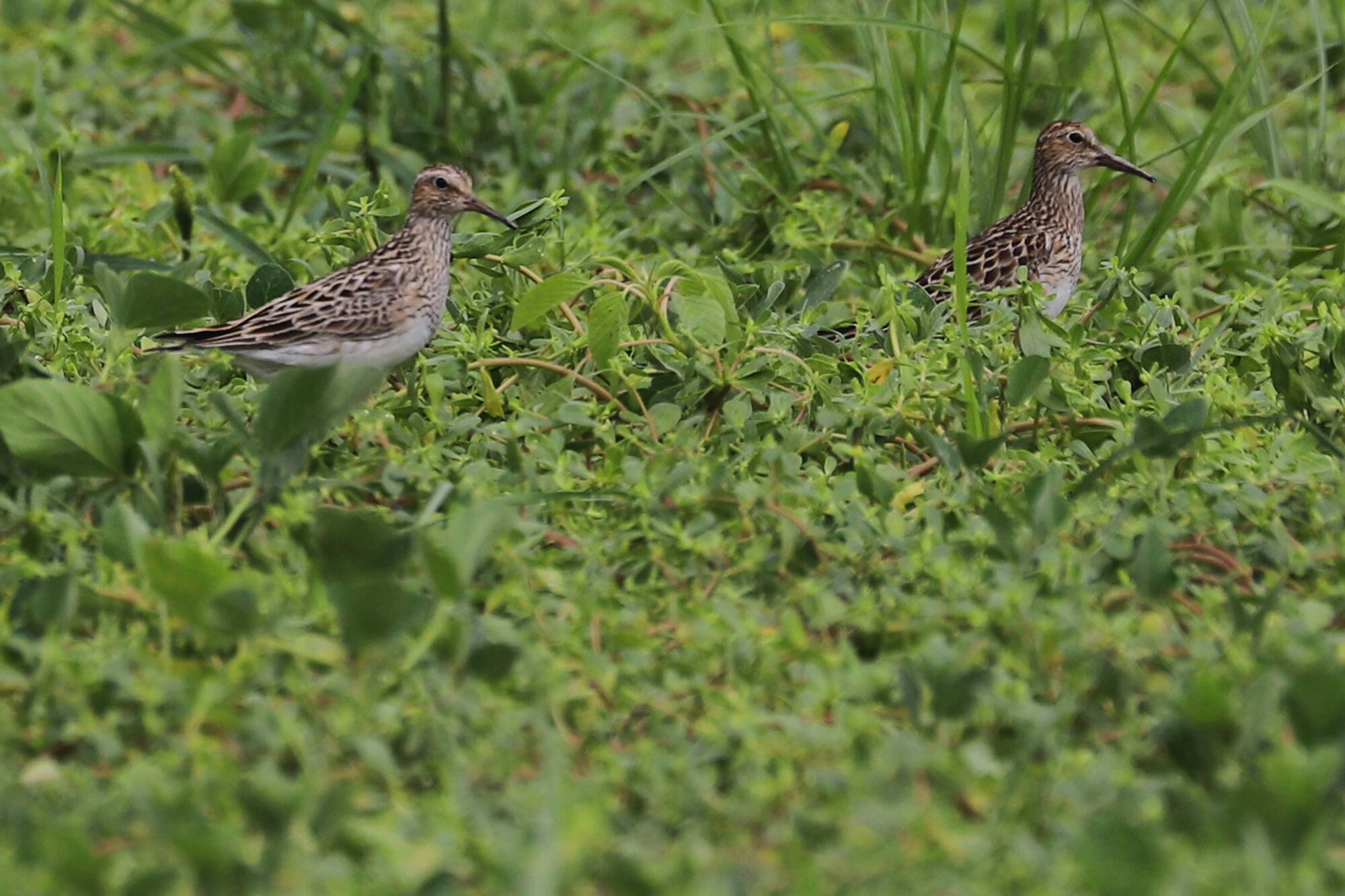
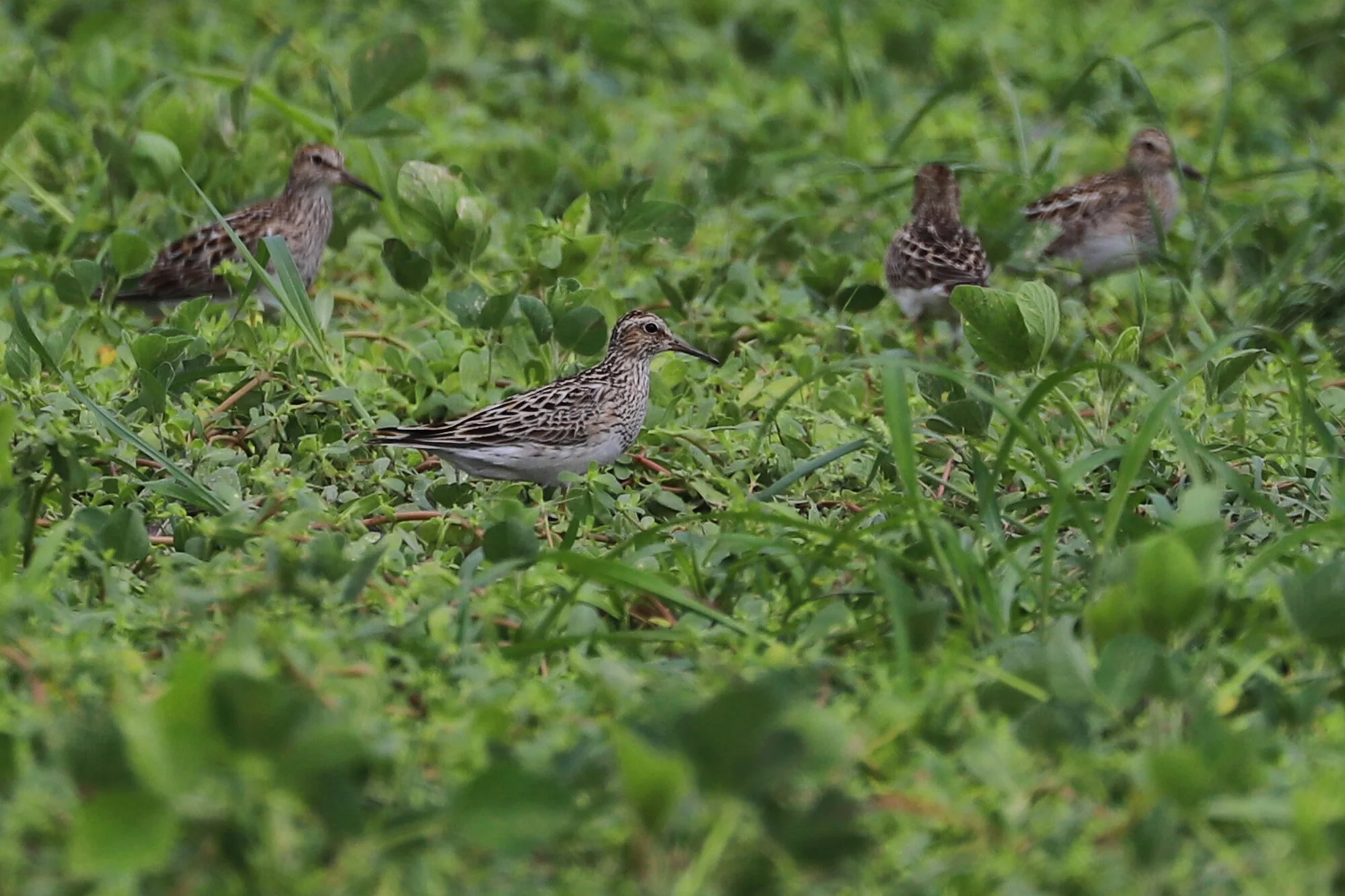
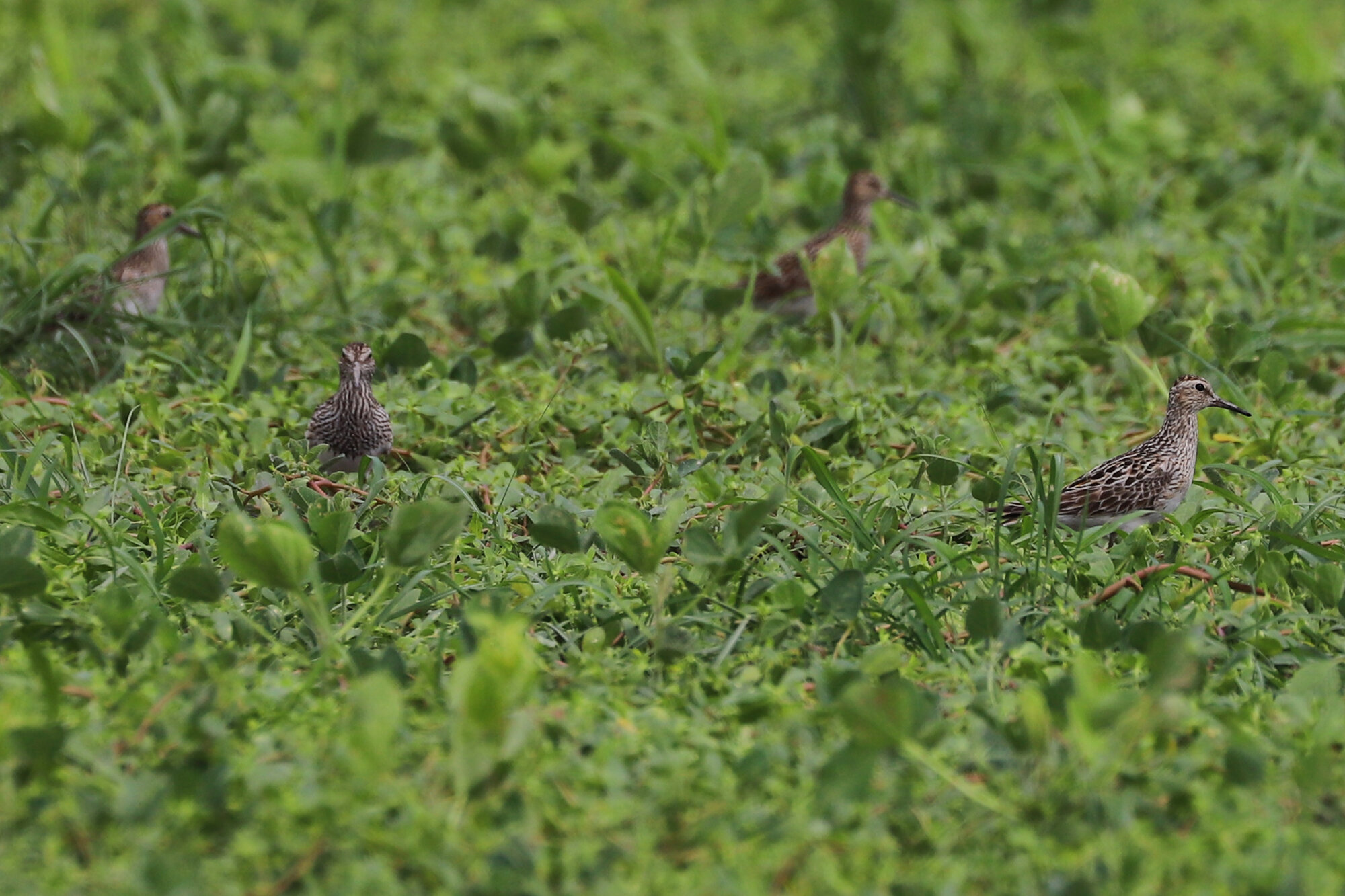
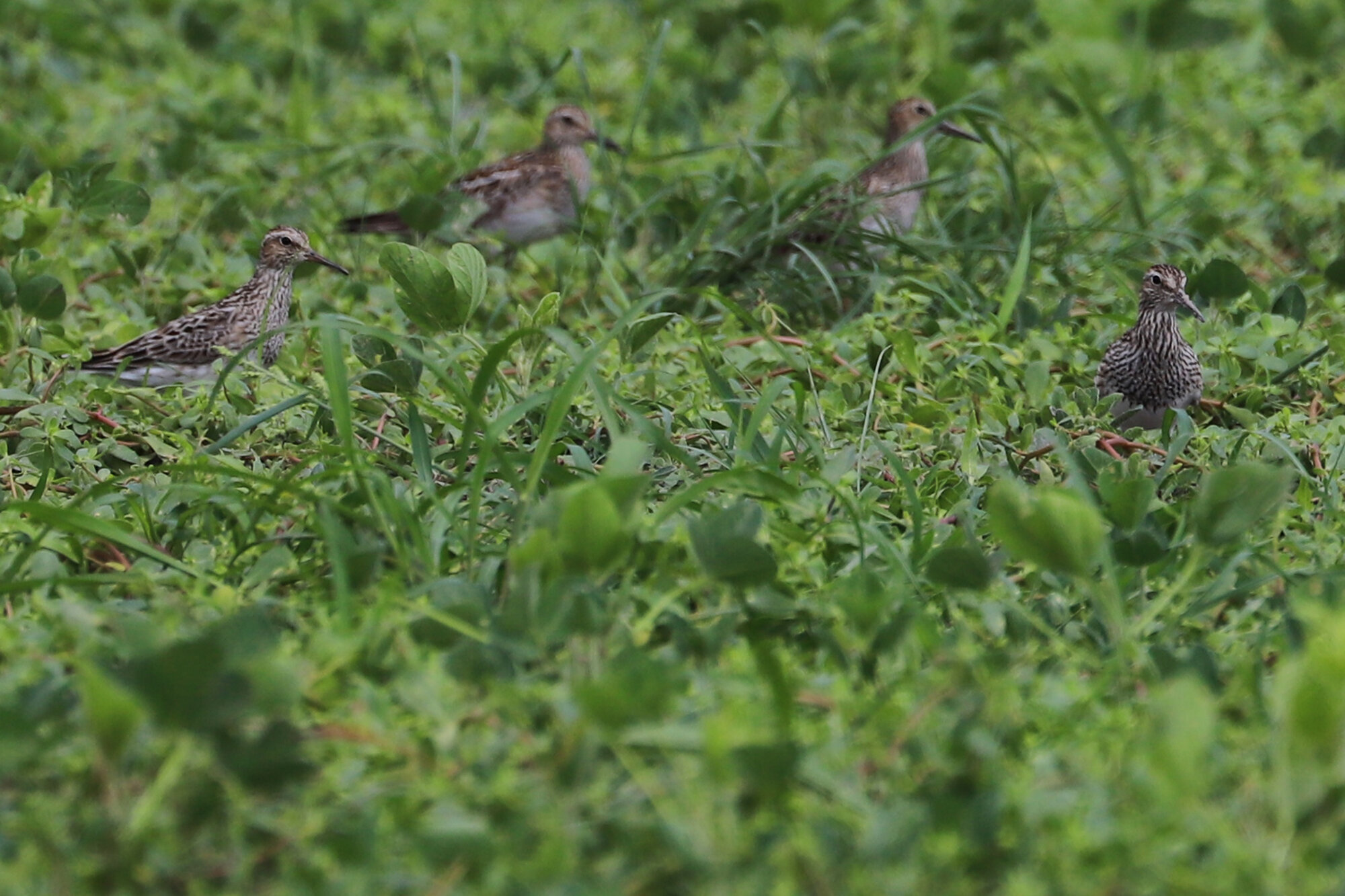
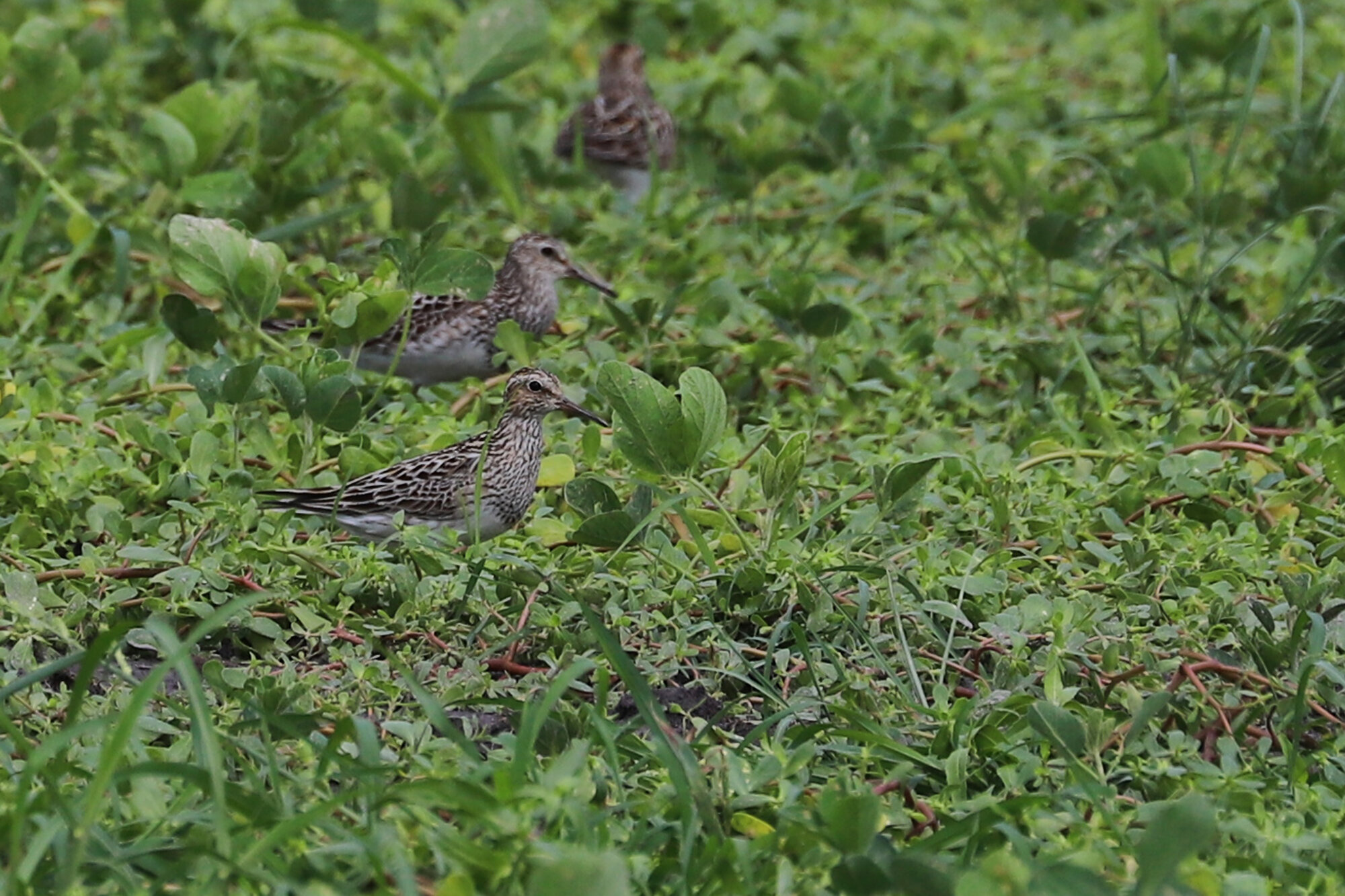
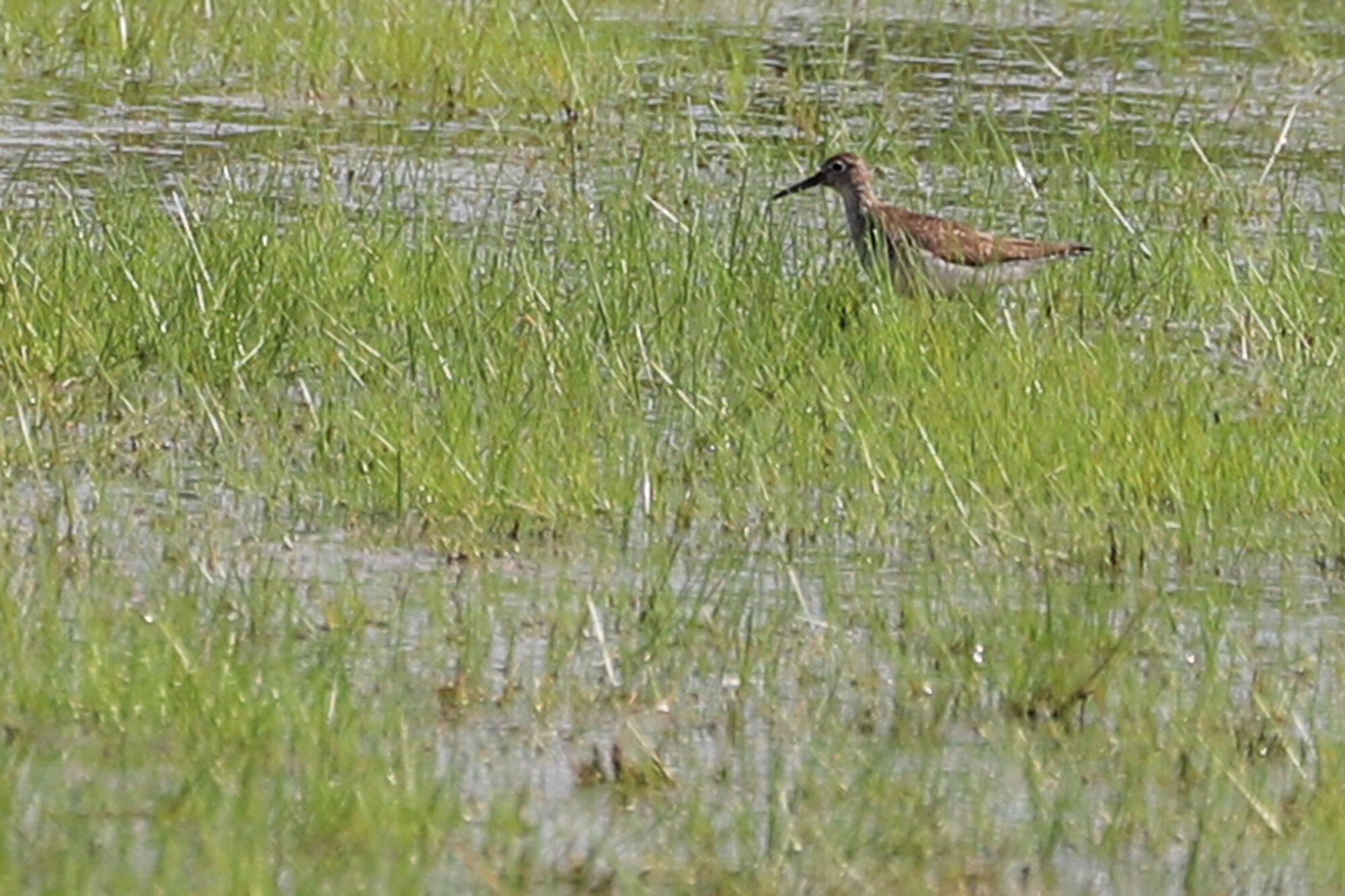
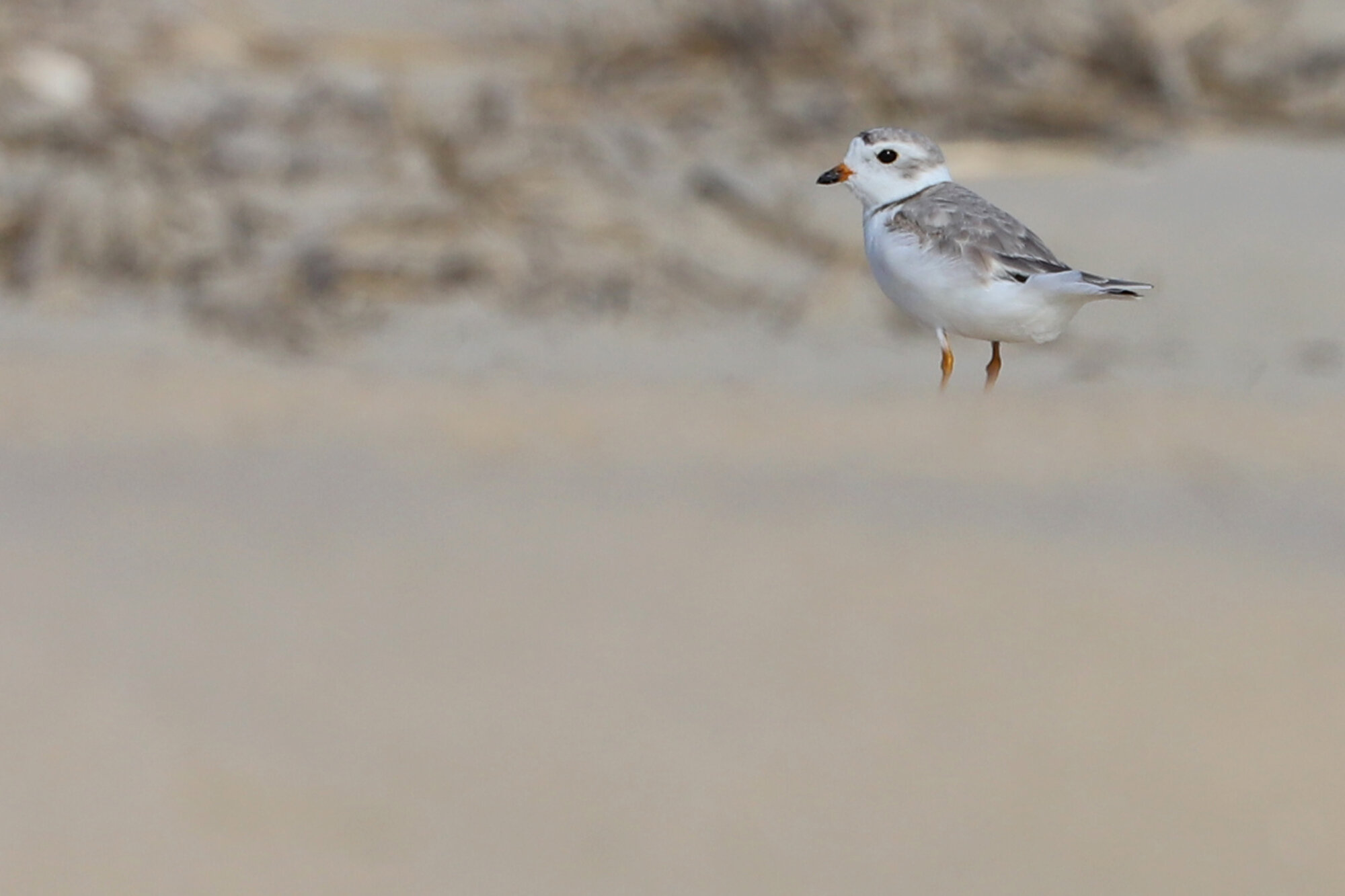
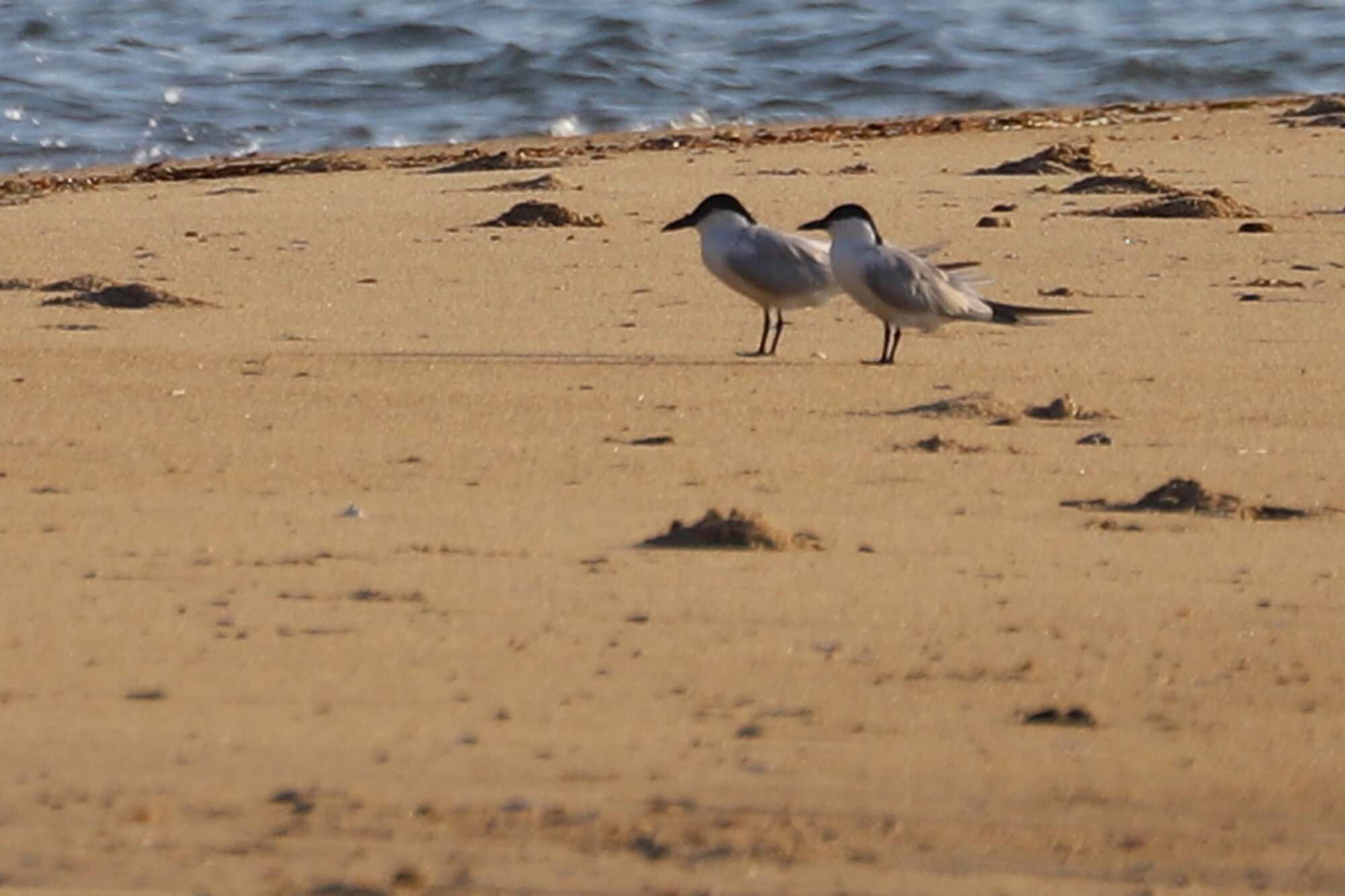
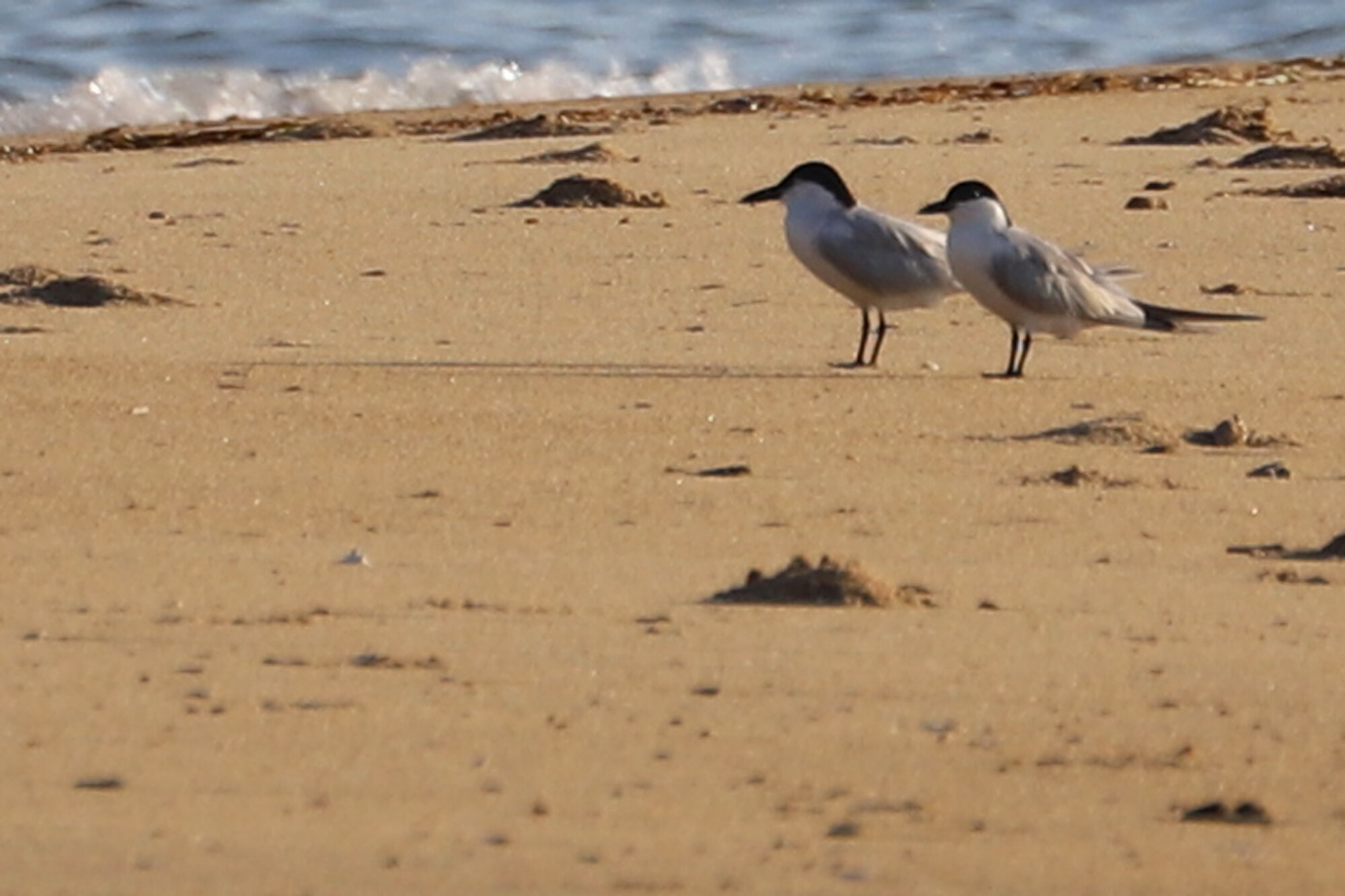
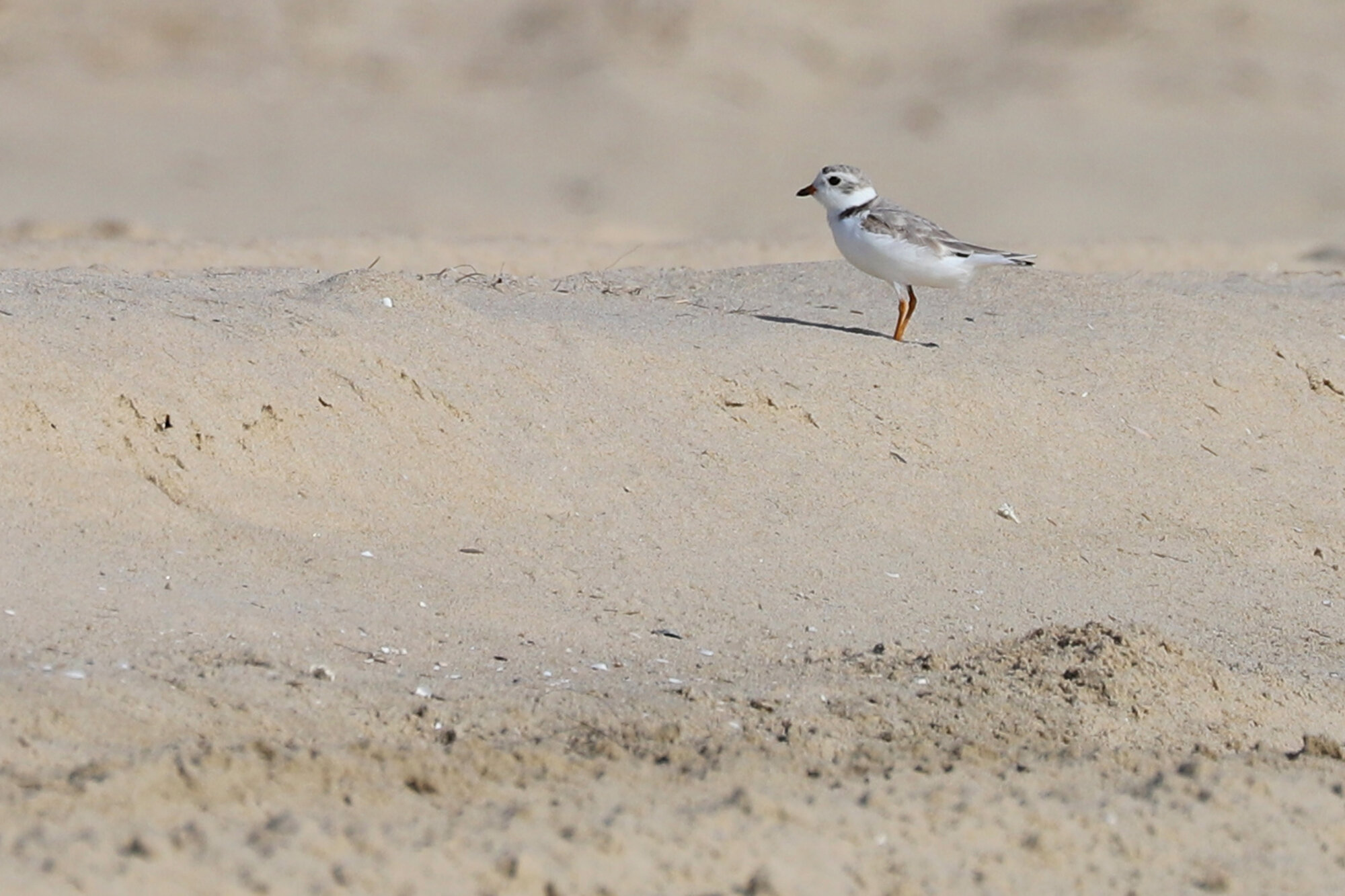
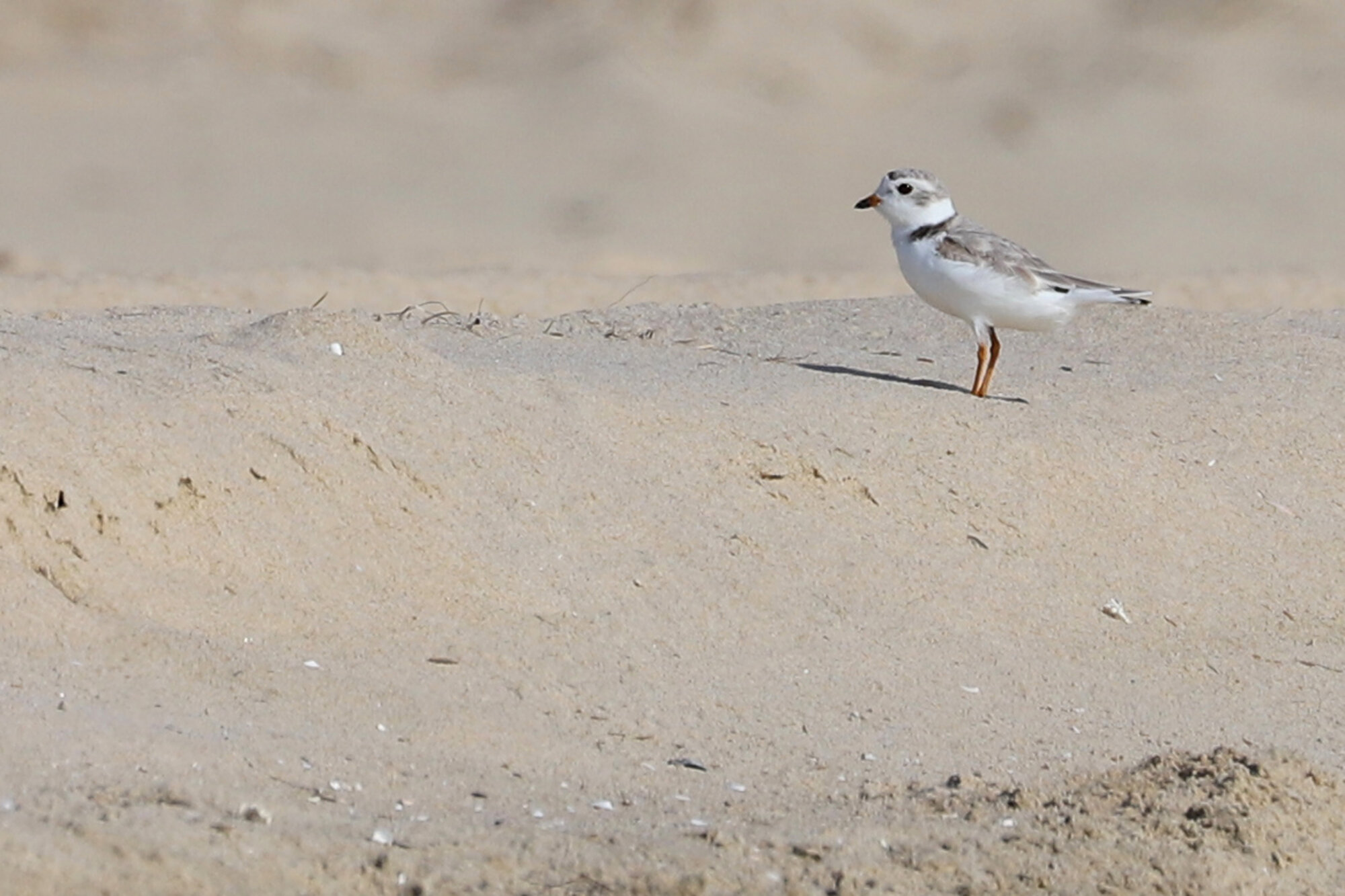
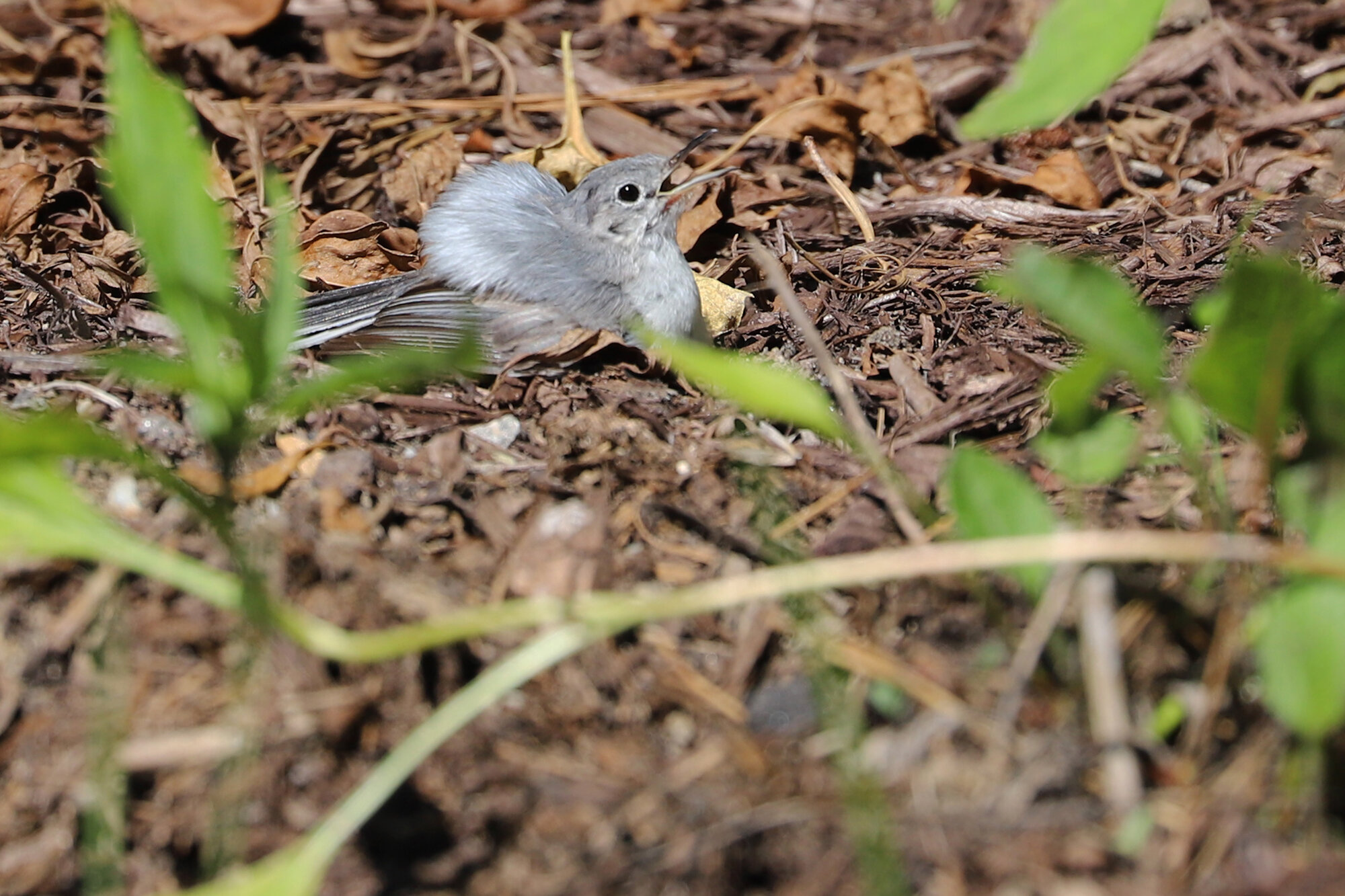
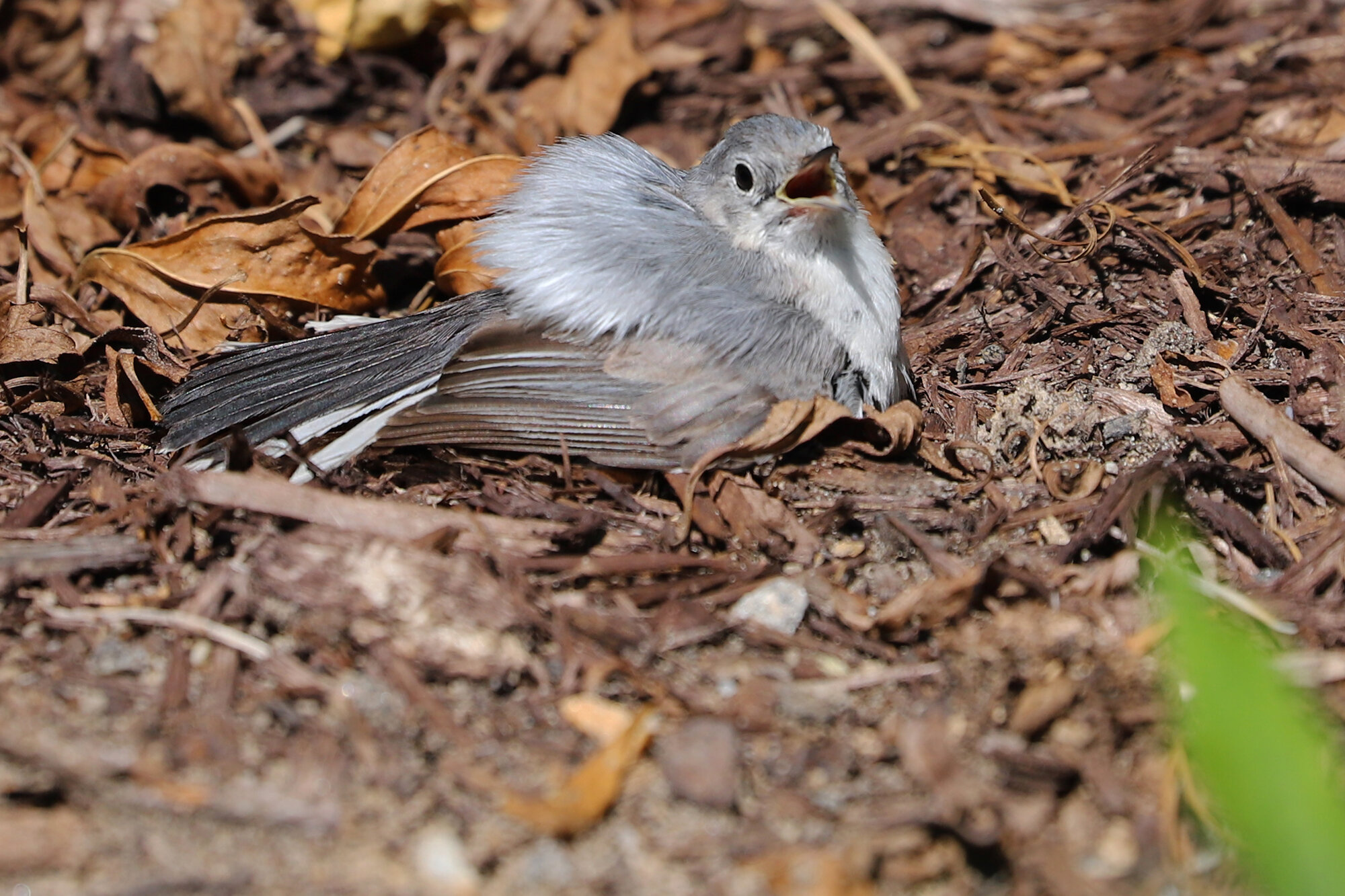
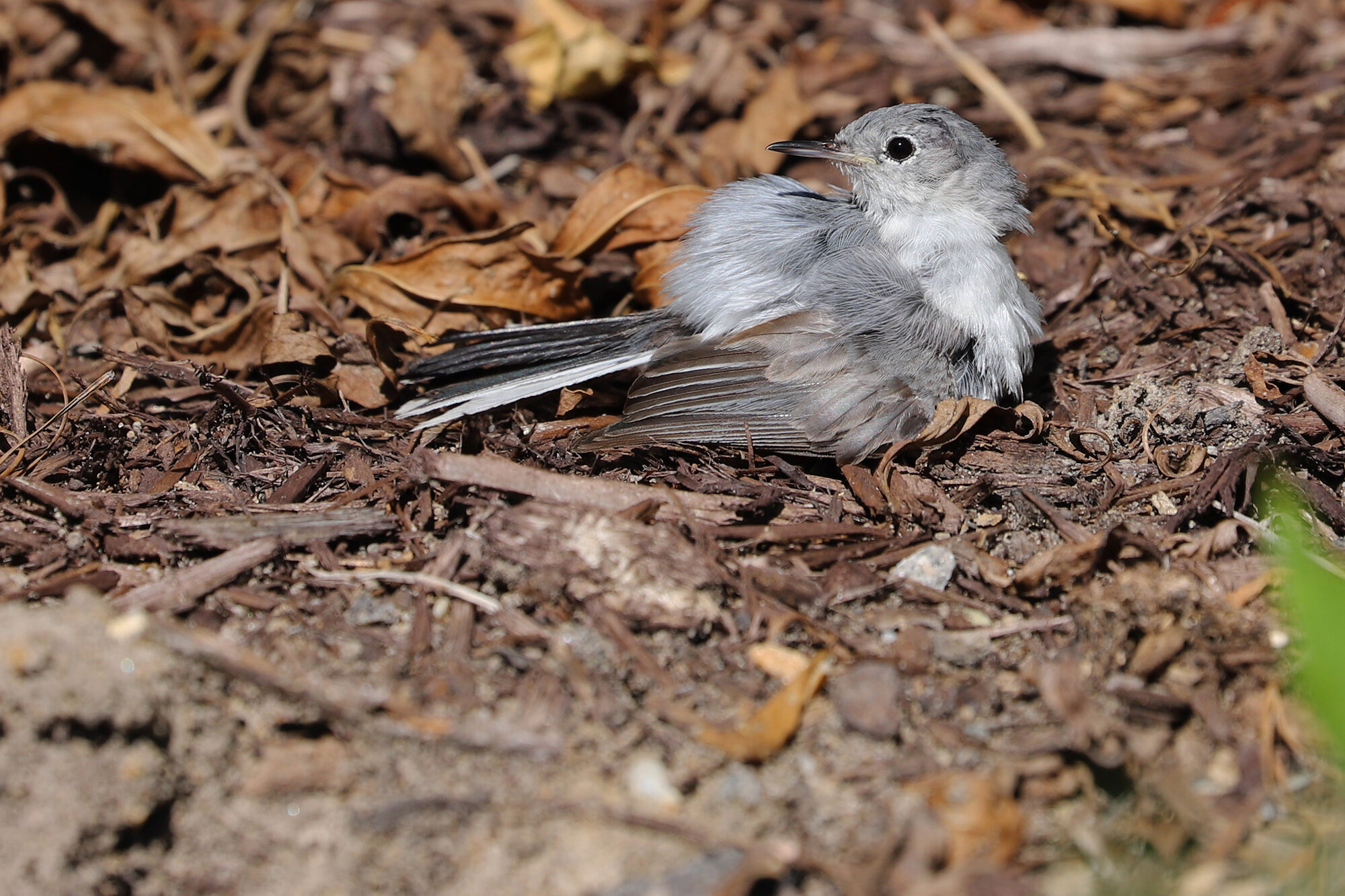
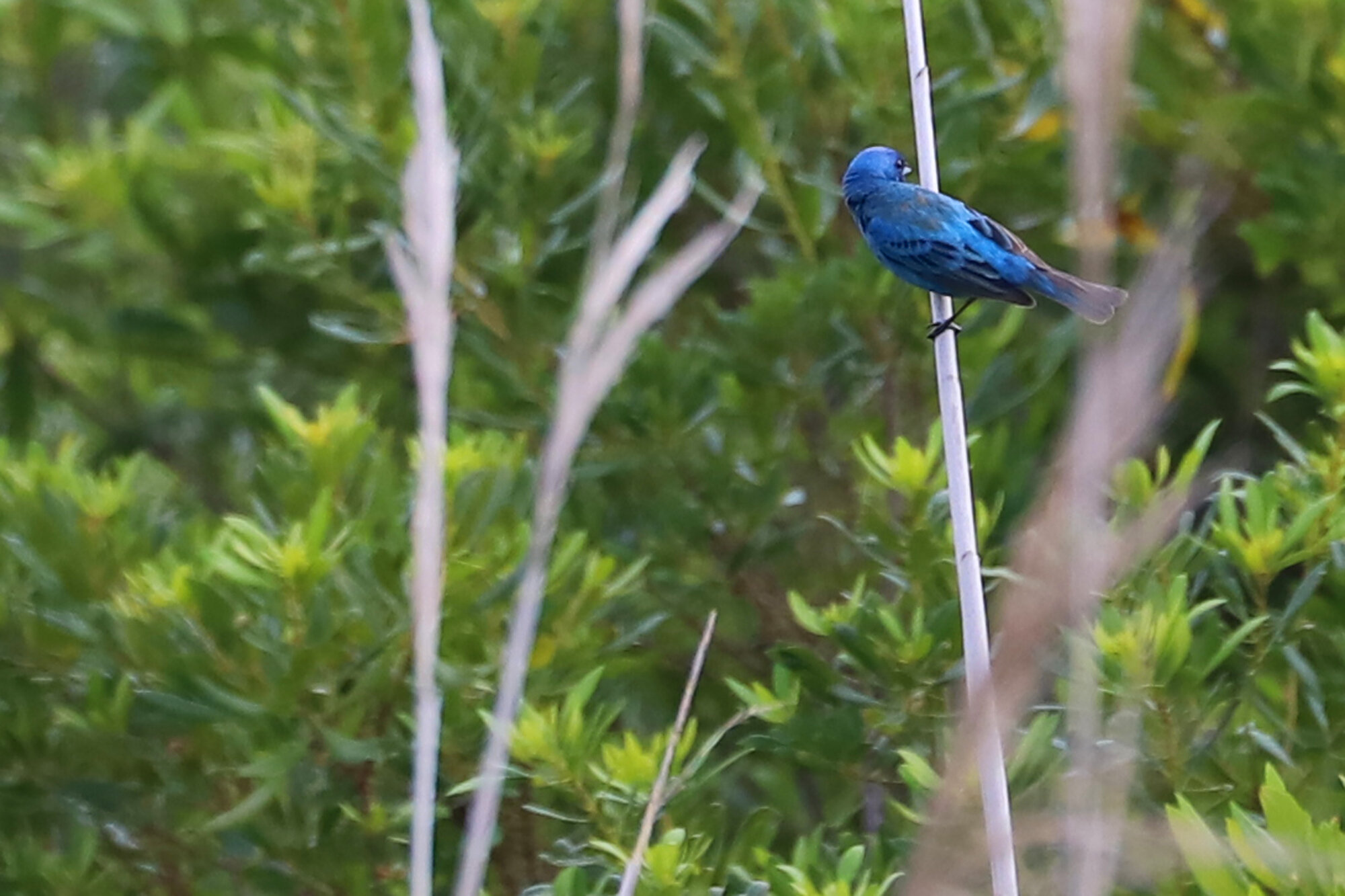
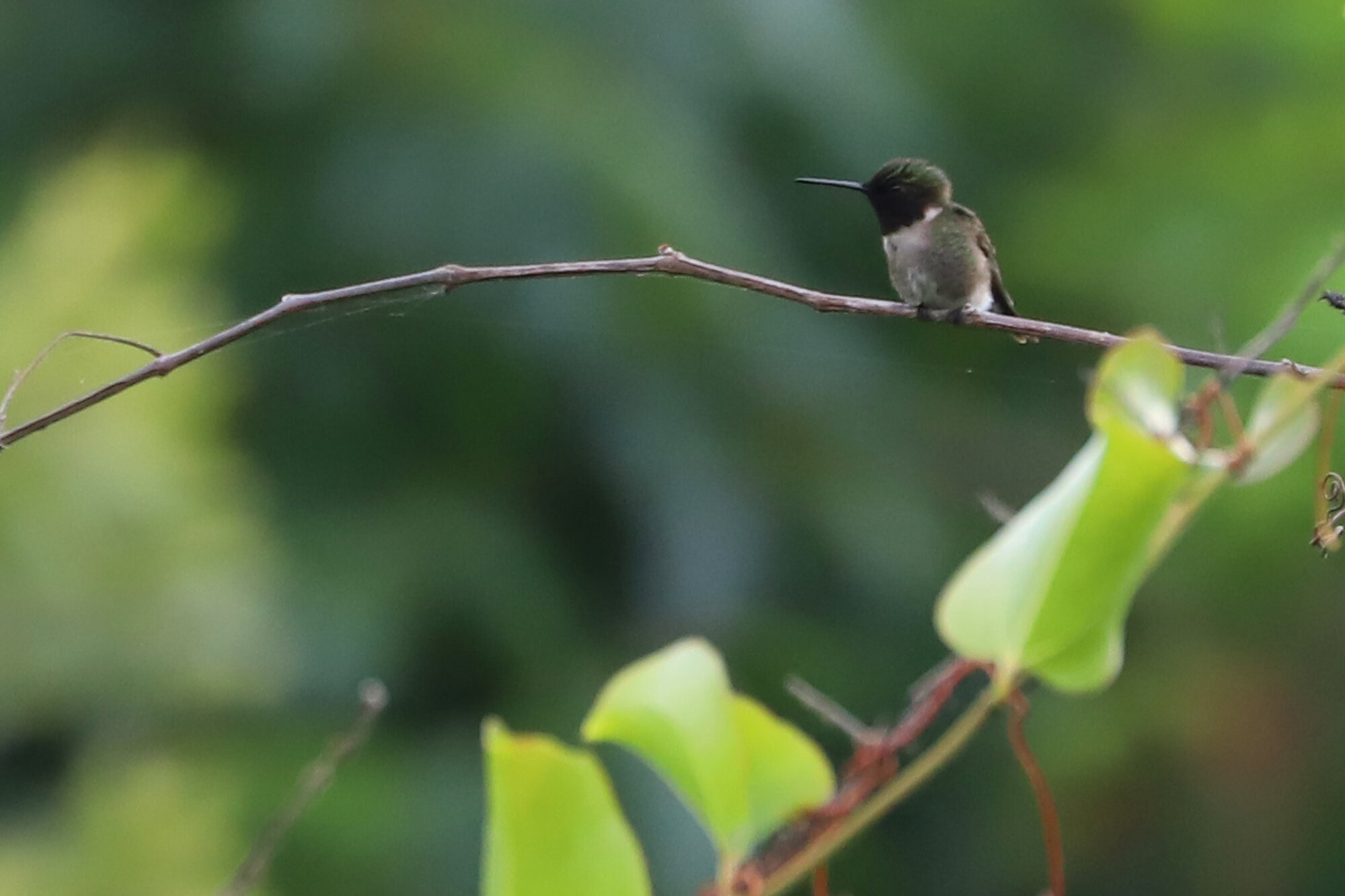
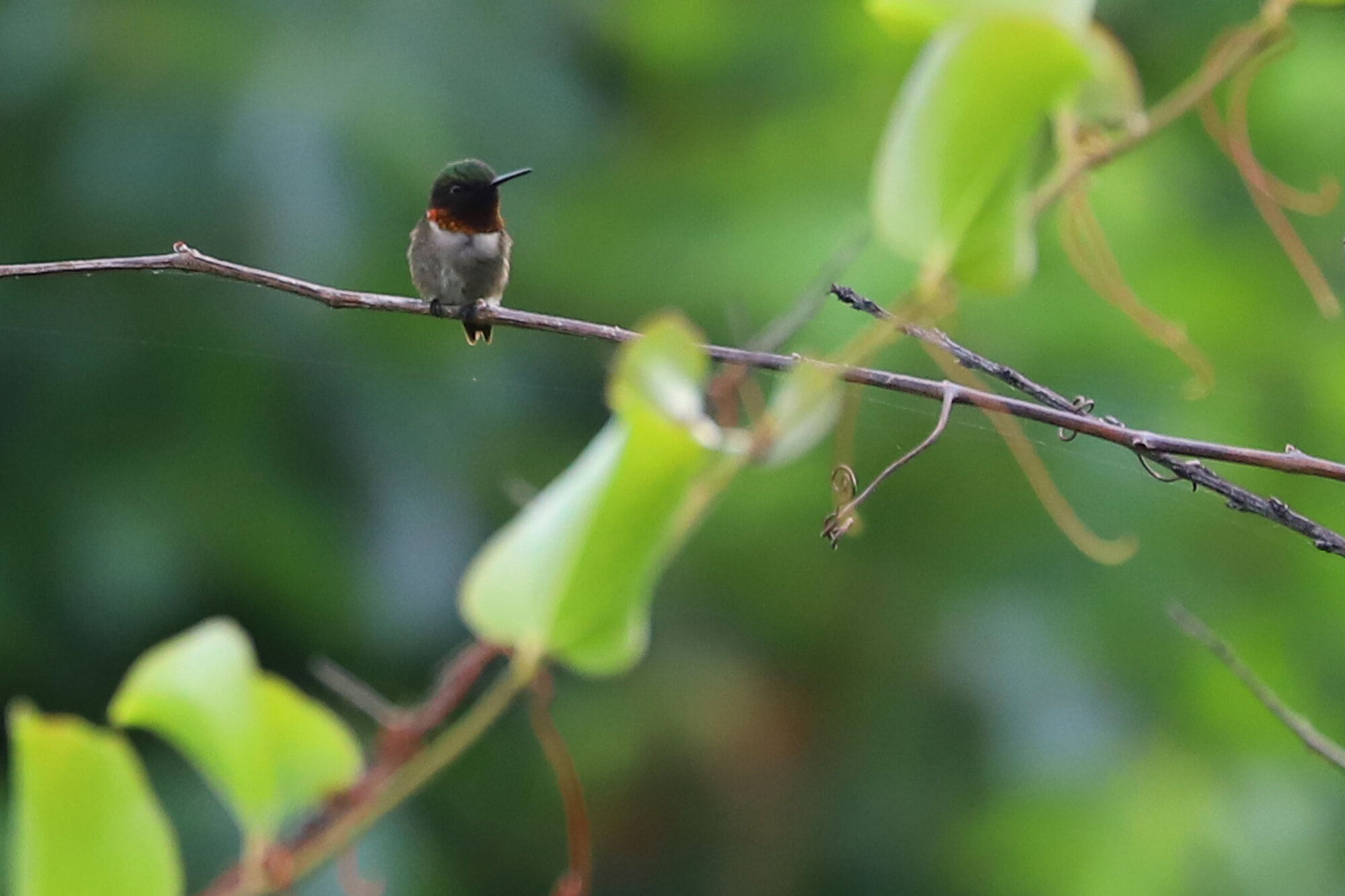
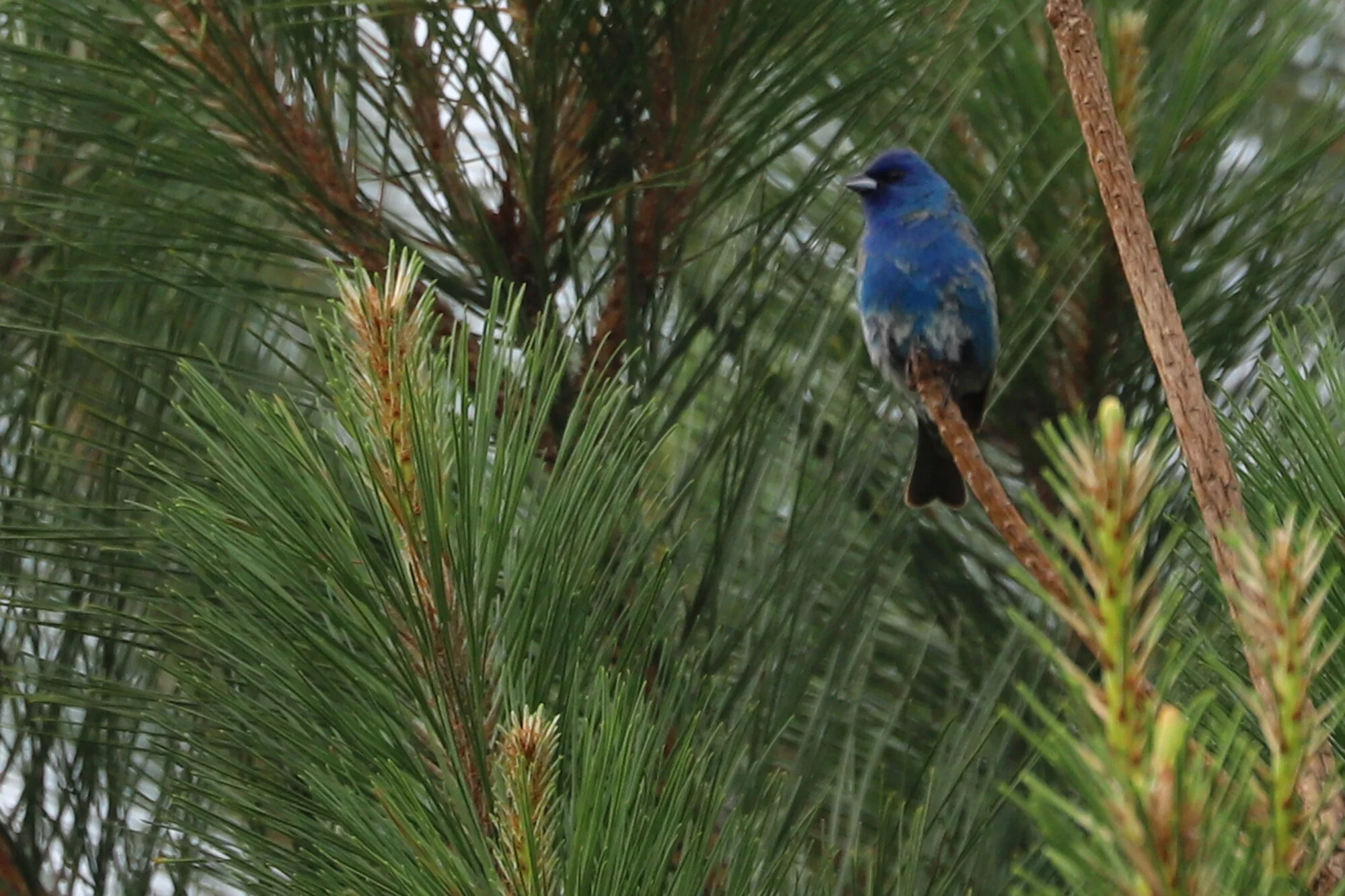
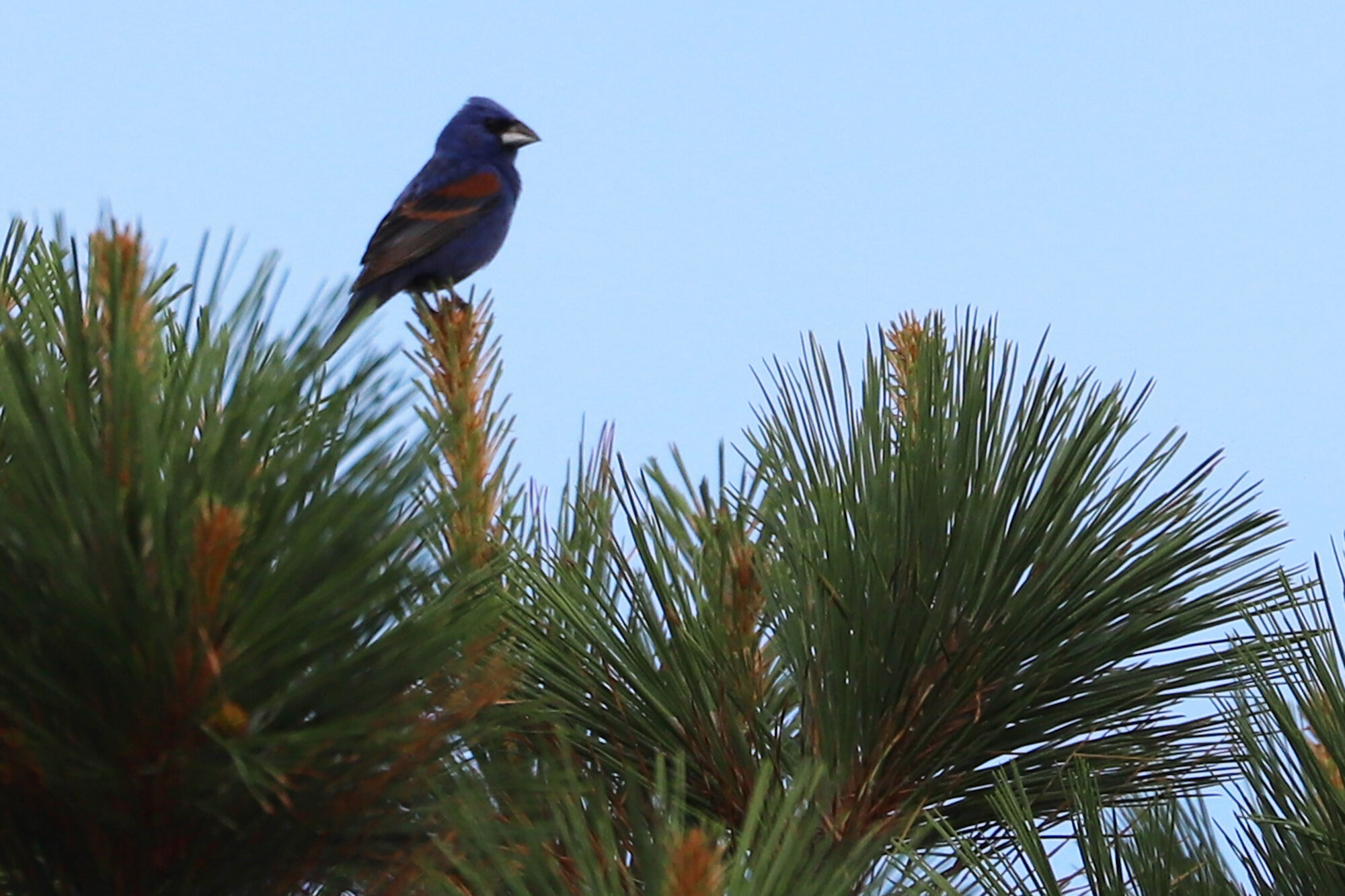
September 2020

A long period of northeasterly flow, and strong onshore winds finally gave way to our first major migration movement this season on the night of 22/23 September. After what had been a very quiet first three weeks to the month, reports exploded on the morning of the 23rd, and rarities and first-of-seasons alike abounded. Temperature-wise, we began just as August finished, above normal, though the latter third of the month finally brought us some cooler temperatures. Specifically, September was just about, or slight below average (80°F/69°F for daily highs/lows), when compared to the prior ten-year average temperatures (82°F/68°F). Throughout the month, we ranged from a high of 96°F on 3 Sep (the highest September temperature since we hit 99°F on 2 Sep 2014) to a low of 56°F on 23 Sep following the overnight passage of a critical cold front. Bird-wise, over the course of its thirty days, a total of 201 species produced accepted records in eBird during September. A massive improvement on the 157 species logged here in August, as well as to recent Septembers like the 183 species logged in 2019 and the 177 in 2018, this was clearly our most successful September ever in terms of eBird reporting. Miraculously, from the morning of 23 Sep to the end of the month, we logged a total of 187 species, in just one week of birding! For the calendar year, we now stand at 299 species, which is eight higher than the 291 species logged through the same period last year. Collectively, eBirders have now submitted a total of 7,267 complete checklists for the calendar year which, has us slightly behind the pace required to match the 10,061 checklists submitted in 2019.

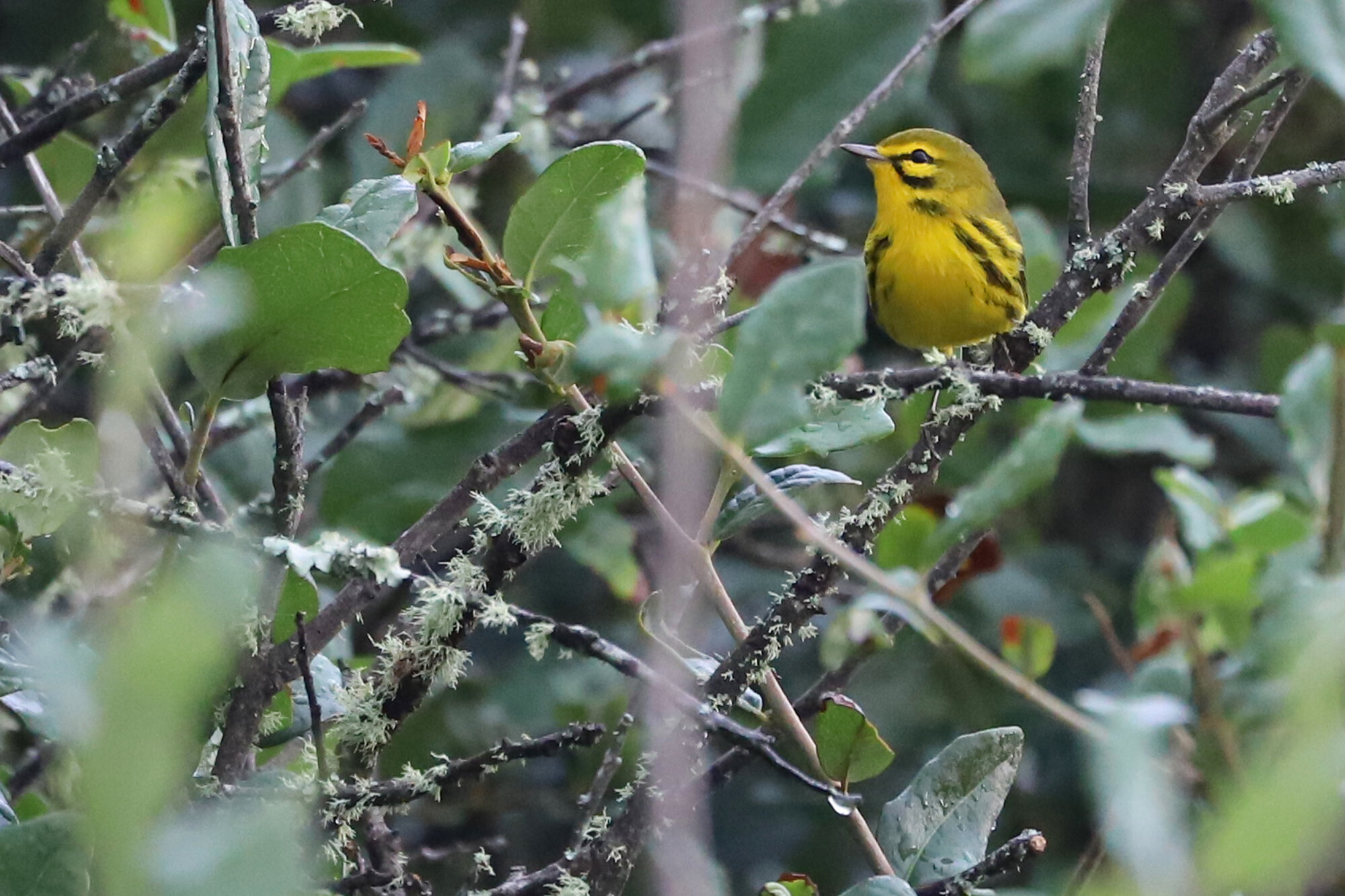
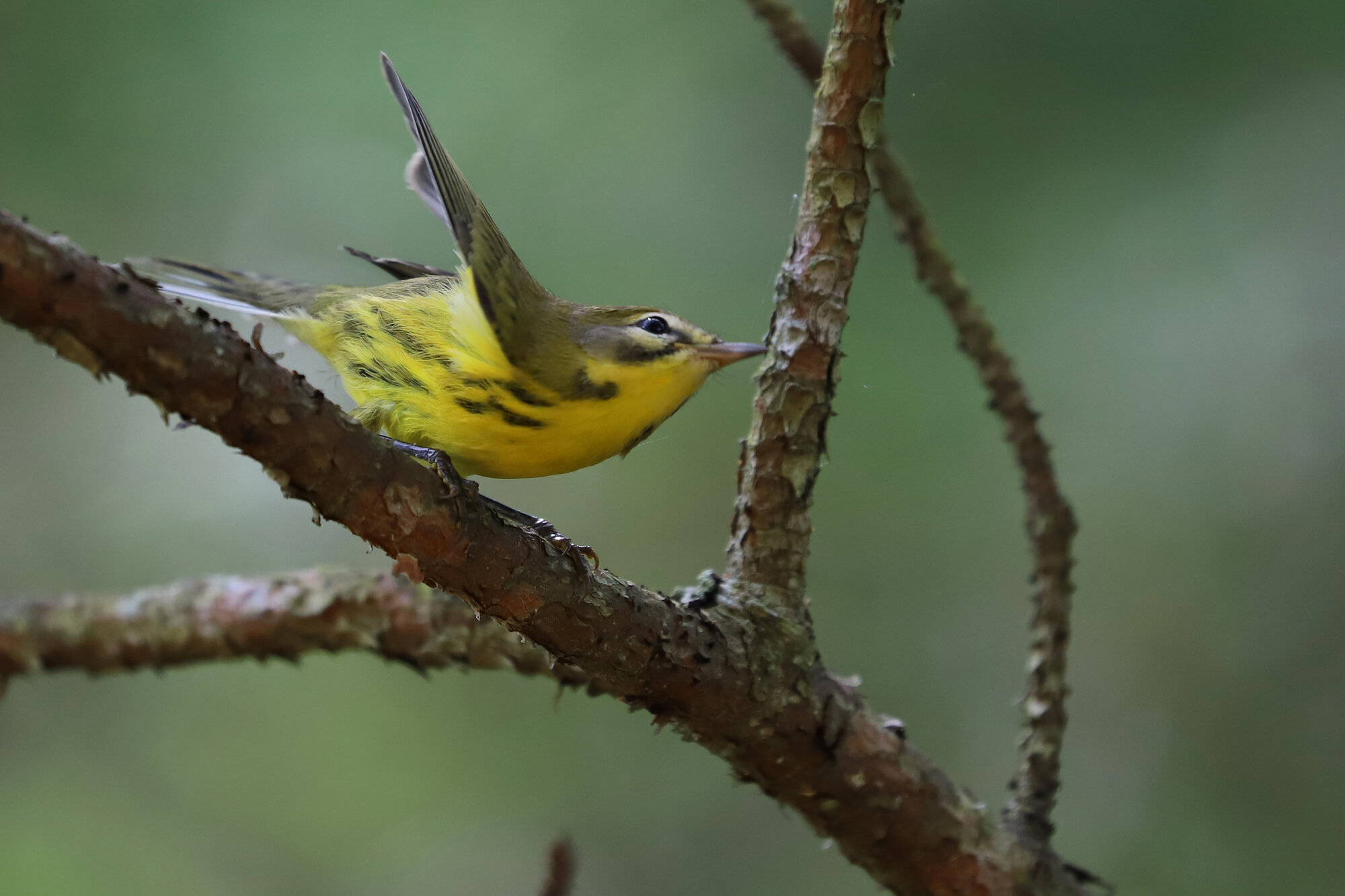
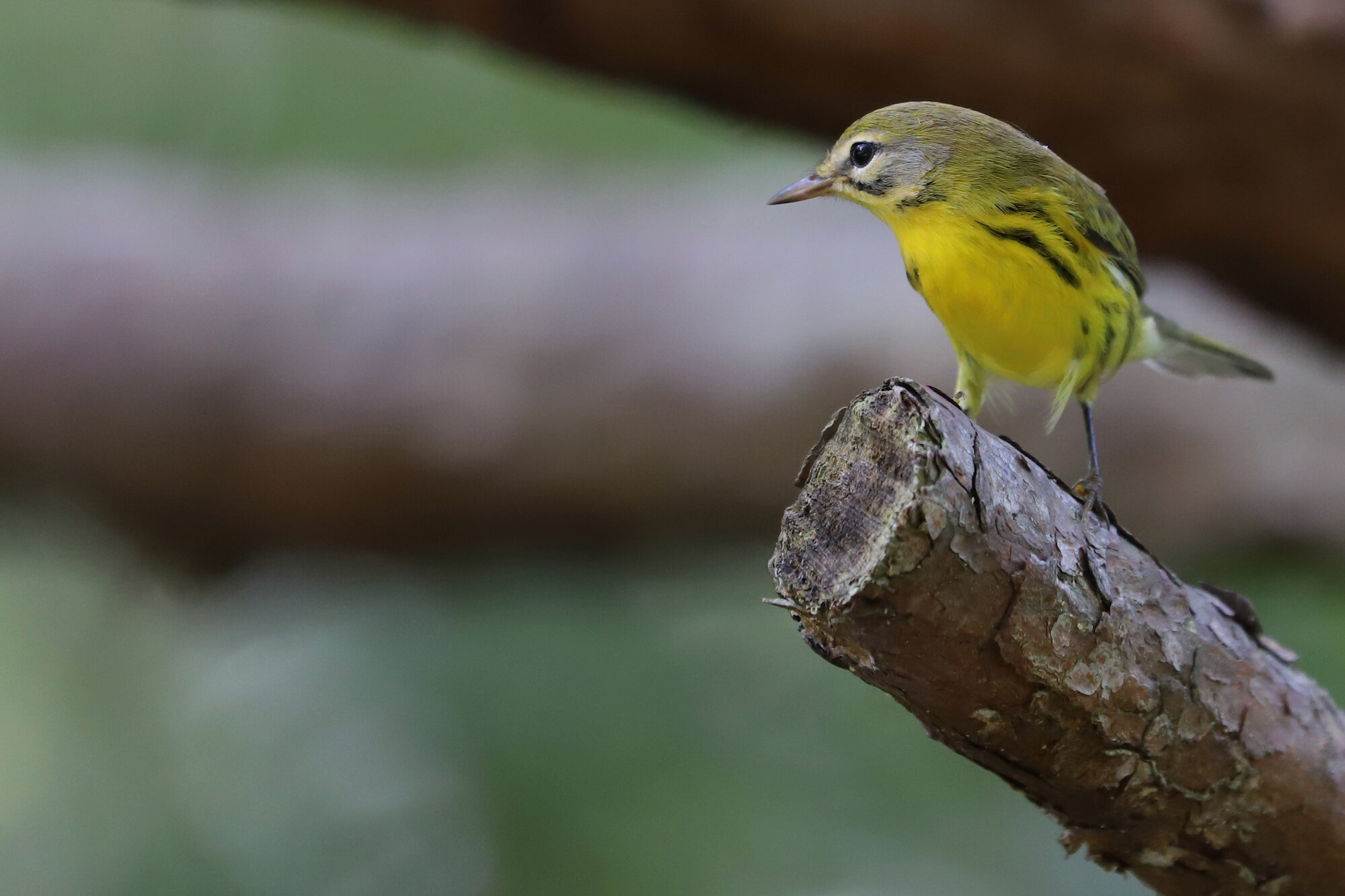
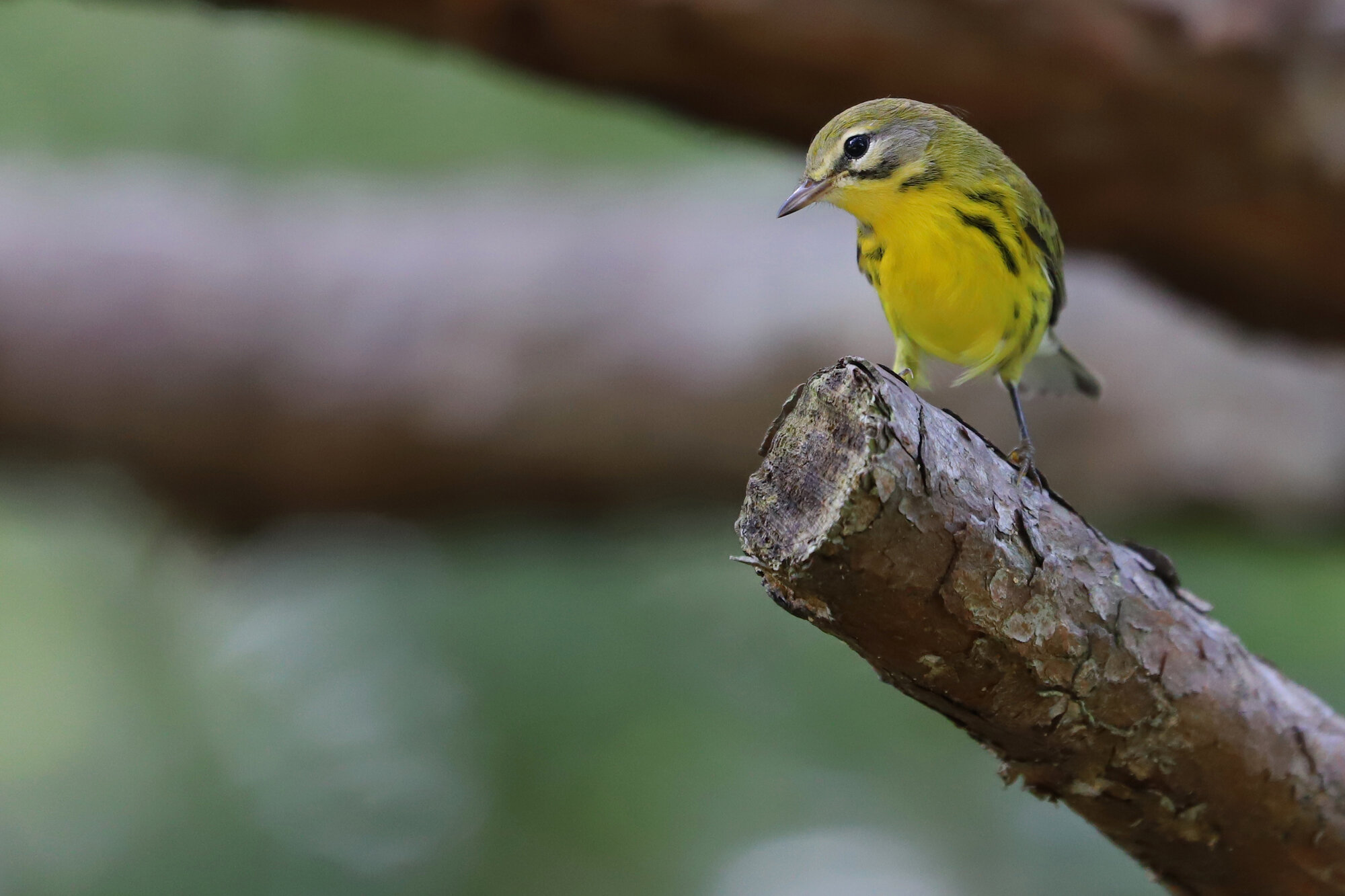
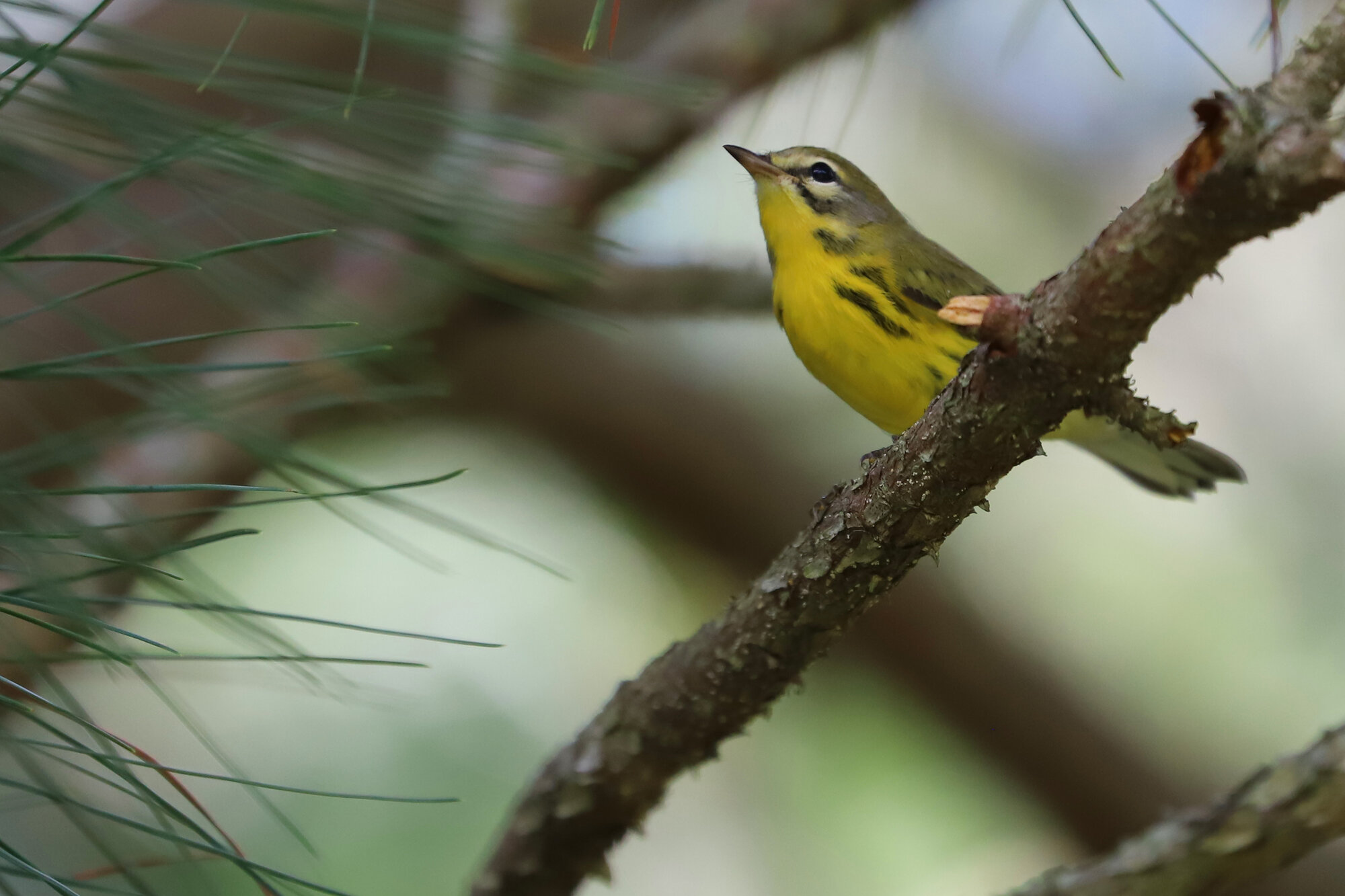
Townsend's Warbler / Mt. Trashmore Park / 27 Sep

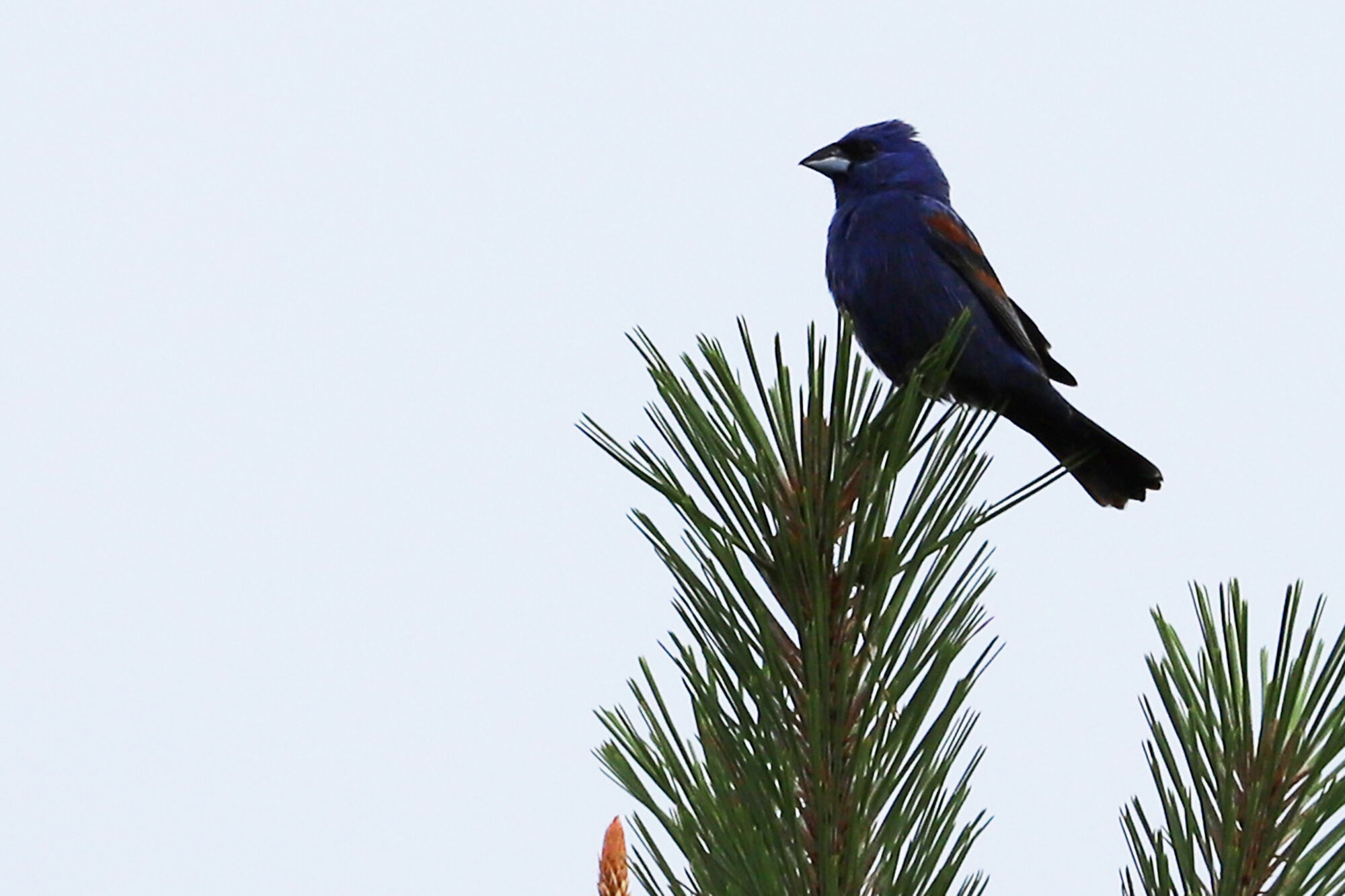
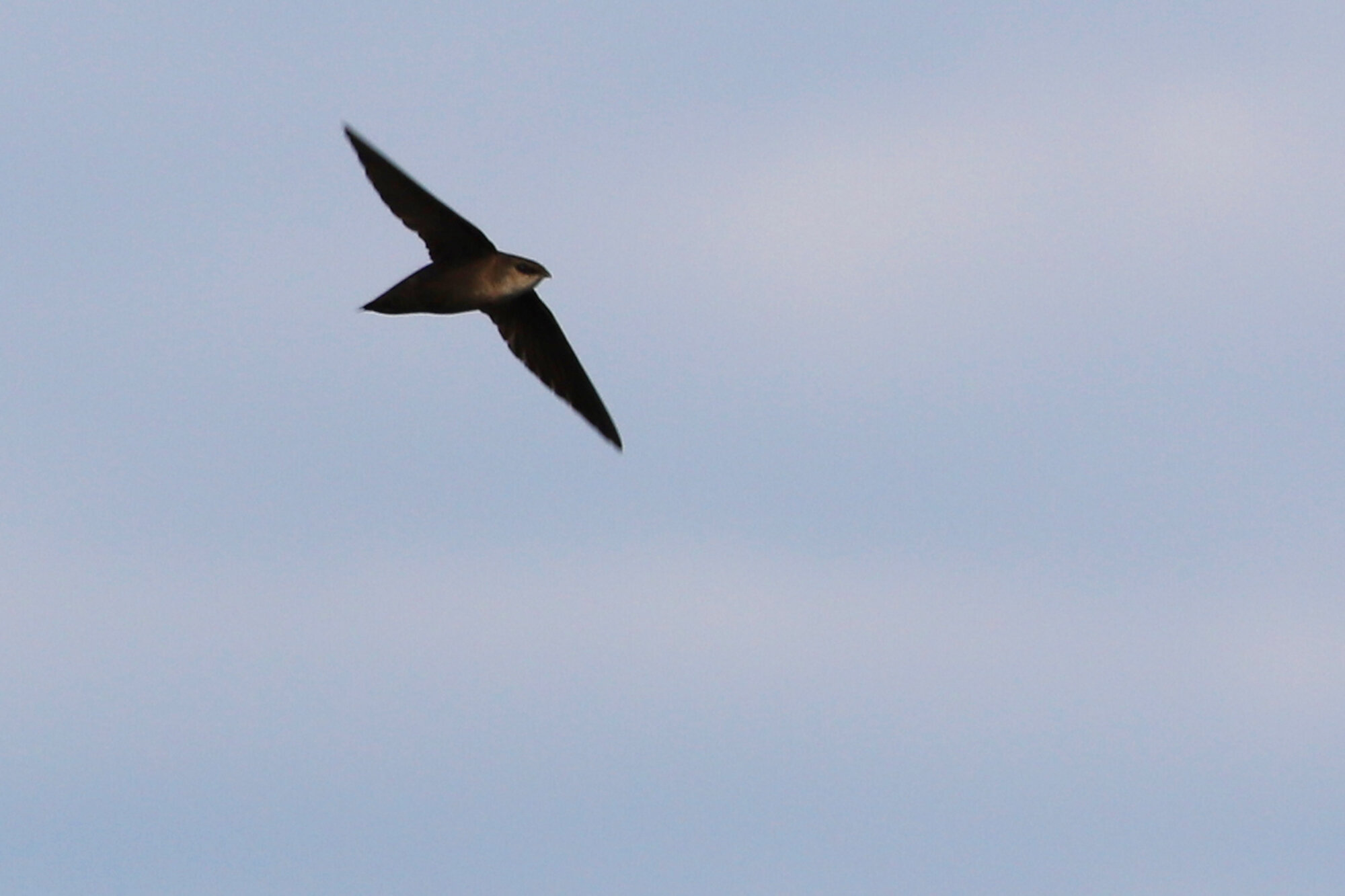
Highlights for September included: Ring-necked Duck, Eared Grebe, Black-billed Cuckoo, American Golden-Plover, Hudsonian Godwit, Buff-breasted Sandpiper, Long-billed Dowitcher, Parasitic Jaeger, Common Loon, Black-capped Petrel, Great Shearwater, Mississippi Kite, Yellow-bellied Flycatcher, Philadelphia Vireo, Warbling Vireo, Horned Lark, Sedge Wren, American Pipit, Pine Siskin, Clay-colored Sparrow, Lark Sparrow, White-crowned Sparrow, Blue-winged Warbler, Prothonotary Warbler, Bay-breasted Warbler, Blackburnian Warbler, Yellow-rumped Warbler, Yellow-throated Warbler, Townsend’s Warbler, Canada Warbler & Dickcissel. Please note that a listing of which species qualify for the highlights section can be found here. Additionally, September provided the city with first-of-season records for expected fall arrivals which, in order of arrival date, included: Red-breasted Nuthatch, Magnolia Warbler, Dunlin, Stilt Sandpiper, White-rumped Sandpiper, Wilson’s Snipe, Merlin, Yellow-rumped Warbler, Cape May Warbler, Black-throated Blue Warbler, Ring-necked Duck, Sharp-shinned Hawk, Black-throated Green Warbler, Northern Harrier, Common Loon, Rose-breasted Grosbeak, Scarlet Tanager, Palm Warbler, Blackpoll Warbler, Northern Shoveler, Blue-headed Vireo, Nashville Warbler, Veery, Savannah Sparrow, Wilson’s Warbler, Swainson’s Thrush, Gadwall, Northern Pintail, Virginia Rail, American Wigeon, Yellow-bellied Sapsucker, Ruddy Duck, Sedge Wren & Pine Siskin. A full list of regularly-occurring species and their expected fall arrival dates can be found here.

An incredibly early record for a female RING-NECKED DUCK at Mt. Trashmore Park on the morning of 15 Sep (ph. Reuben Rohn & Lisa Rose) proved to be the earliest arrival we’ve ever had in terms of eBird reporting for this species in Virginia Beach! In fact, digging into the dates of eBird records, Virginia Beach has never had a record for Ring-necked Duck between 5 Jun and 17 Oct in any year. This makes this record over a month early of the earliest prior record. Unfortunately, this female was not seen again on the lake, or on any nearby lakes despite some searching, and no other records for Ring-necked Duck occurred this month elsewhere in Virginia Beach, or even anywhere in Virginia overall! (Sep 2020 Map of Records)

Yellow-bellied Flycatcher / Back Bay NWR / 23 Sep

Only the second known occurrence for the species in Virginia Beach, and the first since 1990, an EARED GREBE was found along the coast at Back Bay NWR on 24 Sep (ph. David Clark)! First noted just before 11 AM, this individual was sighted roughly 150 yards off the beach in line with the Dune Trail access point. Moving along with the currents slowly to the south, it had managed to drift about a half mile farther south over the next hour before vanishing from view. With records of this species in other coastal (and coastal plain) counties over the past few years, this was a highly sought-after find for Virginia Beach, and makes for our first photographic record in eBird. Though it was not observed in the following days, like Western Grebes that have shown up along our coastline in winters past it is quite likely to still be present. We simply have a long coastline, and being in the right place at the right time to pick out a small grebe always requires some good luck. In a few weeks, Horned Grebes will be returning, and will make finding this bird even tougher since at a distance the two species can blend in quite well together. So hopefully, if it still around, someone will track it down in early or mid-October, but regardless, it was an excellent fine, and has excellent documentation. (Sep 2020 Map of Records)

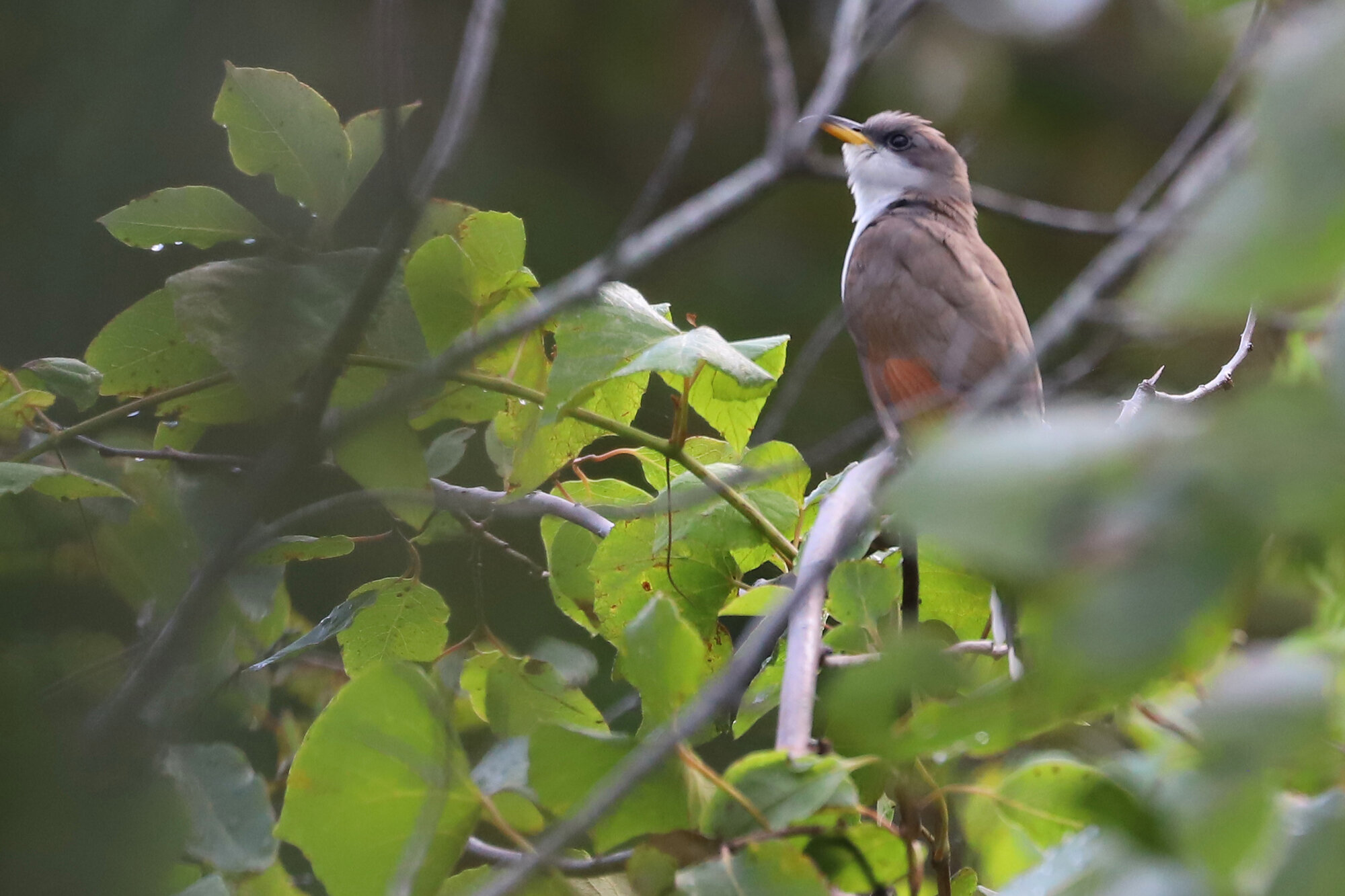
Originally mis-identified as a juvenile Yellow-billed Cuckoo in the field, further examination of a plethora of photographs showed that we had our first eBird record for BLACK-BILLED CUCKOO of the year behind the visitor center at Back Bay NWR in the late evening hours of 23 Sep (ph. Rob Bielawski, vis. Tommy Maloney). Though, it needs to be noted that an adult Black-billed Cuckoo was photographed at the refuge (near this same spot actually) and posted to Facebook (ph. Steve Coari) back in May, but that record never made it into eBird unfortunately. Fall records are very difficult to come by on the coast, with the only recent records within Virginia Beach (all individuals) having occurred in Oct 2019, Aug 2017 and Sep 2016, two of which were at Back Bay NWR as well, and two of which are noted as adults showcasing the red orbital ring around the eye. Juveniles are often mis-identified (as in this case!) since both species show a yellow orbital ring and black bill, but Black-billed juveniles show a buffy throat, and lack the bright rufous tones of the primary flight feathers. Additionally, the undertail pattern is very different, though this is not always visible (as in the case of the 23 Sep bird). (Sep 2020 Map of Records)

Black-billed Cuckoo / Back Bay NWR / 23 Sep

A rare fall transient along in coastal Virginia, we were fortunate this month to see a record for a single AMERICAN GOLDEN-PLOVER present on Back Bay NWR’s C Storage Pool from 23-26 Sep (vis. Andrew Baldelli & Kyle Bixler; later ph. Cindy Hamilton & Steve Keith). Shorebirds season this fall had been a difficult one with the lack of habitat in fields throughout southern Virginia Beach, lack of habitat at Princess Anne WMA, and with the impoundments of Back Bay off limits except for views from the East Dike, which requires a scope. So September was an exciting month, as we had not just this species, but also several others that are rare here anytime of year, though most expected in Sep/Oct. In years past, American Golden-Plover has been tough to pin down, and even tougher to document well. Last fall, Back Bay did produce a record on its beach, and the year prior, one was in a field off Shipps Cabin Road. But, with all the Black-bellied Plovers we see here in fall, this is one of the tougher species to look for since their appearance can be quite similar, and we likely miss a few at a distance each fall due to that. (Sep 2020 Map of Records)

Also on the C Storage Pool of Back Bay NWR, Virginia saw its first (and so far only) HUDSONIAN GODWIT record for 2020, with an individual present 24-26 Sep (ph. Kieran Zwirner fide Lauren Mowbray). Only the second eBird record for Virginia Beach, with an individual present for a single day last October at Princess Anne WMA Whitehurst Tract being the only other record thus far input, though other, older records likely exist. A rarer species than the American Golden-Plover mentioned above, Hudsonian Godwit is one that typically produces somewhere between 1-5 records in the state each fall, and is even rarer statewide during the spring season. With October coming up, it’s possible for another to show up, though most of our habitat for them here is obscured. Scoping from the East Dike at Back Bay NWR is about our best option, unless one happens to land in the fields along Muddy Creek Road, or if habitat management is undertaken at Princess Anne WMA which seems unlikely at this point in the season with waterfowl showing up now. (Sep 2020 Map of Records)

Philadelphia Vireo / Back Bay NWR / 13 Sep

A third rare fall transient shorebird species, BUFF-BREASTED SANDPIPER also produced a single record in Virginia Beach this month, with an individual present on a private property field off Firefall Drive on 10 Sep (ph. Andrew Baldelli). Accessed with permission, which unfortunately hasn’t been able to extend to the greater Virginia Beach birding community, this property held a wide variety of shorebirds on that date, including tough to find species like Western Sandpipers as well. This is the same field that often holds a wintering goose flock, but which are fortunately much larger and can be scoped from public sidewalks that abut the property, sometimes giving up viewing of Greater White-fronted, Cackling & Ross’s Geese, and even Brant a couple of winters back. Hopefully at some point in time, better access can be negotiated here, but it was great to get the Buff-breasted record here, the only one for 2020 in Virginia Beach, and one of just a few locations scattered across the state overall this fall season with records. (Sep 2020 Map of Records)

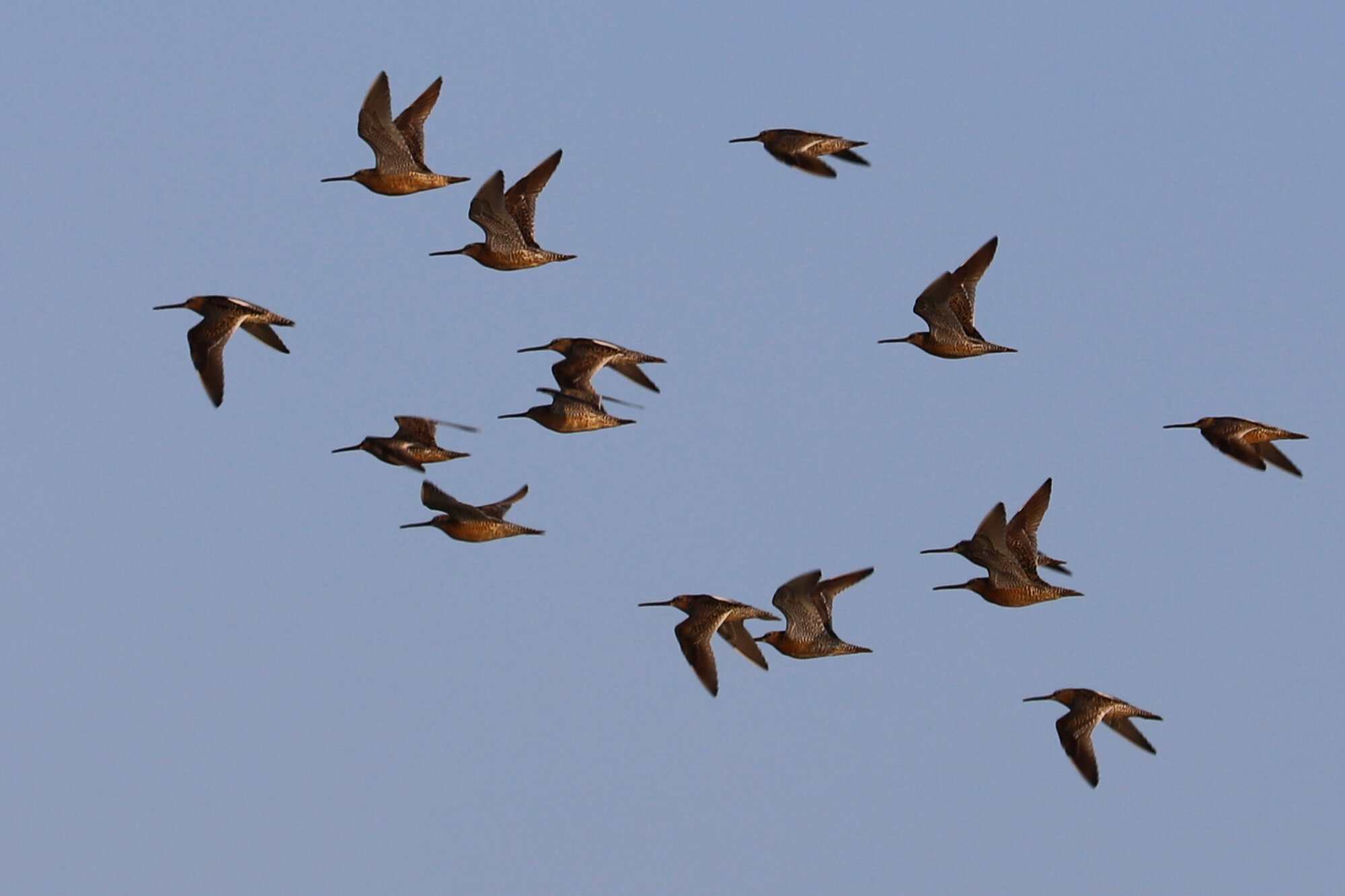
Rare as both a spring & fall transient, we also had our first LONG-BILLED DOWITCHER record for the latter season, with anywhere from 2-6 reportedly visible on the C Storage Pool at Back Bay NWR from 25-26 Sep (vis. & aud. Kathy Louthan & Wes Teets). Back in the spring, we were quite fortunate to have a few present at Princess Anne WMA Whitehurst Tract that were extensively viewed & photographed during the month of April. Unfortunately since then, habitat at the WMA has gone sour for shorebirds, and so it is fortunate that C Storage Pool at Back Bay NWR has risen as the prime location for shorebirds to gather this fall in Virginia Beach. At a certain point in the fall, Short-billed Dowitchers become the less expected of the pair of species, so there’s a good change that we can track down some more Long-billed Dowitchers in October or even into November. Though, beyond that, wintering records are few and far between in Virginia Beach, though Chincoteague NWR sees them annually. (Sep 2020 Map of Records)

Clay-colored Sparrow / Back Bay NWR / 23 Sep

Only the second record for Virginia Beach this year overall, and the first for the fall season, a single, light morph PARASITIC JAEGER viewed out in the Chesapeake Bay from First Landing SP’s beachfront on 20 Sep (vis. Andrew Baldelli) made for an excellent addition to our September list! Most reliable during the fall, and especially in November if the past few years of eBird reports are to be trusted, Parasitic Jaeger is an overland migrating species that starts to show up in coastal areas about this time each year. Most pass by unnoticed, but with strong northeastly winds the for several days before and after this sighting associated with the backside flow off Hurricane Teddy, birders were situated along the coastline looking for anything that might have been brought inshore. With passerine migration stalled due to these winds, it gave an extra sense of purpose to scouring the beaches for wayward shorebirds, gulls, terns, and in this case, a jaeger. Hopefully October brings us a few more records, as waterfowl start to flow south and birders spend more time on the coast. Plus, the southbound migrations of masses of Laughing Gulls in Oct/Nov tend to provide plenty of harassment opportunities for jaegers, and even Pomarine & Long-tailed become possible in the right weather setup. (Sep 2020 Map of Records)

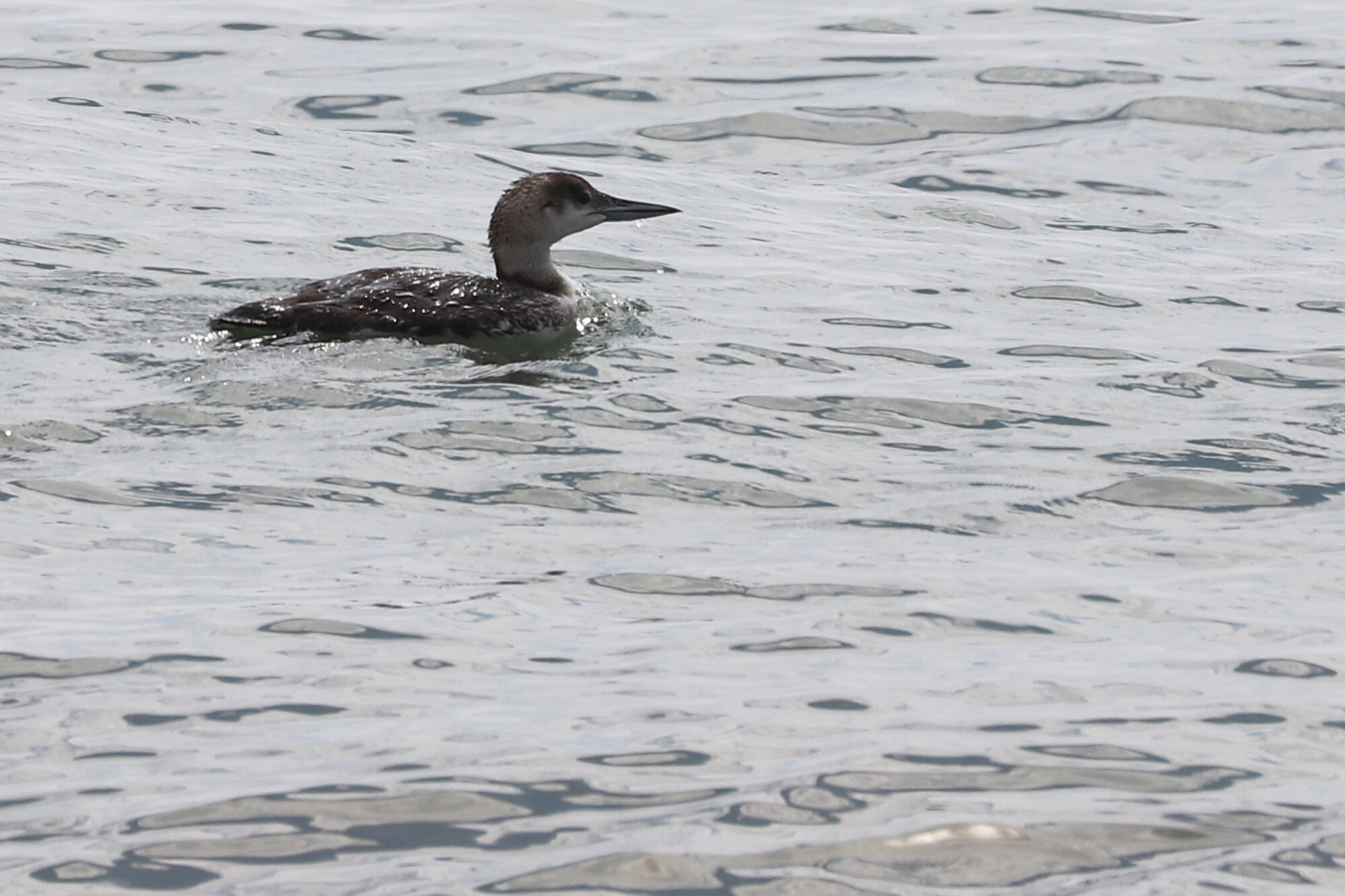
The first report in the coastal plain of Virginia for COMMON LOON came early this year, with an individual flying south along the Chesapeake Bay Bridge-Tunnel span on 19 Sep (vis. Andrew Rapp), just a day ahead of the next report, from the Kiptopeke Hawkatch in Northampton County on 20 Sep. Early of the 30 Sep average arrival date for Virginia Beach, this turned out to be the only report here for the month of September, though it shouldn’t be long before we start seeing them along our coastline once again. Last year, we only had one September report as well, with that one occurring right at the beginning of the month at First Landing SP on 1 Sep. In 2018, we had two reports, at Little Island Park on 16 Sep, and at Church Point on 20 Sep. Thus far, no one has managed to photograph a September Common Loon in Virginia Beach for eBird, but that’ll have to be something to attempt in 2021 at this point! (Sep 2020 Map of Records)

American Pipit / Back Bay NWR / 24 Sep

The first record since the spring of 2018 within the state of Virginia, a BLACK-CAPPED PETREL was reported in pelagic waters offshore of Virginia Beach on 7 Sep (vis. Jeffrey McCrary)! Highly tied to the warm water currents of the Gulf Stream, this species is rarely observed within Virginia’s pelagic waters by eBird’s Closest Point of Land standards. In the case of this individual, perhaps there was a warm water eddy that broke off from the main stream and drifted northward, bringing the petrel along for the ride? While the 2018 individual was observed at Norfolk Canyon, some 75 miles offshore, this individual was much closer, at least according to the plotted position in eBird. Rare inshore, mostly following tropical cyclones, the last photographic record for this species in the state also occurred in Virginia Beach, with up to four observed during Tropical Storm Hermine from South Thimble Island on 10 Sep 2016. (Sep 2020 Map of Records)

Also found offshore by the same observer, a GREAT SHEARWATER was observed in Virginia Beach waters on 1 Sep (vis. Jeffrey McCrary)! Much more regularly-occurring in pelagic waters of Virginia than the previously mentioned Black-capped Petrel, Great Shearwater can be found from fall through spring at our latitude. It is also one of the few tubenoses that is somewhat reliably found inshore, mostly during May & June along our coastline and at Chincoteague NWR. Though not as frequently reported inshore as its cousin, the Sooty Shearwater, it is certainly a species to be looked for on strong easterly winds. But, far more often it gets found when in the ideal habitat, many miles offshore aboard fishing charters or tour boats. With a pair of Rudee Tours boat trips coming up in October, it’s possible we will see some further reports of this species next month! (Sep 2020 Map of Records)

Canada Warbler / Mt. Trashmore Park / 27 Sep

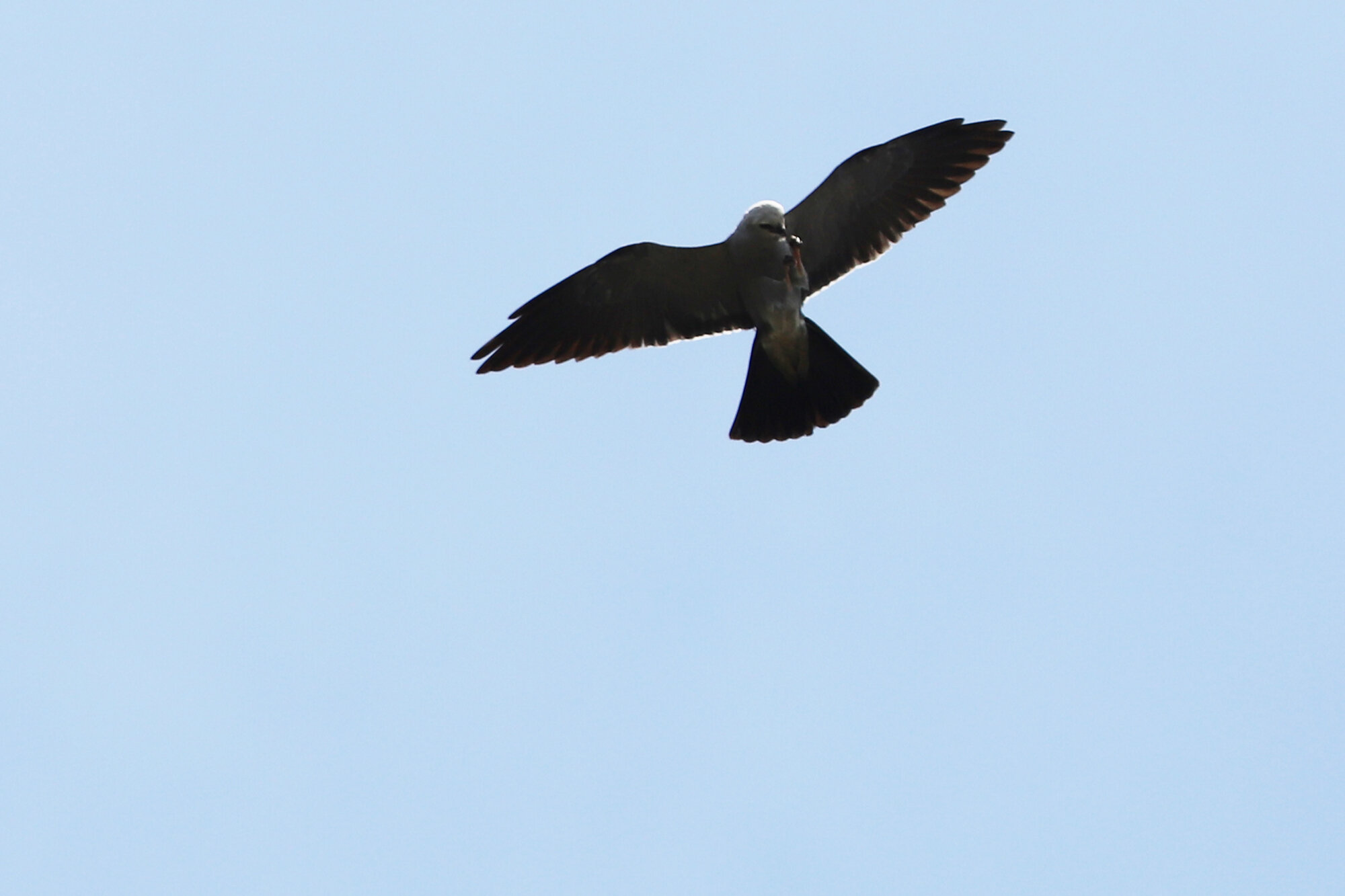
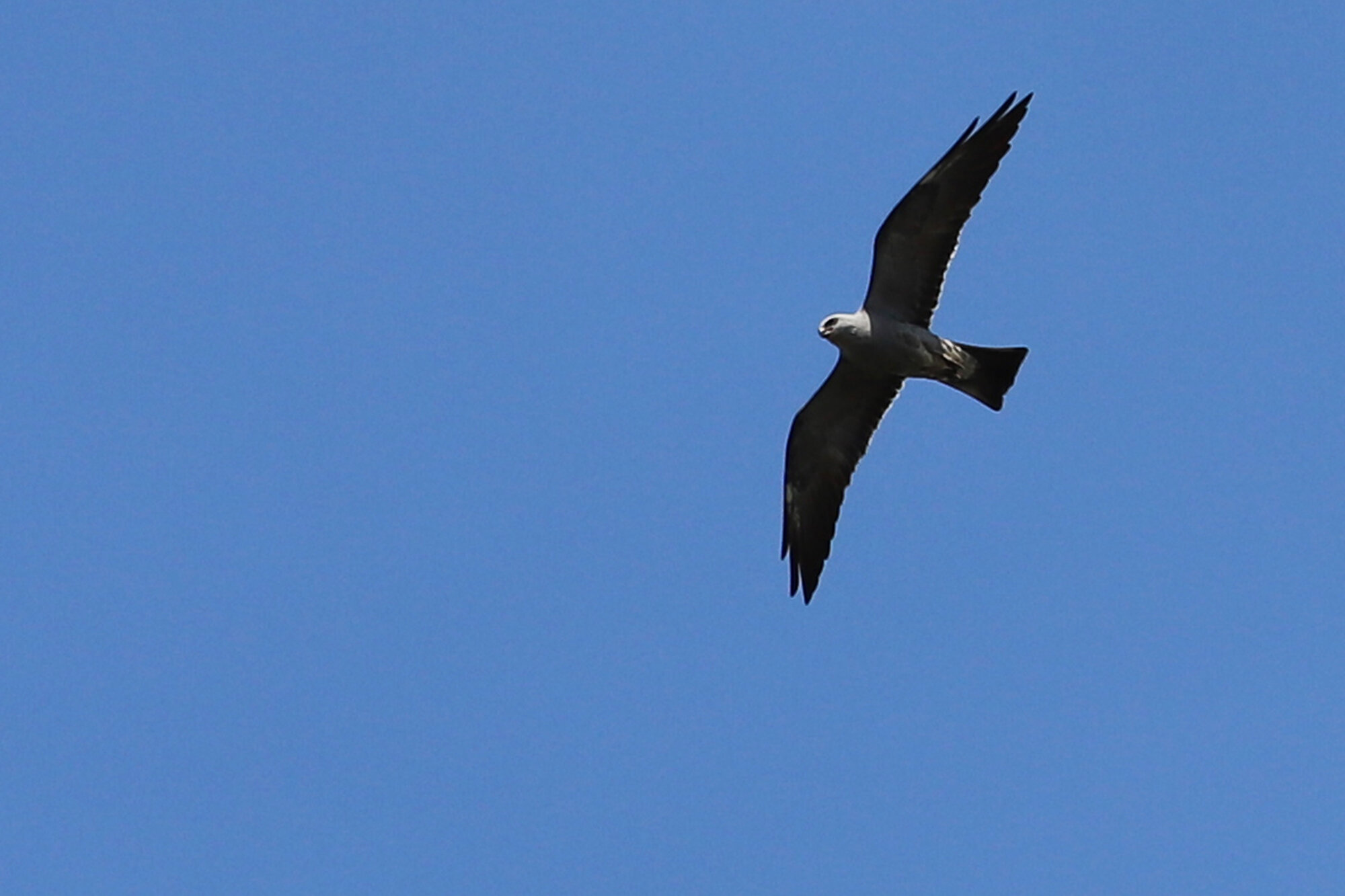
In what proved to be a remarkable summer and fall season for MISSISSIPPI KITE, we had one final noteworthy/out-of-place record for the species early this month on 3 Sep (vis. Steve Myers). With the final report in prior breeding areas (Lake Smith Terrace) having also occurred early this month on 6 Sep (vis. Tracy Tate), it seems the species has departed the region and is tracking back towards its wintering grounds. Up until this year, records south of Interstate 264 was quite rare, and very few were documented with photographs. But this breeding season, individuals and flocks (up to 14!) have been observed in numerous locations where they were previously not known to breed. Before 2020, Thoroughgood and Lake Smith Terrace were the only reliable areas, though Kings Grant has also turned itself into a solid spot to find the species. This year, they likely nested in Hunt Club Forest, in Larkspur, and perhaps around NAS Oceana as well. Next year it’ll be interesting to see what their distribution looks like, though one would expect it would continue the explosive trend that has occurred the past couple of years. (Sep 2020 Map of Records)

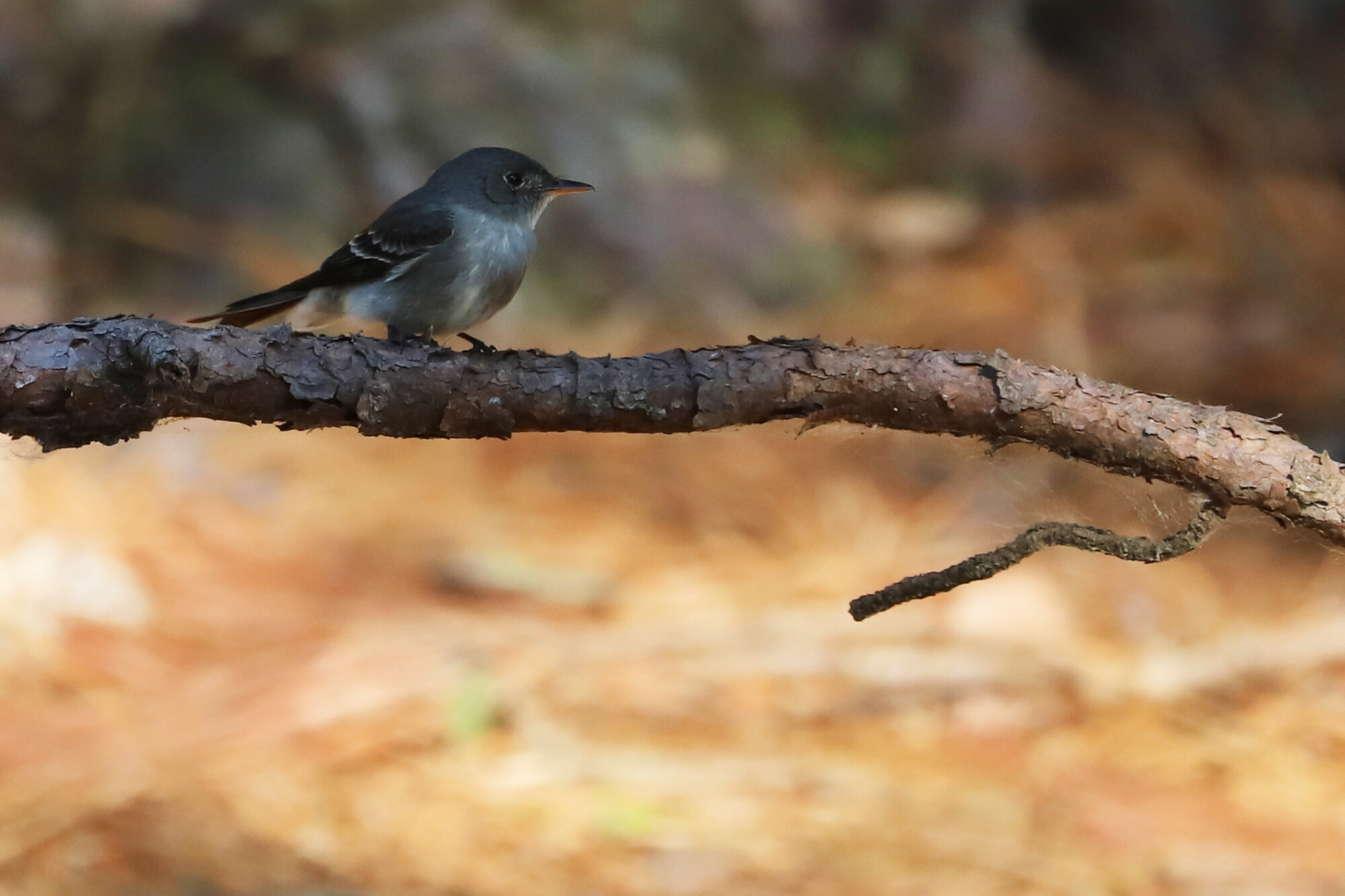
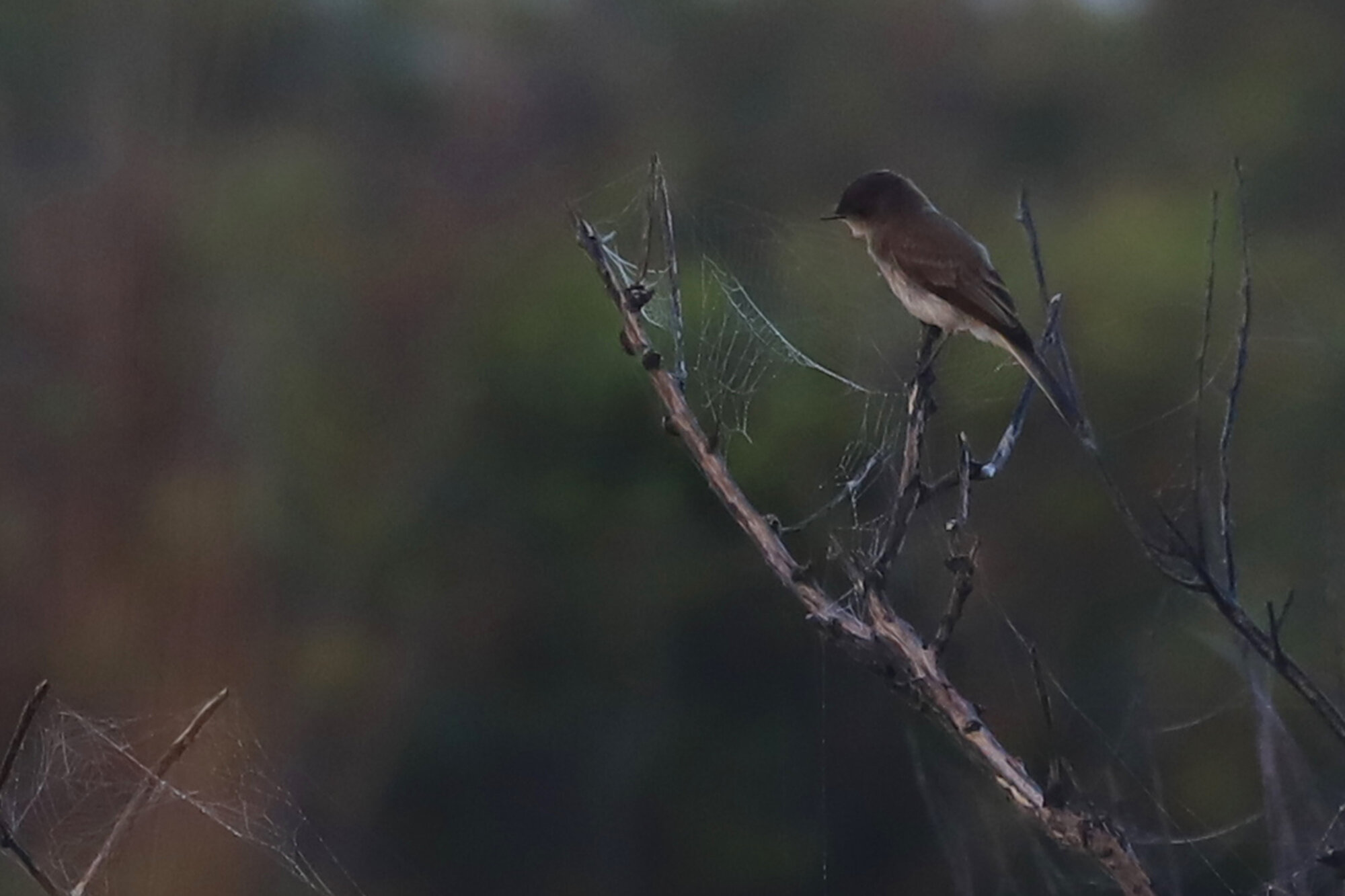
Very rare as a transient in Virginia Beach, and with only a couple of prior reports accepted in eBird here, a YELLOW-BELLIED FLYCATCHER that showed nicely for many observers at Back Bay NWR on 23 Sep (ph. Steve Myers) was a truly welcomed surprise! Though the lower portion of Northampton County sees a quite a few each fall season, and they’re a regular migrant along the Blue Ridge, we seem to be in a bit of a shadow location for their migration movements. Back in the spring, we also had a single record at False Cape SP, but up until then, we hadn’t ever gotten a photographic record input to eBird for Virginia Beach. This fall individual however, provided for some excellent photographs, all of which can be viewed here over at eBird. (Sep 2020 Map of Records)

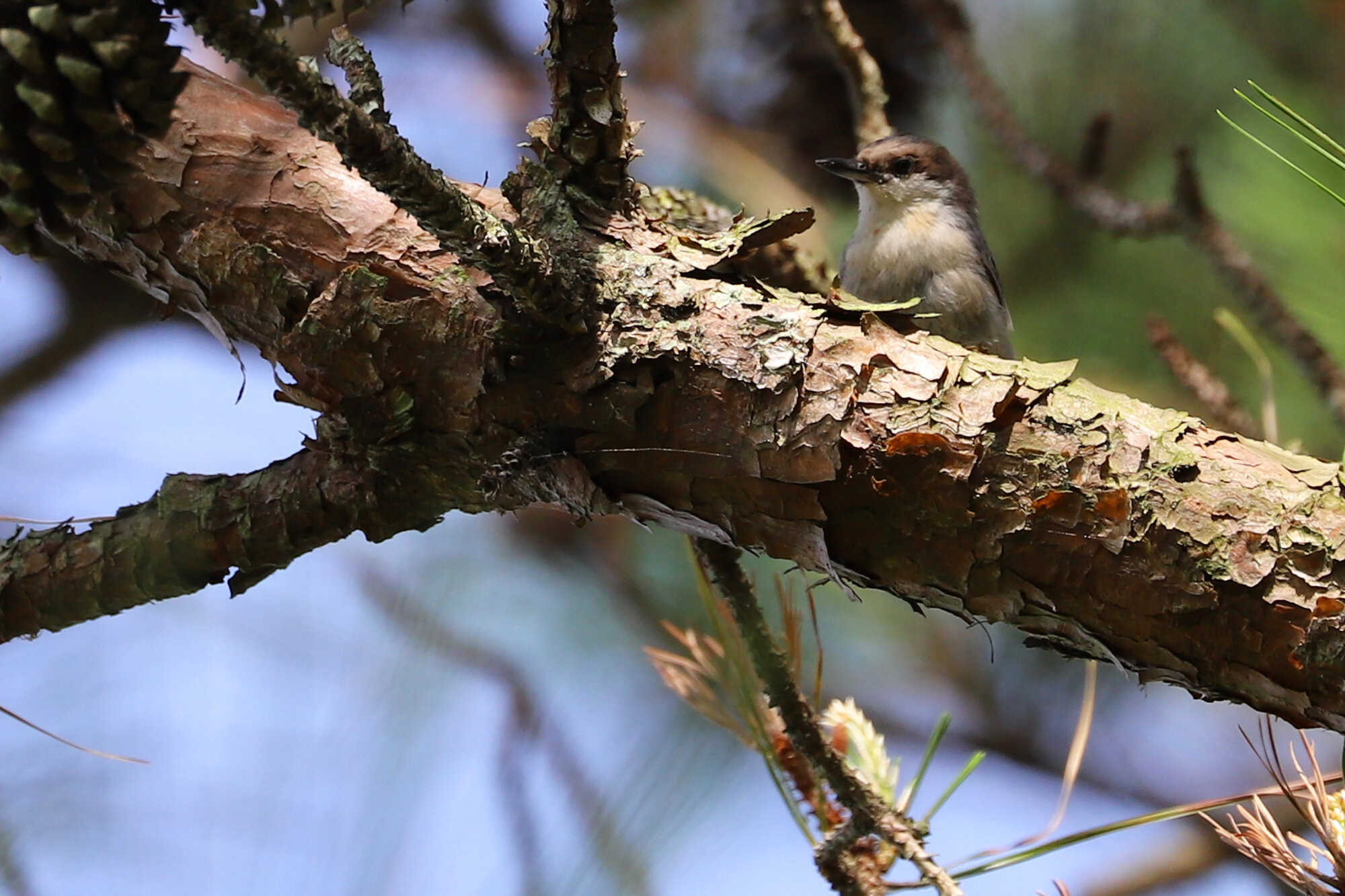
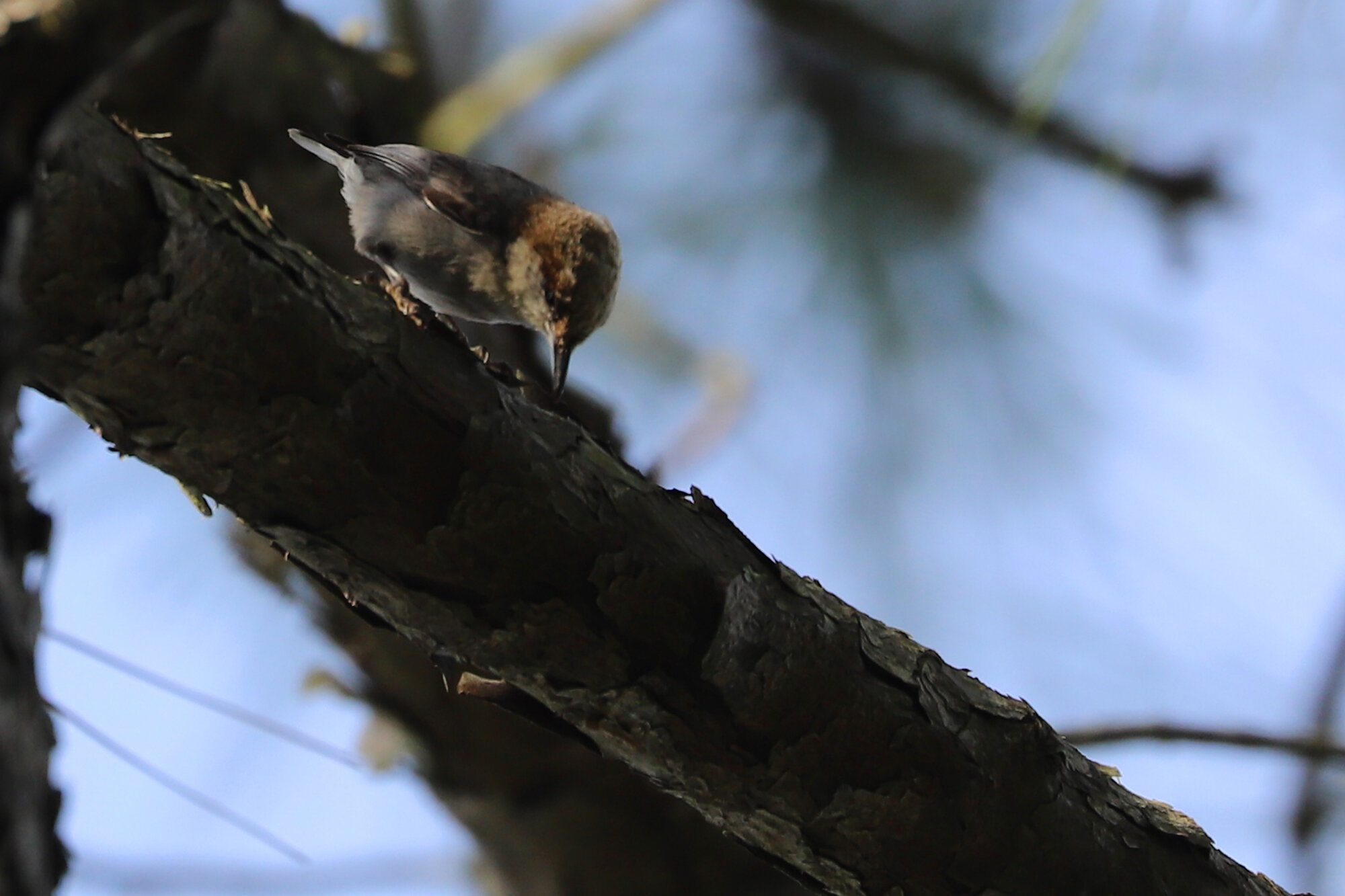
Red-breasted Nuthatch / Back Bay NWR / 6 Sep

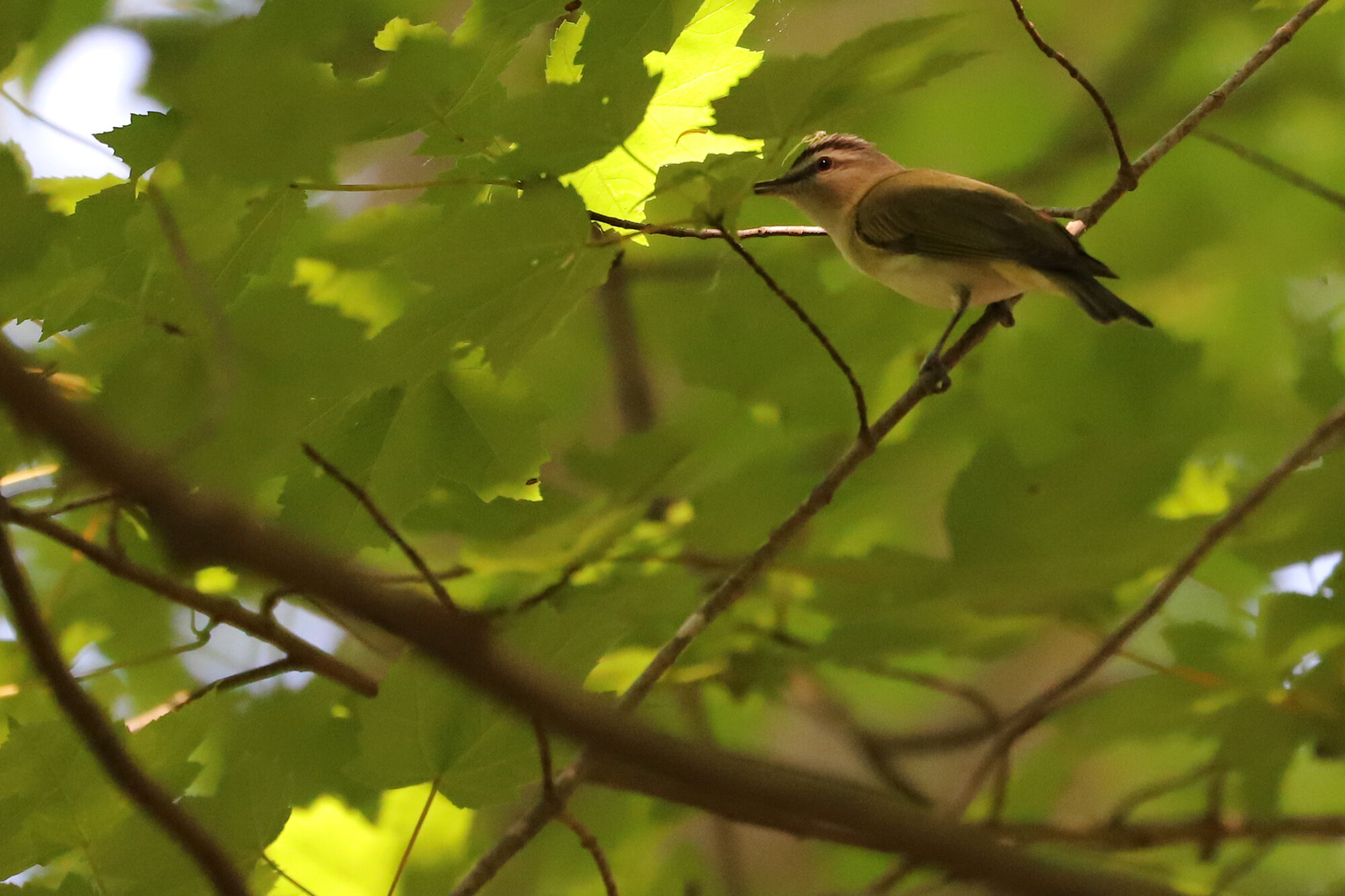
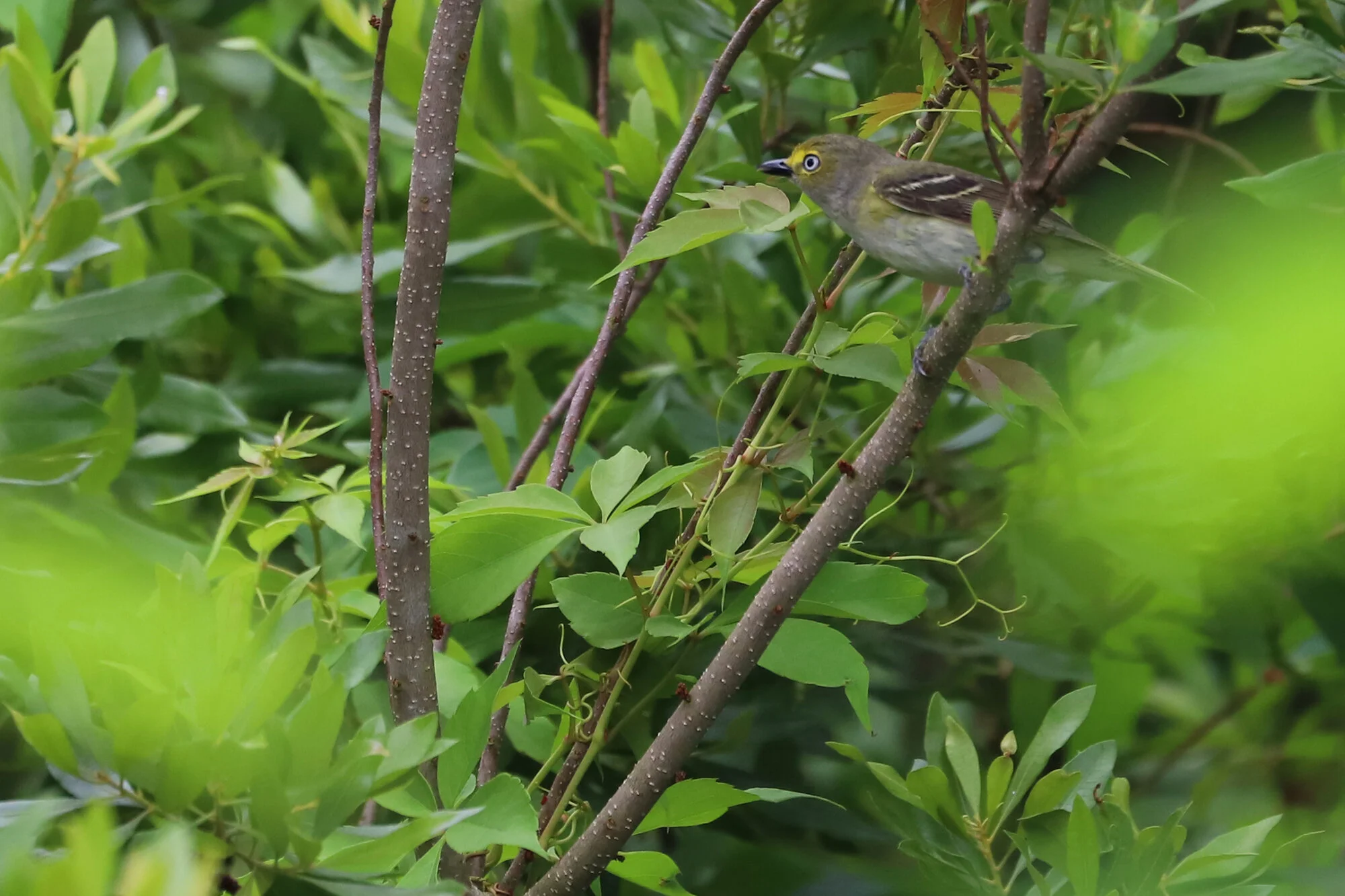
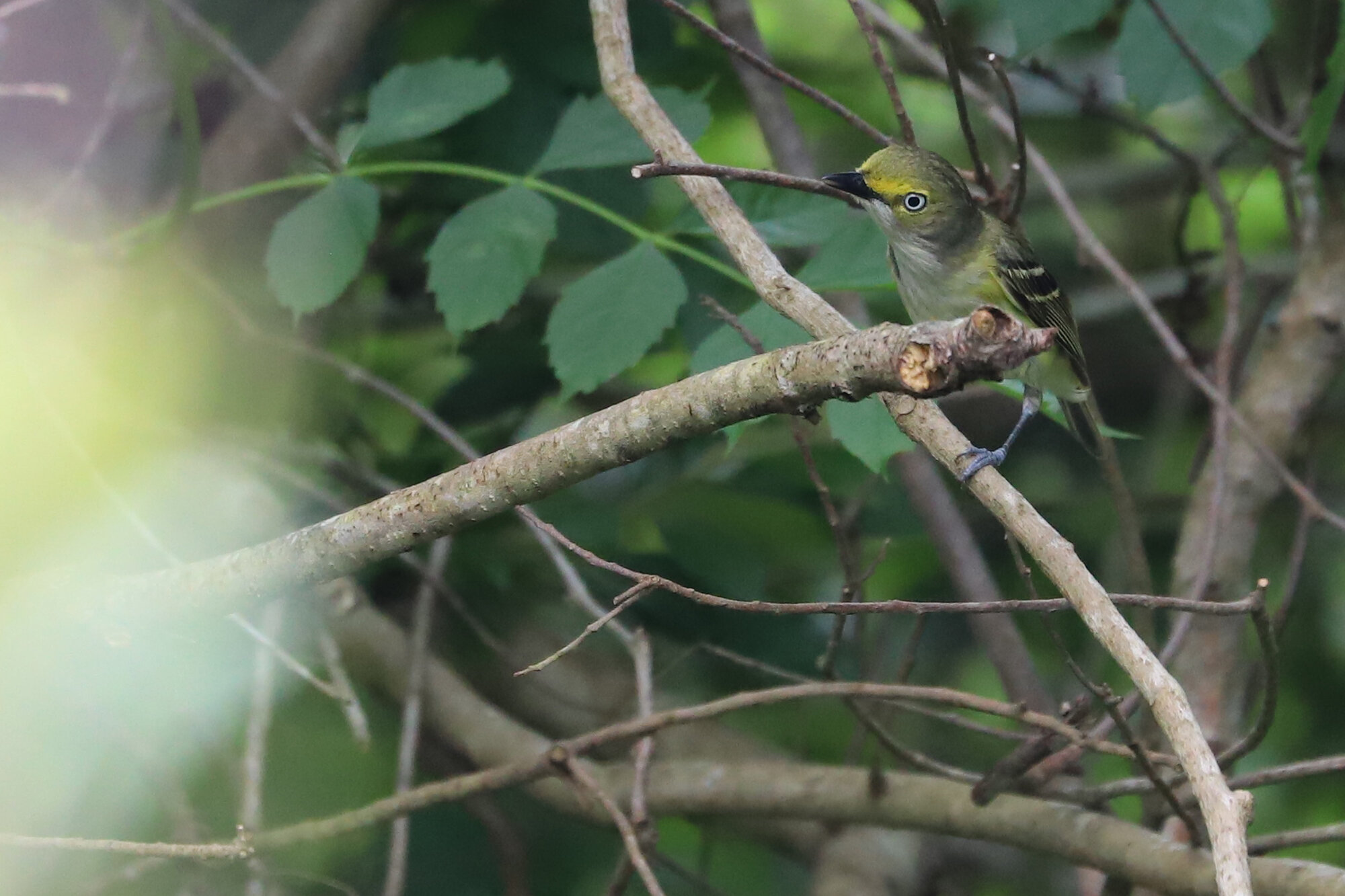
For a species that has produced as few records over the past few years in Virginia Beach as PHILADELPHIA VIREO has, we had a surprisingly strong showing for the species in September! At least three, and perhaps four, were recorded this month, with the first near the East Dike entry gate at Back Bay NWR on 13 Sep (ph. Rob Bielawski & Steve Myers). Ten days later, likely a different individual was found near the visitor center at the refuge during the massive passerine fallout of 23 Sep (vis. Andrew Baldelli; later ph. Rob Bielawski). Another individual was present along the tree line on the south side of Mt. Trashmore Park from 26-28 Sep (vis. Andrew Baldelli), and yet another was viewed along Munden Road at Princess Anne WMA on 27 Sep (vis. Chris Farabaugh). With records in prior fall seasons extending into October, it’s quite likely that we haven’t seen the last of this species just yet! (Sep 2020 Map of Records)

Rarer along the coast of Virginia than its close relative that was just discussed, WARBLING VIREO provided a surprise record this month, with one present at Mt. Trashmore Park from 27-29 Sep (ph. Matt Anthony, Rob Bielawski, David Clark & Cindy Hamilton). Still rare, but more regular here during the springtime, this species is often tracked down by its very distinct song. However, in fall, these individuals are silent, and can look extremely similar to Philadelphia Vireos which can be in a drab plumage. With a single record this spring at Back Bay NWR, and for the third year in a row, at least one individual on breeding territory at Ashville Park during June, it’s nice to see a third season get in on the Warbling Vireo action in 2020. Given the wide array of birders that have frequented Mt. Trashmore Park over the final few days of the month, it seems possible that if this individual lingers into October, it’ll get observed by someone. (Sep 2020 Map of Records)

Cape May Warbler / Back Bay NWR / 13 Sep

Very local as a summer resident & breeder in Virginia Beach, September proved to be another good month for finding HORNED LARK here with a total of thirteen different individuals observed at two locations. First, a group of five was found foraging among the private field of Firefall Drive (mentioned in the Buff-breasted Sandpiper section above) on 10 Sep (vis. Andrew Baldelli), and then eight others were found at NAS Oceana (restricted) on 11 & 15 Sep (ph. Karl Suttmann). This summer was a good one for the species in Virginia Beach, where in summers past we’ve struggled to pin down any Horned Larks, except for a breeding pair at Asheville Park in any area that is unfortunately no longer publicly accessible. Depending on habitat, this species could be present in good numbers some years and almost absent in others, but it can also be secretive species when not singing, and accessibility to property also limits us somewhat in Virginia Beach. Transient individuals should start arriving here in October though, and so we should have a better shot at seeing flocks in more easy to access locations soon. (Sep 2020 Map of Records)

A surprise for both the early date, and the unusual location, a SEDGE WREN was photographed near the pedestrian bridge at the southeast corner of Mt. Trashmore Park on 28 Sep (ph. Steve Myers). With a typical arrival date around 10 Oct, this individual was about two weeks early, and made for the first ever record at this hotspot in eBird. Usually, Sedge Wrens are detected in fall at Back Bay NWR, where they have large expanses of appropriate habitat, or sometimes at Princess Anne WMA for the same reasons. But, finding one at a city park, along a freshwater ditch with just a few feet buffer of dense vegetation is quite exciting. At the time of the find, this was the only record in the state overall for Sedge Wren, and one wonders how long it may have been at this location before being discovered. Even with widespread coverage of this park in the days preceding this report, Sedge Wren is such a sneaky, cryptic species, they can often go unnoticed even when they’re present somewhere in good numbers. (Sep 2020 Map of Records)

Chestnut-sided Warbler / Back Bay NWR / 23 Sep

Another extremely early, and often difficult to detect species here in Virginia Beach, an AMERICAN PIPIT made for a huge surprise on the beach at Back Bay NWR on 24 Sep (ph. Andrew Baldelli, Rob Bielawski & Mike Collins). While watching the Eared Grebe (mentioned above) slowly drifting southward, a passerine flew in off the ocean and landed up near the wrack line left by the swells we experienced from Hurricane Teddy a week or so prior. A few frenzied moments trying to relocate the bird in the vegetation finally revealed it to be an American Pipit. As with the Sedge Wren above, the average coastal plain arrival date for this species is mentioned in The Gold Book as being 10 Oct, and an extreme early date of 28 Sep is also listed, meaning at the time of its publication in 2007, there had never been a record this early! This represents the earliest photographic record this far south along the east coast at this date, across all years of eBird data. American Pipit is quite scarce in general within Virginia Beach, or it at least difficult to find. Most often observed during extreme winters where snowfall can push them to roadsides, or small areas of cleared ground in fields, this was actually our first record for 2020 as a whole. (Sep 2020 Map of Records)

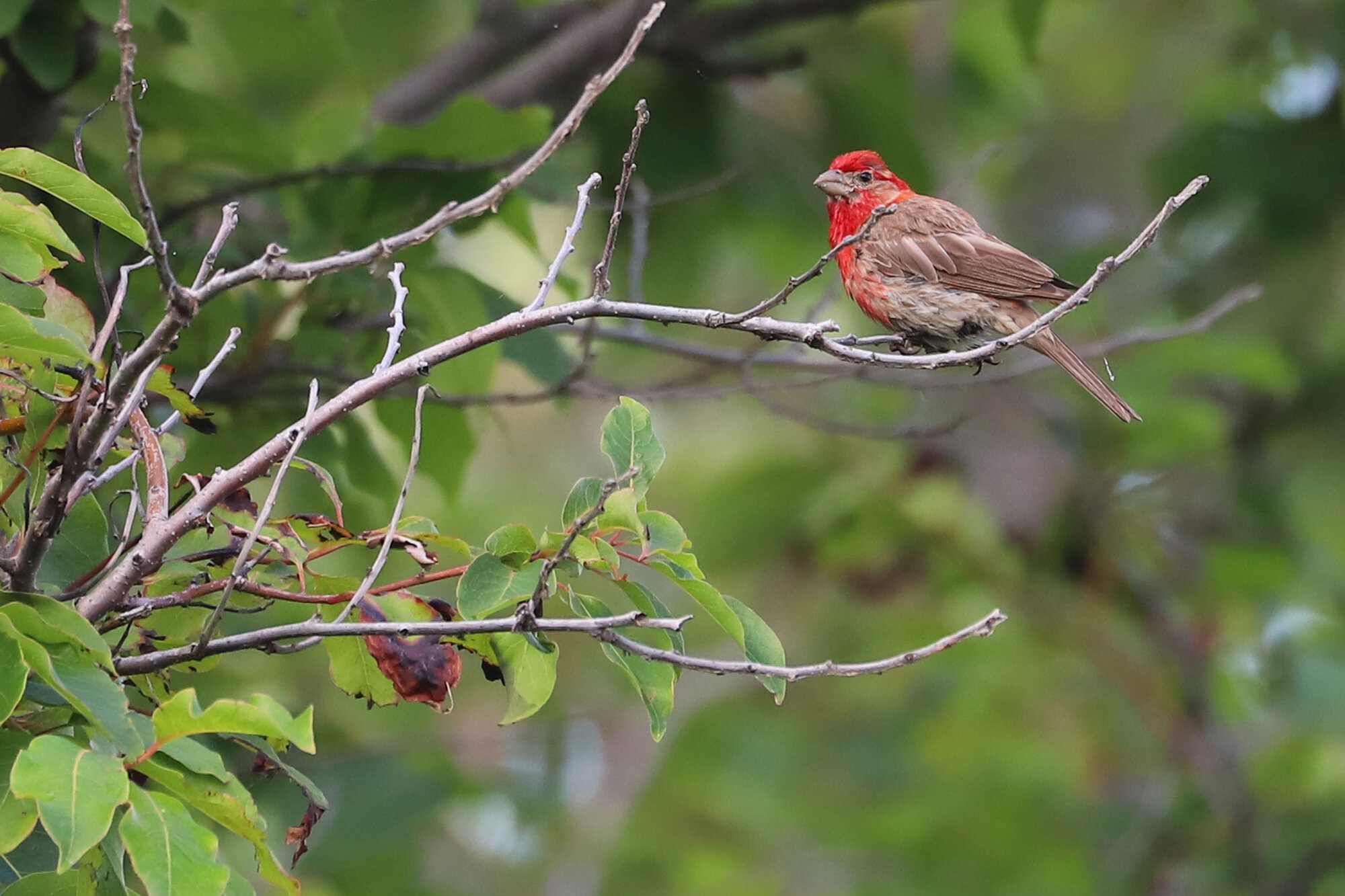
Early by about two weeks, even during irruption years for their kind, a PINE SISKIN made for an excellent last second addition to the month list when one showed up in a residential backyard in Kings Grant on 30 Sep (vis. Marie & Ron Furnish)! Last winter, this species was extremely scarce in the coastal plain of Virginia, and only two locations within Virginia Beach produced records, one residence in Cypress Point held 1-2 individuals throughout the season, and another in Hunt Club Forest had a single sighting in mid-March. Given the widespread reports of Red-breasted Nuthatch this season already, and this single report, we may be in for a good winter for all three of the irruptives (Purple Finch being the other), so for anyone who keeps active with feeders at their property, keep your eyes peeled for any streaky individuals mixing in with American Goldfinches, and for any strong marked finches among the typical House Finches that frequent these setups. Hopefully this record marks the start of a good season! (Sep 2020 Map of Records)

Bobolink / Princess Anne WMA Whitehurst Tract / 13 Sep

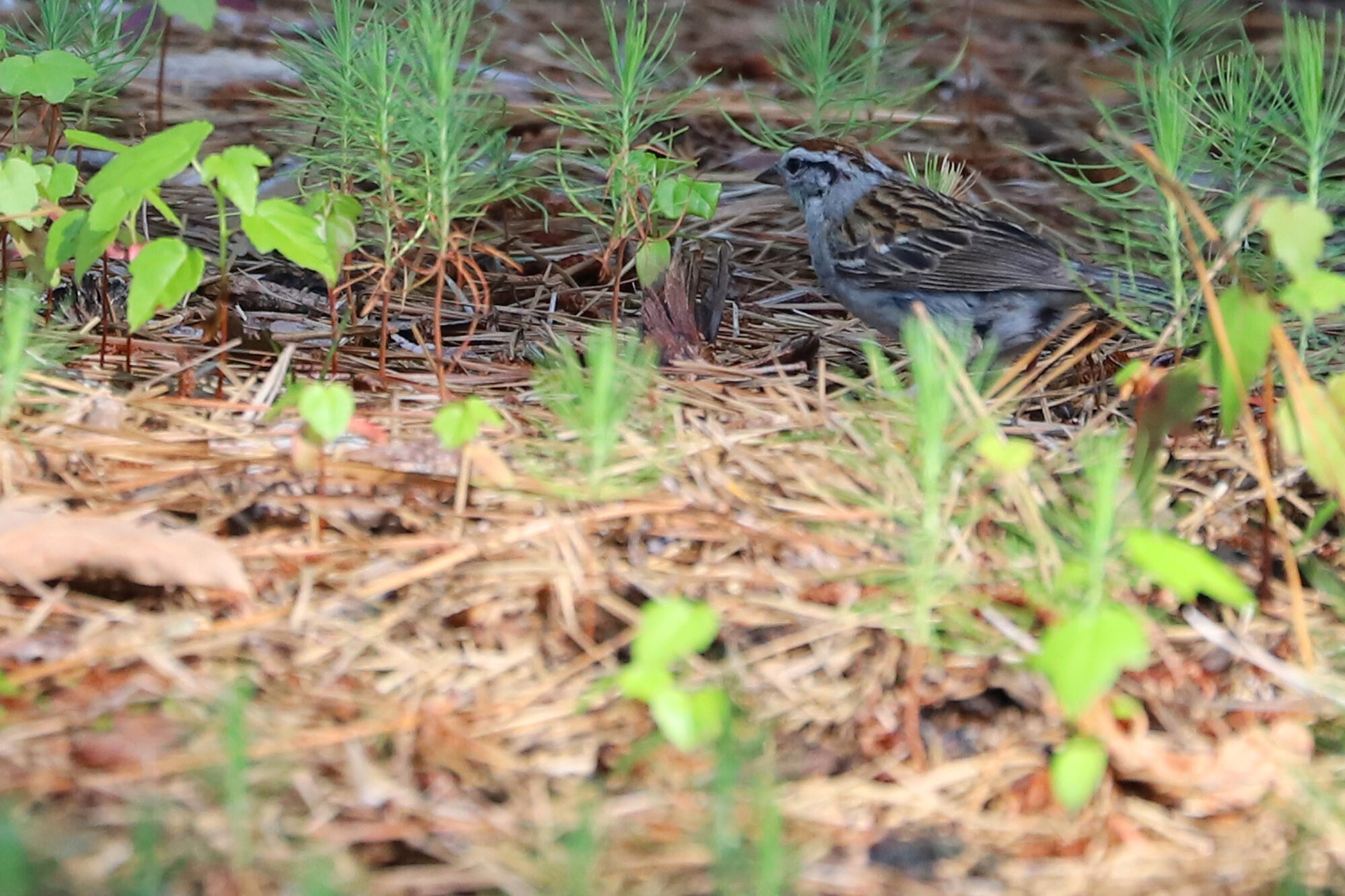
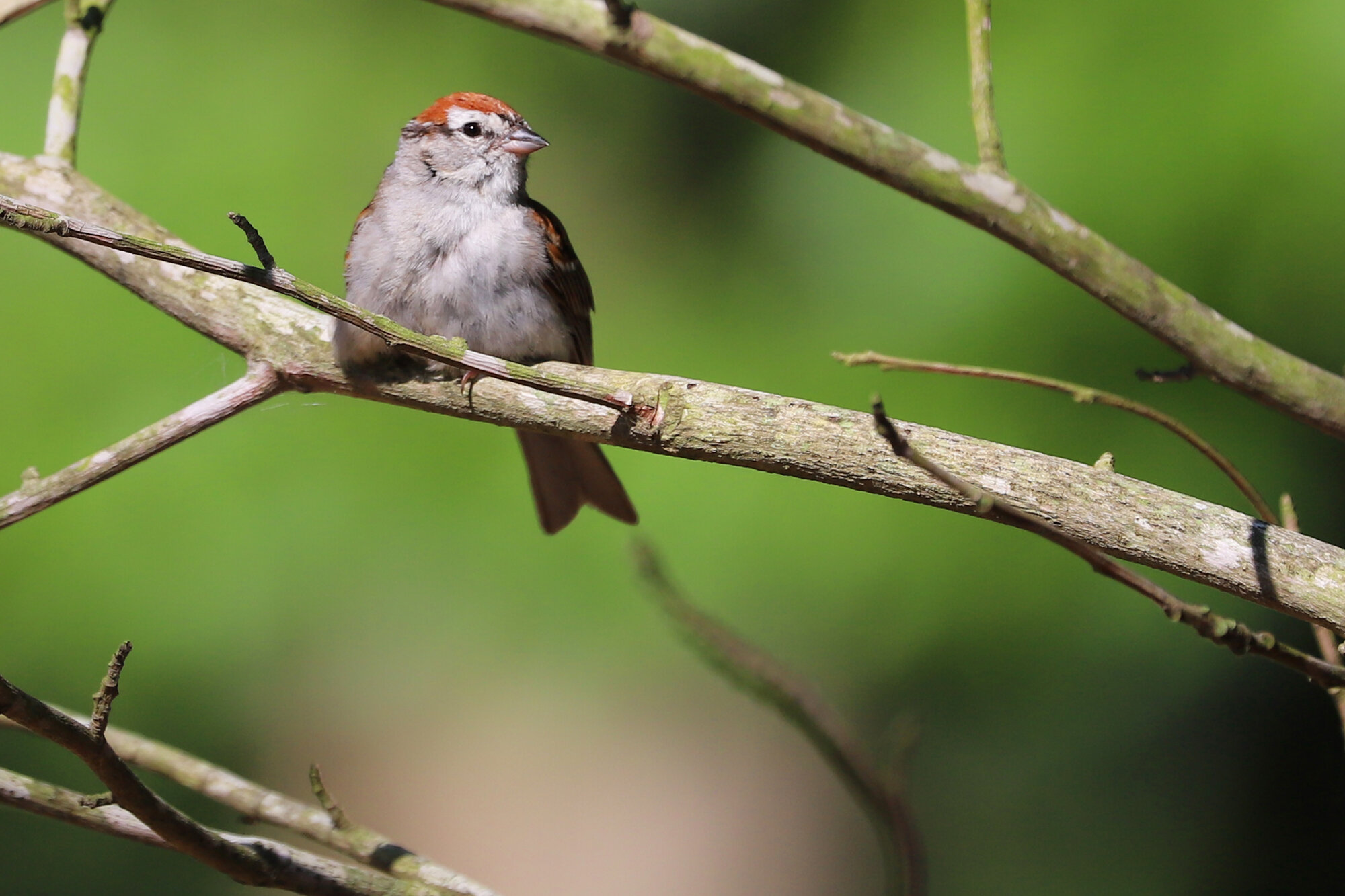
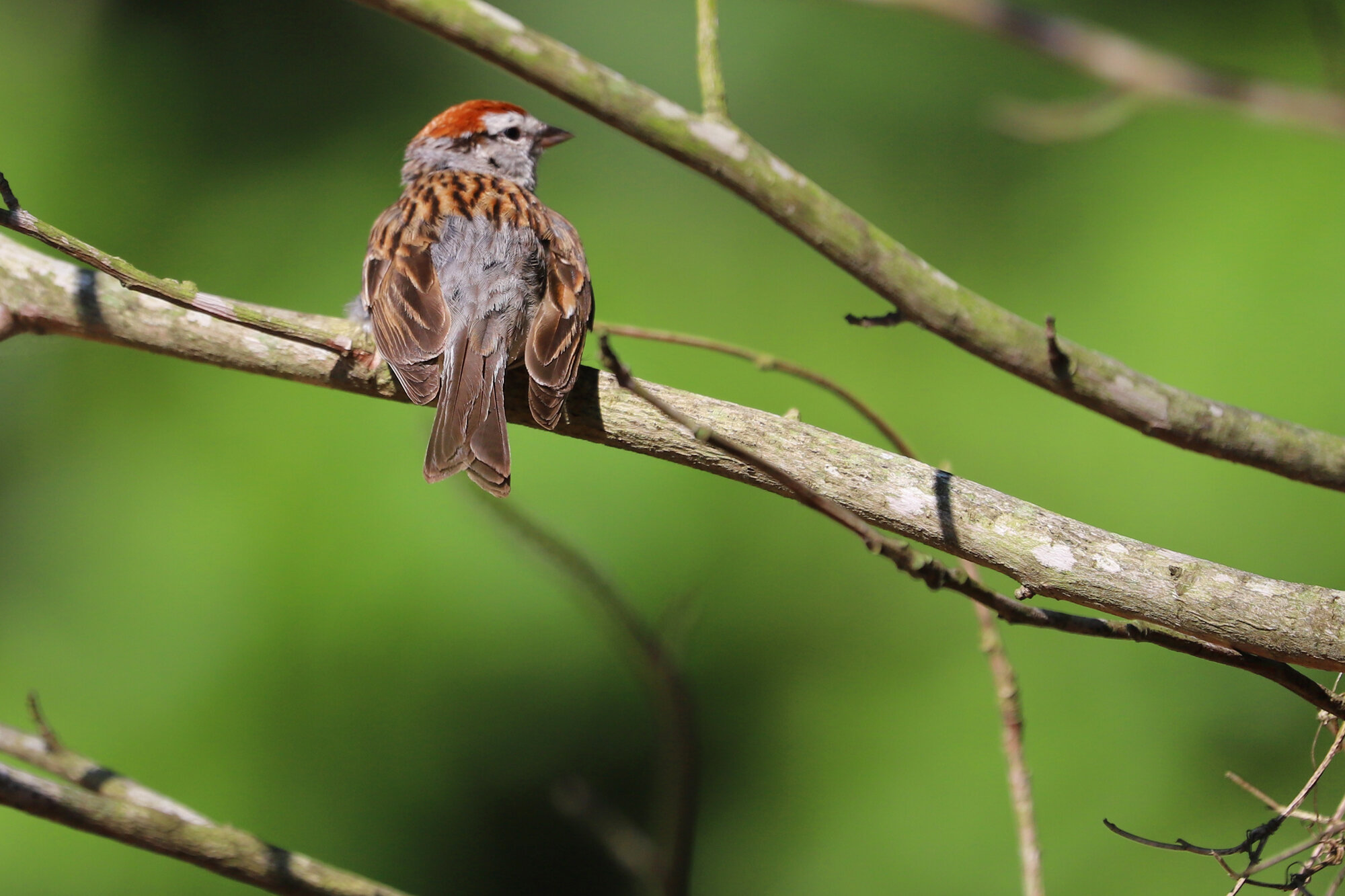
At least two different CLAY-COLORED SPARROWS were found during September in Virginia Beach, both at Back Bay NWR, and both on the morning of 23 Sep. The first was found perched atop the dense thicket south of the visitor center at 9:16 AM (ph. Rob Bielawski, Kay & Tim Fearington), and persisted there through 9:26 AM before vanishing near the kiosk at the southern edge of the parking lot. Only five minutes later, another individual was reported near the C Storage Pool along the East Dike (vis. Andrew Baldelli & Kyle Bixler), meaning this had to be a different individual. Clay-colored Sparrow has been a fairly reliable species in September & October at the refuge, but it is still quite a rarity when looking at Virginia Beach and Virginia records as a whole. The coast tends to produce a few records each fall, and occasionally there is a record or two of over-wintering individuals, as in the case of one that was at the Virginia Beach National Golf Club’s maintenance area this past winter. (Sep 2020 Map of Records)

As in August, Back Bay NWR produced a single record this month for LARK SPARROW. A bit of a miraculous find this time around though, given this individual was in flight near the visitor center at Back Bay NWR, and was somehow captured by a photograph (ph. Steve Myers) to properly document the rarity! It’s difficult to say if this could be the same individual that was observed near the base of the Dune Trail back on 26 Aug (ph. Andrew Baldelli & Cindy Hamilton), though given the lack of reports for almost a month, and the obvious arrival of many other species on 23 Sep, it seems like this is likely to be a freshly arrived individual. As with Clay-colored Sparrow above, Lark Sparrow is another of our fairly reliable rarities during fall at the refuge, and its distribution roughly mirror that of Clay-colored elsewhere in the state. Occasionally, we’ll have an individual overstay the winter here as well, and usually it makes for a lot of reports as it is highly sought after by Virginia birders working on personal year lists. It’s likely that we may see a few more reports as October comes into view. (Sep 2020 Map of Records)

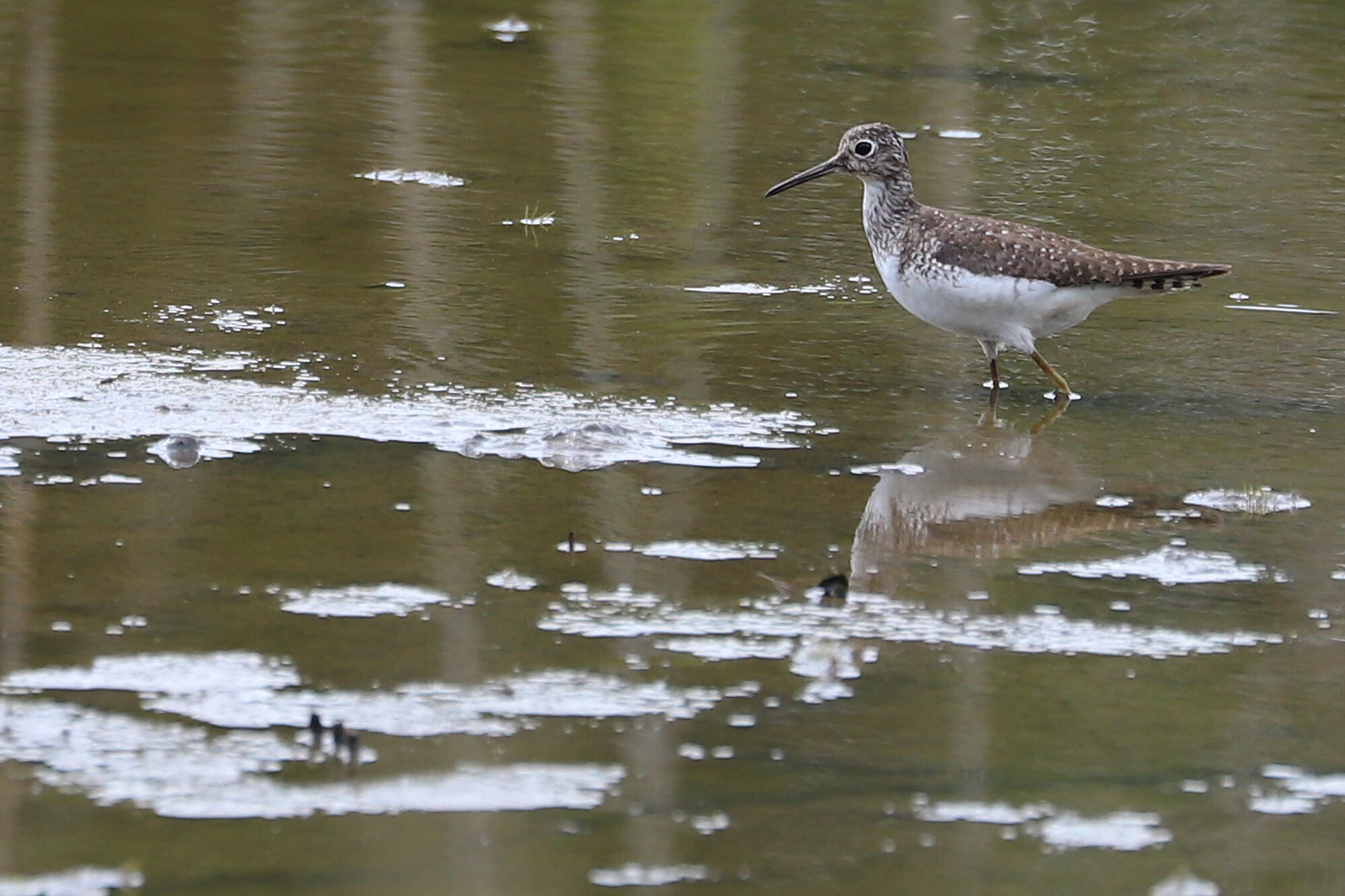
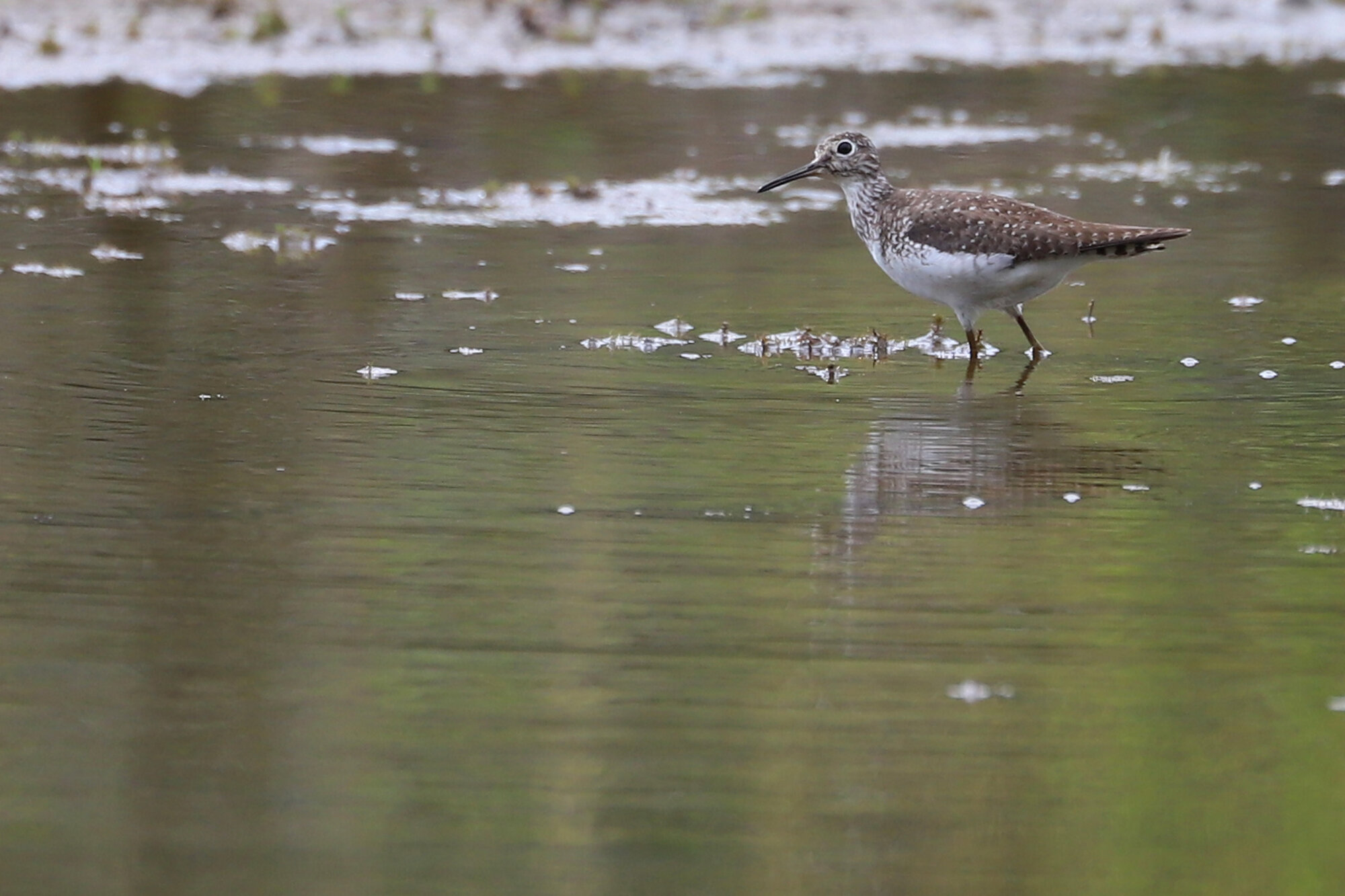
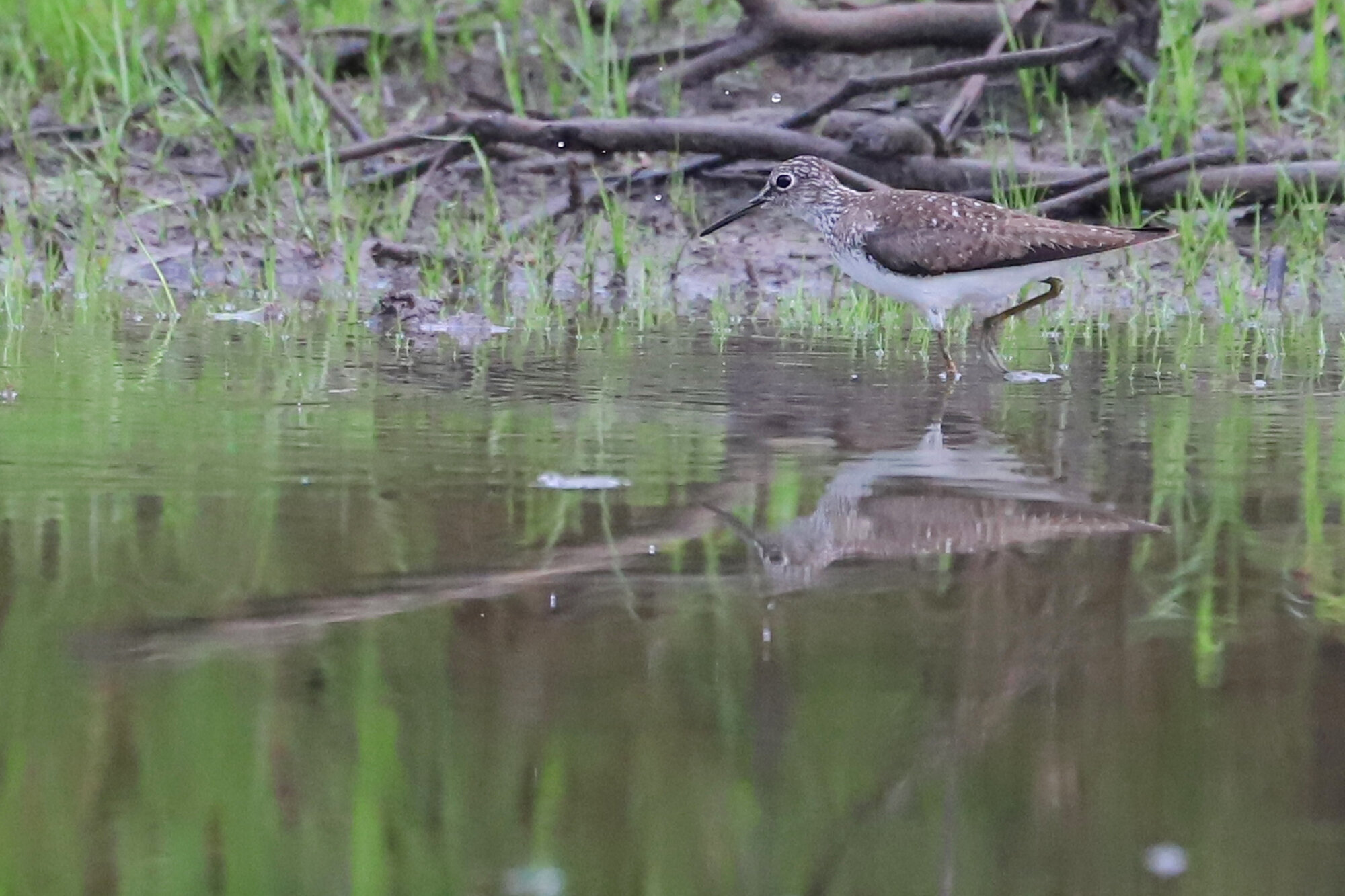
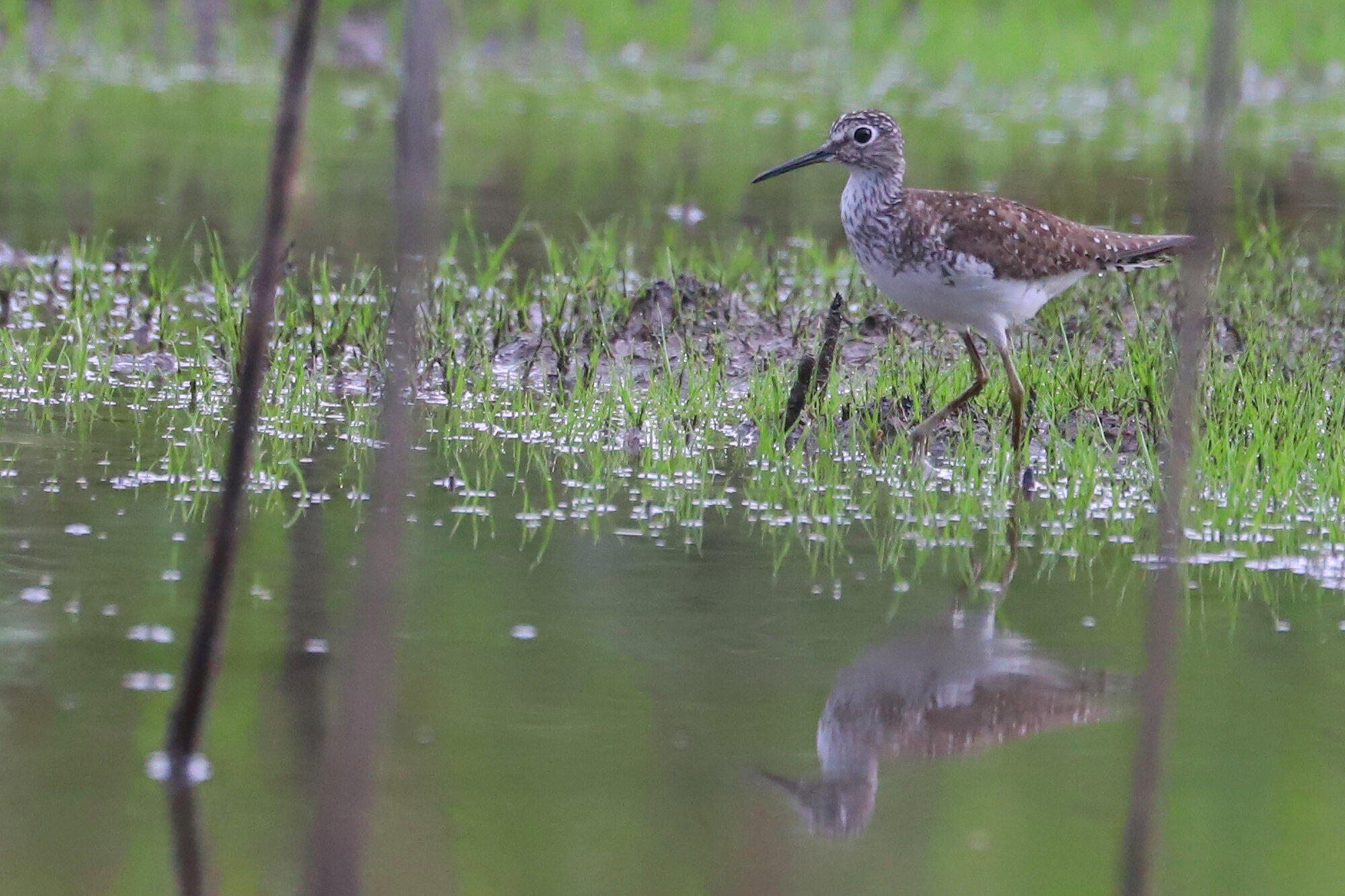
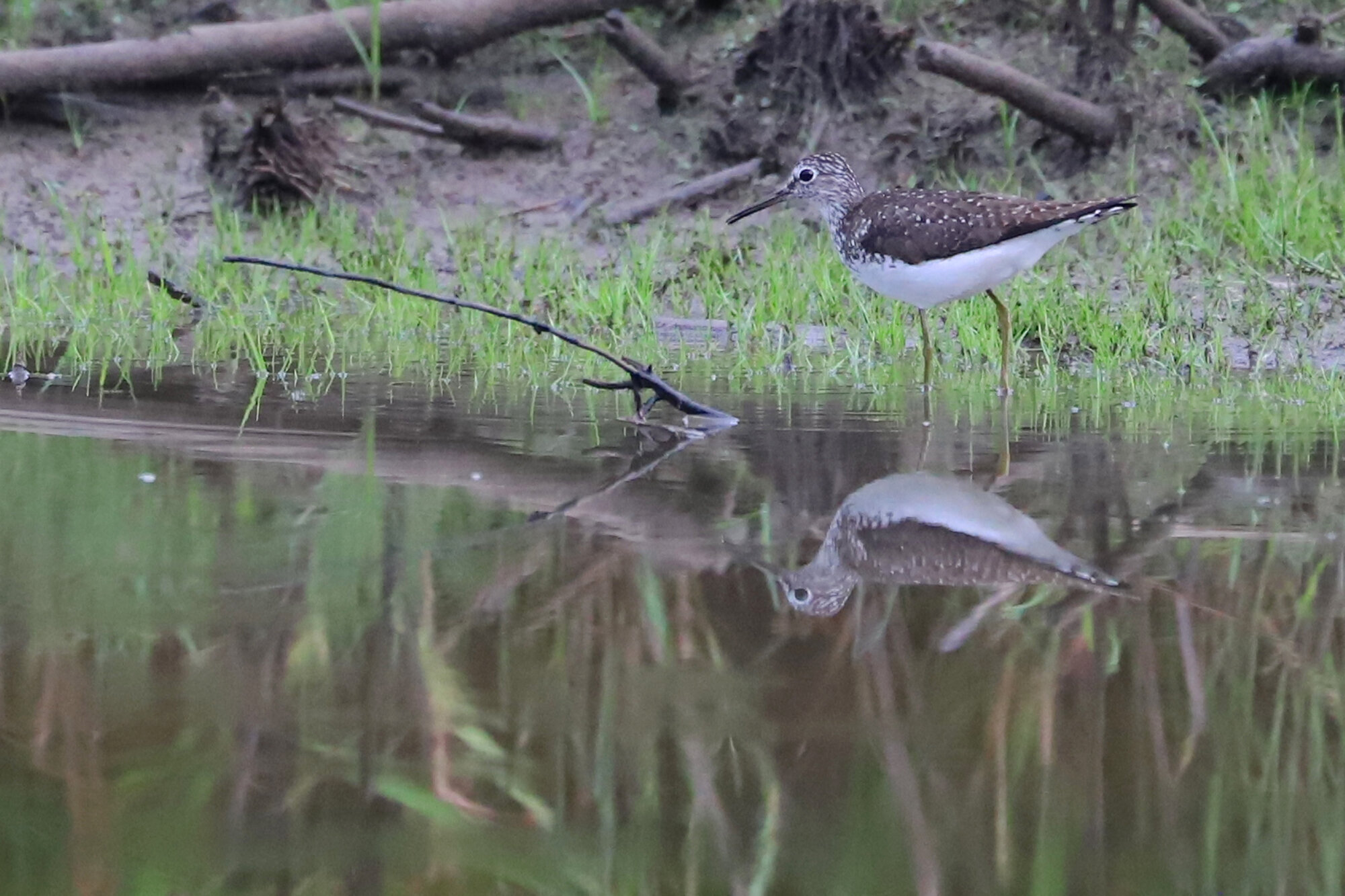
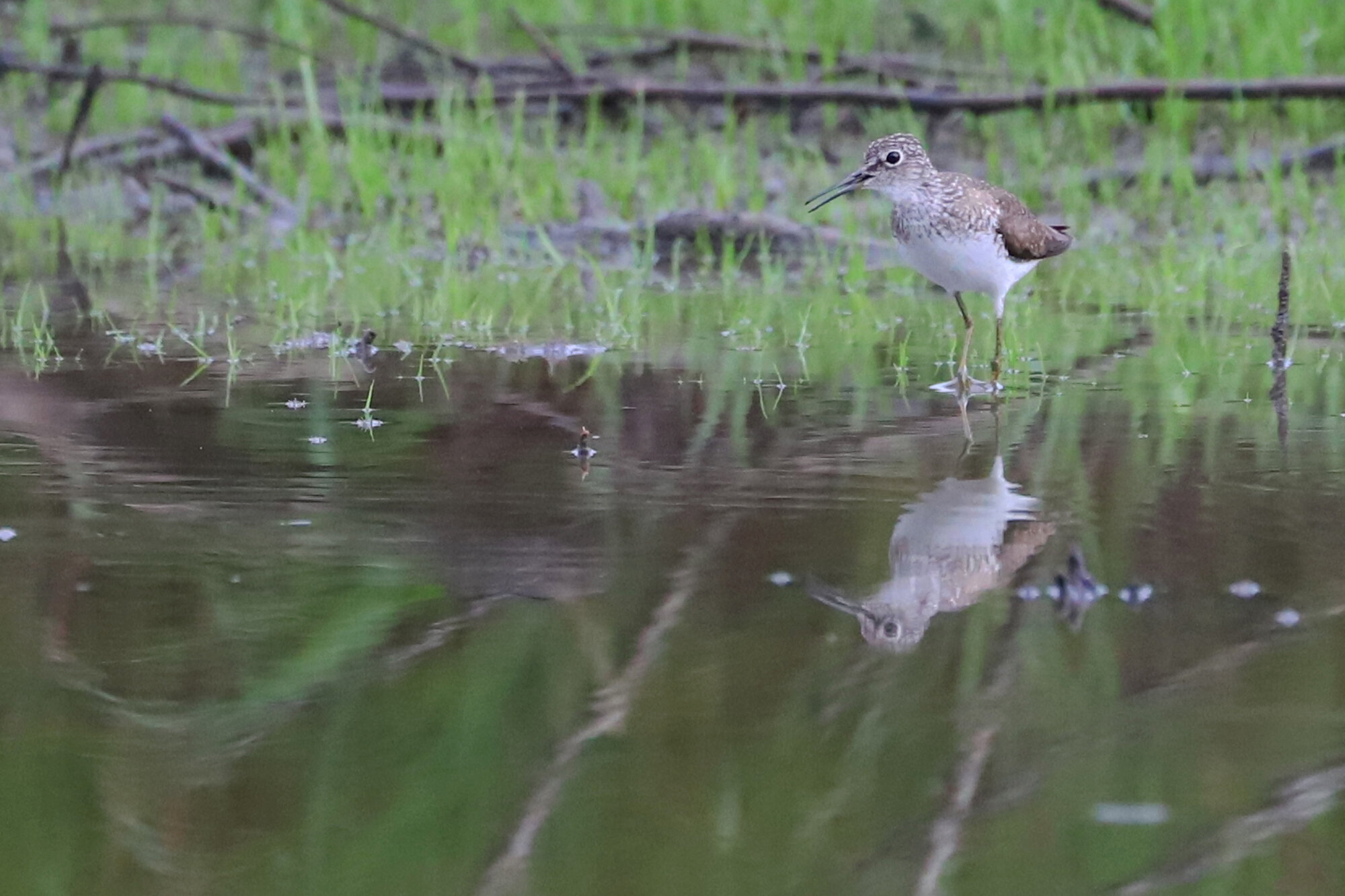
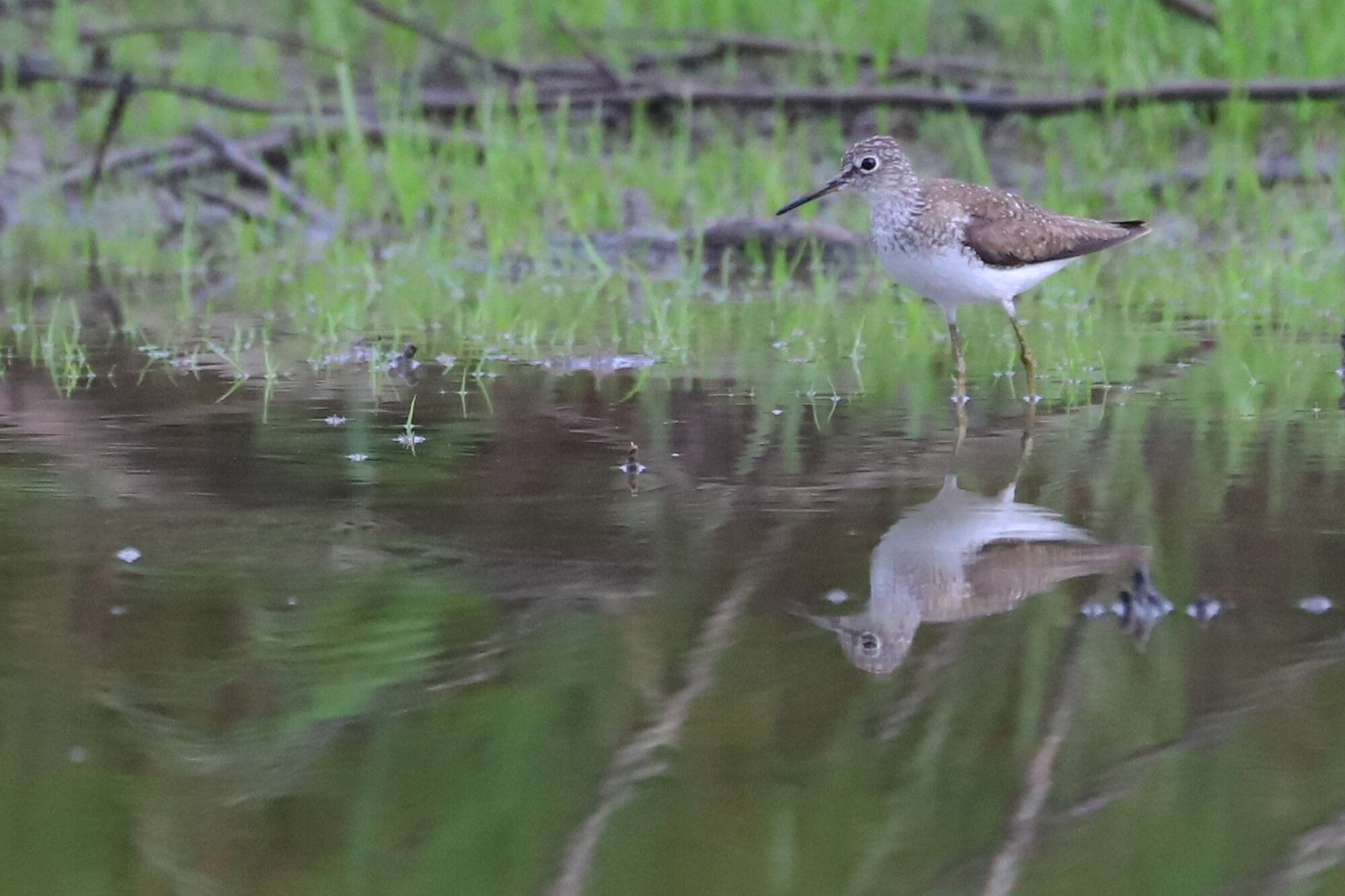
Solitary Sandpiper / Princess Anne WMA Whitehurst Tract / 13 Sep

Similar in distribution throughout Virginia Beach to the other pair of sparrows just mentioned, an immature WHITE-CROWNED SPARROW found at False Cape SP on 26 Sep (vis. Adam D’Onofrio & Tina Trice) gave us another first-of-fall occurrence for a rare sparrow species. Though we do tend to see two or three of these each fall, and occasionally some individuals or small groups do winter in dense vegetation adjacent to fields in the city, this is still a species that is rare overall given the vast landscape of Virginia Beach. Back Bay NWR has always been the most reliable location to bump into this species during fall migration, so it makes sense that False Cape would come through with a record as well, being just south and of very similar habitat. Typically the first good cold front in October is the one that brings this species down among groups of Swamp, White-throated, Song & Savannah Sparrow (sometimes Lincoln’s as well), so this September record is an especially notable one for being on the early side of when we usually find them. Given the distance to False Cape SP, roughly an 8 or 9 mile round-trip walk from the Back Bay NWR visitor center parking area, it is unsurprising that no other follow-up reports occurred, but nonetheless, White-crowned Sparrow is a species that garners a lot of interest for Virginia Beach birders, and every now and then we can luck into a rarer, western, “Gambel’s” race individual instead of the more expected, “Dark-lored” individuals that frequent the rest of the state from fall to spring. (Sep 2020 Map of Records)

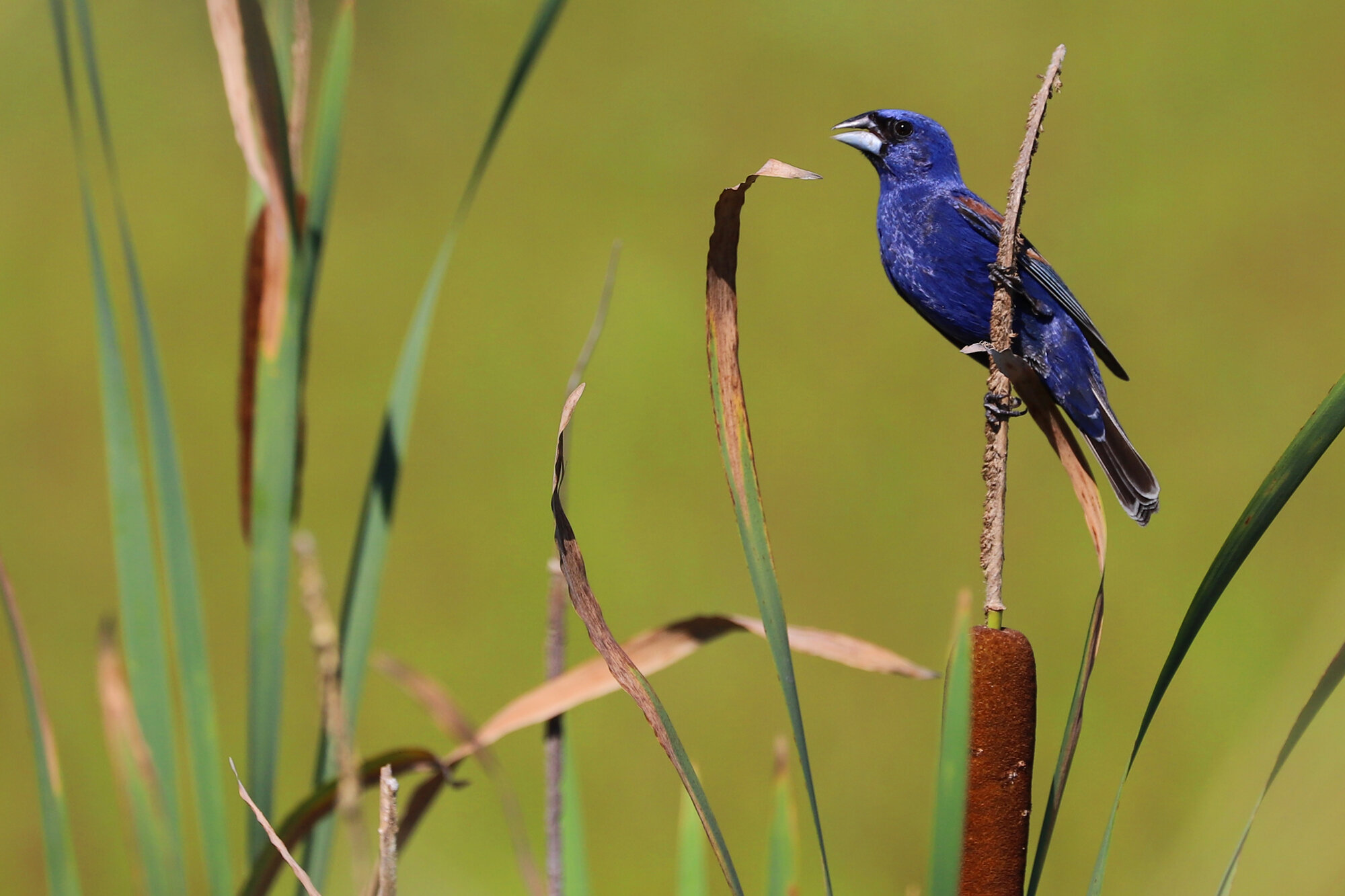
Our first fall record in three years for BLUE-WINGED WARBLER occurred this month, with a single individual present at the Tidewater Arboretum on the morning of 24 Sep (vis. Andrew Baldelli)! A low density, but annual spring and fall transient through Virginia Beach, this is one of a suite of warblers that we tend to get anywhere from zero to two records for in a given spring or fall season. However, in 2018, this species was missed completely in Virginia Beach, and as mentioned, our last fall season record occurred in 2017, so being not annually reported to eBird in either spring or fall, it is always a highlight when one does pop up. Unfortunately, there was only one report of this individual and it wasn’t seen again at the arboretum. But, we did have two records (one photographed) in the springtime, so even with few observers getting a shot at one, at least we did have three records overall during 2020. The latest record we have for the species is 15 Oct 2017 (one at Back Bay NWR), so it’s still possible that another could be found in the first couple of weeks of October. (Sep 2020 Map of Records)

Red-eyed Vireo / Back Bay NWR / 23 Sep

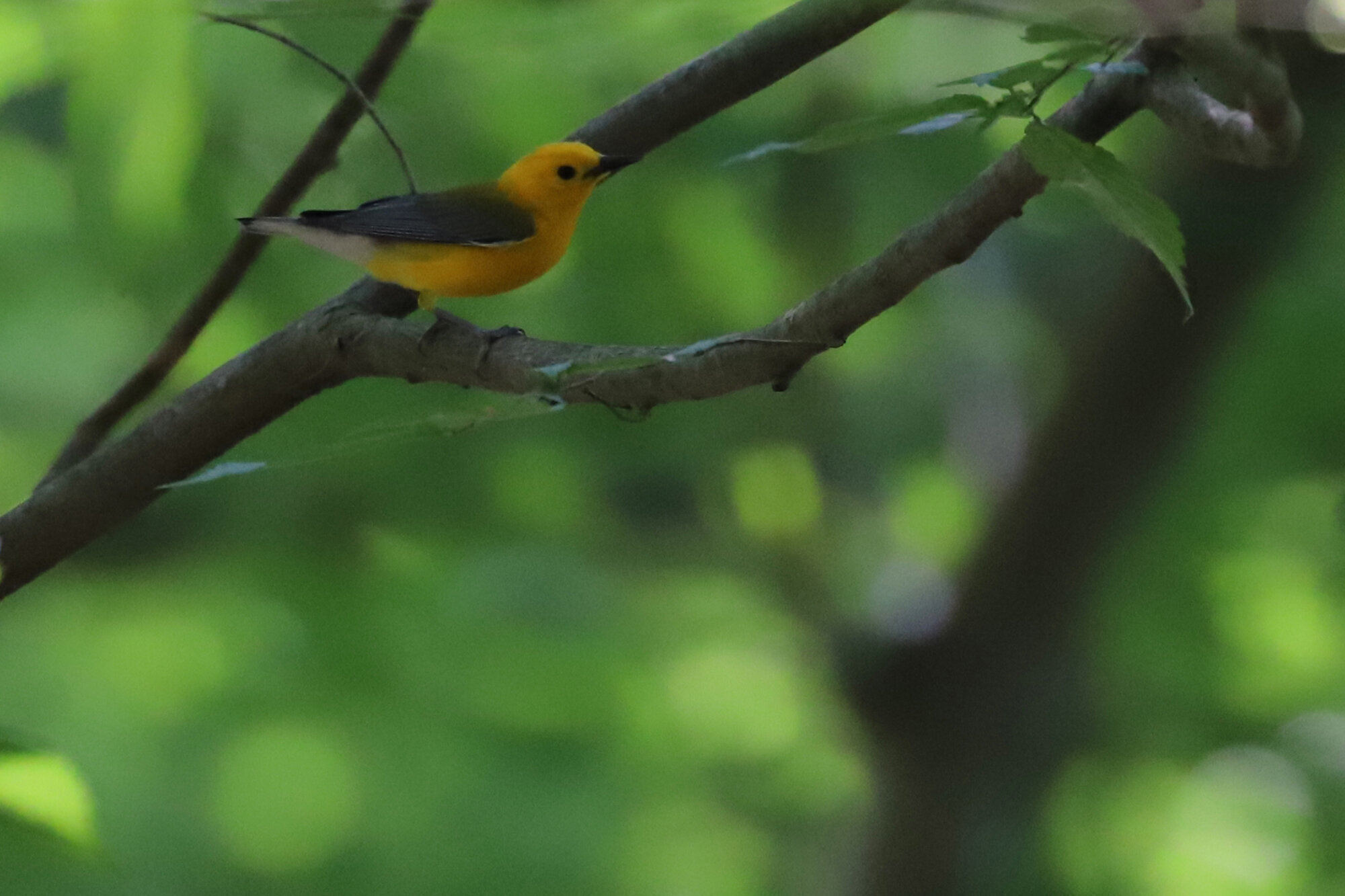
Very late for the species, a PROTHONOTARY WARBLER made for quite a surprise at Mt. Trashmore Park on the morning of 27 Sep (ph. Reuben Rohn). In fact, this is the latest record for the species currently input to eBird for Virginia Beach across all years of data. A common breeding warbler of our freshwater marsh / bottomland forest habitats at places like Stumpy Lake NA, First Landing SP, West Neck Creek NA, Red Wing Park, Back Bay NWR, and along the North Landing River, typically these species has departed completely prior to 15 Sep. The only prior records that exceed that average departure date are singles at Stumpy Lake NA on 18 Sep 2002 (obs. Karen & Tom Beatty) and at Stuart Road on 22 Sep 2018 (vis. Andrew Baldelli & Tracy Tate). Though, this is the latest photographic record by a full 22 days, with one at Back Bay NWR on 5 Sep 2017 (ph. Mary Catherine Miguez). Unfortunately, this individual was not re-found, even with a massive field of birders present at the park over this particular weekend, but on the plus side, it was properly documented by the lone observer! (Sep 2020 Map of Records)

Yet another product of the overnight migration of 22/23 Sep, a BAY-BREASTED WARBLER was photographed in the late morning hours at Back Bay NWR southwest of the visitor center near the small, freshwater pond with wooden pier (ph. Mike Collins, ph. Andrew Baldelli & Kyle Bixby). Shockingly, another was photographed the same day at nearby False Cape SP (ph. Marlee Fuller-Morris), and a third individual was observed briefly at Mt. Trashmore Park on 27 Sep (vis. David Clark). These made for the second, third, and fourth records in Virginia Beach for 2020, with one also having been photographed during the last major migration push we saw, 4 months to the day, back on 23 May at the Tidewater Arboretum. Typically, a very low density migrant along the coast south of the Chesapeake Bay, this species tends to produce about one record per year in Virginia Beach, so the 2020 fall season has been a stunner for sure. Last fall, one was present 22 Oct on the fringes of Lake Windsor’s outlet, though in other recent seasons, Back Bay NWR has been the most reliable location of finding one. Fall identification is a bit tougher than in spring, with most individuals resembling Blackpoll and Pine Warblers so some observations may simply go unidentified, whereas in springtime, the plumage is much crisper and distinct. (Sep 2020 Map of Records)

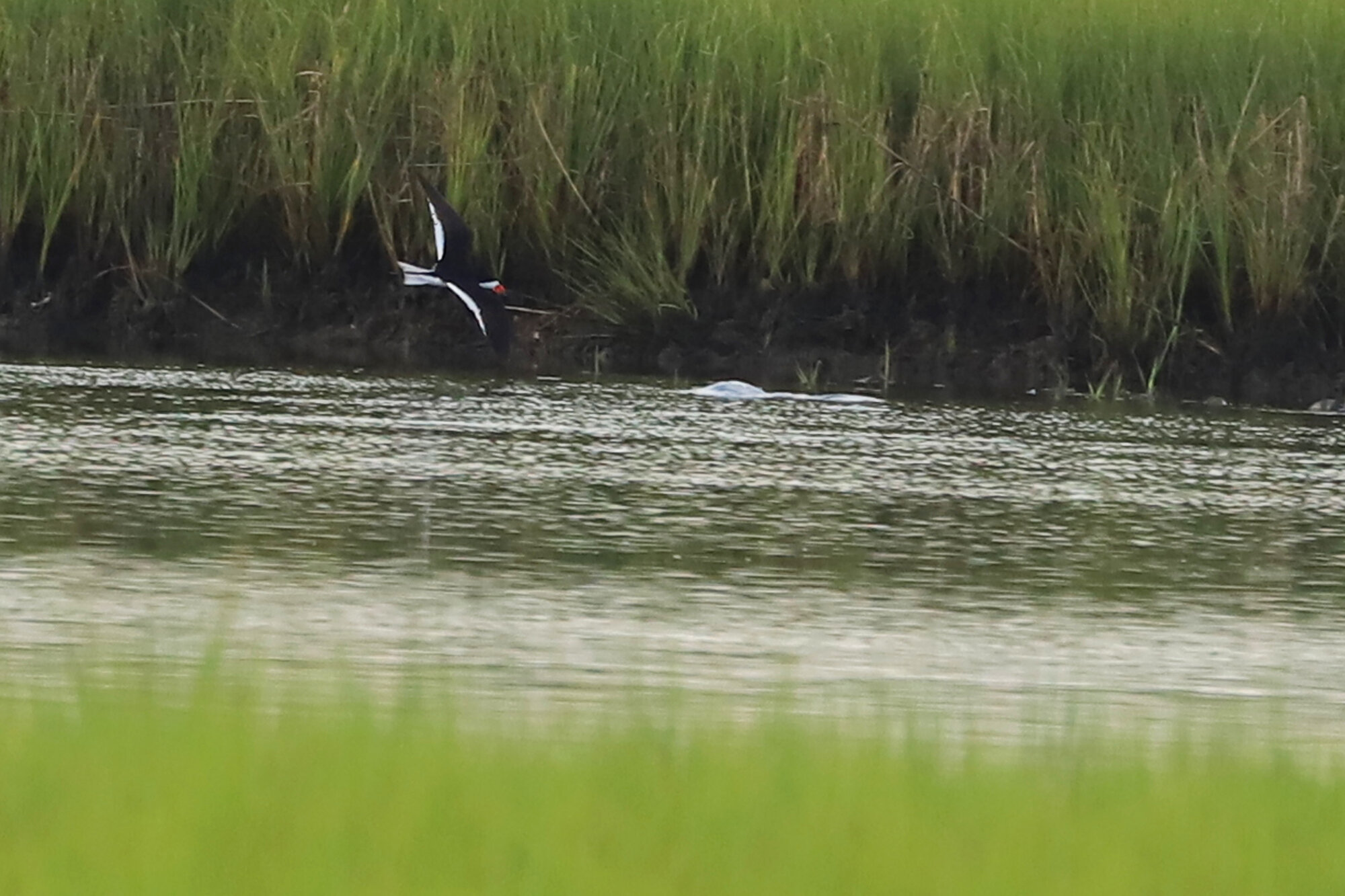
Black Skimmer / First Landing SP / 19 Sep

A good month for BLACKBURNIAN WARBLER in Virginia Beach, we boasted records for at least two different individuals in the last week of the month, tieing or slightly besting our average of roughly 0-2 in each transitional season. One individual was found in the campground area of First Landing SP on 25 Sep (ph. June McDaniels), while another drab-plumaged individual was found at Mt. Trashmore Park on 26 Sep (vis. Matt Anthony). Coming off a spring season with only a single record at Back Bay NWR on 24 May (ph. Elena Bersani), it’s nice to see the fall season pulling some weight. Typically fall migration produces more individuals here than spring, simply because there’s more birds after the breeding season has occurred, and hatch year individuals tend to wind up on the coast more than adults do, as is evidenced by the makeup of American Redstarts where about 1 in 50 is an adult male. It’s possible for another to show up in October, but typically if we’re to see Blackburnians, it happens in September in Virginia Beach, and 2014 was the last year with an eBird record in October. (Sep 2020 Map of Records)

As in the case of the Ring-necked Duck above, we also had an incredibly early record for YELLOW-RUMPED WARBLER this month when an individual was photographed along the causeway at Stumpy Lake NA on 6 Sep (ph. Cindy Hamilton & Steve Keith). Also following suit with the Ring-necked Duck, this record made for the earliest Yellow-rumped Warbler we’ve had input to eBird in Virginia Beach, dethroning the prior early date of 8 Sep 2017 when one was reported at Back Bay NWR. In terms of photographic records, this severely bested the prior early date for an individual at Back Bay NWR on 23 Sep 2017 (ph. Cindy Hamilton & June McDaniels). In fact, at the time of the observation, this was the most southerly Yellow-rumped Warbler report on the East Coast, and to find the next closest report, one would have had to go all the way north to Cape May, New Jersey! Another individual that fell more than ten days prior to the typical 30 Sep arrival date for the species occurred at Taste on Shore Drive on 15 Sep (vis. Andrew Baldelli), but as of the close of the month, the typical horde of Yellow-rumped Warblers had not yet descended on Virginia Beach. Certainly in October, we’ll see them by the thousands though! (Sep 2020 Map of Records)

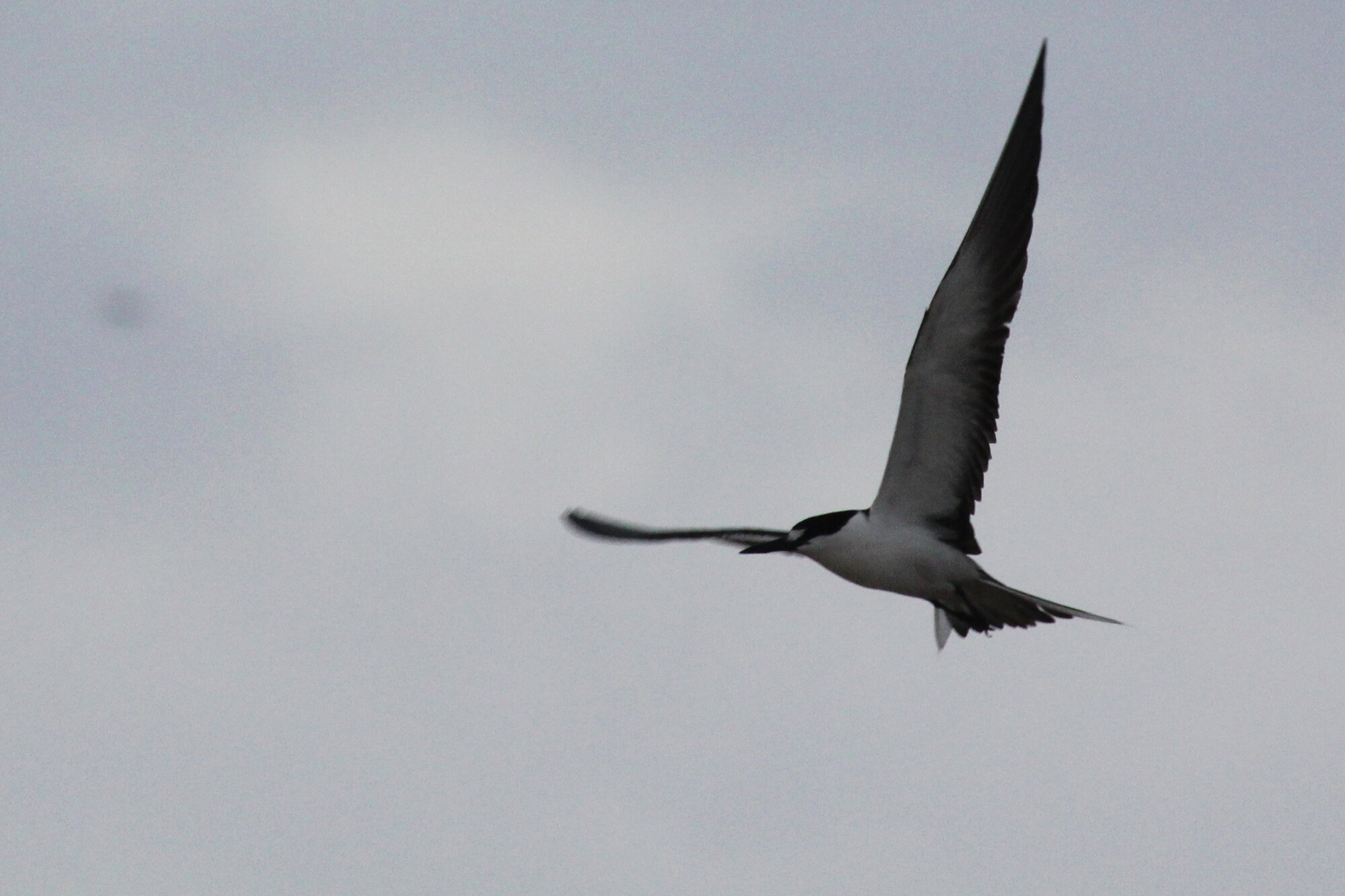
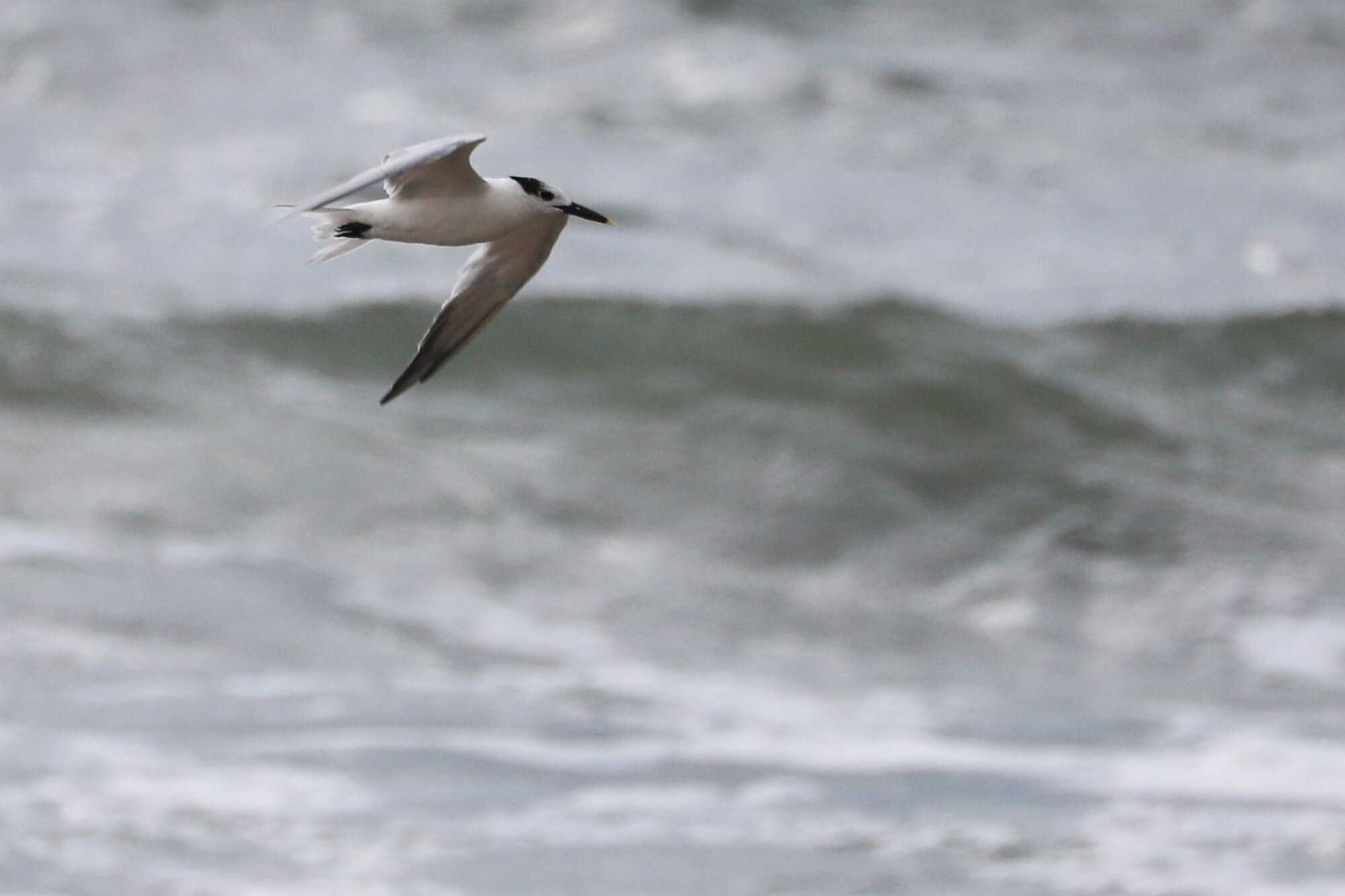
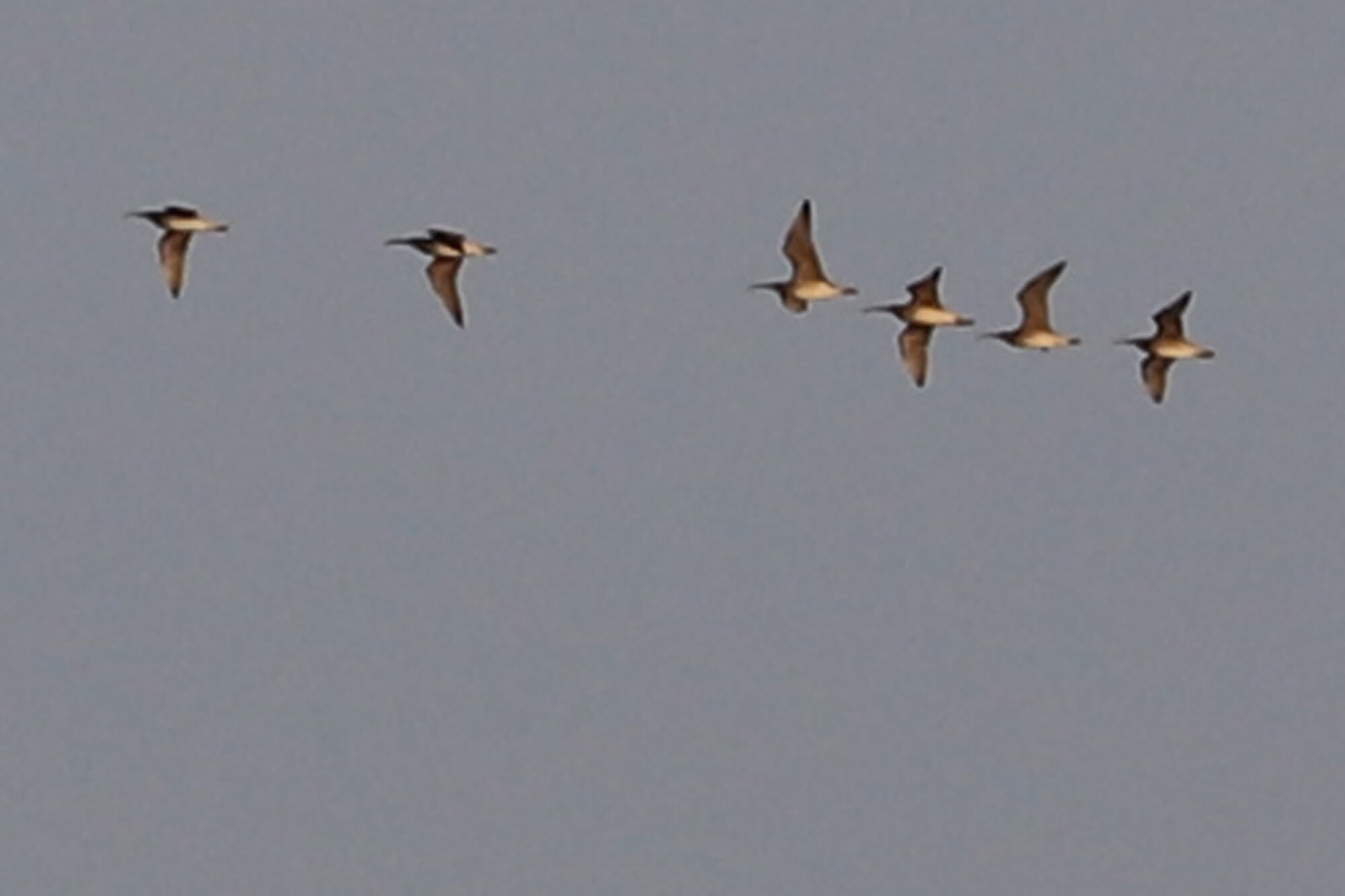
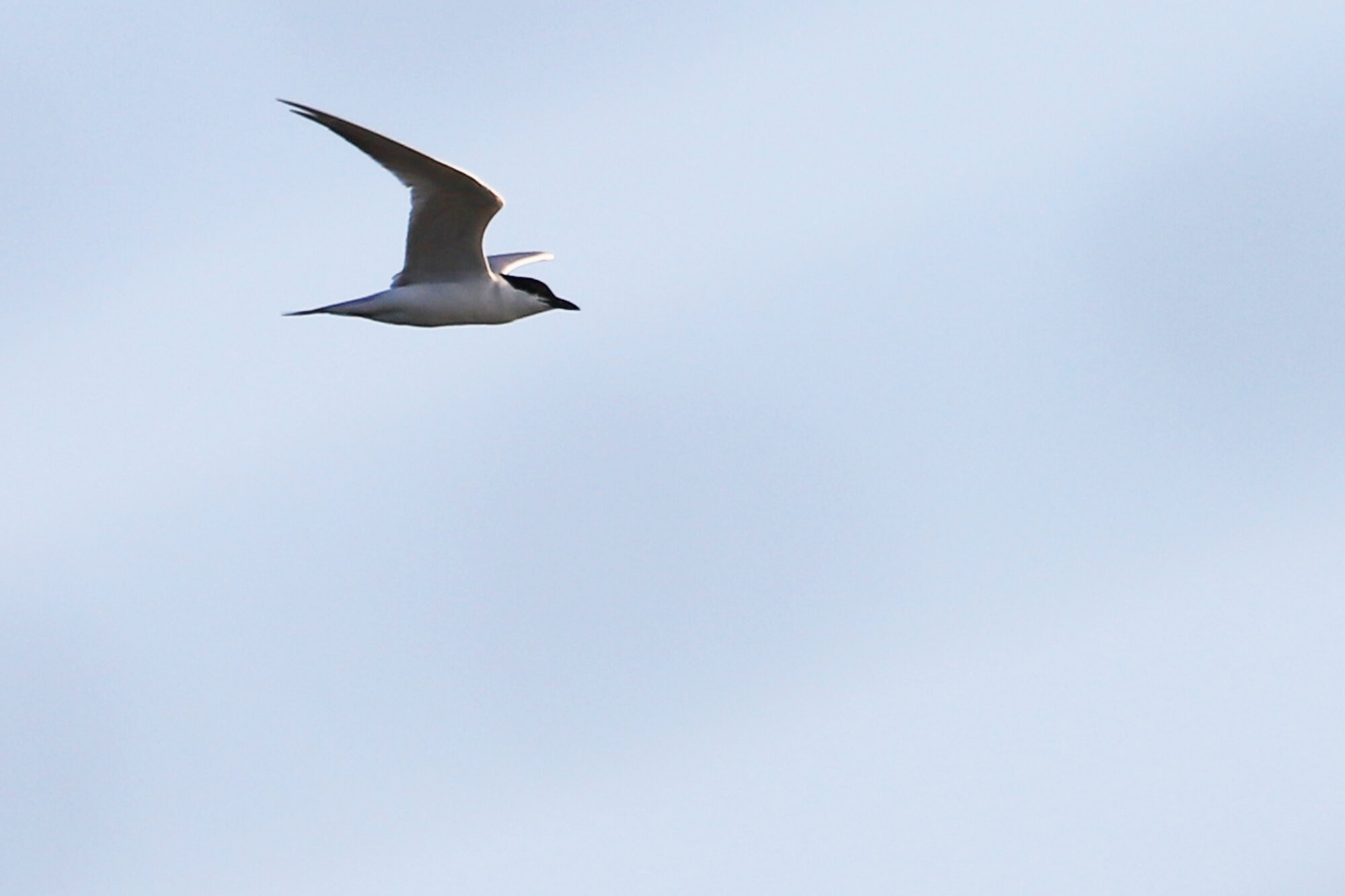
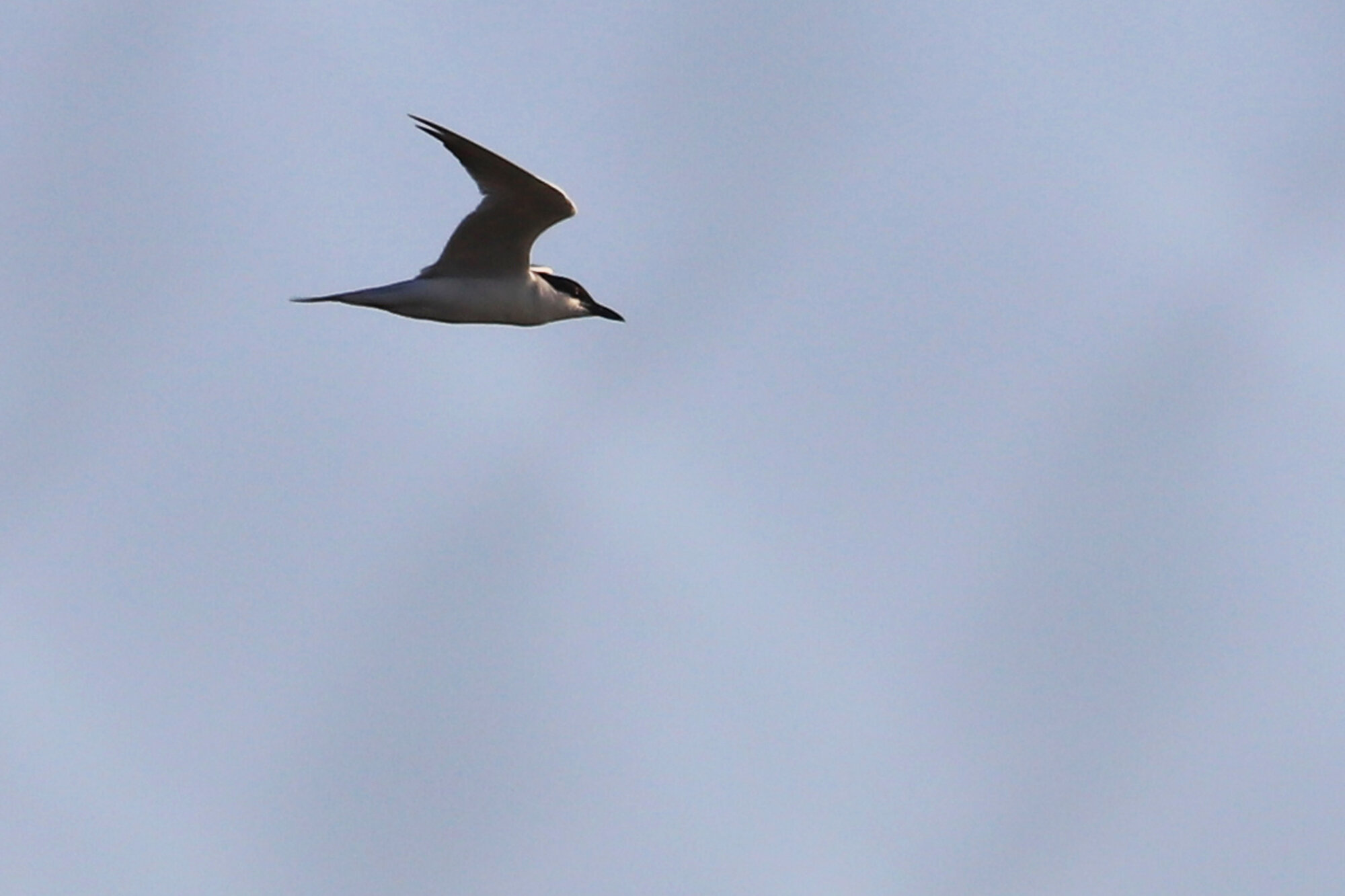
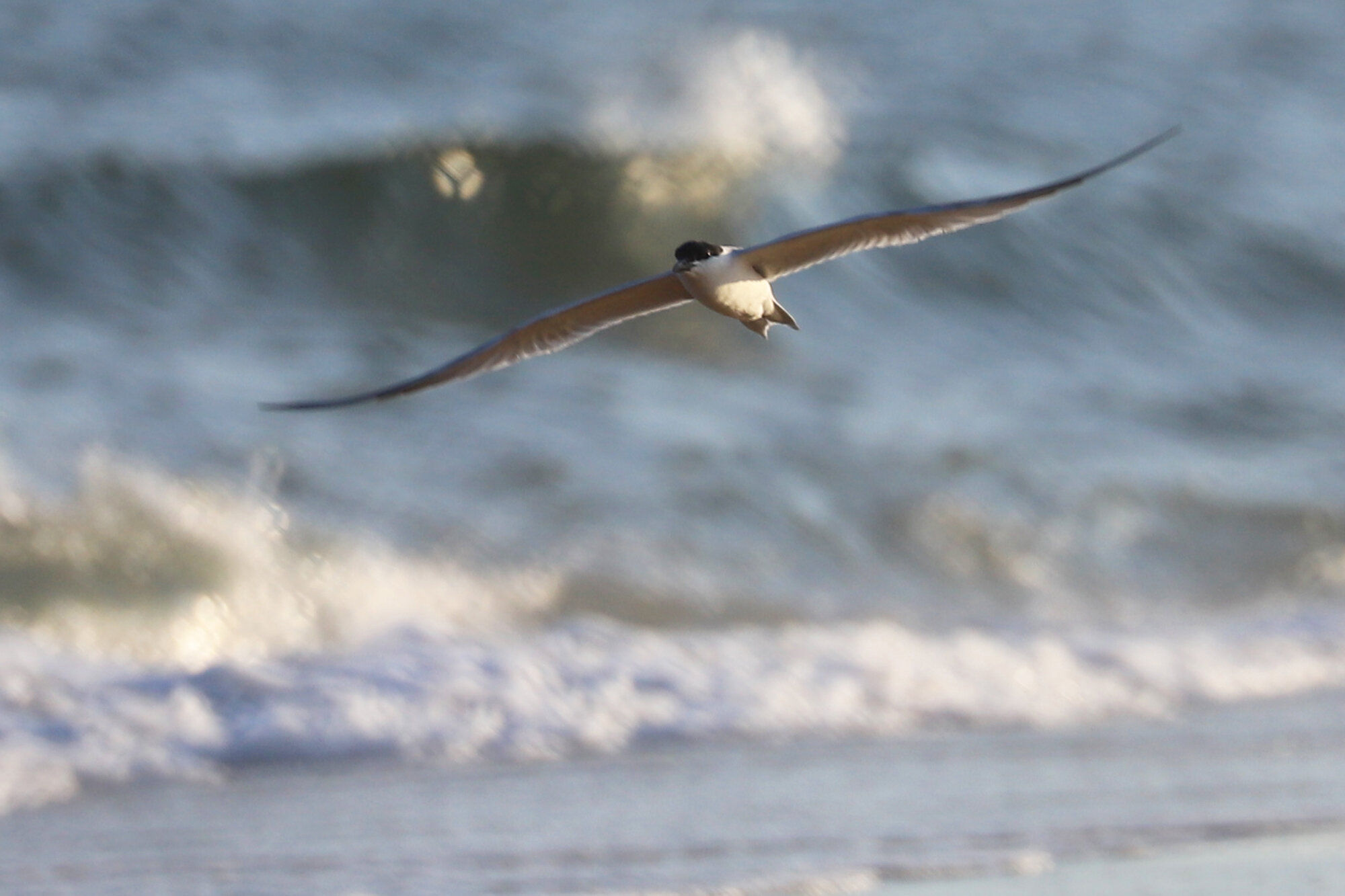
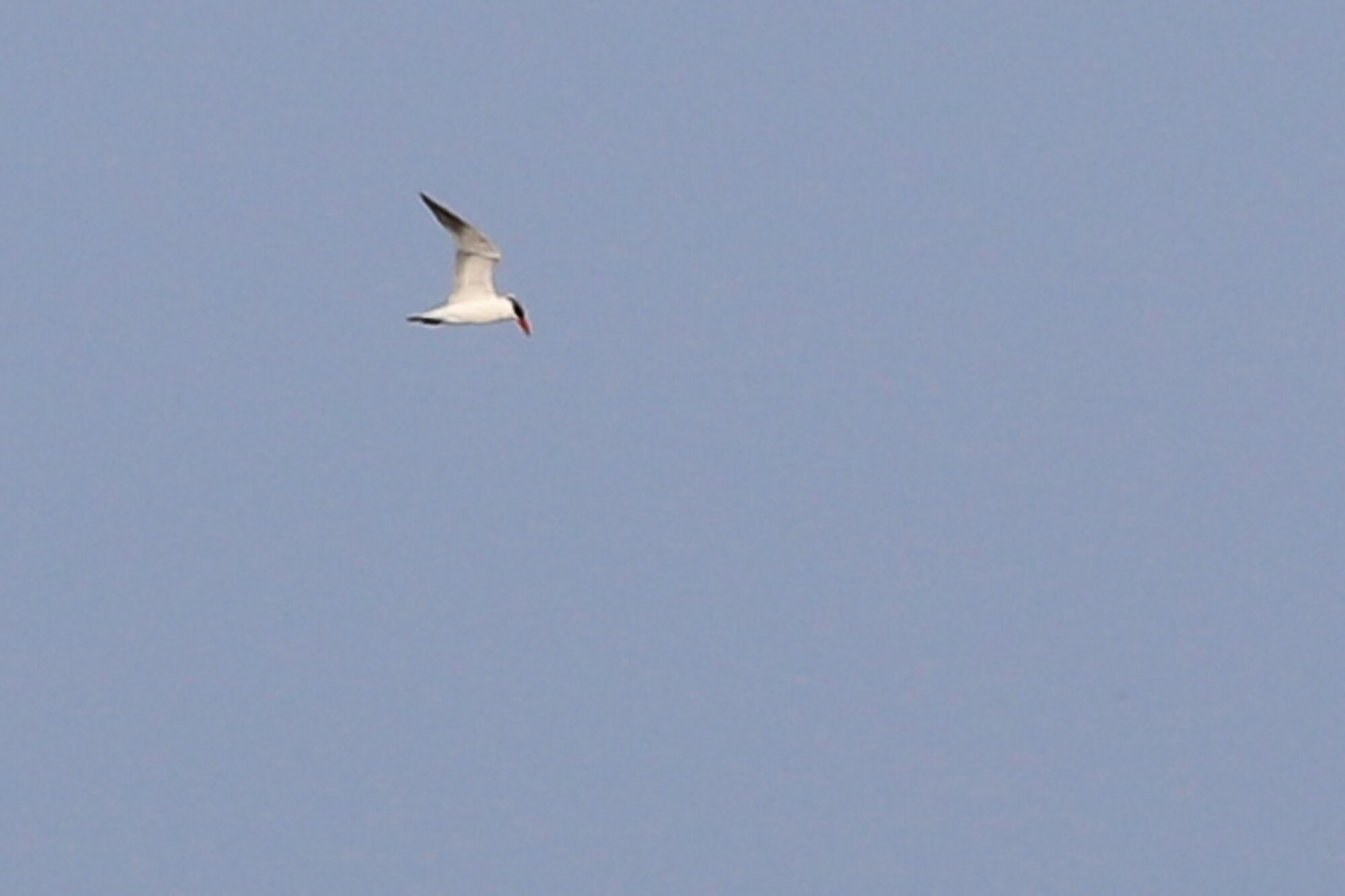
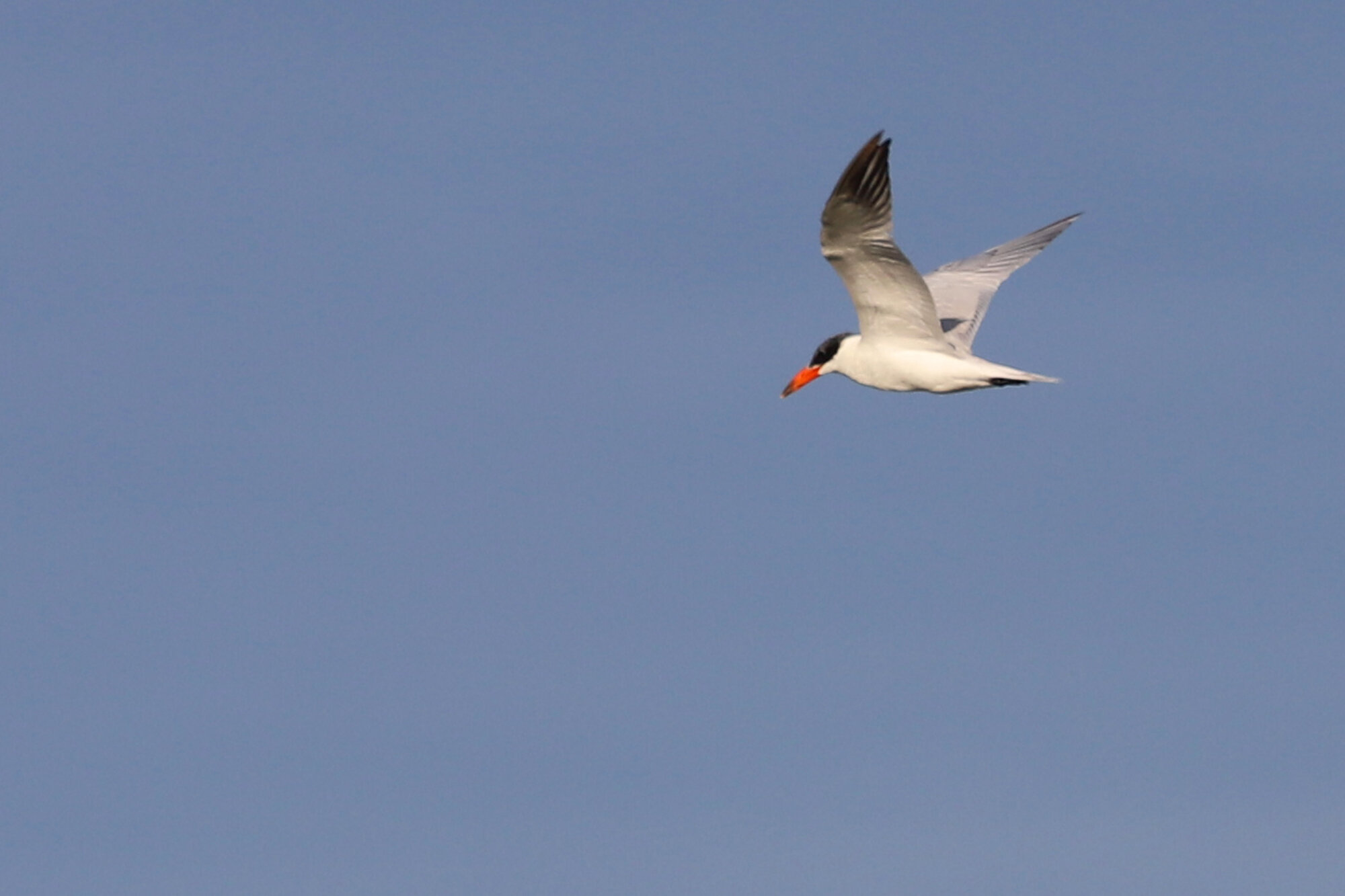
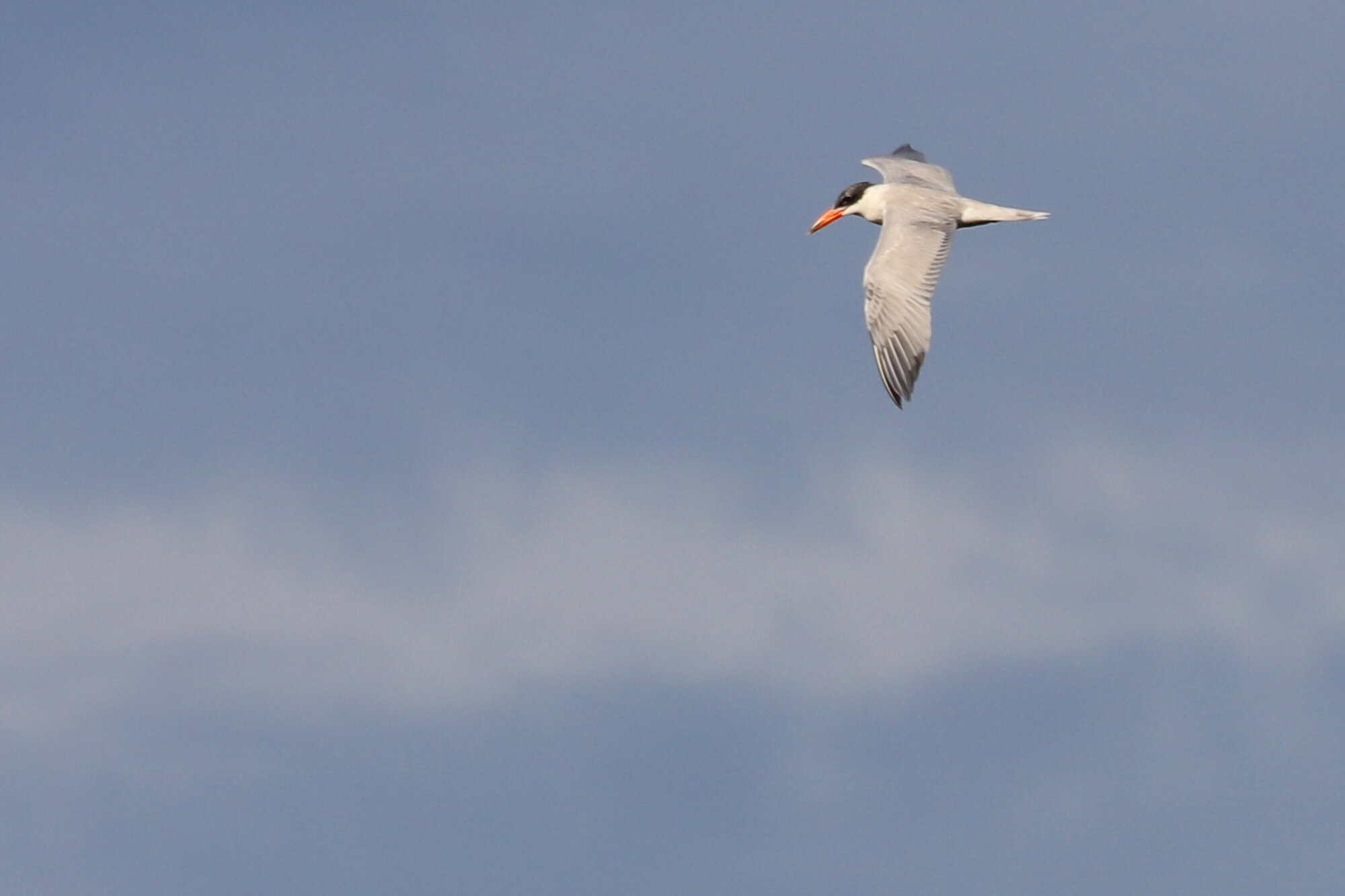
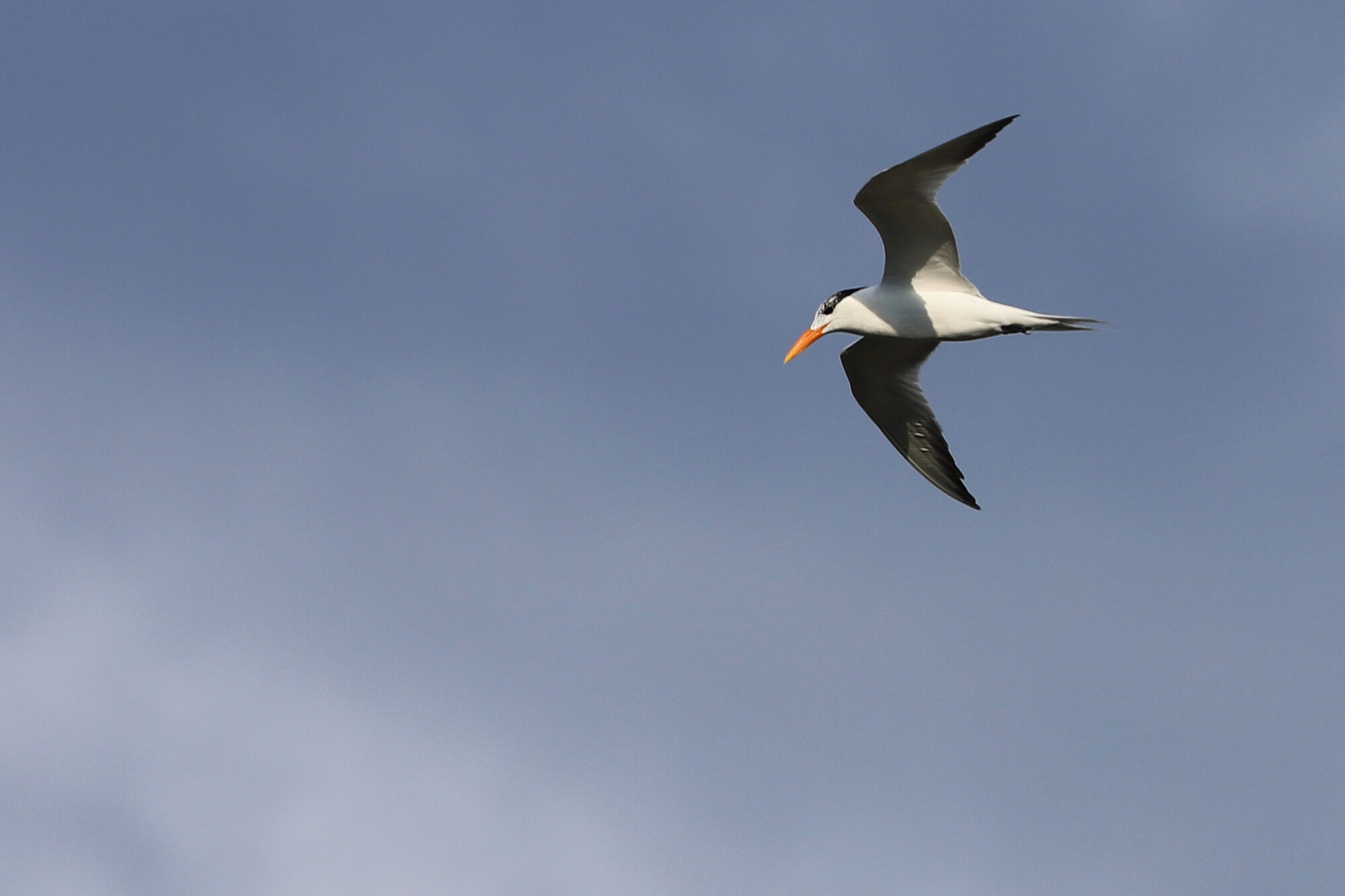
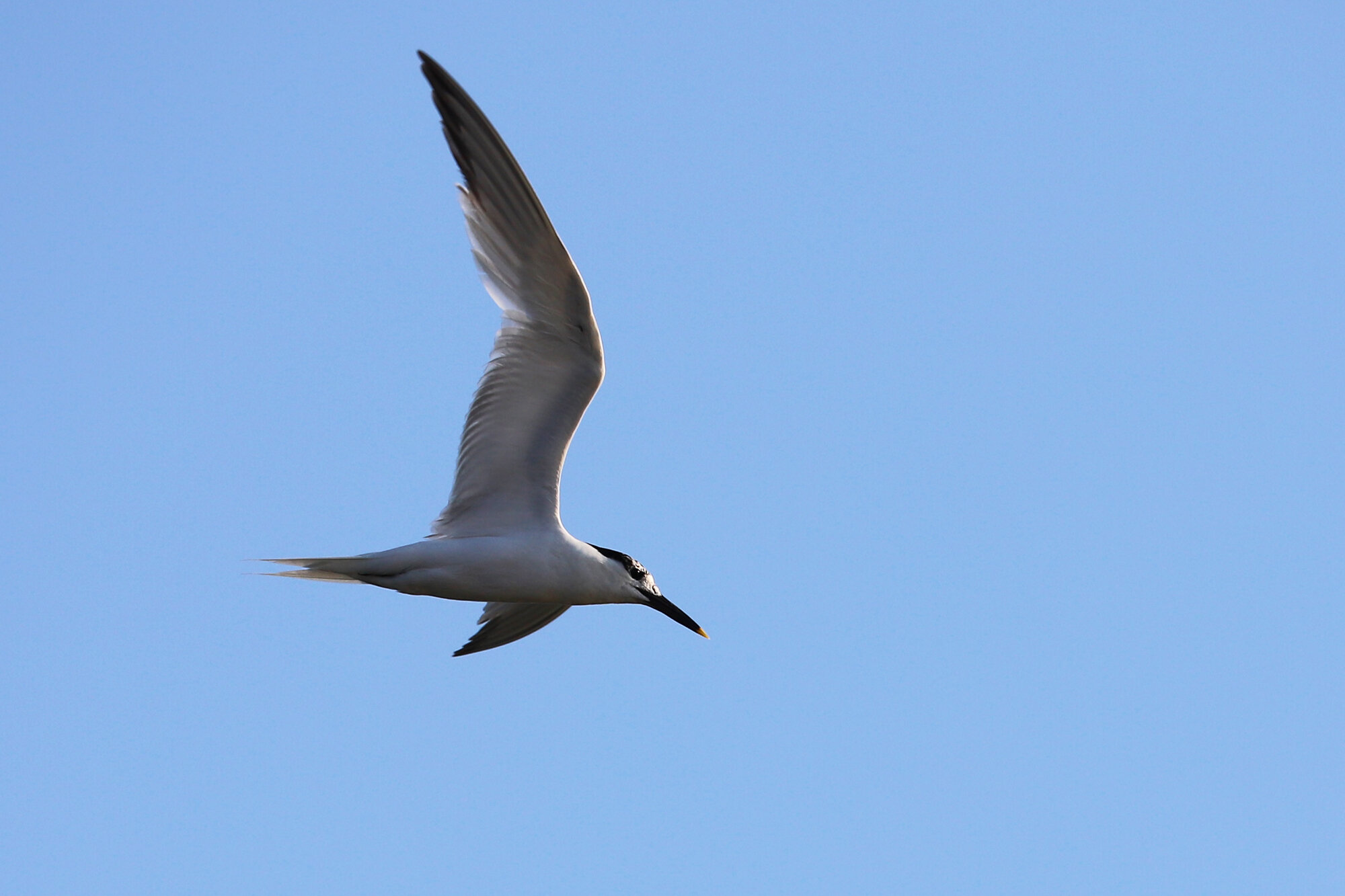
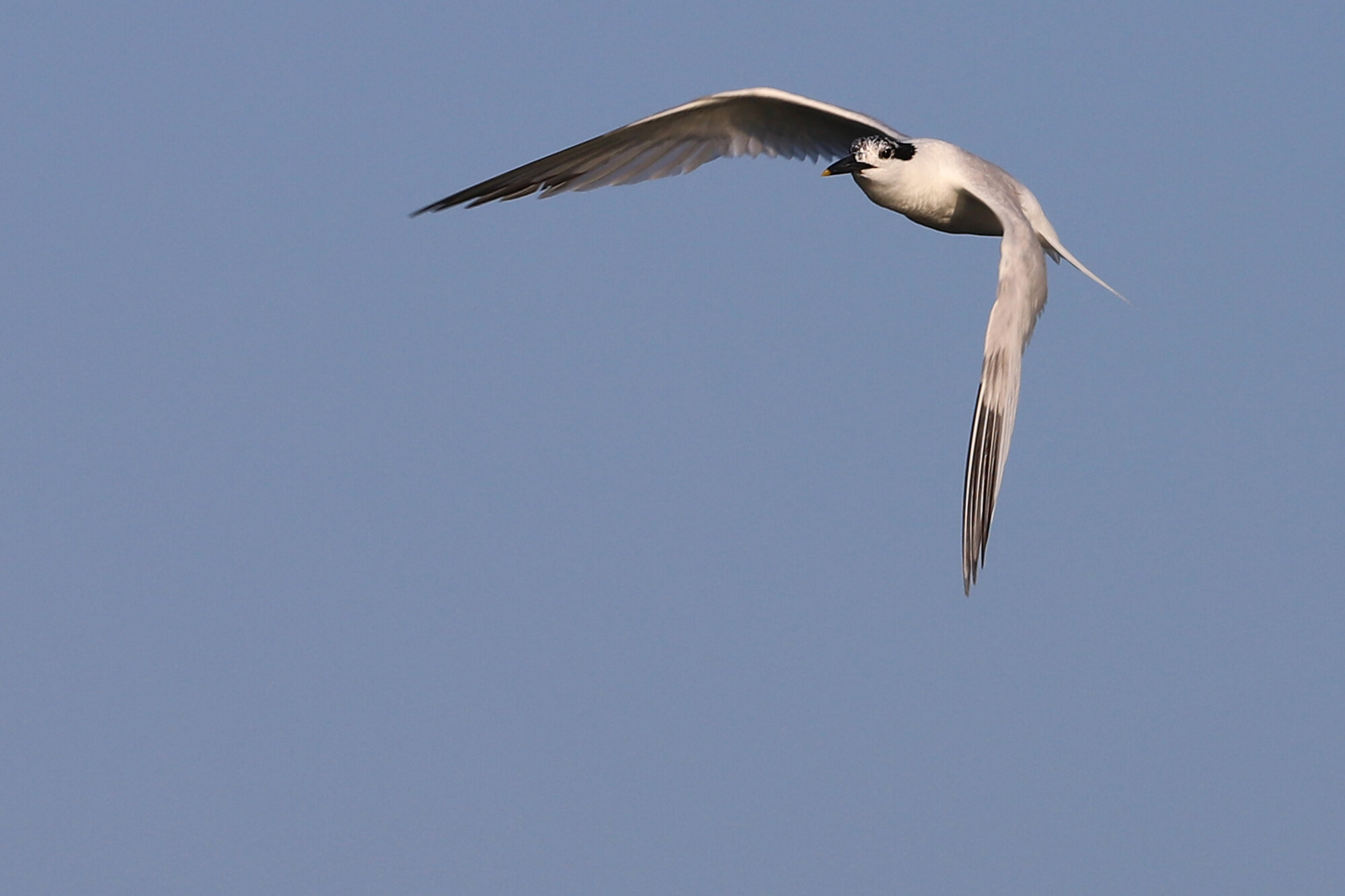
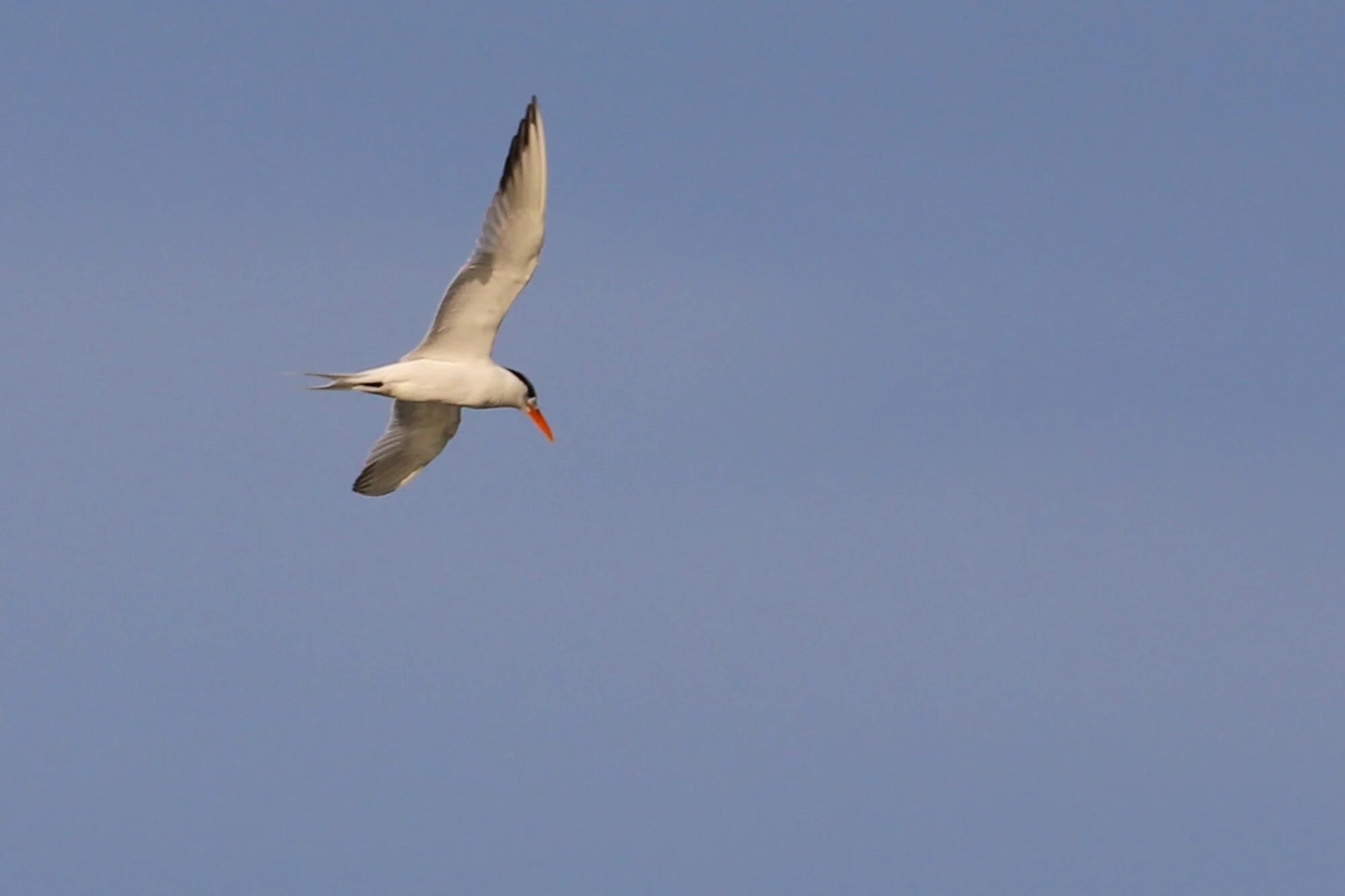
Sandwich Terns / First Landing SP / 19 Sep

Always surprising to folks who don’t live in Virginia Beach, is the scarcity of records for YELLOW-THROATED WARBLER outside of spring migration. While it is a locally common transient from late Mar through May, mostly at Stumpy Lake NA, we see very, very few records during the summer and fall seasons. In fact, we’ve somehow had better luck finding this species as an over-winterer at feeders over the last few years than we have in terms of finding breeders & fall transients. However, at least two were observed this month, with an individual at Stumpy Lake NA on 2 Sep (ph. Reuben Rohn), which is likely to be the same individual observed back on 19 Aug by the same observer. Additionally, right at the close of the month, another was spotted at Mt. Trashmore Park on 30 Sep (vis. Tommy Maloney). It’s possible we see a late individual in early October, given one was present right at the end of September, but more likely we’ll probably have to wait until one shows up at a feeder this winter, if the species’ distribution in past winters is any indicator. (Sep 2020 Map of Records)

While September boasted a wide array of highlight species, none was as sought after as the miraculous TOWNSEND’S WARBLER found at Mt. Trashmore Park on 26 Sep (vis. Matt Anthony). Only the sixth known record for the state of Virginia, and a first occurrence in Virginia Beach, this western vagrant made Mt. Trashmore Park the center of Virginia birding for several days. Though it was not observed again the same day as the initial find, and not for lack of effort, it was finally relocated again the following morning (ph. Reuben Rohn) and then extensively observed and photographed throughout the late morning and afternoon hours by a wide audience. Foraging among a mixed flock of many other warbler species, all sightings have occurred from the forested island northwest of the Virginia Natural Gas building and the southeast corner of the bike path where a dirt path leaves the park en route to an apartment complex. As of now, the last sighting occurred in the evening of 27 Sep, but it is possible the bird is still present somewhere in the dense vegetation along this south/southeast portion of the park. A truly gorgeous individual, a full album of photographs that have been taken can be found here at eBird. (Sep 2020 Map of Records)

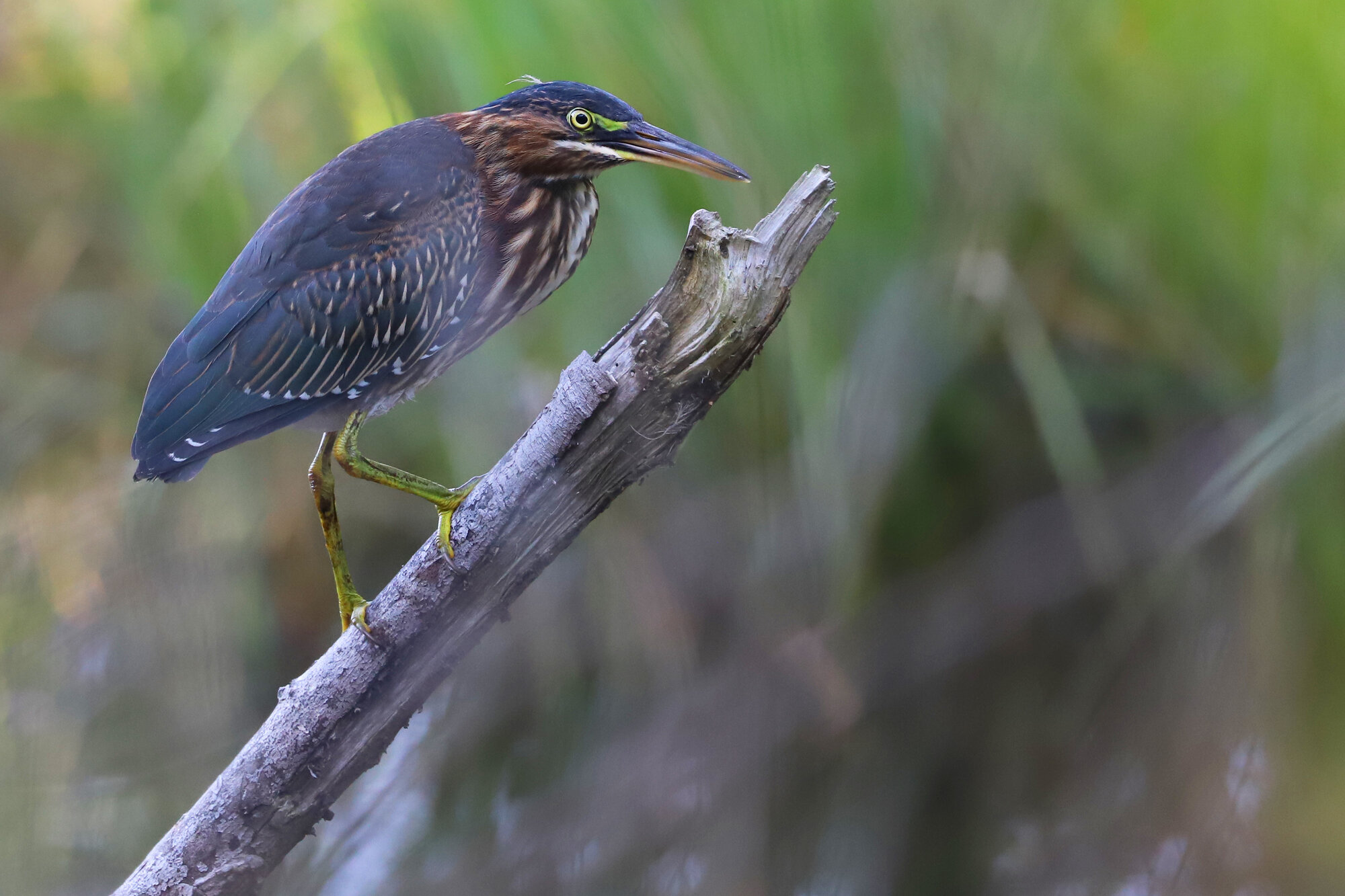
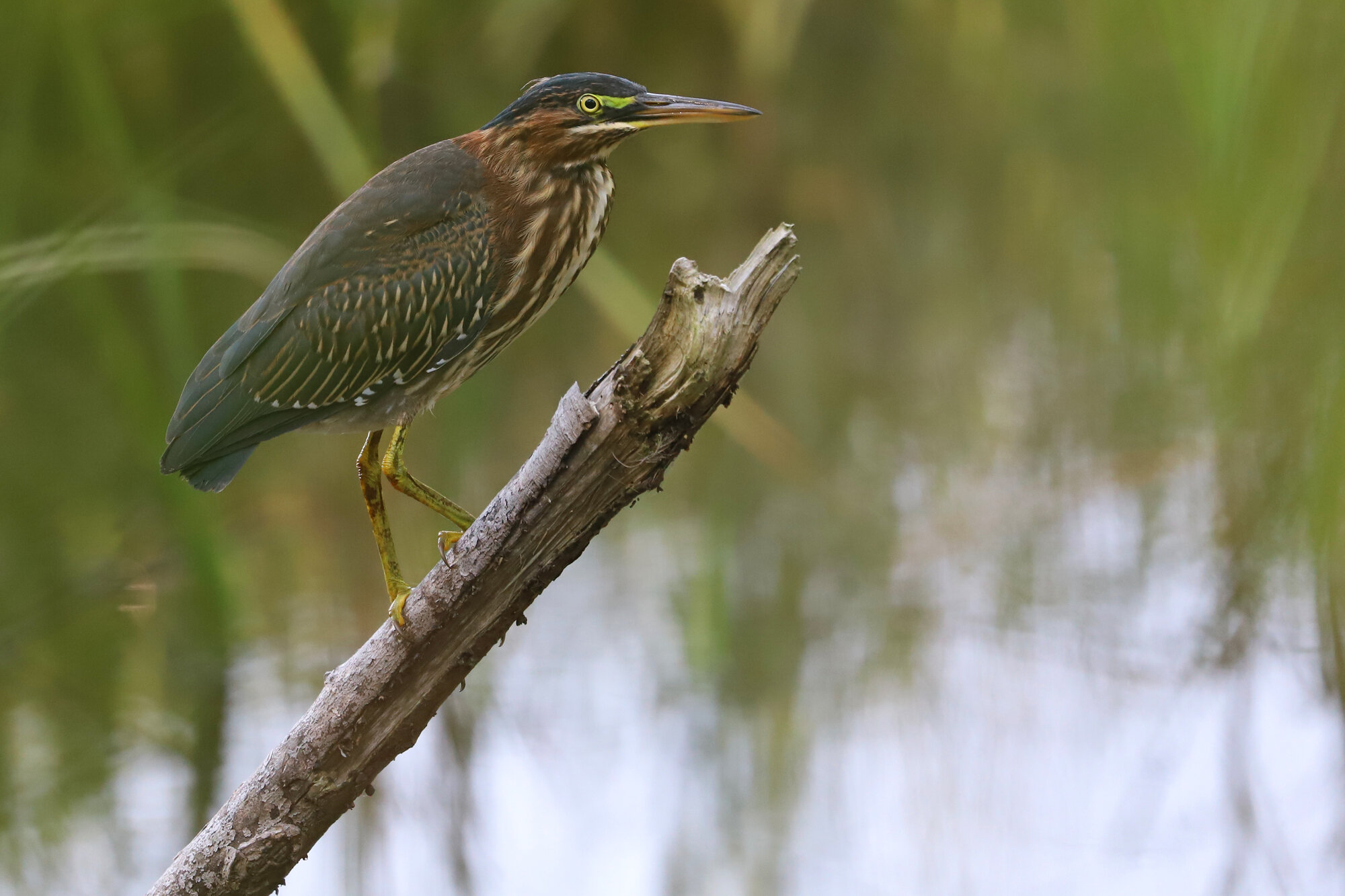
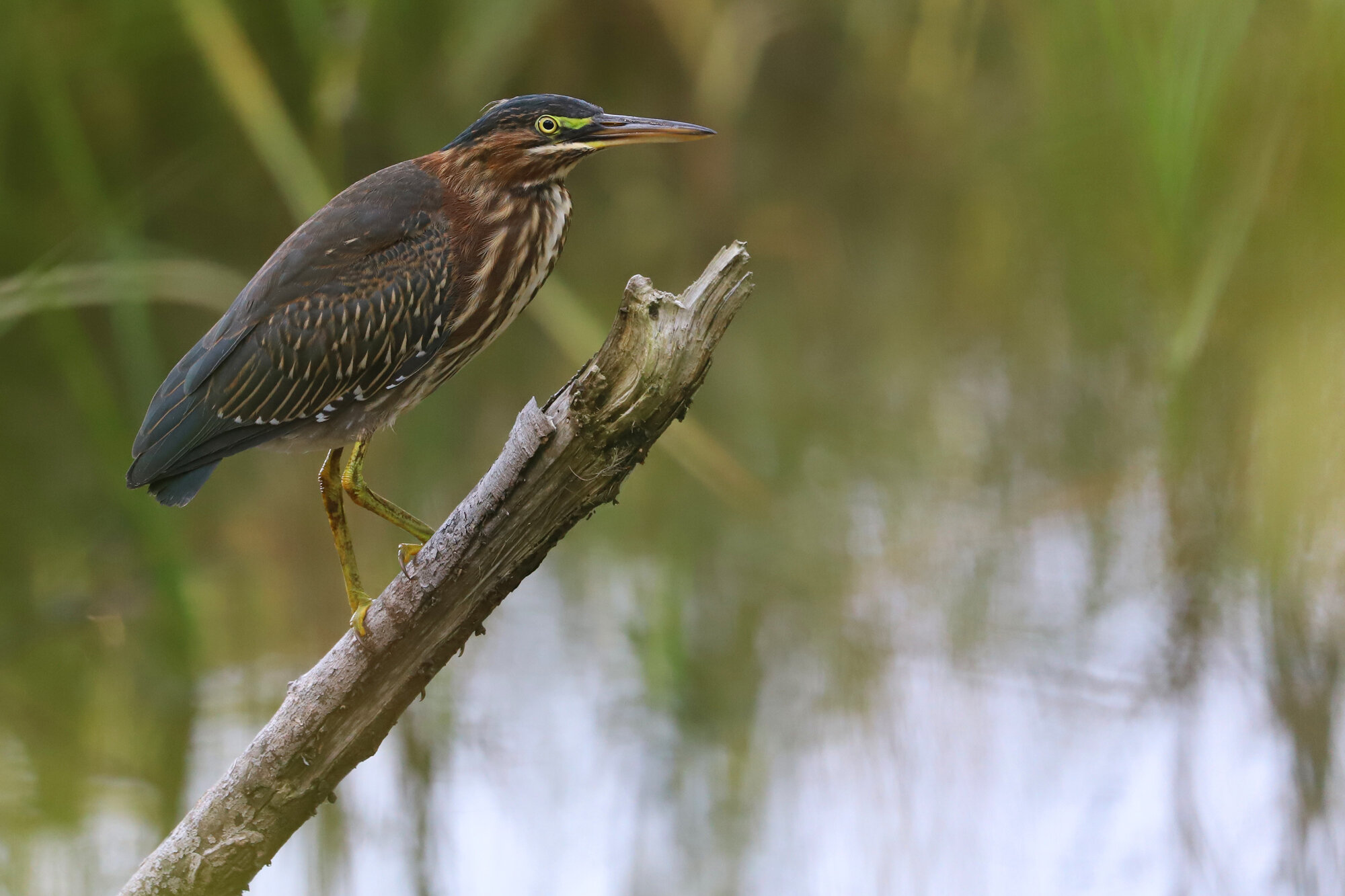
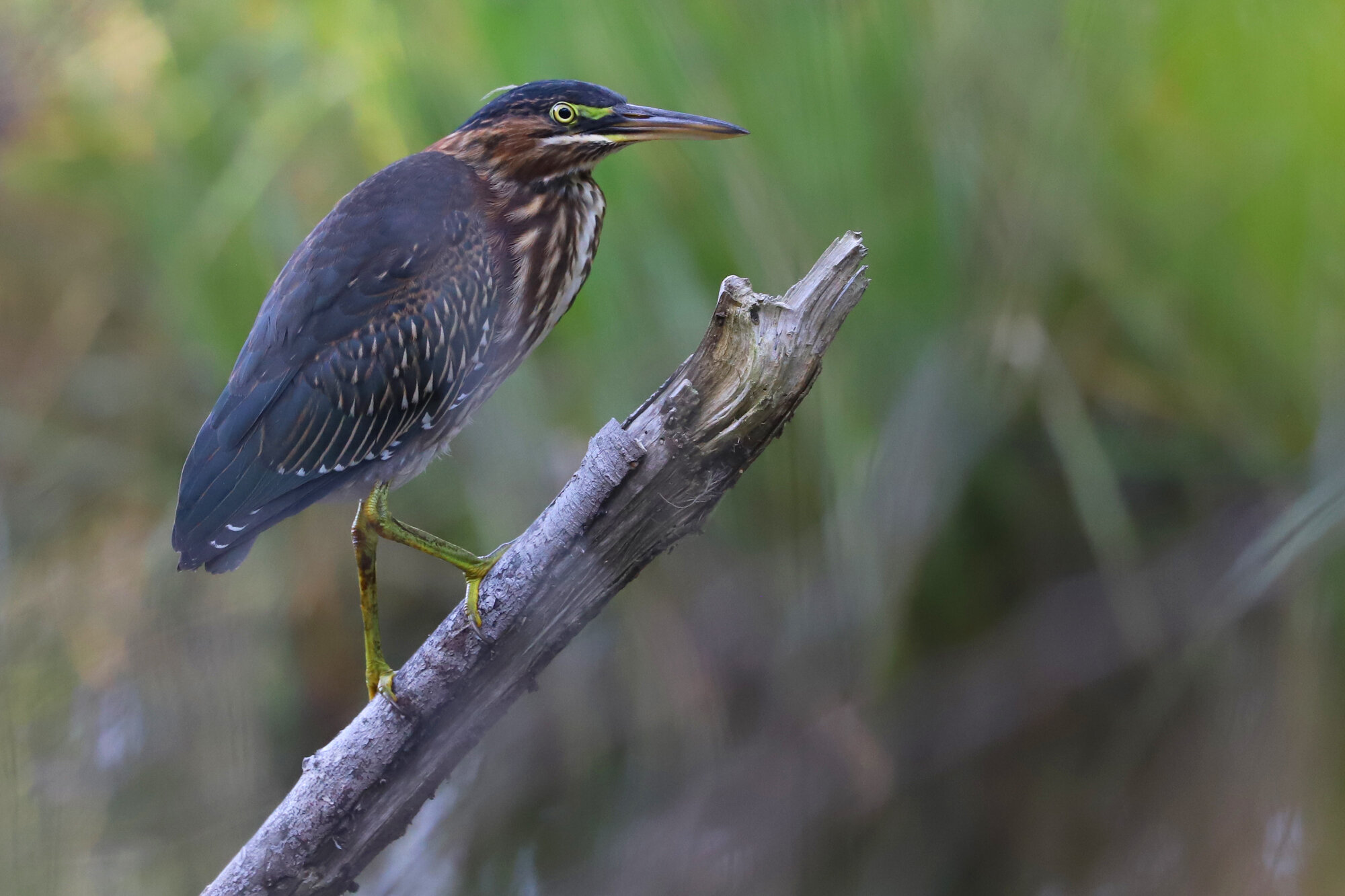
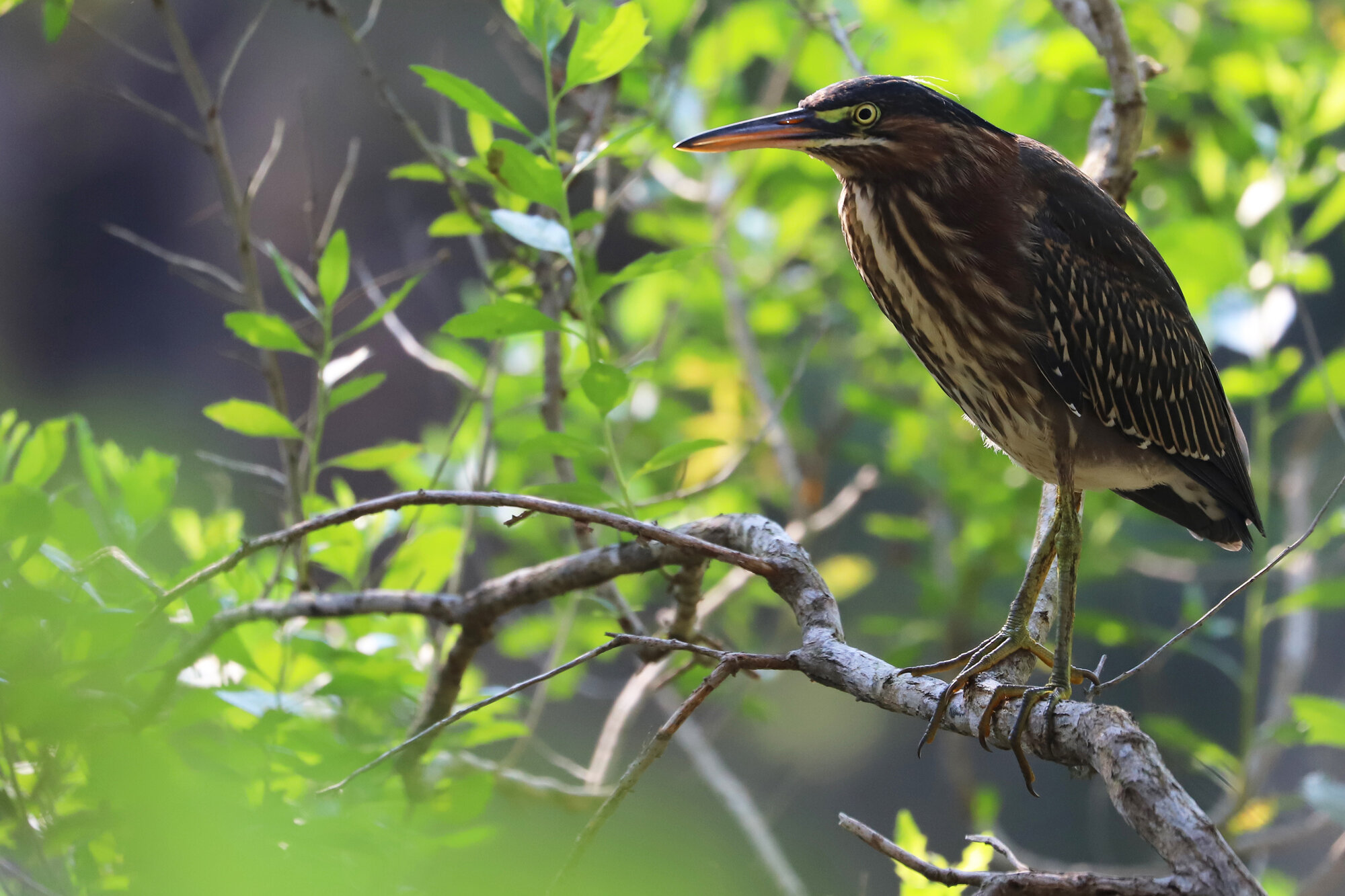
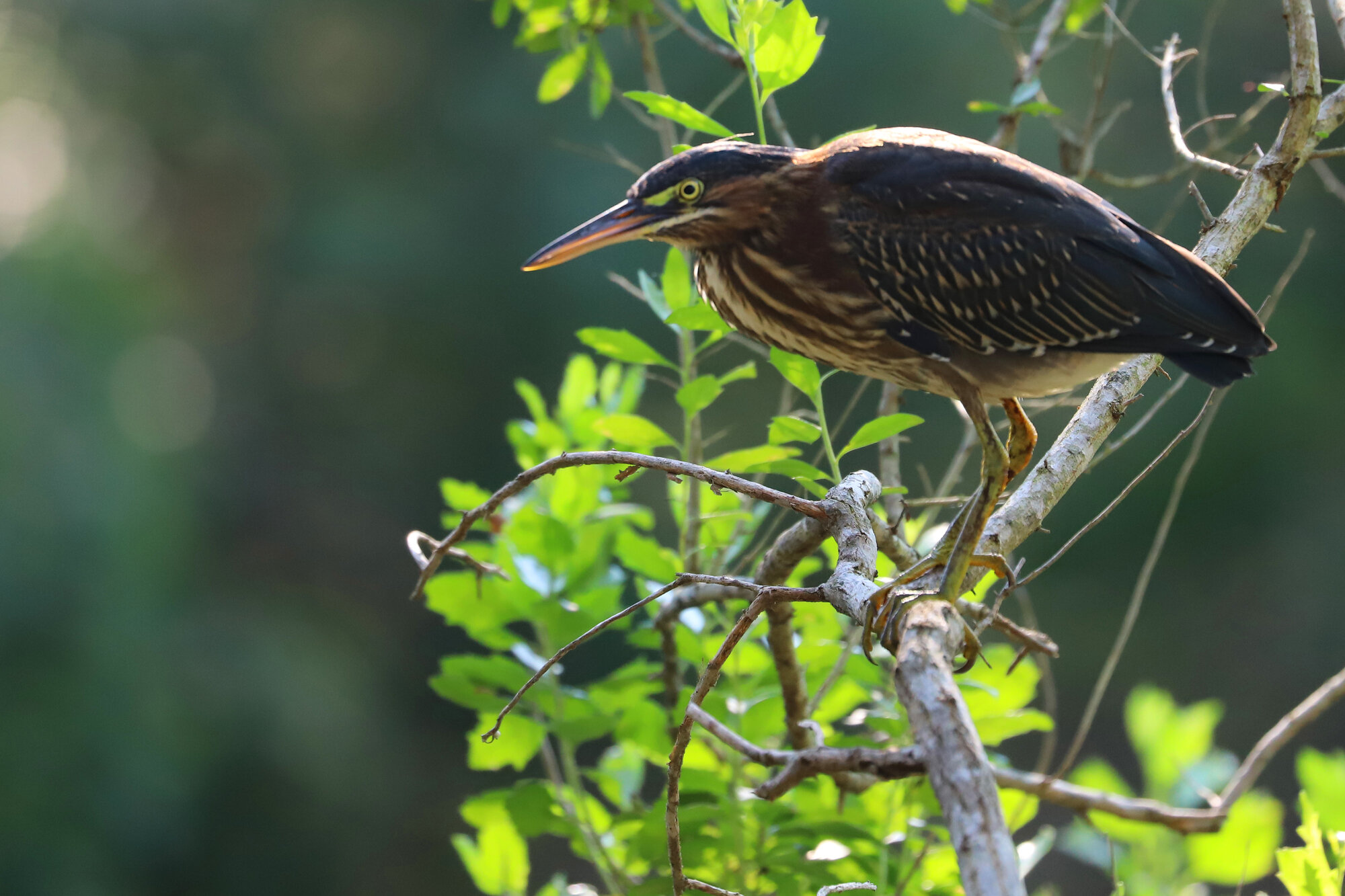
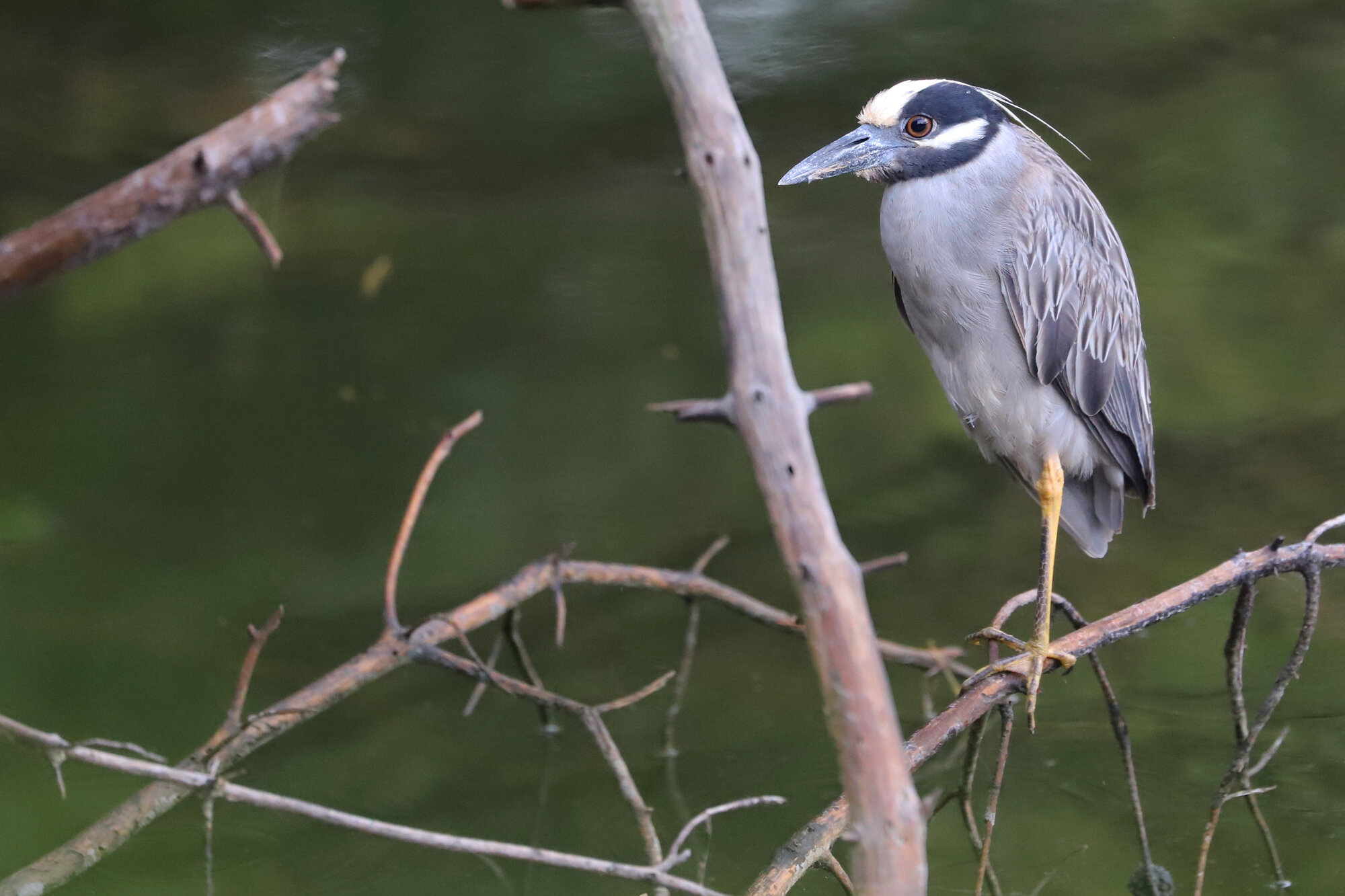
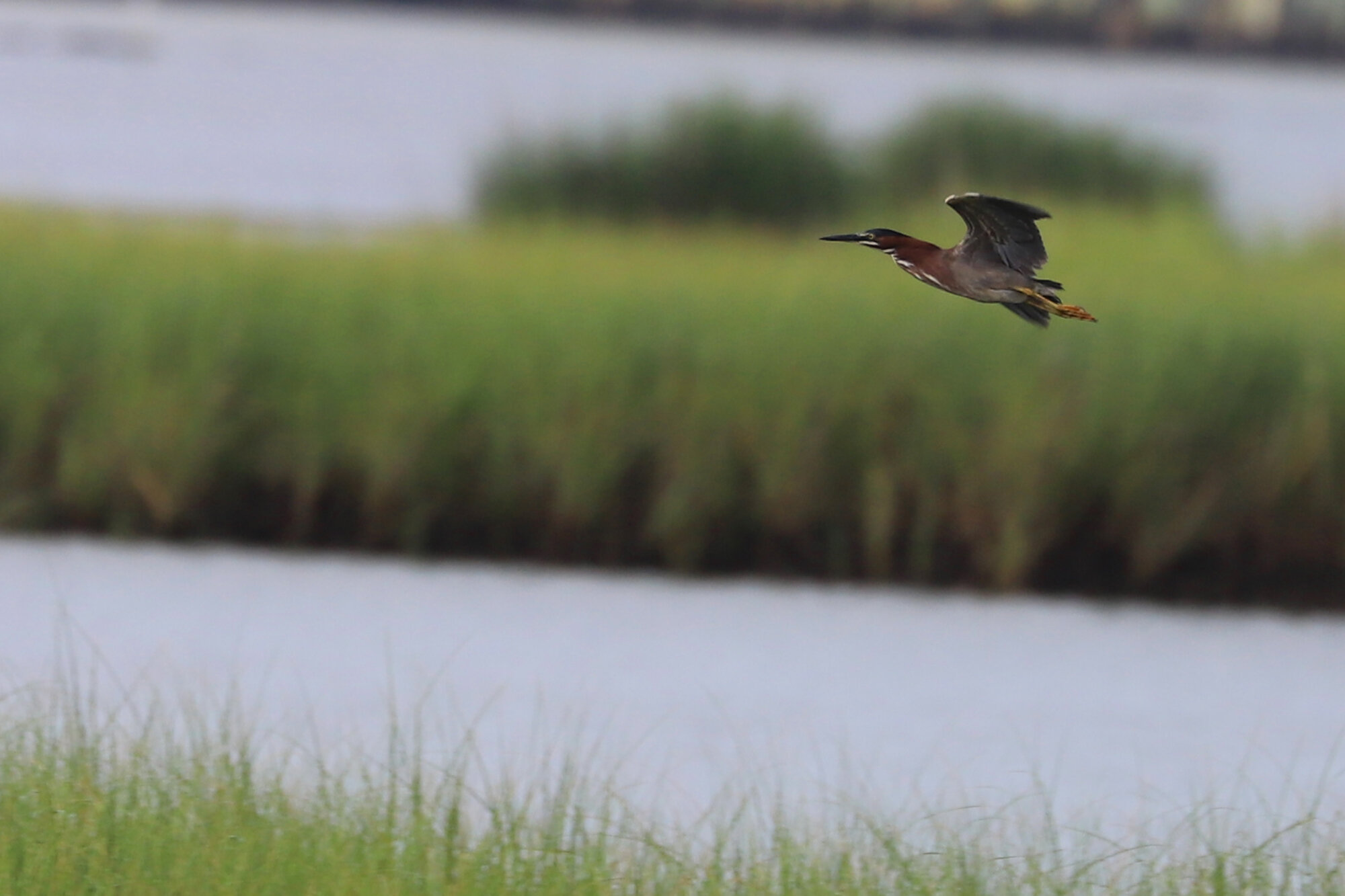
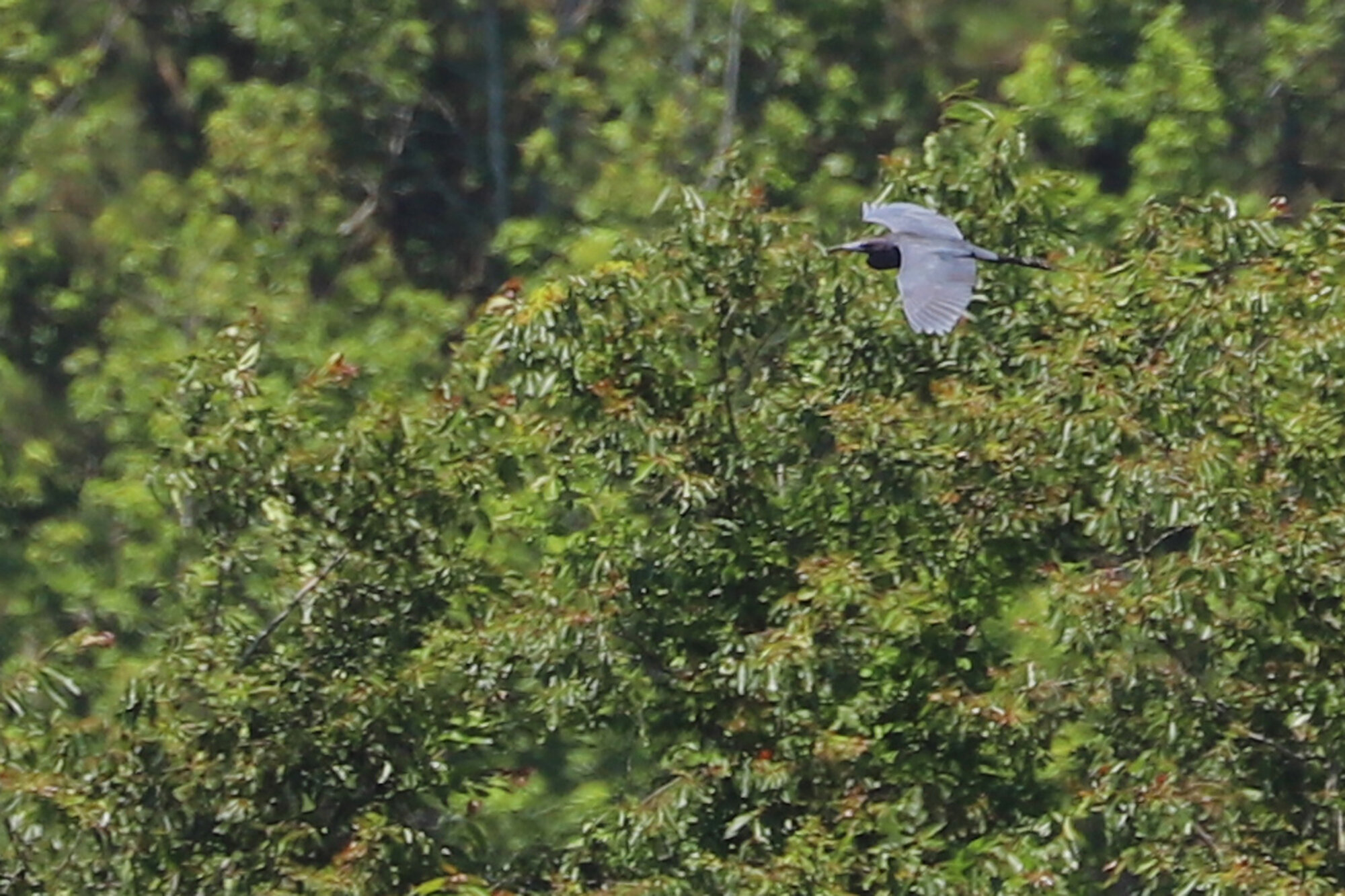
Green Heron / Stumpy Lake NA / 4 Sep

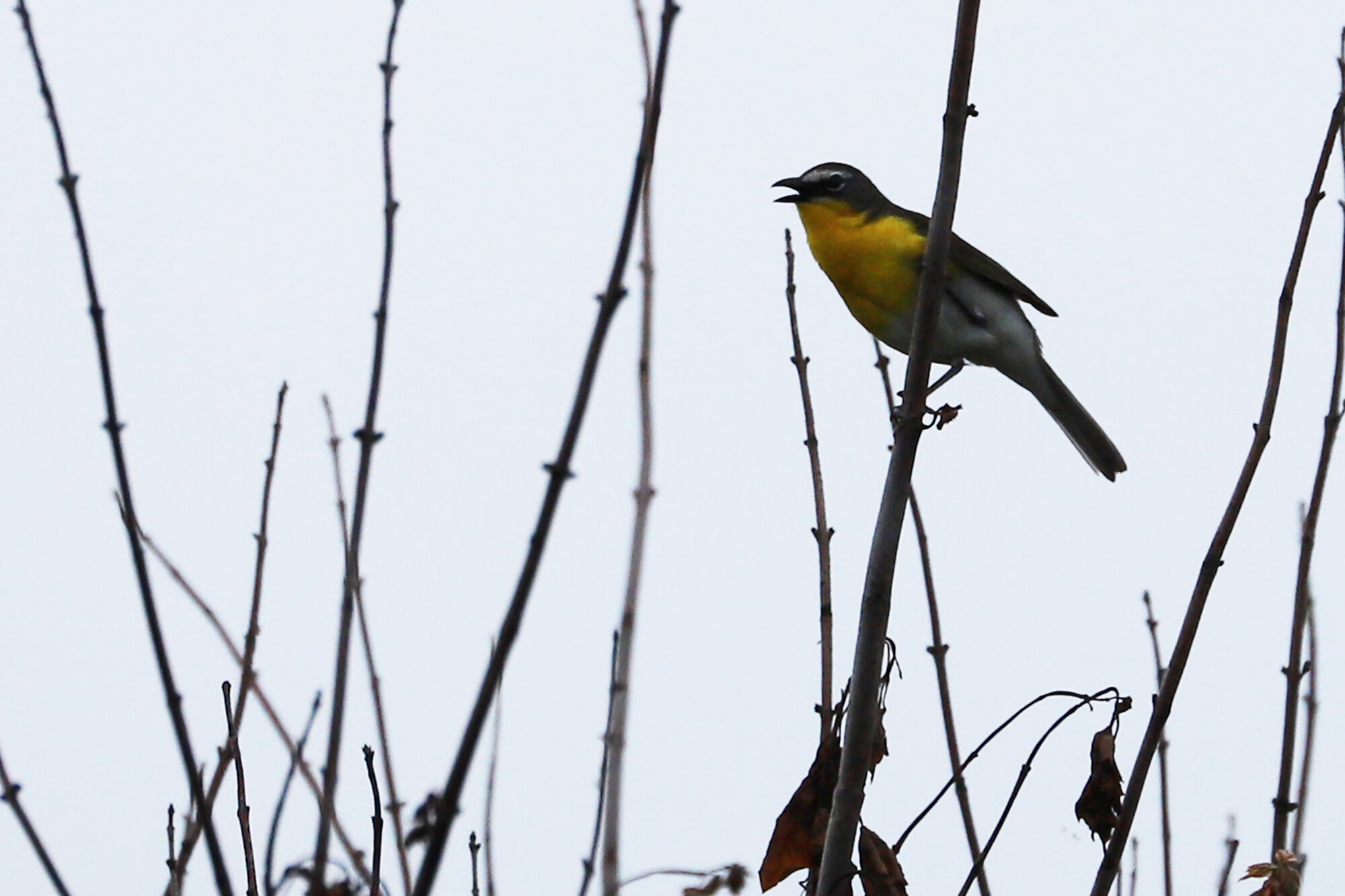
Due in large part to the Townsend’s Warbler mentioned above, Virginia Beach also recorded its first CANADA WARBLER for the fall season at Mt. Trashmore Park early in the morning of 27 Sep (ph. Rob Bielawski) in a cedar tree at the southeast corner of the park, where a dirt path heads from the asphalt walking path to Shoreline Apartments. In most years, we average somewhere between zero and one of these low density coastal migrants each spring & fall season. During the massive fallout event on 23 May, two were observed at the Tidewater Arboretum, but in 2019, only one record occurred for the year, at a private residence on 24 Sep. The last photographic record we have for this species in Virginia Beach occurred at Back Bay NWR on 30 Sep 2016 (ph. Una Davenhill), almost 4 years ago! An immature male by plumage, this individual continued being observed periodically throughout the morning, and was found again the next day, 28 Sep, a bit farther to the west along the tree line in a willow tree, south of the asphalt walking path. After a day of misses, the bird was once again relocated in the same area on the afternoon of 30 Sep, so it’s possible this might produce a record for October if folks are out looking on the first! Already on the late side of their typical migration through Virginia’s coastal plain, it’s likely that this will be the only individual we see here until at least May though. (Sep 2020 Map of Records)

Though we were fortunate this summer, and several DICKCISSELS were found to be breeding in appropriate habitat on NAS Ocean property visible from the adjacent Flame of Hope Memorial, our first record of a fall migrant occurred this month. Like most Dickcissels in fall migration, this was a flyover record, with the individual giving its very distinct flight calls above Back Bay NWR on 24 Sep (aud. David Clark). In some years, the coast can see a few of these birds from spring through fall, but more often than not, we get one or two records in the transitional seasons, with most occurring at Back Bay NWR. This individual was likely a remnant of the large passerine movement that occurred the following morning throughout Virginia Beach, and sent birders running in all directions trying to find as many species as possible before the winds could change and send them farther south or inland. Heading into October, this species is still possible, both in the air and in vegetation along our coast, and for those who were unable to see or hear the summer residents, the window for finding a transient is starting to close. (Sep 2020 Map of Records)

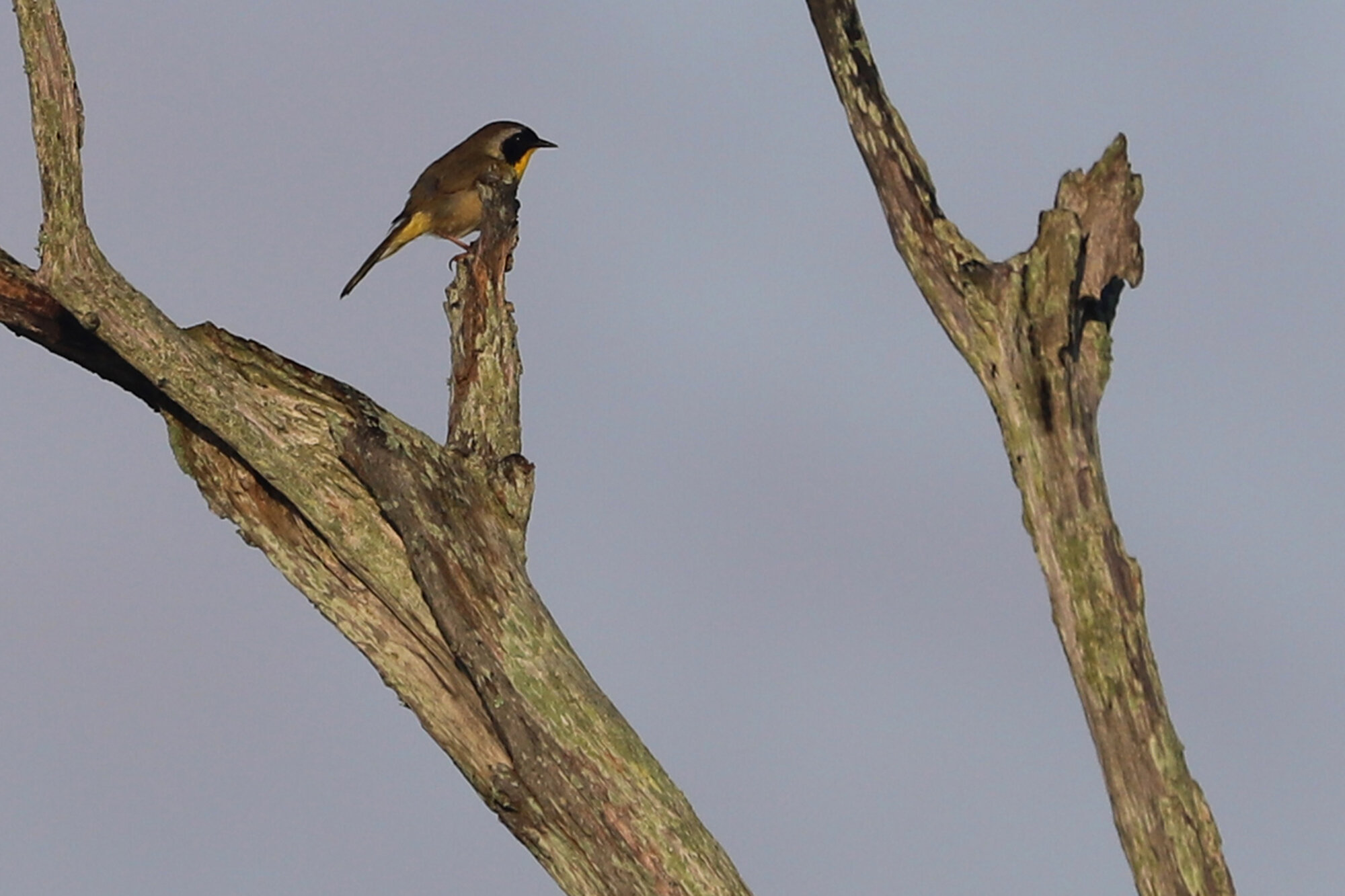
Common Yellowthroat / Princess Anne WMA Whitehurst Tract / 13 Sep

Species that had their first-of-season reports in a prior month, but had their first media record during September included:

Species that had their first-of-season reports during September included:

  • Red-breasted Nuthatch – First Observed: 1, First Landing SP, 1 Sep (obs. June McDaniels); First Photographed: 1, Back Bay NWR, 6 Sep (ph. Rob Bielawski).

  • Magnolia Warbler – First Observed: 1, First Landing SP, 1 Sep (obs. Andrew Baldelli); First Photographed: 1, Back Bay NWR, 22 Sep (ph. June McDaniels).

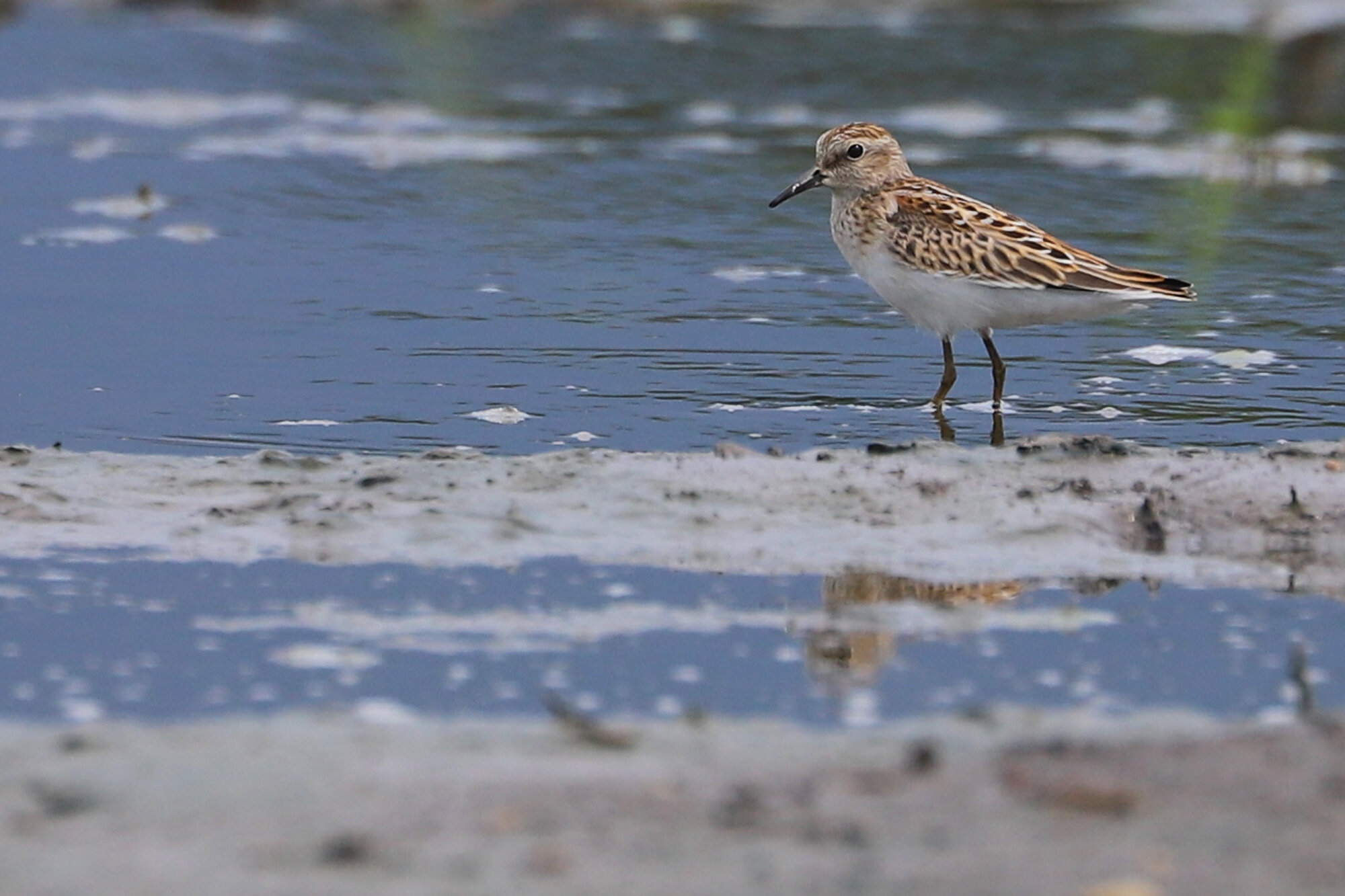
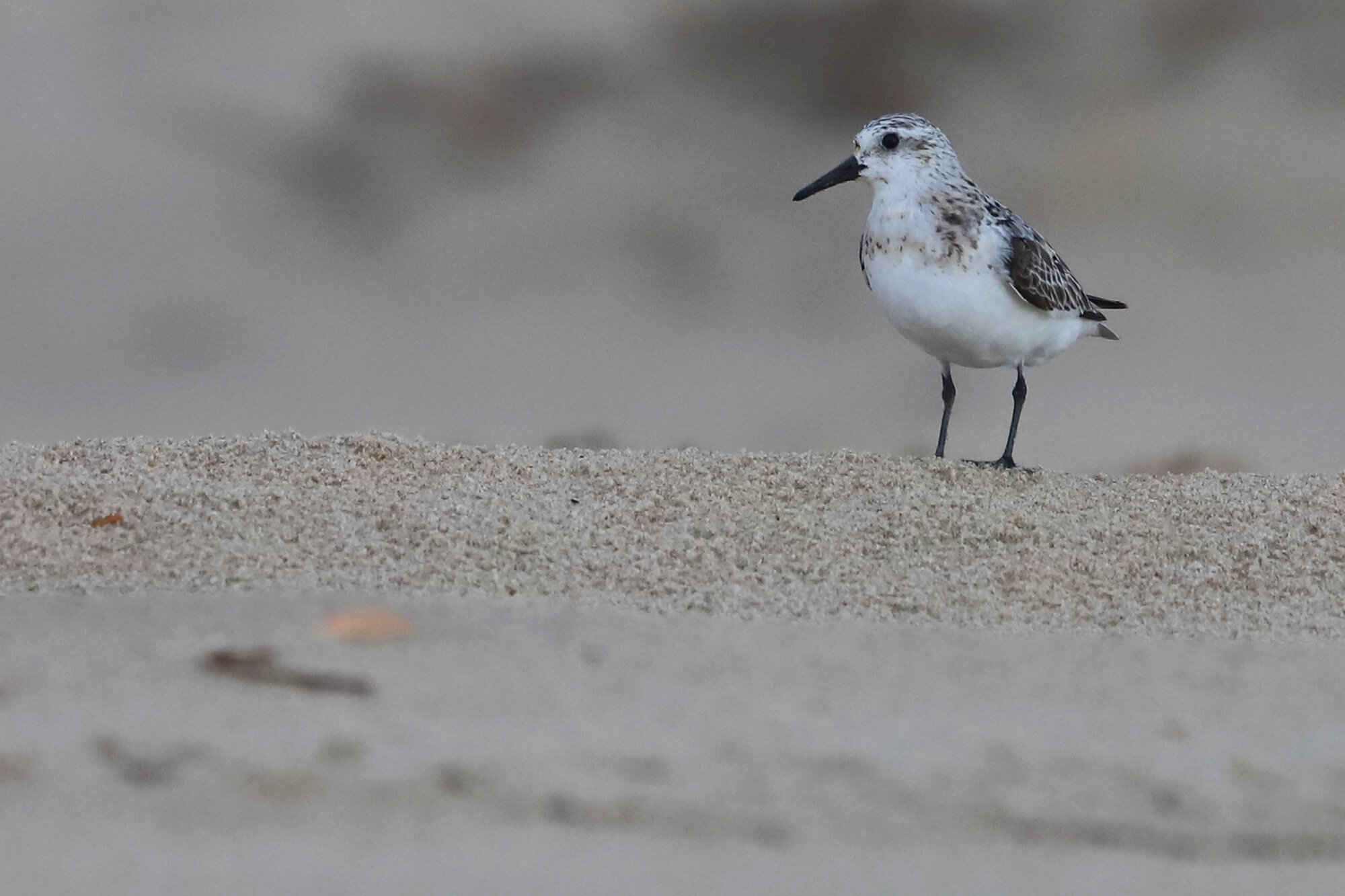
  • Dunlin – First Observed & Photographed: 1, Back Bay NWR, 1 Sep (ph. Cindy Hamilton).

  • Stilt Sandpiper – First Observed: 1, Back Bay NWR, 3 Sep (obs. Lauren Mowbray).

  • White-rumped Sandpiper – First Observed: 1, Back Bay NWR, 3 Sep (obs. Lauren Mowbray).

  • Wilson’s Snipe – First Observed: 5, Back Bay NWR, 5 Sep (obs. Andrew Baldelli, Cindy Hamilton & Steve Keith); First Photographed: 4, Back Bay NWR, 24 Sep (ph. Reuben Rohn).

  • Merlin – First Observed: 1, 85th Street Beach, 6 Sep (obs. Andrew Baldelli).

  • Yellow-rumped Warbler – First Observed & Photographed: 1, Stumpy Lake NA, 6 Sep (ph. Cindy Hamilton & Steve Keith).

  • Cape May Warbler – First Observed & Photographed: 1, Back Bay NWR, 13 Sep (ph. Rob Bielawski).

  • Black-throated Blue Warbler – First Observed: 1, First Landing SP, 13 Sep (obs. David Clark). First Photographed: 1, Mt. Trashmore Park, 23 Sep (ph. Reuben Rohn) & 3, Back Bay NWR, 23 Sep (ph. Rob Bielawski).

  • Ring-necked Duck – First Observed & Photographed: 1, Mt. Trashmore Park, 15 Sep (ph. Reuben Rohn & Lisa Rose).

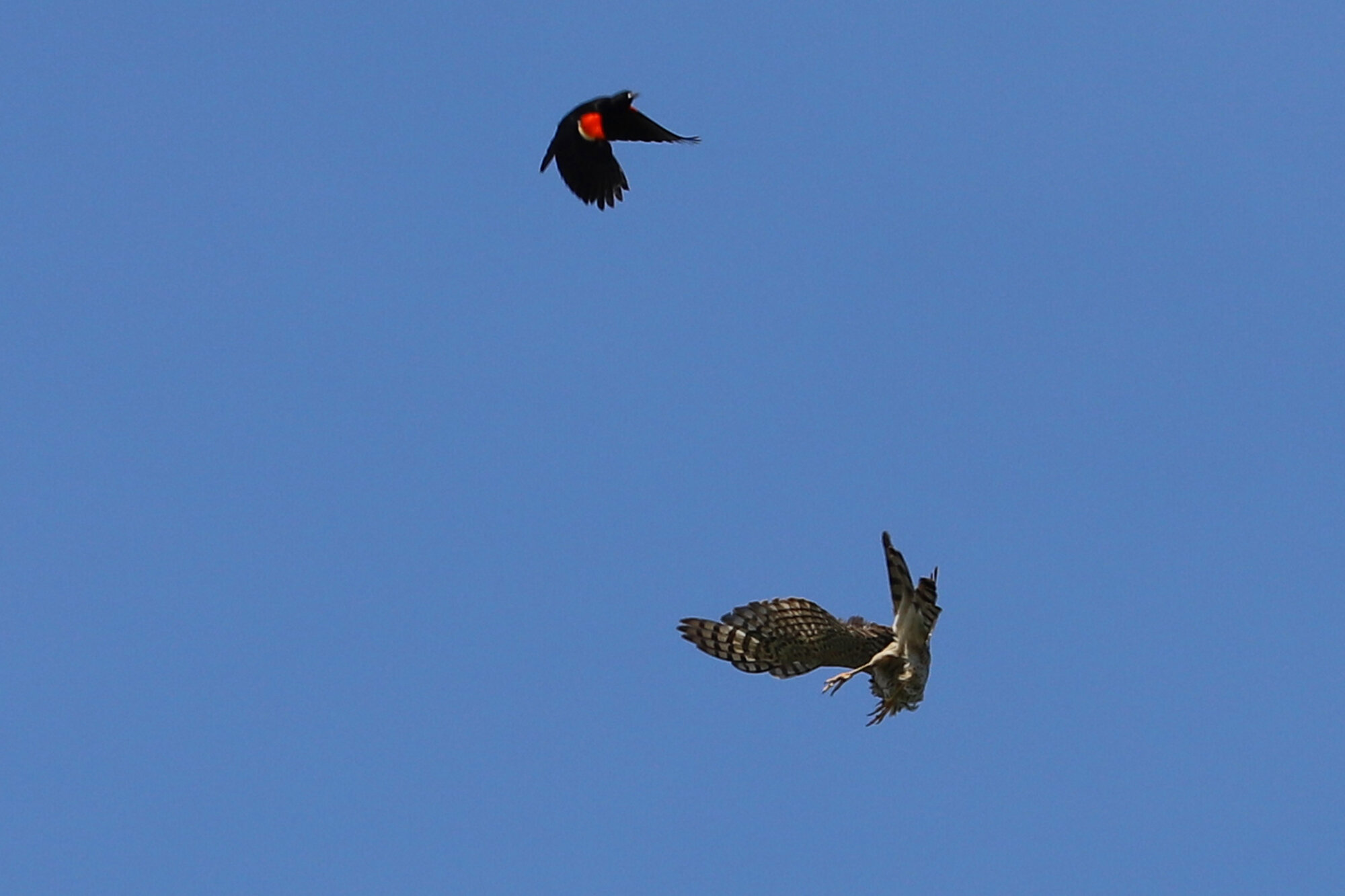
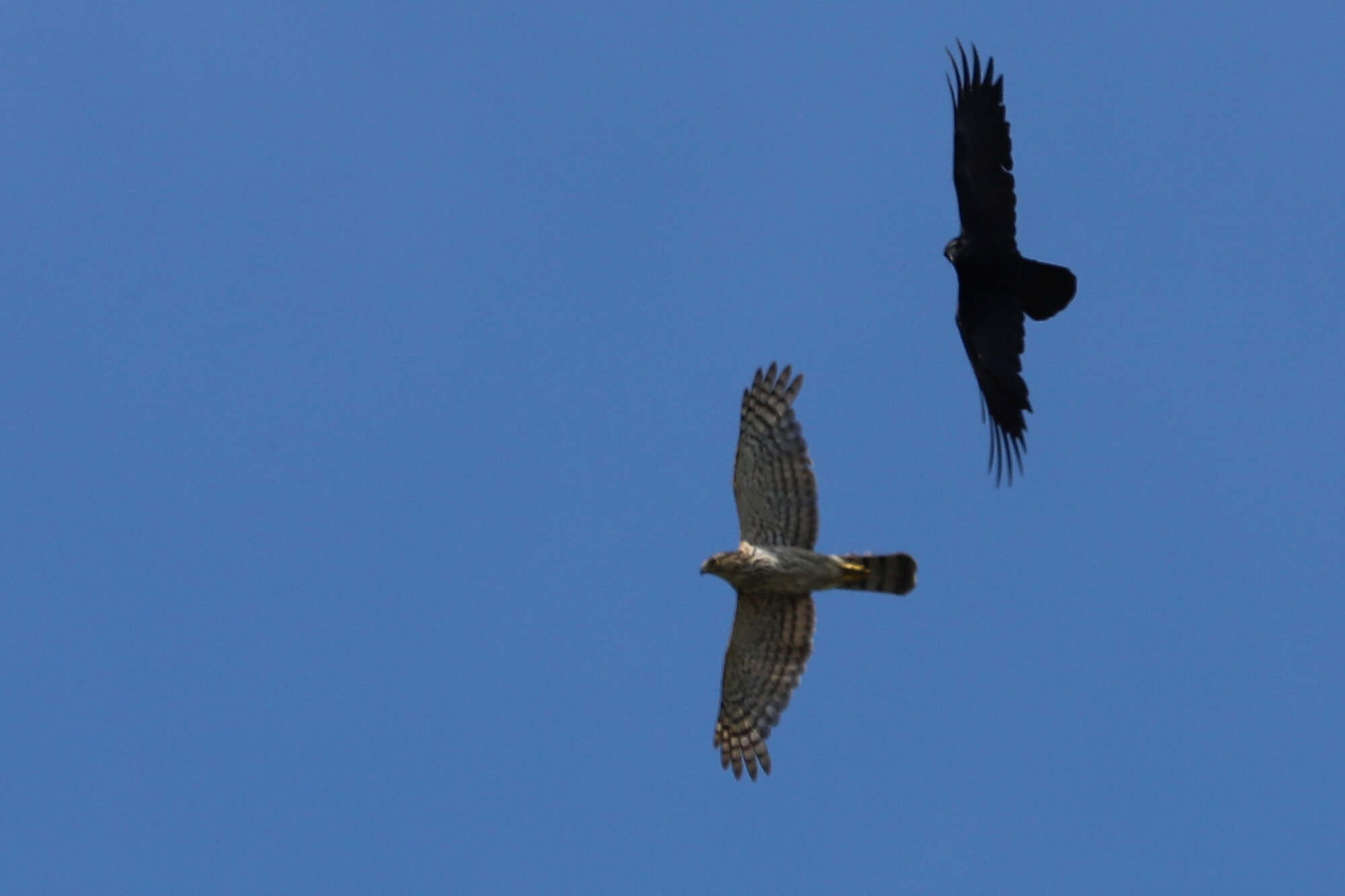
  • Sharp-shinned Hawk – First Observed: 1, Back Bay NWR, 15 Sep (obs. Lauren Mowbray).

  • Black-throated Green Warbler – First Observed & Photographed: 1, Marshview Park, 16 Sep (ph. Steve Myers).

  • Northern Harrier – First Observed: 1, Back Bay NWR, 17 Sep (obs. Tommy Maloney); First Photographed: 1, Back Bay NWR, 26 Sep (ph. Rob Bielawski).

  • Common Loon – First Observed: 1, Chesapeake Bay Bridge-Tunnel, 19 Sep (vis. Andrew Rapp).

  • Rose-breasted Grosbeak – First Observed & Photographed: 1, Laurel Manor (Private Residence), 19 Sep (ph. Tommy Maloney).

  • Scarlet Tanager – First Observed: 1, False Cape SP, 19 Sep (obs. Marlee Fuller-Morris); First Photographed: 1 female, Back Bay NWR, 23 Sep (ph. Rob Bielawski).

  • Palm Warbler – First Observed: 1, False Cape SP, 19 Sep (obs. Marlee Fuller-Morris); First Photographed: 1 “Western”, Back Bay NWR, 23 Sep (ph. Rob Bielawski).

  • Blackpoll Warbler – First Observed: 1, Sloop Point, 21 Sep (obs. Loretta Silvia); First Photographed: 1, Back Bay NWR, 24 Sep (ph. Cindy Hamilton).

  • Northern Shoveler – First Oberved: 2, Back Bay NWR, 23 Sep (vis. Andrew Baldelli & Kyle Bixler); First Photographed: 7, Stumpy Lake Pier, 26 Sep (ph. Laura Mae).

  • Blue-headed Vireo – First Observed: 1-2, Back Bay NWR, 23 Sep (vis. Andrew Baldelli & Kyle Bixler).

  • Nashville Warbler – First Observed & Photographed: 1, Back Bay NWR, 23 Sep (ph. Rob Bielawski).

  • Veery – First Observed & Photographed: 1, Back Bay NWR, 23 Sep (ph. Steve Myers).

  • Savannah Sparrow – First Observed: 1, Back Bay NWR, 23 Sep (obs. Cindy Hamilton & Steve Keith).

  • Wilson’s Warbler – First Observed & Photographed: 1, Back Bay NWR, 23 Sep (ph. Rob Bielawski).

  • Swainson’s Thrush – First Observed & Photographed: 1, Tidewater Arboretum, 24 Sep (ph. Andrew Baldelli).

  • Gadwall – First Observed: 30, Back Bay NWR, 24 Sep (obs. Lauren Mowbray).

  • Northern Pintail – First Observed & Photographed: 1, Back Bay NWR, 24 Sep (ph. Andrew Baldelli, Rob Bielawski & Mike Collins).

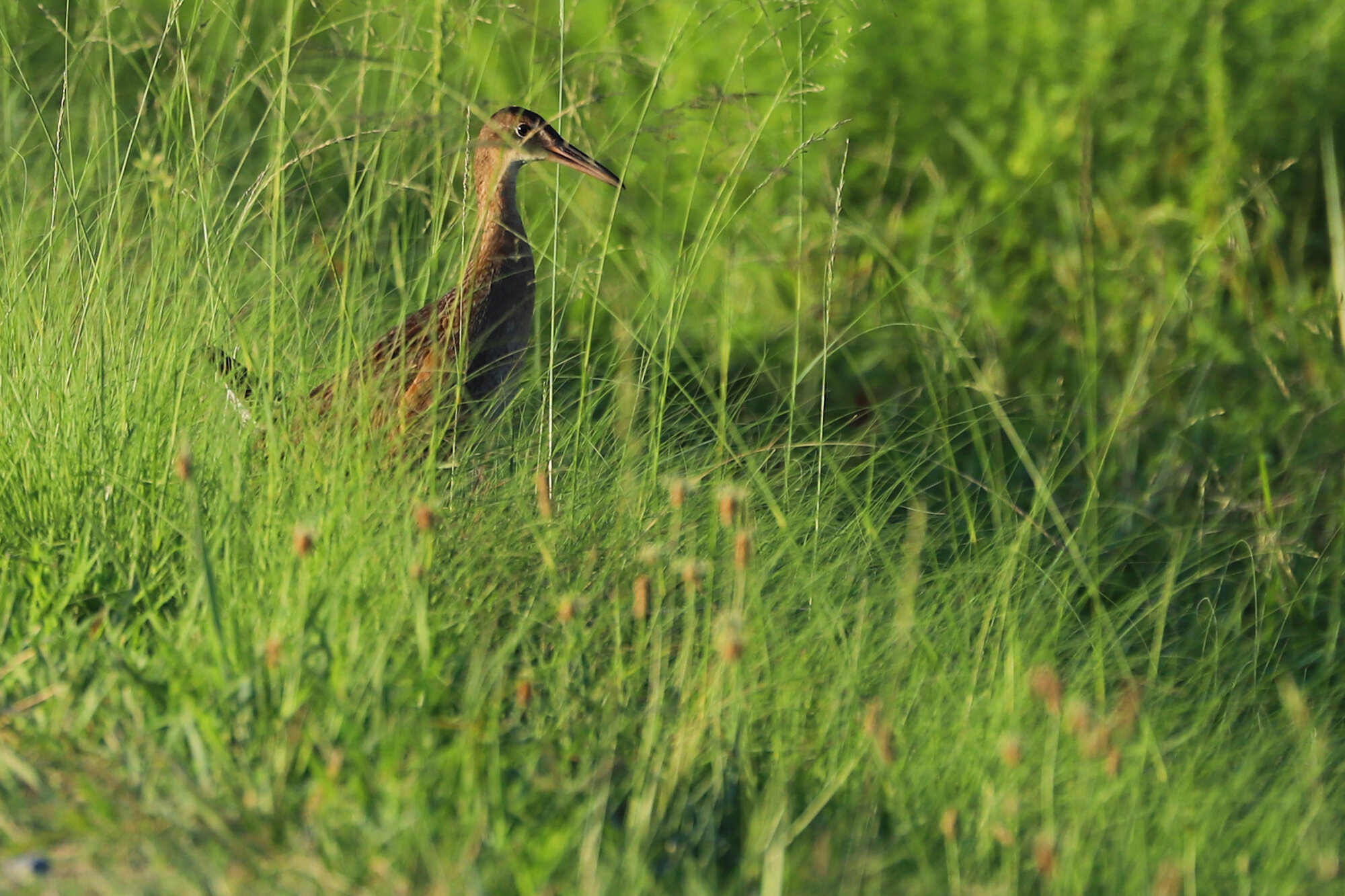
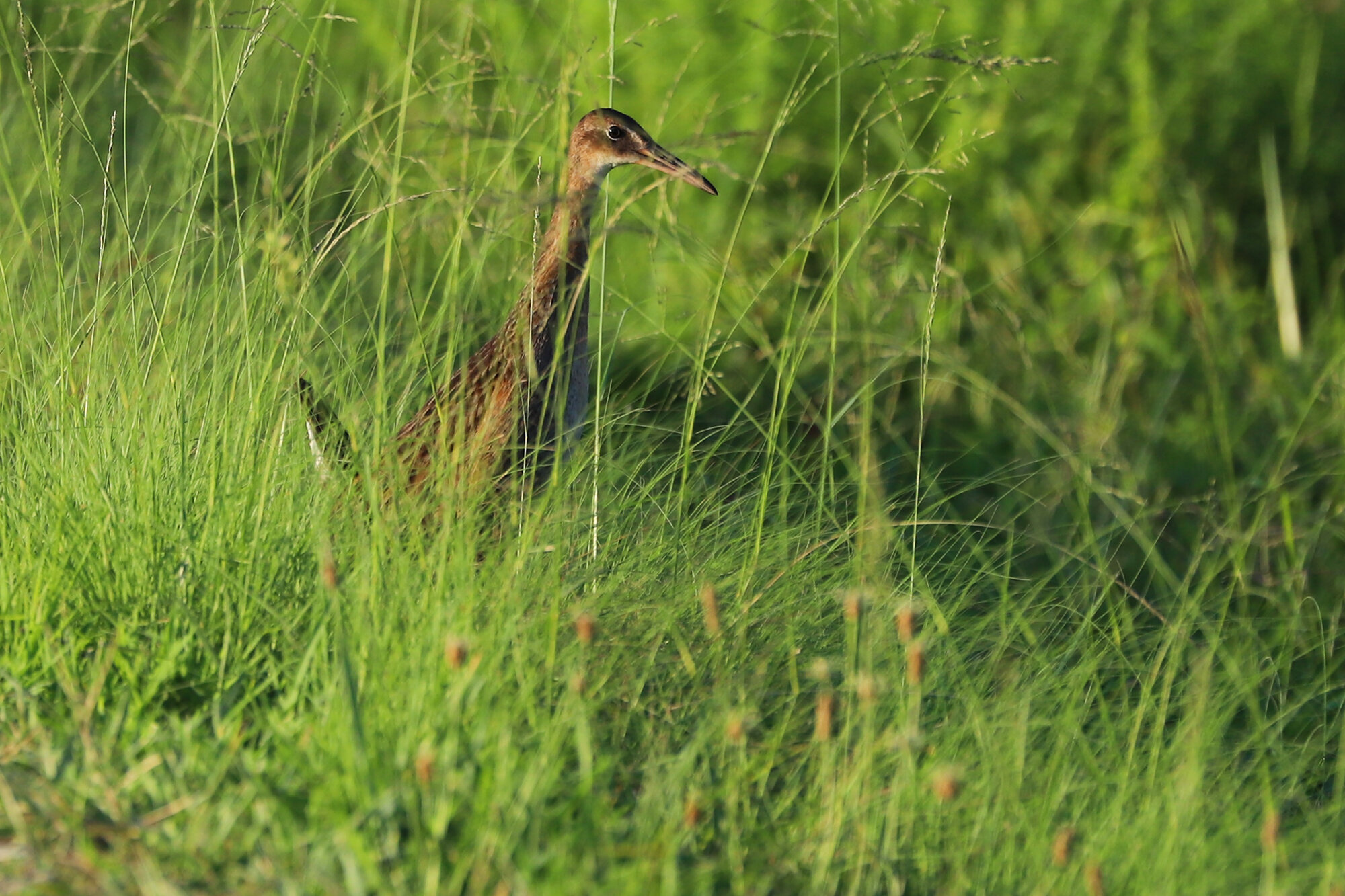
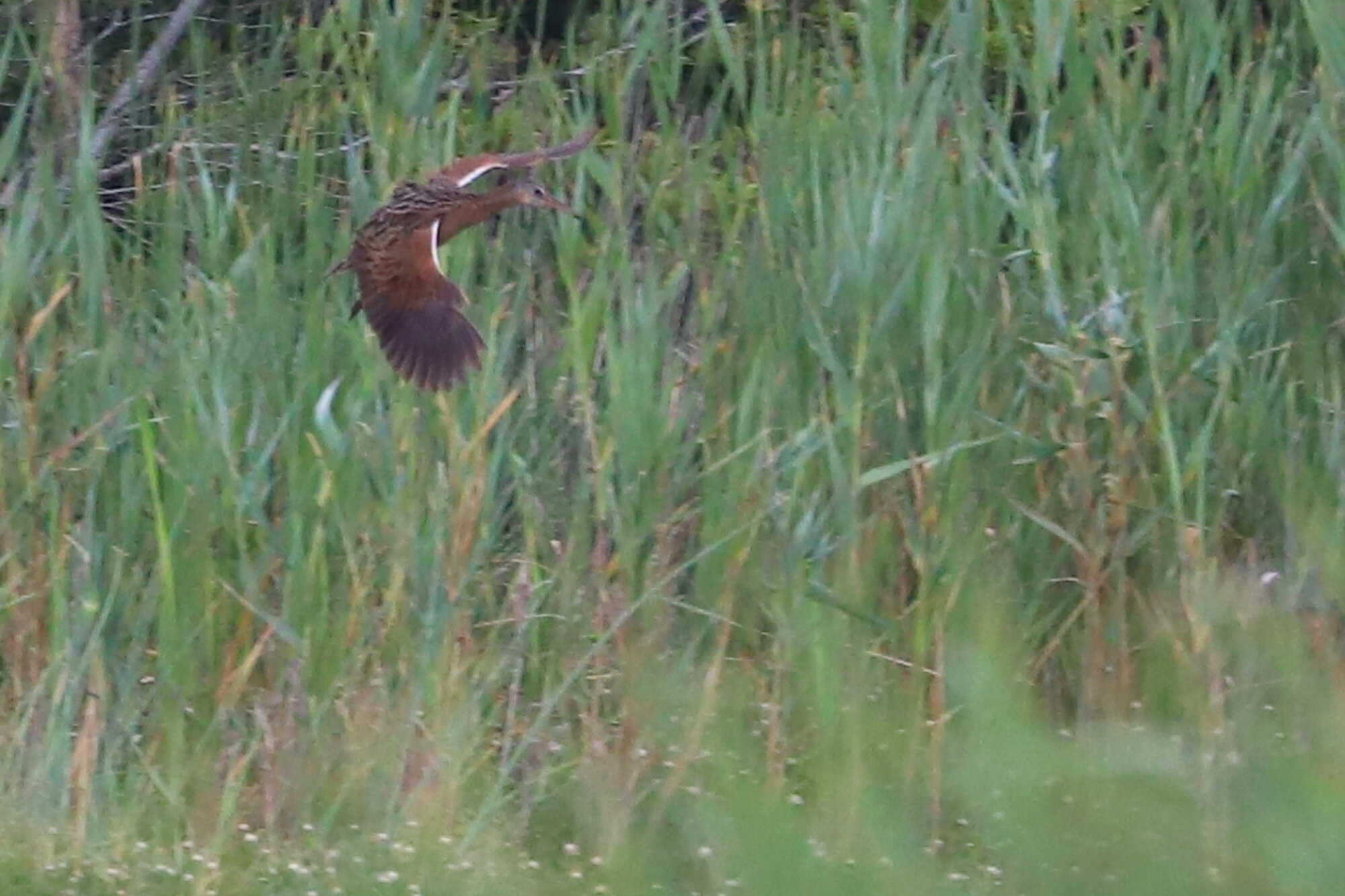
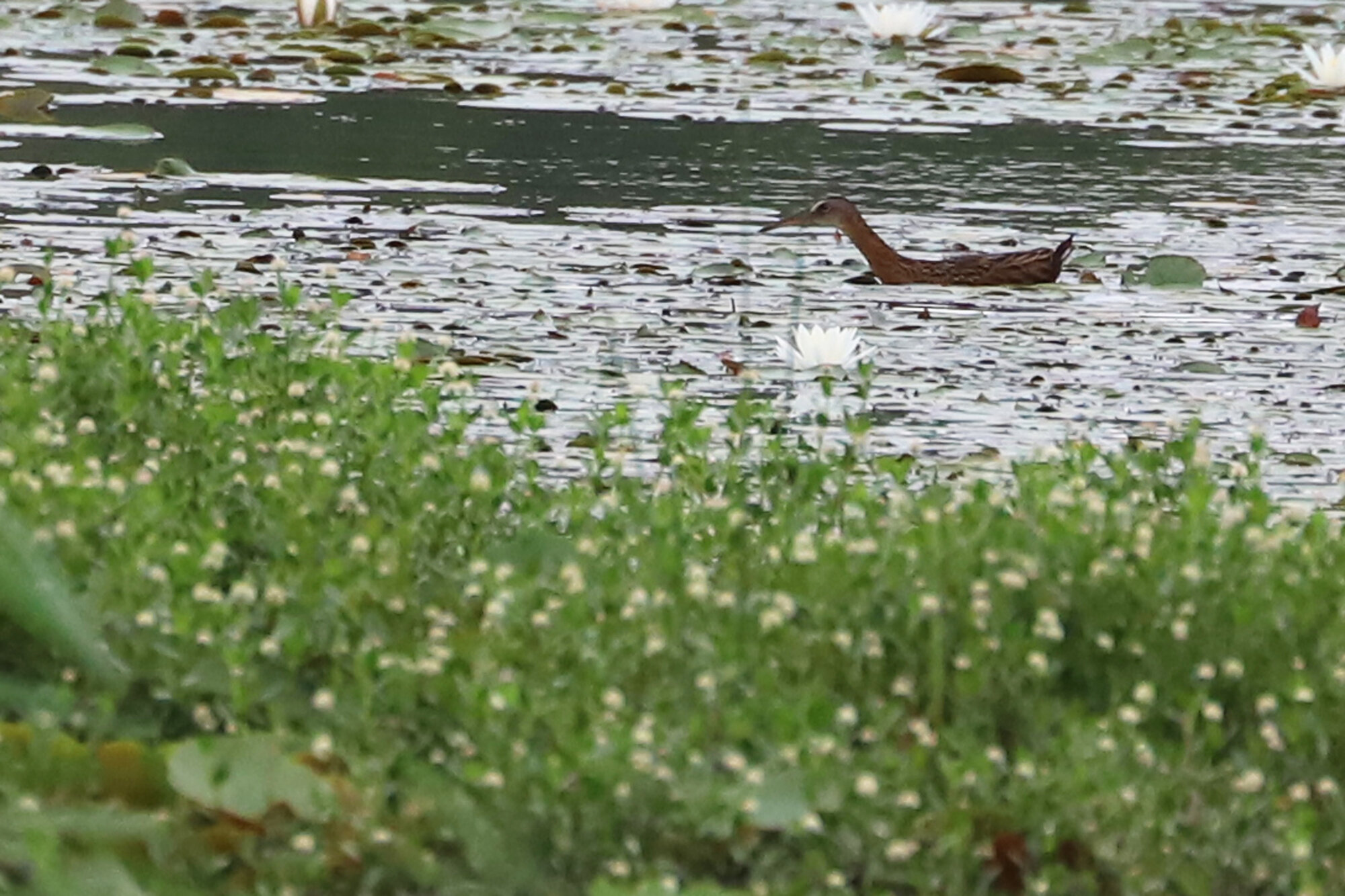
  • Virginia Rail – First Observed: 2, Back Bay NWR, 26 Sep (aud. Rob Bielawski).

  • American Wigeon – First Observed & Photographed: 1 female, Back Bay NWR, 26 Sep (ph. Rob Bielawski).

  • Yellow-bellied Sapsucker: 2, Lake Smith Terrace (Private Residence), 26 Sep (vis. Tracy Tate); First Photographed: 1, Eagle’s Nest (Private Residence), 29 Sep (ph. Chris Farabaugh).

  • Ruddy Duck – First Observed: 2, Mt. Trashmore Park, 27 Sep (vis. David Clark); First Photographed: 1, Mt. Trashmore Park, 27 Sep (ph. Rob Bielawski).

  • Sedge Wren – First Observed & Photographed: 1, Mt. Trashmore Park, 28 Sep (ph. Steve Myers).

  • Pine Siskin – First Observed: 1, Kings Grant (Private Residence), 30 Sep (vis. Marie & Ron Furnish).

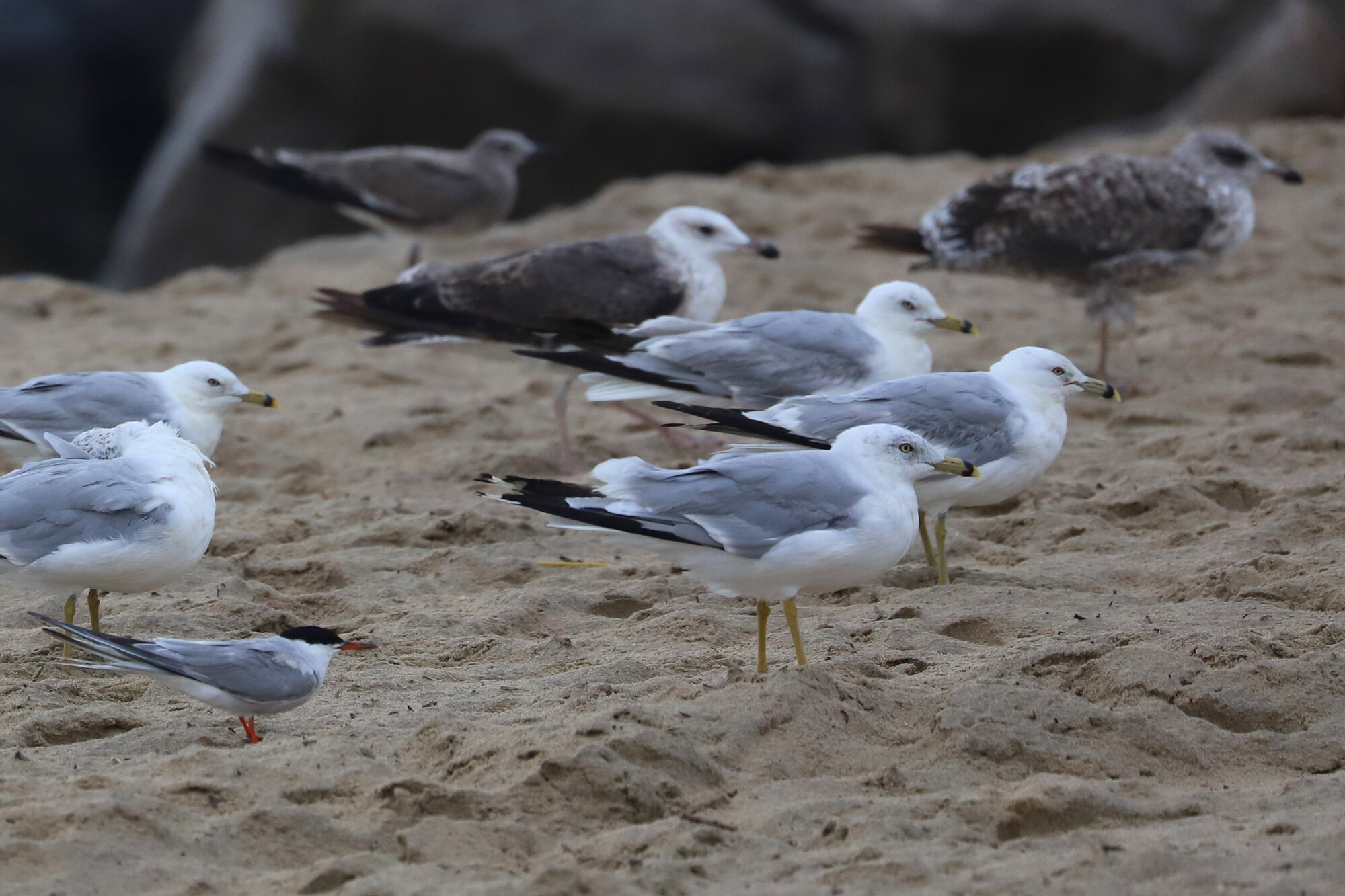
Ring-billed Gull / First Landing SP / 12 Sep

As mentioned in the introduction, we finished off September 2020 with 201 species, a total of eighteen more than we observed in September 2019, and twenty-four more than in 2018. The species differences between these three Septembers are as follows:

Species (Click to load eBird Map for all Septembers) Sep 2018 Sep 2019 Sep 2020
Northern Shoveler X X
Gadwall X X
American Wigeon X X
Ring-necked Duck X
Surf Scoter X
Black Scoter X
Ruddy Duck X
Wild Turkey X X
Eared Grebe X
Black-billed Cuckoo X
Virginia Rail X
Sora X
Piping Plover X X
Hudsonian Godwit X
Marbled Godwit X X
Red Knot X
Stilt Sandpiper X X
Dunlin X X
Baird's Sandpiper X
White-rumped Sandpiper X X
Buff-breasted Sandpiper X
Long-billed Dowitcher X X
Wilson's Snipe X X
Red-necked Phalarope X
Red Phalarope X
Pomarine Jaeger X
Parasitic Jaeger X X
Sabine's Gull X
Sooty Tern X X
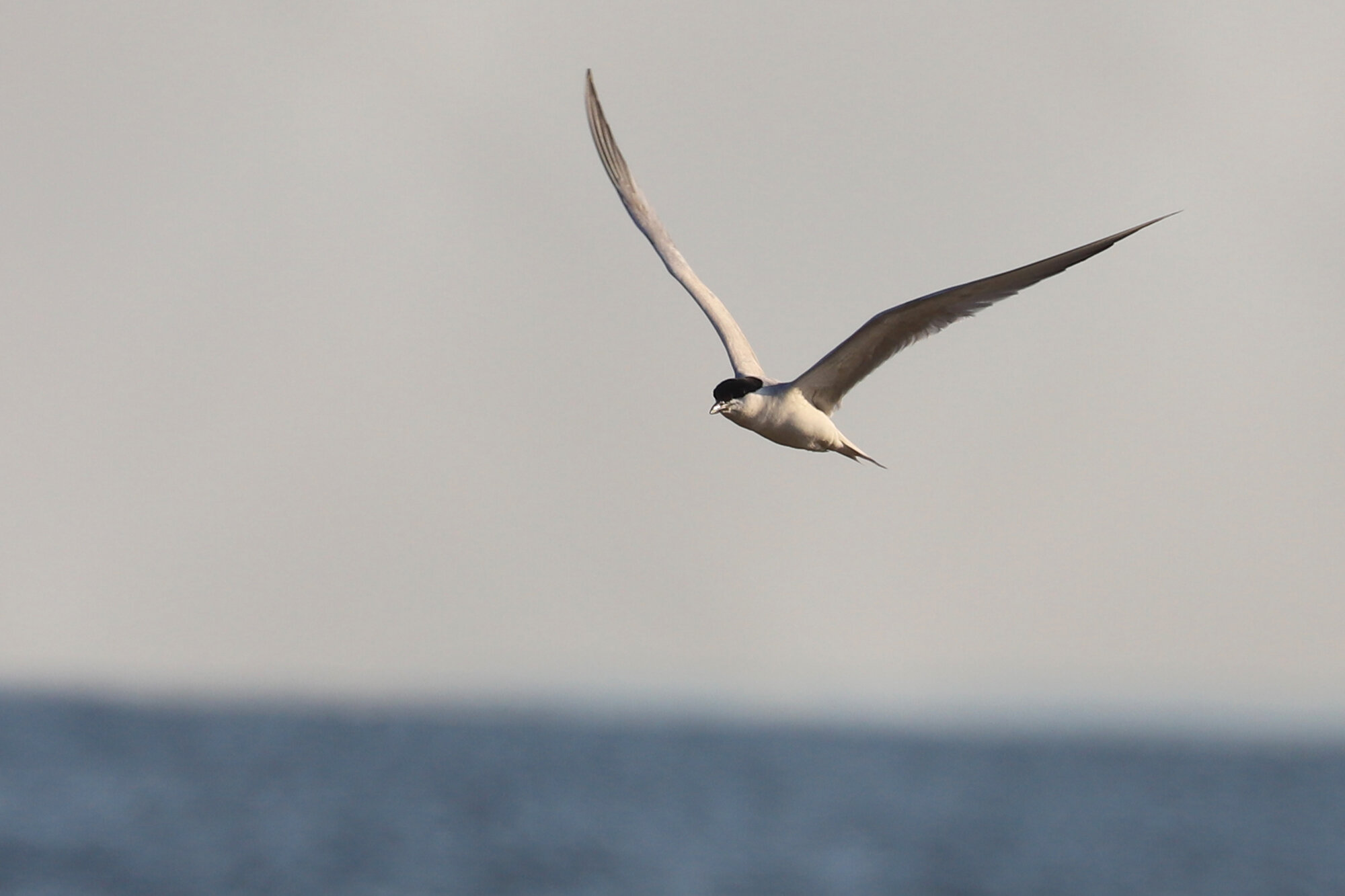
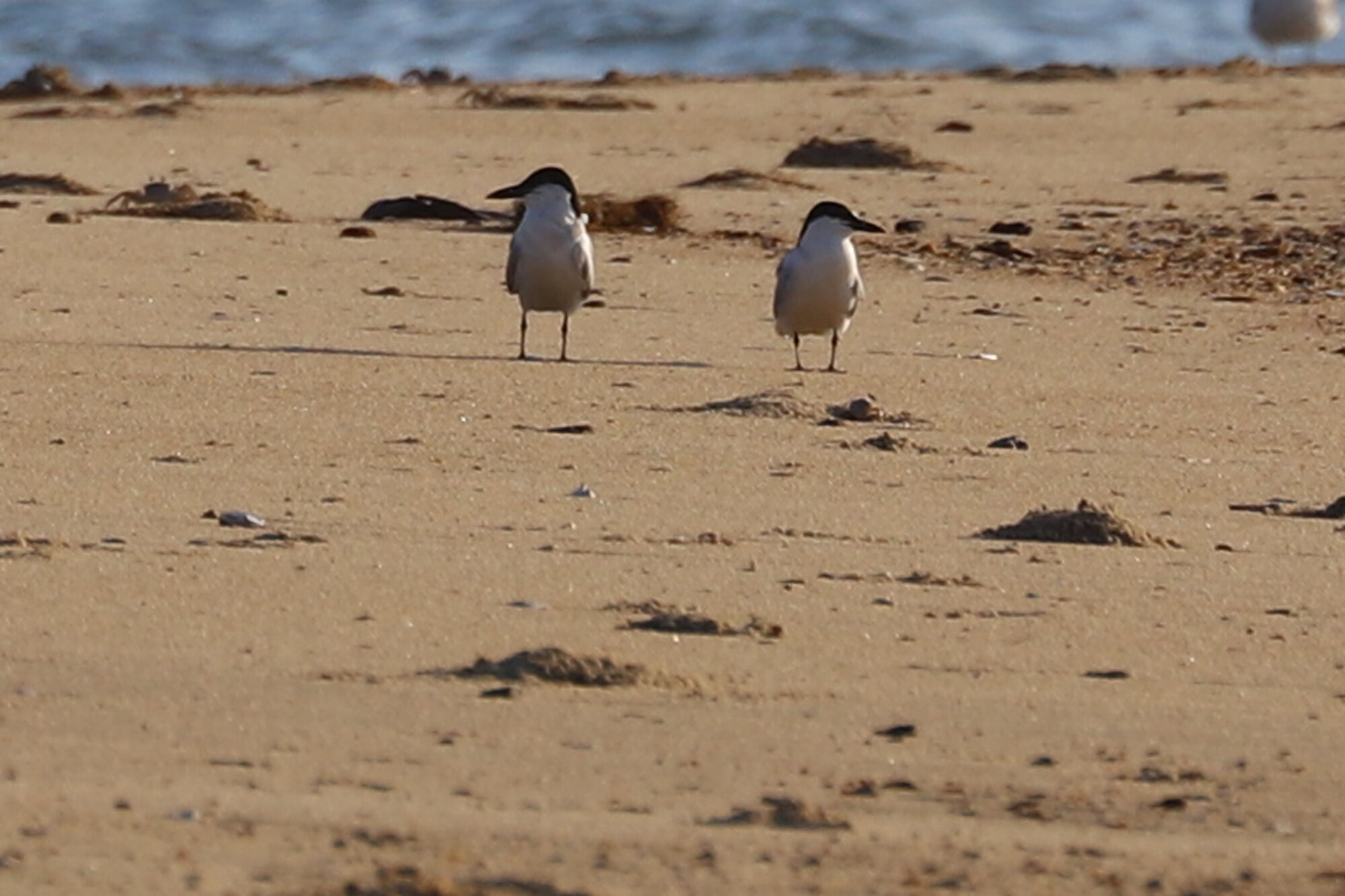
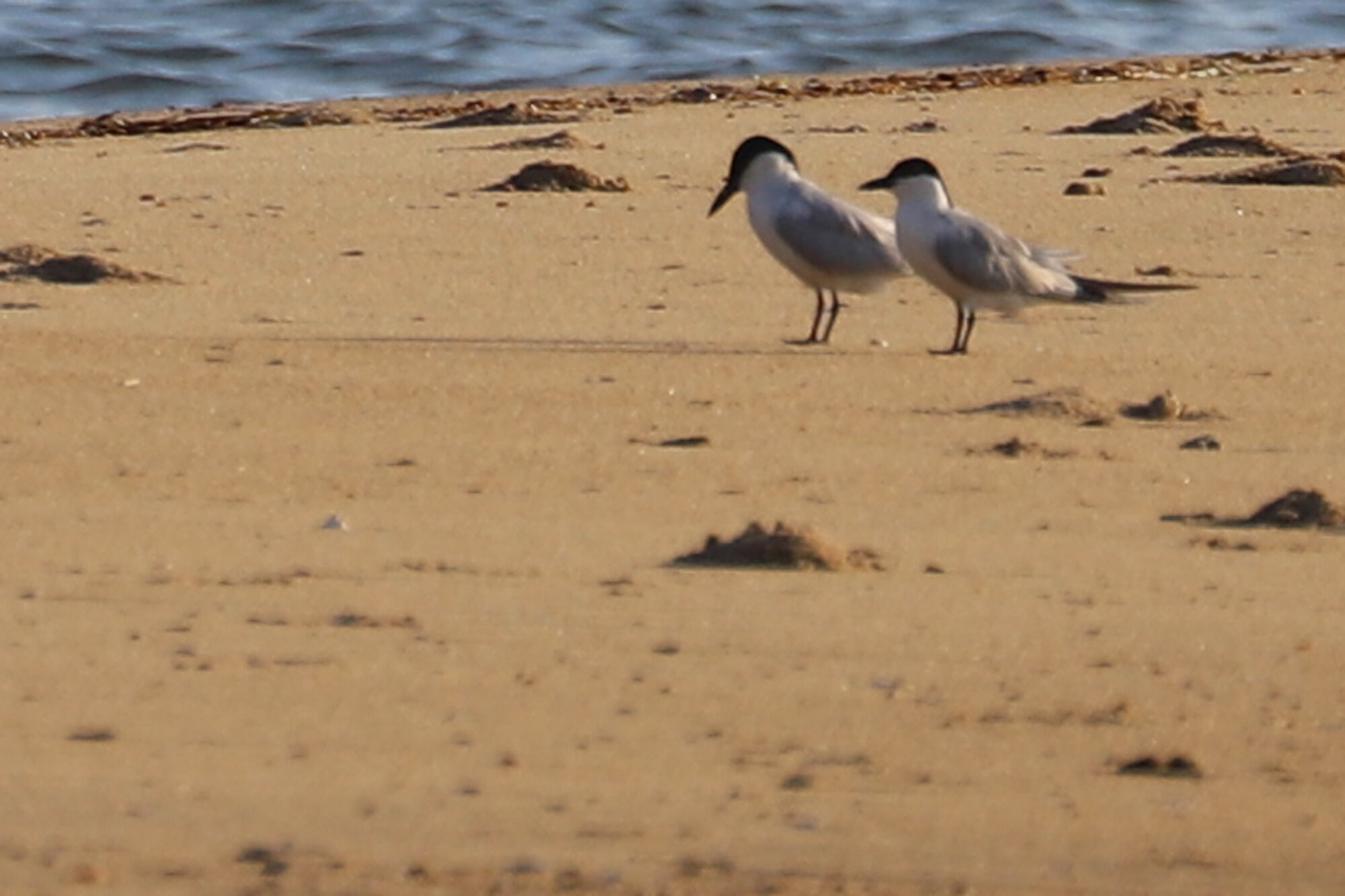
Gull-billed Tern X
Roseate Tern X
Common Loon X X
Black-capped Petrel X
Great Shearwater X
Anhinga X
American Bittern X X
Least Bittern X
Sharp-shinned Hawk X X
Great Horned Owl X X
Yellow-bellied Sapsucker X
Yellow-bellied Flycatcher X
Acadian Flycatcher X
Least Flycatcher X
Western Kingbird X
Gray Kingbird X
Blue-headed Vireo X
Philadelphia Vireo X X
Warbling Vireo X
Horned Lark X
Red-breasted Nuthatch X X
Sedge Wren X
Veery X X
Wood Thrush X
American Pipit X
Purple Finch X
Pine Siskin X
Clay-colored Sparrow X X
Lark Sparrow X X
White-crowned Sparrow X
Nelson's Sparrow X
Saltmarsh Sparrow X
Eastern Meadowlark X X
Orchard Oriole X
Worm-eating Warbler X X
Blue-winged Warbler X
Tennessee Warbler X
Orange-crowned Warbler X
Mourning Warbler X
Hooded Warbler X X
Bay-breasted Warbler X
Blackburnian Warbler X X
Chestnut-sided Warbler X X
Yellow-throated Warbler X X
Townsend's Warbler X
Canada Warbler X X
Wilson's Warbler X X
Dickcissel X X

As always, a wide array of media (photos/audio/video) were submitted during the month in Virginia Beach, and eBird makes it incredibly easy to organize and browse all of these. For those hoping to view every photo/audio/video submitted for Virginia Beach during this period, please see the complete listing for the month of September located on eBird’s Media explorer by clicking here! Please remember, anyone with an eBird user account has the ability to rate these photographs/audio/video on a scale of 1-5 stars (based on these guidelines). Making use of the average rating for each media item is how eBird populates anything media-driven on the website, particularly the Illustrated Checklists. So, if you're one of the many folks who enjoy looking at photographs or watching/listening to video/audio recordings of birds, please take some time to rate their quality, it helps to make eBird more useful with each passing day!

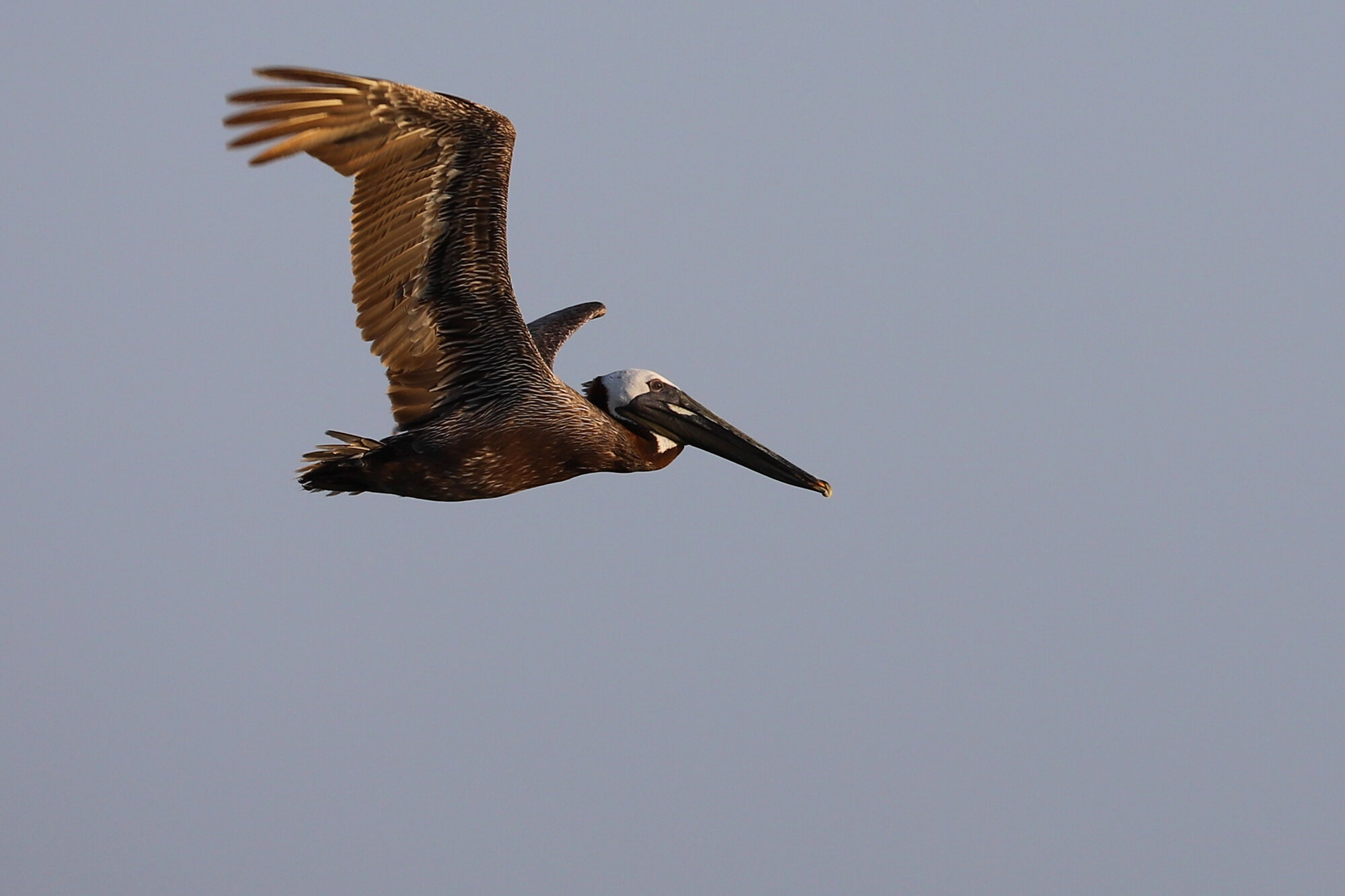
Brown Pelican / First Landing SP / 8 Sep

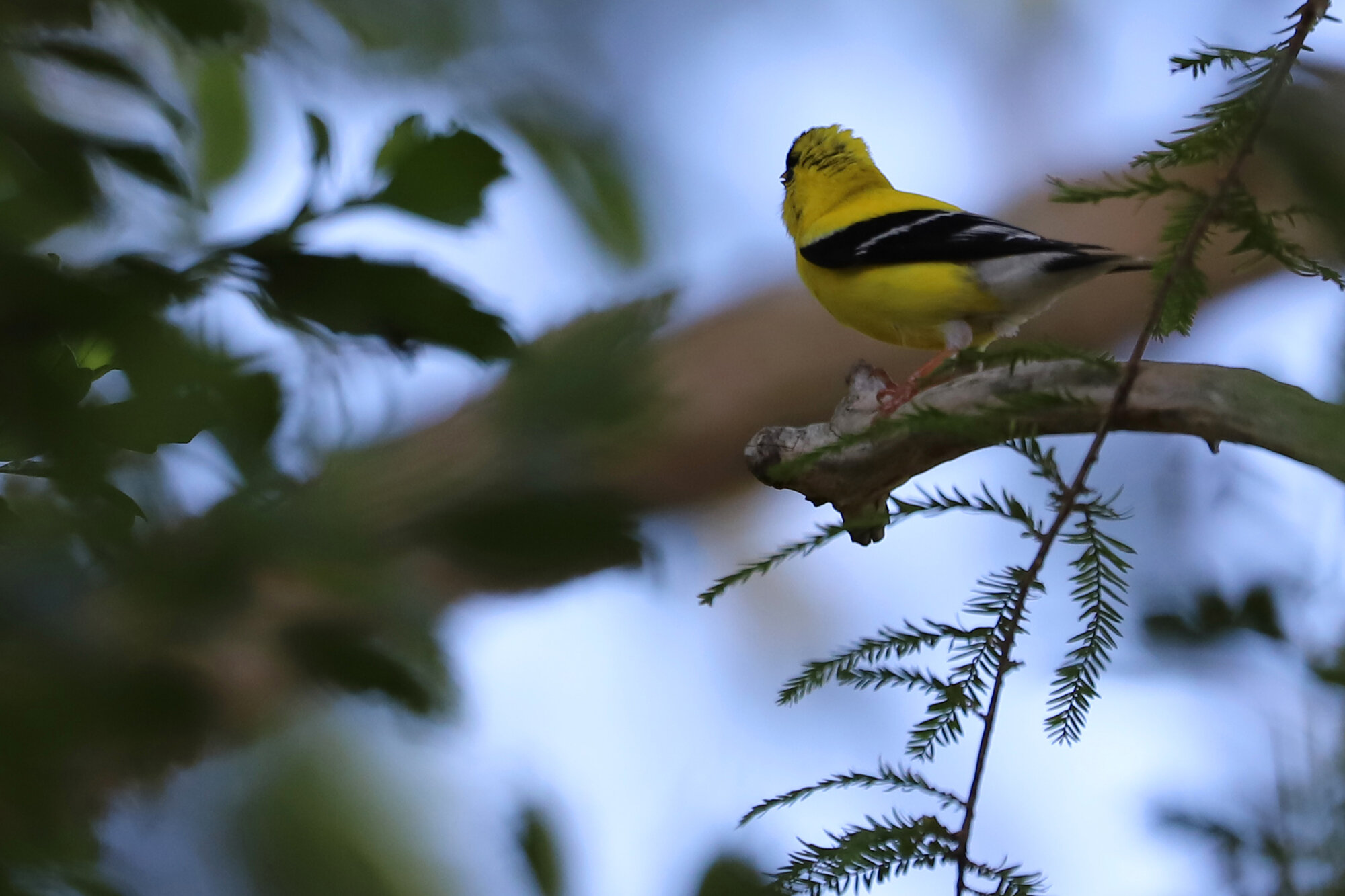
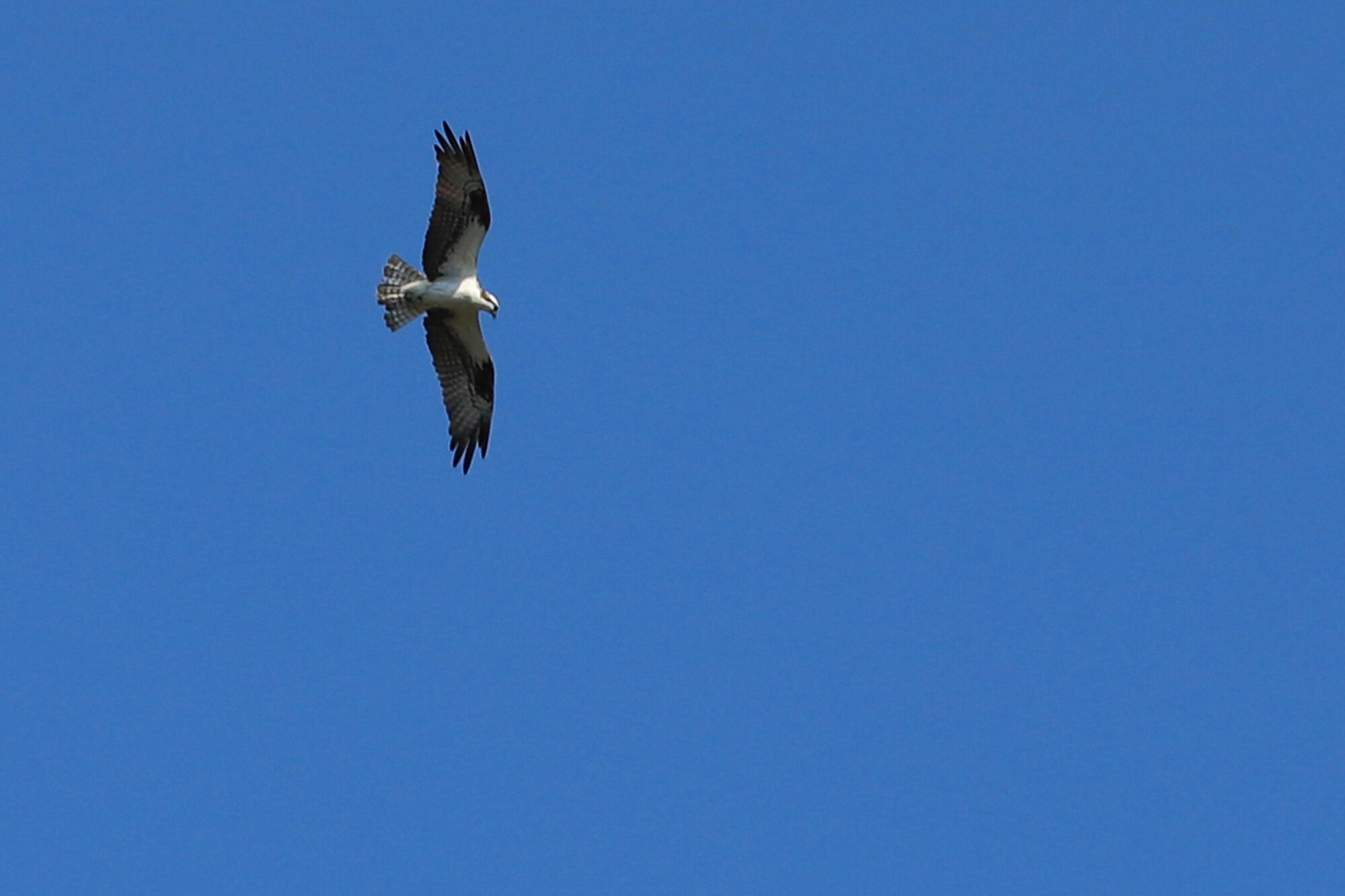
OCTOBER LOOKAHEAD: While this September featured our best fall passerine movement in many years, it’s likely that more are on their way as we head into October. Though, not known as an explosive month for warbler arrivals, since many have actually hit their average departure dates at this point, October is more known for the arrival of sparrows. Whenever we get our first good cold front of the month, we should see an influx of the regular sparrows (White-throated, Song, Swamp, Savannah), and we could have a chance to see some of the rarer species (White-crowned, Lincoln’s, Lark, Clay-colored, Vesper, and even Grasshopper). As with last month, any short vegetation or thicket adjacent to grass and with freshwater nearby can produce interesting records for these species. Additionally, October tends to kick up our waterfowl migration a bit, and we should see a larger array of duck species this coming month. Coastal seawatching in the early morning will become useful once again at places like Little Island and Rudee Inlet, where the volume of bystanders is now dropping after the end of the resort season for most folks. Shorebirds are still on the move, and though we don’t have much habitat available right now that can be viewed from public lands, the field at Shipps Cabin looks proper, as does the C Storage Pool at Back Bay NWR, though the latter can only be scoped from the East Dike at quite a distance. If we experience drought conditions, the much more easily viewed H Pool will again become proper. Last October we hit 199 species, so hopefully we can continue the successes we all experienced in September, and approach or even exceed that count over the next thirty-one days.

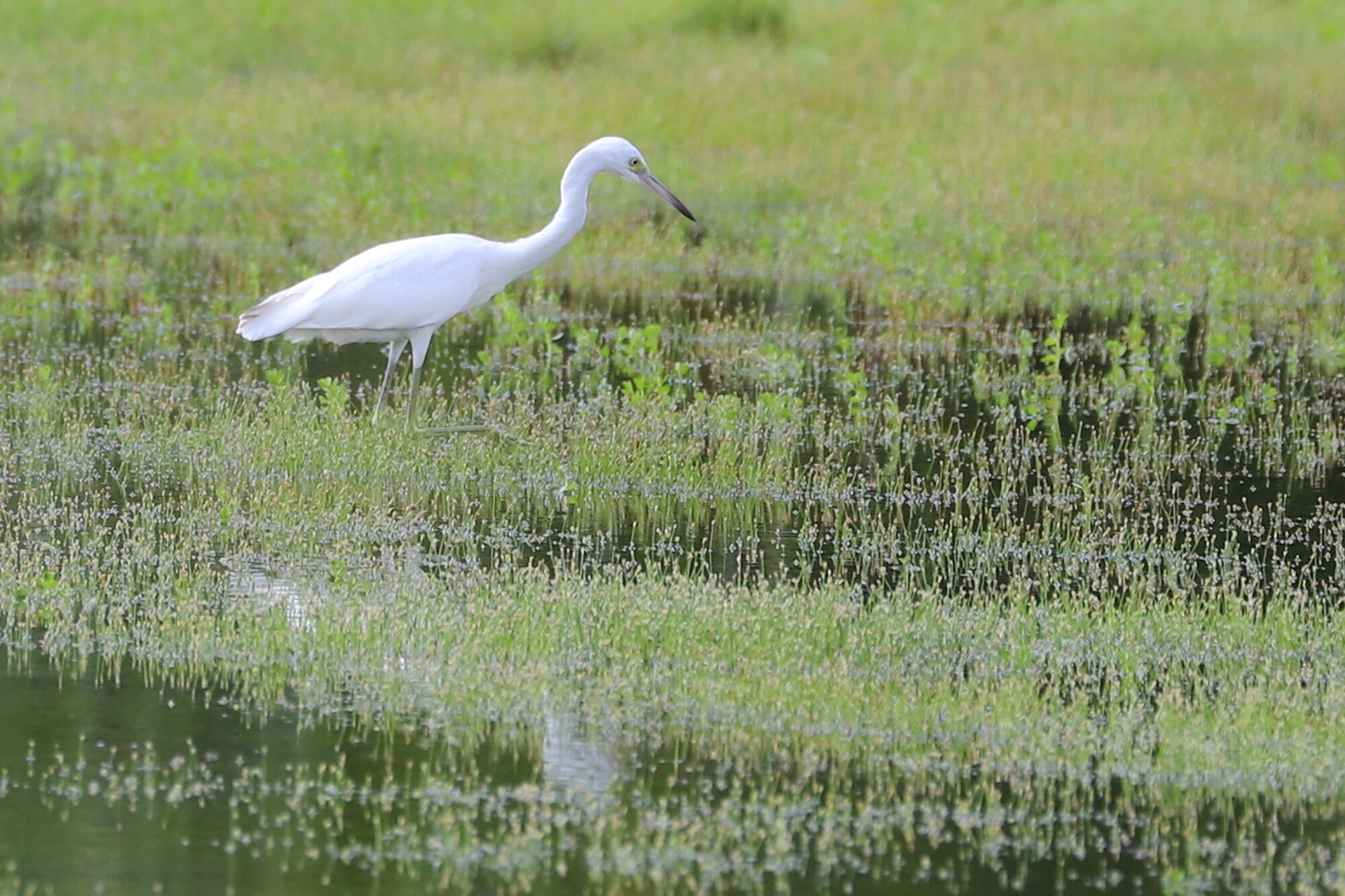
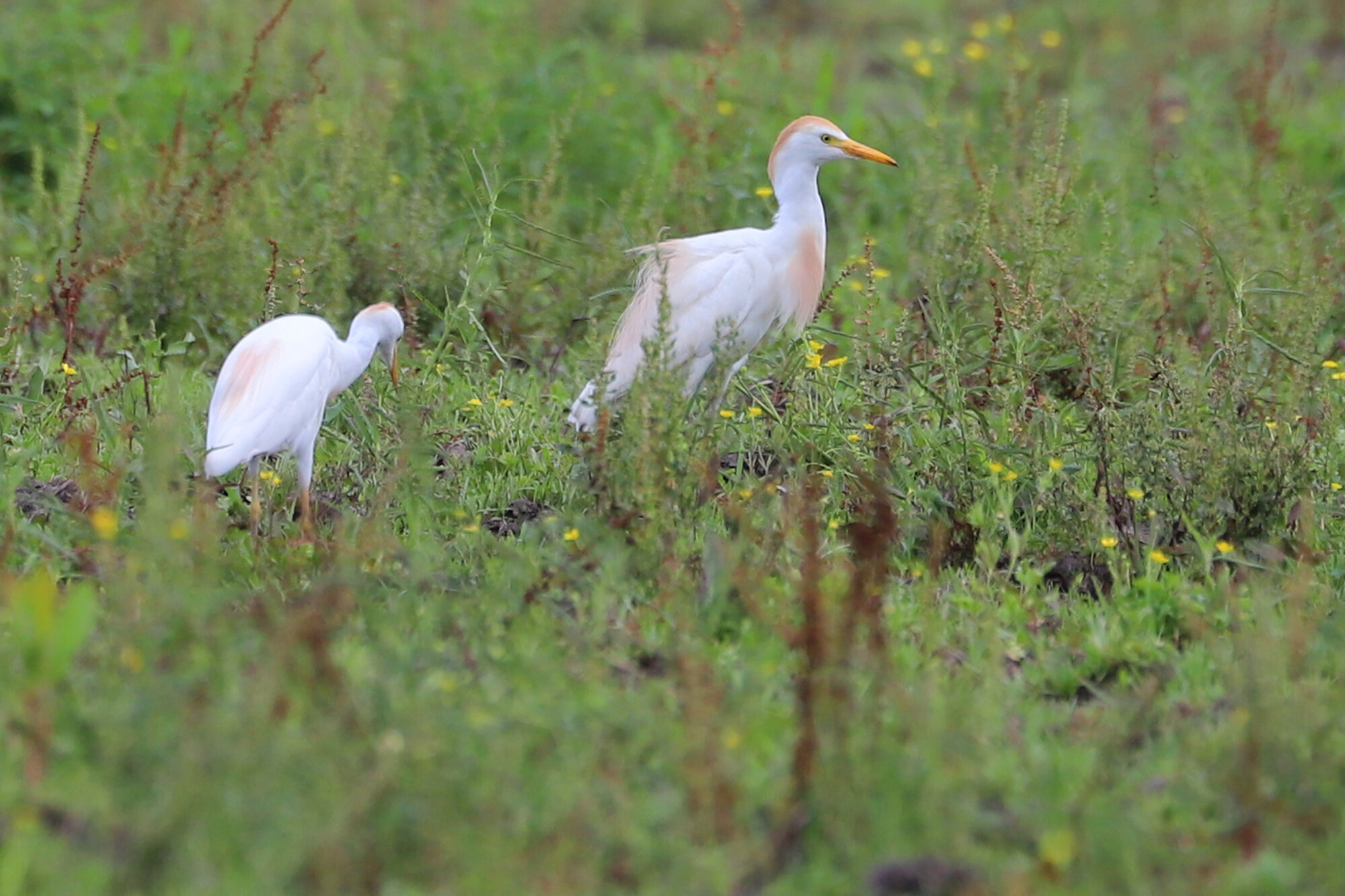
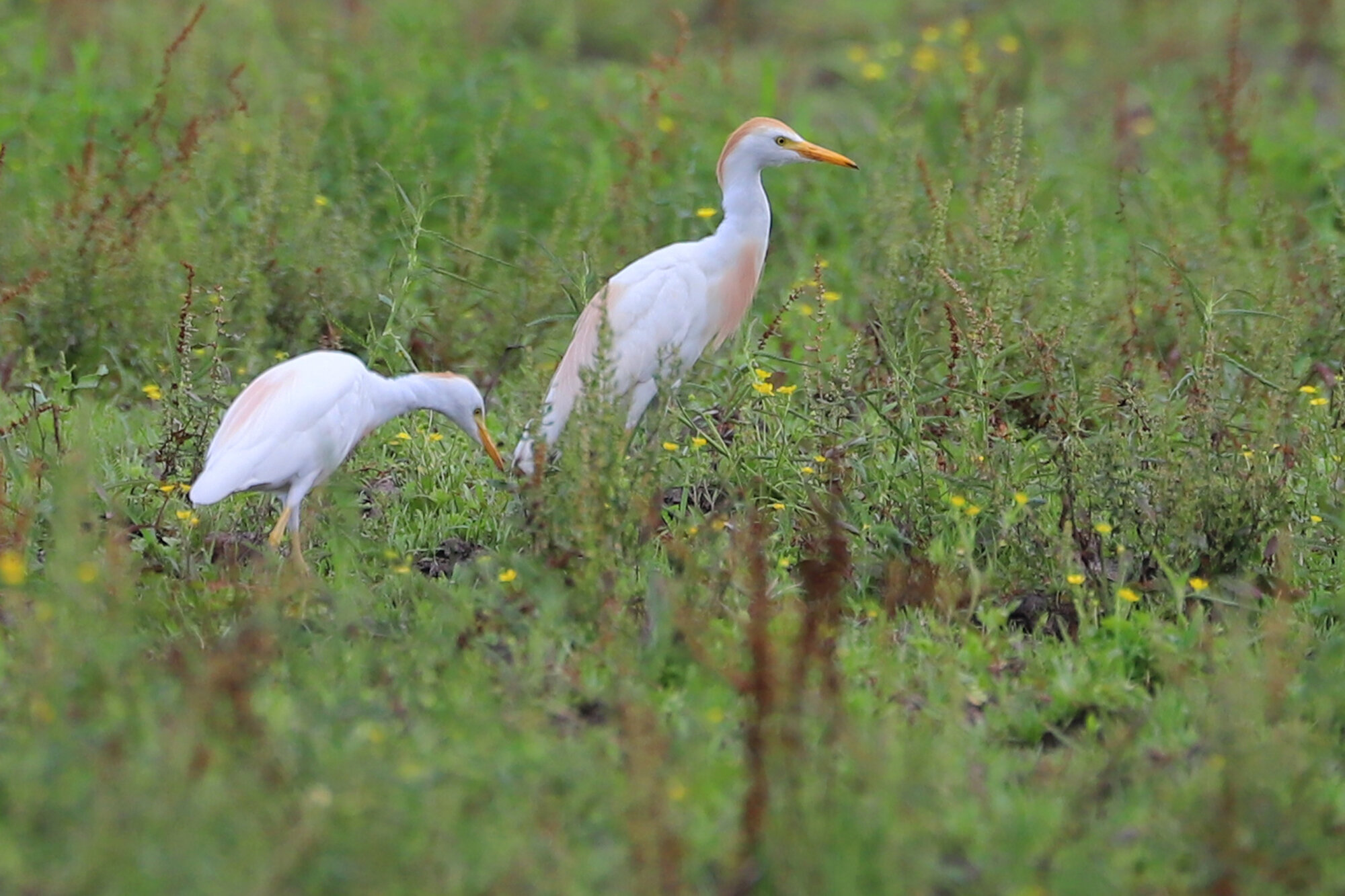
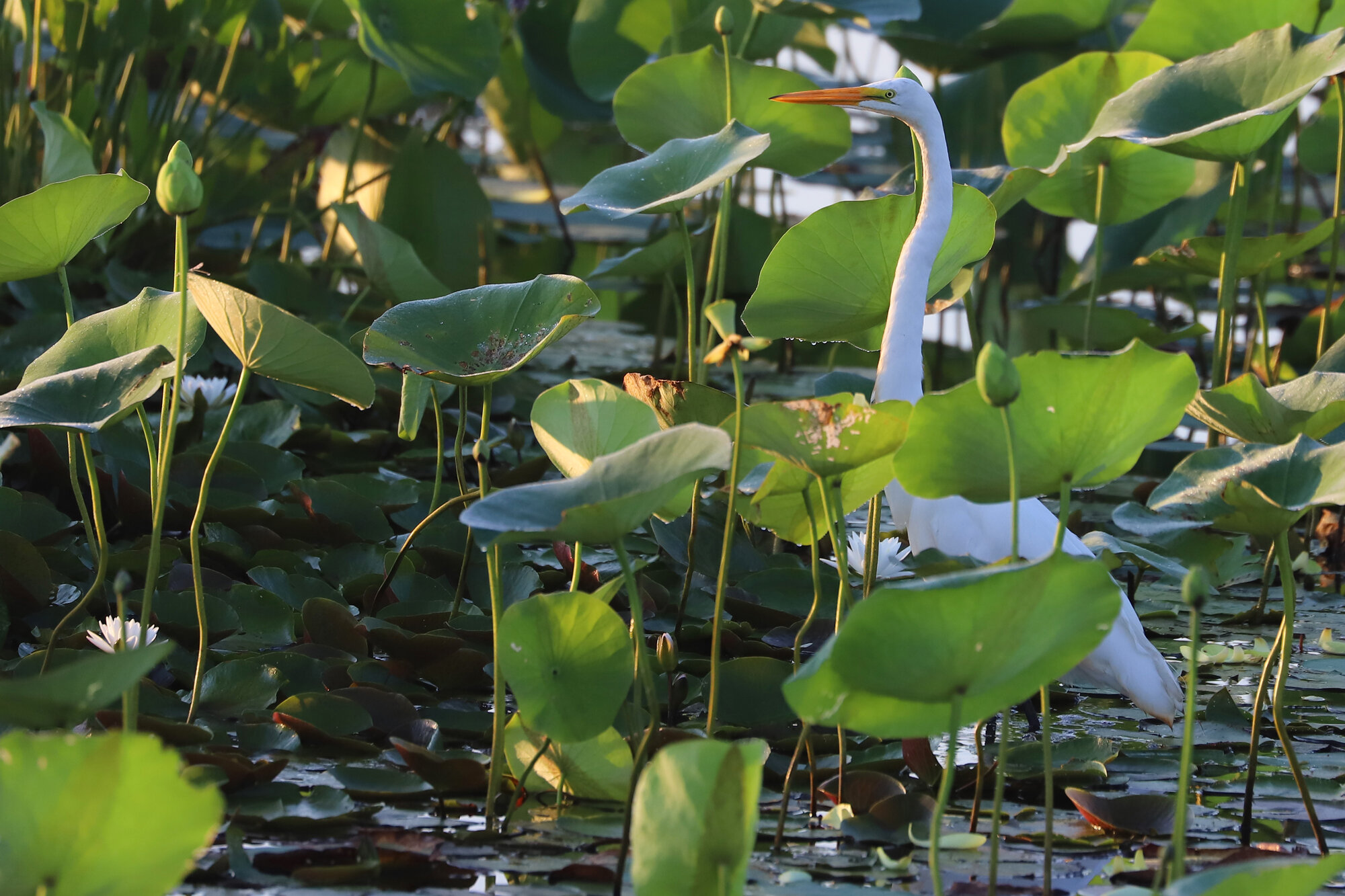
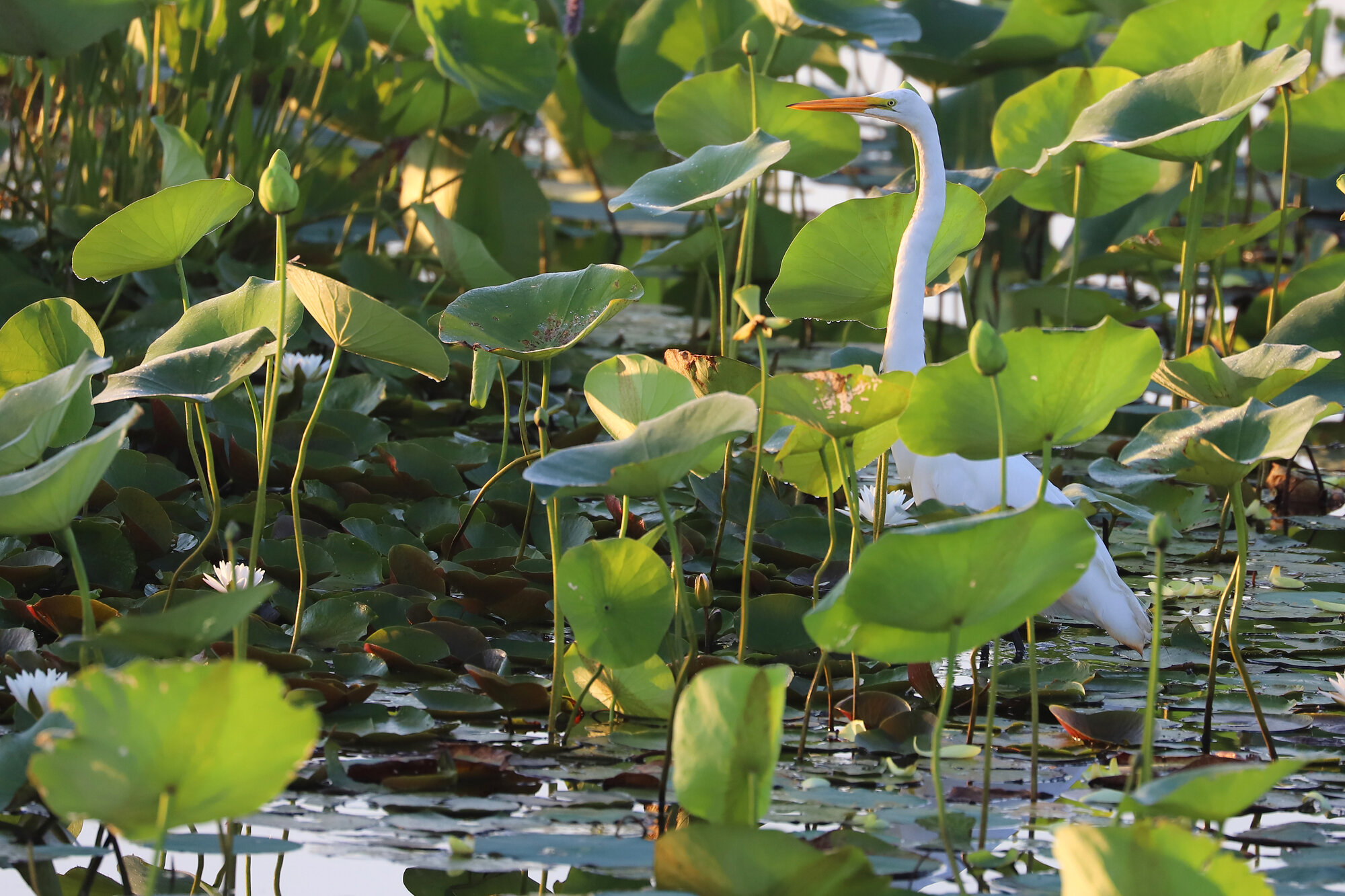
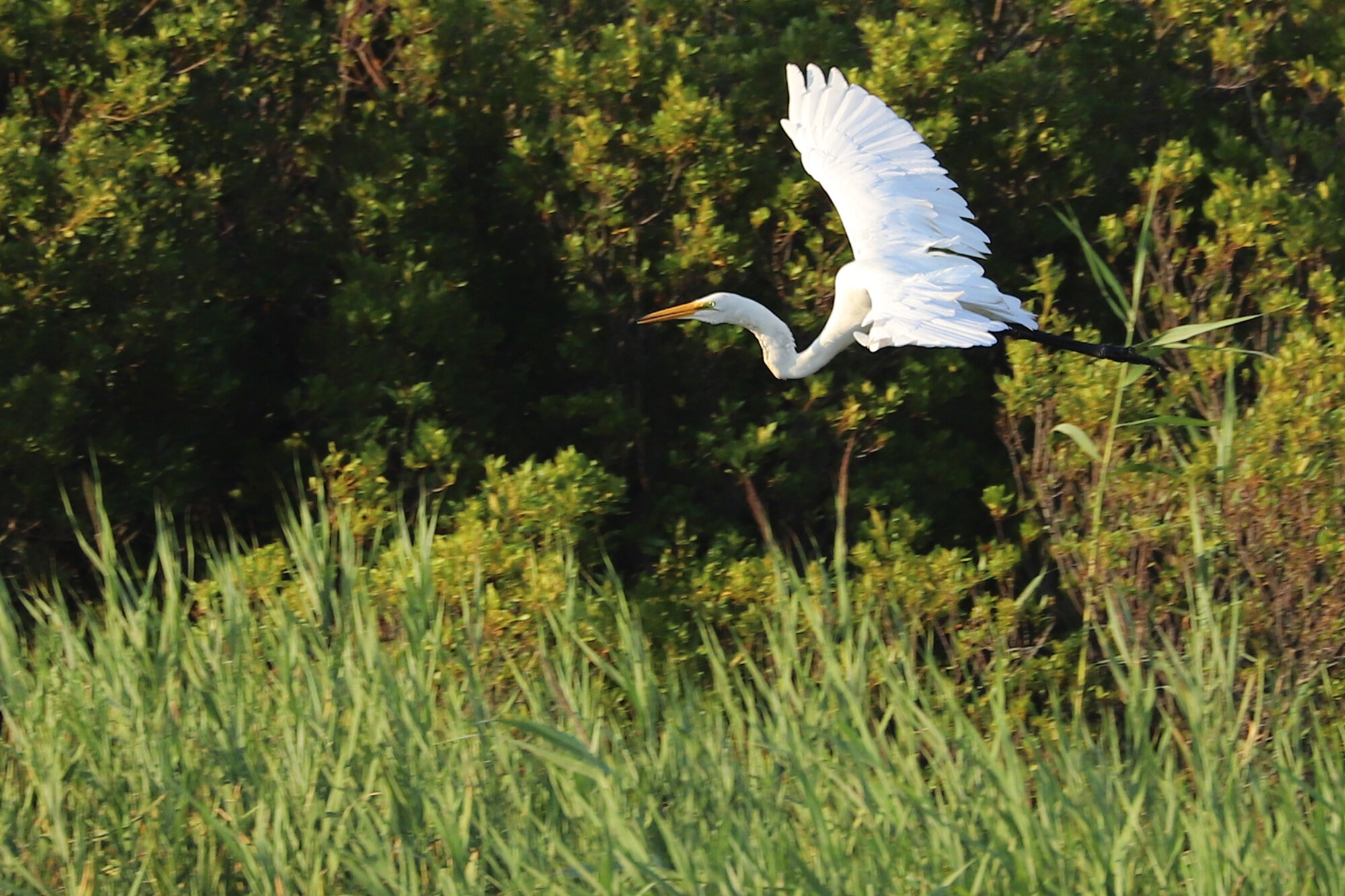
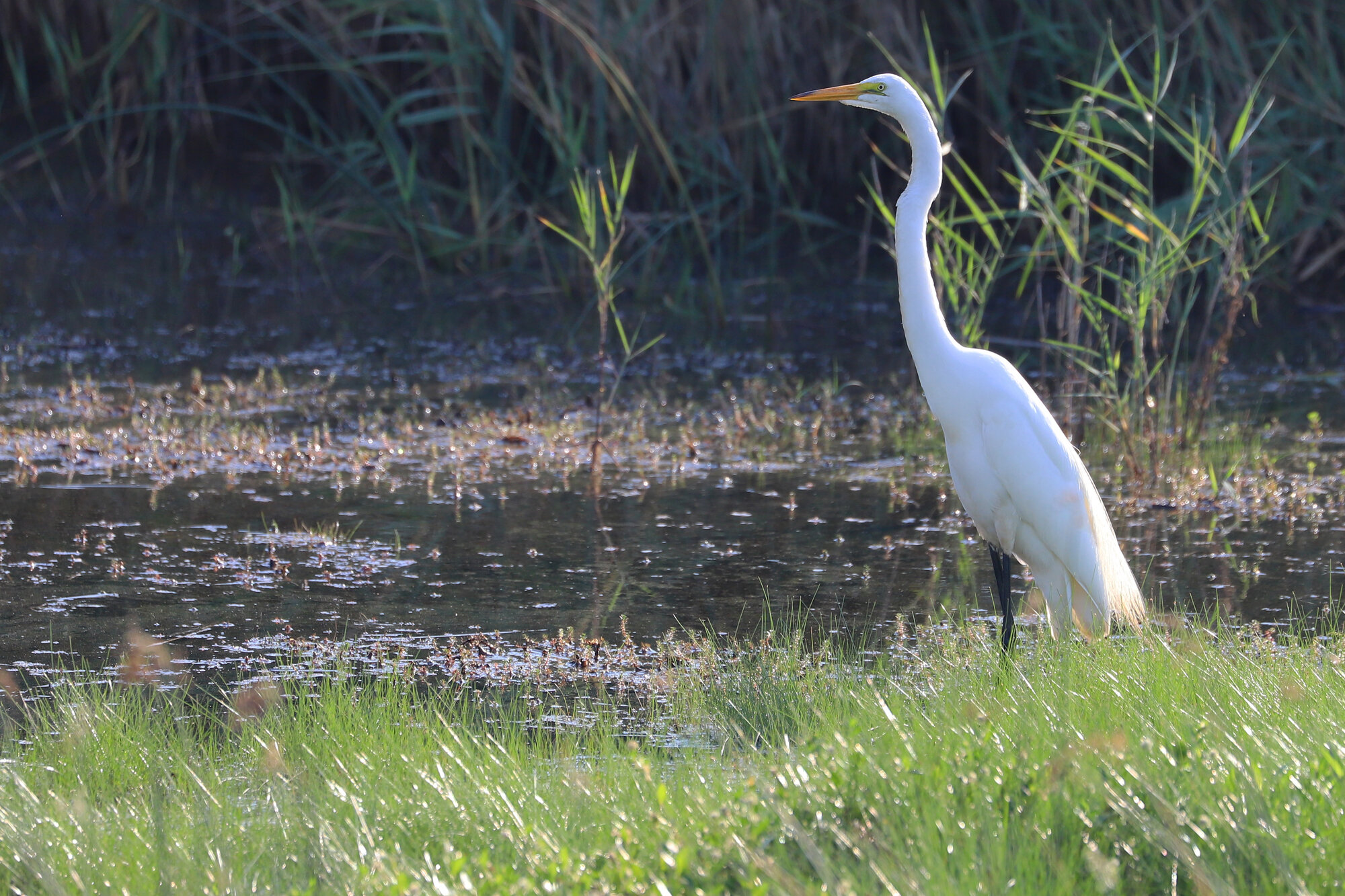
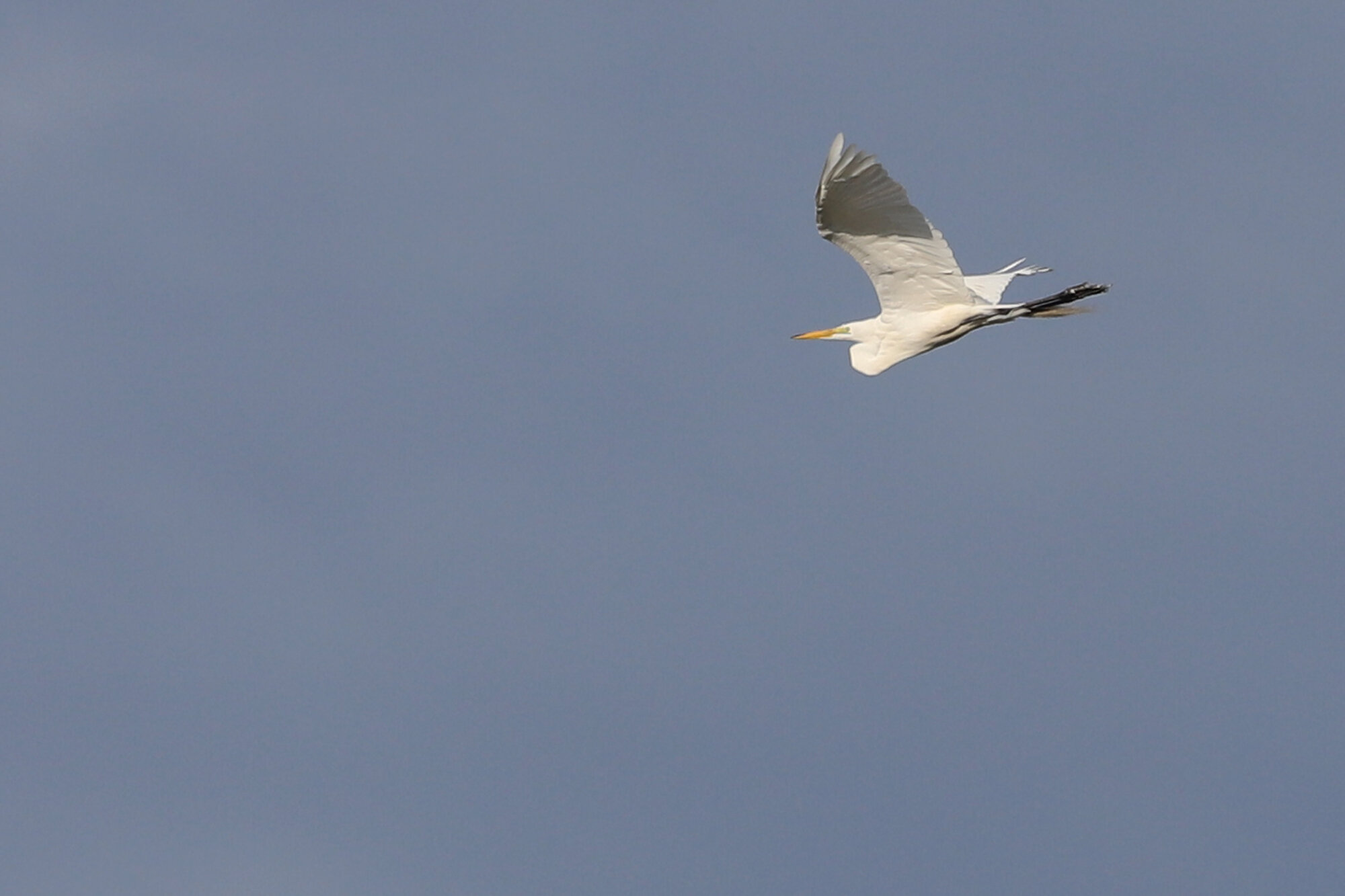
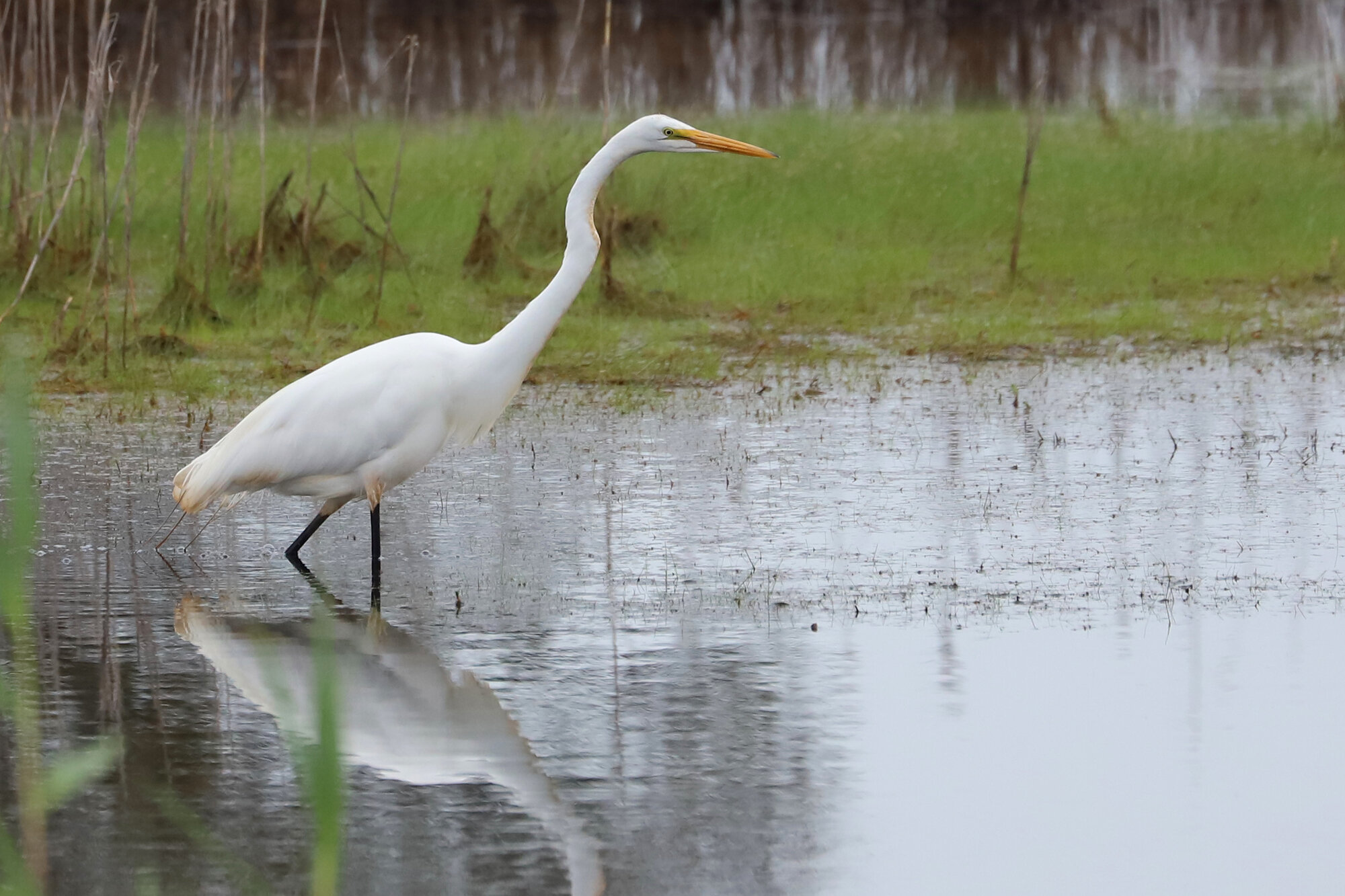
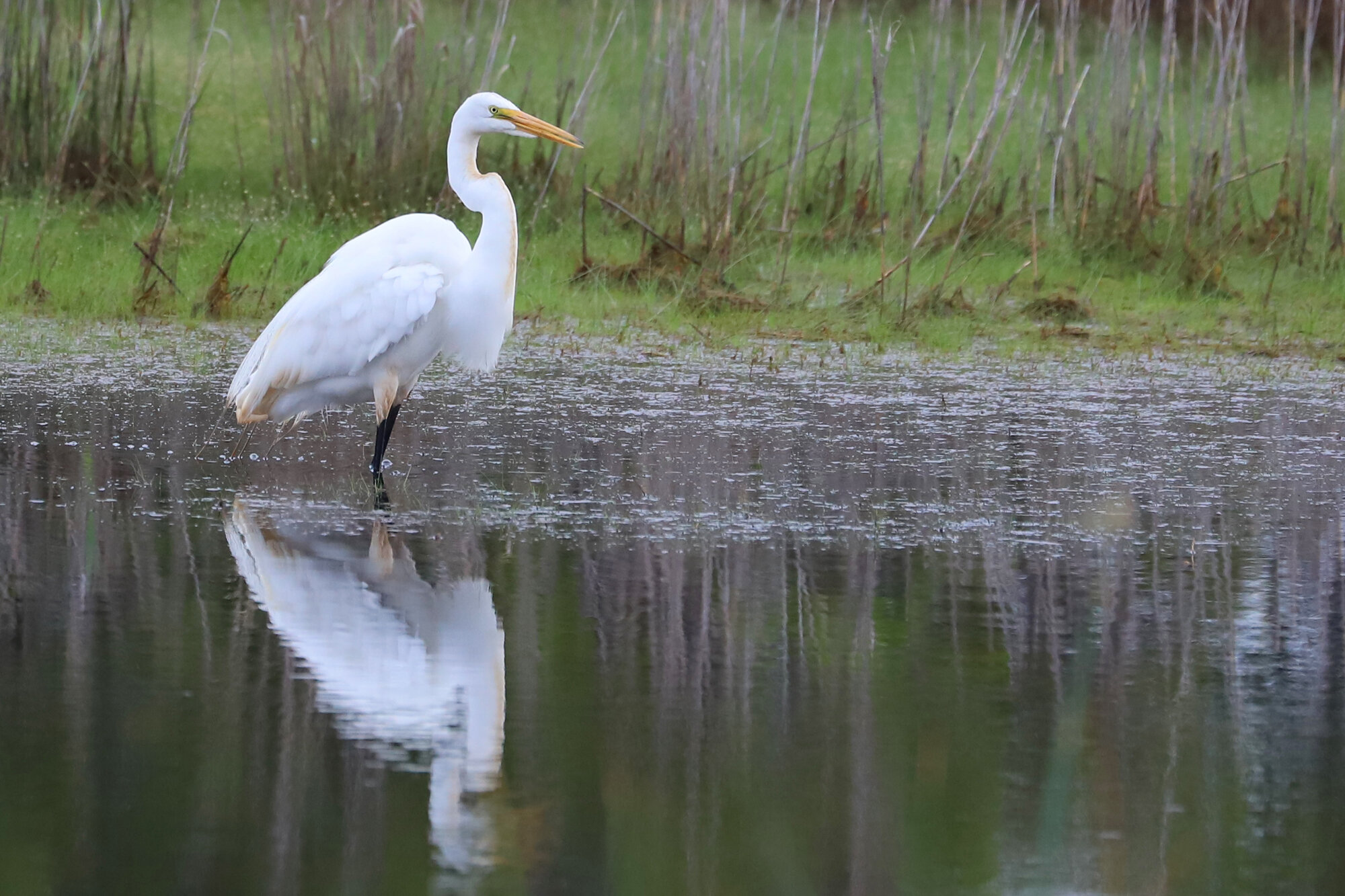
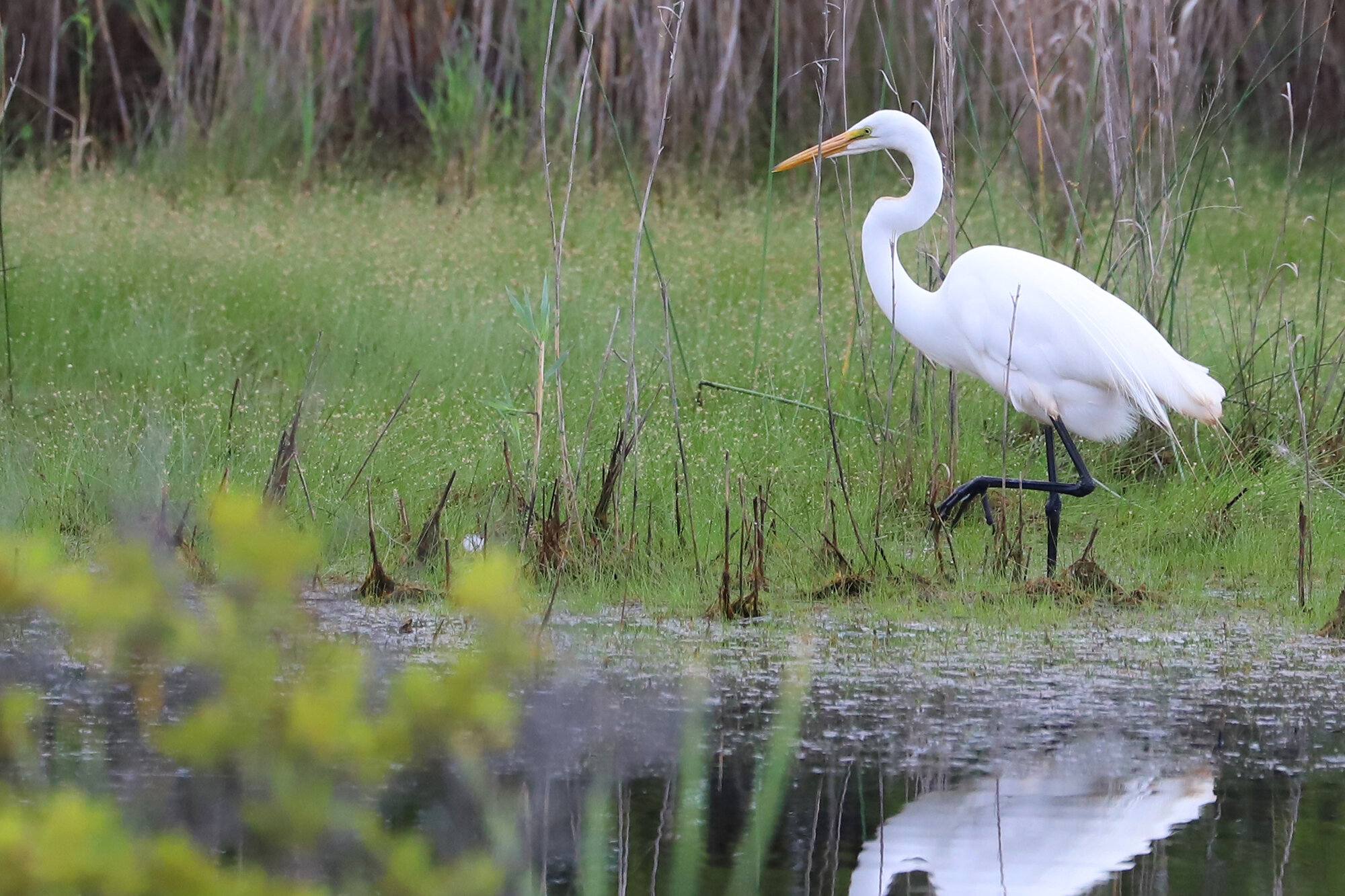
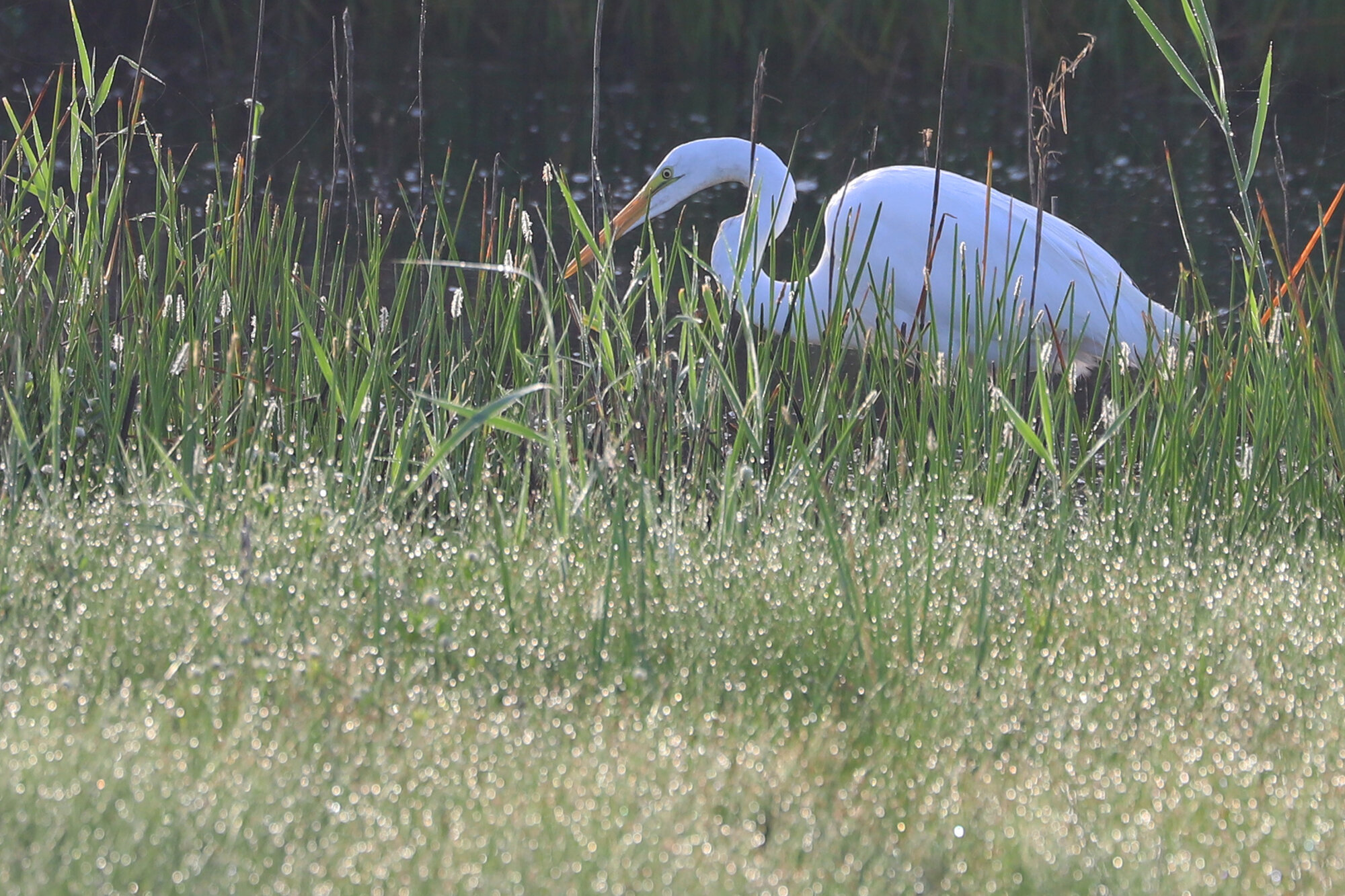
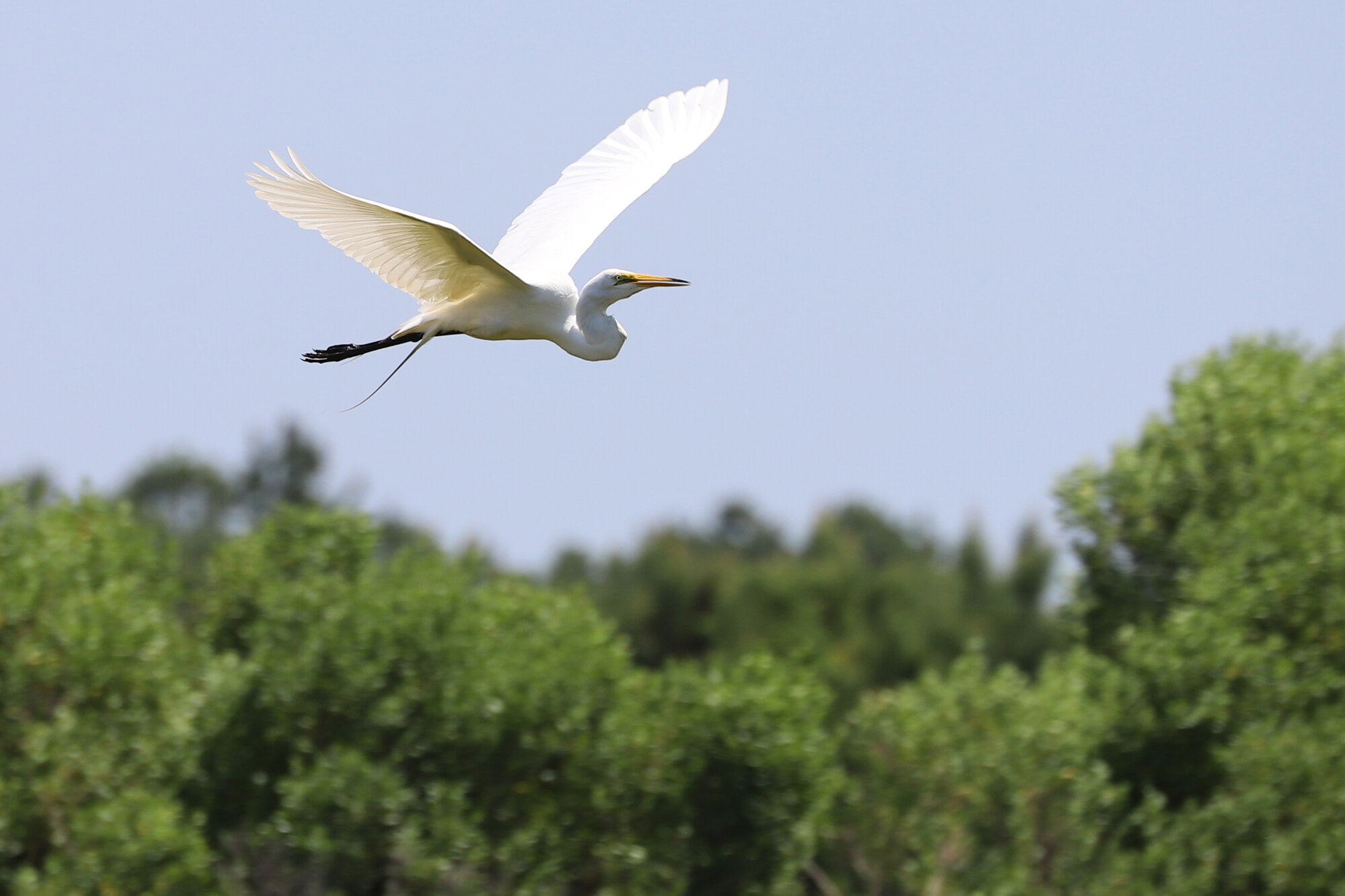
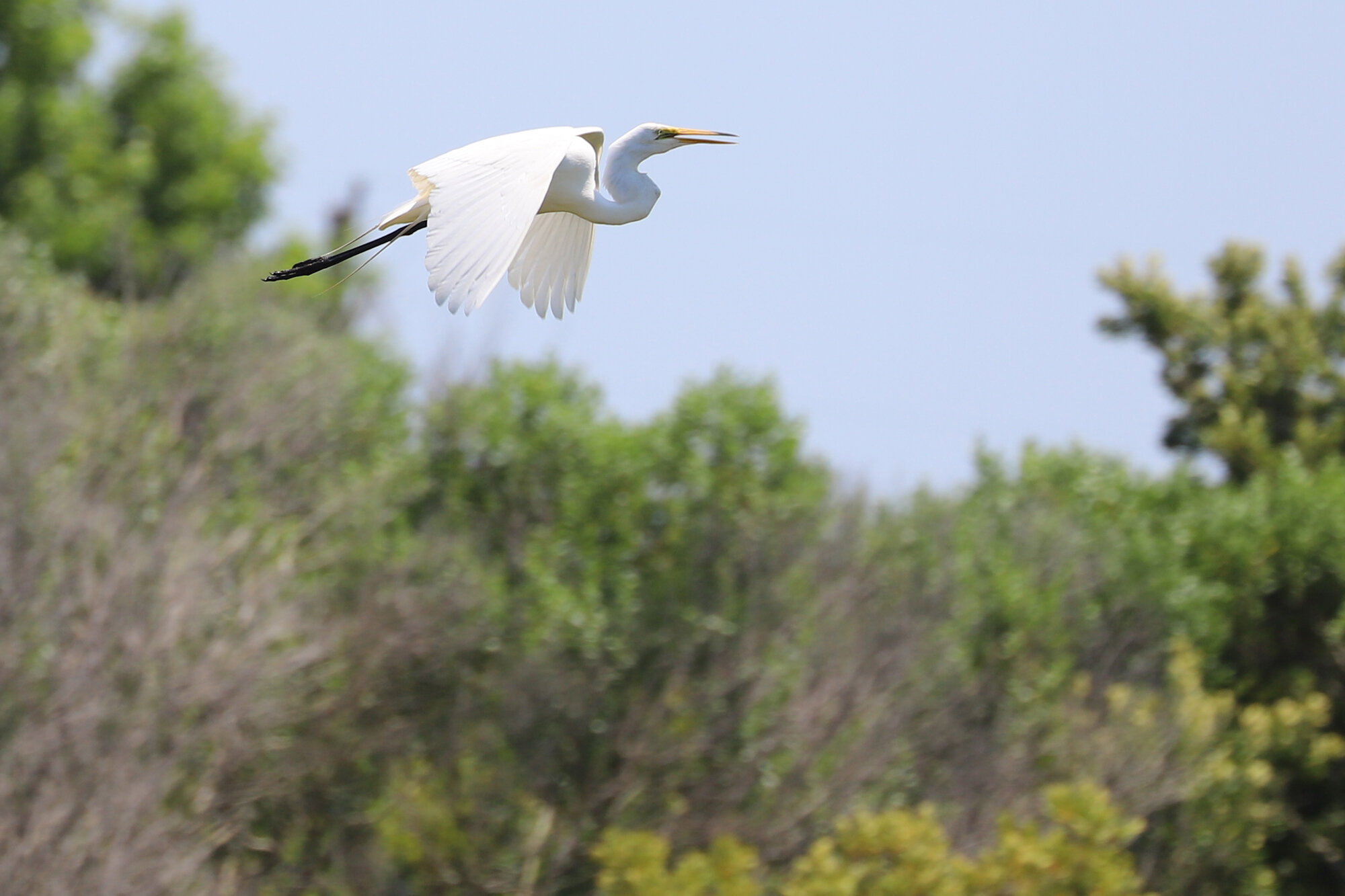
Great Egret / Stumpy Lake NA / 20 Sep

At the close of September, we have not yet logged first arrivals for the following species with expected arrival dates (listed in parentheses after each species name) prior to October:

Additionally, the following species all have expected fall arrival dates during the month of October and should be looked for throughout the month:

East Dike looking towards C Pool / Back Bay NWR / 26 Sep

Hopefully over the course of the next 31 days, each of these species, and perhaps some unexpected species, can be found in the city. For those who wish for their observations to be included in this journal, please submit your records to www.eBird.org, and ensure that the proper documentation (whether written notes that rule out all similar species or photo/audio/video that is conclusive to species) is provided. Thank you to those who have taken the time to enter such documentation into eBird so these records may be publicly known and to those who took the time to read through this Journal entry. Be sure to check back early next month to see what birders will have found in Virginia Beach during October! For further information regarding this monthly, online publication, please visit the Journal Overview Page which provides an explanation of the current format, layout and composition of the journal.
August 2020

August 2020 will be remembered for the excessive amount of rainfall that occurred during the first two-thirds of the month, assisted by the passage of Tropical Storm Isaias on 4 Aug (see this page for more information specific to that event), and with almost continual rainfall for the following two weeks. In terms of temperatures, August was another scorcher (89°F/75°F for daily highs/lows), far exceeding the prior ten-year average temperatures (86°F/72°F). Throughout the month, we ranged from a low of 72°F on 16, 17, 18 & 31 Aug to a high of 98°F on 2 Aug, a temperature which wasn’t felt here during any of the prior ten Augusts (2010-2019). Bird-wise, over the course of its thirty-one days, a total of 157 species produced accepted records in eBird during August. A slight improvements on the 150 species logged here in July, compared to recent Augusts this number proved to also be an increase from the 154 species logged in 2019 as well as the 152 in 2018, making for our most successful August ever in terms of eBird reporting. For the calendar year, we now stand at 290 species, which is a dozen higher than the 278 species logged through the same period last year. Collectively, eBirders have now submitted a total of 6,689 complete checklists for the calendar year which, for the first time this year, actually has us ever-so-slightly behind the pace required to match the 10,061 submitted in 2019. Hopefully as the coastal heat starts to die off a bit in September, the number of checklist being submitted gets back to higher levels.

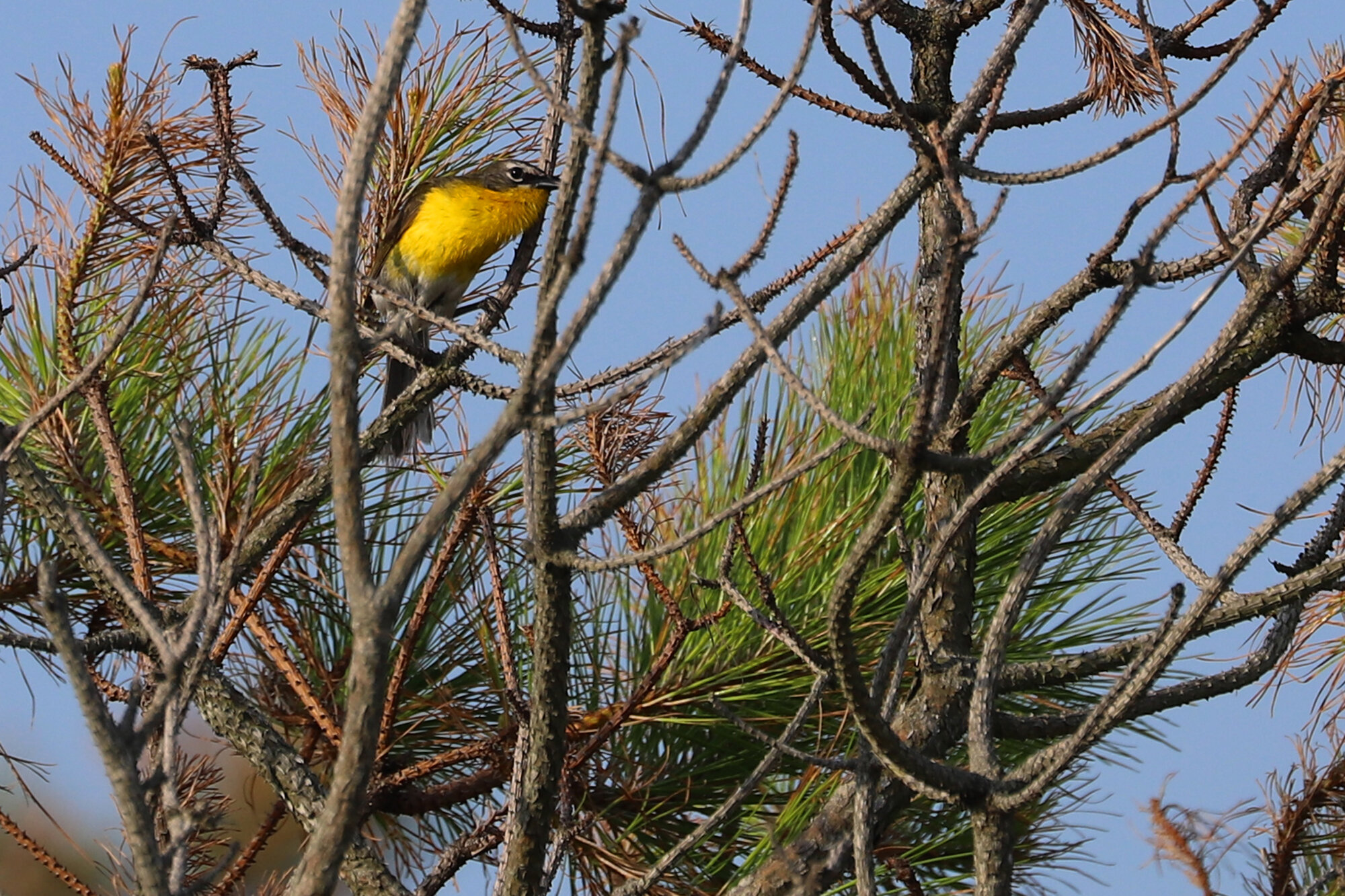
Highlights for August included: Wild Turkey, Clapper Rail, MARBLED GODWIT, SOOTY TERN, Gull-billed Tern, Sandwich Tern, ANHINGA, Least Bittern, Mississippi Kite, Peregrine Falcon, WESTERN KINGBIRD, CLIFF SWALLOW, LARK SPARROW, CHESTNUT-SIDED WARBLER & Yellow-throated Warbler. Please note that those species marked by all capital letters are species which are considered rare anywhere in Virginia Beach, and at any time of year, while those in lower case may be seasonally rare, or rare at a specific location/habitat. A listing of which species qualify for the highlights section can be found here. Additionally, August provided the city with first-of-season records for expected fall arrivals which, in order of arrival date, included: Bank Swallow, Yellow Warbler, Black-and-white Warbler, Northern Waterthrush, American Redstart, Peregrine Falcon, Bobolink, Common Nighthawk, Blue-winged Teal, Green-winged Teal & Baltimore Oriole. A full list of regularly-occurring species and their expected fall arrival dates can be found here.

Reports/records for the August highlights mentioned above included the following (in taxonomic order):

Species that had their first-of-season reports in a prior month, but had their first media record during August included:

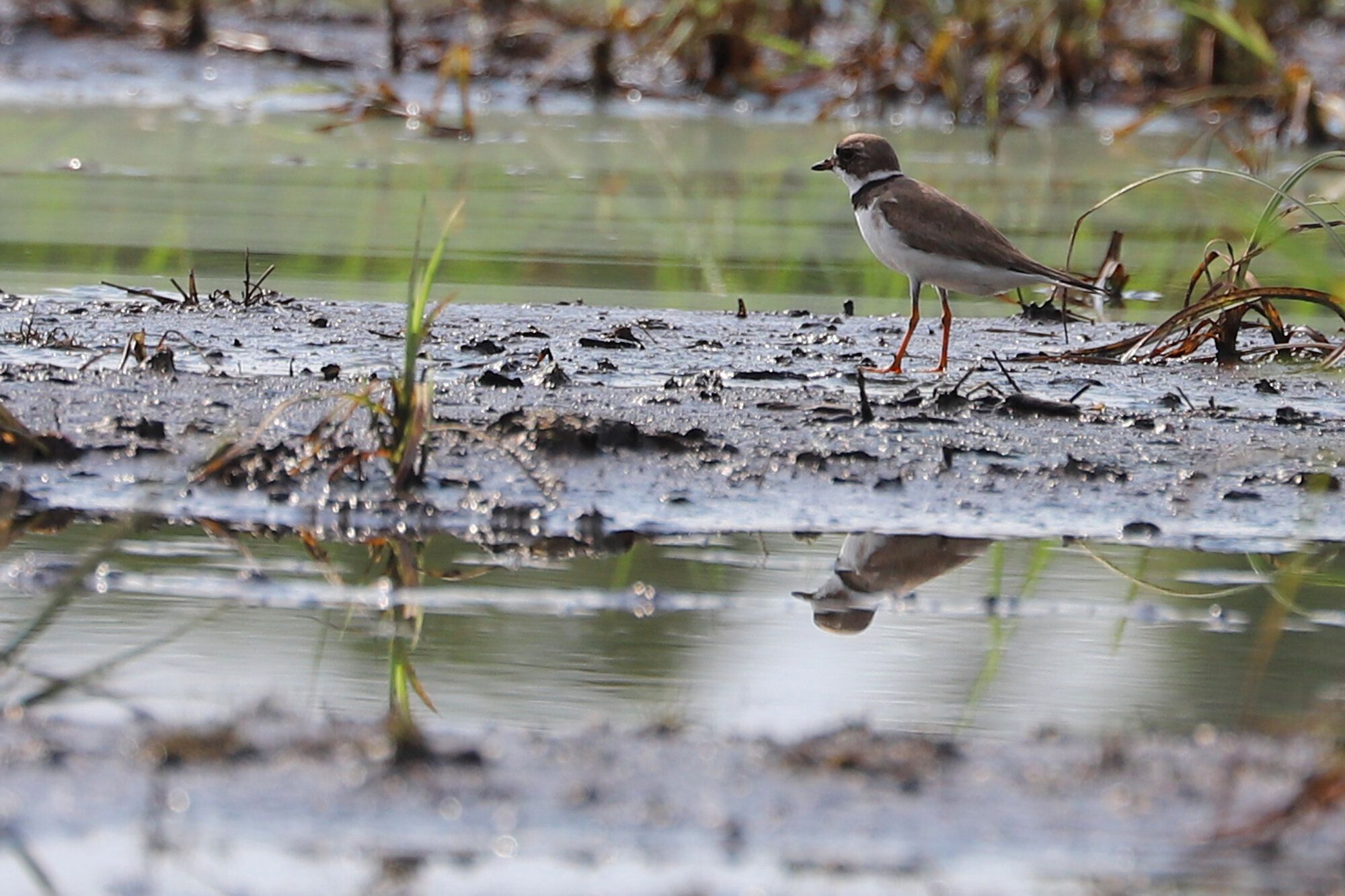
  • Semipalmated Plover – First Observed: 2, Lynnhaven Inlet, 26 Jul (vis. Andrew Baldelli); First Photographed: 1, Muddy Creek/Shipps Cabin Fields, 1 Aug (ph. Steve Keith).

  • Black-bellied Plover – First Observed: 1, Back Bay NWR, 29 Jul (vis. Andrew Baldelli); First Photographed: 1, Back Bay NWR, 1 Aug (ph. Rob Bielawski).

  • Black Tern – First Observed: 1, False Cape SP, 29 Jul (vis. Marlee Fuller-Morris); First Photographed: 3, First Landing SP, 4 Aug (ph. June McDaniels).

Species that had their first-of-season reports during August included:

  • Bank Swallow – First Observed & Photographed: 1, JEB Fort Story (Restricted), 3 Aug (ph. Amy & Steve Myers).

  • Yellow Warbler – First Observed & Photographed: 1, Back Bay NWR, 8 Aug (ph. Rob Bielawski).

  • Black-and-white Warbler – First Observed: 1, Stumpy Lake NA, 17 Aug (obs. Betty Sue Cohen).

  • Northern Waterthrush – First Observed: 1, First Landing SP, 17 Aug (obs. Ren Pigott).

  • American Redstart – First Observed: 1, First Landing SP, 18 Aug (vis. Andrew Baldelli); First Photographed: 1, First Landing SP, 18 Aug (ph. Cindy Hamilton).

  • Peregrine Falcon – First Observed: 1, Rudee Inlet, 21 Aug (obs. Cathy Williamson).

  • Bobolink – First Observed: 1, Back Bay NWR, 23 Aug (obs. David Clark).

  • Common Nighthawk – First Observed & Photographed: 3, Larkspur (Private Residence), 26 Aug (ph. Steve Myers).

  • Blue-winged Teal – First Observed: 1, Back Bay NWR, 30 Aug (vis. Andrew Baldelli & Steve Keith).

  • Green-winged Teal – First Observed: 4, Back Bay NWR, 30 Aug (vis. Andrew Baldelli & Steve Keith).

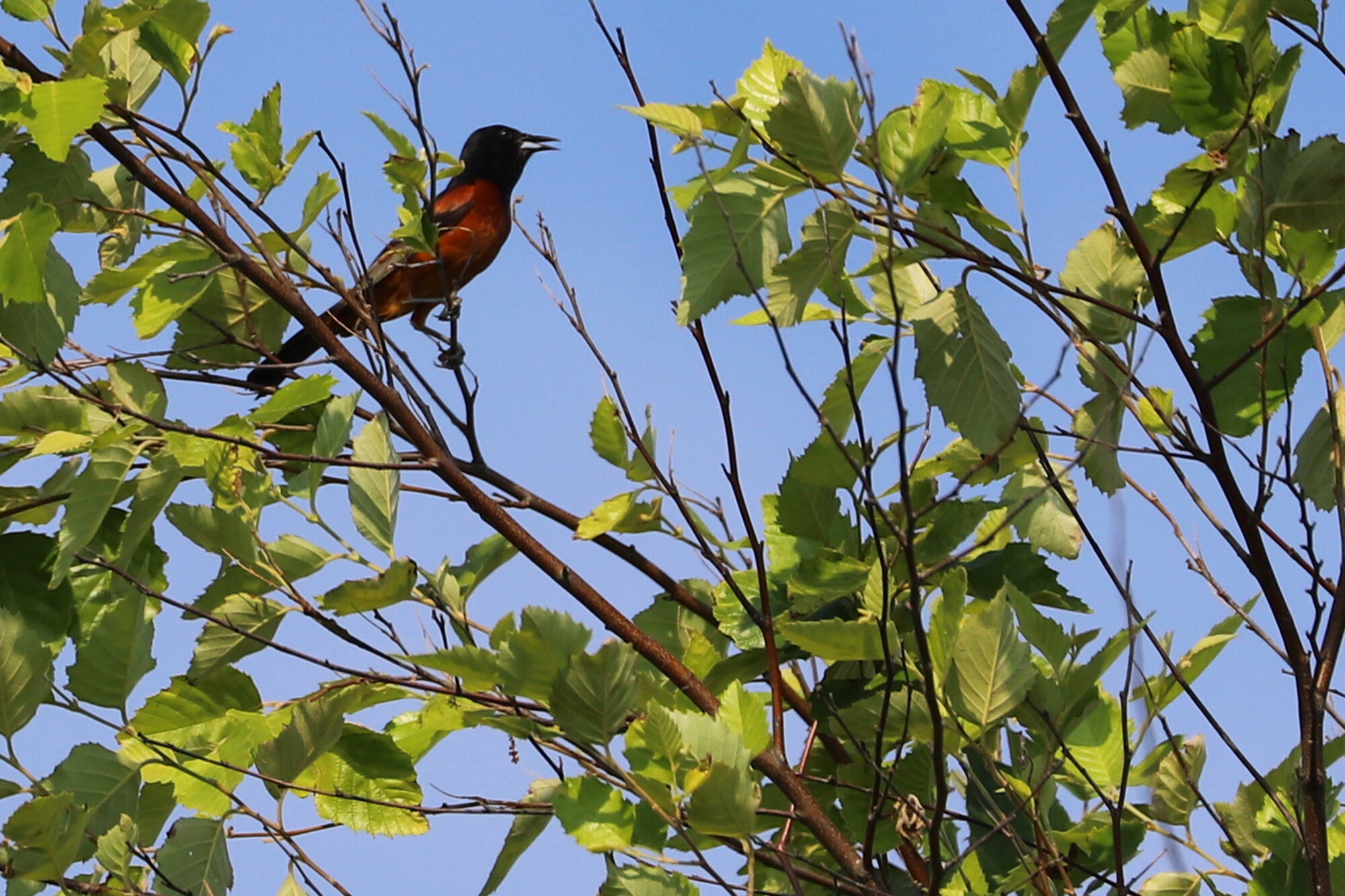
  • Baltimore Oriole – First Observed: 1, Back Bay NWR, 30 Aug (vis. Andrew Baldelli).

As mentioned in the introduction, we finished off August 2020 with 157 species, topping both the 154 in August 2019, as well as the 152 in August 2018. The species differences between these three Augusts are as follows:

As always, a wide array of media (photos/audio/video) were submitted during the month in Virginia Beach, and eBird makes it incredibly easy to organize and browse all of these. For those hoping to view every photo/audio/video submitted for Virginia Beach during this period, please see the complete listing for the month of August located on eBird’s Media explorer by clicking here! Please remember, anyone with an eBird user account has the ability to rate these photographs/audio/video on a scale of 1-5 stars (based on these guidelines). Making use of the average rating for each media item is how eBird populates anything media-driven on the website, particularly the Illustrated Checklists. So, if you're one of the many folks who enjoy looking at photographs or watching/listening to video/audio recordings of birds, please take some time to rate their quality, it helps to make eBird more useful with each passing day!

For those who wish for their observations to be included in this journal, please submit your records to www.eBird.org, and ensure that the proper documentation (whether written notes that rule out all similar species or photo/audio/video that is conclusive to species) is provided. Thank you to those who have taken the time to enter such documentation into eBird so these records may be publicly known and to those who took the time to read through this Journal entry. Be sure to check back early next month to see what birders will have found in Virginia Beach during August! For further information regarding this monthly, online publication, please visit the Journal Overview Page which provides an explanation of the current format, layout and composition of the journal.
July 2020

On average, the hottest month of the year, July is yet another difficult month for birding in Virginia Beach. We certainly shine during the fall through spring, but summer is just a very different beast altogether here in the city. Typically, the species counts are comparable between it and June, but July has one firm benefit. While expected species diversity drops as June progresses and as later spring migrants finish passing through early in the month, July begins the reverse trend as the early fall arrivals begin to show up by mid-month and an increase in diversity accelerates towards month’s end. Providing a bit of birding momentum moving forward, July starts us down the exciting fall migration path that will continue into October. A true scorcher of a month, this July was the hottest month ever recorded here (94°F/76°F for daily highs/lows), far exceeding the prior ten-year average temperatures (89°F/74°F). Throughout the month, we ranged from a low of 87°F on 2, 4 & 9 Jul to a high of 102°F on 19, 21 & 28 Jul. This was the first time we have ever seen four days in a row with temperatures at or above 100°F, after 2019 and 2010 each held a three day span of that value. Over the course of its thirty-one days, a total of 150 species produced accepted records in eBird during July, of which a healthy cross section are covered in either the write-up or in the photographs below. While narrowly missing the mark of 154 species logged here in June, compared to recent Julys this number proved to be quite an increase from both the 143 species logged in 2019 as well as the matching 143 in 2018, making for our most lucrative July ever in terms of eBird reporting. For the calendar year, we now stand at 287 species, which is a whopping fifteen higher than the 272 species logged through the same period last year. Collectively, eBirders have now submitted a total of 6,029 complete checklists for the calendar year which, like last month, keeps us on a pace to eclipse the 10,061 submitted in 2019.

Highlights for July included: Pied-billed Grebe, Common Gallinule, American Avocet, Marbled Godwit, Wilson’s Storm-Petrel, Great Shearwater, Anhinga, Least Bittern, Mississippi Kite, Peregrine Falcon, Horned Lark, Cliff Swallow, Grasshopper Sparrow, American Redstart & Dickcissel. Additionally, July provided the city with first-of-season records for expected fall arrivals which, in order of arrival date, included: Spotted Sandpiper, Whimbrel, Short-billed Dowitcher, Lesser Yellowlegs, Least Sandpiper, Gull-billed Tern, Piping Plover, Solitary Sandpiper, Semipalmated Sandpiper, Ruddy Turnstone, American Black Duck, Pectoral Sandpiper, Semipalmated Plover, Black-bellied Plover, Red Knot, Black Tern, Western Sandpiper.

Continuing on the C Pool at Back Bay NWR since 31 May (vis. Conor Farrell), a PIED-BILLED GREBE that was reported throughout June was observed again near the same location on 5 Jul (ph. Rob Bielawski, vis. James Flynn). Long suspected that this species may have successfully bred, this notion was finally confirmed early on the morning of 7 Jul (vis. Andrew Baldelli) when three adults were observed on the C Pool, one of which had two fledglings riding on its back! While one had been observed sitting atop a nest on 22 Jun (vis. Andrew Baldelli), this was the first concrete documentation that the species managed to successfully breed at Back Bay NWR, and in Virginia Beach as a whole, for the 2nd Virginia Breeding Bird Atlas! Despite an effort to photograph the fledglings later in the day when the sun wouldn’t be an issue, they were unfortunately not located again, and most likely were back to hiding among the dense aquatic vegetation of the impoundment. Typically, numbers for this species have tended to increase in mid-July through August, and one wonders how many of these individuals nested, and just remained unknown due to their secretive nature. Most fall arrivals likely don’t start popping up here until August, and it seems that Back Bay is really the only location in the city that tends to hold them through the summer months, though in very low numbers. In fact, the last record this year that occurred away from the refuge was a single individual at Dam Neck Naval Annex (restricted access) back on 20 Apr (vis. Steve Keith), reinforcing just how unusual this species is here in the city in summertime. (Jul 2020 Map)

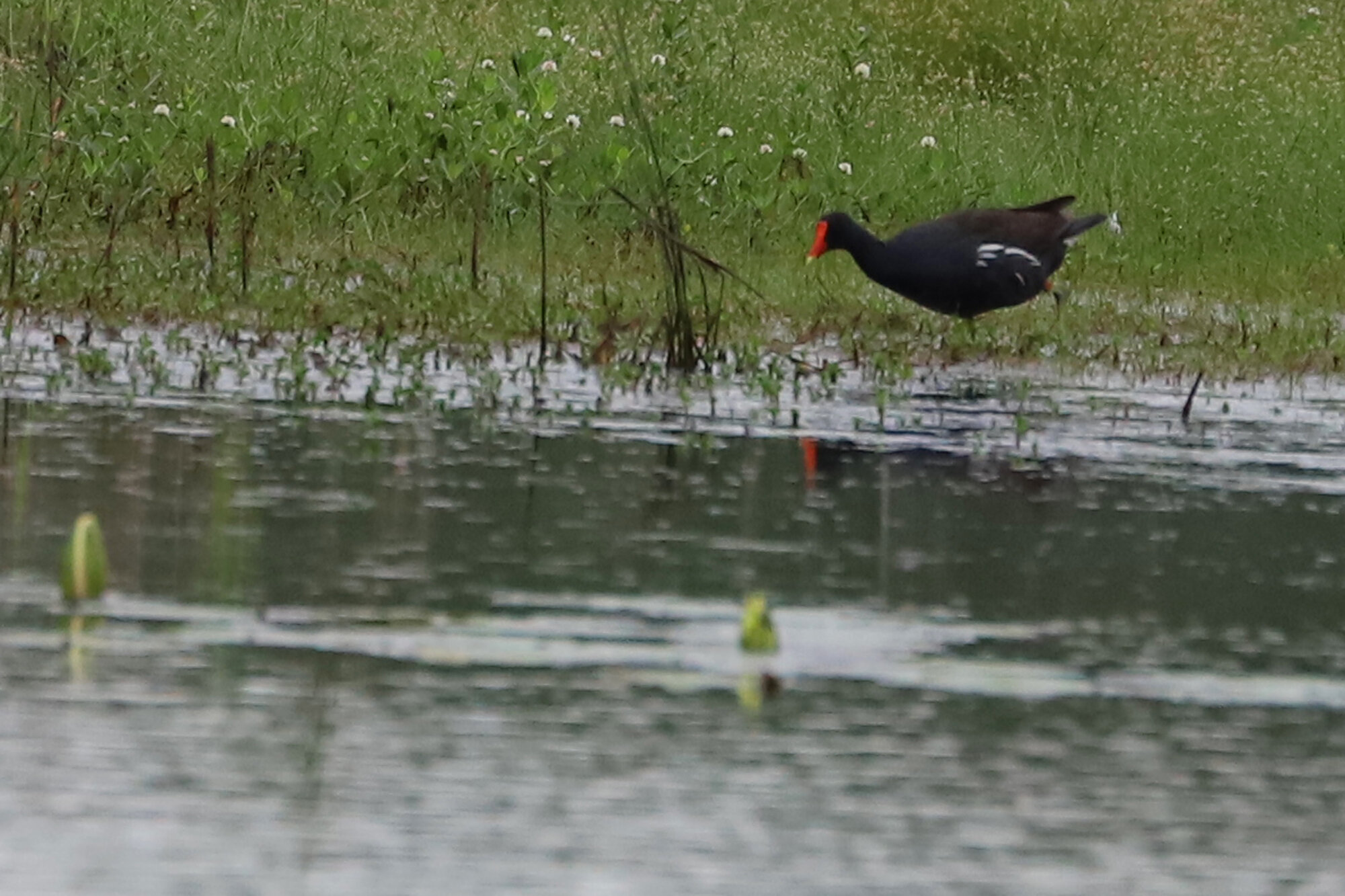
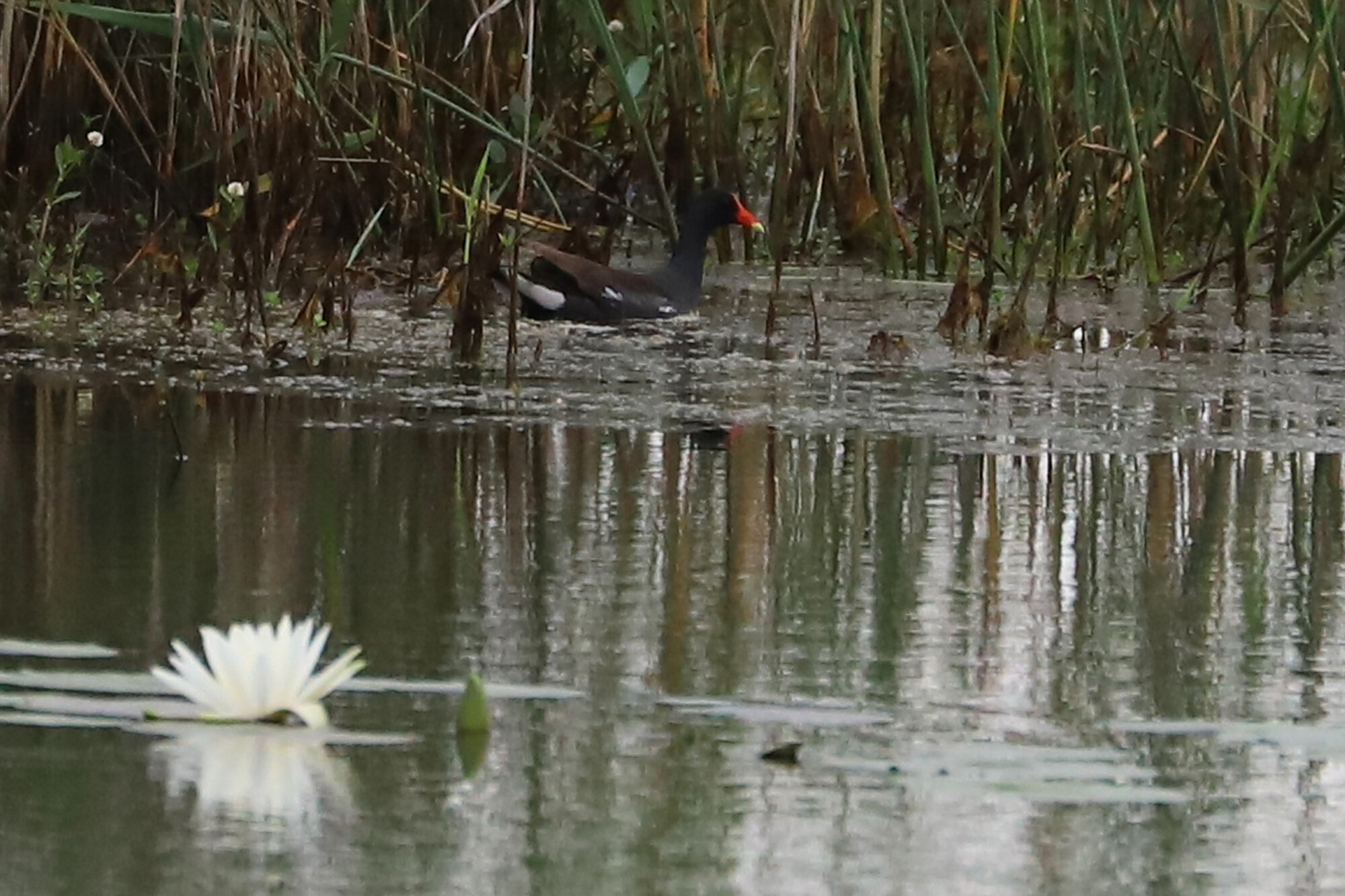
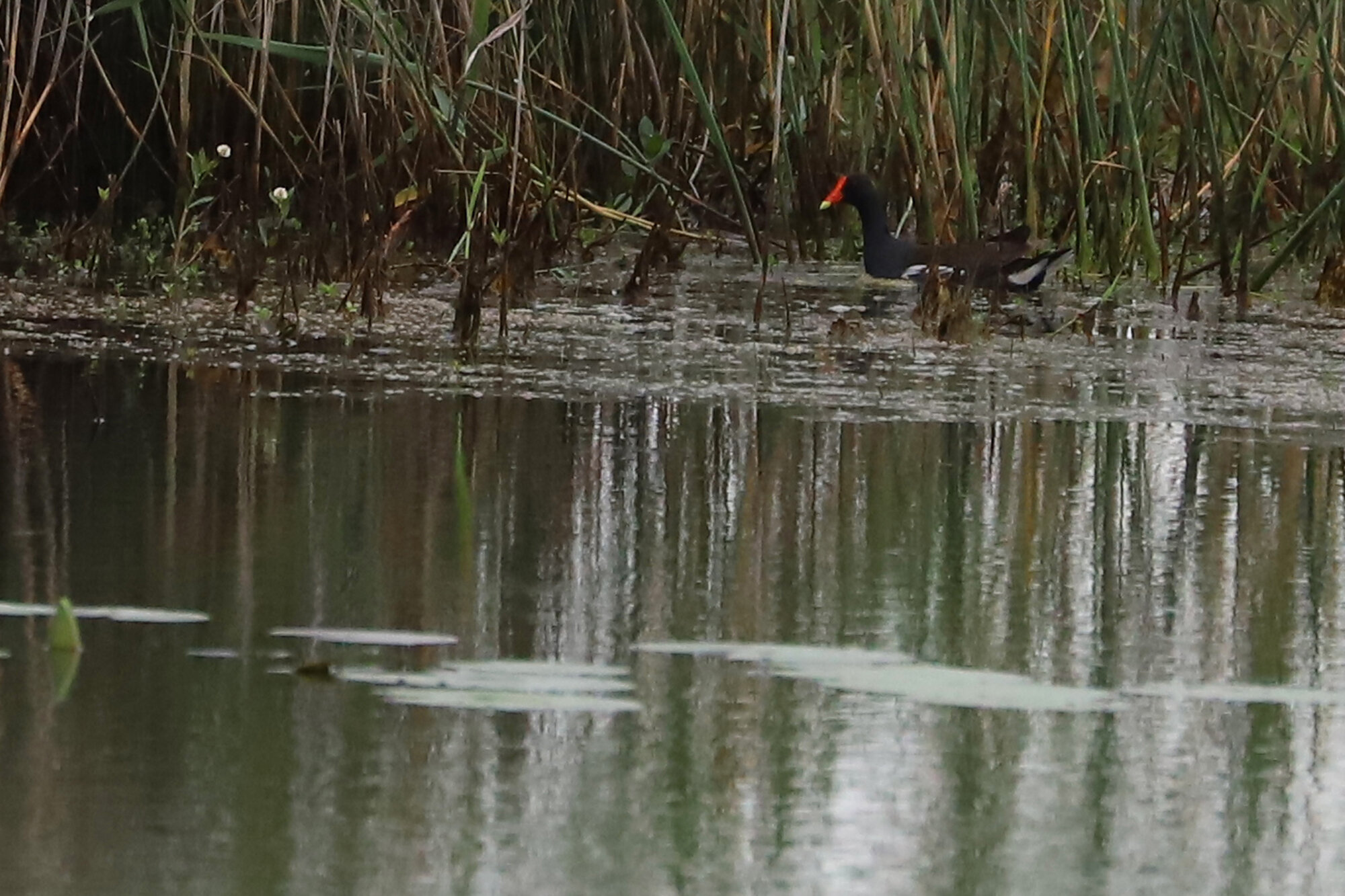
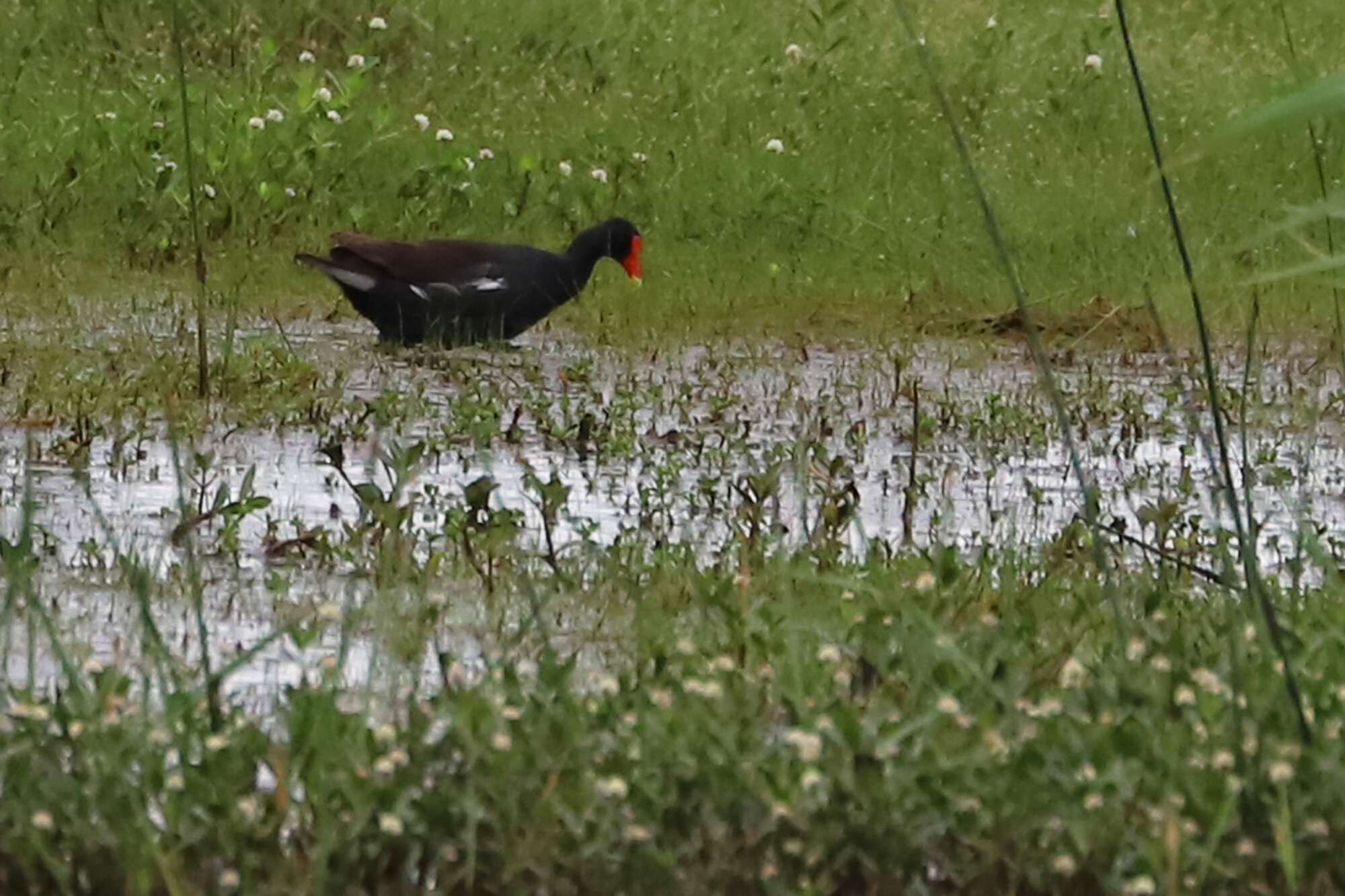
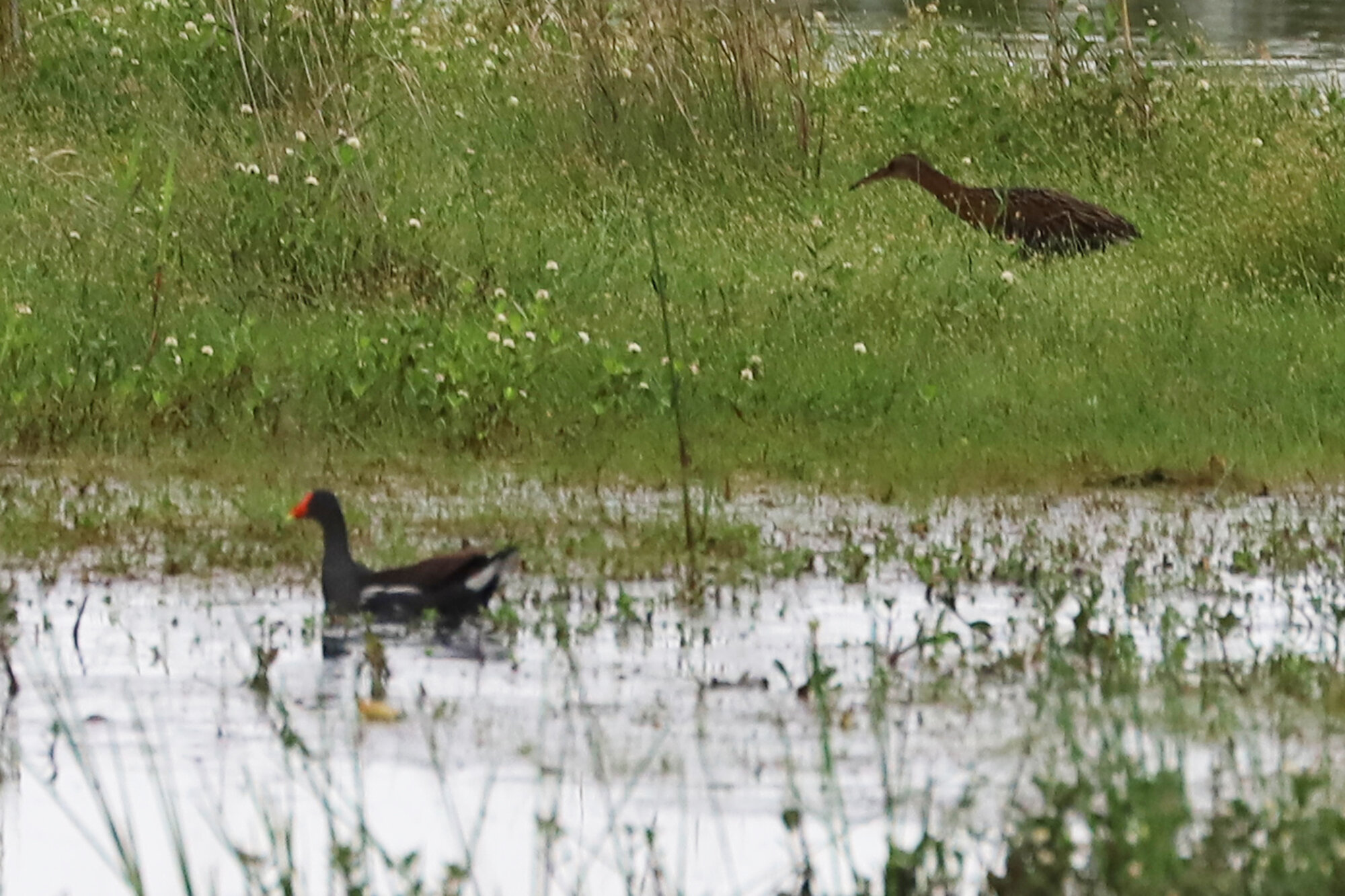
A very secretive breeder around Back Bay, a COMMON GALLINULE was photographed along the West Dike at False Cape SP on 10 Jul (ph. Marlee Fuller-Morris). Though up to two had been observed along the East Dike at the park during spring migration, this is the first record for the summer season at False Cape. Adjacent Back Bay NWR produced records for an individual from 6-10 Jun, also along the West Dike in the northwest corner of C Pool, which is several miles north of where the False Cape individual was found. Also, across the bay on the western shoreline, Princess Anne WMA Beasley Tract produced records for up to three individuals from 28 Apr through 14 May. Interestingly, the False Cape individual was the only report for the species in not just Virginia Beach during July, but in all of Virginia making it all the more excellent a find! (Jul 2020 Map)

With post-breeding dispersal underway for waders, and southbound shorebirds already on the move, we were fortunate to see a record for AMERICAN AVOCET, our first for the calendar year, at Pleasure House Point NA on 11 Jul (vis. James Flynn). Though others arrived fairly quickly after the eBird alert was triggered, unfortunately this individual was not seen again, and most likely was either bumped from the tidal flats by recreational boaters/kayakers, or it left as the tide came in and overtook the mudflats. The day prior, one had been found at Hog Island WMA in Surry County, and the following day a pair were present at Lake Shenandoah in Rockingham County, so clearly this species in on the move, away from known nesting areas which do not include any of the locations these three records pertain to. Last year, we also had a single record in July, an in-flight individual cruising over Back Bay on 25 Jul 2019 (ph. Charlie Bruggemann). Our only other record since then was also at the refuge, on 2 Oct 2019 (ph. Eric Alton). So this is a difficult species to pin down locally, but it is clearly one to be looking for this time of year. (Jul 2020 Map)

New for the calendar year, our first MARBLED GODWIT of 2020 was found about a mile south of the beach crossovers at Back Bay NWR on 22 Jul (ph. Steve Myers)! Coupled with the American Avocet mentioned above, these were the only species found in July that were also new to our year list, bringing us up to 286 species. Though this individual lingered through the morning hours on the date of the initial find, it was not observed again that afternoon or in the coming days, and may have continued on along the coast or perhaps flew into one of the refuge’s impoundments. A rare fall transient through Virginia Beach, this is actually the first eBird record for a July here going all the way back to 2010. Most records tend to be in August & September, so there is still hope that more birders will get to see one this fall season. Last year, records occurred for this species at Rudee Inlet (24 Aug), Dam Neck Naval Annex (30 Aug) and Back Bay NWR (13 Sep), and given the close proximity of these sites along the coast, as well as how generally scarce the species is here, this may have even been the same individual working its way south along the beach. Maybe we’ll see that trend continue over the next couple of months? (Jul 2020 Map)

Commonly observed in the waters offshore of Virginia Beach during the summer months, but rarely found from shore, a pair of WILSON’S STORM-PETRELS viewed from 85th Street Beach on 1 Jul (vis. Andrew Baldelli), and another was viewed from the First Landing SP beachfront on 31 Jul (vis. Andrew Baldelli). Though, others had been observed within Virginia Beach waters during a pelagic outing on 2 Jun where the species is expected to be found, only one other “from shore” record has occurred in 2020, with an individual sighted off the Little Island Pier on 11 May (vis. Andrew Baldelli). Typically, we do get a couple of records per year from the area around the Chesapeake Bay mouth, but this is still a difficult species to pin down. June and July tend to be the best timeframe for it to occur near shore though, or during strong easterly winds brought onshore by tropical disturbances. Over the last few years, 2018 was the only year to not produce any ‘from-shore’ records for the species in Virginia Beach, so it is nice that we’ve managed to have a pair so far this year. (Jul 2020 Map)

An excellent record as far as eBird and science are concerned, a GREAT SHEARWATER was found resting on the beach at False Cape SP on 9 Jul (ph. Marlee Fuller-Morris), following an extended period of onshore flow associated with Tropical Storm Fay as it brushed our coastline heading northward. Unfortunately, there were reports of several other deceased Great Shearwaters along our coast following this event, but this particular individual was picked up by local rehabber Karen Roberts, and is said to be doing quite well. Hopefully it can get back to gliding over the waves off our coastline very soon! Though healthy individuals are unlikely to be found inshore, June & July continue to provide records for this species of injured or ailing individuals brought in by onshore winds. While no one takes enjoyment in observing these troubled individuals, their records are nonetheless important for understanding how seabirds are impacted by tropical cyclones, and getting these input to eBird helps to highlight their distribution during these short-term events. (Jul 2020 Map)

At least one ANHINGA continued to be reported at Stumpy Lake on 9 Jul (ph. June McDaniels) and on 11 Jul (ph. Rob Bielawski) near the spillway/fishing pier portion of the lake, with a third record for the month occurring 22 Jul (vis. Baxter Beamer & Conor Farrell) near the north end of the lake. These three reports stand in very stark contrast to last summer, when the species was reported 21 of 31 days in July at the natural area portion of the lake due to a pair having nested in a Bald Cypress tree on the north side of the entrance causeway. Surely, if at least one is lingering through July though, the species is nesting again somewhere around the lake, or in the flooded forests to the south along the North Landing River. But, it has been a much tougher species to locate this season for whatever reason, though Stumpy Lake continues to be one of the most reliable locations for Anhinga in Virginia as a whole, and continued visits to the lake do seem to eventually yield views of the species. Interestingly, no records occurred further up the East Coast than Virginia Beach for the species during July, so we do seem to remain the most northeastern corner of their breeding range. (Jul 2020 Map)

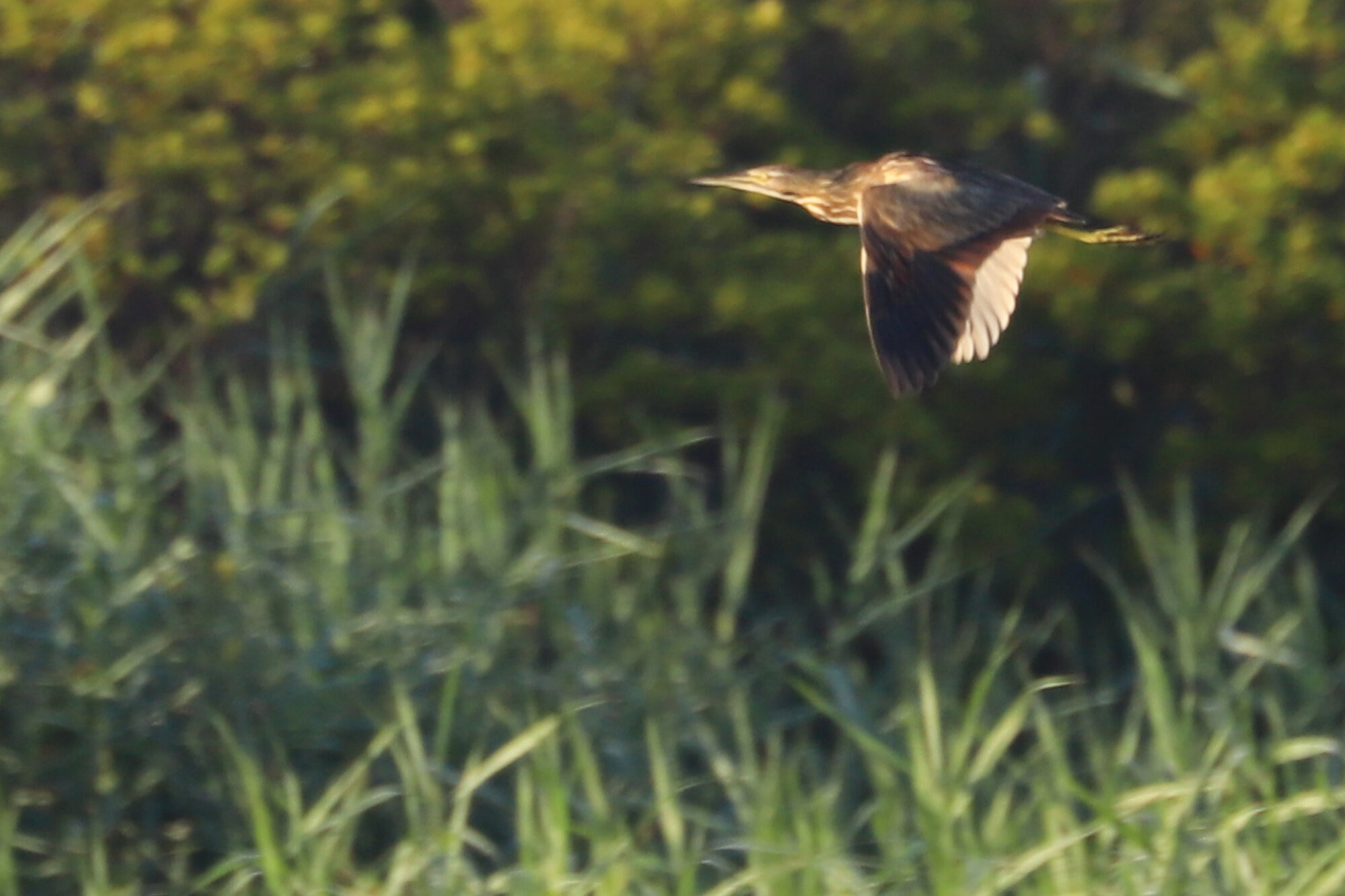
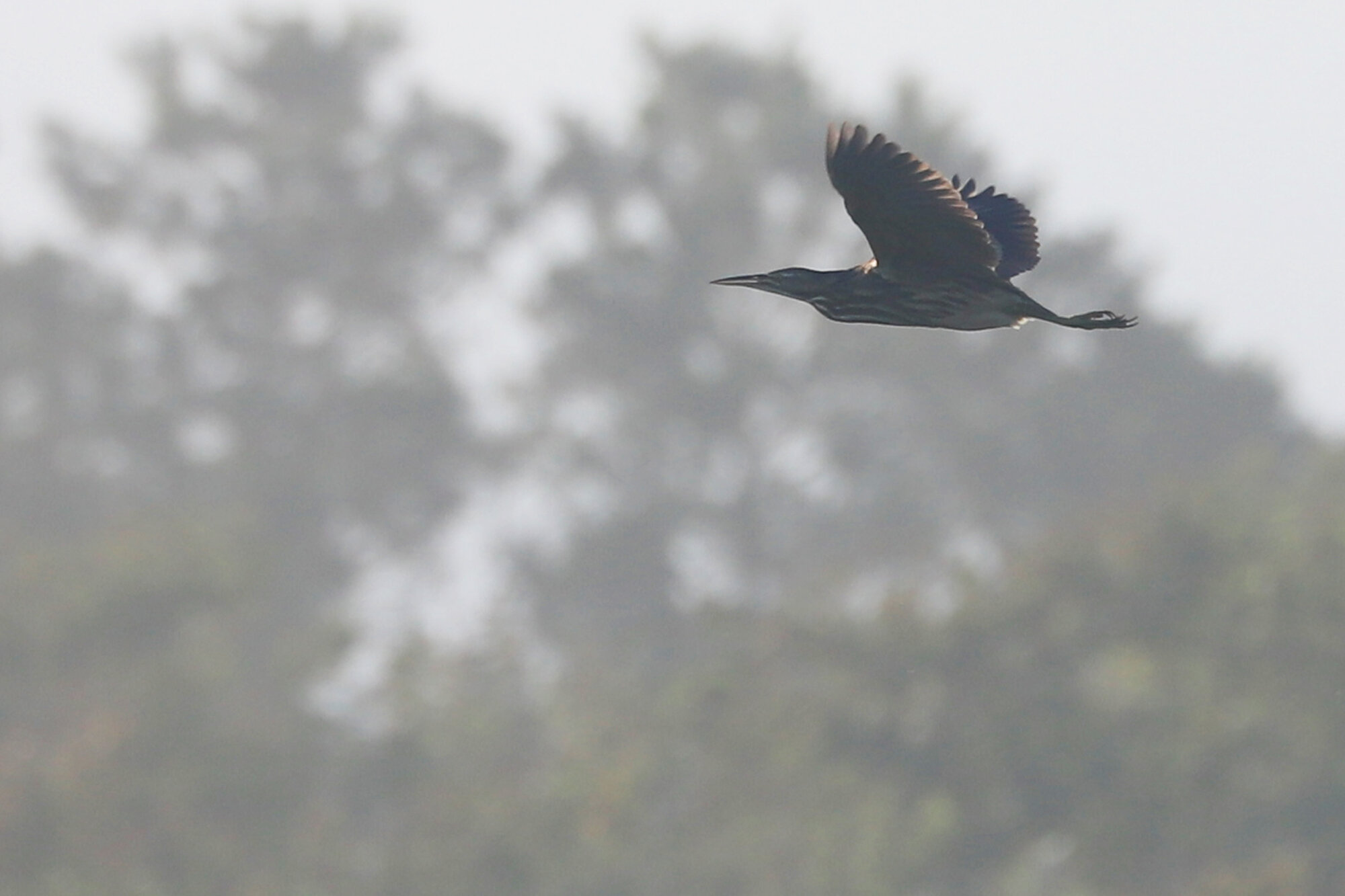
While an expected species among the freshwater and marshes and managed impoundments around Back Bay, at least two LEAST BITTERNS in the tidal marshes of the Lynnhaven River made for an excellent find from Bubba’s Restaurant off Shore Drive on 5 Jul (vis. Andrew Baldelli) after an individual was first noted in this area from Pleasure House Point NA on 28 Jul (vis. Gabriel Ricketts). These individuals continued through at least 25 Jul (vis. Andrew Baldelli) in the tidal marshes. This is now the third summer in a row that the species has been observed at this particular location, making it the only spot away from Back Bay in Virginia Beach with records over that time frame. In fact, back in 2018, the species was confirmed as a breeder for the 2nd Virginia Breeding Bird Atlas here, after an adult and fledgling were observed via kayak-birding on 21 Jun 2018 (a.r. Andrew Baldelli). What makes this particularly unique is that the marshes here are all salt/brackish marsh, rather than the freshwater marshes the species commonly inhabits in the southern portion of the city. Most other locations that hold this species throughout the state are freshwater as well, so it is curious as to why they’ve selected the Lynnhaven River as a summering location, especially given the volume of recreational boaters/kayakers that frequent the edges of the marshy islands. (Jul 2020 Map)

As mentioned in the June entry, MISSISSIPPI KITES have certainly become more expected throughout Virginia Beach in recent years, but summertime records have typically been limited to areas where nesting has been confirmed, primarily north of I-264 in Kings Grant, Thoroughgood, and Lake Smith Terrace where a whopping nine were reported on 3 Jul (vis. Tracy Tate) which topped the prior high count of five in that area. This month however, records continued to occur around Larkspur, after a single individual kicked things off at this location back on 7 May (vis. Amy & Steve Myers) and at least fourteen individuals were nearby on 19 Jun (ph. Rob Bielawski), marking the highest count Virginia Beach has ever had for the species. During July, at least three continued here on 9 Jul (vis. Amy & Steve Myers), and with reports continuing of four occurring as recently as 31 Jul (vis. Steve Myers). Additionally, one was spotted flying over Interstate 64 near the bridge crossing of the Eastern Branch of the Elizabeth River on 11 Jul (vis. David Clark), and there were murmurings on social media of others in nearby neighborhoods. Clearly, this species has exploded in population in Virginia Beach within the last few years. (Jul 2020 Map)

While first observed perched along the western side of the Armada Hoffler tower in Town Center back on 21 Jun (ph. Rob & Ruth Bielawski), one to two PEREGRINE FALCONS continued through the end of June, and at least one was reported again on 3 Jul (ph. Rob Bielawski, vis. Reuben Rohn), with a pair photographed on 14 Jul (ph. Laura Mae) and the most recent observations occurring 23 Jul (ph. Steve Keith). Additionally, we had a new record for this species in Virginia Beach this month, with an adult female observed actively hunting (successfully nabbed a grackle of unidentified species) over the southern end of the West Dike at Back Bay NWR on 3 Jul (vis. Andrew Baldelli). As in June, only a handful of records occurred this month for the species away from the Eastern Shore, where nesting programs have been underway for many years. Moving into August, we have a better chance at seeing early migrants moving back into the region, but it was nice to see that at least one pair did spend the entire summer in the city, and likely bred atop the Armada Hoffler tower. (Jul 2020 Map)

At least two of the HORNED LARKS that have summered at NAS Oceana (restricted access) were viewed from the publicly accessible Flame of Hope Memorial on 2 Jul (obs. Andrew Baldelli), having been reported previously at this location since 18 Jun 2020 (aud. Andrew Baldelli). As mentioned in last month’s entry, in past summers, Ashville Park had been the only other known breeding location for this species in the city, but since the main through-road there now has “No Trespassing” signs all along it, it seems no one has been able to search for them. So knowing that they are present in proper breeding habitat at Oceana feels like a welcome gift to birders here who just want the chance to hear & see them, and being on restricted ground means the breeders can only be viewed from a distance, keeping them safe. (Jul 2020 Map)

Though it is most likely an annual, but still rare spring & fall transient along our coastline, a single CLIFF SWALLOW observed in westbound flight with a flock of Barn Swallows at First Landing SP’s beach on 20 Jul (vis. Andrew Baldelli & Cindy Hamilton) made for only our second record this year, and the first for the fall season! Additionally, two were observed in flight with Barn Swallows along the dune line at Back Bay NWR to close out the month on 31 Jul (vis. David Clark). Having a pair of reports makes this our most lucrative fall in recent memory for this species here. This can be a difficult species to pick out in the fall season, when young Barn Swallows look quite similar. The orange/buffy rump, squared off tail, and bright white forehead are all important marks to note simultaneously to ensure the identity. Over the years, Virginia Beach has struggled to secure records for this species, having missed it altogether in 2015 & 2017, averaging about 1-2 records in the other recent years. Anywhere swallows are congregating, over flooded fields and impoundments, over storm water ponds or in flight along the coastline, it is certainly a species worth watching for right now. What makes this record in particular, even more interesting, is that the last eBird record here in a July was back in 1996 out on the first island of the CBBT, so this was a great addition to our July month-list for 2020. (Jul 2020 Map)

The single GRASSHOPPER SPARROW first heard singing at NAS Oceana (restricted access) on 6 Jun (aud. Karl Suttmann) continued to be seen &/or heard from the publicly accessible Flame of Hope Memorial on the east side of the base through 5 Jul (vis. James Flynn). The only known individual of its species to be reported in Virginia Beach this year, many of us were fortunate to be able to catch a glimpse of it during its stay. While a common species on the Eastern Shore (abundant in lower Northampton County), and to our west, we tend to average about one, or maybe two reports for this species in the city each year. We simply do not have a great deal of their preferred habitat, and that habitat tends to be ephemeral, popping up in seemingly random locations from year to year. Coastal plain reports in the Carolinas during summer offer up some comparison to Virginia Beach’s lack of records. Last year, our only potential breeder was at Mansfield Farms off Blackwater Road (until the property owner mowed the field), but that location has not seemed to hold any this season. In 2018, the species was not observed here during the summer months, so it was exciting to have a twitchable individual in the city this summer. (Jul 2020 Map)

Very rare during the summer season in Virginia Beach, an immature AMERICAN REDSTART found at a private residence in Sandbridge on 9 Jul (vis. Todd Day) made for only the third July record for the species ever entered into eBird! Additionally, at the time of the observation, it was the only record in the coastal plain of Virginia south or east of Stafford County for the month. Past records for this month here include one at a private residence in Hunt Club Forest on 24 Jul 2015 (vis. Karen & Tom Beatty), and another at the same spot on 28 Jul 2018 (ph. Karen & Tom Beatty). Though still very rare at those dates, they seem more in line with when individuals begin dispersing away from nesting areas, though typically it’s early to mid-August before we start to see records here in Virginia Beach. But, a record on 9 Jul is a real head-scratcher, and it was the only coastal record south of northern New Jersey this early in the month. Typically Cape May, NJ will see many of them in motion before we get our first in coastal Virginia, so this one is truly exciting. (Jul 2020 Map)

While up to three DICKCISSELS had been present in the same field at NAS Oceana (restricted access) going back to 2 Jun (vis. Karl Suttmann), only the individual first noted from the public Flame of Hope Memorial on 18 Jun (vis. Andrew Baldelli) continued into July.  Though, it spurred quite a few reports, whether seen &/or heard, with the apparent final report occurring 10 Jul (vis. Rob Bielawski & Todd Day). It proved to be a remarkable breeding season for this species in Virginia, with records scattered across dozens of counties/cities, but it feels all the more remarkable that these breeders were detected right in the middle of Virginia Beach where we’ve had no discernible pattern of breeding. The best way to observe the continuing individuals is to try very early in the morning before noise from traffic makes it tougher to hear from the southwestern corner of the Flame of Hope fence. Typically, all three of the rare breeders (Horned Lark, Grasshopper Sparrow & Dickcissel) that have taken up residence in this field are fairly far out, and views aren’t great, but the early morning also keeps the sun from blinding you. (Jul 2020 Map)

As mentioned, July really kicks off the season of Fall Arrivals (mostly shorebirds). This month, regarding expected/annually occurring fall migrants, records occurred for the following first-of-season arrivals:

  • Spotted Sandpiper – First Observed: 2, Back Bay NWR, 6 Jul (vis. David Clark); First Photographed: 5, JEB Fort Story (Restricted Access), 12 Jul (ph. Steve Myers).

  • Whimbrel – First Observed & Photographed: 1, JEB Fort Story (Restricted Access), 9 Jul (ph. Steve Myers).

  • Short-billed Dowitcher – First Observed: 1, False Cape SP, 9 Jul (vis. Marlee Fuller-Morris); First Photographed: 26, First Landing SP, 18 Jul (ph. Rob Bielawski).

  • Lesser Yellowlegs – First Observed: 1, Pleasure House Point NA, 10 Jul (vis. David Clark); First Photographed: 1, Muddy Creek/Shipps Cabin Fields, 12 Jul (ph. Rob Bielawski).

  • Least Sandpiper – First Observed: 4, Back Bay NWR, 10 Jul (vis. Steve Myers); First Photographed: 2, Muddy Creek/Shipps Cabin Fields, 12 Jul (ph. Rob Bielawski).

  • Gull-billed Tern – First Observed & Photographed: 1, First Landing SP, 17 Jul (vis. June McDaniels).

  • Piping Plover – First Observed: 2, False Cape SP, 19 Jul (vis. Marlee Fuller-Morris); First Photographed: 1, Back Bay NWR, 25 Jul (ph. Rob Bielawski).

  • Solitary Sandpiper – First Observed & Photographed: 1, Back Bay NWR, 19 Jul (ph. David Clark).

  • Semipalmated Sandpiper – First Observed: 2-4, First Landing SP, 20 Jul (vis. Andrew Baldelli & Cindy Hamilton); First Photographed: 5, Back Bay NWR, 25 Jul (ph. Steve Keith).

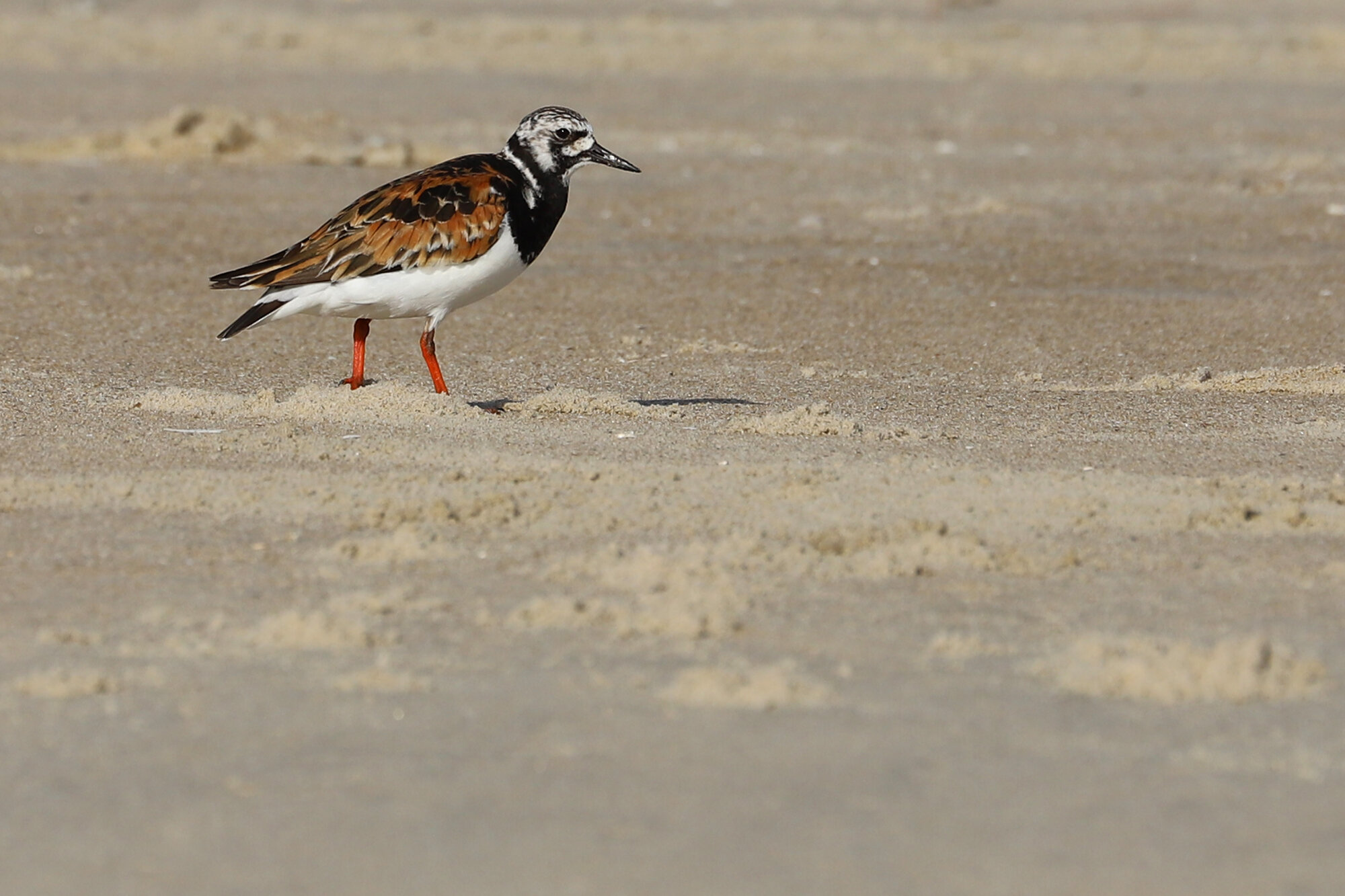
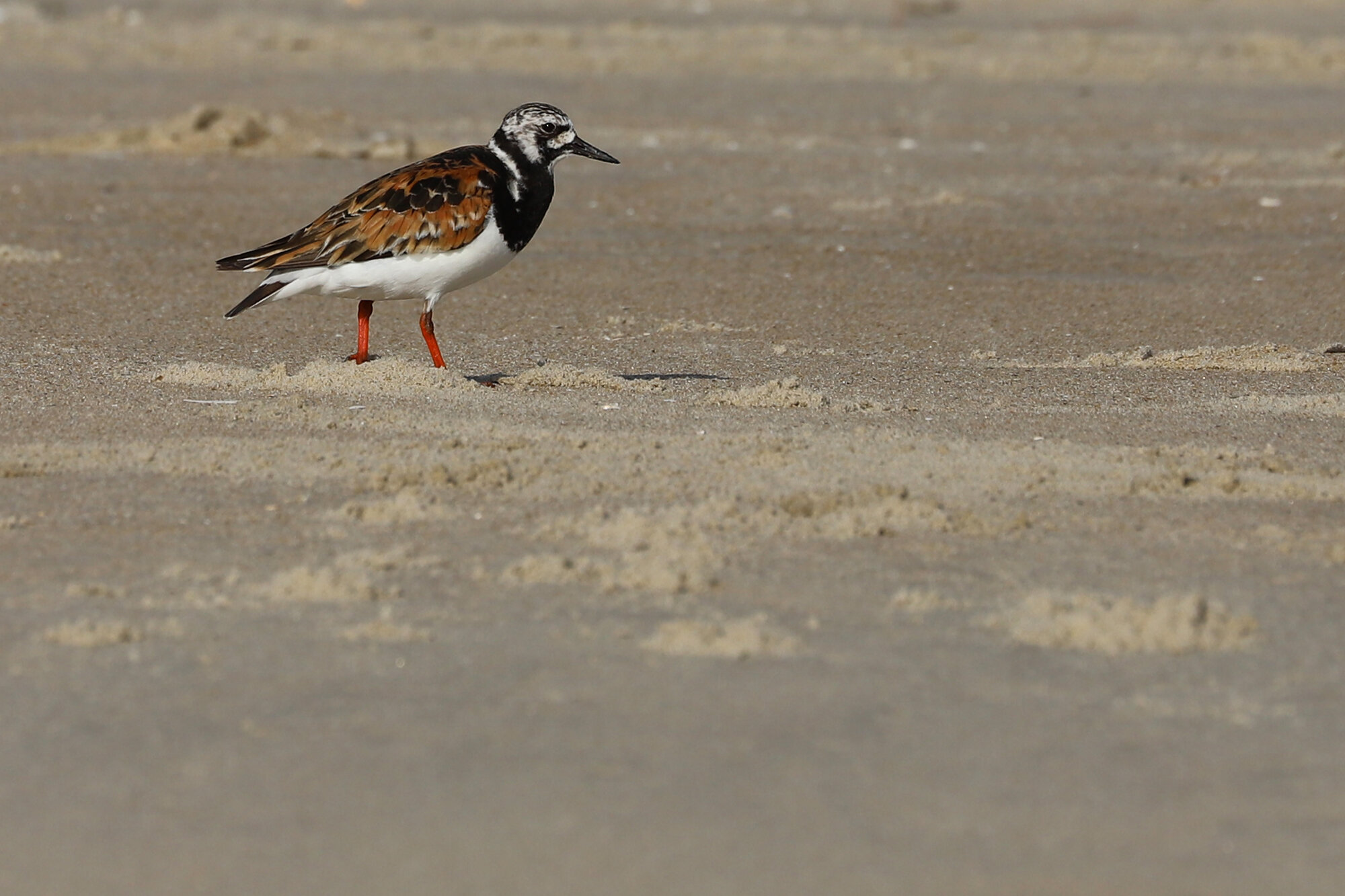
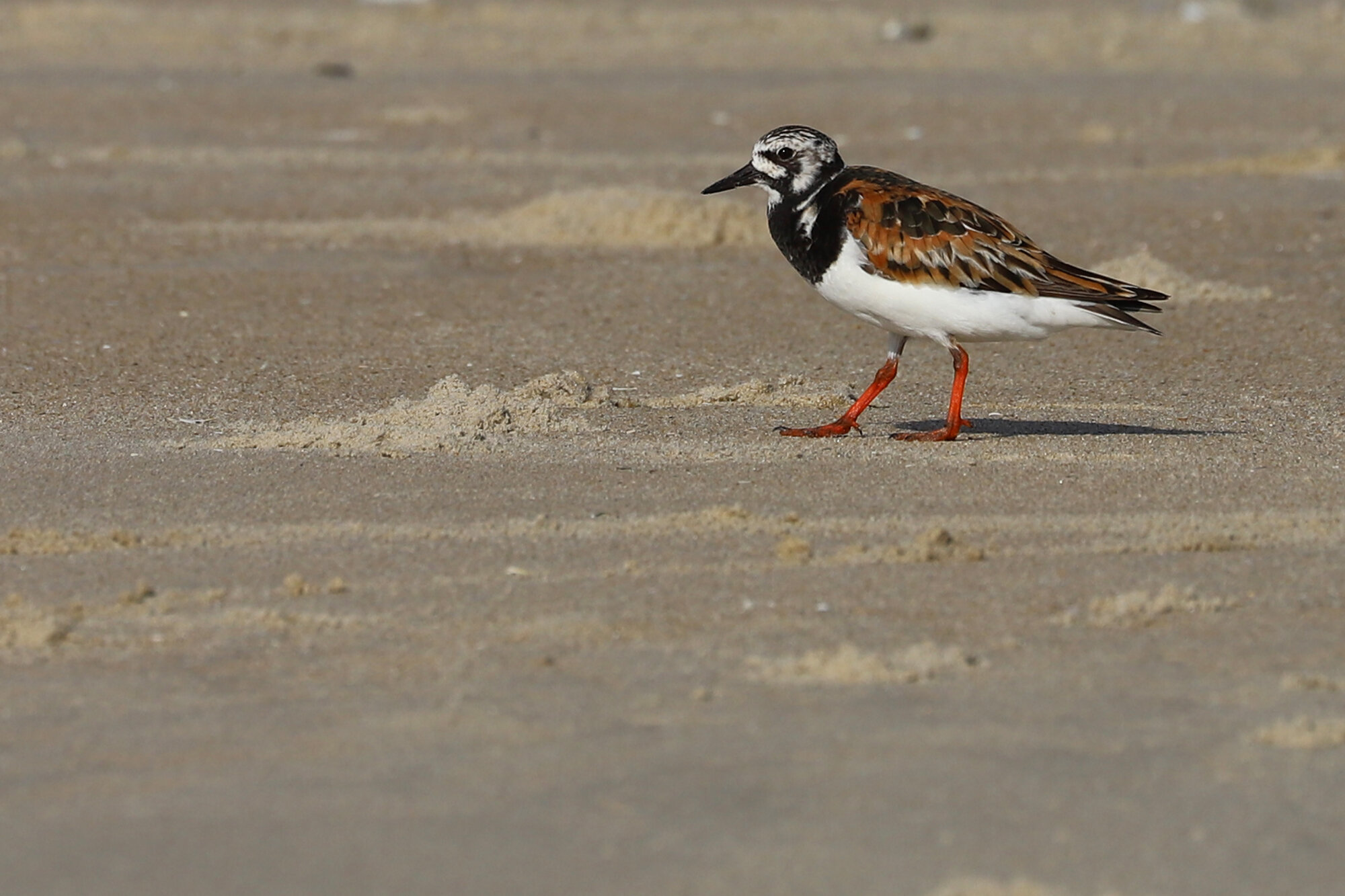
  • Ruddy Turnstone – First Observed & Photographed: 1, Back Bay NWR, 22 Jul (ph. Steve Myers).

  • American Black Duck – First Observed & Photographed: 2, Princess Anne WMA Whitehurst Tract, 23 Jul (ph. Rob Bielawski).

  • Pectoral Sandpiper – First Observed & Photographed: 13, Muddy Creek/Shipps Cabin Fields, 24 Jul (ph. Karen & Tom Beatty).

  • Semipalmated Plover – First Observed: 2, Lynnhaven Inlet, 26 Jul (vis. Andrew Baldelli).

  • Black-bellied Plover – First Observed: 1, Back Bay NWR, 29 Jul (vis. Andrew Baldelli).

  • Red Knot – First Observed: 1, Back Bay NWR, 29 Jul (vis. Andrew Baldelli); First Photographed: 1, Back Bay NWR, 29 Jul (ph. Reuben Rohn).

  • Black Tern – First Observed: 1, False Cape SP, 29 Jul (vis. Marlee Fuller-Morris).

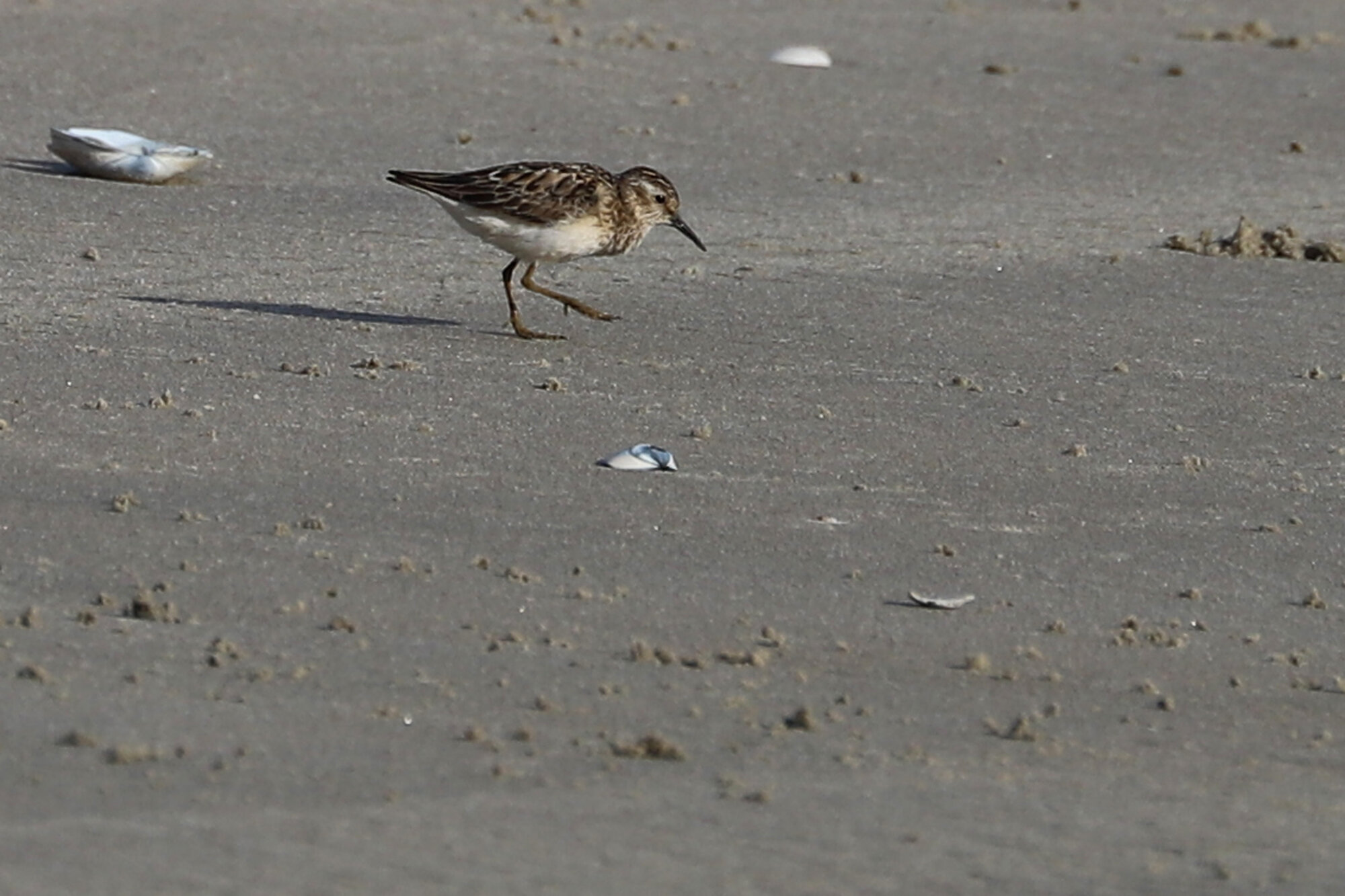
  • Western Sandpiper – First Observed & Photographed: 1, JEB Fort Story (Restricted), 30 Jul (ph. Steve Myers).

In addition to rarities and fall arrivals, there were some other interesting species observed around the city this month. The only reports for American Kestrel in the city this month were of a pair that most likely nested along North Muddy Creek Road just east of Princess Anne Road, with a single individual observed near month’s end at First Landing SP that could even be an early migrant. The Muddy Creek pair was observed at this location throughout June as well, and no other records for the species have occurred here since spring migration, making this species just as scarce a breeder as say, Peregrine Falcon which was mentioned above. After a Northern Bobwhite was tracked throughout June near the Virginia Beach Sportsplex off Landstown Road, at least two were heard at the same location this month, with one photographed from the small gravel pull-off just north of Landstown Roads 90 degree bend. These are the only known Northern Bobwhites present in the city this summer season. Northern Parulas were observed only at First Landing SP this month, the only known location where they nest in Virginia Beach.

As mentioned in the introduction, we finished off July 2020 (‘this July’) with 150 species, a total of seven more than we observed in July 2019 (‘last July’). Virginia Beach eBirders did a great job this July, finding almost every unflagged species at some point in the month, with only Stilt Sandpiper evading us. As a means of direct comparison between years, the following species were recorded last July but were not found this July (species in all capital letters are those that flag as ‘rare’ in eBird here throughout Jul): BLACK-BELLIED WHISTLING-DUCK, COMMON EIDER, SURF SCOTER, AMERICAN BITTERN, WARBLING VIREO & HOODED WARBLER. Conversely, we found the following species this July, but didn’t observe them last July: Northern Bobwhite, COMMON GALLINULE, MARBLED GODWIT, Red Knot, Black Tern, WILSON’S STORM-PETREL, GREAT SHEARWATER, PEREGRINE FALCON, HORNED LARK, CLIFF SWALLOW, GRASSHOPPER SPARROW, AMERICAN REDSTART & DICKCISSEL. So it would seem that despite our lack of shorebird habitat, perhaps better coverage led to more species being found? Whatever the reasons, it’s always nice to raise the monthly bar, so next July we’ll have to figure a way out to top the 150 species we recorded this month.

As always, a wide array of media (photos/audio/video) were submitted during the month in Virginia Beach, and eBird makes it incredibly easy to organize and browse all of these. For those hoping to view every photo/audio/video submitted for Virginia Beach during this period, please see the complete listing for the month of July located on eBird’s Media explorer by clicking here! Please remember, anyone with an eBird user account has the ability to rate these photographs/audio/video on a scale of 1-5 stars (based on these guidelines). Making use of the average rating for each media item is how eBird populates anything media-driven on the website, particularly the Illustrated Checklists. So, if you're one of the many folks who enjoy looking at photographs or watching/listening to video/audio recordings of birds, please take some time to rate their quality, it helps to make eBird more useful with each passing day!

AUGUST LOOKAHEAD: Now that July has come to a close, birders should continue scouring the landscape for shorebirds in August. Diversity & numbers of individuals will continue to rise this coming month, and any proper habitat could hold something interesting shorebird-wise. Also, August is the typical start for passerine migration, though there are fewer species on the move early in the month, but by month’s end, most passerines have begun their movements from breeding to wintering grounds. This makes August typically more exciting than July, and provided another dimension to the habitats that should be getting attention from birders. While most birders shy away from forests in July in lieu of focusing their efforts on fields and impoundments, August provides good reason for us to venture back out into the woodlands. The passage of cold fronts becomes more important as the month goes on, and mornings after any should be good for passerine arrival due to the northwesterly winds they typically invoke. Make sure to keep up with the expected fall arrival dates by clicking here.

At the close of July, we have not yet logged first arrivals for the following species with expected arrival dates (listed in parentheses after each species name) prior to August:

Additionally, the following species all have expected fall arrival dates during the month of October and should be looked for throughout the month.

For those who wish for their observations to be included in this journal, please submit your records to www.eBird.org, and ensure that the proper documentation (whether written notes that rule out all similar species or photo/audio/video that is conclusive to species) is provided. Thank you to those who have taken the time to enter such documentation into eBird so these records may be publicly known and to those who took the time to read through this Journal entry. Be sure to check back early next month to see what birders will have found in Virginia Beach during August! For further information regarding this monthly, online publication, please visit the Journal Overview Page which provides an explanation of the current format, layout and composition of the journal.
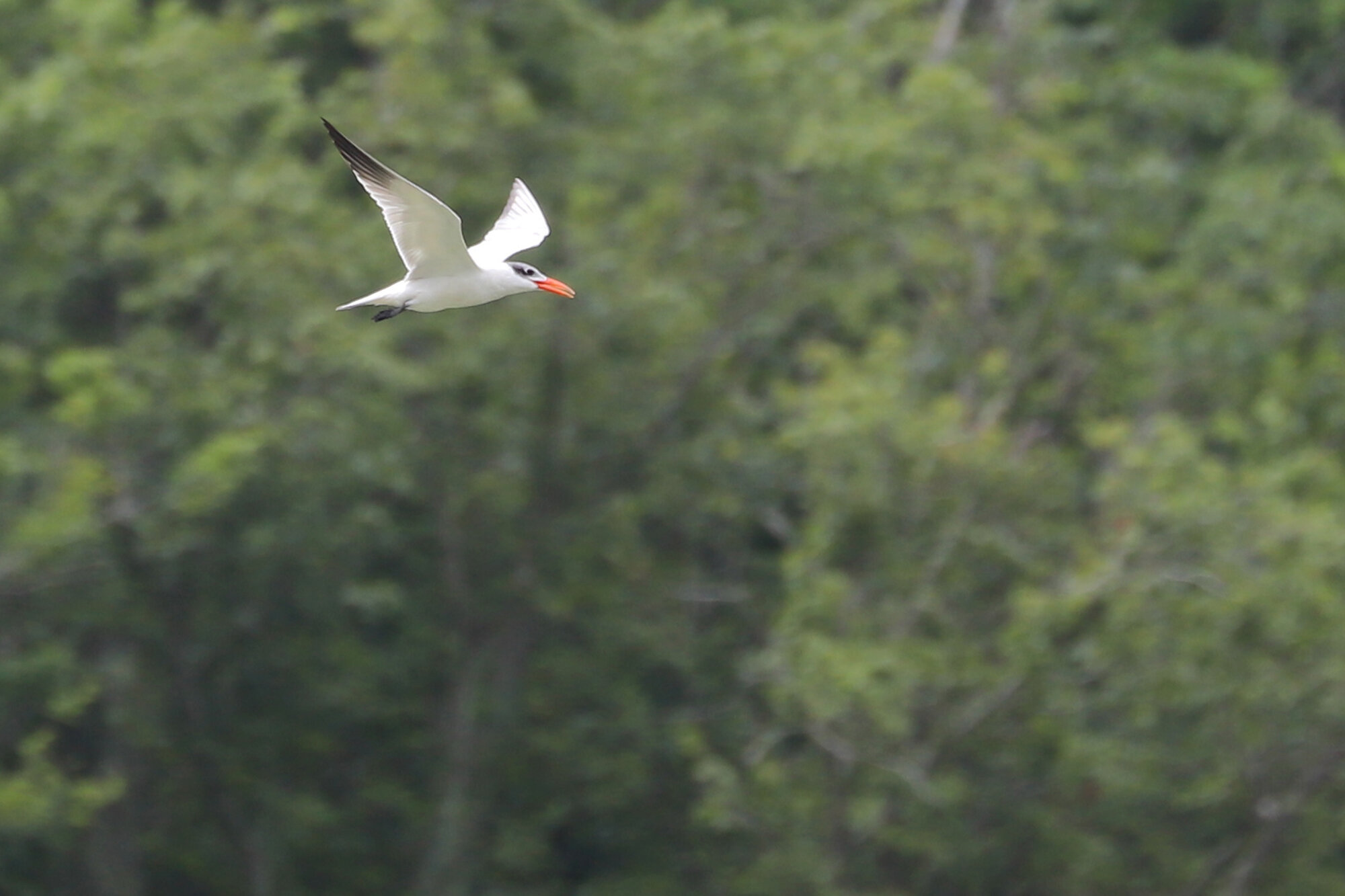
June 2020

After experiencing the highs of peak migration each May, June tends to be our most difficult month in terms of species diversity here in Virginia Beach. A combination of quite a few expected species departures throughout the month but no expected arrivals means that the number of species expected to occur becomes less and less as each day passes. The early portion of the month can produce some lingering spring migrants, like Blackpoll Warbler, or a few species of shorebirds like Spotted Sandpiper, Black-bellied Plover and White-rumped Sandpiper, but by about the second week the only species present typically are the annual breeders (save for anything truly rare/unexpected). With the summer heat beginning to set in, and exhaustion taking its toll after the culmination of spring migration in May, birders also just tend to be out scouring the landscape less in June than in other months. Overall, temperatures in June were slightly lower (85°F/69°F for daily highs/lows) than the prior ten-year average (86°F/69°F). Throughout the month, we ranged from a low of 56°F on 1 Jun to a high of 95°F on 4 Jun, which marked the highest value for the calendar year thus far (dethroning the 93°F set the previous day). Over the course of its thirty days, a total of 154 species produced accepted records in eBird during June, of which a good cross section are covered in either the write-up or in the photographs below. While an expectedly significant drop from the record-breaking 221 species logged here in May, compared to recent Junes this number proved to be an increase from both the 148 species logged in 2019 as well as the 141 in 2018. For the calendar year, we now stand at 284 species, which is fourteen higher than the 270 species logged through the same period last year. Collectively, eBirders have now submitted a total of 5,554 complete checklists for the calendar year which, like last month, keeps us on a pace to eclipse the 10,061 submitted in 2019.

Possibly the same MUTE SWAN that has popped up sporadically in the northern half of Virginia Beach over the last few months was detected again at Pleasure House Point NA on 21 Jun (ph. Tommy Maloney). Observed most recently on 26 Jun (ph. Karen & Tom Beatty), it is likely still present in the area. With records from Mar-Apr at Lake Windsor/Lake Trashmore and also in Thoroughgood on a private pond, it seems pretty likely the we’re dealing with the same individual, given the overall scarcity of this species in Virginia Beach across recent years, and the unlikelihood of new migrants arriving here during the summer season. (Jun 2020 Map)

Unexpected along our patch of coastline during the summer season, at least two RED-BREASTED MERGANSERS at Lynnhaven Inlet on 9 Jun (vis. Andrew Baldelli) made for quite a surprise. Though, in recent years, injured or ailing waterfowl have had some pattern of occurrence in late May/early June before they ultimately perish, it is still unusual to see these birds when they do occur. Similarly, last year we had a Common Eider that lingered at Lynnhaven into July. However, all the healthy Red-breasted Mergansers left for their breeding grounds quite a few weeks ago, so it seems a fair guess that this pair either had a wing injury preventing their exodus from occurring, or were perhaps malnourished/sick. (Jun 2020 Map)

A very scarce and secretive breeder throughout most of Virginia, a PIED-BILLED GREBE found at Back Bay NWR on 31 May (vis. Conor Farrell) was quite a shocker. Even more shocking though, was that it continued on the C Pool, visible from the West Dike on 2 Jun (ph. Steve Myers), 18 Jun (ph. Andrew Baldelli), and was observed sitting atop a nest on 22 Jun (vis. Andrew Baldelli), thereby confirming the species as a breeder for the first time in Virginia Beach during the 2nd Virginia Breeding Bird Atlas! Most summers, the species seems to vanish during May, and individuals pop up again in July after having likely bred. The vegetation and terrain of Back Bay NWR doesn’t often afford views of such a cryptic breeder, and there is nowhere else in Virginia Beach where it is suspected to be breeding (perhaps Princess Anne WMA?). So, given the above, this was certainly a highlight for the month of June. (Jun 2020 Map)

Infrequently detected locally even during peak spring migration, a group of three COMMON NIGHTHAWKS passing over a private residence in Hunt Club Forest on 2 Jun (vis. Karen & Tom Beatty) made for some early month excitement. Being a mostly nocturnal species, clearly a lack of effort/coverage by birders at the proper time of day tends to yield fewer reports, but the only other report in the coastal plain of Virginia this month was a single this same date in Surry County! (Jun 2020 Map)

With a single COMMON GALLINULE reported at Back Bay NWR way back on 28 Apr (aud. Robert Ake), it was quite a surprise this month when reports again started at the refuge on 6 Jun (ph. Rob Bielawski). Continuing at the same exact spot along the West Dike near the northernmost extend of the C Pool on 8 Jun (ph. George Burruss) and 10 Jun (vis. Matthew Hosmer), it seems likely that this might represent another breeding record for a very secretive/cryptic species here in Virginia Beach. With other individuals logged during spring migration at False Cape SP to the south, and at Princess Anne WMA on the west side of Back Bay, this species was a well-recorded transient in 2020, but summering records are far more unusual with 2011 being the last such year in terms of eBird reports in the city (also at Back Bay NWR). (Jun 2020 Map)

Exceptionally rare during the summer months in Virginia as a whole, a single BONAPARTE’S GULL at Rudee Inlet on 3 Jun (ph. Amy & Steve Myers) proved to be the only such record in the state during June. Additionally, there was only one other report for this species input to eBird south of Maryland, with one noted in North Carolina on the first of the month! In terms of past Junes within Virginia Beach, only 2013 & 2011 have records for this species input to eBird, with only a handful of other records sporadically reported across different years in scattered locations through the state. (Jun 2020 Map)

Truly a surprise for the month of a June, an immature GLAUCOUS GULL discovered on the beach at False Cape SP on 20 Jun (ph. Marlee Fuller-Morris) made for Virginia Beach’s first ever eBird record during the summer months! Though it wasn’t the only individual logged in Virginia this month, with another at Cape Charles Beach in Northampton County on 28 Jun (ph. Matt Anthony & Erin Chapman), there were very few records on the East Coast as a whole, with only singles in Florida, Georgia, North Carolina, Maryland, Connecticut and Massachusetts. Earlier this year, one individual was reported in April in Hampton, and at least one was present around the CBBT in Virginia Beach during January, so for a species clearly scarce even during the winter when it’s most likely to occur, these summer records were certainly out of the blue. (Jun 2020 Map)

While fairly common around the barrier islands and marshes of the Eastern Shore, a GULL-BILLED TERN resting on the beach at False Cape SP on 20 Jun (ph. Marlee Fuller-Morris) was an excellent surprise this month for the city! Given the lack of appropriate nesting habitat here in Virginia Beach, this tends to be a difficult species to pin down, since one typically has to luck into a transient during spring or fall that is workings its way up or down our coastline. Random individuals do tend to pop up, and there are past June records on the impoundments at Back Bay NWR as well, but overall, this is a truly scarce species during June in the city. Away from the Eastern Shore, only Hampton and more unexpectedly, Surry County (where it is a VARCOM review species), had records in Virginia. (Jun 2020 Map)

Very rare in Virginia as a whole, an apparent ROSEATE TERN was present on the tidal mudflats off Pleasure House Point NA on 19 Jun (ph. Kathy Louthan & Wes Teets), marking the second report for this species in Virginia Beach this calendar year, and the second June in a row to boast an individual with one at Back Bay last June (ph. Rob Bielawski & Lisa Rose). During Tropical Storm Arthur’s movement off our coast in May (vis. Edward Brinkley), another individual was noted in flight along the North End beaches, so we’ve now matched our total for 2019, as one was observed during Hurricane Dorian’s passage (ph. Andrew Rapp) last September as well. A statewide review species by VARCOM standards, and while we might be the most likely municipality in the state to produce records, any record for this species is to be celebrated. (Jun 2020 Map)

In the same vein as the Red-breasted Merganser mentioned above, a single RED-THROATED LOON present around Lynnhaven Inlet from, 9 Jun (ph. Andrew Baldelli) through at least 28 Jun (ph. Rob Bielawski) likely represented an ailing or injured individual. With thousands of Red-throated Loons passing by our coastline in March & April, and a few lingering into May, seeing one so late into the summer season is certainly unusual. Their closest relative we have here, the Common Loon, does tend to linger into June here each year as well though. This particular Red-throated Loon seems to flow inside the inlet with the incoming tide, and then vanish with the outgoing tide as well, so the best time to look for it foraging around the mud flats seems to be just before high tide occurs. (Jun 2020 Map)
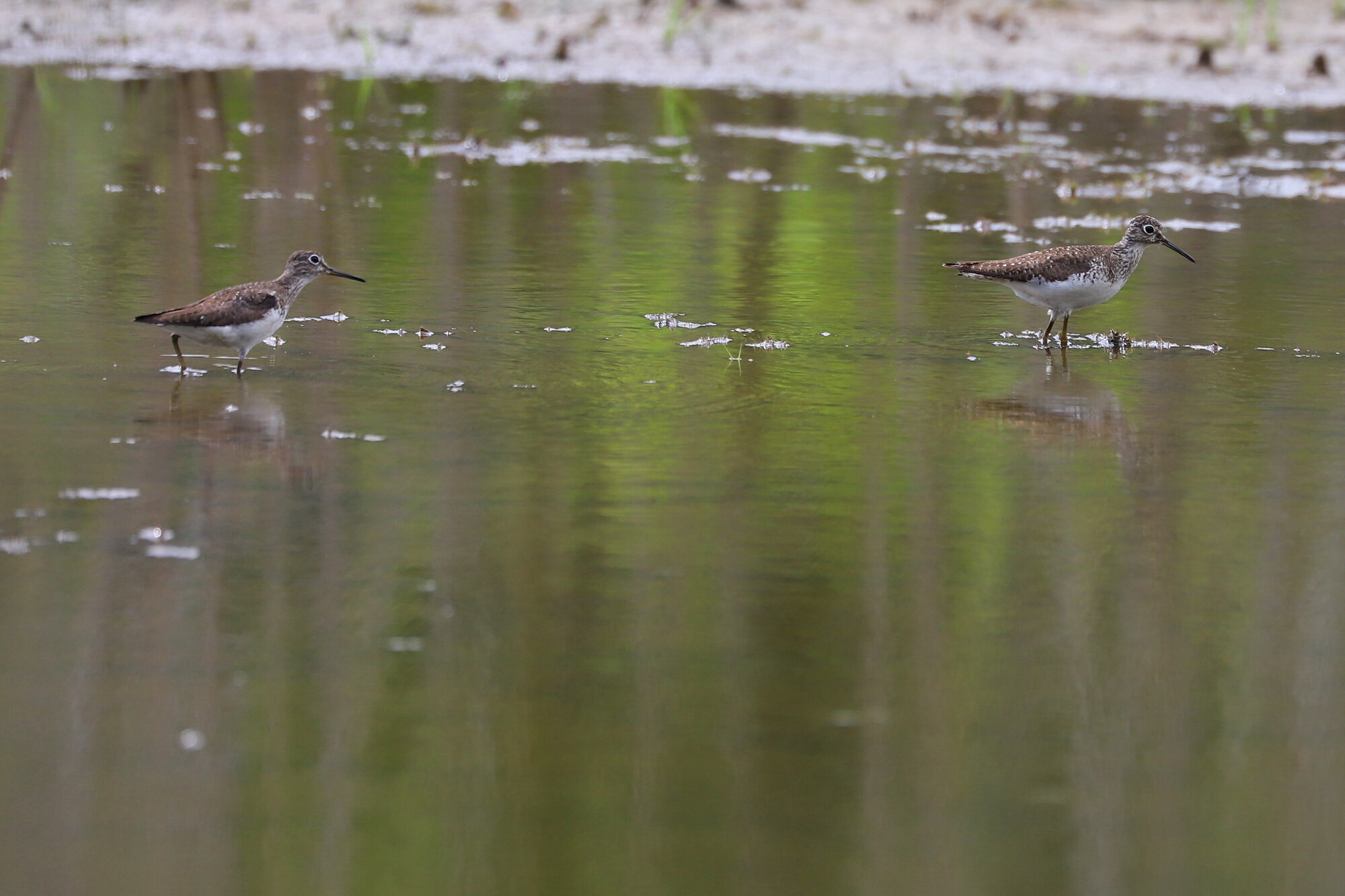
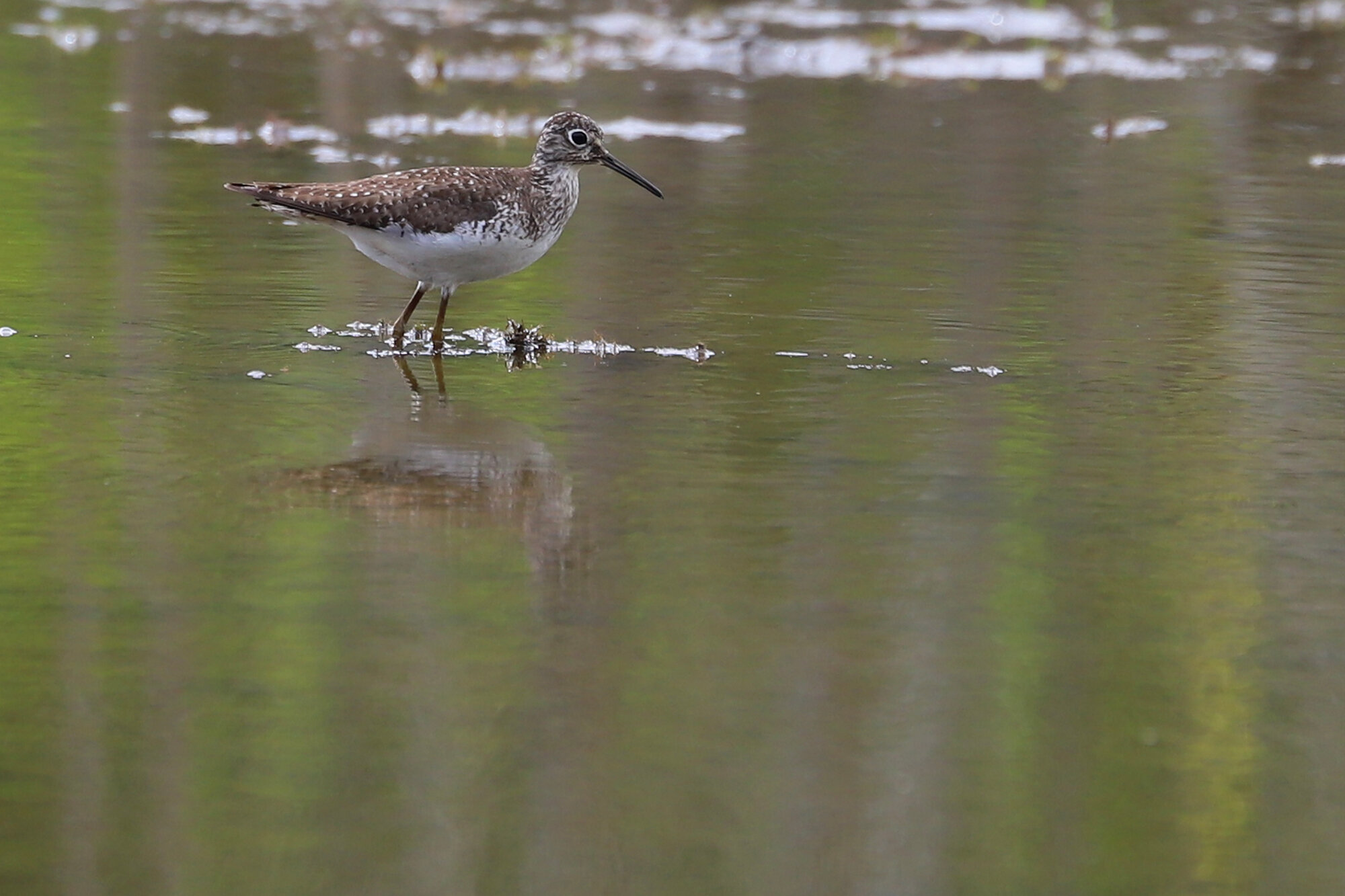
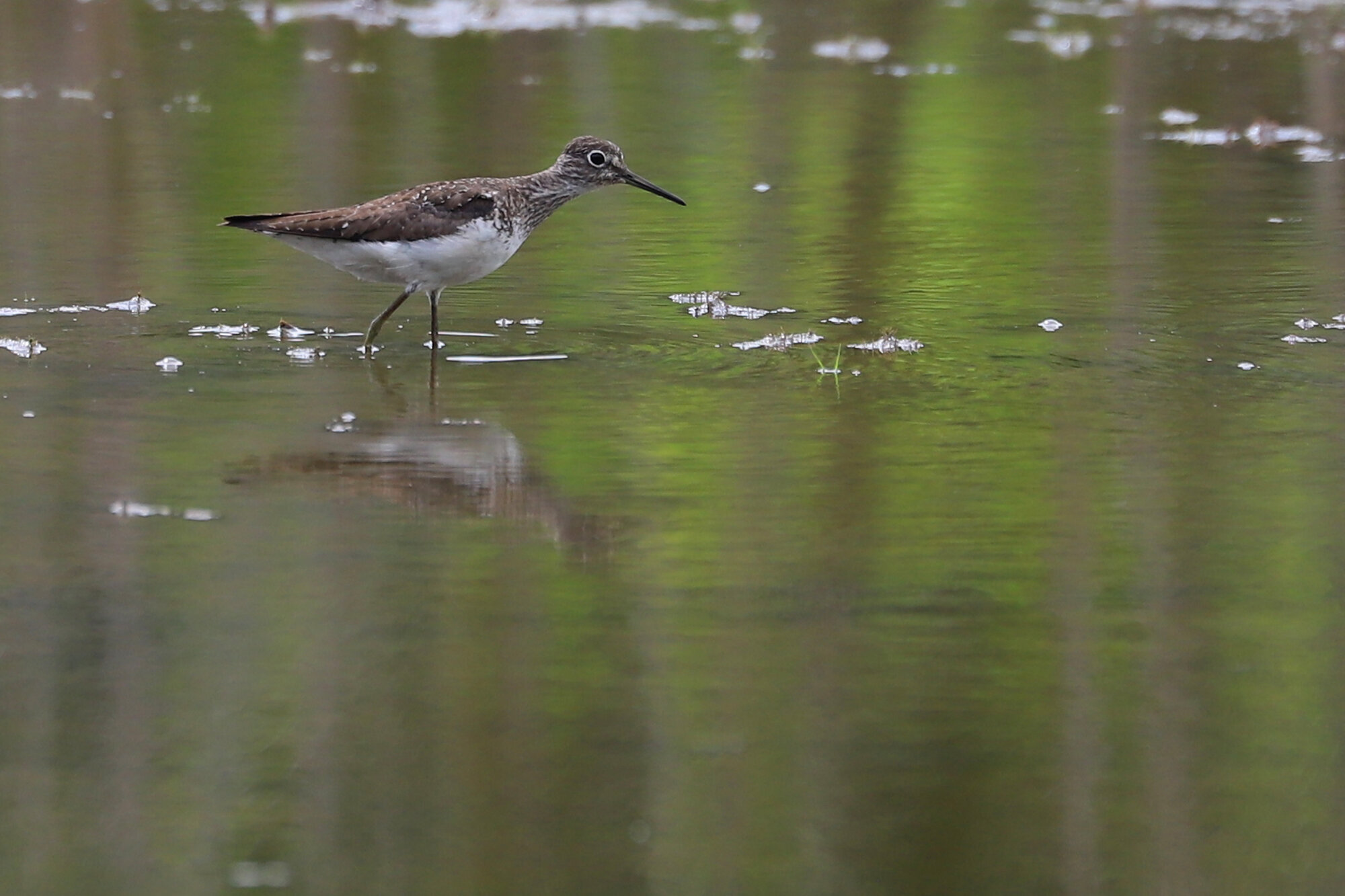
Exceptional any time of year, a pair of WOOD STORKS observed in flight over Muddy Creek Road near Shipps Cabin Road on 19 Jun 2020 (vis. Andrew Baldelli) which made for the first-ever report in eBird for the state during the month of June. Though, surely, not all records are in eBird and summertime feels like a fine time for this species to irrupt northward, especially during droughts in their core range. So far in 2020, Virginia Beach has now boasted three reports of the species, including the sight report mentioned here, as well as photographic records this January at Back Bay NWR (ph. Steve Keith) and at Carolanne Farms Park (ph. Charlie Bruggemann). No other individuals have been reported this calendar year north of North Carolina, and there’s no telling when the next might pop up here, but this is certainly a species to keep in mind as summer progresses. (Jun 2020 Map)

Unfortunately, a single immature BROWN BOOBY found at a private residence in Croatan Beach on 15 Jun 2020 (ph. Anonymous Homeowner fide Karen & Keith Roberts) did not survive after it was picked up by a rehabber. It’s possible that strong onshore winds over the prior few days could have pushed this ailing bird in to shore. So far, this is the only record for the species in Virginia this calendar year, though last summer several were sighted on a buoy in the lower Chesapeake Bay, and other reports this month hailed from North Carolina, Maryland and New Jersey, so it is likely that others (hopefully healthy individuals) could also be around our state’s waters. (Jun 2020 Map)

Fairly expected as a transient and summer resident locally around Stumpy Lake, it was a bit of a shock that ANHINGA had not been observed since early April around the lake. However, a single individual was fortunately found on 10 Jun (ph. Hope Grasser), followed by a report for two individuals 13 Jun (ph. Hope Grasser) and continuing through at least 23 Jun (ph. Steve Myers) indicates that hopefully the species is again breeding somewhere around Stumpy Lake, though clearly not at the same location just off the causeway that was used last summer. The only other reports north of North Carolina this month occurred within Virginia in Chesapeake, Mecklenburg County & Prince George County (the most regular site for the species in the state away from Stumpy Lake), and with a single record at Cape May, New Jersey. (Jun 2020 Map)

Exceptional from mainland Virginia Beach anytime throughout the year, a single GREAT CORMORANT found at Rudee Inlet on 2 Jun by a returning crew of pelagic birders, (ph. Baxter Beamer, Edward Brinkley, Adam D’Onofrio, Paul Glass, Andrew Rapp & Wes Teets) proved extremely unexpected. Typically gone by April or perhaps May from even their winter holdouts around the CBBT, this made for a first June record for Virginia as a state in terms of eBird reporting (though older records have occurred). Lingering only through the following day, 3 Jun, this was the only records south of New York this month, save for another individual miraculously recorded in Florida. (Jun 2020 Map)

Very rare during the summer months in Virginia Beach, an AMERICAN BITTERN found at Back Bay NWR on 31 May (vis. Conor Farrell; later ph. Rob Bielawski) lingered through at least 22 Jun (vis. Andrew Baldelli) along the West Dike at the northernmost reach of the C Pool. Historically, breeding records do exist for this species at the refuge, but it has been a number of decades since the last confirmation. The records this month give us hope that the species could once again be breeding here though! This was the only individual documented in Virginia during June, and aside from a single record in North Carolina and two in Florida, all other records this month in Eastern North America were north of Virginia. (Jun 2020 Map)
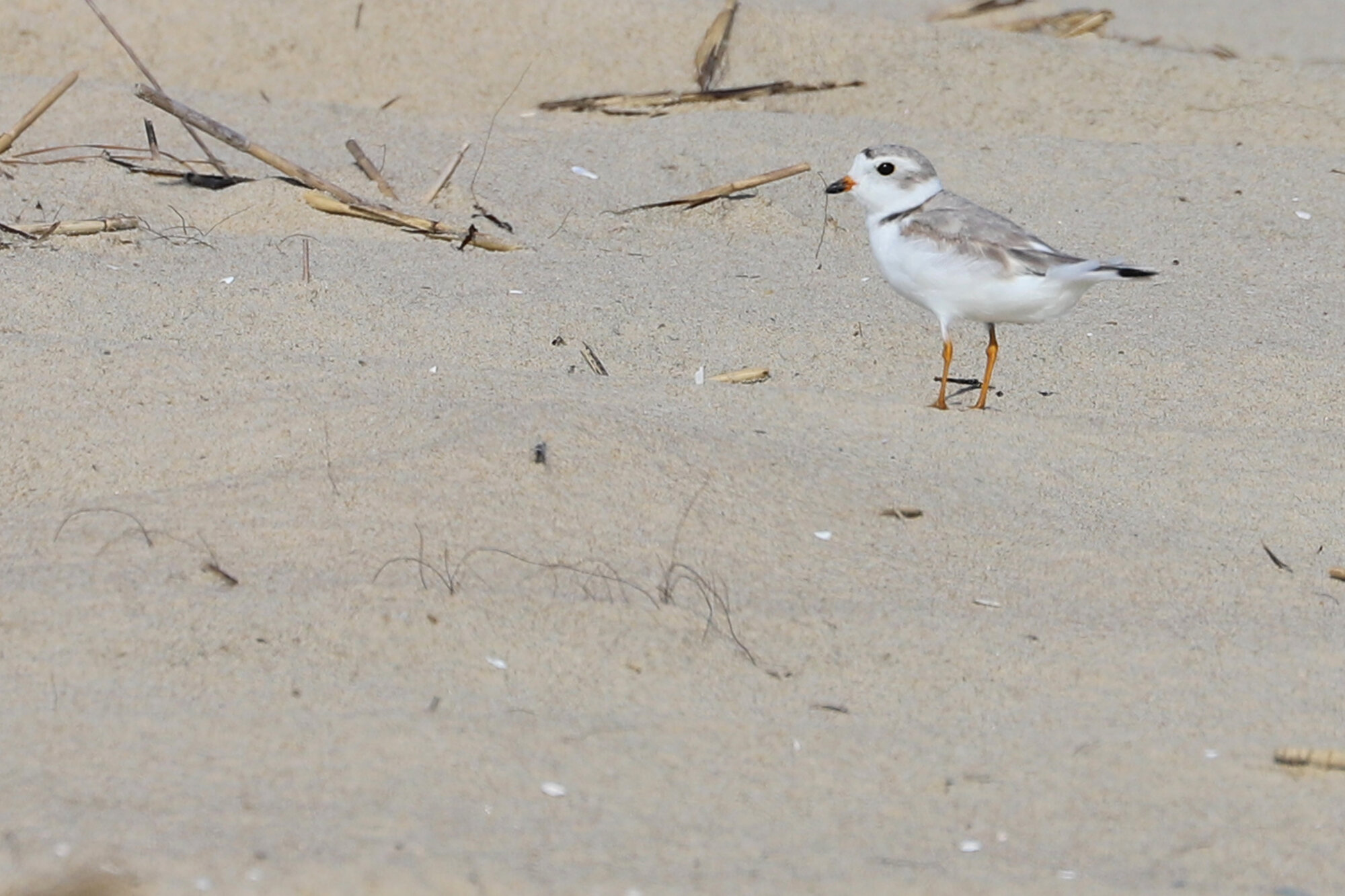
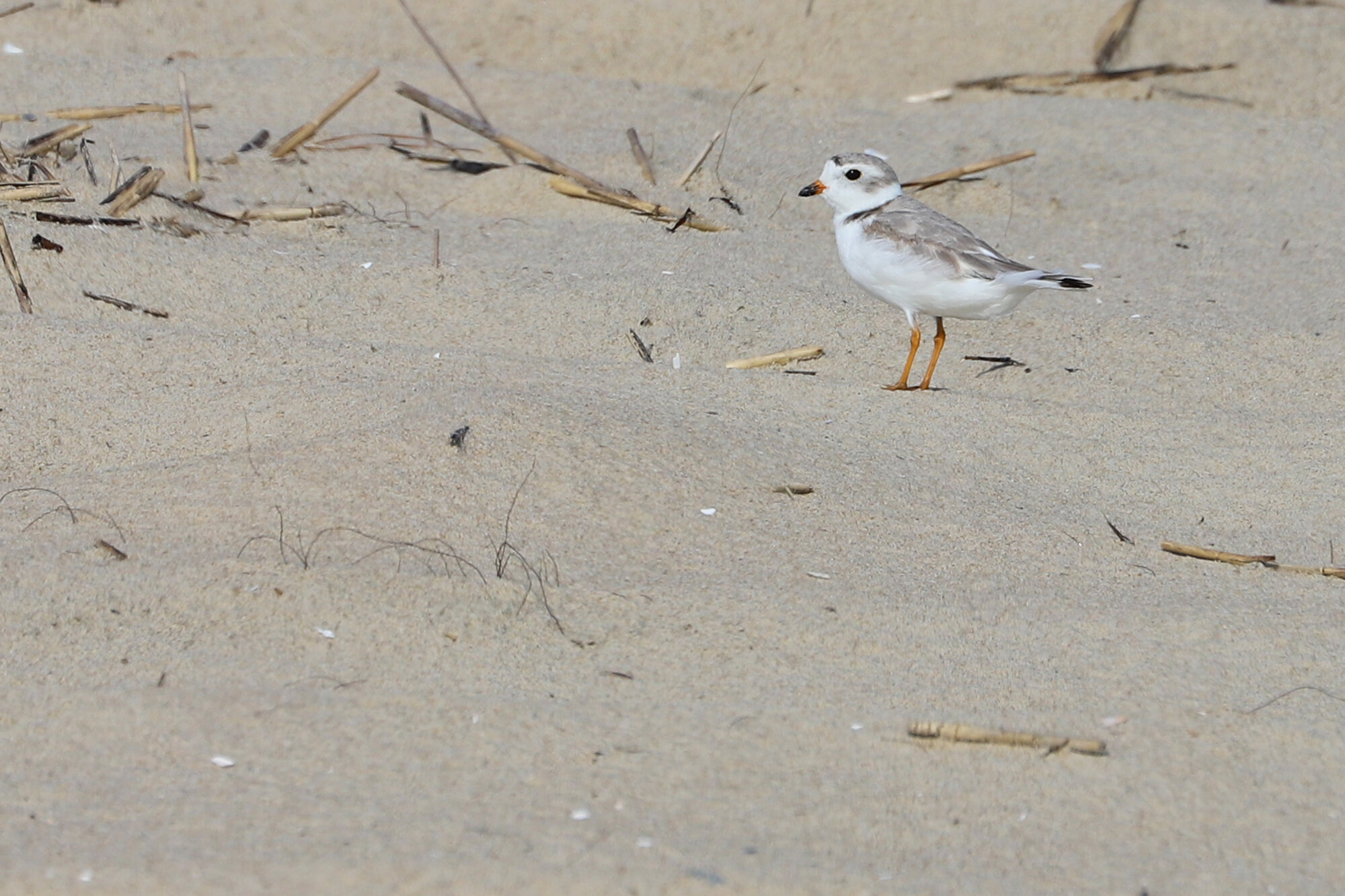
Though certainly becoming more expected throughout Virginia Beach in recent years, MISSISSIPPI KITES have typically been limited to areas where nesting has been confirmed north of I-264. This month however, records for the species popped up at four different locations to the south of the interstate. Most notable among the records, a single individual over Larkspur starting on 7 May (vis. Amy & Steve Myers) inexplicably blossomed into a group of at least fourteen individuals nearby on 19 Jun (ph. Rob Bielawski), obliterating Virginia Beach’s prior high count for this species of five individuals! At least five continued over Larkspur through month’s end (ph. Steve Myers). At least one individual was present around NAS Oceana (restricted access) from 5 Jun (vis. Doug Shultz) through 23 Jun (vis. Karl Suttmann). Individuals were also logged over Hunt Club Forest from 27 May-19 Jun (a.r. Karen & Tom Beatty) and over Blackwater Road on 18 Jun (vis. Greg Tito). (Jun 2020 Map)

Being a scarce breeder throughout most of Virginia, a single PEREGRINE FALCON found perched along the western side of the Armada Hoffler tower in Town Center on 21 Jun (ph. Rob & Ruth Bielawski) proved to be an exciting find. With further coverage by birders, a pair was noted 22 Jun (ph. Amy & Steve Myers), and at least one individual continued to be reported on the tower through 27 Jun (ph. Prashant A). Only a handful of records occurred this month for the species away from the Eastern Shore, where nesting programs have been underway for many years. We last had a June eBird record back in 2018, with only singles in 2017 & 2011 preceding that one, so clearly the species is scarce here. With an abundance of prey, namely Rock Pigeons and European Starlings, able to be hunted with ease from the tower, hopefully this pair will have a successful breeding season. (Jun 2020 Map)

For the third summer in a row, a WARBLING VIREO was detected along Ashville Park Boulevard, just east of the clock tower roundabout, starting on 6 Jun (ph. & a.r. Steve Myers). With two reported at the site on 9 Jun (ph. Reuben Rohn), and an individual last observed 14 Jun (ph. David Clark), it seems likely that the pair has again nested in the willow oaks that line this residential parkway. This was the only documented record for the species in a coastal county south of New Jersey during June, and there also were no other coastal plain records in Virginia south of King George County or east of the Richmond metro. (Jun 2020 Map)

A scarce breeder in Virginia Beach, up to three HORNED LARKS were observed this month on NAS Oceana (restricted access) from the publicly accessible Flame of Hope Memorial, beginning on 18 Jun 2020 (aud. Andrew Baldelli) and continuing through month’s end (vis. James Marcum). In past summers, Ashville Park had been the only other known breeding location for this species in the city, but since the main through-road there now has “No Trespassing” signs all along it, it seems no one has been able to search for them. So knowing that they are present in proper breeding habitat at Oceana feels like a welcome gift to birders here who just want the chance to hear & see them, and being on restricted ground means the breeders can only be viewed from a distance, keeping them safe. (Jun 2020 Map)

Keeping up pace with recent years in Virginia Beach, we finally got our first GRASSHOPPER SPARROW of the year when one was heard singing at NAS Oceana (restricted access) on 6 Jun (aud. Karl Suttmann). Fortunately, likely the same individual was heard from the publicly accessible Flame of Hope Memorial on the east side of the base on 28 Jun (vis. Andrew Baldelli; later ph. Rob Bielawski, Steve Myers) and was again observed from this location on 30 Jun (ph. Reuben Rohn) to close out the month. Last year, we also had one present in Virginia Beach, at Mansfield Farms off Blackwater Road, but that location has not seemed to hold any this season. In 2018, the species was not observed here during the summer months, so it is exciting to have a twitchable individual in the city again. Of course, this species is common north of us on the Eastern Shore, and west of farther inland, but coastal reports in the Carolinas during summer offer up some comparison to Virginia Beach’s lack of records. (Jun 2020 Map)

Highly unusual after their peak migration passage in Apr/May through the coastal plain, an adult male BALTIMORE ORIOLE viewed in flight from Pleasure House Point NA on 7 Jun (vis. Rob Bielawski) made for a second summer in a row with a record for this species under eerily similar circumstances. Last June (the 19th to be exact), it was Tracy Tate who observed one in flight over the Bayville Golf Course, while walking the trails at Pleasure House Point NA, and at this date, it would be unlikely to be a late transient, and would seem more likely to be a potential breeder. Unfortunately, the location of the birds isn’t accessible to the public, so there hasn’t been any opportunity to follow up on these, and no other reports have come in for birds watched distantly in flight from across Pleasure House Creek. However, if anyone reading this happens to live in Church Point, it is worth watching and listening for Baltimore Orioles, even out of season as they would be right now. Certainly the species winters throughout the city in good numbers, perhaps a few stay year-round at this point. (Jun 2020 Map)

For the first summer in many years, a YELLOW-THROATED WARBLER was logged at Stumpy Lake NA, starting on 5 Jun (a.r. Rob Bielawski), occurring again on 22 Jun (ph. Reuben Rohn) and with a final report on 29 Jun 2020 (aud. Jonathan Snyder). Though there is no reason this species shouldn’t be present throughout the summer at this specific location in Virginia Beach, even with coverage by birders it was last reported to eBird for June at Stumpy Lake in 1992. It’s possible the species is present away from the small piece of shoreline that birders have access too, and it has been confirmed as a breeder recently with individuals carrying nesting material as well. But the lack of summer reports is curious, as the species prefers pine forest abutting freshwater, which while tough to find in the city, is quite prevalent at this natural area. (Jun 2020 Map)

As in the cases of the Horned Larks and Grasshopper Sparrow mentioned above, up to three DICKCISSELS have been present on in the same field at NAS Oceana (restricted access) going back to 2 Jun (vis. Karl Suttmann), first noted from the public Flame of Hope Memorial on 18 Jun (vis. Andrew Baldelli) and continuing to be observed from there through month’s end (aud. Steve Keith). While it has been a banner summer for this species in Virginia, it feels all the more remarkable that breeders have been detected in all three of the coastal counties, and this is our only June with eBird records for Virginia Beach aside from a single reports on the Virginia Beach portion of Knott’s Island in 2018. The best way to observe the continuing individuals is to try very early in the morning before noise from traffic makes it tougher to hear from the southwestern corner of the Flame of Hope fence. Typically, all three of the rare breeders (Horned Lark, Grasshopper Sparrow & Dickcissel) that have taken up residence in this field are fairly far out, and views aren’t great, but the early morning also keeps the sun from blinding you. (Jun 2020 Map)

With June having come to a close, we’ve now reached July, the first month of fall migration! Over the next few weeks, shorebirds will have their place in prime time, as they begin heading south into our area once again. With little in the way of passerine movements until August (unless someone lucks into an early Black-and-white Warbler, Yellow Warbler, or American Redstart), and only the post-breeding dispersal of waders taking our eyes off shorebird habitat, it’s likely that s rare plover or sandpiper could get found in July. Princess Anne WMA does not look great at the moment for shorebirds, but conditions can change quickly and it needs to be checked often. The agricultural field at the corner of Muddy Creek Road & Shipps Cabin Road looks good right now, and could start holding shorebirds soon. Back Bay NWR’s impoundments are now mostly obscured with the addition of a secondary cross-dike in C Storage Pool. Beaches throughout the city and mudflats in the Lynnhaven are going to have to be covered often, as they may be our best hopes for shorebirds this month if inland impoundments & fields do not produce. Make sure to keep up with the expected fall arrival dates by clicking here. Happy shorebirding!

For those who wish for their observations to be included in this journal, please submit your records to www.eBird.org, and ensure that the proper documentation (whether written notes that rule out all similar species or photo/audio/video that is conclusive to species) is provided. Thank you to those who have taken the time to enter such documentation into eBird so these records may be publicly known and to those who took the time to read through this Journal entry. Be sure to check back early next month to see what birders will have found in Virginia Beach during April! For further information regarding this monthly, online publication, please visit the Journal Overview Page which provides an explanation of the current format, layout and composition of the journal.