Week Ending April 3, 2016

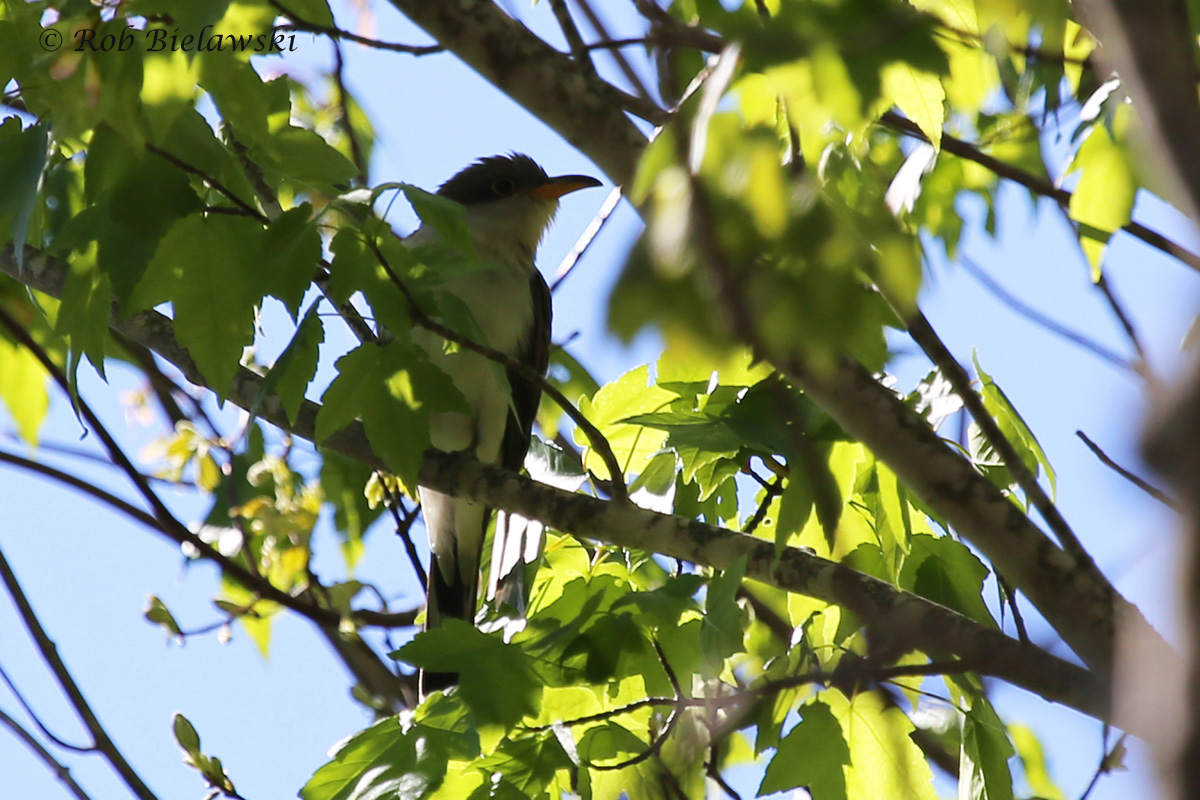
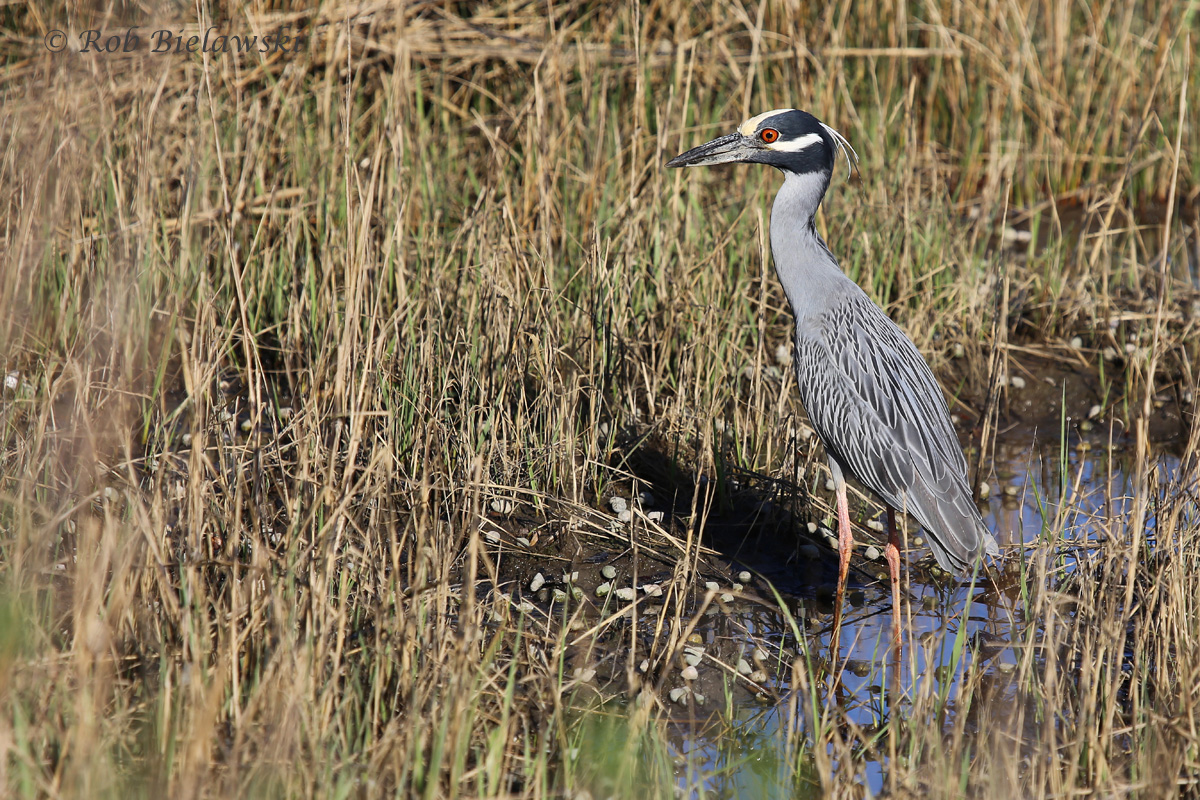
The final week of March & the first of April proved to be a rather up and down, though standard, spring week. Overall, temperatures increased a bit to a daily high of 73.6 degrees F (a 2.2 degree rise from last week’s average); the average daytime lows also rose slightly to 55.0 degrees F (up 1.9 degrees) and a total of 1.85 inches of rain fell during the week. No real severe weather impacted Virginia Beach this week, though high winds occurred overnight on Saturday, gusting to a maximum of 45 mph in the early hours of Sunday. With springtime progressing, we were again treated to several first-of-season (FOS) arrivals. This week’s arrivals included Lesser Yellowlegs (28 Mar / Rexanne Bruno / Back Bay NWR), Caspian Tern (29 Mar / Karen & Tom Beatty / Pleasure House Point NA), Green Heron (3 Apr / Eric Alton / Lake Joyce) and Yellow-billed Cuckoo (3 Apr / Back Bay NWR). The Cuckoo preceded the ‘extreme early’ date of 17 Apr listed in the Gold Book by a full two weeks, making it currently the earliest all-time record for the state of Virginia! Another species seen for the first time in Virginia Beach for the year was a single Wild Turkey (2 Apr / Rexanne Bruno / Oceana Boulevard). Of course, turkeys are not migratory species, and it has just taken this long for a report to pop up since they are very tough to find in Virginia Beach, though they are quite common not far away on the Eastern Shore and in more inland counties including Chesapeake & Suffolk. They’re an annually observed species, but there aren’t typically more than one or two reports within the county in any given year, so this was the first! A pair of Piping Plovers was also seen & photographed (1 Apr / Andrew Baldelli / Back Bay NWR), and though they weren’t the first of the year, seeing these birds is always noteworthy here. At Back Bay NWR on 3 Apr, the first Prairie Warblers of the season were heard, along the Loop Road and at the Jack Carter Wetland detachment of the park; just one day ahead of their expected 4 Apr arrival date per eBird’s Virginia Beach filter. A Yellow-crowned Night-Heron at Pleasure House Point (28 Mar) was the first of its kind seen at the park so far this spring.
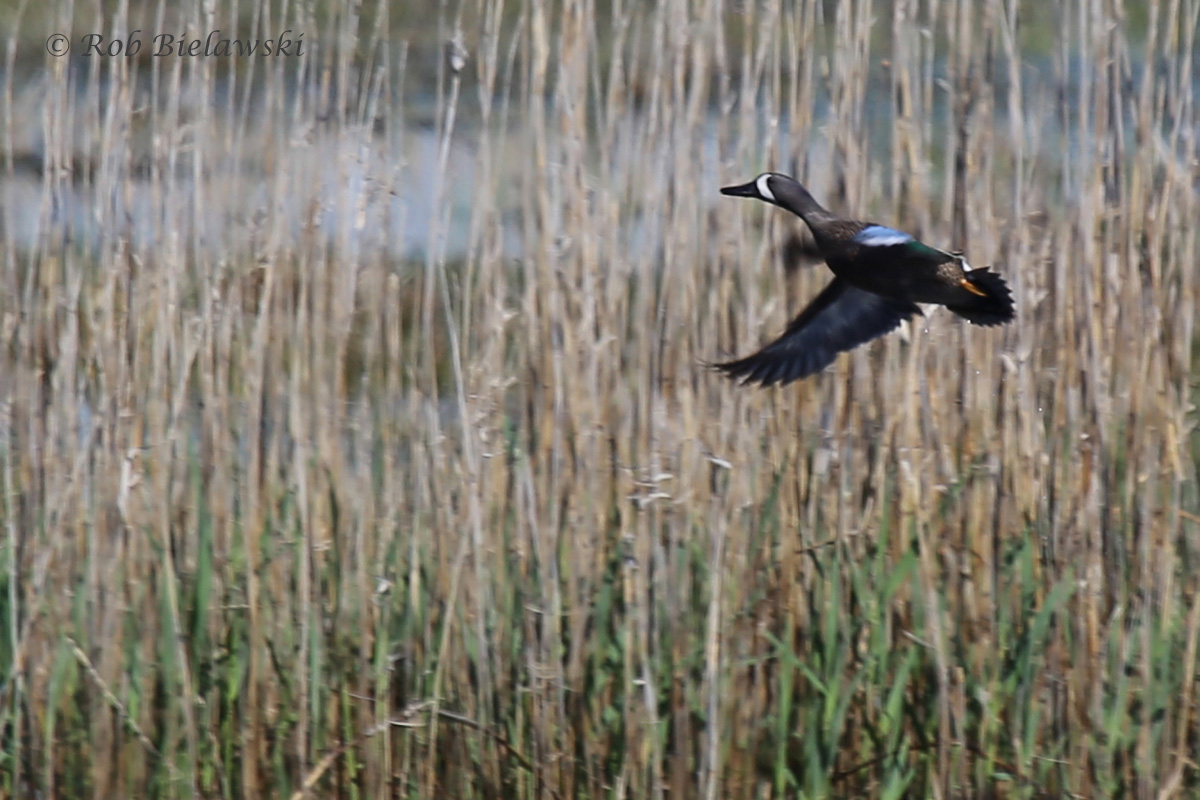
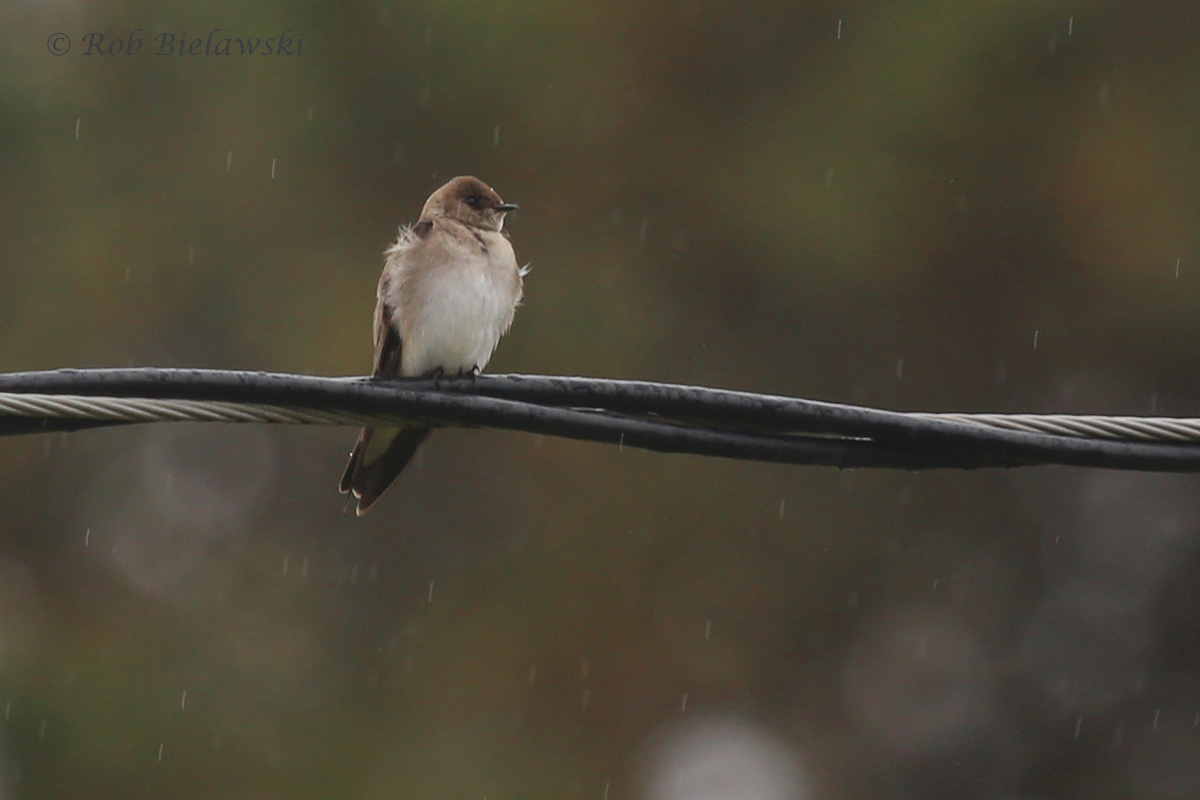
Aside from what might be the final observation of the Lark Sparrow that has been present since early February at Back Bay NWR (28 Mar / Baxter Beamer), there was no other rarities seen within the boundaries of Virginia Beach this week, though the attention of most birders has shifted from really seeking out winter rarities, to searching for early spring arrivals. Yellow-throated Warblers were heard singing for the first time (3 Apr, Tracy Tate, White House Lane), and Blue-gray Gnatcatchers continue to rise in numbers of individuals, and reports. Sightings of other species became more commonplace this week as well, notably the swallows (Barn, Northern Rough-winged, and Purple Martins). Glossy Ibis were seen in a few spots, and migrating White Ibis were on the move as well. Waterfowl variety seemed quite good around the city, but numbers have surely dwindled from the winter counts. Blue-winged Teal, our only duck species that is more transient than winter resident, were seen in good numbers at Back Bay NWR on the C-Pool off the recently opened West Dike. A cautionary note though, since 1 Apr, Back Bay NWR does require payment to get into the park; this will continue through 31 Oct when the dike system is then closed for the winter to protect migrating waterfowl. Songbird migration should really start beefing up over the next week, and southerly winds are expected early this coming week which will hopefully assist them on their path towards us. As always, the log of ‘Noteworthy Observations’ has been updated for this week, and can be found in the Distribution section of the site, or by clicking Here . 
Next Week's Blog | Blog Index | Previous Week's Blog

Week Ending March 27, 2016

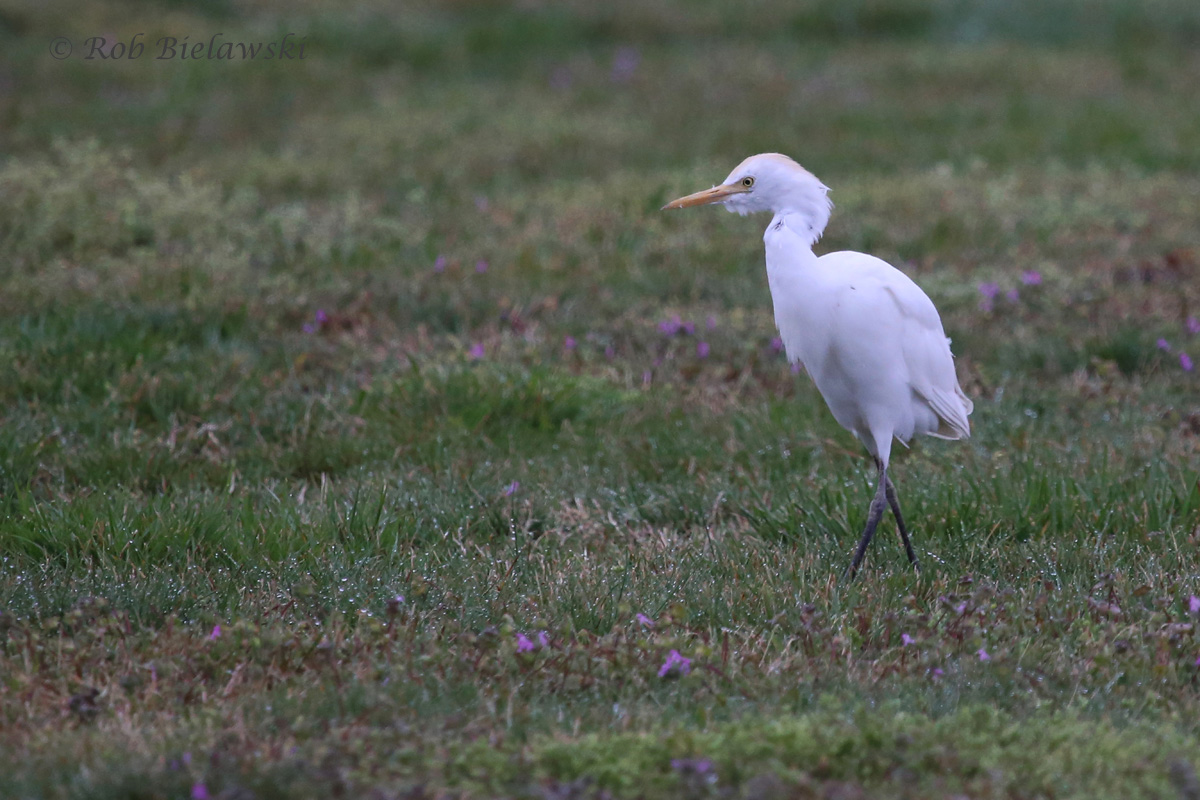
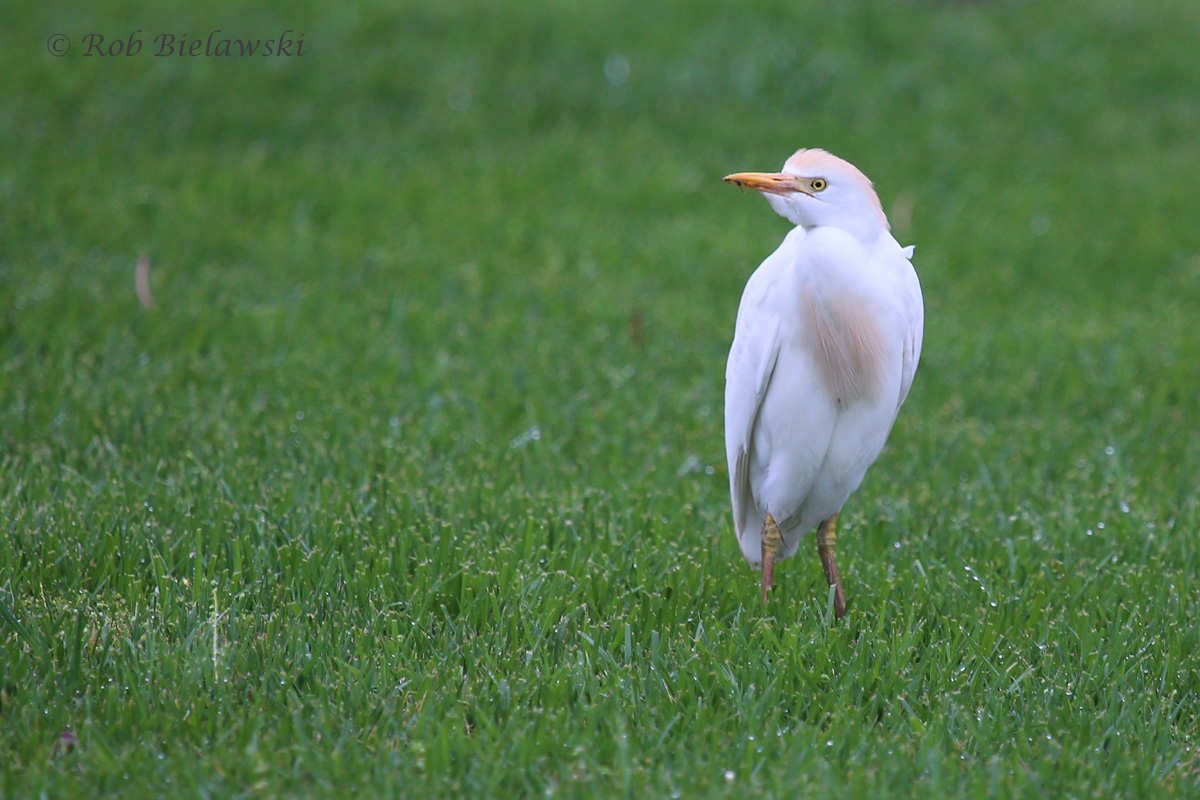
After the extreme heat of the previous week, it came as quite a surprise on Tuesday morning when those of us in Virginia Beach had to scrape ice off our vehicles (one last time?). But, temperatures evened out afterwards & eventually allowed the average to increase a bit to a daily high of 71.4 degrees F (a 1.4 degree rise from last week’s average); the average daytime lows also rose slightly to 53.1 degrees F (up 0.8 degrees) and a total of 1.08 inches of rain fell during the week, though the vast majority (1.02 in.) accumulated on Sunday. Weather conditions since the previous weekend seemed to not favor migration, as the northerly winds associated with the Nor’easter seemed to stop a number of species in their tracks. By the time Saturday & Sunday rolled around though, migration seems to catch back up properly, and Virginia Beach did see its first Piping Plovers (25 Mar, Bob Ake), Chimney Swifts (25 Mar, Karen & Tom Beatty), Northern Parula (26 Mar, Andrew Baldelli), and Barn Swallow (26 Mar, Tommy Maloney) of the season. Additionally, the first Cattle Egrets (27 Mar) & Yellow-throated Warbler (27 Mar, Isabel Eaton) of springtime were observed this weekend though some over-wintering individuals had been observed previously in 2016 due to the mild winter; these are the first instances I would classify as ‘spring arrivals’ though. As with the Gold Book’s descriptions, sometimes wintering birds obscure the arrival dates for some species. The only rarity reported within Virginia Beach’s borders this week was the continuing Lark Sparrow at Back Bay National Wildlife Refuge, which was observed again on Friday (25 Mar, Bob Ake), and on Saturday (26 Mar, Isabel Eaton). With March quickly reaching its end, the songbird migration should begin to ramp up, and we ought to be seeing a wider variety of new species each week from here through May. On Friday of this coming week (1 Apr), Back Bay National Wildlife Refuge will begin requiring fees to access the park once again, and one of the dikes will be opened. Whether it is the East Dike or West Dike will depend on the park staff’s assessment of waterfowl numbers, and which is the better option to keep these birds safe. The West Dike affords great views of the impoundments, but last year, it was the East Dike that first opened (in 2014 it was the West). Perhaps the opening of one of the dikes will help give views of some new rarities, or possibly of the Eurasian Wigeon & Mute Swans that were observed in the impoundments by tram a couple of weeks back. As always, the log of ‘Noteworthy Observations’ has been updated for this week, and can be found in the Distribution section of the site, or by clicking Here!

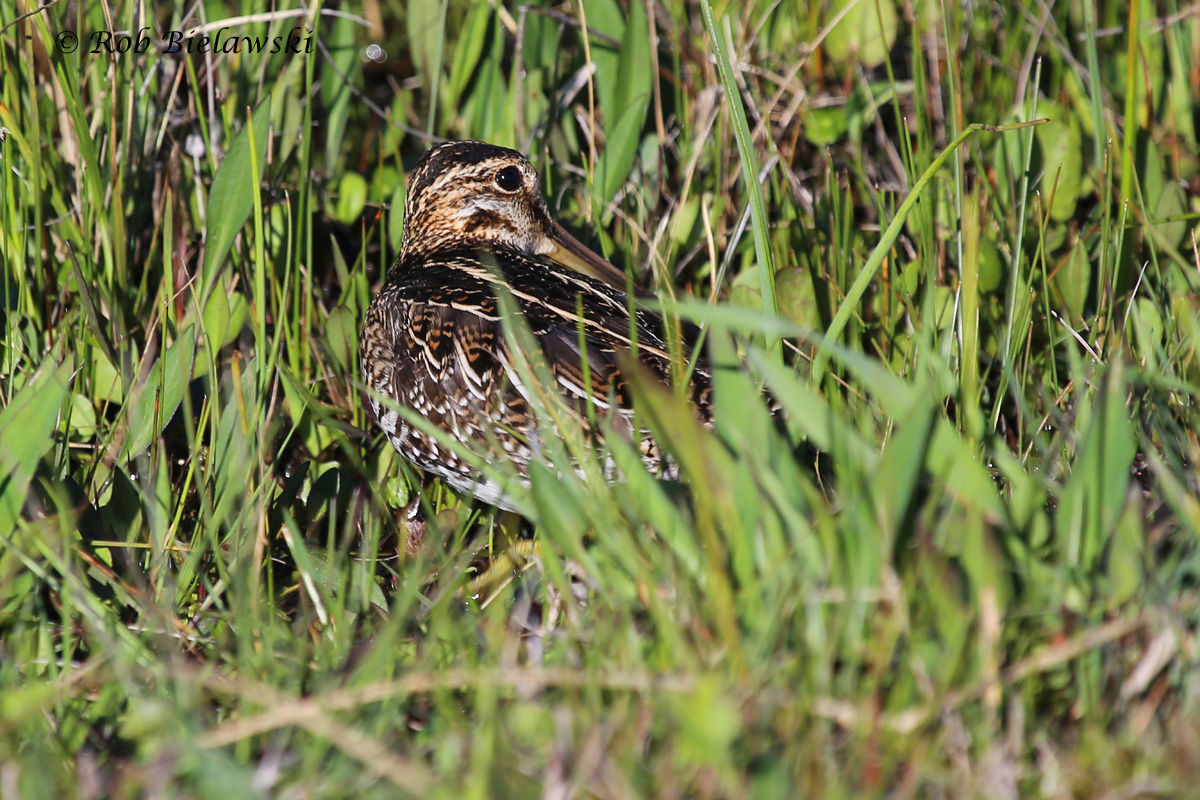
With the later sunsets now, I was able to get out several nights after work this week to try and catch some of the migrants as they arrive. Unfortunately, for whatever reason, the weeknights just weren’t productive, but Friday was a holiday for my company and I was able to spot my first Royal Terns (Rudee Inlet) and Yellow-crowned Night-Herons (Norfolk) of the year. On Saturday, a trip out to the Great Dismal Swamp National Wildlife Refuge in nearby Suffolk proved to be a great kickoff to the season. Along Hudnell, New, and Jericho Ditches I found first of year White-eyed Vireo, Black-and-white Warbler, and Prairie Warbler; all relatively early arrivals, and the warblers were both the first reported thus far in 2016 in the county. Dreary weather moved in overnight on Saturday, and Sunday was expected to be a washout. However, I am glad I gave it a go, against the will of the weather forecasts, because it turned out to be my most productive day of the week. First of year Cattle Egrets, 10 of them, were observed on Morris Neck Road while en route to Princess Anne Wildlife Management Area’s Whitehurst & Beasley Tracts. The rain held off for a couple hours while I trudged around the WMA’s freshwater impoundments. One, and possibly a second, American Bittern were observed along with 8 individual Wilson’s Snipe that flew out from the same general area seemingly each time I took a step forward. I could never get them in binocular view though until they burst out of the high grasses into flight. Whitehurst was relatively quiet for waterfowl, with single digits of several species present, but Beasley held a great number of Green-winged Teal & also Blue-winged Teal. A flock of 7 Glossy Ibis at Beasley also were a new year bird, and my target at the park to begin with. The rains began again as I was leaving, and so I did some vehicular birding along the roads (Campbell’s Landing, Fitztown, Back Bay Landing) to the south. A pair of Northern Rough-winged Swallows became a new Virginia Beach county life bird for me (220 species to date now) along Back Bay Landing Road, and a single Purple Martin had taken up residency on the same property I’d seen the Cattle Egrets at earlier in the morning. That flock was again picked up on Mill Landing Road, and a couple of hawks (Cooper’s & Red-tailed) were also observed not far away. By the time the morning had ended, I’d tallied 60 species, on a day when all signs pointed to staying at home and avoiding the rain; just goes to show, you never know what you’re going to get.

Next Week's Blog | Blog Index | Previous Week's Blog

Week Ending March 20, 2016

While the third week of March started off with some extreme heat, reaching a maximum of 91 degrees F on Wednesday (our warmest day of 2016 thus far), it finished with cooler temperatures as a late season Nor’easter impacted the mid-Atlantic & New England coasts. Temperatures this week dropped a bit to an average daily high of 69.7 degrees F (an 8.2 degree drop from last week’s average), and the average daytime lows also dropped slightly to 52.3 degrees F (down 0.4 degrees); for a second straight week, 0.56 inches of precipitation accumulated through the Monday through Sunday timeframe. Weather conditions early in the week remained favorable for the arrival of spring migrants as southerly winds gave them a nice boost to reach our area. On Monday (14 Mar), the first Blue-gray Gnatcatchers of the year were observed at Back Bay National Wildlife Refuge (Peter Martin) and at Stumpy Lake Natural Area (Jonathon Snyder). Interestingly, this is the earliest known arrival date for this species in terms of eBird reports from past years. The Gold Book lists 30 Mar as their expected coastal plain arrival date, but with the warm winter, it seems they stayed further north than in year’s past, so they were able to arrive here much quicker than usual. I tend to consider their arrival to be the true start of springtime, since they’re the first passerine that returns to our area. On Wednesday (16 Mar), Tracy Tate picked up our first Black-bellied Plover of the year, and she also added the first Purple Martin on Thursday (17 Mar). A White-eyed Vireo was heard calling at Back Bay NWR by Karen & Tom Beatty on Friday (18 Mar), and a Northern Rough-winged Swallow was also added for the first of the spring season here (Tracy Tate at First Landing State Park). While the slow trickle of migrants has begun, rarities in the county were tougher to come by. The Lark Sparrow continues at Back Bay NWR in the same area just northwest of the East Dike gate, and it was observed from Monday (14 Mar, Kim Harrell) through as recently as Saturday (19 Mar, David Clark). With the drop in temperatures associated with the coastal Nor’easter and patchy rain on Sunday, there were no reports from Back Bay NWR to confirm if this individual stayed through the entire week or has decided to move on; it was first observed on 7 Feb by Sue Garvin. As always, the log of ‘Noteworthy Observations’ has been updated for this week, and can be found in the Distribution section of the site, or by clicking Here!

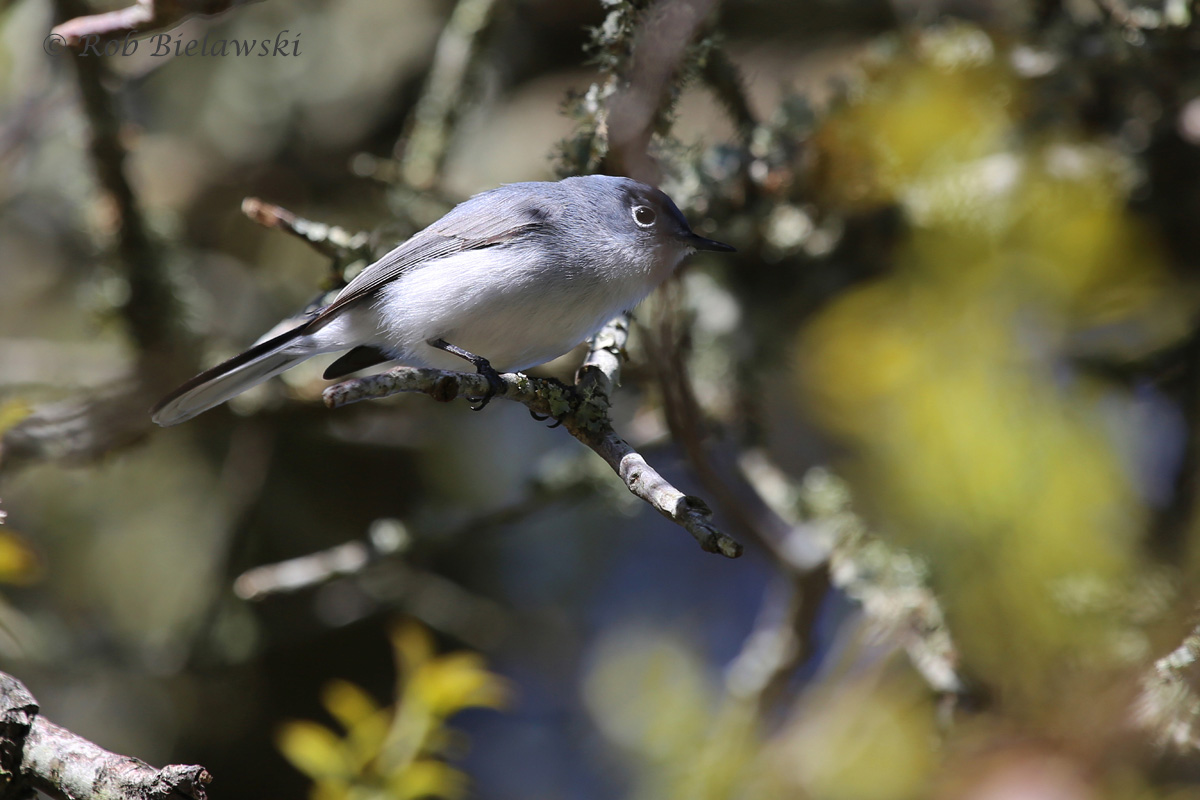
For this week, I was out of town from Friday-Sunday visiting some friends in Charlotte, NC so I did not get to see much in the way of birds. Though I did list some Wild Turkeys along the drive to get my first tick in Mecklenburg County, VA in eBird. On Wednesday, I brought my camera and binoculars to work with the hope of observing my first Blue-gray Gnatcatcher of the season at Stumpy Lake given the reports from earlier in the week at that site. During a rather quick outing at the park, I did pick up at least two Gnatcatchers which were easy to find by their repeated ‘spee’ calls. Since the photographs I took of them were ID-worthy quality only, I have added an older shot of a Gnatcatcher above that was taken at Back Bay NWR in 2014 just so folks reading this get a better view of what one actually looks like. The leaves have started to pop out already, which is going to make things interesting in the next couple of weeks. Another hope of mine at Stumpy Lake was to track down a Yellow-throated Warbler, one of our other early songbird arrivals. I have yet to observe one in Virginia Beach, though they should be present here spring through fall, and I feel Stumpy Lake is a likely spot to find them. There is a good bit of swampy terrain with a very tall canopy above it, similar to the Great Dismal Swamp where they are quite commonly reported. I had one bird calling that I think could have been one, but I couldn’t get close enough to see the bird, and I didn’t want to call a county lifer by just the call, that I’m not that familiar with yet. So in the coming weeks, this might become a post-work destination during the weekdays. From now through the end of May is my favorite time to be outdoors, so in the coming weeks I should hopefully have some interesting photographs or observations to discuss. This week should be an exciting one, with some new birds filtering into the region once the southerly winds hit, and help guide their northward journeys towards their desired breeding grounds, whether here or further to the north.

Next Week's Blog | Blog Index | Previous Week's Blog

Week Ending March 13, 2016

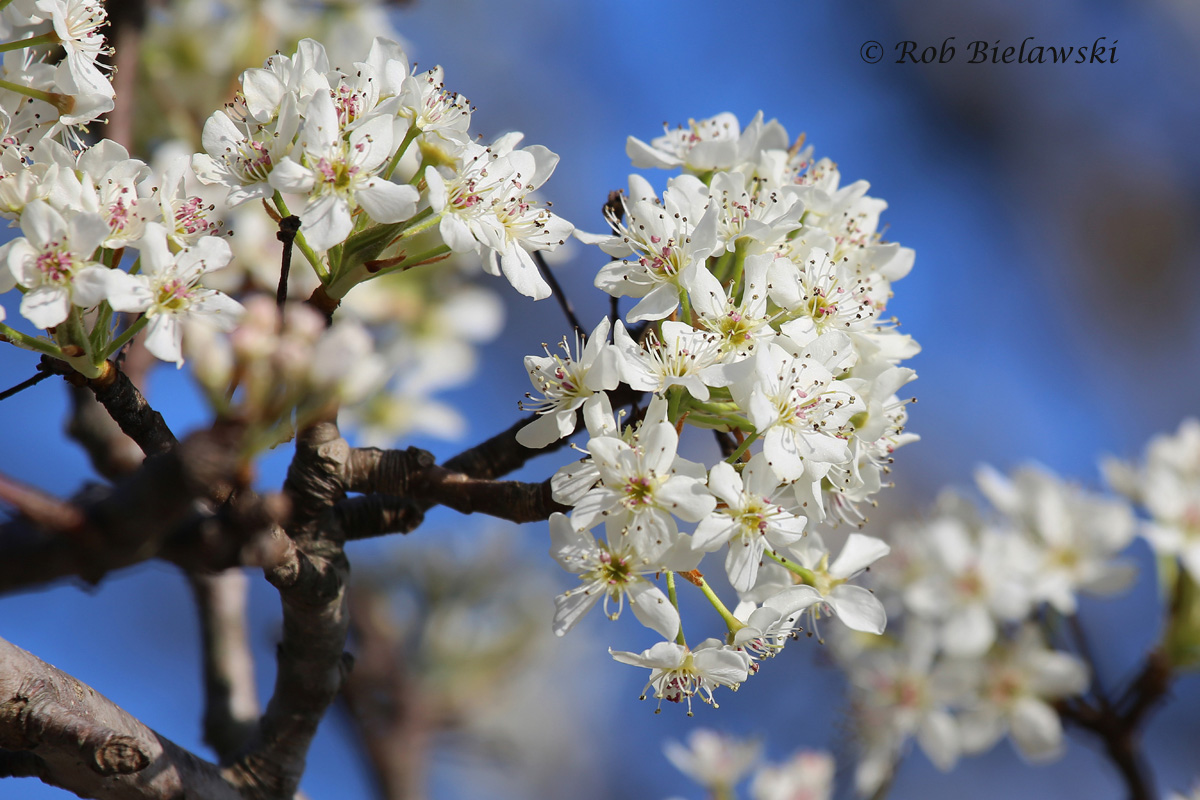
Springtime; that’ll be the headline for the second week of March 2016! Temperatures this week underwent a massive shift to an average daily high of 77.9 degrees F (an astonishing 20.3 degree rise over last week’s average), and the average daytime lows also increased to 52.7 degrees F (an extreme 11.8 degree rise); 0.56 inches of precipitation accumulated through the Monday through Sunday timeframe, though no real severe weather impacted the region. Incredibly, the week began with most of us having to scrape ice off our vehicles on Monday morning, but the very next day we hit 81 degrees F, and Thursday topped out for a weekly high of 84 degrees! This recalls the saying we recite & hear a lot locally, “if you don’t like the weather, stick around for 15 minutes!” The regional highlight this week was the return of the almost-mythical Lazuli Bunting that was first observed back on 16 Feb 2016 by Brooke Gordon at her private residence in the Shoulder’s Hill area of Suffolk! This individual had been absent since that date, but it was suddenly observed again at the residence on Wednesday (9 Mar) and the homeowner contacted the few individuals who had spent all day on 17 Feb attempting to see the bird. Those fortunate individuals were treated to a successful private viewing window on Saturday before a wider public release of information was placed on Facebook Saturday evening in the VA Notable Bird Sightings & Discussion group. As a result of that public posting a few more folks made the trip to Suffolk with the homeowner’s advance permission on Sunday as well! Perhaps it will continue to stick around, as it seems to be. For those unfamiliar, the reason this is such an important sighting locally, is that this is only the 3rd instance of this species in the state of Virginia overall, and the first in over 40 years! Many of us might never have another chance to observe a member of this species in the state. As for weekly observations local to Virginia Beach, the Bradford Pears have started to blossom already, and with the warm weather, spring seems to be in full effect now (I even saw my first Canada Goose goslings of the year already!). Migrants and rarities put on a good show for observers in the county this week, with highlight birds being the continuing Lark Sparrow, and new observations of Mute Swans and a Eurasian Wigeon drake (Ron Furnish & Marie Mullins) all at Back Bay National Wildlife Refuge over the weekend. The Mute Swans (3) were observed off the tram somewhere in the impoundment system that is currently closed off to the public; this sighting was part of the Hampton Roads Bird Club field trip through the park on Saturday. The Eurasian Wigeon drake was also seen in the seasonally closed impoundments from the tram on Sunday so it seems a great time to hop a ride on this vehicle as neither species can be observed otherwise (unless they stick around until 1 Apr when either the East or West Dike, depending on waterfowl counts, will be opened). The adult Lark Sparrow continues at the same site (now in its sixth week) in the meadow just north of the waterfowl blind and the locked gate to the East Dike; it was seen as recently as Sunday afternoon/evening. A Rose-breasted Grosbeak that has wintered in the area continues to frequent a feeder at the private residence of Tommy Maloney, as recent as Saturday, though we are now nearing migration and this species is becoming less ‘unexpected’ as time progresses. It has been neat to track the bird all winter though via eBird, as wintering individuals of this species are pretty well unheard of here. During the week, spring arrivals of Tricolored Heron, Royal Tern, Glossy Ibis and Mute Swan (all Hampton Roads Bird Club) were all noted in Virginia Beach. I imagine in the next week we will see Purple Martins and maybe even some Blue-gray Gnatcatchers given spring has come a bit early this year!

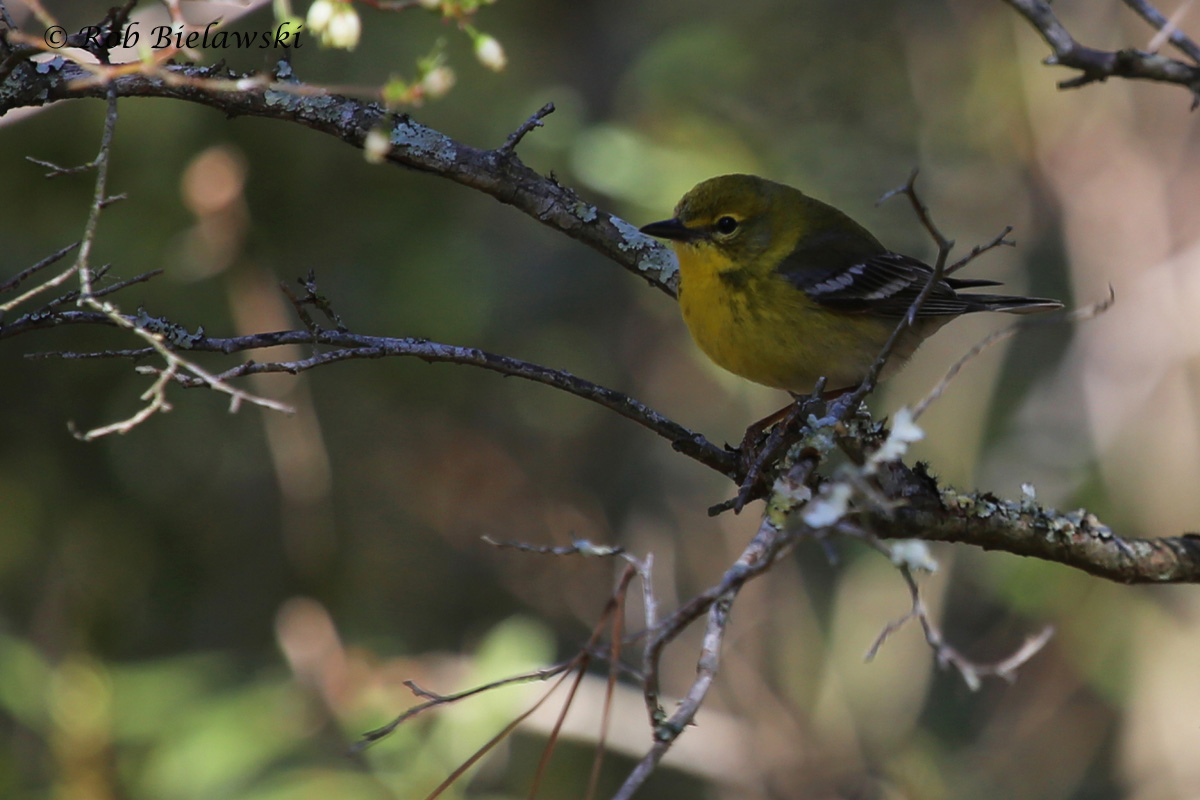
Starting on Friday with my typical post-work outing to the first island of the Chesapeake Bay Bridge-Tunnel, I was excited to pick up a first-of-year Eastern Phoebe on the rocks, and to observe an American Oystercatcher in close, but the birds I was targeting (waterfowl) were basically non-existent on the island. It has been a tough winter for waterfowl here given that there just hasn’t been enough snow, ice & bad weather to our north to push many species into our area. Birds like Common Goldeneye, Canvasback, Common Merganser and Harlequin Duck appear to be misses for me in the county this year unless some show up late in the fall since each is becoming increasingly less likely as springtime weather takes hold. On Saturday, I enjoyed a bird-filled 6 mile hike through First Landing State Park, finally finding my first Ruby-crowned Kinglet and Yellow-bellied Sapsuckers of the year, and a bonus of a dozen Pine Siskins (another new year-bird). It was actually the “birdiest” I have ever seen the park and I finished the walk with 45 total species seen and/or heard. A lovely Winter Wren was singing off the Cape Henry Trail and Pine Warblers were heard all across the park. With Daylight Savings Time having started on Sunday morning, it felt a bit off to be up at the same time as Saturday, but able to reach my destination well before sunrise. I spent the early morning hours at Back Bay NWR searching for the remaining waterfowl species I’ve missed this year, and the Mute Swans that had been reported on the HRBC outing Saturday. I couldn’t locate the Mute Swans, but I did get another opportunity to observe and photograph the Lark Sparrow near the waterfowl blind that has been present for over a month now. I also had a fly-by of the first Tricolored Heron of the year to be logged into eBird for Virginia Beach, making it another new year-bird for me by default. I checked out the beach briefly, hoping to get a Royal Tern since they should be arriving soon, but no luck there unfortunately. Large numbers of Red-throated Loons and Red-breasted Mergansers were moving northward offshore at maximum binocular range (not visible without binocs) so surely the birds realize spring has arrived. After Back Bay, I took a trip to Princess Anne Wildlife Management Area’s Whitehurst Tract since Sunday is the only open day until May (See Here for access information). My hope was that I might pick up Glossy Ibis or Blue-winged Teal at the park, and I hit 50% of the targets as 3 Blue-winged Teal erupted off the southern impoundments. I’d scanned through large numbers of other species but missed them on the water. Waterfowl counts were actually the best I’ve seen this year at the park, with Northern Shoveler, Mallard, American Wigeon, Green-winged Teal, and Hooded Merganser all being present in the southern half of the park. Glossy Ibis were missed, but it shouldn’t be long before they too arrive at the impoundments. In the afternoon, my wife & I made the trip out to Suffolk to see the Lazuli Bunting, arriving about 2:15 PM at the private residence where it has been observed since Wednesday. It took a little while, and after a Cooper’s Hawk flew through, I lost a bit of hope, but the beautiful blue and orange bunting showed up at 3:40 PM and allowed some great binocular views for Ruth & I, as well as a few distant but ‘good enough’ photographs (see slideshow above, click each photograph to advance to the next one). It turned into a great weekend, and with the sun now staying up until 7 PM or so, I can finally resume my post-work walks at area parks so I am no longer limited to just Friday evening jaunts up to the CBBT first island. Migrants should be pouring in pretty soon to the region, so I will greatly look forward to seeing what shows up in eBird in the coming weeks; spring has officially arrived!

Next Week's Blog | Blog Index | Previous Week's Blog