Week Ending May 1, 2016

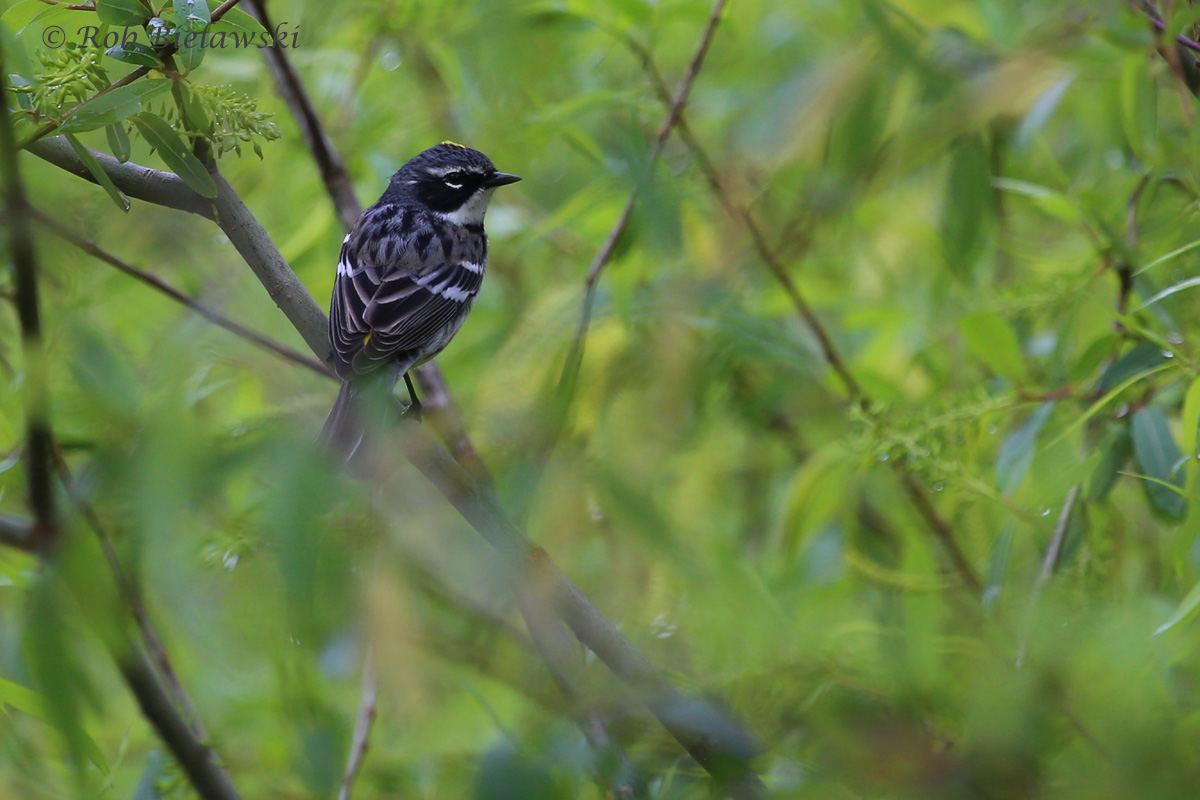
With last week’s steep rise in temperatures, it was not surprising that we saw a bit of a drop with average daily high temperatures of 73.4 degrees F (a 4.3 degree drop) this week; additionally the average daytime lows rose slightly to 56.1 degrees F (a 2.8 degree increase). With decreasing highs and increasing lows, this week was a bit more consistent than last week, though the overall range was 46 degrees F to 89 degrees F from Monday morning to Tuesday afternoon, which was quite an incredible transition. Rainfall was scattered on four of the seven days throughout the week, but only amounted to an overall total of 0.72 inches. Conditions were favorable for songbird movements during the midweek and by Friday a number of species began moving through as a result. The average daily maximum sustained windspeed was 16 mph, with maximum sustained winds of 23 mph occurring on Tuesday. Despite the winds though, Virginia Beach saw several first-of-season (FOS) arrivals this week, which included: Veery (25 Apr / Mary Catherine Miguez / West Neck Creek Natural Area) & photographed again (26 Apr / Karen & Tom Beatty), staying at this site through at least 27 Apr; Blue Grosbeak (25 Apr / Robert Ake / Back Bay NWR Colechester Parcel); Blue-winged Warbler, a rare transient through our area (26 Apr / Tracy Tate / White House Lane); Black-throated Blue Warbler (26 Apr / David Clark / Munden Point Park); Rose-breasted Grosbeak (30 Apr / Kristin Swanbeck / Cypress Point Golf Course) via Facebook; Mississippi Kite (30 Apr / Tracy Tate / Thoroughgood), which have nested in the neighborhood the past two summers, and arrived a few days earlier this year; Yellow-breasted Chat (30 Apr / James Marcum / Princess Anne Wildlife Management Area Whitehurst Tract).
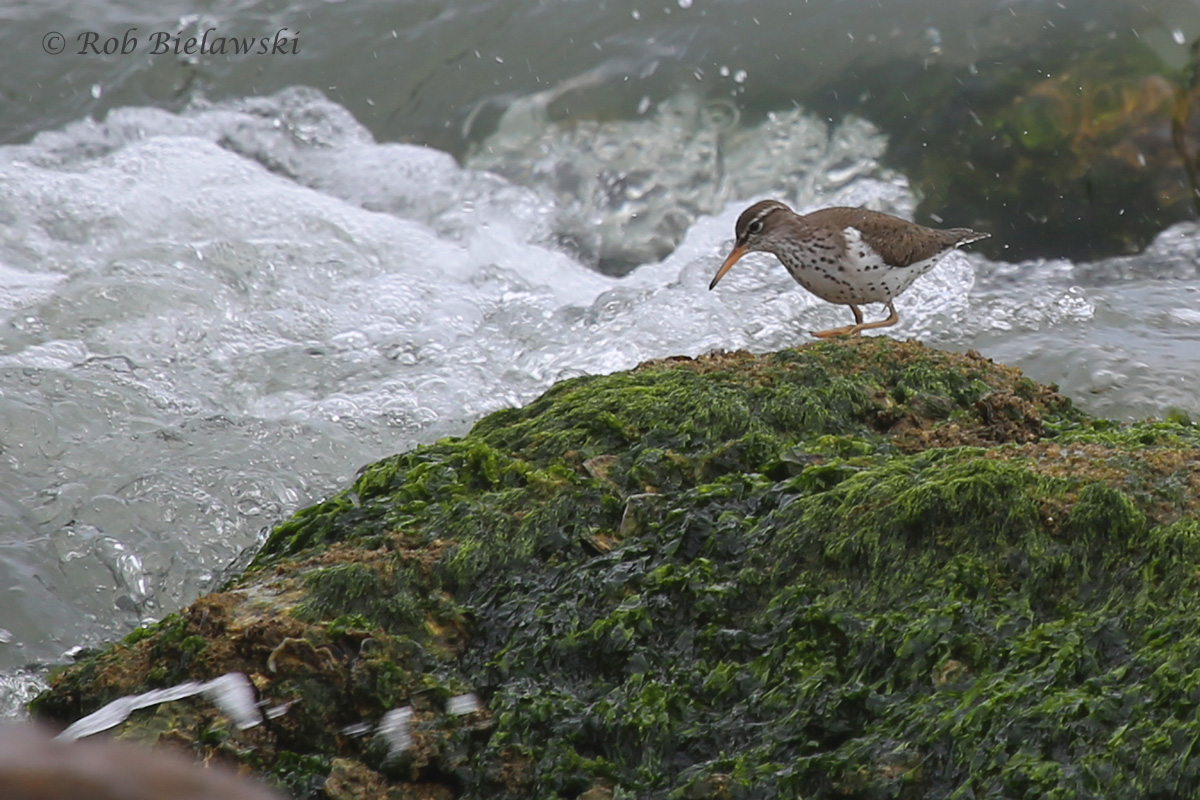
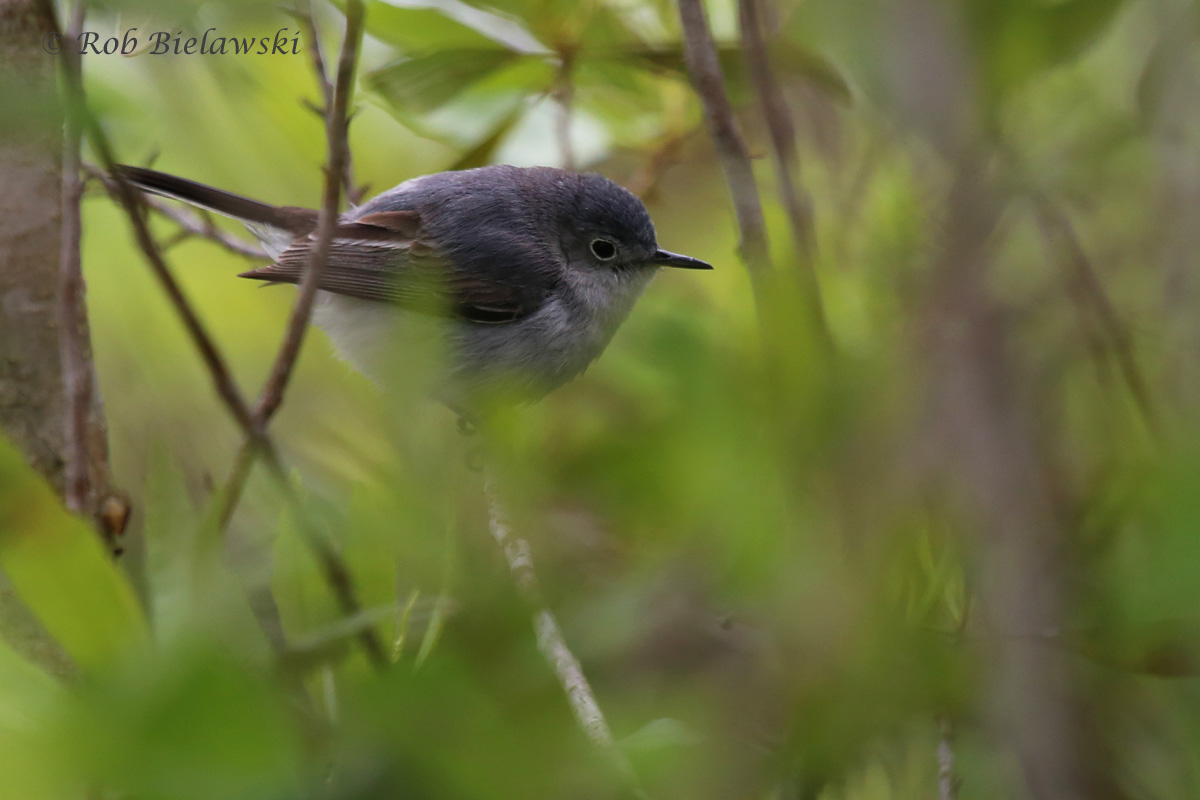
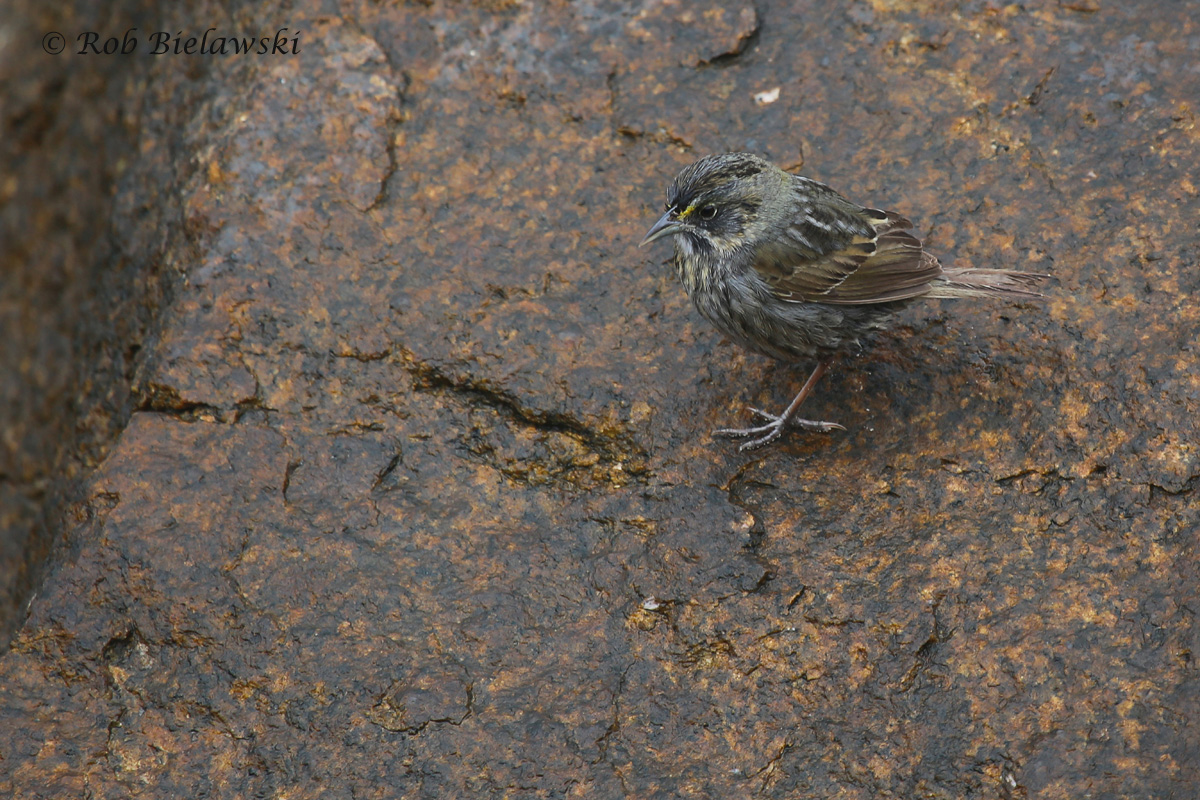
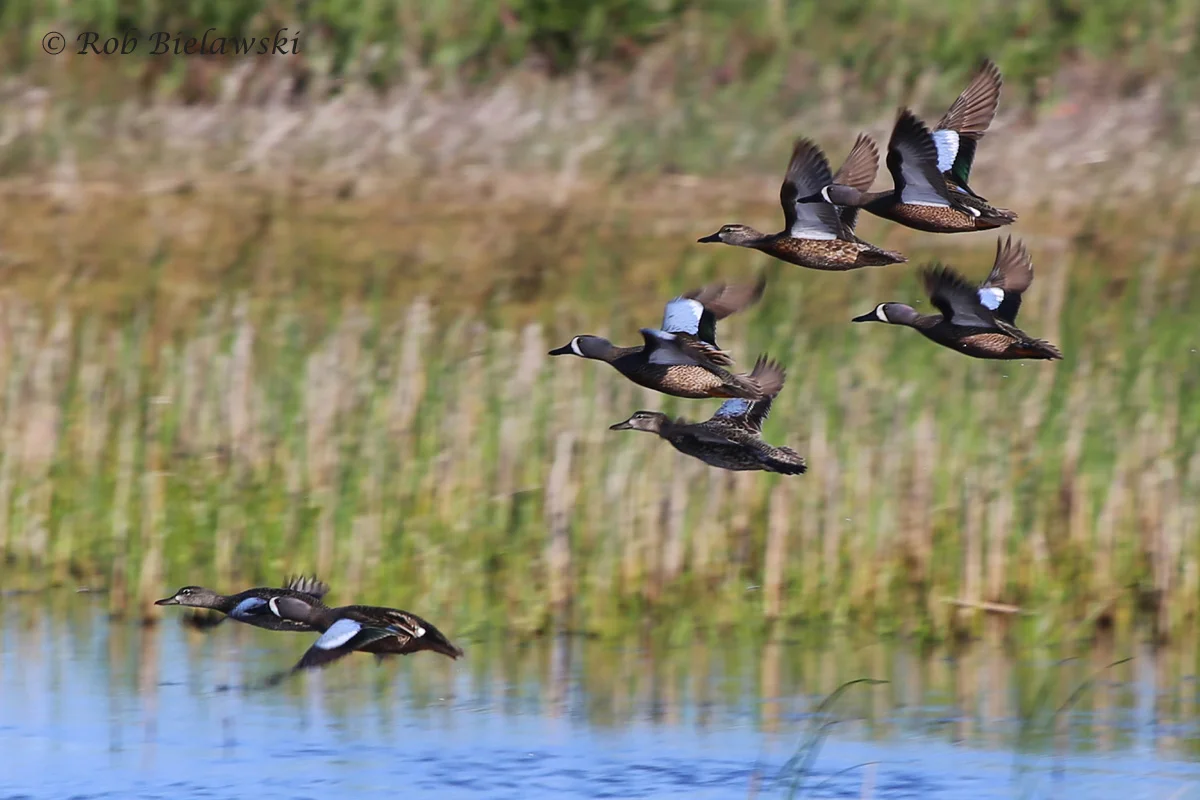
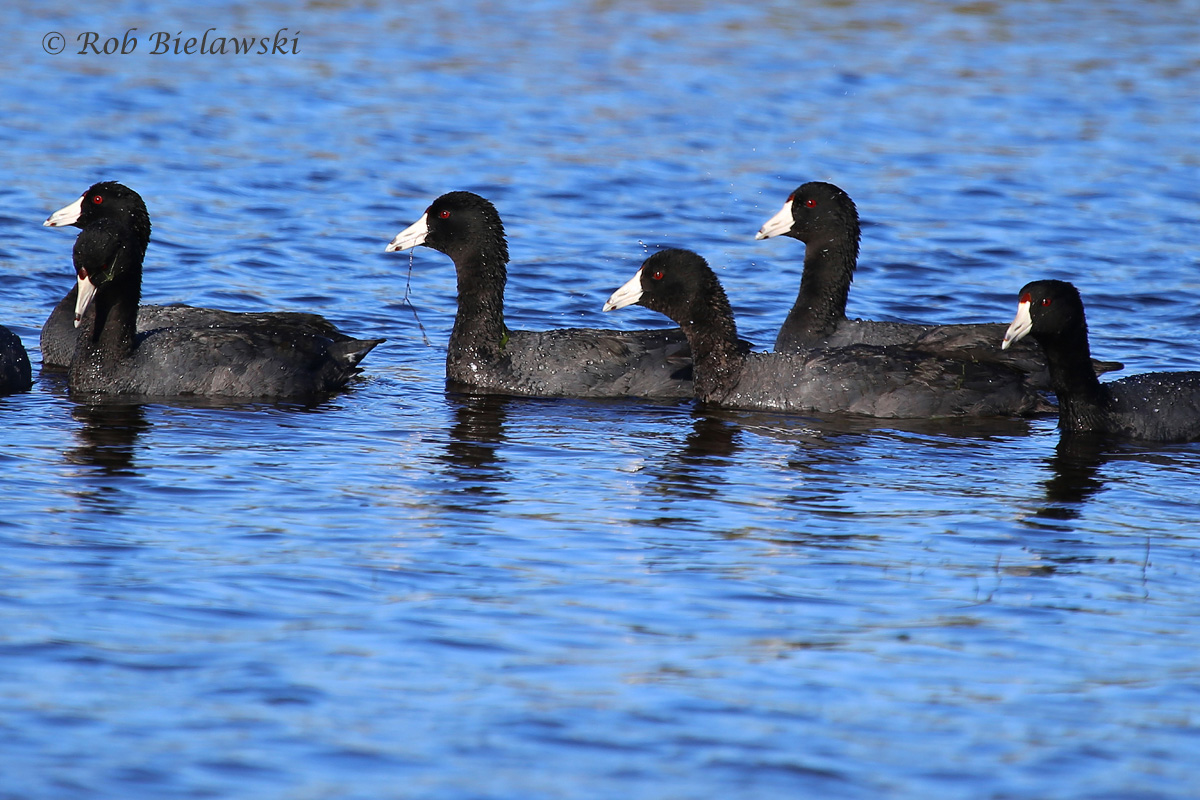
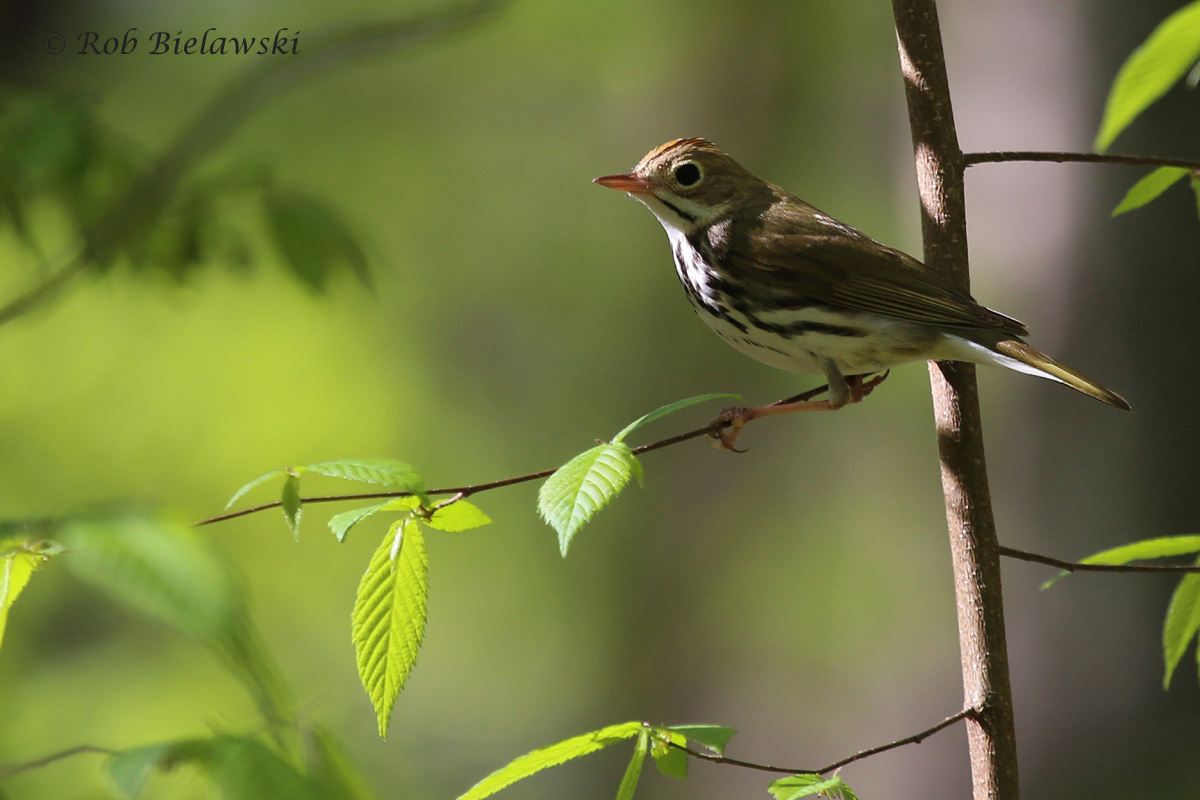
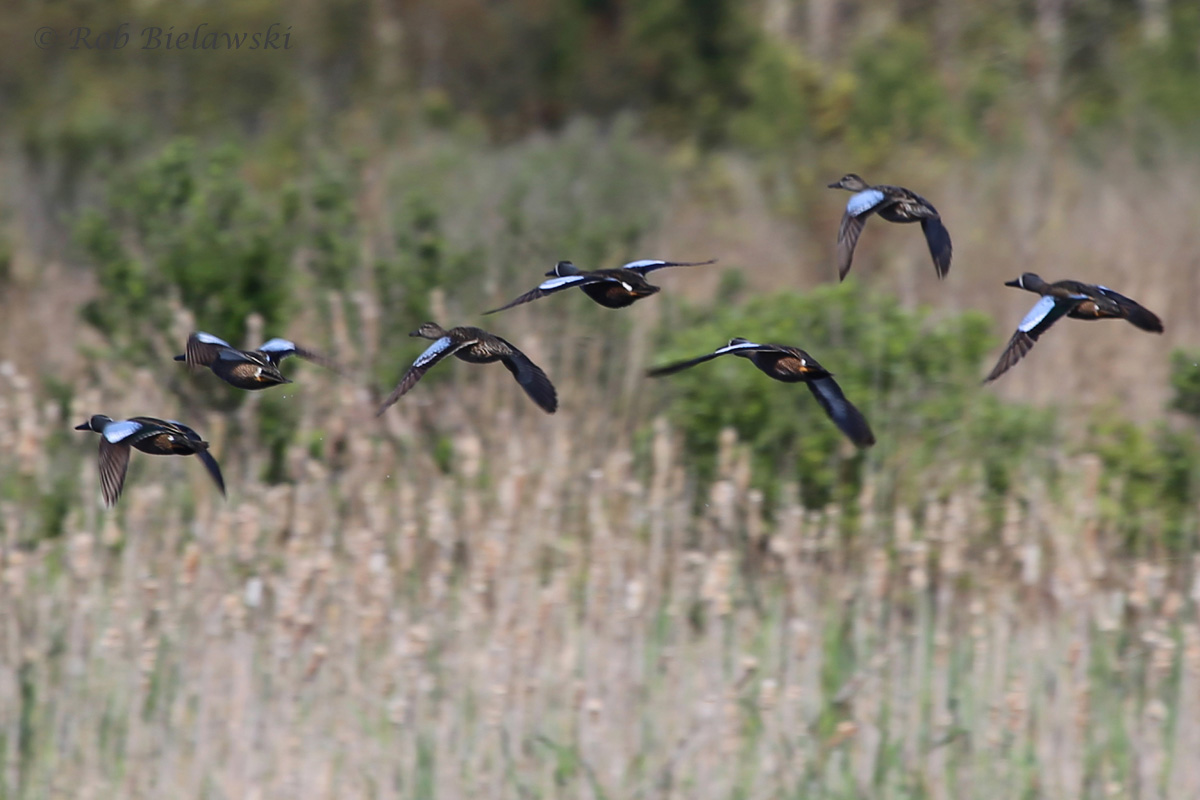
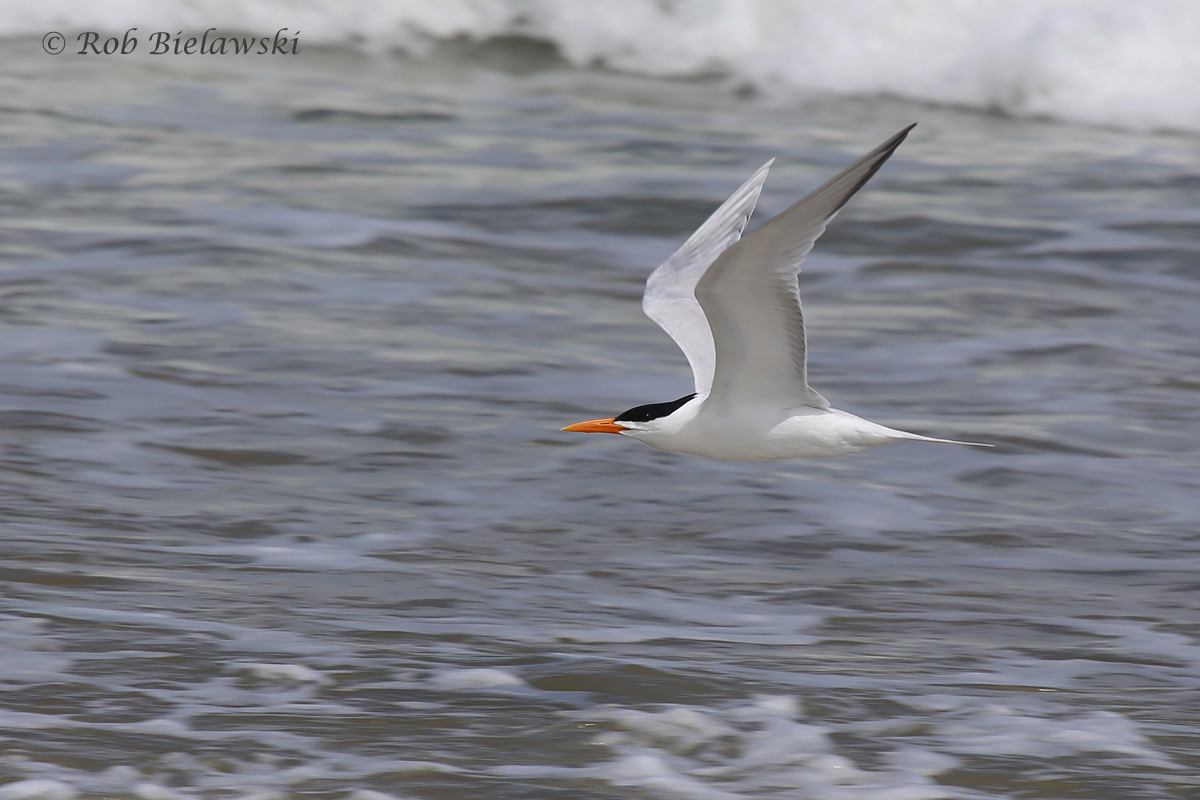
In addition to the list of First-of-season arrivals, other noteworthy observations including Piping Plover and Whimbrel continue to be seen along the beach at Back Bay National Wildlife Refuge (25 Apr / Robert Ake) and a single Sora was also picked up there this week as well (25 Apr / Rebecca Walawender). Summer Tanagers were observed at both Stumpy Lake & West Neck Creek Natural Areas. Waterfowl continue to become more scarce across the county, with Blue-winged & Green-winged Teal some of the only non-summering species remaining at places like Back Bay and Whitehurst Tract. One very interesting checklist (29 Apr / Ellison Orcutt / Rudee Inlet) with observations of Clapper Rail, Marsh Wren, Saltmarsh Sparrow and Seaside Sparrow, seemingly out of place in the armored shoreline habitat of the inlet provided some very nice photographs. I swung by Rudee on Sunday morning during a light drizzle and was excited to still catch a couple of Seaside Sparrows, which can be tough to find in Virginia Beach, with Pleasure House Point Natural Area the typical location they’re observed, as well as at Back Bay National Wildlife Refuge. While spring is usually dominated by the songbird migration as far as birders are concerned, shorebird variety increased this week also, with several Solitary Sandpiper reports showing up, as well as peeps (Least & Semipalmated Sandpipers). The only true rarity this week though was a Lincoln’s Sparrow (30 Apr / James Marcum / Princess Anne Wildlife Management Area Whitehurst Tract), which is being evaluated still in eBird, but would be the first of its species to be observed in Virginia Beach since October when one was documented out on South Thimble Island of the CBBT complex (Arun Bose & Ellison Orcutt). If this report does go through, it’ll be added to the Noteworthy Observations list under the Distribution section of the website. Some lingering winter resident species were picked up this week as well, with Ruby-crowned Kinglets (30 Apr / Richard Korpi & Phil Lehman / Back Bay National Wildlife Refuge), and Hooded Merganser (29 Apr / Ellison Orcutt & Arun Bose / Pleasure House Point Natural Area) being observed. 
Next Week's Blog | Blog Index | Previous Week's Blog

Week Ending April 24, 2016

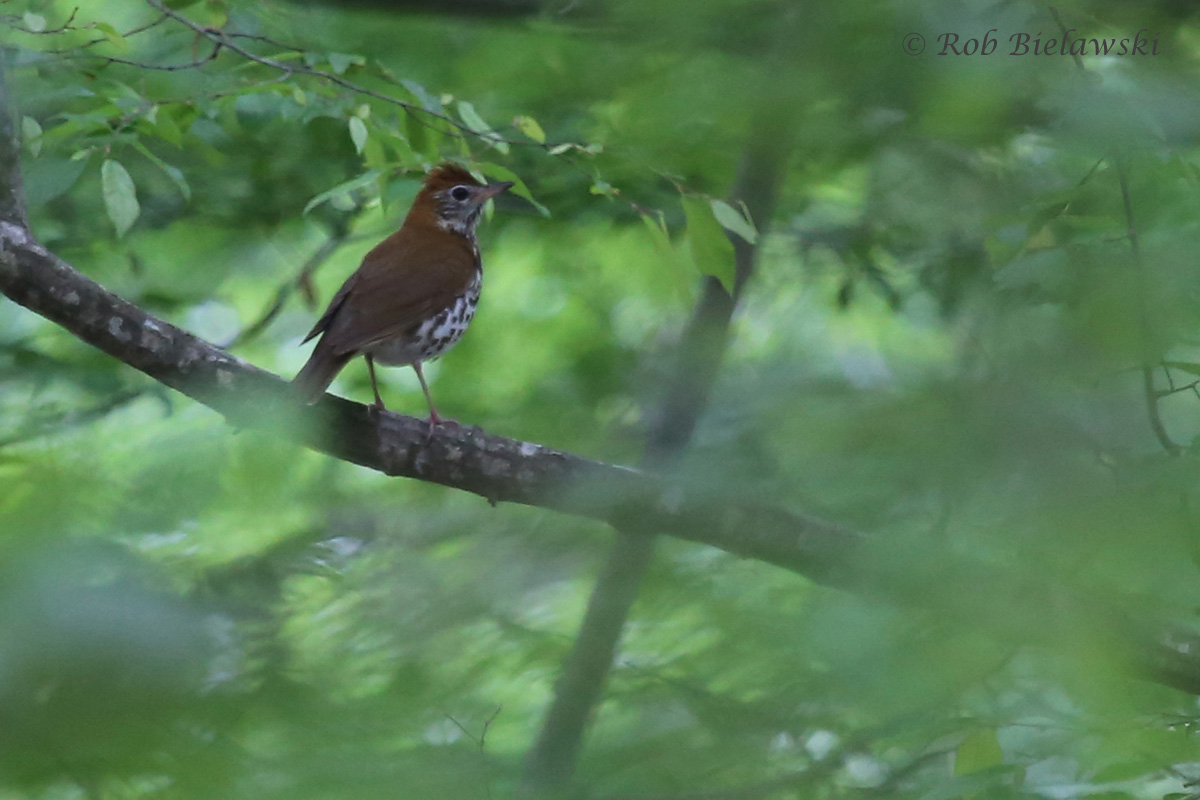
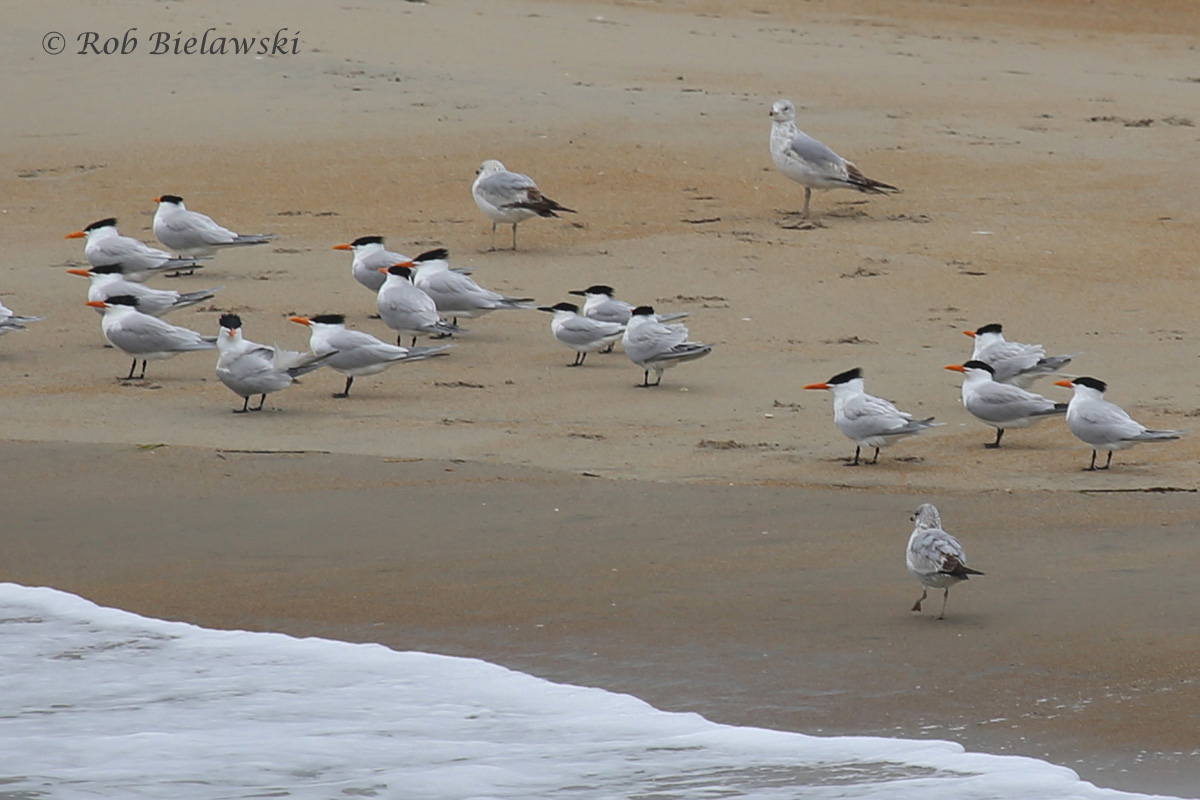
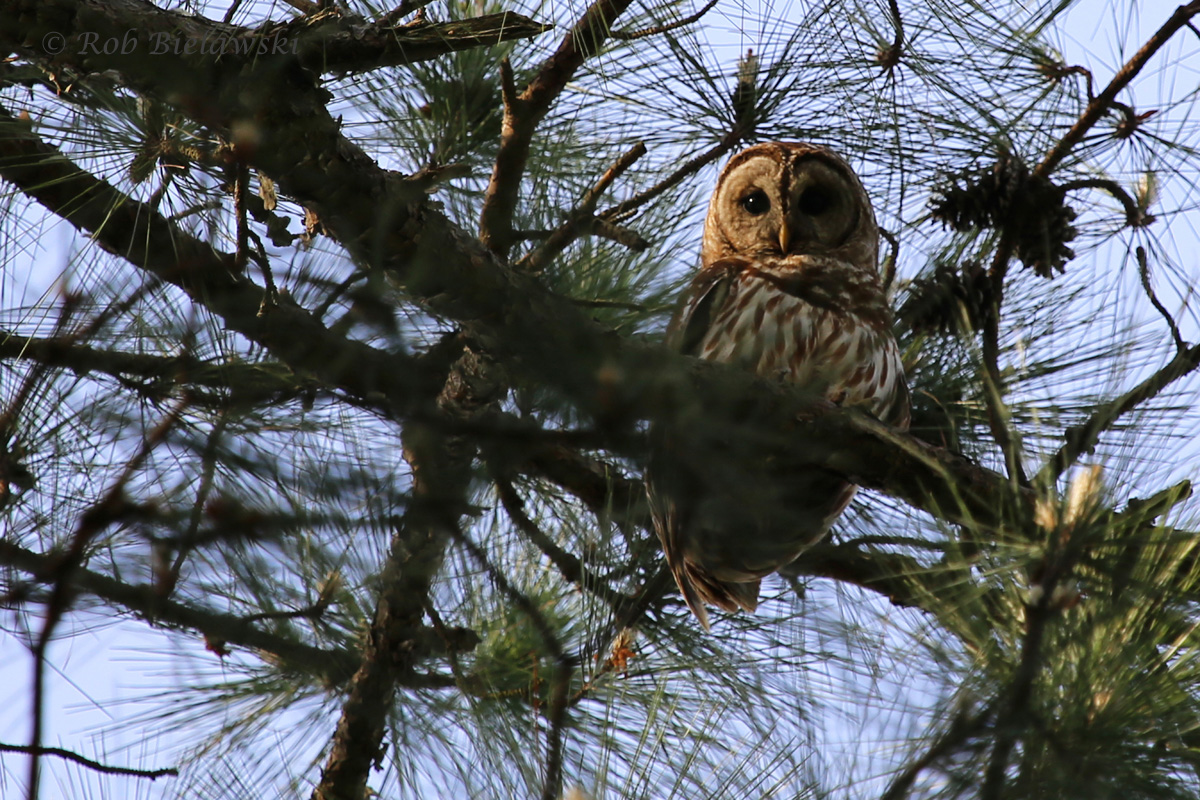
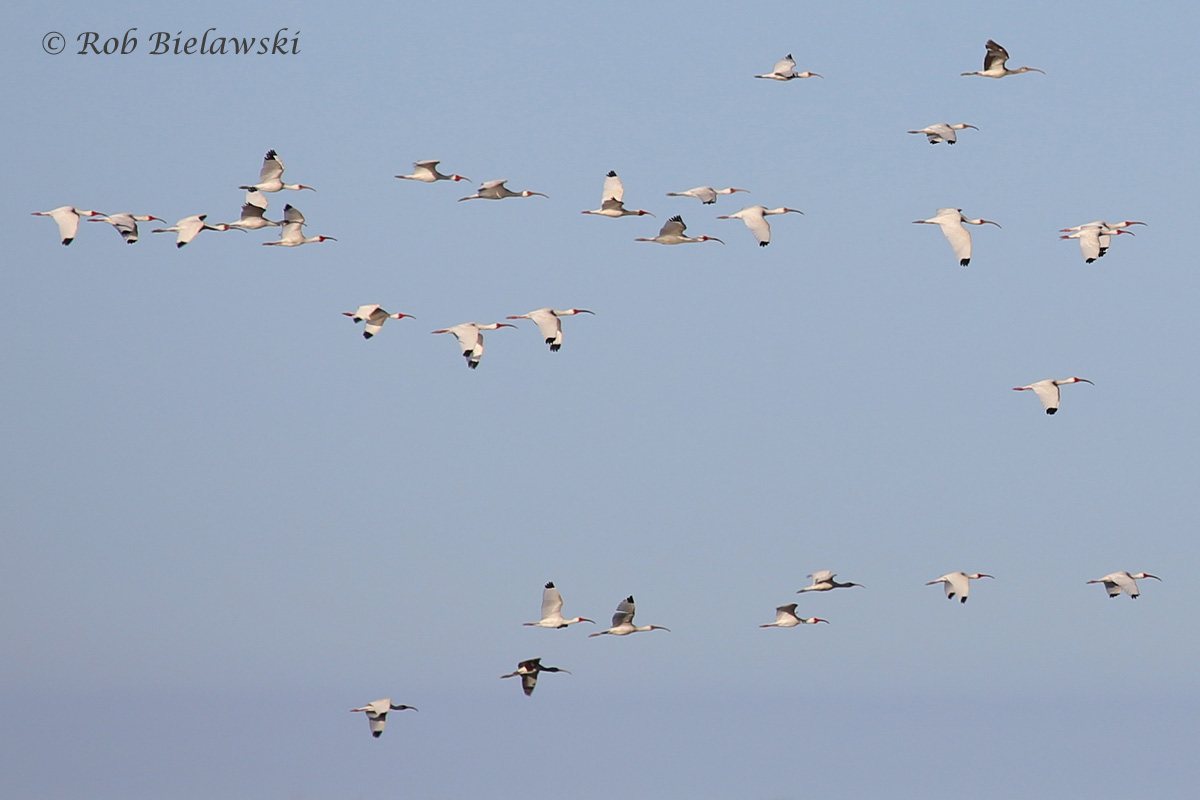
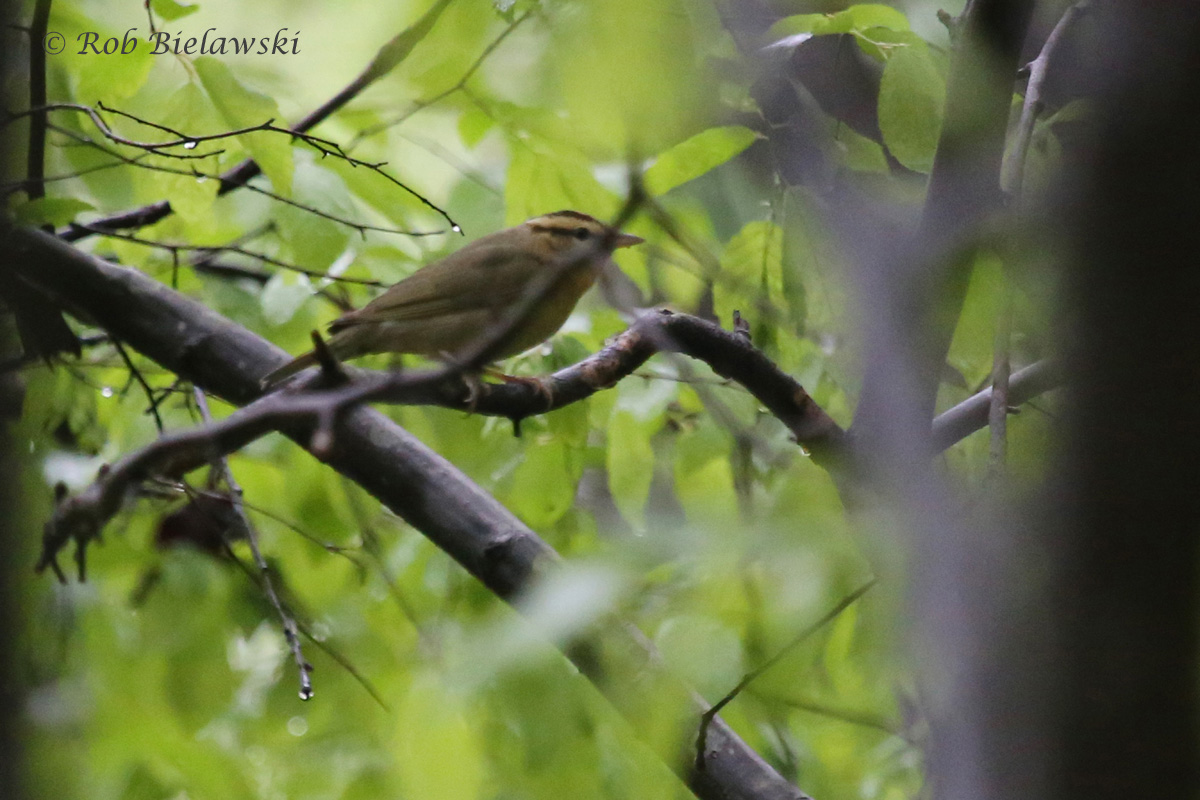
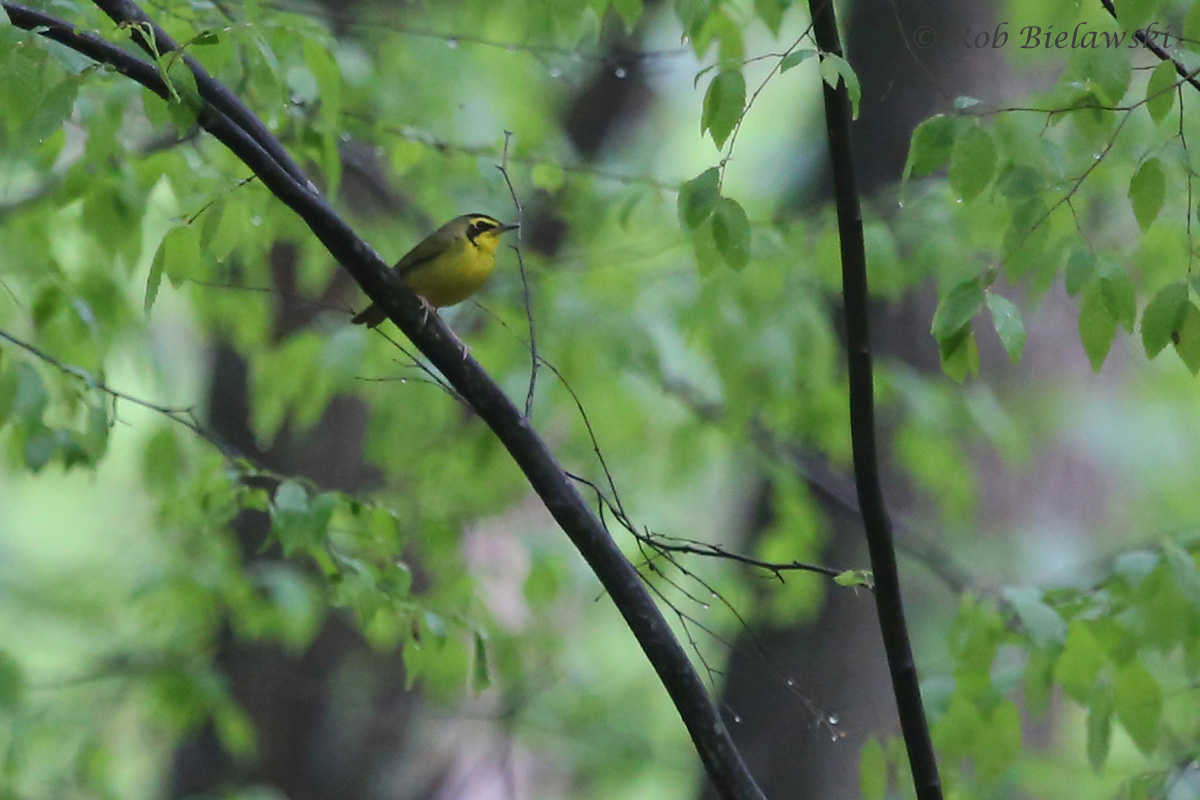
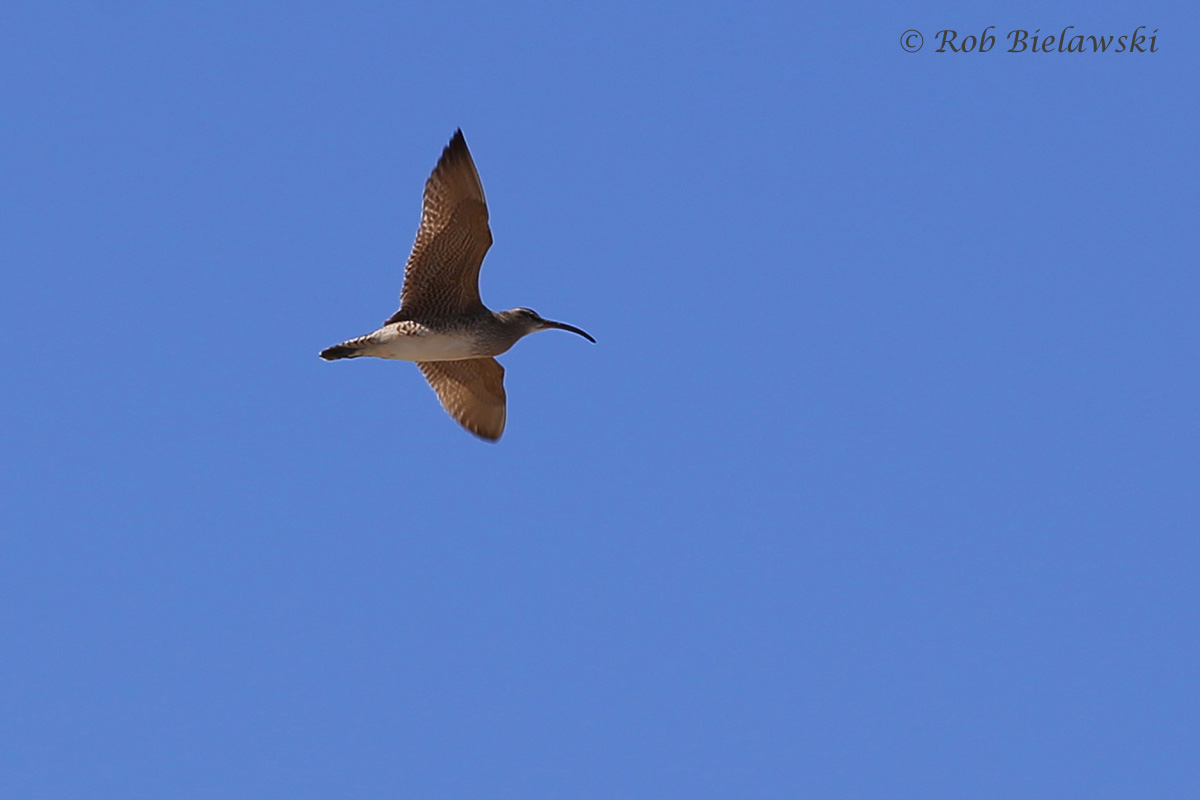
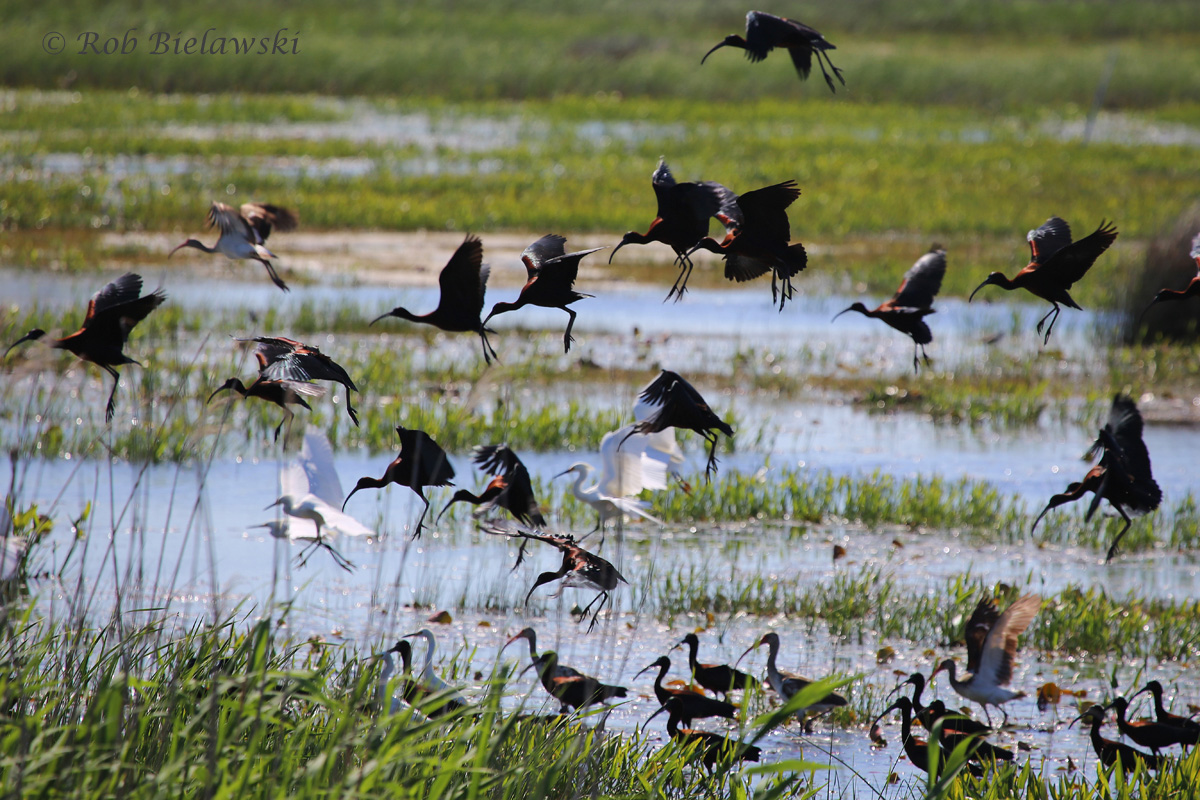
The cool weather of the last couple of weeks came to a screeching halt this week. Temperatures rose quite dramatically with an average daily high temperature of 77.7 degrees F (a 12.8 degree spike from last week’s average); the average daytime lows also rose, but not quite as drastically, to 53.3 degrees F (a 4.6 degree increase). This meant that the daytime lows & highs had quite a range, with anywhere from 44 degrees F to 88 degrees F being felt throughout the week. Precipitation occurred on Friday/Saturday, as an impressive front moved through the area, inundating Virginia Beach with widespread downpours. At Oceana Naval Air Station (the site I use for weather data in Virginia Beach), 0.85 inches of rain was recorded on Friday with another 0.08 inches in the early hours of Saturday. For the majority of the week, strong northerly winds persisted, just like last week though we did have some southwesterlies on Thursday and Friday in advance of the front. Conditions were favorable for songbird movements during that timeframe, and the species variety exploded this weekend as a result. The average daily maximum sustained windspeed was 17.6 mph, with maximum gusts of 32 mph occurring on Saturday! Despite the winds though, Virginia Beach saw many first-of-season (FOS) arrivals this week, which included: Great Crested Flycatcher (18 Apr / Karen & Tom Beatty / Stumpy Lake Natural Area); Least Tern (19 Apr / Lisa Rose / Lake Windsor); Broad-winged Hawk (19 Apr / Tracy Tate / White House Lane); Sandwich Tern (19 Apr / Andrew Baldelli & Tracy Tate / Fort Story); Wood Thrush (19 Apr / Rob Bielawski / Stumpy Lake NA); Orchard Oriole (20 Apr / Katharine Phelps); Indigo Bunting (22 Apr / Tommy Maloney / Back Bay NWR); Summer Tanager (22 Apr / Karen & Tom Beatty / Stumpy Lake NA); Cliff Swallow & Short-billed Dowitcher (23 Apr / Steve Coari, James Marcum & Lisa Rose / Back Bay NWR); Northern Waterthrush, Chuck-will’s-widow, Spotted Sandpiper, & Least Bittern (23 Apr / Bob Ake, Matt Anthony, James Fox & Jason Strickland / Back Bay NWR); Kentucky Warbler (the first for Virginia Beach since 2011 in eBird) & Worm-eating Warbler (23 Apr / Rob Bielawski / Stumpy Lake NA); Eastern Wood-Pewee (23 Apr / David Clark / Hattie Street); Gull-billed Tern (23 Apr / Kim Harrell / Pleasure House Point NA). In addition to the list of First-of-season species, Seaside Sparrows were also a highlight at Fort Story (22 Apr / Karen & Tom Beatty), at Back Bay NWR, and at Pleasure House Point NA. Transient Sora were also a highlight of the week at Back Bay NWR, with one observed 18 Apr (Clara Rous) and 6 more observed 23 Apr (Ake, Anthony, Fox & Strickland). Also at Back Bay NWR, Sedge Wrens were observed by several parties this week. Calling Eastern Screech-Owls were observed at First Landing SP (18 Apr / Andrew Baldelli) and a heard, seen & photographed Barred Owl was at Stumpy Lake NA (19 Apr / Rob Bielawski) was also a bird of interest, though the species is present year-round in Virginia Beach, it is not often observed in daytime. Whimbrel continue to move through the area with one photographed this week (24 Apr / Rob Bielawski / Back Bay NWR). A late Orange-crowned Warbler (19 Apr / Bob McAlpine / Back Bay NWR) was also photographed this week. Throughout the week, there seemed to be mass movements of Glossy & White Ibis, with hundreds of each species being observed along the coastline, especially at Back Bay NWR. With all the excitement this week, it was surprising that for a third straight week, no true rarities were observed in Virginia Beach, although a report of a Black-necked Stilt at Back Bay NWR did surface, it provided no identifying details, and this individual was never reported again though the area was scoured over the course of the week. For those who might not have noticed yet, I insert links above to all eBird reports that include photographs of the species of interest being described. For the reports that don’t have photographs, I simply list the species information, so if you want to have links in this report to your eBird checklists, make sure to add photographs of the species of importance.

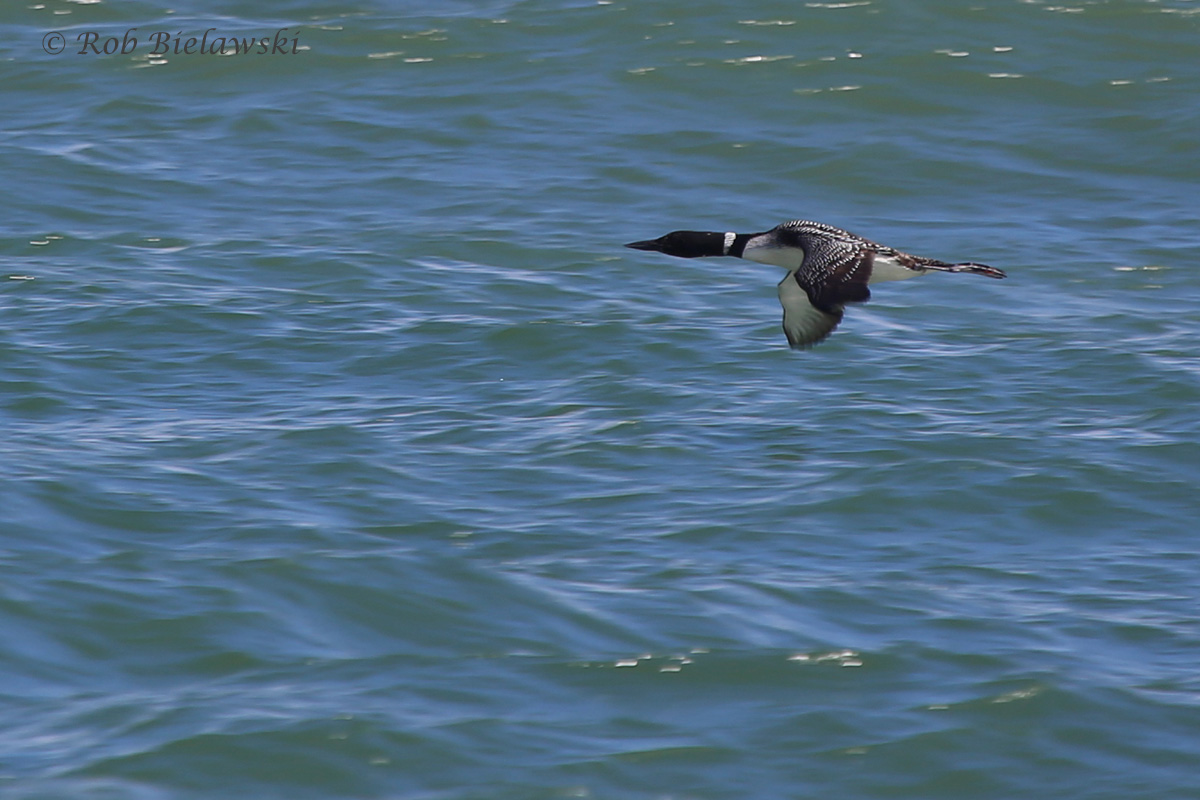
This was a particularly ‘birdy’ week, with two major events occurring in the region. Firstly, there was the Great Dismal Swamp Birding Festival which ran Thursday-Saturday. During the event, a wide array of songbirds were observed including some highlights like Swainson’s Warbler, Black-throated Blue Warbler, Worm-eating Warbler, Hooded Warbler, Blue-winged Warbler, Yellow-billed Cuckoo and even a report of a heard Black-billed Cuckoo (22 Apr / Elisa Flanders / Jericho Ditch). In addition to the Great Dismal Swamp festival, there was a BioBlitz event taking place at Back Bay NWR on Saturday. The purpose of the event was to spread awareness of the wildlife that can be found in the park, and survey teams were set up throughout the day to seek out as many species as possible. The group of Bob Ake, Matt Anthony, James Fox & Jason Strickland observed an incredible variety of bird species on their Saturday morning trip down the West Dike. Their eBird checklist is probably the single most impressive list I have ever seen come out of Back Bay, and was truly eye opening as to what can be observed when a group of expert observers work together. The weather likely played a critical factor in this outing, with a cold front hitting us on Friday evening likely helping to stall out all the migrants that had arrive during the week. The team that walked the East Dike also provide a great list of birds, but with no views of the impoundments, it just isn’t going to produce the same variety. The beach survey struggled a bit, as high winds took over in the afternoon around the scheduled 1 PM start time which had been chosen to work around the low tide. Only a few shorebirds were observed (Sanderling, Willet & Black-bellied Plover), but with some nice surprises including lingering Northern Gannets & a Red-throated Loon. As to the other counties within the region, a window-strike Swainson’s Warbler in Norfolk (22 Apr / Robert Ake / Private Residence) provided only the second report of the species in eBird for the county; there was a Lark Sparrow present in Accomack (20 Apr / Bonnie & Galen Ingram / Marine Science Consortium); Orchard Orioles arrived in Newport News (15 Apr / Terri Cuthriell / Newport News City Park) & Accomack (18 Apr / Glenn Long / CWR Headquarters); American Golden-Plover, Gull-billed Tern & a lingering Red-throated Loon were observed in Portsmouth (21 Apr / Bill Williams / Craney Island Disposal Area). 

Next Week's Blog | Blog Index | Previous Week's Blog

Week Ending April 17, 2016

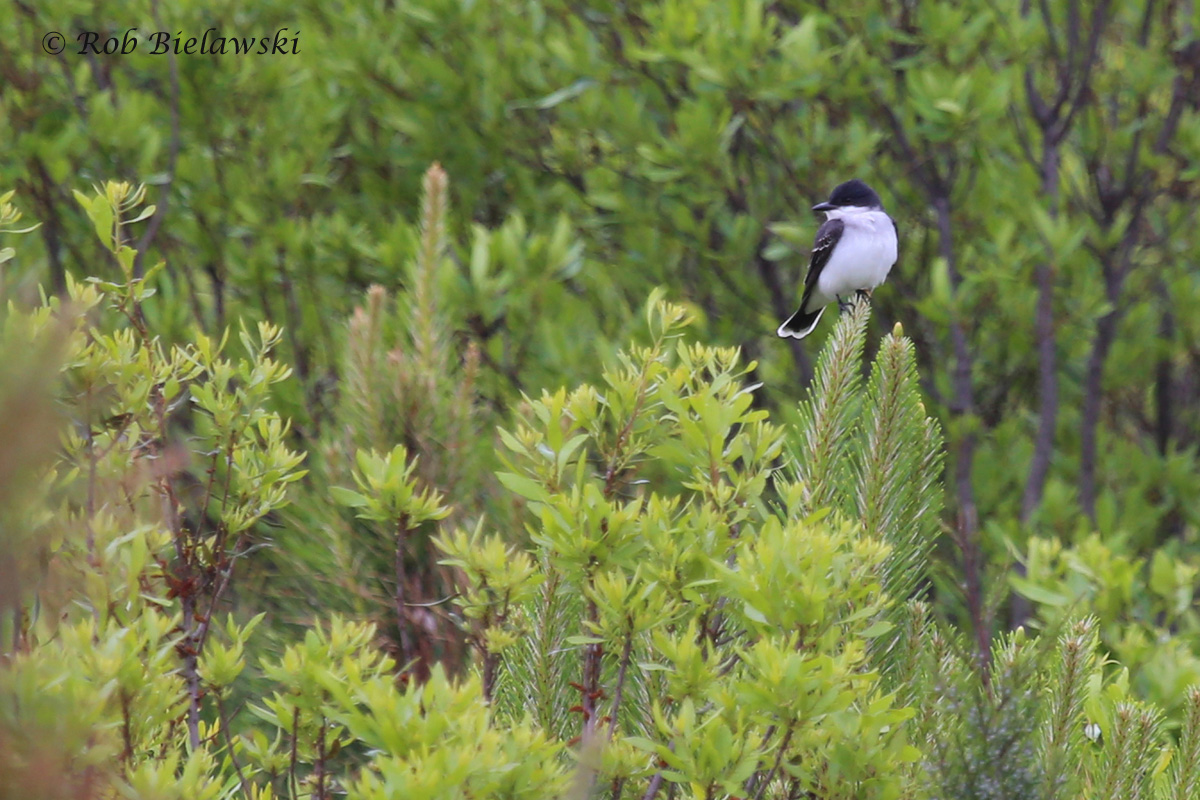
Cool and windy weather persisted for a second straight week here in Virginia Beach as the first half of April came to a close. Temperatures remained quite consistent with those from last week with an average daily high temperature of 64.9 degrees F (a minor 0.1 degree reduction from last week’s average); the average daytime lows rose a bit to 48.7 degrees F (a 2.7 degree increase). Only one of the seven days this week boasted rain, with totals on Tuesday (12 Apr) amounting to 0.4 inches. As with last week, winds this week remained a deterrent to spring songbird movement, as strong northerlies made it tough for the smaller species to fly against. The average daily maximum sustained windspeed was 20.7 mph, with maximum gusts of 32 mph occurring on Monday, Wednesday & Sunday! However, just like last week, despite these conditions, birders across the region did manage to find some new year-species, and Virginia Beach’s first-of-season (FOS) arrivals this week included: American Redstart & Eastern Kingbird (12 Apr / Tracy Tate / Burroughs Road), Common Tern & Whimbrel (13 Apr / Tracy Tate & Andrew Baldelli / 85th Street Beach), Louisiana Waterthrush (13 Apr / Richard Fischer / First Landing State Park), Semipalmated Sandpiper (15 Apr / Bob Ake & Rebecca Walawender / Back Bay NWR), and Red-eyed Vireo (17 Apr / Rob Bielawski / Stumpy Lake Natural Area).  For those who might not have noticed, I insert links above to all eBird reports that include photographs of the species of interest being described. For the reports that don’t have photographs, I simply list the species information, so if you want to have links in this report to your eBird checklists, make sure to add photographs of the species of importance. For a second straight week, no true rarities were observed in Virginia Beach. Most of the eBird flags that got set off were related to winter resident species that have just stayed a bit late (Golden-crowned Kinglet, Yellow-bellied Sapsucker, Winter Wren & Brown Creeper), and the remainder of the flags were of earlier than expected spring arrivals (American Redstart, Whimbrel & Semipalmated Sandpiper). A pair of Louisiana Waterthrushes were observed this week (13 Apr / Richard Fischer / First Landing State Park) and a Yellow-throated Warbler at Stumpy Lake Natural Area provided several observations from 14-17 Apr, and while both species are expected here this time of year (one being a transient, the other a summer resident), each has somehow managed quite well to elude eBirders based on the limited data for these species in Virginia Beach. Waterfowl numbers have certainly begun dropping off across Virginia Beach, and a quick trip out to Princess Anne Wildlife Management Area on Sunday yielded 31 Blue-winged Teal, but no other non-permanent resident species were observed. Springtime of course is all about the songbirds though, and most folks were probably enjoying themselves with a good number of warblers and vireos now present in the area. Variety of these species, and also of shorebirds will only increase in the coming weeks.

Around the Coastal Region (Hampton Roads, the Eastern Shore, and Poquoson) this week, some other interesting reports worth noting included a pretty late Black-headed Gull in Norfolk (observed 10 Apr but reported this week / James Fox & Jason Strickland / Oceanview) that is almost certainly the same bird observed by Arun Bose previously, an immature Iceland Gull in Portsmouth (14 Apr / Brian Taber / Craney Island Disposal Area), a very early (and first of year for Virginia) Orchard Oriole in Newport News (15 Apr / Terri Cuthriell / Newport News City Park), a first of year Sandwich Tern in Norfolk (15 Apr / Kim Harrell / Little Creek West Beach), a state first of year Yellow-breasted Chat in Chesapeake (16 Apr / Karen & Tom Beatty / Great Dismal Swamp NWR Canal Trail), a slew of heard Yellow-billed Cuckoo & Barred Owl reports from Great Dismal Swamp NWR in Suffolk on 16 Apr, a Virginia first of year Gull-billed Tern in Hampton (17 Apr / Grandview Nature Preserve), and a Black-throated Blue Warbler singing in Chesapeake (17 Apr / David Gibson / Great Dismal Swamp NWR Canal Trail). Painted Buntings continued to visit David Gibson’s private Chesapeake residence through 13 Apr, and a singing Swainson’s Warbler on the Washington Ditch at Great Dismal Swamp NWR in Suffolk afforded observations to many birders. The Swainson’s Warbler is typically the highlight for most folks who visit the swamp during springtime, being a species that is tough to come by anywhere else in Virginia. Two birding organizations held field trips to the swamp this week, with the Williamsburg Bird Club being guided by Bob Ake on the Washington Ditch and the Hampton Roads Bird Club venturing down Jericho Ditch. Some other nice finds at the swamp included Hooded Warblers and Louisiana Waterthrush, with quite a few other warbler species also being observed including Prairie, Prothonotary, Worm-eating, Black-and-white, Yellow-throated, Yellow-rumped, Pine, Ovenbird, Common Yellowthroat & Northern Parula. Large flocks of Rusty Blackbirds are also still being reported from the swamp. Back on the coast, plenty of Whimbrel have been reported as well this week, particularly from Willis Wharf in Northampton County, but with a few individuals also observed migrating north along the coast in both Hampton & Virginia Beach. For those who are interested in keeping up with the regional reports on a more frequent basis, I have set up a self-updating listing for each of the counties/cities in the coastal region. This can be found Here! As to what is expected across the region as far as new springtime arrivals go during the next week, I would hope that Yellow Warblers, Blue Grosbeaks and Indigo Buntings are all observed.

Next Week's Blog | Blog Index | Previous Week's Blog

Week Ending April 10, 2016

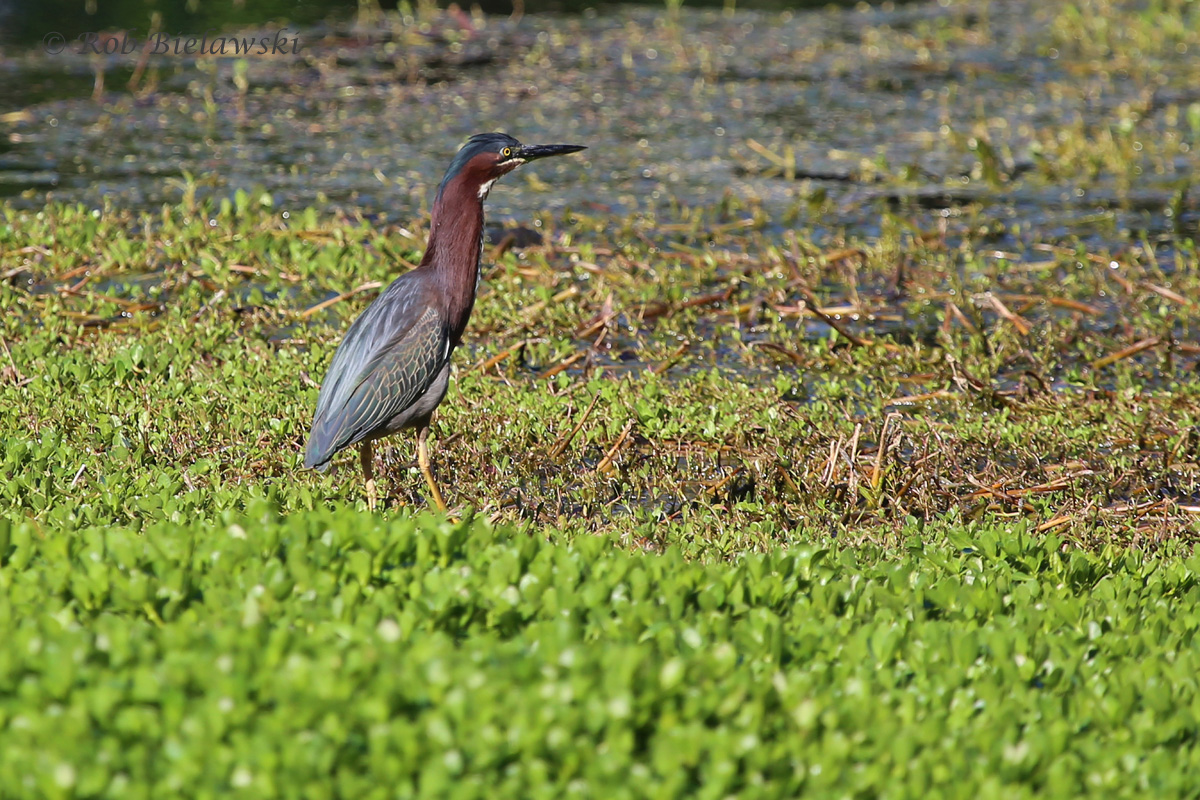
High winds and an overall wide variety of weather conditions affected Virginia Beach and the surrounding region throughout the second week of April. Temperatures were rather up and down with 80 degree (F) warmth on Monday leading to frost conditions on Wednesday morning. Of course, this is coastal Virginia, so nothing should be surprising at this point. Overall, temperatures dropped considerably to a daily high of 65.0 degrees F (an 8.3 degree reduction from last week’s average) and the average daytime lows also dropped dramatically to 46.0 degrees F (a 9 degree shift). While precipitation totals remained low this week (0.11 in.), the wind was the real story, with maximum sustained winds of 39 mph, and gusts to 53 mph on Thursday. Windy conditions persisted throughout the majority of the week which caused rather unfavorable conditions for springtime songbird migration. Perhaps not truly severe weather, but we had a strong hail storm move through my neighborhood around noon on Saturday, despite being 50 degrees F at ground level. This was a good display of just how turbulent the atmosphere was at the time, as the temperature differential between the clouds and ground must have been quite severe to produce hail. Despite these conditions, birders across the region did manage to find some new species, and Virginia Beach’s first-of-season (FOS) arrivals this week included: Ovenbird (5 Apr / Karen & Tom Beatty / West Neck Creek NA), Least Sandpiper (5 Apr / Tracy Tate / Pleasure House Point NA), Green Heron (7 Apr / Tracy Tate / Independence Blvd.), Black-and-white Warbler & Solitary Sandpiper (8 Apr / Tracy Tate / First Landing SP, and Prothonotary Warbler (10 Apr / Jonathon Snyder / Una Davenhill & Betty Sue Cohen / Stumpy Lake NA) though this warbler has not yet been submitted to eBird as of this writing.  A pair of lingering Tundra Swans at Back Bay NWR (7-8 Apr / Robert Wood), and what is likely the first spring arrival of Ruby-throated Hummingbird (8 Apr / Debbie Schroeder / North Point Ct.) also occurred during the week. Some individual Ruby-throated Hummingbirds have managed to overwinter recently in Virginia Beach, and there was at least one hanging around during this year’s mild Jan-Feb period. Now is typically the time where the true migrants of the species begin showing up though. Tundra Swans also have a departure date of 4 Apr set in eBird, so this pair was just slightly late, though I am of the philosophy that it is always good to review that first and last birds of each species to keep those critical dates in check. Aside from the slightly early & late species, there was no other birds in Virginia Beach this week that would be considered or flag as rarities in eBird.
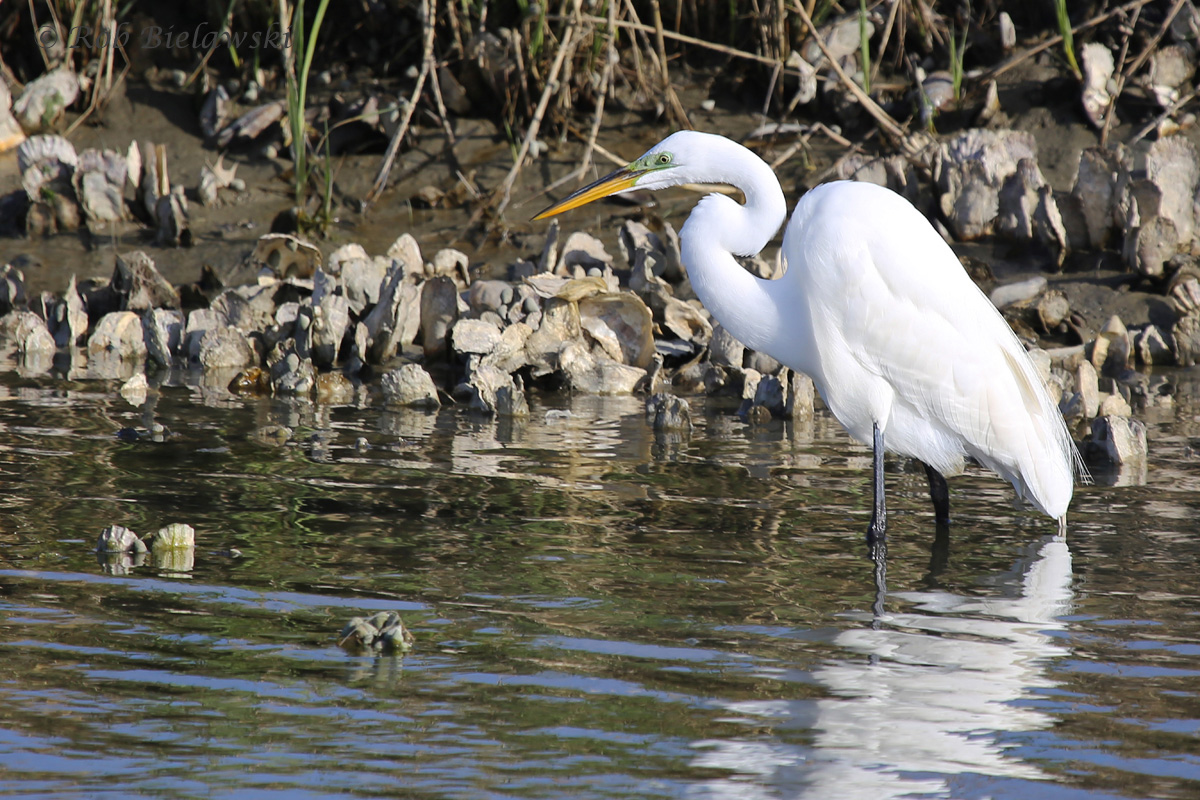
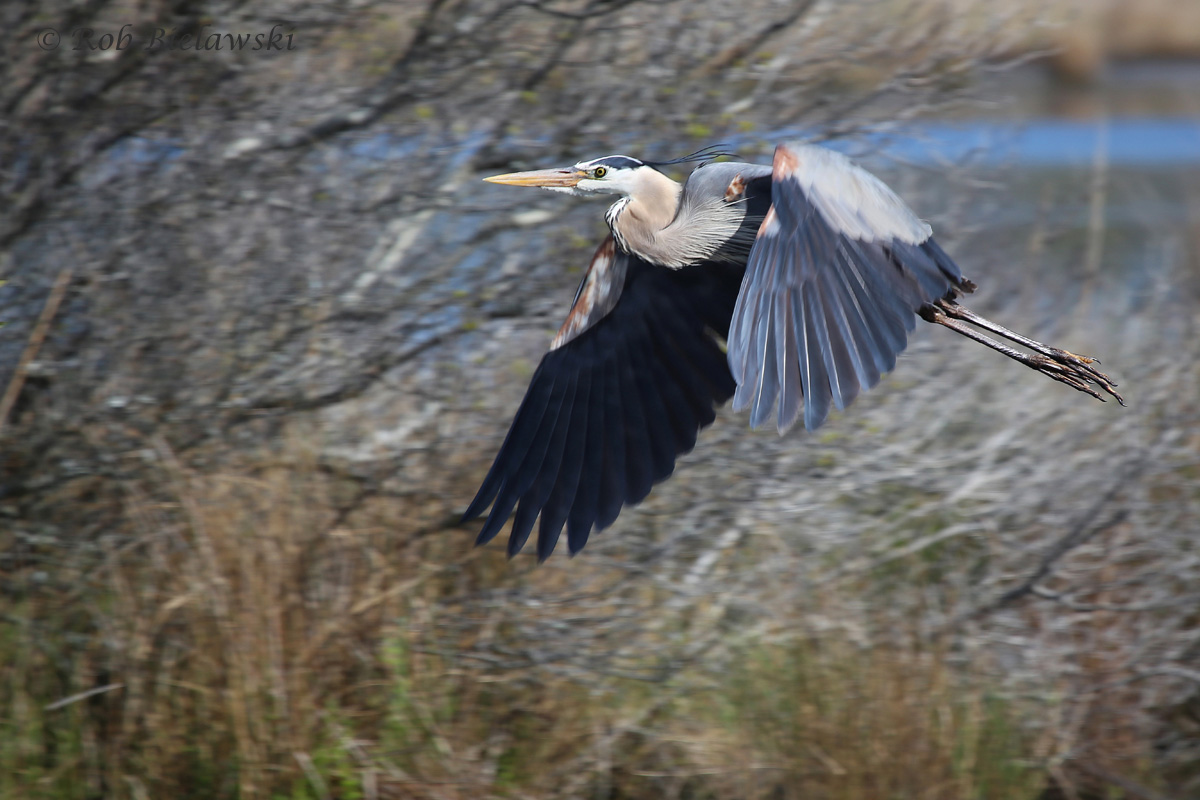
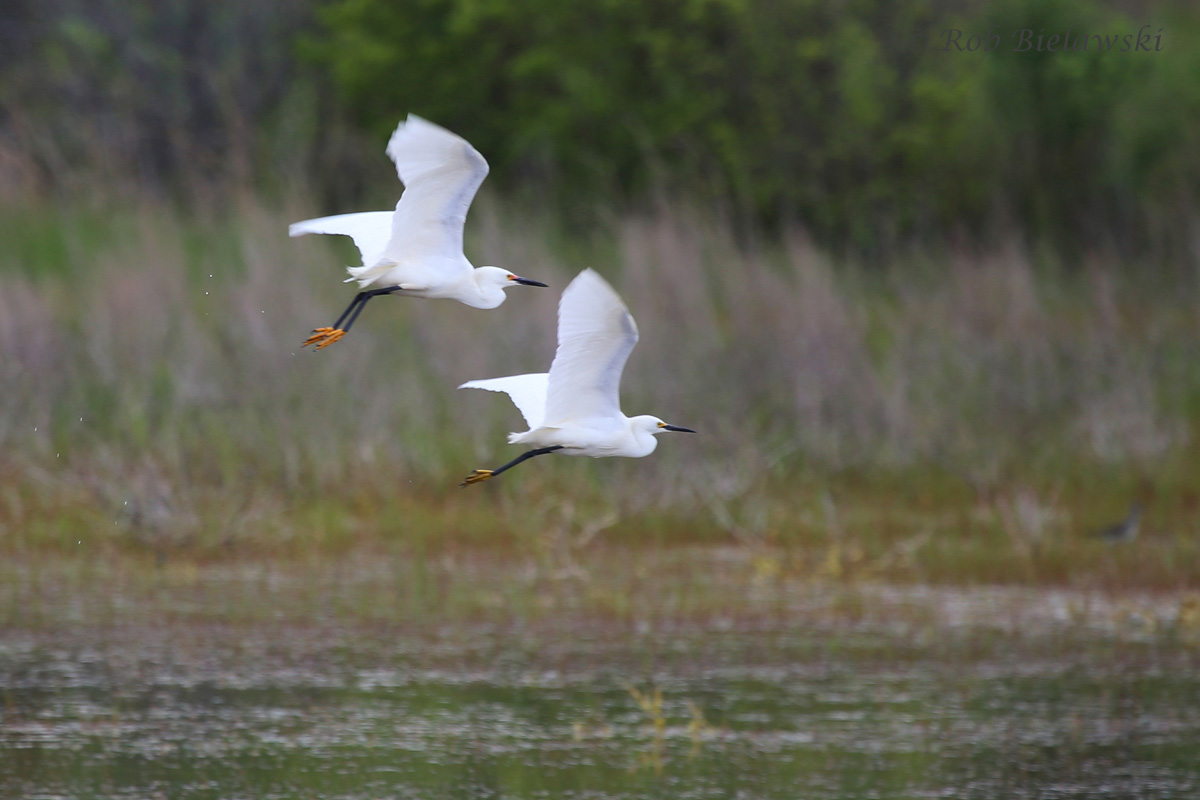
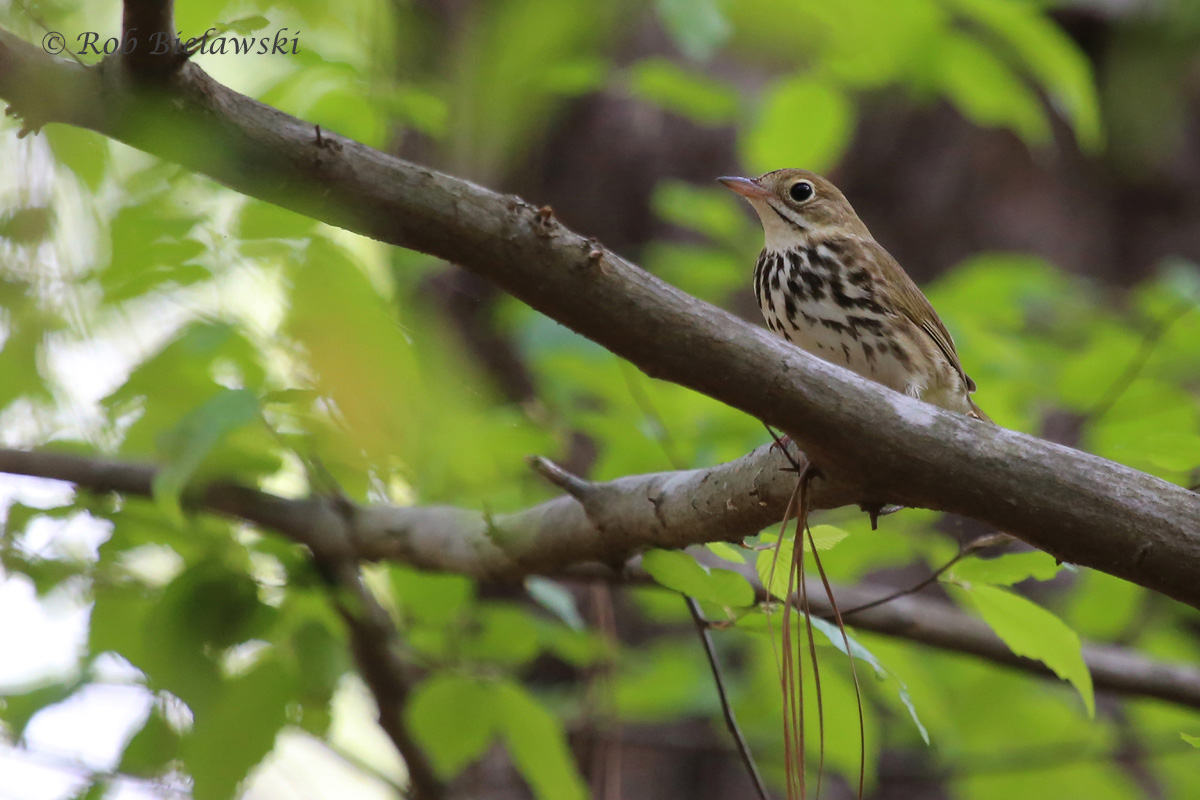
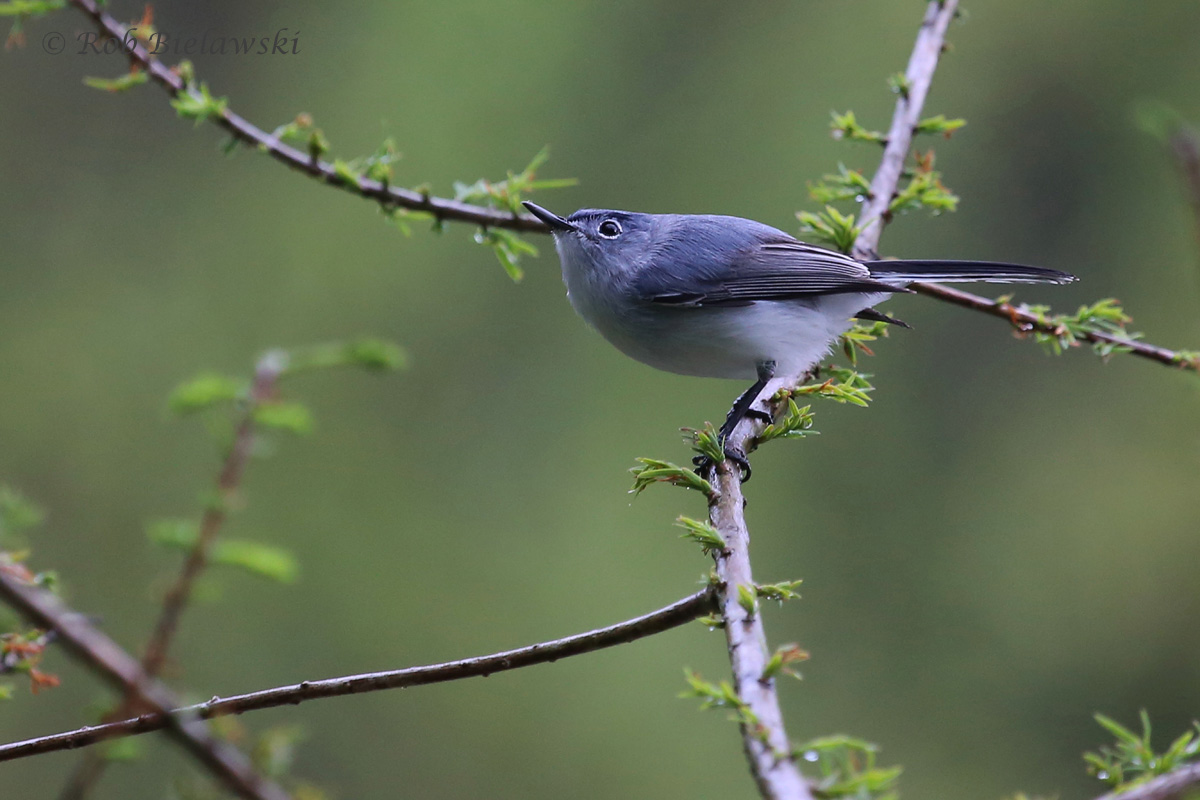
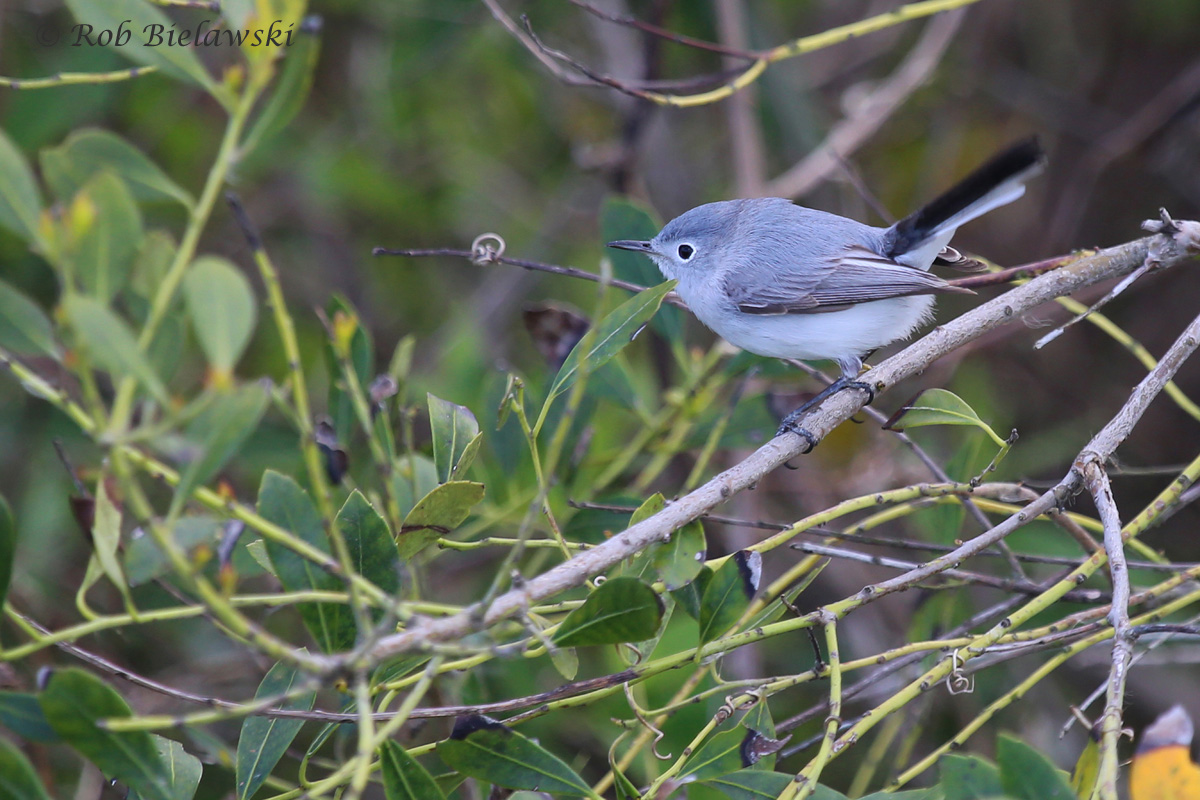
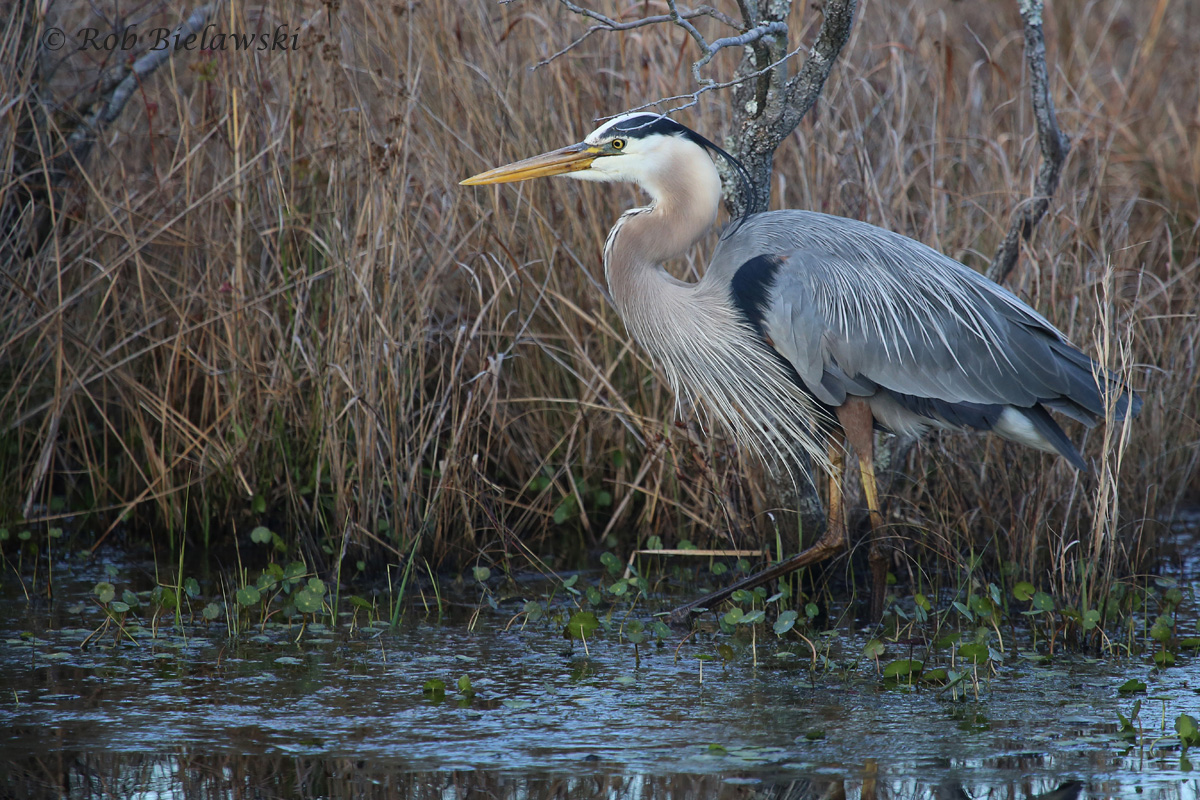
This week moved us one step closer towards the May peak of migration, so species variety continues to increase. On Friday (8 Apr) I walked the West Dike at Back Bay NWR and found a great number of birds after working hours. My primary target was Prothonotary Warbler which unfortunately I could not locate at my usually reliable early-spring spot. The impoundments are still holding good numbers of Green & Blue-winged Teal, but the waters are a bit too high for any variety of shorebirds to be present. The wading species seem to be enjoying it though, with Little & Great Blue Herons, as well as Great & Snowy Egrets present on C-Pool. Greater Yellowlegs were the only shorebird seen in good numbers though as the impoundment water levels drop in the coming weeks, the habitat will become better for non-waterfowl. Last year, by the end of May, the impoundments were essentially mudflats and I did see a pair of Black-necked Stilts for the first time on the C-Storage Pool, so here’s hoping for another lucky find this year. Whitehurst Tract also held some nice flocks of teal on Sunday (10 Apr), and Glossy Ibis are always a highlight there. A single Lesser Yellowlegs provided me a new year bird to cap the outing off. An early morning jaunt to Stumpy Lake NA did not produce any Prothonotary Warbler either, though others would find some later in the day for the first Virginia Beach record of the year. Ovenbirds were heard singing in good numbers (9), and I did have a vireo calling high up in the canopy that I couldn’t quite nail down to species, though all 3 (Blue-headed, Yellow-throated, Red-eyed) are possible right now. The slow rhythm of the song favors Blue-headed, but with these, I’m more comfortable with the ID if I get at least a reasonable look at the bird. A quick check on some of the backroads in southern Virginia Beach gave up a female Wood Duck with 12 youngsters in tow, the first ducklings I’ve seen so far this year, though this was technically in Chesapeake on Blackwater Road while en route to Milldam Creek. Blue-gray Gnatcatchers continue to be present in large numbers and their ‘spee’ calls are tough not to come across while at basically any park in the area. Outside of Virginia Beach, I did also spend Saturday (9 Apr) morning at Great Dismal Swamp on the Washington & Lynn Ditches. Highlights there included my first American Redstarts of the year (and a first for Virginia in eBird), lots of singing Prothonotary Warblers, Ovenbirds & Hermit Thrushes, a nice Louisiana Waterthrush, a first-of-year (FOY) Yellow-throated Warbler and even an American Bittern! It is always a nice time of year to check out the swamp, before the mosquitoes arrive in full force, and the vegetation gets too high on the trails & makes ticks and chiggers a much larger concern. We ought to be seeing our first Spotted Sandpiper, Common Tern, Great Crested Flycatcher, Eastern Kingbird, Yellow-throated & Red-eyed Vireo, and maybe even a Hooded Warbler or Black-throated Green Warbler in the next week, so keep the eyes & ears alert!

Next Week's Blog | Blog Index | Previous Week's Blog