Early July 2017 (1st-10th)

Hot & humid summer weather dominated throughout early July and Shorebirds started arriving in Virginia along their southbound migrations. Top birds during this period in Virginia Beach included the continuing FORK-TAILED FLYCATCHER, fresh observations for SCISSOR-TAILED FLYCATCHER, ANHINGA & ROSEATE TERN and the probable continuance of a WHITE-EYED EASTERN TOWHEE! In addition to these rarities, first-of-season arrivals this period included our first-of-fall Black-bellied Plover (6 Jul), Lesser Yellowlegs, Semipalmated Plover, Least Sandpiper & Short-billed Dowitcher (7 Jul).  WEATHER: Overall, early July’s average daily high temperatures continued the typical of trend of surpassing late June’s, rising to 88.6 degrees F (+3.6 degrees); average daytime lows also rose to 73.7 degrees F (+5.4 degrees). The previous 10-year average daily highs & lows for the early July period were 87.9 & 71.7 degrees F, respectively which puts this period in 2017 at +0.7 and +2.0 degrees when comparing to the 10-year averages. During the previous 10-year period, the maximum average daily highs & lows were 93.6 (2012) & 76.6 degrees F (2016). We had 6 days with measureable precipitation which amounted to a total of 1.66 inches, most falling on 8 July (a Saturday) with 0.82 inches accumulating.
OBSERVATIONS: Continuing through yet another period, the FORK-TAILED FLYCATCHER first observed 15 Jun by Karen & Tom Beatty was viewed by many observers who visited Back Bay NWR around the 4th of July holiday! However, what appears to have been the final observation of this South American vagrant occurred 8 Jul, and it seems this rarity has finally moved on from its temporary residence along the power line wires of the park. The most notable aspect of its sudden departure is that it was Karen & Tom who were given the opportunity to view its final flight out over Back Bay before it disappeared from sight; a fitting end to their find which over the course of 24 days provided innumerable birders the opportunity to view what was in most cases, a rare life bird! The eBird reports are at least quantifiable though, and while there are certainly some repeats of local birders observing the flycatcher more than once, the 153 eBird reports submitted is an absolutely staggering number.

Thanks also to the Fork-tailed Flycatcher, another rarity was observed and photographically documented in the same vicinity when a SCISSOR-TAILED FLYCATCHER made a showing early in the day of 1 Jul. Initially, photographs were taken by Logan Anderson, Phil Kenny & Russell Taylor, but a VA-Bird Listserve posting later in the day cited observer Ryan Corkill as the finder of the bird. Unlike the Fork-tailed Flycatcher, this rarity stayed only for the day, and proved difficult to find, with numerous birders missing it throughout the day (myself included), though it was again photographed after 5 PM by Mary Catherine Miguez as it flew from the dune line towards the power line, then quickly back. That was the last time the bird was able to be observed, and certainly not for a lack of effort the following day! According to Ned Brinkley, it had been "29 years and 29 days" since the last time both species of long-tailed flycatchers were seen in Virginia! So it is extra-incredible that Phil, Russell & Mary Catherine all were able to have both species on the same eBird checklist! While the Scissor-tailed has prior records of 18 May 2015 (ph. Michael Linz) and 21 Jun 1996 (obs. David Clark) in eBird, as well as a mention in The Gold Book of a photographed individual from 2 Dec 1972, this appears to be only the fourth record for the refuge. It also made for a second 2017 record in Virginia Beach with Tracy Tate & Andrew Baldelli having found a different (or maybe even the same?) individual 7 May near the junction of Gum Bridge & Muddy Creek Roads on the western side of Back Bay. That individual also stayed only a short time and wasn’t located beyond an hour or so from the initial sighting. Scissor-tailed enjoyed a solid spring in Virginia as a whole with an individual present in southern Northampton County 16 May (ph. Brian Taber) and another present near Wallops Flight Facility in Accomack County 18-19 May (ph. Edward Brinkley & Jason Strickland). 

In this same vicinity of Back Bay NWR, a WHITE-EYED EASTERN TOWHEE was observed and photographed by Mary Catherine Miguez along the entrance road. This form of Eastern Towhee, occurs primarily from Florida north into North Carolina. I’m unsure if this individual is the same that was found 28 May (ph. Rob Bielawski) further to the south near the maintenance yard, or if this is yet another individual. The 28 May bird was at first thought to be a potential first state record for this form due to lack of published reorts, but in the discussions that ensued, Ned Brinkley determined that there have been past records for this form at both Back Bay NWR (obs. Robert Ake in the 1970s), and at Great Dismal Swamp NWR (obs. Donald Schwab, date unknown). Since then, Karen & Tom Beatty have also been able to provide a photograph of a “white-eye” from 20 May 2015, also at Back Bay NWR. Until we’re able to find more than one in the same spot though, it seems likely that at least the 2017 records pertain to the same individual, though the possibility exists that there are others present at the park. Back Bay NWR currently represents the northern-most extent of this form’s known range, so any observations are important to get input to eBird!

Also new to the rarities listing this period was the occurrence of a single ANHINGA soaring over Lake Smith in northwestern Virginia Beach (obs. Tracy Tate). Up to 3 Anhingas have been reported in this area previously in the spring and also soaring overhead in October of 2016 ahead of an inbound tropical cyclone. For anyone who lives or birds nearby, it is important to check out any cormorants that might be flying overhead, as Anhinga can be easily overlooked though their longer, narrower tails and snake like necks with thin, pointed bills make them obvious after a closer study.

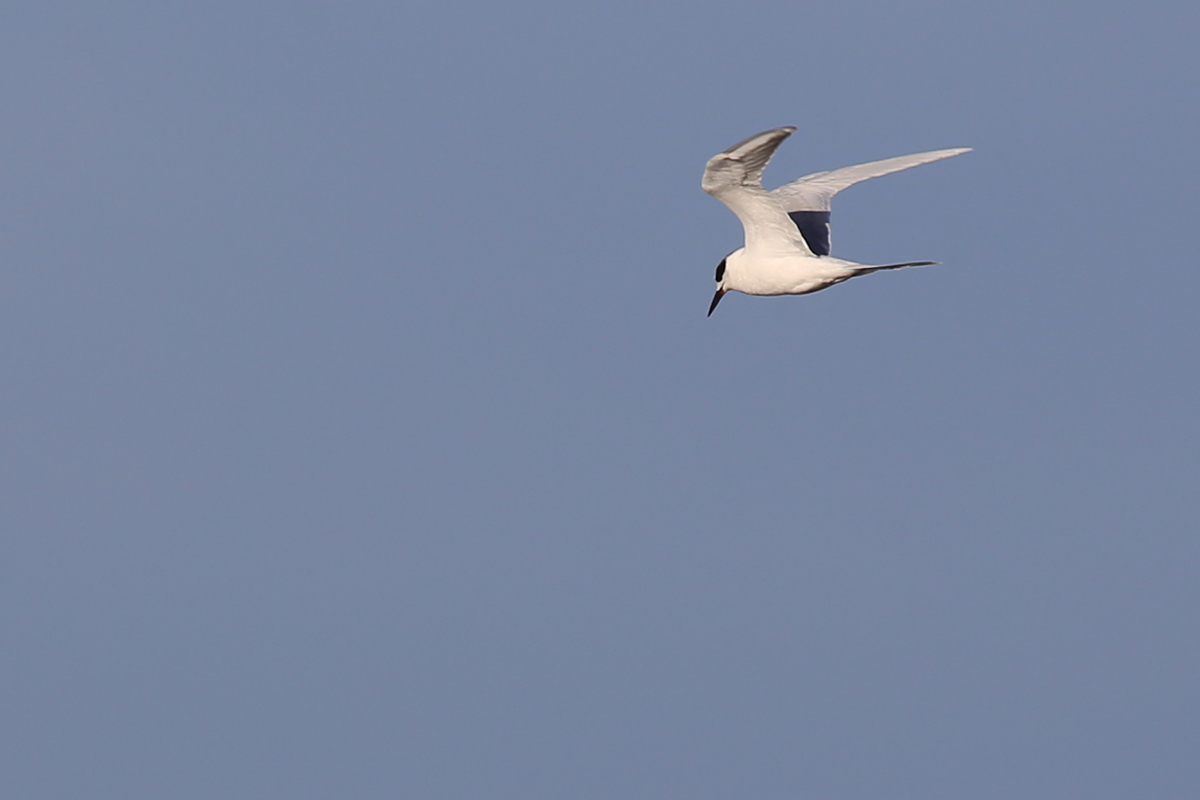
Lastly, but certainly not least, Virginia Beach’s very first ROSEATE TERN for the year was observed and photographed 9 Jul by Karen & Tom Beatty along the beach at Camp Pendleton SMR! In fact, this is the only record so far in 2017 for Virginia as a whole and the first documented record in the state since Bill Hohenstein photographed one 25 Jun 2015 at Chincoteague NWR in Accomack County. Unfortunately this bird was not re-found after the initial observation, but there always exists the chance that it will show up along the coast in the coming days; certainly one to watch for. As I learned from extensively browsing the photographs, the long, narrow, black bill, and full black cap are probably the most helpful field marks to focus on with in-flight passersby at this point in the season.

First-of-season (specifically, first-of-fall as we move forward now) observations this period included what may actually be an over-summering Black-bellied Plover observed 6 Jul by Bill Oyler. This individual could be the same bird reported 16 Jun by James Marcum and 23 Jun by Andrew Baldelli, and while it is still early, we are probably near enough to the species’ average arrival date of 15 Jul that it seems fair to refer to it as a first-of-season bird. Other shorebird species began arriving in numbers 7 Jul, with Lesser Yellowlegs (early with a 10 Jul average arrival), Semipalmated Plover (early with a 15 Jul average arrival), Least Sandpiper & Short-billed Dowitcher (5 Jul average arrivals) having been observed at Back Bay NWR by Andrew Baldelli & Tracy Tate.

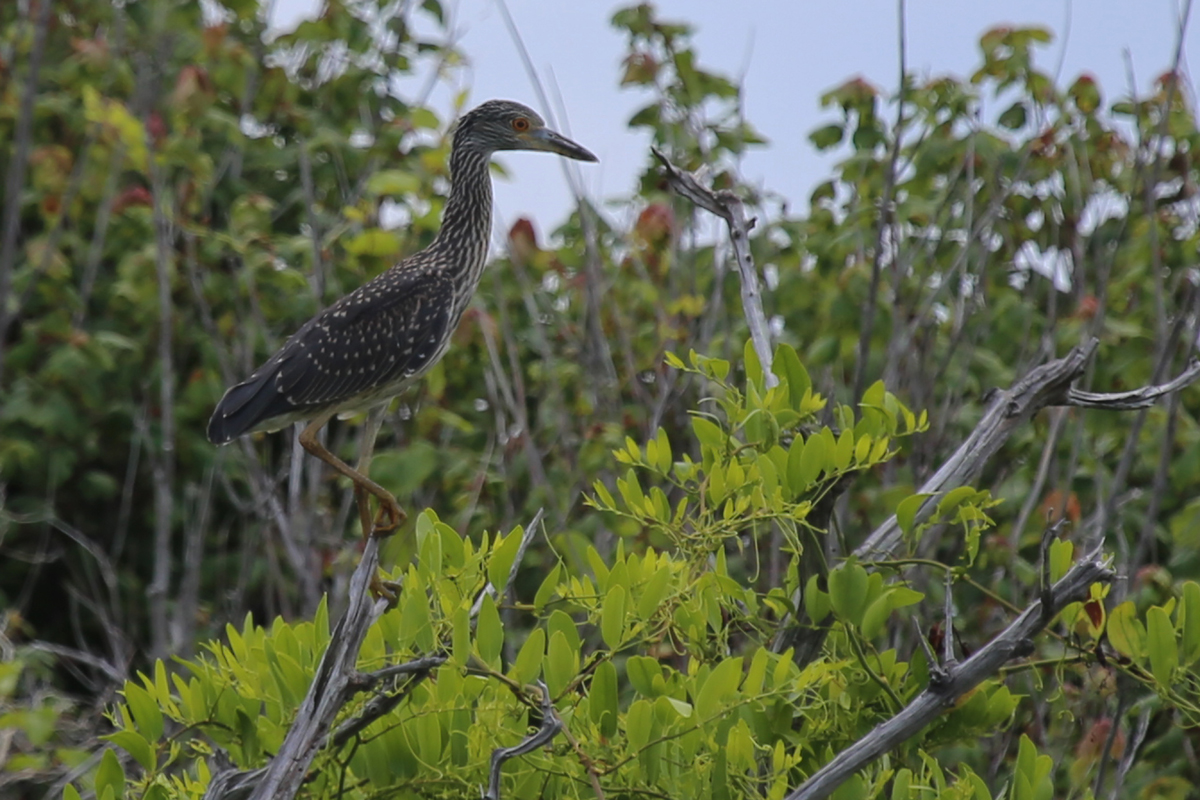
Perhaps not ‘noteworthy’, but an interesting report popped up along the Shore Drive corridor when Tim Barry both saw & heard a Northern Bobwhite in a populated, suburban area 4 Jul. Perhaps the same individual was also reported 8 Jul at Pleasure House Point NA by Bill Oyler and Natalie & WS Barbour. Amazingly, the last report for a Northern Bobwhite in this section of Virginia Beach was 17 Feb 1990, observed by Bob Swiader. Whether this is a wild bird that somehow found its way to the area, or a local pet that was released is something that likely won’t reach resolution, but it is an interesting record nonetheless. Lastly, Yellow-crowned Night-Herons seem to be undergoing a dispersal from their breeding colonies now, with reports popping up at Back Bay NWR, JEB Fort Story, and at South Thimble Island, where they typically are not observed with any frequency!

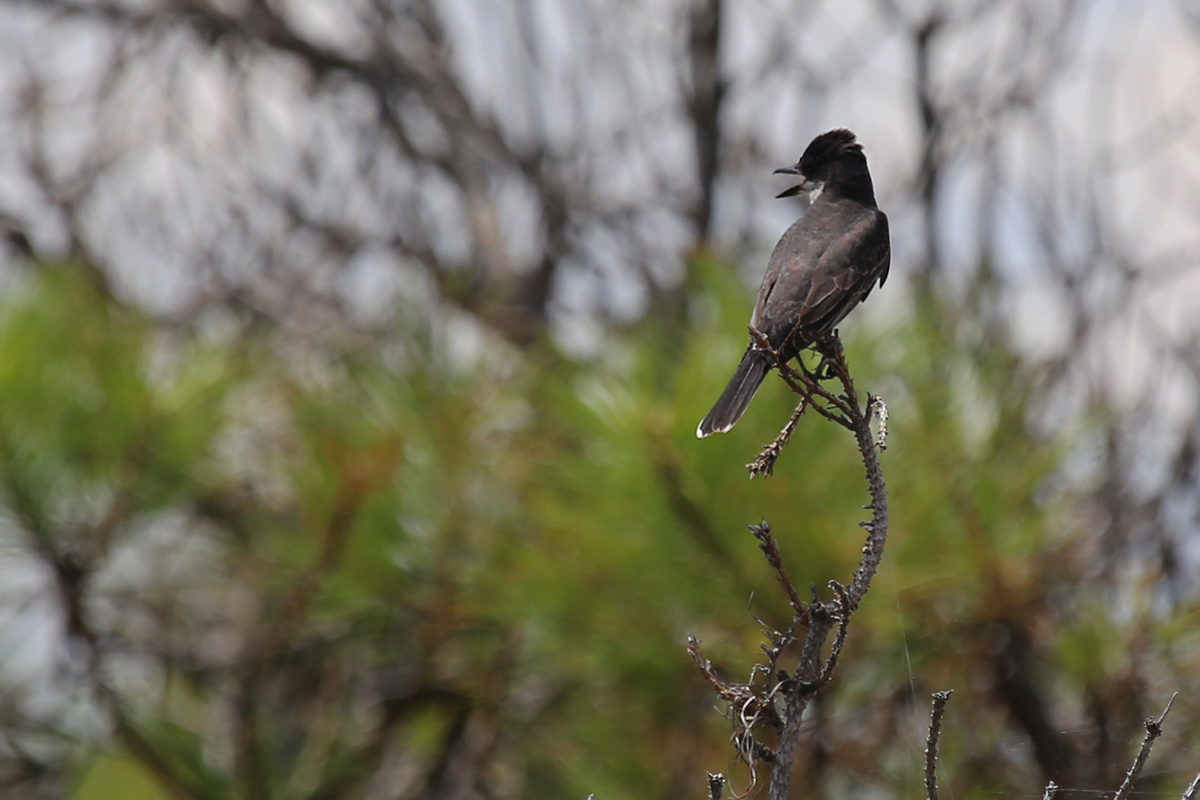
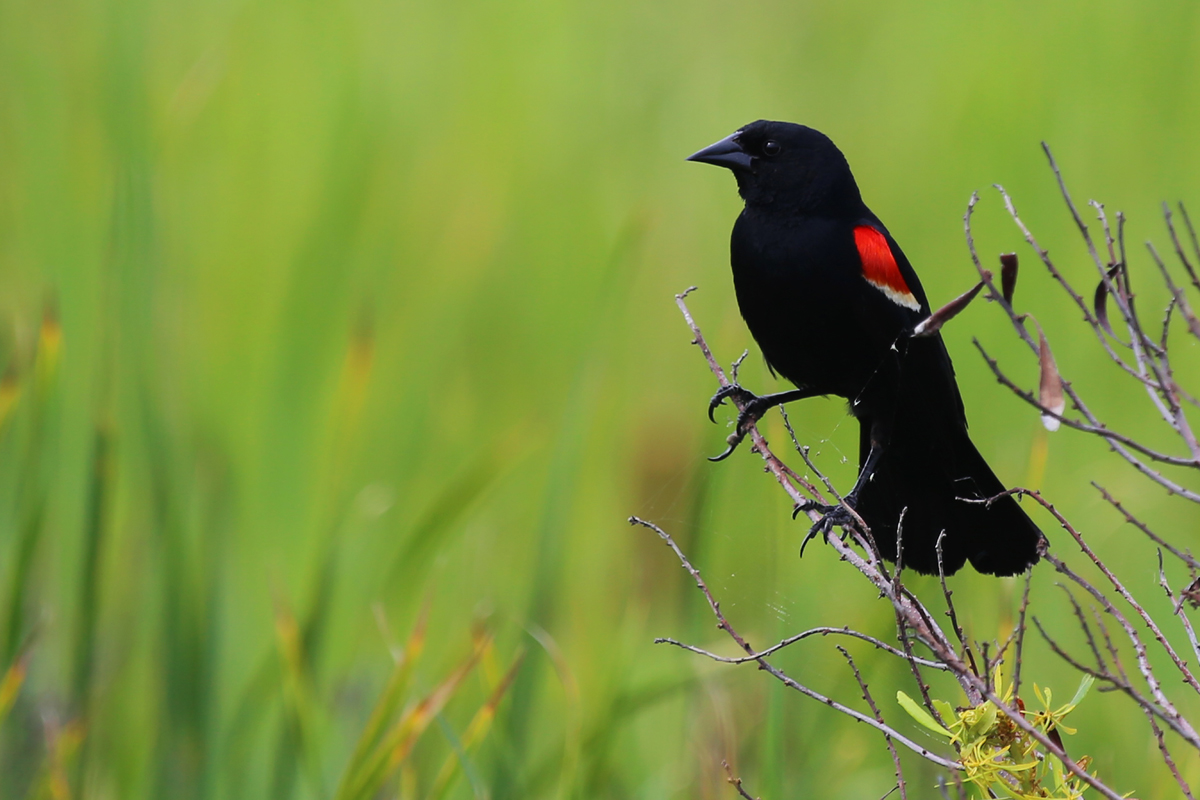
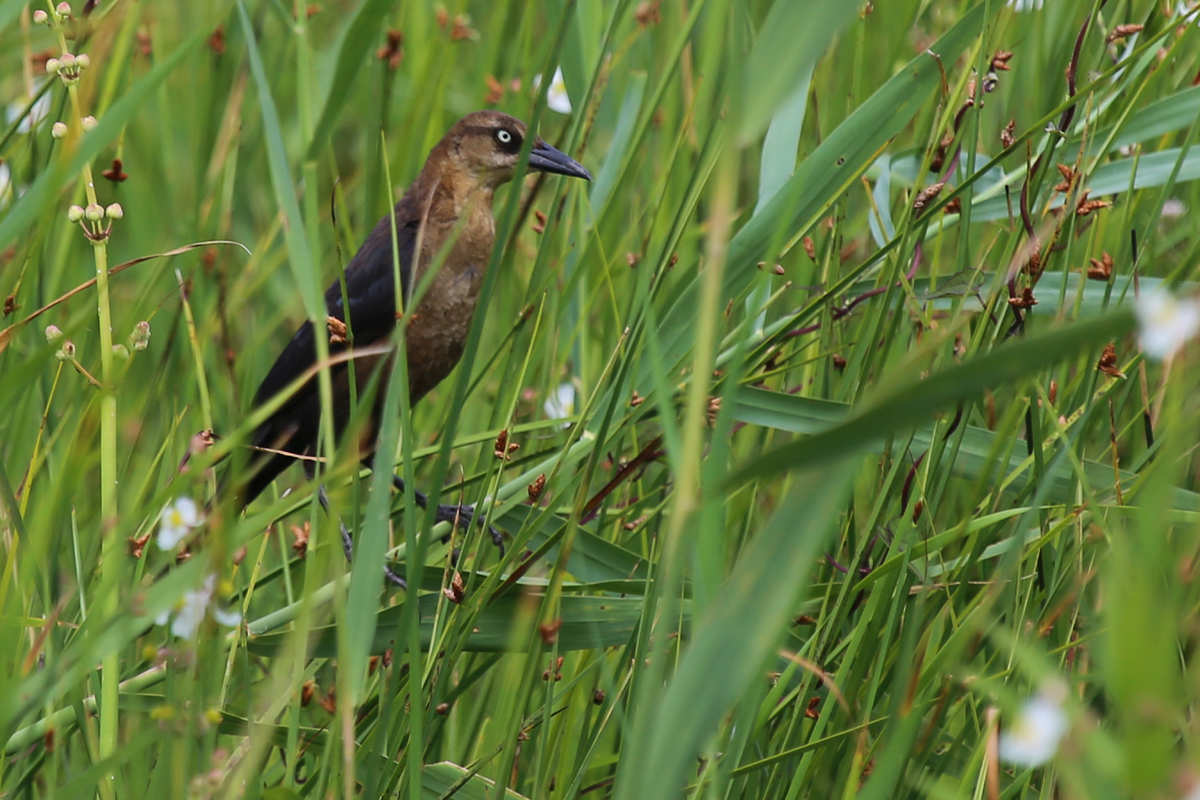
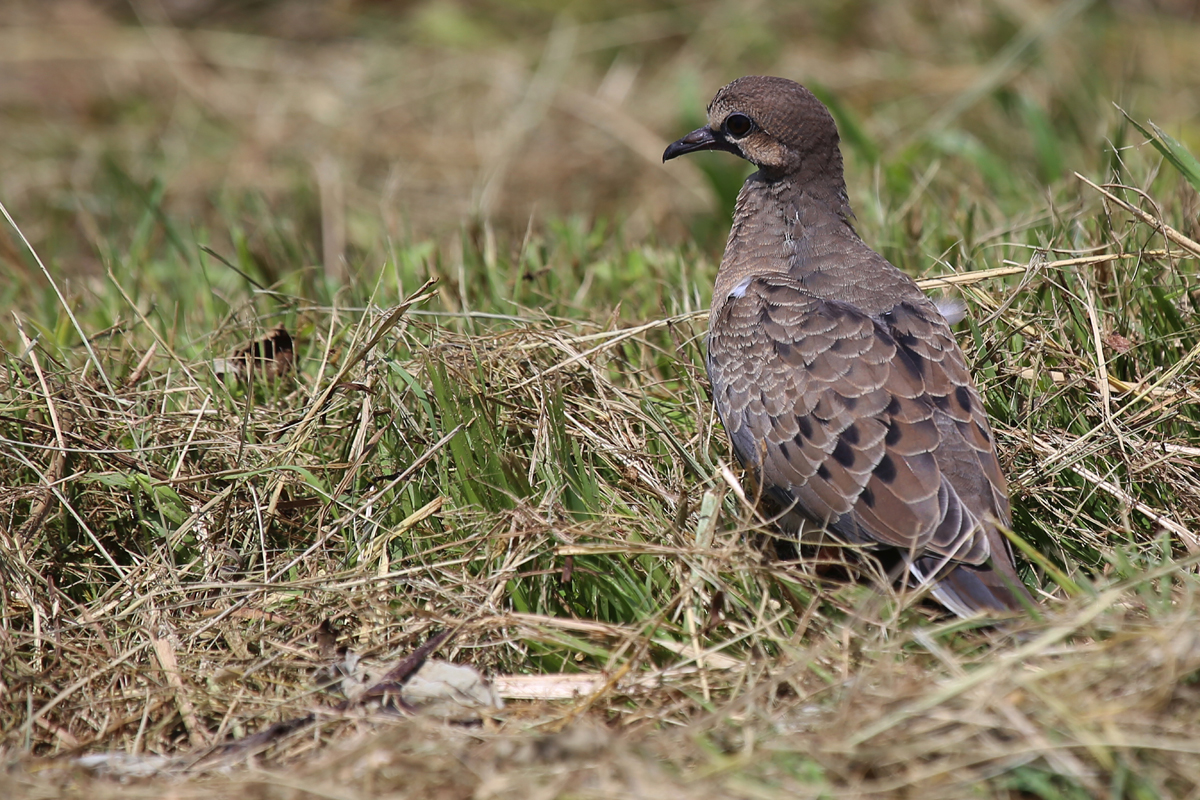
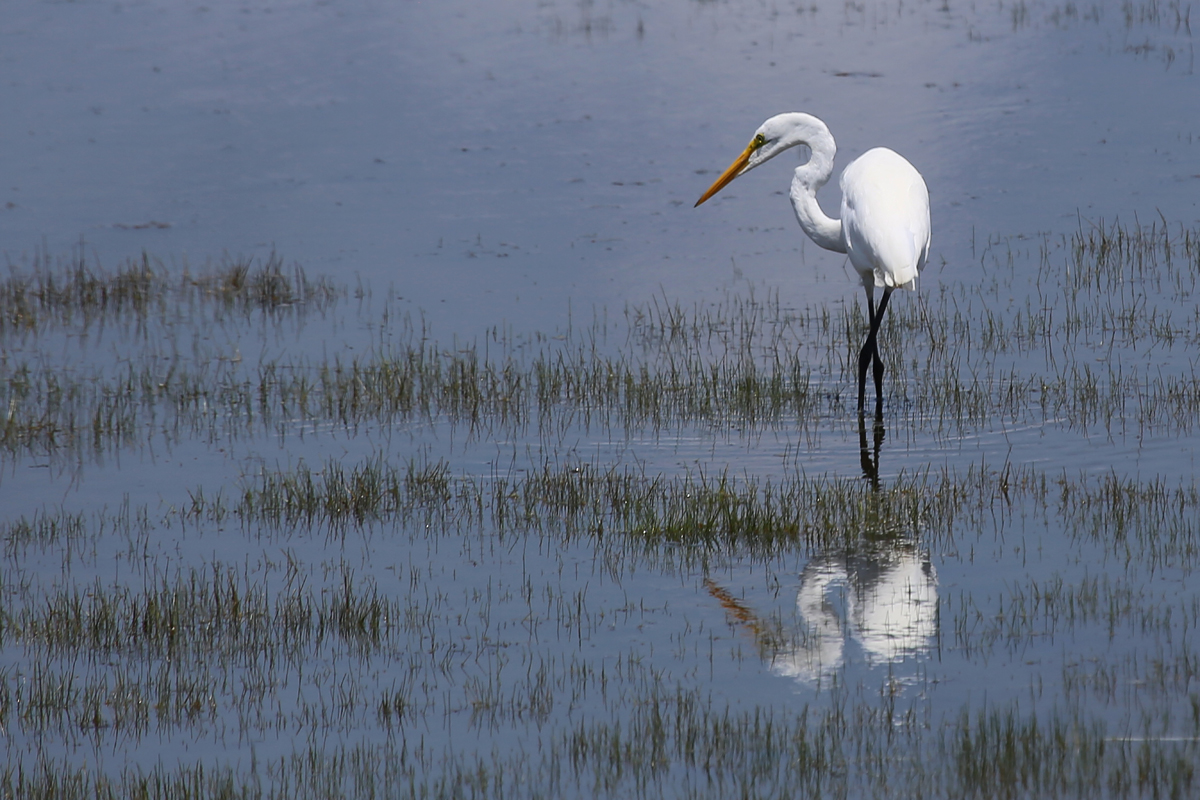
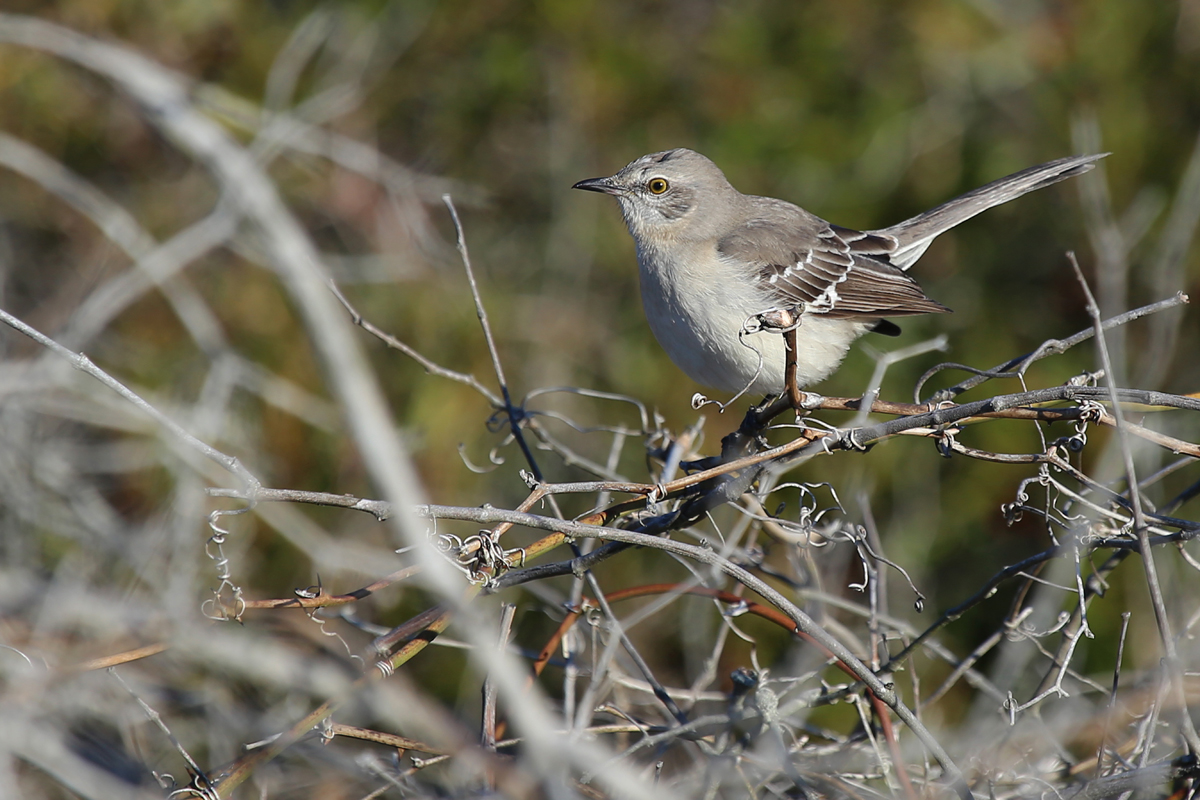
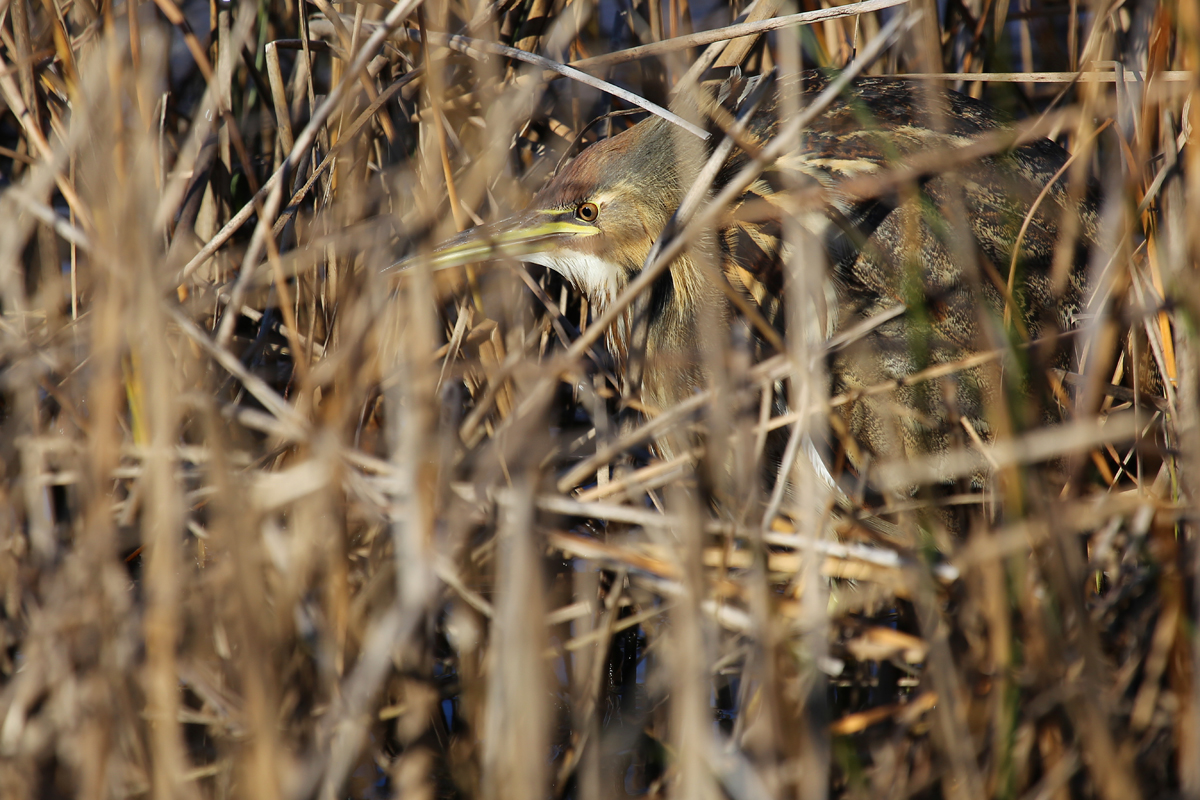
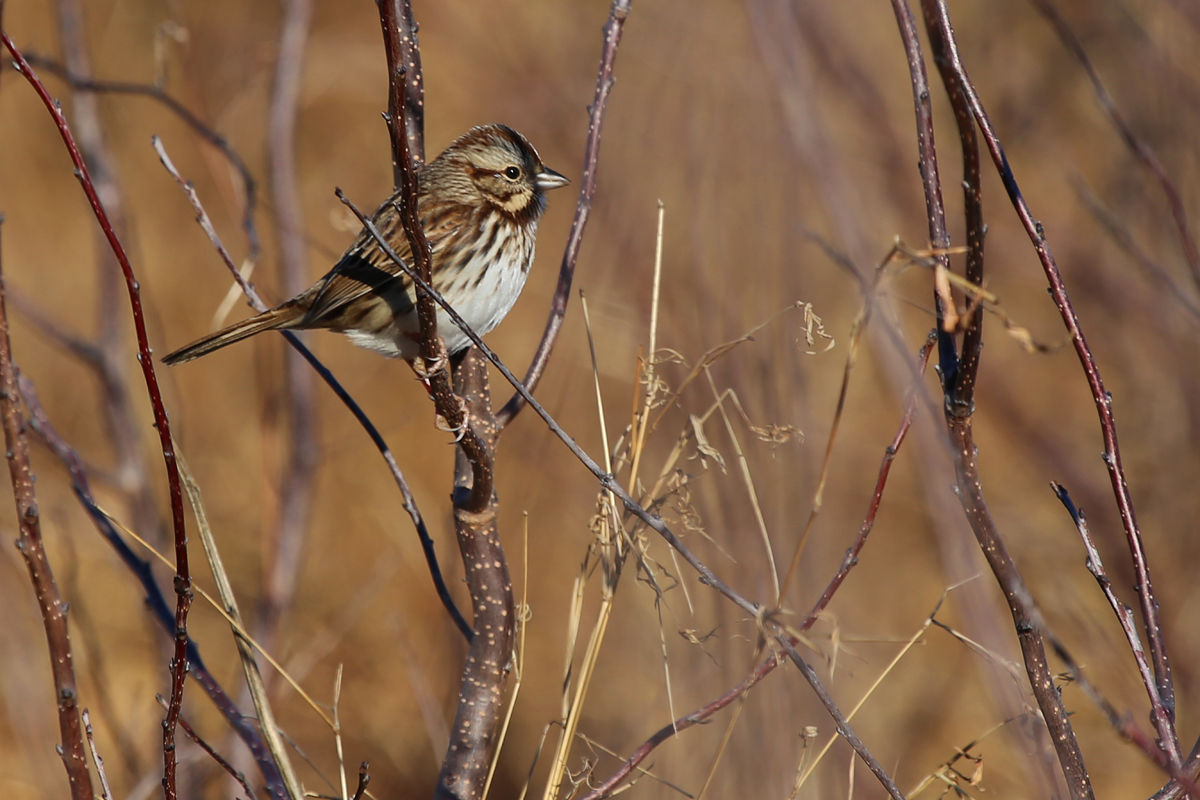
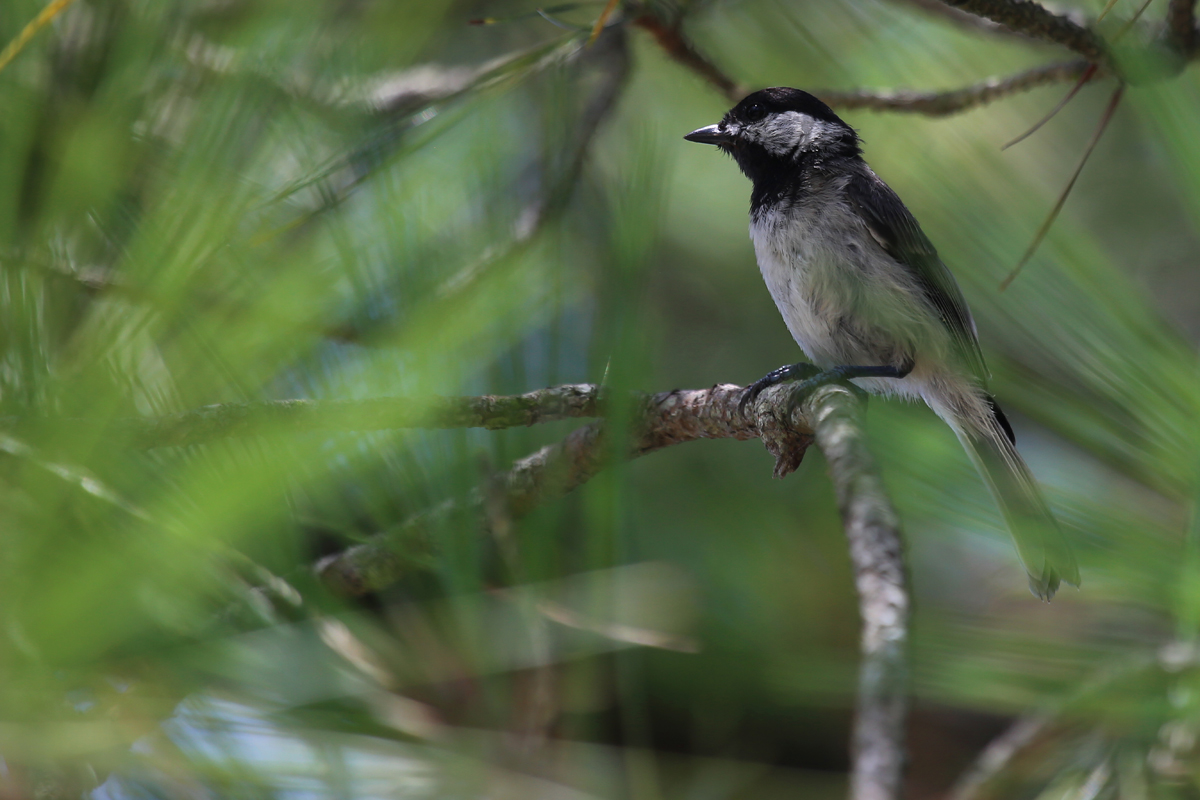
SPECIES DOCUMENTED BY MEDIA and submitted to eBird for Virginia Beach during this period included: 1 JUL – Eastern Kingbird, SCISSOR-TAILED FLYCATCHER, FORK-TAILED FLYCATCHER, Tree Swallow, Brown Thrasher & Blue Grosbeak (Back Bay NWR / Phil Kenny); SCISSOR-TAILED FLYCATCHER & FORK-TAILED FLYCATCHER (Back Bay NWR / Russell Taylor); Yellow-crowned Night-Heron, Eastern Kingbird, FORK-TAILED FLYCATCHER & Brown Thrasher (Back Bay NWR / Rob Bielawski); Eastern Kingbird, SCISSOR-TAILED FLYCATCHER, FORK-TAILED FLYCATCHER & EASTERN TOWHEE (WHITE-EYED) (Back Bay NWR / Mary Catherine Miguez); Chuck-will’s-widow & FORK-TAILED FLYCATCHER (Back Bay NWR / Ernie Miller). 2 JUL – Osprey (Bayside Rd. / Laura Mae); FORK-TAILED FLYCATCHER, Blue Grosbeak & Orchard Oriole (Back Bay NWR / Tamara Conklin); Eastern Kingbird, FORK-TAILED FLYCATCHER, Carolina Wren, Gray Catbird, Eastern Towhee & Blue Grosbeak (Back Bay NWR / Karen & Tom Beatty); FORK-TAILED FLYCATCHER (Back Bay NWR / Greg Moyers); FORK-TAILED FLYCATCHER (Back Bay NWR / Ezra Staengl); FORK-TAILED FLYCATCHER (Back Bay NWR / William Leigh); Black Vulture, Ruby-throated Hummingbird, Red-bellied Woodpecker, House Wren, Carolina Wren, Eastern Bluebird & American Robin (Hunt Club Forest / Karen & Tom Beatty); Eastern Kingbird & Cedar Waxwing (Back Bay NWR / Mary Catherine Miguez). 3 JUL – Least Bittern, King Rail, Ruby-throated Hummingbird, Great Crested Flycatcher, Eastern Kingbird, Red-winged Blackbird & Boat-tailed Grackle (Back Bay NWR / Rob Bielawski); White-breasted Nuthatch, Carolina Wren, Brown Thrasher, Eastern Towhee & American Goldfinch (Kings Grant / Ron Furnish). 4 JUL – Osprey, Yellow-billed Cuckoo, Northern Flicker, Eastern Kingbird, Carolina Wren, Brown Thrasher, Common Yellowthroat, Yellow-breasted Chat, Field Sparrow, Eastern Towhee, Northern Cardinal & Red-winged Blackbird (Back Bay NWR / Karen & Tom Beatty); Brown Pelican, Great Blue Heron, White-eyed Vireo & Carolina Wren (Dam Neck NA / Karen & Tom Beatty). 5 JUL – Brown Pelican, Yellow-crowned Night-Heron, Spotted Sandpiper, Laughing Gull, Least Tern, Common Tern, Royal Tern & Sandwich Tern (JEB Fort Story / Karen & Tom Beatty); Mourning Dove (Back Bay NWR / Rob Bielawski); Great Egret, Caspian Tern, Yellow-billed Cuckoo, Eastern Kingbird & Carolina Chickadee (Back Bay NWR / Rob Bielawski). 6 JUL – Osprey & Brown-headed Nuthatch (First Landing SP / Charlie Bruggemann); Ring-billed Gull, Yellow-billed Cuckoo, Barn Swallow, Carolina Wren, Northern Mockingbird, Common Yellowthroat, Yellow-breasted Chat, Field Sparrow & Eastern Towhee (Back Bay NWR / Karen & Tom Beatty); Yellow-crowned Night-Heron (Kings Grant / Rob Bielawski); Cooper’s Hawk (Kings Grant / Rob Bielawski). 7 JUL – FORK-TAILED FLYCATCHER (Back Bay NWR / Karen & Tom Beatty); Great Blue Heron, Willet, Caspian Tern, Common Tern, Royal Tern & Sandwich Tern (Back Bay NWR / Karen & Tom Beatty); FORK-TAILED FLYCATCHER (Back Bay NWR / WS Barbour); FORK-TAILED FLYCATCHER (Back Bay NWR / WS Barbour). 8 JUL – FORK-TAILED FLYCATCHER (Back Bay NWR / Russell Hillsley); Yellow-crowned Night-Heron (Pleasure House Point NA / WS Barbour); Eastern Kingbird, Fish Crow, Purple Martin, Yellow-breasted Chat, Field Sparrow, Eastern Towhee, Northern Cardinal, Blue Grosbeak & Indigo Bunting (Back Bay NWR / Dave Larsen); Blue Grosbeak (Back Bay NWR / Thomas Doebel); FORK-TAILED FLYCATCHER (Back Bay NWR / Karen & Tom Beatty). 9 JUL – Double-crested Cormorant, Lesser Black-backed Gull, ROSEATE TERN, Common Tern, Forster’s Tern, Royal Tern & Brown Thrasher (Camp Pendleton SMR / Karen & Tom Beatty); Black Scoter, Brown Pelican, White Ibis, Great Black-backed Gull & Sandwich Tern (JEB Fort Story / Karen & Tom Beatty). 10 JUL – Great Black-backed Gull, Sandwich Tern & Eastern Kingbird (Back Bay NWR / Karen & Tom Beatty).

LOOKAHEAD: July is typically the peak of heat throughout Virginia Beach, and while the immediate coast can sometimes benefit from the ocean breeze, expect high temperatures to be the norm through the next period, no matter where you find yourself. Shorebirds tend to take center stage during this heat, with most birders fanning out to areas where these birds can be observed as they start arriving along their southerly migrations. Beaches, mudflats and agricultural fields will prove to be the most productive locations, though mudflat real estate is severely lacking in Virginia Beach this year with both the Beasley & Whitehurst Tracts of Princess Anne WMA having become overgrown with vegetation since last year, and thus not providing suitable habitat for shorebirds as each had in 2016. Back Bay NWR’s C Storage Pool could be a good spot with water levels allowing some available mudflat. And if not, the park is still always worth a visit as half this period’s rarities occurred there. Regularly occurring (used synonymous with annually-occurring here) species with average arrival dates during early July that have not been observed yet include Whimbrel, Cliff Swallow & Black Tern (10 Jul expected arrival date). These should be looked for heading into mid-July, and additionally, expected mid-July arrivals include Pied-billed Grebe, Piping Plover, Semipalmated Plover, Black-bellied Plover (15 Jul), and Red Knot, Solitary Sandpiper, Stilt Sandpiper & Pectoral Sandpiper (20 Jul). While we have already had early reports of Semipalmated & Black-bellied Plovers, the others should be looked for to firm up their arrival dates, and as always, make sure to report your finds to eBird so the data can be used to adjust our Virginia Beach filter! For a full listing of "average expected arrival dates", please click Here!

Next Entry | Entry Index | Previous Entry | Same Period Last Year

For more information on this thrice-monthly Birding Blog, please check out the Journal Overview Page on the website. It provides background information as to what sightings are considered for the blog, details about the format of the blog, and it will likely answer many other questions that readers might be wondering about as well! As always, thank you for reading, and please leave me a comment below (you may use your Facebook, Gmail or other accounts to easily do so), or just click the Heart icon to the lower right of this post to let me know you stopped in!
Late December 2016 (21st-31st)

Folks,

After considerable thought and deliberation, I have decided to take an indefinite break from writing this county birding journal. Over the past several years, thousands of hours of free time went into creating & maintaining this journal; it has been a wonderful project that I hope helped many birding enthusiasts. Free time is unfortunately something that has become more and more restrictive for me recently, and in order to continue my efforts with eBird & the VSO, something sadly has to give. During 2017, I would like to spend more time with my family, more time outdoors and all-around, less time in front of the computer since I spend my work-days on one. 

For those hoping to keep up with what others are seeing in Virginia Beach, eBird's Recent Visits page should be of great assistance. Also, there are a plethora of Facebook Pages available where individuals post sighting information and photographs, including, but certainly not limited to: VA Notable Bird Sightings & Discussion Page, Birding Virginia and the Hampton Roads Wildlife Enthusiasts.

Thank you to those who checked in on the journal often. It was a pleasure to work on over the last 3 years, and to my many birding peers around the region, I look forward to seeing you all out in the field!

Best Birding,

Rob

Mid-December 2016 (11th-20th)

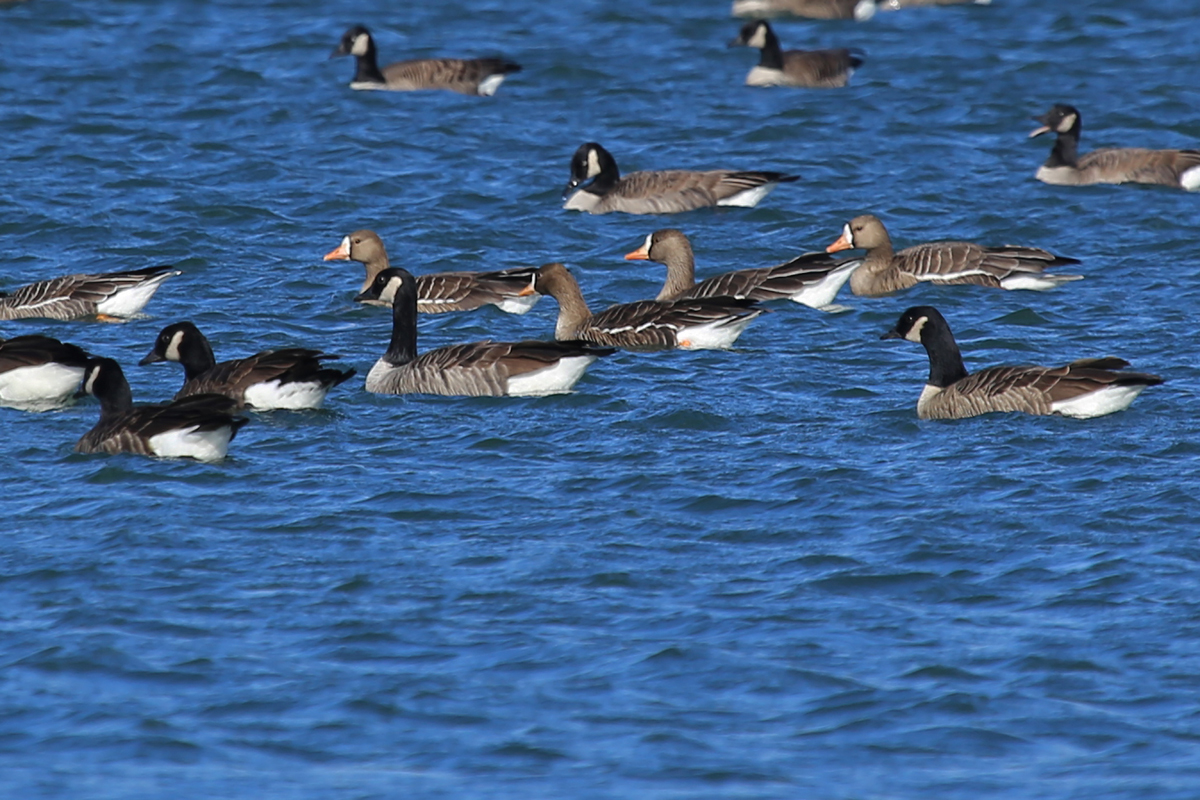
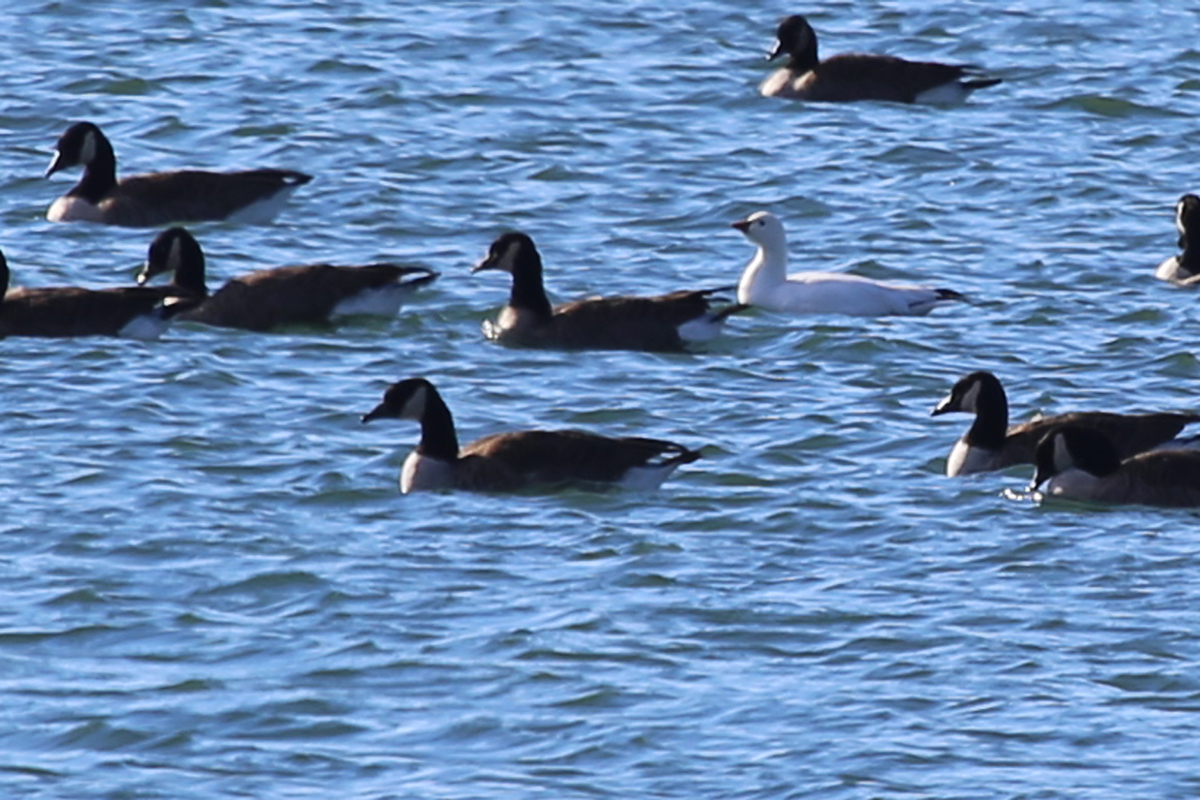
With the end of 2016 quickly approaching, birding observations continued to pour in as ‘listing enthusiasts’ tried their best to expand their annual species lists ahead of the coming holiday season. Reports of rarities continued pop up across Virginia Beach during mid-December with new-found highlights being CACKLING GOOSE, EURASIAN WIGEON & COMMON MERGANSER! Top birds this period also included continuing occurrences of rare GREATER WHITE-FRONTED GOOSE, ROSS’S GOOSE, PAINTED BUNTING, LE CONTE’S SPARROW and LARK SPARROW. First-of-season arrivals this period included our first-of-winter Red-necked Grebe (17 Dec) but this should be the last of the expected arrivals.  Occurrences of late/lingering species this period included Cattle Egret (latest 11 Dec), Ruby-throated Hummingbird & Northern Parula (16 Dec), Yellow-breasted Chat & Black-and-white Warbler (18 Dec) and Blue-gray Gnatcatcher (20 Dec). WEATHER: What few leaves remained after 10 Dec all came down quickly afterward, and deciduous trees across the region are now fully barren in appearance. Mid-December reminded everyone of just how back-and-forth the winter season can be here in coastal Virginia, providing us with days where ice formed on waterways (and our windshields), where temperatures very nearly reached 80 degrees F, and absolutely everything in between! With a drop to 19 degrees F (our lowest temperature of the season), ice formed overnight on 15-16 Dec in most of the shallower neighborhood ponds, and along the upper reaches of tidal creeks as well. In just two days though, the temperature had managed to shift a remarkable 59 degrees, with 18 Dec reaching a record high for the date at Oceana NAS of 78 degrees F! This too was short-lived however, as by about 6 PM, a strong cold front moved through and we dropped right back down into the 30s overnight. Overall though, mid-December’s average daily high temperatures continued to fall, dropping slightly to 50.2 degrees F (-1.4 degrees from the early December period); average daytime dropped considerably, to 33.3 degrees F (-5.2 degrees). The previous 10-year average daily highs & lows for the mid-December period were 54.9 & 37.7 degrees F, respectively which puts this period in 2016 at -4.7 and -4.4 degrees when comparing to the 10-year averages. During the previous 10-year period, the maximum average daily highs & lows were 66.8 & 48.9 degrees F (2015). We had 5 days with measureable precipitation which amounted to a total of 0.58 inches, fairly evenly distributed across the days.

OBSERVATIONS: Over the past couple of months it has seemed that there is always something interesting being reported around the city, so it should come as no surprise that we had almost 200 eBird reports submitted for Virginia Beach over the last 10 days! With all the great finds that have taken place, locals & out-of-towners alike have flocked into the fields (and forests, lakes & even backyards) of Virginia Beach in hot (or cold depending on the day) pursuit! In fact, as a collective group of individuals, Virginia Beach now stands poised to pass up Accomack County and become the 2nd most active eBirding county/city in the entire state of Virginia! If you haven’t yet seen it before, click on this page over at eBird to view the actual rankings by checklist count (sortable also by variety of species)! Of course, after moving into 2nd, on this list it seems an impossible feat to ever hope to catch Fairfax County, which has roughly 3.5 times more checklists submitted than us, but, those folks give us a level of participation that is worth striving for. Perhaps this gap will be shortened as time goes on, but even if it doesn’t, you can bet that we’ll still be finding great birds down here on the coast!

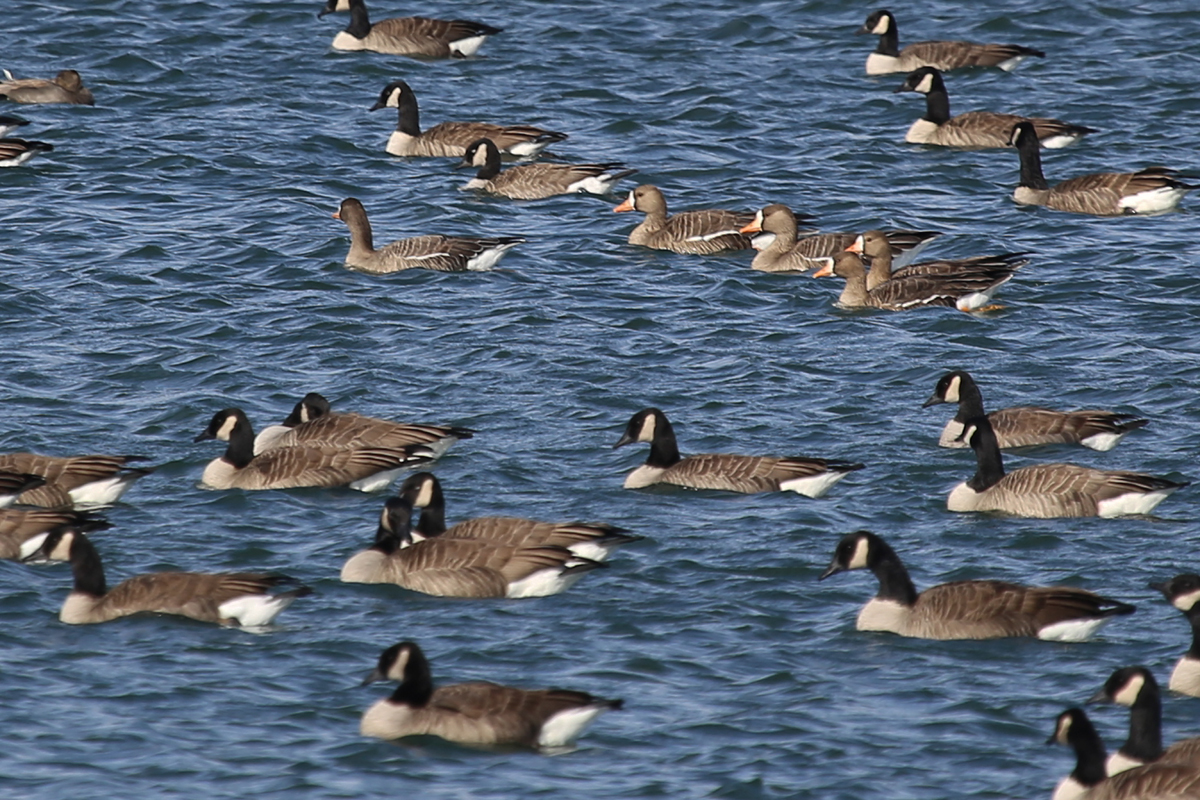
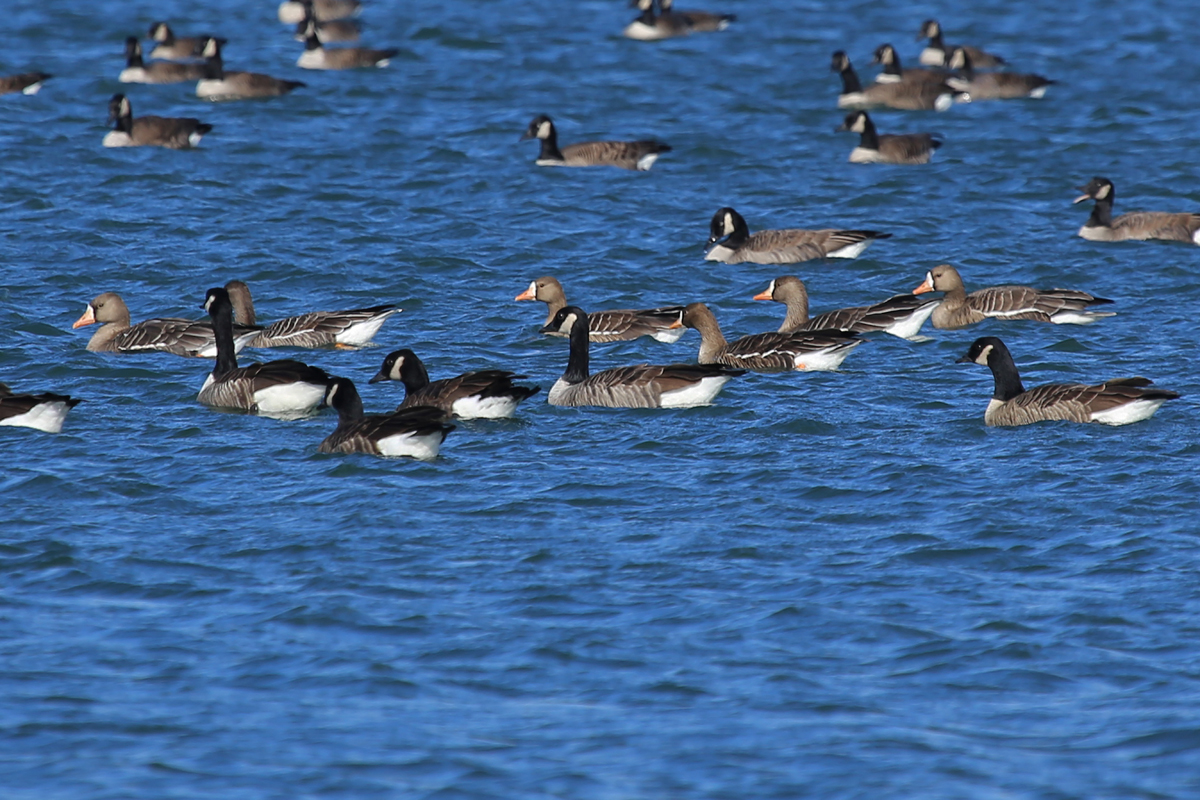
Most notable this period was the continuance of 1 GREATER WHITE-FRONTED GOOSE that seemed to magically call in the cavalry overnight. While this individual was first observed 4 Dec (Sherwood Lakes / Julian Smith et al.), it persisted along the HRSD fields off Firefall Drive (11 Dec / Ellison Orcutt & Beth Oristian) and then was later discovered using the stormwater retention pond off Haviland Drive nearby (13 Dec / Ryan Graves; 14 Dec / Nancy Barnhart; 14 Dec / Mary Catherine Miguez; 14 Dec / Karen & Tom Beatty; 16 Dec / Tommy Maloney; 16 Dec / James Marcum & 16 Dec / Rob Bielawski) throughout this current period. However, birders leapt for joy when a group of 13…yes, 13 GREATER WHITE-FRONTED GEESE showed up near Princess Anne Lane on the morning of 18 Dec (Andrew Baldelli & Tracy Tate). It is not known whether the original individual joined & became the 13th member of a 12-goose flock, or if it stayed hidden elsewhere, with the 13 individuals all being new arrivals. Regardless of the answer, the entire group was observed and extensively photographed at very close range on Sherwood Lakes later in the day (initially spotted at this site by Lisa Rose while viewing a large flock of Canada Geese on the water with Timothy Barry, Rob Bielawski, Ernie Miller & Jason Strickland, then joined by Mary Catherine Miguez, Karen & Tom Beatty, and then later recorded by James Marcum, Pamela Monahan and on her second visit of the afternoon, Mary Catherine Miguez). With no sightings on 19 Dec, it seems the flock may have moved on, but on 20 Dec, a group of 12 was again detected at Sherwood Lakes (Karen & Tom Beatty) though it is not known what became of the 13th individual at this point.

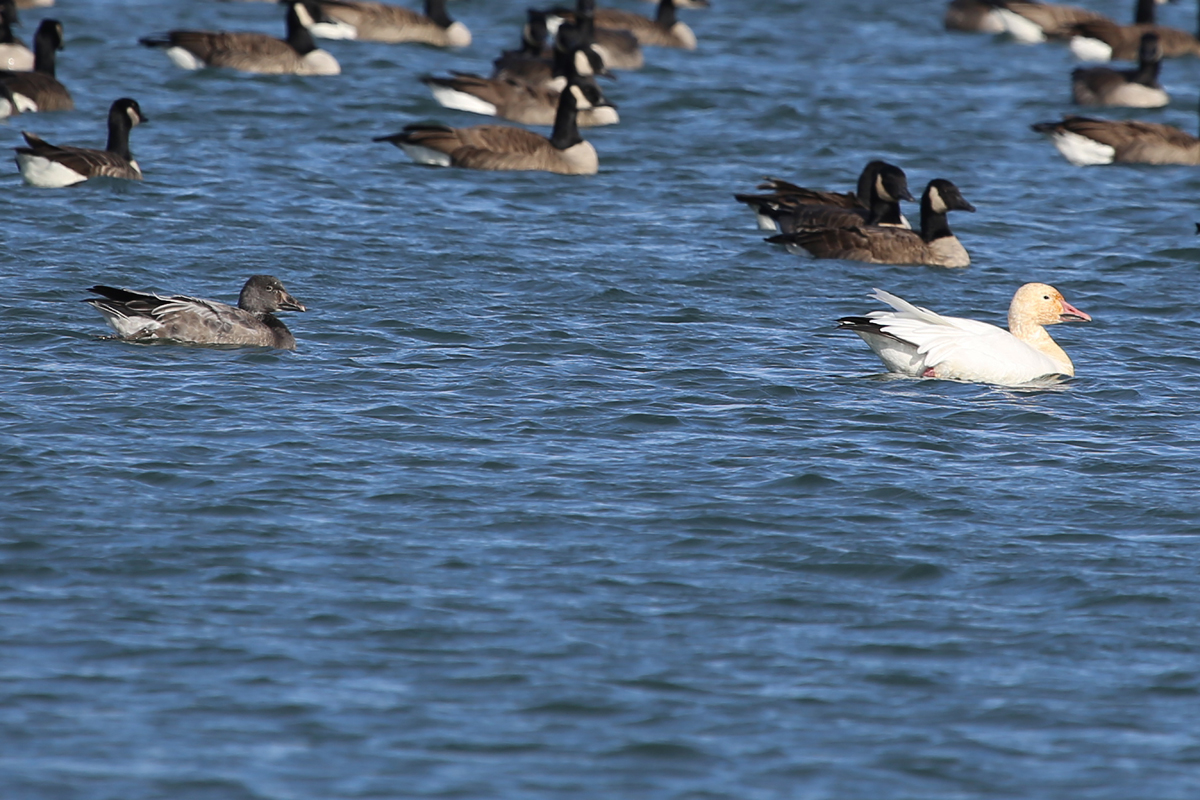
As with the Greater White-fronted Goose, the reoccurring ROSS’S GOOSE (found initially 4 Dec by Julian Smith) at Sherwood Lakes also persisted throughout much of this period, mostly mixing in with other goose species. On 11 Dec, the Ross’s was observed by many as it floated along with the breeze atop the waters of Sherwood Lakes mixed in with a large flock of Canada Geese (Adam Bollinger & Jason Strickland, Louis Rajnys, Jeffrey Blalock & Clyde Wilson, Kathy Spencer, Bob Swiader, Rob Bielawski, and Tommy Maloney & Jason Schatti). Though it went unnoticed on 12 Dec, the Ross’s was again re-located along with the Greater White-fronted Goose on the waters of a stormwater retention pond off Haviland Drive on 13 Dec (Ryan Graves). It remained at this site the following day, 14 Dec, having been observed by several eBirders (Nancy Barnhart, Mary Catherine Miguez, Karen & Tom Beatty and Bob Swiader). After the 14th, the bird seemed to vanish, but was picked up again at Sherwood Lakes on 20 Dec (Karen & Tom Beatty and Pamela Monahan) for a final time this period.

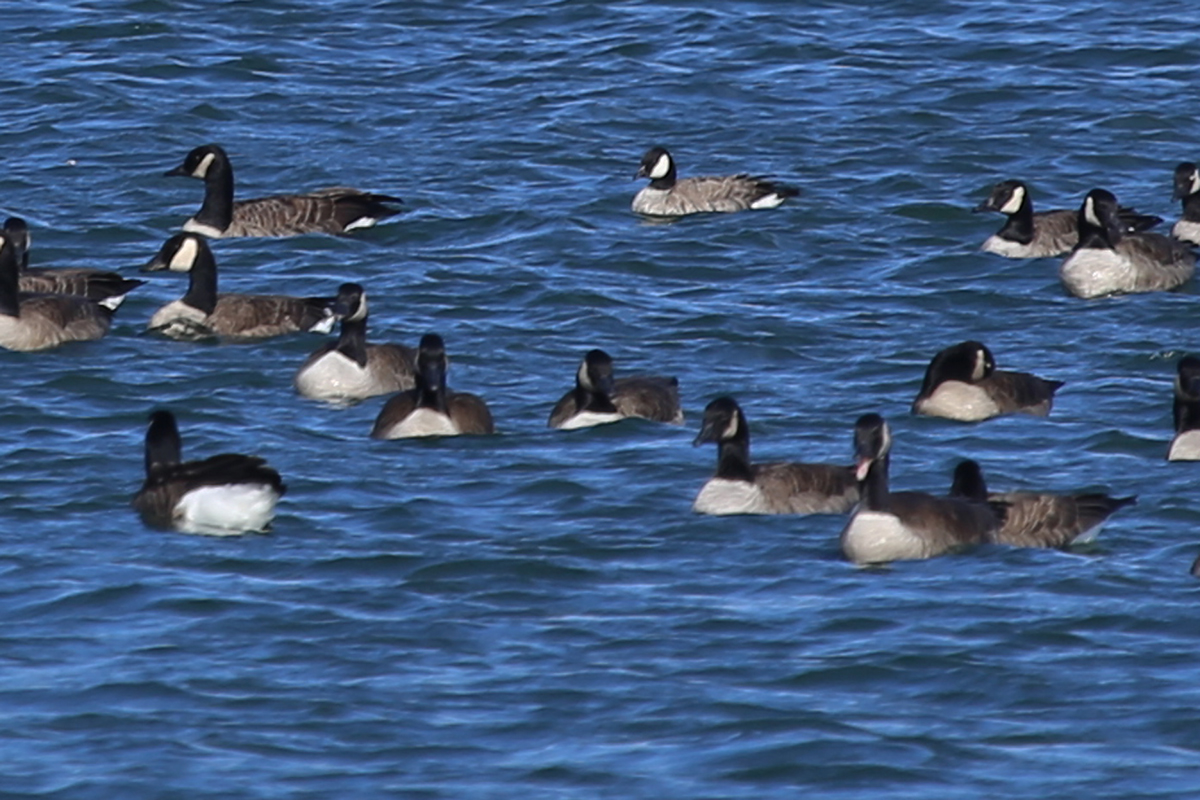
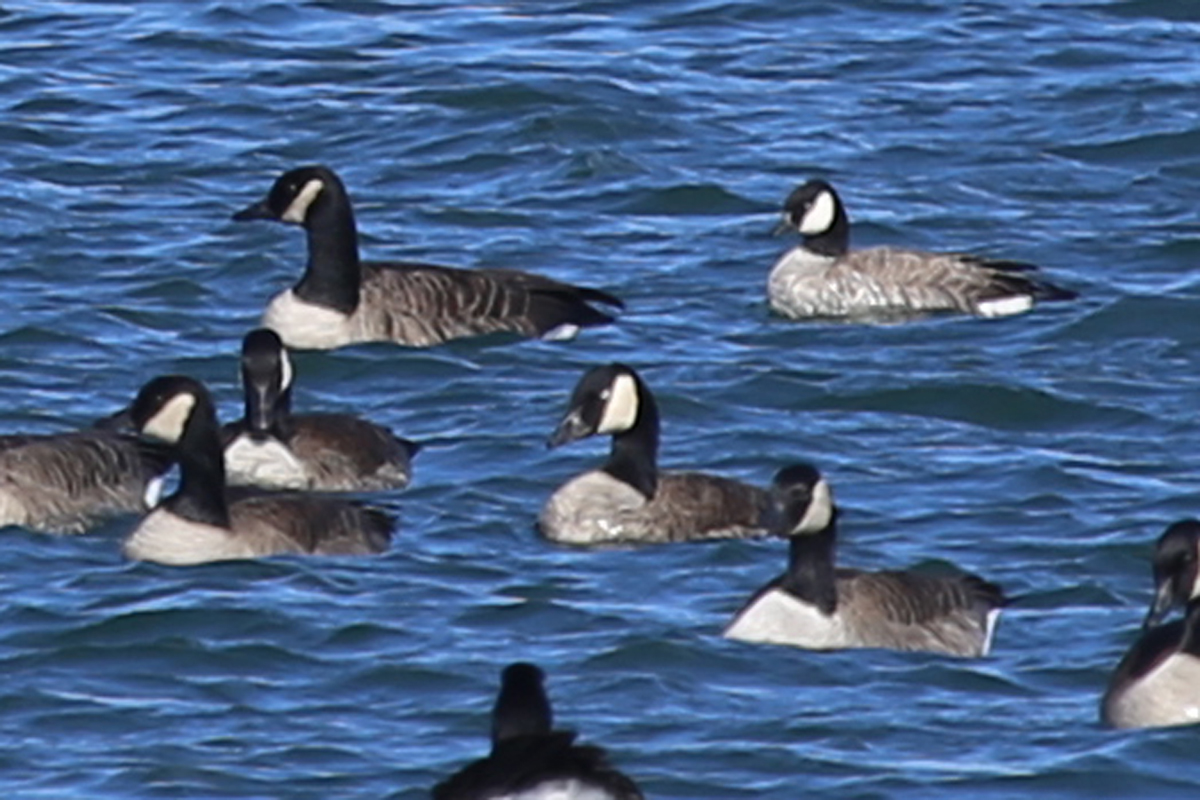
Additionally, a third goose rarity made its first appearance in Virginia Beach for the year during the mid-December period! That species, being the CACKLING GOOSE, proves to be an incredibly difficult species to positively identify in the field. There was a great deal of reports submitted after the initial report hit the alerts on 11 Dec (Ellison Orcutt), with various observers listing numbers anywhere from 1-7 individuals mixed in with Canada Geese flocks at the same sites listed above in the Greater White-fronted & Ross’s Goose discussions. However, most reports were not documented photographically, which seems to be a must with this species to differentiate the very slight field marks that separate it from the smaller races of Canada Goose. Many, or even all, of the reports could be correct identifications, but the only definitively-documented reports thus far are of a single Cackling Goose on Sherwood Lakes, 18 Dec (Timothy Barry / Karen & Tom Beatty / Rob Bielawski / Mary Catherine Miguez / Ernie Miller / Lisa Rose / Jason Strickland and Pamela Monahan). It is presently unknown just how many Cackling Geese might be hanging around in Virginia Beach, but for those hoping to nail down the identity of one, it would be wise to shoot as many photographs of suspect birds as you can; many features can be obscured between large Cackling Geese & small Canadas, and a detailed analysis of the photographs is very necessary.

Also new among the species noted this period, and among waterfowl to boot, a male EURASIAN WIGEON was observed 13 Dec on Lake Wishart off Battle Royale Court (Andrew Baldelli & Tracy Tate). It seems quite possible/highly likely that this is the same individual that was present at this location earlier in 2016, from 1-28 Feb (Keith Sutton), and was the star of a Virginian Pilot article about its occurrence on the small neighborhood pond. Observers beware though, it is extremely difficult to get views of the water here since private residences line the shores of the lake; please respect the properties of the homeowners, and if making the attempt to see this rarity, remember to stick to the public roads surrounding the north end of the lake. In February, this individual was often observed with groups of American Wigeons, so keep your eyes open for these as a helpful starting point and look for the reddish head that doesn’t seem to belong.

Remarkably, a fifth rare species of waterfowl made its first appearance for the season in Virginia Beach (and only the second occurrence in all of 2016 here)! This species is one that typically occurs further inland, and further north, it is the COMMON MERGANSER (20 Dec / Sherwood Lakes / obs. Karen Kearney / ph. Karen & Tom Beatty). Sporadic reports of this species have occurred along the coast in past years according to eBird data, but a large number of these reports are likely to be misidentifications of the abundant Red-breasted Mergansers that frequent the coast. Recently, eBird has cut down on this by flagging Common Mergansers for review in the Tidewater region, and a sharp decline in the number of reports has resulted (which leads further support to the theory of many prior reports being misidentifications). In fact, the last photographically documented Common Mergansers in Virginia Beach were also observed on Sherwood Lakes, but back in 2014, so it is highly exciting that this female arrived right at the closing of the mid-December period; as I type this, I anxiously sit and wait news as to whether it will be found again at first light!

Potentially another new PAINTED BUNTING showed up on 11 Dec to a private residence on North Point Ct. (Debbie Schroeder), making this likely a 4th individual for the fall/winter season here in Virginia Beach! Up to that point, reports from all four locations so far had been limited to immature male/female plumaged birds, but all turned around when 20 Dec arrived. Elsewhere in the city, there is at least 4 individuals (3 females & 1 male) visiting a feeder on private property in Virginia Beach, the specific whereabouts not publicly known. These birds were photographed and posted to eBird by Mary Catherine Miguez who had special permission to visit the site to document them. This brings the total to perhaps as many as 8 Painted Buntings known this season in Virginia Beach!

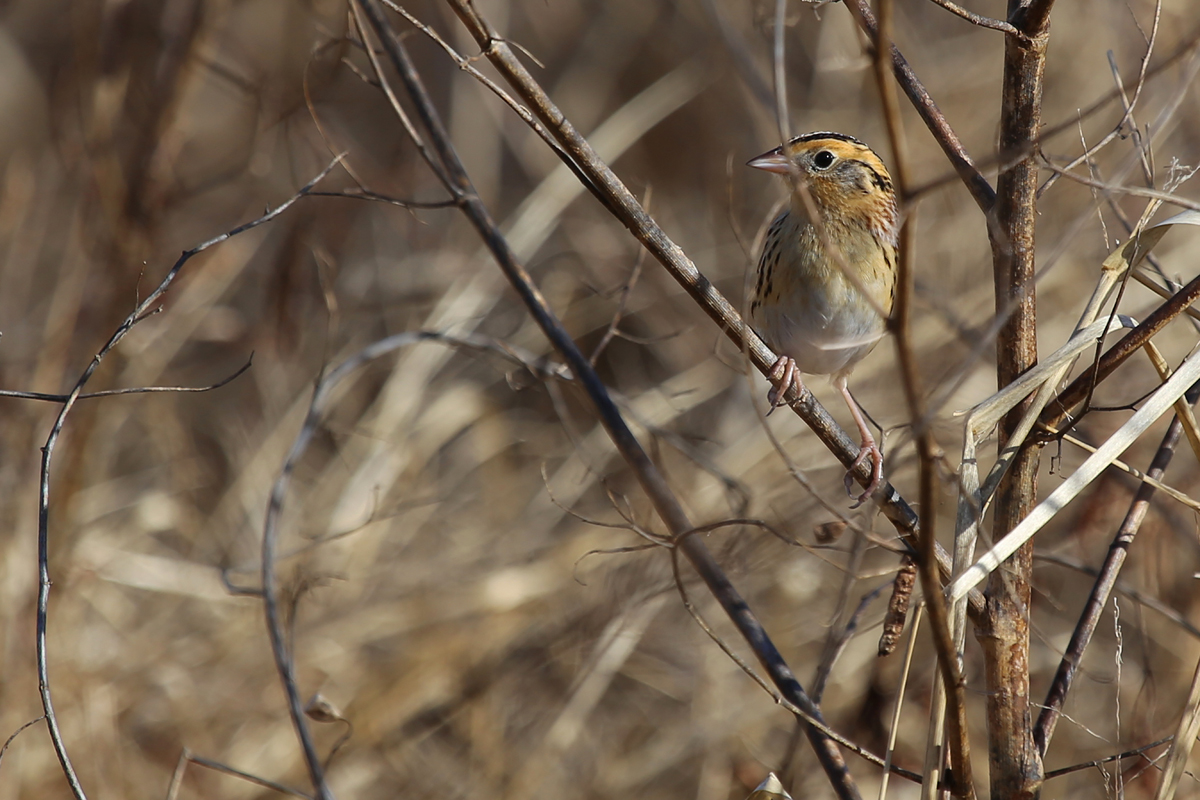
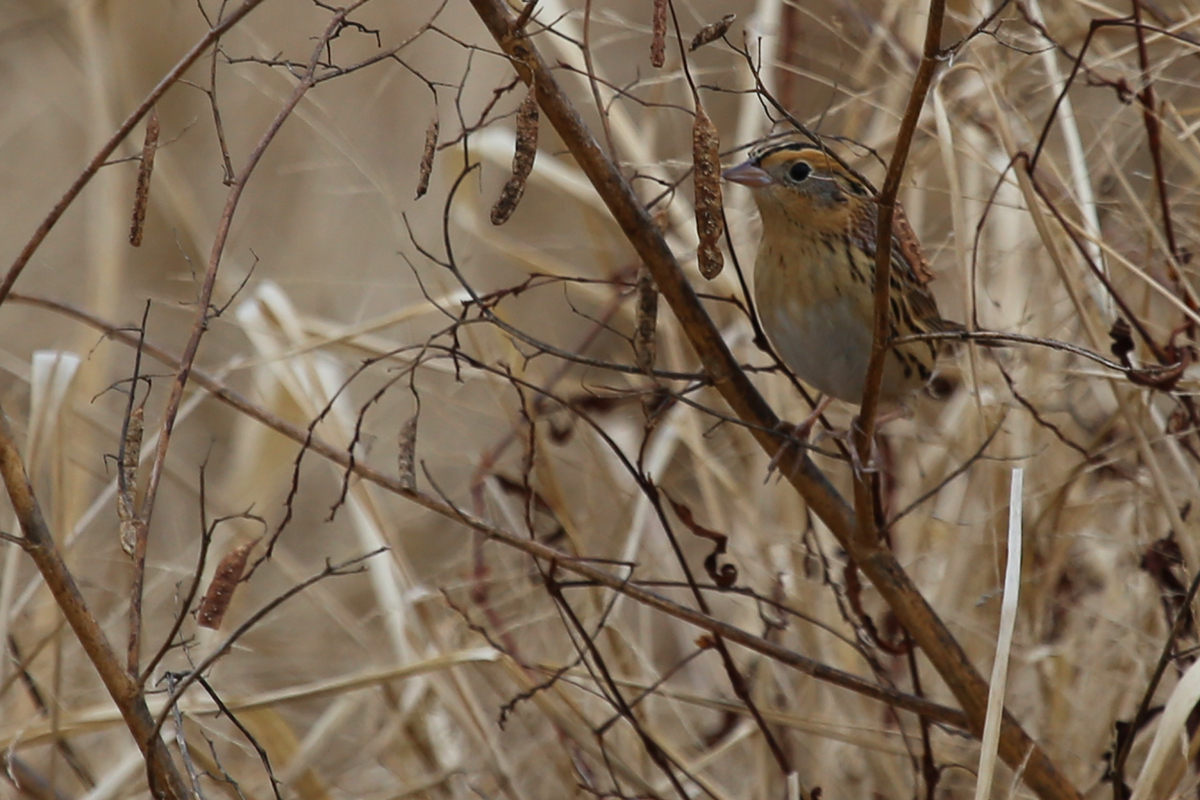
The LE CONTE’S SPARROW found 4 Dec by Andrew Baldelli continued at Princess Anne WMA’s Beasley Tract throughout the period, being reported first on 11 Dec (Matt Anthony / Arun Bose / James Fox / Kim Harrell) and again 18 Dec (Timothy Barry / Rob Bielawski / Tommy Maloney / Ernie Miller / Lisa Rose / Jason Strickland, Karen & Keith Roberts and James Marcum). The reason for the 7-day separation in sightings is due to the park being only open to birding on Sundays throughout the winter months. Monday through Saturdays, Princess Anne WMA is open to hunting, so please be aware of this if attempting to plan a visit to find the Le Conte’s Sparrow. Also, an access pass is required to enter the property, with more information available here on the official park website.

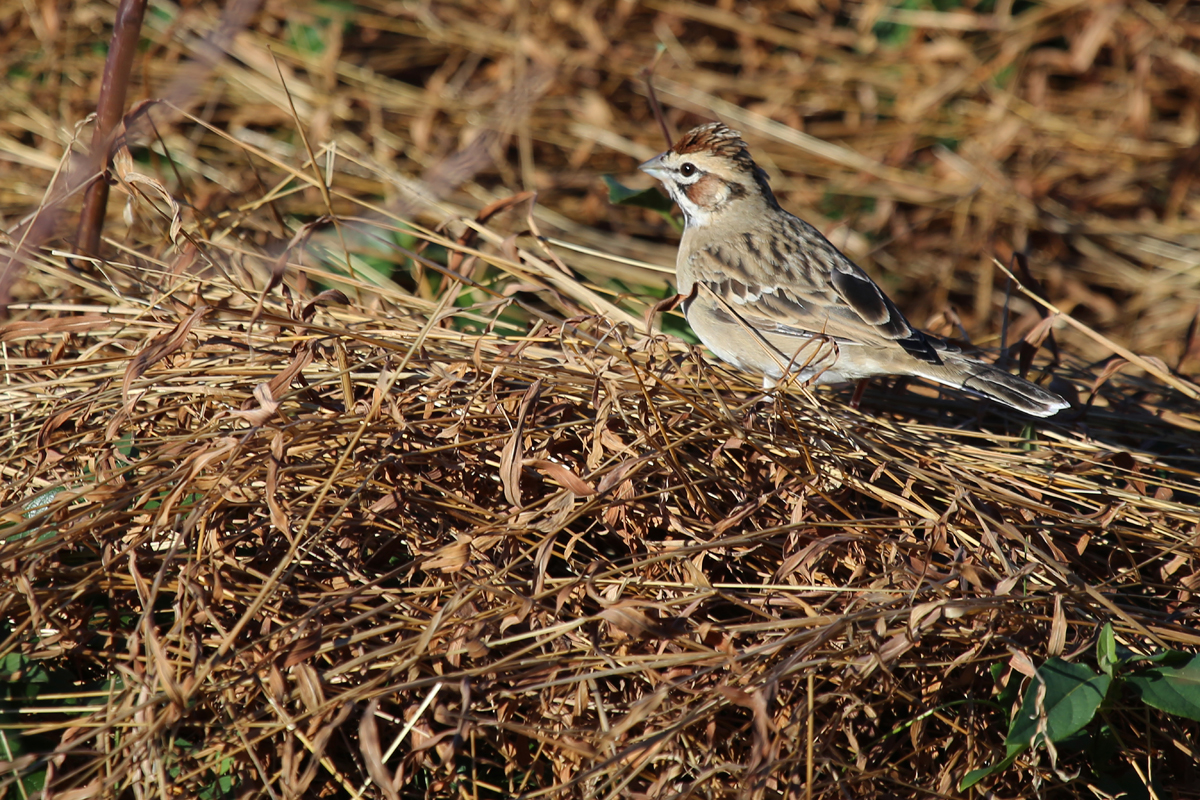
Also, the LARK SPARROW that has been present at Back Bay NWR since at least 23 Oct was sighted by several observers, though most of the reports occurred early on in the period, on 11 Dec (Tommy Maloney & Jason Schatti, Bob Swiader, Jeffrey Blalock & Clyde Wilson), with one additional report on 17 Dec (Tamara Conklin et al.). Though it went unnoticed the following day, and the remainder of the period, perhaps it will be re-sighted again before the end of the year on the Back Bay Christmas Bird Count (CBC) since it should be a highly sought-after species for the count!

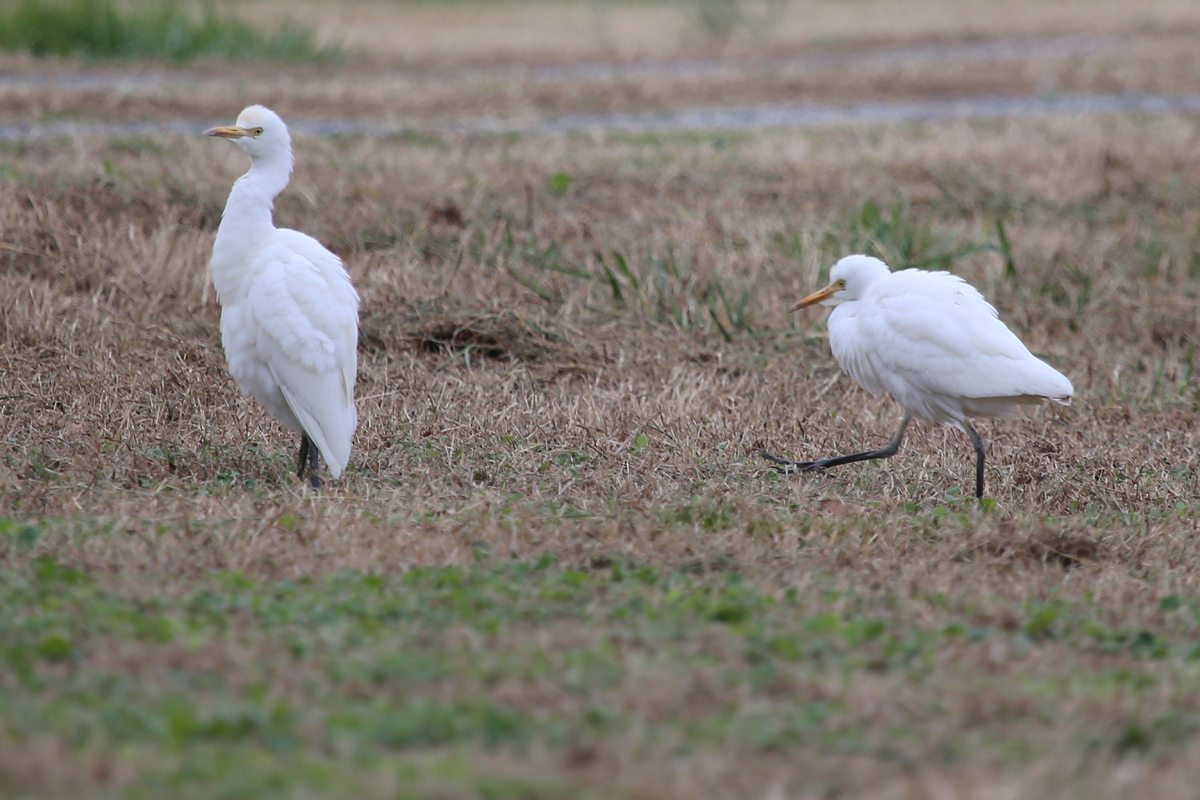
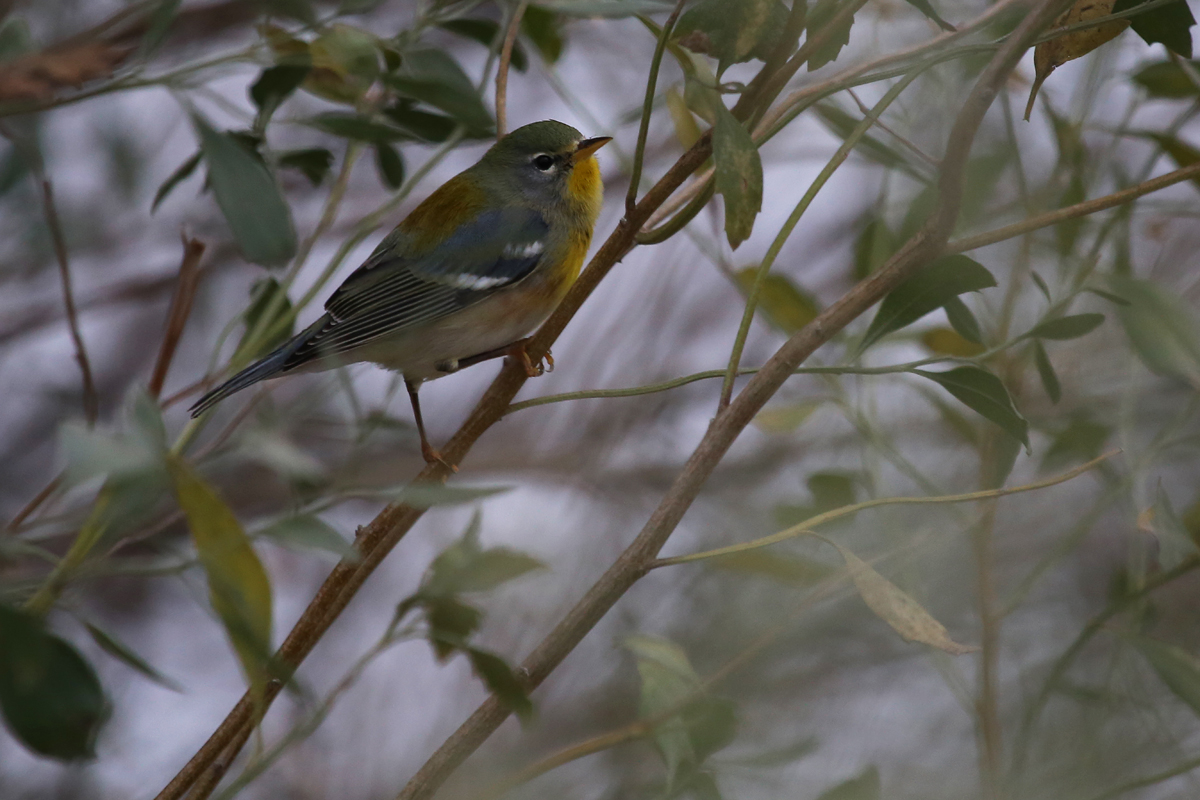
First-of-season arrivals this period were limited to once species, but a good one! A single Red-necked Grebe was observed from the second island of the Chesapeake Bay Bridge-Tunnel during a private field trip of the Carolina Bird Club on 17 Dec. This individual was logged at North Thimble Island by several members of the trip to eBird, including: Karen Hogan, Peggy Maslow, Ron Mclear, Steve Schulz & Pauline Sterin. At this point in the winter, new arrivals are difficult to come by, and essentially all the expected wintering species have already been logged. On the opposing side, we did have quite a few observations of species lingering beyond their typical departure dates. These included a group of up to 9 Cattle Egrets in southern Virginia Beach along Princess Anne Road on 11 Dec (1, Adam Bollinger & Jason Strickland; 6, Jeffrey Blalock & Clyde Wilson; 4, Rob Bielawski; 3, Kathy Spencer;  9, Loretta Silvia; 8, Matt Anthony & James Fox) and a single Cattle Egret at Camp Pendleton (Karen & Tom Beatty. An apparent wintering Ruby-throated Hummingbird continues to visit the feeder of a private residence in Alanton (Michelle Payne), with the last report being dated 16 Dec. Additionally, several late warbler species were observed during the period, including singles of Northern Parula (16 Dec / Haviland Dr. / Rob Bielawski), Yellow-breasted Chat (18 Dec / Back Bay NWR / Rob Bielawski) and Black-and-white Warbler (18 Dec / Salem Canal / Rose Chandler). Both the Chat & the Black-and-white Warbler are known to attempt wintering here in the southeast corner of the state, but there are very few records of Northern Parulas in December. The Gold Book specifies “about 8 records” known for December, though none of these have made it into eBird as of yet and this sighting is only the 3rd December record for the species in Virginia presently in the database. Lastly, two late Blue-gray Gnatcatchers were also observed at Camp Pendleton (20 Dec / Karen & Tom Beatty). This species sometimes lingers into late fall/early winter, but as with the Parula, December records don’t happen annually (though the species may indeed occur annually this late); this is only the 5th December report for Virginia Beach in eBird, and there are no January records listed, so perhaps something to shoot for as 2017 takes hold.

As to some other interesting species, the group of Snow Buntings at First Landing SP was not reported during this period, but, a single individual was observed at Back Bay NWR foraging around (and under!) the visitor center per the checklists submitted by Jeffrey Blalock, Bob Swiader & Clyde Wilson. Reports of Sedge Wrens (ph. Tamara Conklin) and American Bitterns continue to pour in from areas like Back Bay NWR & Princess Anne WMA, and Virginia Rail, Eastern Screech-Owl, Great Horned Owl & American Woodcock were also reported from Beasley Tract on 11 Dec. On 15 Dec, a group of 45 Redheads was observed off Sandy Bay Dr. (Timothy Barry), and several reports of Canvasback surfaced from Back Bay NWR. Lastly, an offshore, “six-pack” pelagic birding venture aboard the vessel, Top Notch departed Rudee Inlet early on 11 Dec, en route to Norfolk Canyon which sits at the continental shelf break (though technically in Northampton County waters & not Virginia Beach’s by eBird’s Closest Point of Land policy). The group of six (Matt Anthony, Arun Bose, James Fox, Kim Harrell, Ellison Orcutt & Beth Oristian) managed to spot healthy numbers of RED PHALAROPES & MANX SHEARWATERS but the highlight of the day was a single GREAT SKUA, the first seen in Virginia waters for quite some time (the last appears to be from 19 Jan 2013), and a great addition to the state list for the year 2016! Anyone interested in getting offshore during the winter months to seek out rarities should check out the Top Notch website.

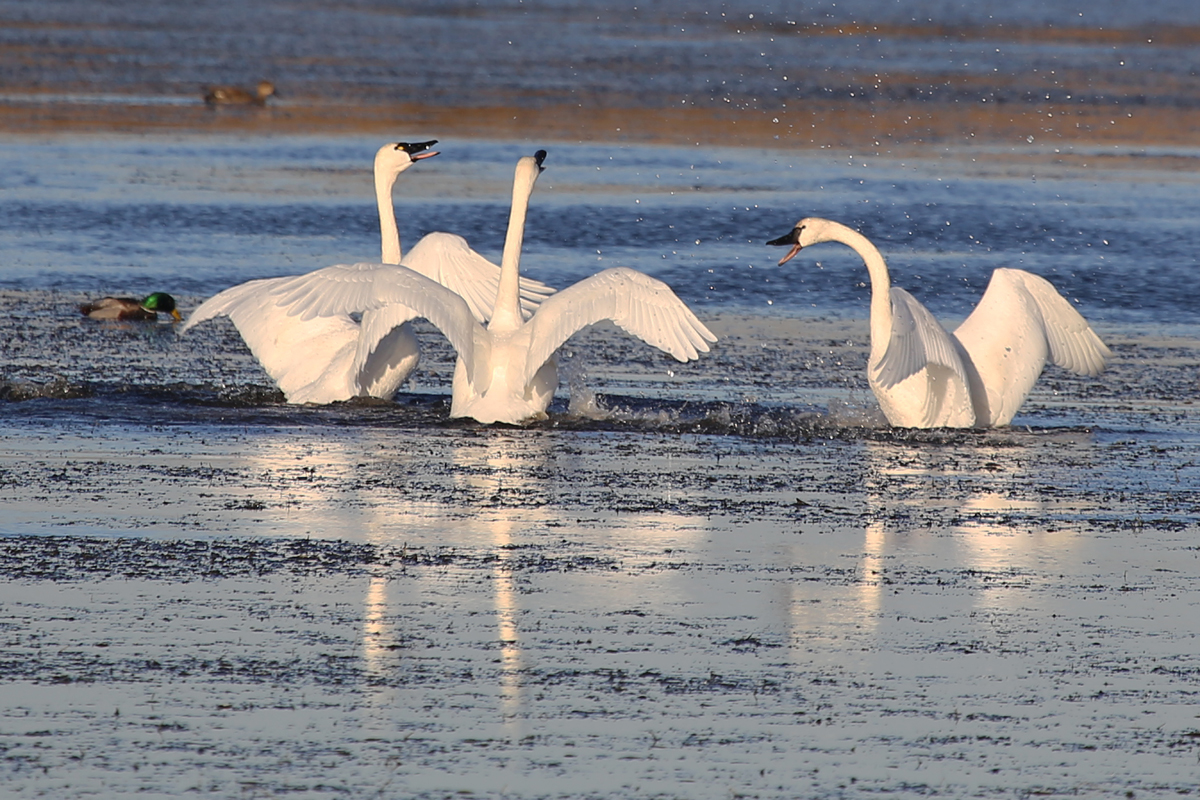
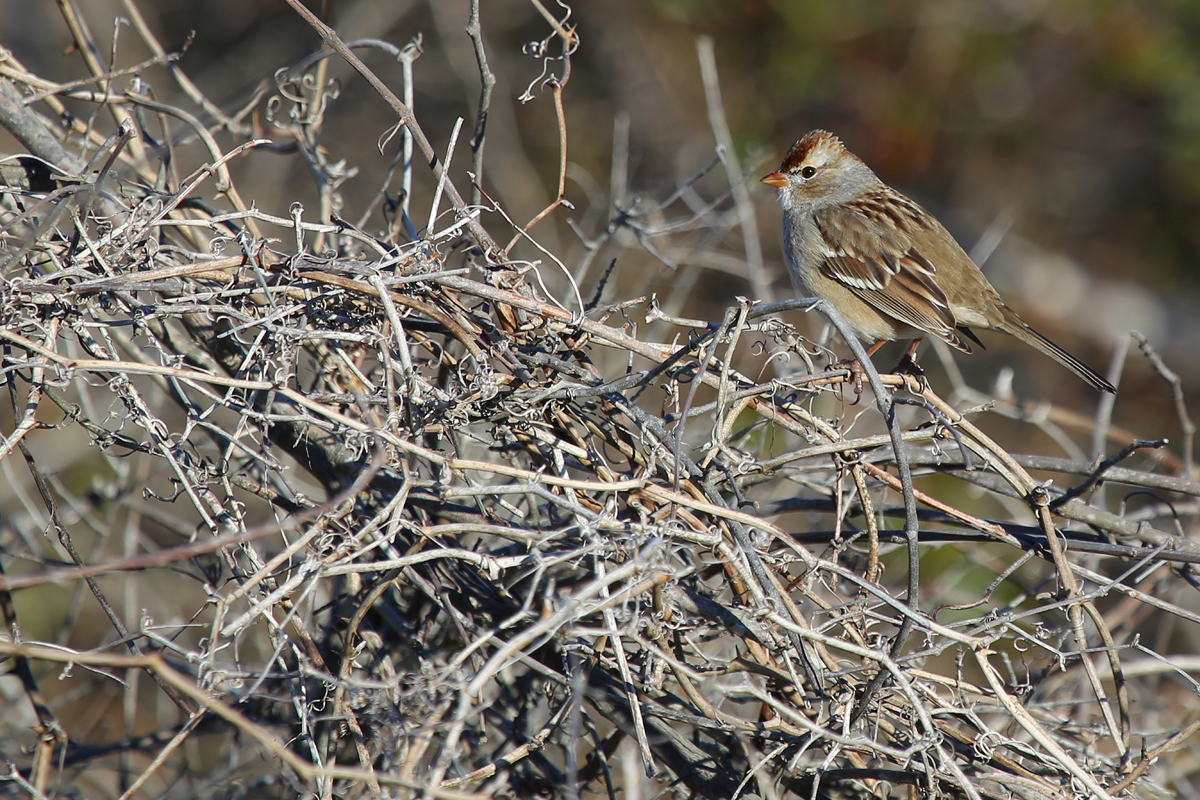
SPECIES DOCUMENTED BY MEDIA and submitted to eBird for Virginia Beach during this period included: 11 DEC – Nelson’s Sparrow (Princess Anne WMA Beasley Tract / Jason Strickland); Great Blue Heron (Princess Anne WMA Beasley Tract / Clyde Wilson); Brown Pelican, Yellow-bellied Sapsucker & Baltimore Oriole (Lake Windsor / Lisa Rose); ROSS’S GOOSE (Sherwood Lakes / Jason Strickland); Tundra Swan, Mallard, Pied-billed Grebe, Brown Creeper, Winter Wren, Ruby-crowned Kinglet & Orange-crowned Warbler (Lake Tecumseh / Mary Catherine Miguez); ROSS’S GOOSE & Canada Goose (Sherwood Lakes / Jeffrey Blalock); ROSS’S GOOSE (Sherwood Lakes / Kathy Spencer); ROSS’S GOOSE (Sherwood Lakes / Rob Bielawski); Cattle Egret (Princess Anne Rd. / Clyde Wilson); Cattle Egret (Princess Anne Rd. / Jeffrey Blalock); Turkey Vulture, Northern Mockingbird, Orange-crowned Warbler & Yellow-rumped Warbler (Princess Anne WMA Whitehurst Tract / Rob Bielawski); Tundra Swan, Sanderling, Gray Catbird, LARK SPARROW & White-crowned Sparrow (Back Bay NWR / Jeffrey Blalock); Nelson’s Sparrow (Princess Anne WMA Beasley Tract / Brandon Holland); Wood Duck, Mallard, Northern Shoveler & Hooded Merganser (Kings Grant Lakes / Rob Bielawski); Canada Goose, Black Scoter, Brown Pelican & Cattle Egret (Camp Pendleton / Karen & Tom Beatty); GREATER WHITE-FRONTED GOOSE & CACKLING GOOSE (Firefall Dr. / Ellison Orcutt); LE CONTE’S SPARROW (Princess Anne WMA Beasley Tract / Kim Harrell); LE CONTE’S SPARROW (Princess Anne WMA Beasley Tract / James Fox); LE CONTE’S SPARROW (Princess Anne WMA Beasley Tract / Matt Anthony). 13 DEC – GREATER WHITE-FRONTED GOOSE & ROSS’S GOOSE (Haviland Dr. / Ryan Graves). 14 DEC – Hooded Merganser & American Coot (Stumpy Lake NA / Karen & Tom Beatty); GREATER WHITE-FRONTED GOOSE, Snow Goose & ROSS’S GOOSE (Haviland Dr. / Nancy Barnhart); GREATER WHITE-FRONTED GOOSE (Haviland Dr. / Mary Catherine Miguez); GREATER WHITE-FRONTED GOOSE & Snow Goose (Haviland Dr. / Karen & Tom Beatty); Common Eider & Brown Pelican (Rudee Inlet / Mary Catherine Miguez); Common Eider (Rudee Inlet / Karen & Tom Beatty); Orange-crowned Warbler (Sandy Bay Dr. / Timothy Barry); 16 DEC – Blue Jay, Carolina Chickadee, Carolina Wren, American Robin, Northern Mockingbird, European Starling, Orange-crowned Warbler, Dark-eyed Junco, White-throated Sparrow & Song Sparrow (Prince Phillip Dr. / Ron Furnish); Yellow-bellied Sapsucker, Carolina Chickadee, Red-breasted Nuthatch, White-breasted Nuthatch, Carolina Wren, Pine Warbler, Dark-eyed Junco, White-throated Sparrow & Baltimore Oriole (Lago Mar / Mary Catherine Miguez); Red-winged Blackbird (Robinson Rd. / Karen & Tom Beatty); Red-shouldered Hawk & American Kestrel (Muddy Creek Rd. / Karen & Tom Beatty); GREATER WHITE-FRONTED GOOSE & Northern Parula (Haviland Dr. / Rob Bielawski); Black Scoter (Rudee Inlet / Rob Bielawski). 17 DEC – Sedge Wren, Orange-crowned Warbler, Common Yellowthroat, LARK SPARROW & White-crowned Sparrow (Back Bay NWR / Tamara Conklin); Red-necked Grebe (North Thimble Island / Karen Hogan); Bufflehead & Bald Eagle (First Landing SP / Karen & Tom Beatty); White-winged Scoter (South Thimble Island / Karen Hogan); Bufflehead & Bonaparte’s Gull (Fort Story / Karen & Tom Beatty); 18 DEC – Canvasback, Redhead, Ring-necked Duck, American Bittern, Northern Harrier, American Coot, Forster’s Tern, Orange-crowned Warbler, Yellow-breasted Chat, White-crowned Sparrow & Song Sparrow (Back Bay NWR / Rob Bielawski); LE CONTE’S SPARROW (Princess Anne WMA Beasley Tract / Jason Strickland); LE CONTE’S SPARROW (Princess Anne WMA Beasley Tract / Lisa Rose); Black-and-white Warbler (Salem Canal / Rose Chandler); LE CONTE’S SPARROW (Princess Anne WMA Beasley Tract / Rob Bielawski); GREATER WHITE-FRONTED GOOSE & CACKLING GOOSE (Sherwood Lakes / Jason Strickland); GREATER WHITE-FRONTED GOOSE, Snow Goose & CACKLING GOOSE (Sherwood Lakes / Mary Catherine Miguez); GREATER WHITE-FRONTED GOOSE, Snow Goose & CACKLING GOOSE (Sherwood Lakes / Rob Bielawski); GREATER WHITE-FRONTED GOOSE & Snow Goose (Sherwood Lakes / Karen & Tom Beatty); GREATER WHITE-FRONTED GOOSE, Snow Goose, CACKLING GOOSE, Tundra Swan & Redhead (Sherwood Lakes / Pamela Monahan); GREATER WHITE-FRONTED GOOSE, Tundra Swan & Redhead (Sherwood Lakes / Mary Catherine Miguez). 19 DEC – Common Loon & Horned Grebe (Sherwood Lakes / Karen & Tom Beatty); 20 DEC – Red-breasted Nuthatch, Northern Cardinal & Painted Bunting (Private Residence / Mary Catherine Miguez); Brown Creeper & Hermit Thrush (Camp Pendleton / Karen & Tom Beatty); GREATER WHITE-FRONTED GOOSE, ROSS’S GOOSE, COMMON MERGANSER & Peregrine Falcon (Sherwood Lakes / Karen & Tom Beatty); ROSS'S GOOSE (Sherwood Lakes / Pamela Monahan).

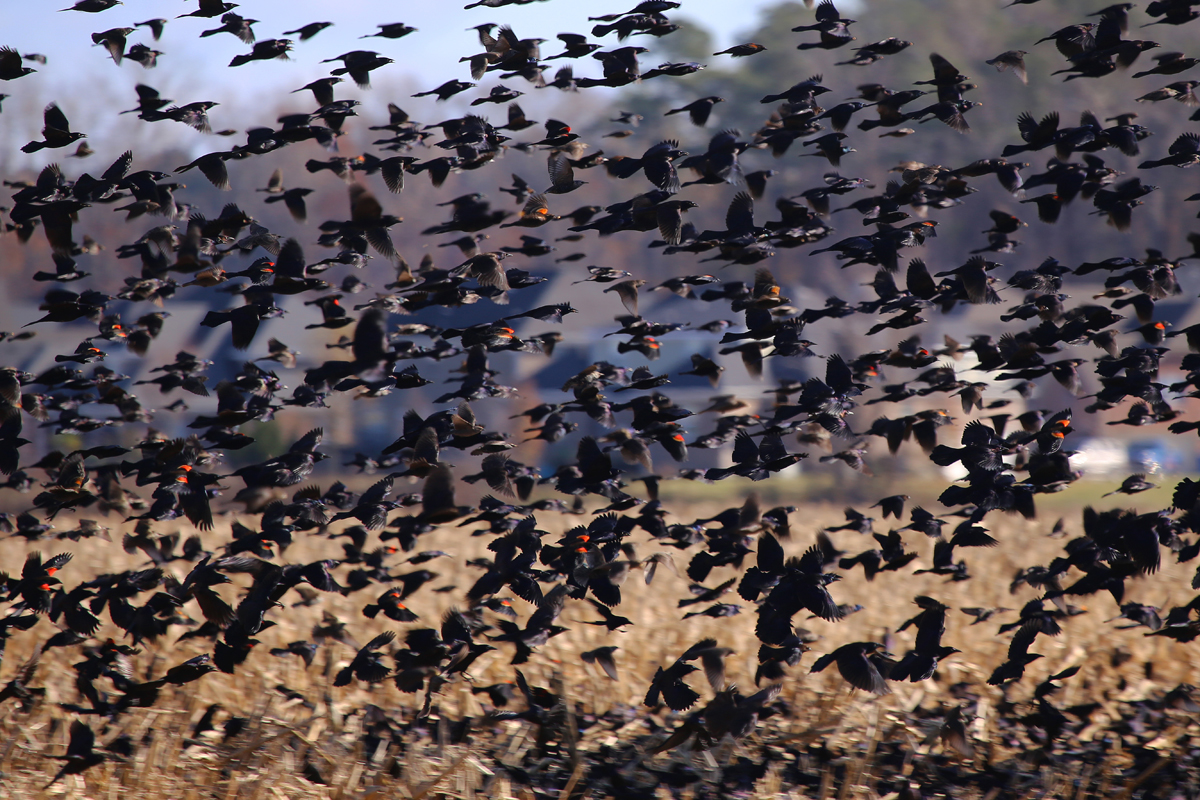
LOOKAHEAD: Late December brings many reasons for excitement to birders. First and foremost, the holiday season is in full swing, and time spent with family & friends… as well as additional time away from work often becomes common. Many of us (myself certainly included) will choose to use a part of this time to seek out birds, perhaps while staying in other parts of the state that we might not get to bird very often. For an amusing take on this very subject, please check out this posting over at The Birder’s Conundrum (credit for sharing this goes to Karen Beatty). In light of that article’s Note #2, the Christmas Bird Count season is upon us, and there are likely to be some interesting finds given the caliber of individuals who typically take part in these organized efforts. For information on local counts (of which the Back Bay & Little Creek CBCs occur in Virginia Beach), check the CBC page of the VSO website, by clicking here. Additionally this coming period, 21 Dec brings us the Winter Solstice, the day with the shortest duration of light between official sunrise & sunset. From that point moving forward, the days will begin to get longer, though at first this change is very miniscule as length of day is similar to the tides in the mathematics behind them. The change per day length is always slowest near the turning points so it might not be noticeable for some time. As to the local birding, the goose flock moving around southern Virginia Beach is certainly still worth tracking, and anyone interested in notching off a 6-goose-species day might still have a shot at it, with Brant seeming the most difficult to nail down right now (which seems a tad ridiculous given several others species are much more rare)! Any large grouping of blackbirds is worth focusing on as well, even if it means driving after them when sighted racing over a field in southern Virginia Beach, and observers should focus on picking out a YELLOW-HEADED BLACKBIRD if present among the 10,000 birds that can be contained in these groups.  As with last period, late December could afford seawatchers with our first documented GLAUCOUS, BLACK-HEADED or ICELAND GULLS of the season, and rare ducks like KING EIDERS and HARLEQUIN DUCKS are always a possibility this time of year as well. Razorbills should also be watched for, and a few are observed every winter from shore, mostly from Rudee Inlet, Fort Story, South Thimble Island & Little Island Park. With the drop in temperatures comes the potential for northerly species making their way into our region. In fact, now that winter has really arrived, it is worth noting that a couple years back in a VA Birding Listserv post, Ned Brinkley brought up the fact that the variety and numbers of waterfowl we can expect to see on the coast is linked to the amount of ice cover on the Great Lakes, very far from here. Apparently as these massive freshwater bodies of water freeze, waterfowl that winter on their surface are forced eastward to the ocean, seeking out suitable wintering grounds where food items are still plentiful, and reachable. Fortunately in this day & age, there is a website run by NOAA that alerts us to the % Ice Cover currently being observed on the lakes. It is worth checking in on this website, and then clicking on the graphic in the middle of the page. On this graphic, there is a listing of the “Great Lakes Total Ice Cover” and essentially, the higher this rises, the more you should be on the lookout for influxes of waterfowl around Virginia Beach! In the winters of 2013-14 & 2014-15, this number rose up to about 92.5% & 88.8% (respectively), which is why we saw large numbers of Red-necked Grebes and White-winged Scoters throughout those winters here along the coast. This past winter (2015-16), the percentage only reached 33.8%, so we expectedly didn’t see the same kind of numbers we’d grown to expect. So, check that site out often moving forward, through at least March! For the next entry to the journal (for late December), I may be a couple of days slower as I’ll likely be spending all my free time on 1-2 Jan out birding to kick off my own 2017 year list, so if you don’t see an entry posted as quickly as usual, don’t fret, it’ll be there as soon as it can be. Lastly, I’d just like to say to everyone…please enjoy the holiday season, and make sure to still get out and see some birds!

Next Entry | Entry Index | Previous Entry

For more information on this thrice-monthly Birding Blog, please check out the Journal Overview Page on the website. It provides background information as to what sightings are considered for the blog, details about the format of the blog, and it will likely answer many other questions that readers might be wondering about as well! As always, thank you for reading, and please leave me a comment below (you may use your Facebook, Gmail or other accounts to easily do so), or just click the Heart icon to the lower right of this post to let me know you stopped in!
Early December 2016 (1st-10th)

Birding momentum continued into December on the heels of last period’s Lesser Goldfinch, and this time around Virginia Beach was graced with the presence of our first ever BULLOCK’S ORIOLE! While many other great birds were viewed this period in Virginia Beach, this will always be the headliner that late November 2016 will be remember for. Not only a first for the county, but for the entire state of Virginia (pending VARCOM acceptance, of course)! Other top finds this period included GREATER WHITE-FRONTED GOOSE, ROSS’S GOOSE, AMERICAN WHITE PELICAN, ASH-THROATED FLYCATCHER, PAINTED BUNTING, LE CONTE’S SPARROW and a continuing LARK SPARROW. First-of-season arrivals this period included our first-of-fall Long-tailed Duck, Great Cormorant & Vesper Sparrow (3 Dec) and Common Goldeneye (10 Dec)!  Occurrences of late/lingering species this period included Barn Swallow (latest 3 Dec), Prairie Warbler & Yellow-breasted Chat (4 Dec), Nashville Warbler (5 Dec), Cattle Egret (7 Dec) and Ruby-throated Hummingbird (8 Dec). WEATHER: Early December brought on the demise of the fall colors, as most of the leaves hit the ground through this 10-day time frame, and the forests have again reached their barren, wintry appearance. Early December’s average daily high temperatures continued to fall, dropping considerably to 51.6 degrees F (-6.7 degrees from the late November period); average daytime lows also dropped, to 38.5 degrees F (-0.9 degrees). In fact, the 25 degree low temperature on 10 Dec was a new low mark for the season, and a fair amount of ice was present at Back Bay for the first time since last winter. The previous 10-year average daily highs & lows for the early December period were 56.1 & 39.0 degrees F, respectively which puts this period in 2016 at -4.5 and -0.5 degrees when comparing to the 10-year averages. During the previous 10-year period, the maximum average daily highs & lows were 64.0 (2012) & 44.9 degrees F (2014). We had 4 days with measureable precipitation which amounted to a total of 1.30 inches, with 0.69 inches falling 6 Dec.

OBSERVATIONS: With all the excitement that occurred in late November due to the arrival (and swift departure) of the Lesser Goldfinch, how could we keep the momentum going in Virginia Beach? Well, for starters, a BULLOCK’S ORIOLE at Back Bay NWR on 2 Dec (Mike Collins) proved to be the perfect springboard into December! The Gold Book lists only 5 firm records of this species in the state of Virginia, with the most recent occurring in Fairfax County in 2002. None of the documented records are from Virginia Beach, so this was yet another first for the city! Unfortunately, this oriole (another western species far out of range) wasn’t as cordial as the Lesser Goldfinch, and despite the lightning paced spread of information among the local birding community, no one was able to relocate the bird throughout the day, and it was also not seen on successive days though efforts were certainly undertaken!
On one such “twitch” to Back Bay NWR on 2 Dec, observers were otherwise rewarded for their efforts with a flyover flock of 6 AMERICAN WHITE PELICANS (Donna Jones, ph. Clyde Wilson, ph. Matt Anthony, ph. Andrew Elgin, Megan Massa & Nicholas Newberry). This species is most often noted in flight as they pass along the immediate coastline, but earlier in the year, a group of 30+ individuals spent a couple of days on the marshes off Pleasure House Point NA, so it is always possible to further sightings will occur for this difficult-to-pin-down species.

Also, the LARK SPARROW that has been present at Back Bay NWR since at least 23 Oct was sighted by many observers throughout the entirety of the period, including: 1 Dec (Karen & Tom Beatty), 2 Dec (Robert Ake, Mike Collins and Pamela Monahan), 3 Dec (Paul Glass, Karen & Tom Beatty and Adam D’Onofrio), 4 Dec (Theo Staengl, Phil Kenny, Ezra Staengl, Russell Taylor, Dixie Sommers, Clyde Wilson, Donna Jones, and Rexanne Bruno) and on 10 Dec (Michelle Payne, Lisa Rose, Rob Bielawski and Adam Sedgley. This individual seems content to stay in the septic field north of the visitor’s center, or in the scrubbier field just west of the building and it is readily obvious to be the same bird since it has a healed wound on the back of the right side of the head.

While out searching the southern impoundment of Princess Anne WMA’s Beasley Tract on 4 Dec, a LE CONTE’S SPARROW was found by Andrew Baldelli. Records for this species in Virginia Beach as far as eBird goes are limited, with the most recent being several sightings at Back Bay NWR. However, thanks to a post just a couple weeks back on the CVWO general blog, Anna Stunkel provided a link to this article regarding the distribution and status of the species in Virginia. I highly encourage anyone interested in the species to read through this paper as it pertains specifically to many sightings in Virginia Beach. Being a very secretive species, many observers leapt at the opportunity to attempt to observe this individual. It was first observed a couple of hours after the initial sighting by Mary Catherine Miguez, then by the group of Rexanne Bruno, Lisa Rose, Dixie Sommers & Tracy Tate, and lastly by Karen Beatty & Rob Bielawski (led by Mary Catherine Miguez to the spot). An added hurdle to this bird is the fact that the park is only open to birding on Sundays throughout the winter season, as per their official website details the rules & regulations. Please be mindful of these access regulations if you would like to venture out in search of the bird (it was reported again 11 Dec, just to keep you fully up to date).

Also on 4 Dec, a PAINTED BUNTING appeared in the backyard of a private residence (Davenport Ln. / Tommy Maloney), and it is possible that this is the same individual noted at this location a few weeks prior. We’ve had what appears to be at least three separate individuals reported over the last month or two in the city, though all have been either immatures/females. It seems only a matter of time before a vivid adult male shows up somewhere though, which is certainly a bird everyone would like to see.

Another exciting find from the same day (4 Dec) was that of a pair of geese on the northern body of water in Sherwood Lakes. Though they were mixed in with hundreds of Canada Geese, these two were quite different, being a GREATER WHITE-FRONTED GOOSE and a ROSS’S GOOSE (Julian Smith, et al.). On a typical day, the finding of a Ross’s Goose would be big news, though the species is likely annual in Virginia Beach, and just goes unnoticed since they often mix in with large flocks of Snow Geese. However, being in the same flock as a Greater White-fronted Goose makes it even more exciting. The latter species only has one other record listed here in eBird, that of a single individual observed in February 2014 near the Baybreeze Farms market stand on Sandbridge Road. The current flock of geese seems to be spending time on the water at Sherwood Lakes, as well as at a private borrow pit to the south. When foraging, the group moves from several nearby corn fields, and those adjacent to the HRSD wastewater treatment plant off Firefall Drive (and possibly elsewhere yet to be discovered). Throughout the period, these highly sought after rarities were also observed as follows: 6 Dec (Mary Catherine Miguez and Karen & Tom Beatty), 7 Dec (Andrew Baldelli and Mary Catherine Miguez), 8 Dec (James Marcum off Firefall Dr.), 9 Dec (Mike Collins, Ross’s Goose only at Sherwood Lakes) and 10 Dec (Karen & Tom Beatty, Greater White-fronted Goose only at Firefall Dr.). Hopefully they continue to be sighted, as this author personally knows full well how easy it is to miss them among the flock on any given day.

While out searching for the goose flock on 7 Dec at a privately owned tract of land (with permission) off Princess Anne Lane, an ASH-THROATED FLYCATCHER, a first for the city this year, was observed and photographed (Andrew Baldelli & Mary Catherine Miguez). Unfortunately due to the nature of this location, outside parties weren’t able to attempt to re-find this bird, and it has not been seen anywhere on the surrounding public lands. While this is our first concrete record for the year, a Myiarchus flycatcher observed at Lake Windsor on 16 Nov (Lisa Rose) was likely also an Ash-throated Flycather since no Great Crested Flycatchers (our common summer Myiarchus) were observed north of Florida after 1 Nov.

First-of-season arrivals (all within normal expectations) this period included 1 Long-tailed Duck & 1 Great Cormorant (3 Dec / South Thimble Island / Teri Holland), a Vesper Sparrow (3 Dec / First Landing SP / Louis Rajnys) and a Common Goldeneye (10 Dec / Back Bay NWR / Adam Sedgley). In addition to the first arrivals, we had quite a number of observations of species lingering beyond their typical departure dates. These included: Barn Swallow (3 Dec / Back Bay NWR / Matt Anthony, Rob Bielawski, Paul Glass, Nicholas Newberry & Jason Strickland), Prairie Warbler (4 Dec / Princess Anne WMA Beasley Tract / Andrew Baldelli), Yellow-breasted Chat (4 Dec / False Cape SP / Rexanne Bruno, Mary Foster, Donna Jones & Clyde Wilson), Nashville Warbler (5 Dec / Princess Anne WMA Beasley Tract / James Marcum) and Ruby-throated Hummingbird (3 & 8 Dec / Alanton / Michelle Payne). Also of interest, a group of late-occurring Cattle Egrets was spotted by several observers around southern Virginia Beach, including: a group of 12 (4 Dec / Morris Neck Rd. / Mary Catherine Miguez), 4 (4 Dec / Princess Anne Rd. / Rob Bielawski), 8 (4 Dec / Princess Anne Rd. / Karen & Tom Beatty) and 22 (7 Dec / South Stowe Rd. / Karen & Tom Beatty). Jaegers unidentifiable to species were noted 3 Dec (South Thimble Island / Rexanne Bruno) and also offshore of the Oceanfront 4 Dec (Virginia Aquarium Staff). American Bitterns continue to pop up at Back Bay NWR and Princess Anne WMA as well, being a favorite target of out-of-towners who come to coast during the winter. Lastly, the flock of Snow Buntings continues to be sighted at the border of Fort Story and First Landing SP, on the dune line immediately adjacent to a small freshwater puddle.

SPECIES DOCUMENTED BY MEDIA and submitted to eBird for Virginia Beach during this period included: 1 DEC – Baltimore Oriole (Laurel Cove Dr. / Loretta Silvia); Cooper’s Hawk & King Rail (Back Bay NWR / Mary Catherine Miguez); Cooper’s Hawk, Wilson’s Snipe, LARK SPARROW & White-crowned Sparrow (Back Bay NWR / Karen & Tom Beatty); Royal Tern & Orange-crowned Warbler (First Landing SP / Mary Coker); Yellow-bellied Sapsucker, Northern Flicker & Baltimore Oriole (Kempsville / Una Davenhill). 2 DEC – BULLOCK’S ORIOLE (Back Bay NWR / Mike Collins); Northern Gannet, Sanderling, Ring-billed Gull & Great Black-backed Gull (South Thimble Island / Linda Greble); Yellow-bellied Sapsucker (Bow Creek Recreation Center / David Clark); Lesser Scaup, Double-crested Cormorant, AMERICAN WHITE PELICAN, American Coot, American Robin, Yellow-rumped Warbler & White-crowned Sparrow (Back Bay NWR / Clyde Wilson); AMERICAN WHITE PELICAN (Back Bay NWR / Andrew Elgin); 3 DEC – LARK SPARROW & White-crowned Sparrow (Back Bay NWR / Paul Glass); Snow Bunting & Vesper Sparrow (First Landing SP / Louis Rajnys); LARK SPARROW (Back Bay NWR / Adam D’Onofrio); Red-headed Woodpecker & Ruby-crowned Kinglet (First Landing SP / Loretta Silvia); Great Egret, Snowy Egret, Osprey, Northern Harrier & Northern Mockingbird (Pleasure House Point NA / Rob Bielawski); Red-billed Woodpecker, Downy Woodpecker, American Crow, Carolina Chickadee, Ruby-crowned Kinglet, Brown Thrasher, Northern Mockingbird, Yellow-rumped Warbler, Northern Cardinal, Common Grackle & Baltimore Oriole (Prince Phillip Dr. / Ron Furnish): 4 DEC – King Rail, Black-bellied Plover, Eastern Screech-Owl, American Kestrel, Tree Swallow, Eastern Bluebird, LARK SPARROW & Red-winged Blackbird (Back Bay NWR / Phil Kenny); King Rail (Back Bay NWR / Ezra Staengl); Ruby-crowned Kinglet, Yellow-rumped Warbler, Prairie Warbler & LE CONTE’S SPARROW (Princess Anne WMA Beasley Tract / Andrew Baldelli); King Rail & Eastern Screech-Owl (False Cape SP / Dixie Sommers); King Rail (False Cape SP / Kim Harrell); King Rail (False Cape SP / Steve Myers); Marsh Wren & LE CONTE’S SPARROW (Princess Anne WMA Beasley Tract / Mary Catherine Miguez); Ring-billed Gull, Lesser Black-backed Gull, Royal Tern & Savannah Sparrow (First Landing SP / Rob Bielawski); Red-headed Woodpecker (First Landing SP / Bill Fiero); LE CONTE’S SPARROW (Princess Anne WMA Beasley Tract / Dixie Sommers); LE CONTE’S SPARROW (Princess Anne WMA Beasley Tract / Lisa Rose); Orange-crowned Warbler (Back Bay NWR / Kim Harrell); Jaeger sp. (Offshore / Virginia Aquarium & Marine Science Center); Cattle Egret (Princess Anne Rd. / Rob Bielawski); Nelson’s Sparrow (Pleasure House Point NA / Ezra Staengl); LE CONTE’S SPARROW (Princess Anne WMA Beasley Tract / Rob Bielawski); LE CONTE’S SPARROW (Princess Anne WMA Beasley Tract / Karen Beatty); Snow Bunting (First Landing SP / Ezra Staengl); Orange-crowned Warbler (Prince Phillip Dr. / Ron Furnish). 5 DEC – Lesser Black-backed Gull (Oceanfront / Bill Fiero). 6 DEC – GREATER WHITE-FRONTED GOOSE & ROSS’S GOOSE (Princess Anne Ln. / Mary Catherine Miguez). 7 DEC – GREATER WHITE-FRONTED GOOSE & ROSS’S GOOSE (Sherwood Lakes / Andrew Baldelli); GREATER WHITE-FRONTED GOOSE & ROSS’S GOOSE (Sherwood Lakes / Mary Catherine Miguez); ASH-THROATED FLYCATCHER (Princess Anne Ln. / Mary Catherine Miguez); ASH-THROATED FLYCATCHER (Princess Anne Ln. / Andrew Baldelli); Common Grackle (Sherwood Lakes / Rob Bielawski); Cattle Egret (Princess Anne Rd. / Karen & Tom Beatty); 10 DEC - LARK SPARROW (Back Bay NWR / Lisa Rose); Tundra Swans, American Bittern, Northern Mockingbird, LARK SPARROW, White-crowned Sparrow & Song Sparrow (Back Bay NWR / Rob Bielawski); GREATER WHITE-FRONTED GOOSE (Firefall Dr. / Karen & Tom Beatty).

LOOKAHEAD: With the leaves now essentially off the trees, some birds will become more visible to eyes in the forested portions of the city. The goose flock moving around southern Virginia Beach is worth tracking, as other unusual species could pop up (CACKLING GOOSE already has as of this writing on 11 Dec). A large flock of mixed blackbirds has been noted around Sherwood Lakes as well, and observers should focus on picking out YELLOW-HEADED BLACKBIRD if present among the 10,000 birds contained in the group.  Mid-December could also afford seawatchers with our first documented Razorbills, GLAUCOUS GULLS or ICELAND GULLS of the season, and rare ducks like KING & COMMON EIDERS and HARLEQUIN DUCKS are always a possibility this time of year as well. With the drop in temperatures comes the potential for northerly species making their way into our region, but make sure to dress for the cooler temperatures as it can be quite miserable on exposed beaches if not wearing the proper attire! 

Next Entry | Entry Index | Previous Entry

For more information on this thrice-monthly Birding Blog, please check out the Journal Overview Page on the website. It provides background information as to what sightings are considered for the blog, details about the format of the blog, and it will likely answer many other questions that readers might be wondering about as well! As always, thank you for reading, and please leave me a comment below (you may use your Facebook, Gmail or other accounts to easily do so), or just click the Heart icon to the lower right of this post to let me know you stopped in!