Week Ending June 26, 2016

Continuing the trend thus far in June, birding has been pretty quiet around Virginia Beach over the past week. Breeding species continue to be observed though, and plenty of eBird checklists were submitted this week. One item I’d like to mention here in the blog is that starting in July, I’ll be shifting the weekly blog to be a thrice-monthly blog. The big reason for the switch, is so that in years to come, this blog can act as a comparison for the same time periods. I plan to split July into Early July (1st-10th), Mid July (11th-20th), and Late July (21st-31st). Each of the months will follow suit, with the third time period always starting on the 21st and ending on that particular month’s last date. The problem with running a Monday-Sunday blog is that each year the dates slide a bit, so each time frame isn’t perfectly comparable year to year, and I think it will be more interesting to track weather patterns and species observations on a distinctly comparable date window. I’ll finish out this coming week’s (27 Jun – 3 July) blog, then then next will be published after 10 July has ended and will duplicate the 1-3 July information so I don’t have any gaps in the blog. Anyways, that is the big change coming up, so I just wanted to give a couple weeks of notice before it occurred. Typically the blogs will be up a couple of days after each tri-monthly period has ended, so look for them around the 12th, 22nd, and 2nd in the future. I certainly hope everyone understands and agrees with the switch to help keep records comparable over time. WEEKLY WEATHER: Temperatures rose considerably from last week, resulting in an average daily high of 88.0 degrees F (a 4.6 degree rise from last week’s average); the average daytime lows followed suite, heating up to 72.3 degrees F (a 3.9 degree rise). Overall, we hit a peak high on Tuesday (21 Jun) of 93 degrees F (3 degrees higher than last week’s high), and a low daytime temperature of 64 degrees F, on Monday (20 Jun) and Sunday (26 Jun). We experienced precipitation on only two of the seven days this week, though only negligible amounts fell on Saturday (25 Jun), a total of 0.28 inches of rain accumulated, with 0.27 inches of it falling on Thursday (23 Jun).
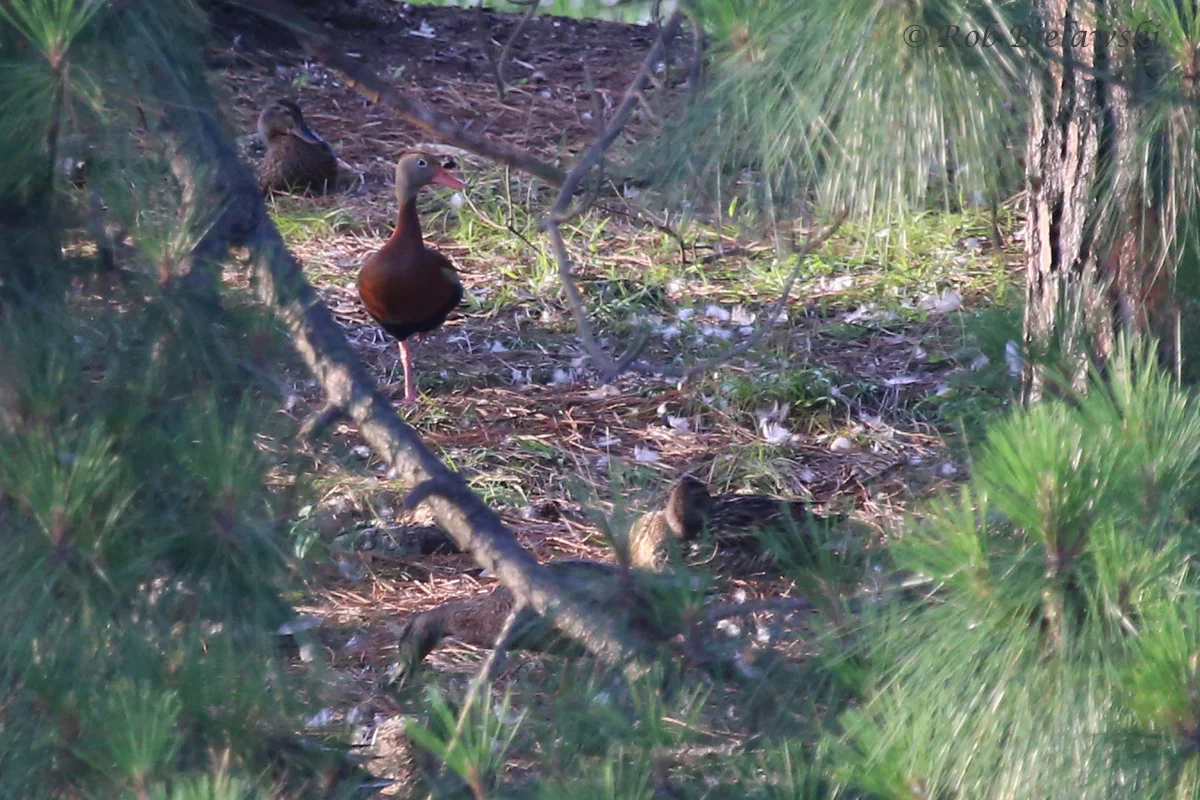
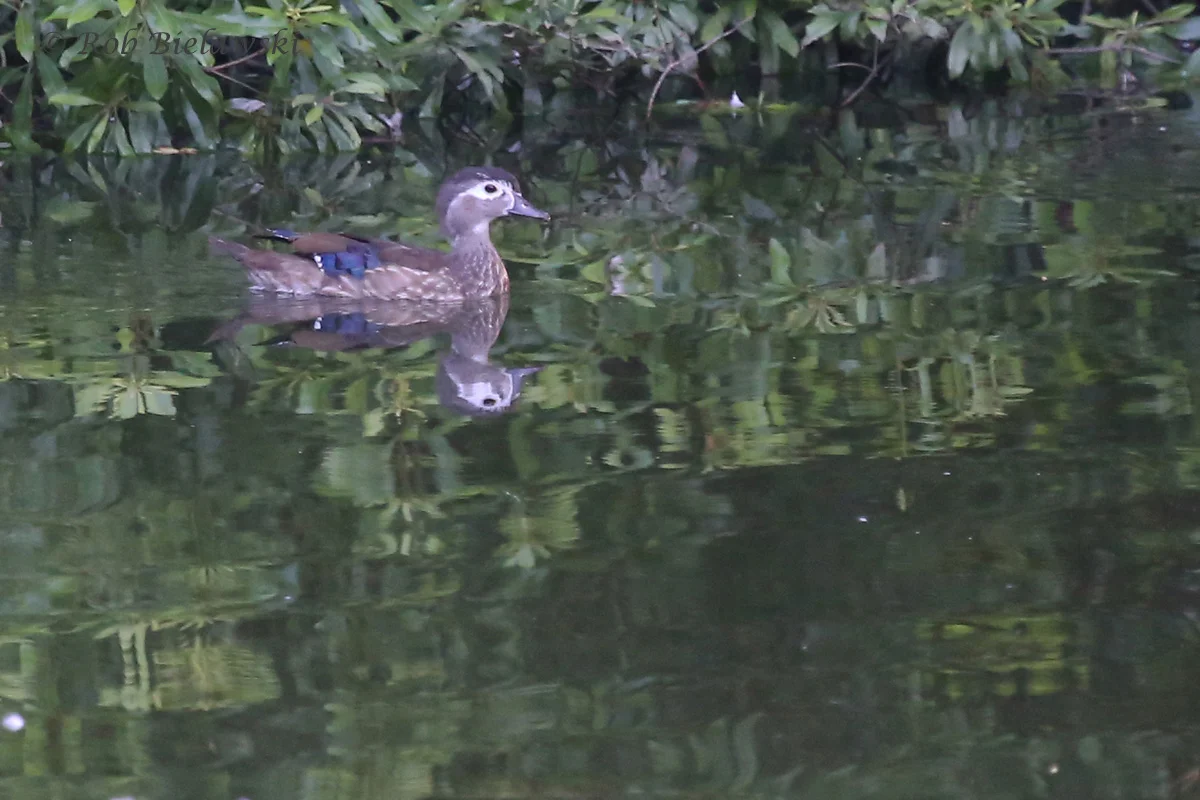
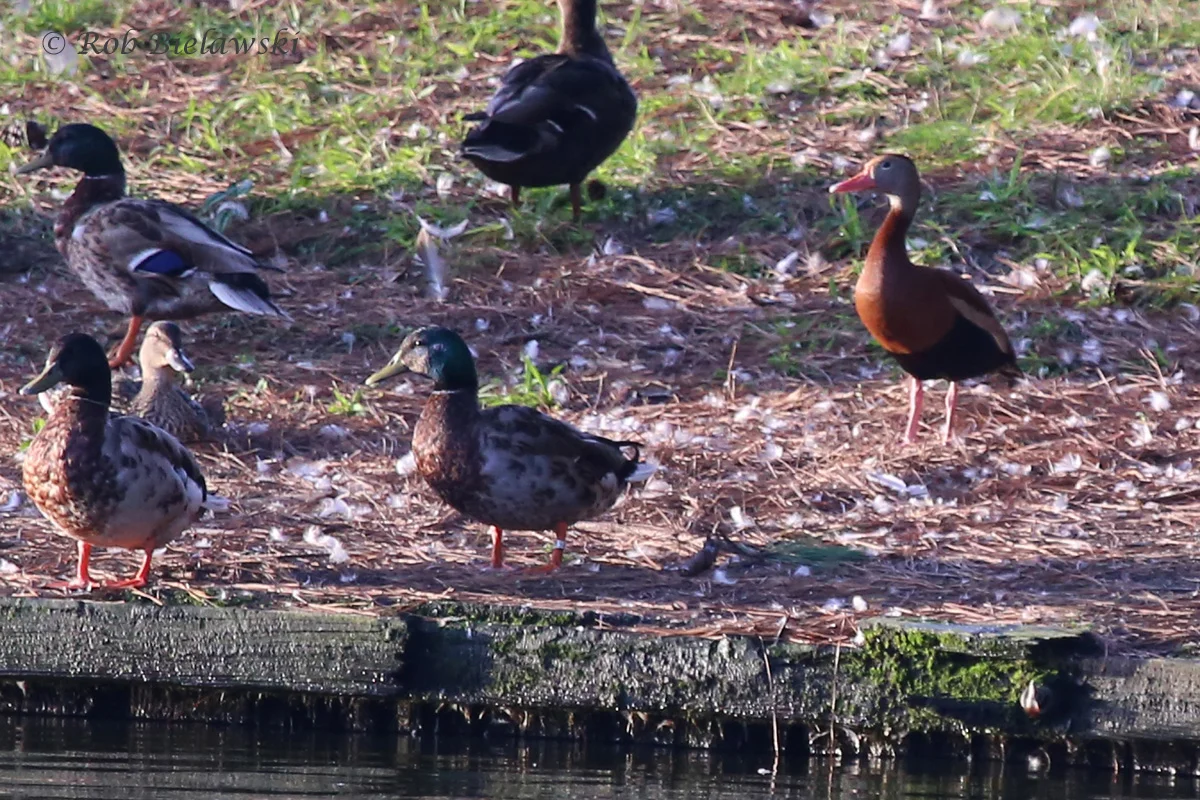
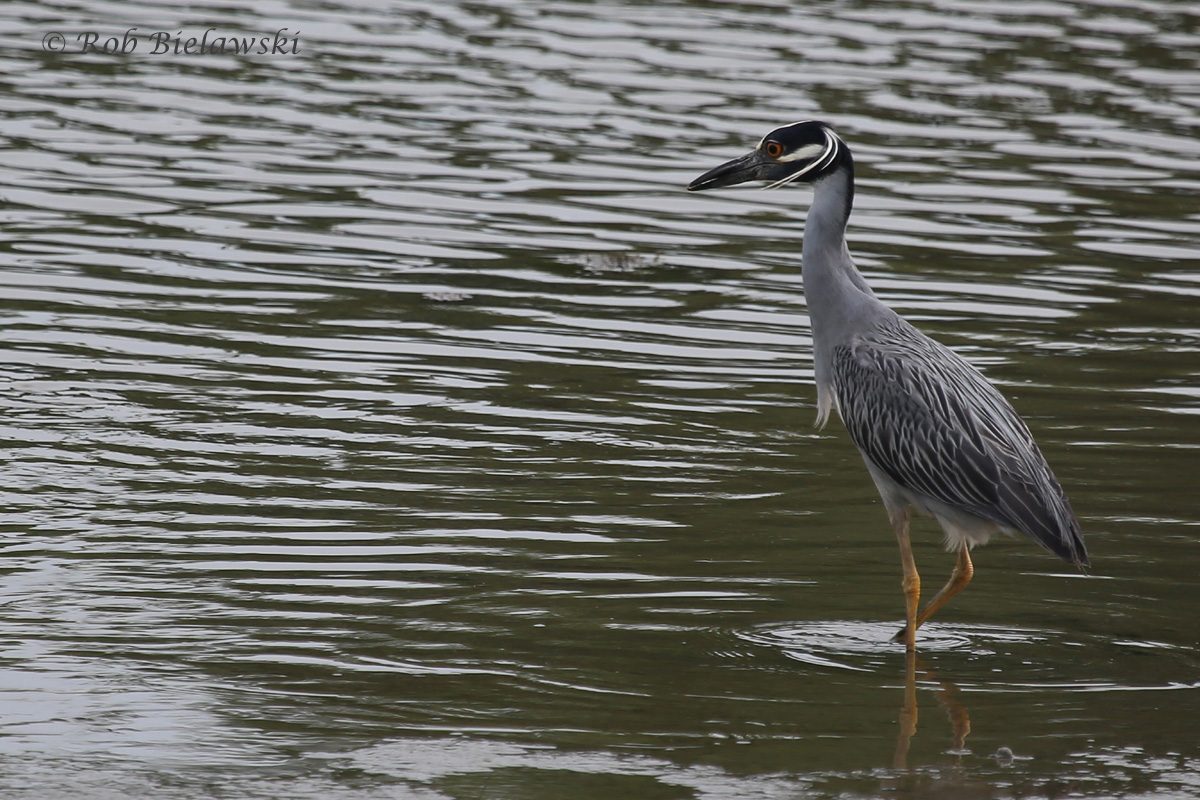
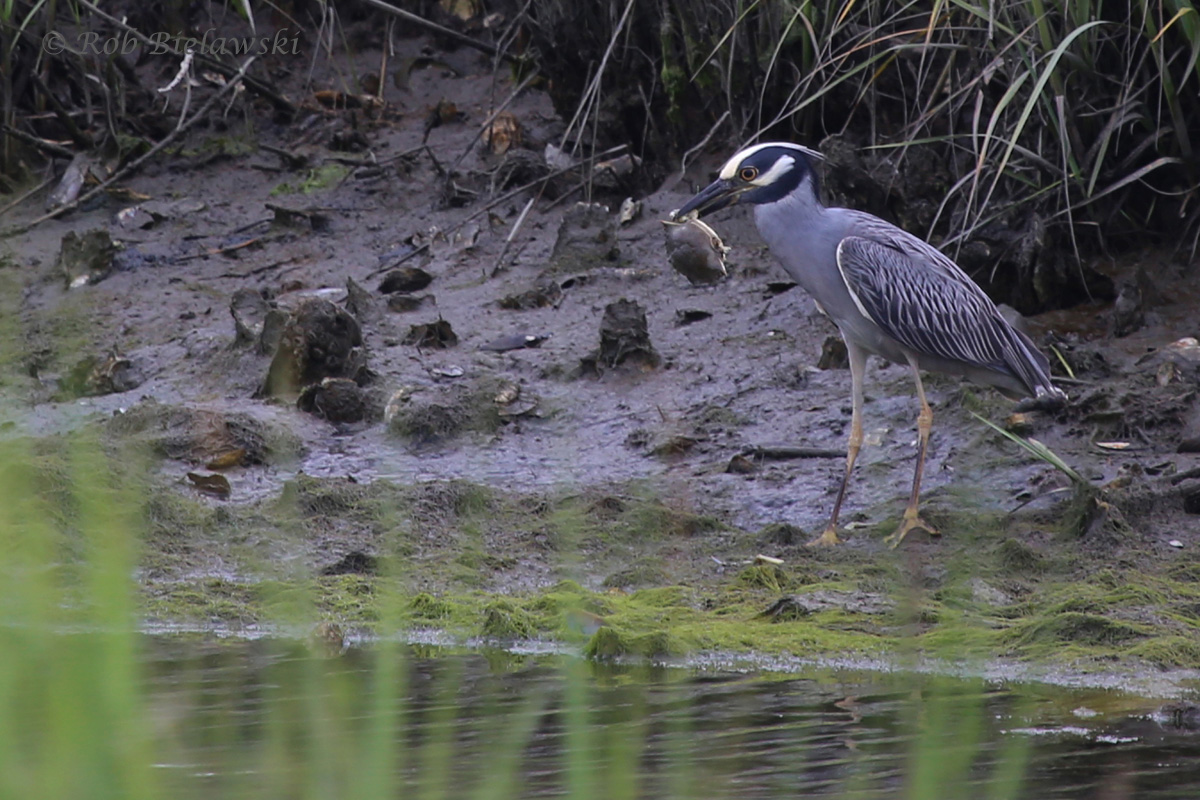
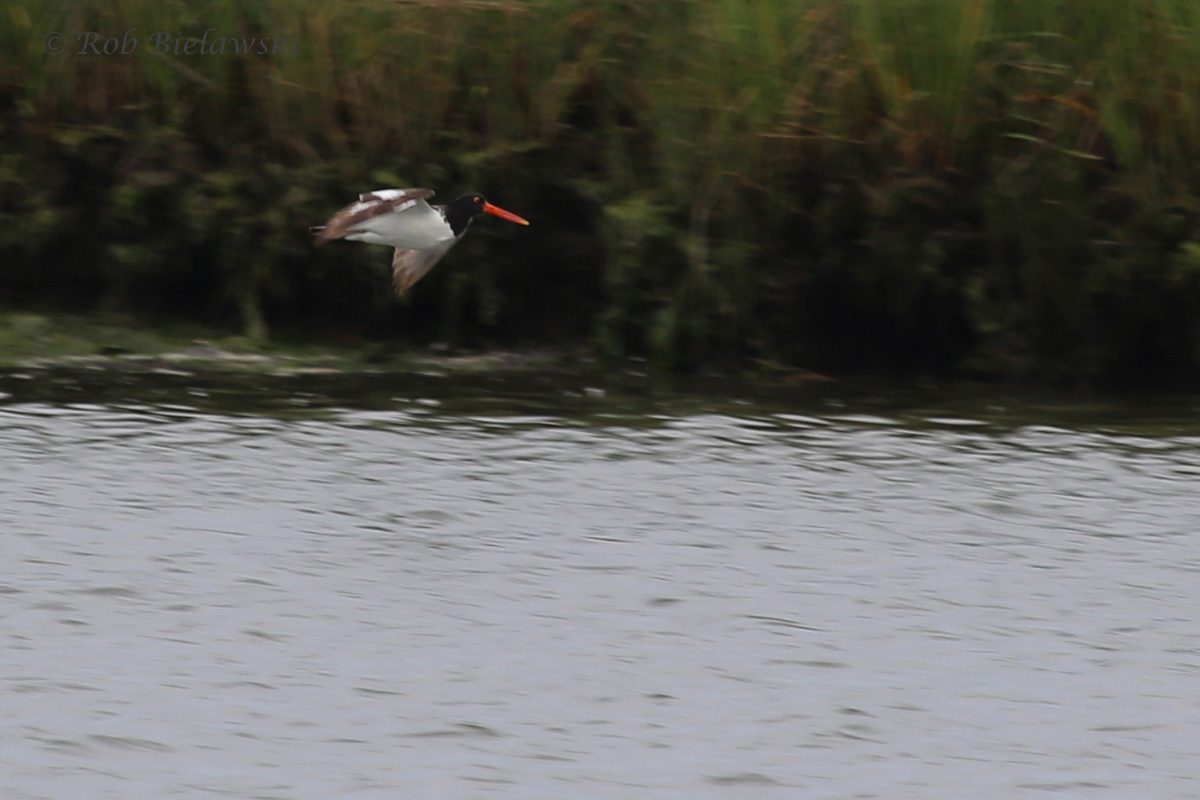
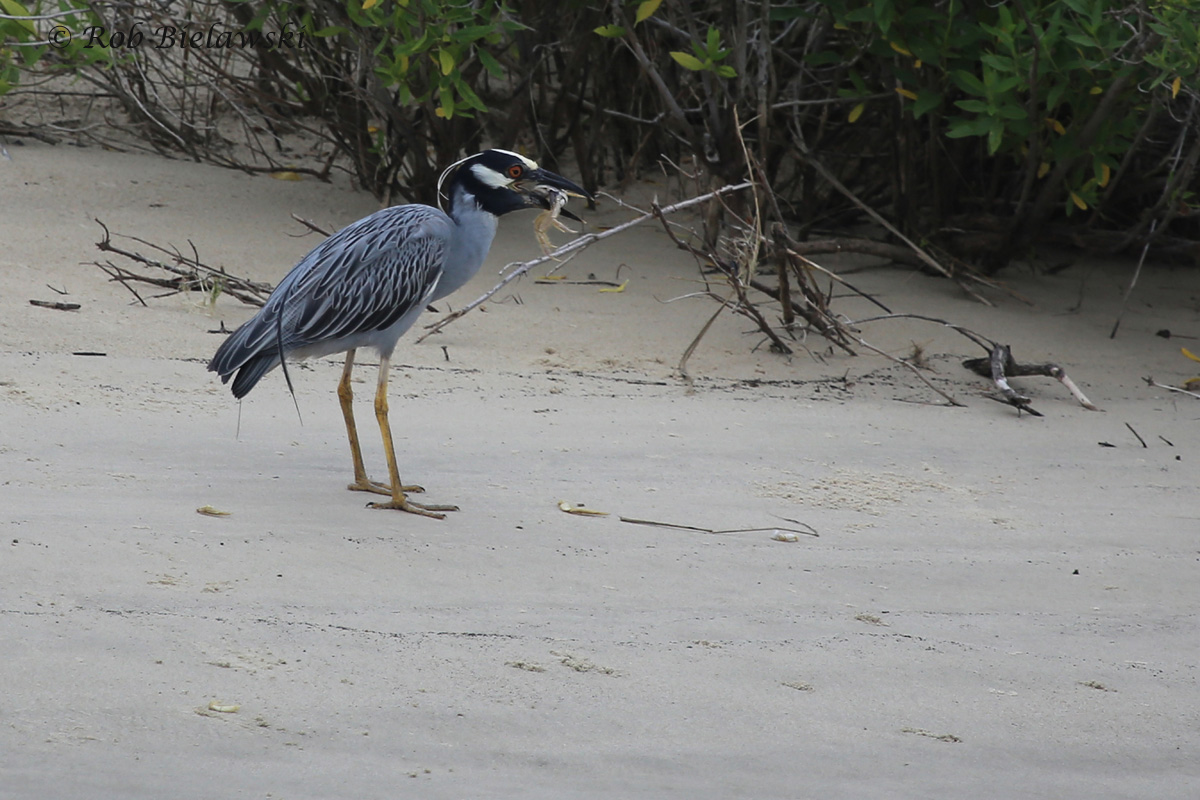
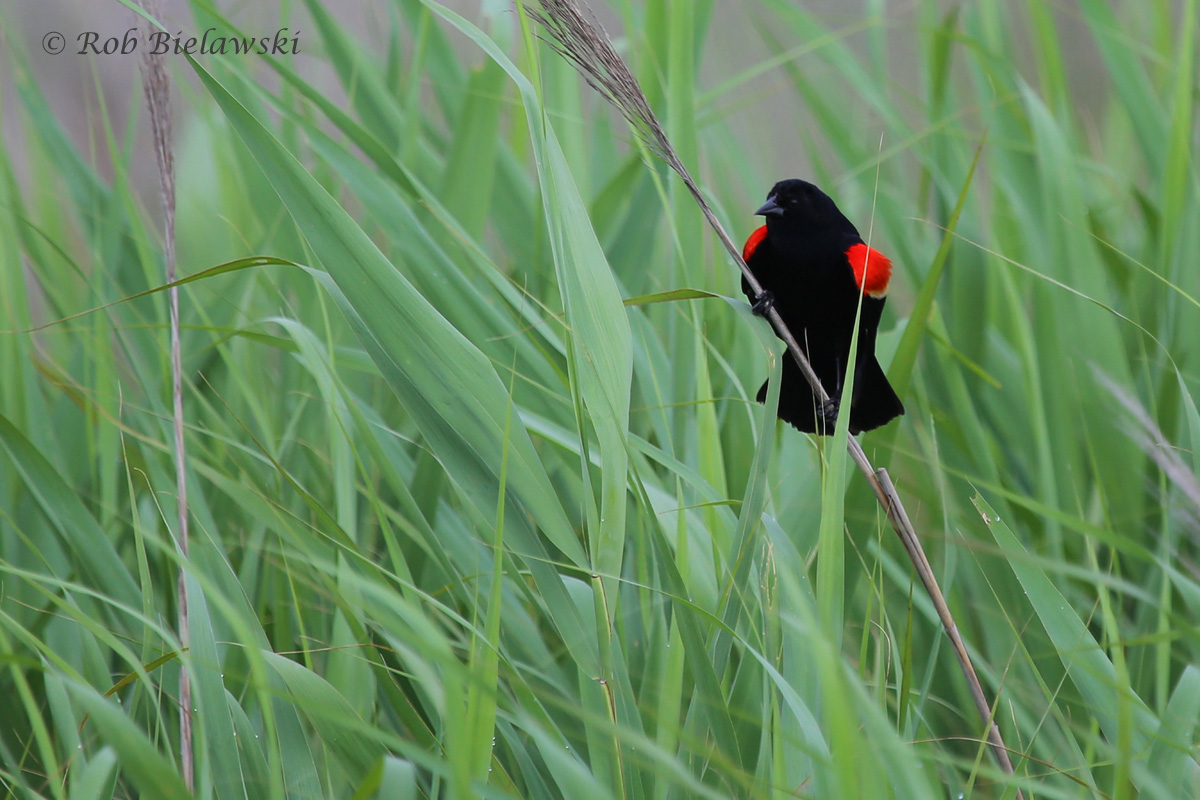
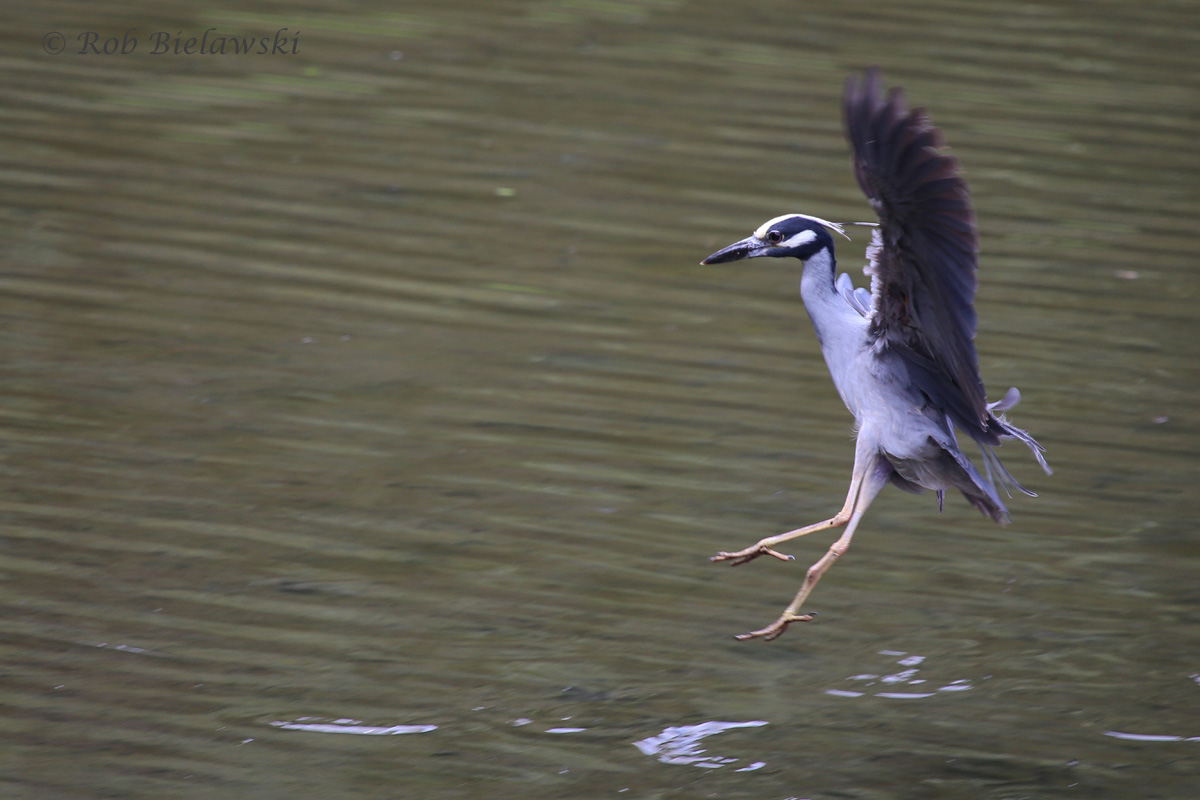
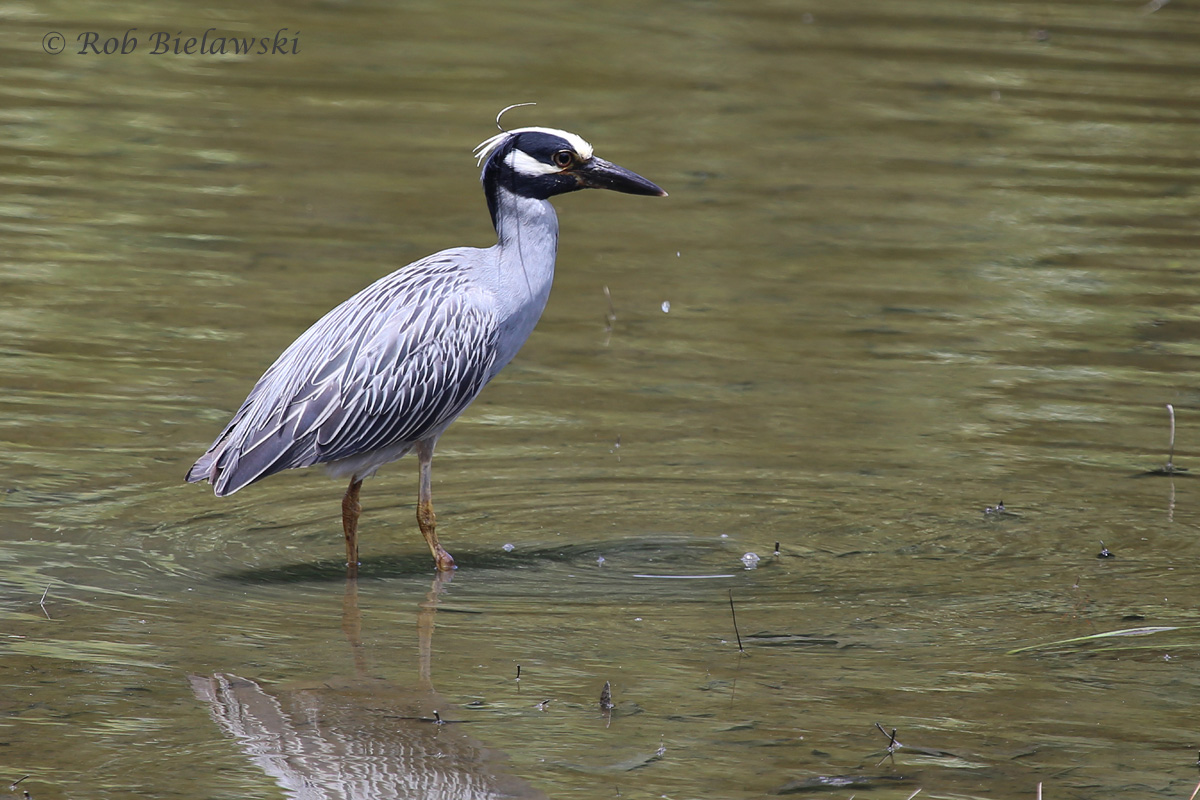
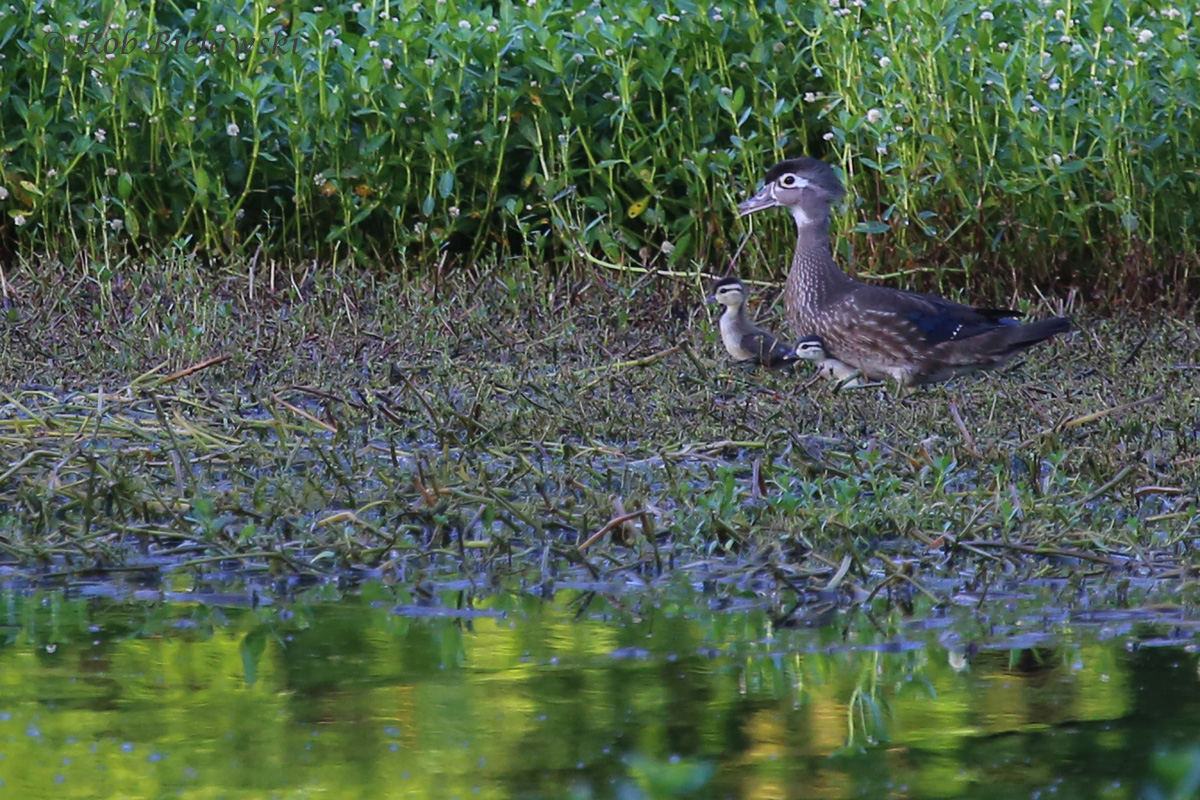
WEEKLY OBSERVATIONS: The good news for Virginia Beach birders this week was that the BLACK-BELLIED WHISTLING-DUCK first observed on 14 Jun by Kim Garcia continues to be seen around Dubay Properties on Shore Drive along the shoreline of Lake Joyce; it was reported all the way up through Sunday (26 Jun) evening. As with the previous week, a lingering American Coot was observed (24 Jun / Rebecca Walawender) at Back Bay NWR, and additionally, lingering Black Scoters also continue to be observed along the coastline, with a high count of 15 being observed off Fort Story (22 Jun / Timothy Barry), and 7 being photographed off Back Bay NWR (25 Jun / Lisa Rose). WEEKLY RELEVANT SPECIES DOCUMENTED BY MEDIA submitted for Virginia Beach this week dropped off a bit from last week, but with the Black-bellied Whistling-Duck present, and many breeding species documented (including some fledgling photographs), we still scraped together a decent showing over the last 7 days. This week’s Virginia Beach eBird media postings included: WEDNESDAY (22 JUN)Great Egret, Clapper Rail & Fish Crow (Pleasure House Point NA / Jeffrey Blalock. SATURDAY (25 JUN) – Black Scoter (Back Bay NWR / Lisa Rose); Black-bellied Whistling-Duck & Wood Duck (Lake Joyce / Pamela Monahan); Black-bellied Whistling-Duck (Lake Joyce / Matt Anthony & Erin Chapman); Yellow-crowned Night-Heron, Clapper Rail & American Oystercatcher (Pleasure House Point NA / Kim Harrell). SUNDAY (26 JUN) – Barn Swallow (Princess Anne WMA Beasley Tract / Lisa Rose); Black-bellied Whistling-Duck (Lake Joyce / Jane Scott Norris); Black-bellied Whistling-Duck (Lake Joyce / Rob Bielawski). LOOKAHEAD: After reaching the longest day of the year this past week, we’ll start to see our daylight slowly dwindle from now until December. However, it won’t really even be noticeable during the next few weeks. Breeding species should continue to lead observations, and places along the coastline are likely the best options for most birders who wish to avoid the heat of summer. Southbound migrations of shorebirds should begin in a couple of weeks, which should help draw more birders out of the house as well. If you haven’t seen it yet, head over to Lake Joyce and Shore Drive and see if you can find the Black-bellied Whistling-Duck. I never expected this individual to stay put so long, and you never know when we’ll see another one in Virginia Beach; they are far from annually occurring here!

Next Entry | Entry Index | Previous Entry

For more information on the Weekly Birding Blog, please check out the Journal Overview Page on the website. It provides background information as to what sightings are considered for the blog, the format of the blog, and will likely answer other questions any readers might be wondering about as well.
Week Ending June 19, 2016

For the last pair of weeks, birding observations expectedly slowed. This is typical of the month of June for several reasons. First, springtime migration reached its end, which means new influxes of birds of varying species stopped trickling through the area. Secondly, as temperatures rise considerably this time of year, often times many birders simply aren’t outdoors as much as they were in the couple of months prior. Lastly, many species of birds are no longer as visible, with fully leafed out vegetation obscuring them from view, and breeding having begun, often times these birds will conceal themselves to protect nest sites. Given all this, it is ‘expected’ that June is a slow month for birding, though there are still plenty of birds to be found, many of us were just spoiled by the impressive spring migration showing across the region, and just need to settle into the summer slowdown. But, this week held one fantastic observation that many folks were able to take part in, more on that below! WEEKLY WEATHER: This week certainly felt like summertime across Virginia Beach, but there was a considerable drop in temperatures from the previous weekly period, resulting in an average daily high of 83.4 degrees F (a 6.6 degree drop from last week’s average); the average daytime lows dropped a bit though, to 68.4 degrees F (a minor 1.7 degree decrease). Overall, we hit a peak high on Thursday (16 Jun) of 90 degrees F (7 degrees lower than last week’s high), and a low daytime temperature of 63 degrees F, on Sunday (19 Jun). As with the past several weeks, we experienced precipitation on three of the seven days this week, though only negligible amounts fell on Wednesday (15 Jun) & Thursday (16 Jun), a total of 0.92 inches of rain accumulated, with 0.87 inches of it falling on Friday (17 Jun). WEEKLY OBSERVATIONS: On Wednesday morning while still out of town visiting my childhood home in northern Minnesota, I received a text message from Andrew Baldelli detailing that a photograph had been submitted into eBird of a BLACK-BELLIED WHISTLING-DUCK (14 Jun / Lake Joyce / Kim Garcia) that was simply input as a “Duck sp.”. For those unfamiliar with eBird, the term “Duck sp.” Is typically used when someone sees a duck, but they are unable to determine which species it is; usually this occurs on very distant birds flying past, when field marks may not be discernible. However, in this case, I believe the observer simply was not aware of how to input a “Rare” species, as they do not show up by default on the checklist submissions. This is done purposely so that erroneous rarities are not reported with frequency, and it forces birders to understand that the sighting was truly unusual and requires additional information be added. Anyways, I received the text message and put out the information to several close birding friends via text message, and then posted it to the Hampton Roads Wildlife Enthusiasts and the VA Notable Bird Sightings & Discussion Group on Facebook. It wasn’t too long before reports started populating eBird, and it was obvious the bird was still in the area. Interestingly, the initial checklist stated the bird had been present for 7 days already, and it continued all the way through the end of the week. It is my hope, though possibly unrealistic, that it might stick around until I can get back home. This species was last observed in Virginia Beach back in 2013 according to the annual VARCOM (Virginia Avian Records Committee) reports, so anyone who got to see it should consider themselves very fortunate! This sighting has been added to the Noteworthy Observations page (Under the Distribution Tab above, select Noteworthy Observations) on the site, with links to everyone’s eBird reports in case anyone would like to see photos of the bird. 

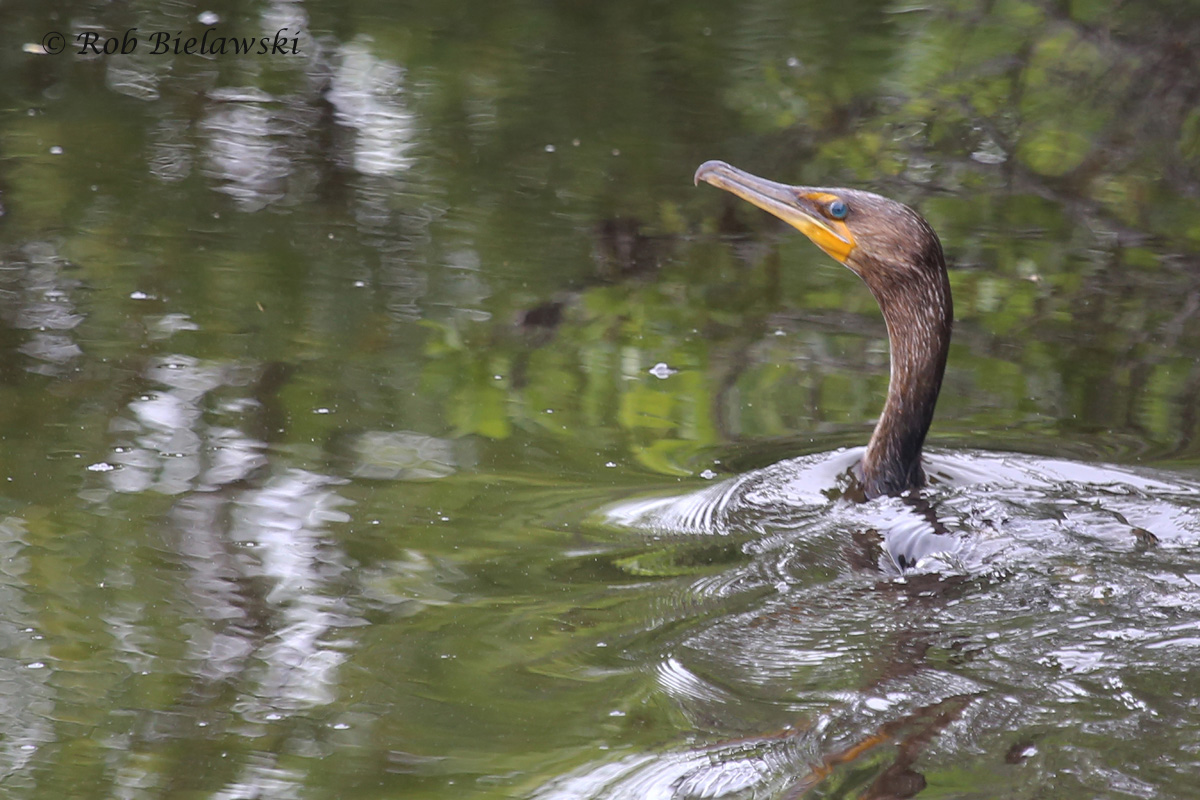
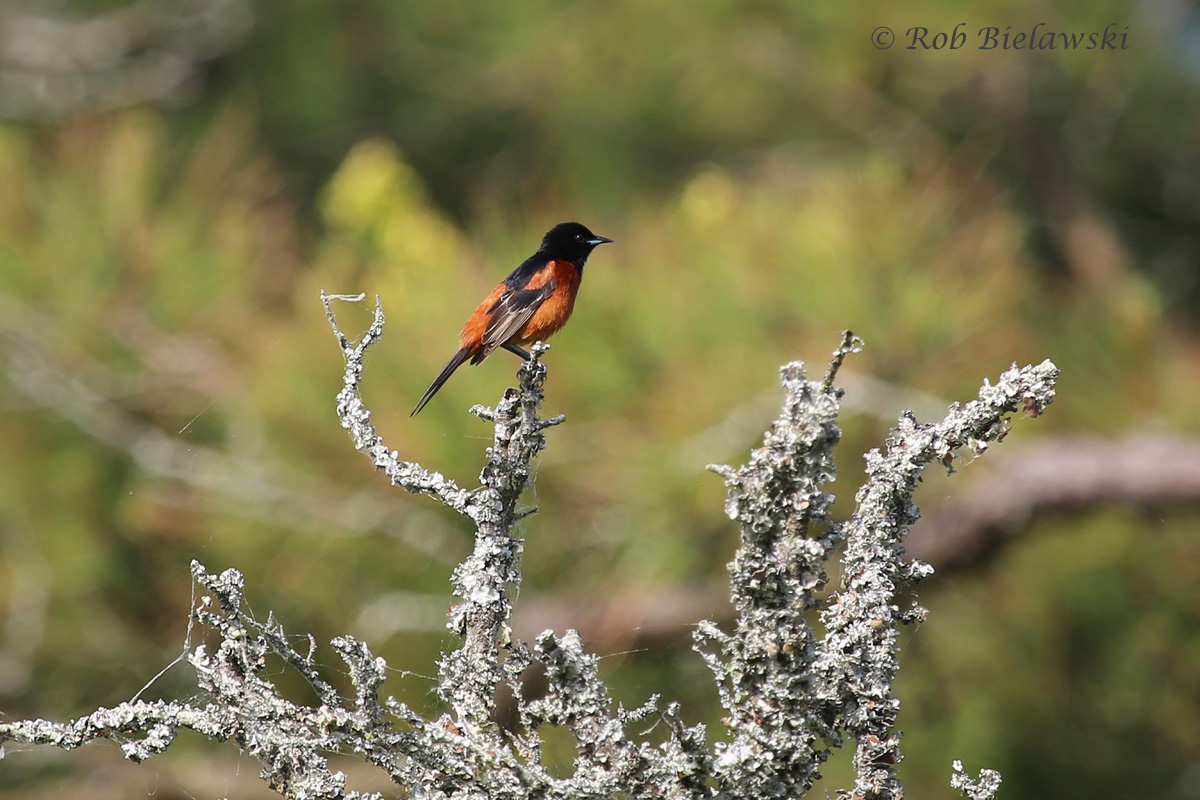
In addition to this fantastic rarity and continuing observations of Least Bitterns & Northern Bobwhites, there was also two LATE OCCURRENCES of individual American Coots at Back Bay NWR (13 Jun / David Gibson and 16 Jun / Rebecca Walawender) reported, though this was the only species that lingered into this week unexpectedly (though perhaps slightly expected since Coots can summer, but it is still worth noting when they do). Some other species that appear to summer more regularly now are Black Scoters, and Common Loons; the former having been seen again during this week in Virginia Beach waters. With less observers likely out in the field during June, the number of WEEKLY RELEVANT SPECIES DOCUMENTED BY MEDIA submitted for Virginia Beach this week wasn’t expected to be high, but with the Black-bellied Whistling-Duck present, it helped out the situation considerably! This week’s Virginia Beach eBird media postings included: MONDAY (13 JUN)Barn Swallow (Back Bay Landing Rd. / Karen & Tom Beatty); Great Crested Flycatcher & Northern Rough-winged Swallow (Munden Rd. / Karen & Tom Beatty). TUESDAY (14 JUN) – Double-crested Cormorant, Brown Pelican, Green Heron, Osprey, White-eyed Vireo, Purple Martin, Carolina Wren, Cedar Waxwing, Yellow-breasted Chat, Northern Cardinal, Indigo Bunting & Red-winged Blackbird (Back Bay NWR / Karen & Tom Beatty); Clapper Rail (Breeding) (Pleasure House Point NA / Eric Alton); Wood Duck (Dam Neck Naval Annex / Karen & Tom Beatty). WEDNESDAY (15 JUN) – Black-bellied Whistling-Duck (Lake Joyce / Ron Furnish & Marie Mullins); Black-bellied Whistling-Duck (Lake Joyce / Robert Ake); Black-bellied Whistling-Duck (Lake Joyce / Timothy Barry); Black-bellied Whistling-Duck (Lake Joyce / Andrew Baldelli). THURSDAY (16 JUN) – Black-bellied Whistling-Duck (Lake Joyce / Jason Strickland); Black-bellied Whistling-Duck & Mallard (Lake Joyce / Karen & Tom Beatty); Black-bellied Whistling-Duck (Lake Joyce / Jessica Ausura & Ernie Miller); Black-bellied Whistling-Duck (Lake Joyce / Clark Olsen); Black-bellied Whistling-Duck (Lake Joyce / Tony Wood). FRIDAY (17 JUN) – Black-bellied Whistling-Duck (Lake Joyce / Adam Bollinger); Black-bellied Whistling-Duck (Lake Joyce / Jonathan Snyder); Black-bellied Whistling-Duck (Lake Joyce / Daniel Carlson); Eastern Bluebird (fledglings) (Davenport Ln. / Tommy Maloney). SUNDAY (19 JUN) – Orchard Oriole (Back Bay NWR / Daniel Carlson). LOOKAHEAD: Next week, we reach the longest day of the year, so get out and enjoy all that daylight! If you haven’t done so yet, head up to Lake Joyce and see the Black-bellied Whistling-Duck while you have a chance!

Next Entry | Entry Index | Previous Entry

For more information on the Weekly Birding Blog, please check out the Journal Overview Page on the website. It provides background information as to what sightings are considered for the blog, the format of the blog, and will likely answer other questions any readers might be wondering about as well.
Week Ending June 12, 2016

First, I’d like to offer my sincerest apologies for the lateness of this week’s birding blog entry. I have been out of the area (in northern Minnesota) since 10 Jun, and did not have the chance to get everything taken care of before I departed Virginia Beach. Hopefully, next week’s will be back on track, so thanks to those who patiently waited. As is typical of the month of June, birding was very slow across the region with not a whole lot of sightings that were out of the ordinary. WEEKLY WEATHER: Warm weather continued on from last week with the daily high increasing to 89.0 degrees F (a 6.7 degree rise from last week’s average); the average daytime lows dropped a bit though, to 70.1 degrees F (a 2.6 degree decrease). Overall, we hit a peak high on Sunday (12 Jun) of 97 degrees F (a new high mark for the calendar year), and a low daytime temperature of 60 degrees F, on Thursday (9 Jun). We experienced precipitation on three of the seven days this week, with a total of 1.53 inches of rain. Most of this occurred on Tuesday (7 Jun) when 1.27 inches fell.

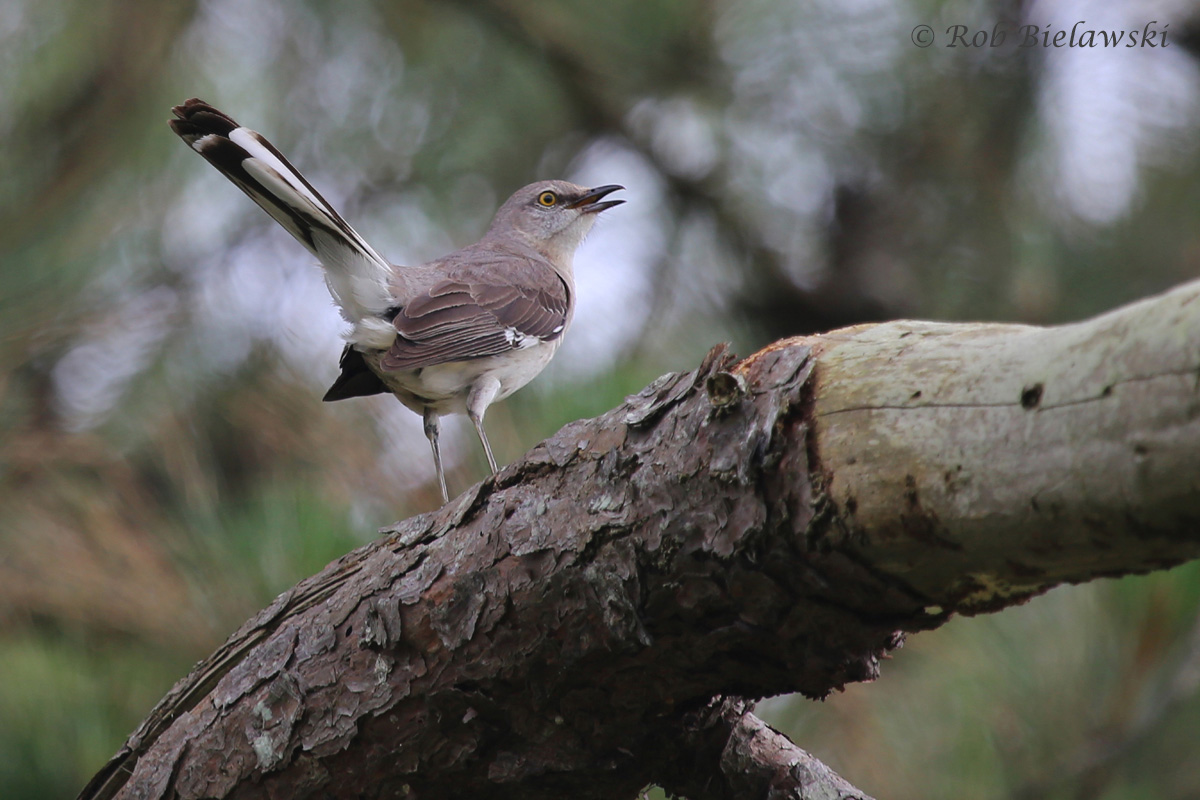
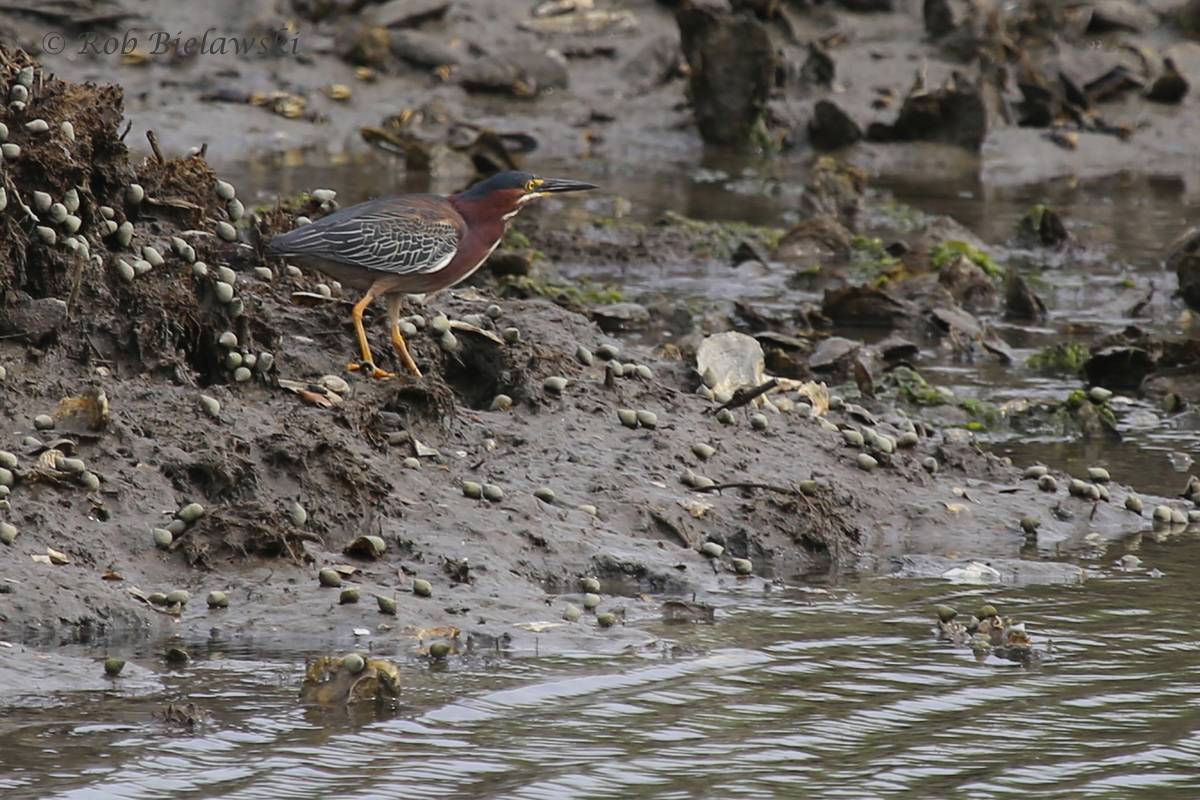
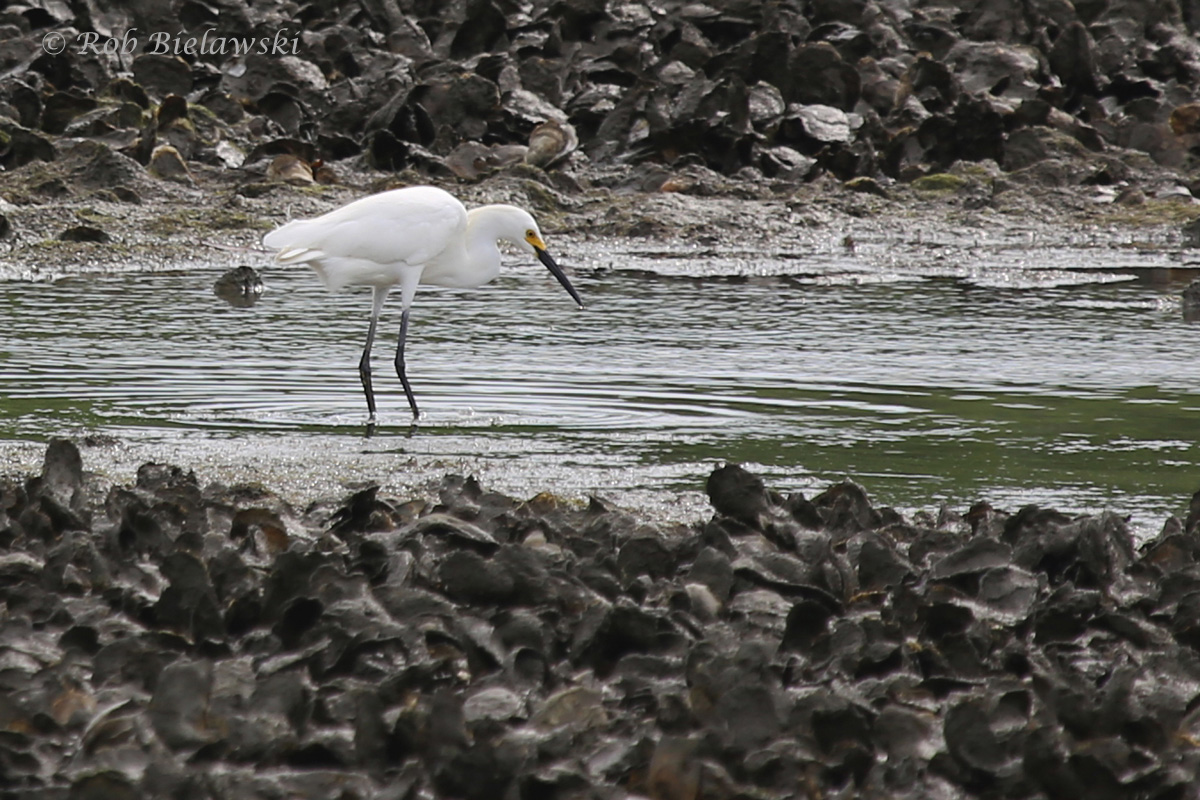
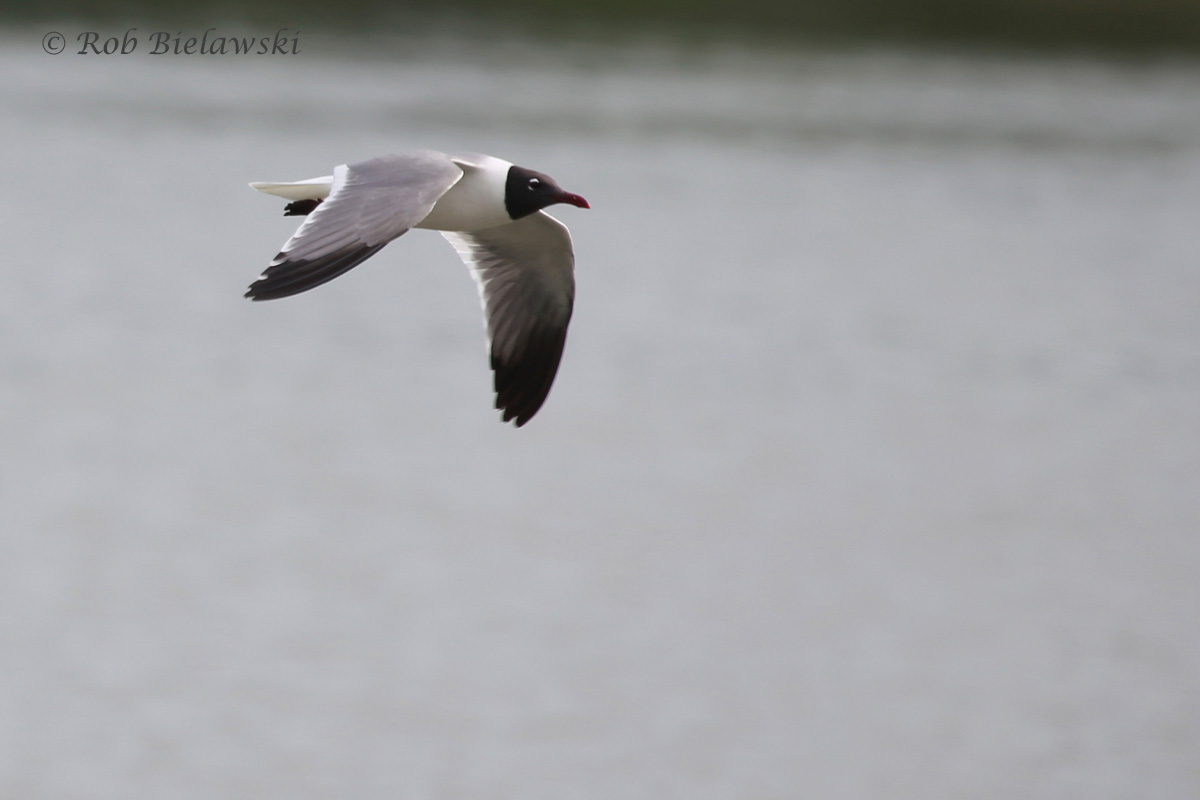
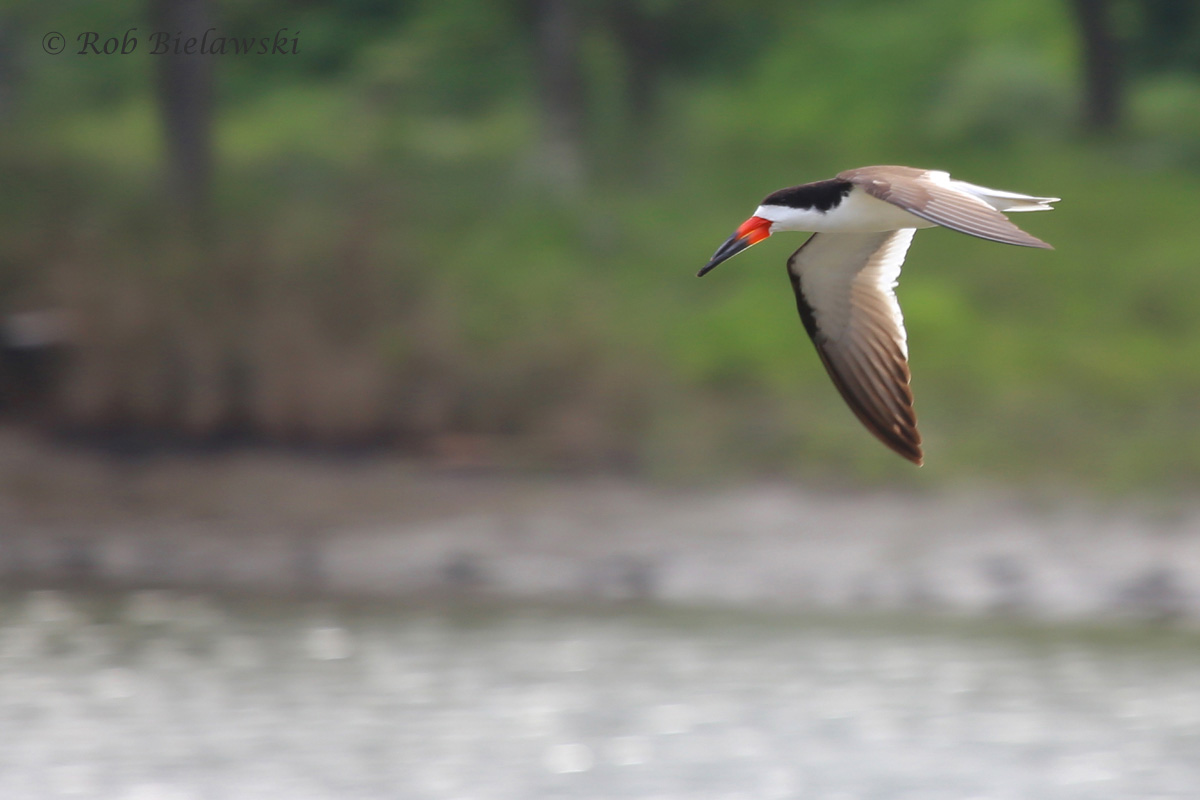
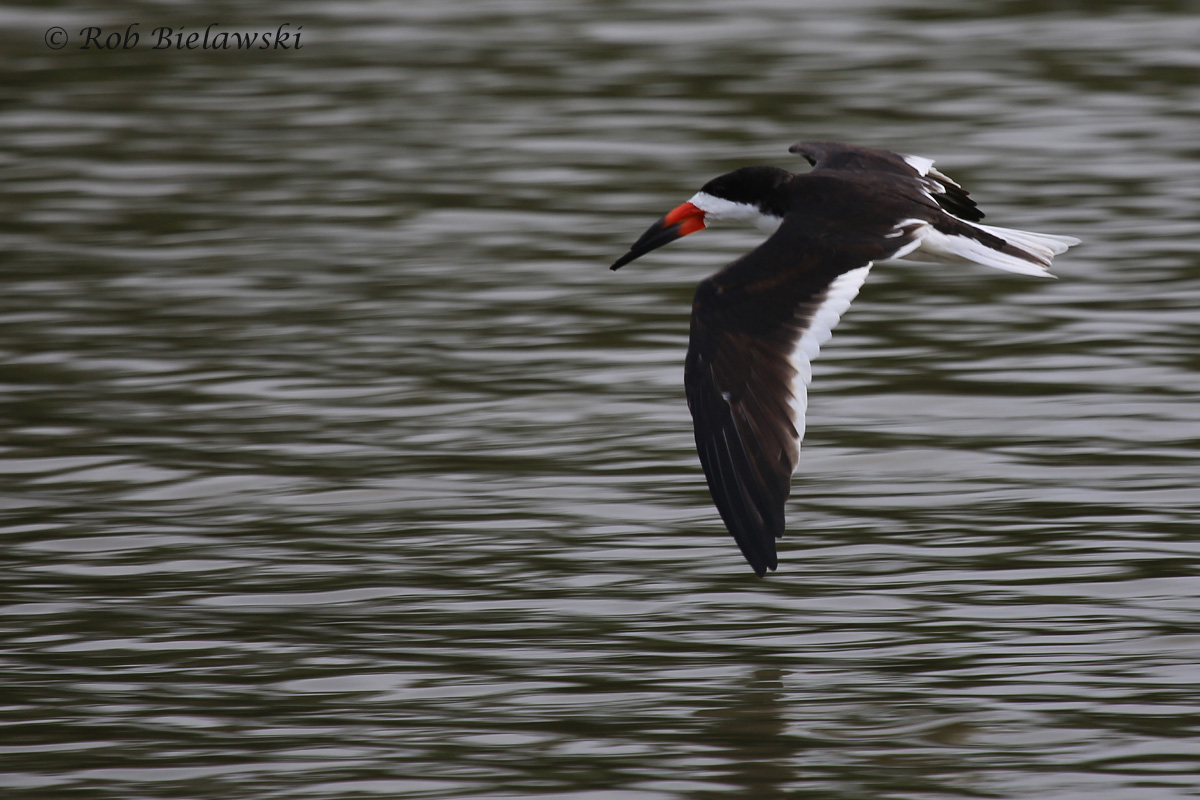
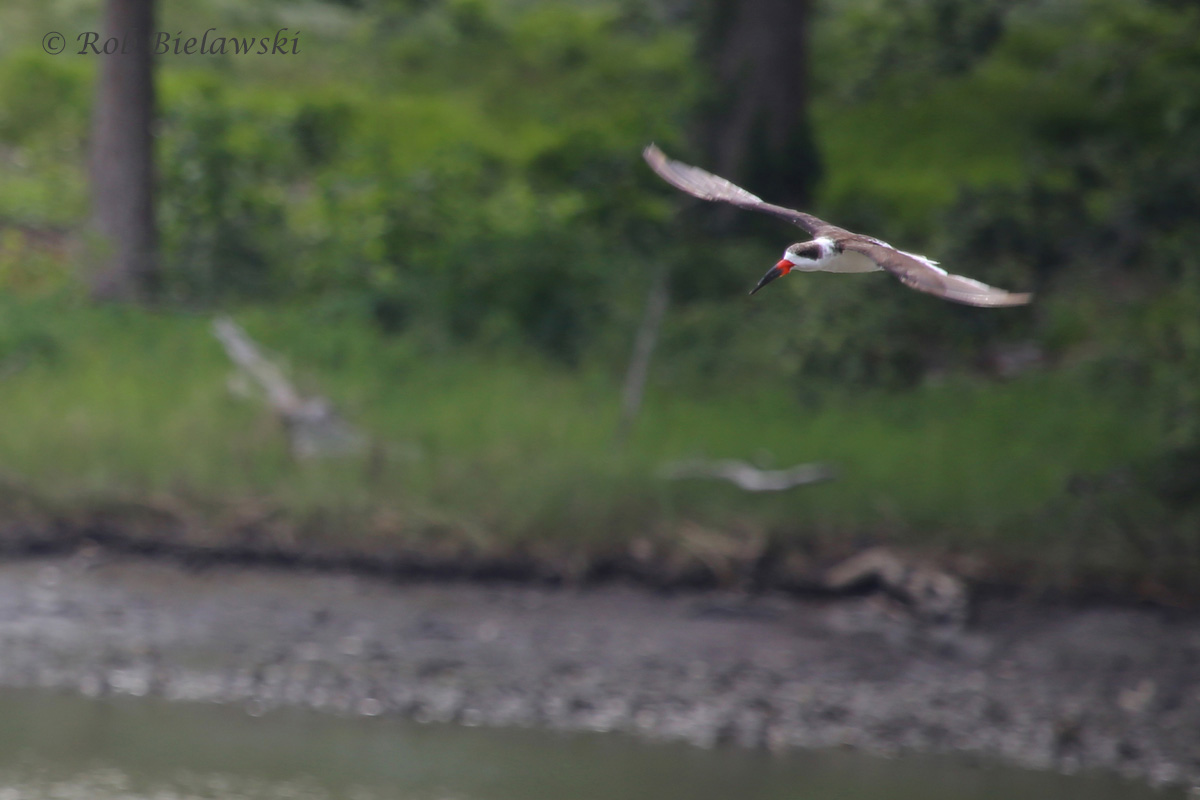
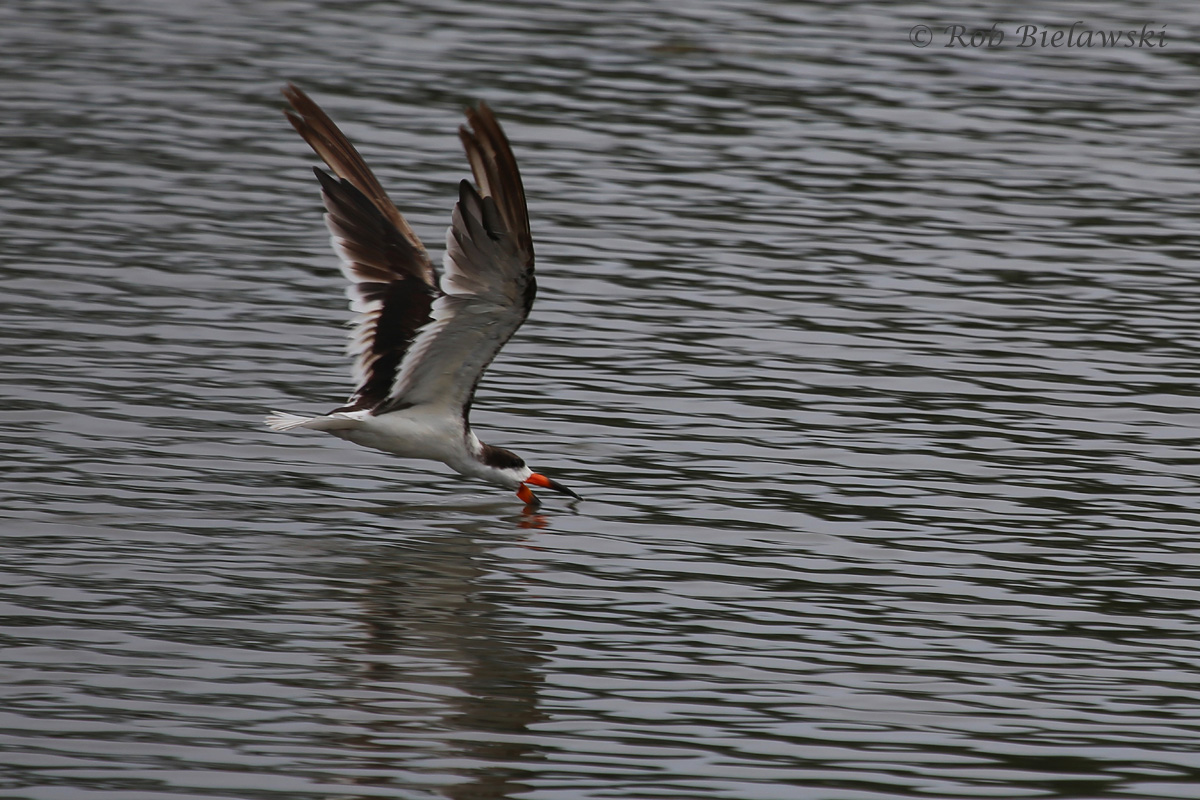
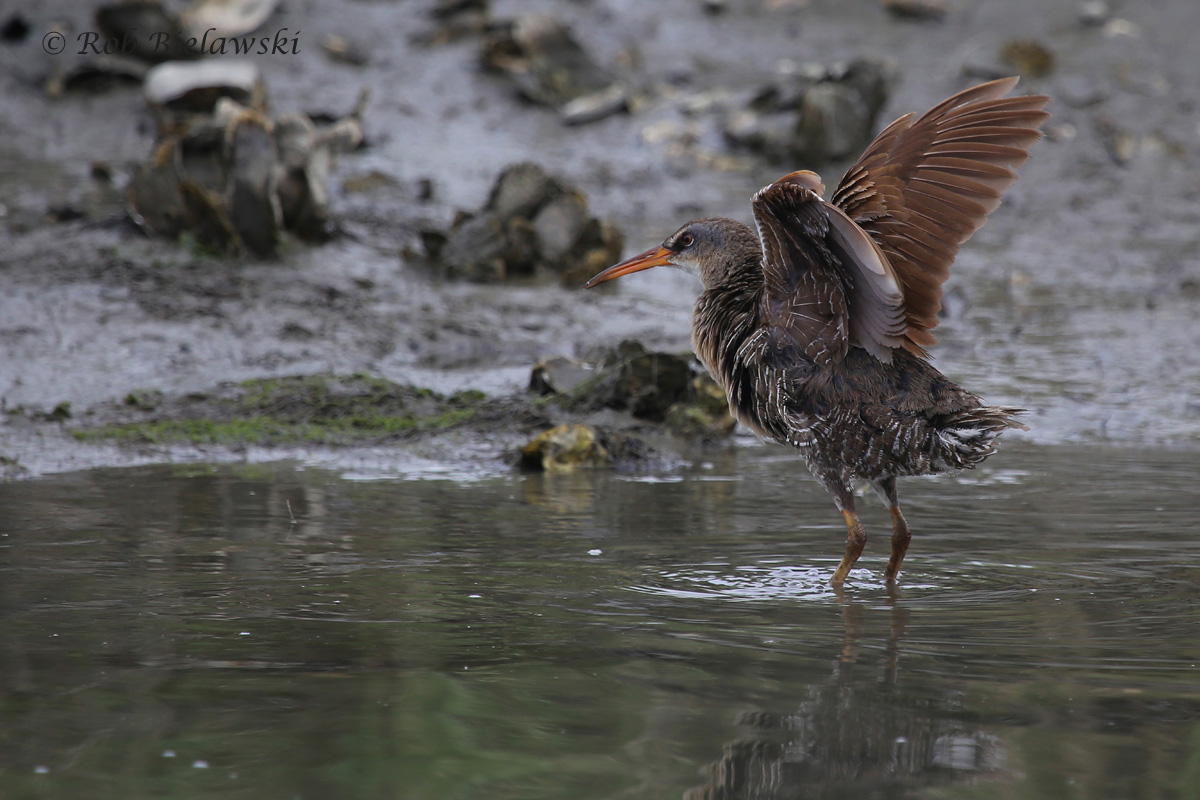
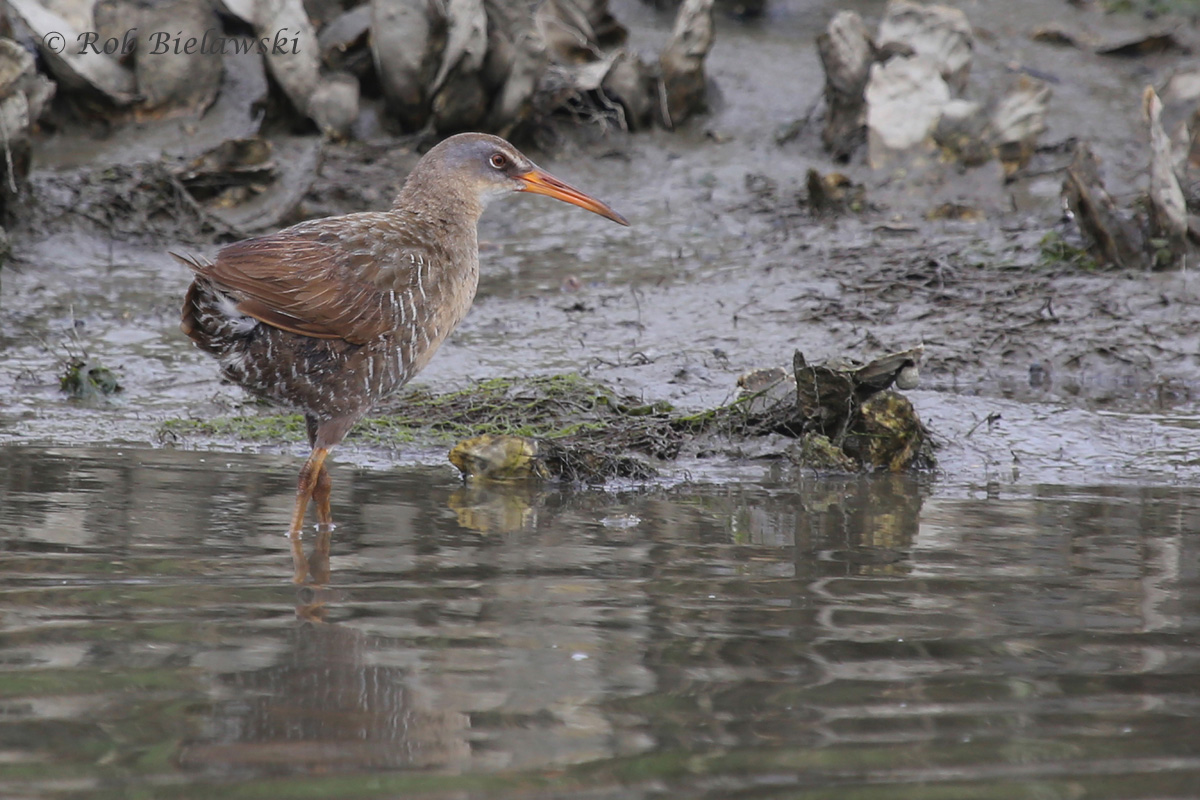
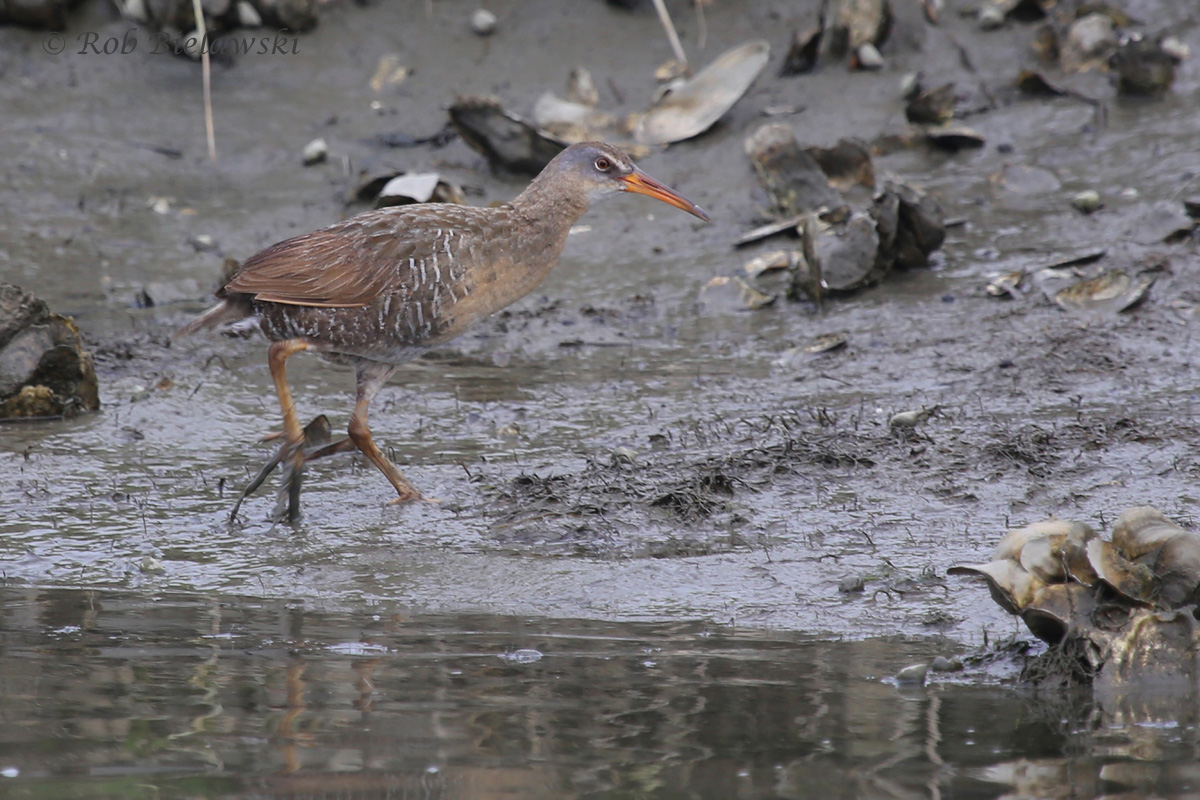
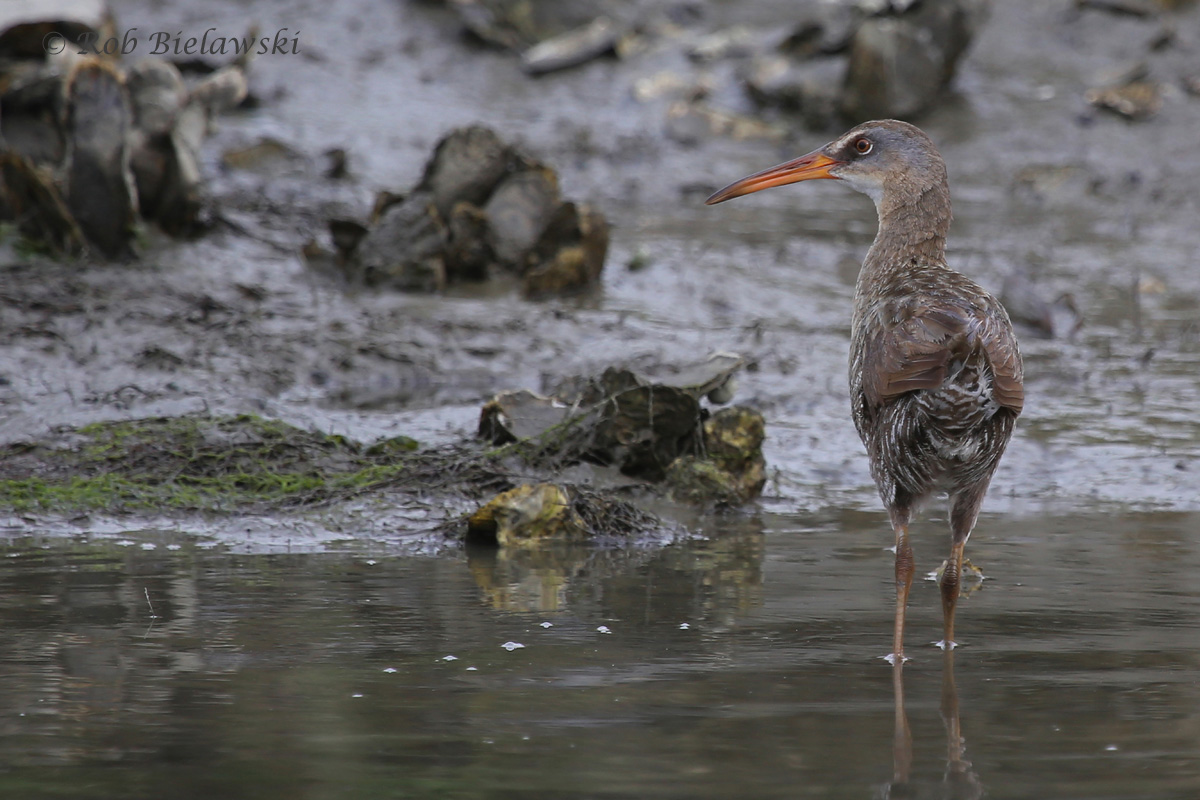
For the first week in a while, no birds that would be considered to be RARITIES were observed. TOP BIRDS this week including some of our breeding species that can be hard to find, including a Least Bittern (6 Jun / Back Bay NWR / Rebecca Walawender), a Northern Bobwhite (11 Jun / Pefley Lane near Munden Point Park / David Clark), and also the continuing reports of the nesting Mississippi Kites on Burroughs Road in the Throroughgood region of Virginia Beach. Also, a Clapper Rail (Karen & Tom Beatty) was  observed out on the rocky shoreline of the Chesapeake Bay Bridge-Tunnel’s first Island (South Thimble Island). This species itself is not unusual in Virginia Beach, but according to comments in the Hampton Roads Wildlife Enthusiasts Facebook group (Ned Brinkley), it is highly unusual to see this occur outside of the migration period for this species during April & May, so a very neat find, and one captures with nice photographs! Interestingly, while rarities were absent, we did see several LATE OCCURRENCES (lingering winter residents or spring migrants), including Spotted Sandpiper (6 Jun / Pleasure House Point / Rob Bielawski), and (6 Jun / Back Bay NWR / Rebecca Walawnder); Red Knot (6 Jun / Back Bay NWR / Rebecca Walawender); and American Coot (6 Jun / Back Bay NWR / Rebecca Walawender). Lastly, WEEKLY RELEVANT SPECIES DOCUMENTED BY MEDIA submitted for Virginia Beach this week included the following, which as mentioned previously,  during the summer months, breeding species get their time to shine, and will make up the majority of ‘relevant’ sightings. This week’s Virginia Beach eBird media postings included: MONDAY (6 JUN)Wood Duck (Kings Grant Lakes / Rob Bielawski); Great Egret, Snowy Egret, Green Heron, Yellow-crowned Night-Heron, Clapper Rail, American Oystercatcher, Spotted Sandpiper, Laughing Gull, Black Skimmer, Northern Mockingbird and Red-winged Blackbird (Pleasure House Point NA / Rob Bielawski). THURSDAY (9 JUN) – Clapper Rail, American Oystercatcher, Laughing Gull & Royal Tern (South Thimble Island / Karen & Tom Beatty); Black Scoter, Royal Tern and Sandwich Tern  (Fort Story / Karen & Tom Beatty). LOOKAHEAD: Since I’m writing this report so late, a lookahead doesn’t make much sense to write, but if you have not yet been made aware, there is a BLACK-BELLIED WHISTLING-DUCK present on Lake Joyce near Dubay Properties (see Ron Furnish & Marie Mullins' report for more information)! It has been a long time since this species has been found inside Virginia Beach’s boundaries (2013 was the last occurrence according to VARCOM’s reports), so for anyone in the area, this is a must find bird!

Next Entry | Entry Index | Previous Entry

For more information on the Weekly Birding Blog, please check out this Journal Overview Page on the website. It provides background information as to what sightings are considered for the blog, the format of the blog, and will likely answer other questions any readers might be wondering about as well.
Week Ending June 5, 2016

As with the previous week, noteworthy and unusual observations were slow during this 7-day period, as the spring songbird migration is now past us, and shorebirds are also wrapping up. June and July are generally considered to be the ‘breeding season’ for birds, and therefore most of the observations from now until August will likely be of the species that nest in Virginia Beach, including birds that remain here year-round (permanent residents) and those the winter south of us but return each year to breed (summer residents). As unexpected rarities pop up, they will certainly be covered in this blog as well, but the likelihood of spotting something truly unusual declines outside of the migration windows of spring and fall. Still, birds are a dynamic group of wildlife, and strange things can occur at any point in time. Some items to note this week, the impoundments at Princess Anne WMA’s Beasley Tract are being drained, which means the Green-winged Teal sighted there a week ago will not likely have habitat for nesting this summer. Also, if the Purple Gallinule is still present, it may be seeking out a new home. Water levels at Back Bay NWR’s freshwater impoundment system remain pretty high for the time of year, and while this is great for wading species like herons and egrets, it doesn’t bode too well for the shorebirds that can use the mudflats. Though, shorebirds are dwindling right now as it is since most species breed in the high Arctic of the far north. We’ll see their return starting again in July. WEEKLY WEATHER: The finale of May and the start of June proved to be a rather warm timeframe, and tropical weather became a focal point as the 2016 Atlantic Hurricane Season began on 1 Jun. With a major spike in the temperatures occurring last week, the momentum was essentially maintained again, with the daily high of 83.3 degrees F (a minor 1.6 degree drop from last week’s average); the average daytime lows rose though, to 72.7 degrees F (a 7.4 degree increase) which means our days felt much warmer this week since we didn’t get to experience the early morning or late evening cooldown’s of the previous 7 days. Overall, we hit a peak high on Sunday (5 Jun) of 93 degrees F (matching the high mark set on 26 May), and a low daytime temperature of 71 degrees F, on Wednesday (1 Jun), a remarkable 14 degree rise over last week’s daytime low! We experienced precipitation on three of the seven days this week, with a total of 2.22 inches of rain. Most of this occurred on Monday (30 May) when 1.29 inches fell, and then late on Sunday a very strong storm front moved across Virginia Beach with winds gusting to 60 mph; only 0.61 inches of rain was recorded, but more likely fell since gauges can’t accurately measure rainfall when it is moving almost horizontally due to the winds. Lastly, Tropical Storm Bonnie, which had spawned on 27 May, and made landfall at Charleston, SC on 29 May, continued its slow trek along the coast this week, moving northeastward towards the Outer Banks of North Carolina. On Wednesday, while the remnants of the tropical storm were situated just off Cape Hatteras, a “six-pack” (named for the smaller fishing boats with a maximum group capacity of 6 individuals) pelagic trip which left from Rudee Inlet aboard the Top Notch was benefited by the easterly winds produced by the low pressure system to the south. More on those sightings below!

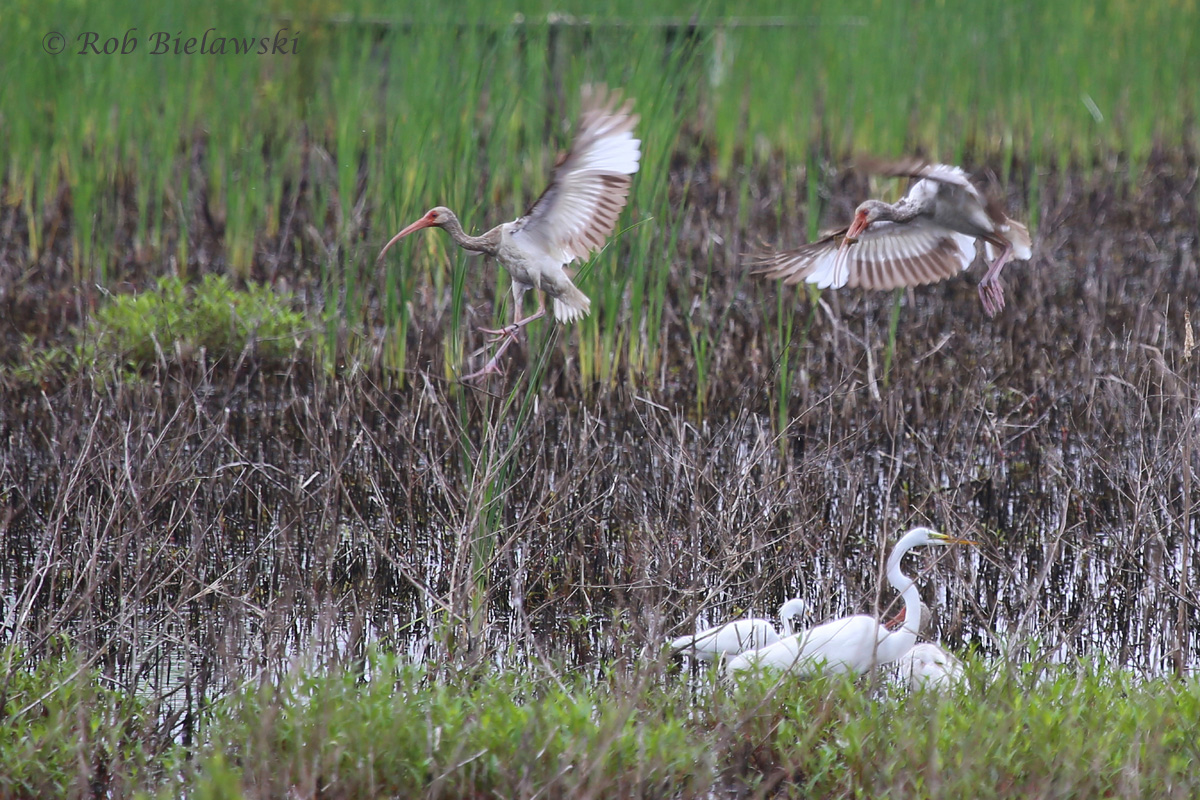
While the Purple Gallinule at Princess Anne WMA’s Beasley Tract was not seen during the last 7 days, and it may or may not be around anymore, several TOP BIRDS were observed. The BLACK-NECKED STILT first observed on 17 May was observed again this week through Tuesday (31 May) but no sightings occurred after this, and several individuals did submit checklists from the park so it appears they have departed, likely flying further north towards Chincoteague NWR where pairs have nested in previous years. A COMMON GALLINULE was heard at the park also on Tuesday (31 May) by Karen & Tom Beatty, but no sightings of this species occurred this week. Benefitting from the low pressure system south of us, Tracy Tate was able to find a single SOOTY SHEARWATER off of 85th Street Beach on Wednesday (1 Jun) and a Red Knot was observed on the beach at Back Bay NWR (Karen & Tom Beatty). Additionally that same day, Wilson’s Storm-Petrels were reported near-shore as the “six-pack” pelagic trip (Bob Ake, Ned Brinkley, Todd Day, James Fox, Mike Stinson & Jason Strickland) was heading out from Rudee Inlet en route to Norfolk Canyon which sits in Northampton County waters about 60 miles offshore along the continental shelf break. While the storm-petrels were the only noteworthy species observed within Virginia Beach’s boundaries by this group, it is important to note that they also observed Great, Sooty, Manx & Audubon’s Shearwaters, Wilson’s, Leach’s & Band-rumped Storm-Petrels, Red-necked Phalaropes, Pomarine Jaegers, and a Bridled Tern in Northampton County waters just to our north. For the first week in a long time, no FIRST-OF-SEASON ARRIVALS and FIRST-OF-YEAR FINDS were observed in Virginia Beach. Though no review flags in eBird were set off by LATE OCCURRENCES, American Coots, Common Loons and Black Scoters all continue to be reported. The coots should be departing soon, as any occurring through the summer months here would be rare, but the loons and scoters seem to summer off the coastline in low numbers in recent years, so they will likely continue to be reported. Lastly, there was a great number of WEEKLY RELEVANT SPECIES DOCUMENTED BY MEDIA submitted for Virginia Beach this week. During the summer months, breeding species get their time to shine, and will make up the majority of ‘relevant’ sightings. This week’s Virginia Beach eBird media postings included: MONDAY (30 MAY)House Wren (Beach Garden Park / Rob Bielawski); Osprey (nest for Virginia Breeding Bird Atlas) (Shore Drive / Laura Mae); Common Loon (Lynnhaven Inlet / Laura Mae). TUESDAY (31 MAY) - King Rail audio (Princess Anne WMA / Karen & Tom Beatty); WEDNESDAY (1 JUN) – Eastern Screech-Owl (83rd Street / Laura Horan); Royal Tern & Black Skimmer (Back Bay NWR / Karen & Tom Beatty); Yellow-crowned Night-Heron (Dale Drive / Pamela Monahan); Red Knot (Back Bay NWR / Karen & Tom Beatty). THURSDAY (2 JUN) – Canada Goose, Brown Pelican & Semipalmated Sandpiper (Camp Pendleton Restricted / Karen & Tom Beatty). SATURDAY (4 JUN) – Double-crested Cormorant, Great Blue Heron, Common Yellowthroat & Red-winged Blackbird (Back Bay NWR / Rob Bielawski); White Ibis & American Coot (Princess Anne WMA / Rob Bielawski); Barn Swallow (Back Bay Landing Road / Rob Bielawski); Mallard & Yellow-crowned Night-Heron (Kings Grant Lakes / Rob Bielawski). SUNDAY (5 JUN) – Herring Gull & Royal Tern (South Thimble Island / Rob Bielawski). LOOKAHEAD: The effects of Tropical Storm Colin, the earliest 3rd storm of the season to ever form (5 Jun), will be worth tracking as this next few days unfolds. Currently it sits in the Gulf of Mexico but is expected to cross over towards South & North Carolina in the next couple of days. If it takes a course similar to what Bonnie took last week, the counterclockwise spin of the low pressure system could provide Virginia Beach with some stronger-than-normal, onshore winds. These onshore winds could bring in some species closer to shore than normal. Just a couple of weeks ago Ned Brinkley mentioned in the Hampton Roads Wildlife Enthusiasts Facebook group that such winds can push Parasitic Jaeger, Wilson’s Storm-Petrel, Sooty Shearwater and potentially others close to shore. Of course, the track, speed, and strength of the storm all come into play, but it worth keeping up to date on, maybe someone will get a seabird in close again like Tracy Tate’s Sooty Shearwater later week!

For more information on the Weekly Birding Blog, please check out this page on the website. It provides background information as to what sightings are considered for the blog, the format of the blog, and will likely answer other questions any readers might be wondering about as well. If you have photographs of birds you are trying to identify, consider joining the Hampton Roads Wildlife Enthusiasts Group on Facebook, there are many knowledgeable folks there who can help. The page can be found Here!
Next Week's Blog | Blog Index | Previous Week's Blog