Early March 2018 (1st-10th)

After record-setting heat during the late February reporting period, temperatures plummeted in early March, recalling a similar situation in 2017. A pair of nor’easters (dubbed Winter Storm ‘Riley’ and ‘Quinn’ by The Weather Channel and affiliates) impacted the region during this period, bringing impressive northwest and eventually north winds to our coastline. Fortunately, not much in the way of precipitation occurred here, though New England witnessed the more extreme side of the storm. Unfortunately, the wind field (which amazingly caused the Chesapeake Bay Bridge-Tunnel to close for an entire day) didn’t seem to bring many birds inshore, rather, it appeared to push all the coastal birds further offshore and also forced all the land birds to seek refuge wherever possible. With this difficult weather, observations of unusual birds were tough to come by locally, that is, until the final two days of the period when spring arrival and rarity records suddenly blossomed! Top records for the period did include new rarity reports for DOVEKIE, WHITE-CROWNED SPARROW & RUSTY BLACKBIRD, continuing rarity reports for EURASIAN WIGEON, BLACK-HEADED GULL & ICELAND GULL and early first-of-season (FOS) reports for PIPING PLOVER, BLUE-GRAY GNATCATCHER & ROYAL TERN!

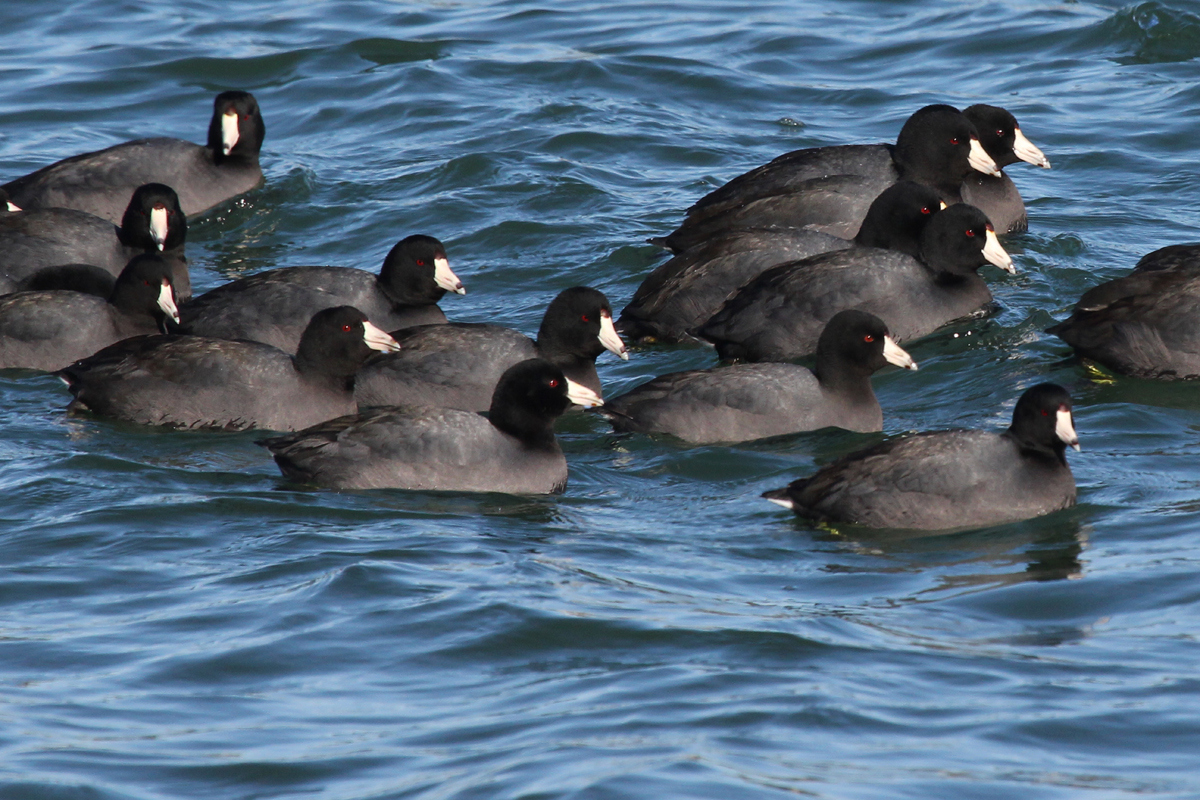
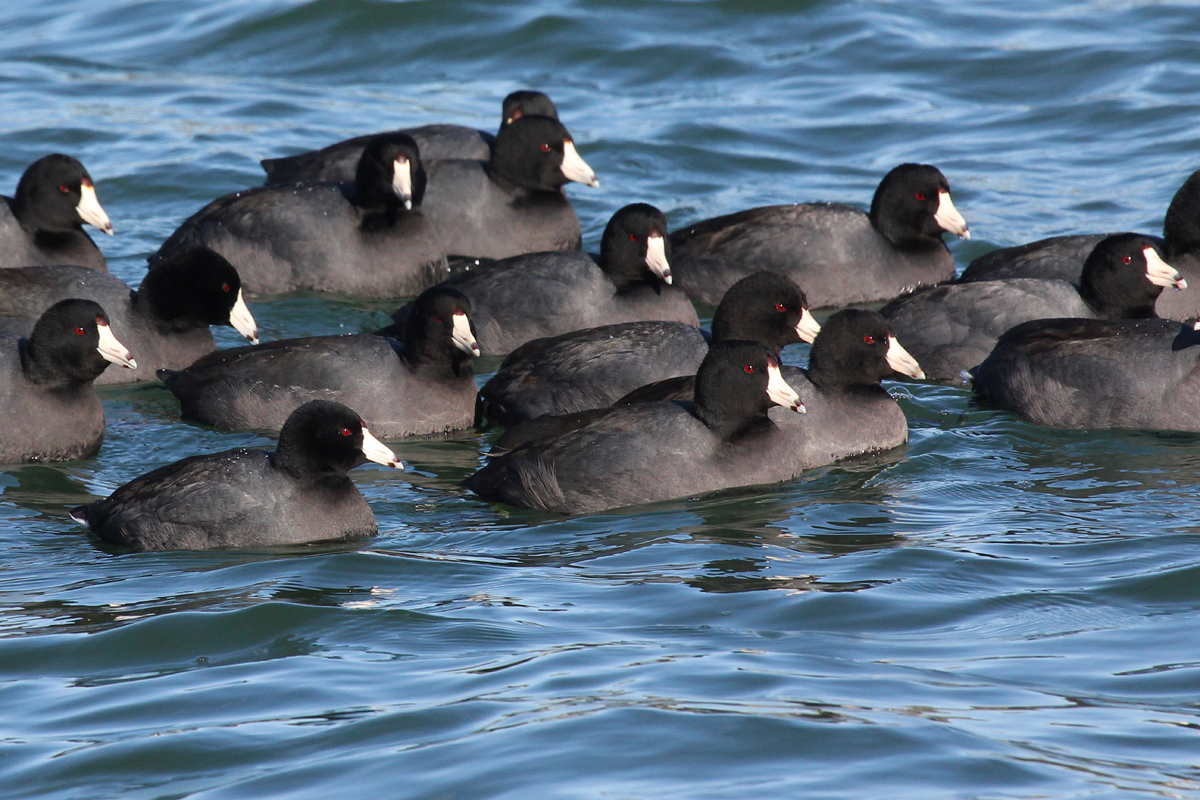
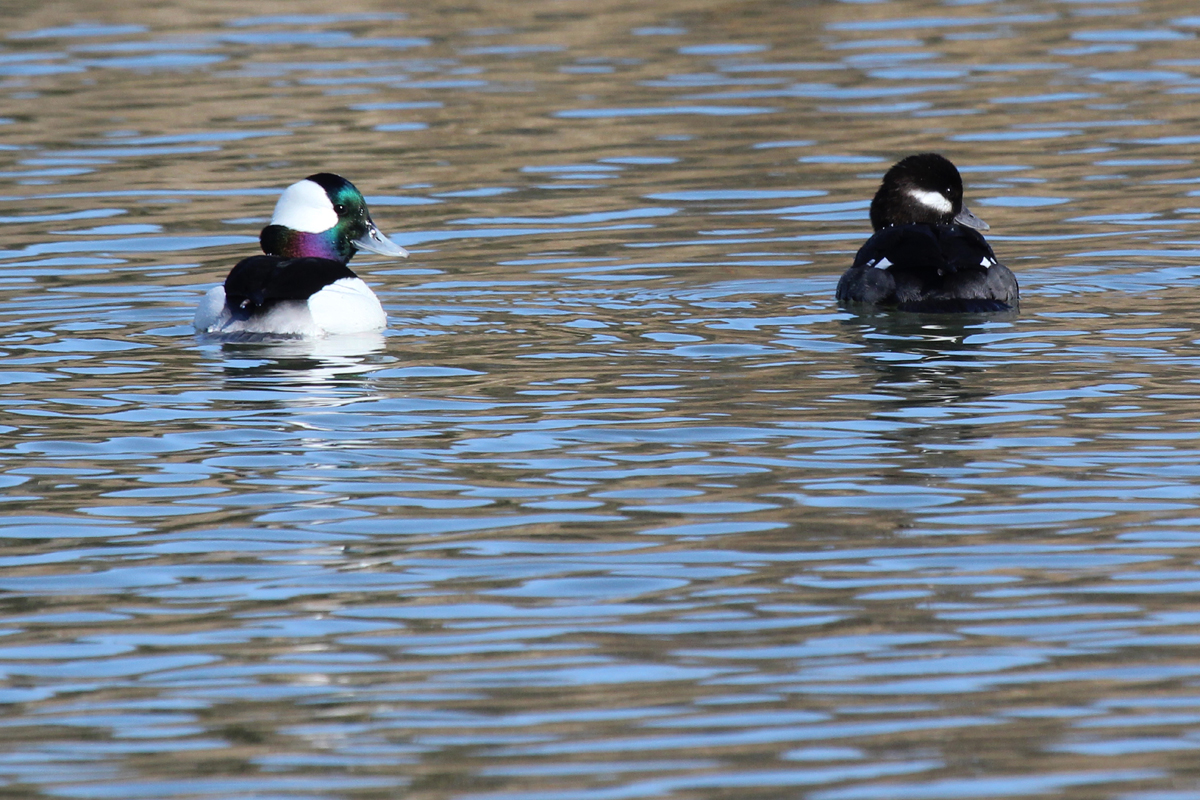
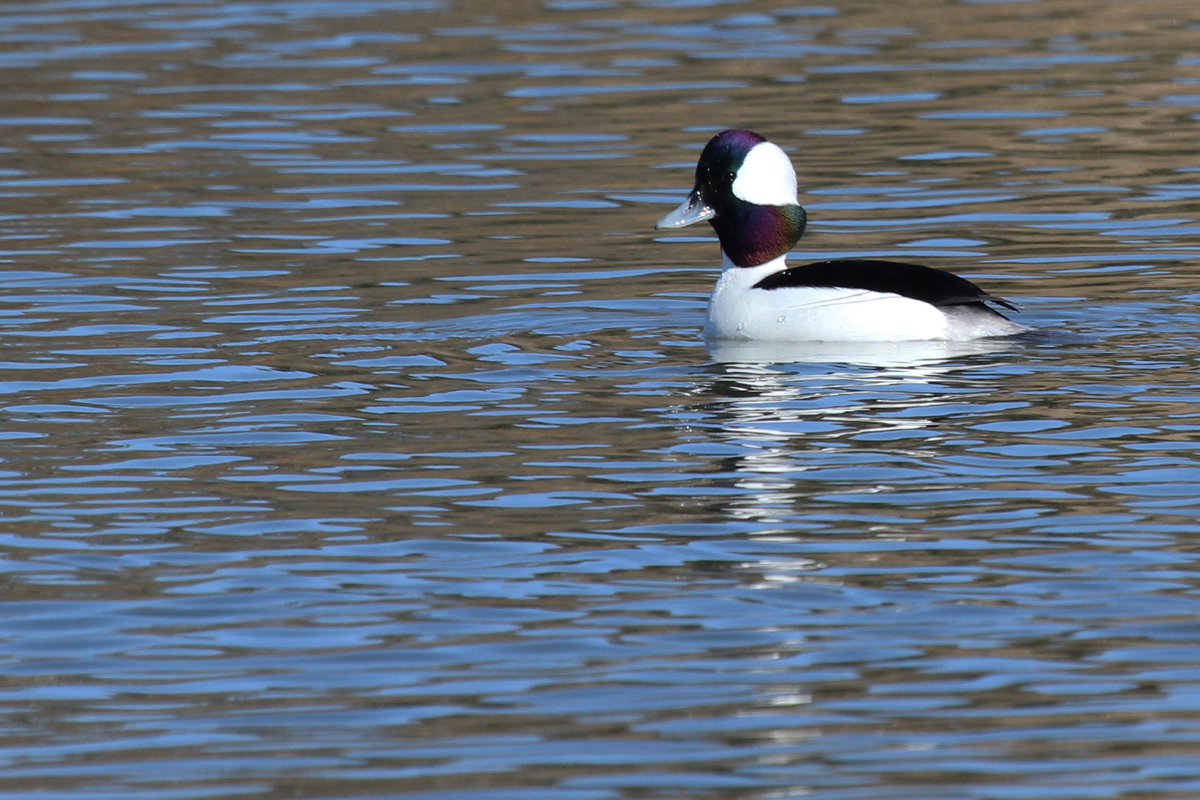
Photographs above were all taken 3 Mar at Rudee Inlet during the first of a pair of Nor'easters to impact the region during early March! Still waiting on my camera to be repaired & returned by Canon so sadly, all I have is some scenery photos off my wife's point & shoot for this entry. I hope to be back in business in mid-March.

Yet again, the top bird for the period was produced at Little Island Park, this time being a single flyby DOVEKIE (obs. Andrew Baldelli & Tracy Tate) on 9 Mar! Not seen in Virginia Beach since very early in the ‘winter’ season, when an individual was reported at this same location on 4 Nov, this newer report currently represents the only known occurrence in the state for 2018. Of course, there’s probably quite a few of the birds hanging around offshore, but unfortunately there was no pelagic birding trips assembled to go look for this and other seafaring species. Last year, some 25+ Dovekies were tallied during the large-scale alcid movement that also brought us a state first Ancient Murrelet, but conditions this year didn’t follow suit, with even Razorbills numbers just a tiny fraction of what was observed last year. That said, it’s great to get this species up on the Virginia Beach list for 2018!

The first adult WHITE-CROWNED SPARROW to be observed in the city this year was found on 9 Mar at Dam Neck NA (obs. Karen & Tom Beatty). Typically, we see far more immature birds than the adults here, with most adults occurring during the species peak fall migration movements in mid to late October. Earlier this winter on 18 Jan an immature bird was seen in the same general area which could indicate either that the habitat is good for the species, and more than one could have been present all winter, or that the immature bird has gone through an early molt, and is now the adult plumaged bird that was observed.

As with last period, a single RUSTY BLACKBIRD occurrence was noted during early March, this time at Red Wing Park on 1 Mar (obs. Karen & Tom Beatty). This is now only the second individual reported in Virginia Beach since the spring of 2017, and like the one at Stumpy Lake NA reported before it, this one also occurred in a freshwater flooded forest habitat. With large numbers of the birds usually wintering in the Great Dismal Swamp not far to our west, it is always surprising that so few are reported within Virginia Beach, but they’re likely present at First Landing SP as well since the habitat is another match. With the large flocks of mixed blackbirds roaming around southern Virginia Beach, one would think there’d be a few of these associated with the groups also, but the eBird data doesn’t seem to support that thought for whatever reason.

As far as continuing rarities go, the drake EURASIAN WIGEON first found at Pleasure House Point NA on 11 Feb (obs. Jason Schatti), and then re-found roughly a mile to the west at Lake Joyce near Shore Drive on 19 Feb (ph. Timothy Barry) continued to be noted through the end of the period (last ph. Logan Anderson & George Burruss). It has continued to be most reliable on the tributary finger of Lake Joyce immediately north of Shore Drive, to the east of Dubay Properties / Law Offices, with all records during this period occurring at this location.

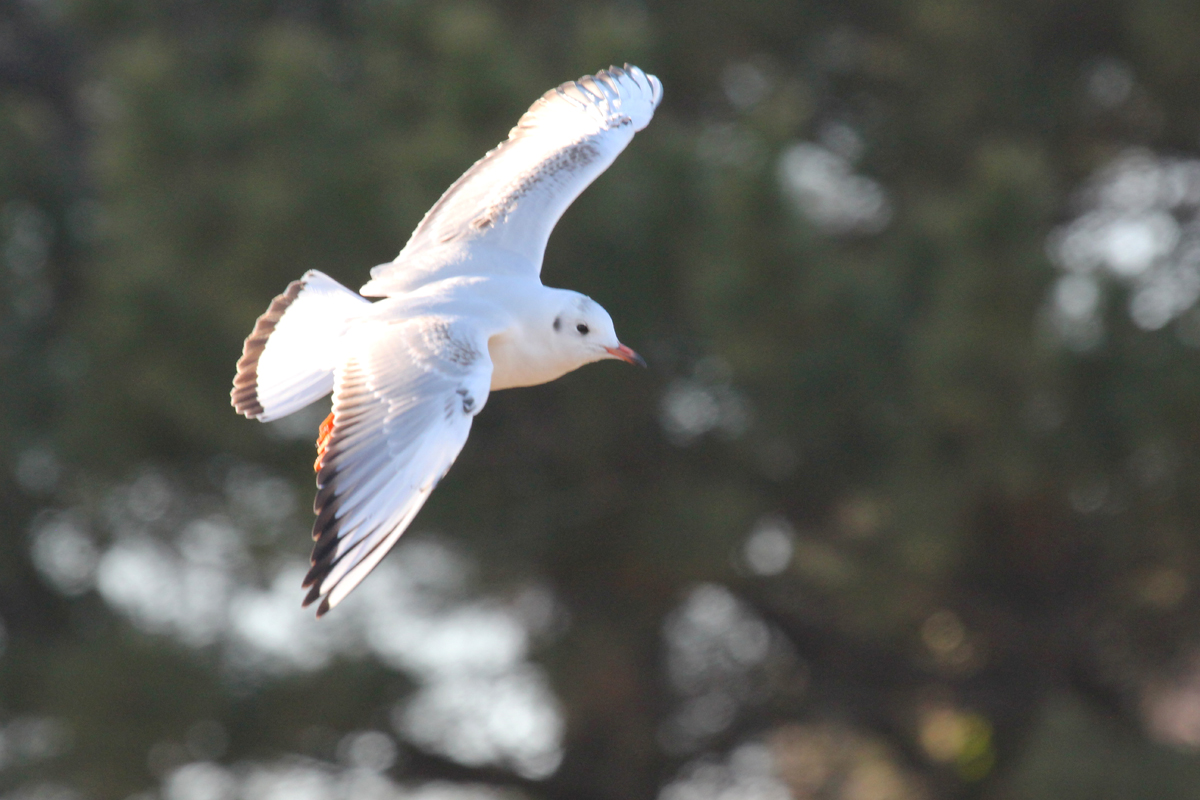
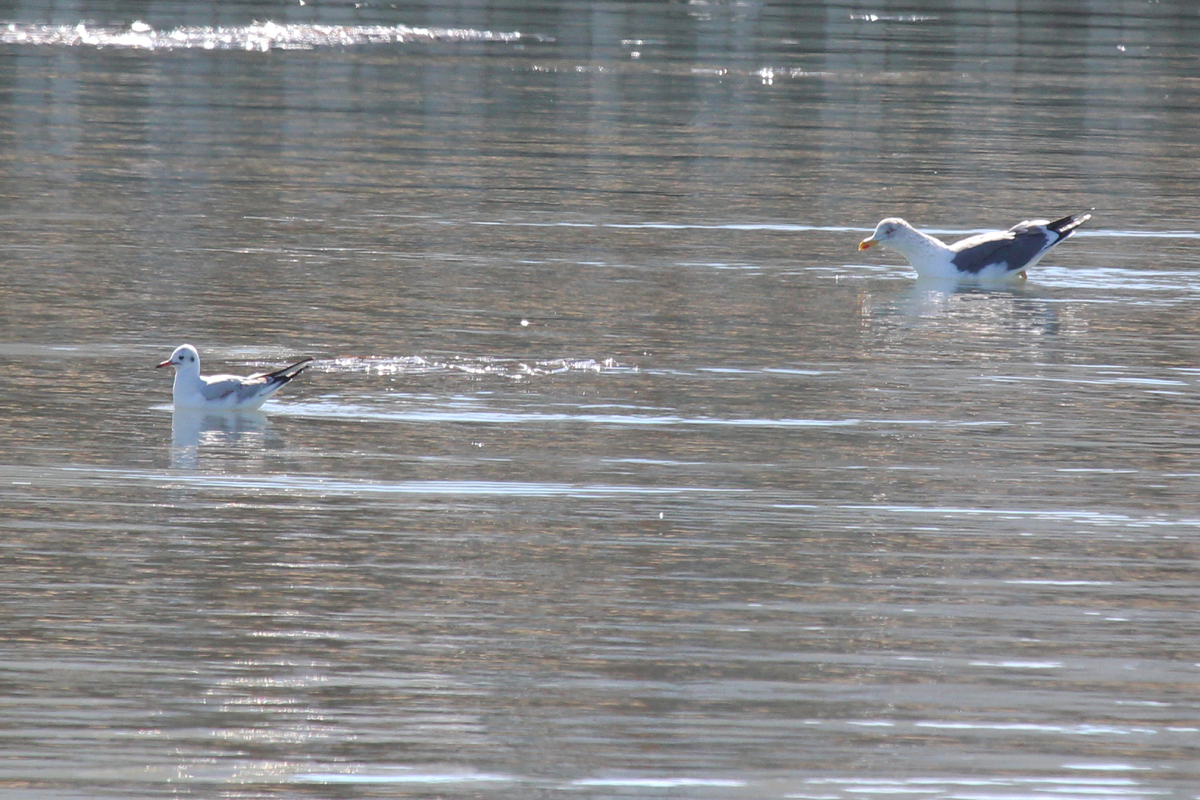
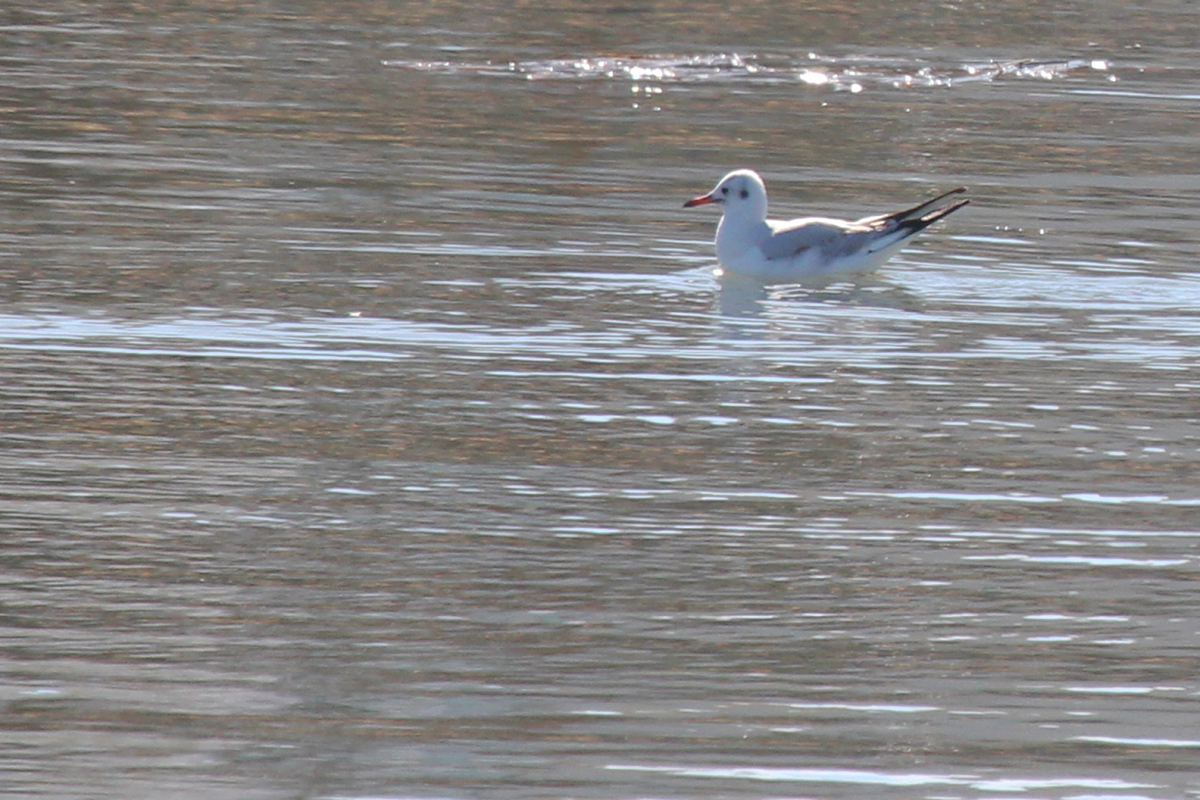
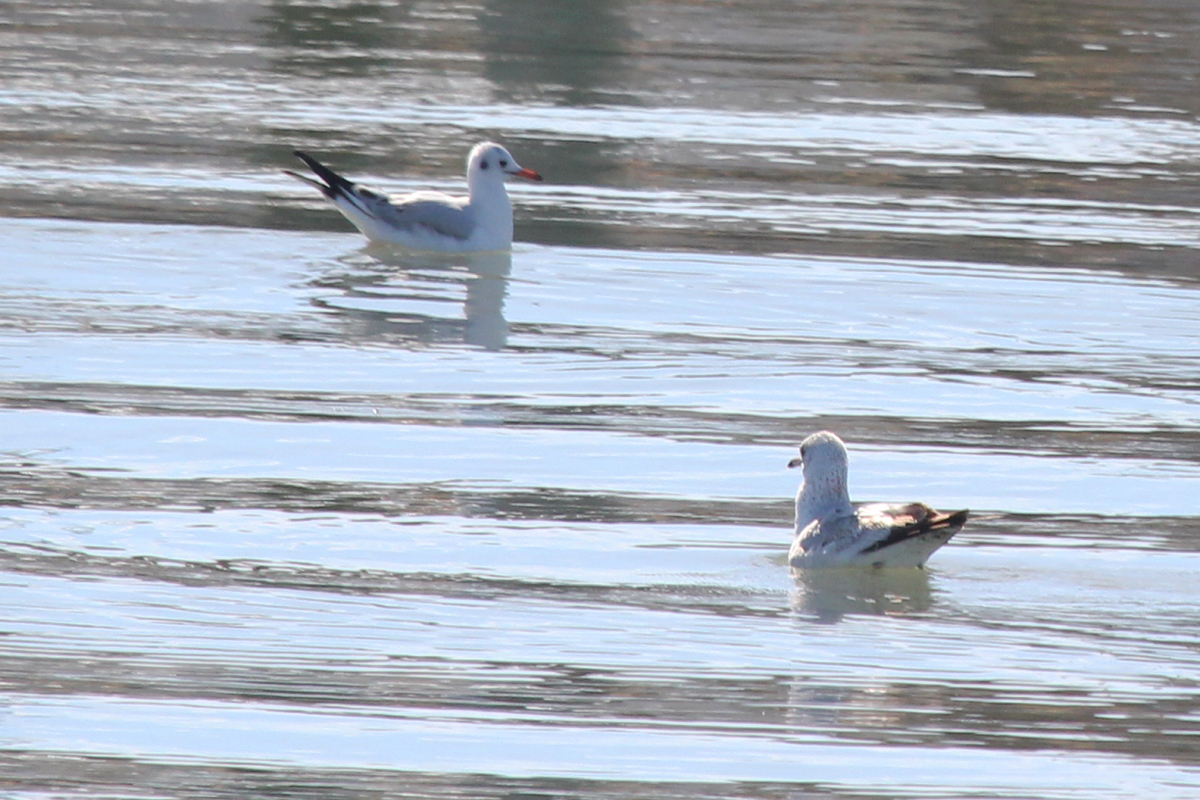
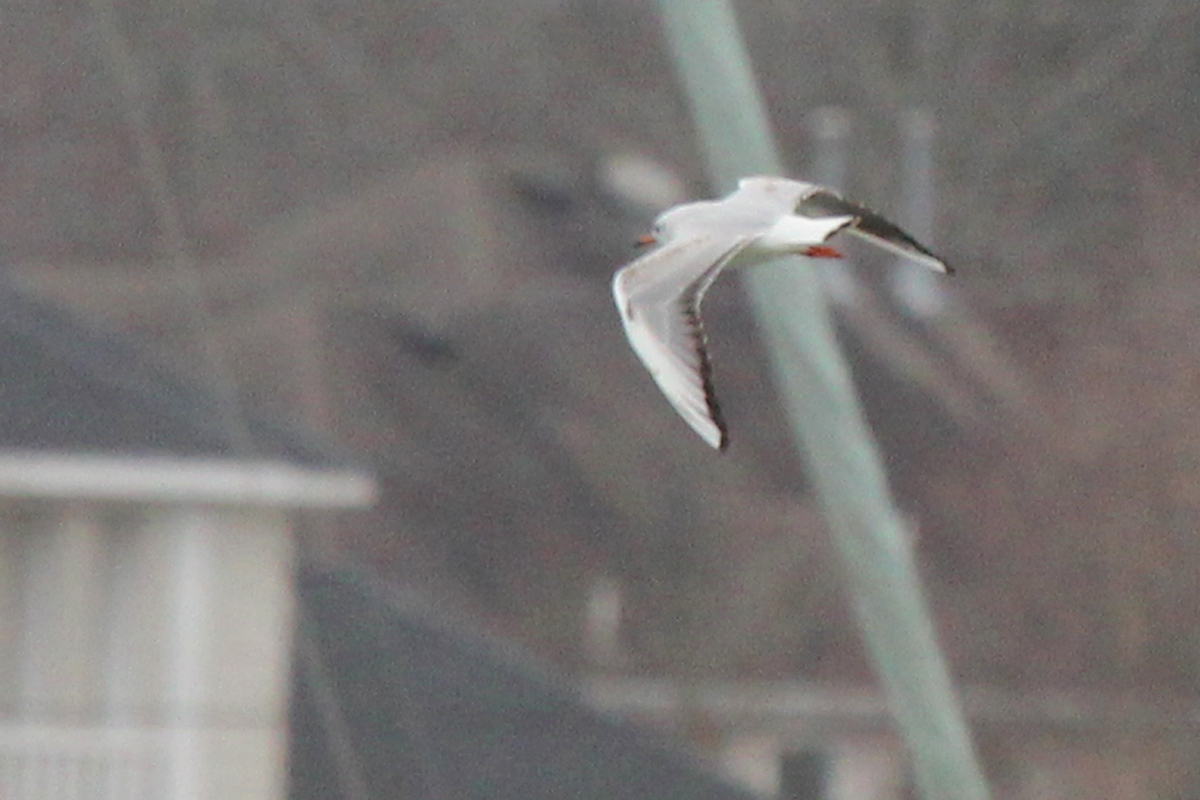
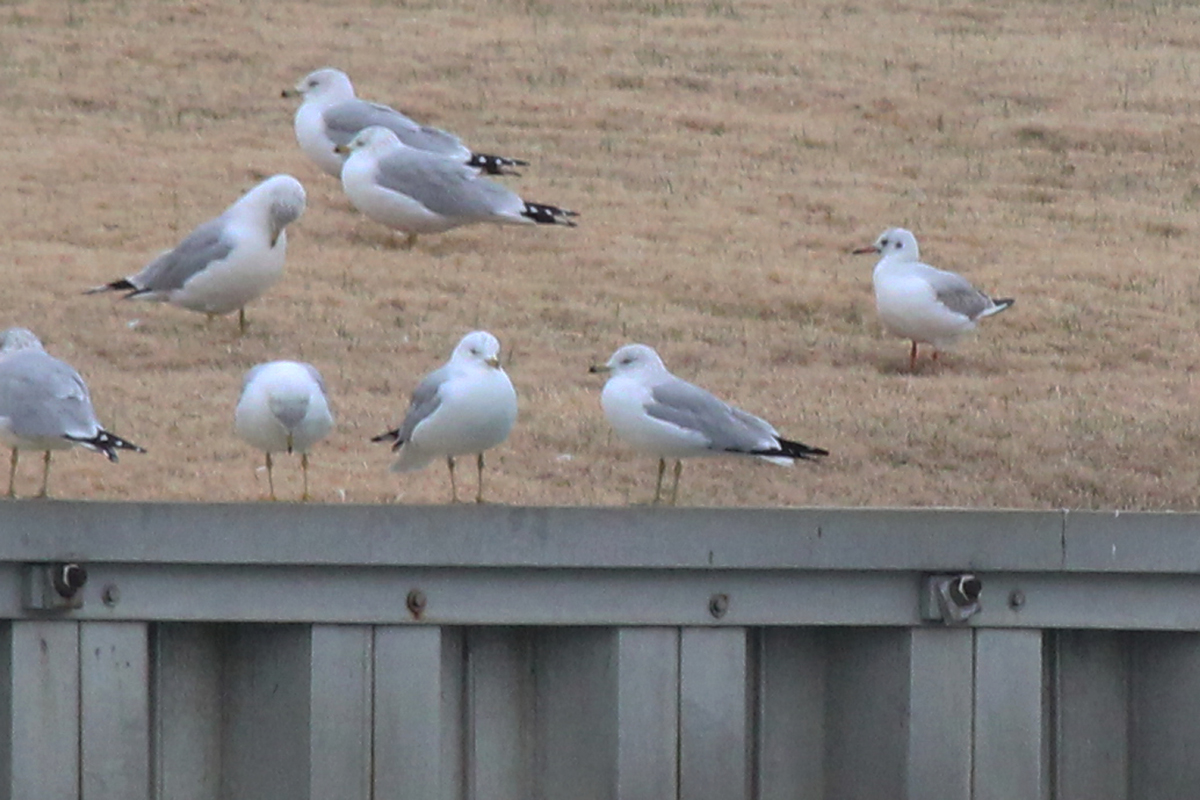
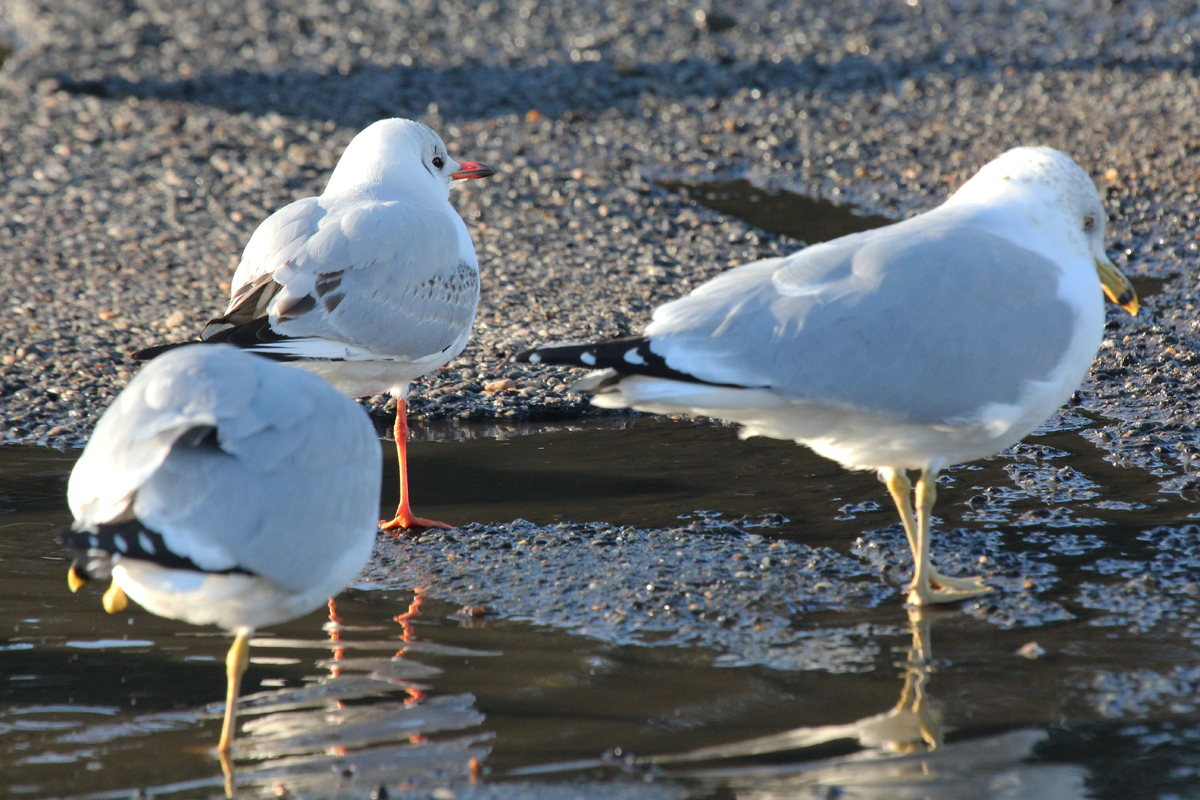
Thought to be long gone, the first cycle BLACK-HEADED GULL first identified 31 Jan (ph. Andrew Baldelli), and later found to have been present dating back to 28 Jan (ph. Marie & Ron Furnish) was again seen at Rudee Inlet on 2 Mar (ph. Andrew Baldelli) after having not been reported since 17 Feb! However, it was not seen again during early March, and it is possible that it has moved on (maybe).

At least two different ICELAND GULLS were observed at the tail end of the period, with an immature (first cycle) found at 76th Street Beach (obs. Jason Schatti, later ph. Jason Schatti on 10 Mar) on 9 Mar and an adult Kumlien’s-race individual seen at 57th Street Beach (obs. Andrew Baldelli & Tracy Tate, later ph. Karen & Tom Beatty) on 10 Mar. The adult is likely the same bird that has been present along the north end of the Oceanfront since 20 Dec (ph. Andrew Baldelli), and the younger bird could be a new record, or one that has been reported anywhere from Rudee Inlet to Lynnhaven Beach to the Chesapeake Bay Bridge-Tunnel Islands throughout the winter; unfortunately no way to tell for sure. 57th Street is an ideal spot to continually check since there is available (free) public parking on the street. Gulls seemed to be concentrated around this location and up near 76th Street where a large amount of vegetation has washed ashore with the strong winds over the last few days.

Though you wouldn’t be able to tell from the recent weather (or the upcoming couple of days for that matter), spring really has started to arrive. With it, comes some first of season arrivals this period! On Friday, 9 Mar, a pair of PIPING PLOVERS was observed at False Cape SP (obs. Abby Walter). Typical arrival date for this species is 15 Mar, so these are a few days on the early side (last year’s first record was 17 Mar, and 2016's was 25 Mar for a quick comparison). Also, on Saturday, 10 Mar, two BLUE-GRAY GNATCATCHERS were reported at First Landing SP (obs. Eric Gehring), which means the species is likely already present in locations like Stumpy Lake NA and perhaps West Neck Creek NA. With an average expected arrival date of 20 Mar, these are certainly early, though given this species typically winters just to our south in North Carolina, it is usually the first of the passerines to return each year (last year’s arrival date was 21 Mar, a bit later than 2016’s date of 14 Mar). The last of the new arrivals was that of two ROYAL TERNS observed flying northbound past Rudee Inlet on 10 Mar (obs. Andrew Baldelli & Tracy Tate). Like the Piping Plovers above, this species has an average arrival date of 15 Mar, so we’re a tad early on these too (last year’s arrival was 17 Mar, and 2016’s was 12 Mar). Moving forward, we’ll see an ever-increasing number of arrivals through May, so we have a lot to be excited about now that the mid-Feb to early March doldrums have come and gone!

In addition to all the rarities and new arrivals, several species currently in migration were noted. Snow Geese were observed in southern Virginia Beach in large gatherings, with 4,300 reported along Morris Neck Road on 1 Mar (obs. Andrew Baldelli) with 2,000 observed at the same location on 3 Mar (ph. Karen & Tom Beatty). A pair of Common Eiders was observed flying with a group of scoters at Rudee Inlet on 4 Mar (obs. Tracy Tate), making this the first report of the species dating back to 27 Jan when one individual was viewed at Back Bay NWR (obs. Matt Anthony / Rob Bielawski / Todd Day). Perhaps as many as 4 or 5 Red-necked Grebes were reported during the period, with a pair off Little Island Park 6 Mar (obs. Andrew Baldelli), and 1-2 at Rudee Inlet (obs. Elaine Hendricks). A seawatch to kick off the period on 1 Mar showed American Oystercathers, Black-bellied Plovers and Razorbills in motion as well (obs. Andrew Baldelli). Lastly, Ospreys began popping up at locations around the city where they weren’t observed through the winter, including one at Little Island Park on 1 Mar (obs. Andrew Baldelli), one at Camp Penleton SMR on 3 Mar (obs. Karen & Tom Beatty), and another at Stumpy Lake NA on 4 Mar (obs. Jonathan Snyder). A pair of first-of-year Saltmarsh Sparrows was also found at Pleasure House Point NA on 8 Mar (ph. Doug Graham)!

WEATHER:  After enduring record setting heat in late February, the mercury plummeted in early March due to the passage of a pair of nor’easters. Average daily high temperatures dropped an incredible 18.2° from 67.3° F in late February to 49.1° (-6.9° from prior 10-year average), with average daily low temperatures also dropping 8.5° from 45.5° to 37.0° F (matching the prior 10-year average). Overall, temperatures ranged from a minimum of 28° F (on 9 Mar) to a maximum of 57° (on 1 Mar, riding on late February’s heat). A total of 0.84” of rain fell during the period, spread across three days with measurement amounts, with a maximum of 0.54” falling on Tuesday, 6 Mar. Maximum sustained winds at Oceana this period were 39 mph and gusts reached an impressive 53 mph (2 Mar during a coastal nor’easter). A maximum tide level at Sewell’s Point of 4.736 feet above mean-lower-low-water (MLLW) was achieved on 7 Mar at 1:06 AM as a nor’easter scraped up the coast. This is a new high mark for the year. Sunrise/sunsets varied from 6:34 AM/5:58 PM (1 Mar) to 6:22 AM/6:06 PM (10 Mar), which means we gained 20 minutes of daylight during this period!

For those hoping to view every photograph submitted for Virginia Beach during this period, please see the complete listing for the month of March located on eBird’s Media explorer by clicking here! Please remember, anyone with an eBird account also has the ability to rate these photographs (1-5 stars), and based on the average rating, this is how eBird populates anything media-driven on the website, particularly the Illustrated Checklists! So, if you're one of the many folks who enjoy looking at photographs of birds, take some time to click them all and rate them, it helps make eBird better and better each day!

LOOKAHEAD: The biggest cause for excitement in mid-March has to be knowing that Daylight Savings Time starts in the early morning hours of 11 Mar (has already happened by the time this is being posted!), so post-workday birding will once again become a reality for many of us very soon! Also, a 3rd March Nor'easter is expected to hit the area on the 12th/13th, and the onshore winds could bring in something interesting! As to the birds, somehow, we’ve yet to log a single Black Skimmer in the city so far in 2018! Usually there is a small population of these birds hanging around Lynnhaven Inlet through the winter, though sometimes departing for up to a month in the coldest parts of the winter. That said, it seems a bit crazy that heading into mid-March, the species has yet to be observed here, and in the state as a whole! Perhaps we’ll finally see their return in the coming days. Arrivals were already logged for Piping Plover, Blue-gray Gnatcatcher & Royal Terns so it would be good to check the proper habitat for these as soon as possible! Mid-March is the first period where we have expected spring departures, with Snow Goose considered late beyond 20 Mar, so if you haven’t been out to Pungo recently, your time is running out to see these birds before the flocks move north. Fortunately, mid-March also kicks off the time of expected spring arrivals for annually occurring species (only those not yet logged are provided here) which include Purple Martin (15 Mar) as well as Lesser Yellowlegs, Yellow-throated Warbler, Glossy Ibis, Northern Rough-winged Swallow & Yellow-crowned Night-Heron (all 20 Mar). If you observe one of these species before the date listed, please try to document the sightings as best as you can, since it’ll flag as ‘rare’ in eBird. As always, make sure to report your finds to eBird so the data can be used to adjust the expected arrival dates and to view the full listing of each species’ average expected spring arrival dates, as well as the average expected spring departure dates!

Next Entry | Entry Index | Previous Entry

For further information regarding this thrice-monthly, online publication, please visit the Journal Overview Page which provides an in-depth explanation of the format, layout and composition of the journal. As always, thank you for reading, and please leave me a comment below (you may use your Facebook, Gmail or other accounts to easily do so), or just click the Heart icon to the lower right of this post to let me know you stopped in!

Late February 2018 (21st-28th)

Always the shortest reporting period for the year (even during the slightly longer Leap Years), late February still managed to provide some interesting observations before the winter reporting season could come to a close. On 24 Feb, Bradford Pear trees throughout the city opened up into full bloom, as did a number of other flowering, ornamental tree types. Green grasses could be seen starting to work their way up through the deceased, tan grasses in saltmarshes along the Lynnhaven, and leaves have even started to bud out on some trees! Temperatures felt more in line with summer than winter, and as we head into the spring reporting season next period as March arrives, perhaps we’ve truly seen the last of winter in coastal Virginia. Top records for the period included new rarity reports for SHORT-EARED OWL & RUSTY BLACKBIRD, continuing rarity reports for EURASIAN WIGEON, an unseasonal occurrence for LITTLE BLUE HERON and an on-time first-of-season (FOS) arrival for LAUGHING GULL!

Eurasian Wigeon & Mallard / 23 Feb / Lake Joyce - Please note that unfortunately this is the only photograph I have for the reporting period due to my Canon 6D being completely out of operation, and my backup Rebel T2i now also being at Canon for repair.

The most notable find this period is again rooted in a report of seawatching from Little Island Park, though unlike mid-February’s Western Grebe report, this time it was something that seems even more bizarre for the location. On 25 Feb a SHORT-EARED OWL was viewed at scope range flying out over the ocean, before turning towards shore and eventually heading inland over the dunes of Back Bay NWR, a couple of miles south of the Little Island Pier (obs. Andrew Baldelli & Tracy Tate)! While this species is an annual winter at Alligator River NWR in northeastern North Carolina, there are currently no known locations where they spend the winter months within Virginia Beach. Many hours, by many birders, have been logged trying to find this species in the city limits, where they would be most active before sunrise, and in the last hour or so of daylight if other known winter roosts like in Louisa & Fauquier County are any indicator. Historic reports are almost completely lacking in Virginia Beach, though the last listed in eBird with adequate written notes comes from 2 Nov 2013 (obs. Edward & Ian Van Norman) at Pleasure House Point where two individuals are described as being mobbed by crows. It’s possible that both the individual viewed this past weekend, and this pair were birds in transit to and from Alligator River NWR. Thus far, one has never been photographed in the city, at least according to the few eBird records.

Surprisingly scarce within the immediate coastal counties of Virginia, a pair of RUSTY BLACKBIRDS reported 25 Feb at Stumpy Lake NA (obs. George Harris) was notable for being the first observed in the city this year. The last record for this species here dates all the way back to 15 Apr 2017 when three were observed at Red Wing Park (obs. Karen & Tom Beatty), and the last photographed record comes from 9 Apr 2017 on an individual at Stumpy Lake NA (ph. Rob Bielawski). The species is likely a winter resident throughout the swampy regions of the city, but most are simply inaccessible. First Landing SP may hold a few, especially in spring, but again, access into the areas they are likely to be found is limited, with the Osmanthus Trail probably being the best to try.

Moving on to continuing rarities, our only occurrence for the period was the drake EURASIAN WIGEON first found at Pleasure House Point NA on 11 Feb (obs. Jason Schatti), and then re-found roughly a mile to the west at Lake Joyce near Shore Drive on 19 Feb (ph. Timothy Barry). This individual was noted throughout the period, with only 26 Feb missing out on the action. It has been most relay on the tributary finger of Lake Joyce immediately north of Shore Drive, to the east of Dubay Properties / Law Offices. However, a group from Northern Virginia also reported the bird as being sighted on one of the ponds at Pleasure House Point NA, mentioning a photograph had been taken, but not yet posted to eBird for verification. Given the bird was initially discovered near here on Pleasure House Creek, it seems pretty likely that it’s fully capable of moving back and forth between these locations if the other dabbling ducks it spends time with follow suit.

Ironically, last period it was mentioned that during late February 2017, a LITTLE BLUE HERON had been photographed (ph. Mary Catherine Miguez) in flight between the Beasley & Whitehurst Tracts of Princess Anne WMA. Down to the date, 25 Feb, we had our very first Little Blue Heron sighting this year as well, at the same location (ph. Andrew Baldelli & Tracy Tate). One has to wonder if this is the exact same individual showing up at its favorite spot? The species as a whole is still early here in Virginia Beach, with a typical arrival of migrants returning around 25 Mar, so it’ll be worth following up on this report to see if this individual, or more, arrive to the Whitehurst Tract between now and then. This spot is also one of the more expected locations to try to see an early Blue-winged Teal, or Tricolored Heron, though it is only open to birding on Sundays until May, with an access permit from the VDGIF.

The frigid weather of January 2018 proved too much for the LAUGHING GULLS that will often linger along the coast later into the month. From the time of the first snowfall on 3/4/5 Jan until 24 Feb, not a single documented observation for the species occurred in Virginia Beach. Starting the morning of 24 Feb however, Laughing Gulls were picked up moving along the coastline in counts up to 34 individuals at Rudee Inlet (obs. Andrew Baldelli & Tracy Tate), with more to follow throughout the remainder of the period. 20 Feb is the expected date for migrants to start arriving here, so we were very much on-time with this species. Many have since been observed standing on the beach near Rudee Inlet, and most have shown at least some variation of their breeding plumage (black head). While this species will be present in the city now for the remainder of 2018, this is the time when they’re truly worth noting, as Laughing Gulls are a great indicator of just how difficult the mid-winter season was here for birds.

During February as a whole, four different Red-necked Grebes were observed along our coastline, with one lingering at Little Island on 20-21 Feb (most recent obs. Cathy Williamson). This is a species that is always exciting to see, and not very many are found here in a typical winter. This Jan/Feb produced a number of records though, and not just here but around the rest of the state as well. We had our second Willet reported for the year on 22 Feb at Back Bay NWR (obs. David Wendelken). Looking at the eBird range maps, this is an amusing species as there are loads of reports in the Outer Banks of North Carolina to our south, and even more on the Eastern Shore to our north. However, this species is scarce in Virginia Beach during the winter months, with the only other report this year having occurred on 21 Jan at Pleasure House Point NA (obs. Loretta Silvia). Northern Gannets showed up in massive numbers during mid-February with an incredible report of an estimated 30,000 individuals viewed at Rudee Inlet on 24 Feb (obs. Andrew Baldelli & Tracy Tate). During this seawatch, another interesting sighting occurred as an American Woodcock was observed flying in and landing near the boardwalk! Fortunately, this observation was documented with a pair of great photographs to boot (ph. Andrew Baldelli & Tracy Tate). Seeing this report was reminiscent of last spring, when the same observer duo spotted a Yellow-nosed Albatross off Rudee Inlet, and then a very seldom seen Chuck-will’s-widow was viewed flying in off the ocean before quickly diving into the vegetation near the boardwalk (obs. Edward Brinkley, ph. Rob Bielawski).

On 21 Feb, a single Black-crowned Night-Heron was found along the small pond at Bayville Farms Park (obs. Jonathan Snyder), and as many as 4 were observed and photographed on 28 Feb (ph. Eric Alton / Tamara Conklin / Jonathan Snyder). The usual reliable spot for this species in the city has been along the shoreline of North Lake Holly near the Oceanfront (best viewed from the 12th Street dead-end near what used to be the Sandpiper Motel). This is an interesting report since the species hadn’t been reliably logged at this location in past winters, but it is certainly a spot that will probably be checked more often now. Over at nearby Pleasure House Point NA on 25 Feb, a Great Horned Owl was observed being mobbed by crows and was photographed during the chaos (ph. Lisa Rose)! Lastly, another interesting owl report popped up a couple of days later on 27 Feb, when a Barred Owl was seen atop a light post along I-264 near Laskin Road (obs. Loretta Silvia)!

WEATHER:  Record high temperatures continued across the region during late February and as a whole, this was the warmest period both in terms of daily lows and highs in at least ten years (all the data I have currently at hand). Average daily high temperatures rose 6.0° from 61.3° F in mid-February to 67.3° (as astonishing +13.1° from prior 10-year average), with average daily low temperatures rising 1.2° from 44.3° to 45.5° F (+10.0° from prior 10-year average). Overall, temperatures ranged from a minimum of 36° F (on 28 Feb as a late season nor’easter approached, resulting in some frost on vehicles) to a maximum of 78° (on both 21 & 24 Feb). A total of only 0.03” of rain fell during the period, all of which occurred on Monday, 26 Feb. Maximum sustained winds at Oceana this period were 20 mph (22 Feb) and gusts reached 35 mph (25 Feb). No extreme tidal surge events occurred during this period, with observed tides staying less than 1’ different from predicted values, however, a strong coastal nor’easter is expected to impact the region to start off the early March reporting period, with storm surges in excess of 2’ expected locally. Sunrise/sunsets varied from 6:45 AM/5:50 PM (21 Feb) to 6:36 AM/5:57 PM (28 Feb), which means we gained 16 minutes of daylight during this period! On that note, Daylight Savings Time starts in the early morning hours of 11 Mar, so post-workday birding will once again become a reality for many of us very soon!

For those hoping to view every photograph submitted for Virginia Beach during this period, please see the complete listing for the month of February located on eBird’s Media explorer by clicking here! Please remember, anyone with an eBird account also has the ability to rate these photographs (1-5 stars), and based on the average rating, this is how eBird populates anything media-driven on the website, particularly the Illustrated Checklists! So, if you're one of the many folks who enjoy looking at photographs of birds, take some time to click them all and rate them, it helps make eBird better and better each day!

LOOKAHEAD: As mentioned in the weather section above, a major nor’easter is expected to strengthen off the coast coast over the first several days of March, and strong winds and higher than normal tides will impact our region. With this storm comes the potential for interesting bird reports, as ‘storm-birding’ can often produce unusual finds. With many species starting their northward migration, the coastlines are certainly worth watching as the northerly winds behind the storm have the potential to drive gulls, waterfowl, and other non-passerines in close to shore. With high counts of Laughing Gulls now passing northward on the coast, it’s always a good time to watch the flocks and hope for something different (Franklin’s Gull?) to be mixed in. Northern Gannets have already been putting on a show along the coast, with numbers in the tens of thousands noted, and the storm is likely to bolster those numbers. In terms of expected arrivals for early March, Blue-winged Teal have an expected arrival date of 5 Mar, and though there has been a record at Back Bay NWR already, none have been detected in any publicly accessible areas of the city. It is likely that the first one will show up around Princess Anne WMA’s Whitehurst or Beasley Tract during early March. Once we hit mid-March, spring arrivals will start to slowly increase in volume, but it really won’t be until April that things get truly exciting. As always, make sure to report your finds to eBird so the data can be used to adjust the expected arrival dates and to view the full listing of each species’ average expected arrival dates!

Next Entry | Entry Index | Previous Entry

For further information regarding this thrice-monthly, online publication, please visit the Journal Overview Page which provides an in-depth explanation of the format, layout and composition of the journal. As always, thank you for reading, and please leave me a comment below (you may use your Facebook, Gmail or other accounts to easily do so), or just click the Heart icon to the lower right of this post to let me know you stopped in!

Mid-February 2018 (11th-20th)

Unseasonable, record-breaking warm weather permeated the region in mid-February, and both the average daily highs and lows were the highest recorded temperatures during this period for at least ten years. The first daffodils of the season are in bloom, and purple blankets of clover are covering many fields now in southern Virginia Beach. Birding picked up considerably from last period, and the sheer number of checklists submitted to eBird in mid-February was bolstered by this year’s Great Backyard Bird Count event, which took place from 16-19 Feb, and resulted in a pair of exciting finds that may otherwise have gone unknown. Top records for the mid-February period included new rarity reports for WESTERN GREBE, EURASIAN WIGEON, PURPLE FINCH, GREATER WHITE-FRONTED GOOSE & PAINTED BUNTING, continuing rarity reports for BLACK-HEADED GULL & WESTERN TANAGER, a new unseasonal occurrence for YELLOW-BREASTED CHAT, and a continuing unseasonal occurrence for YELLOW-THROATED WARBLER!

While seawatching from Little Island Park in the early morning hours of 11 Feb, a single WESTERN GREBE was seen (obs. Andrew Baldelli) flying towards the pier from north, then landing on the waters just offshore of the southern reach of Back Bay NWR’s restricted ‘north mile’. This is the first to be recorded in Virginia as a whole in 2018, and the first known in the city since an individual (perhaps this same bird) spent the winter of 2016-17 along the Little Island / Back Bay coastline as well. That bird was found during the 2016 Back Bay CBC (obs. Edward Brinkley & Paul Sykes) on 29 Dec 2016, and it remained along the coast through at least 3 Apr 2017 (ph. Andrew Baldelli & Mary Catherine Miguez). So far, the 2018 bird has unfortunately not been re-found, and certainly not for a lack of effort as the coastline was blanketed with eBird reports in the ensuing days.

Our first EURASIAN WIGEON of the 2017-18 winter was found 11 Feb (obs. Jason Schatti) on the middle reaches of Pleasure House Creek between Pleasure House Point NA and the Bayville Golf Club. In the following days, the adult male was checked for by many, and not found. Until, it was re-detected a mile or so to the west on the upper tributary of Lake Joyce on 19 Feb (ph. Timothy Barry), in the same location a Black-bellied Whistling-Duck spent a good chunk of Jun 2016. This individual has continued through to the end of the period, being documented by several birders on 20 Feb. There is typically a good mixed flock of dabbling ducks at this location, so it makes sense that the bird would have retreated to this area. In winters past, there has been a single male observed on private Lake Wishart not too far south of this location, and one wonders if this is the same bird returning each year, though, we’ve had high counts of two birds at least in one recent winter as well. As a whole in Virginia this winter, reports of individuals have come in from Fairfax, Portsmouth (Craney), Hampton (likely the Craney bird seen during the freeze-up that occurred) and Northampton, with a pair of drakes having also been present on Swan Cove at Chincoteague NWR in Accomack for quite some time. So certainly, there are a few floating around the state (and who knows how many much-harder-to-detect females), but it is great to finally get the first one here locally in Virginia Beach!

During irruption years, PURPLE FINCHES can be abundantly reported throughout the state, though we never seem to get large flights of the species here in Virginia Beach, as far as eBird data is concerned at least. Thanks to the Great Backyard Bird Count, which likely introduced a fair number of new birders to eBird, a pair of Purple Finches wound up being photographed and reported on 18 Feb at a private residence (ph. April Mitchell) near the Oceanfront! This is the first record for the species in the city so far in 2018, and only the second for the winter as a whole, with a single individual being found on the Back Bay CBC back on 29 Dec 2017 (obs. Andrew Baldelli & Tracy Tate) off Cayman Lane near Pungo. Purple Finch has always been a bit troublesome in eBird due to its superficial similarity to the much more abundant House Finch, so any documented reported for the species is a welcome sight around here!

Though there has been up to 3 GREATER WHITE-FRONTED GEESE known to be present in the city this winter, hanging around a large flock of Canada Geese that moves between Sherwood Lakes and Firefall Drive / Ocean Lakes High School’s agricultural field, a report of two individuals found between North Landing & Indian River Roads on 17 Feb (obs. Robert Ake) may well refer to a separate pair of birds. At this point, it is unclear if this group of Canadas is the same flock from Sherwood, and it isn’t too far away from the lakes to be believable.

While up to 4 PAINTED BUNTINGS have been reported from an undisclosed area in central Virginia Beach over the last few weeks (most recently on 19 Feb, ph. Karen & Tom Beatty), at least one new individual was reported to eBird during mid-February. Viewing at another private residence, this time in southern Virginia Beach, on 18 Feb (ph. Keith Roberts), a single adult male was seen. It is unclear from the report just how long the bird has been present, but it likely showed up a couple of months back, as their timing is fairly predictable in terms of winter season arrivals. It is very likely that there are a few more known throughout the city, but being such a sought after species, many homeowners likely keep their occurrence a secret. The last one found away from a residential neighborhood was a lovely adult male on Mill Landing Rd. found during the Back Bay CBC on 29 Dec 2016 (ph. Karen & Tom Beatty). This observations is living proof that by spending enough time birding the southern roads of Virginia Beach, it is possible to find one of these birds away from residential feeder setups.

The BLACK-HEADED GULL that highlighted the late January and early February periods continued through at least 17 Feb (obs. Tommy Maloney & Jason Schatti), and it likely is still present somewhere around Rudee Inlet and Lake Wesley. This first cycle (not yet one year old) individual was first detected in the parking lot north of the inlet with a flock of Ring-billed Gulls on 28 Jan (ph. Andrew Baldelli).

A WESTERN TANAGER that has been reported at least twice from the neighborhood near the intersection of Shore Drive and Northampton Boulevard was observed most recently on 18 Feb (ph. Keith Roberts). First noted on 16 Jan at a private residence’s feeder (ph. Kathy Spencer), the bird was later photographed by another neighborhood resident on 10 Feb (ph. Natalie Wingfield). It sounds as if the bird is actually at time visible from the road, so if you’re heading up towards the Chesapeake Bay Bridge-Tunnel, keep your eyes open for a bright yellow bird. 

The second, and even more notable, of the pair of rarities brought forth by the Great Backyard Bird Count was the occurrence of a YELLOW-BREASTED CHAT on 17 Feb (ph. April Mitchell) at a private residence near the Oceanfront. This bird has apparently been present since 12 Jan, an incredible feat for a species that is rare in any winter, even more so in one where frigid temperatures and heavy snowfall in January made even common winter residents difficult to find in the city. There are currently only two other records listed in eBird during the month of February for the entire state of Virginia! Both of these records also correspond to Great Backyard Bird Counts, so this event seems to be excellent for finding out about rare birds that would otherwise go unnoticed to the birding community!

One of the two YELLOW-THROATED WARBLERS known to be wintering in the city was again observed during this period, most recently on 17 Feb (ph. Stuart McClausand) at a private residence in the Brigadoon neighborhood near Kempsville. The other individual that persisted from 7 Dec 2016-26 Jan 2018 at an Aragona Village residence near Town Center (extensively ph. Maggee Smith) appears to have vanished. This same location was home to a wintering bird in 2016-17 as well, so maybe it has just moved on, and perhaps we’ll see reports here again when December or January roll back around.

Rarely observed away from the Chesapeake Bay Bridge-Tunnel and associated islands where they are considered to be locally common, a GREAT CORMORANT was seen flying over Pleasure House Creek northbound towards the bay on 12 Feb (obs. Rob Bielawski). This species does not flag as a rarity in eBird for Virginia Beach due to it being known to exist in the proper habitat, but any onshore records are indeed a rare occurrence, and any sightings along the coast south of Fort Story are exceptional and should be well-documented. Essentially everywhere away from the CBBT, this species is outnumbered by the superficially similar Double-crested Cormorant, and care should be taken in securing the identity of all Greats.

In most winters here on the coast, both COMMON YELLOWTHROATS and SEASIDE SPARROWS are reported on an infrequent basis. With the extremely low temperatures and blizzard conditions in early January, it was no surprise that neither of these species was reported until the mid-February period when temperatures began spiking upwards. The first Common Yellowthroat of the year was found at Back Bay NWR on 16 Feb (obs. Karen & Tom Beatty), while the first Seaside Sparrow showed up at JEB Fort Story on 15 Feb (also obs. Karen & Tom Beatty). Interestingly, there have not yet been any documented records for species that do winter here annually, including: Northern Bobwhite, Black Skimmer, Red-breasted Nuthatch (irruptive), House Wren, Sedge Wren, Nelson’s Sparrow and Saltmarsh Sparrow. Any documented records for these species would be excellent to have input to eBird for the month of February.

WEATHER:  Record high temperatures were achieved on several days across the region during mid-February and as a whole, this was the warmest period both in terms of daily lows and highs in at least ten years (all the data I have currently at hand). Average daily high temperatures rose 9.0° from 52.3° F in early February to 61.3° (+10.6° from prior 10-year average), with average daily low temperatures rising a whopping 15.1° from 29.2° to 44.3° F (+11.6° from prior 10-year average). Overall, temperatures ranged from a minimum of 32° F (on 19 Feb) to a maximum of 75° (on both 16 & 20 Feb). A total of 0.93” of rain fell during the period, scattered over 7 of the 10 days with a daily maximum of 0.28” recorded on Wednesday, 12 Feb. For the first period so far in 2018, no snowfall occurred. Maximum sustained winds at Oceana this period were 25 mph and gusts reached 33 mph (12 Feb). No extreme tidal surge events occurred during this period, with observed tides staying less than 1’ different from predicted values. Sunrise/sunsets varied from 6:56 AM/5:40 PM (11 Feb) to 6:46 AM/5:49 PM (20 Feb), which means overall we gained 19 minutes of daylight during this period!

For those hoping to view every photograph submitted for Virginia Beach during this period, please see the complete listing for the month of February located on eBird’s Media explorer by clicking here! Please remember, anyone with an eBird account also has the ability to rate these photographs (1-5 stars), and based on the average rating, this is how eBird populates anything media-driven on the website, particularly the Illustrated Checklists! So, if you're one of the many folks who enjoy looking at photographs of birds, take some time to click them all and rate them, it helps make eBird better and better each day!

LOOKAHEAD: The coast is starting to show some signs of life again after a very slow early February period, with large numbers of Northern Gannets and Scoters being observed from traditional seawatch sites like Back Bay, Little Island and Rudee Inlet. With the recent warmup, it is likely that we’ll start seeing some of the species that have been absent in the city returning, birds like House Wren, Black Skimmer, Nelson’s Sparrow. The only expected spring arrival during this period is that of Laughing Gull (20 Feb), which has not yet been logged in the city since the first blizzard event of early January. Blue-winged Teal have an expected arrival date of 5 Mar, and it is always possible in late February that one will show up around Princess Anne WMA or the impoundments of Back Bay NWR (which are sadly inaccessible to the public). Last year, a Little Blue Heron (ph. Mary Catherine Miguez) was observed in late February, and it is always possible that one of these, or a Tricolored Heron could pop up somewhere around Back Bay. Once we hit March, spring arrivals will start to slowly increase in volume, but it really won’t be until April that things get truly exciting. As always, make sure to report your finds to eBird so the data can be used to adjust the expected arrival dates and to view the full listing of each species’ average expected arrival dates!

Next Entry | Entry Index | Previous Entry

For further information regarding this thrice-monthly, online publication, please visit the Journal Overview Page which provides an in-depth explanation of the format, layout and composition of the journal. As always, thank you for reading, and please leave me a comment below (you may use your Facebook, Gmail or other accounts to easily do so), or just click the Heart icon to the lower right of this post to let me know you stopped in!

Early February 2018 (1st-10th)

Despite warm weather throughout early February, we logged yet another snowfall event (though a minor instance) on Friday, 2 Feb. In stark contrast to the same period in 2017, alcid numbers remained low, with a high count of Razorbills remaining in single digits (6 to be exact), compared to last year’s 4,000+ logged on a single checklist. While our hope for another major movement of these birds in 2018 appears to be losing a bit of steam with each period passed, there was still lots to be excited about around the city, as always! Top records for the early February period included new reports for AMERICAN WHITE PELICAN, continuing reports for BLACK-HEADED GULL, COMMON MERGANSERS & WESTERN TANAGER and an unseasonal occurrence for BLACK-AND-WHITE WARBLER!
Following single reports in both mid and late January, there was a pair of AMERICAN WHITE PELICAN reports during early February. First, a group of 17 was observed in northbound flight over First Landing SP on 5 Feb (ph. Cindy Hamilton) and just a couple of days later on 7 Feb, another group of 3 was observed in flight as well (ph. Mary Catherine Miguez). With another flock being seen out in Surry County at Hog Island WMA as well, it seems the species is on the move and it is likely that these flocks all represent different individuals. Pea Island NWR in North Carolina and Blackwater NWR in Maryland to our north often hold these birds, so they’re likely in transit between these locations, or even to Prime Hook / Bombay Hook NWRs in Delaware. That’s a bit of speculation, but these are all reliable locations where they’re found in higher numbers this time of year.

While the adult BLACK-HEADED GULL found at Pleasure House Point NA on 31 Jan (ph. Andrew Baldelli) was not observed again, the first cycle individual (not yet 1 year old) found earlier the same day at Rudee Inlet (ph. Andrew Baldelli) continued to be observed throughout the early February reporting period, with misses only occurring on 6 & 9 Feb (last observed 10 Feb, ph. Matt Anthony / Todd Day / Jason Strickland)! Interesting, the gull is now known to have been present dating back to 28 Jan (ph. Marie & Ron Furnish) after the bird was found in a photograph on the checklist and confirmed as the same first cycle individual. Most observers have seen the bird mixed in with the flock of Ring-billed Gulls that moves back and forth from the parking lots on the north side of the inlet to the western shoreline where the metal bulkhead is located off Southside Rd. It has been a hit or miss bird though, often moving further south onto Lake Wesley and resting on the water near the peninsula the splits the ‘lake’ into two halves. With Bonaparte’s Gulls also being observed from the inlet, make sure to key in on the red bill, red legs and large amount of black on the underwings if viewed in flight. While on the ground, it becomes a bit more obvious, especially when in direct comparison to the other gulls.

The group of at least a dozen COMMON MERGANSERS first reported 3 Jan at Sherwood Lakes (ph. Carson Lambert / Andrew Rapp / Robert Wood) has apparently dwindled down to perhaps only a pair of remaining birds. A lone male was observed on a pond at nearby Ashville Park on 2 Feb (obs. Mary Catherine Miguez), and a female was seen at Sherwood Lakes on 4 Feb (obs. George Harris). As there were no further reports throughout early February, it appears since all the freshwater bodies further inland are no longer covered in ice, that these and most of the other waterfowl that arrived in January have departed this location.

A new report for WESTERN TANAGER popped up during early February as a male was photographed at a private residence near Lake Joyce on 10 Feb (ph. Natalie Wingfield). Two Western Tanagers had been viewed simultaneously while visiting the feeders at another private residence in Alanton (ph. Andrew Baldelli & Tracy Tate) a few miles east during January, and potentially a third individual (or one of the same two) was seen in the Lake Joyce area back on 16 Jan (ph. Kathy Spencer). It is likely this record pertains to the same individual continuing to visit feeders throughout the neighborhood. Unfortunately, there is no way to tell if we’ve had two, three, or even more tanagers present in the city this winter, but it is just exciting that we have any at all!

With the attention on out of season warblers so far in 2018 has focused on the two Yellow-throated Warblers known to be in the city, one last reported 26 Jan (ph. Maggee Smith) and the other reported 31 Jan (ph. Karen Kearney), things this period took a bit of a change. While neither of these birds were reported, a first for the winter season BLACK-AND-WHITE WARBLER was observed in the Laurel Cove neighborhood in Great Neck on 3 Feb (ph. Loretta Silvia). The last Black-and-white to be reported in Virginia Beach dates back to 23 Nov 2017 at Honey Bee Golf Course (obs. Jessica Majors), and while the species is one of the more-expected warblers to attempt wintering in the city, it is still not reported with any frequency during the winter months. Interestingly, this is only the second February report of the species in Virginia Beach listed in eBird, with the other occurring during last year’s Great Backyard Bird Count on 18 Feb near Stumpy Lake (ph. David Didion). The typical spring arrival date for this spring & fall transient through the city is 5 Apr, so for those not lucky enough to see a wintering individual, their return isn’t horribly far off!

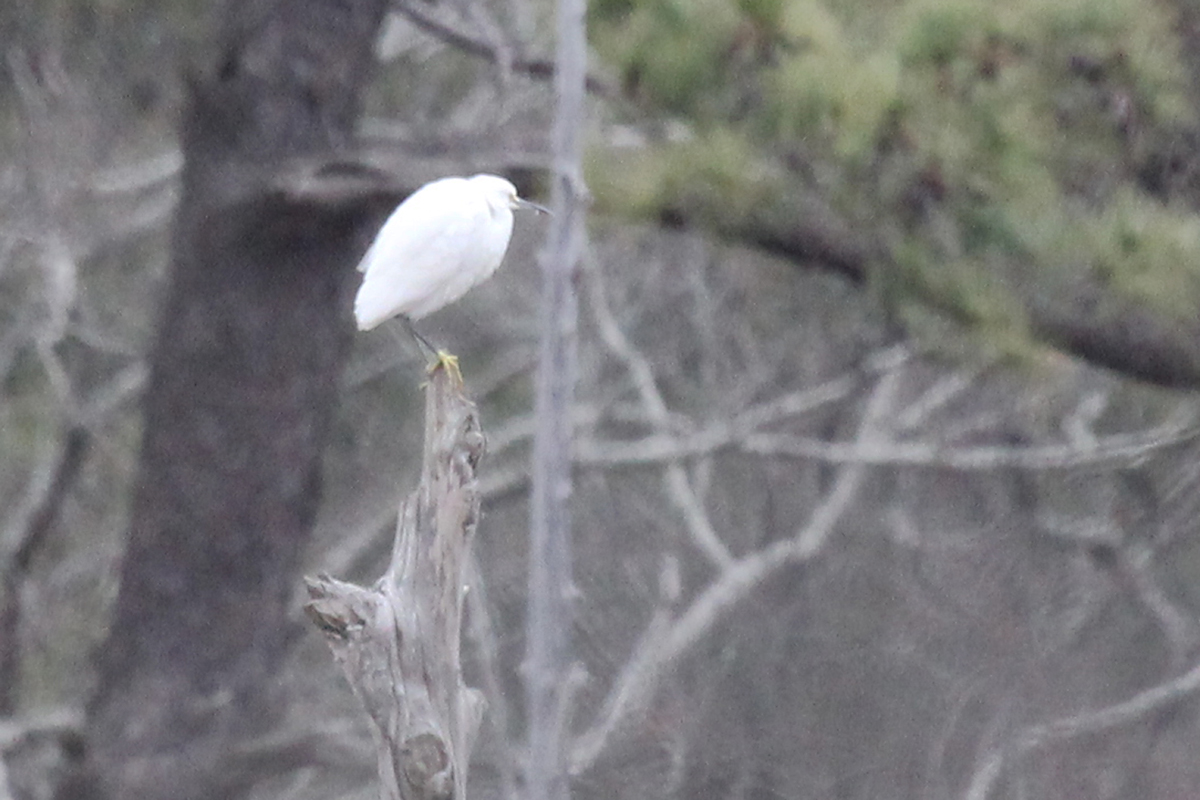
While true rarity observations were mostly focused on the continuing Black-headed Gull at Rudee Inlet, a great number of interesting observations were also logged around the city. For this listing, species are simply sorted taxonomically according to eBird/Clements, rather than to attempt to list in some sort of significance, or chronological order. To kick things off, it appears that the Snow Geese are starting to return in high numbers to our area. Most of these flocks, like one containing 650 individuals off South Stowe Rd. on 4 Feb (obs. Tracy Tate) likely spent the winter in the Outer Banks of North Carolina around Pea Island NWR; some potentially came from further south, or more inland locations like Mattamuskeet NWR or Alligator River NWR perhaps. This is a bit of speculation, but wherever they originated, large flocks are likely to be seen over the next month scattered around the agricultural fields of southern Virginia Beach, and in flight high overhead. A pair of Common Goldeneyes has persisted at Rudee Inlet throughout 2018 so far, most recently photographed 4 Feb (ph. Keith Roberts), which comes as a great surprise given that in January 2017, not a single individual was noted in the city. Clearly the ice-up of bodies of freshwater inland and to our north pushed a great many of this and other waterfowl species to our ice-free coastline during January, and not all of them have left yet even with the recent melt. A single Red-necked Grebe that has been present in Little Creek Inlet since at least 22 Jan (obs. Andrew Baldelli & Tracy Tate) continued through 1 Feb (obs. Jason Strickland), and is likely the best ‘reliable’ chance for anyone to view this species right now in the city. A pair was also observed in northbound flight off 85th Street on 5 Feb, but these were likely long gone within a matter of minutes. A single Snowy Egret was observed at First Landing SP on 4 Feb (ph. Rob Bielawski) and on 7 Feb (ph. Mary Catherine Miguez), being the first documented individual away from Pleasure House Creek where a winter population occurs each year. Another report was input back in January on Lake Smith but no notes were provided (likely because the species doesn’t flag in Virginia Beach and as such, notes aren’t required), but it is important to be aware that occurrence in Jan/Feb away from Pleasure House is fairly rare & is always worth adding some details for. The only February reports further north than Virginia Beach so far this year have occurred at Chincoteague NWR, so really, any Jan/Feb reports in Virginia are interesting.

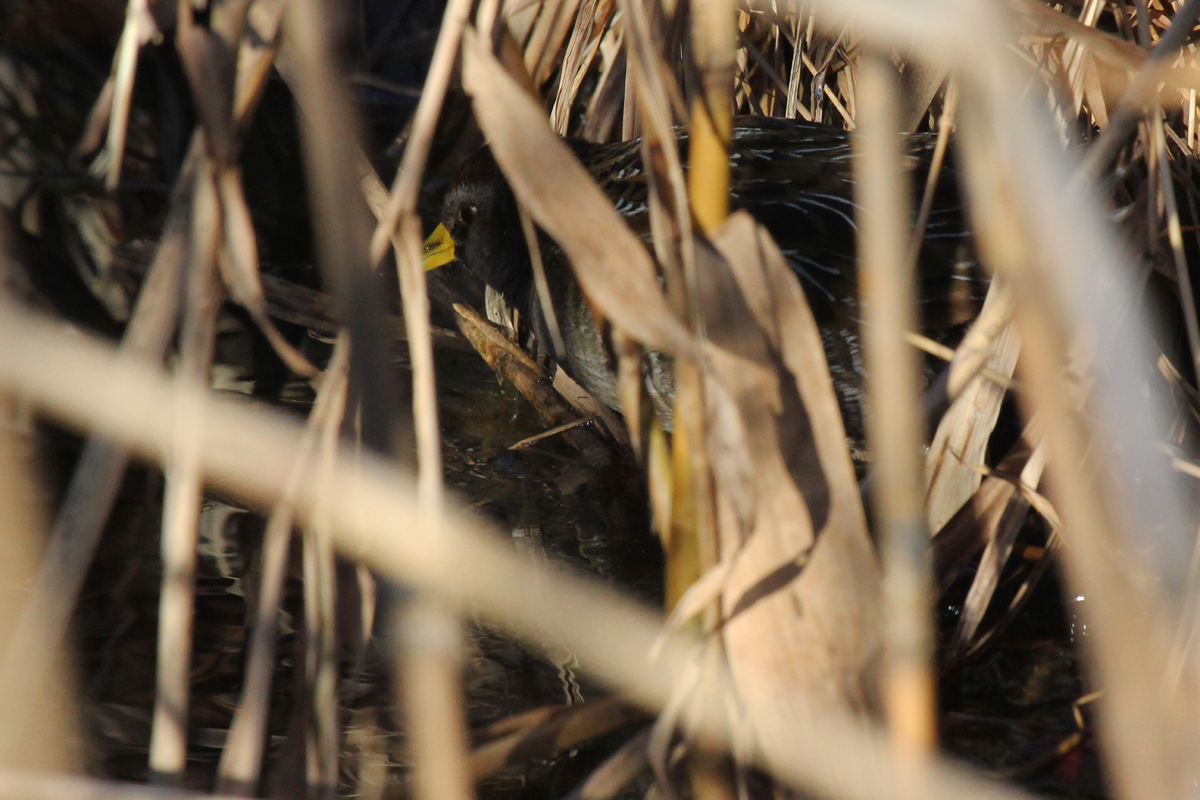
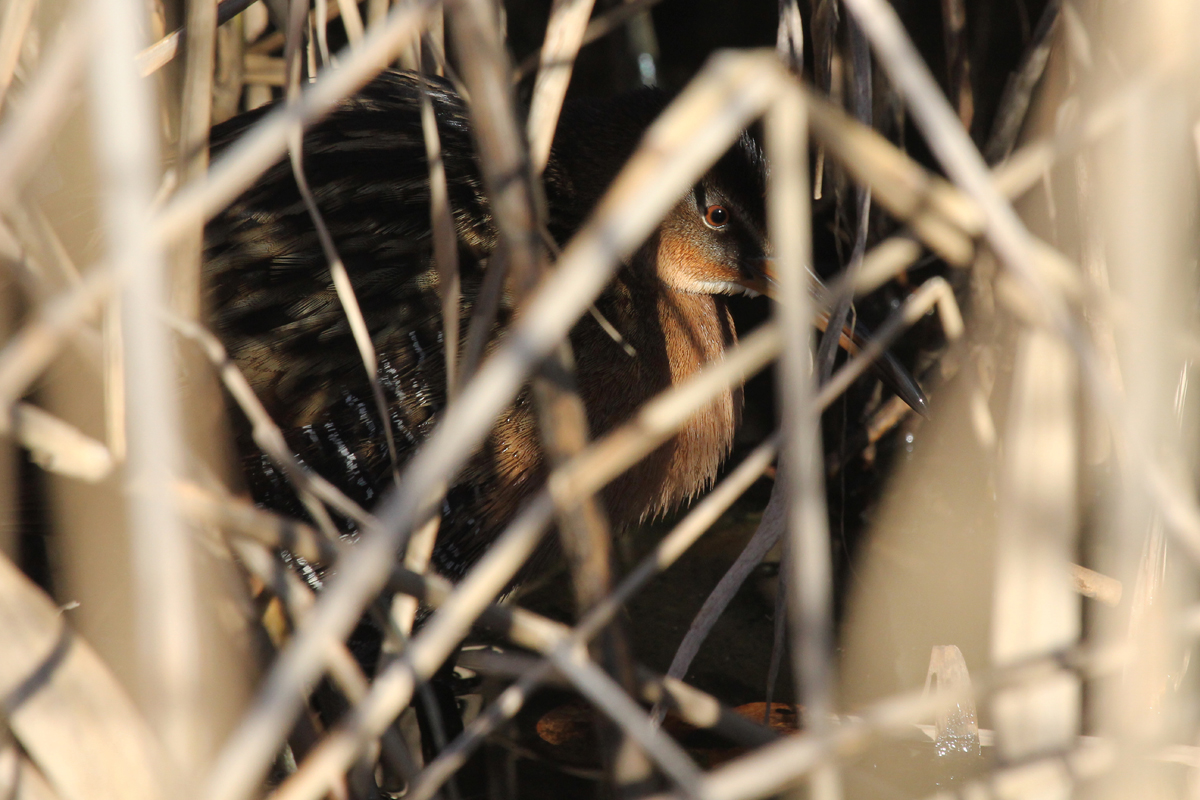
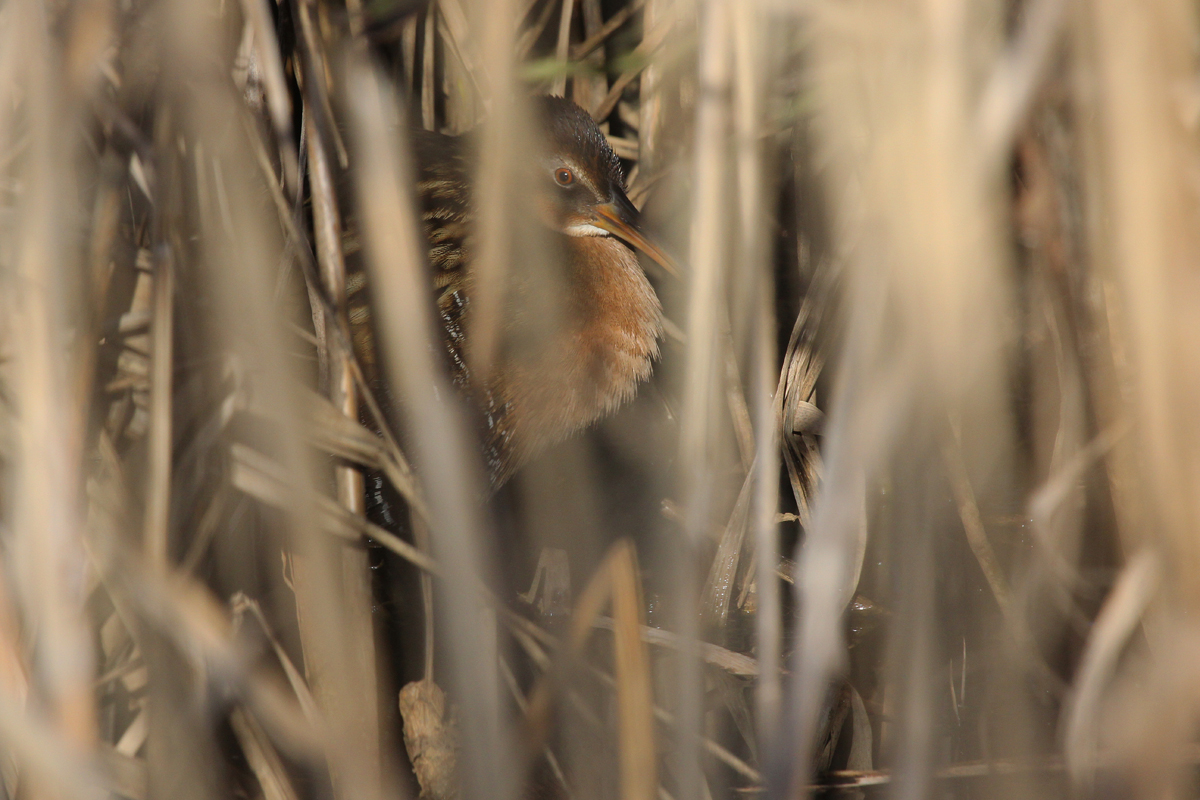
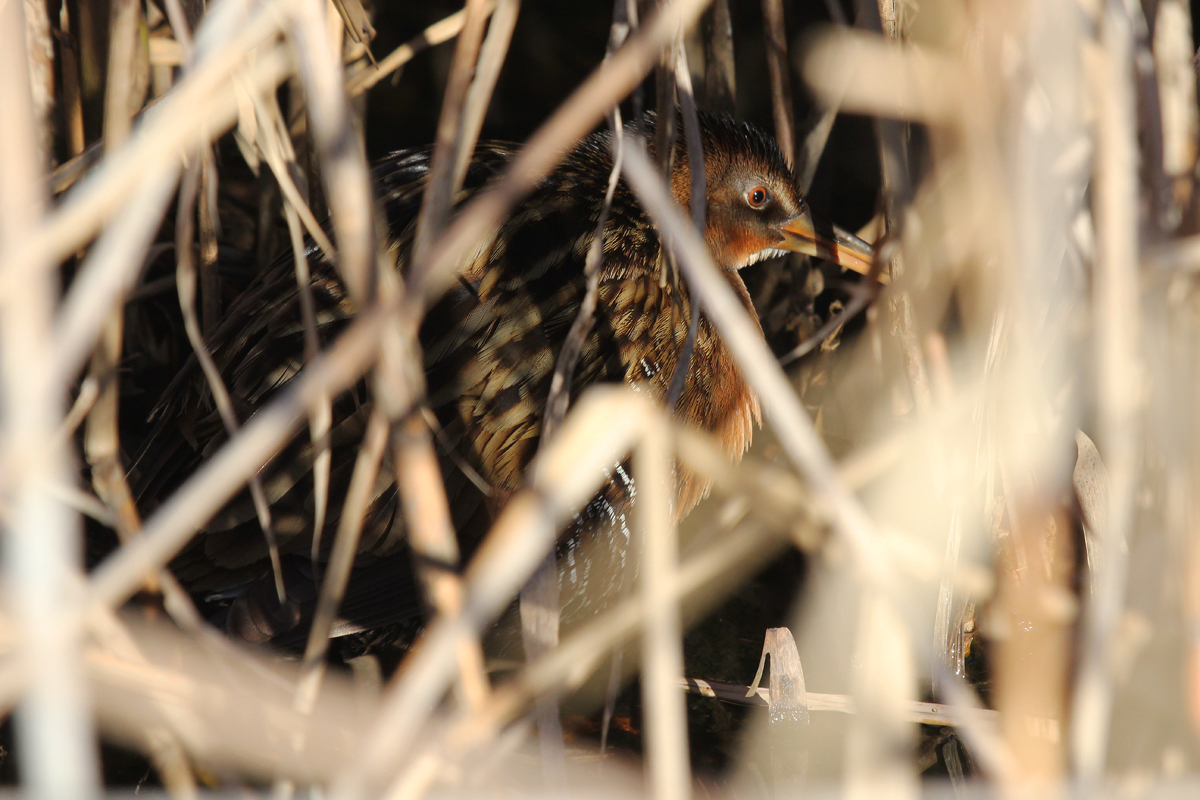
Though the ice has melted around Back Bay (with a slight amount still present on Saturday, 3 Feb though) both Sora and King Rail continued to be observed at Little Island Park (ph. Rob Bielawski / 3 Feb). There hasn’t been any sign of the Least Bittern that attempted to winter at this location since 18 Jan (ph. Loretta Silvia), and now that the bay has opened up, finding it will be very difficult if it did manage to survive the last cold snap. Osprey continue to be reported around Pleasure House Creek, with a winter high count of 2 thus far. We appear to be located at the northeast-most limit of their winter range, as individuals do not appear to spend January across the CBBT in Northampton. Bonaparte’s Gulls, while common winter residents over saltwater and brackish tributaries around the fringes of the city, aren’t viewed all that often on freshwater inland lakes. This period, there was two reports, three individuals at Lake Smith on 2 Feb (obs. Debbie Schroeder) and one on North Withduck Ponds on 4 Feb (obs. Rob Bielawski). Forster’s Terns have been completely absent from the city ever since the first snowfall event in early January, but up to 6 were logged on 4 Feb at Little Island (obs. Joe Minor) with a pair more reports at the location over the course of the day. With the ice gone, perhaps they’ll return to their usual feeding areas on Back Bay as well. While thousands of Razorbills were being observed each morning last year during this same period, so far this year we’ve achieved a high count of only 6 individuals (which in a standard or average year is a good count) on 5 Feb (obs. Andrew Baldelli & Tracy Tate). One individual was present inside Rudee Inlet on 2 Feb and provided excellent views to a few birders (ph. Andrew Baldelli).

Seldom seen, but ever-present, all three of our common owls were logged during the period, those being Great Horned Owl, Barred Owl & Eastern Screech-Owl. Please remember that the first two are already in breeding season routines, and therefore any observations are valid for the Virginia Breeding Bird Atlas! When submitting to eBird, make sure to use the Atlas Portal, or move the checklist through the web interface after it has been submitted. At least one Peregrine Falcon has been stalking Rock Pigeons and whatever other prey it is interested in from the first hotel north of Rudee Inlet. Many observers have gotten to see it up on the edges of the higher floors while simultaneously searching for the Black-headed Gull nearby. A Blue-headed Vireo was observed at Stumpy Lake NA on 3 Feb (ph. Charlie Bruggemann), and while this habitat seems quite appropriate, these birds are difficult to come by in the winter months with most observations occurring in similar First Landing SP. The species is also known to winter in the Great Dismal Swamp to our west, but would otherwise be considered rare across the remainder of Virginia. The first Marsh Wren so far reported away from Back Bay was logged on 6 Feb when an individual was seen at Marshview Park (obs. Mary Catherine Miguez). Only a single report at Bethel Beach NAP in Mathews County is more northerly as far as 2018 Virginia reports go, thus far! Lastly, a brilliantly plumaged Yellow Palm Warbler (the eastern-breeding race) was observed at Woodstock Cove Park on 6 Feb (ph. Andrew Baldelli). This represents the first non-western race Palm Warbler so far reported in Virginia Beach for 2018.

Back Bay / 3 Feb / Back Bay NWR

WEATHER:  Most years, early February represents the beginning of rising temperatures, and this year continued that trend. Average daily high temperatures rose 0.1° from 52.1° F in late January to 52.3° (+0.8° from prior 10-year average), with average daily low temperatures actually falling 4.8° from 34.0° to 29.2° F (-4.9° from prior 10-year average). Overall, temperatures ranged from a minimum of 19° F (on 3 Feb) to a maximum of 66° (7 Feb). A total of 0.85” of rain fell during the period, with 0.44” recorded on Wednesday, 7 Feb. Minor snowfall accumulations occurred on Friday, 2 Feb. Maximum sustained winds at Oceana this period were 34 mph and gusts reached 40 mph (3 Feb). The highest predicted (harmonic) tide was to be 3.053 feet (9:36 AM on 1 Feb), however, the maximum observed tide was 3.11 feet (11:18 & 11:36 AM on 2 Feb); a maximum storm surge (observed minus predicted) of 0.704 feet occurred at 10:42 AM on 3 Feb. Sunrise/sunsets varied from 7:06 AM/5:29 PM (1 Feb) to 6:57 AM/5:39 PM (10 Feb), which means over all we gained 19 minutes of daylight during this period!

For those hoping to view every photograph submitted for Virginia Beach during this period, please see the complete listing for the month of February located on eBird’s Media explorer by clicking here! Please remember, anyone with an eBird account also has the ability to rate these photographs (1-5 stars), and based on the average rating, this is how eBird populates anything media-driven on the website, particularly the Illustrated Checklists! So, if you're one of the many folks who enjoy looking at photographs of birds, take some time to click them all and rate them, it helps make eBird better and better each day!

LOOKAHEAD:  Waterfowl numbers seem to have plummeted over the last couple of weeks across the city, though the expected species can all be found in their usual haunts. As evidenced by the Black-headed Gull at Rudee Inlet, rarities can pop up anywhere along our coast, so places like Back Bay NWR, Little Island Park, Fort Story, and the Oceanfront beaches are always worth checking. There is likely an Iceland Gull still hanging out somewhere along the resort area beaches, though it’s been some time since one was logged. The LeConte’s Sparrow has not been observed at Princess Anne WMA since the first Sunday of the year, and it is likely that this bird is no longer present given it has been looked for every Sunday since with no success. The field it was wintering in was heavily flooded after the snow melts in January and in rain events proceeding the melt. It likely did not enjoy the flooded habitat since they tend to like a moist, but not flooded environment like their Ammodramus counterparts (Seaside, Nelson’s, Saltmarsh Sparrows) do. Anyway, this one might not be worth investing time into searching for at this point. Similarly, the Brewer’s Blackbirds on West Gibbs Rd. have not been reported recently either, and may or may not still be around. At this point in the winter, we actually have our first arrival of the spring season expected next period, that being Laughing Gull, which is set at an arrival date of 20 Feb, though occasionally individuals do spend the winter here (though not this season due to the intense cold and icy conditions we’ve had). As always, make sure to report your finds to eBird so the data can be used to adjust the expected arrival dates and to view the full listing of each species’ “average expected arrival dates”!

Next Entry | Entry Index | Previous Entry

For further information regarding this thrice-monthly, online publication, please visit the Journal Overview Page which provides an in-depth explanation of the format, layout and composition of the journal. As always, thank you for reading, and please leave me a comment below (you may use your Facebook, Gmail or other accounts to easily do so), or just click the Heart icon to the lower right of this post to let me know you stopped in!