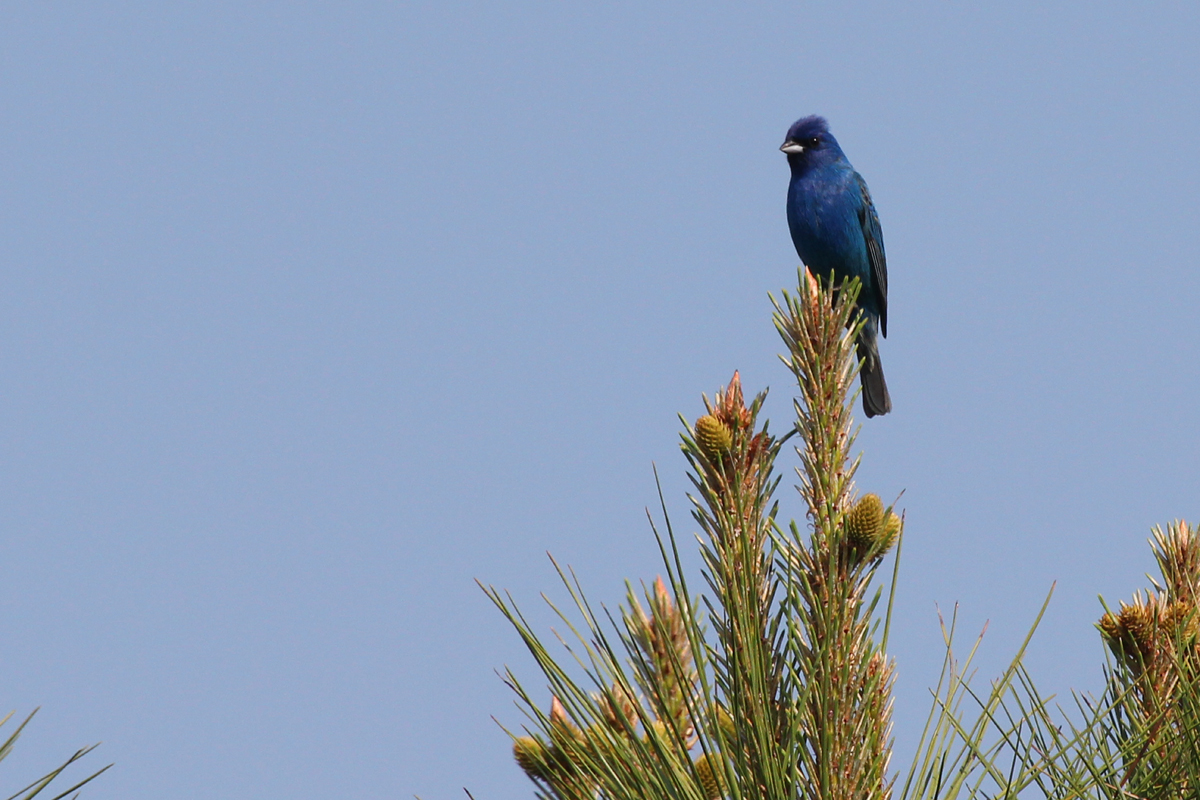
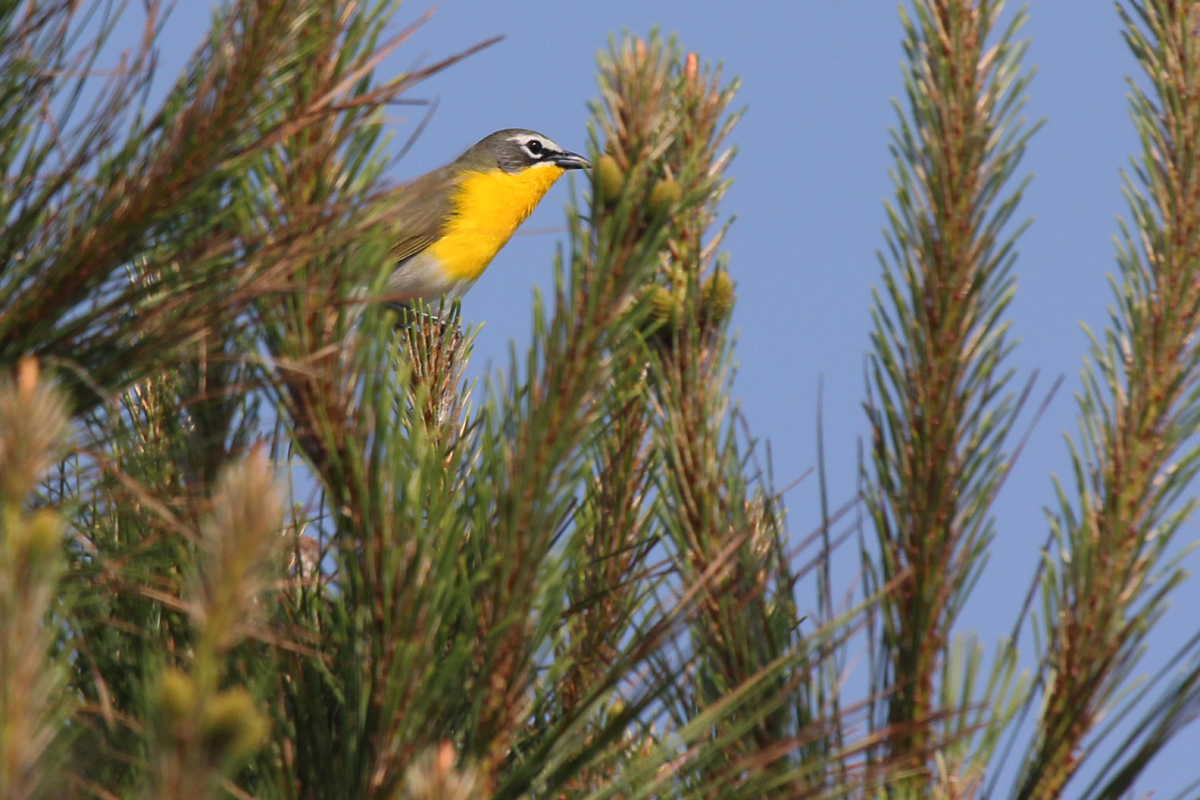
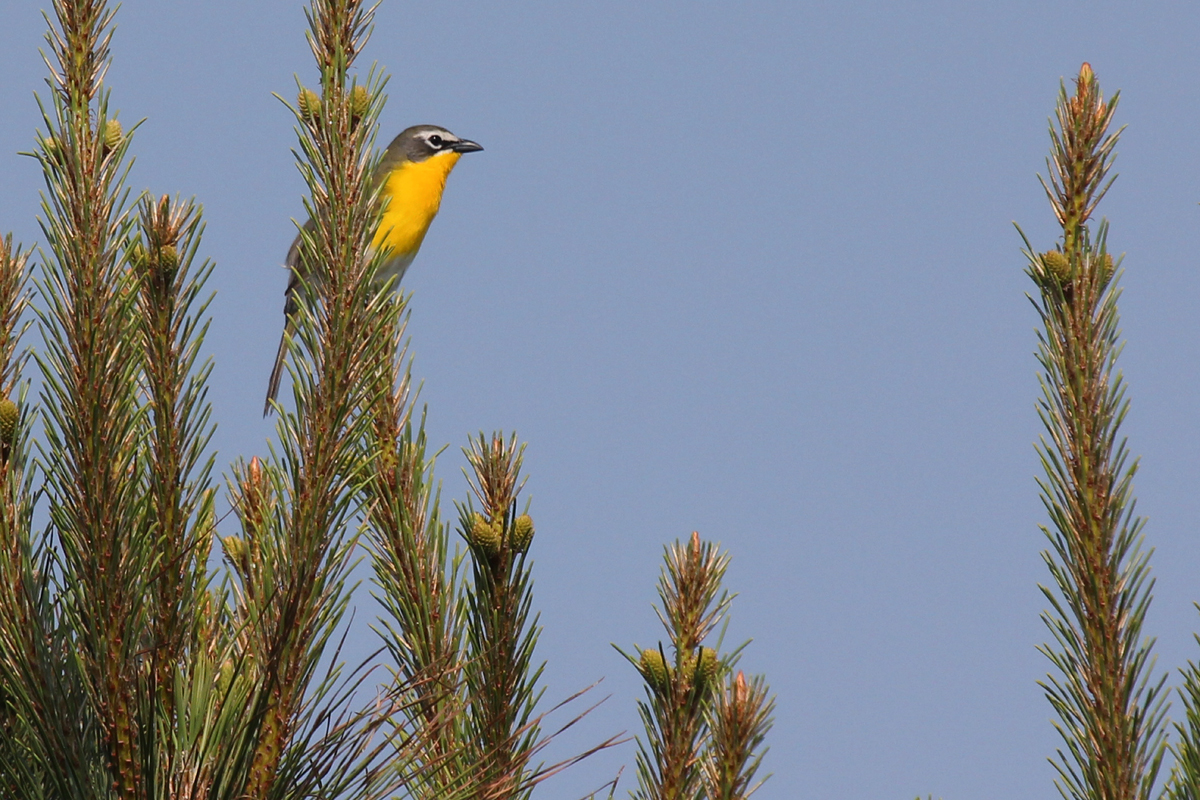
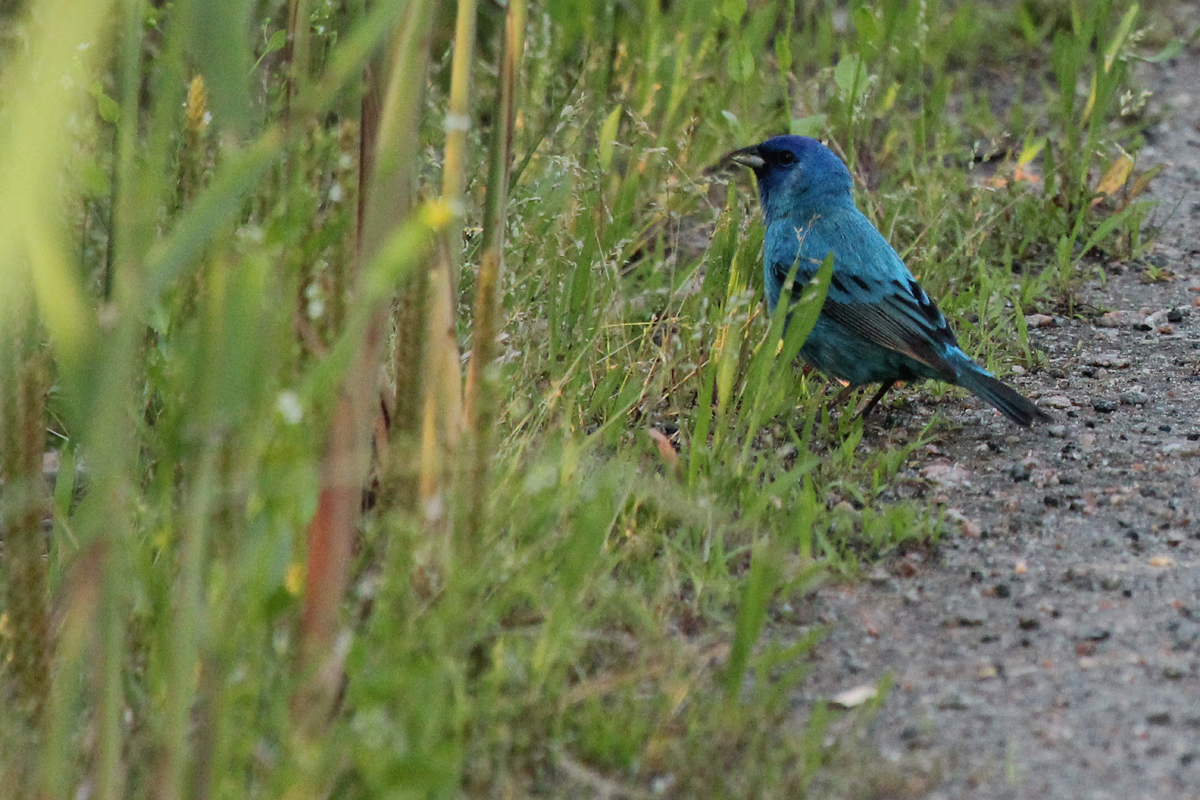
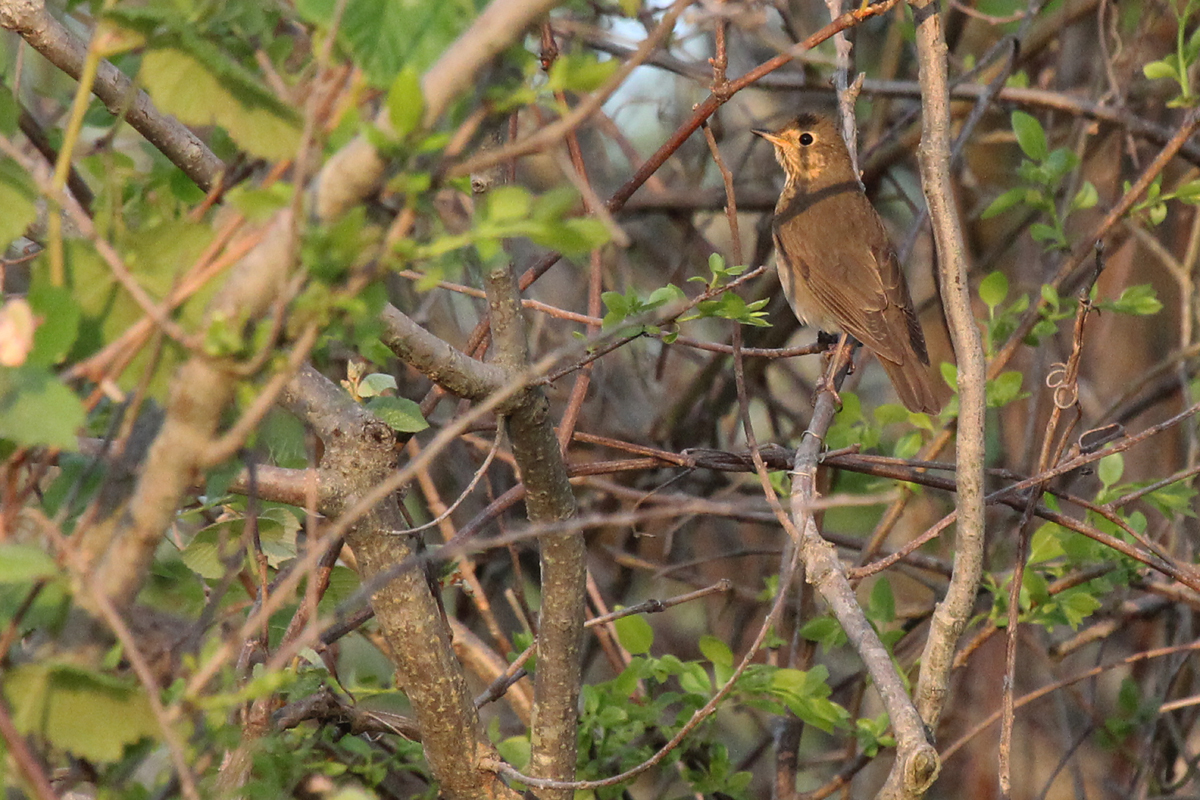
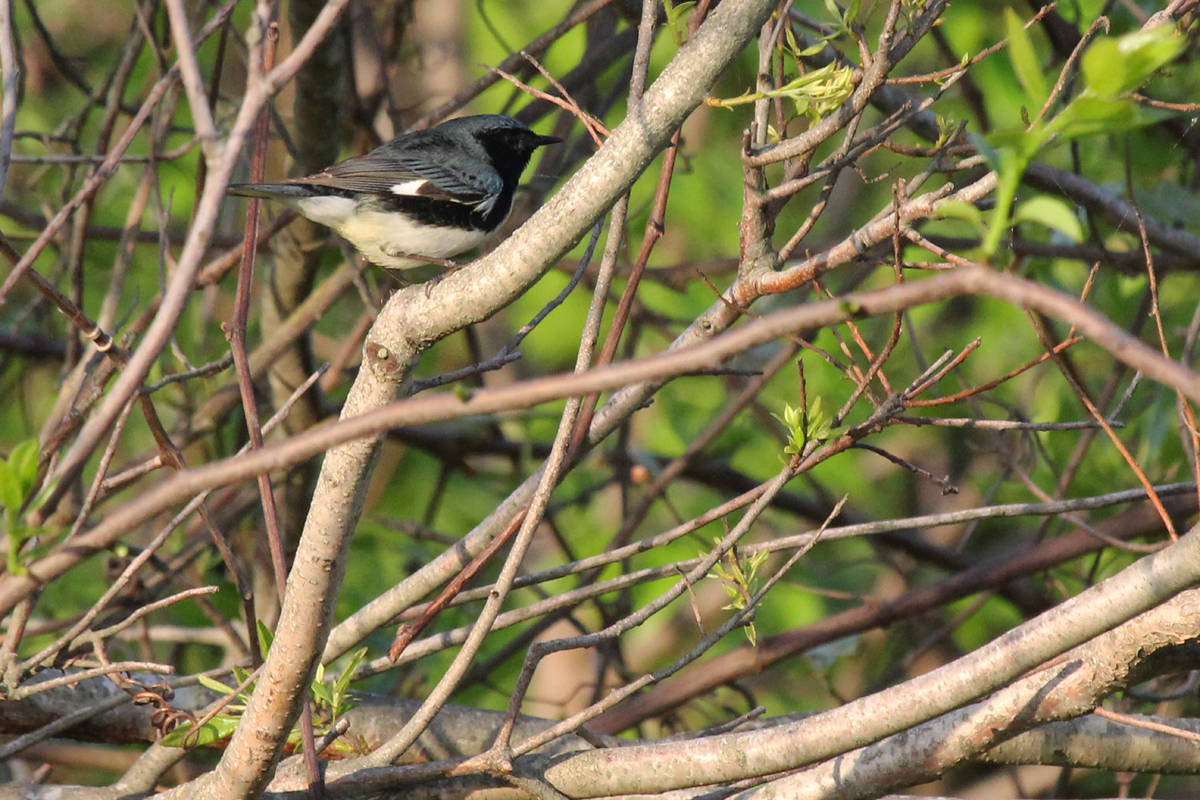
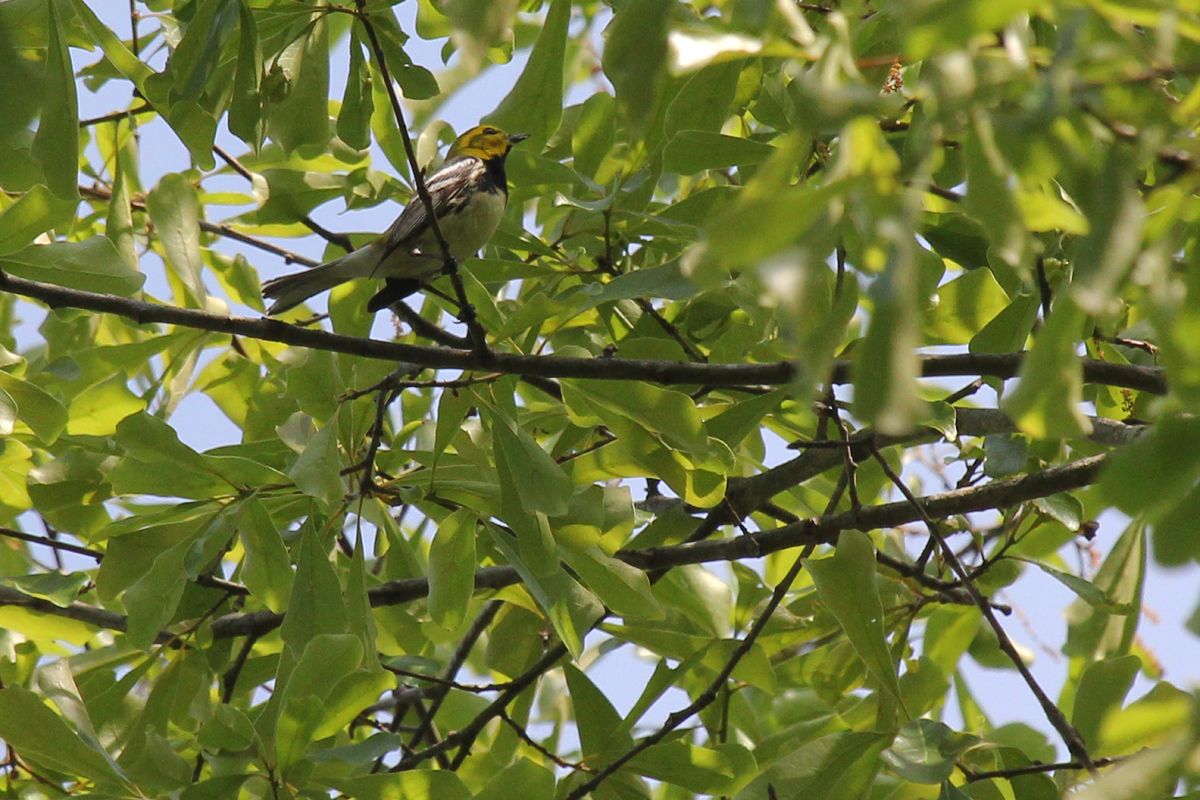
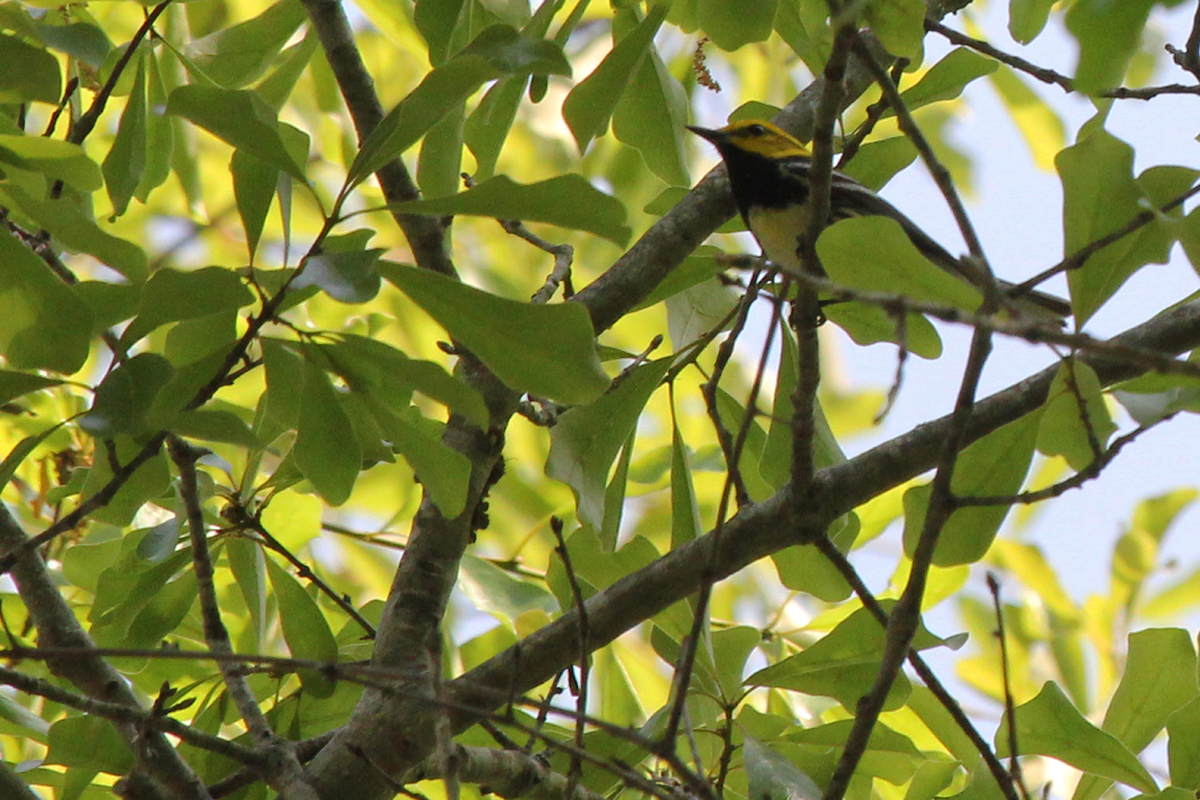
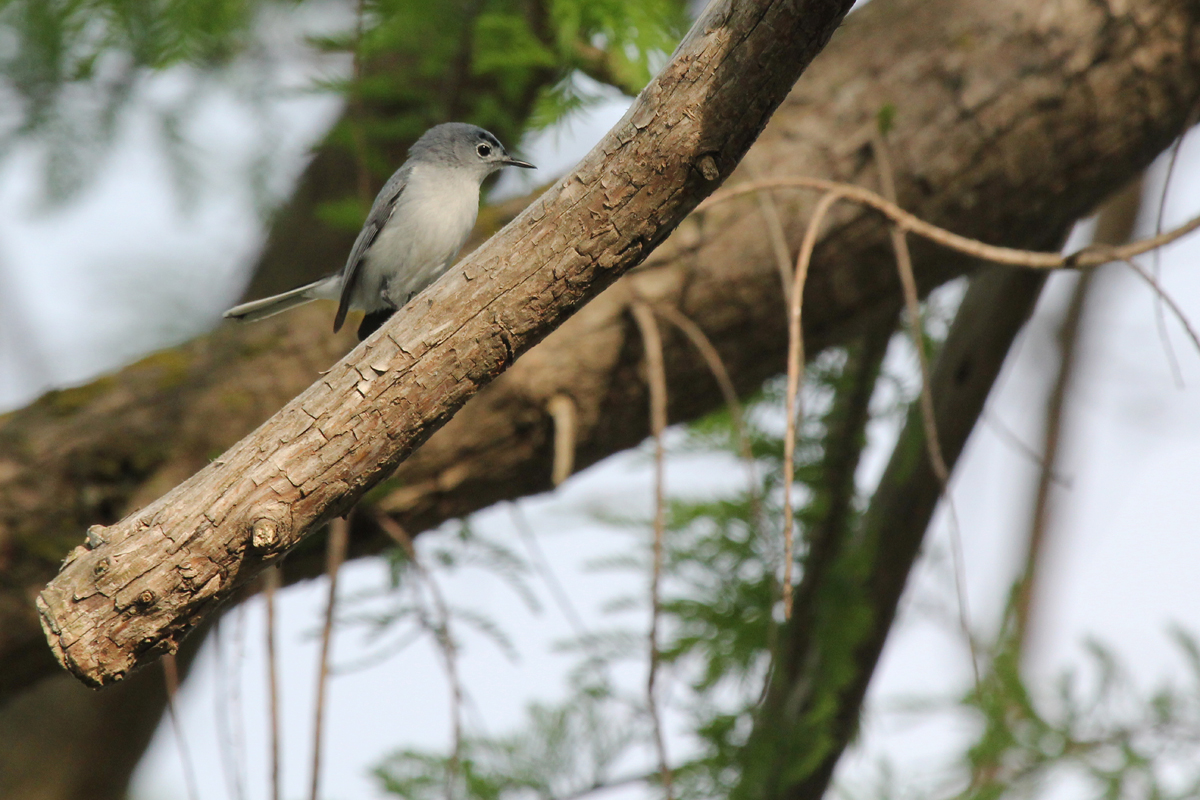
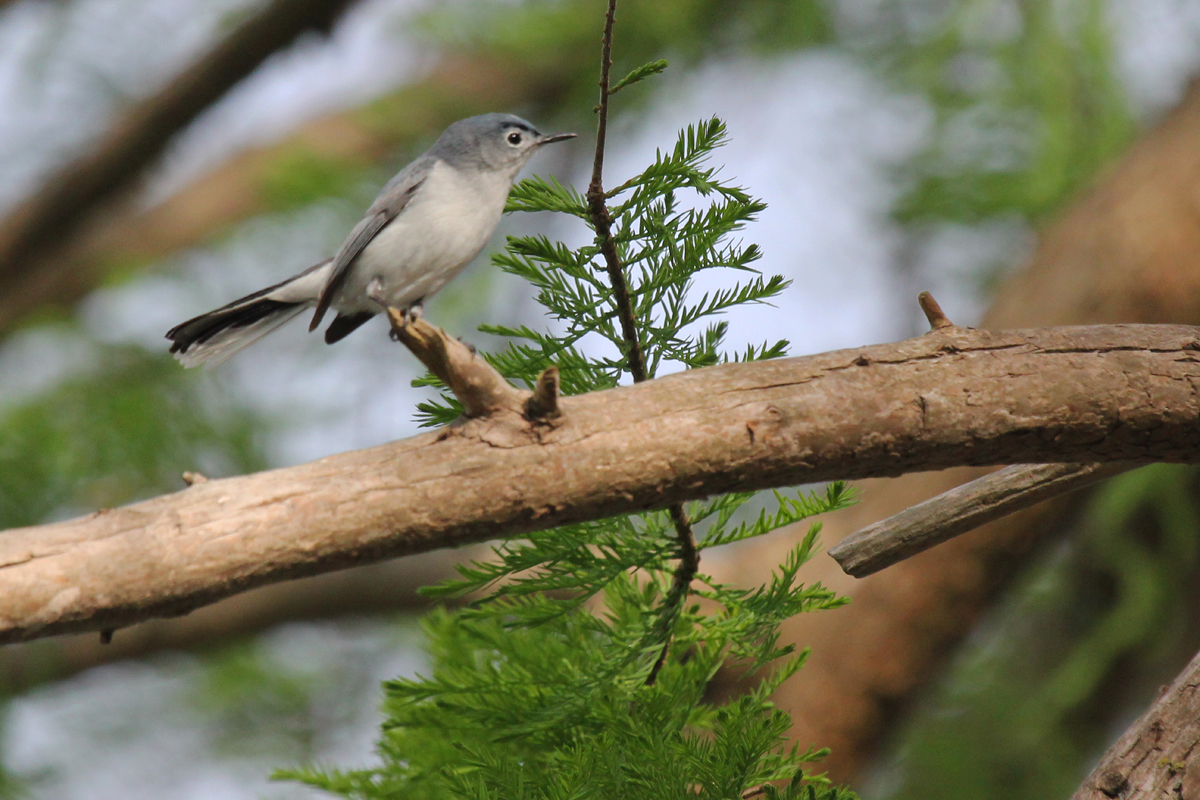
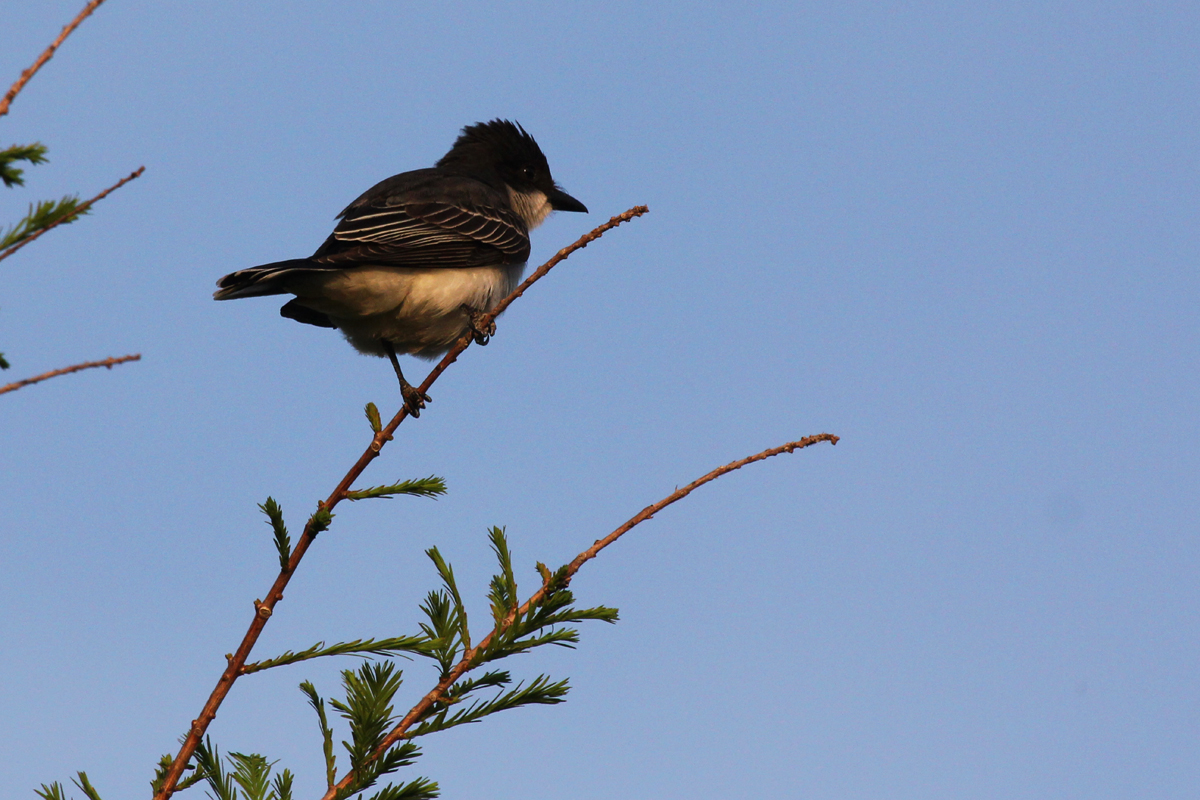
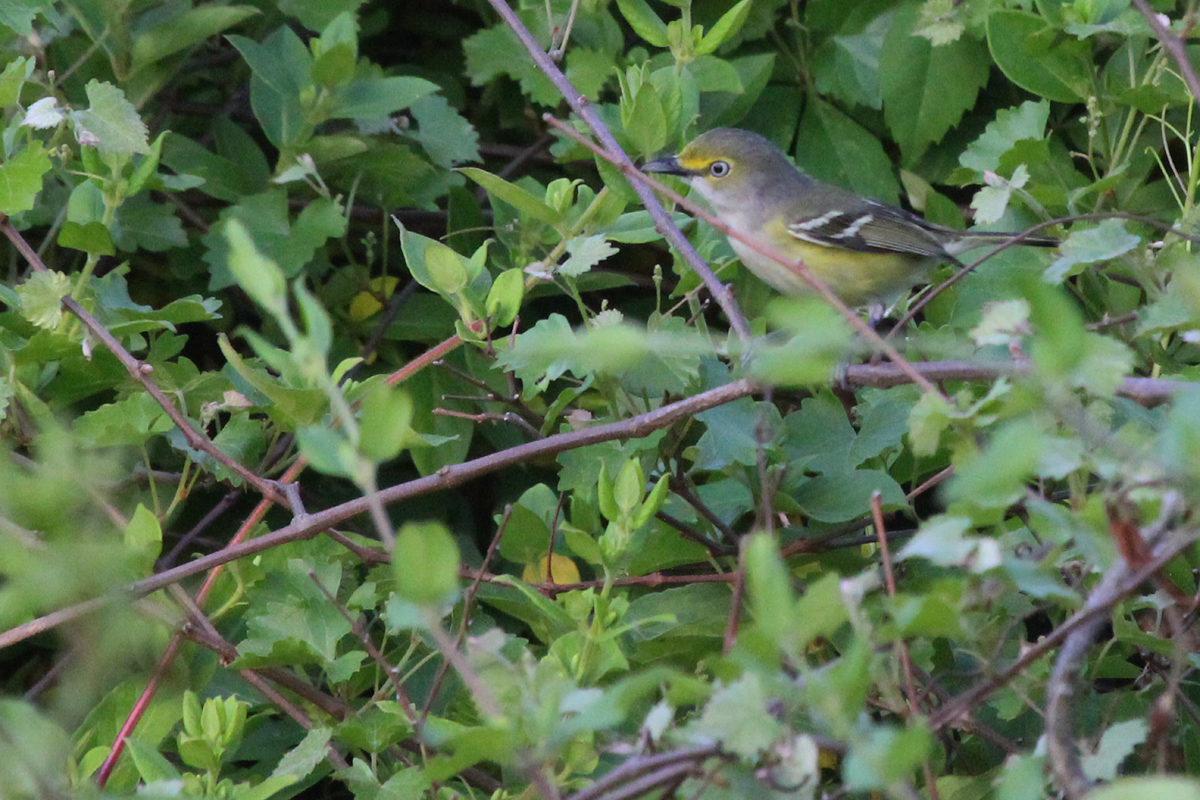
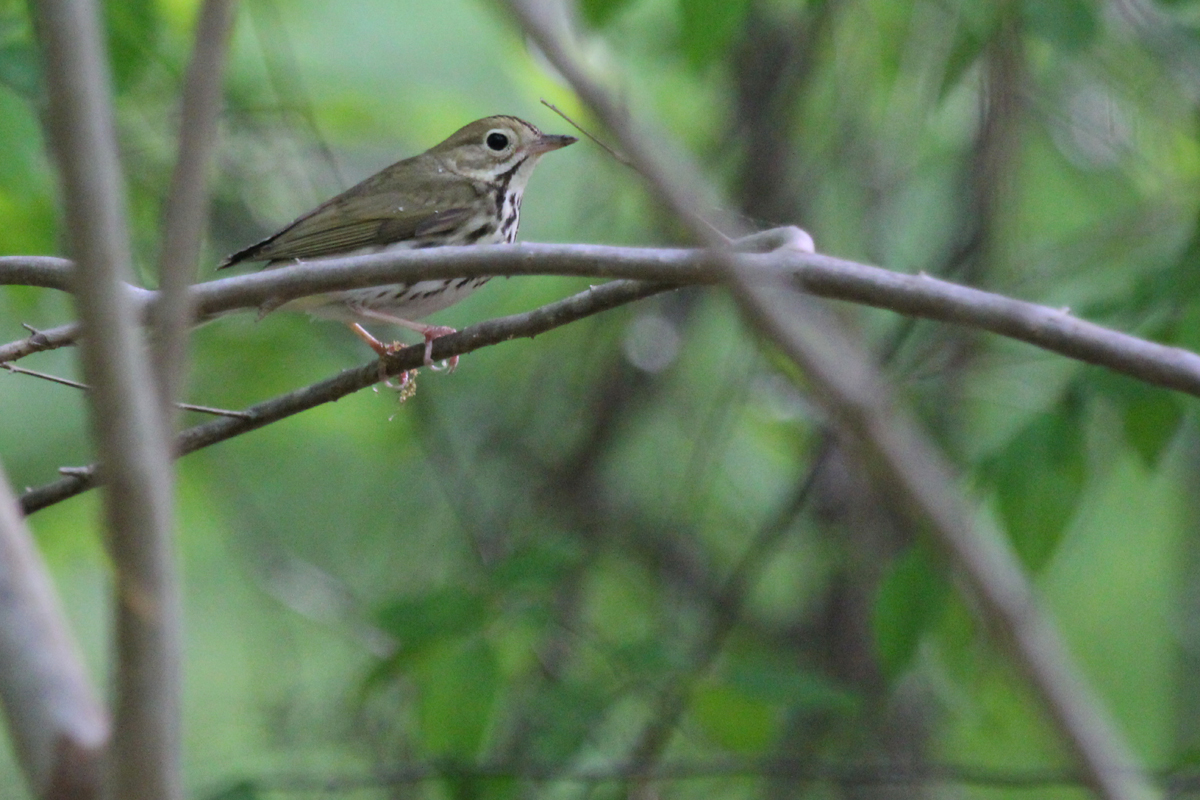
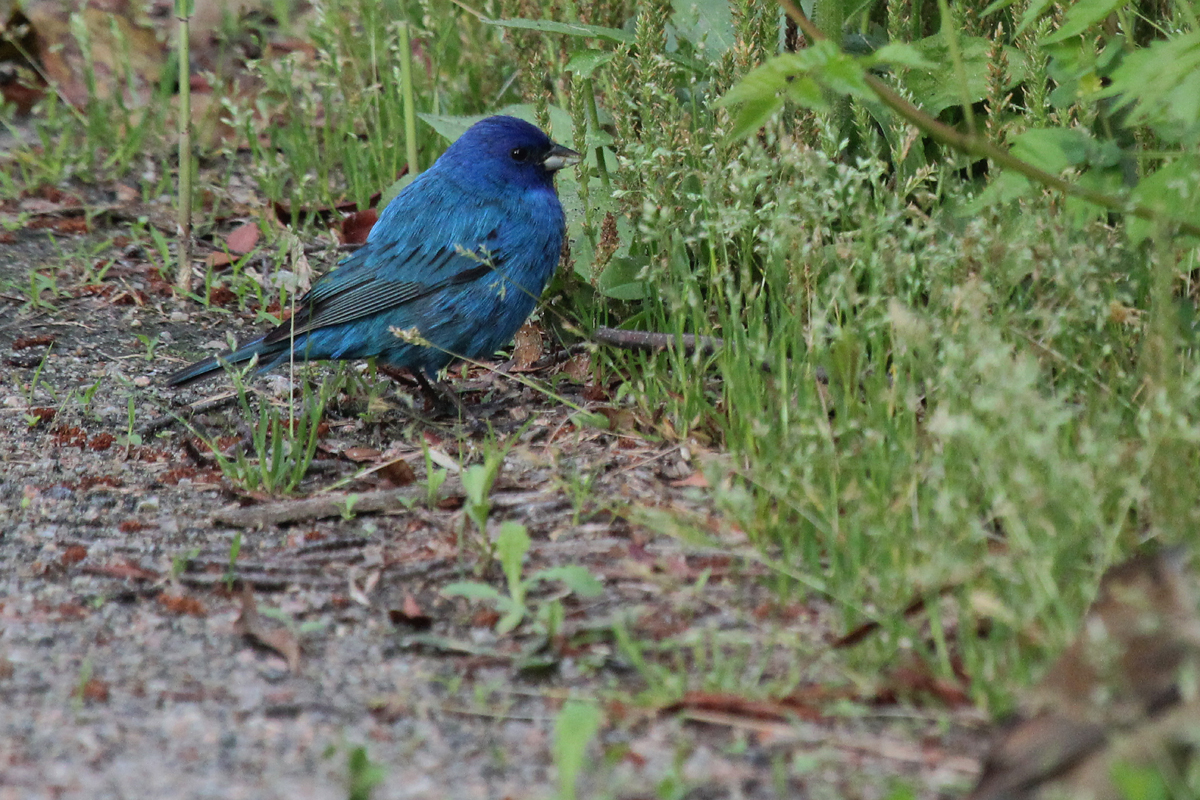
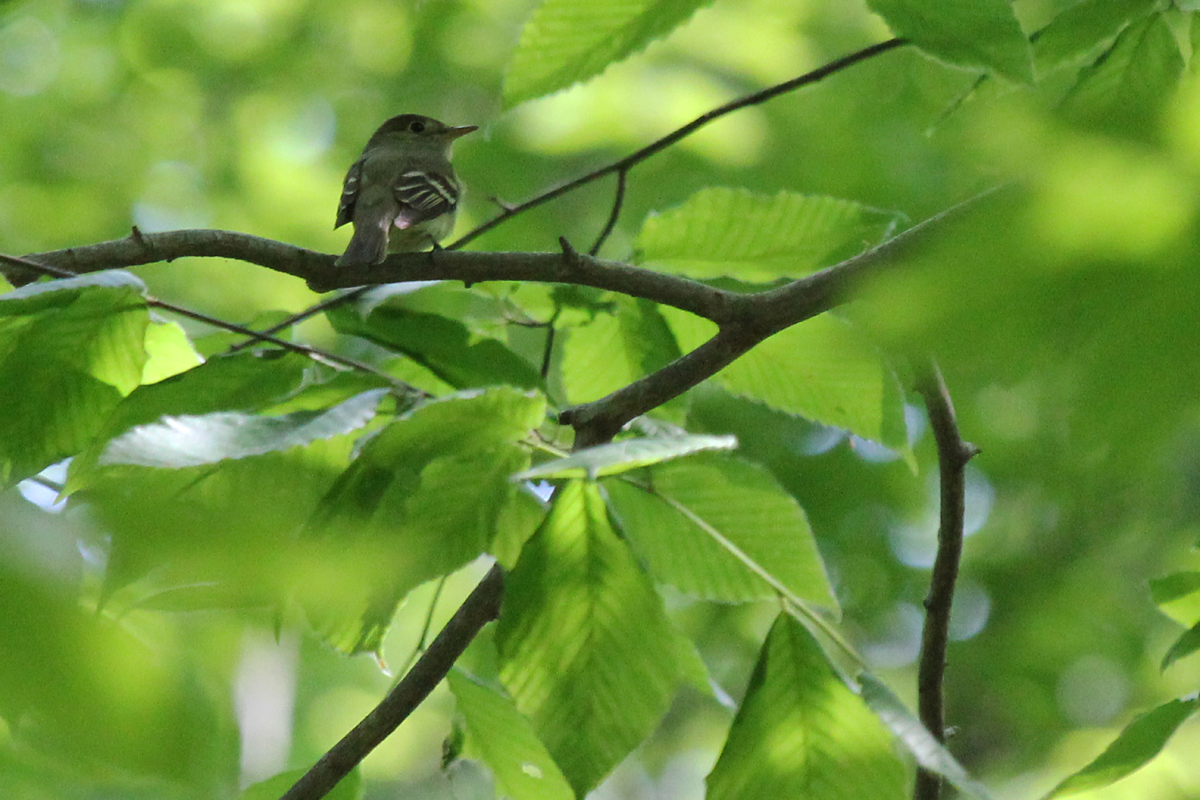
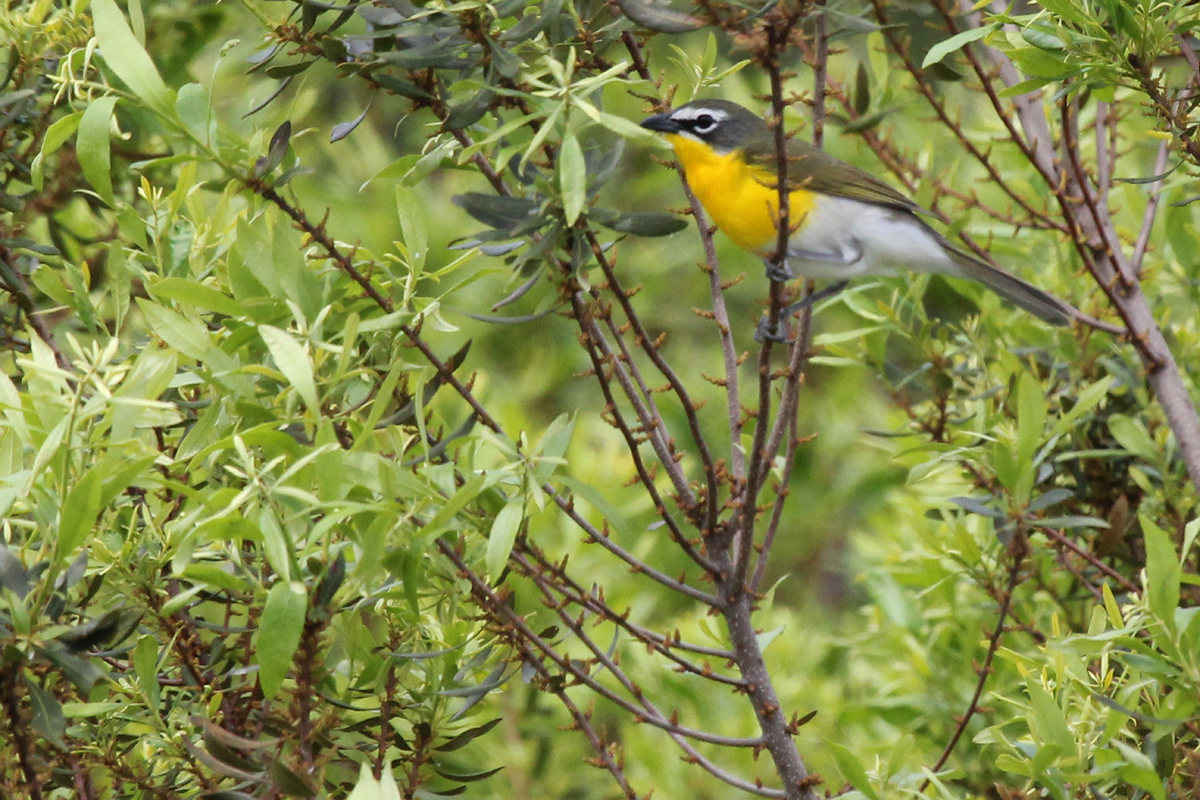
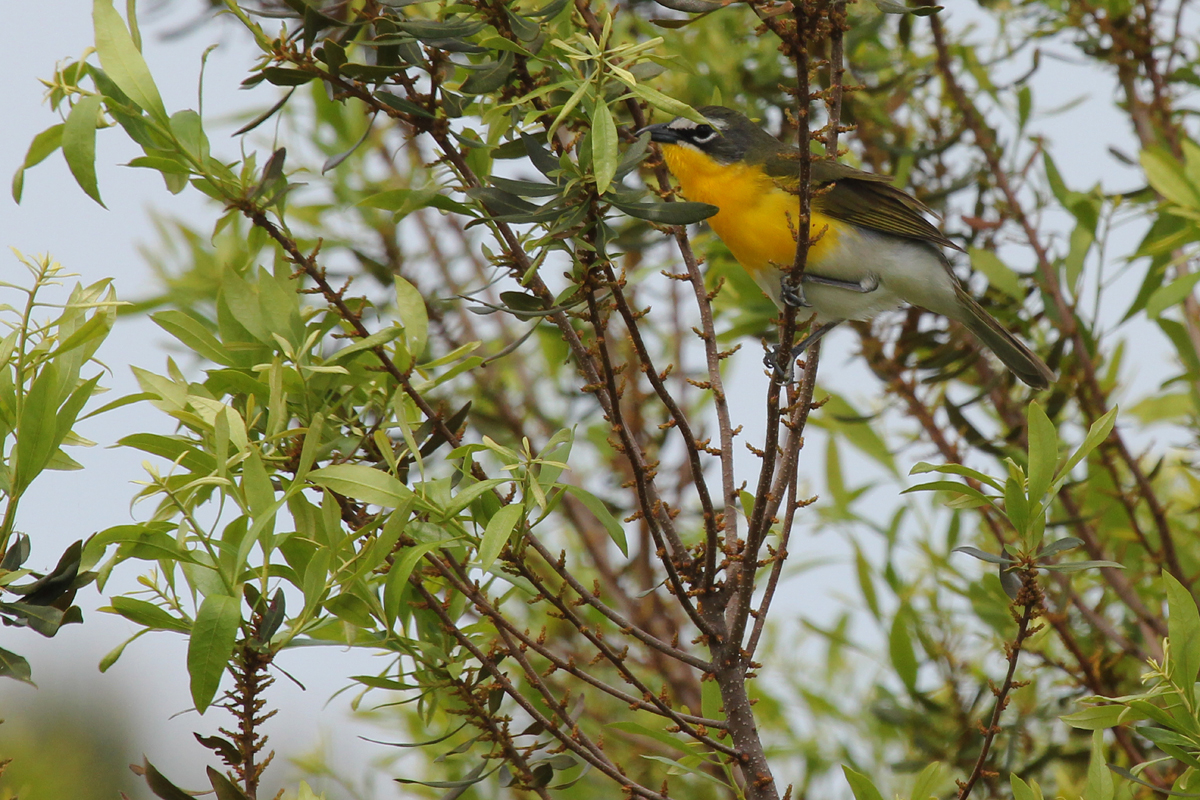
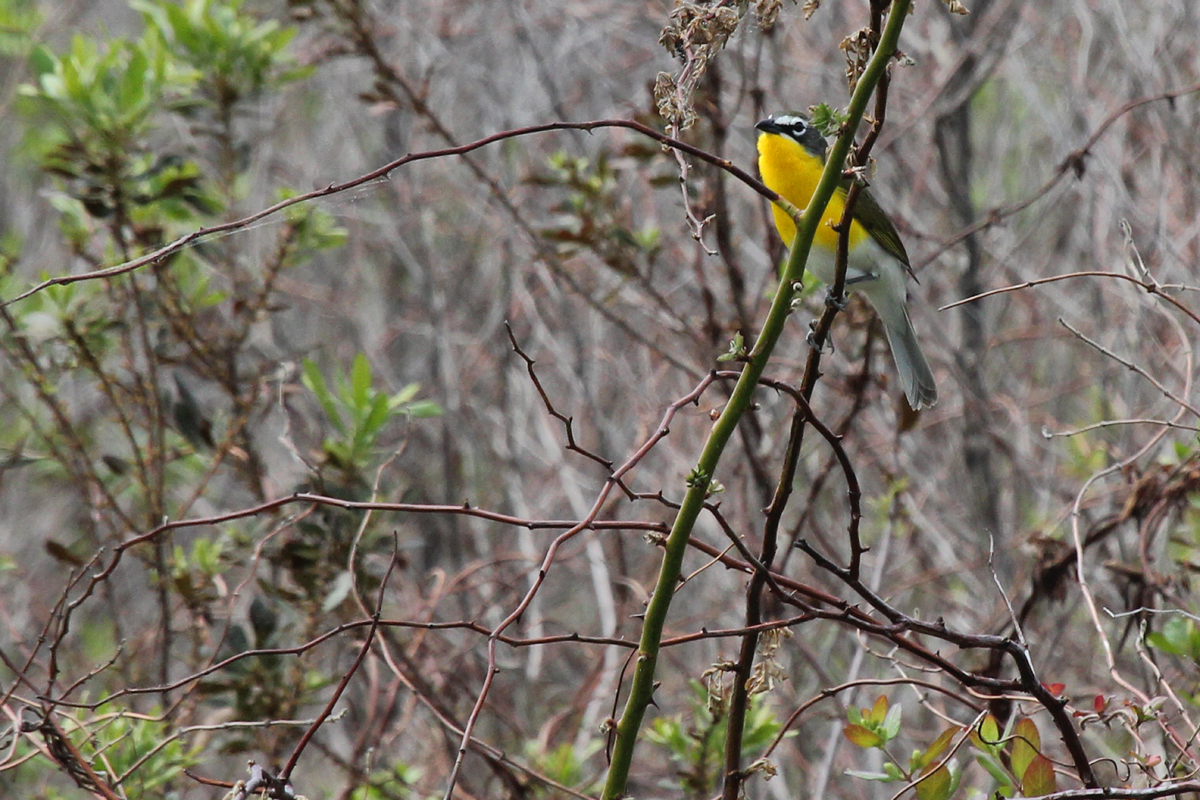
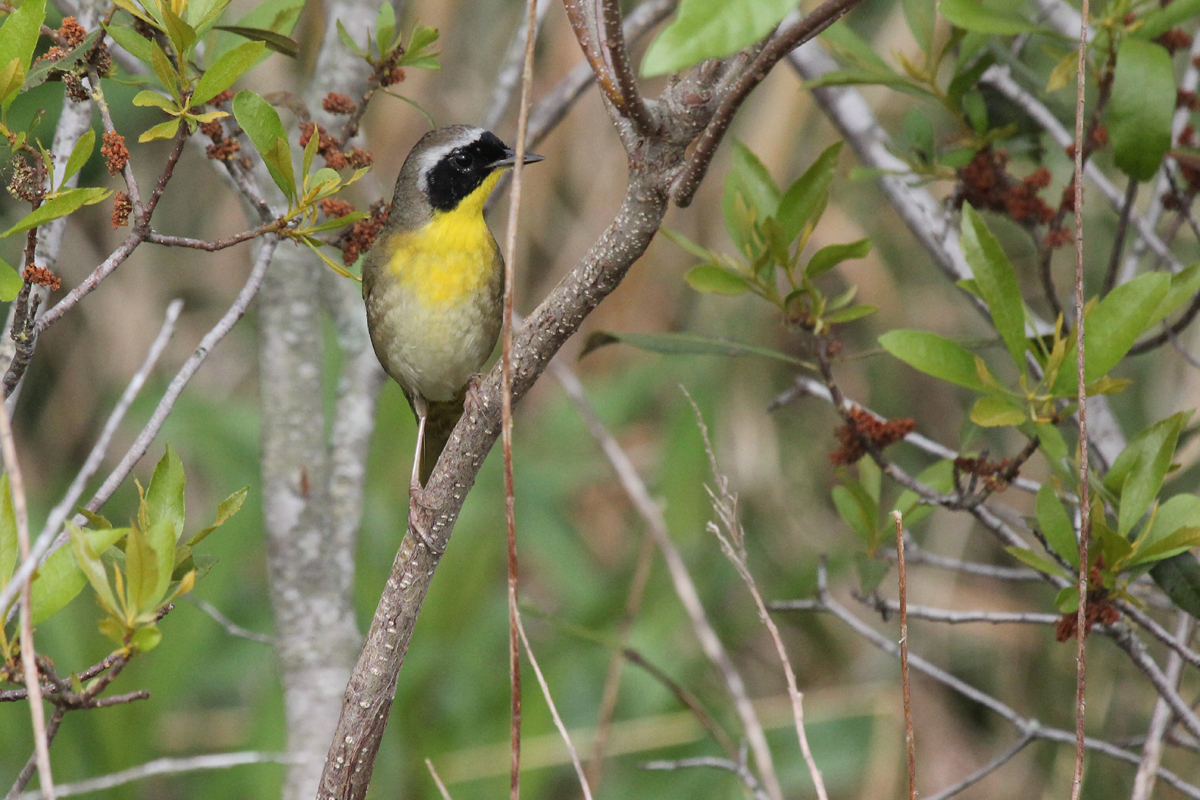
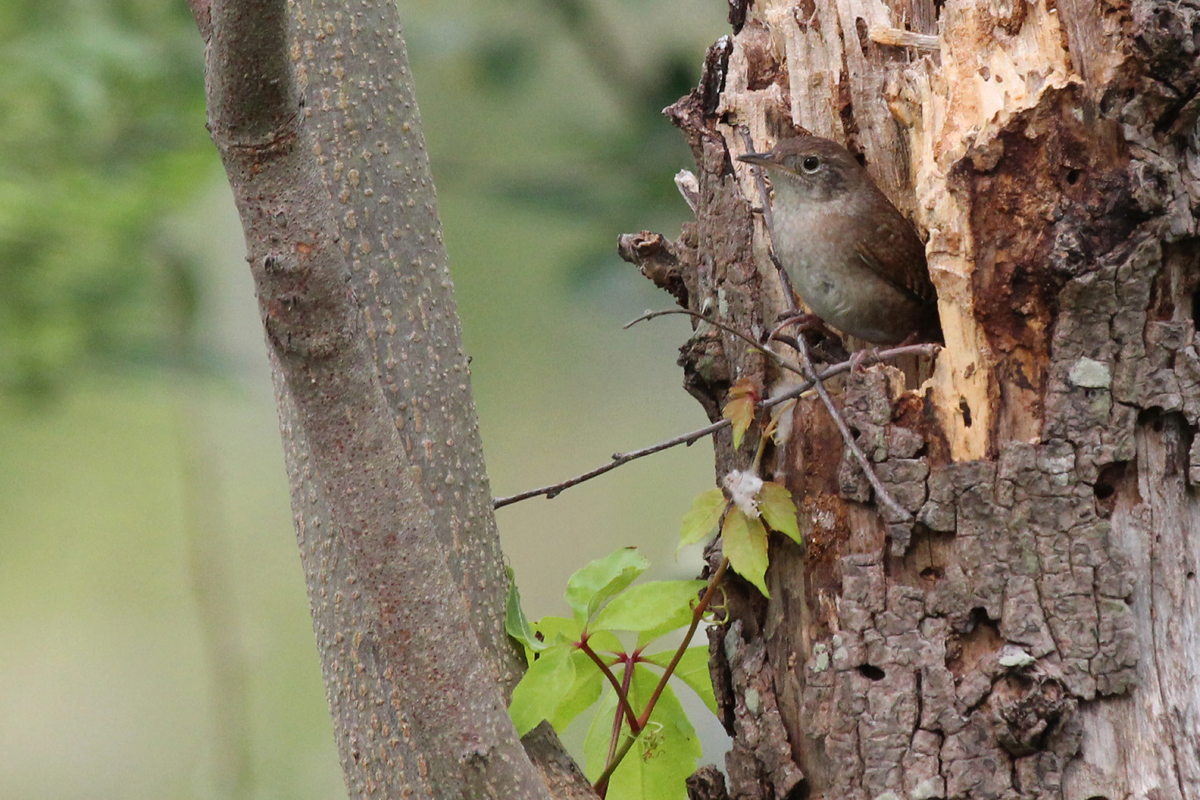
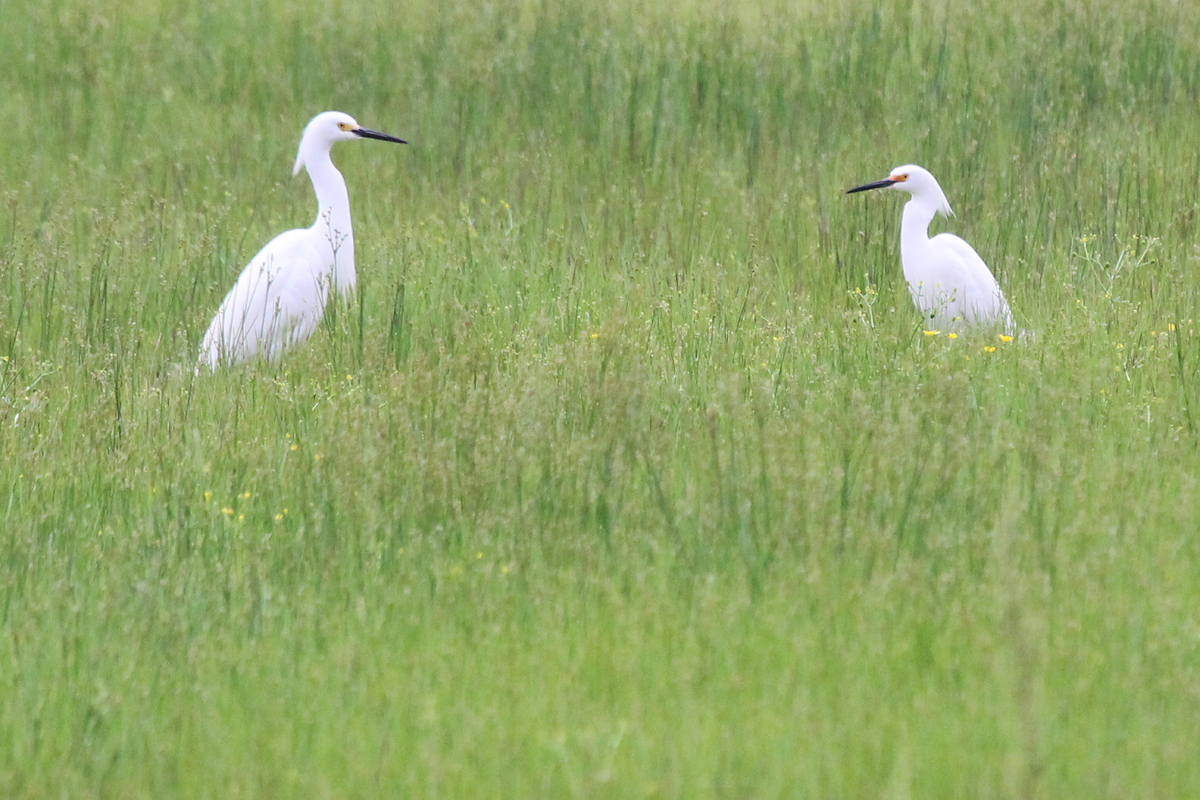
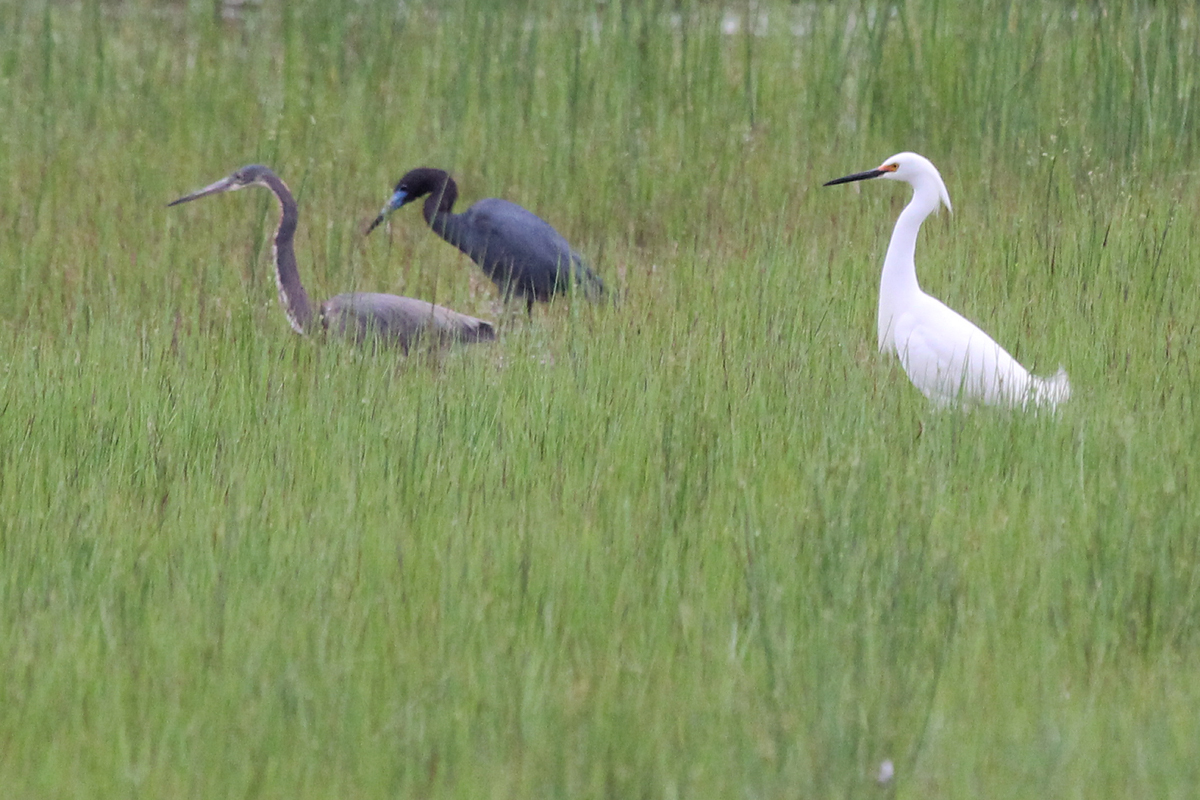
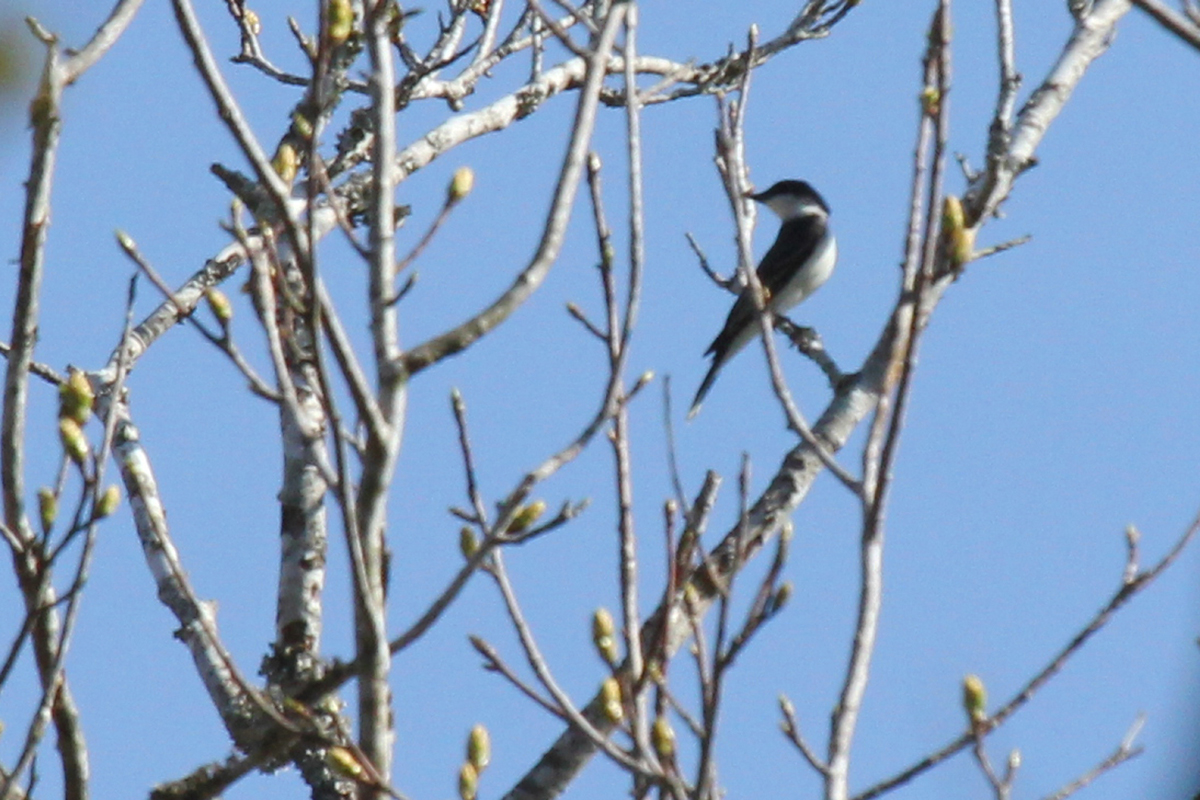
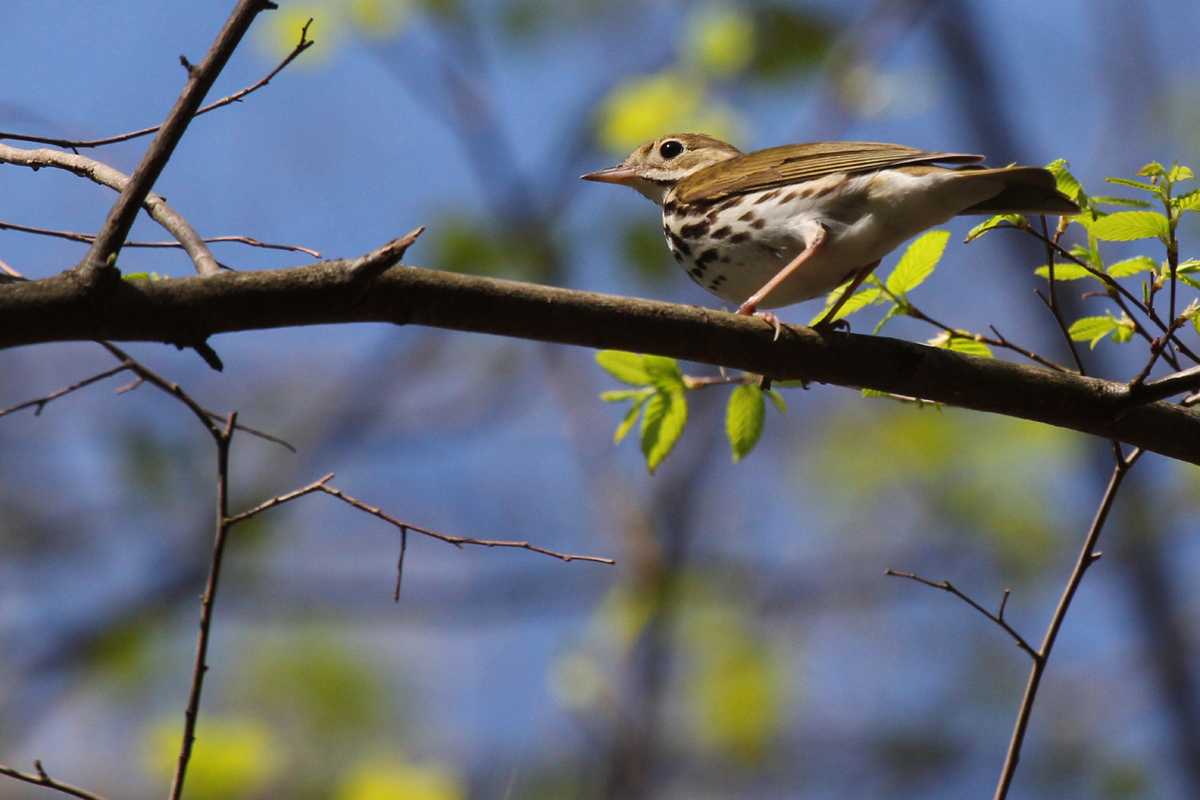
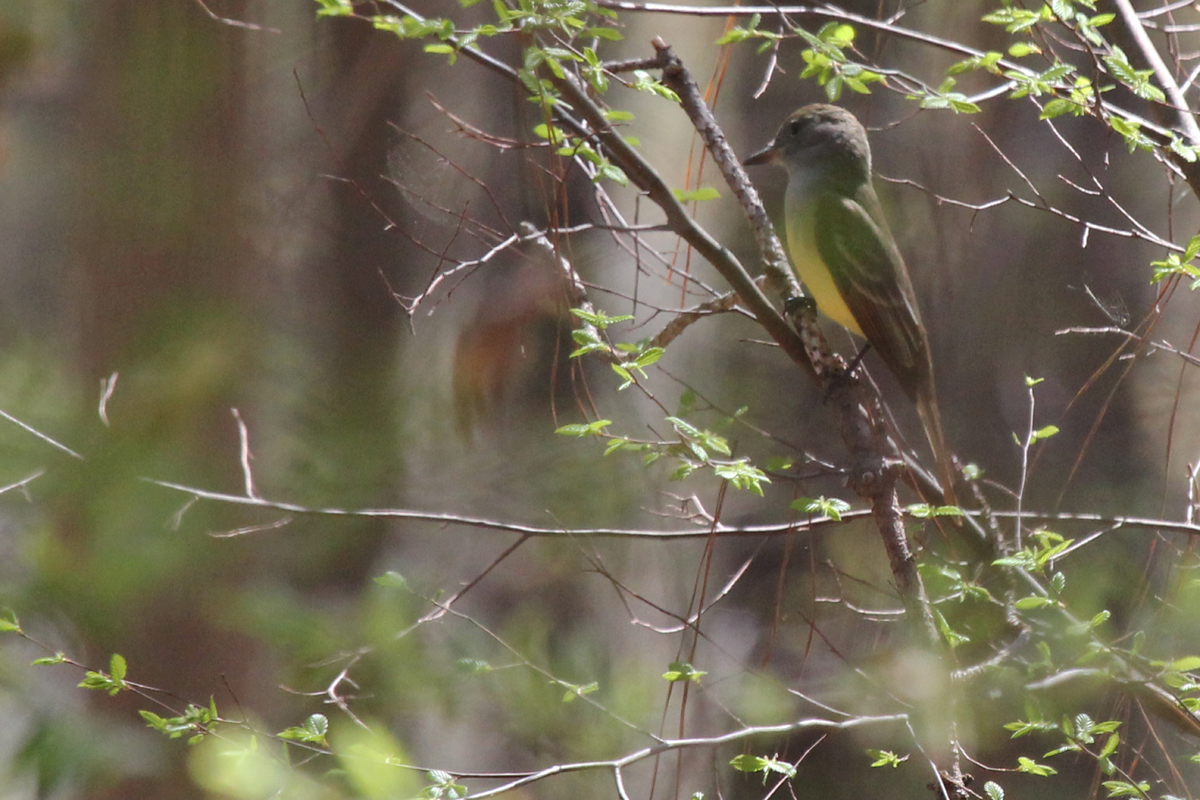
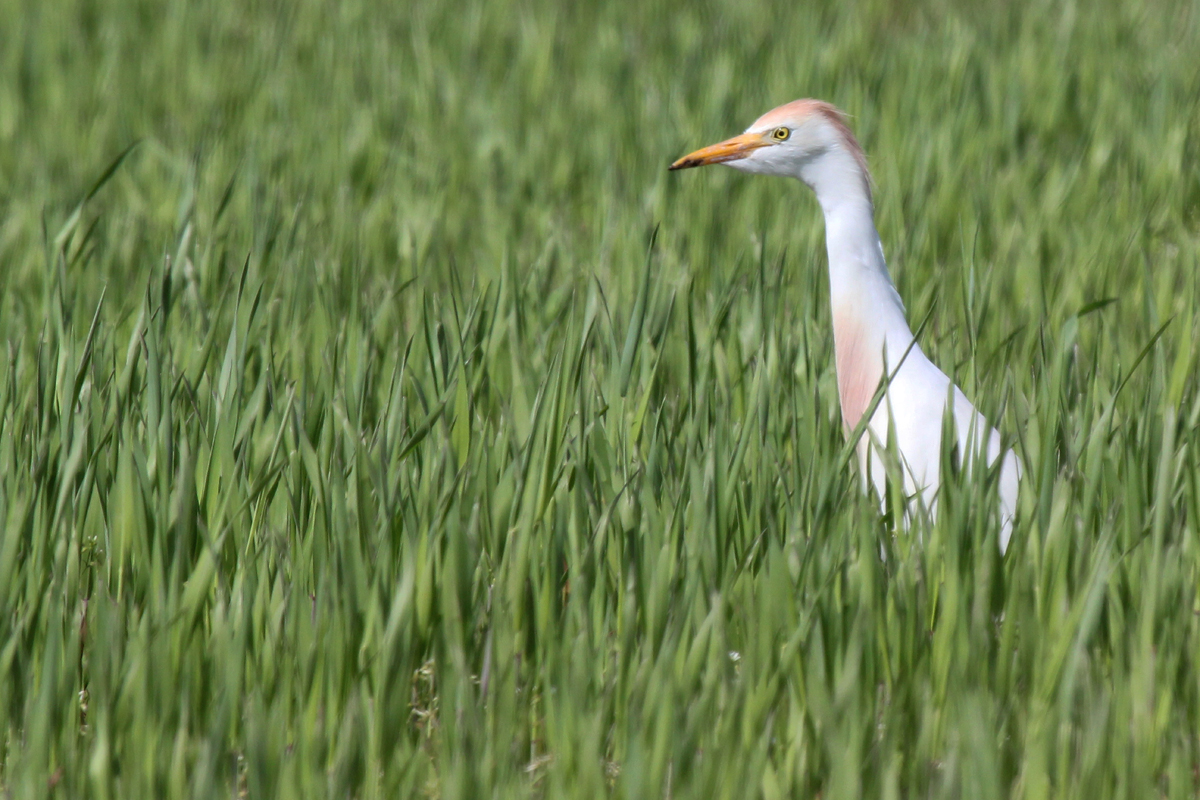
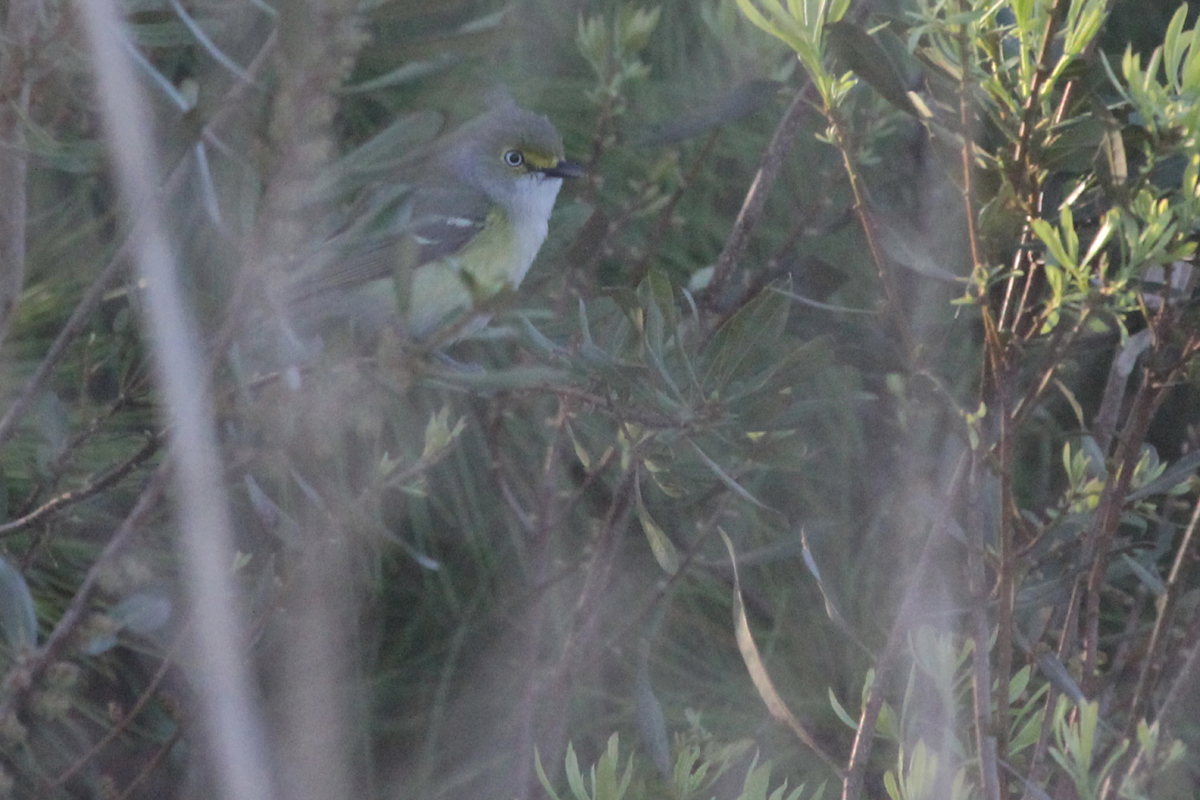
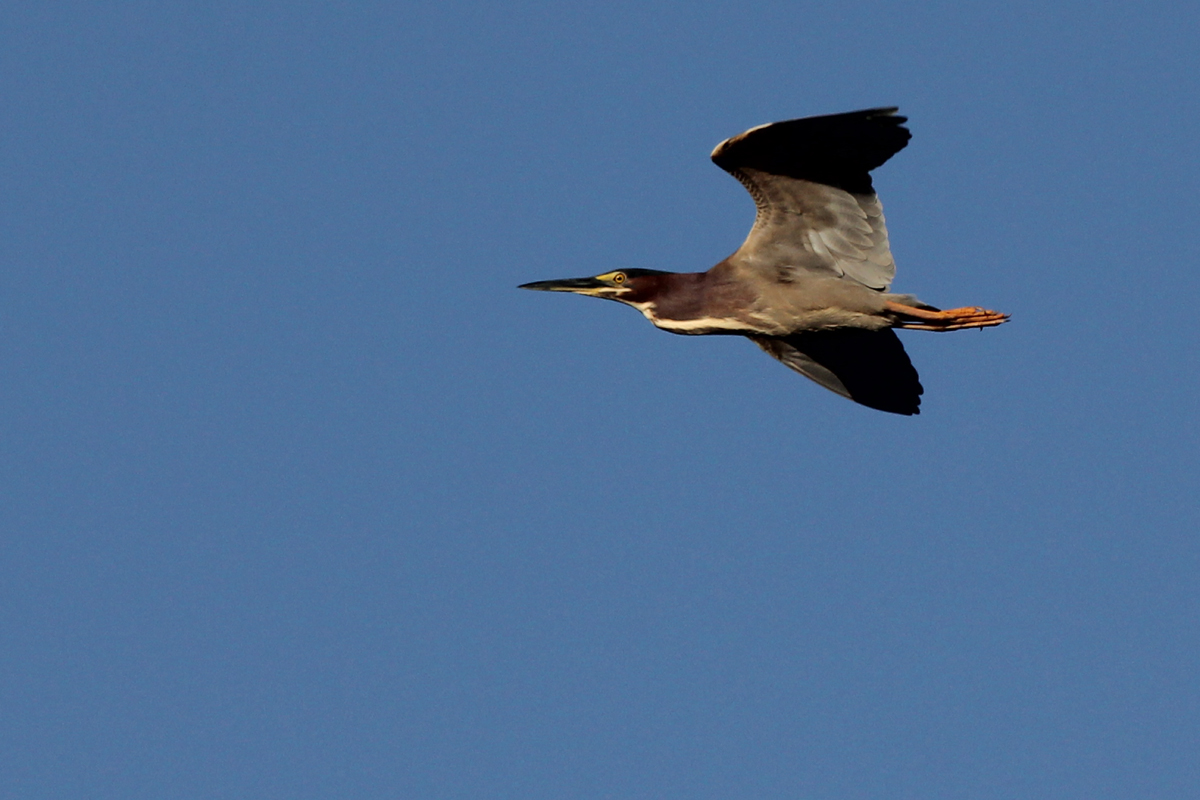
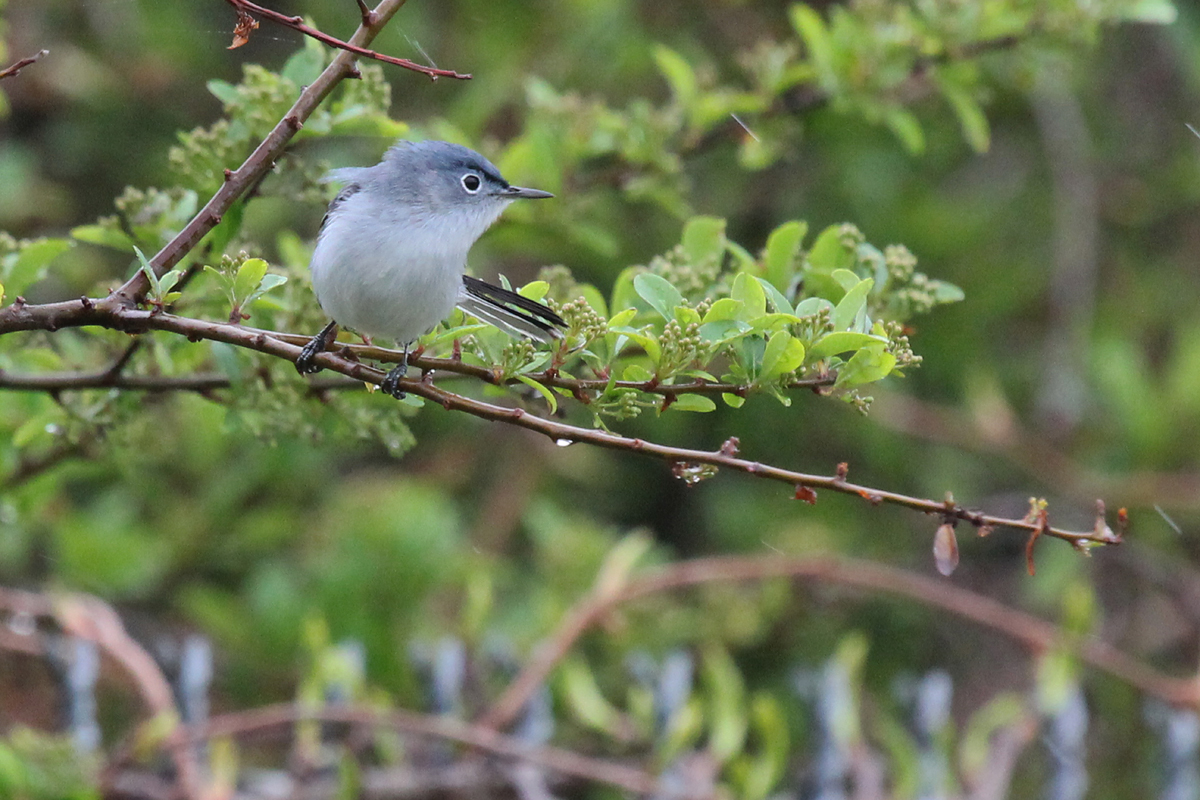
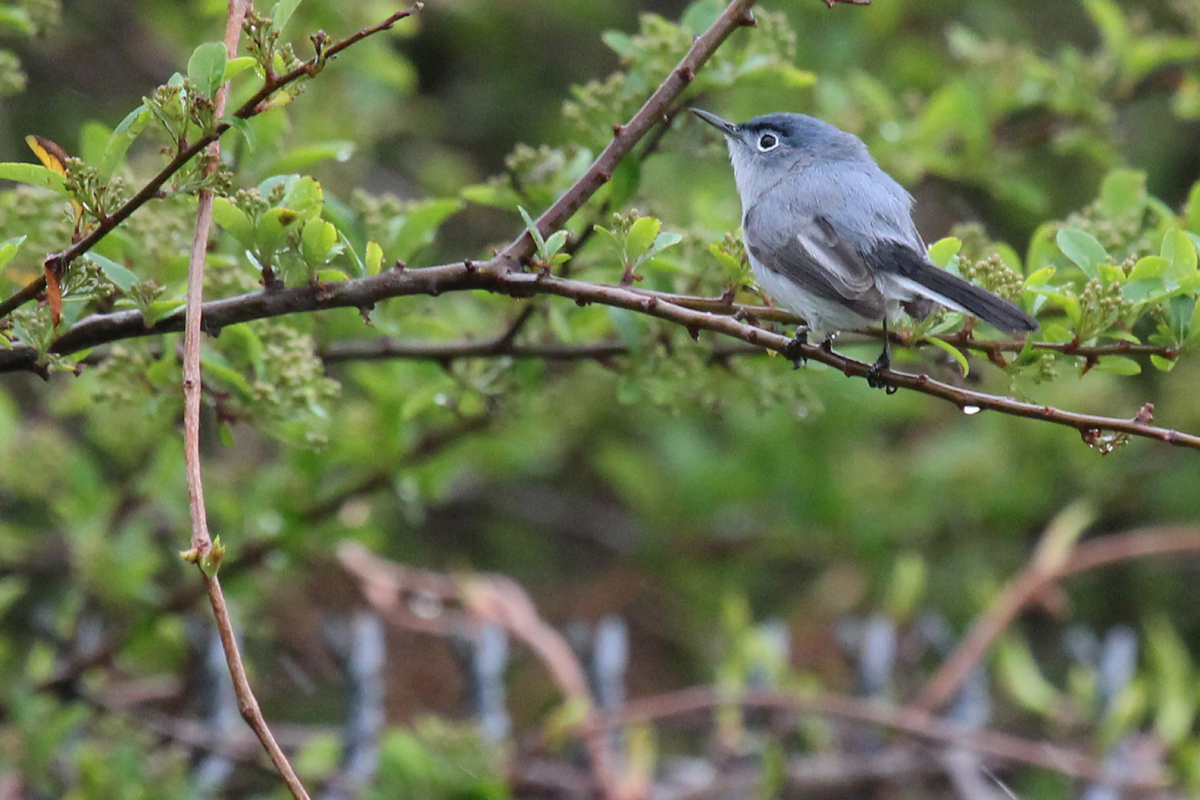
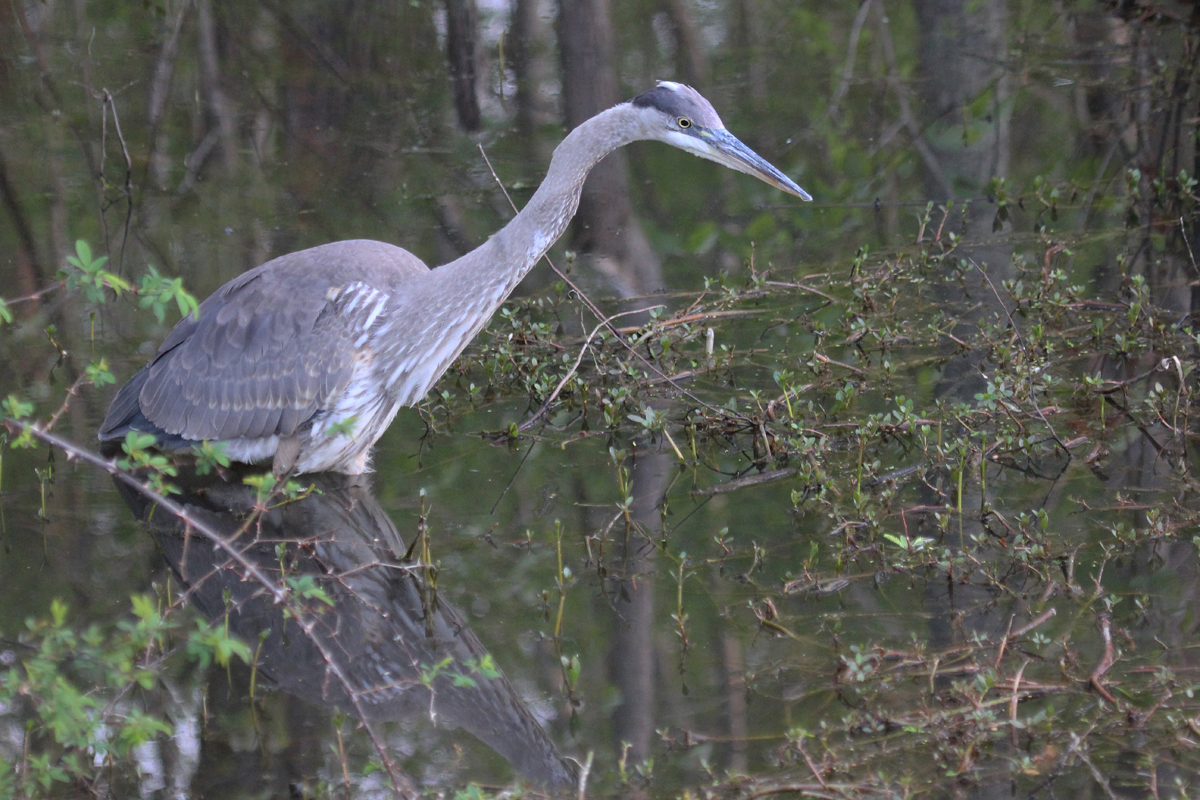
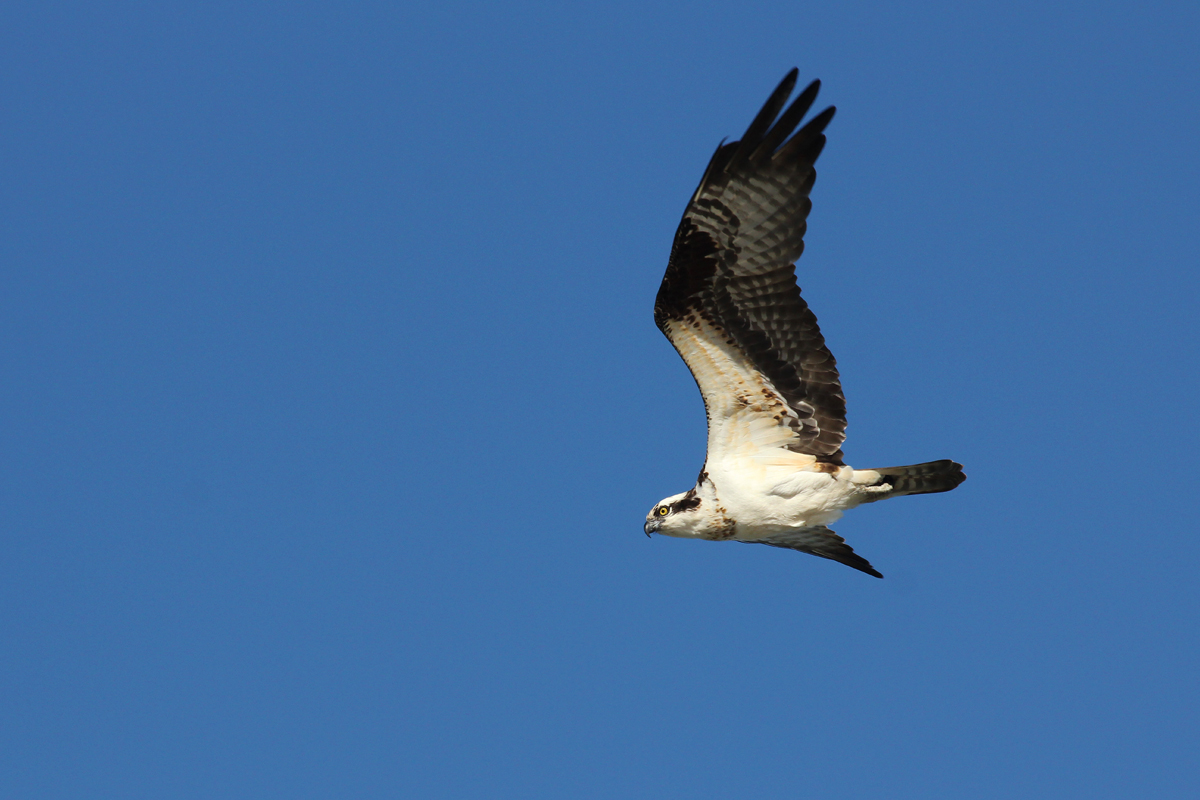
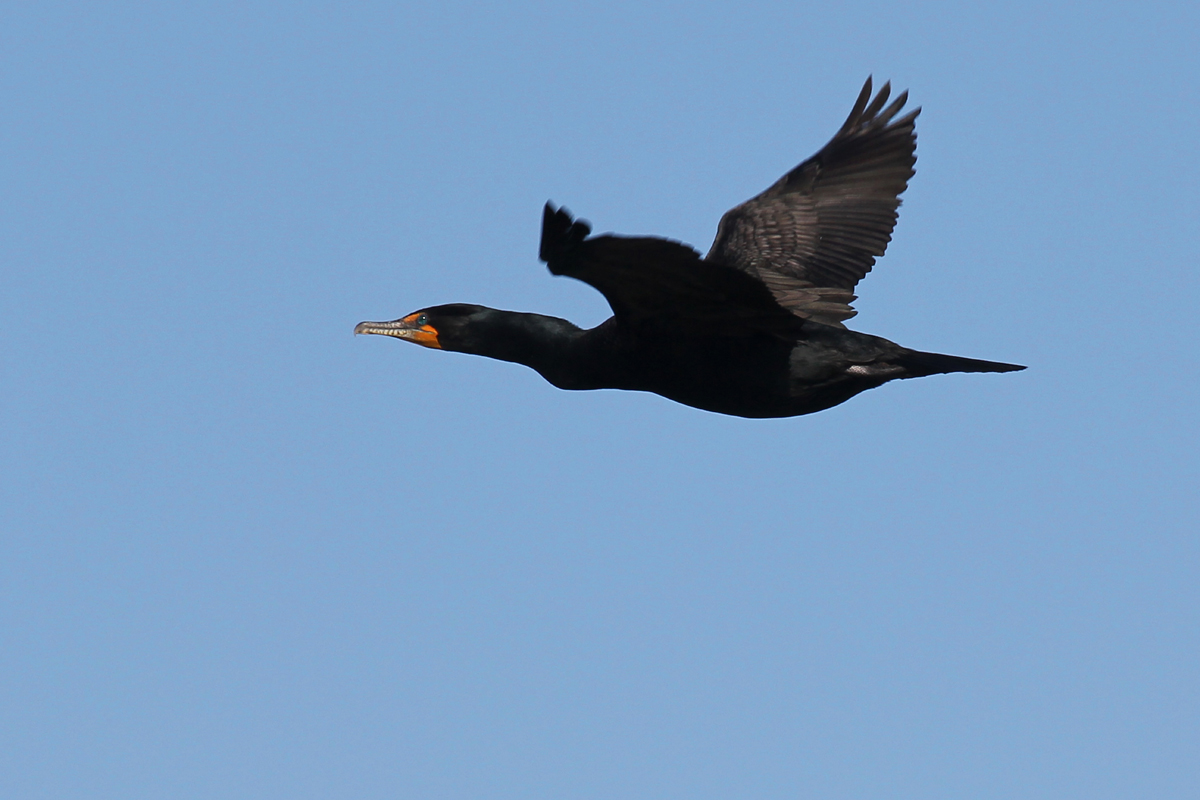
Mid-May 2018 (11th-20th)

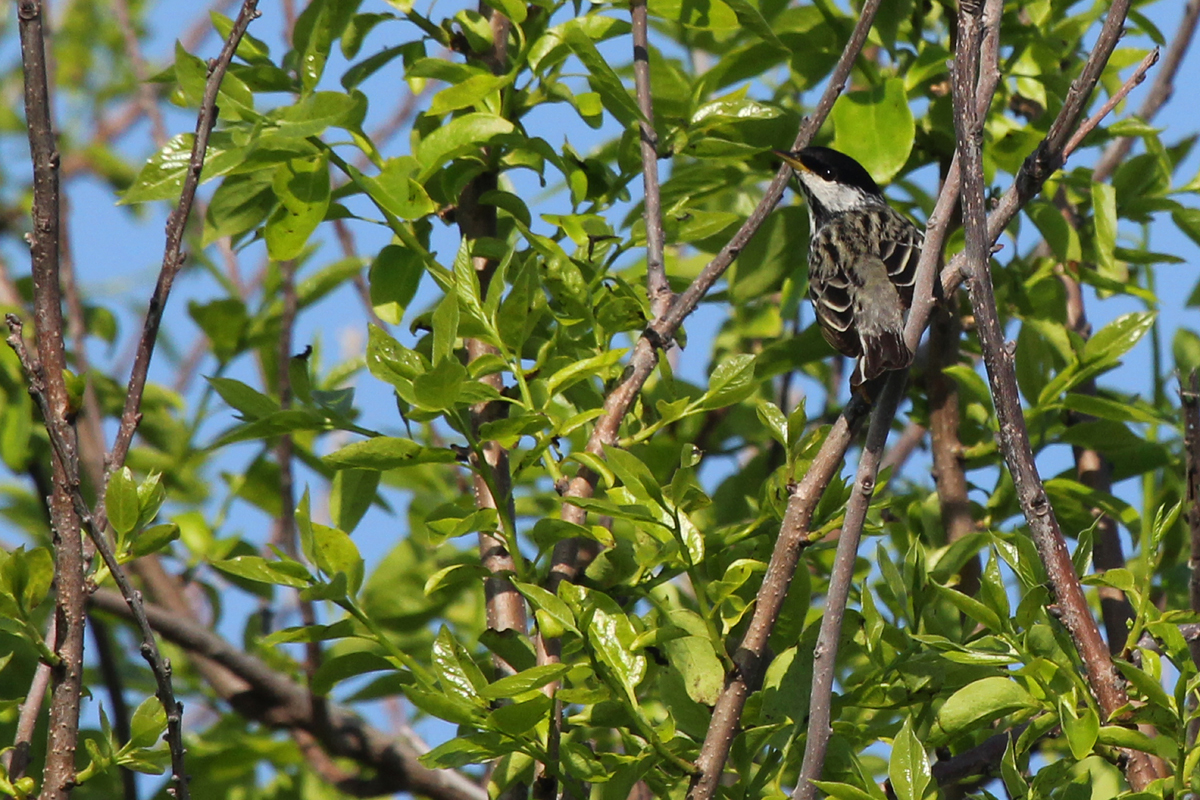
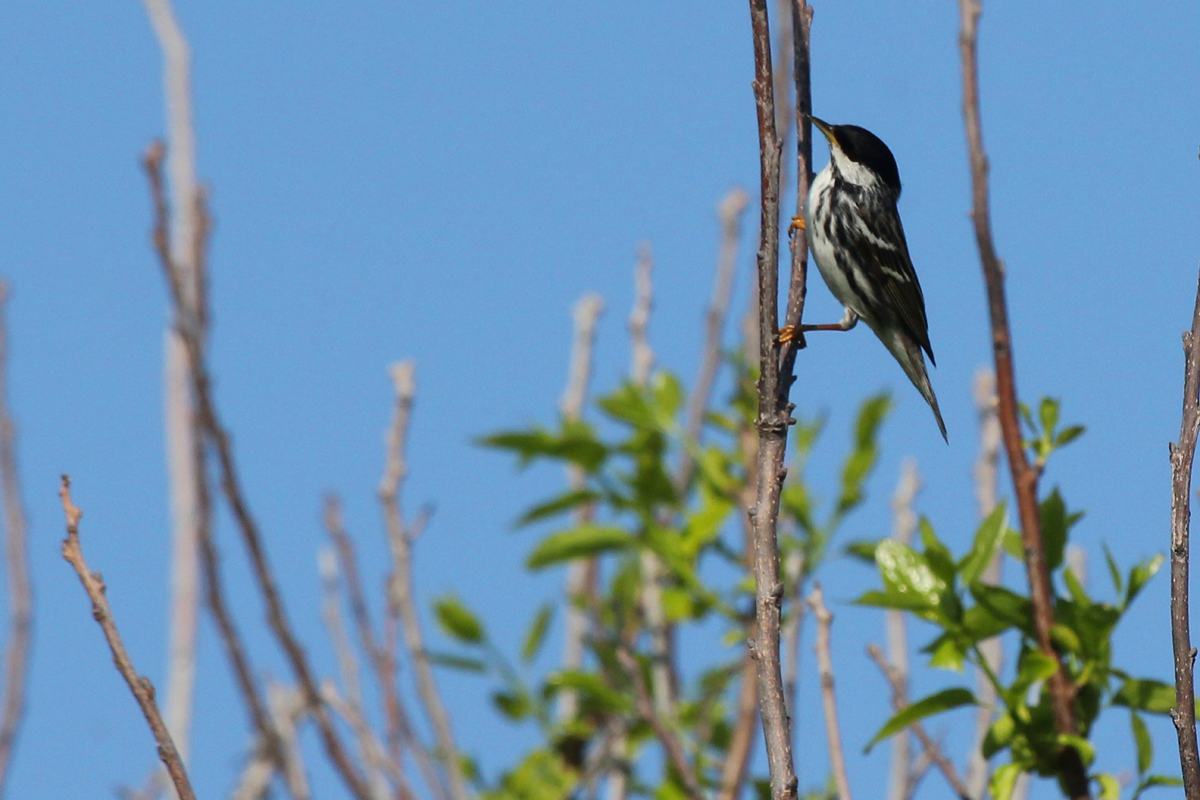
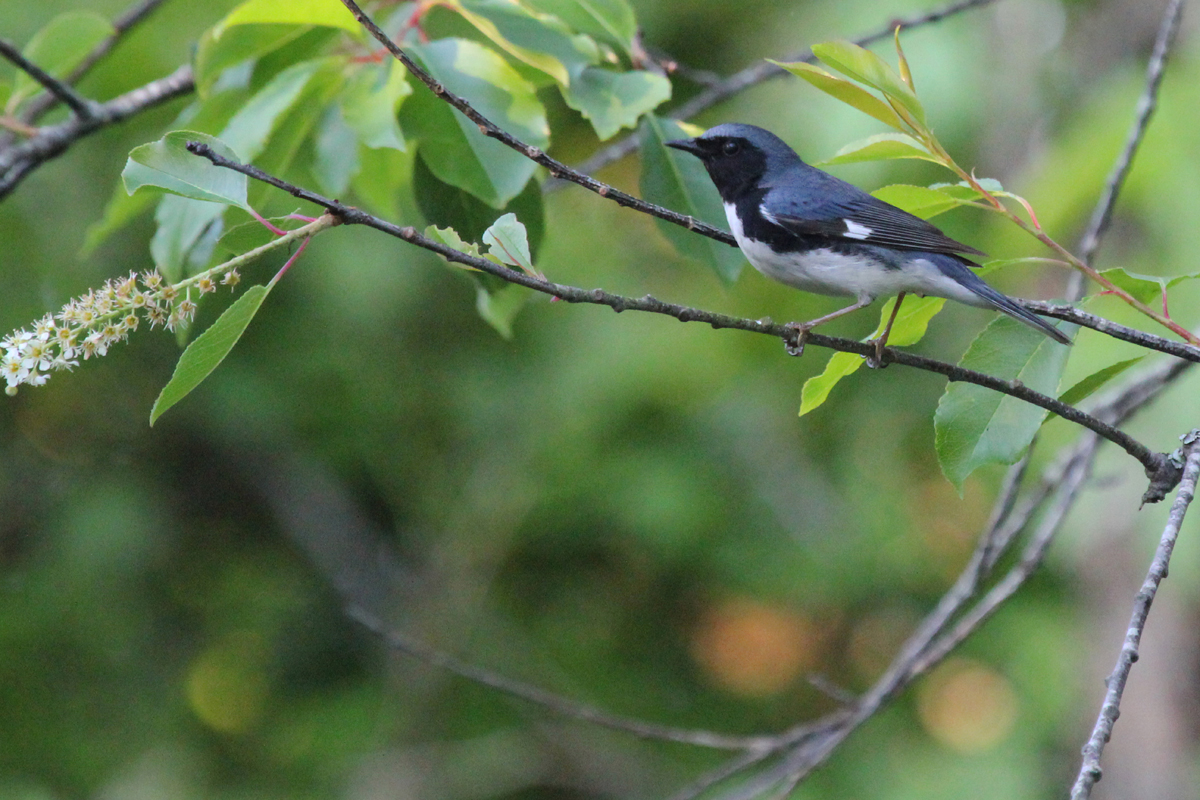
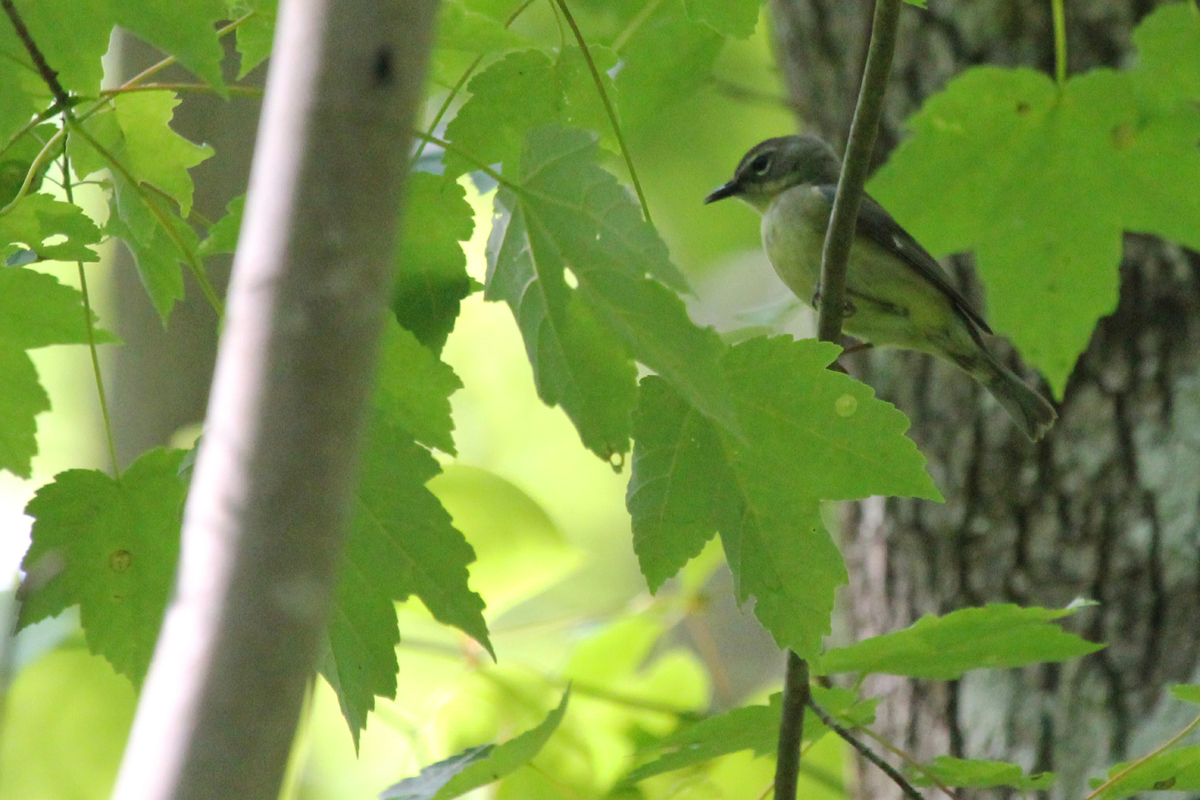
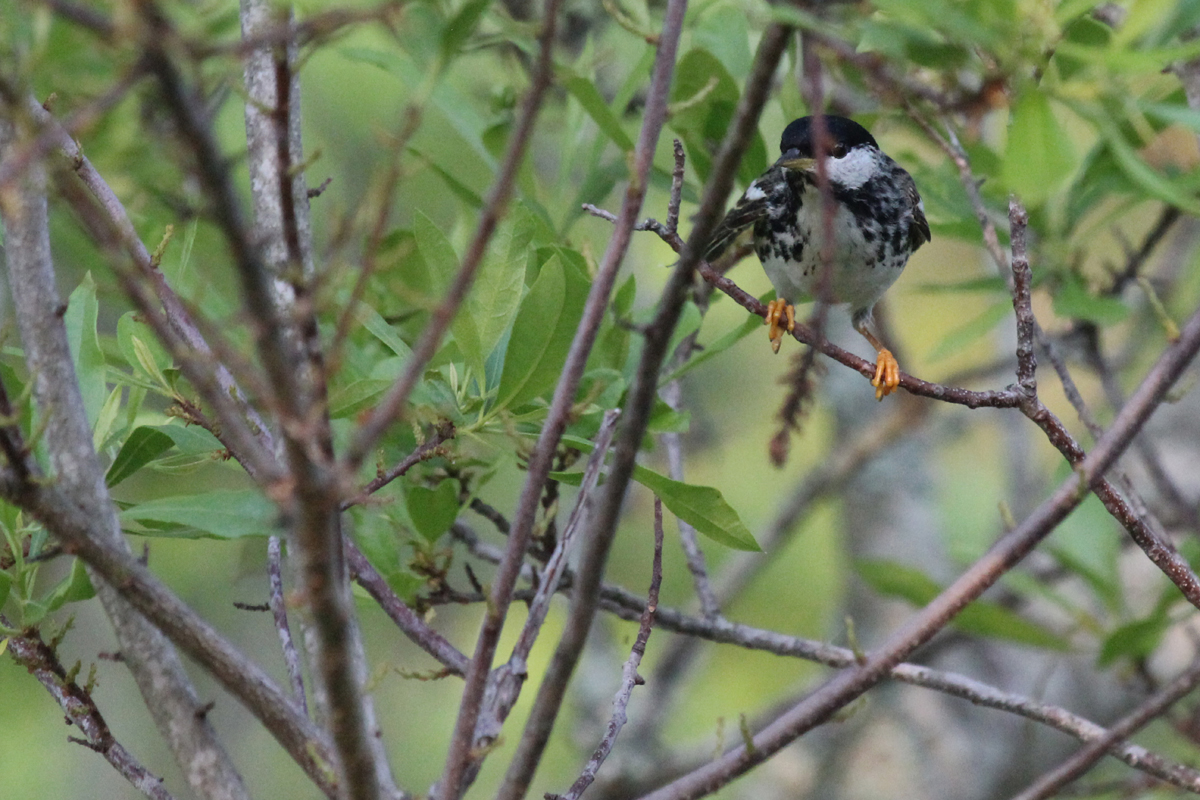
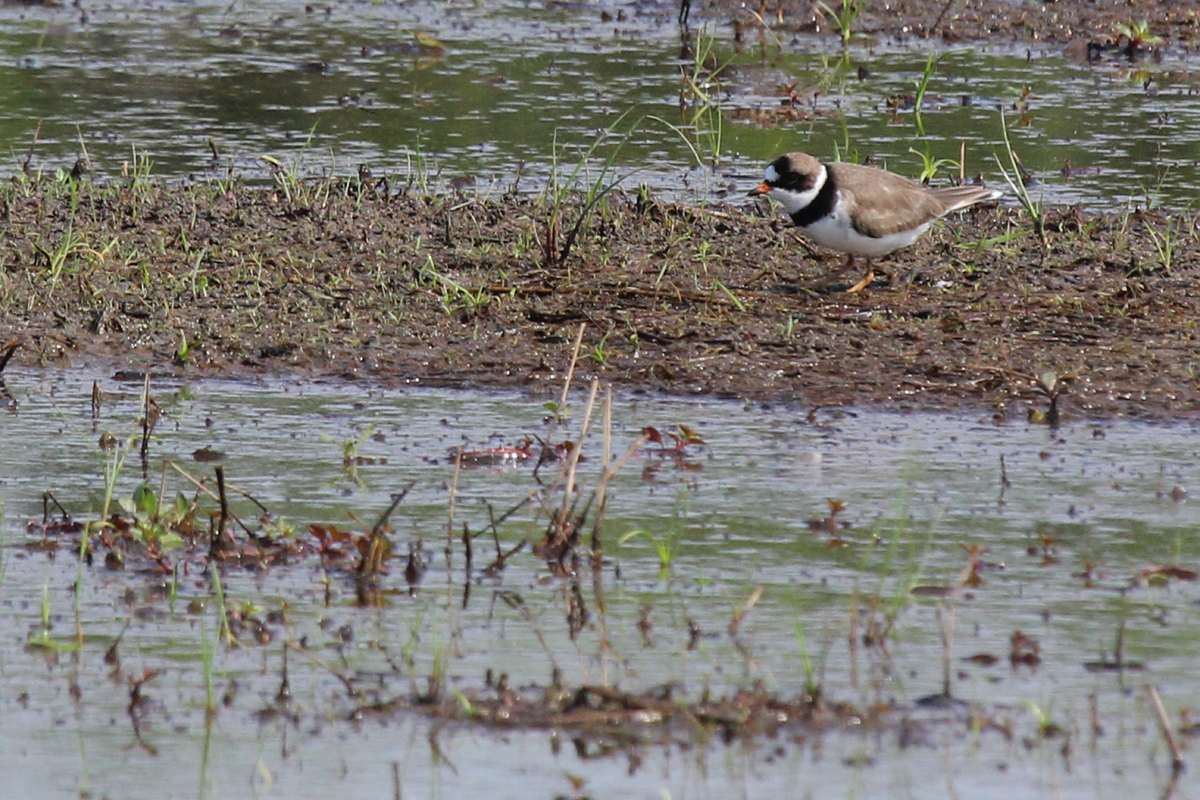
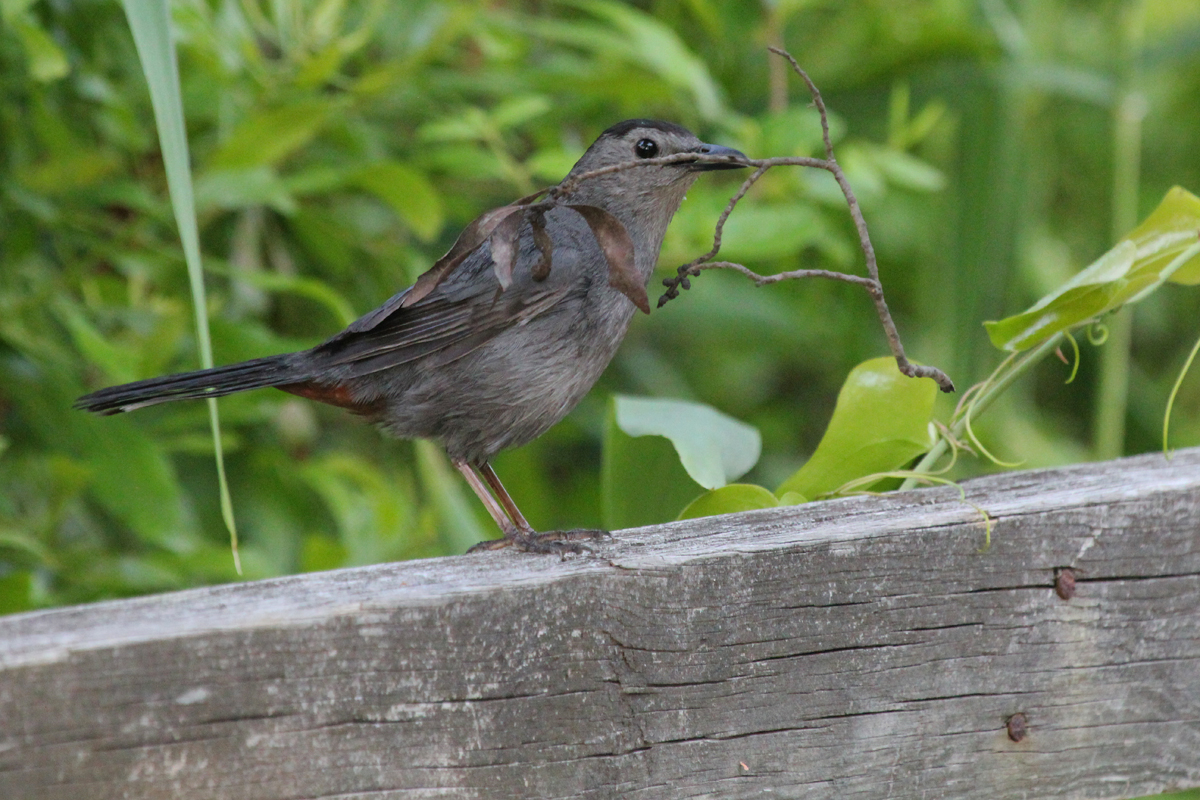
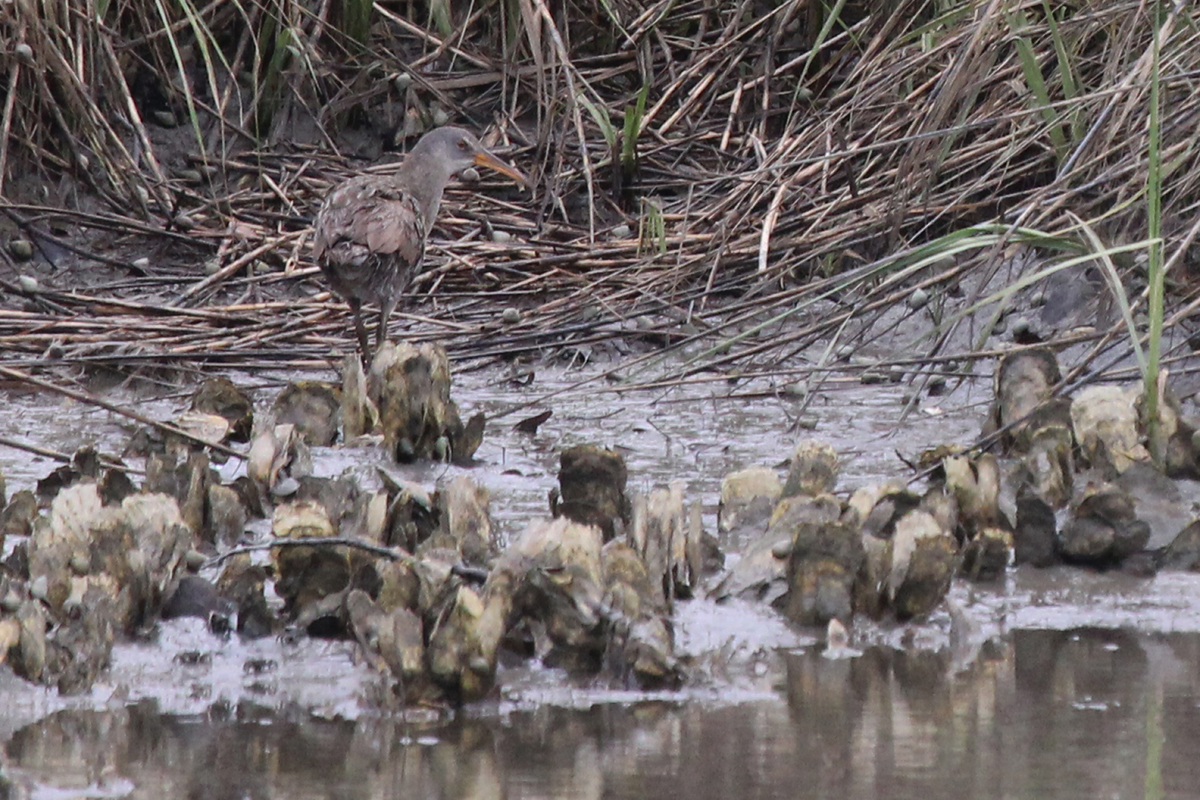
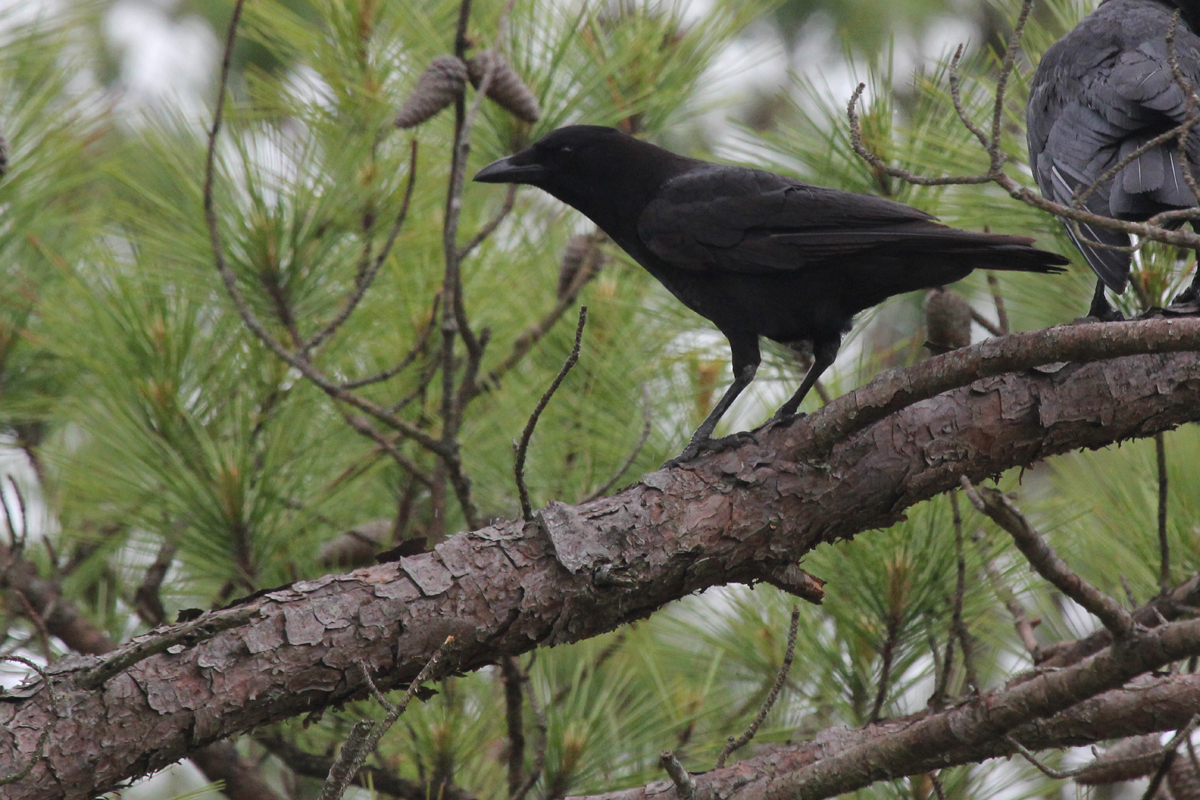
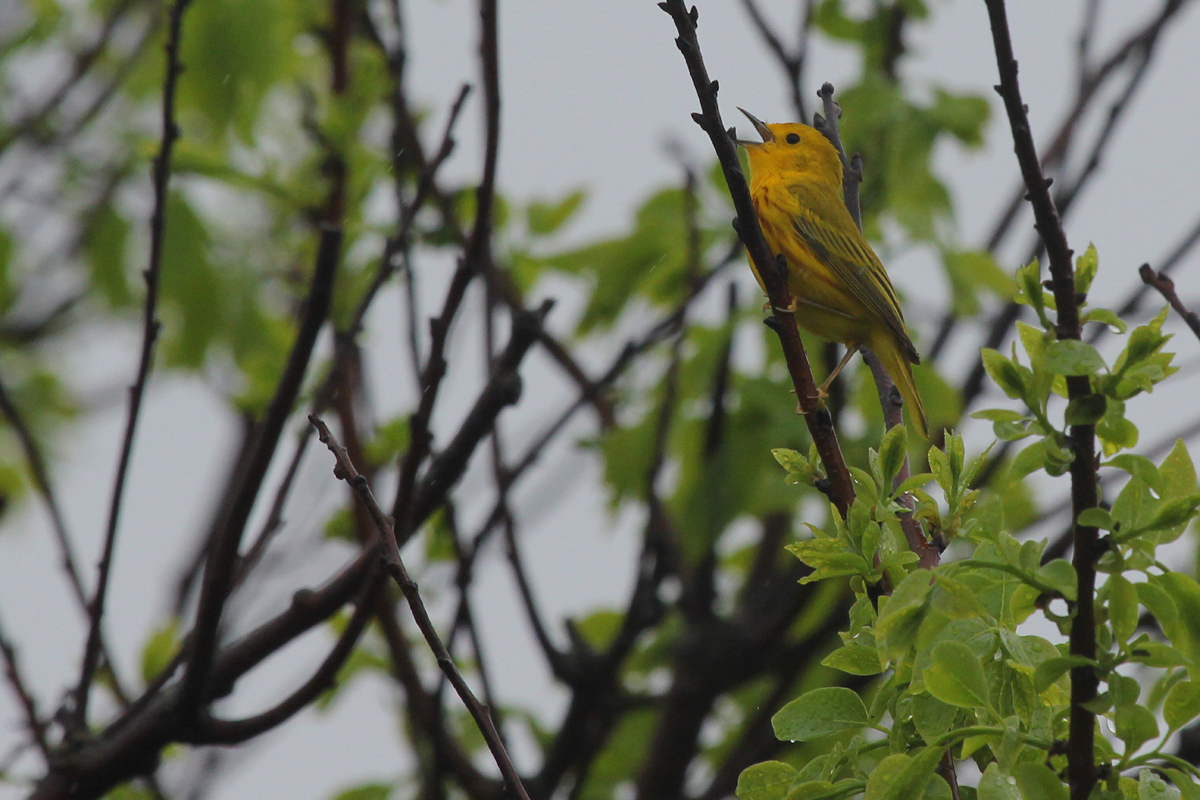
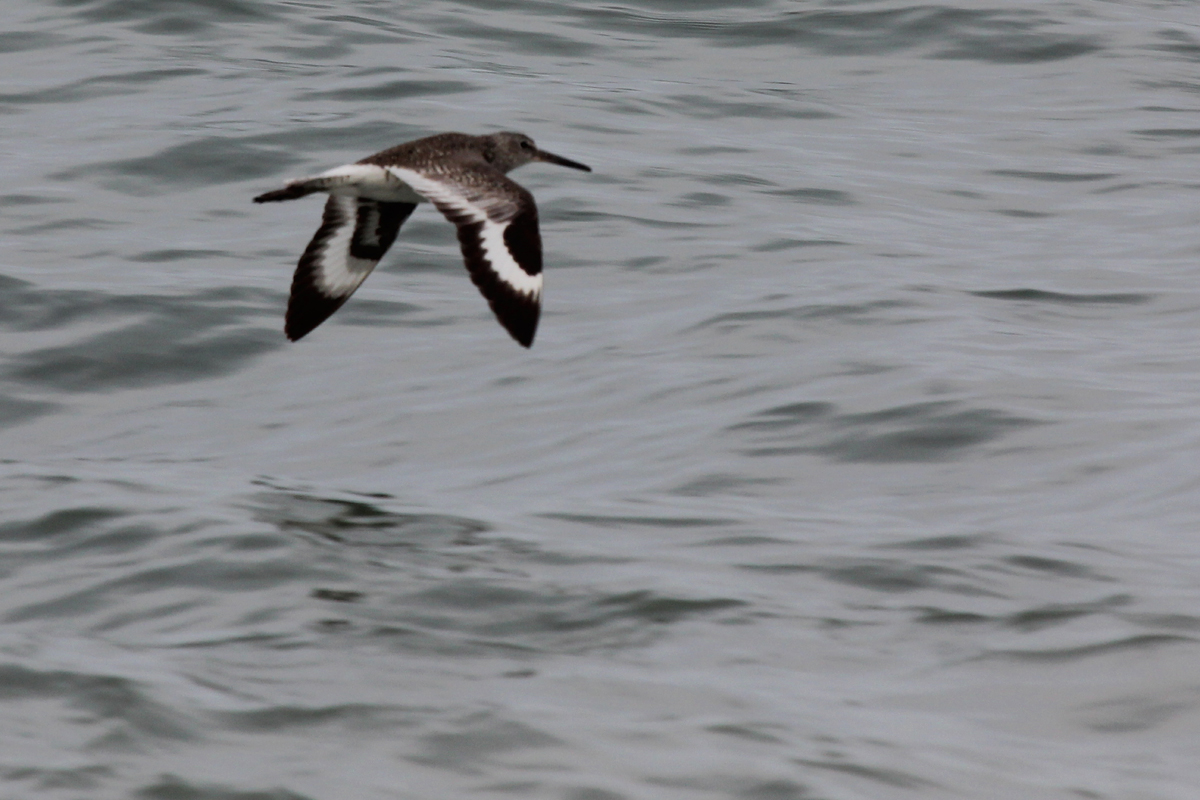
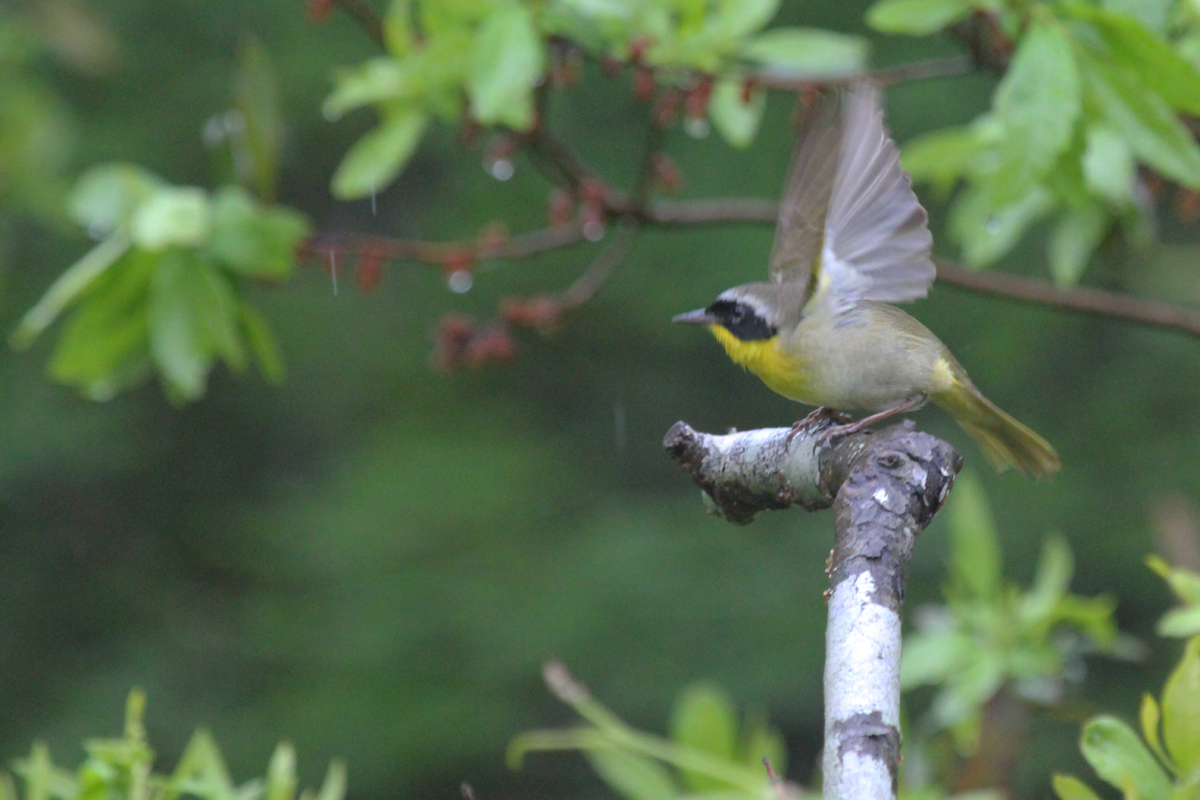
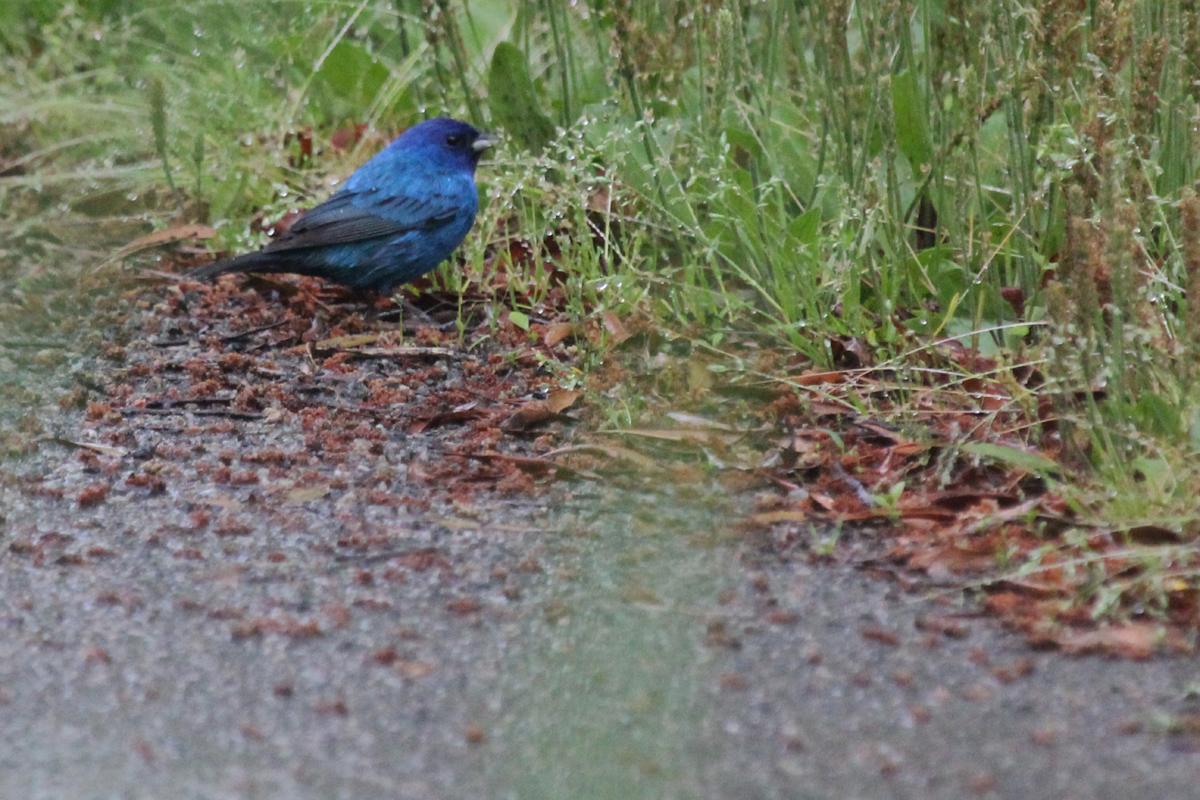
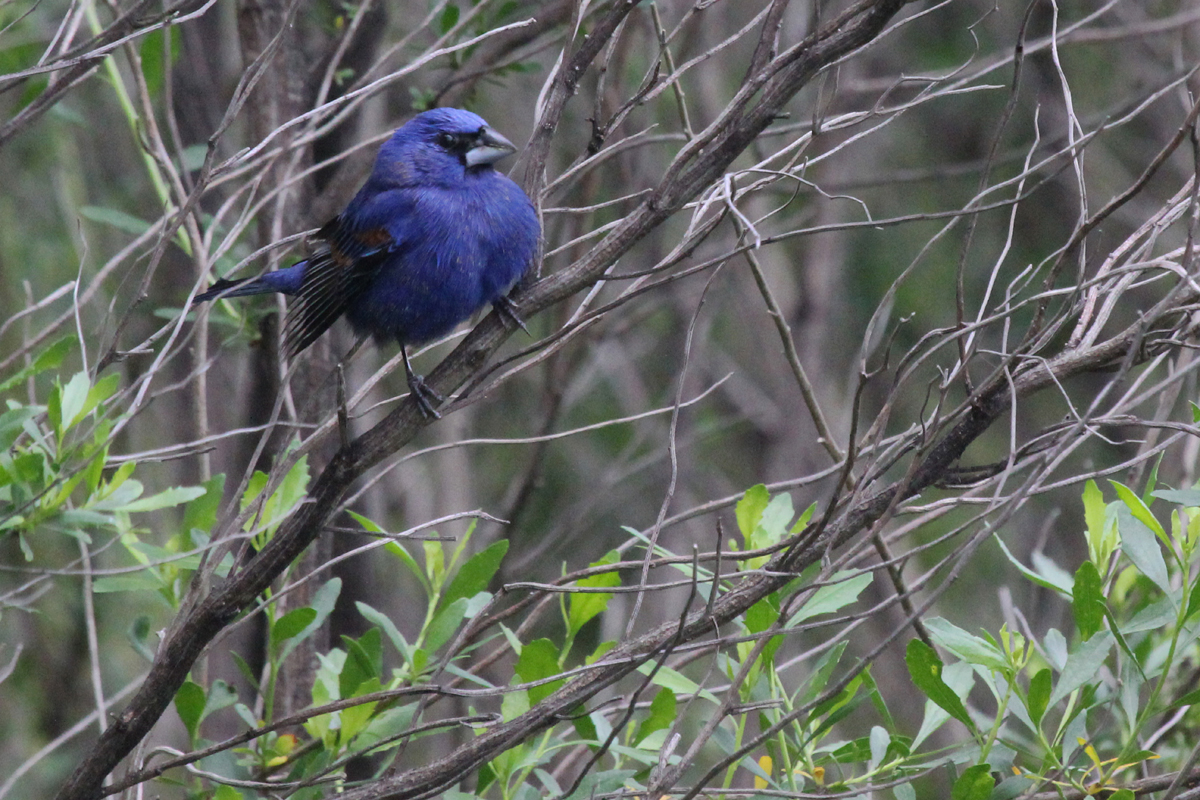
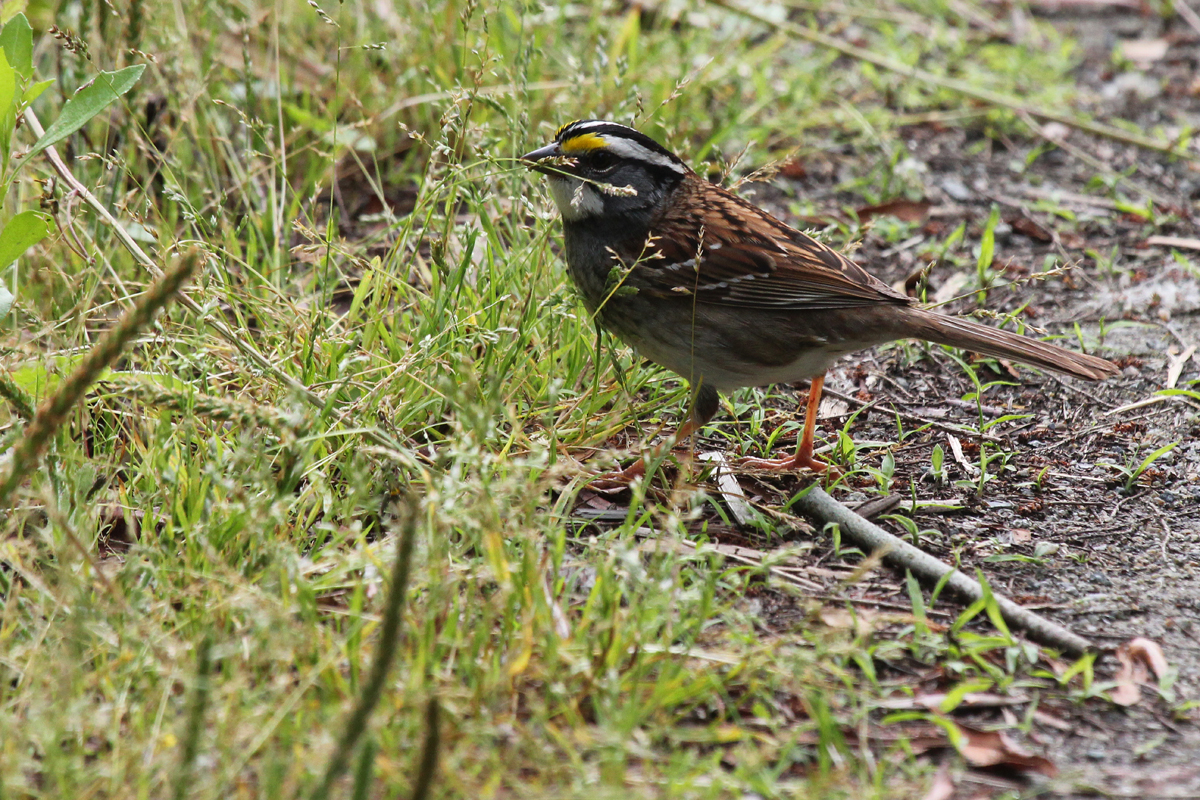
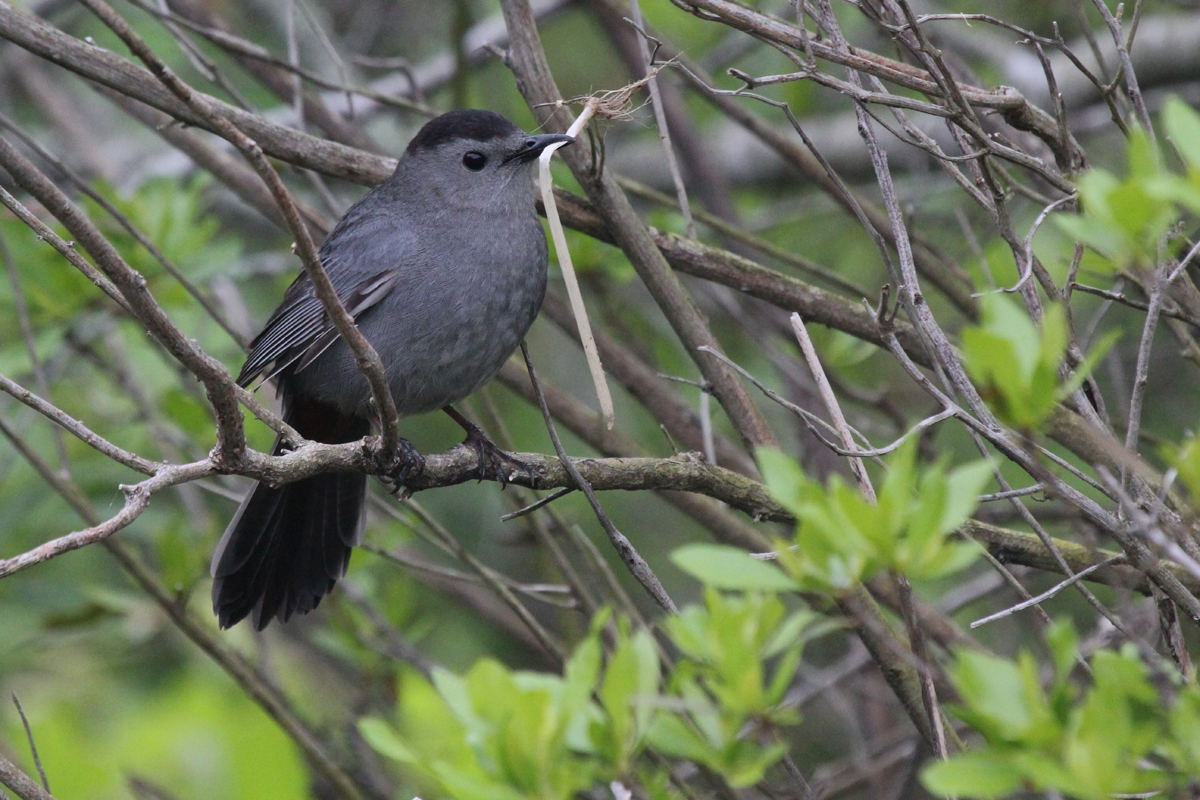
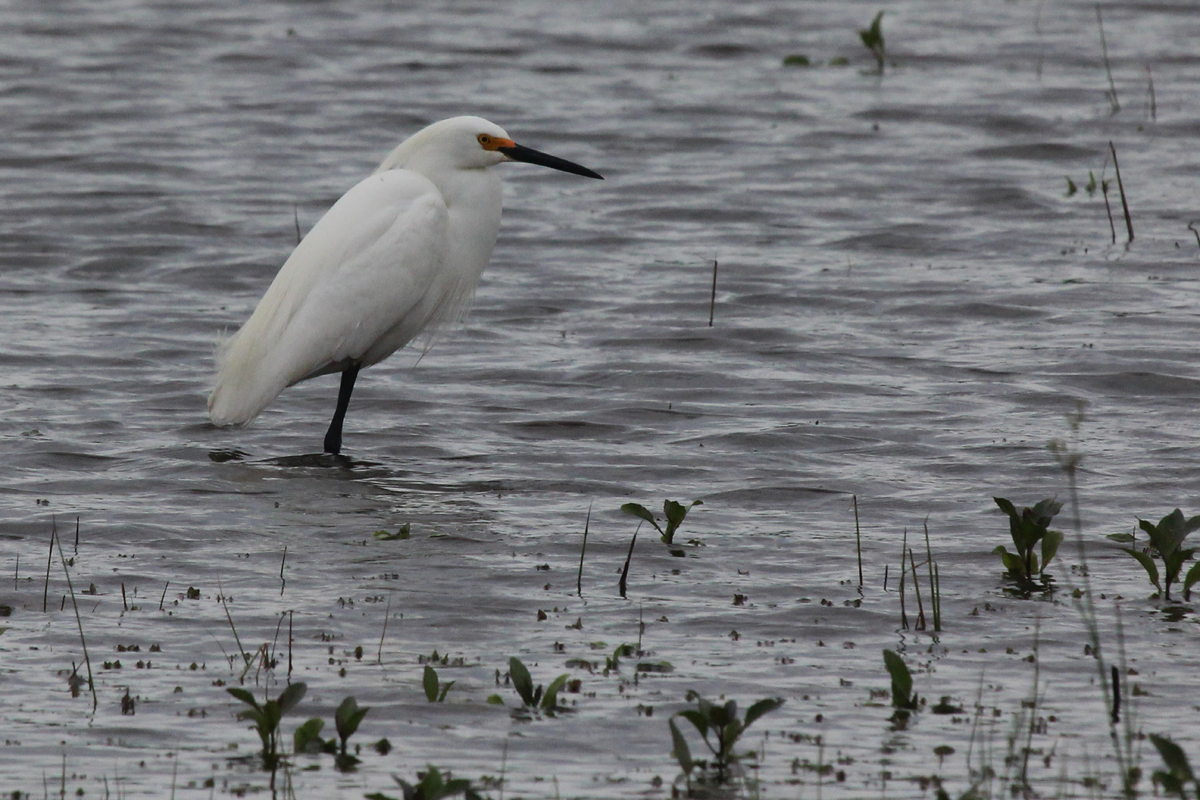
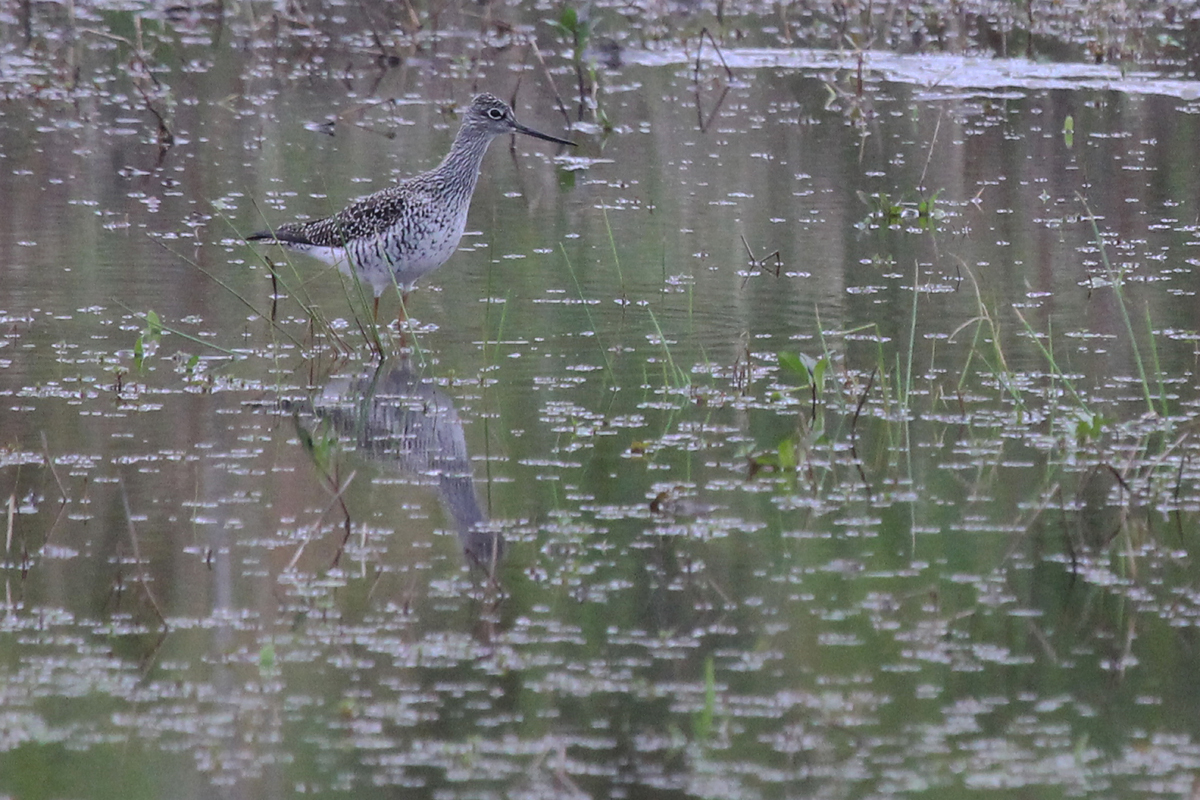
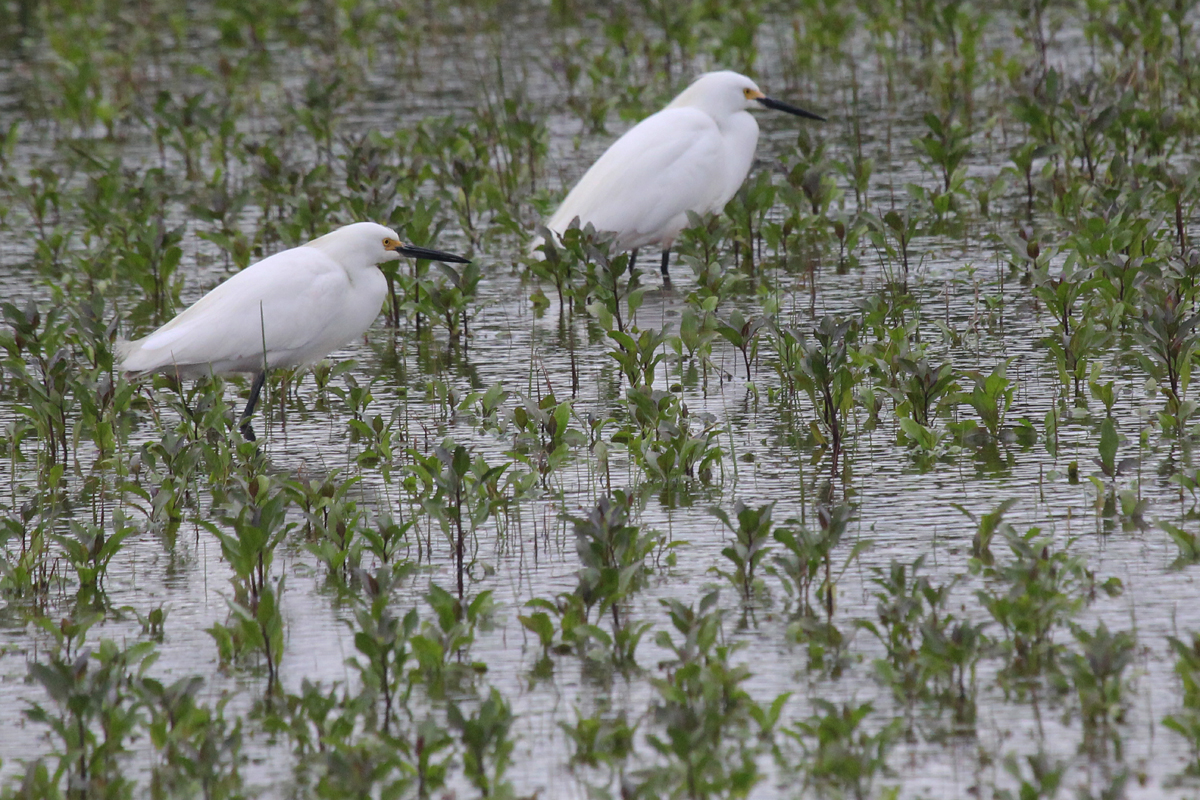
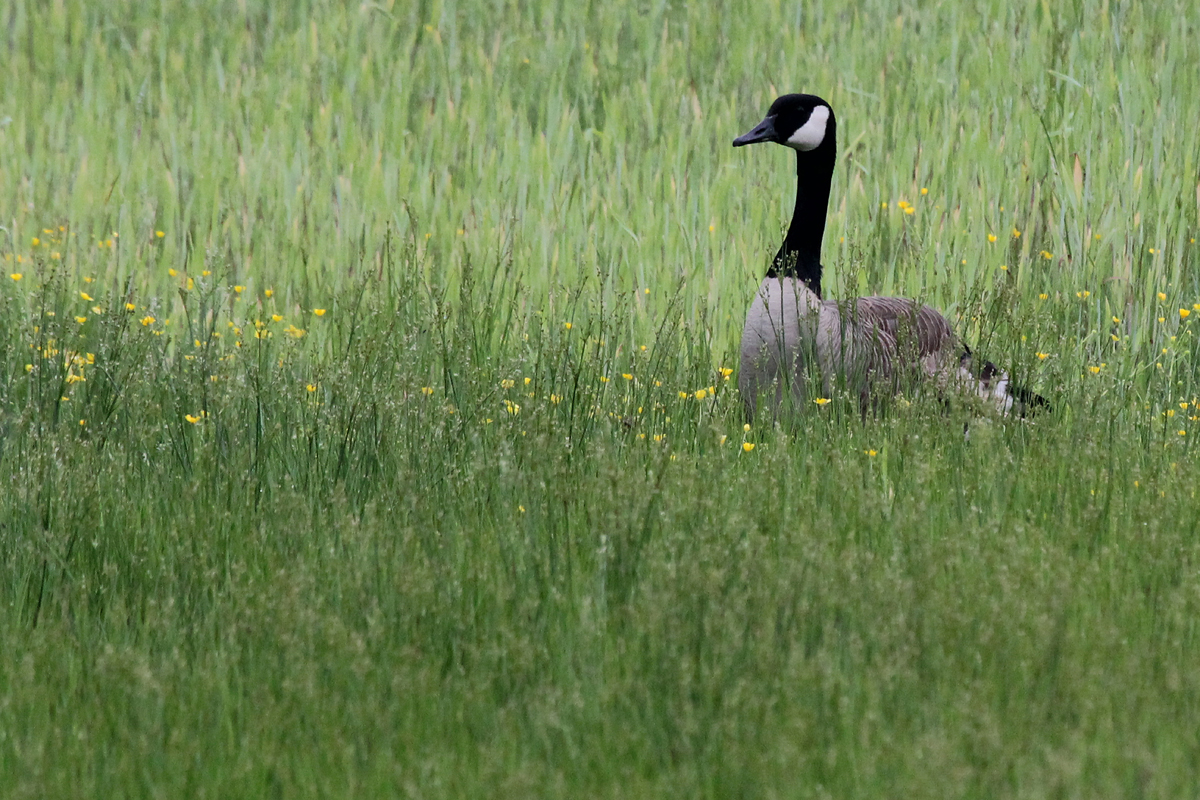
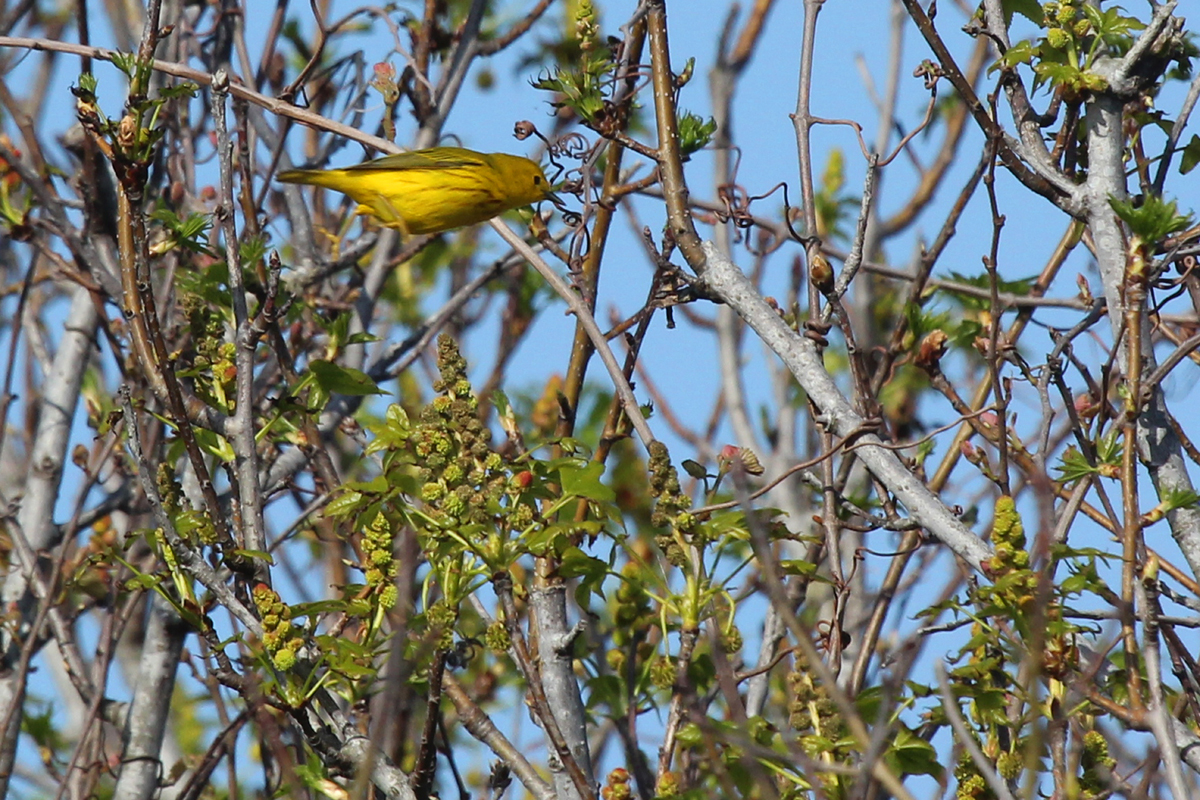
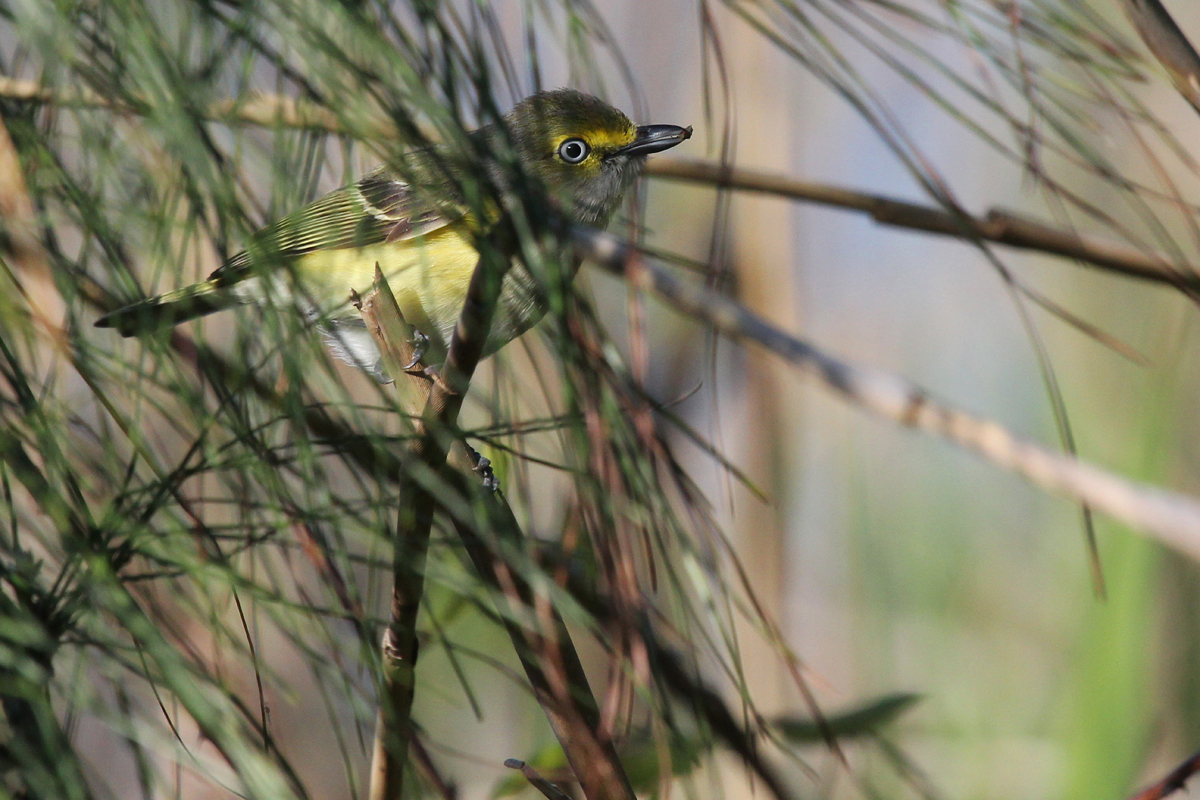
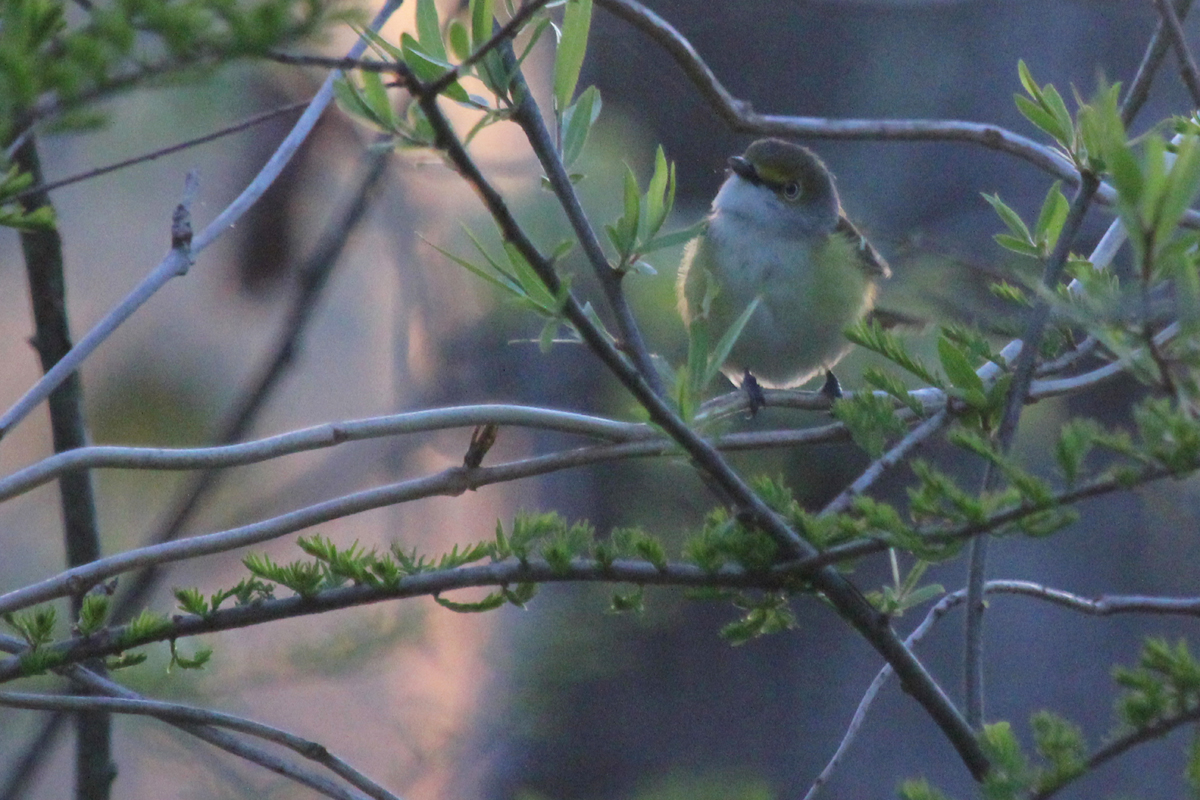
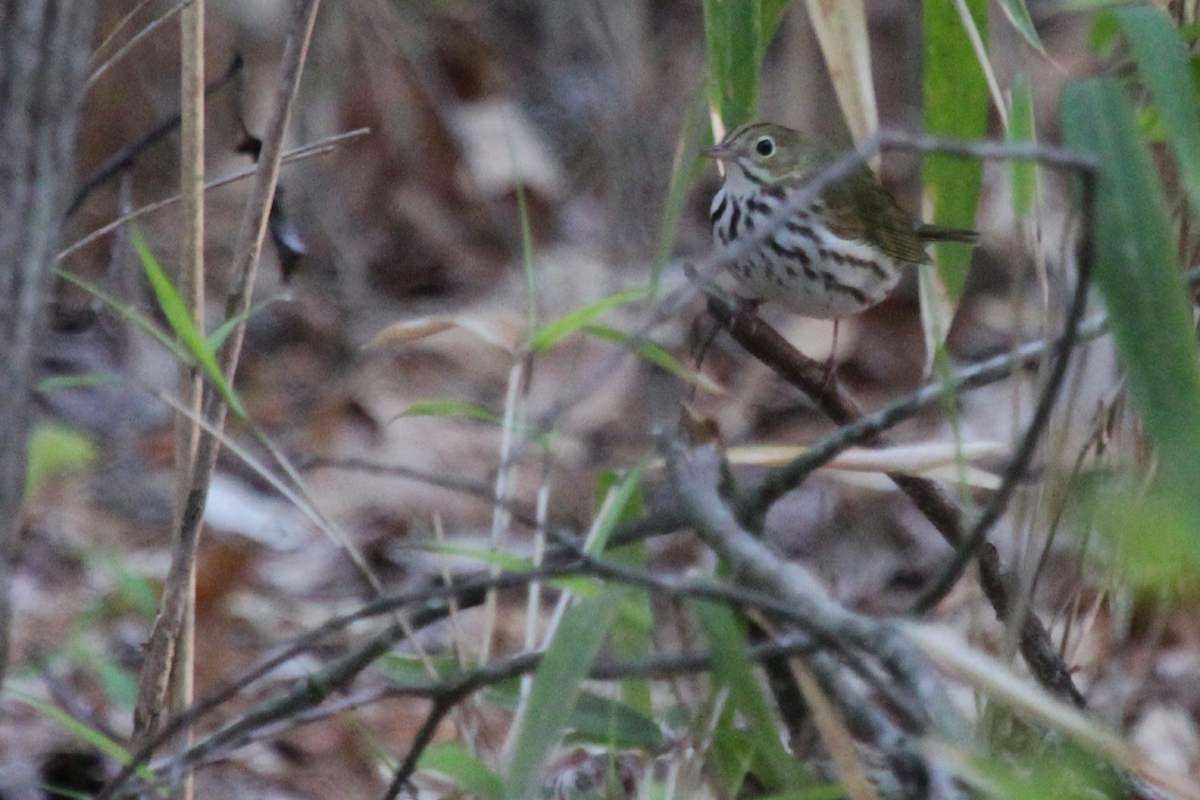
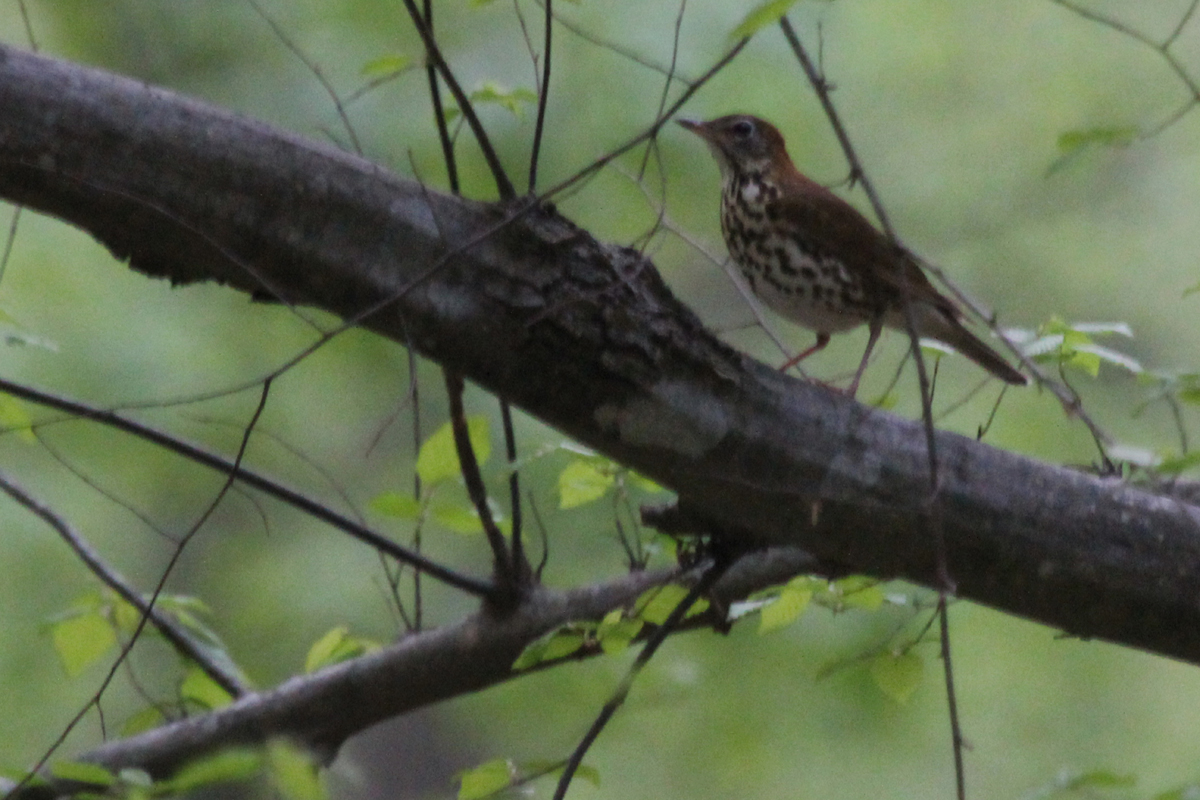
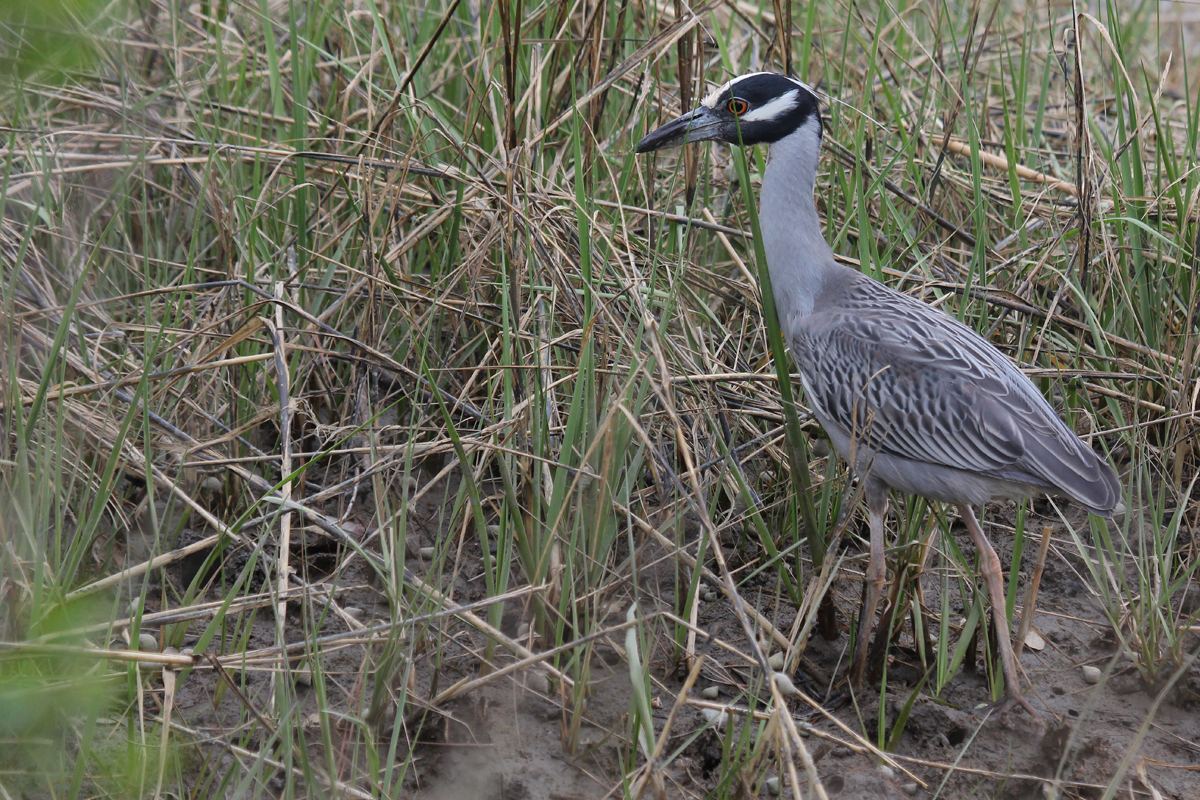
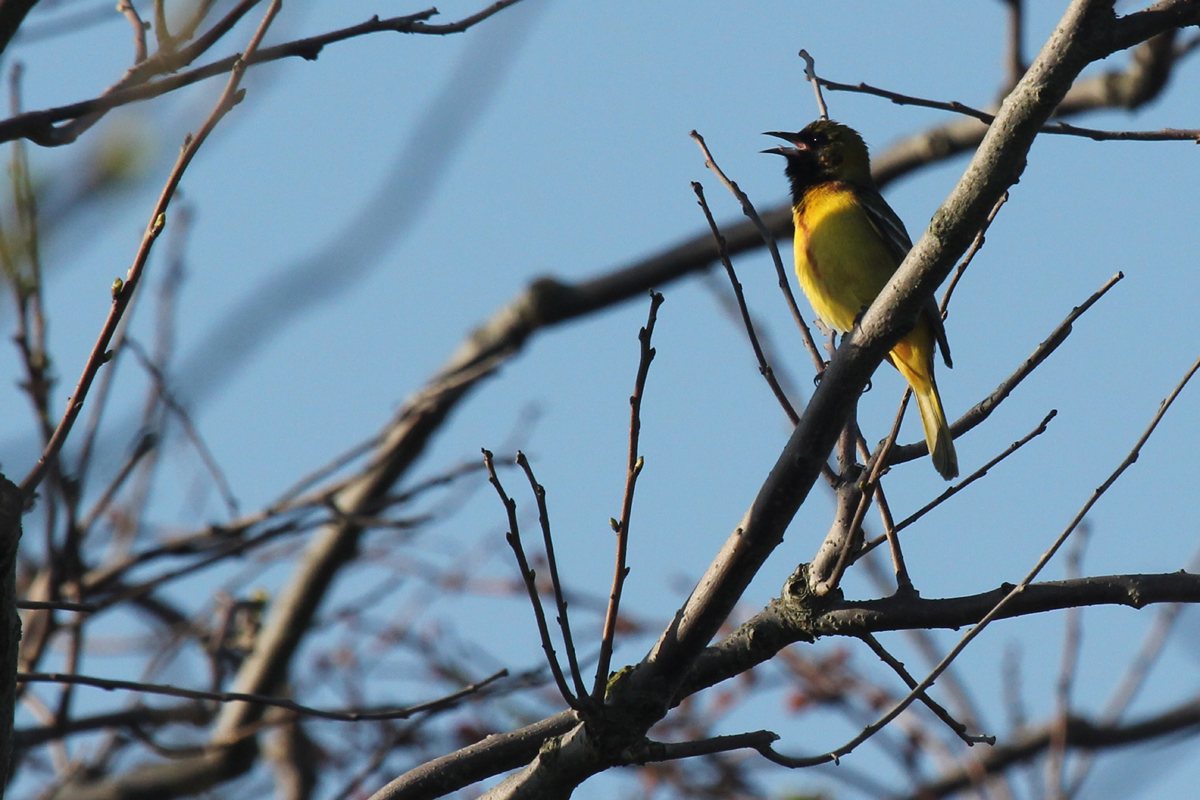
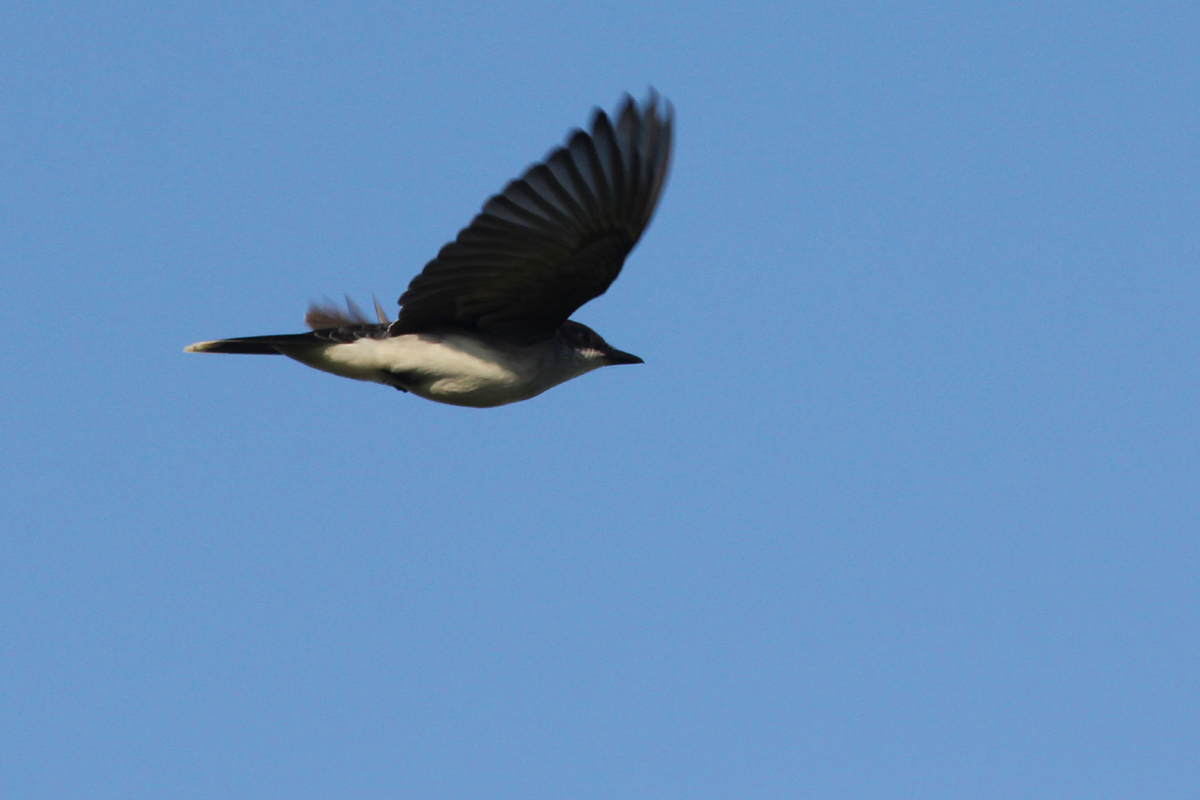
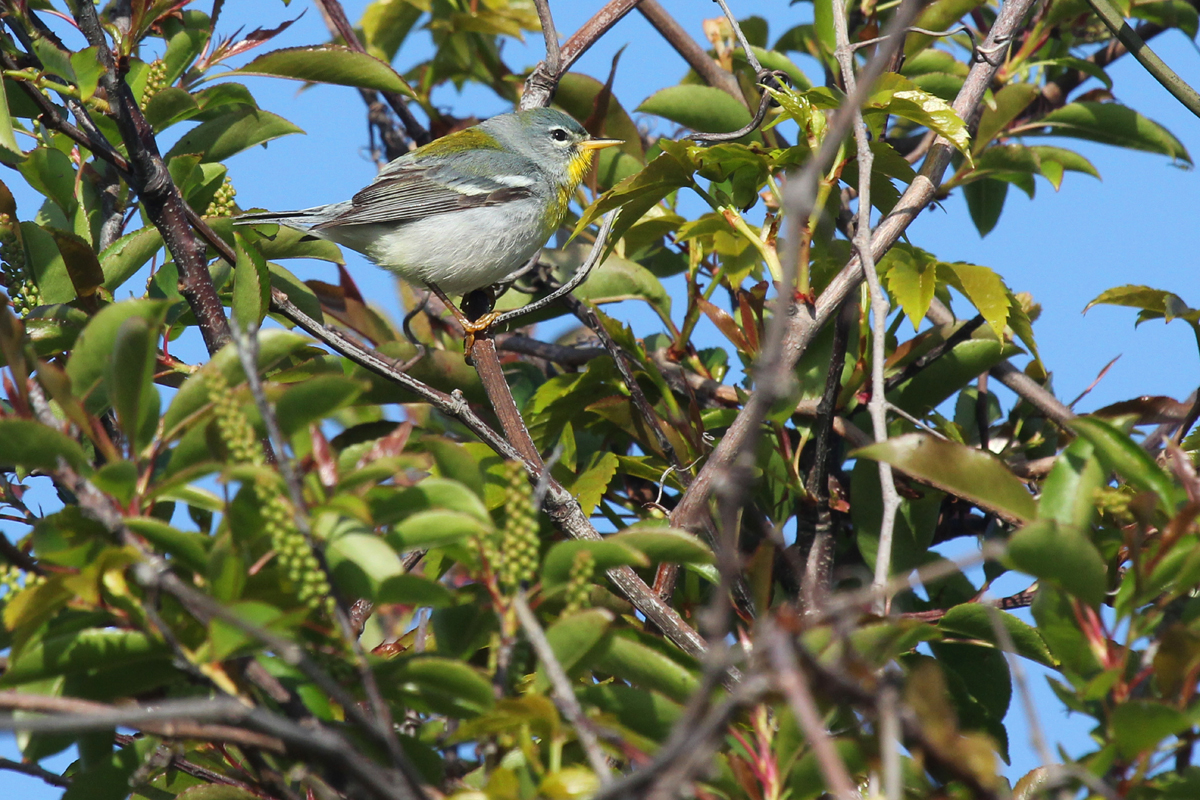
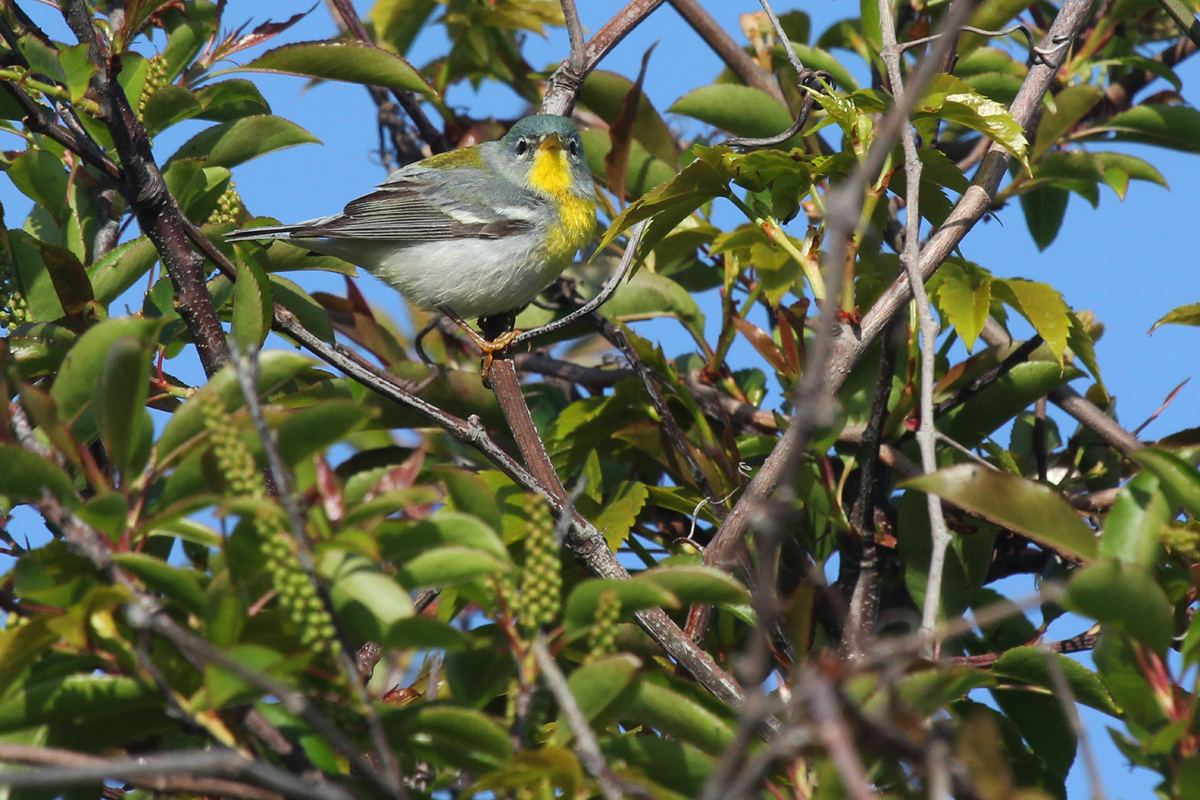
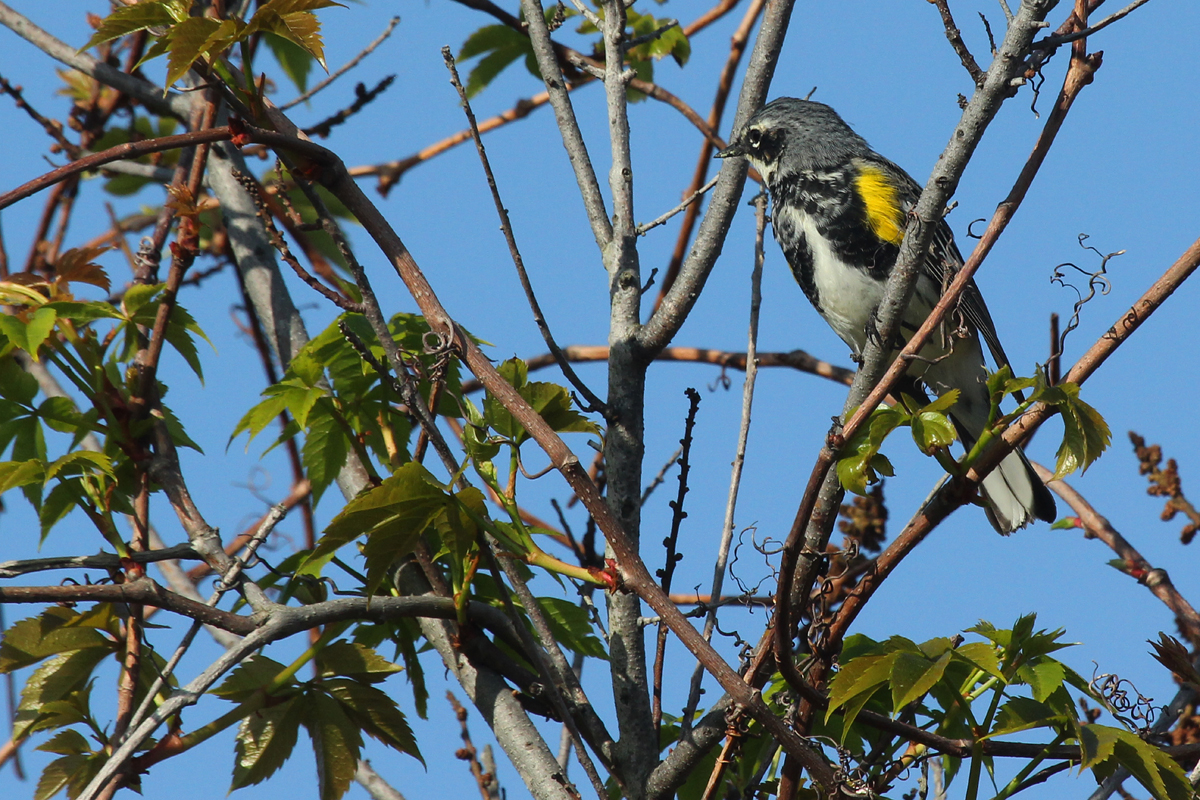
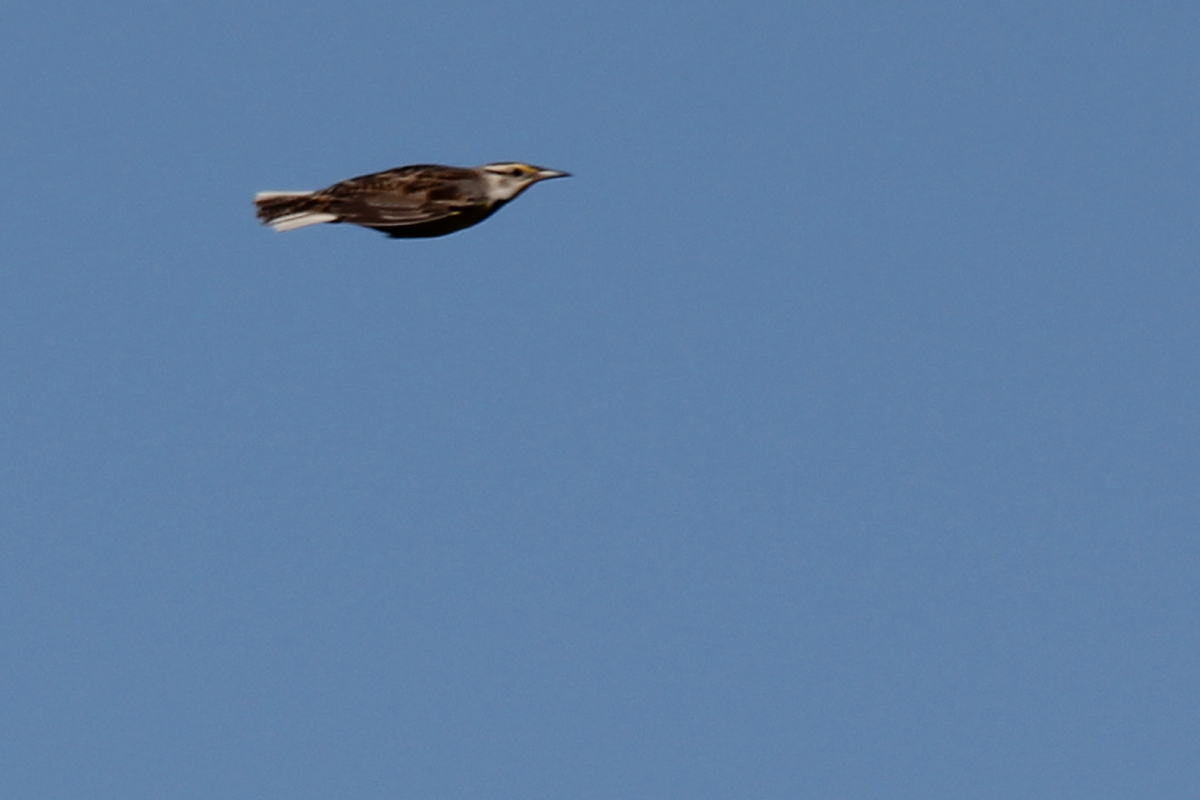
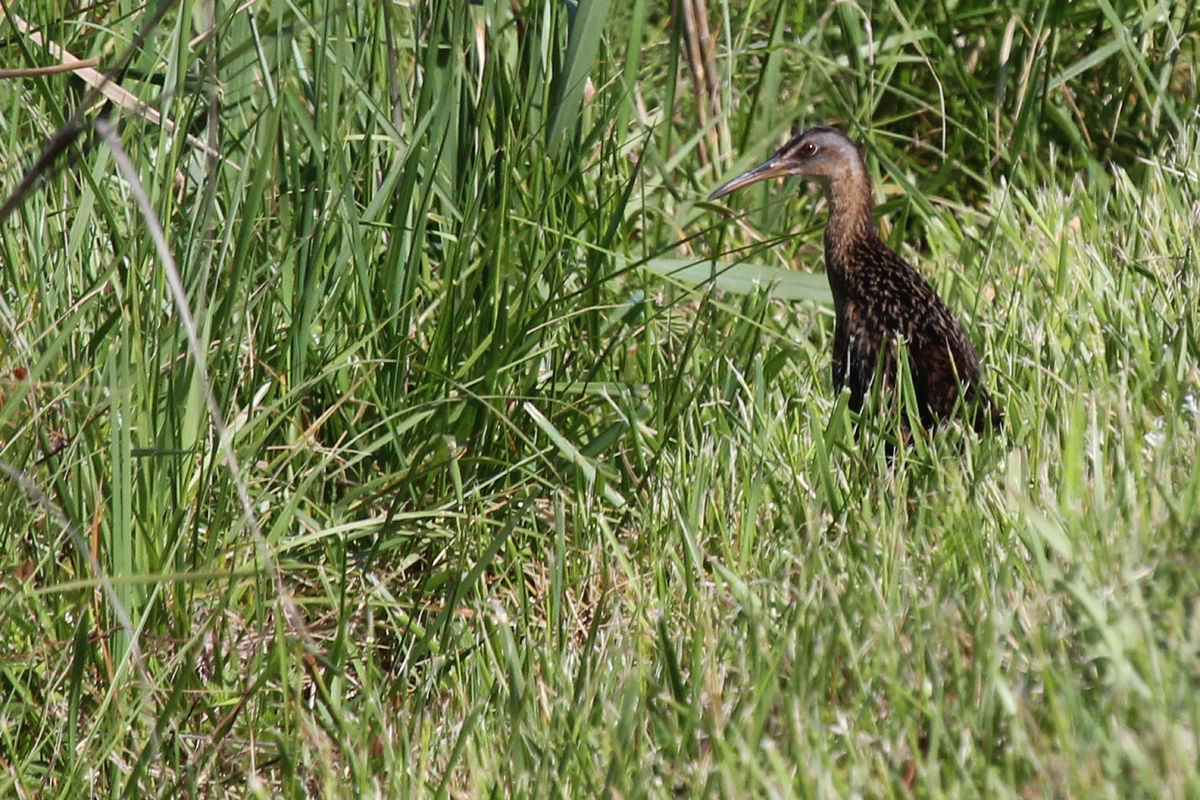
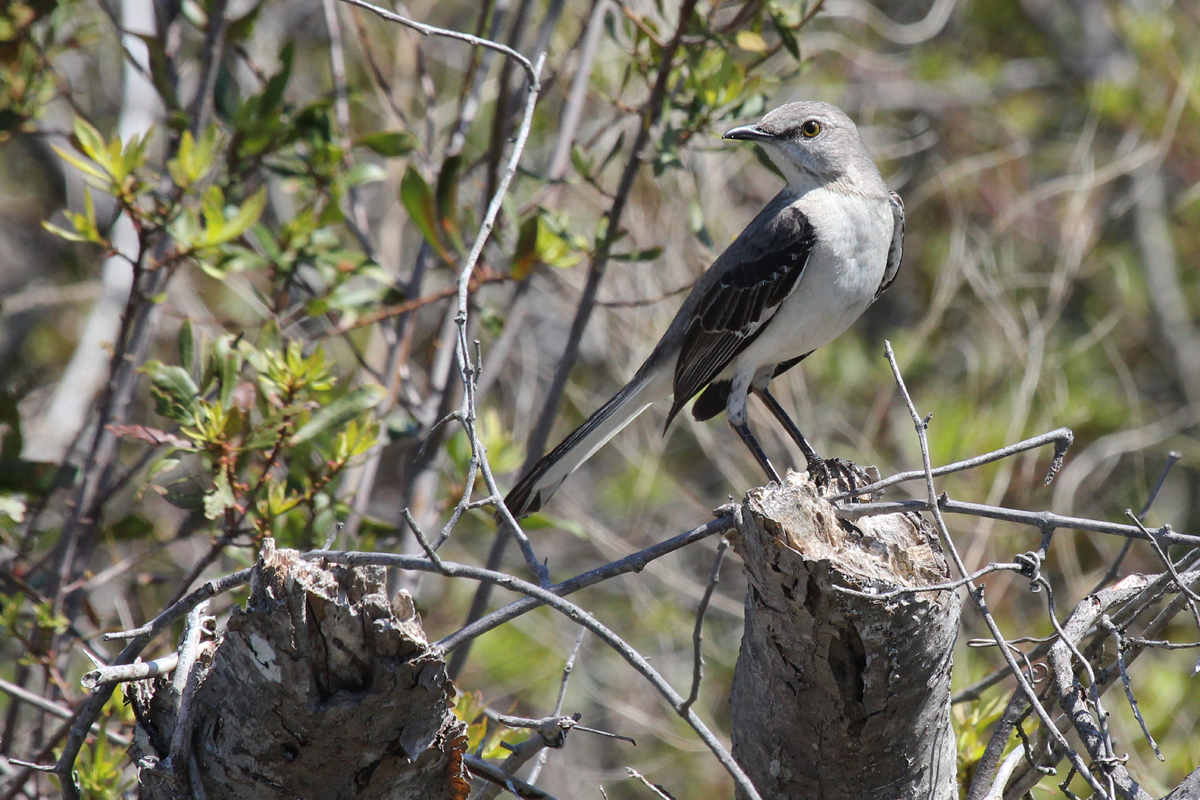
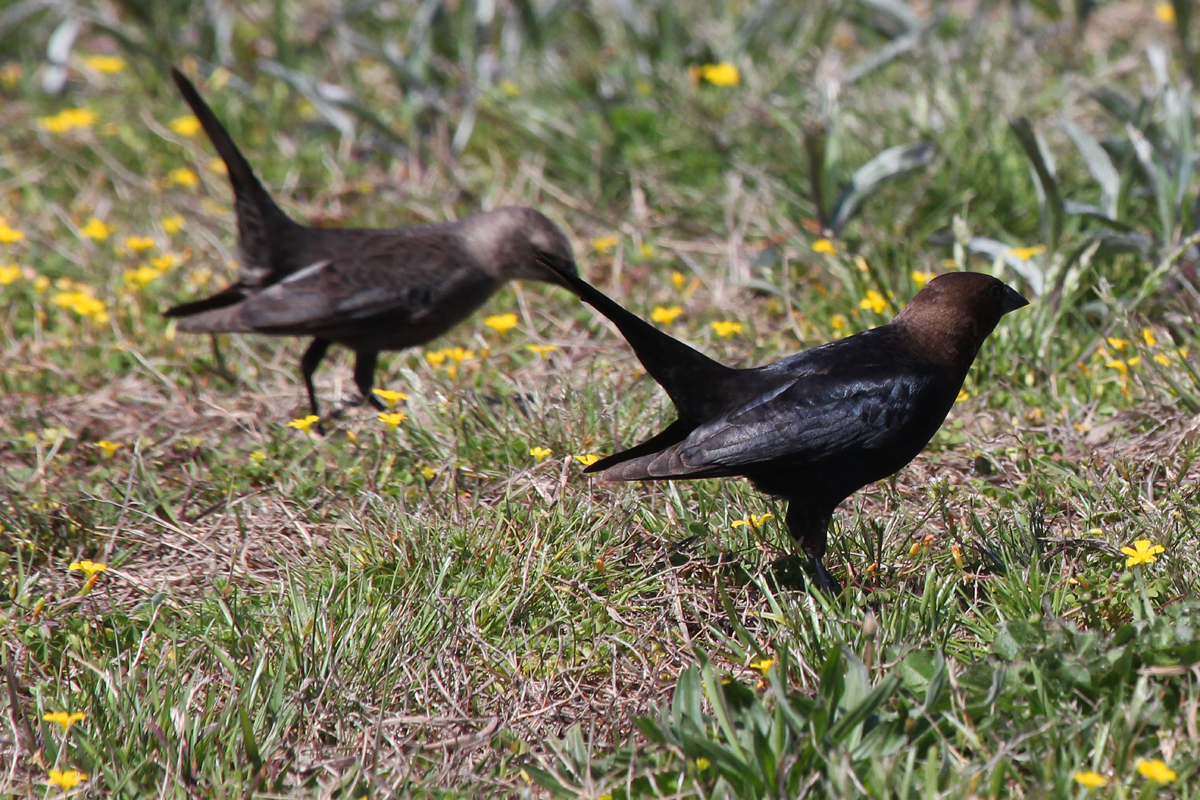
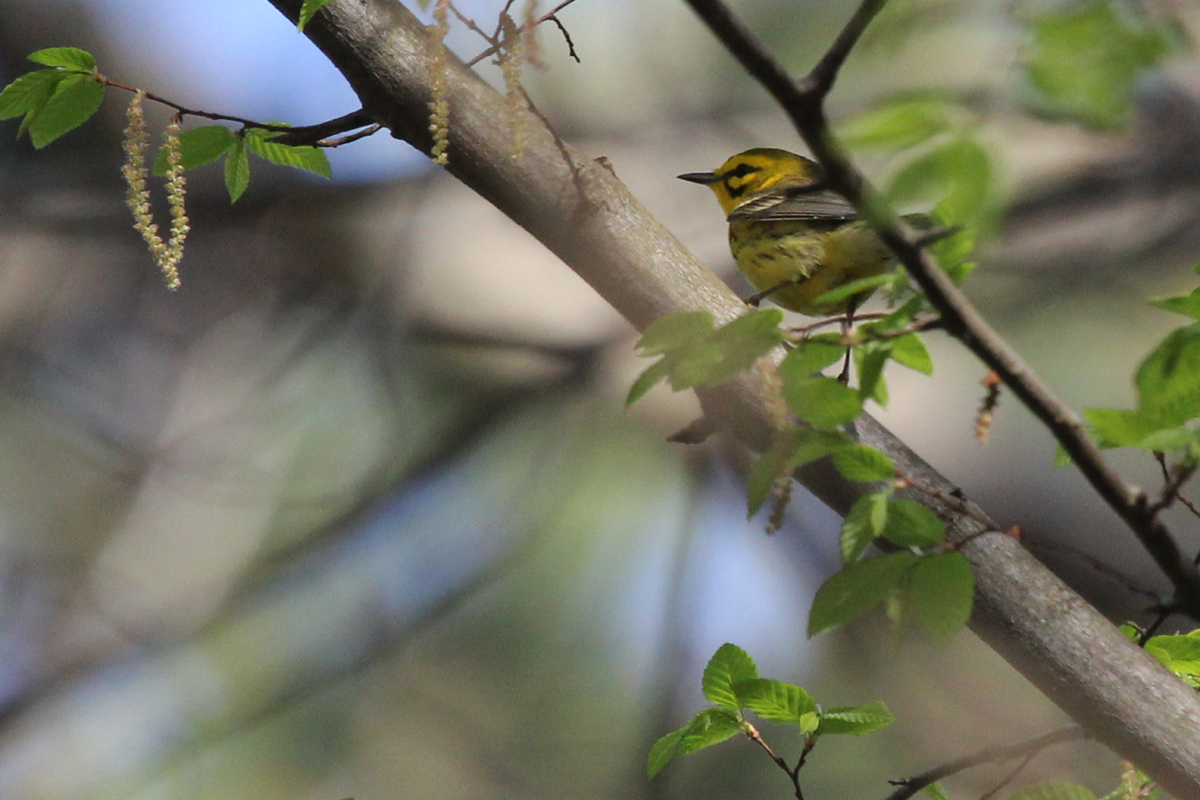
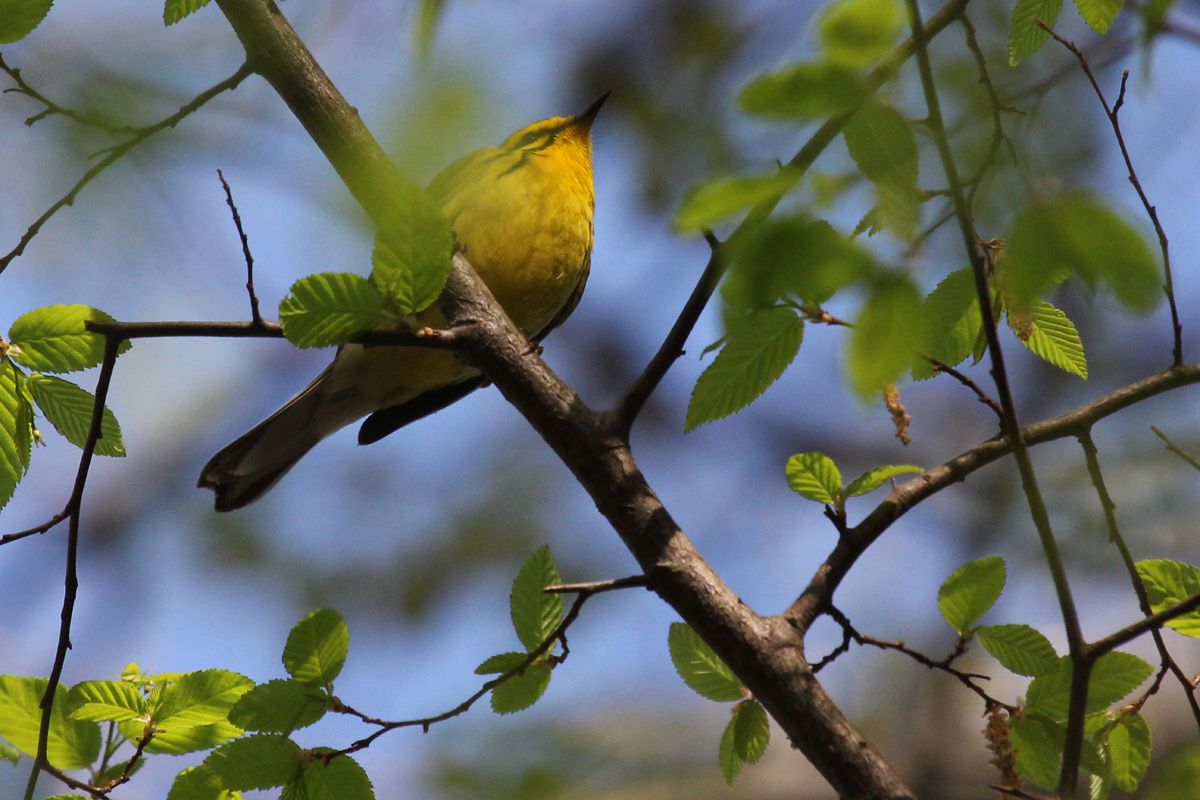
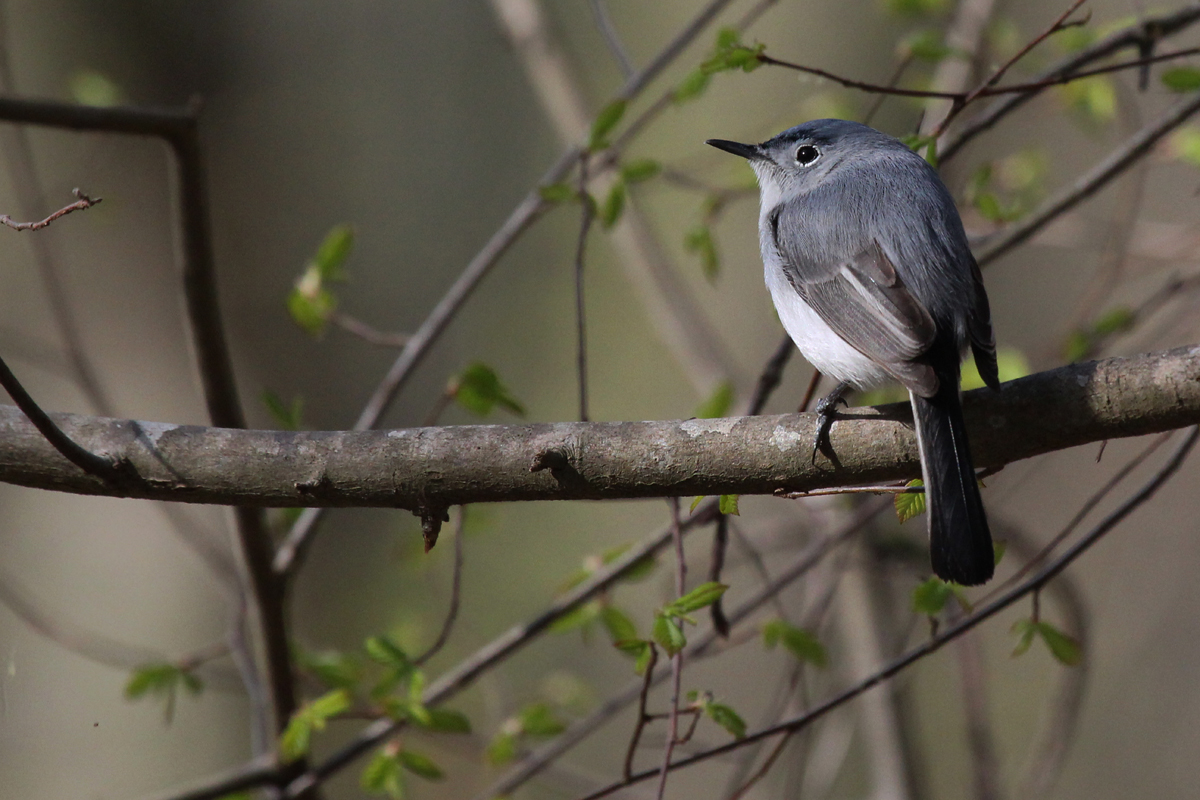
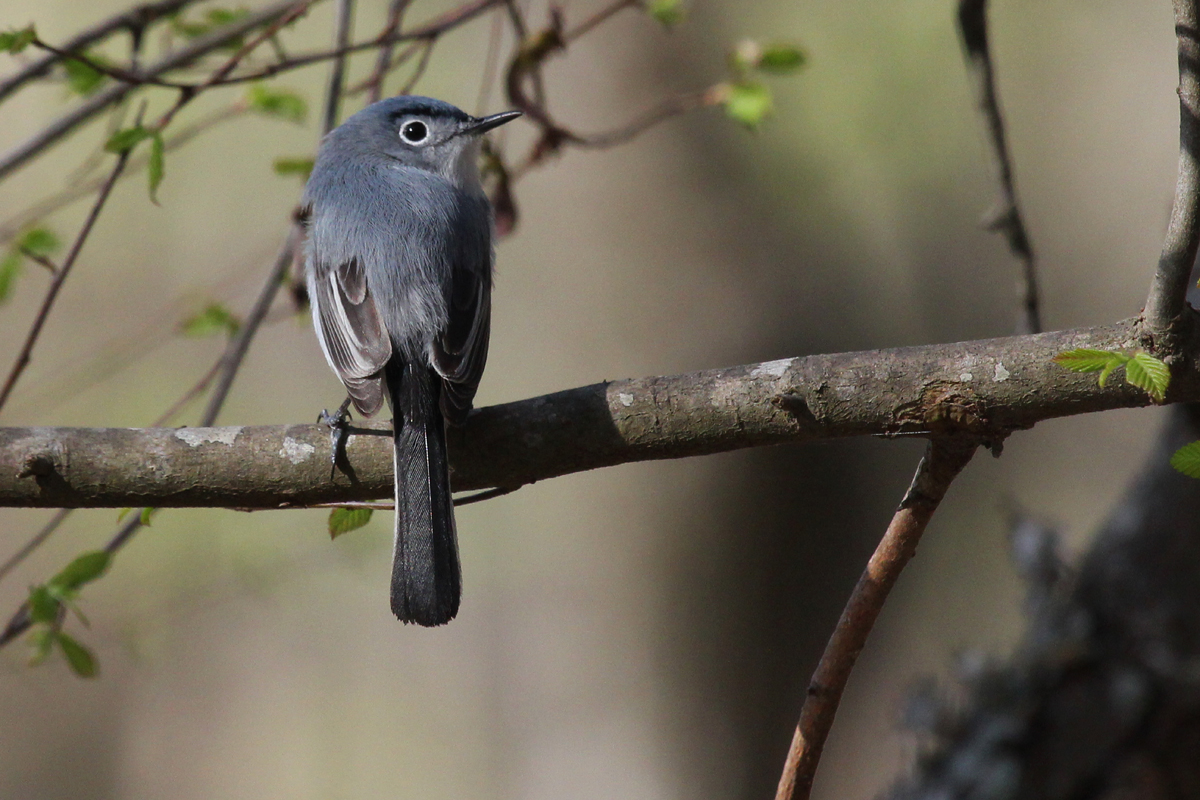
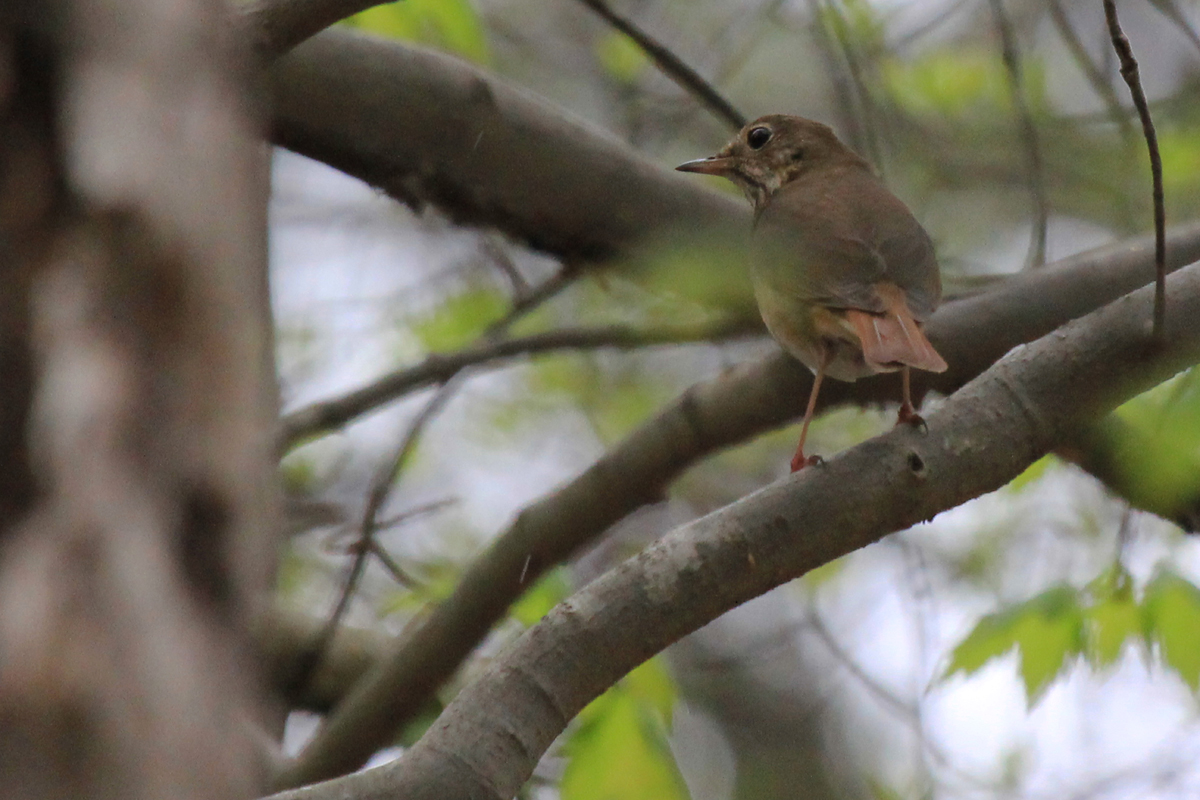
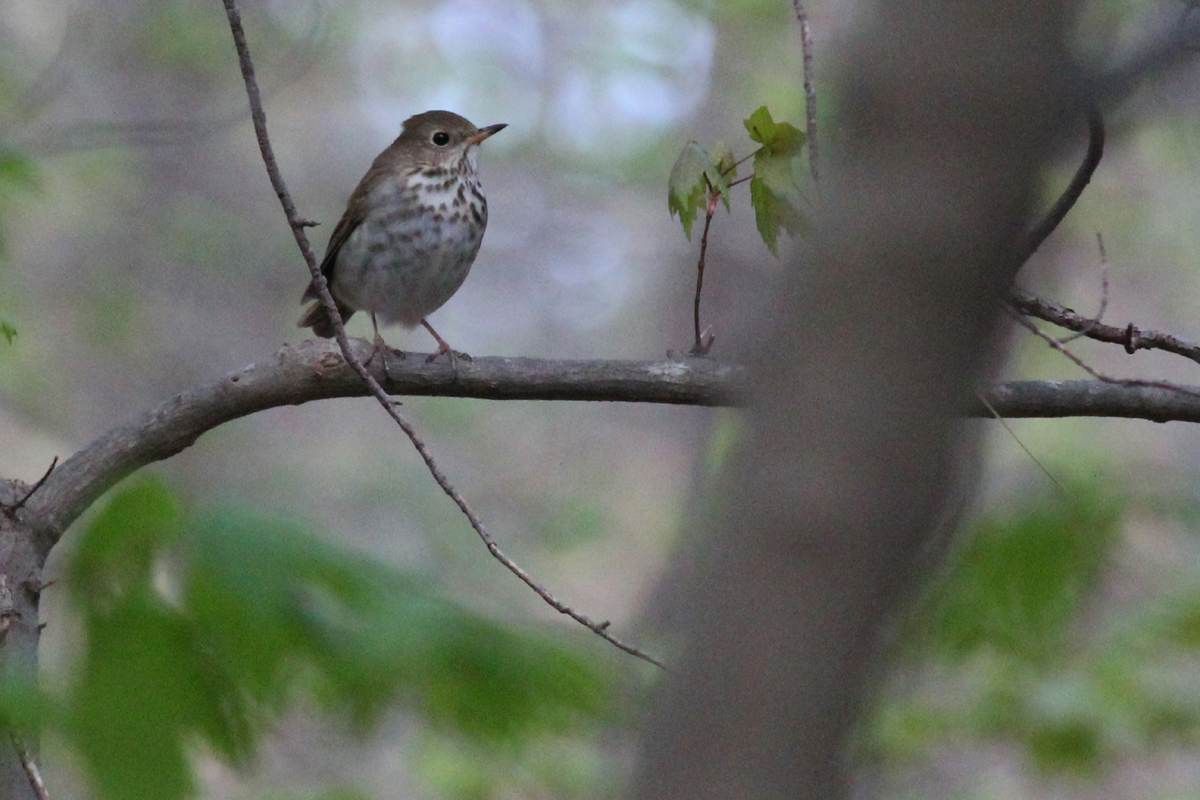
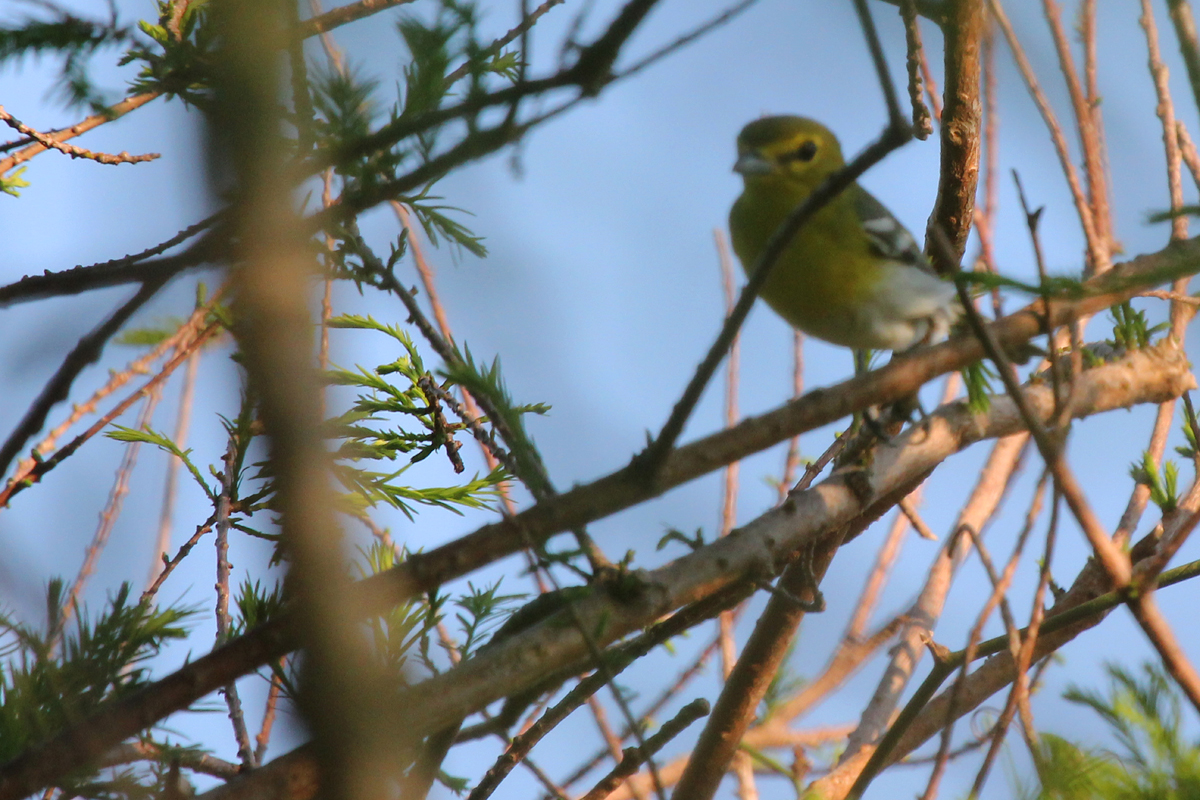
After what had been a slow crawl towards the peak of migration dating all the way back into mid-March, the first day of mid-May finally produced what will be remembered as the most exciting day of the spring season for 2018! Overnight on 10/11 May, a large volume of migrants pent-up by persistent north winds to our south were finally released by strong southwesterly winds. Coupled with the timing of a strong wind-switch to the northwest just after dawn, a coastal fallout of birds of a magnitude we hadn’t witnessed in Virginia Beach all season was finally induced! Bolstered heavily by this single-day movement, top records for mid-May in Virginia Beach included new rarity reports for YELLOW-HEADED BLACKBIRD, EASTERN TOWHEE (WHITE-EYED), YELLOW-THROATED VIREO, COMMON GALLINULE & PARASITIC JAEGER, continuing rarity reports for TENNESSEE WARBLER & WARBLING VIREO and unseasonal occurrences for BAY-BREASTED WARBLER, BLACKBURNIAN WARBLER & WESTERN SANDPIPER! With the peak of spring migration behind us, first-of-season arrivals were hard to come by, though we did log some later-than-expects firsts for COMMON NIGHTHAWK, GULL-BILLED TERN & BANK SWALLOW reports for the season. By mid-May, late spring departures/lingering individuals are much more likely to produce reports than spring arrivals, and as such, this reporting period we saw records in this vein for TUNDRA SWAN, BONAPARTE’S GULL, MERLIN, SAVANNAH SPARROW, WHITE-THROATED SPARROW!
Leading the period, and likely the spring season as a whole, a YELLOW-HEADED BLACKBIRD was observed flying south over the Raptor Trail (formerly known as the “Bay Trail”) at Back Bay NWR on 11 May (obs. Andrew Baldelli). Last reported in Virginia Beach way back on 28 Sep 2010 at Lynnhaven Inlet (continuing at least from 26 Sep, ph. Karen Kearney), this is a species that has been looked for often, but just not found in the last 7+ years. Typically, Yellow-headeds are found in the late fall/early winter mixed in with large flocks of blackbirds/grackles/cowbirds as they move around large agricultural portions of the coast. Annually reported in the coastal plain as a whole, it is a species long overdue here in Virginia Beach, but surprising to say the least that our first recent record would come during spring.

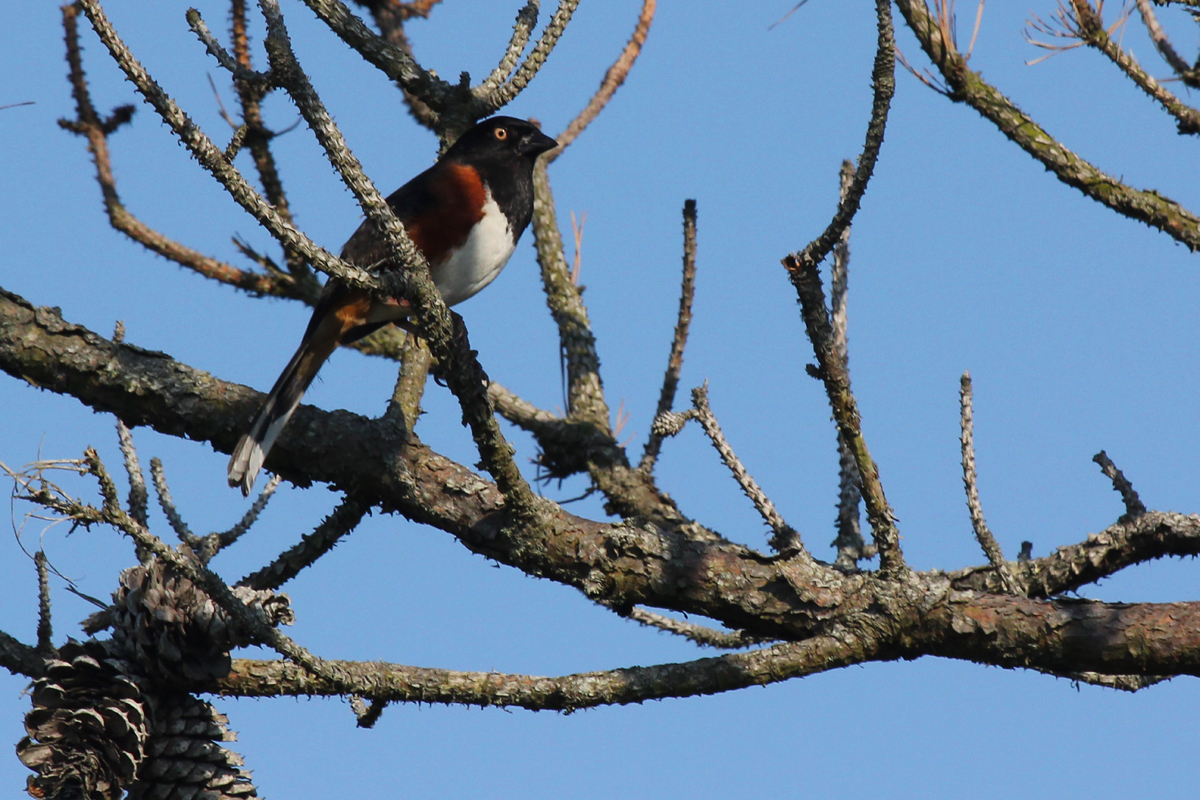
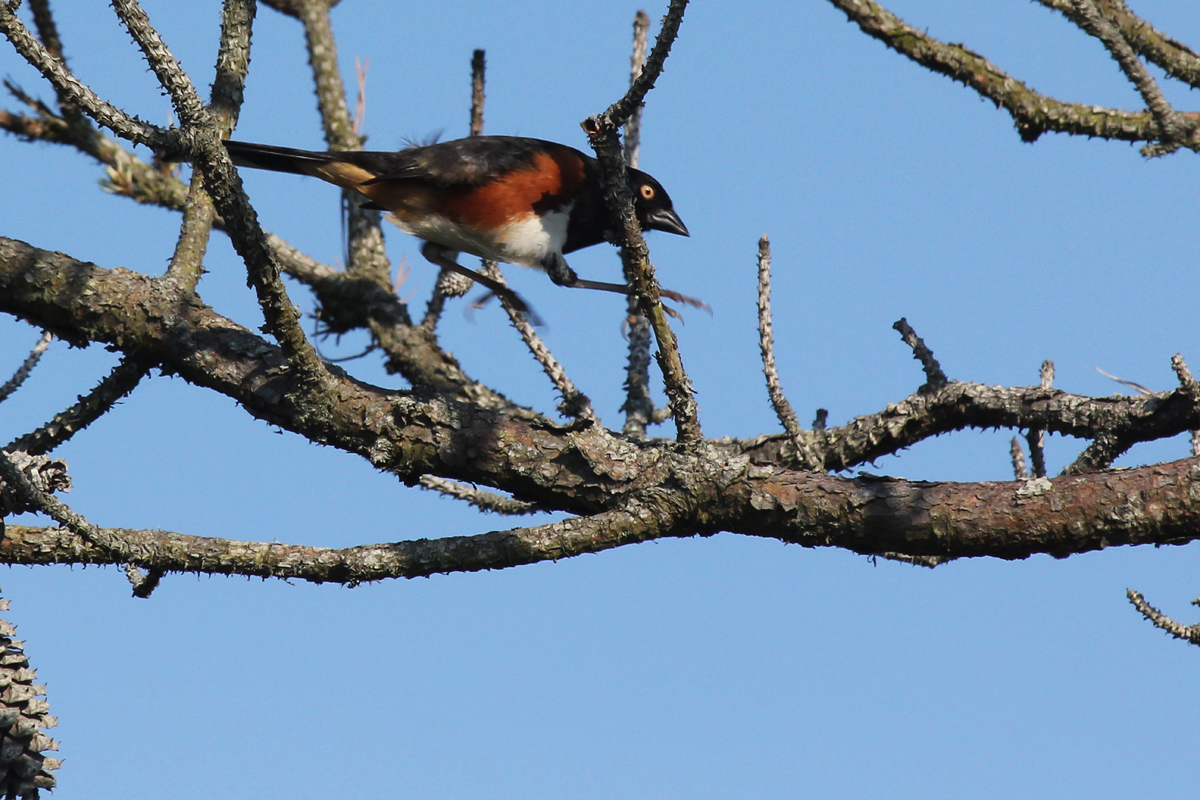
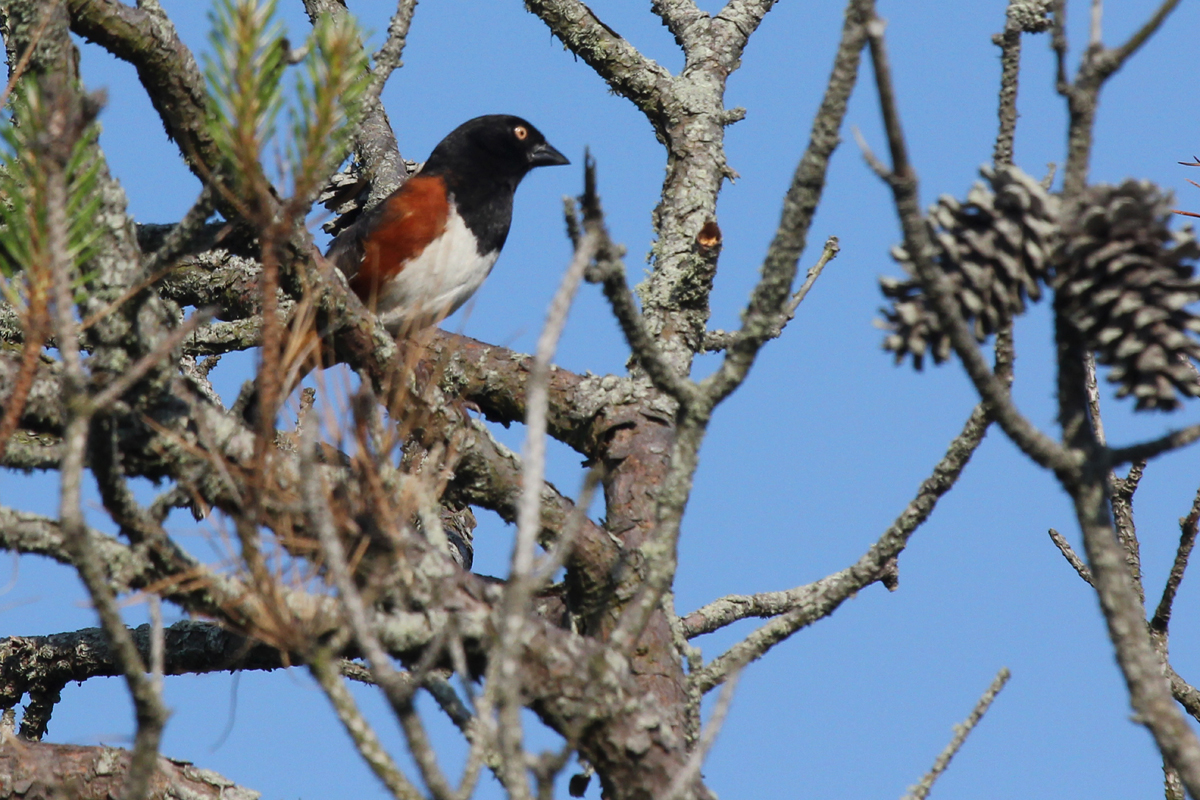
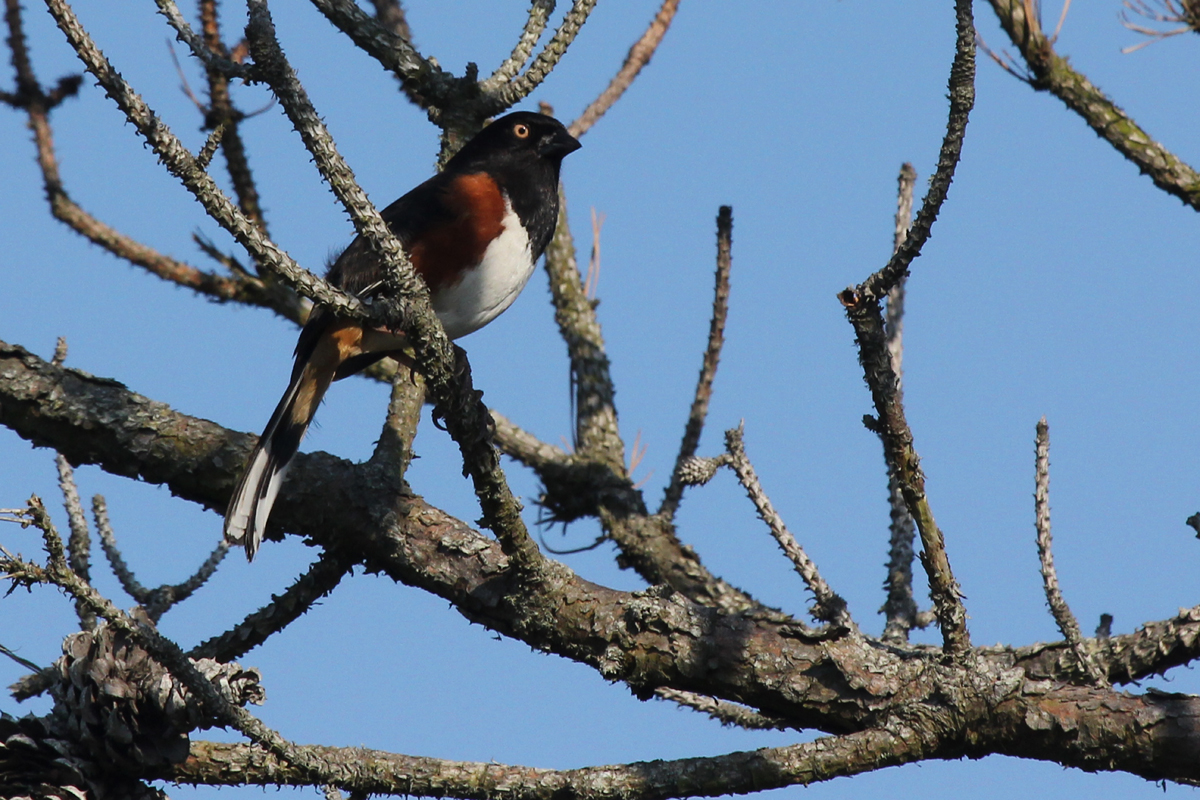
Next up, and what may be a continuing individual, or a new bird, is the occurrence of a WHITE-EYED race EASTERN TOWHEE at Back Bay NWR on 12 May (ph. Andrew Baldelli & Rob Bielawski). It is possible that this is the same individual observed on 26 Apr along the Entrance Road (obs. Karen & Tom Beatty), however, this one was observed a mile or more to the south, near the waterfowl blind where one was first reported in 2017 as well. It is still not certain as to whether we have a small population of this pale-eyed birds at Back Bay NWR, or if it is a continuing individual moving around the northern portion of the park. Another report came in on 19 May (ph. David Clark), though the report doesn’t specify the exact location where this one was observed. Moving forward, if you happen to see one, make sure to log it to eBird as this particular race of Towhee.

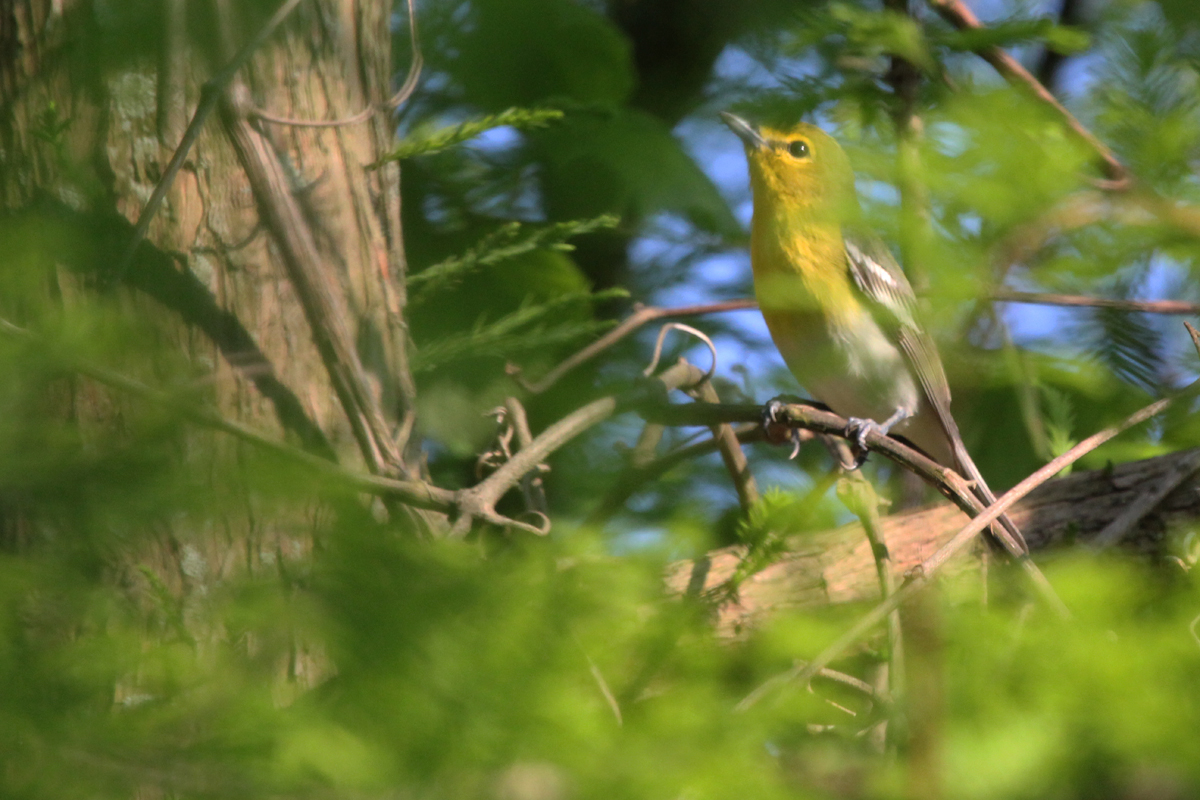
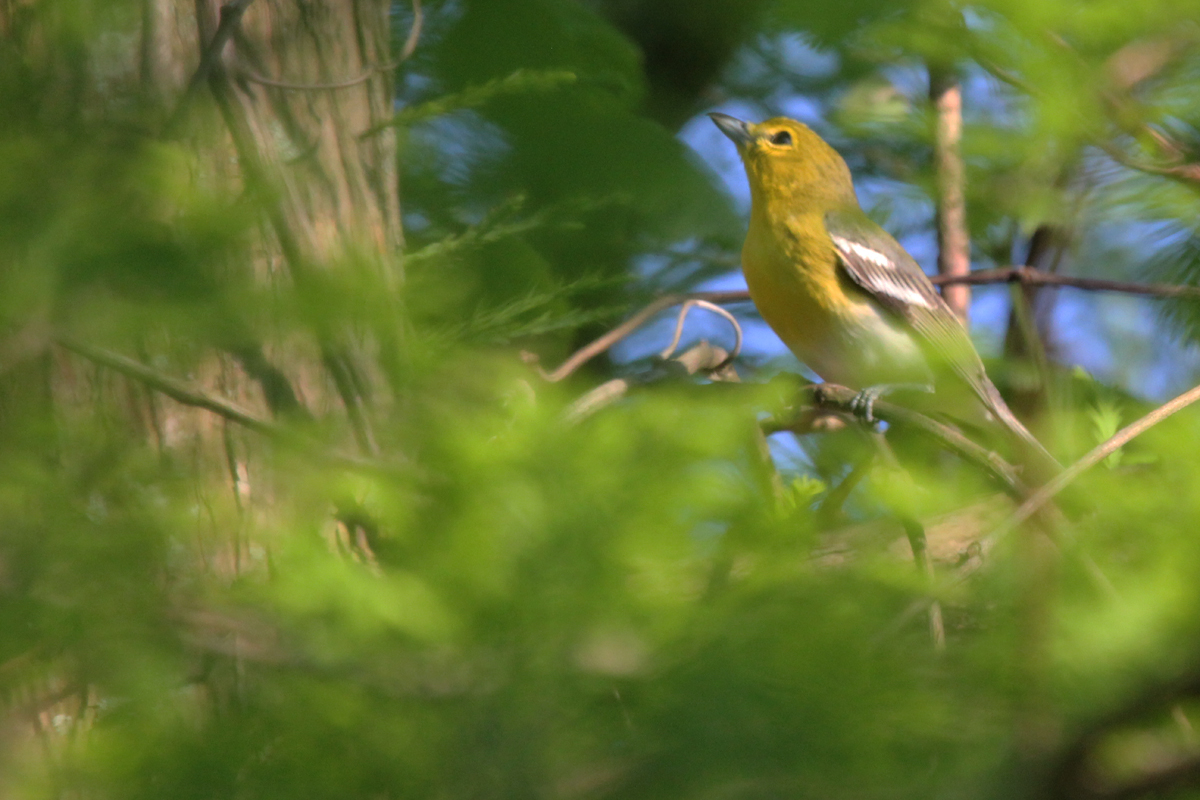
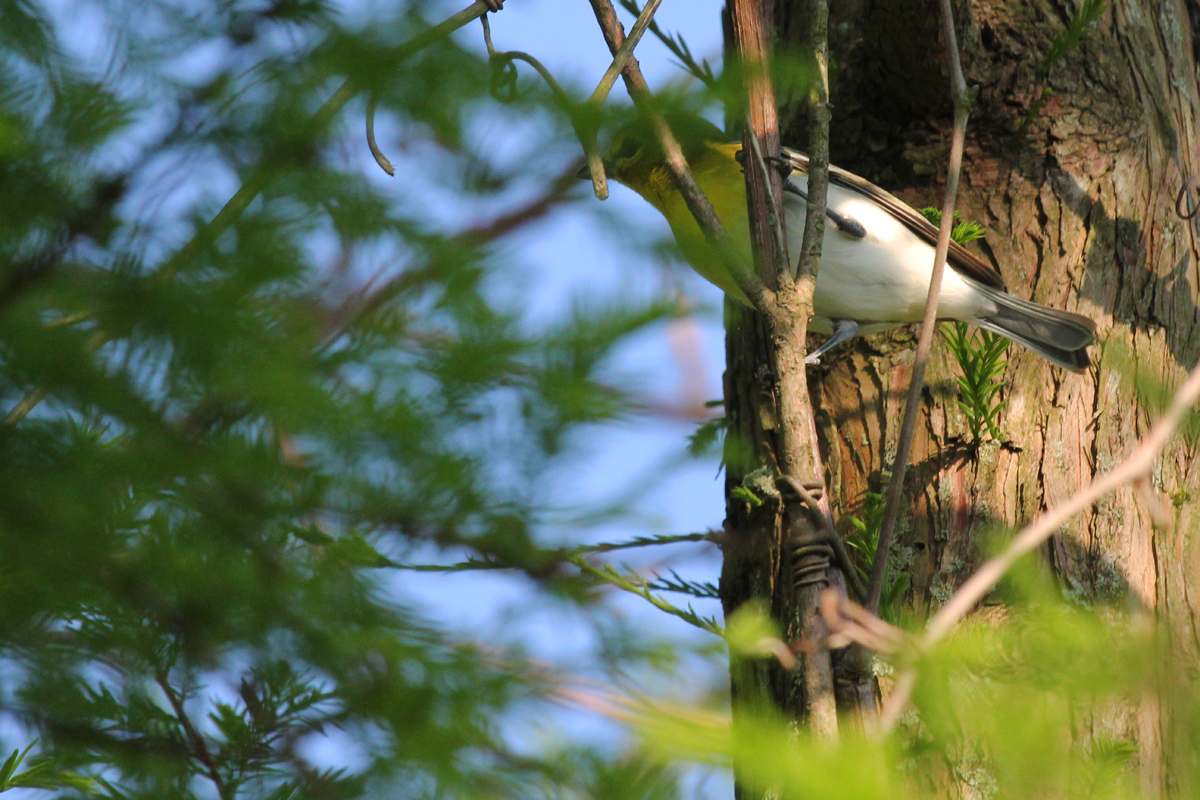
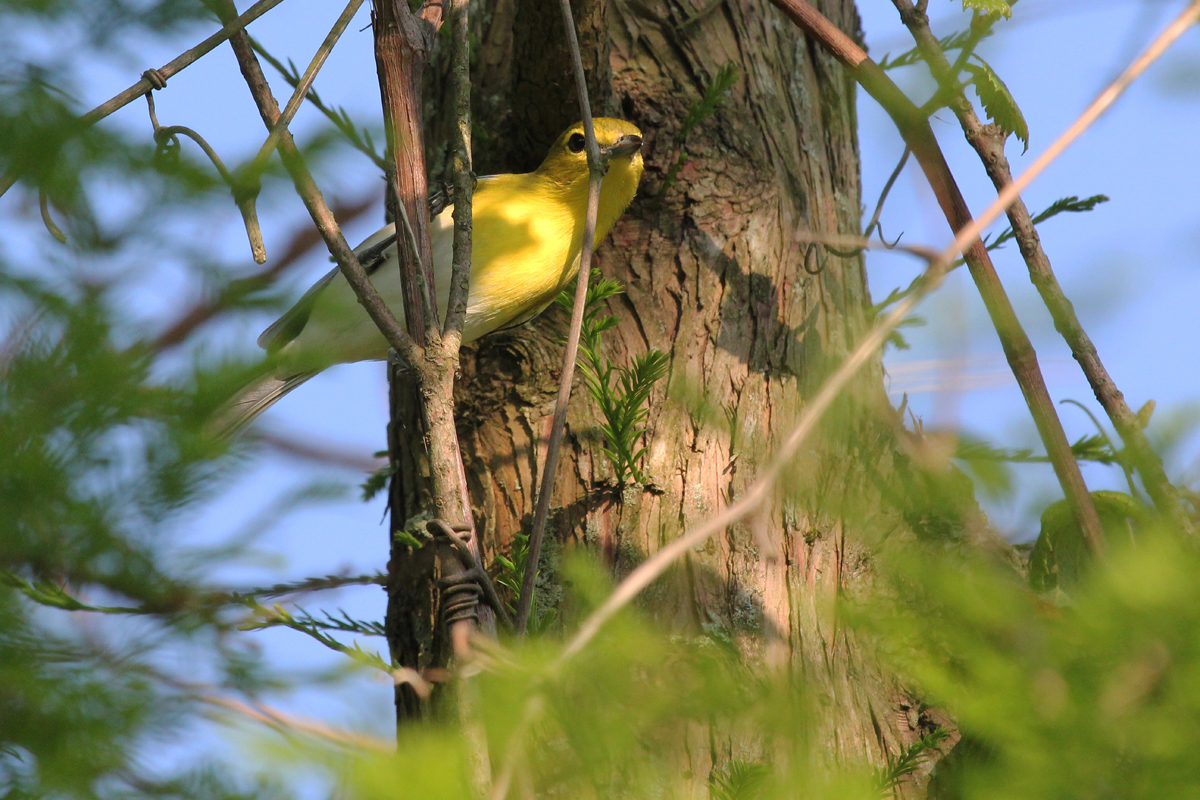
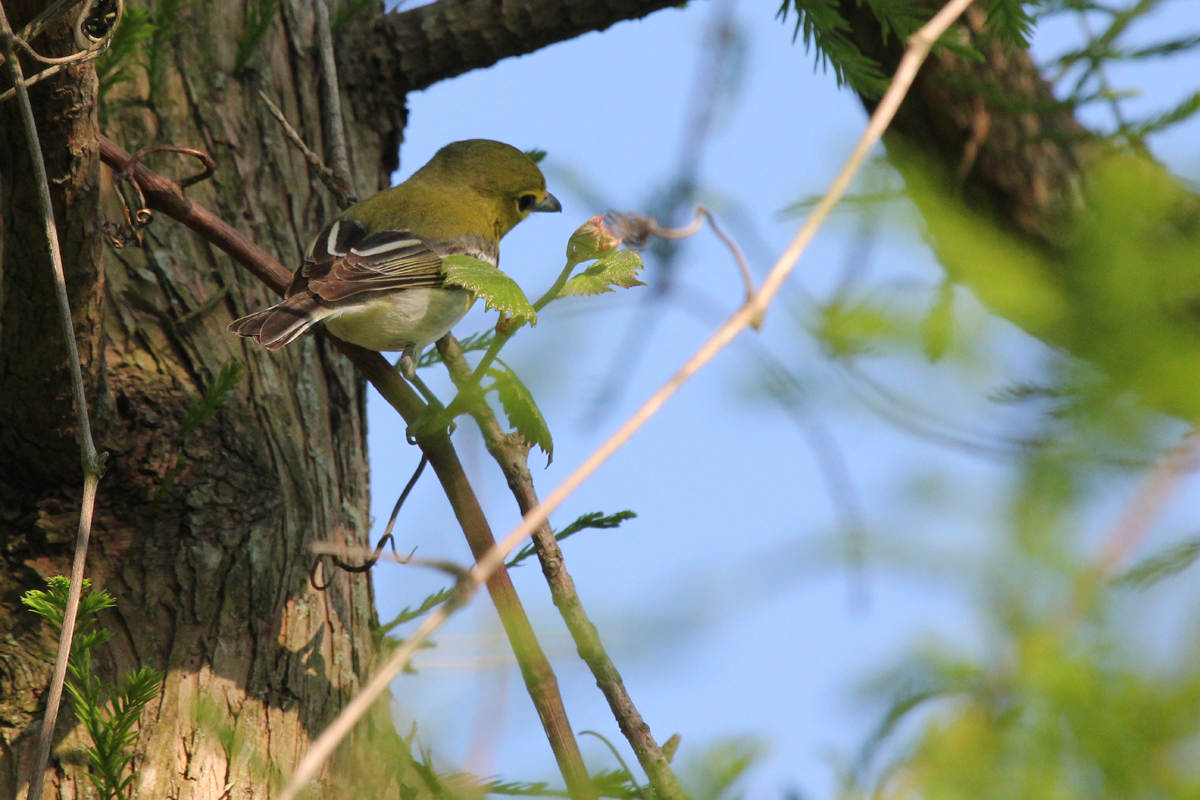
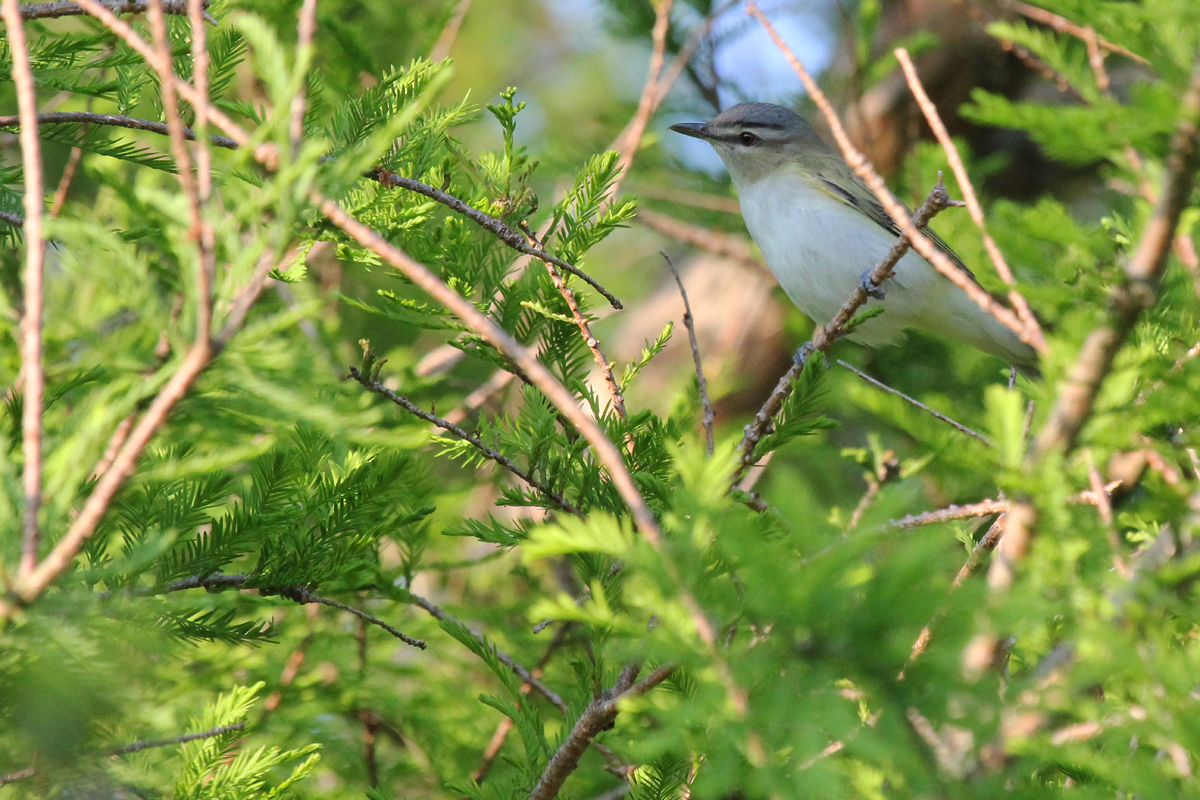
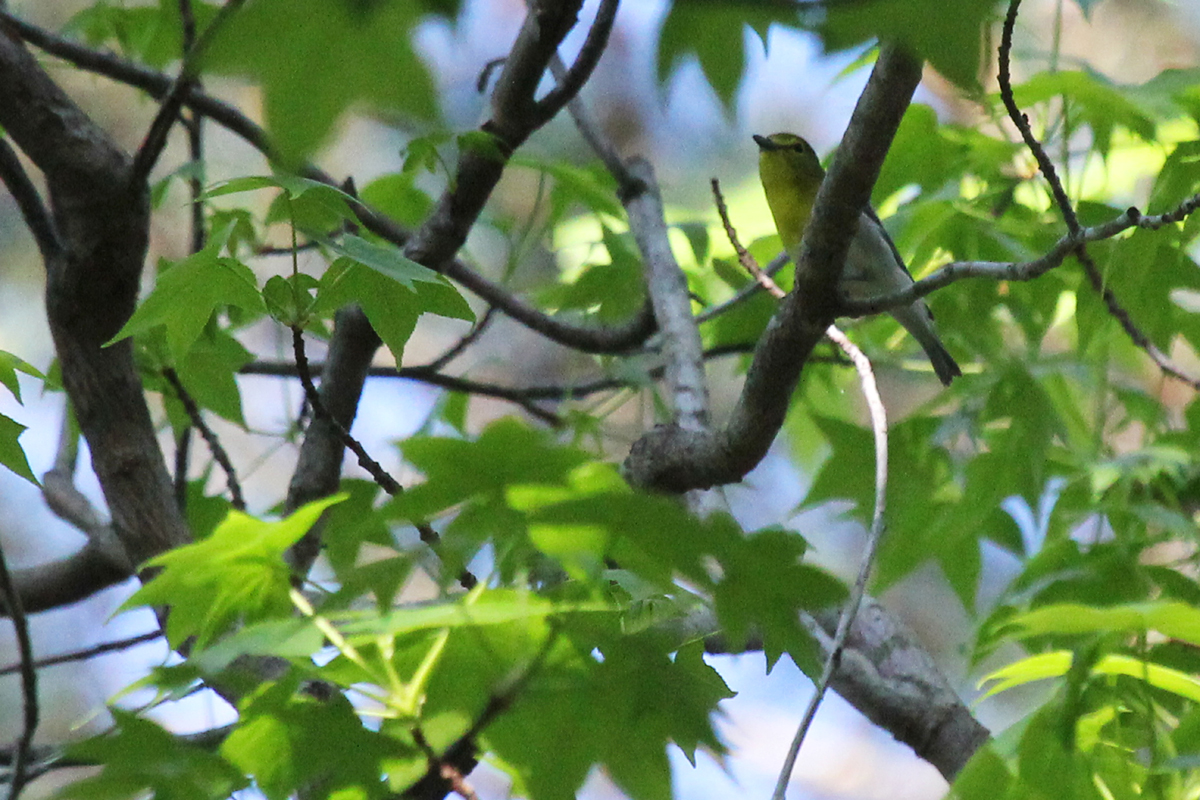
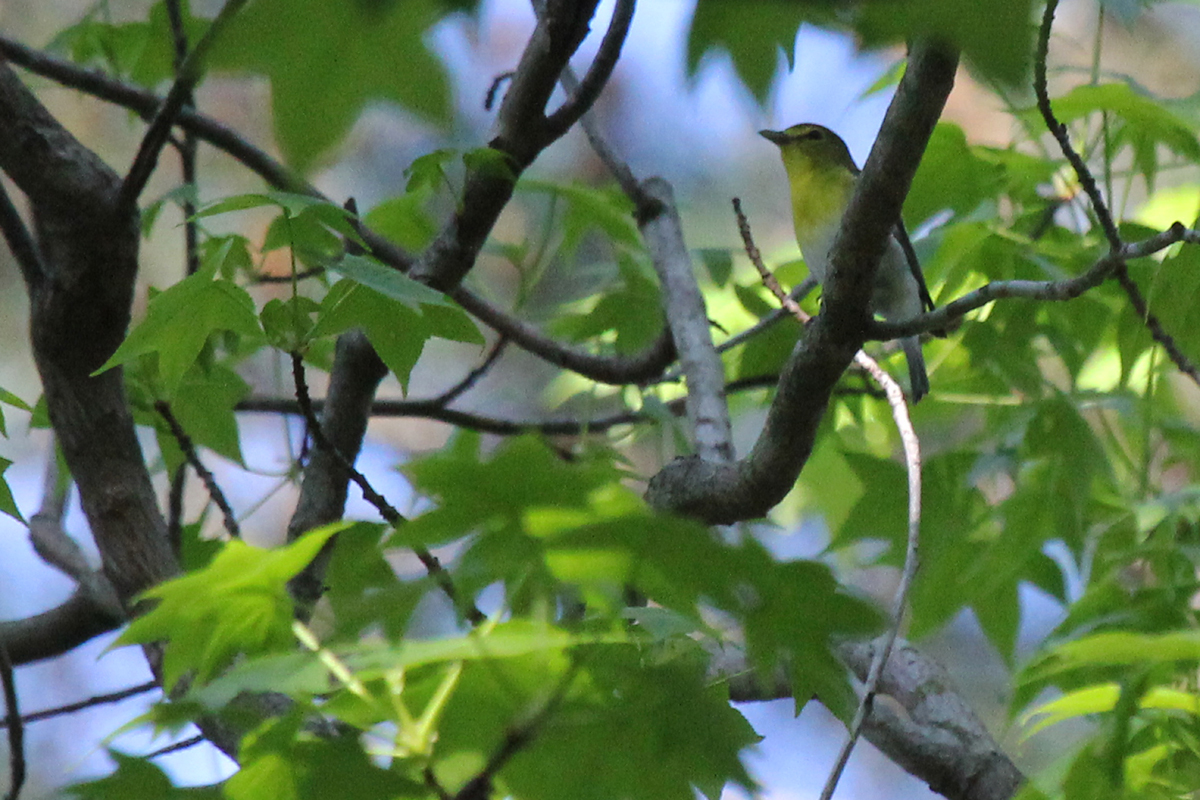
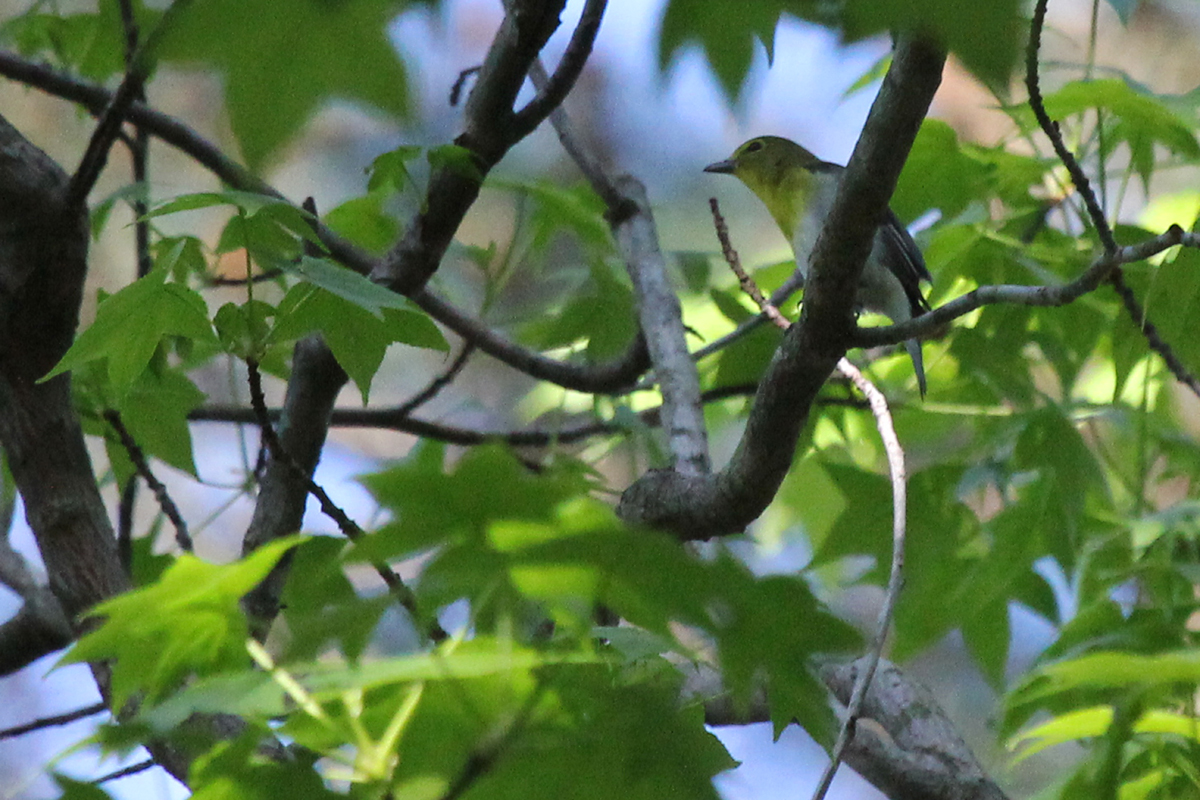
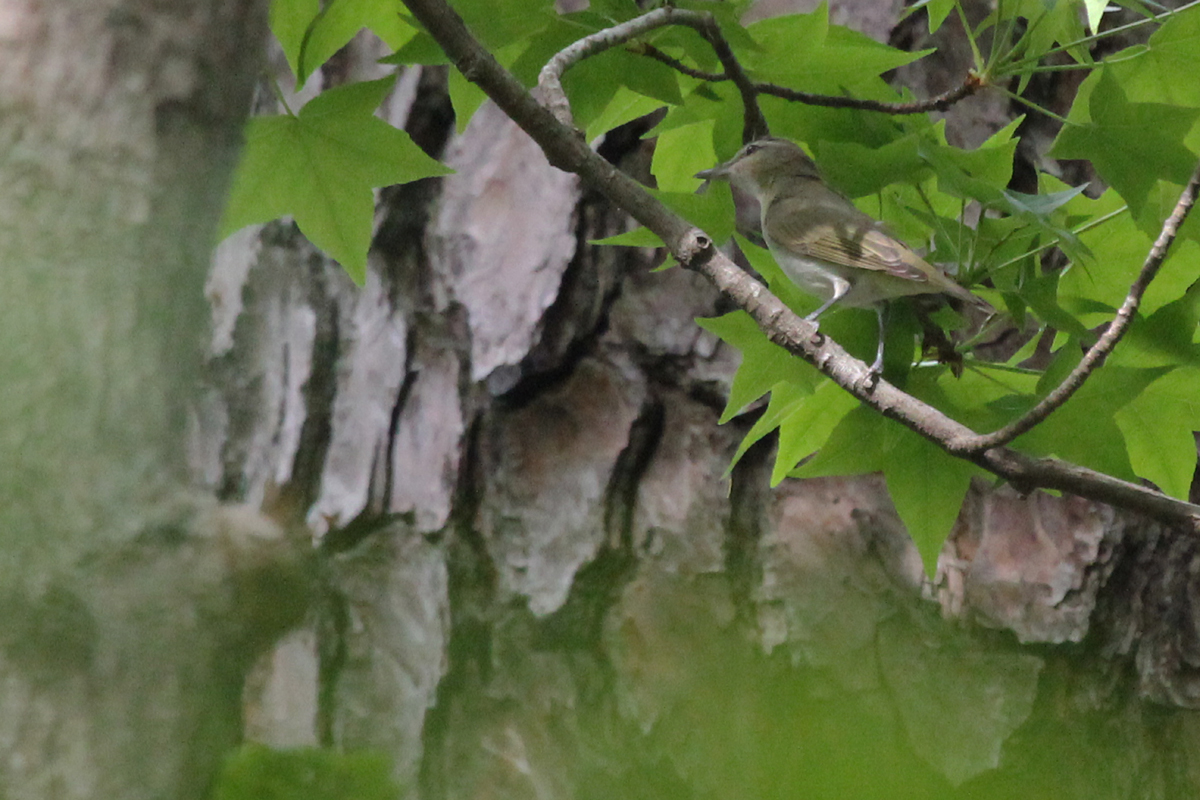
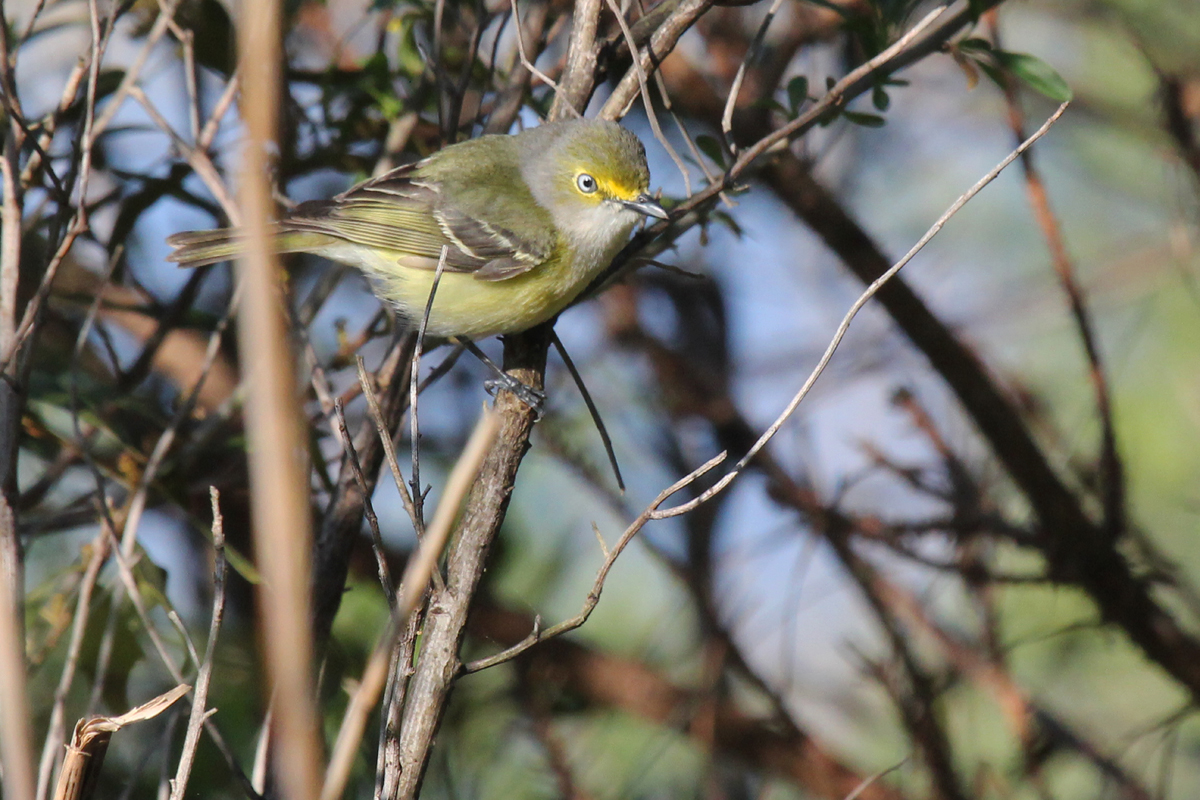
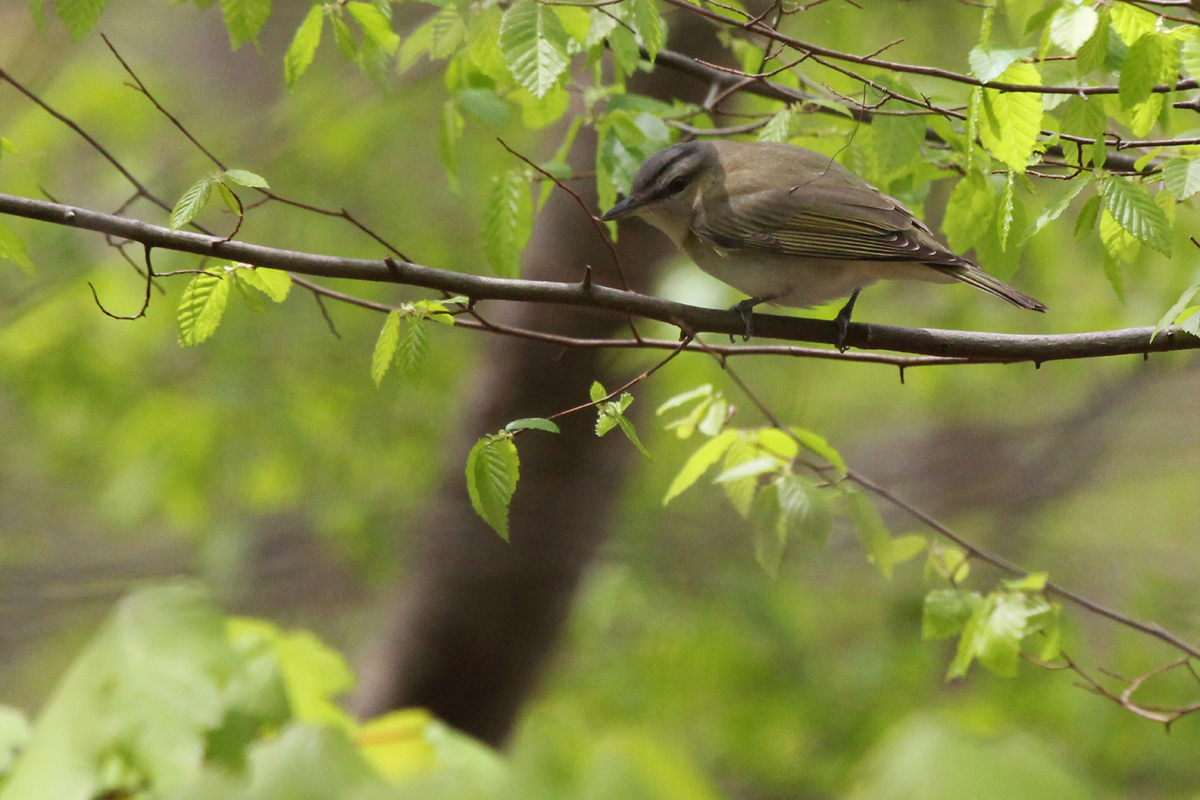
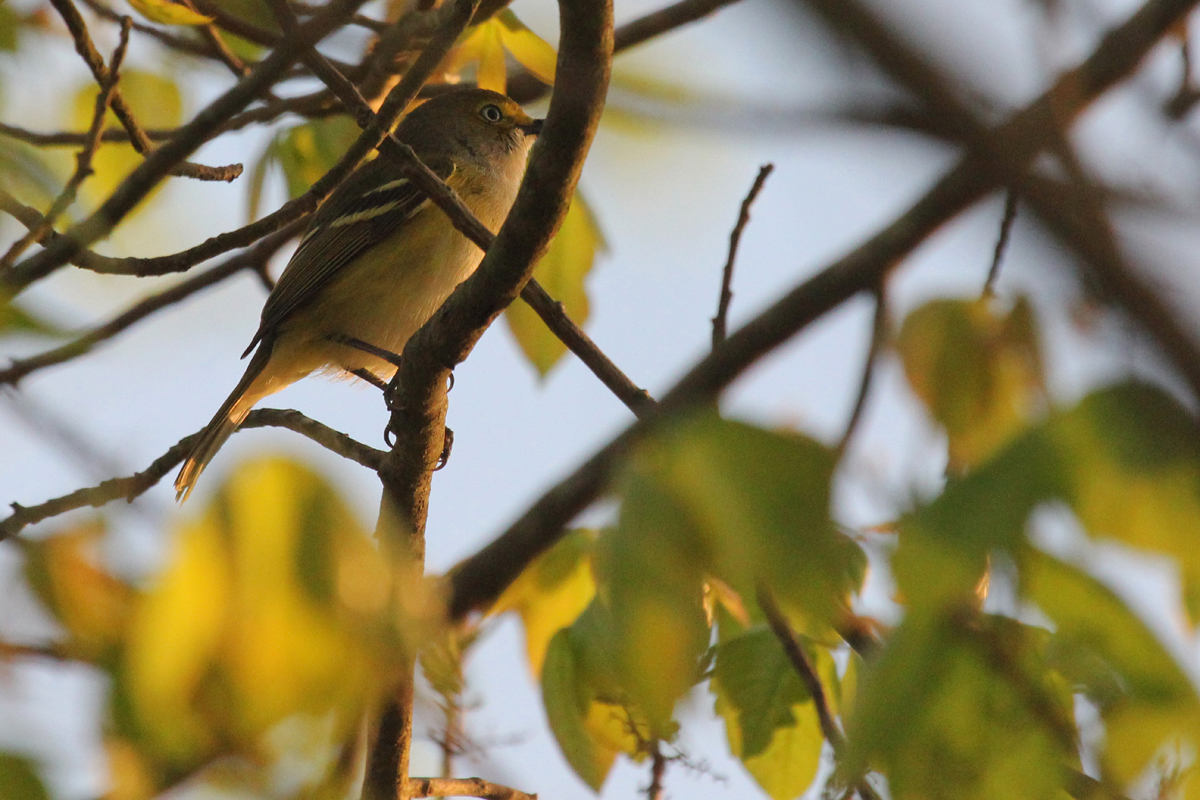
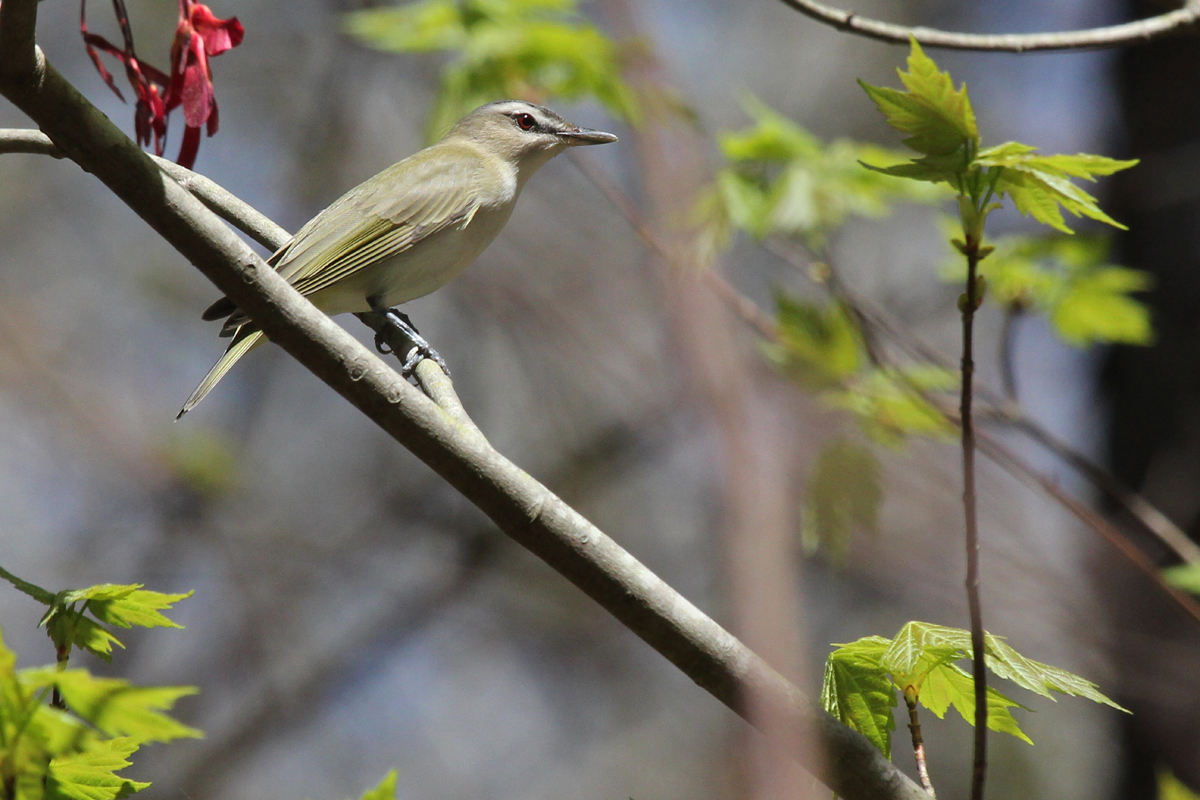
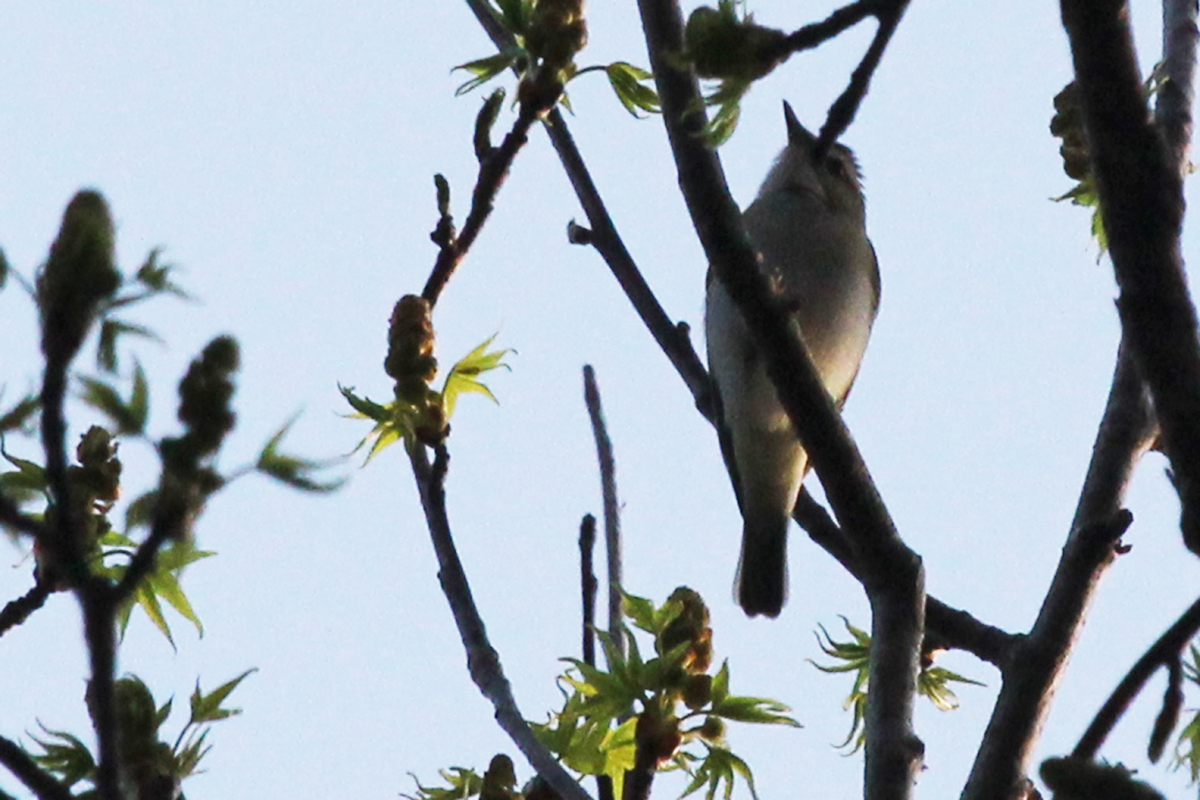
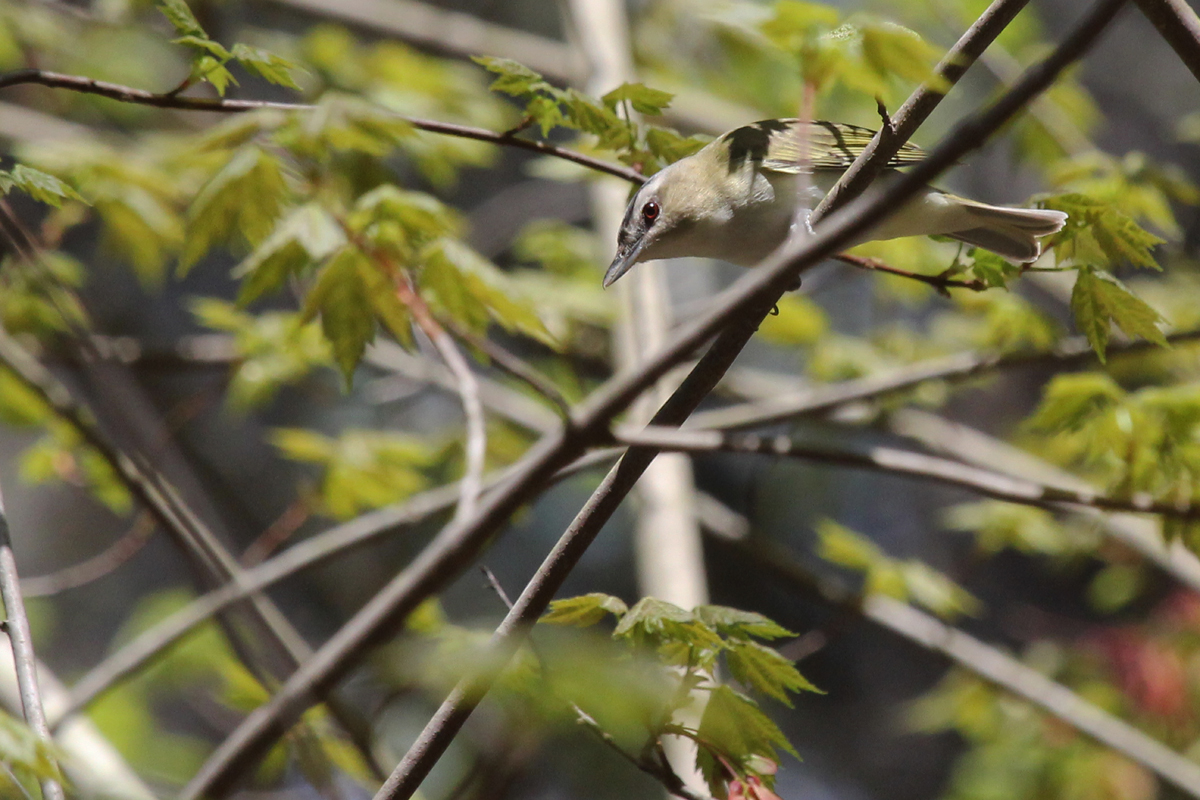
During the major movement of birds on the morning of 11 May, our third YELLOW-THROATED VIREO of the spring season was reported at Back Bay NWR (obs. Andrew Baldelli, viewed by many obs., and later ph. Rob Bielawski). In a typical spring season, we usually get 1 or 2 individuals reported so this has been an exceptional year for them by our past standards. One prior sight record occurred 21 Apr at West Neck Creek NA (obs. Tom Beatty), and another individual was photographed on 1 May at Stumpy Lake NA (ph. Rob Bielawski). This species summers regularly just west of Virginia Beach, but we haven’t had any breeding-related observations in recent years, though the swamps and lowland forests around Stumpy Lake and the North Landing River may hold some individuals. So far, they’ve eluded us in publicly accessible locations though.
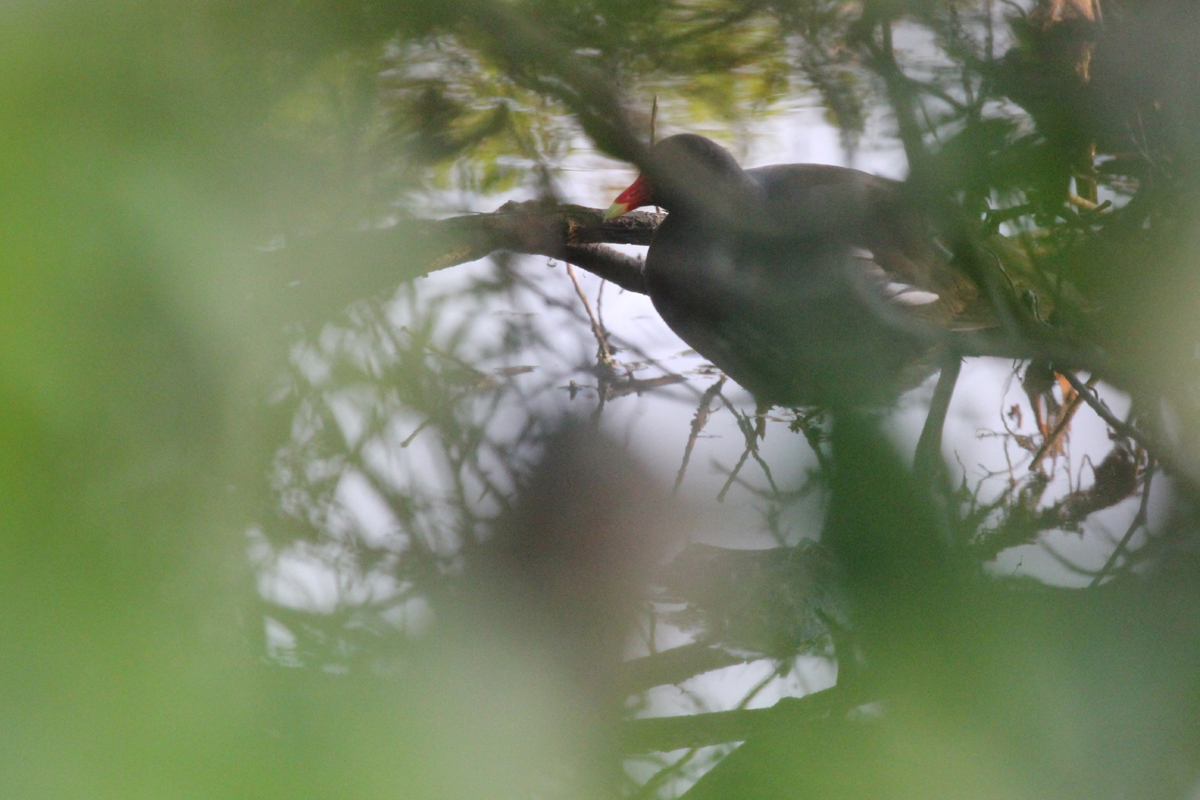
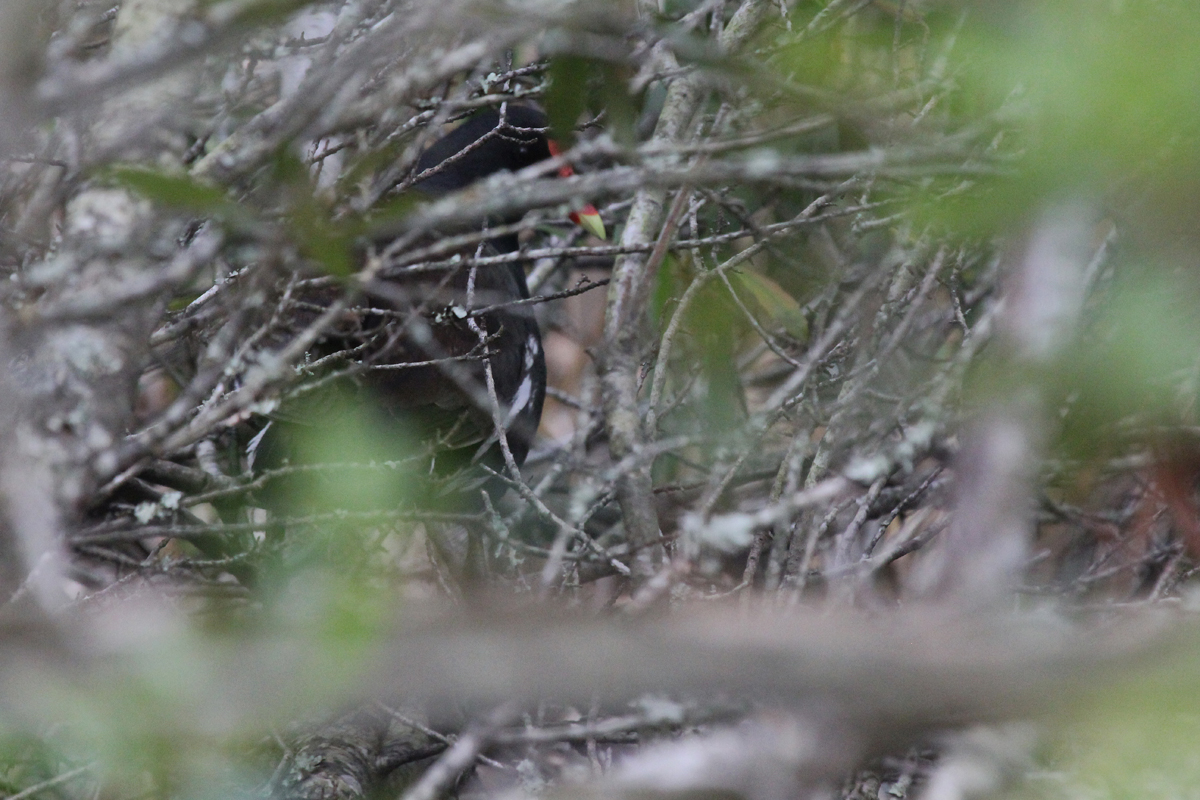
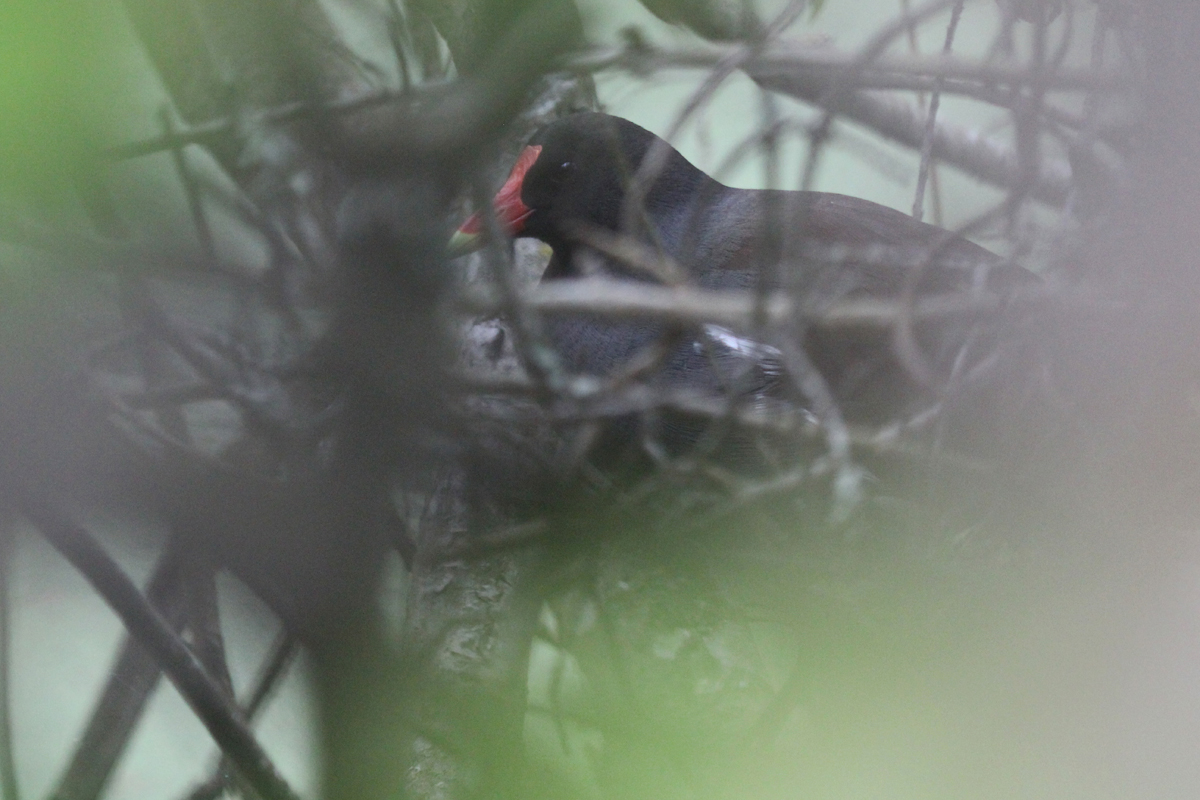
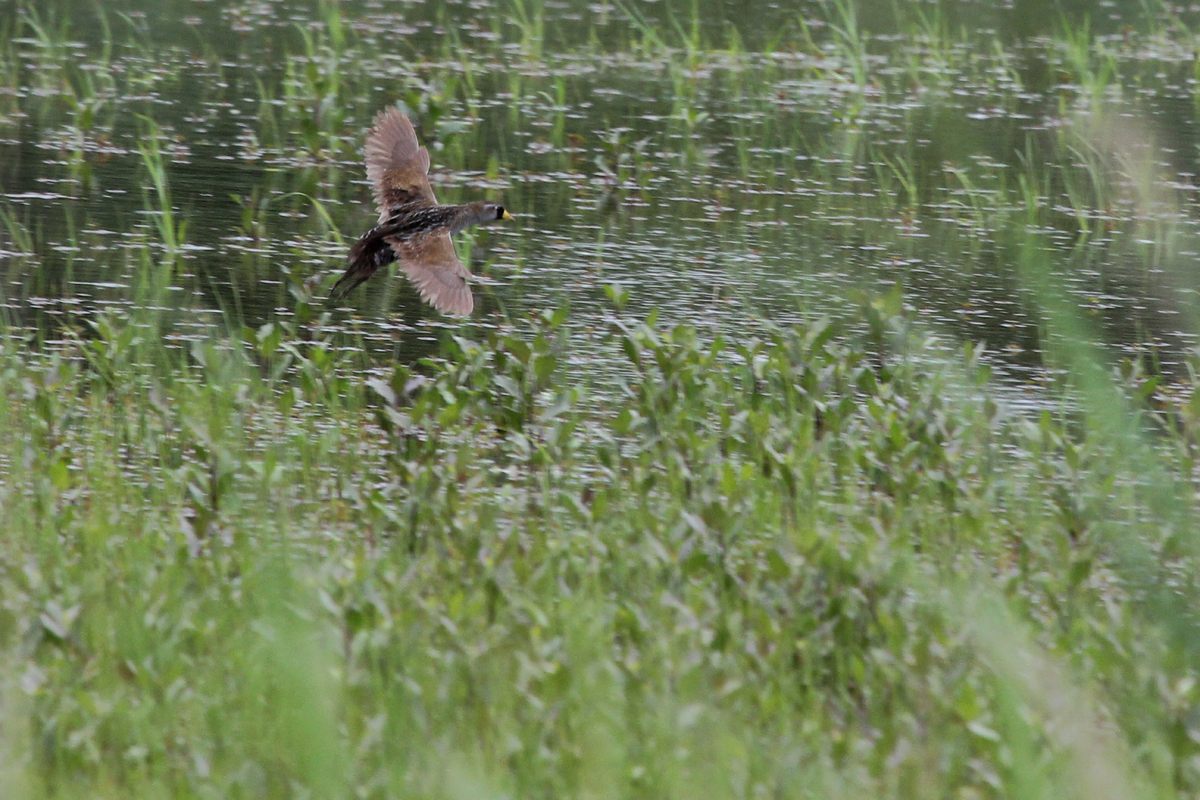
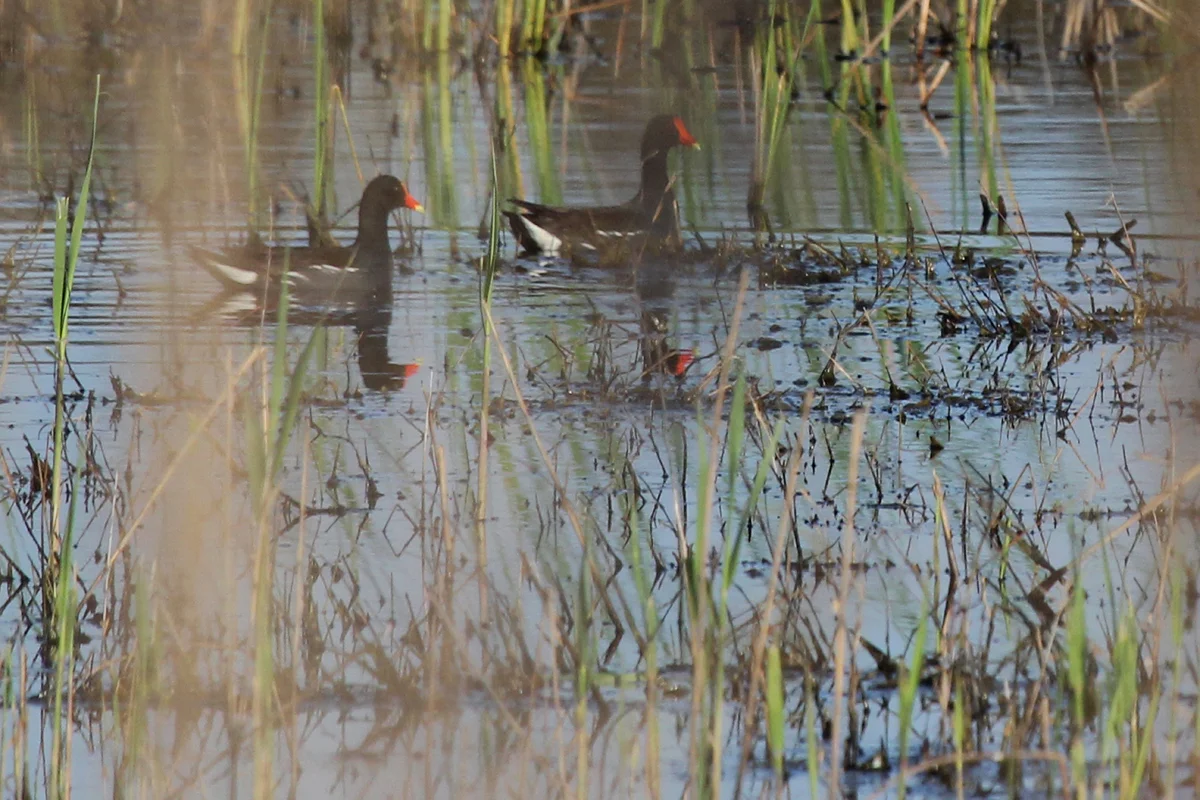
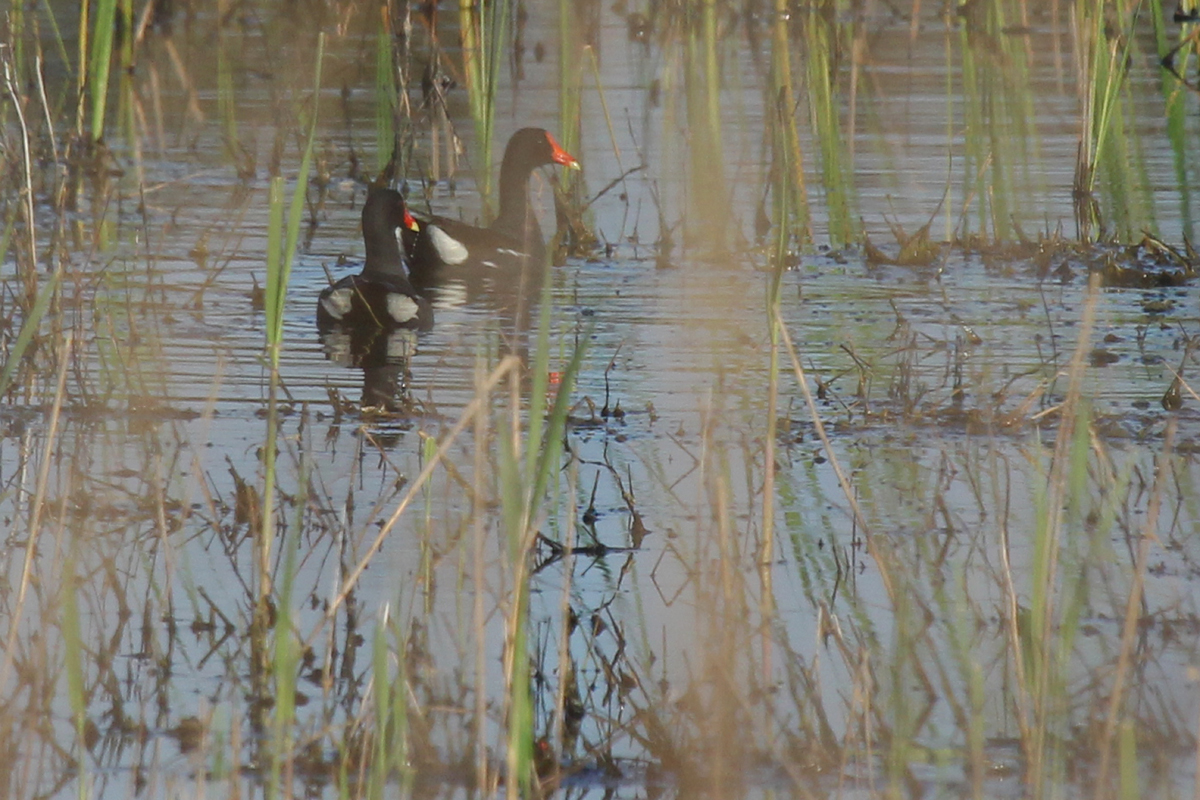
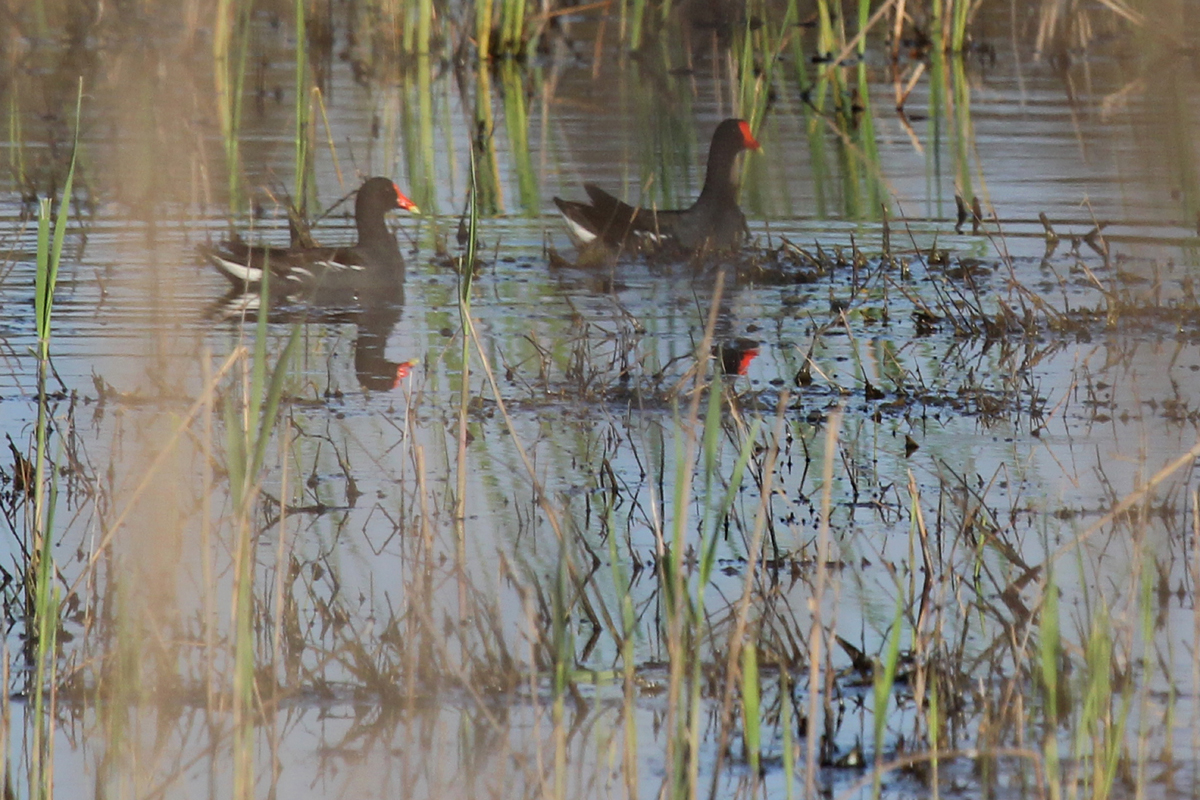
Also a third individual for the season (and the year), a COMMON GALLINULE was found on 14 May (obs. Cindy Hamilton) near the small bog and larger pond at the western fringe of the Raptor Trail at Back Bay NWR. Along with the pair that is potentially still present at Princess Anne WMA’s Whitehurst Tract, this is the first time in a while where several “chaseable” Common Gallinules have been known in the city. The Back Bay individual was observed a great many times over the next few days, primarily due to the ease of access to its preferred location (roughly 0.5 miles from the parking lot), and as this report is being written, the most current record is 21 May, so if you have a desire to see this bird, it is likely still present. On Sunday, 20 May, the persistent southwesterly winds had flooded the trail out to where it was impassable, but the waters must have receded by the following day given the newer report.

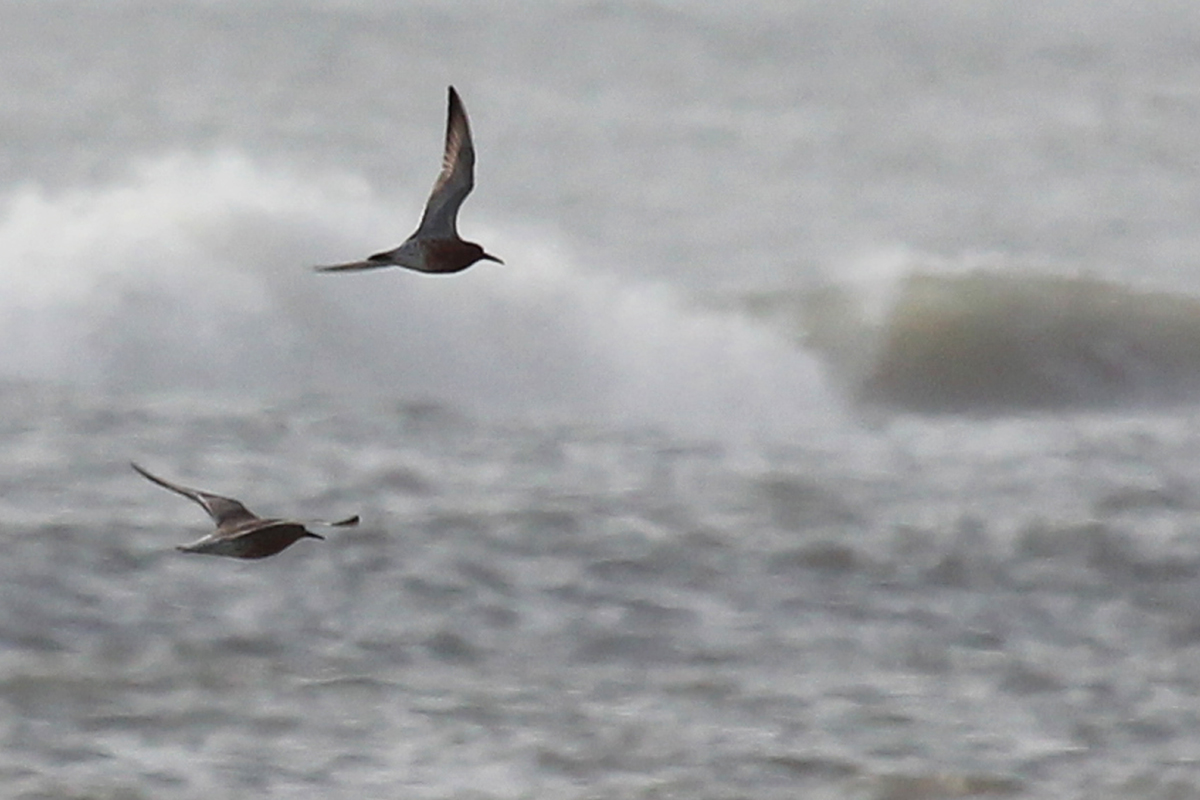
Seawatching at Little Island Park on 19 May produced our second record for PARASITIC JAEGER of the season (obs. Andrew Baldelli & Tracy Tate), though this makes potentially four separate individuals now noted. Jaegers undoubtedly move this time of year, as they breed in northern Canada, and most cross land during the transition months, however, they’re best detected along our coast during periods of persistent easterly winds which force the birds in closer to shore. Just something to keep in mind if hoping to spot them, a scope is a must for this style of birding.

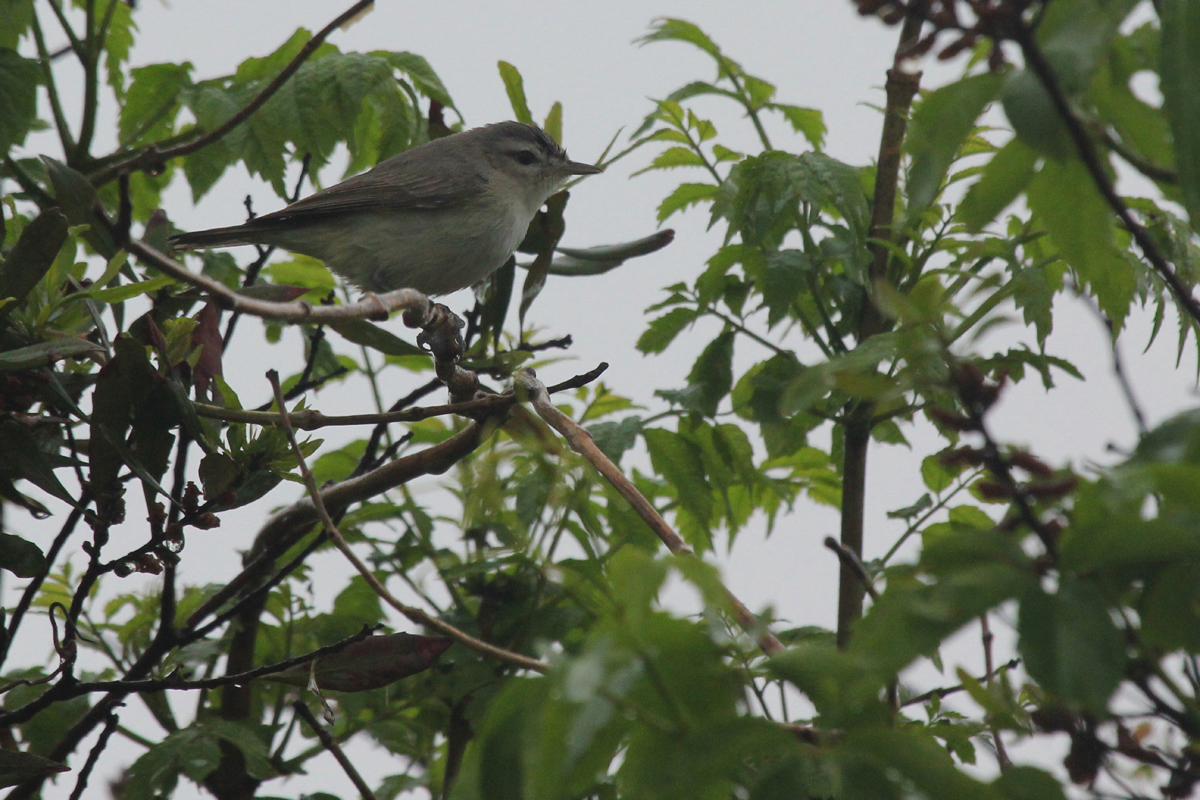
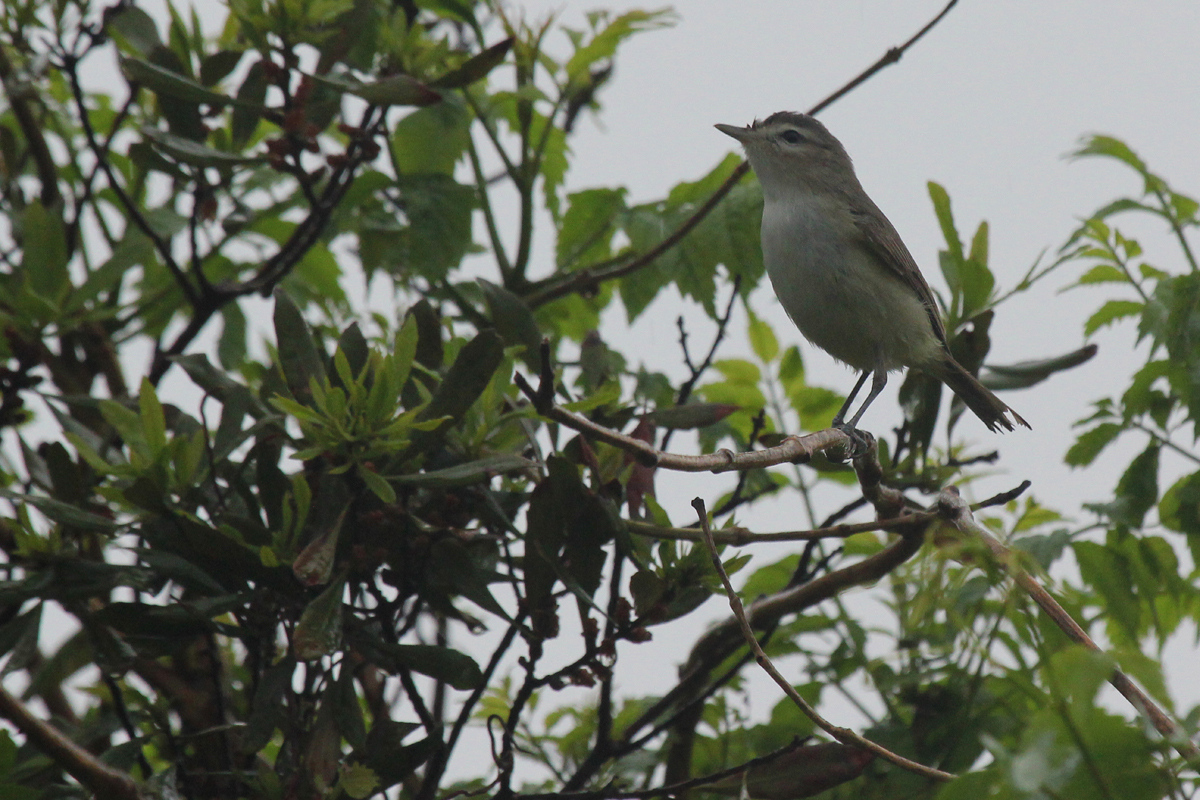
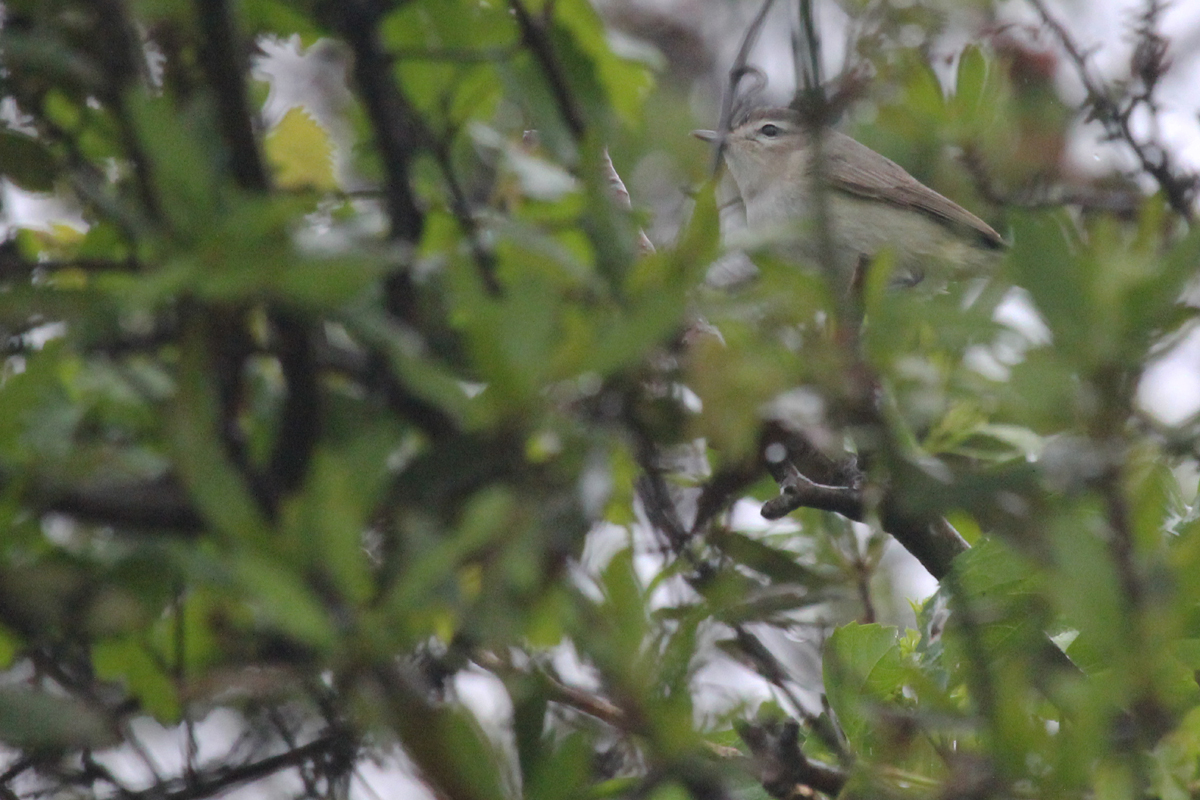
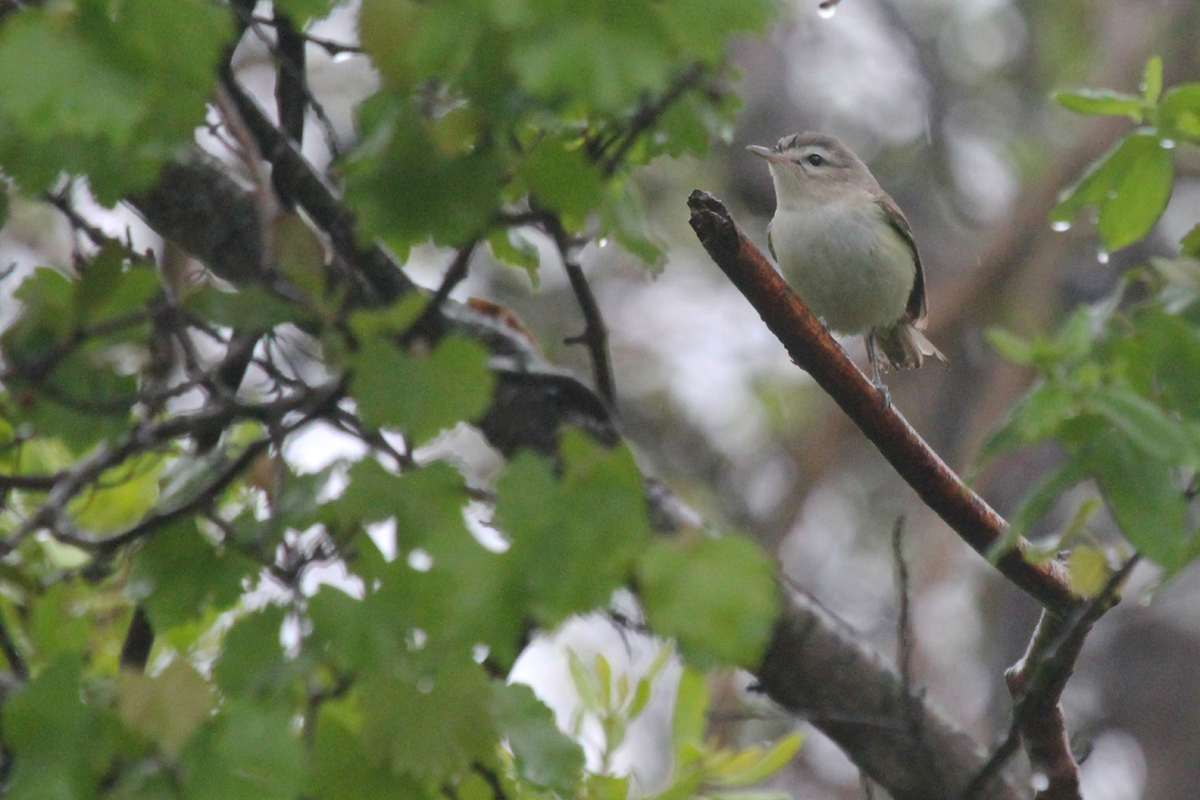
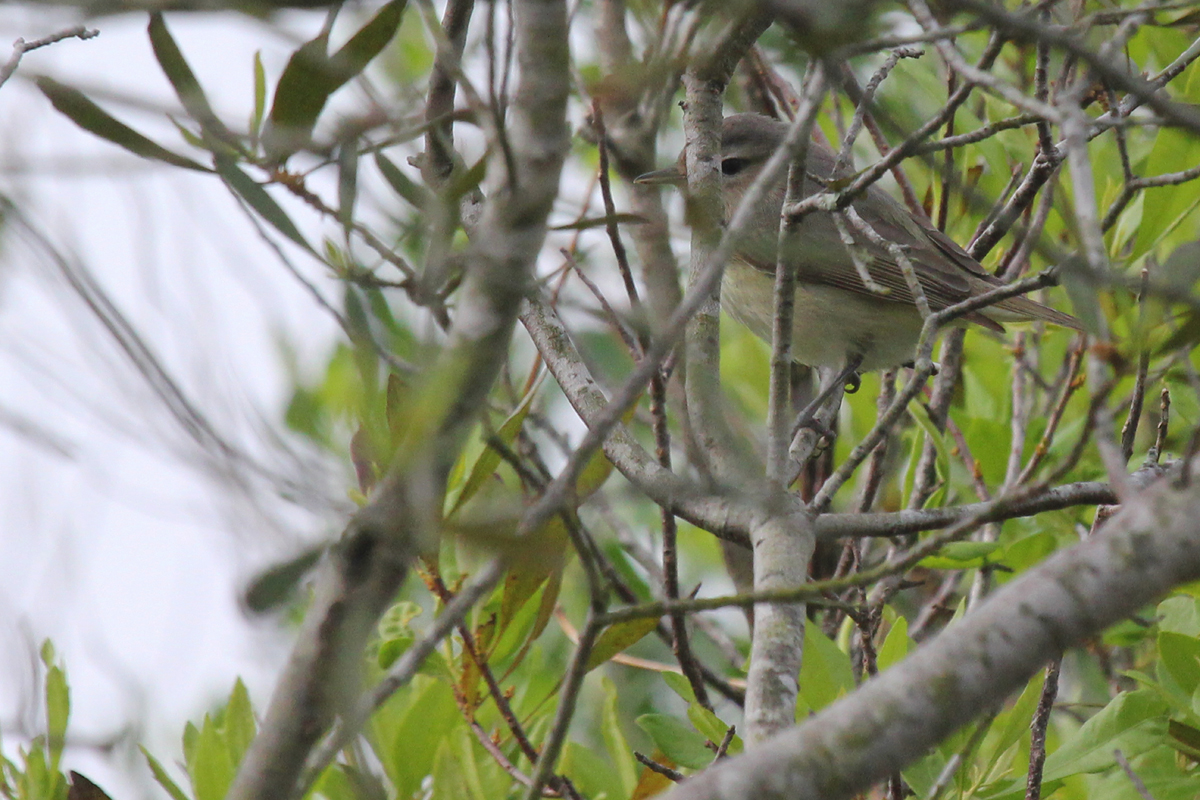
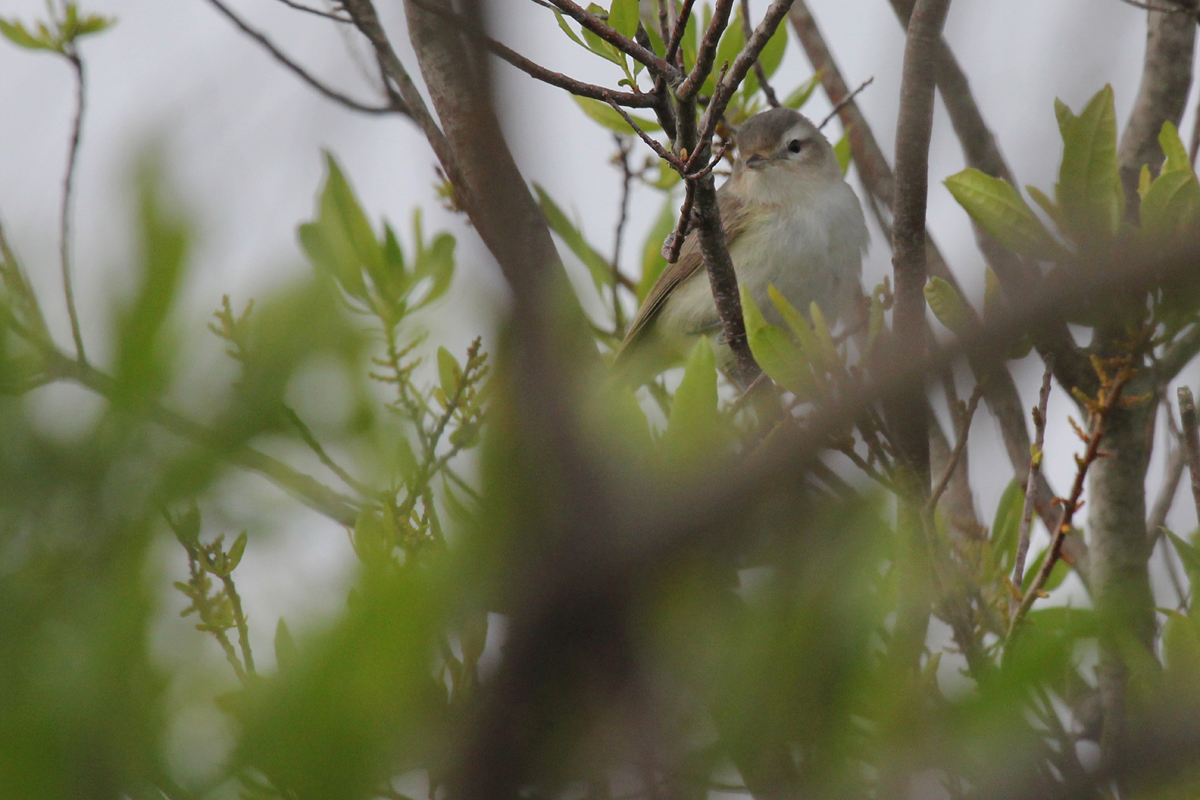
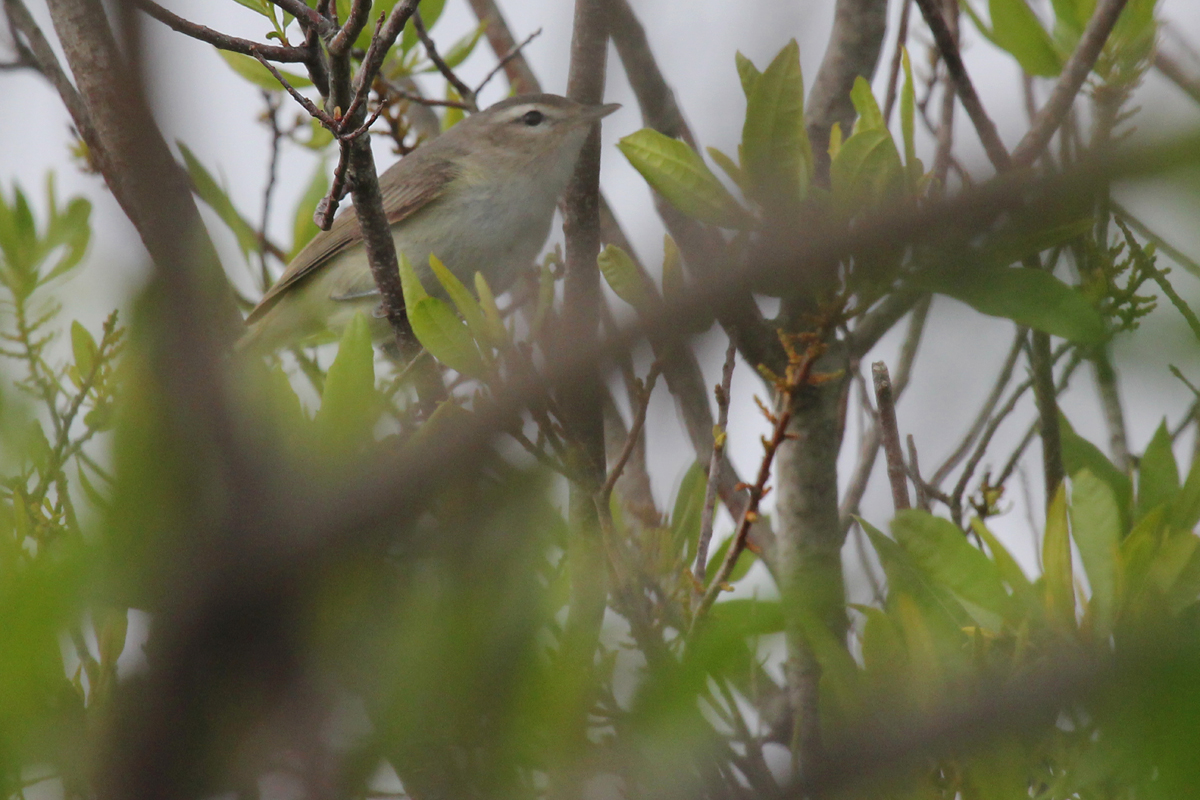
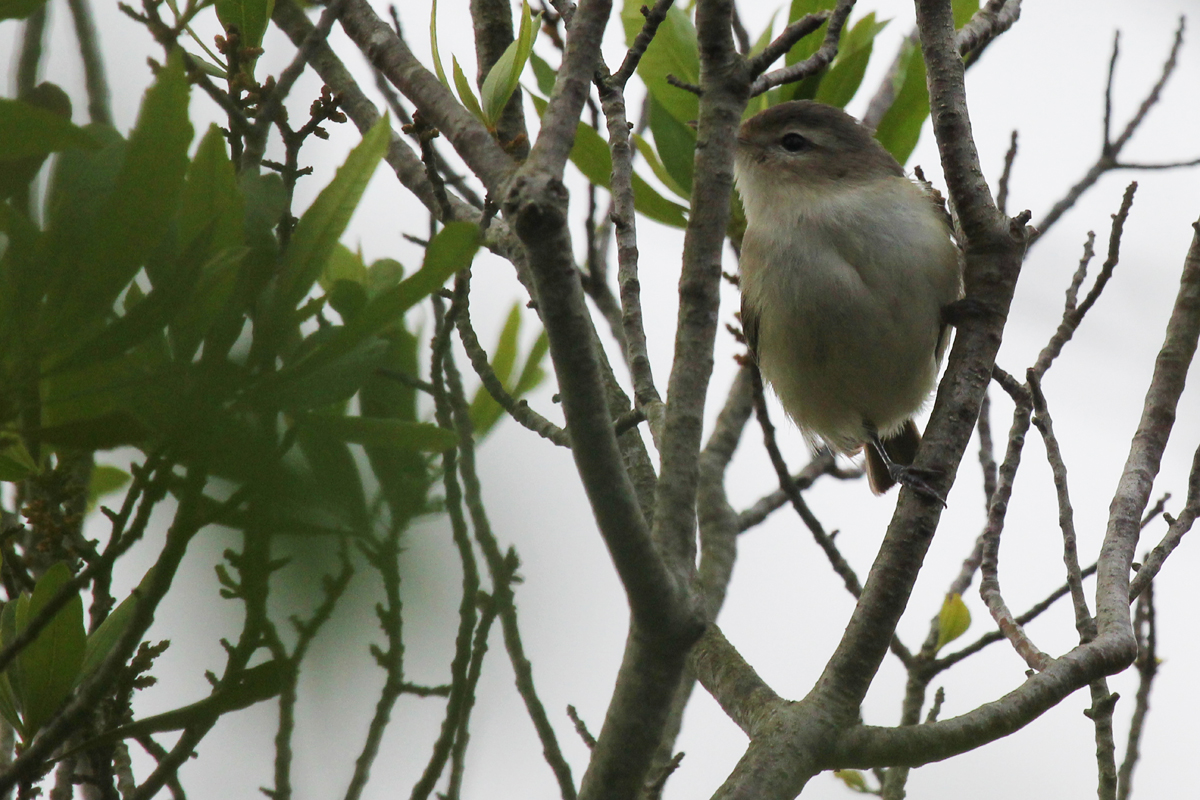
Several continuing rarities kept birders in Virginia Beach excited through mid-May, with what is likely the same TENNESSEE WARBLER first observed at Back Bay NWR on 5 May (ph. June McDaniels) being viewed through at least 11 May (last obs. Andrew Baldelli / Timothy Barry / Mike Collins / Mary Catherine Miguez). Additionally, the WARBLING VIREO first found at the same location on 6 May (ph. Andrew Baldelli & Rob Bielawski) continued along the Raptor Trail through at least 11 May (obs. Rob Bielawski and Marie & Ron Furnish). More information on both of those finds can be viewed in the early May report though.
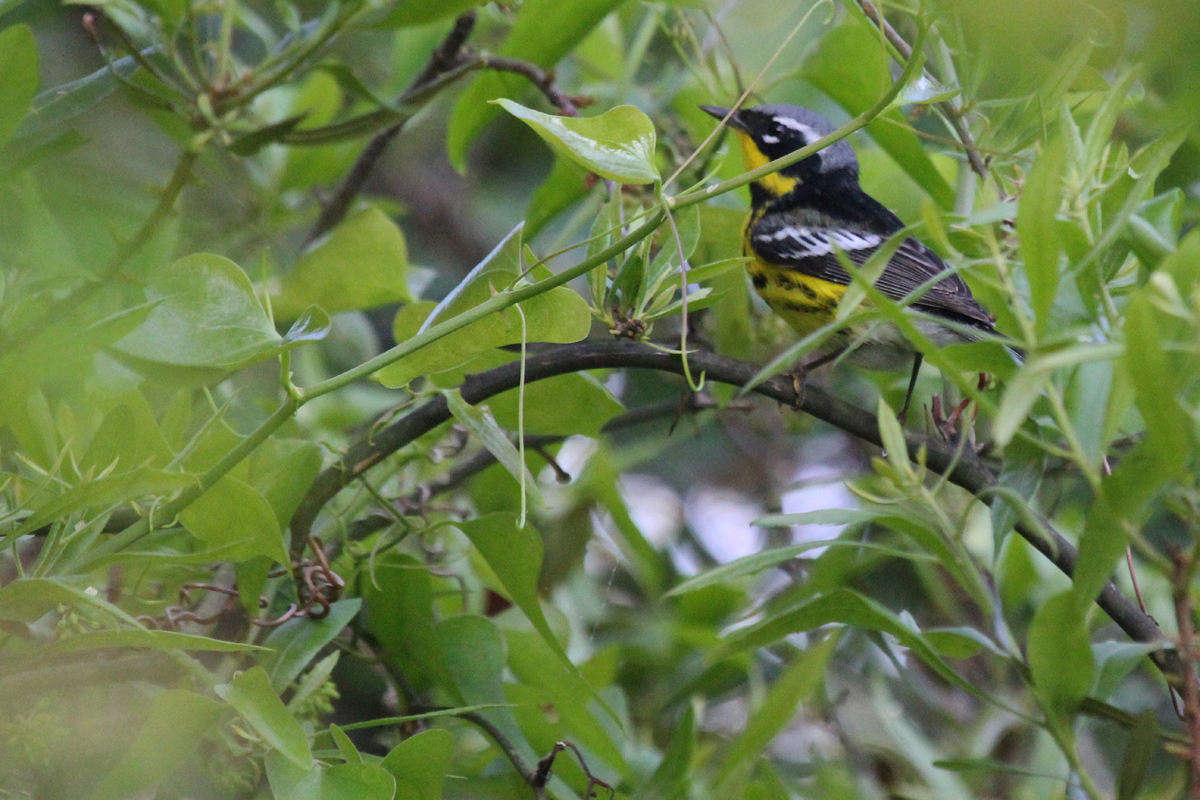
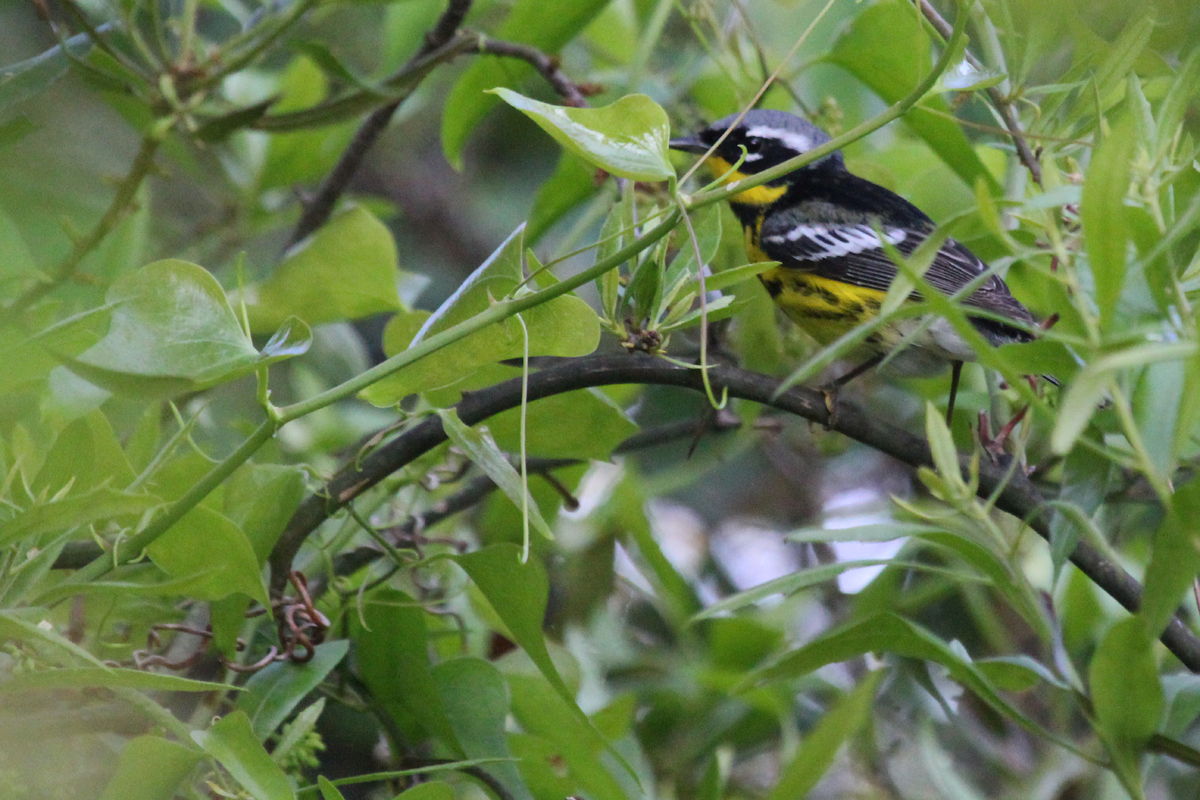
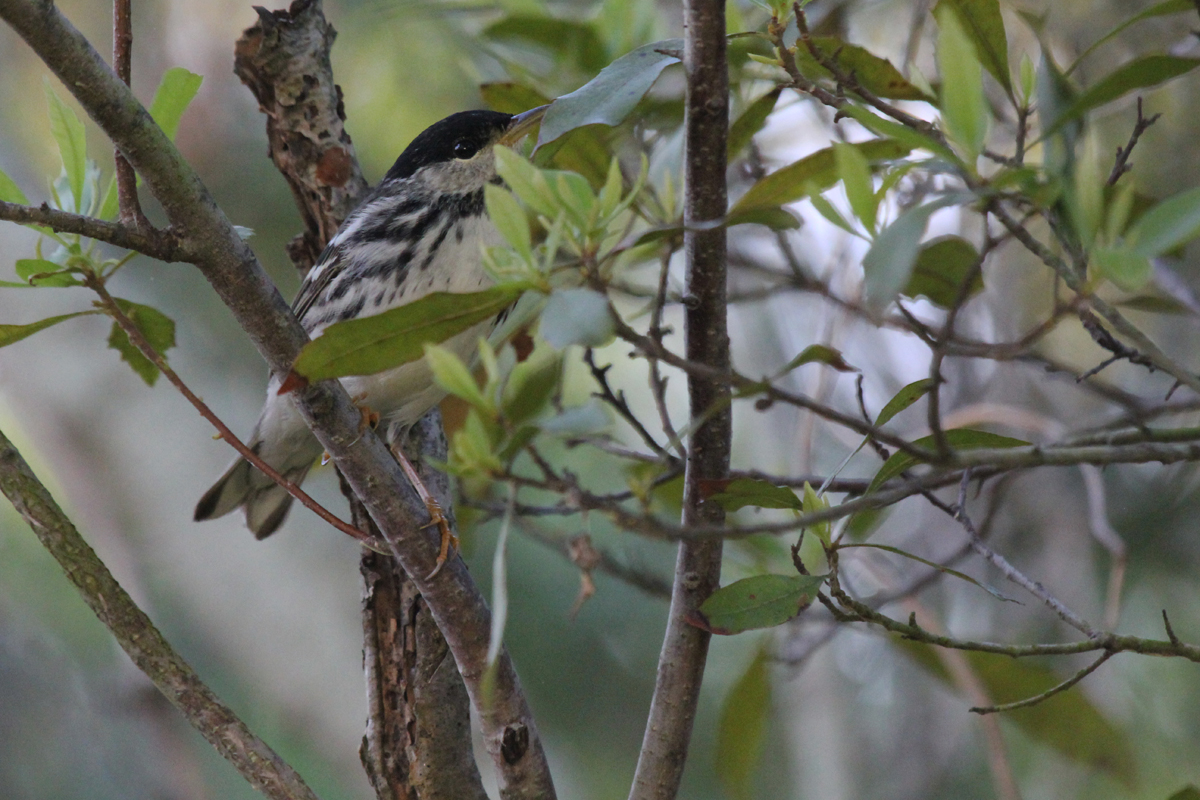
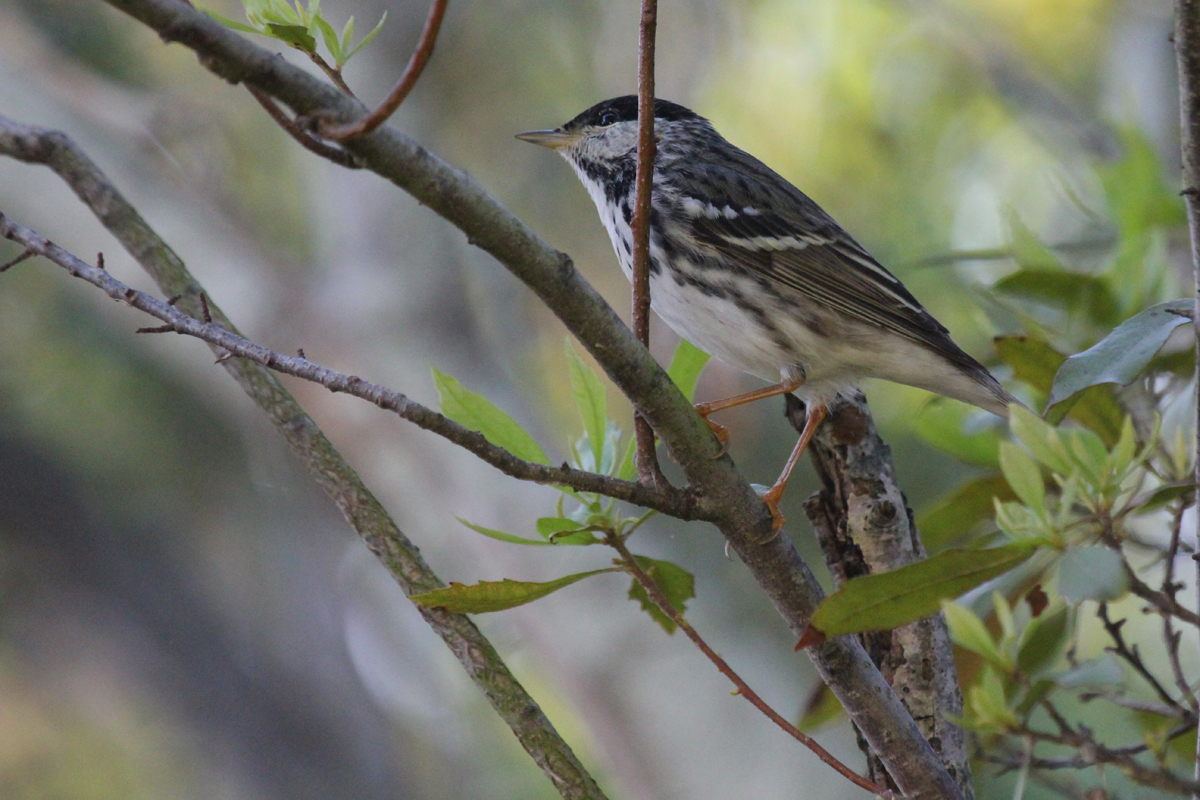
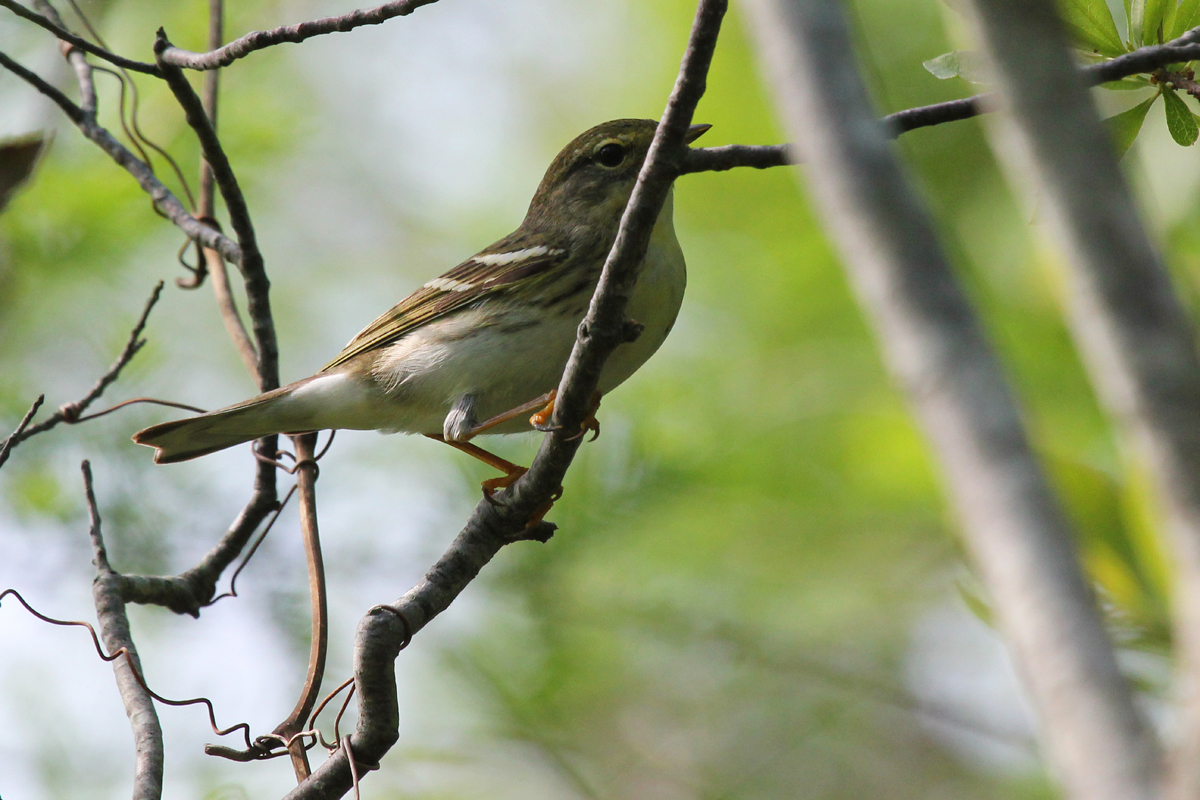
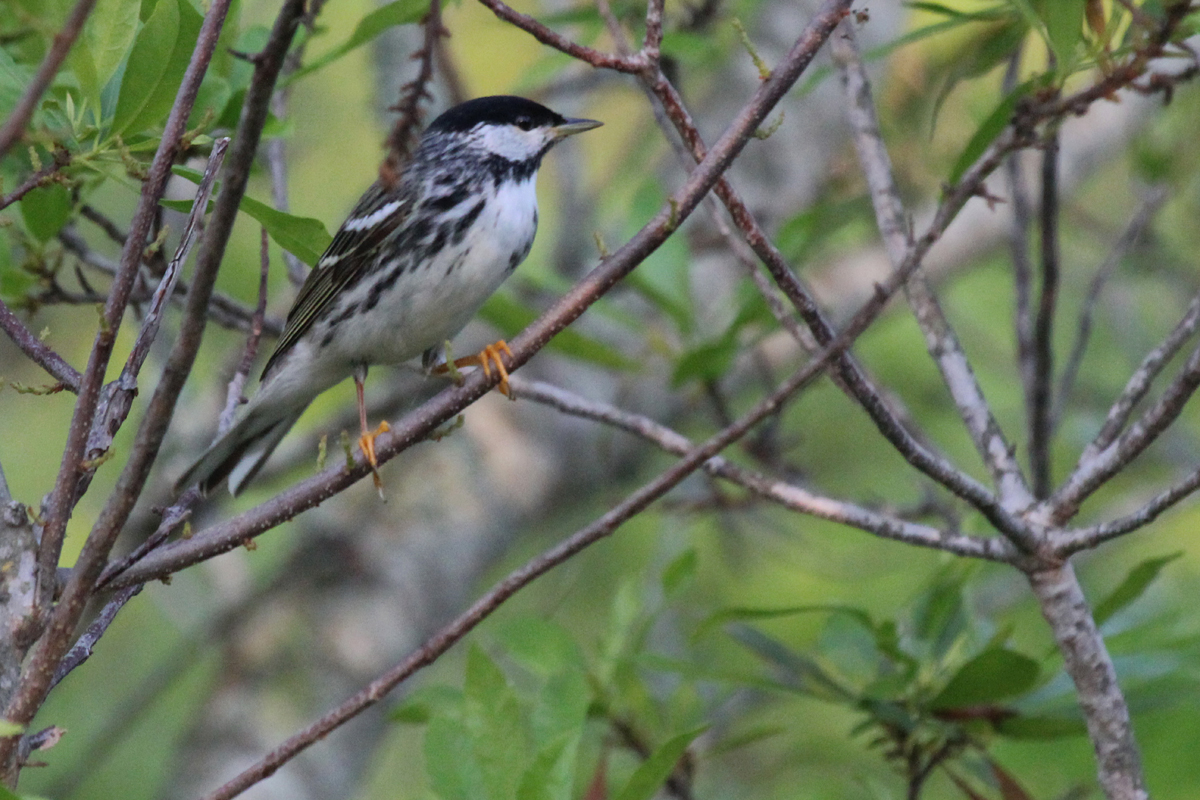
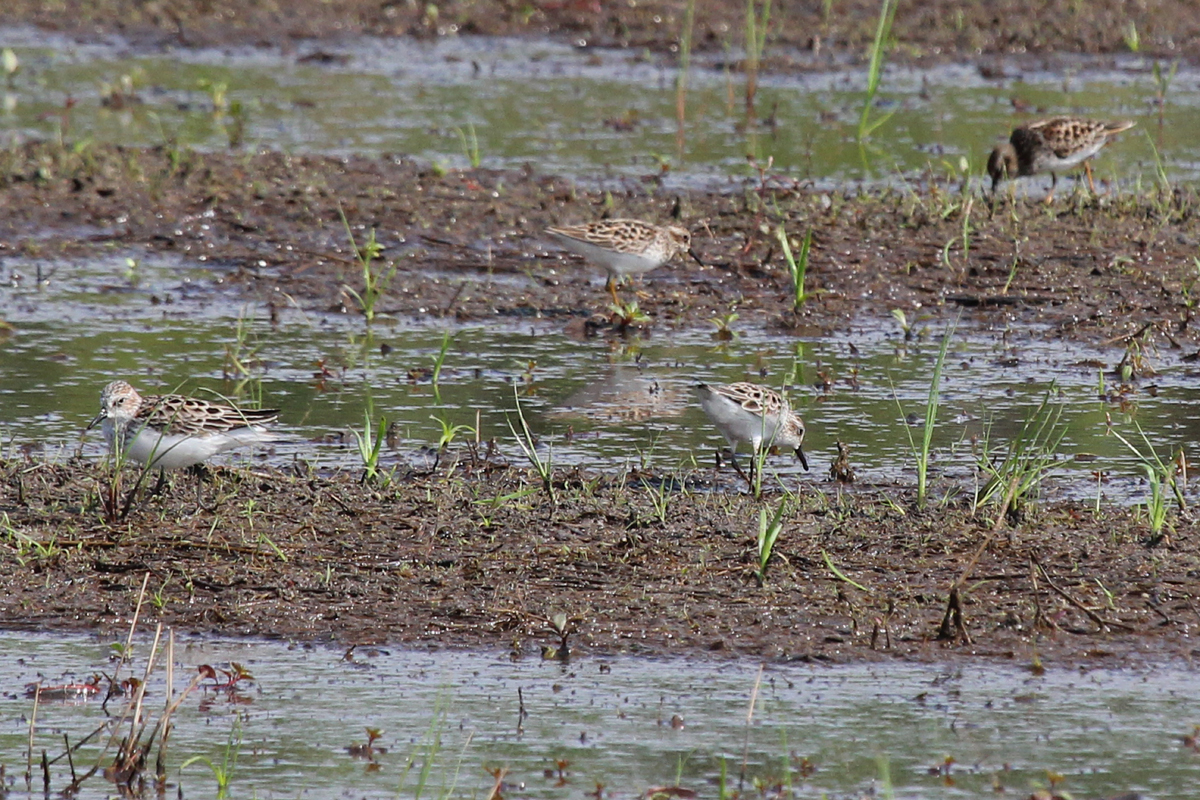
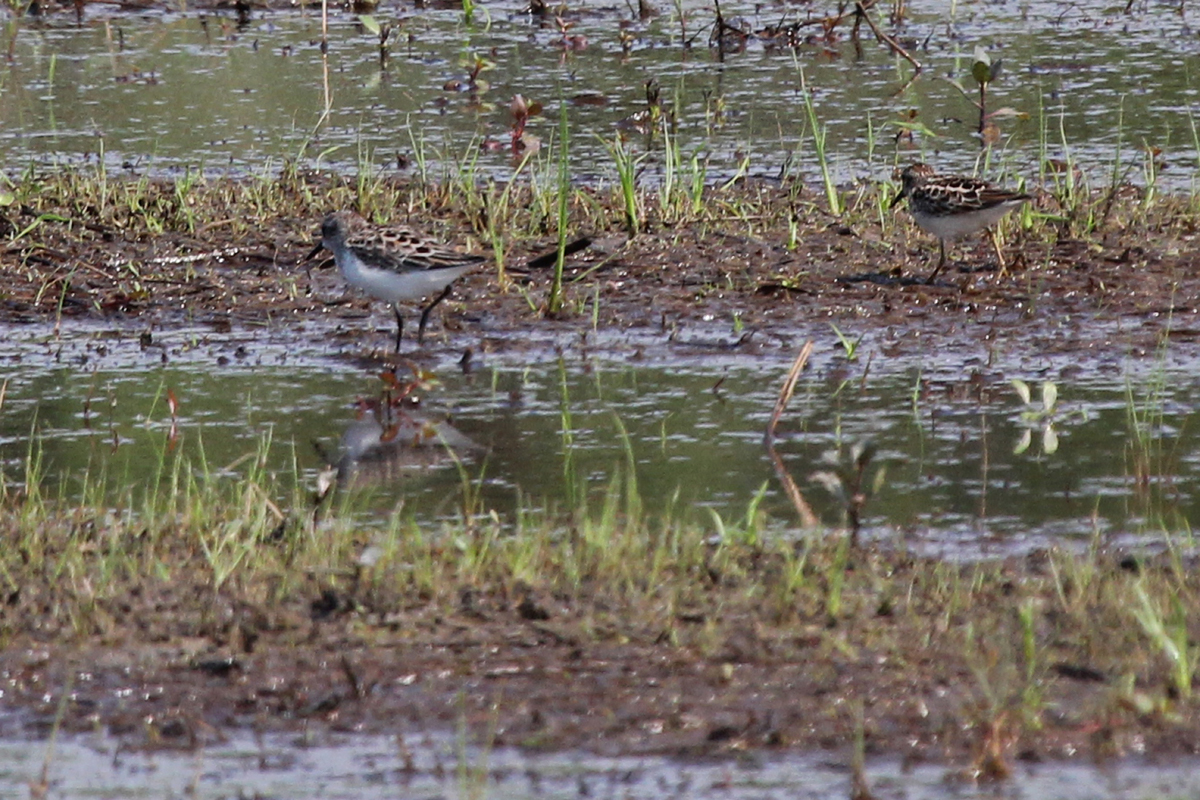
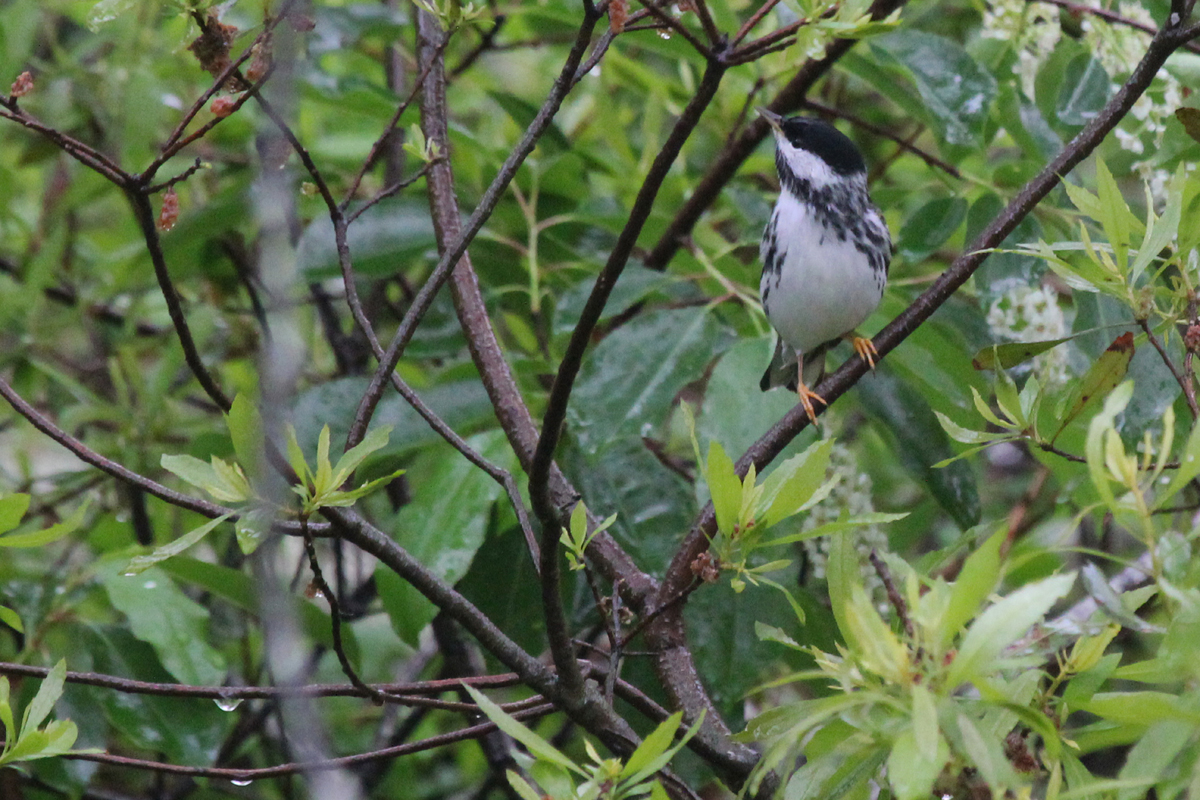
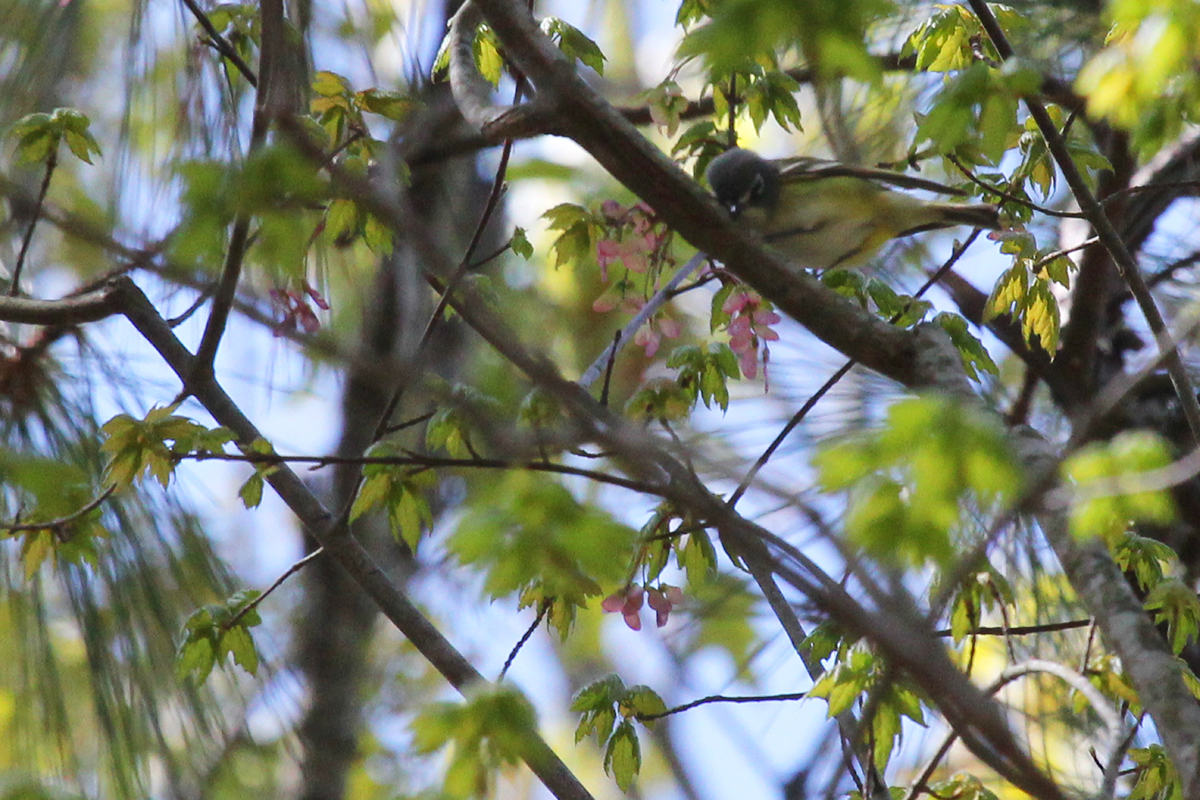
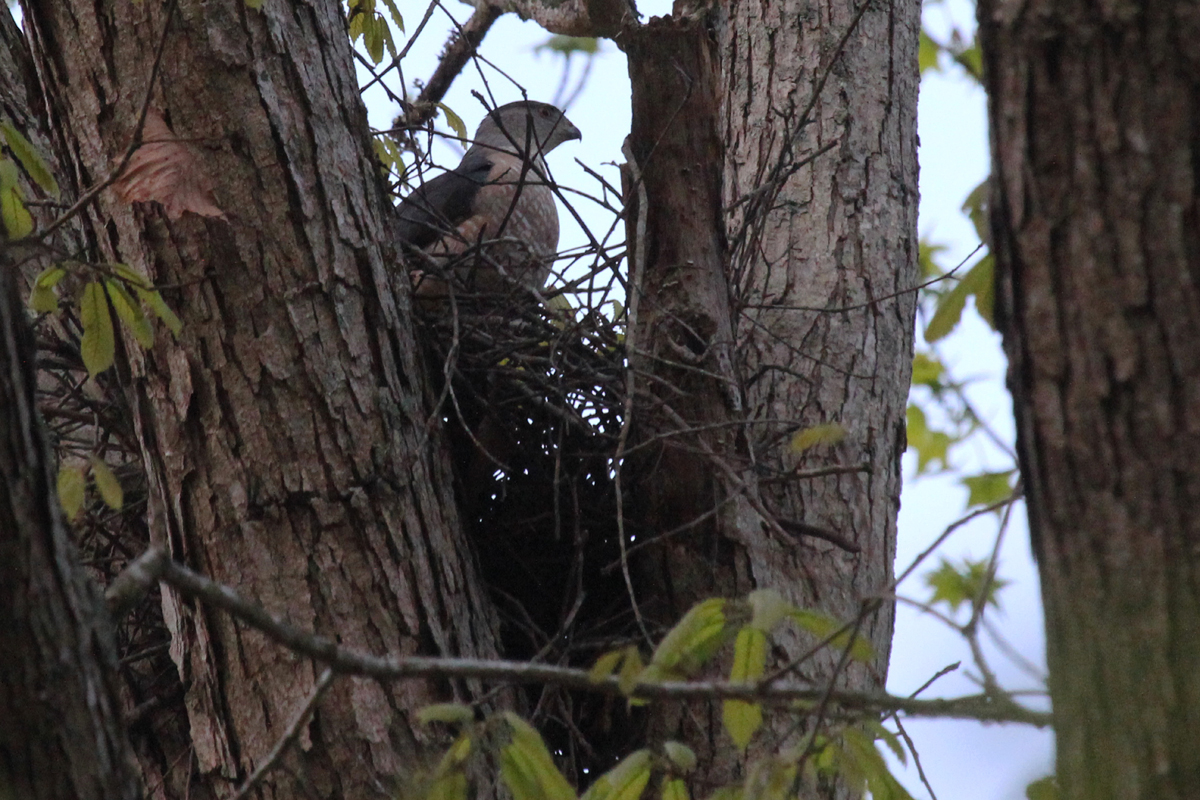
Not observed every spring here in Virginia Beach, a well-described male BAY-BREASTED WARBLER was reported on 15 May (perfectly situated in their window of past, albeit non-annual spring records), at Camp Pendleton SMR (obs. Karen & Tom Beatty). The last time one was recorded here in spring was back in 2016, when both a female (8 May, ph. Christine Peters) and a male (16 May, ph. Jonathan Snyder, ph. Bob McAlpine, ph. Rob Bielawski) were observed at Back Bay NWR along the then-titled Bay Trail. Additionally, we had our first BLACKBURNIAN WARBLER report for the year when one was photographed behind the Back Bay NWR visitor center on 14 May (ph. Andrew Baldelli). eBird records of this species here in spring are severely lacking, with only one noted in 2017 at Pleasure House Point NA (26 May, ph. Tommy Maloney), and two individuals in 2016 at Back Bay NWR (3 May, ph. Lauren Shaffer). Going back further, one must go all the way to 1994 for a spring record here in eBird! Last of the unseasonal occurrences, a WESTERN SANDPIPER was photographed in the Marina Shores area of Shore Drive on 16 May (ph. June McDaniels). Missed altogether outside of the fall in 2017, our last good year for this species was 2016 when Princess Anne WMA’s Beasley Tract was the spring-hotspot for shorebirds. Unfortunately, this year we don’t have the right habitat accessible, and since Back Bay is not tidal like the waters of the Eastern Shore are, these mudflat dwelling migrants are difficult to find even when they should be passing through.

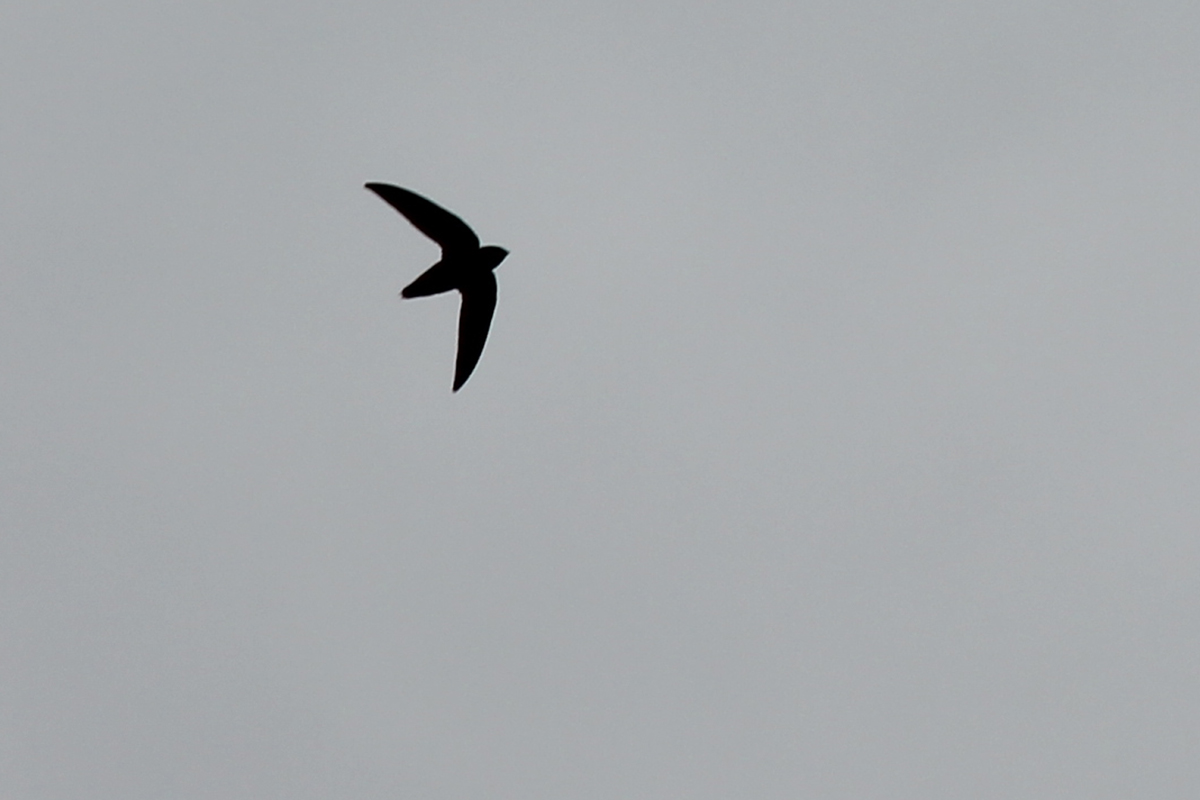
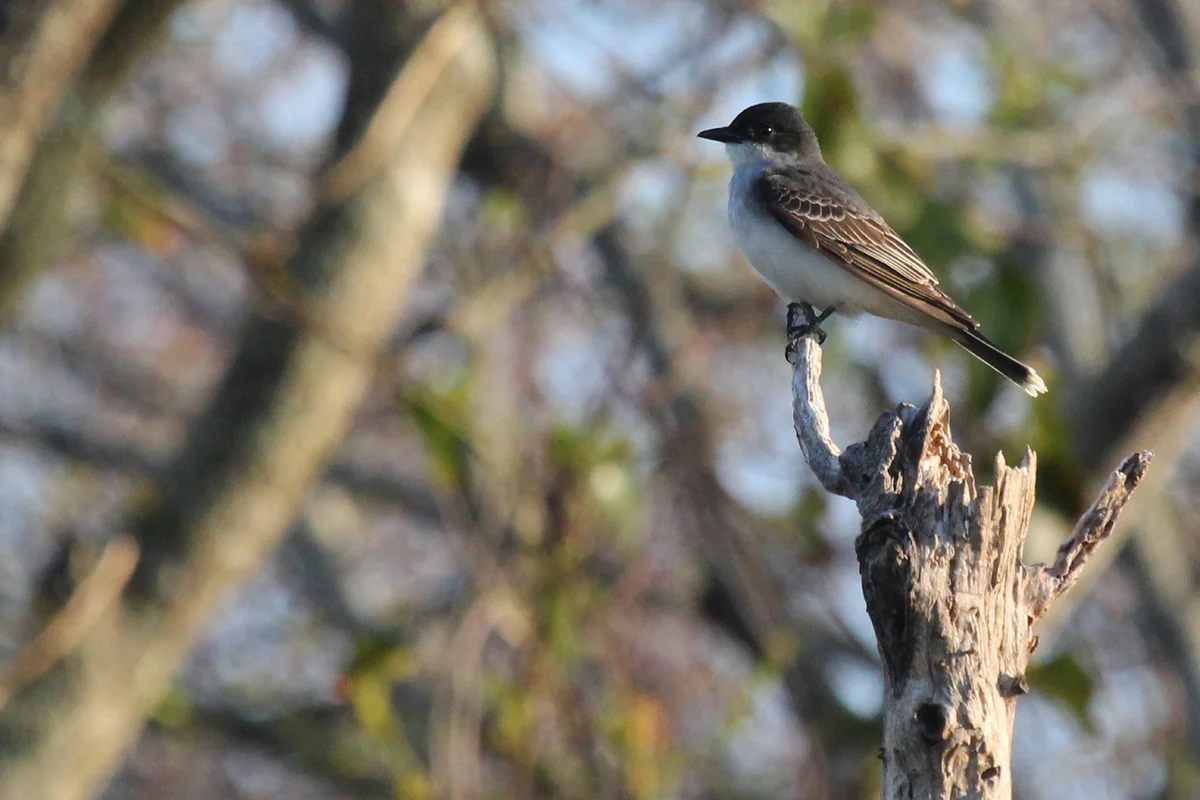
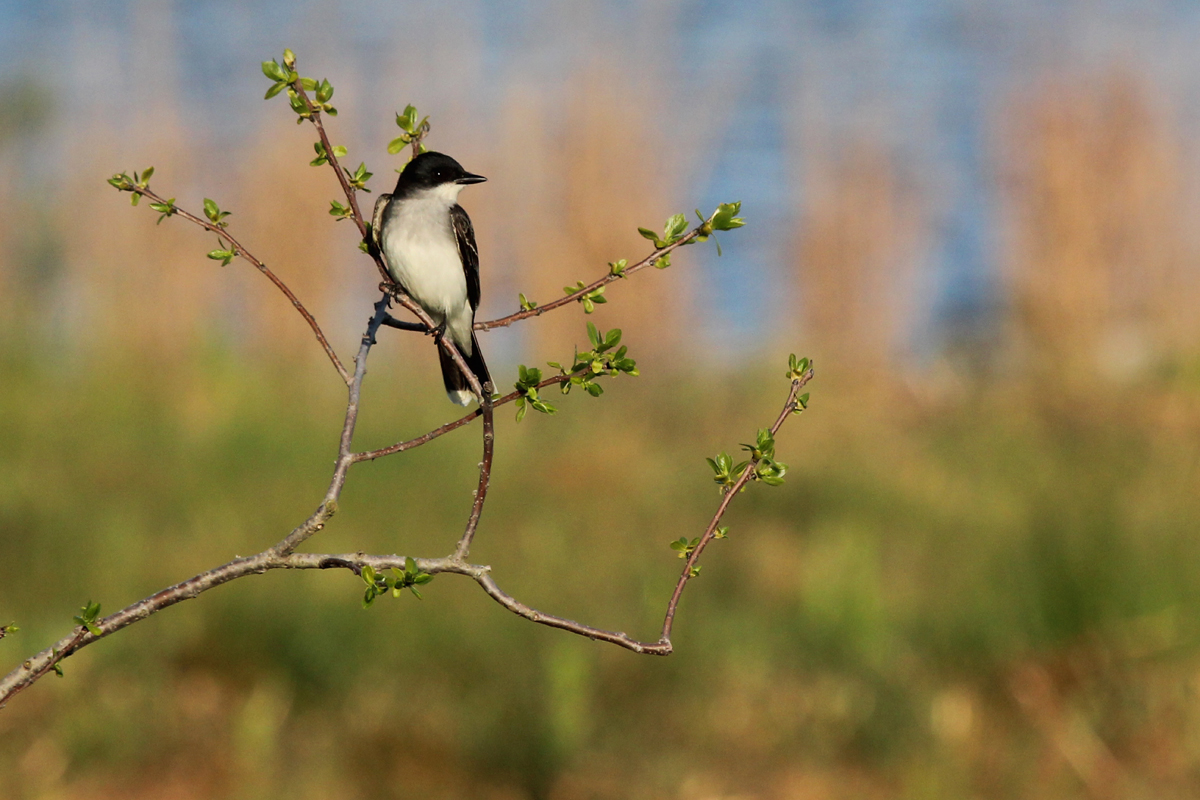
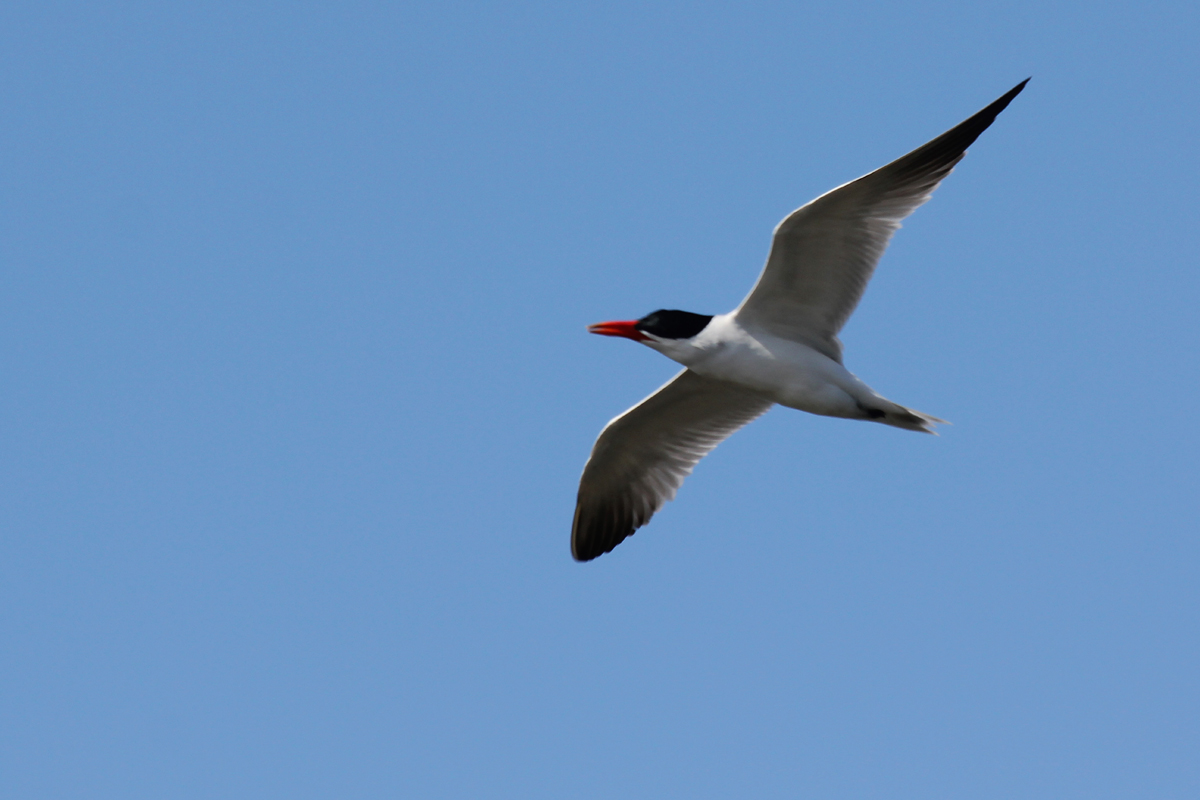
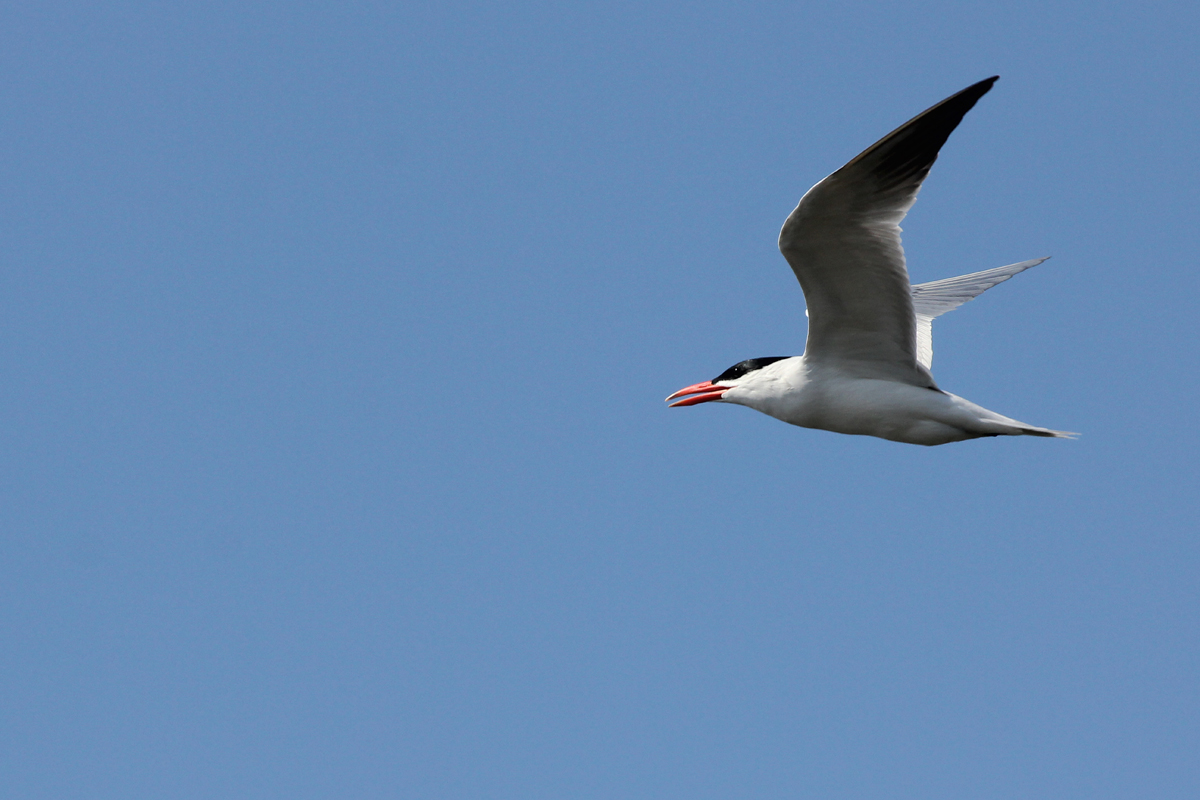
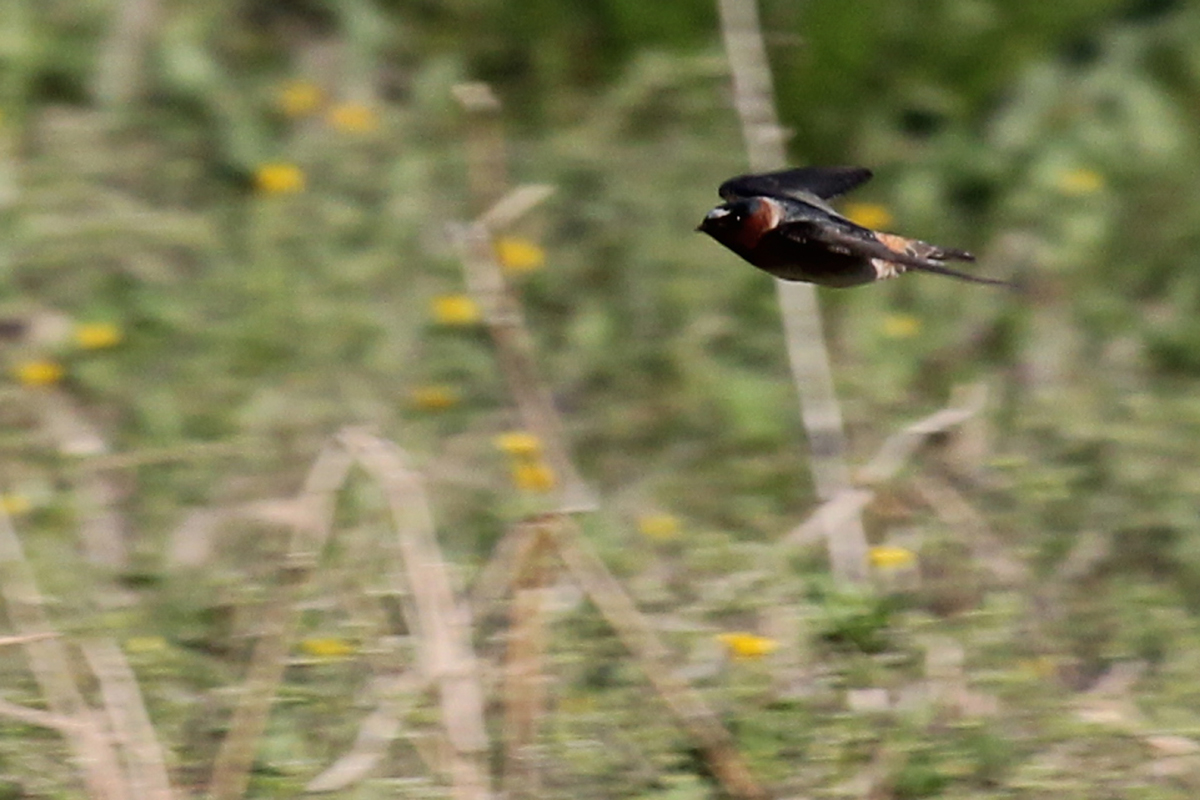
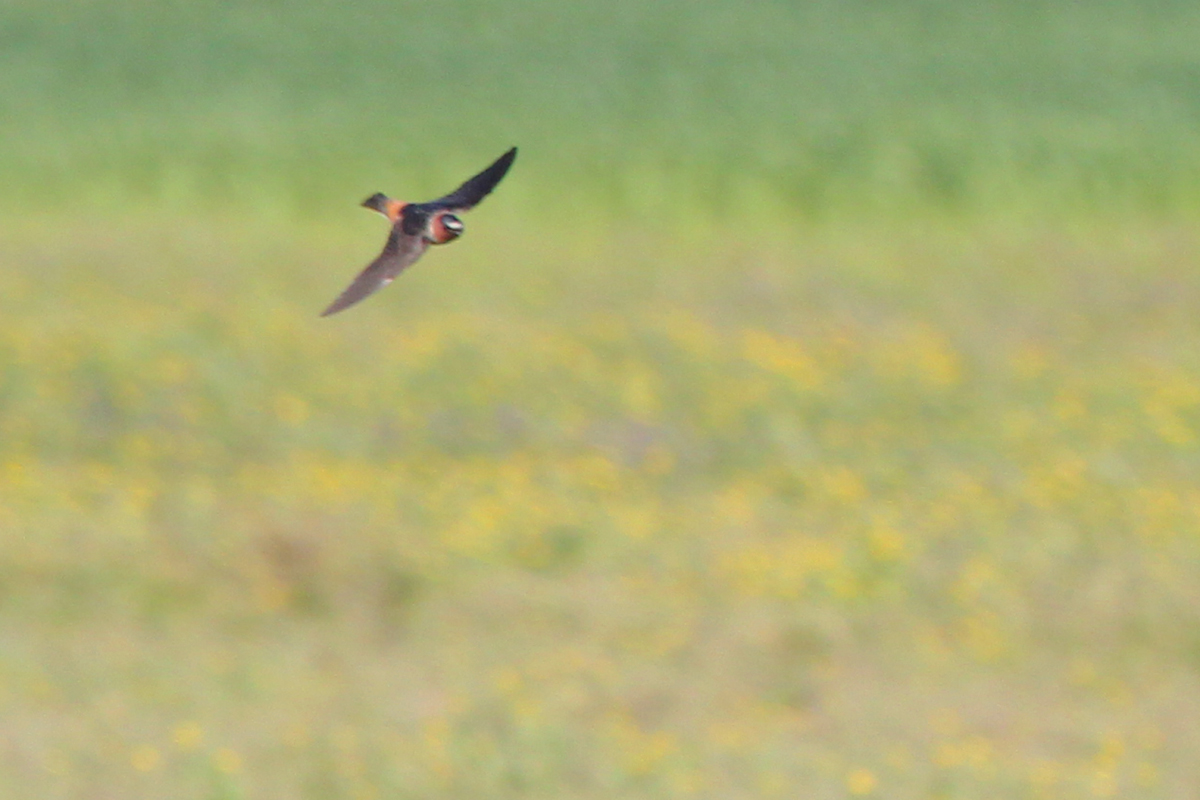
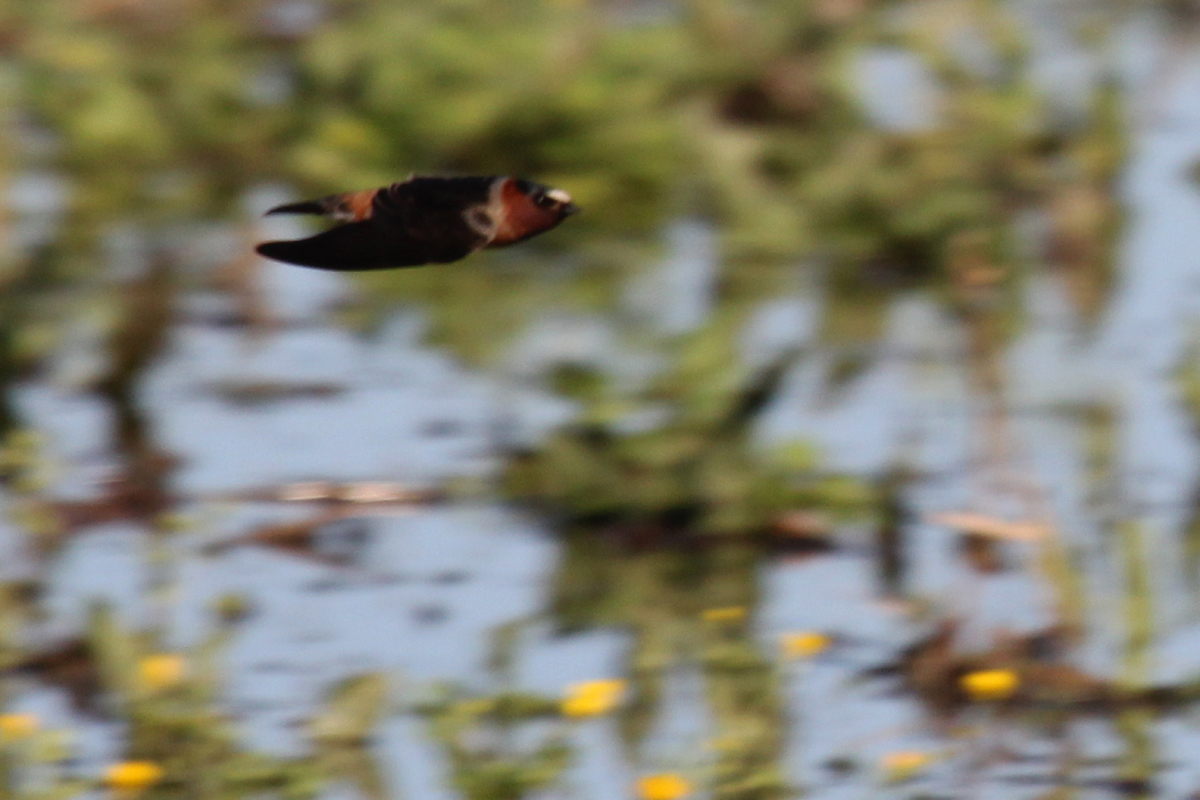
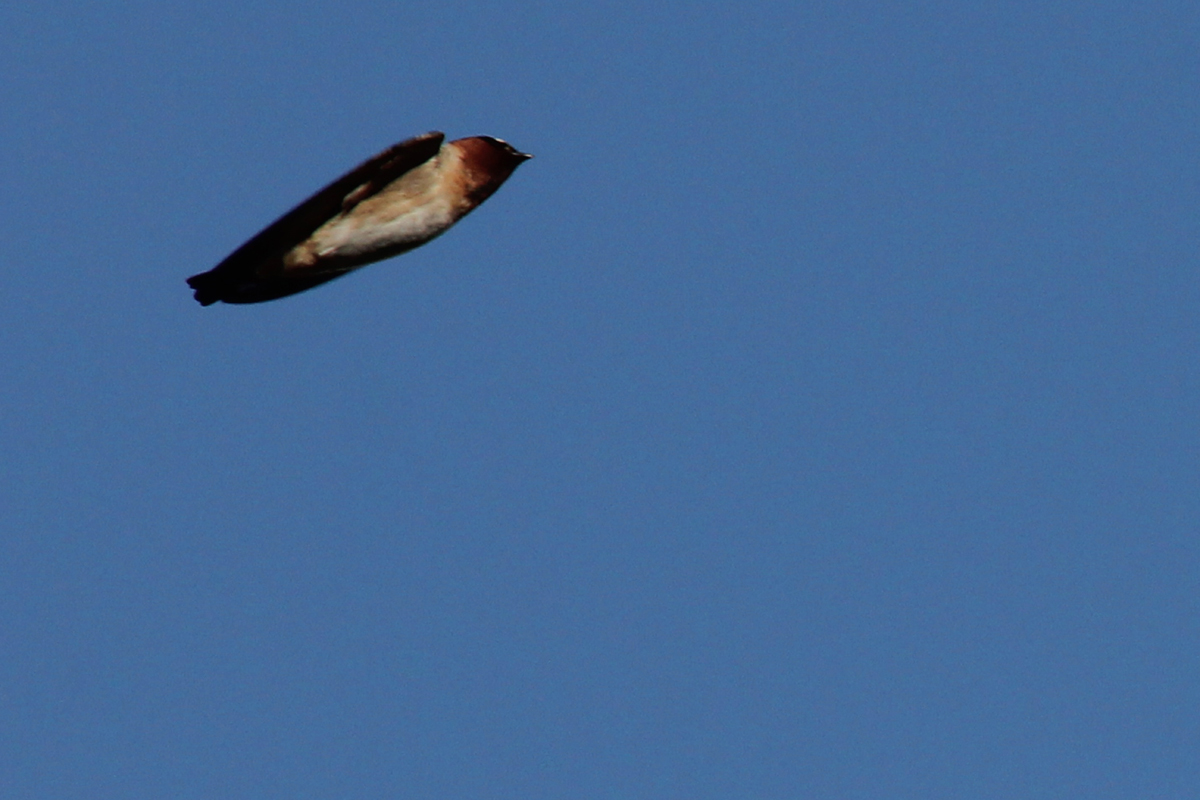
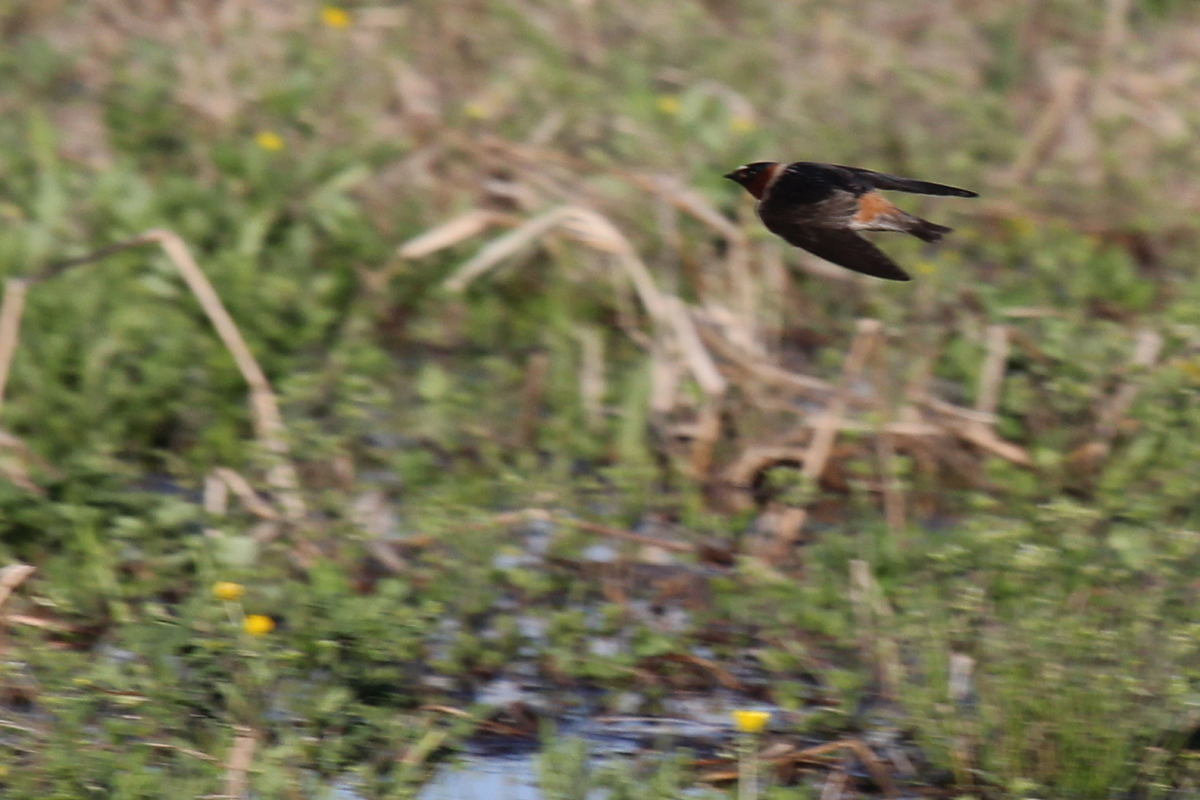
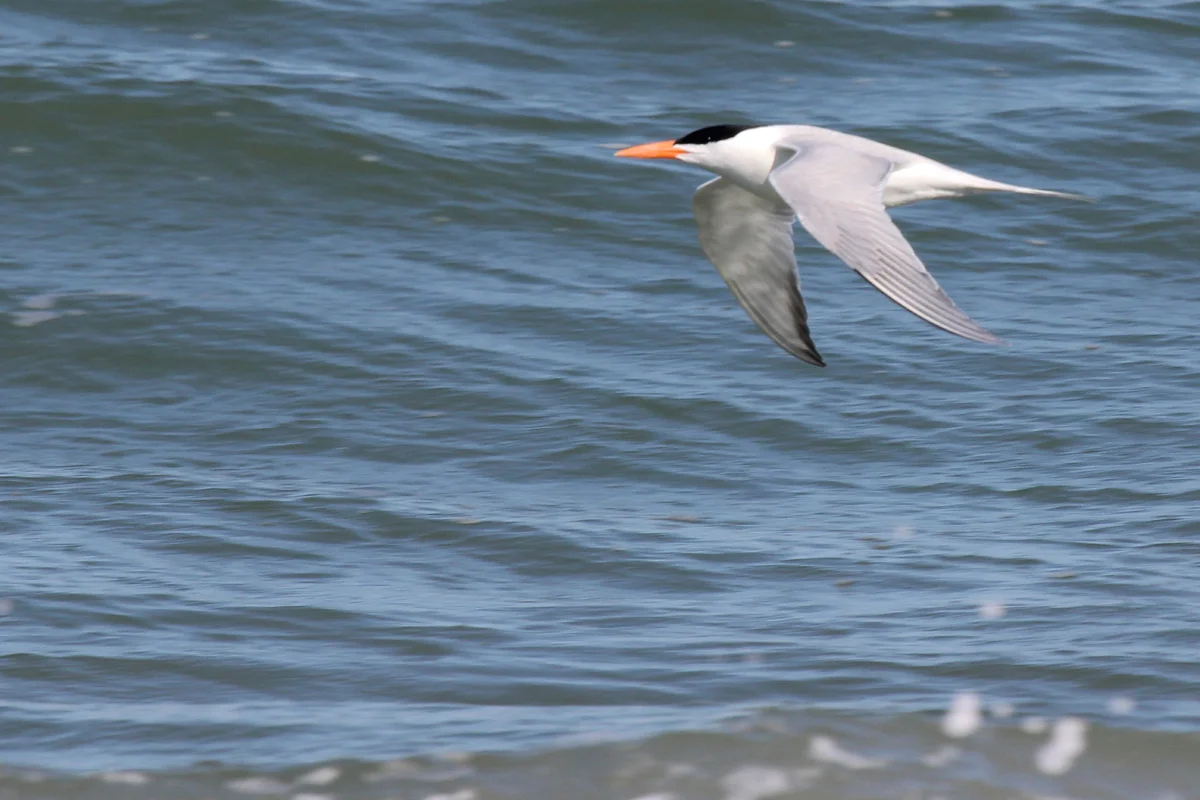
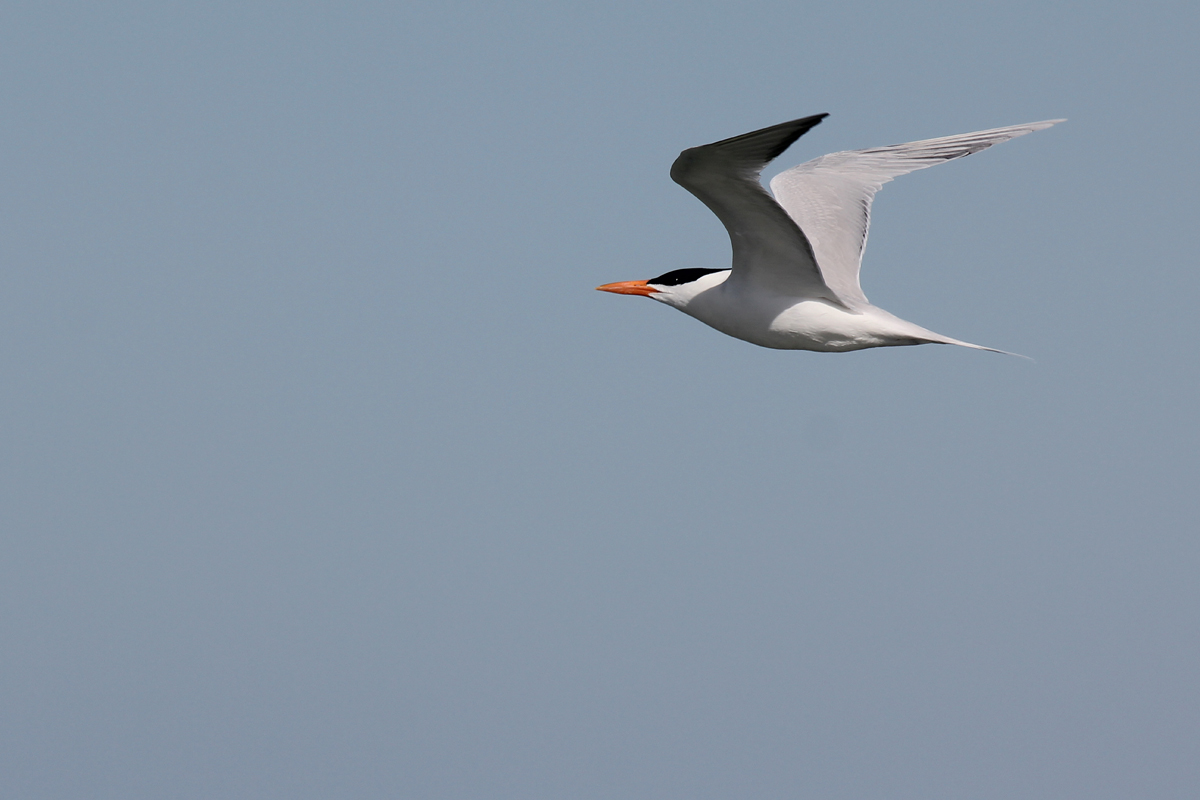
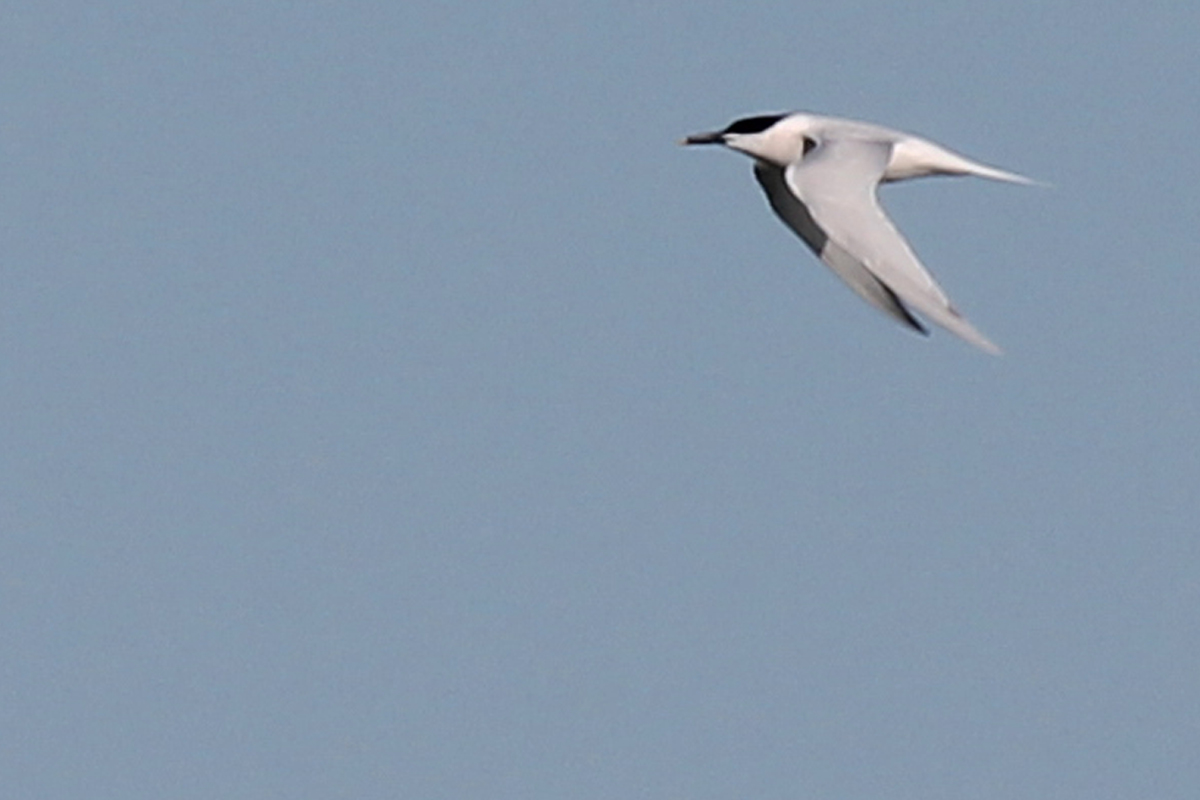
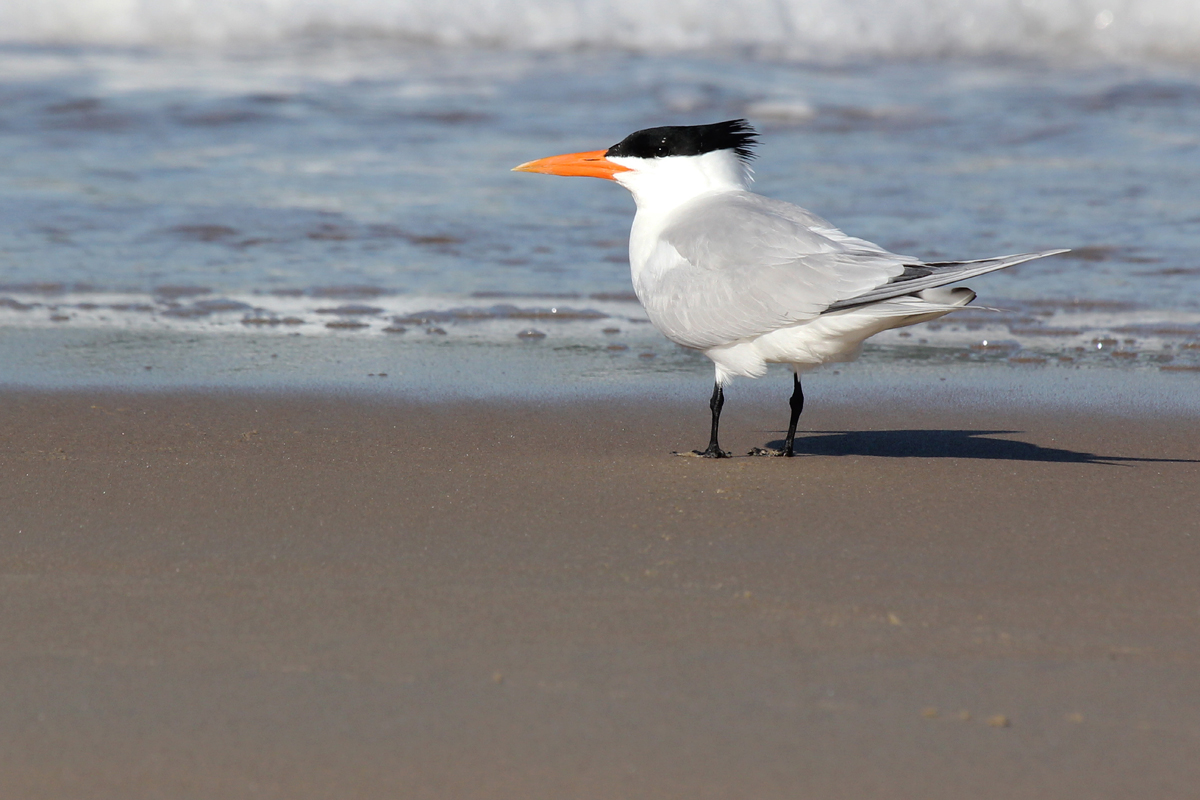
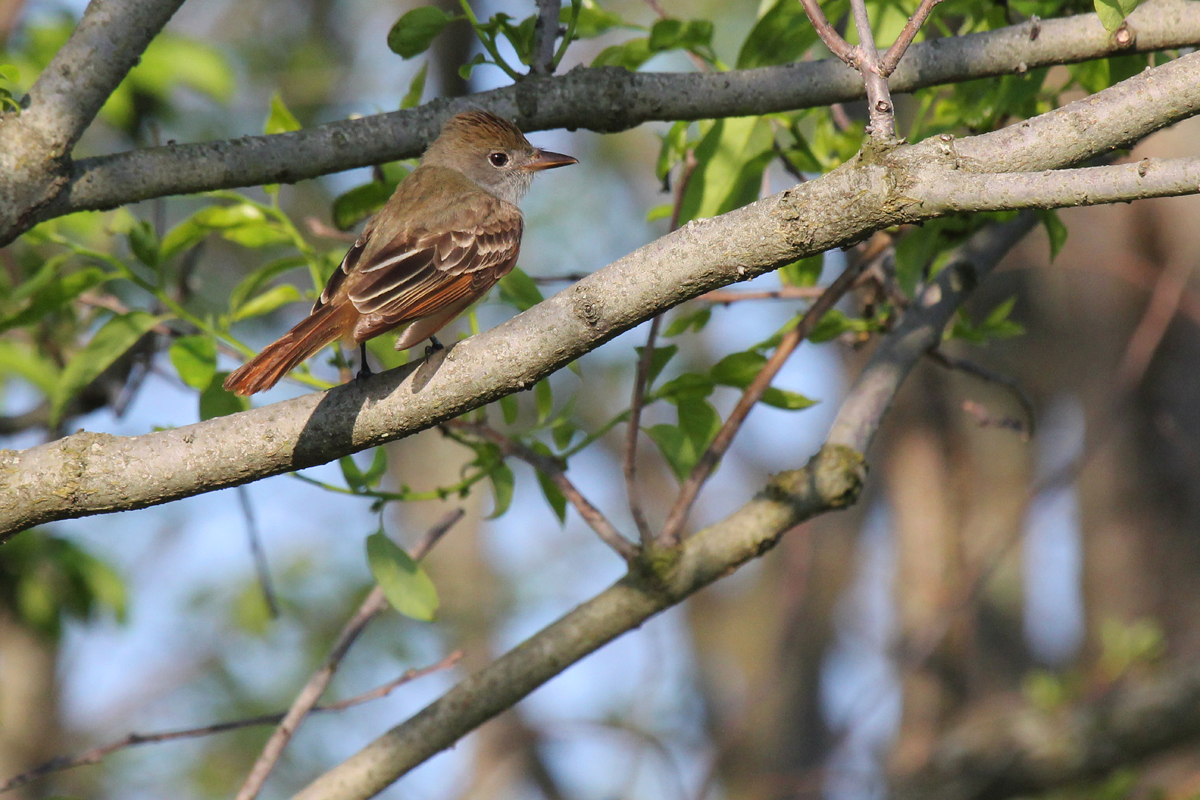
By mid-May, there are no more “early” spring arrivals to be had, with all the expected species’ arrival dates occurred on or before 10 May, but, we did have three species reported that had somehow gone undetected until this reporting period. First, a COMMON NIGHTHAWK was reported in the Virginia Beach portion of Knott’s Island on 13 May (obs. David Clark), thirteen days after their average expected date. Next, small numbers of GULL-BILLED TERNS trickled over Back Bay NWR on 11 May (obs. Andrew Baldelli / Rob Bielawski / Mary Catherine Miguez), sixteen days later than the usual first report. Lastly, we finally had our first report for a single BANK SWALLOW at Back Bay NWR on 19 May (ph. David Clark), a miraculous 34 days later than expected. This should help clarify to local birders that this species is by no means an “automatic” find here during the spring months!
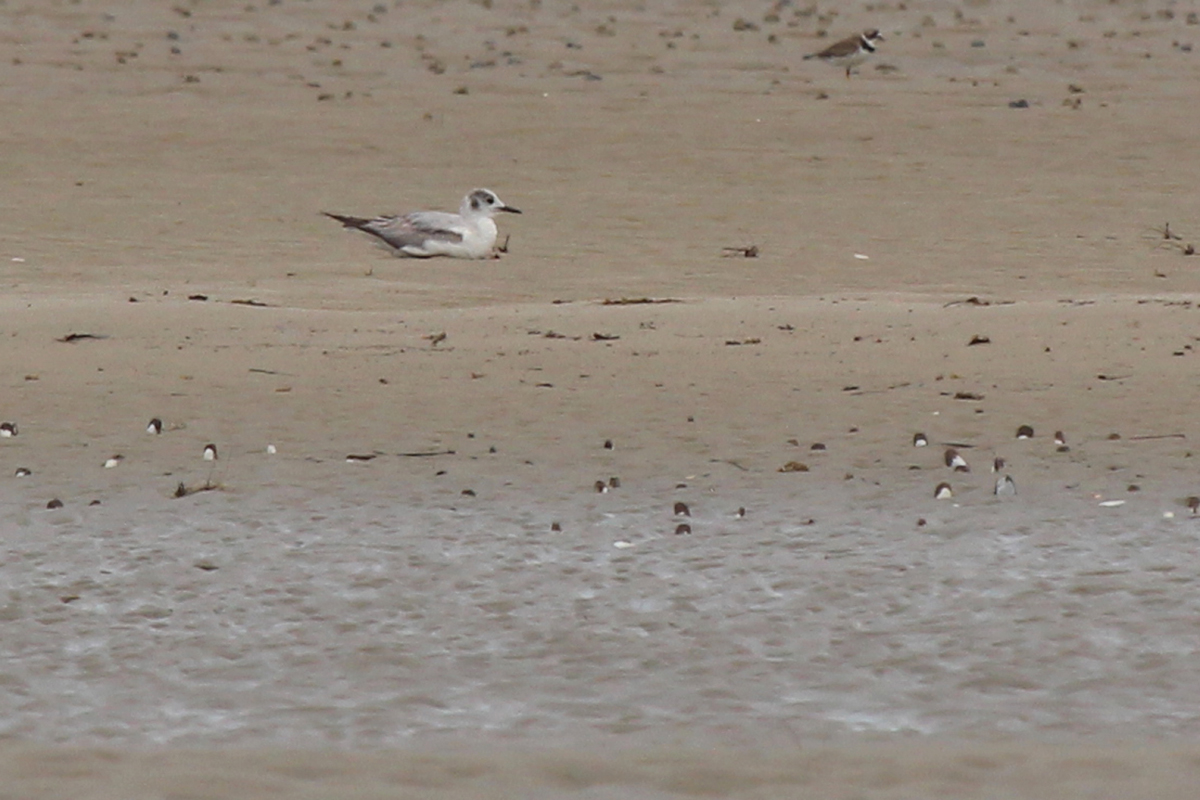
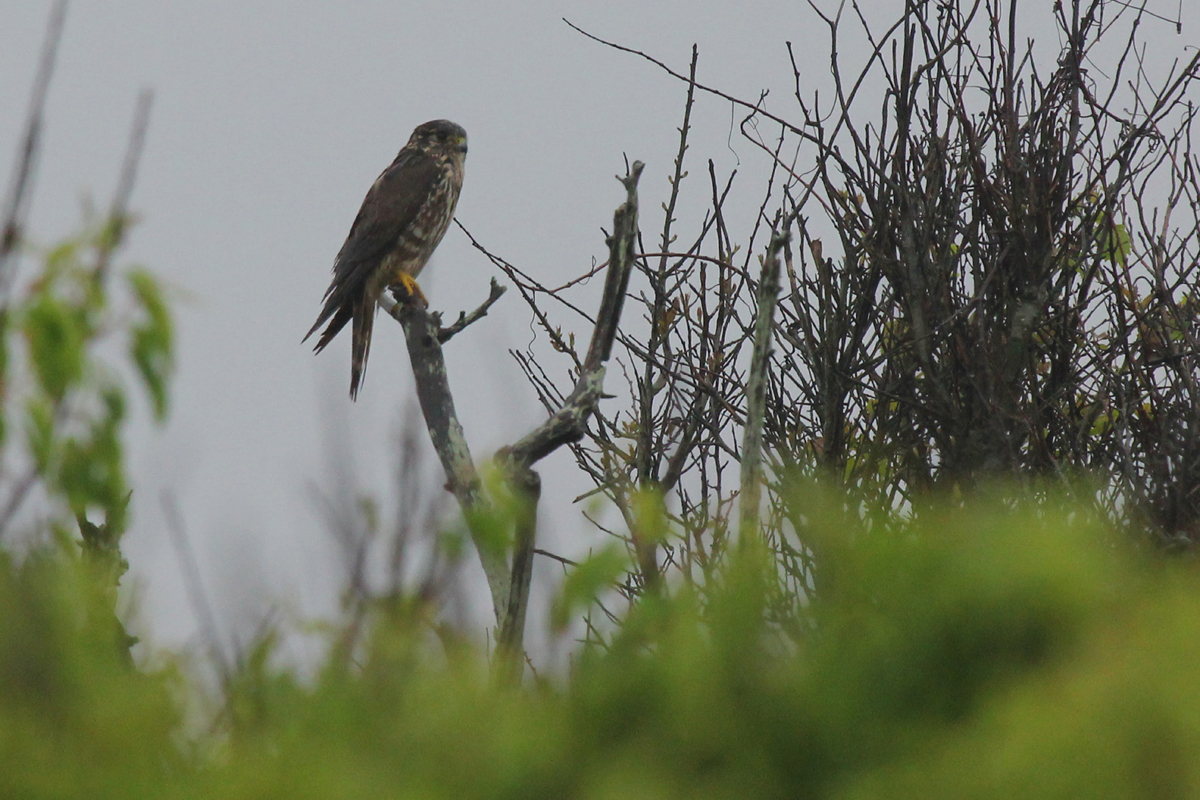
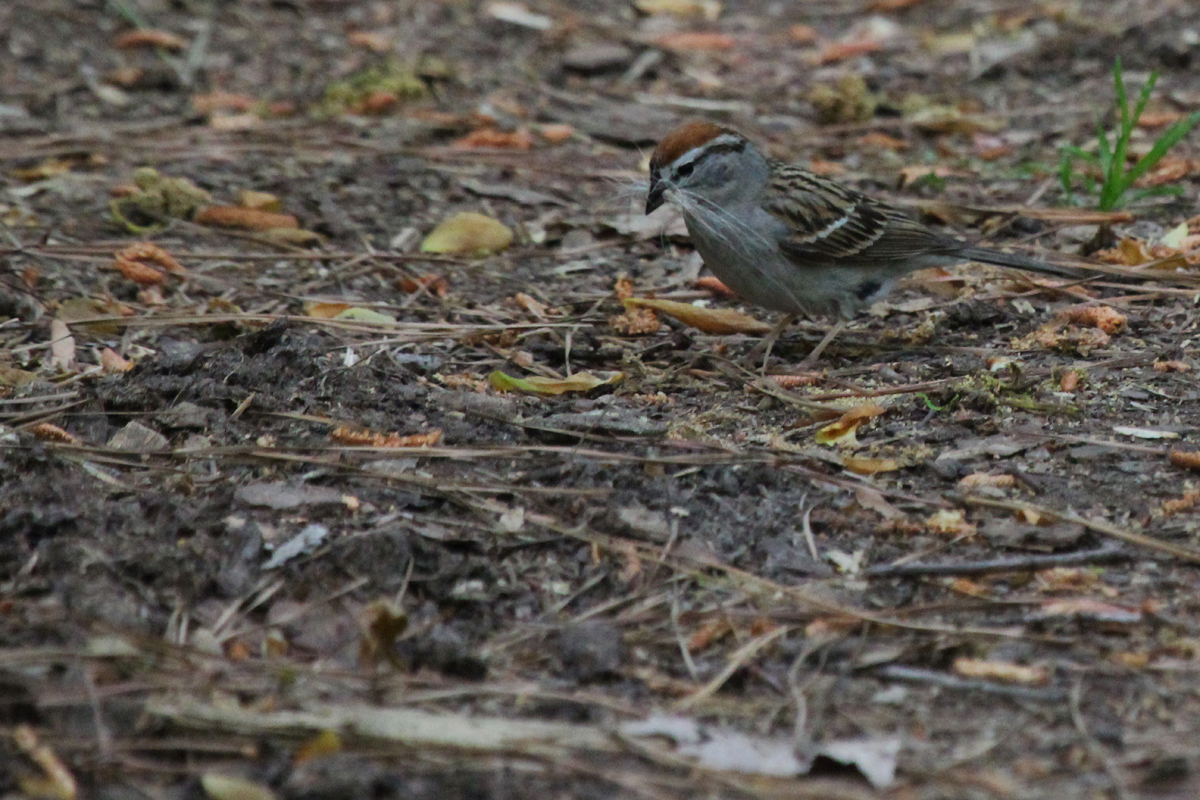
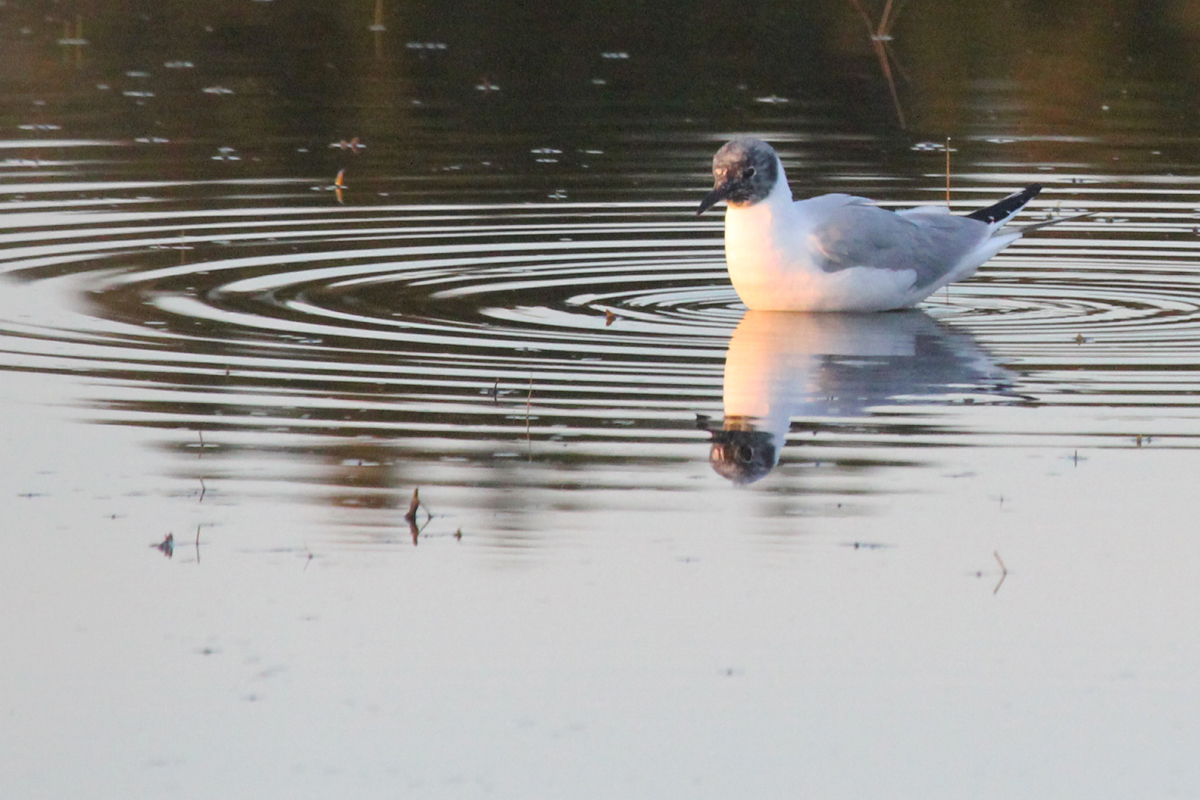
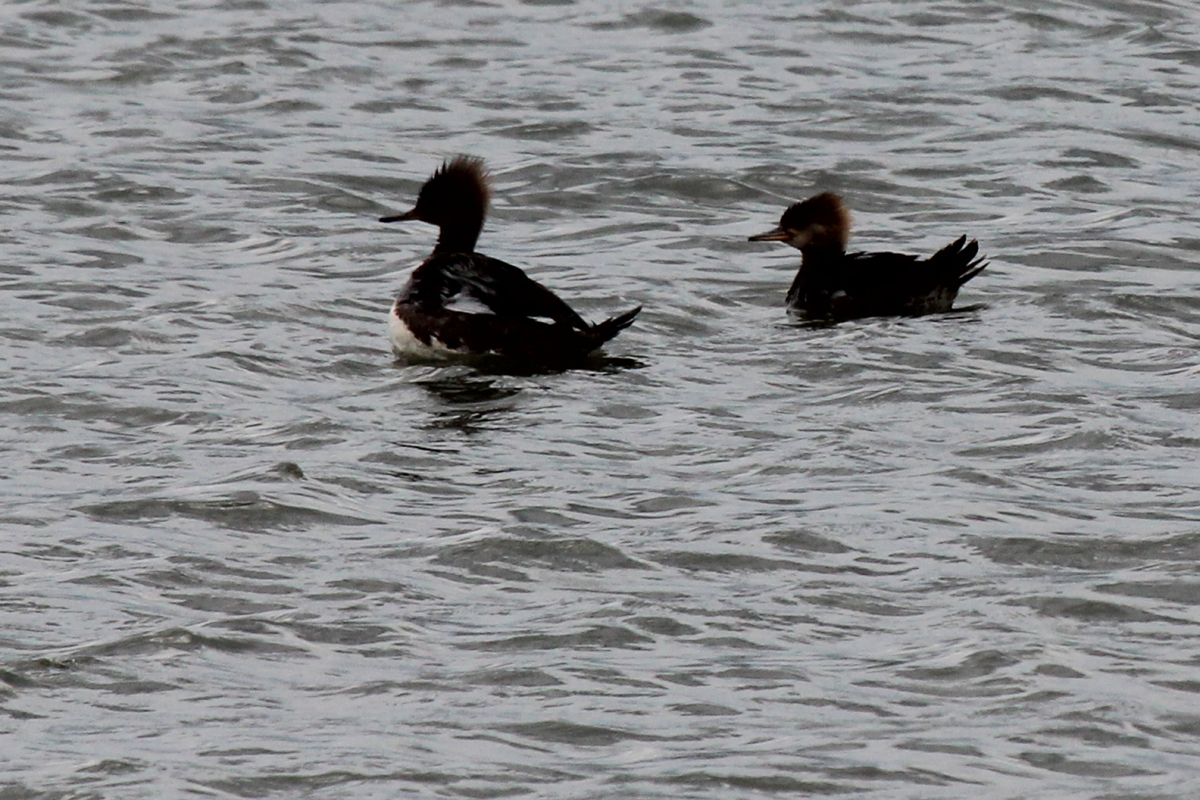
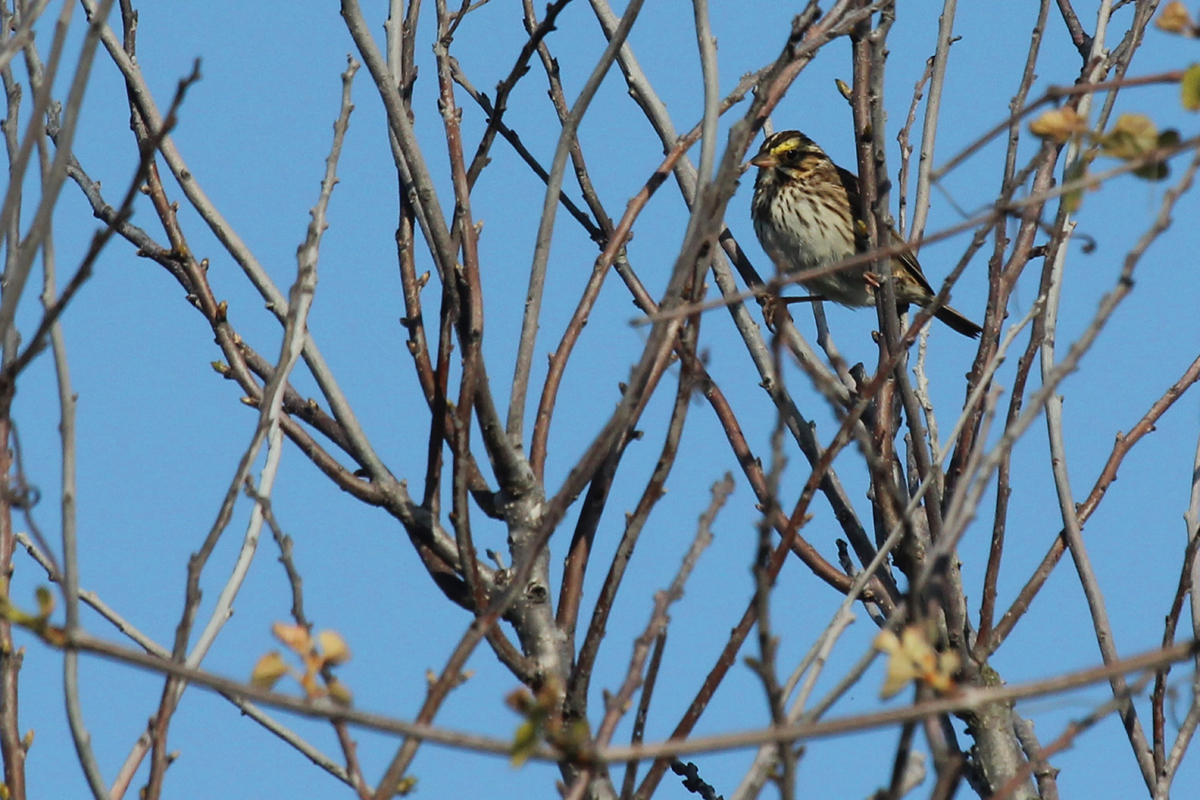
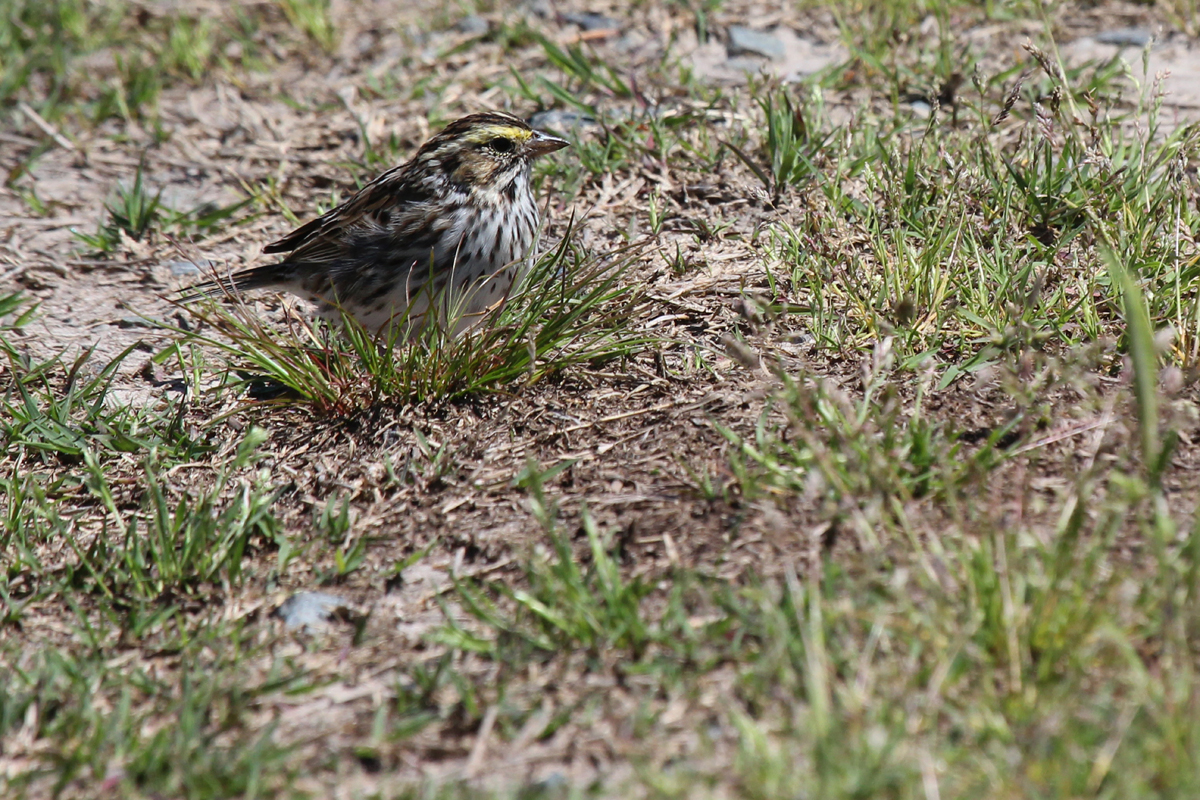
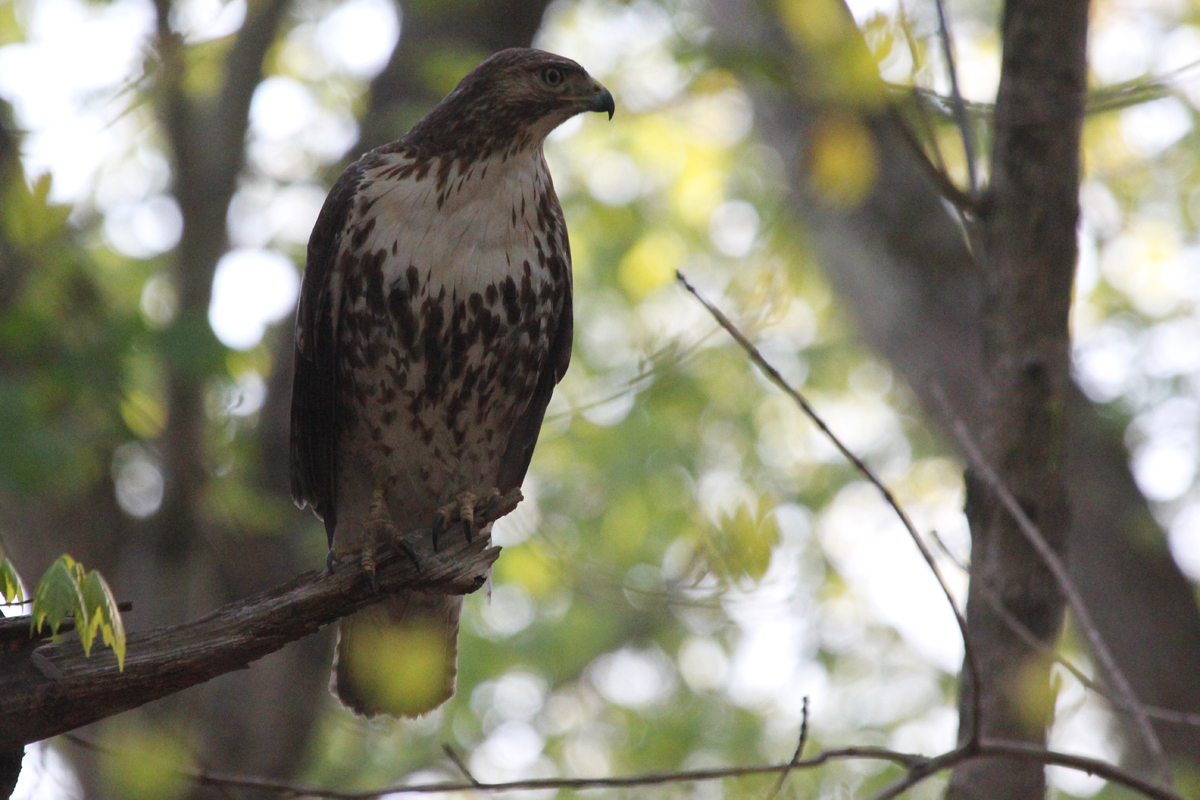
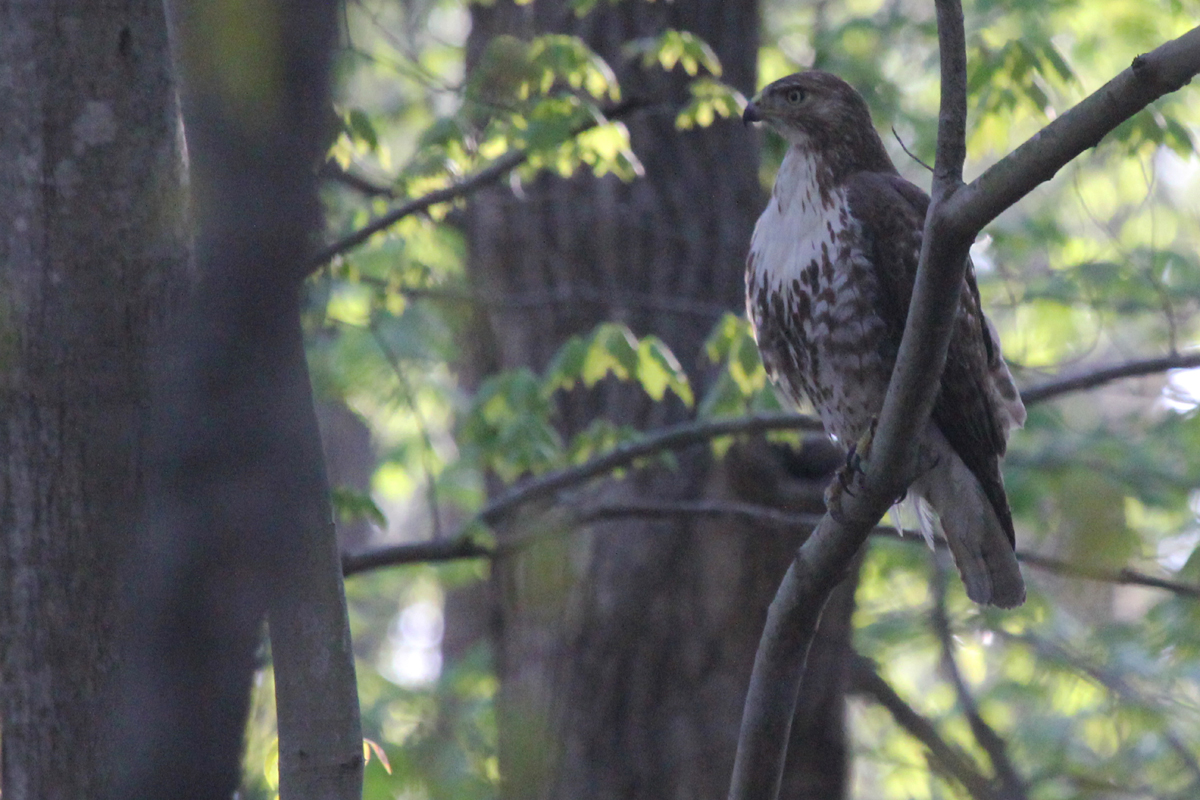
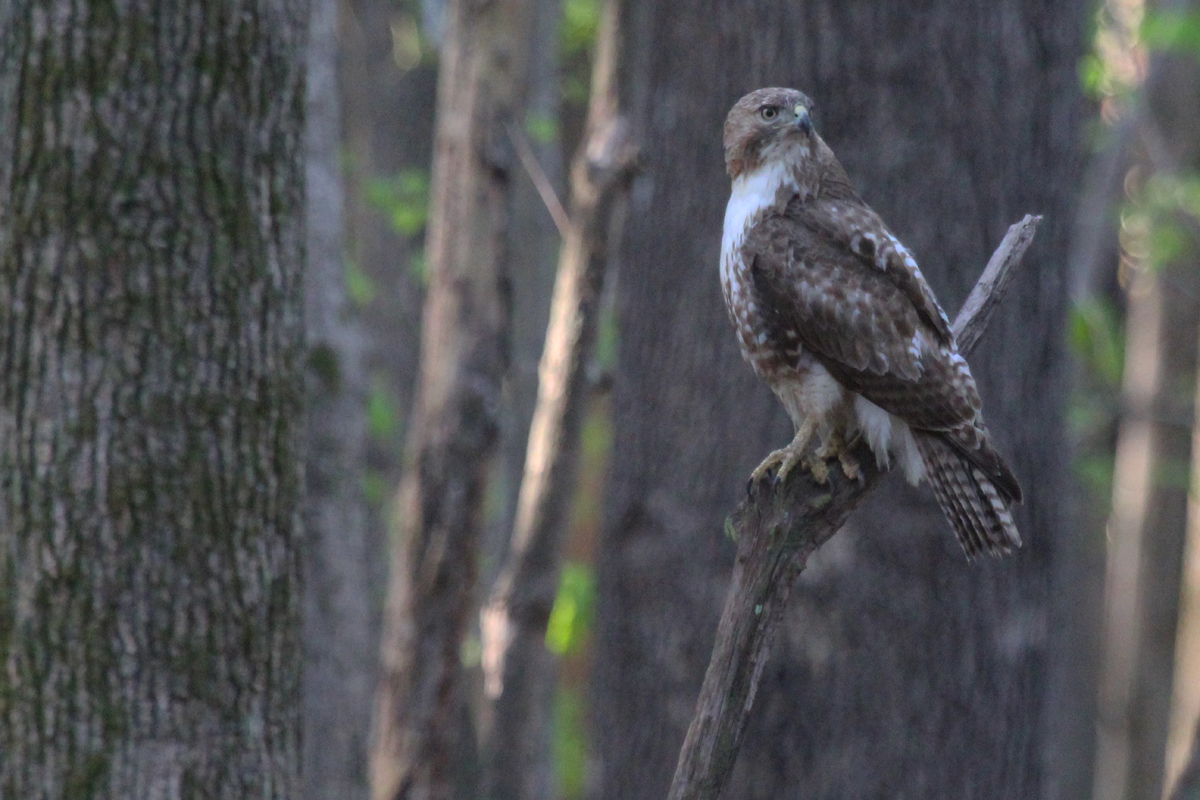
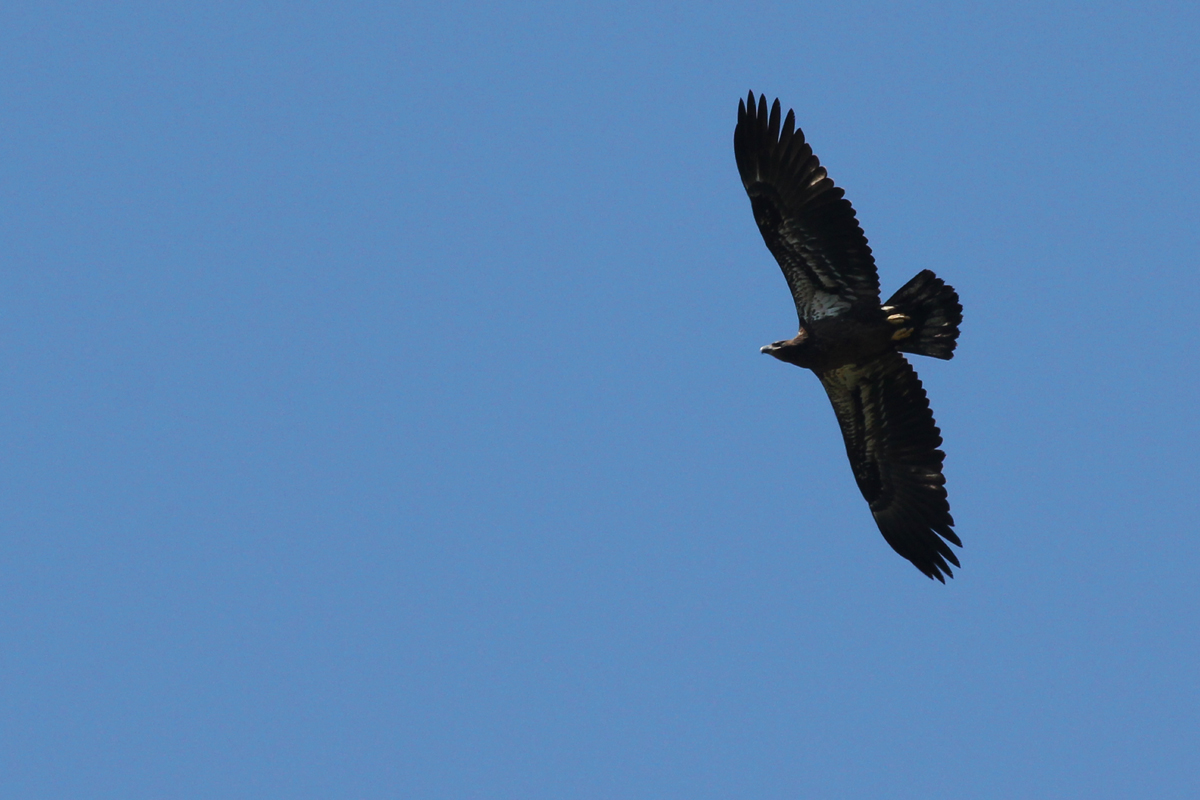
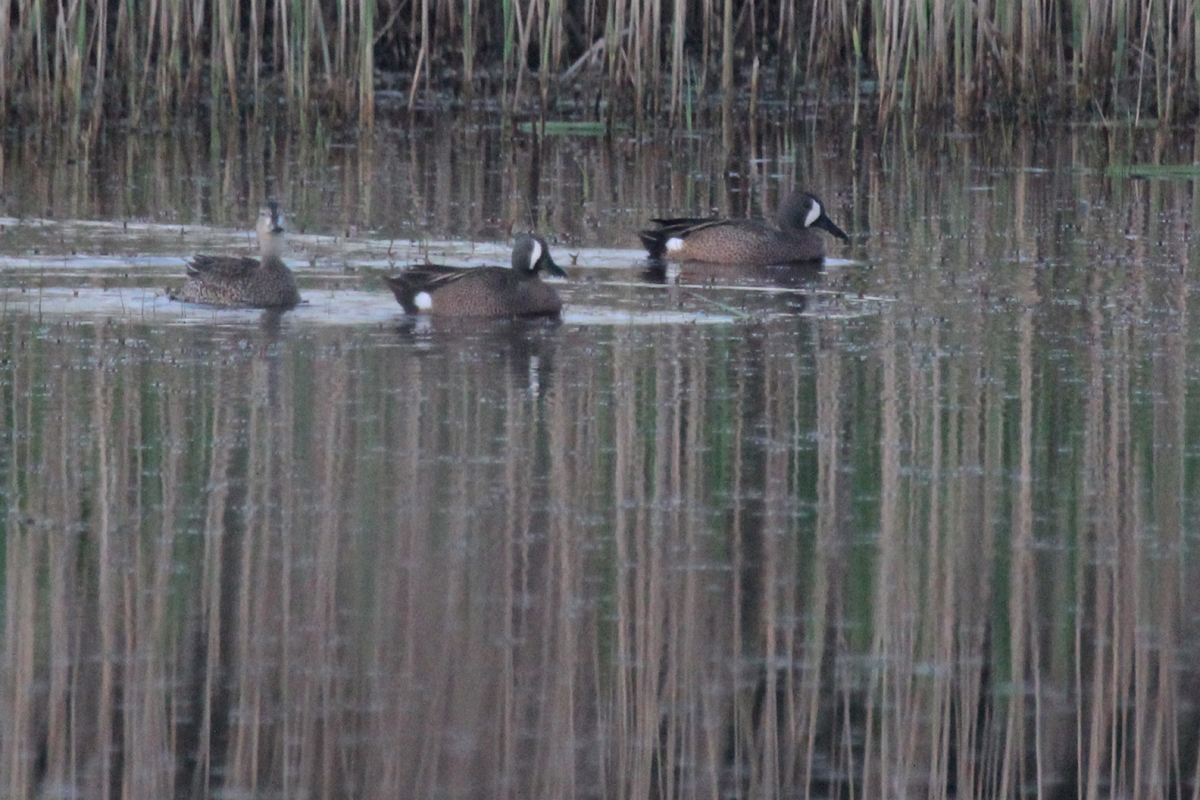
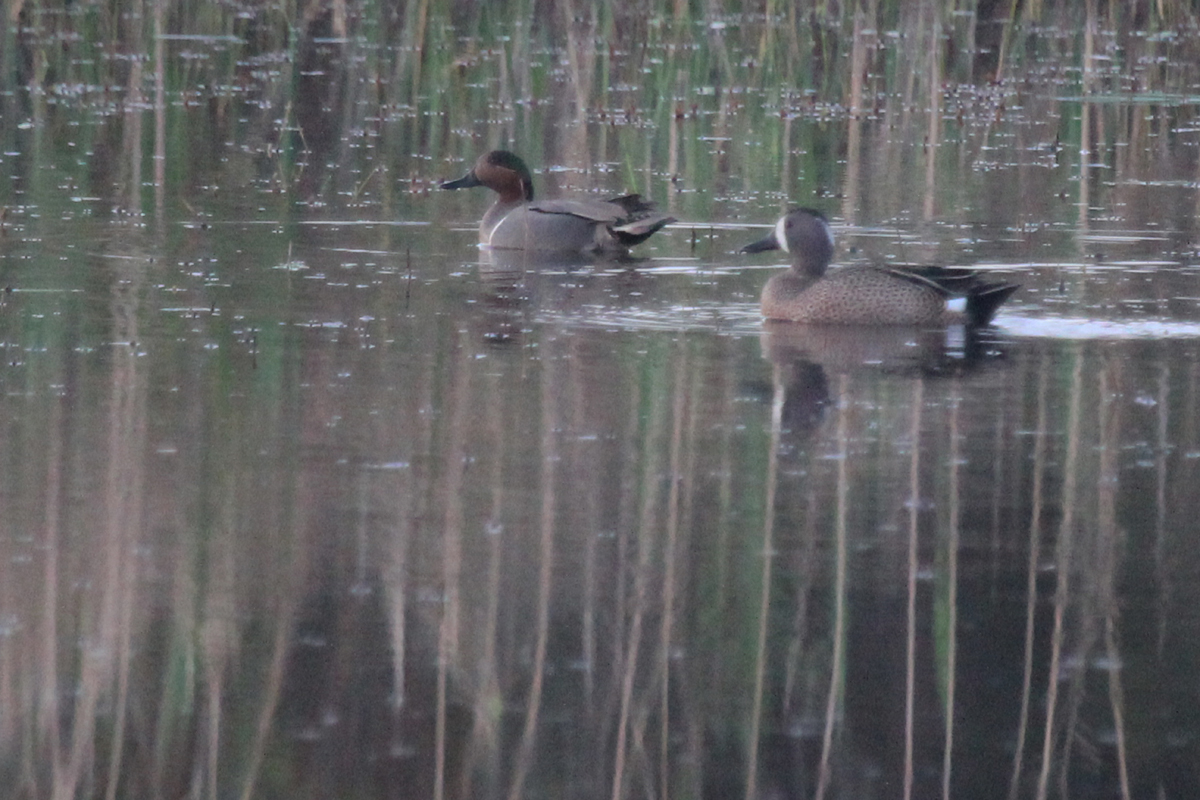
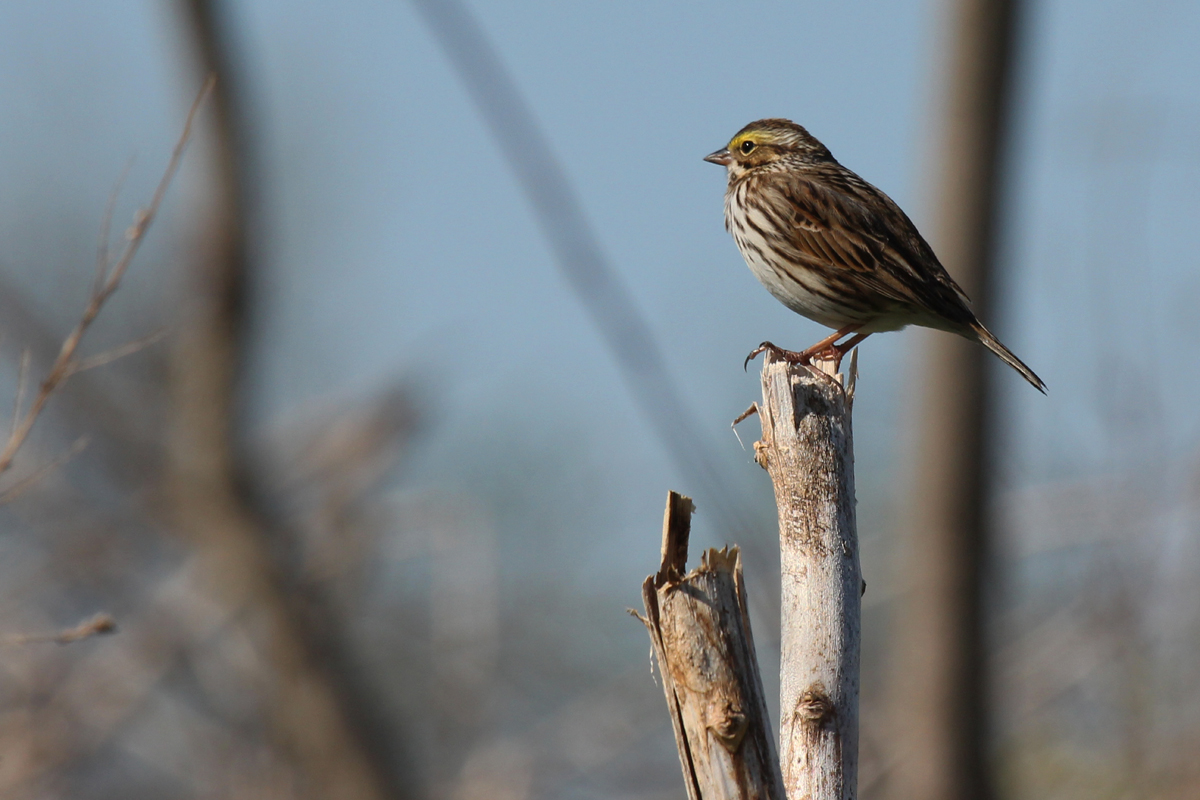
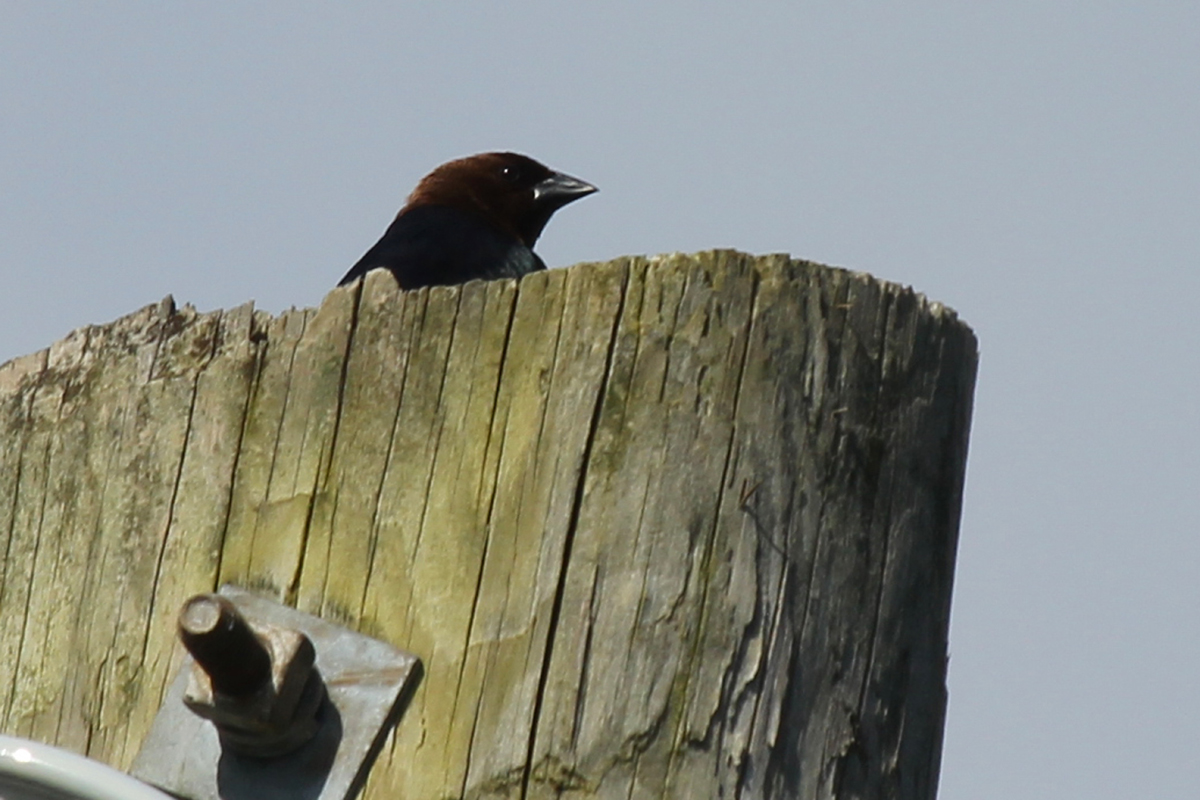
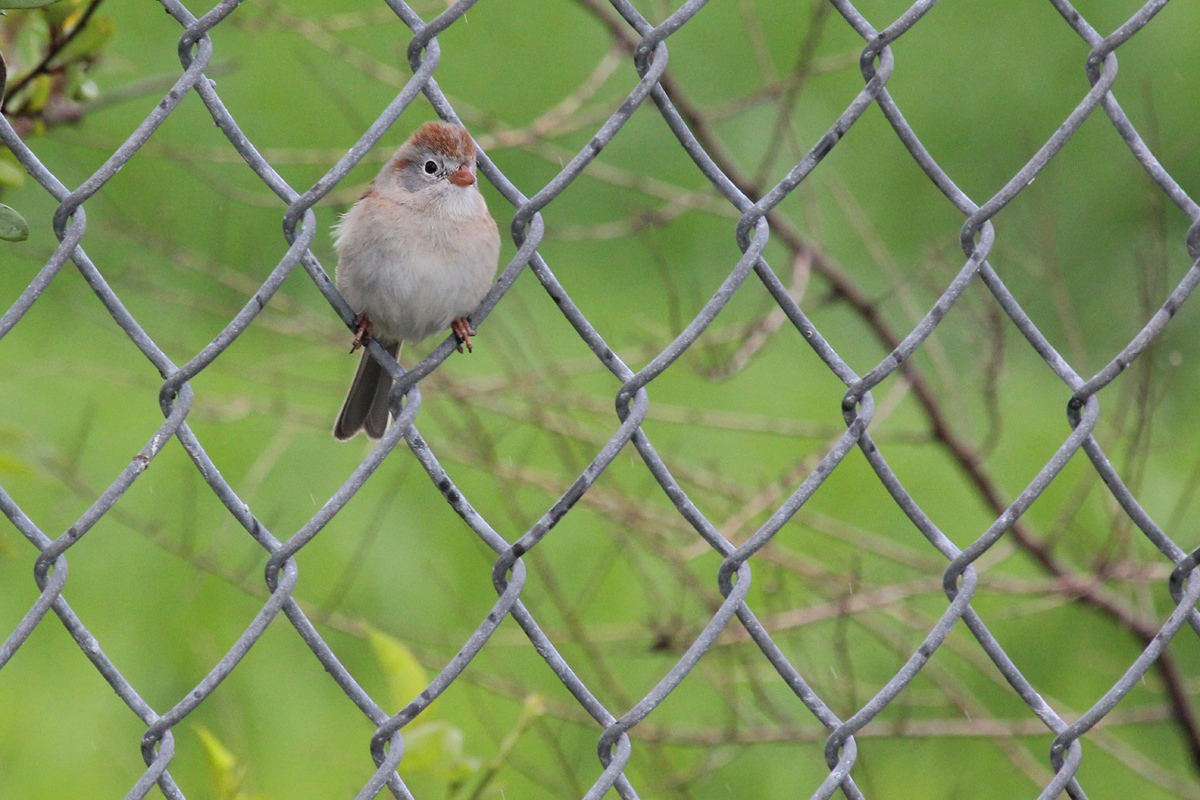
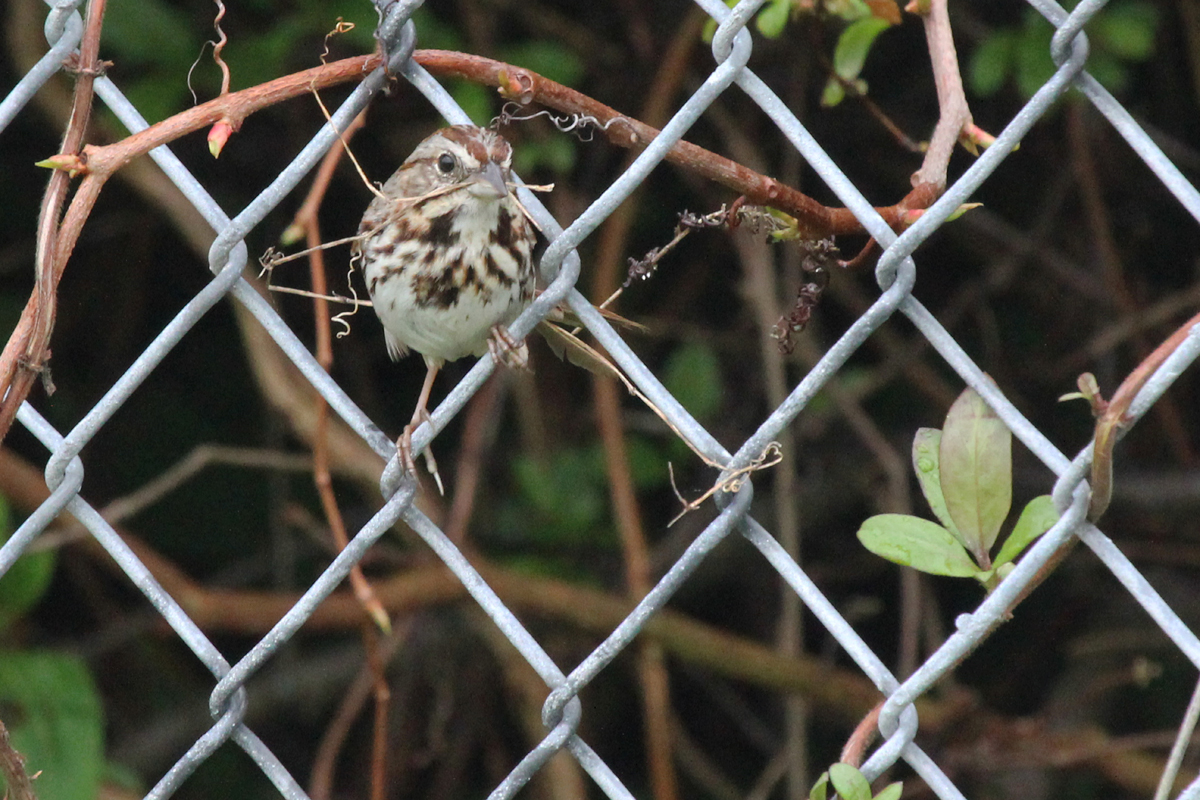
On the opposite end of the spectrum, we had five species reported during mid-May that were found after their average departure dates. Most notable among the group, a single TUNDRA SWAN photographed from the West Dike at Back Bay NWR on 19 May (ph. Andrew Baldelli & Tracy Tate), represented the only record for this species since 1 Apr, and was logged 39 days beyond the average departure date of 10 Apr! A BONAPARTE’S GULL photographed on the mudflats at Pleasure House Point NA on 18 May (ph. Rob Bielawski) will likely be our last record for the season, occurring 8 days beyond the usual departure. A continuing MERLIN was noted at Back Bay NWR through 11 May (many obs.), making it 6 days late. A SAVANNAH SPARROW noted at Back Bay NWR on 11 May (ph. Andrew Baldelli / Rob Bielawski / Mary Catherine Miguez), and a WHITE-THROATED SPARROW at the same location/date (obs. Andrew Baldelli) marked late reports for each species by a single day.

WEATHER:  Mid-May 2018 turned out be the warmest comparable period since at least 2007 (probably longer) in Virginia Beach, and we reached the highest temperature for 2018 of 90° on 12 May. Average daily high temperatures rose drastically from those in early May, 7.5° from 75.6° F to 83.1° (+8.1° from prior 10-year average), with average daily low temperatures following suit, 11.1° from 56.2° to 67.3° F (+9.2° from prior 10-year average). Overall, temperatures ranged from a minimum of 61° F (11 & 13 May) to a maximum of 90° (12 May). An astonishing 4.10” of rain fell during the period, spread across six days with measurement amounts, with a maximum of 2.36” falling on Thursday, 17 May, which caused a great deal of ponding across the city. Maximum sustained winds at Oceana this period were 32 mph and gusts reached 51 mph (14 May) as a strong front crossed over the city, causing the weather station at Back Bay NWR to snap and topple over. No noteworthy tidal surge events affected the Sewell’s Point tide gauge this period. Sunrise/sunsets varied from 5:59 AM/8:01 PM (11 May) to 5:52 AM/8:09 PM (20 May), which means we gained 18 minutes of daylight during this period with a total of 14 hours and 16 minutes of ‘Length of Day’ to close the period!
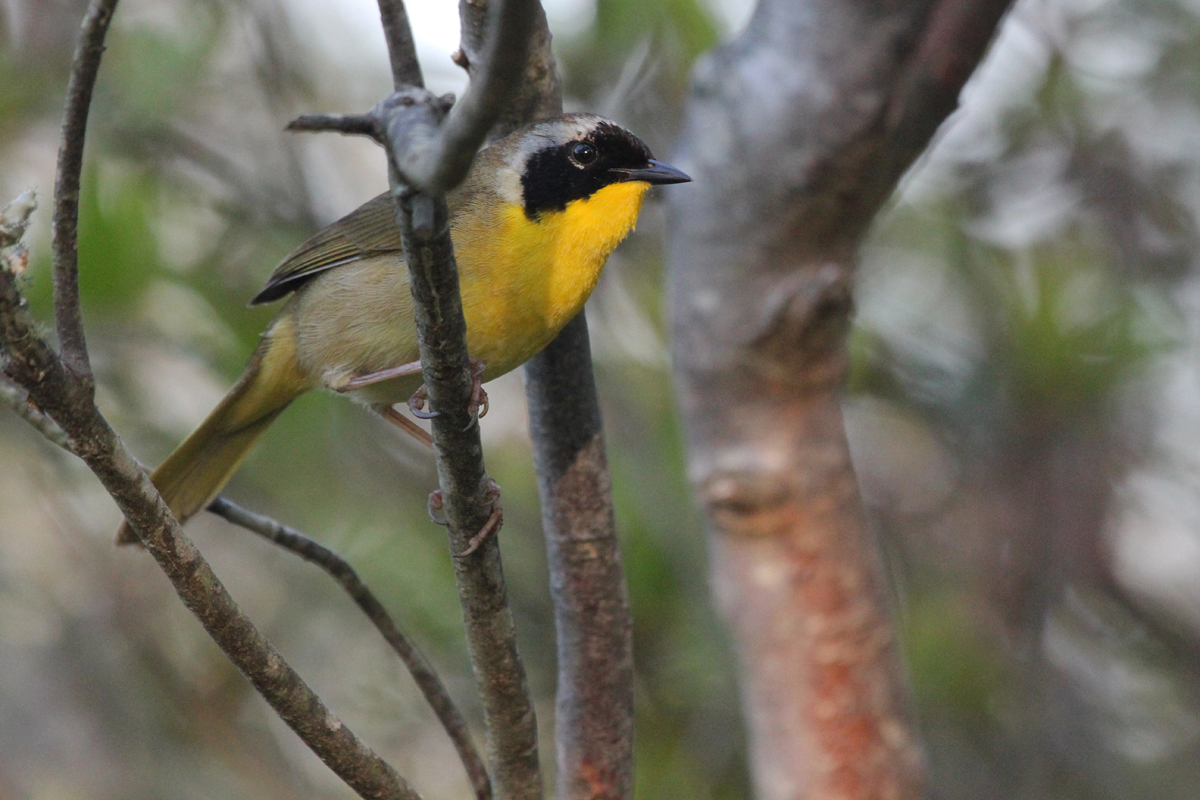
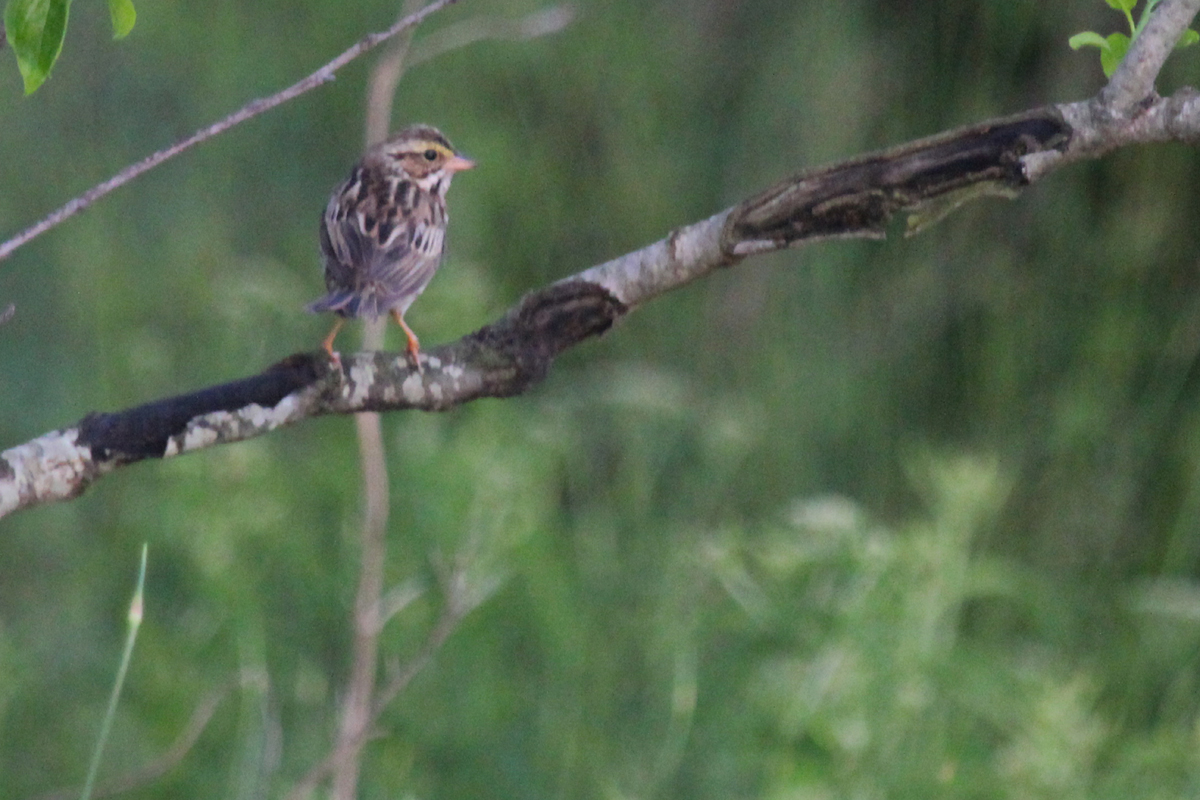
For those hoping to view every photograph submitted for Virginia Beach during this period, please see the complete listing for the month of May located on eBird’s Media explorer by clicking here! Please remember, anyone with an eBird account also has the ability to rate these photographs (1-5 stars), and based on the average rating, this is how eBird populates anything media-driven on the website, particularly the Illustrated Checklists! So, if you're one of the many folks who enjoy looking at photographs of birds, take some time to click them all and rate them, it helps make eBird better and better each day!

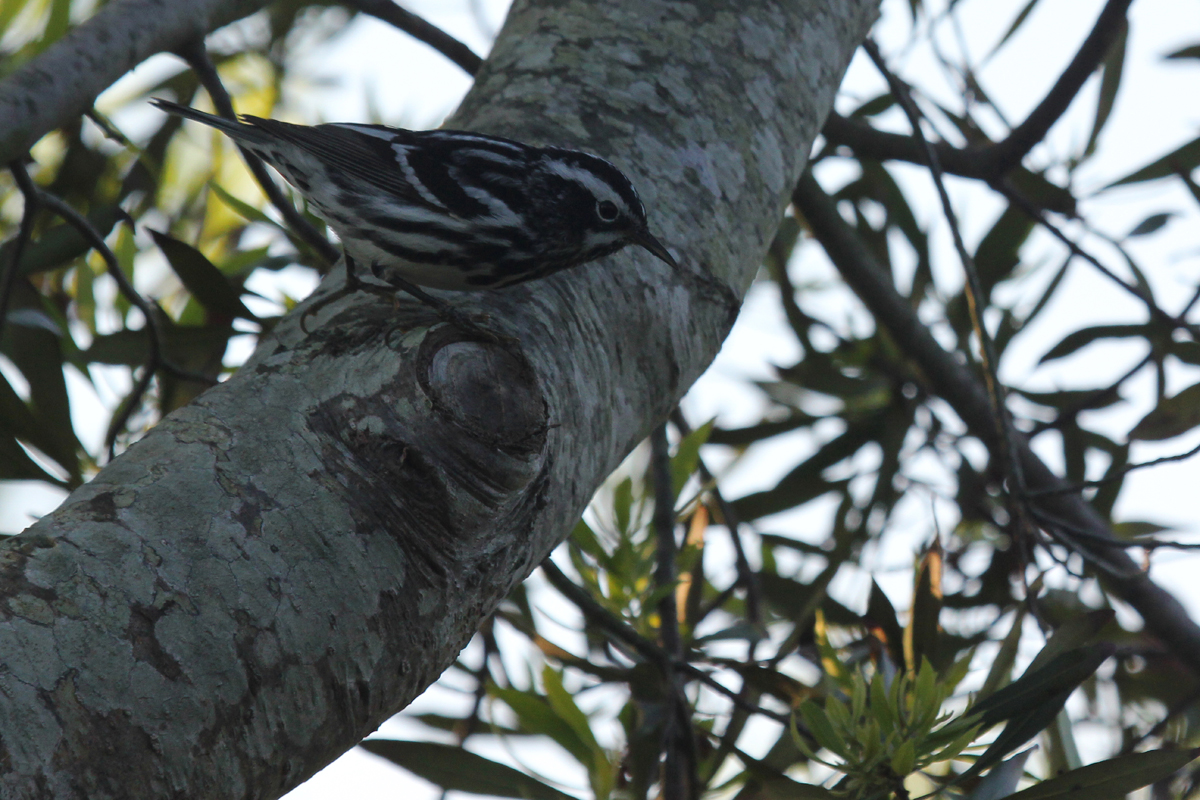
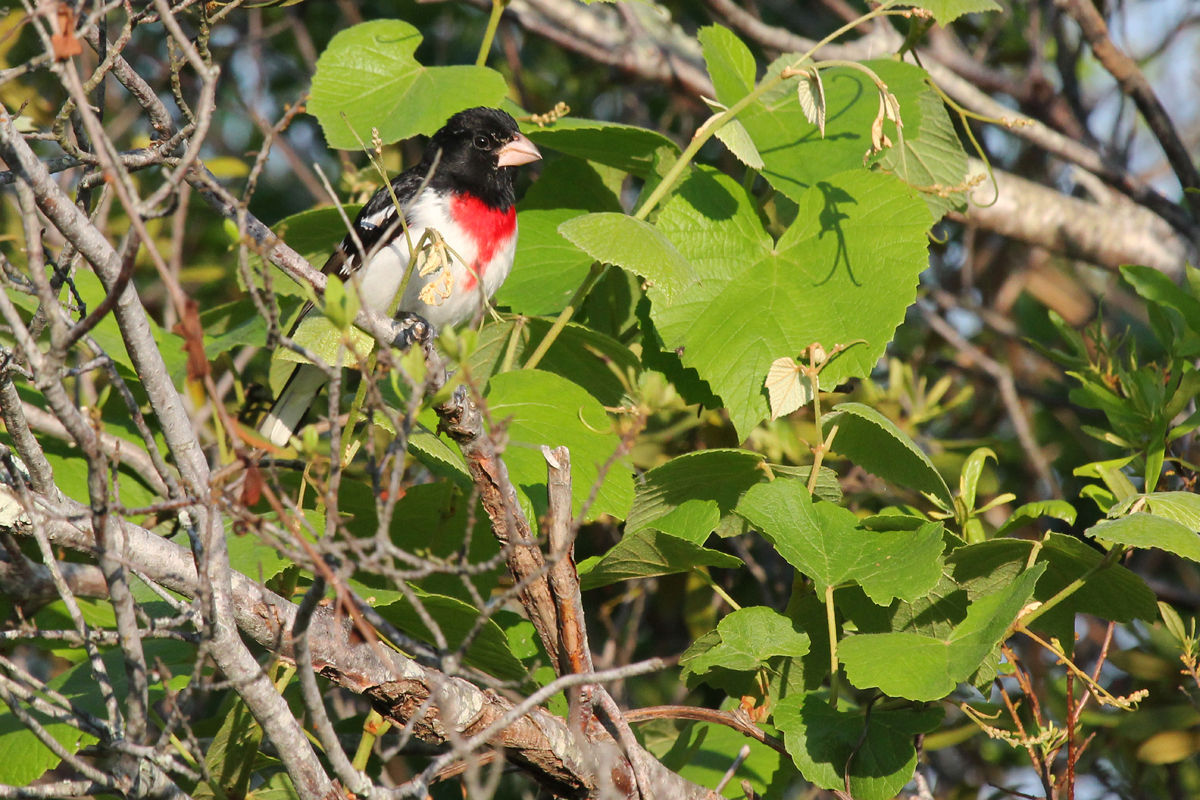
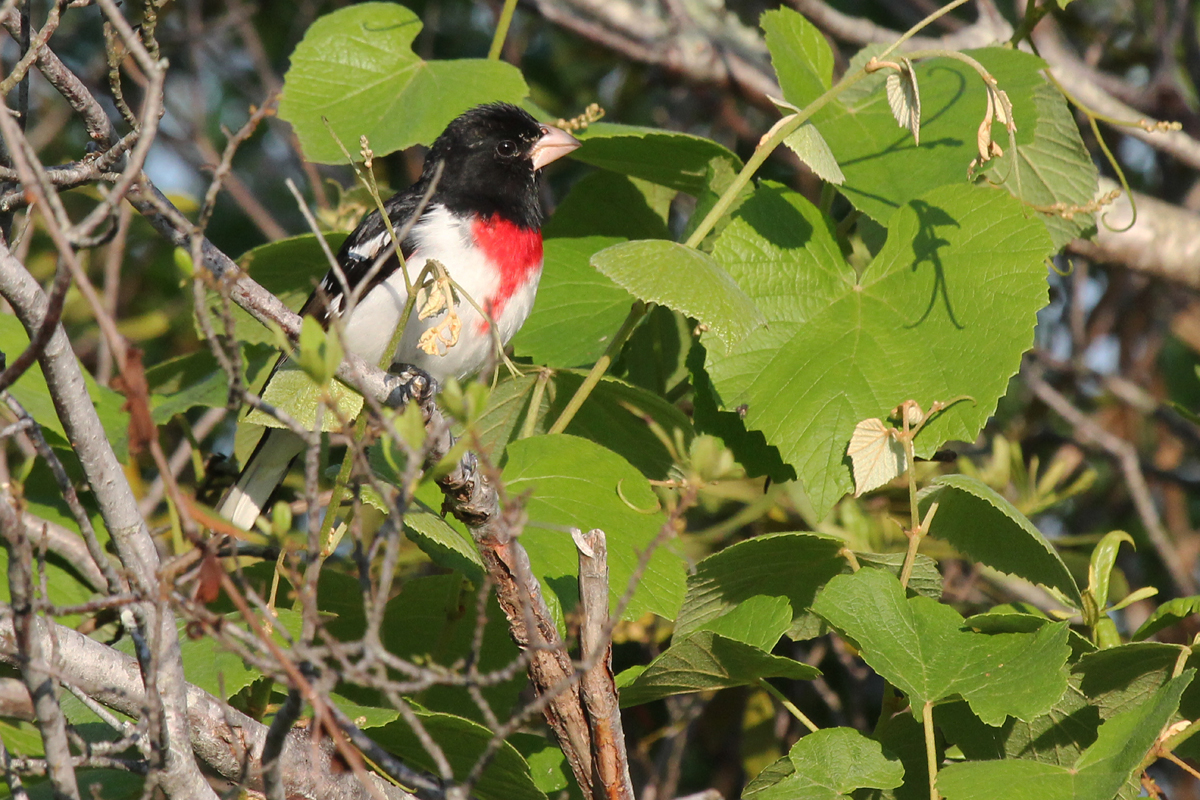
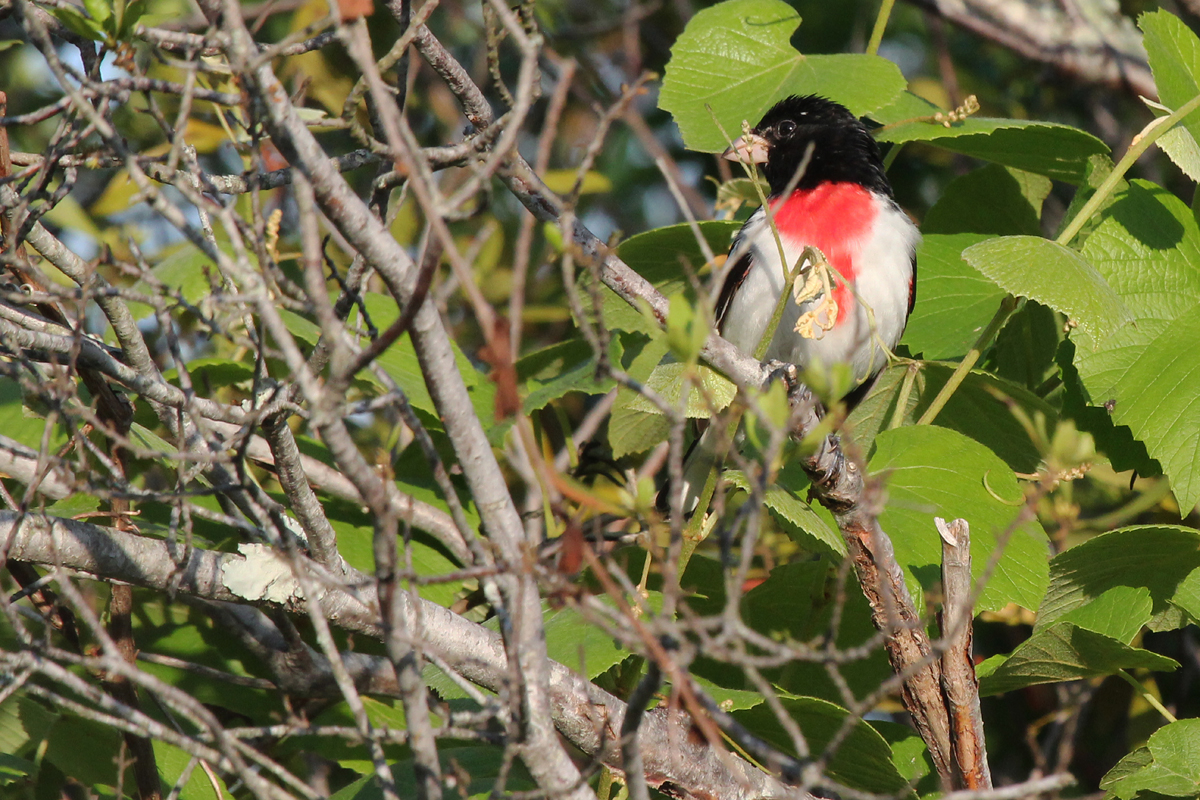
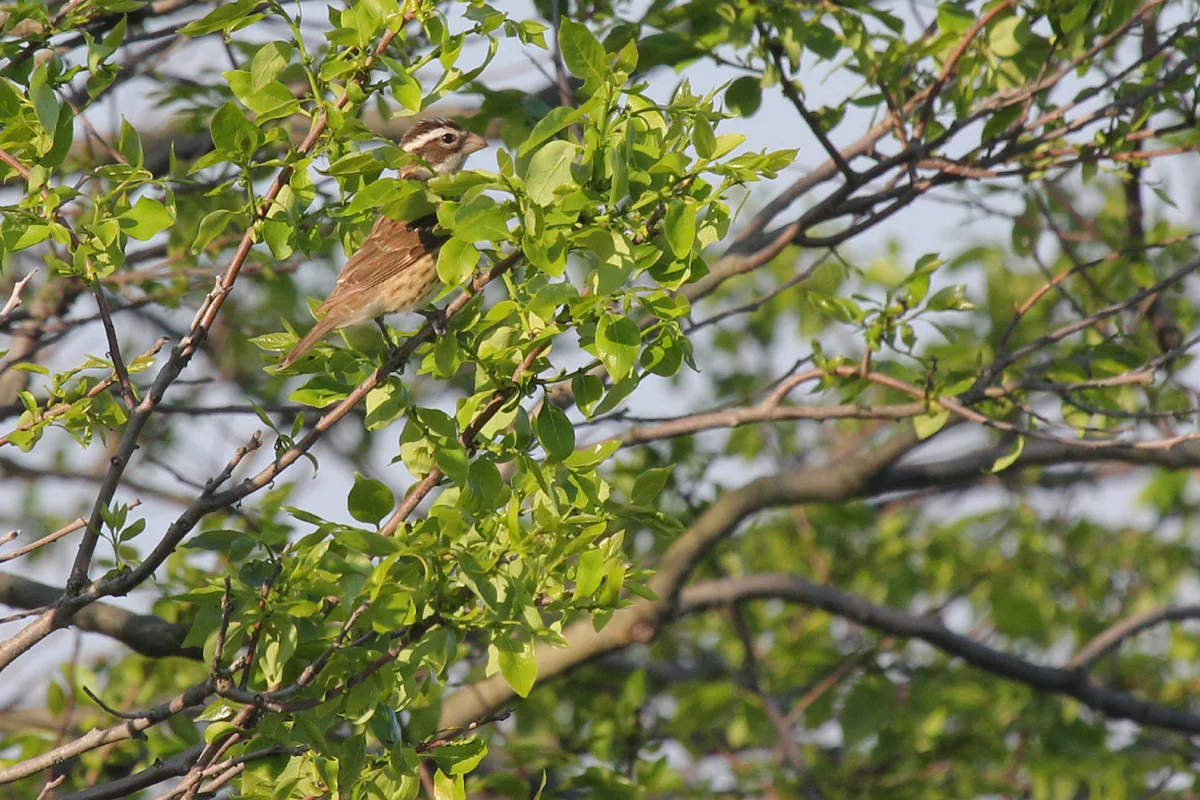
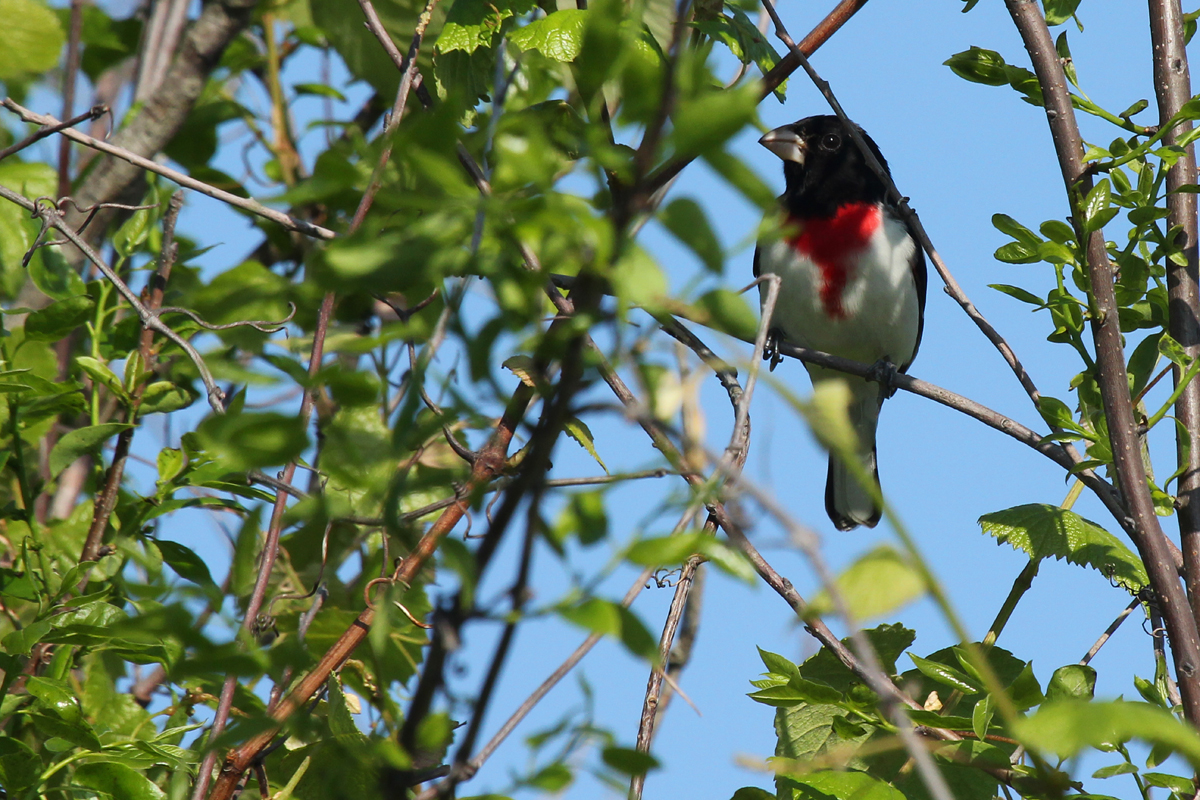
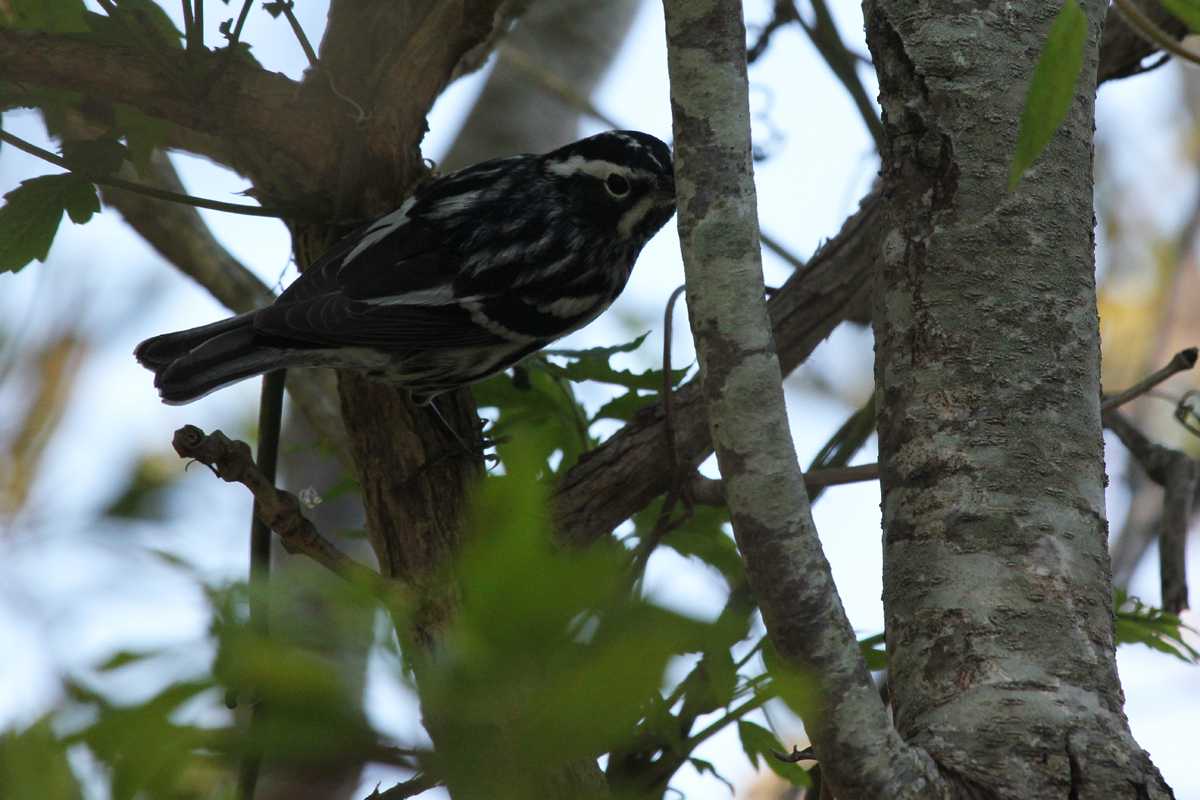
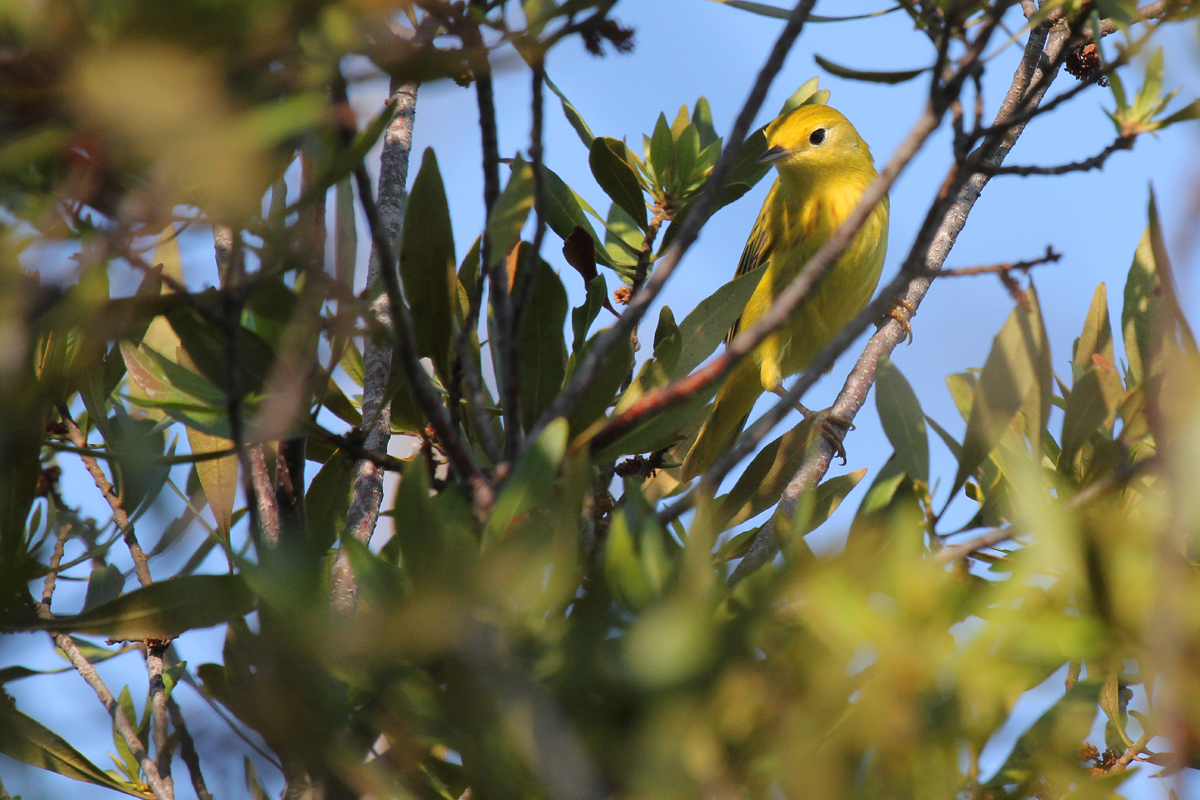
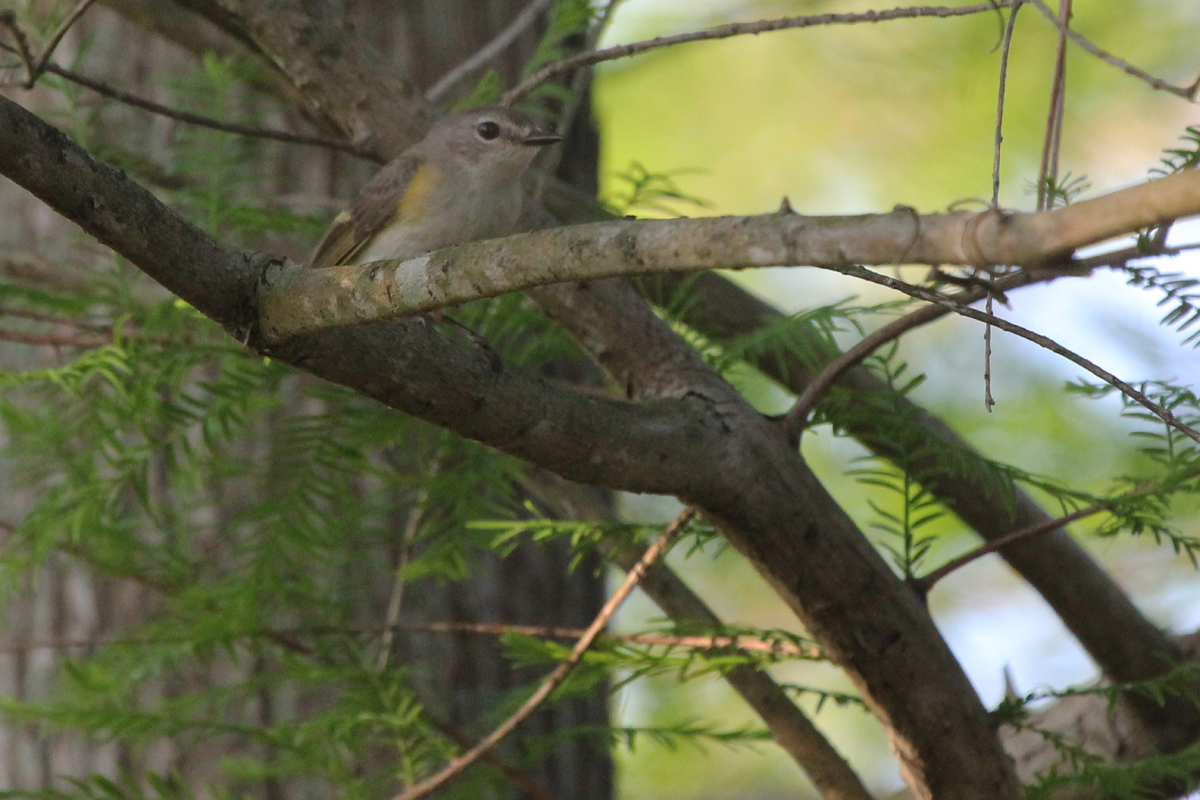
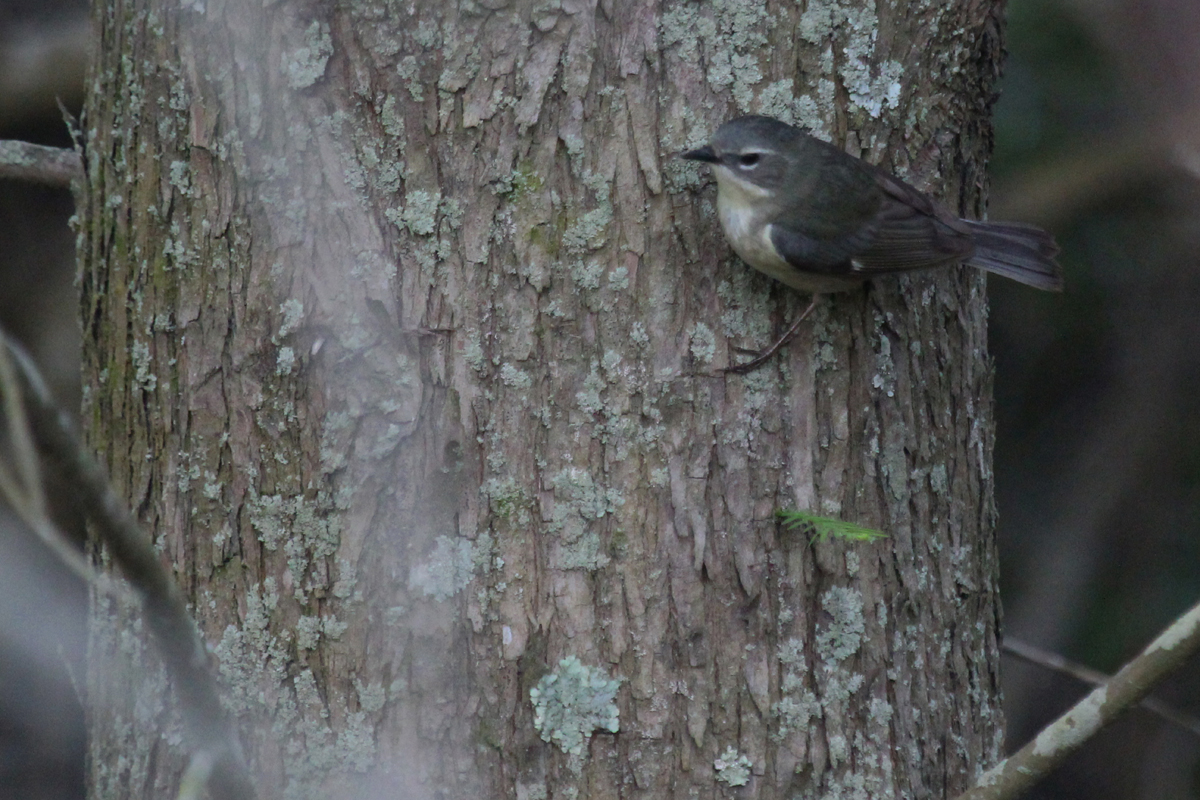
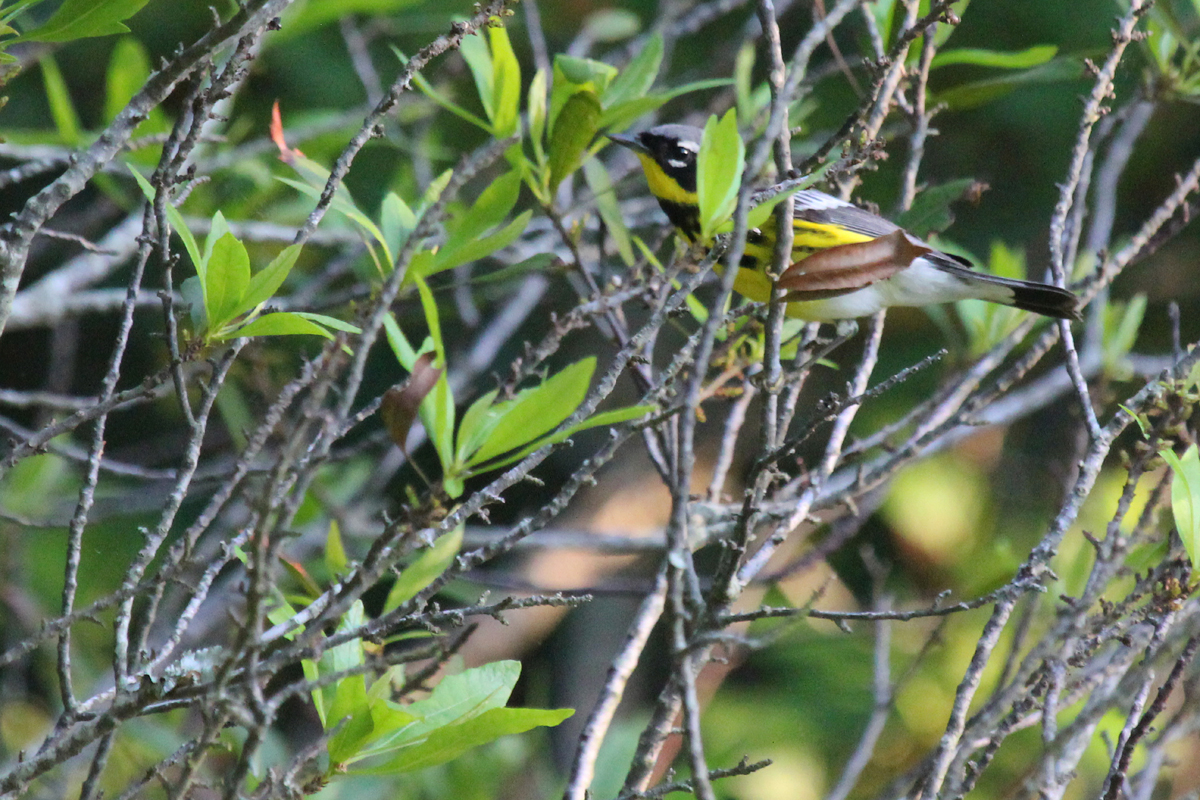
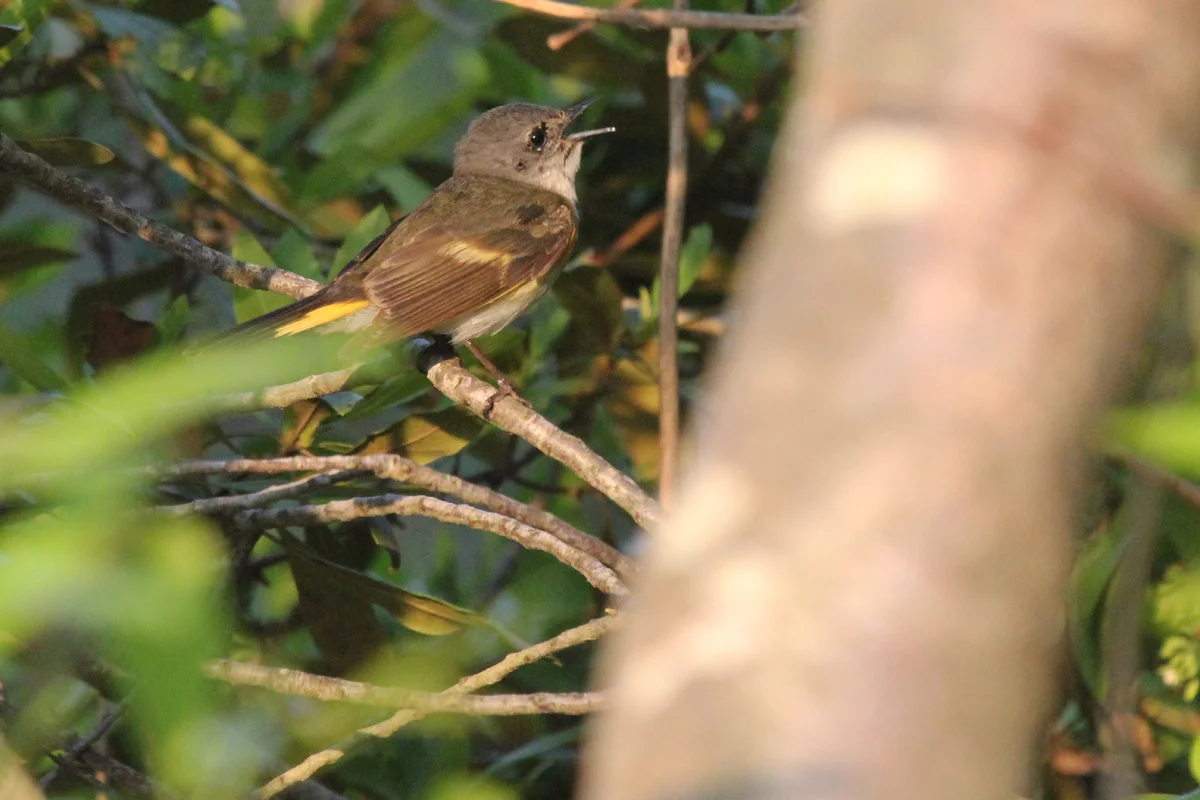
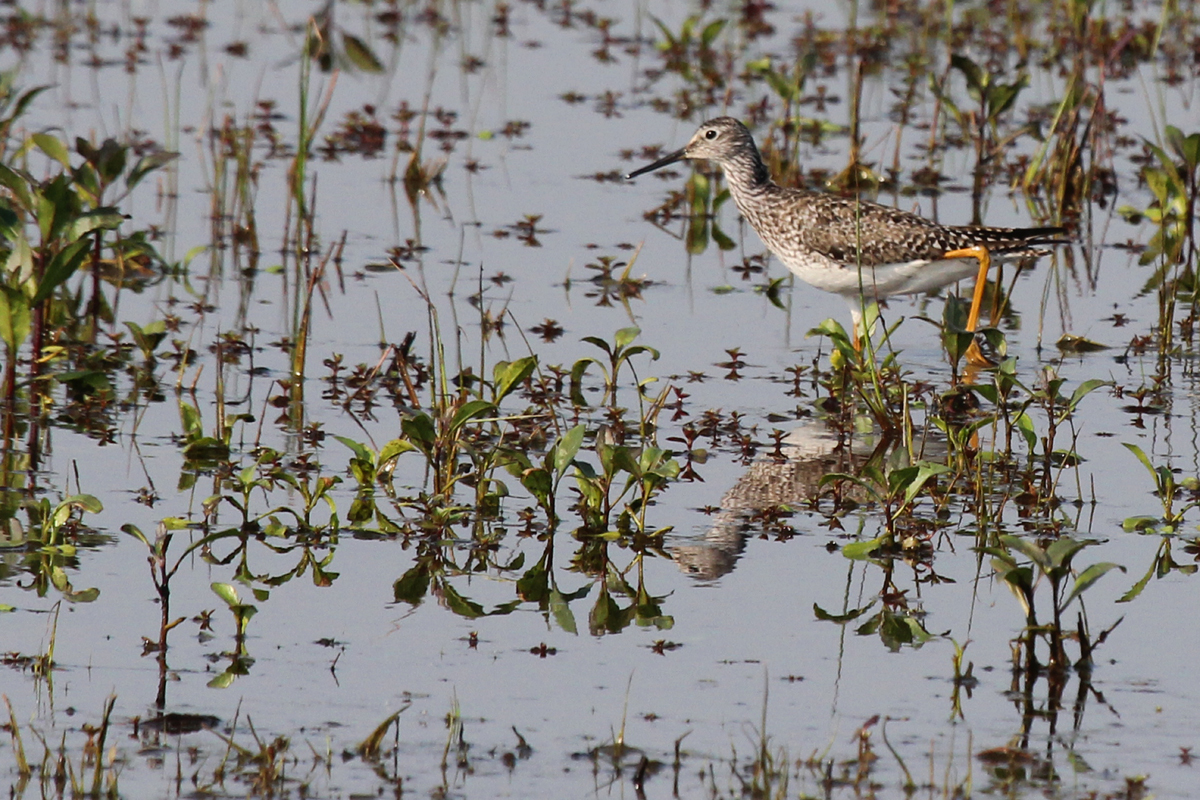
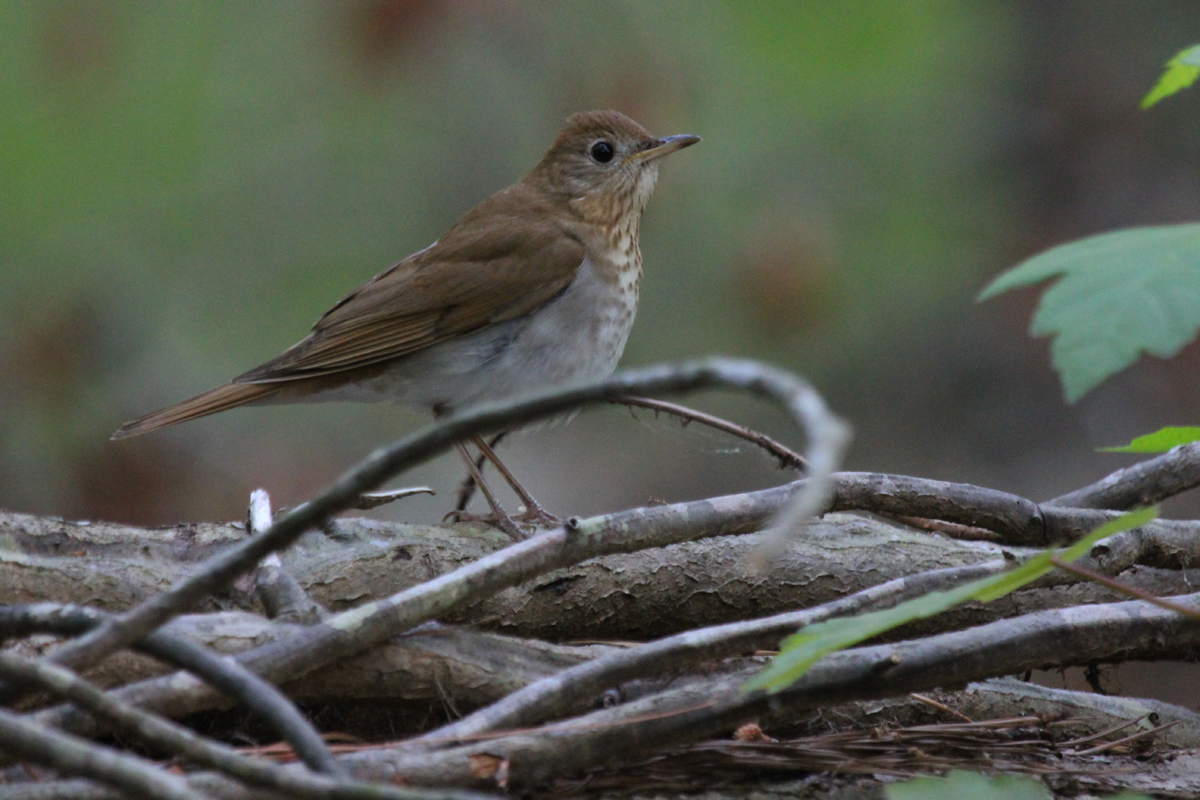
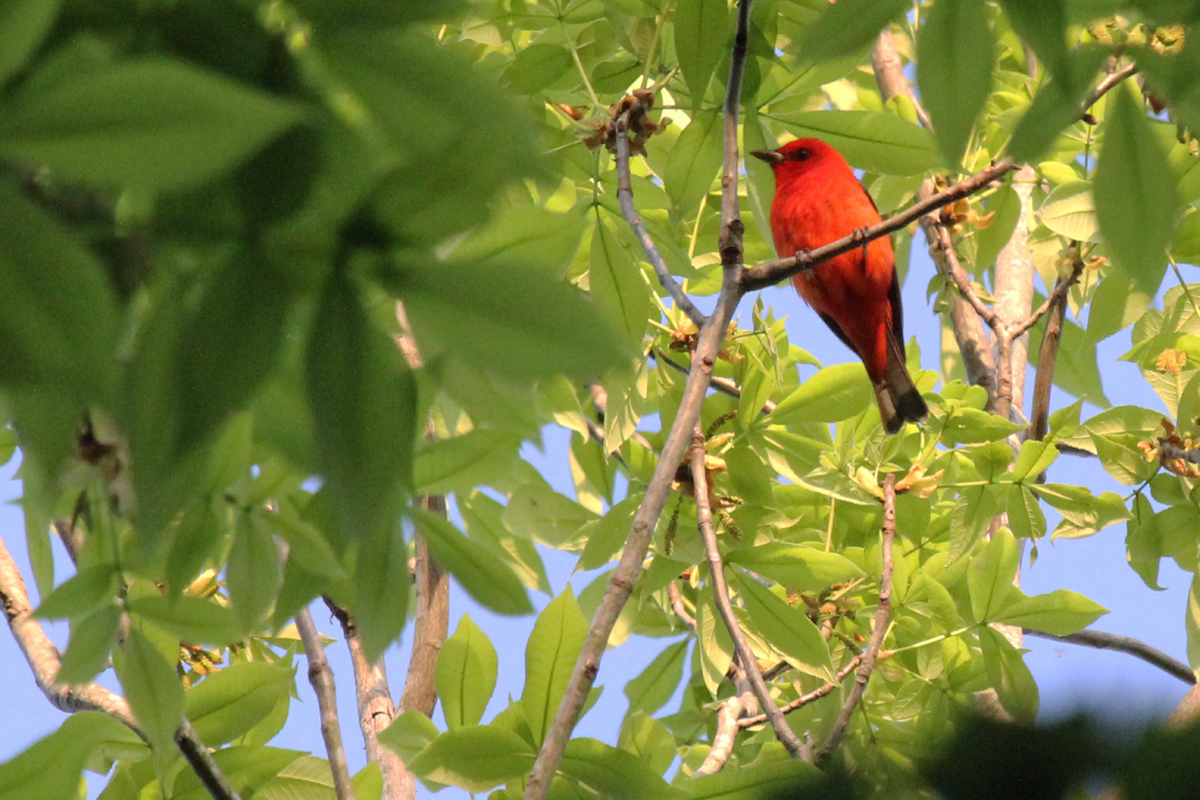
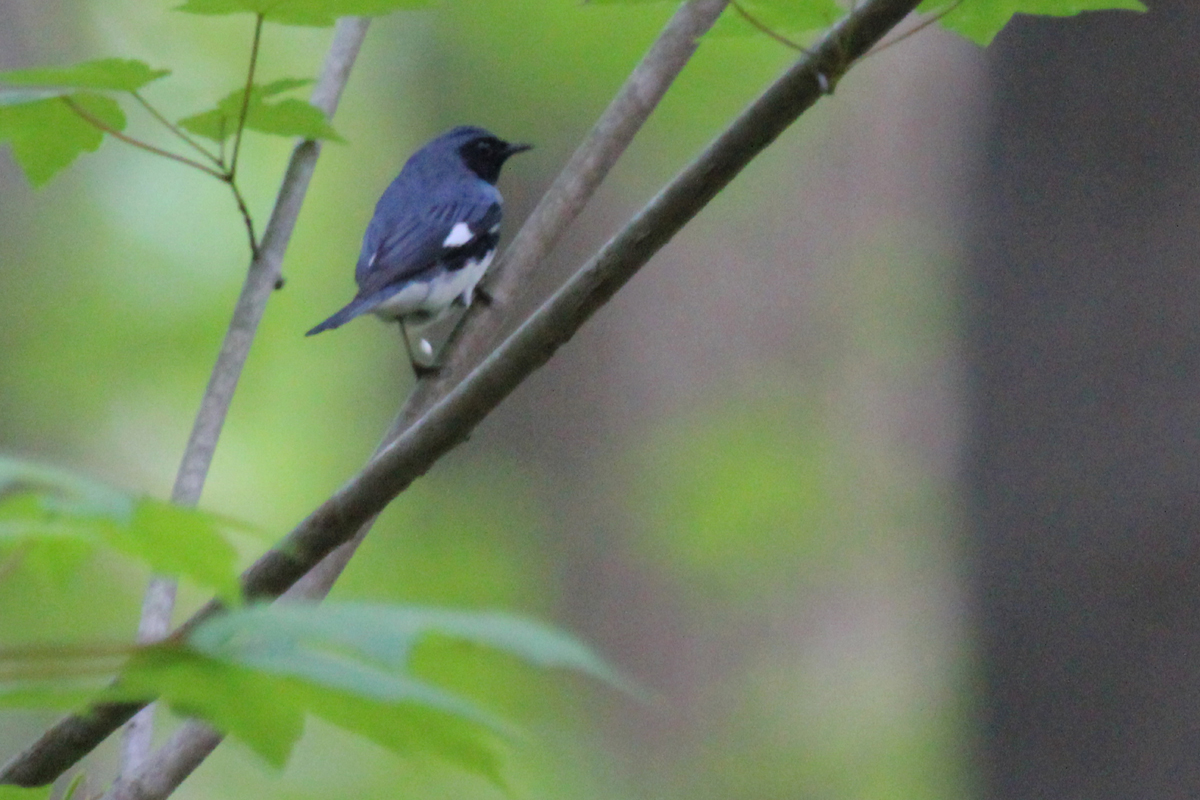
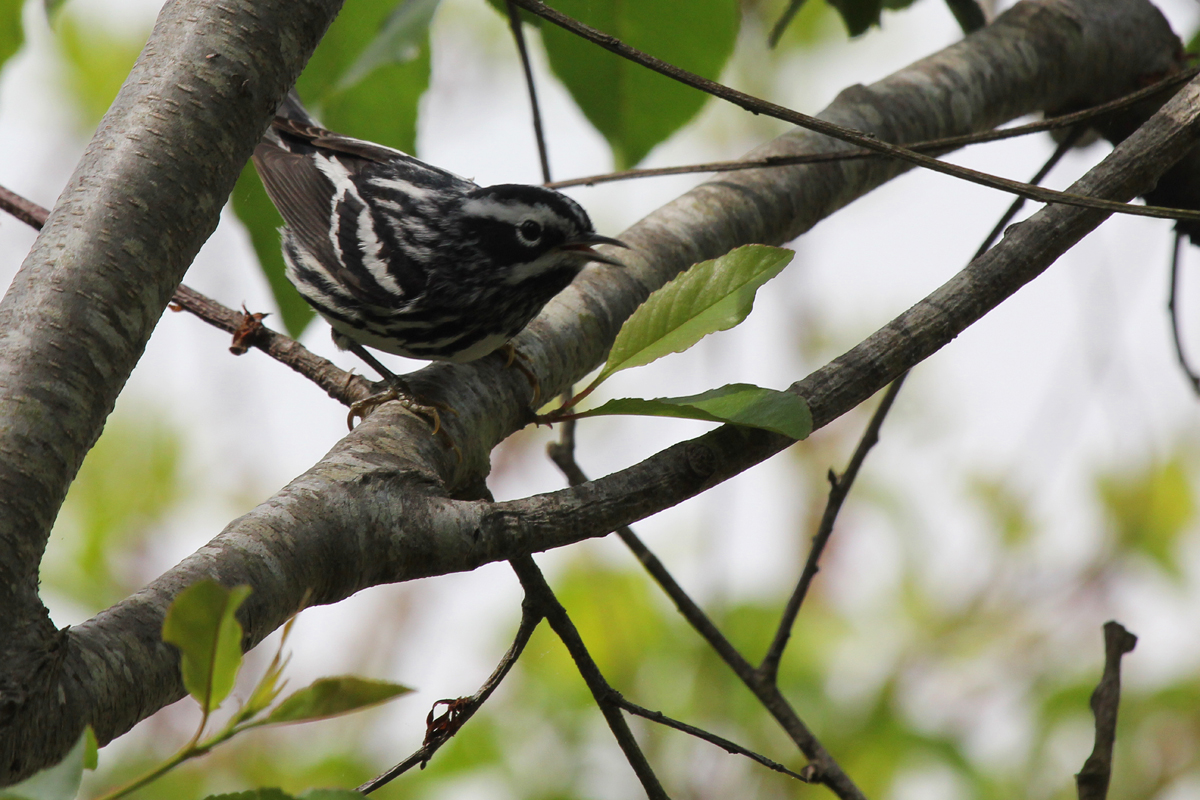
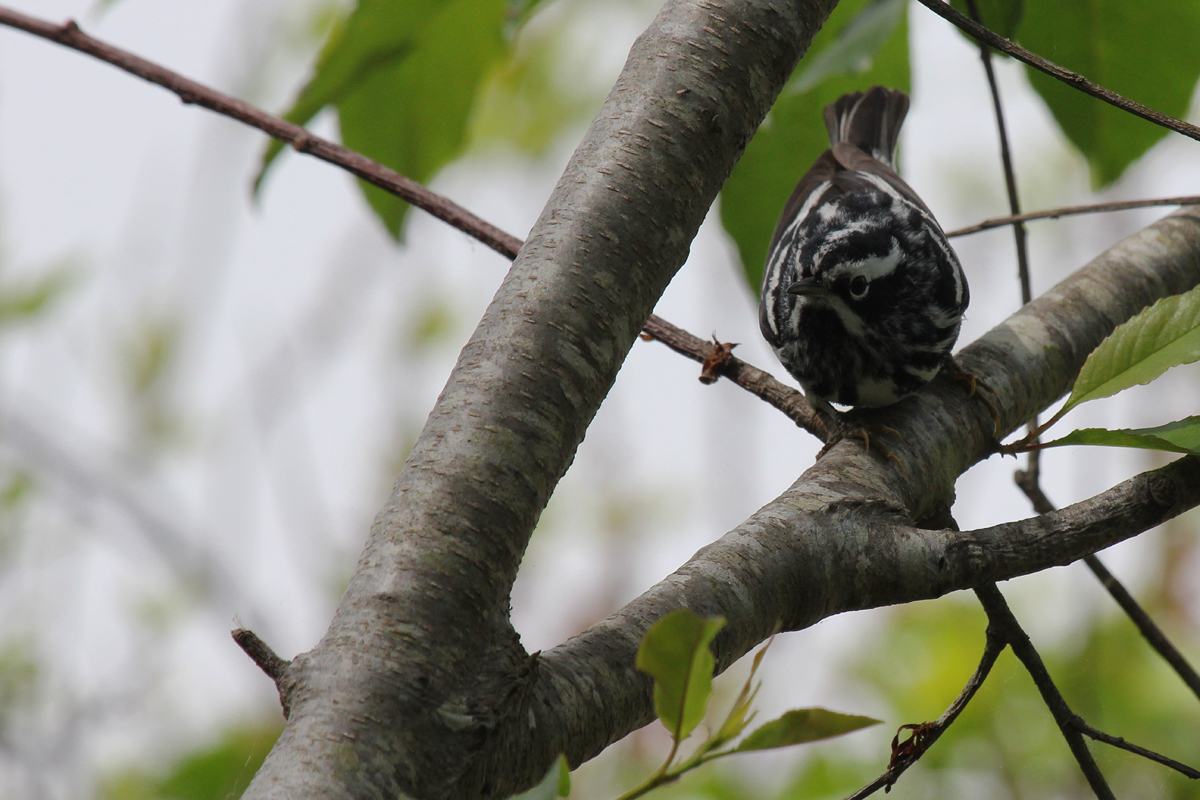
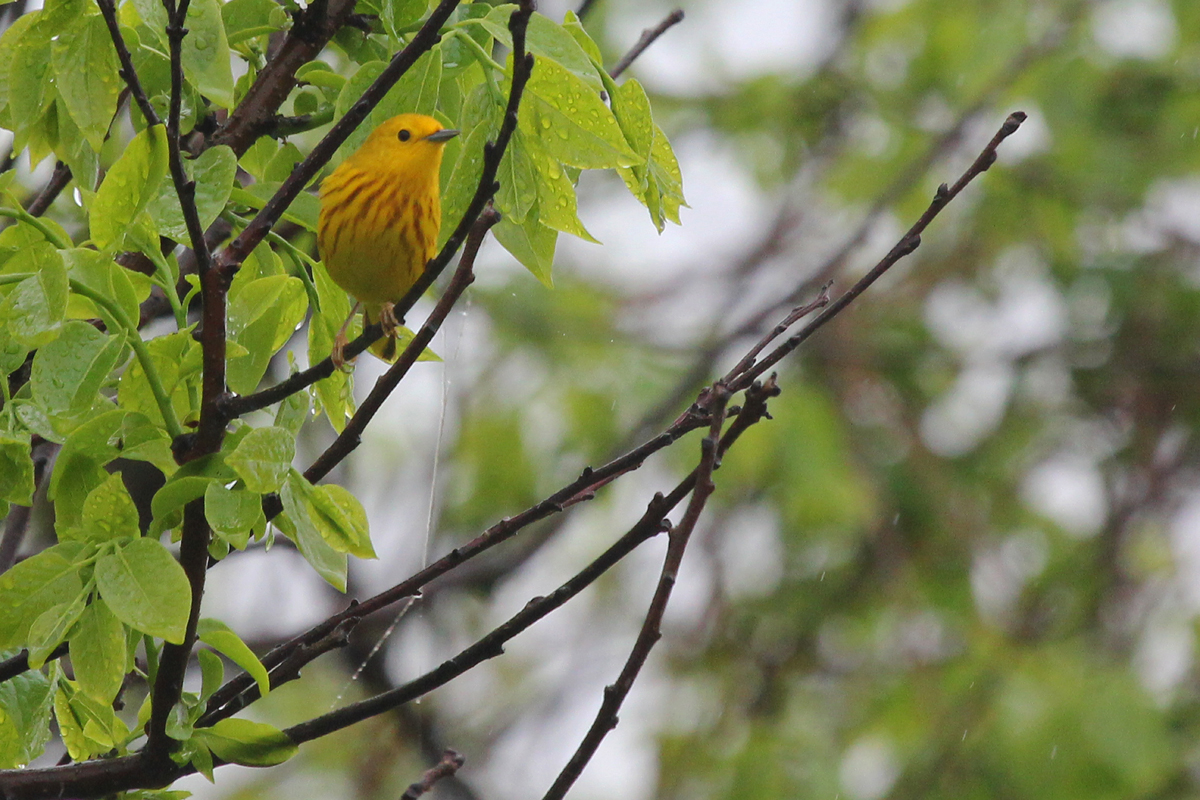
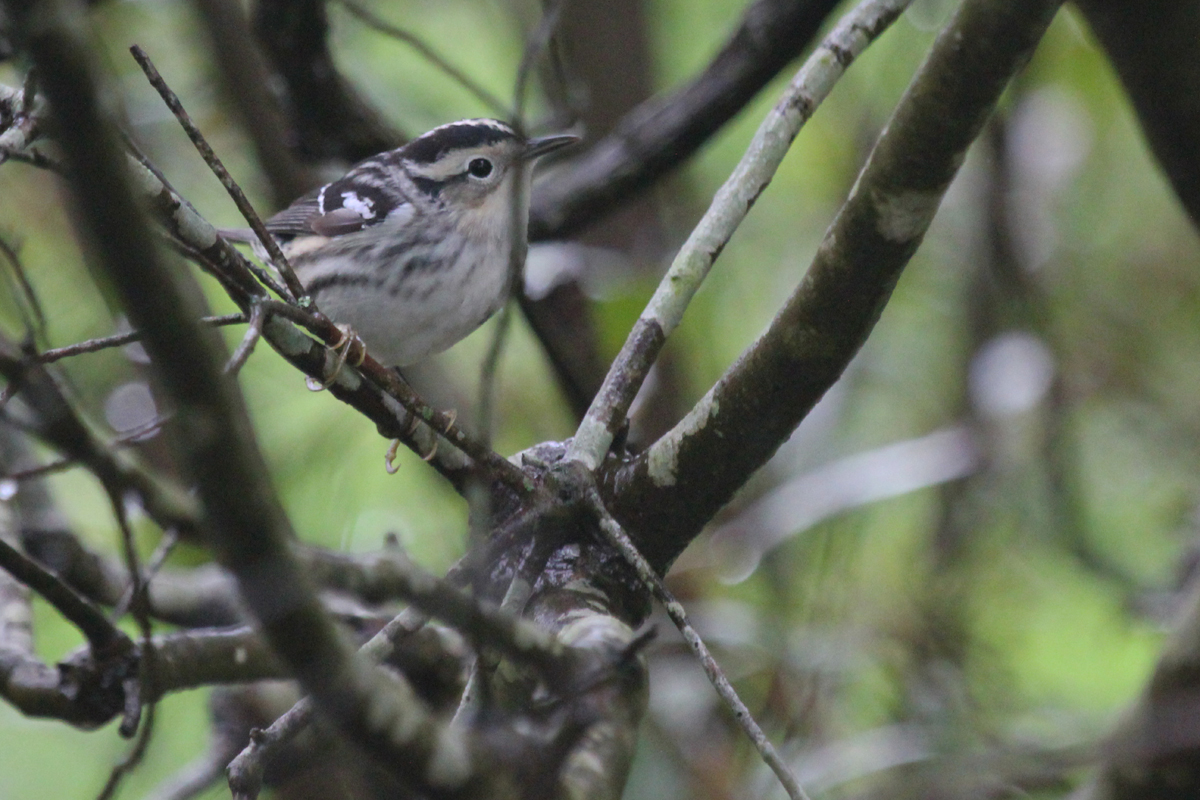
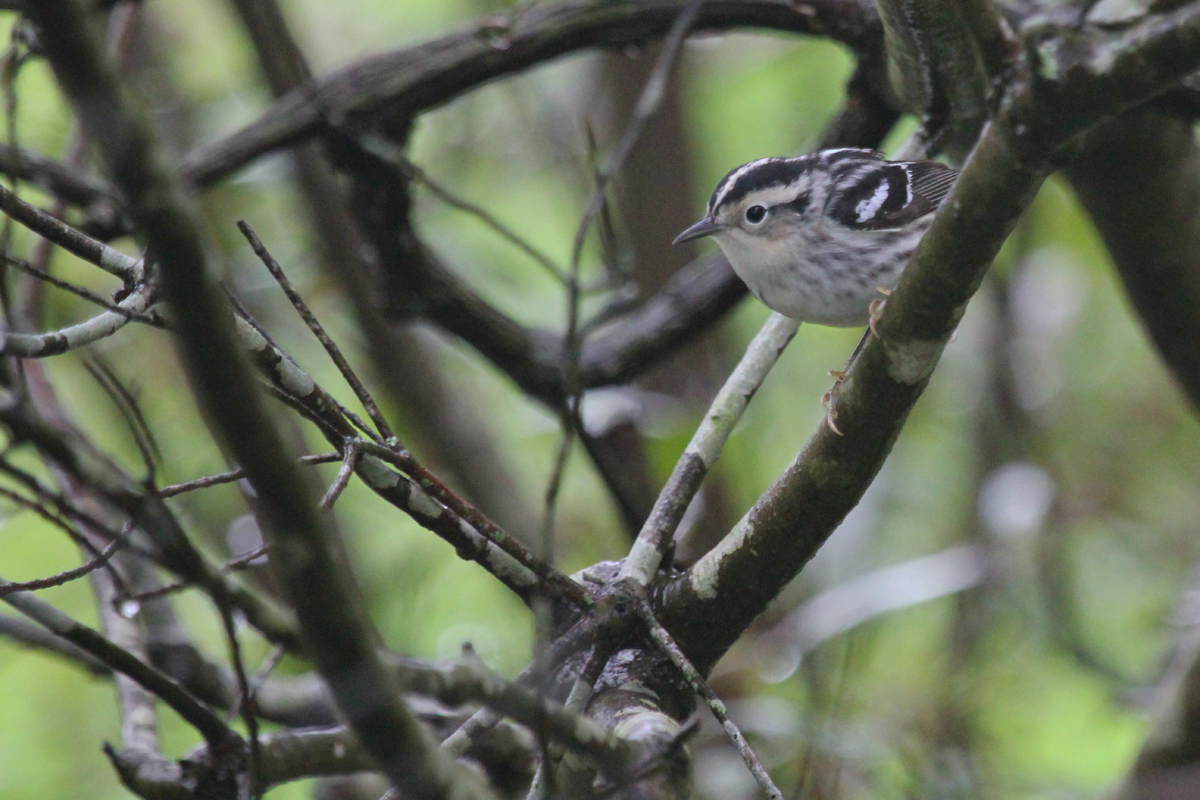
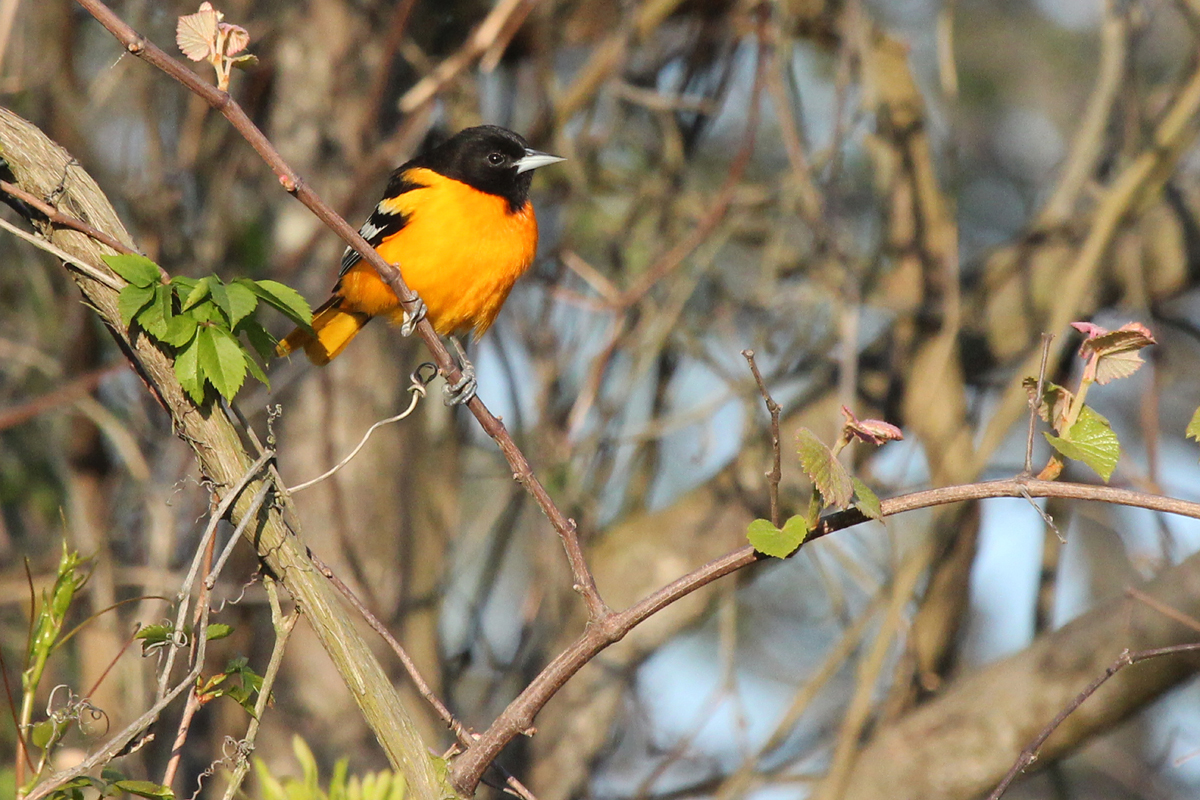
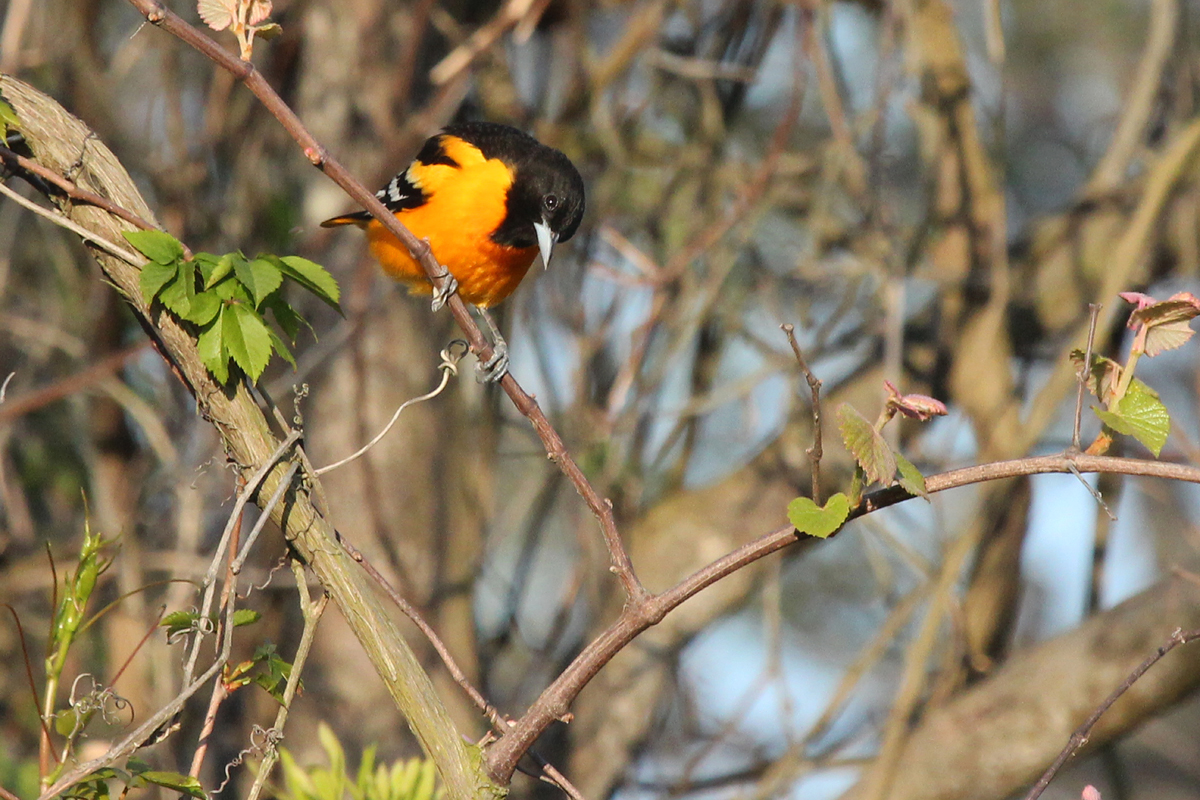
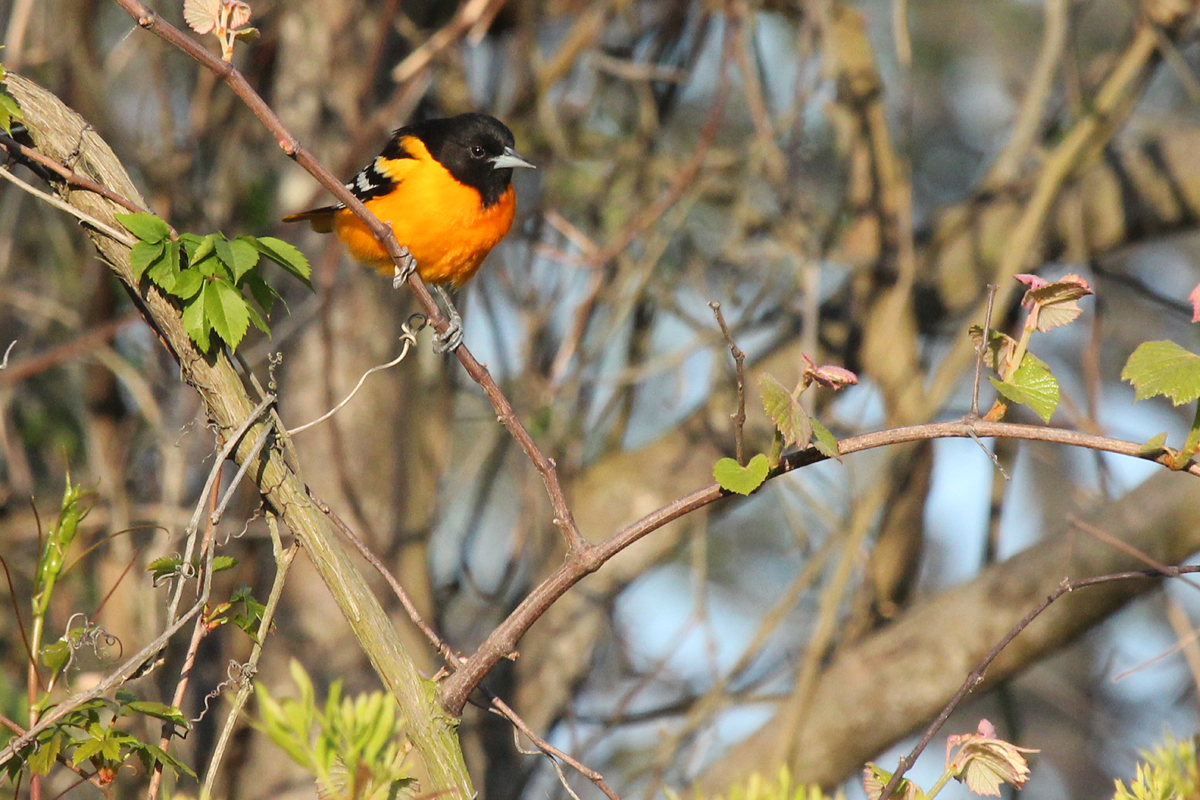
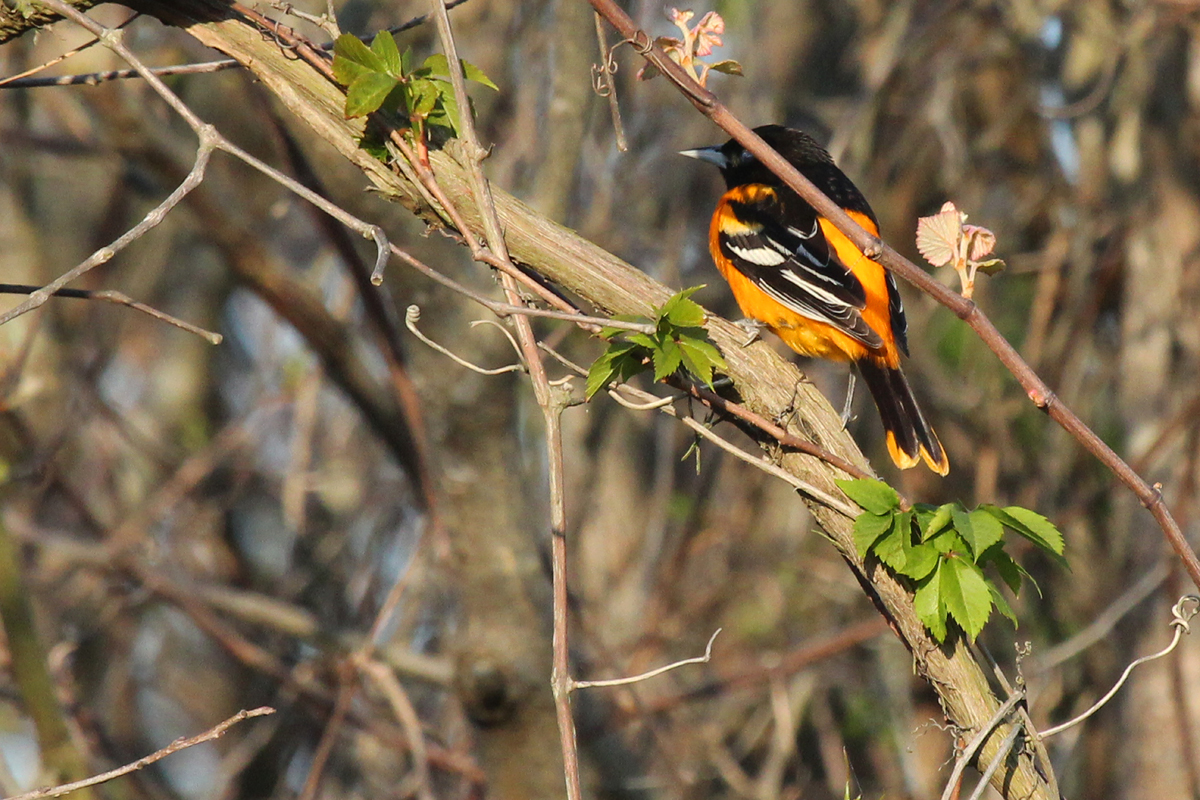
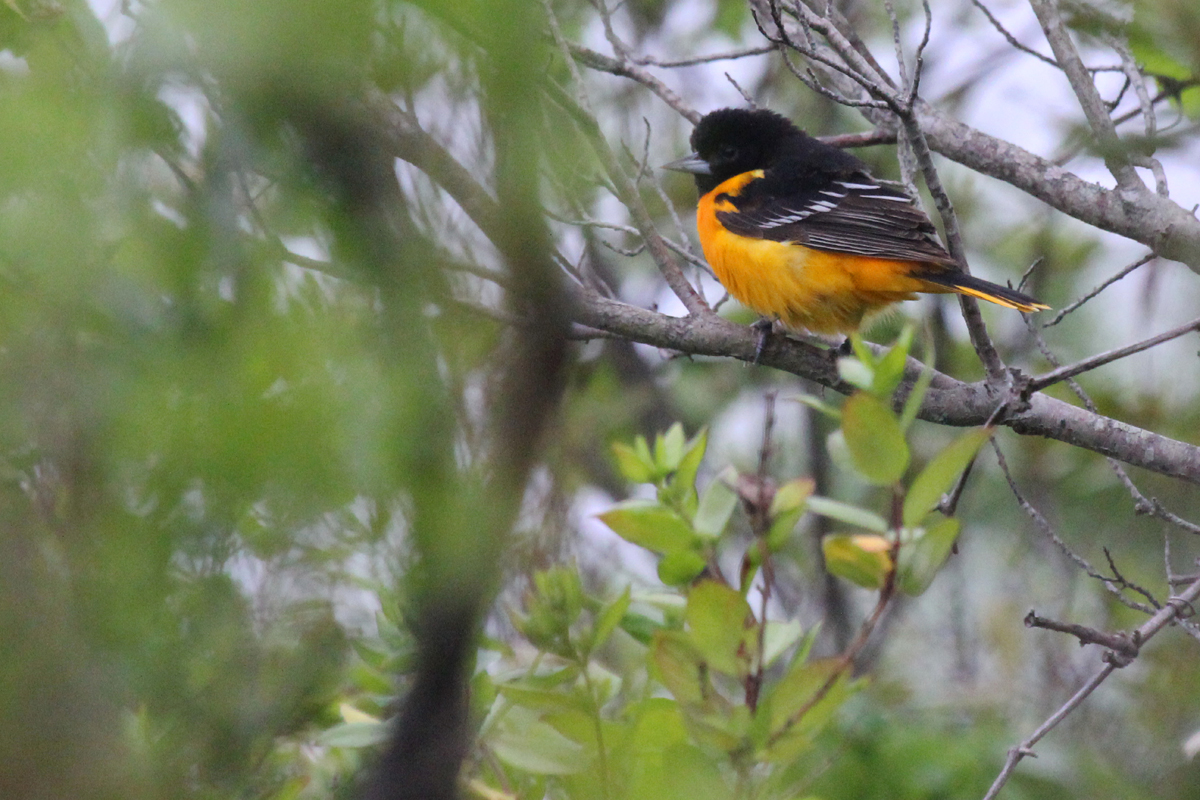
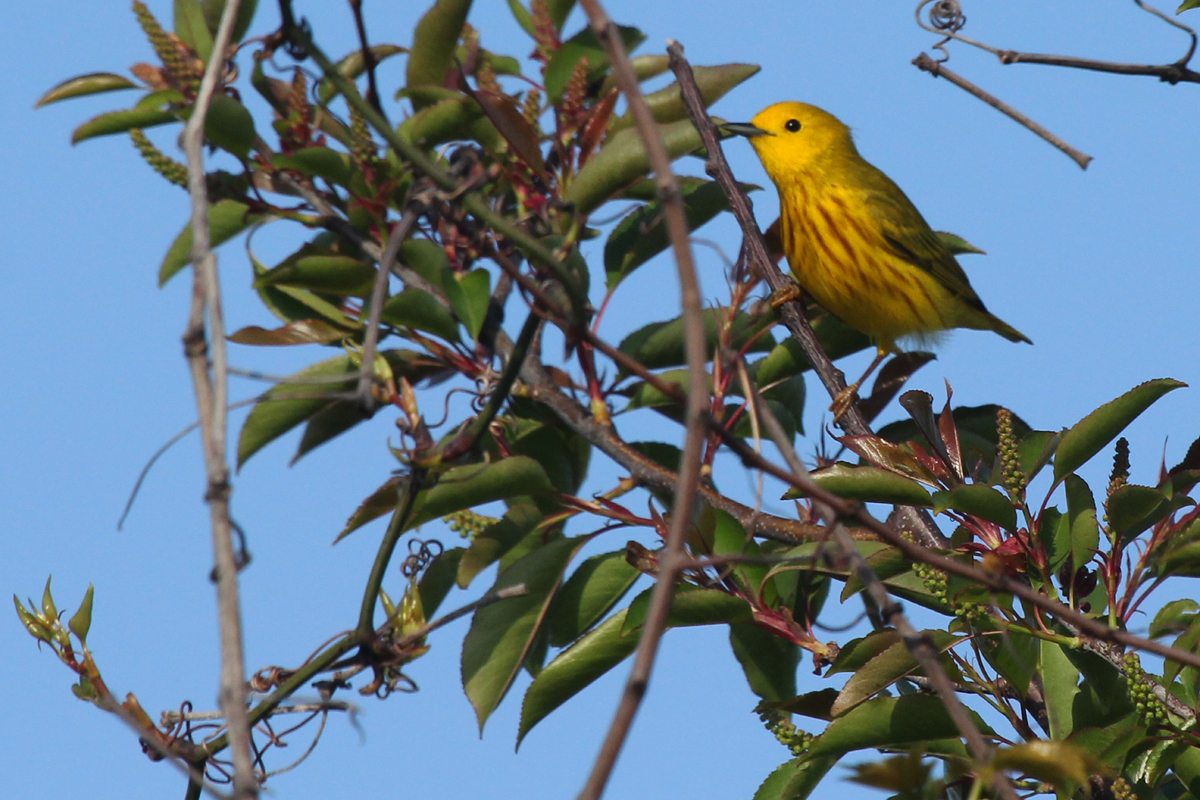
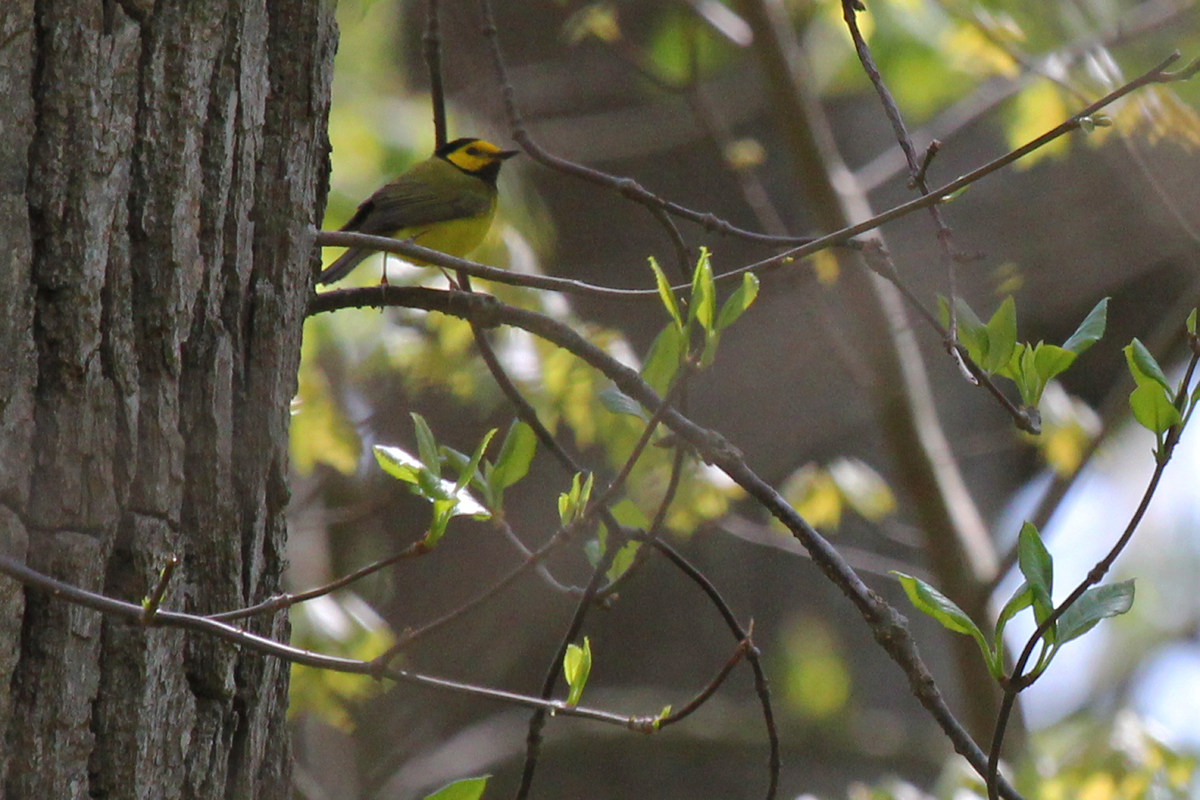
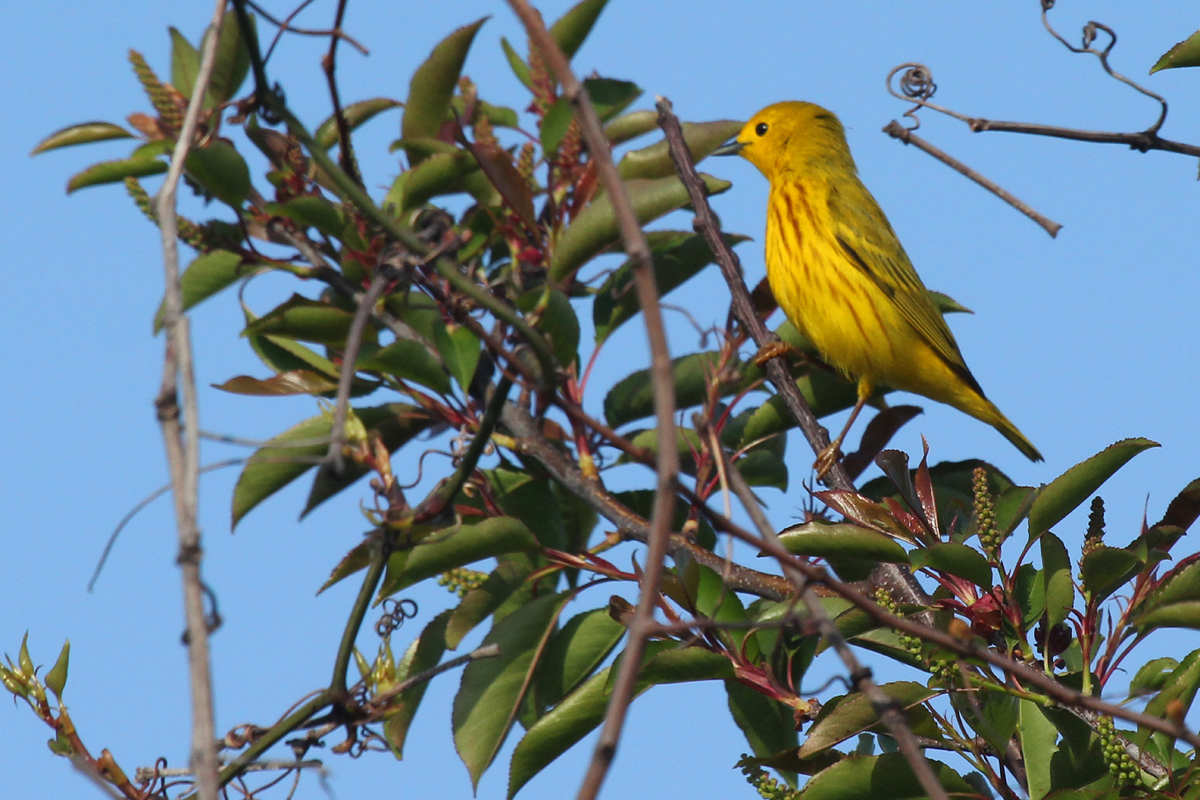
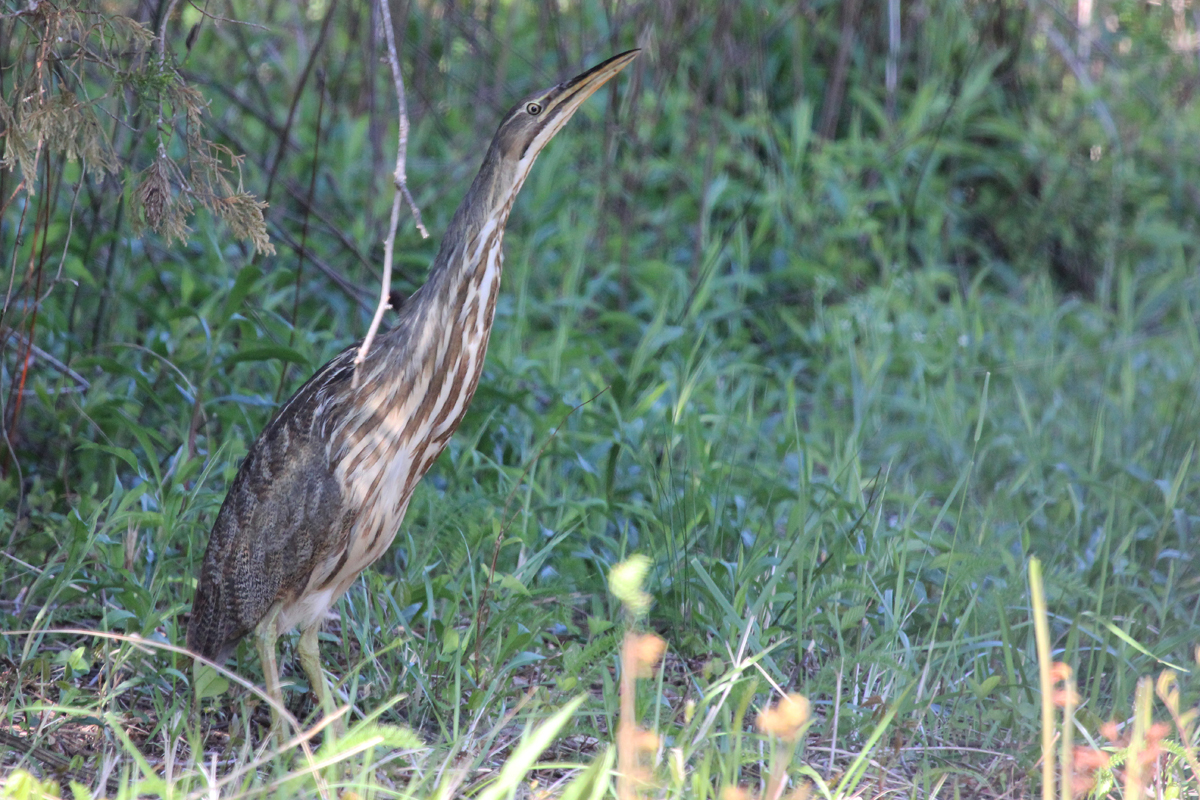
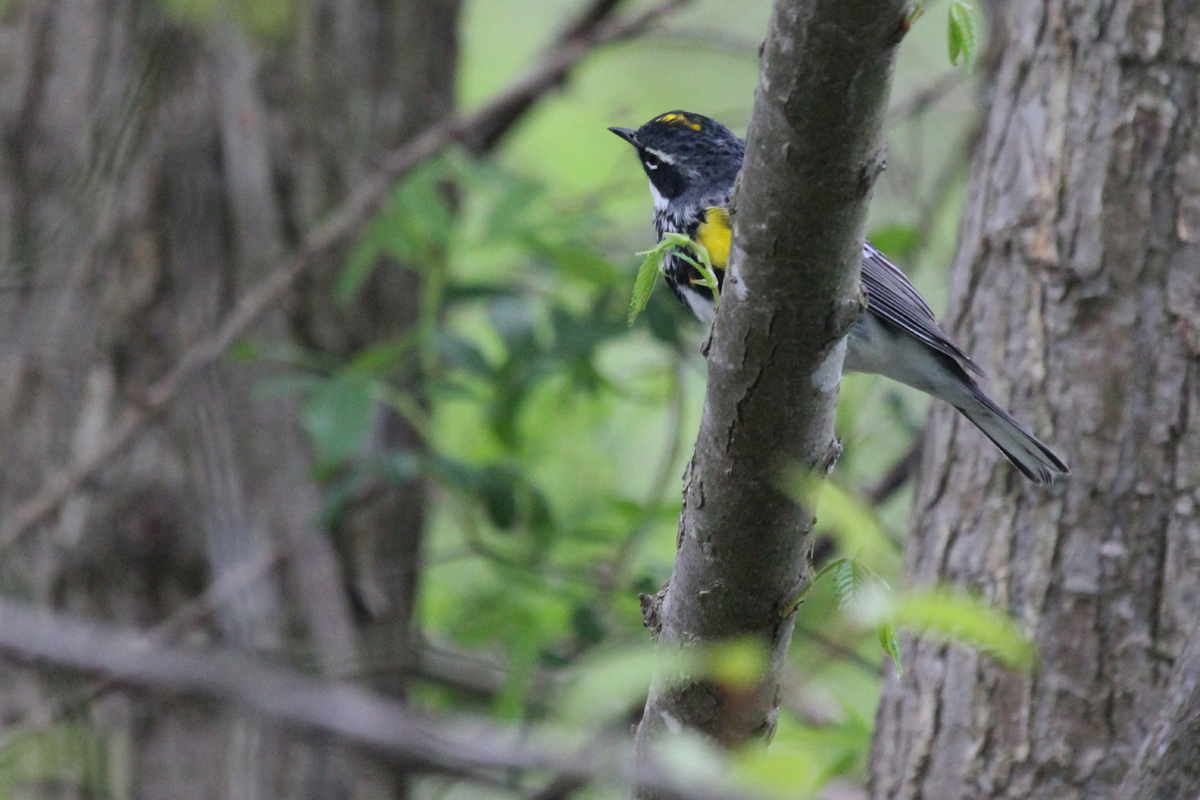
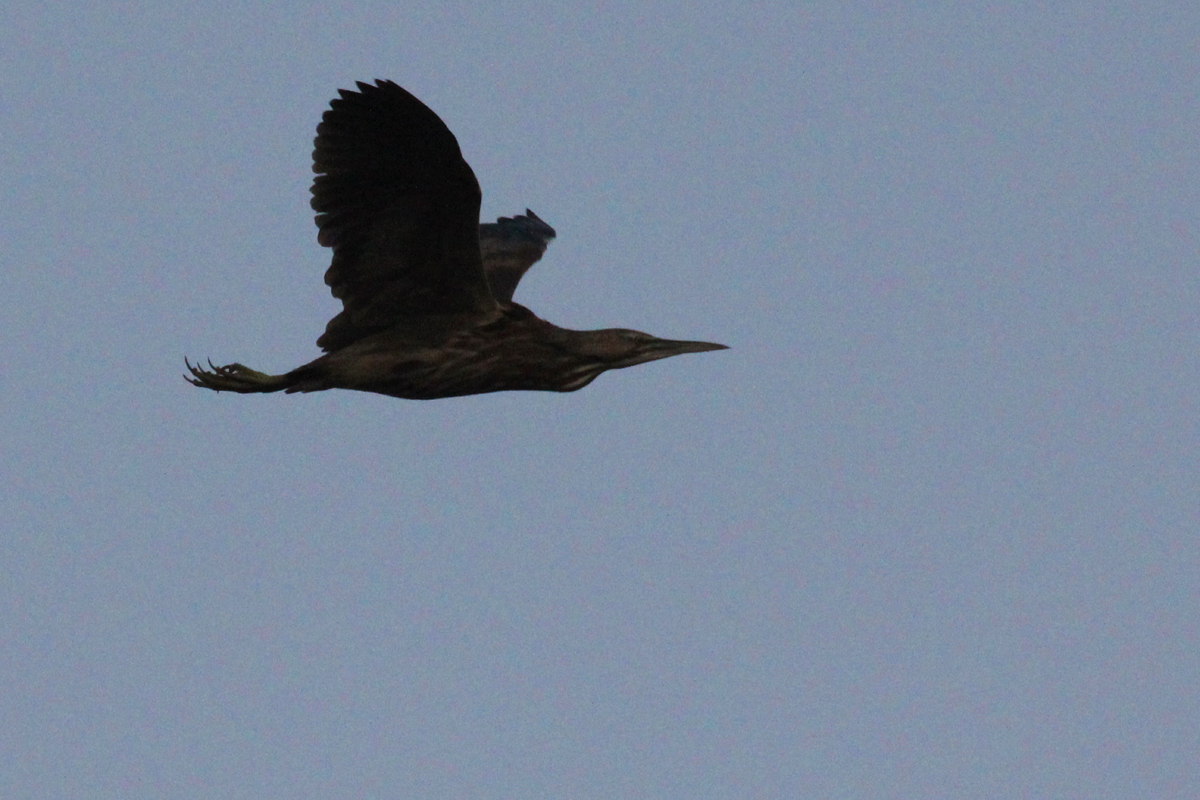
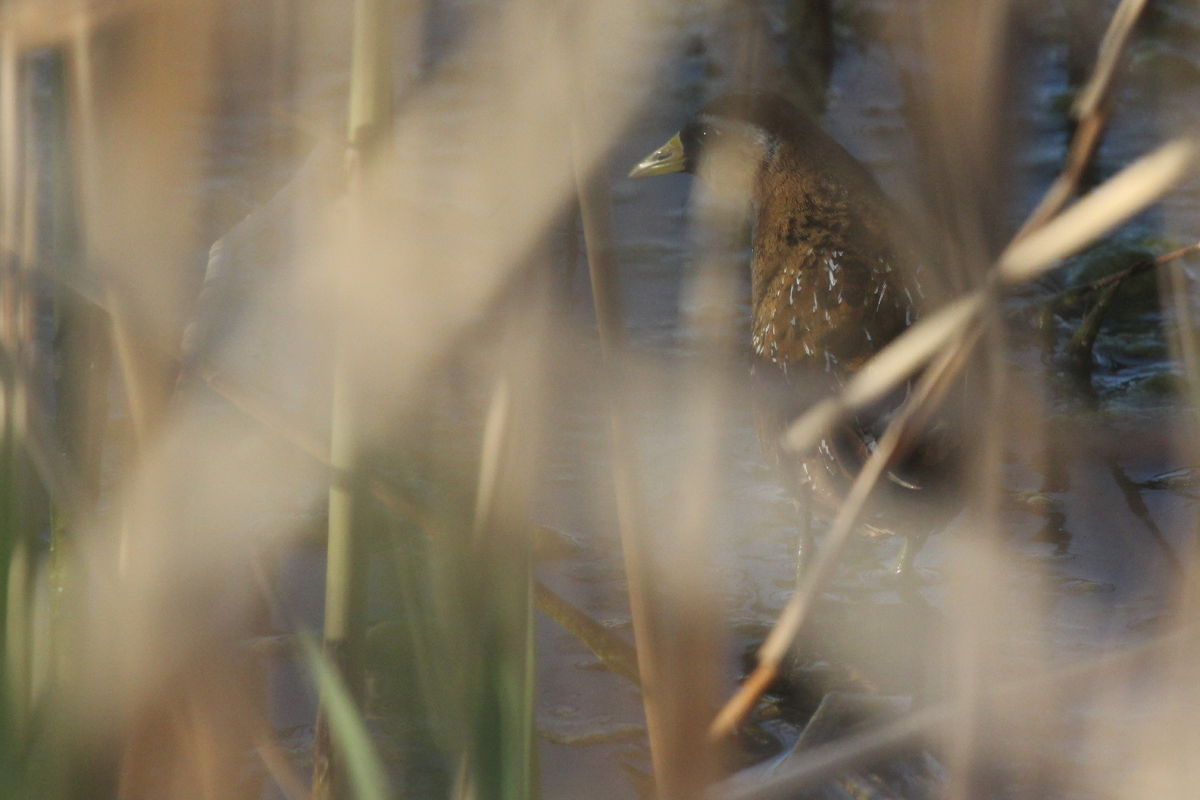
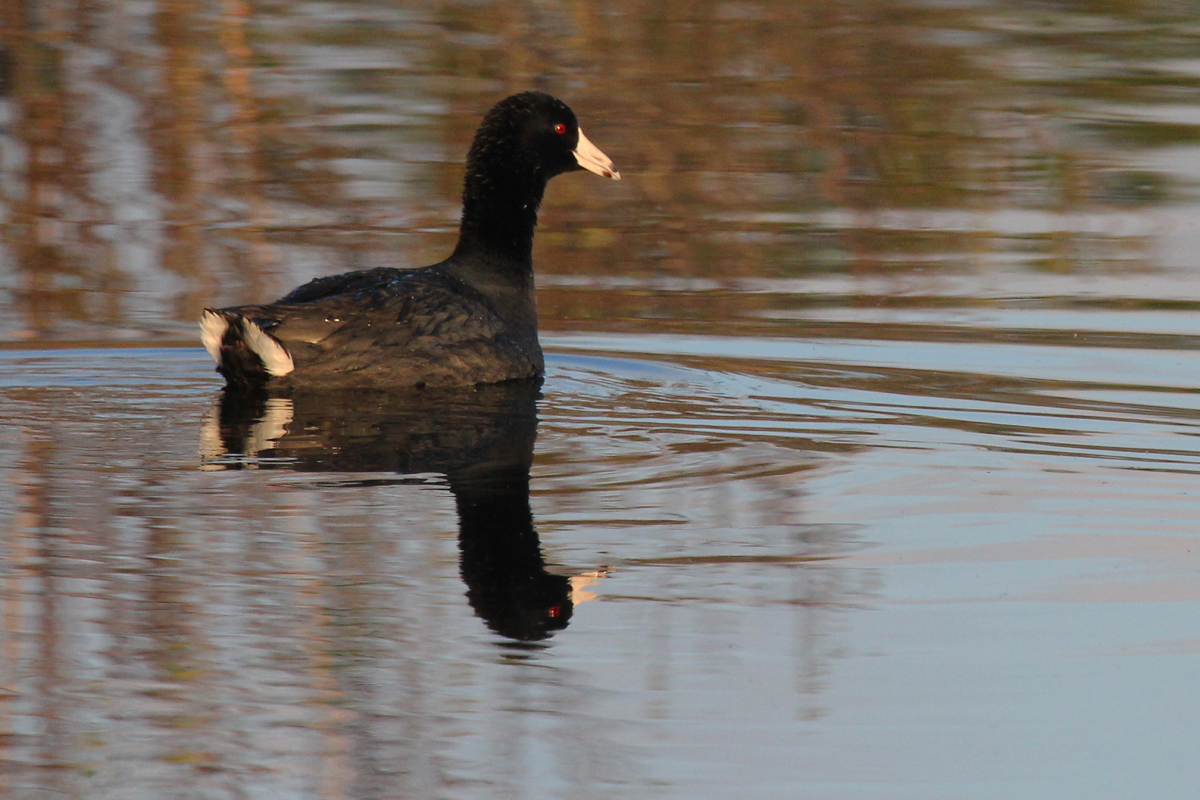
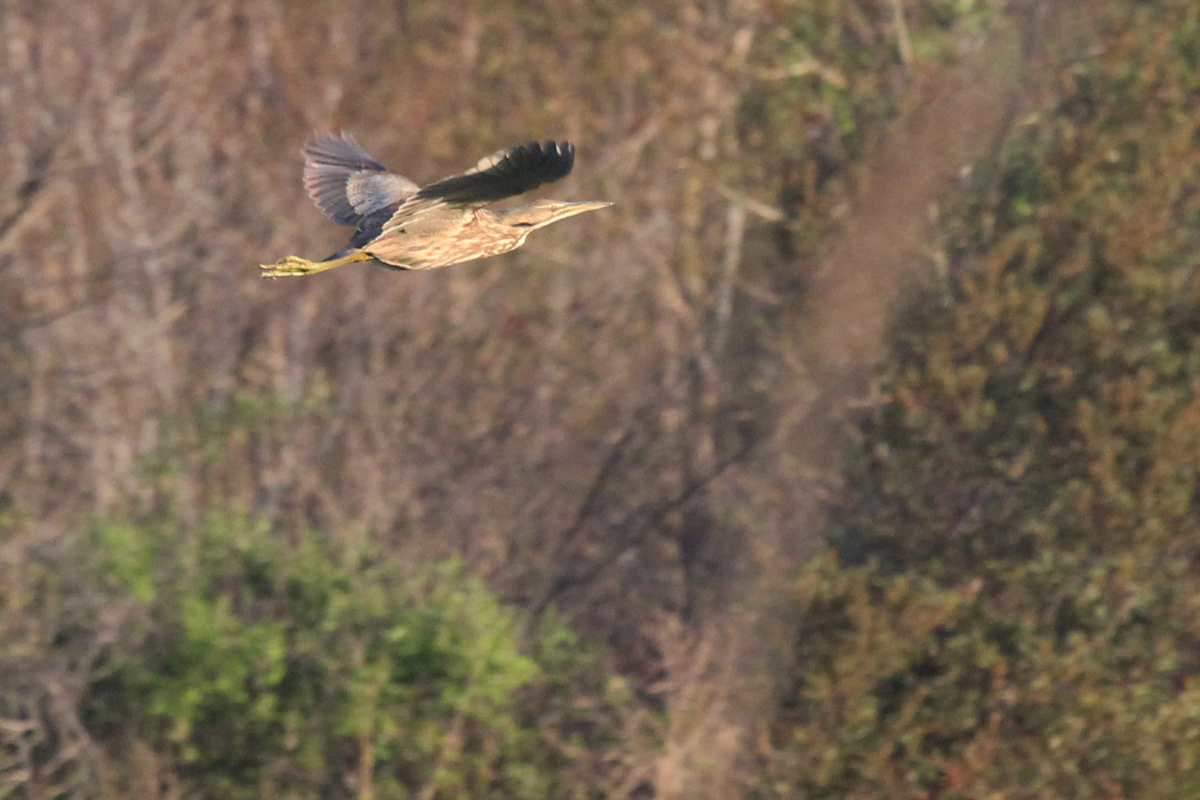
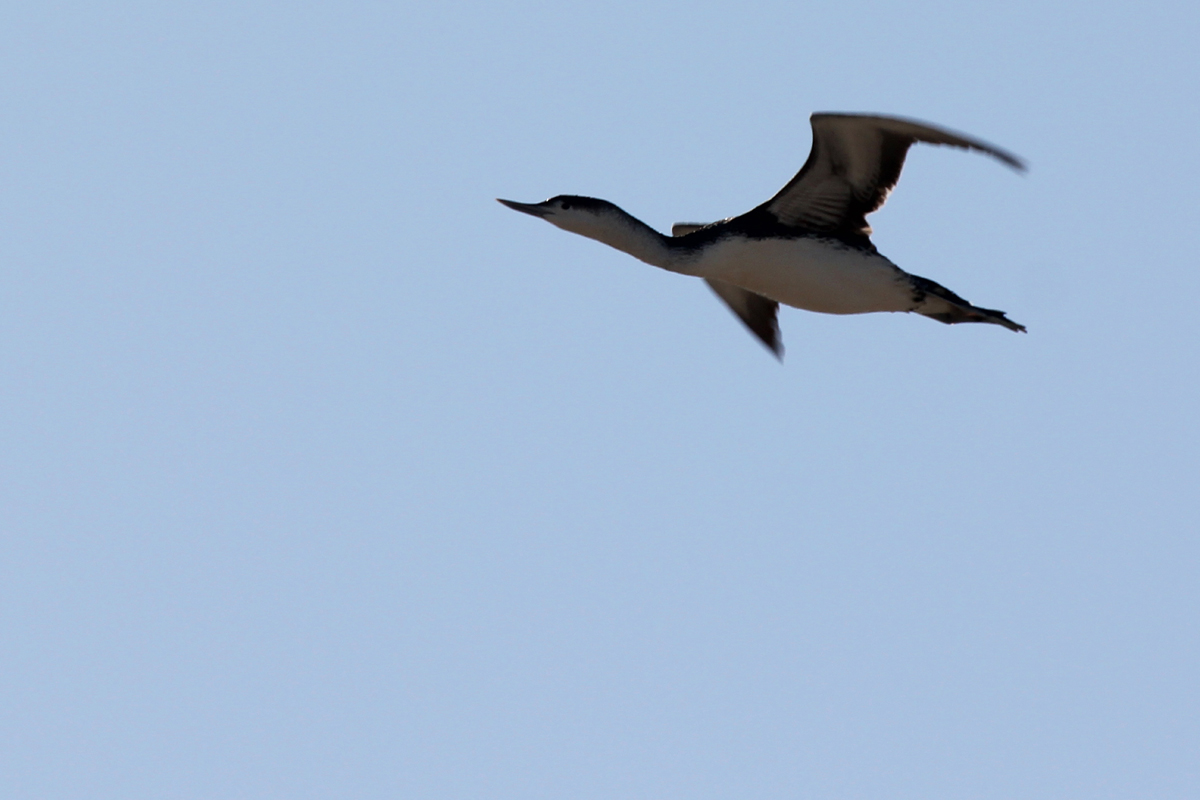
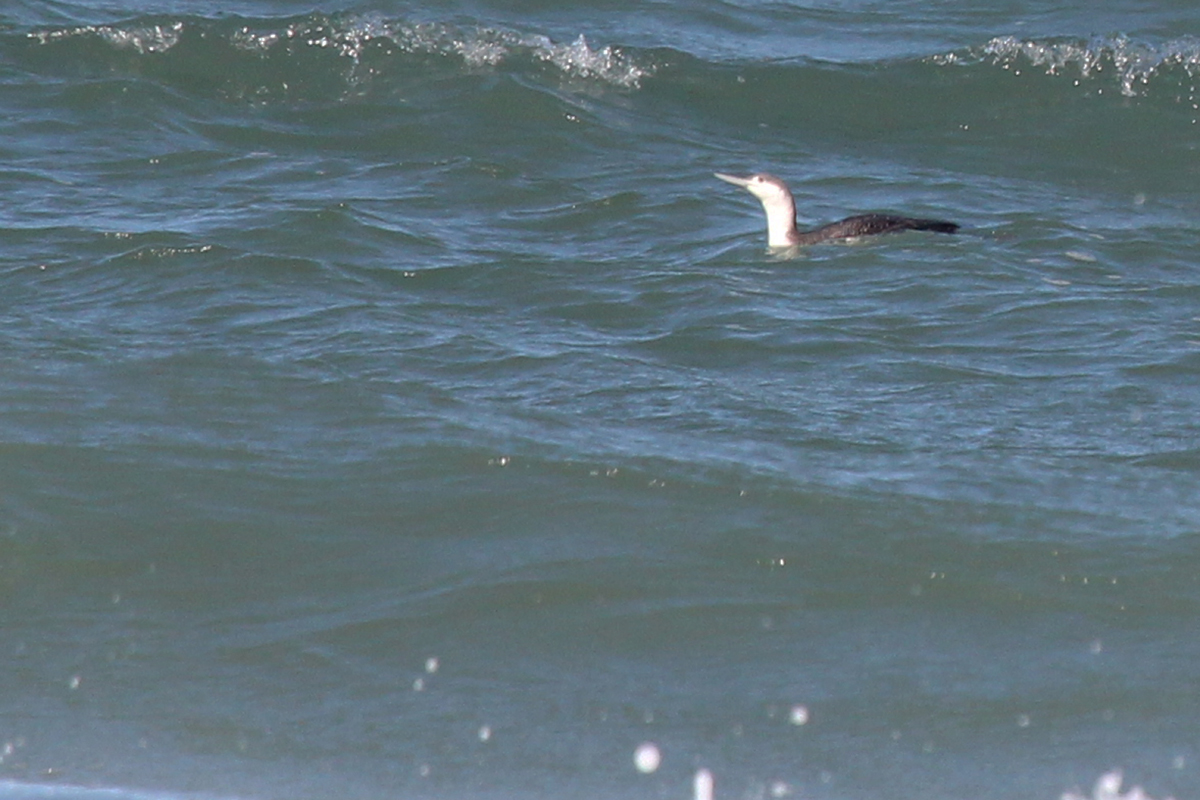
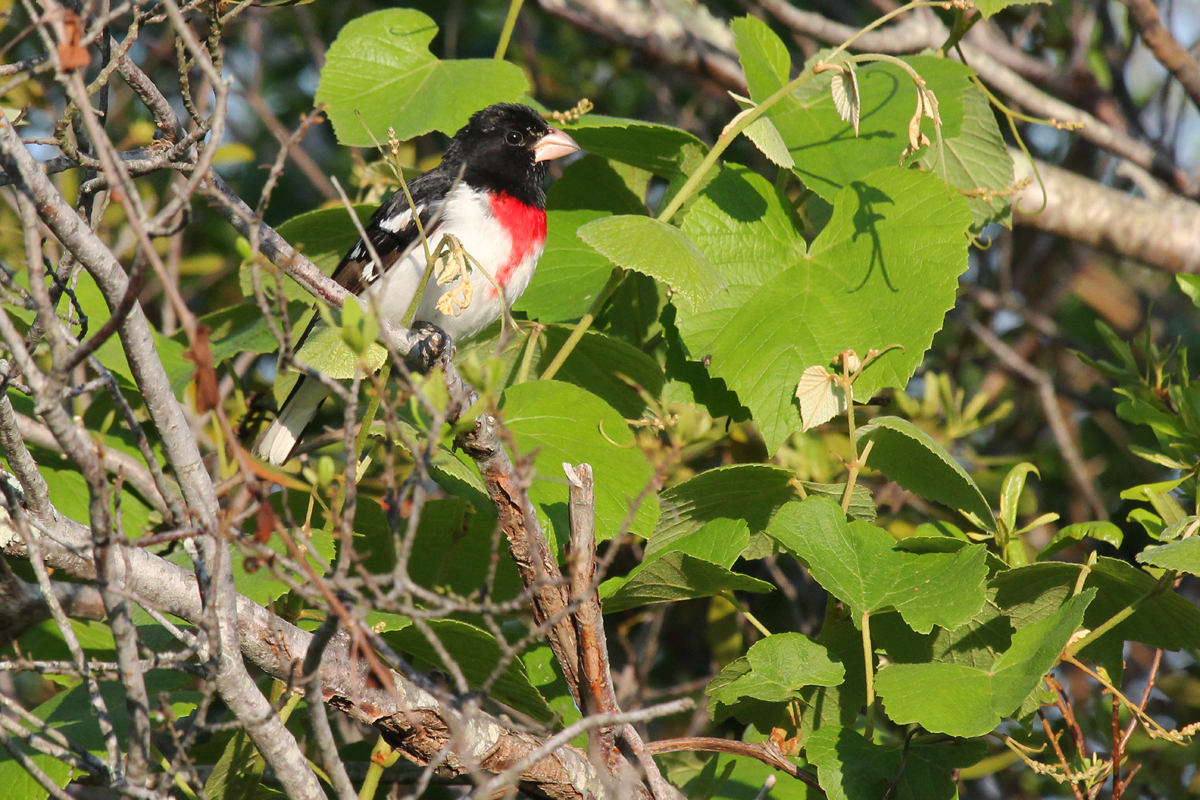
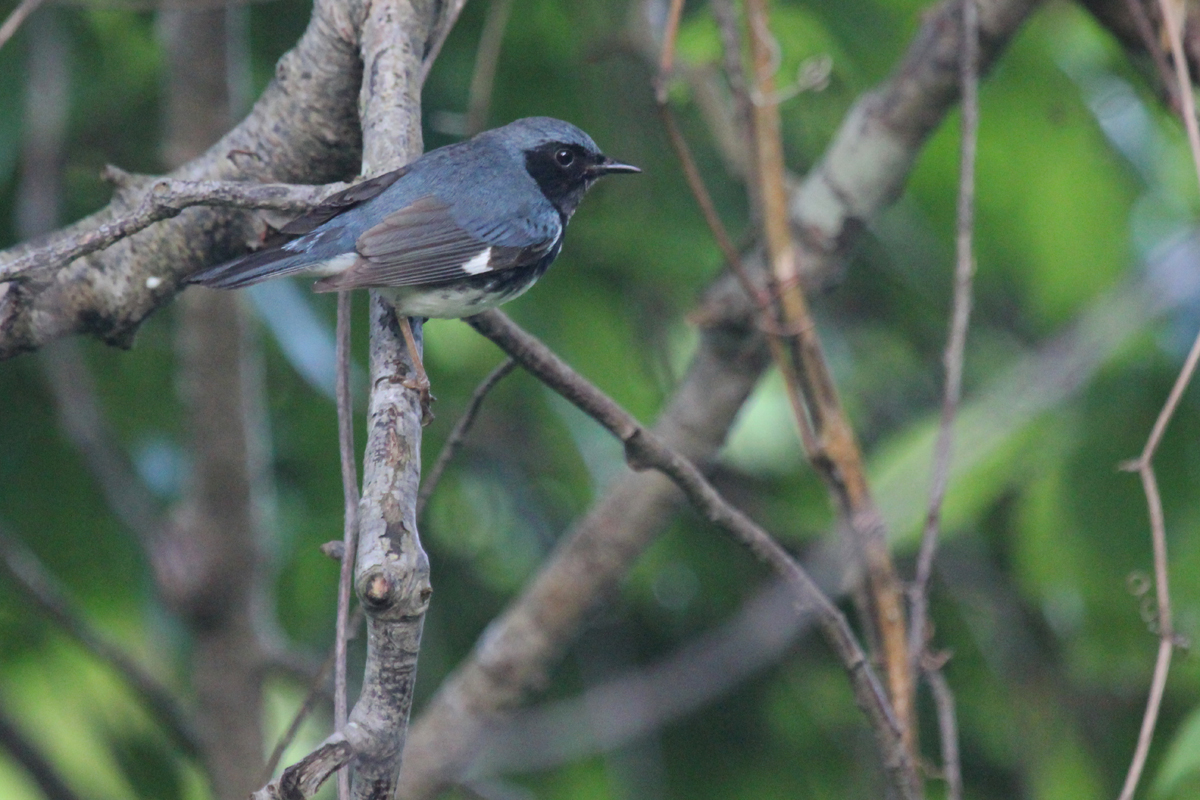
LOOKAHEAD: With mid-May completed, we have now bid farewell to Chestnut-sided Warbler, Black-throated Green Warbler, Piping Plover, Peregrine Falcon & Yellow-rumped Warbler (15 May expected departure date) and Wilson’s Warbler, Magnolia Warbler, Black-throated Blue Warbler, Rose-breasted Grosbeak, Whimbrel, Bank Swallow, Solitary Sandpiper, Black-and-white Warbler, Red-throated Loon, American Bittern, Northern Harrier, Sora, Swamp Sparrow & Baltimore Oriole (20 May). Any records for these species moving forward will flag in eBird as ‘rare’, though techinically they are flagging for being found past their usual date of departure. In late May, we have typical departure dates for Gray-cheeked Thrush, Swainson’s Thrush, Veery, Bobolink, Stilt Sandpiper, Surf Scoter, Red-breasted Merganser, Horned Grebe, Northern Gannet & Purple Sandpiper (25 May) and Common Nighthawk, Worm-eating Warbler, Northern Waterthrush, Scarlet Tanager, American Redstart, Yellow Warbler, Hooded Warbler, Least Sandpiper, Pectoral Sandpiper, Lesser Yellowlegs, Yellow-throated Warbler, Pied-billed Grebe, American Coot & Dunlin (30 May). So, make sure to try for your last sightings of the season on these species while you can! If you observe any of these species near or after those dates, please try to document their occurrence to the best of your ability; it helps make eBird data & filters more accurate! Until late June, we will not have any expected species arrival, but from there moving forward, fall arrivals will be listed here each period. As always, make sure to report your finds to eBird so the data can be used to adjust the average expected spring departure dates!

Next Entry | Entry Index | Previous Entry

For further information regarding this thrice-monthly, online publication, please visit the Journal Overview Page which provides an in-depth explanation of the format, layout and composition of the journal. As always, thank you for reading, and please leave me a comment below (you may use your Facebook, Gmail or other accounts to easily do so), or just click the Heart icon to the lower right of this post to let me know you stopped in!

Early May 2018 (1st-10th)

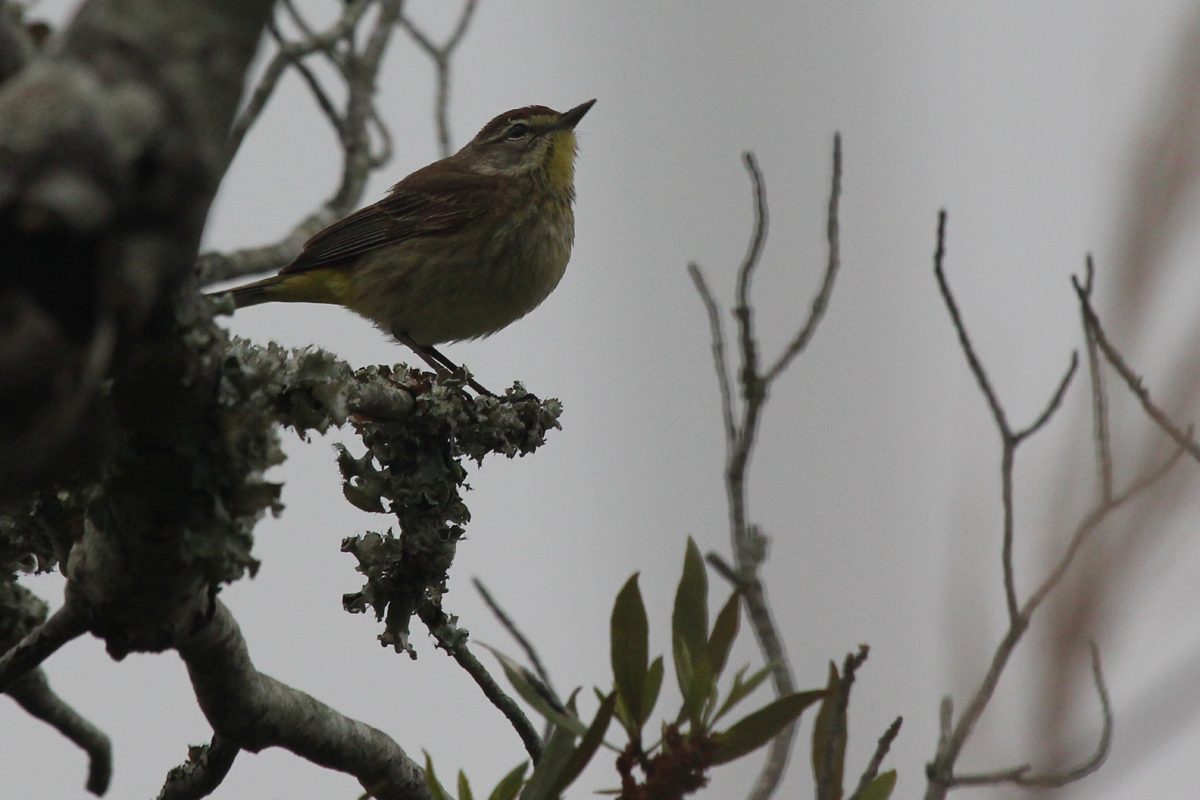
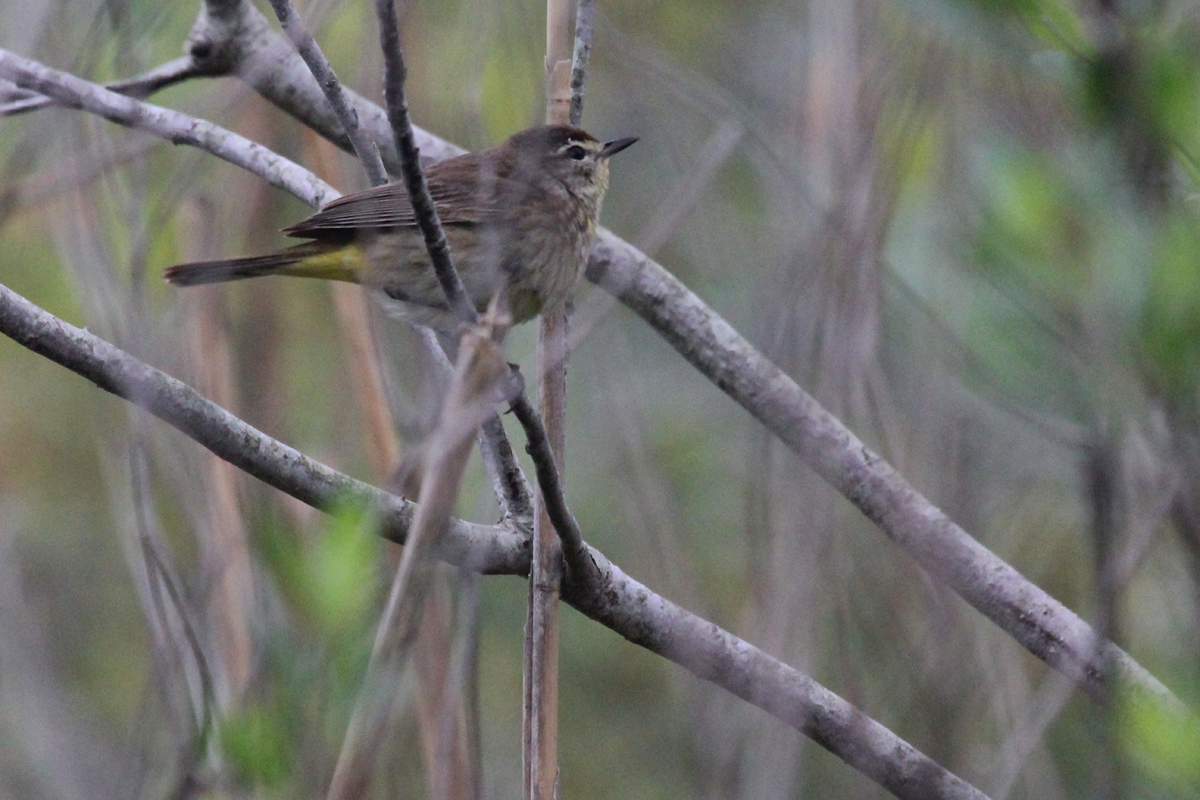
The first few days of May were well-defined by the large-scale movement of thrushes into Virginia Beach, with the expected Veery, Swainson’s and Gray-cheeked Thrushes all accounted for at numerous locations that boast proper habitat. Higher counts of warblers, and stronger diversity also rose during early May, and in general, passerine numbers soared above prior reporting periods! Bolstered by southerly winds, strong movements of northbound migrants occurred overnight on 2-3, 3-4, & 4-5 May (the nights of a Wednesday, Thursday and Friday). With this burst of warm weather & arriving migrants, coupled with eBird’s “Global Big Day” event occurring on 5 May (a Saturday), Virginia Beach saw incredible numbers of checklists from local birders. Overall, top records for early May in Virginia Beach included new rarity reports for TENNESSEE WARBLER, WARBLING VIREO, NASHVILLE WARBLER, CAPE MAY WARBLER, YELLOW-THROATED VIREO, PAINTED BUNTING, AMERICAN WHITE PELICAN & WHITE-CROWNED SPARROW, along with continuing rarity reports for COMMON GALLINULE & ANHINGA! At this point in the season, the volume of new species arrivals has waned considerably, with early first-of-season (FOS) records for only RED KNOT and with arrivals on or after average expected dates for GRAY-CHEEKED THRUSH, MAGNOLIA WARBLER, WHITE-RUMPED SANDPIPER & BOBOLINK. This is due to most species’ spring arrival dates occurring by the end of Apr, so by the time we reach the month of May (in an average year), late spring departures are likely to produce more reports than new spring arrivals, and as such, this reporting period we saw records in this vein for RING-NECKED DUCK, AMERICAN WOODCOCK, AMERICAN PIPIT, PALM WARBLER (WESTERN) & MERLIN!

Among the large movement of warblers and various other passerines on the morning of 5 May (a Saturday), a miraculous TENNESSEE WARBLER found in the vegetation lining the “sparrow field” north of Back Bay NWR’s visitor contact station (ph. June McDaniels) provided our rarest observation for the early May reporting period! A very rare transient here in southeast Virginia during the spring season, this report represents the first individual to be photographically documented in Virginia Beach and submitted to eBird, outside of the fall season (when the species is also rare, but slightly less so). In fact, this is only the third spring record listed for the city, with one record on the Chesapeake Bay Bridge-Tunnel (perhaps during a fallout of migrants?) on 8 May 2016, and the only other record being an individual noted on 17 May 1997 at First Landing SP. What was likely this same individual was observed at the park, though along the Bay Trail (now officially noted as the Reese F. Lukei, Jr. Raptor Trail by a sign posted at the trailhead) this time, on 9 May (obs. Karen & Tom Beatty). Another individual was reported at Lake Lawson & Lake Smith Natural Area on 6 May (obs. Timothy Barry).

With only 4 prior records in eBird (all in spring) for the City of Virginia Beach, a WARBLING VIREO at Back Bay NWR on 6 May (ph. Andrew Baldelli & Rob Bielawski) made for an exciting spring coastal record! Known as a rare transient throughout the coastal plain, and even more scarce here in the extreme southeast due to its typical migration following the Blue Ridge en route to the northeast, this record is the first and (currently) the only Atlantic-coastal record south of Cape Henlopen, Delaware thus far for 2018! Additionally, this is the first photographically documented record for Virginia Beach in eBird. As far as recent records go, a well-described individual was noted 11 Apr 2017 at Carolanne Farms Park in western Virginia Beach (obs. Brandon Holland) and a vocalizing individual was found at Back Bay NWR on 12 May 2016 (obs. Karen & Tom Beatty) and remained at the same location through 14 May. Prior to this, eBird records are very scarce, with only one noted at First Landing SP’s former songbird banding station on 5 May 2012 (obs. Calvin Brennan), and lastly, a single bird at Back Bay NWR on 17 May 1996 (obs. Edward Brinkley). The 2018 individual was noted again later in the day on 6 May (obs. Mike Collins), and was viewed the following day, 7 May, in the same general area (obs. Jason Schatti), as well as on 9 May (ph. Mike Collins, obs. Karen & Tom Beatty, ph. Rob Bielawski & Jason Schatti). All observations of the bird occurred in the dense vegetation along the western half of the Bay Trail (now known as the Reese F. Lukei, Jr. Raptor Trail).

With a miraculous two records occurring this period, we increased our total number of spring records for NASHVILLE WARBLER (in eBird) from one to three! An individual was noted at a private residence in Hunt Club Forest on 7 May (obs. Karen & Tom Beatty), and then two days later on 9 May, another individual was observed on private property near Lake Smith (obs. Tracy Tate). The only prior spring record for the species here in Virginia Beach occurred way back on 3 May 2010 at Red Wing Lake Golf Course (obs. Karen & Tom Beatty). Typically, this species is more expected here on the coast during fall migration where counts of 2, 3 or even 4 have been observed on good mornings; this is clearly a rare spring transient worth familiarizing yourself with and looking for right now!

A second (though at the time of submission it was the first) report for CAPE MAY WARBLER occurred on 1 May at Back Bay NWR (ph. Mike Collins), and marked the very first photographically documented spring record for the species in the city for eBird! Observed along what was then-still-called the “Bay Trail” (see above note about the new name), what is likely to have been this same individual was observed again on 4 May (ph. Karen & Tom Beatty), and in the early morning hours of 5 May (obs. Brandon Holland). Like the prior species mentioned above, Cape May Warbler’s occurrence in Virginia Beach during the spring months has been very scarce. The only prior records listed in eBird are for an individual observed on 17 Apr 2017 (obs. Karen & Tom Beatty), one at Back Bay NWR on 11 May 2013 (obs. David Clark) and another at the same location on 11 May 1997 (obs. Edward Brinkley). After this 2018 bird was reported, an earlier report of one popped up at Lake Smith for 28 Apr (obs. Tracy Tate), and since the Late April report was written prior to this, I felt it best to mention it here.

Next up on the list of rarities was another second record for the spring season, and the first to be photographically recorded. A non-vocalizing YELLOW-THROATED VIREO was observed working through the deciduous canopy along the marshy side of the woodland trail at Stumpy Lake NA on 1 May (ph. Rob Bielawski), interestingly staying in close company with a Blue-headed Vireo. The only prior report for 2018 pertains to a sight record of an individual at West Neck Creek NA on 21 Apr (Karen & Tom Beatty). Quoting from last reporting period, “this is a species that we may see one or two records for each spring in Virginia Beach, and coupled with the difficulty for many birders to properly differentiate between it and the superficially similar Pine Warbler, it flags as rare in eBird even in the somewhat expected months of April & May. In 2017, we didn’t have any records in the latter half of the year, and only two individuals were noted overall. The first, found at Stumpy Lake NA on 1 May (obs. David Clark), continued the following day, but then our only other record was an audio-recorded-individual on Muddy Creek Road on 3 Jun (aud. Karen & Tom Beatty), which was quite a surprise since it was the first Jun record in the city since 1992 in eBird.”

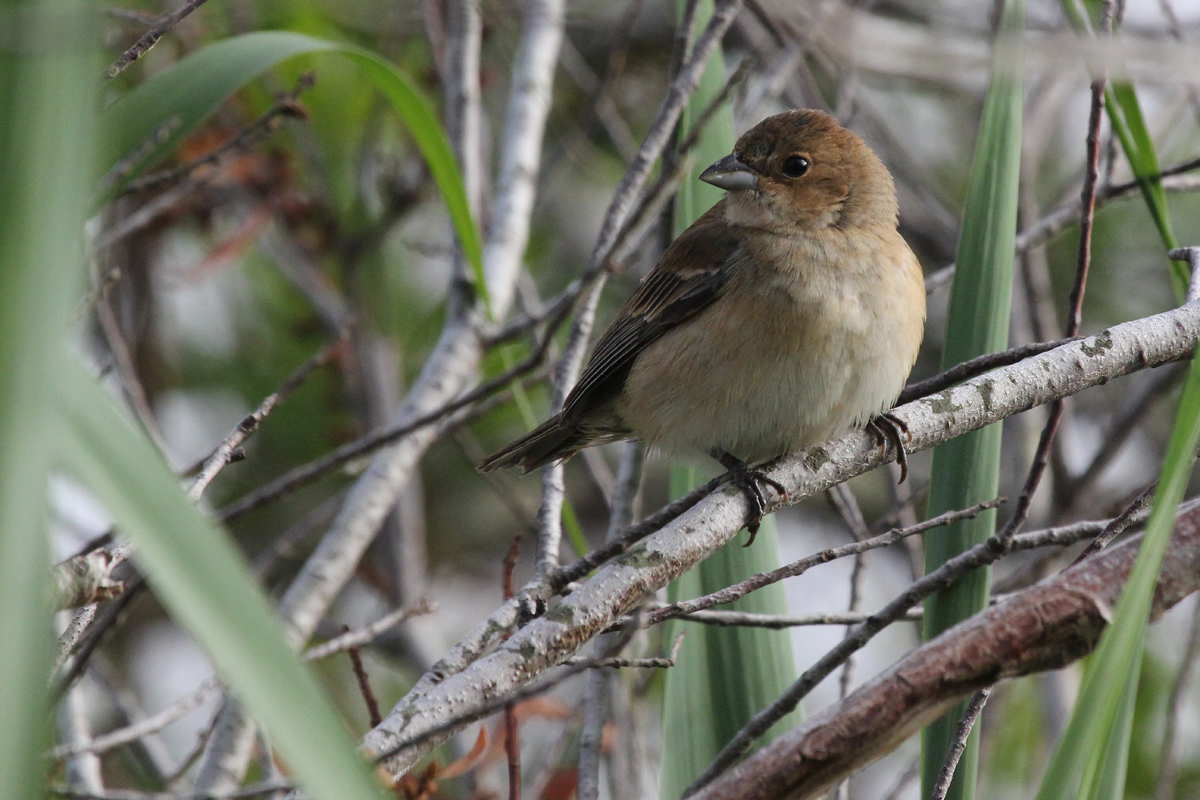
A highly unexpected find here during the month of May, a female or immature-type PAINTED BUNTING was discovered at Back Bay NWR right near the stop sign that marks the southern terminus of the visitor center’s eastern parking lot on 2 May (ph. Steve Myers). While Painted Buntings have become an annual winter resident in Virginia Beach, frequenting feeders in several neighborhoods, their occurrence in public spaces has remained scarce and therefore opportunities for most birders to observe them has followed suit. Back Bay NWR has been the most reliable public location though, and during migration, one or two individuals do tend to show up each year. Recent examples of this include an individual photographed near the final bend in the entry road before the parking lot on 23 Sep 2017 (ph. Michael Mayer), and an individual noted in the ‘sparrow field’ north of the visitor center on 13 Oct 2016 (ph. Andrew Baldelli) that remained nearby through at least 5 Nov 2016. Each of these records also pertain to female/immature-plumaged birds. The only recent report of an adult male (the more colorful plumage type) observed in a publicly viewable space was an individual observed during the Back Bay Christmas Bird Count on 29 Dec 2017 along Muddy Creek Road (ph. Karen & Tom Beatty).

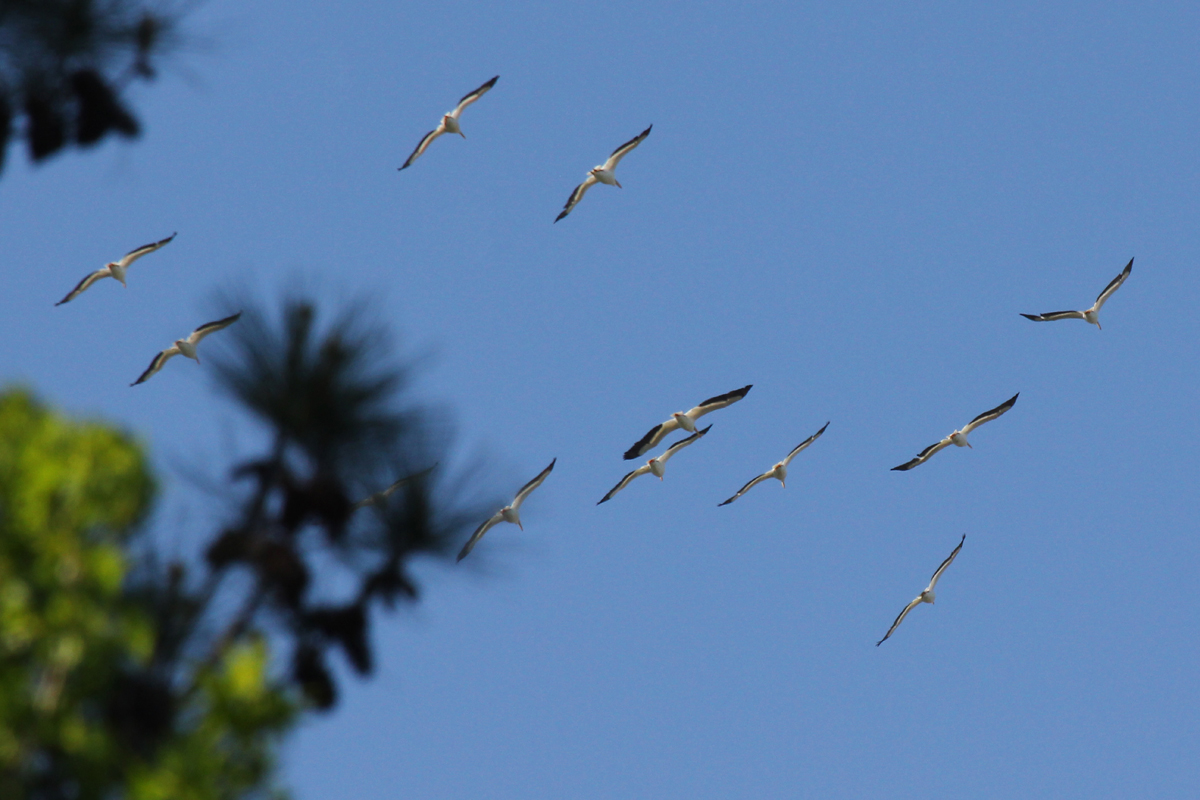
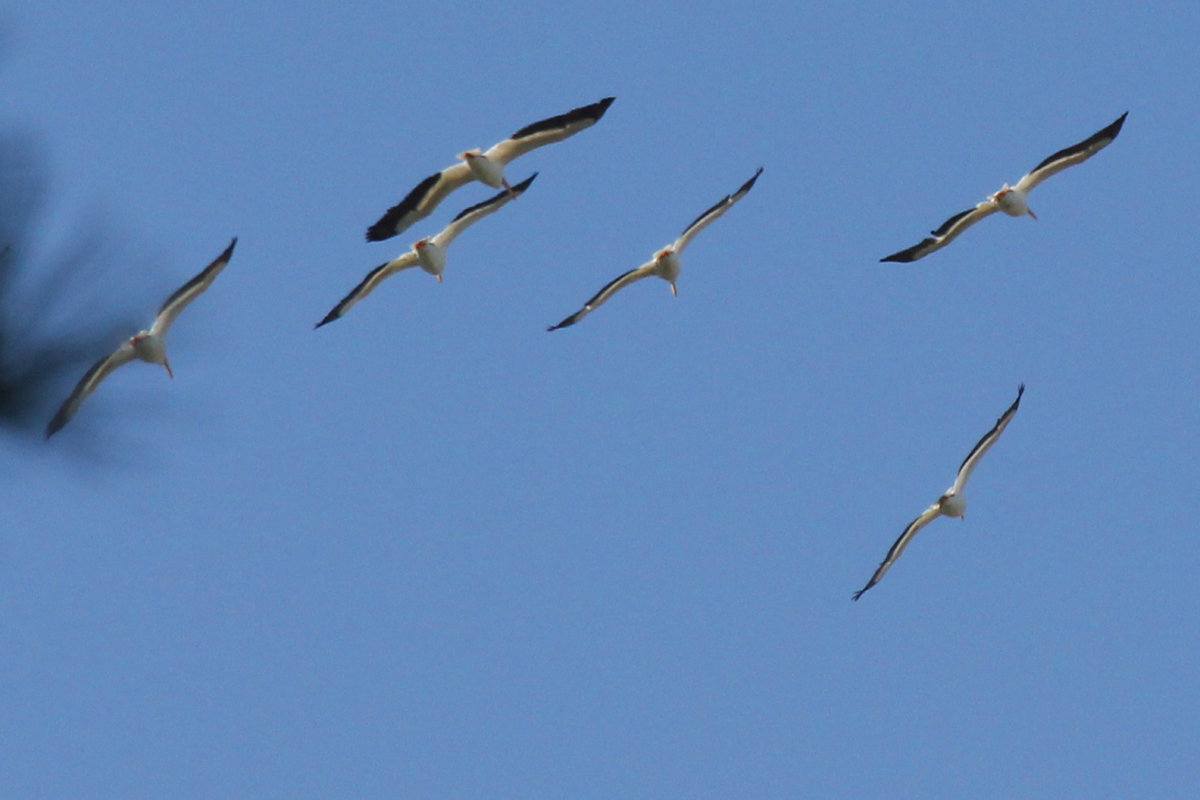
A very unexpected May record occurred when a flock of twelve AMERICAN WHITE PELICANS was observed in northbound flight above the entrance causeway to Stumpy Lake NA on 1 May (ph. Rob Bielawski). A first eBird record for the park, this also represents the farthest inland report for Virginia Beach, with almost all prior reports being purely coastal occurrences. Notable exceptions to this include a single individual resting on the smaller, southern pond of Sherwood Lakes from 12-13 Jan (obs. Mike Collins), a group of three birds flying over Interstate 264 on 27 Jan 2016 (obs. David Clark), and a flock of thirteen soaring over the Lesser Goldfinch stakeout site on 28 Nov 2016 (ph. Jeffrey Blalock / Adam D’Onofrio / Mike Stinson / Clyde Wilson). Also notable, the only other May record for this species in the city (according to eBird at least) occurred way back on 9 May 1982 (obs. Barry Kinzie) up at JEB Fort Story. Records tend to slide into May each year at Hog Island WMA in Surry County, and it is possible, perhaps even likely, that this is where this flock of twelve was heading for.

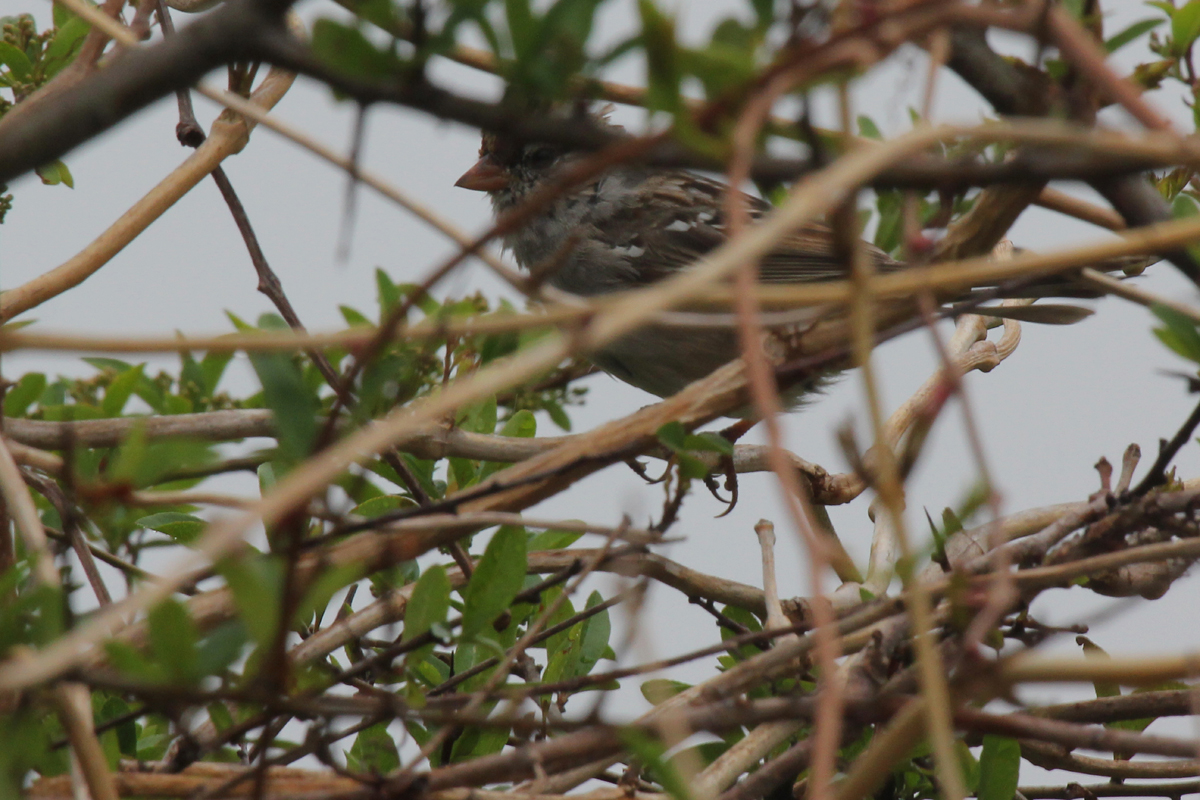
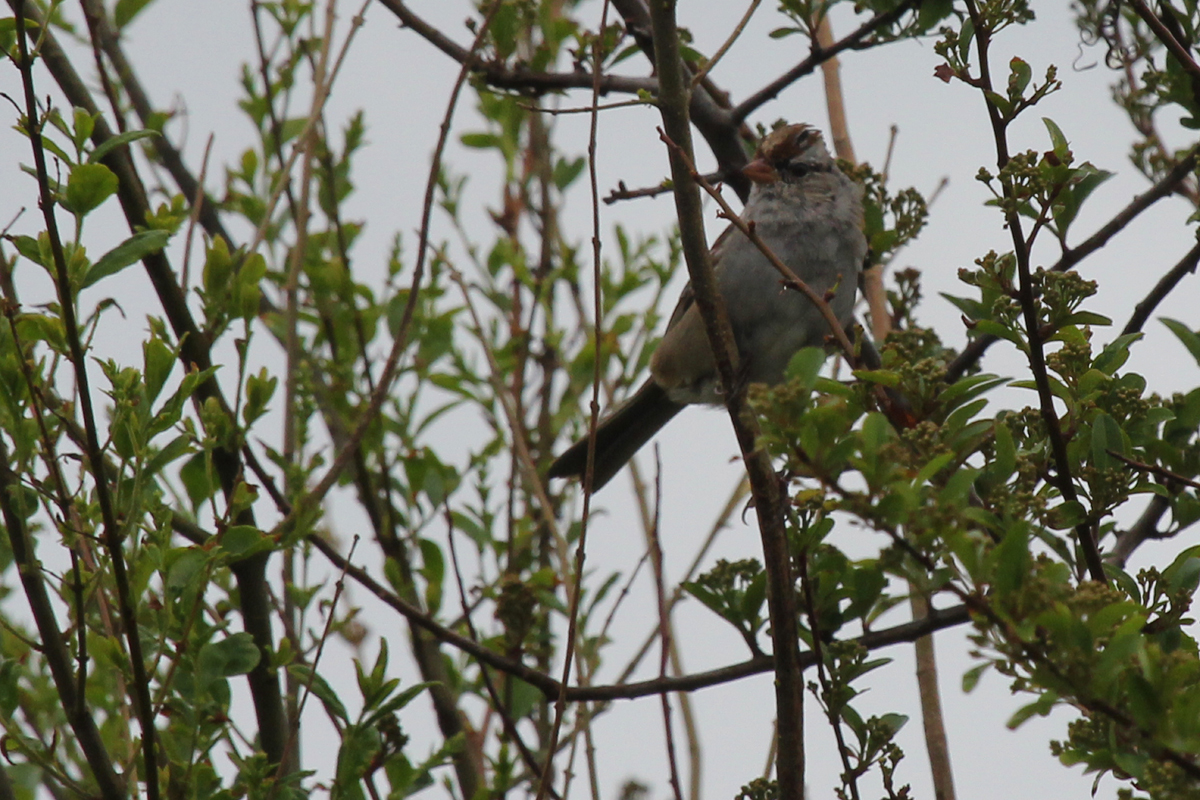
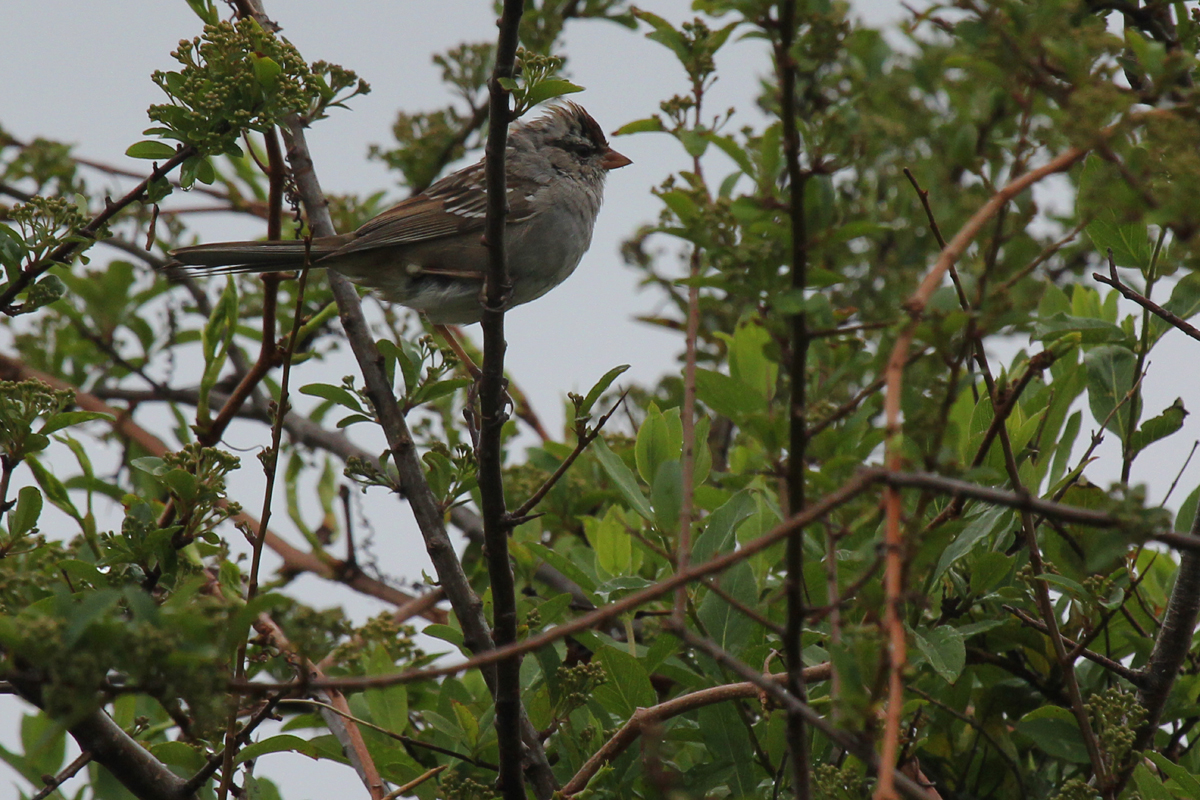
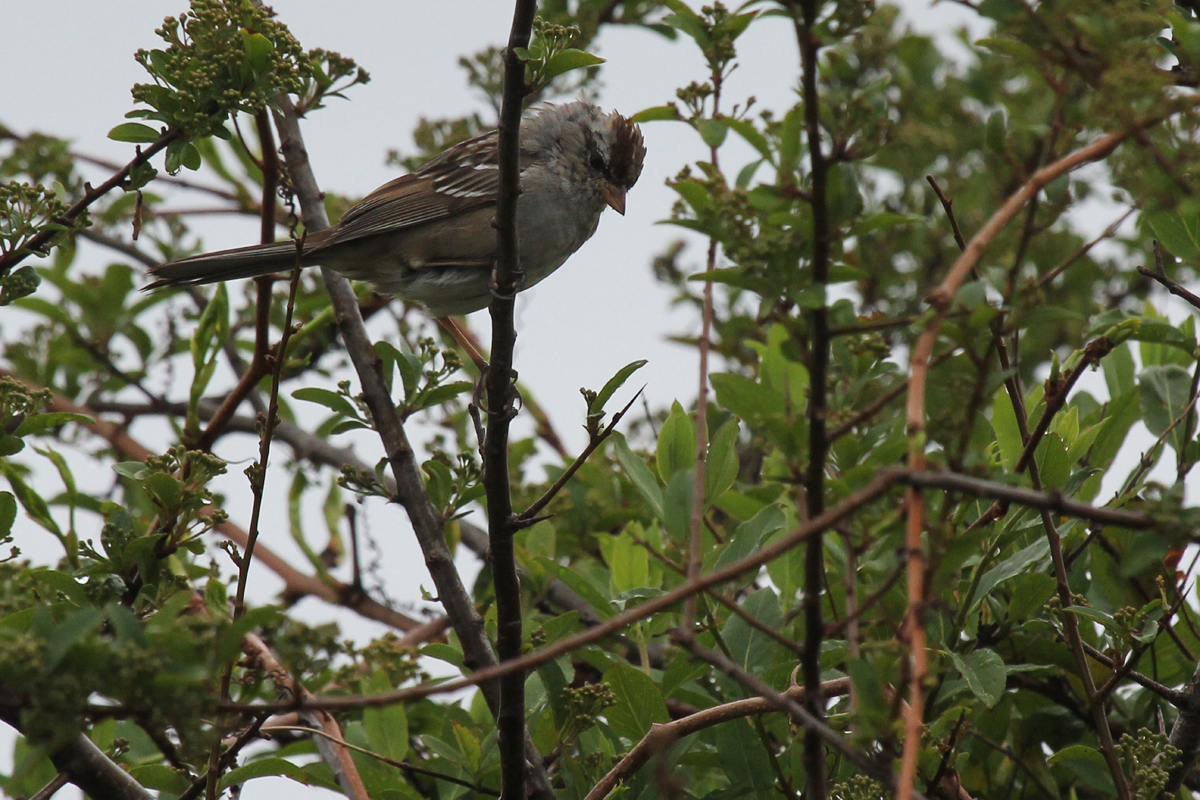
Last for the list of “new” rarities this period, a single immature WHITE-CROWNED SPARROW was reported at Back Bay NWR on 7 May (obs. James Marcum). With only a few scattered records of individual birds so far in 2018, and the fact that White-throated Sparrows outnumber this species about 1,000 to 1 in the city, any observation is worth noting. Typically during the fall, this species is reliably reported (Sep/Oct) during larger scale sparrow movements, but it’s report frequency in the winter and in the spring are both quite low. The vast majority of individuals observed are immature-plumaged birds, and full adults have been very rarely recorded, which is unfortunate because they are quite striking to see!

In terms of continuing rarities, the two COMMON GALLINULES first observed at Princess Anne WMA’s Whitehurst Tract on 15 Apr (ph. Rob Bielawski) were again reported during early May. Thanks in part to the eBird “Global Big Day” event, this pair of potentially breeding birds were detected in the early morning (well before dawn) hours of the day on 5 Apr (obs. Andrew Baldelli & Tracy Tate). For the first time, the pair was heard vocalizing to one another (likely due to the time of day for the observation, while other reports have been during daylight hours). Their occurrence in the park’s heavily vegetated impoundments, which provide an extreme amount of hiding space and seems to be a perfect habitat for a pair to successfully breed. Perhaps a confirmation for the 2nd Virginia Breeding Bird Atlas will come out of Whitehurst Tract this season? As always, please remember that this is a Virginia Department of Game & Inland Fisheries site, and as such, it requires all individuals present to have either a fishing license or a WMA access permit, either of which can be purchased online.

Last for the rarities this period, what is likely to have been one of the continuing AHINGA was reported at Stumpy Lake NA on 5 May (obs. Andrew Baldelli & Tracy Tate). First observed over a month prior at this location, on 2 Apr (obs. Andrew Baldelli), up to three individuals have been noted this spring (peak count occurred 13 Apr). With counts reaching as high as 18 individuals recently outside of Richmond, VA and a report of 19 in Fauquier County, it seems likely that many more have passed by us in Virginia Beach. Stumpy Lake NA has been the most reliable location for the species in year’s past, and so far in 2018 only one other report has occurred in the city away from this location, that being an individual at West Neck Creek NA on 19 Apr (ph. Charlie Bruggemann). Like Mississippi Kites, this species seems to be reported more often as the years go on, and is becoming more expected during Apr & May as a whole throughout Virginia’s coastal plain.

Springtime arrivals have now reached the point in the season where their diversity has waned considerably. Moving forward, we’ll be seeing far more in the way of departures than arrivals. That said, we did have four new “expected” species with arrival dates in early May! These included an early arrival for RED KNOT when one was observed on 5 May (five days earlier than average) at Back Bay NWR (obs. Brandon Holland). On-time, or later than average arrivals also occurred for GRAY-CHEEKED THRUSH on 1 May (one day later than average) at West Neck Creek NA (obs. Karen & Tom Beatty), MAGNOLIA WARBLER on 7 May (seven days late) at Back Bay NWR (obs. James Marcum) and for WHITE-RUMPED SANDPIPER on 7 May (seven days late) found near Marina Shores (ph. Andrew Baldelli). A final first-of-season species was BOBOLINK, with a flock of 50+ individuals being found on 5 May (ten days late) along Back Bay Landing Rd. (ph. Eric Alton & Tamara Conklin). This flock was present the following day between the two 90° bends in the road before the boat ramp, and two additional flocks were also found. The first, another group of 50+ individuals was noted on 6 May in the fields west of Charity Neck Rd. between Pleasant Ridge Rd. and Robinson Rd. (ph. Andrew Baldelli & Rob Bielawski), and the third group was found in the field housing a grain elevator near the intersection of Indian River Rd. and West Neck Rd. (ph. Rob Bielawski). All three locations featured the exact same habitat, tall fields of wheat with plentiful seeds at the top of the roughly 5’ tall vegetation. The initial flock at Back Bay Landing Rd. was extensively documented, with many other observers from 5-9 May, and with photographs provided to eBird on 8 May (ph. Lynn Aamodt and Mary Catherine Miguez), and on 9 May (ph. Andrew Baldelli).

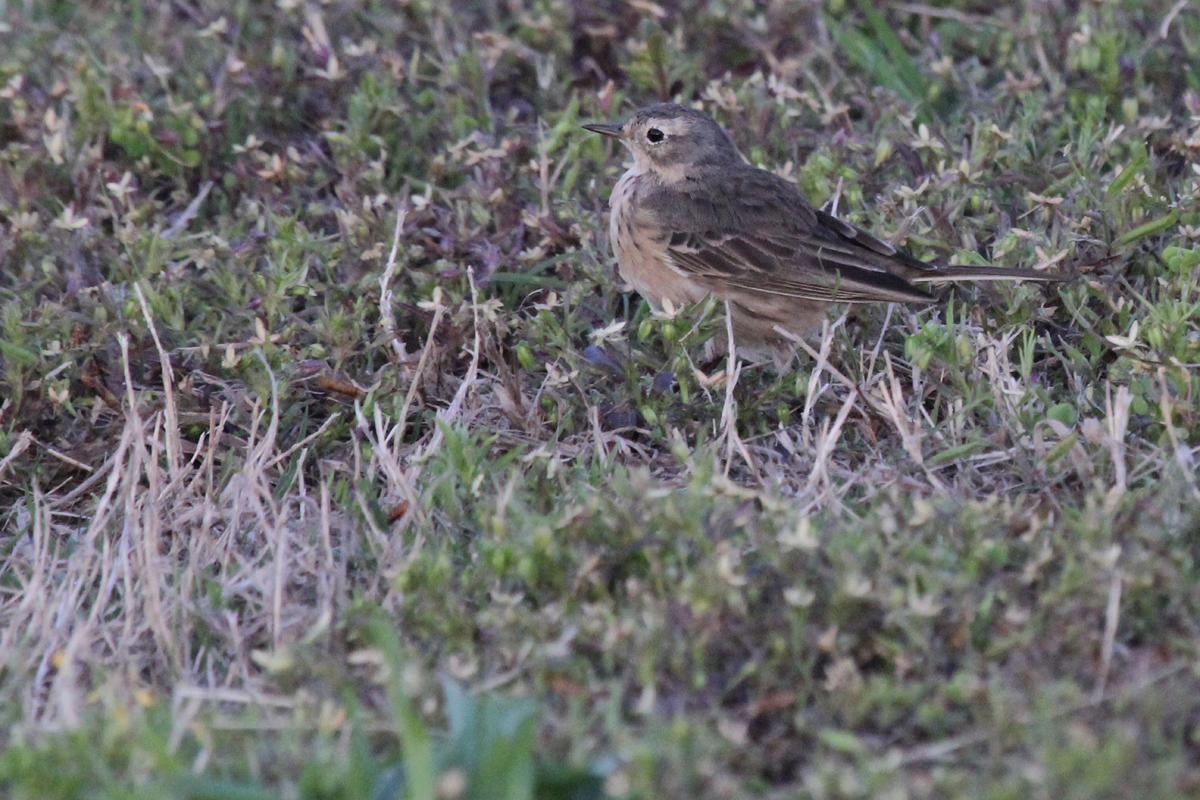
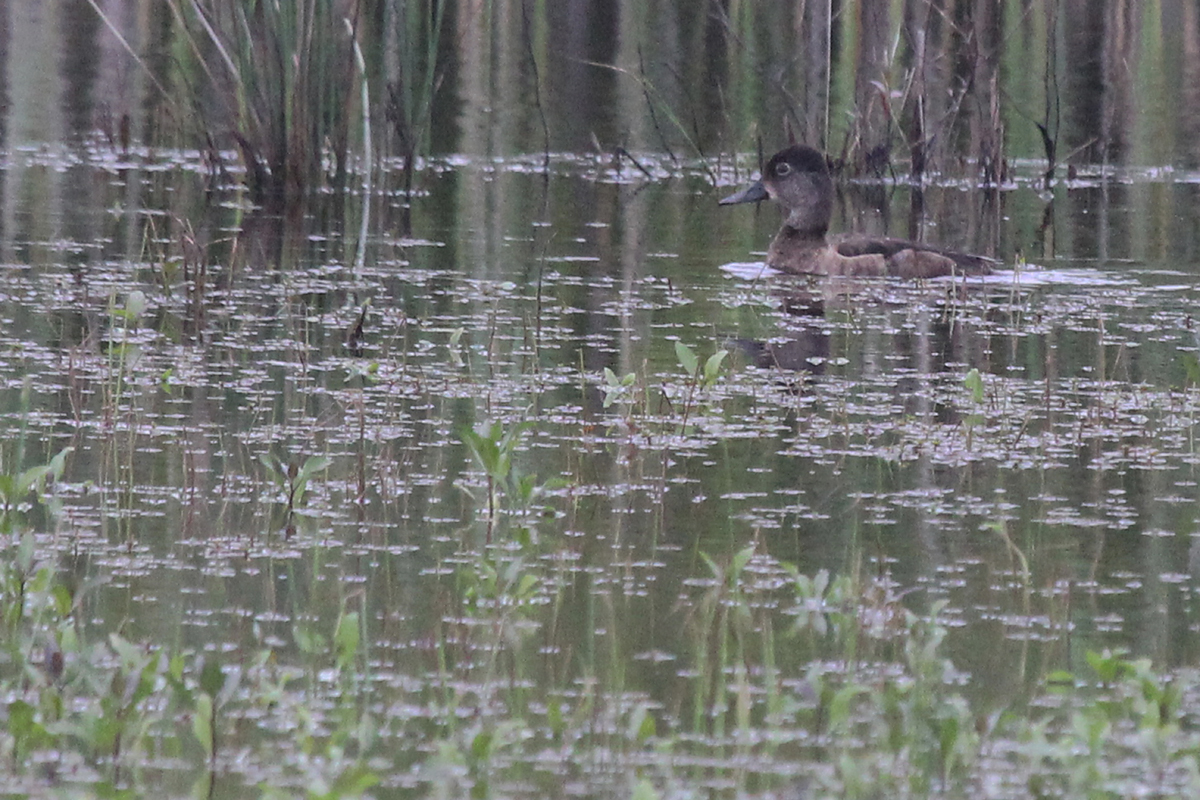
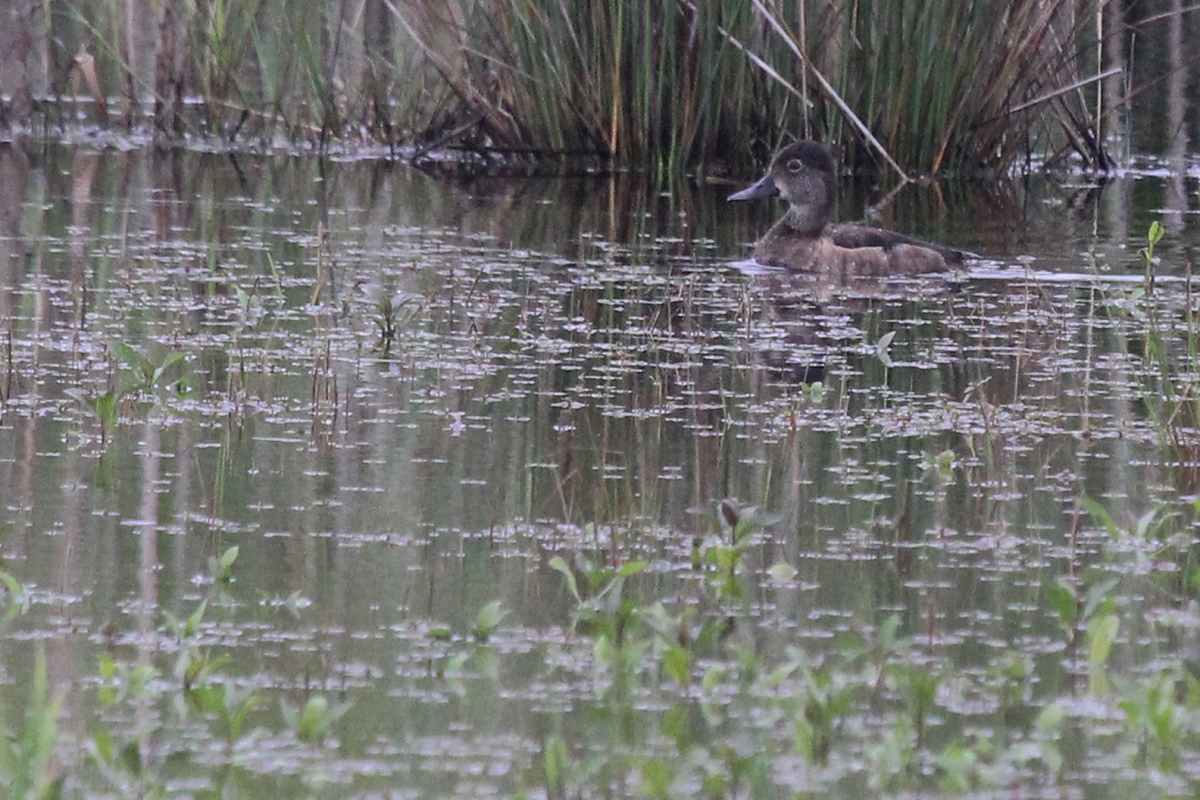
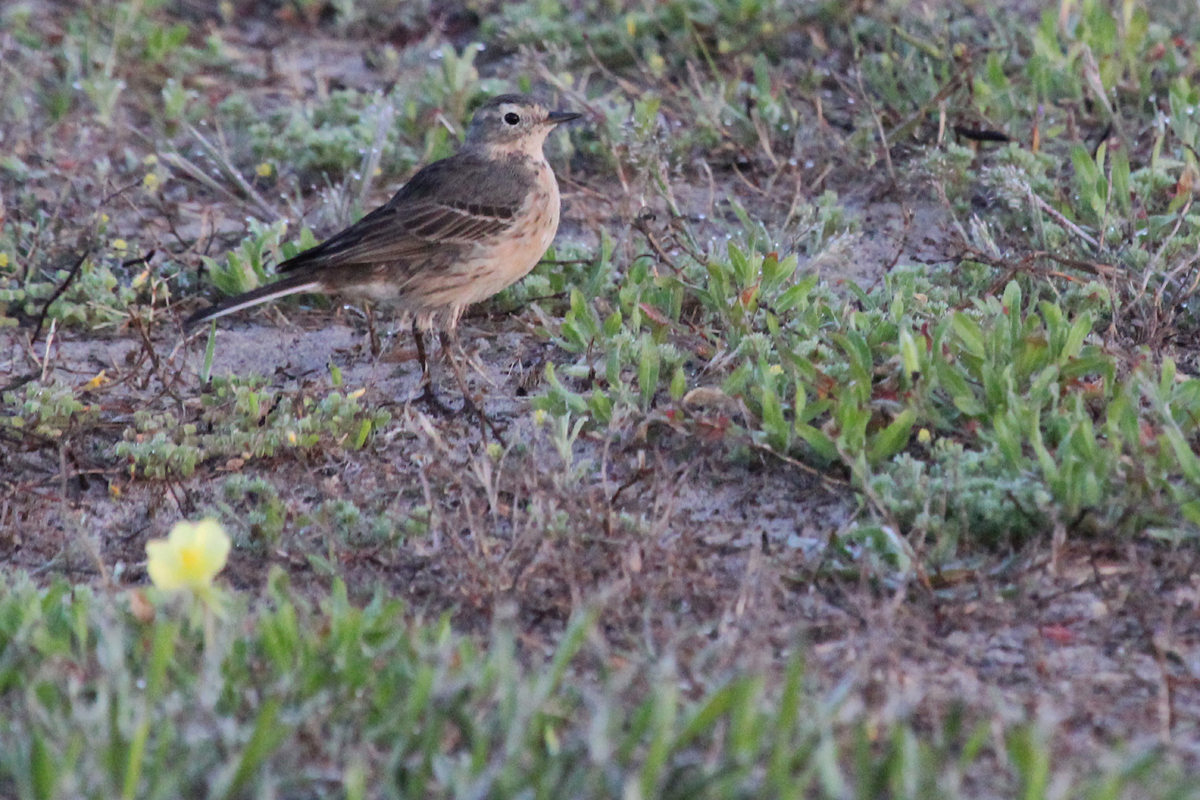
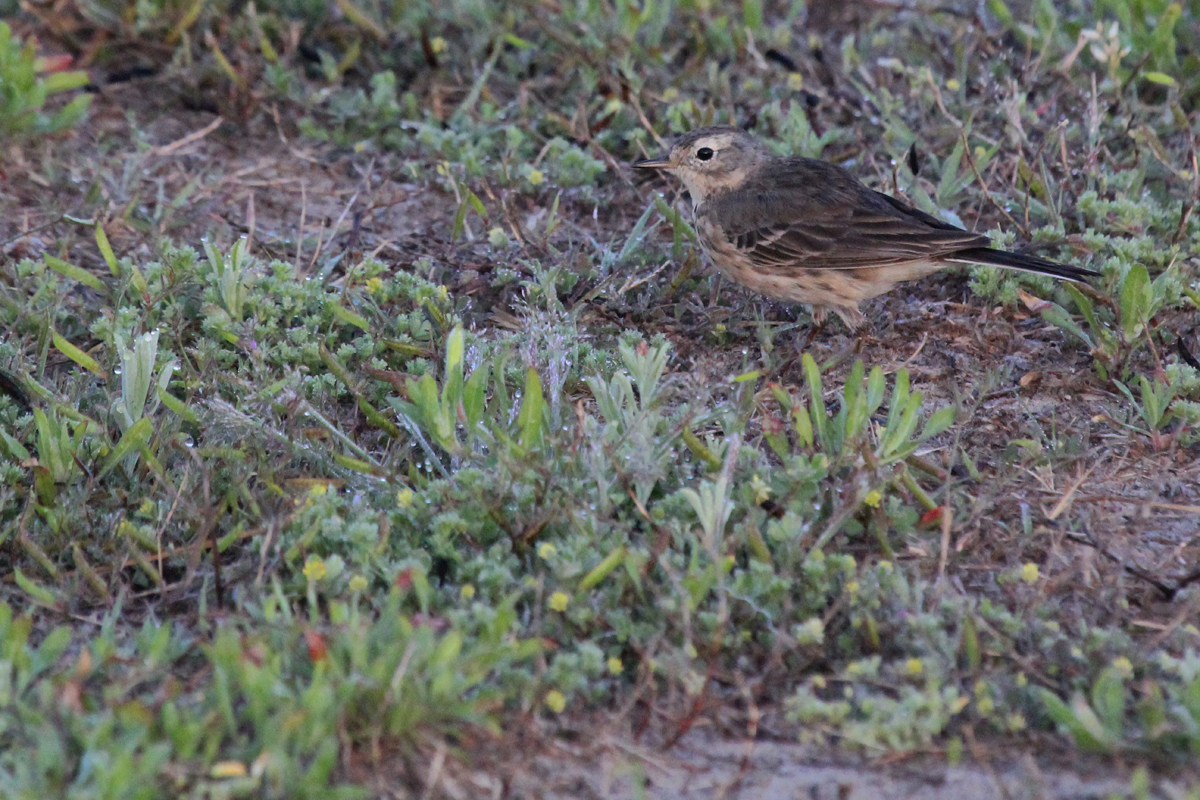
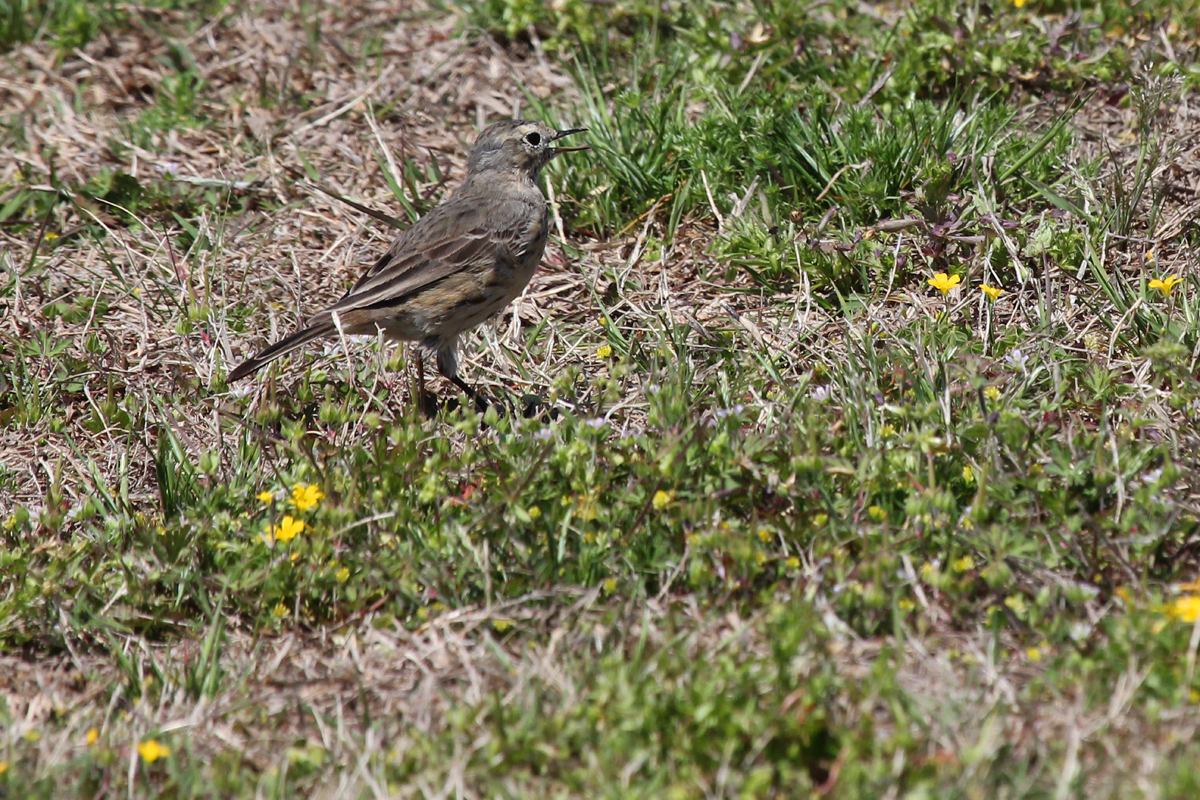
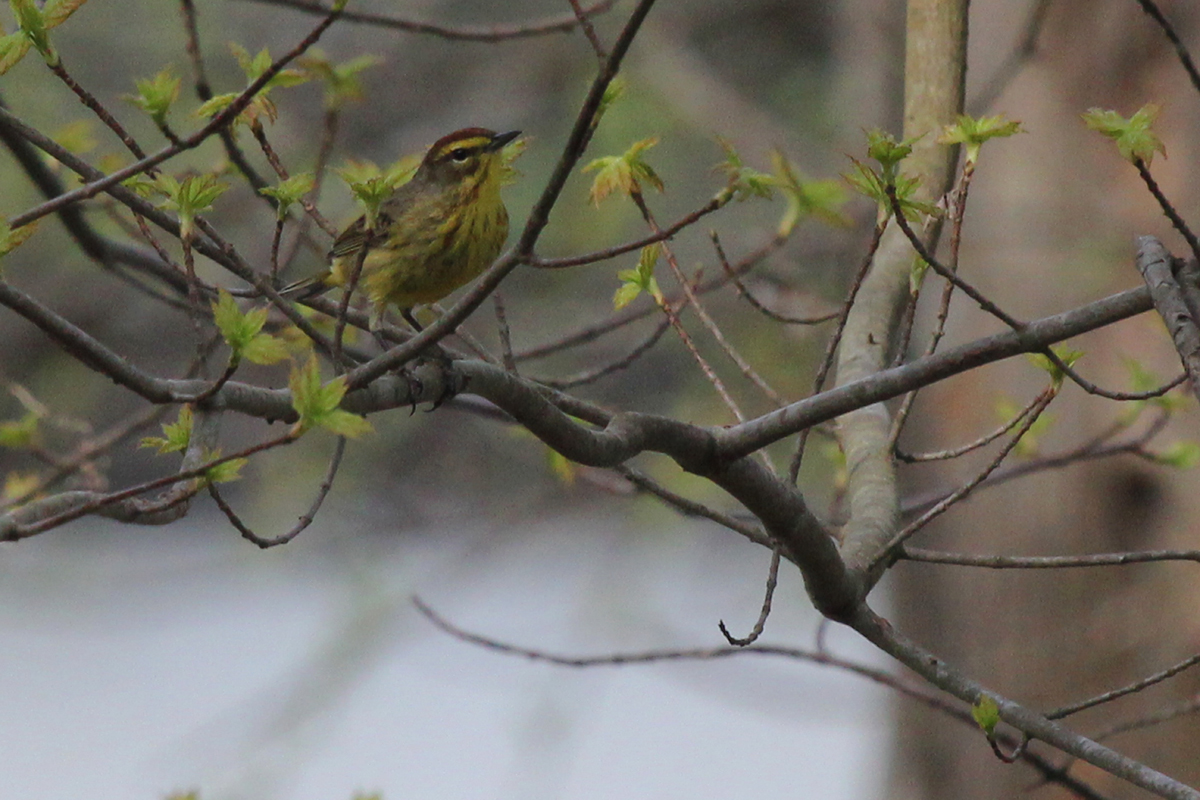
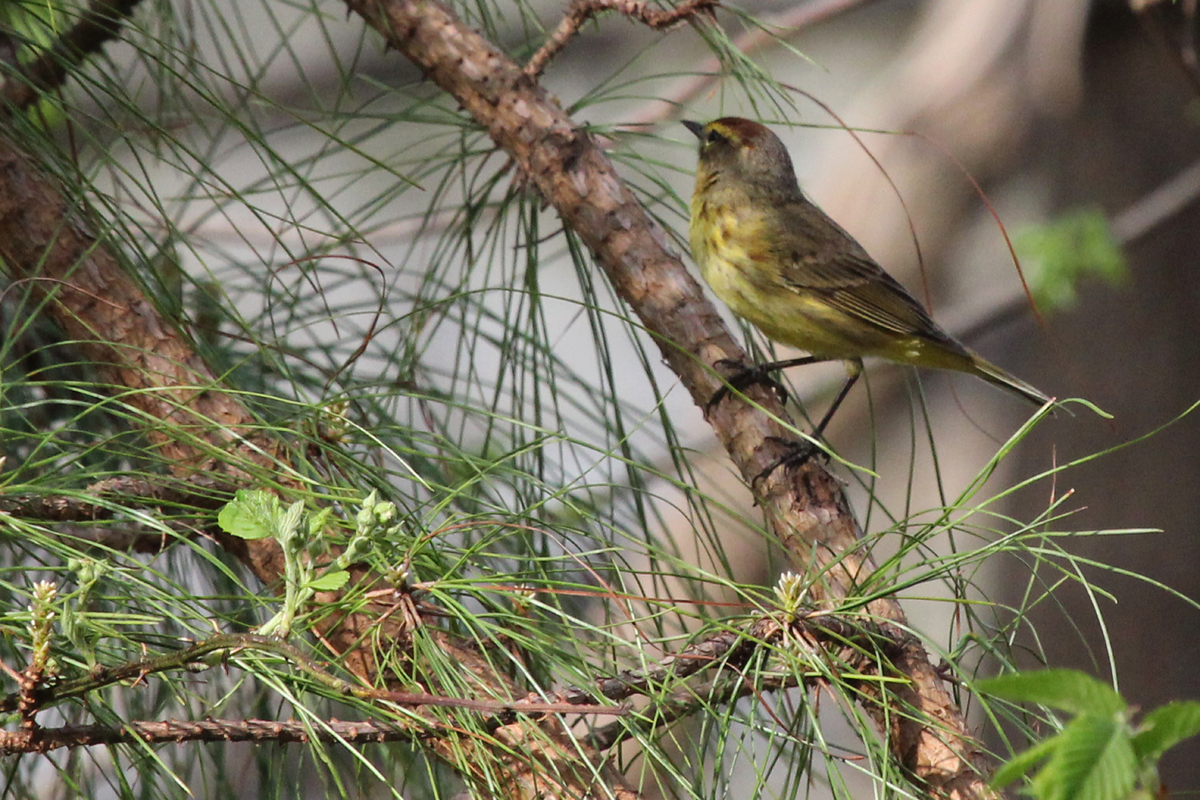
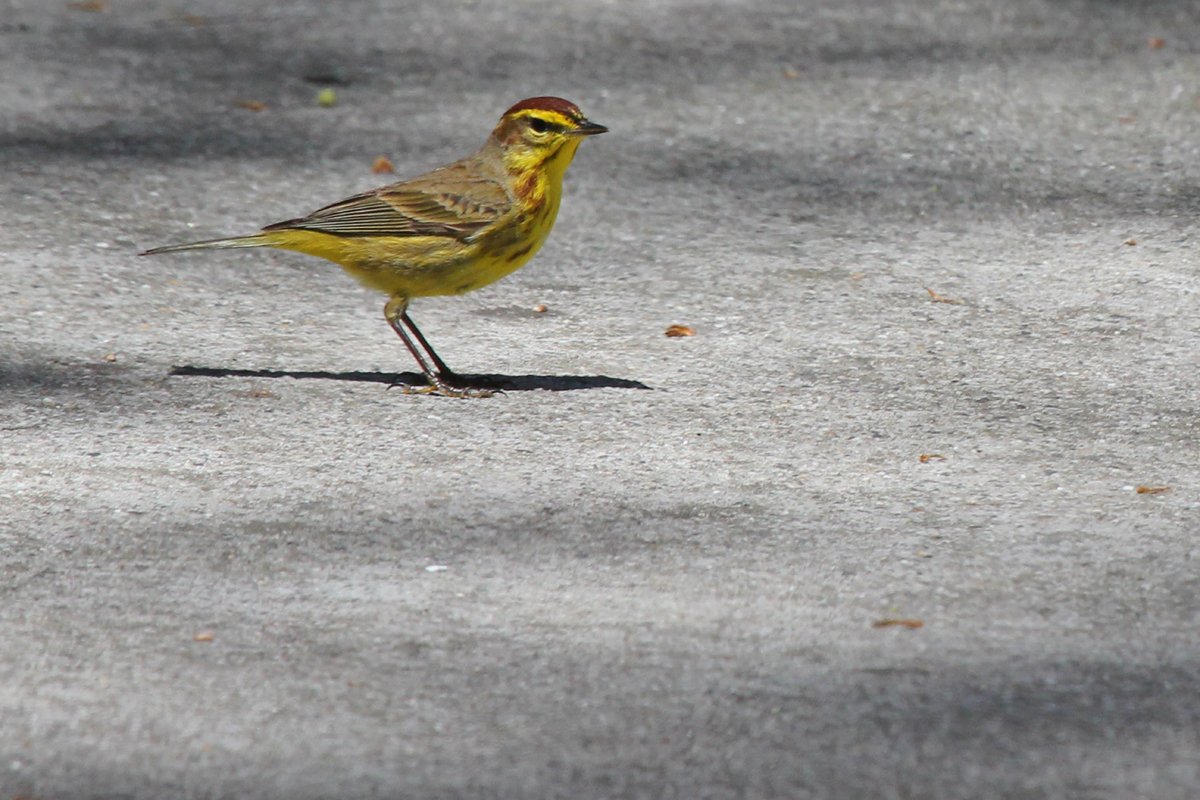
Quite a variety of lingering birds were reported during early May, with a female RING-NECKED DUCK observed at Princess Anne WMA Whitehurst Tract from 5-7 May (ph. Andrew Baldelli & Tracy Tate, later ph. Rob Bielawski) leading the way. With an expected departure date of 15 Apr, and the last prior record occurring 12 Apr, this species stayed 22 days beyond that of an average season. Next up, in terms of sheer ‘lateness’, was a report for AMERICAN WOODCOCK in the pre-dawn hours of 5 May, also at Princess Anne WMA’s Whitehurst Tract (obs. Andrew Baldelli & Tracy Tate). With an expected departure of 20 Apr, this is certainly a late record, though, this species is one that often goes undetected due to its nocturnal nature. If more birders were out seeking this species in the nighttime hours, we’d likely see more records later in the season, and its even possible that American Woodcocks might summer here in the city. But, for now, 20 Apr is the set departure date for eBird purposes. Next up, a continuing lingerer from the prior reporting period (actually, the last two periods), the AMERICAN PIPIT first observed at Back Bay NWR on 17 Apr (ph. Karen & Tom Beatty) remained in the small grassy area east of the visitor center through 3 May (last ph. Eric Alton & Tamara Conklin, last obs. Michelle Payne). With 25 Apr being their expected departure date, this individual was here 8 days beyond that, though it is unknown whether the bird finally flew northward, or was picked off by a predator of some type at the park given it hadn’t left the same patch of grass for over a week. Also at Back Bay NWR, reports of a single MERLIN continued right up to period’s end of 10 May (obs. Tracy Tate, obs. Tommy Maloney & Jason Schatti). Only slightly late at this point, with an average departure date of 5 may, we’ll see just how long this individual gets picked up. Last of the late lingerers, 1-2 WESTERN PALM WARBLERS were observed at Back Bay NWR up to the period’s end (obs. Mary Catherine Miguez, obs. Tracy Tate). The Gold Book notes that the Western race of this species tends to linger beyond the more common Eastern (or “Yellow”) race, so perhaps this isn’t so unusual, but under current eBird setup, the species is at least 5 days late as of reporting period close.

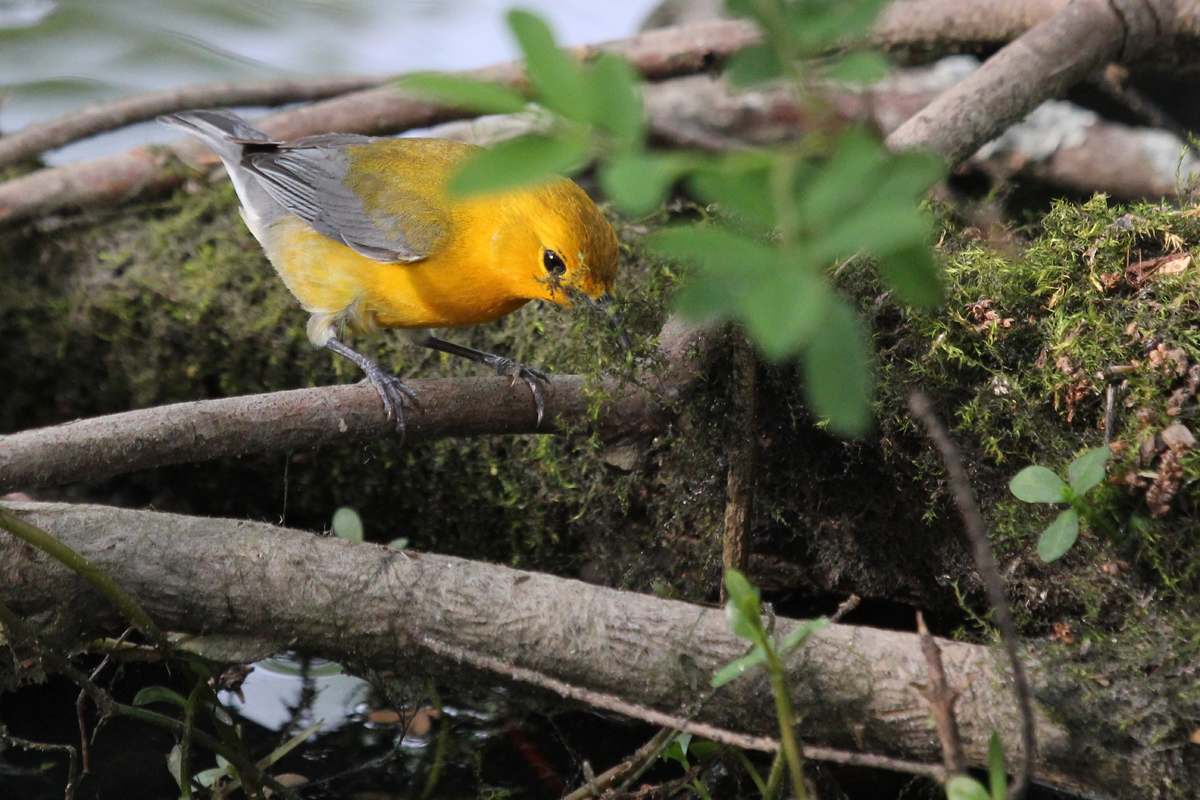
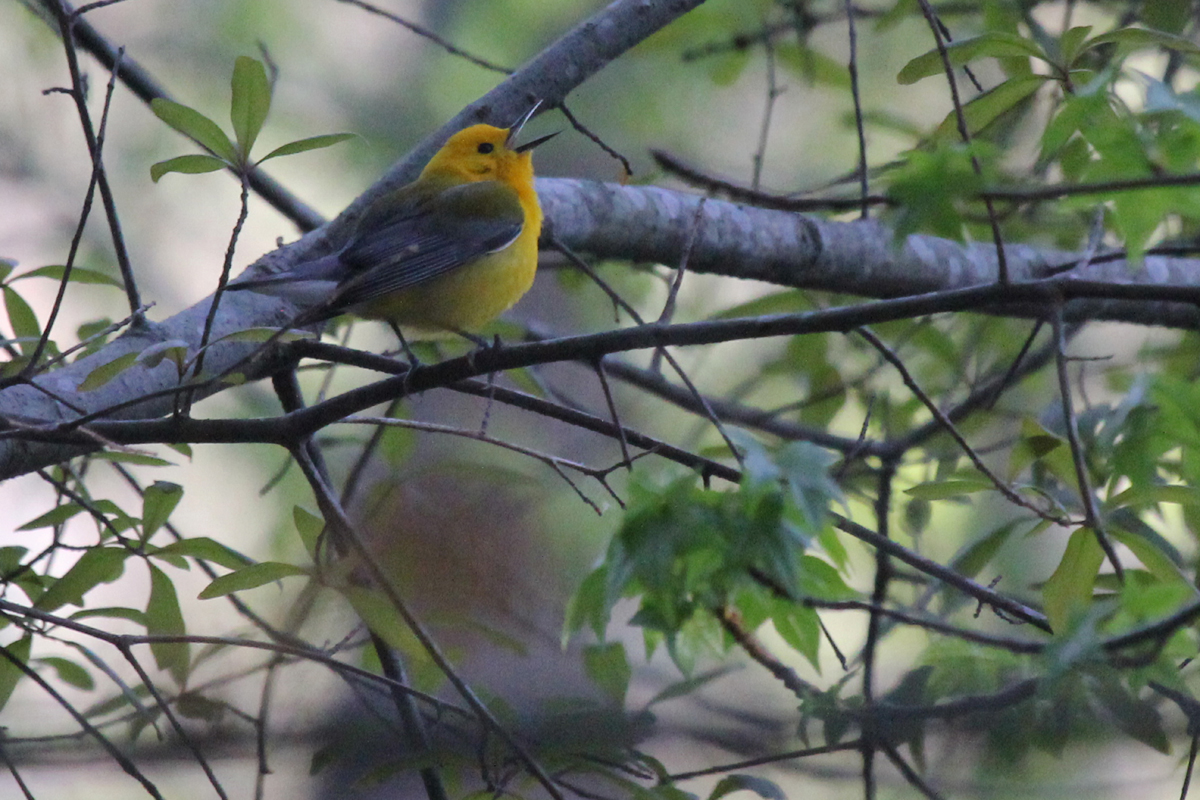
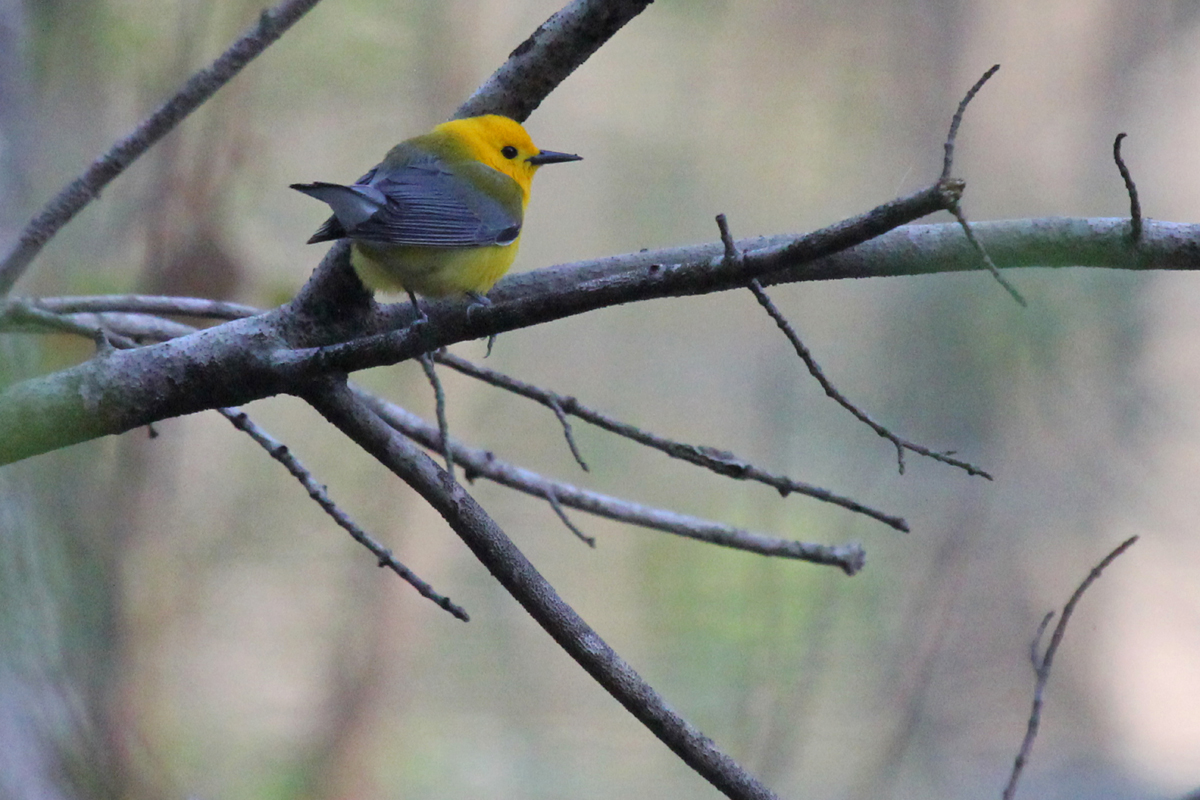
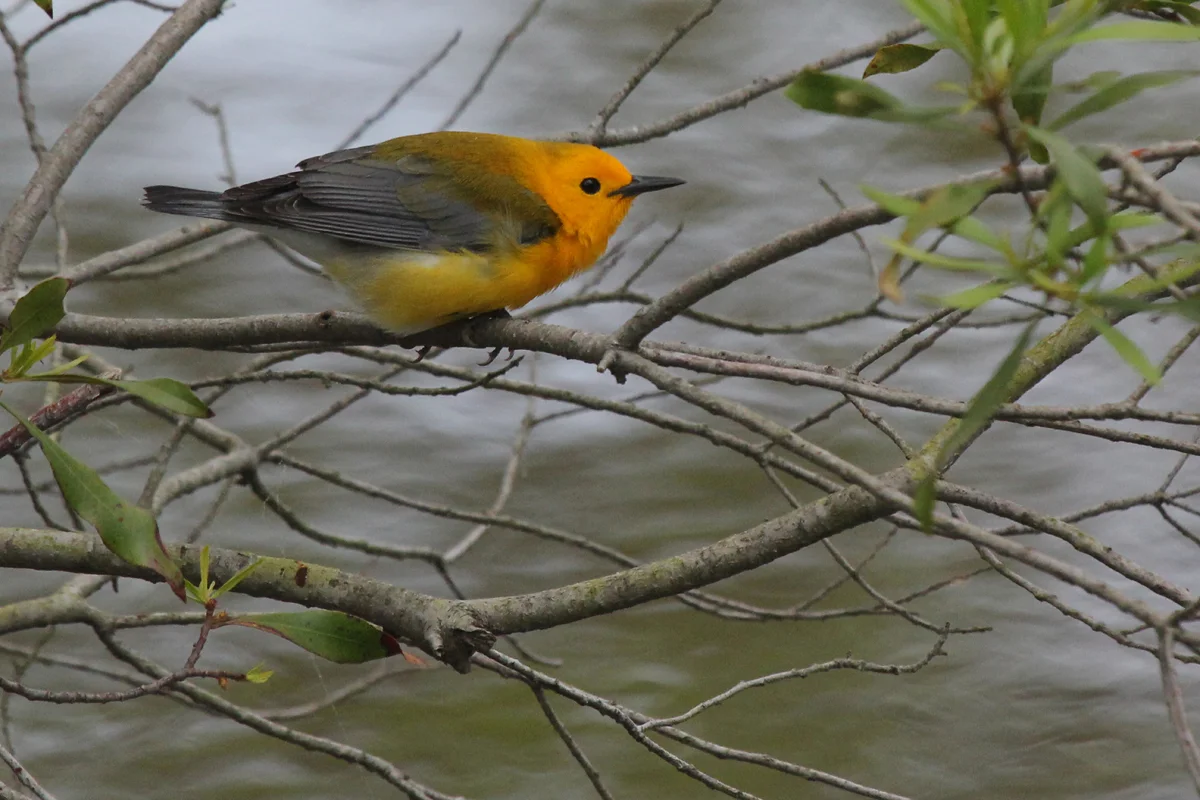
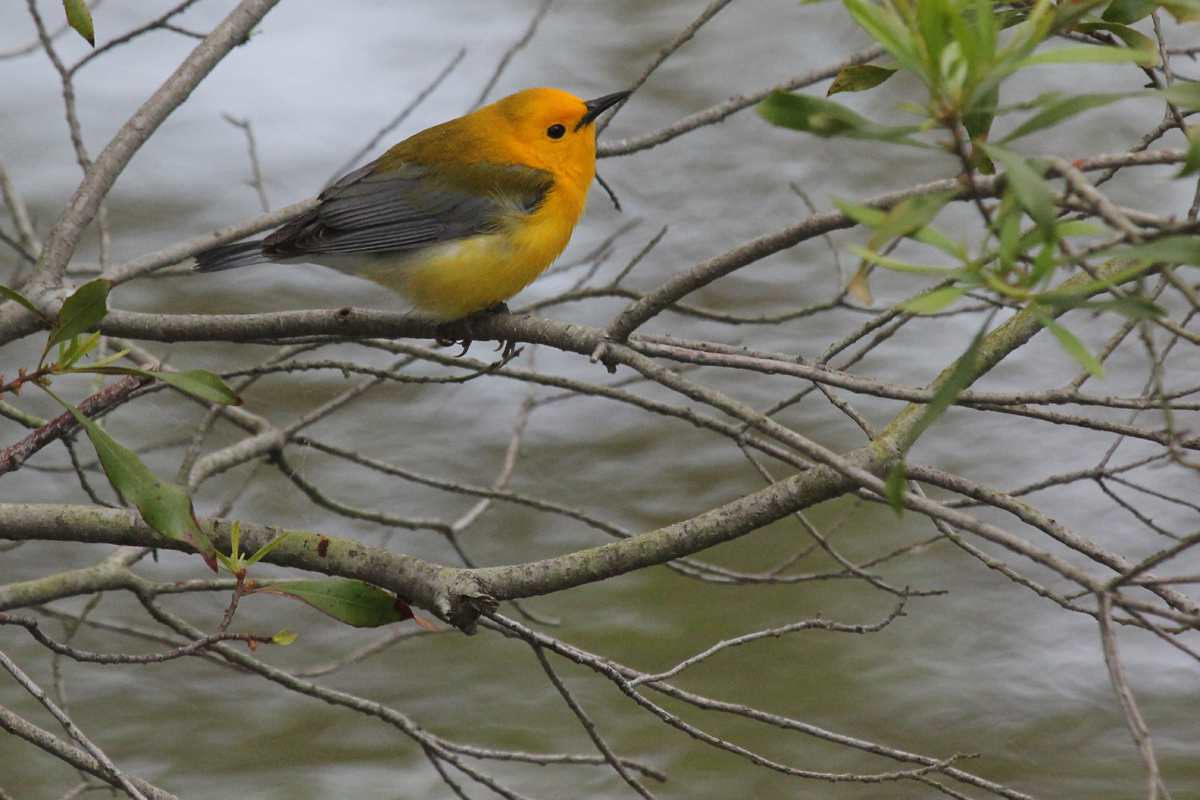
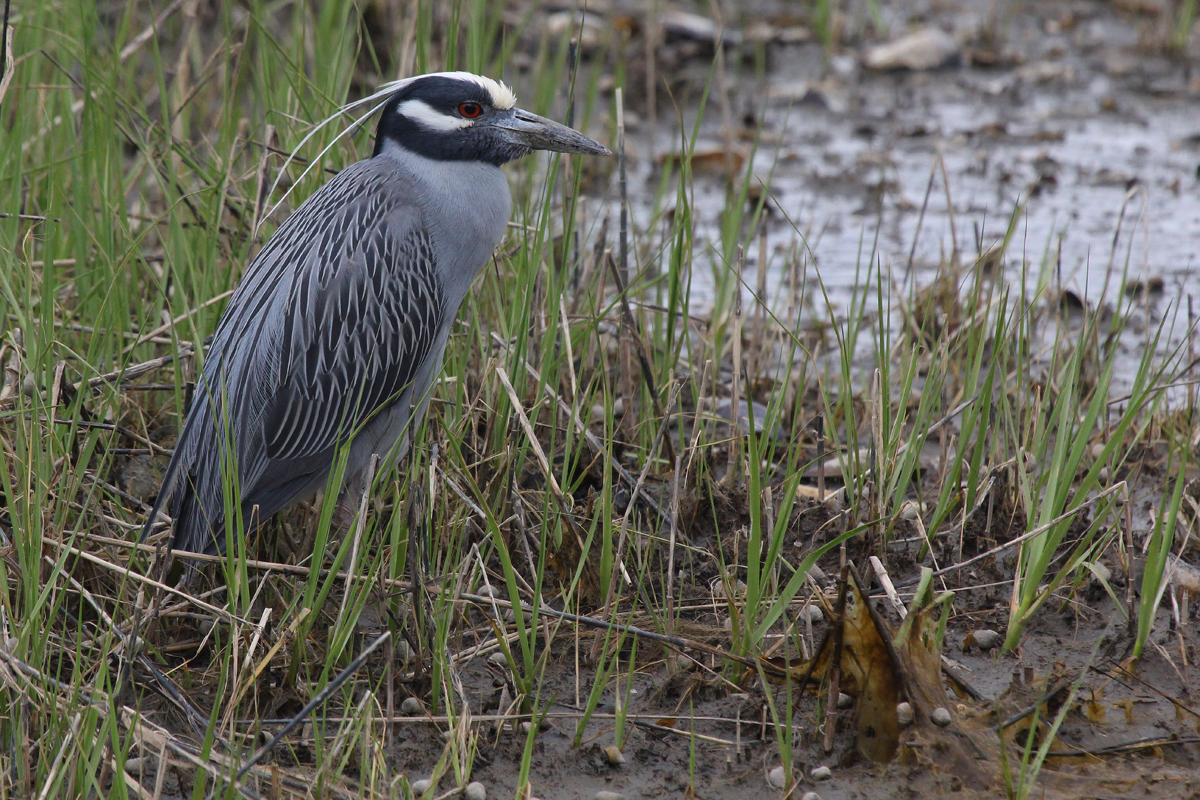
In addition to all the great rarities, arrivals, lingerers, etc. we also had some not-necessarily noteworthy, but still interesting reports pop up this period in Virginia Beach. HORNED LARKS were reported in good numbers on West Neck Road on 5 May (obs. Andrew Baldelli & Tracy Tate), with the count of 8 tripping the eBird filter for the city. This species is likely present in many fields throughout the city, and a breeding confirmation actually occurred last year at Ashville Park, but it is a difficult species to track down with most occurring on private property / agricultural plots. A SEASIDE SPARROW was photographed at Back Bay NWR on 5 May, making for an exciting find at the park (ph. June McDaniels). Amazingly, this is the first photographically documented report of the species at the park! With Back Bay NWR being one of the heaviest birded locations in the state, any chance to add a new photo to eBird for this hotspot is remarkable. Also at the park, a BLACK-CROWNED NIGHT-HERON was observed on 4 May (obs. Karen & Tom Beatty), marking one of very few records here (and a first for this year). Lastly, an interesting-plumaged PROTHONOTARY WARBLER was photographed at West Neck Creek on 5 May (ph. Charlie Bruggemann). The individual showed a black forehead, but it isn’t discernible whether this is just mud (it doesn’t appear to be), or if it is an actual genetic variation in plumage, which would be very interesting!

WEATHER:  Kicking off the period with a few days of heat following southwesterly flow was a nice change from late April, though the latter half of the period was defined by strong northeast winds and lower than normal temperatures (until the final day), which made finding new species difficult. Overall, average daily high temperatures rose considerably, 8.9° from 66.7° F to 75.6° (+0.4° from prior 10-year average), with average daily low temperatures following suit, 7.6° from 48.6° to 56.2° F (also, -1.3° from prior 10-year average). Overall, temperatures ranged from a minimum of 46° F (1 May) to a maximum of 88° (2 May). A total of 1.85” of rain fell during the period, spread across two days with measurement amounts, with a maximum of 1.45” falling on Sunday, 6 May. Maximum sustained winds at Oceana this period were 23 mph (on 4 May) and gusts reached 31 mph (10 May). No noteworthy tidal surge events affected the Sewell’s Point tide gauge this period. Sunrise/sunsets varied from 6:10 AM/7:52 PM (1 May) to 6:00 AM/8:00 PM (10 May), which means we gained 18 minutes of daylight during this period with a total of 14 hours of ‘Length of Day’ to close the period!
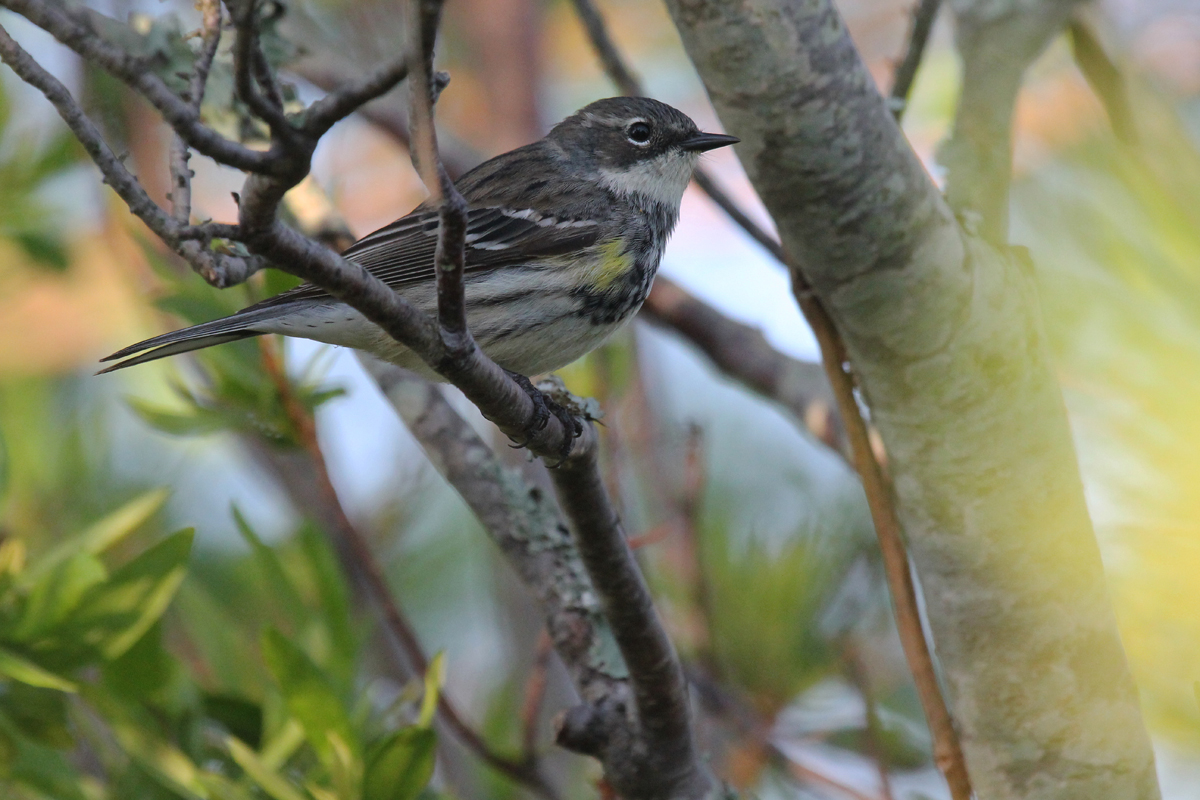
For those hoping to view every photograph submitted for Virginia Beach during this period, please see the complete listing for the month of May located on eBird’s Media explorer by clicking here! Please remember, anyone with an eBird account also has the ability to rate these photographs (1-5 stars), and based on the average rating, this is how eBird populates anything media-driven on the website, particularly the Illustrated Checklists! So, if you're one of the many folks who enjoy looking at photographs of birds, take some time to click them all and rate them, it helps make eBird better and better each day!

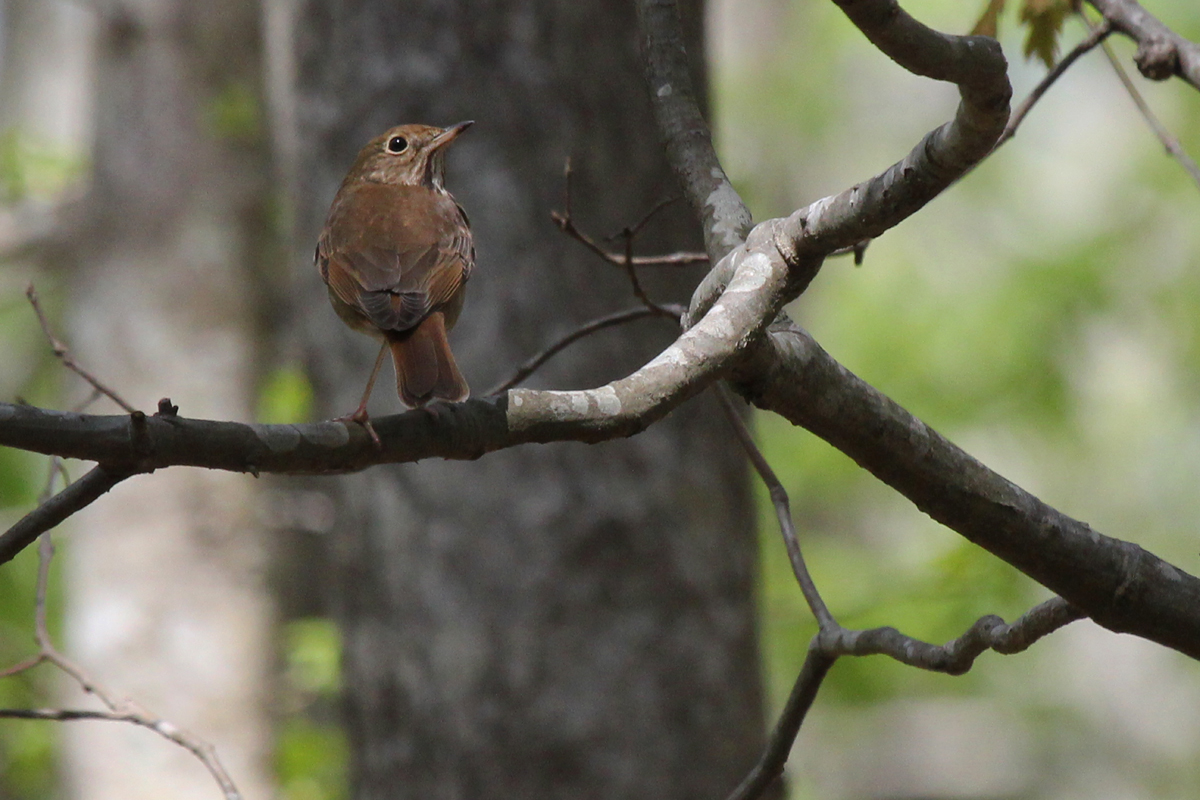
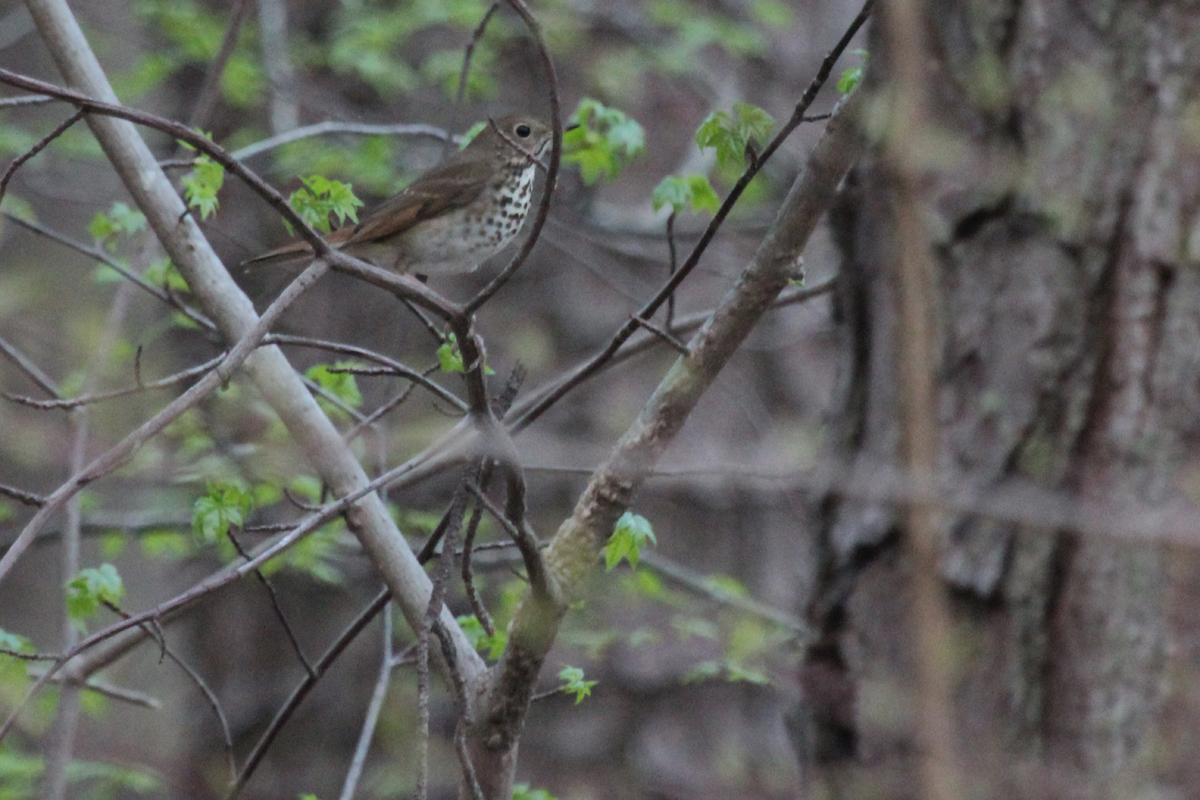
LOOKAHEAD: In early May, we bid farewell to Gadwall, Merlin, Ruby-crowned Kinglet, Hermit Thrush, Palm Warbler, Nelson’s Sparrow & Pine Siskin (5 May expected departures) as wells as Blue-winged Warbler, Broad-winged Hawk, Blue-winged Teal, American Wigeon, Sharp-shinned Hawk, Wilson’s Snipe, Bonaparte’s Gull, Blue-headed Vireo, Sedge Wren, White-throated Sparrow & Savannah Sparrow (10 Apr). Any records for these species moving forward will flag in eBird as ‘rare’, but really they are flagging for being found past their usual date of departure. In early May, we have typical departure dates for Chestnut-sided Warbler, Black-throated Green Warbler, Piping Plover, Peregrine Falcon & Yellow-rumped Warbler (15 May) and Wilson’s Warbler, Magnolia Warbler, Black-throated Blue Warbler, Rose-breasted Grosbeak, Whimbrel, Bank Swallow, Solitary Sandpiper, Black-and-white Warbler, Red-throated Loon, American Bittern, Northern Harrier, Sora, Swamp Sparrow & Baltimore Oriole (20 May). So, make sure to try for your last sightings of the season on these species while you can! If you observe any of these species near or after those dates, please try to document their occurrence to the best of your ability; it helps make eBird data & filters more accurate! For annually expected spring arrivals, as of the reporting period close date, we have not yet logged arrivals for Bank Swallow (15 Apr expected arrivals), Gull-billed Tern (25 Apr) and Common Nighthawk (30 Apr). Moving forward, we have now concluded the expected spring arrivals season, and no new species are expected (aside from those listed above that we just haven’t logged yet). As always, make sure to report your finds to eBird so the data can be used to adjust the average expected spring departure dates! LASTLY, for those devoted birders who do follow this journal, please know that a Facebook Group that complements all these sightings has been created (and contains close to 100 members at this point), titled the Virginia Beach Bird Sightings & Discussion group. For anyone with a sincere interest in our city’s rich tapestry of bird species, please feel free to check it out, by requesting to join at the link above (and by answering the three questions required for approval).

Next Entry | Entry Index | Previous Entry

For further information regarding this thrice-monthly, online publication, please visit the Journal Overview Page which provides an in-depth explanation of the format, layout and composition of the journal. As always, thank you for reading, and please leave me a comment below (you may use your Facebook, Gmail or other accounts to easily do so), or just click the Heart icon to the lower right of this post to let me know you stopped in!

Late April 2018 (21st-30th)

With the filling out of green vegetation across the city in mid-April, and with warmer temperatures arriving, late April proved to be the most active period so far this spring! First-of-season species flooded into the area with the help of several nights featuring southerly winds, and a few interesting rarities popped up as well. Overall, top records for this reporting period in Virginia Beach included new rarity reports for LONG-BILLED DOWITCHER, YELLOW-THROATED VIREO, EASTERN TOWHEE (WHITE-EYED), WESTERN TANAGER (technically one new and one continuing individual), along with continuing rarity reports for COMMON GALLINULE! In addition to these species, expected springtime arrivals were abundant, with early first-of-season (FOS) records for MISSISSIPPI KITE (13 days early), CHESTNUT-SIDED WARBLER & NORTHERN WATERTHRUSH (4 days early), YELLOW-BILLED CUCKOO & EASTERN WOOD-PEWEE (2 days early), SWAINSON’S THRUSH & BLACKPOLL WARBLER (1 day early) as well as springtime arrivals on or after average expected dates for BLACK-THROATED BLUE WARBLER, YELLOW-BREASTED CHAT, ROSE-BREASTED GROSBEAK & INDIGO BUNTING (1 day late), SCARLET TANAGER (2 days late), ACADIAN FLYCATCHER & VEERY (3 days late), WOOD THRUSH (6 days late), YELLOW WARBLER (7 days late), SEMIPALMATED SANDPIPER (10 days late), AMERICAN REDSTART (11 days late), ORCHARD ORIOLE & SEMIPALMATED PLOVER (both 15 days late). Lastly, early records continued to be logged for SUMMER TANAGER & WORM-EATING WARBLER and we had a barrage of late reports for lingering ORANGE-CROWNED WARBLER & AMERICAN PIPIT.

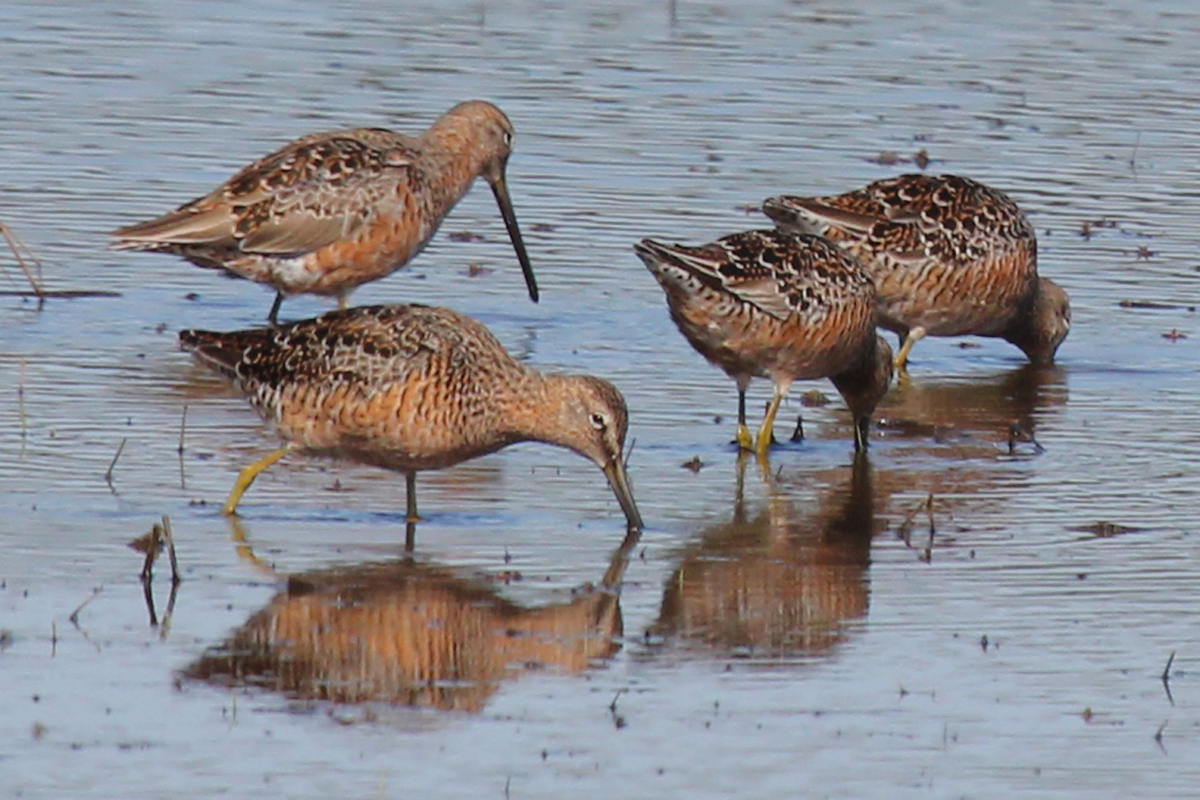
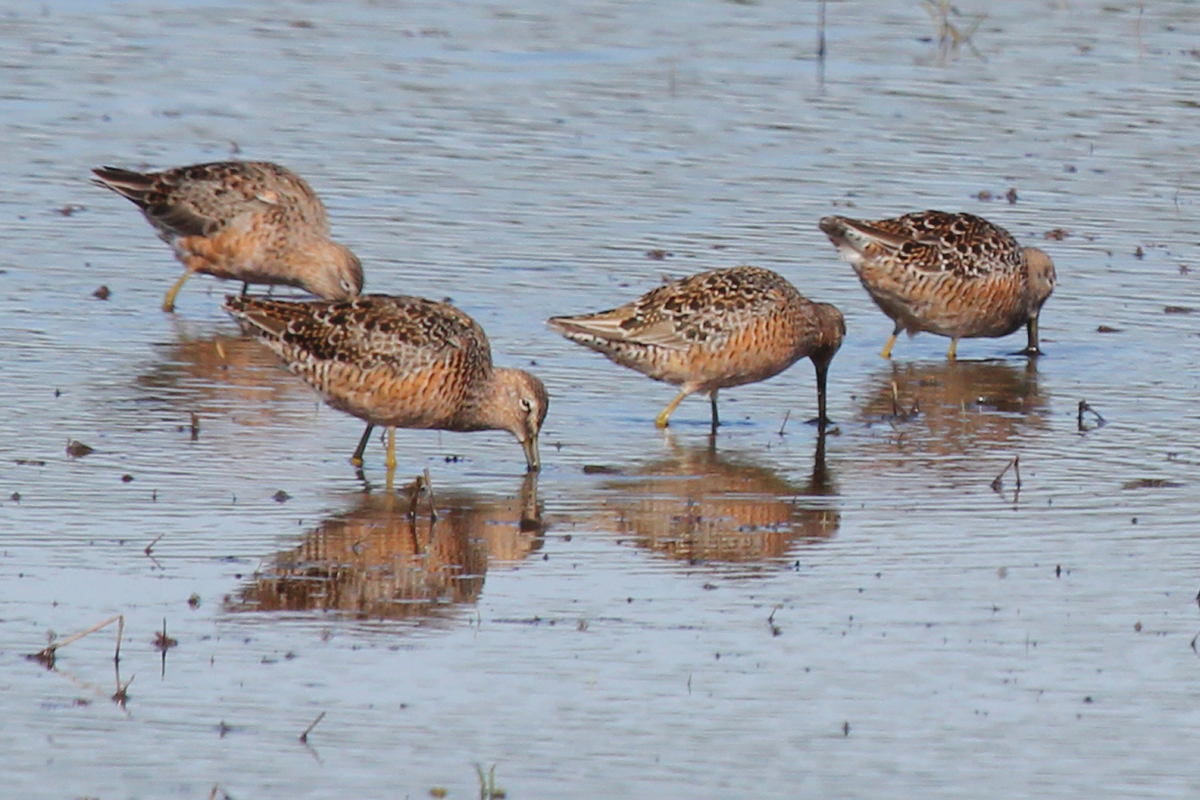
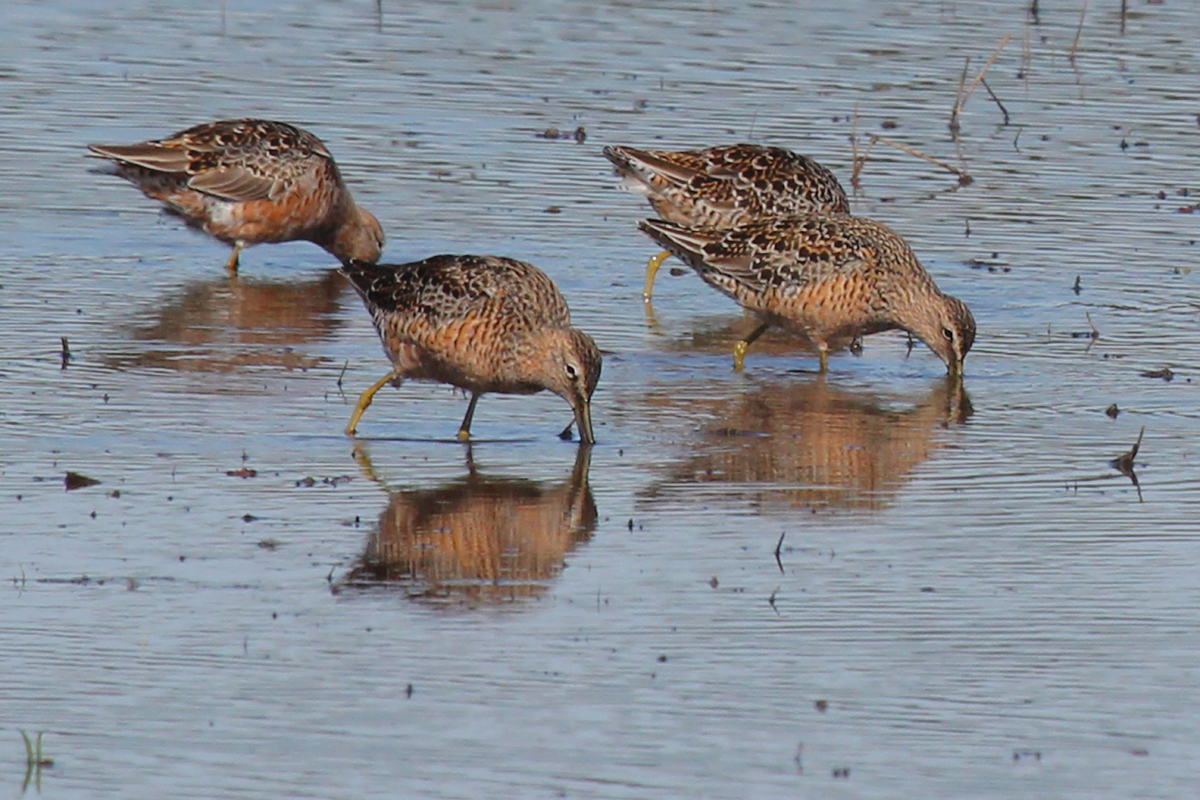
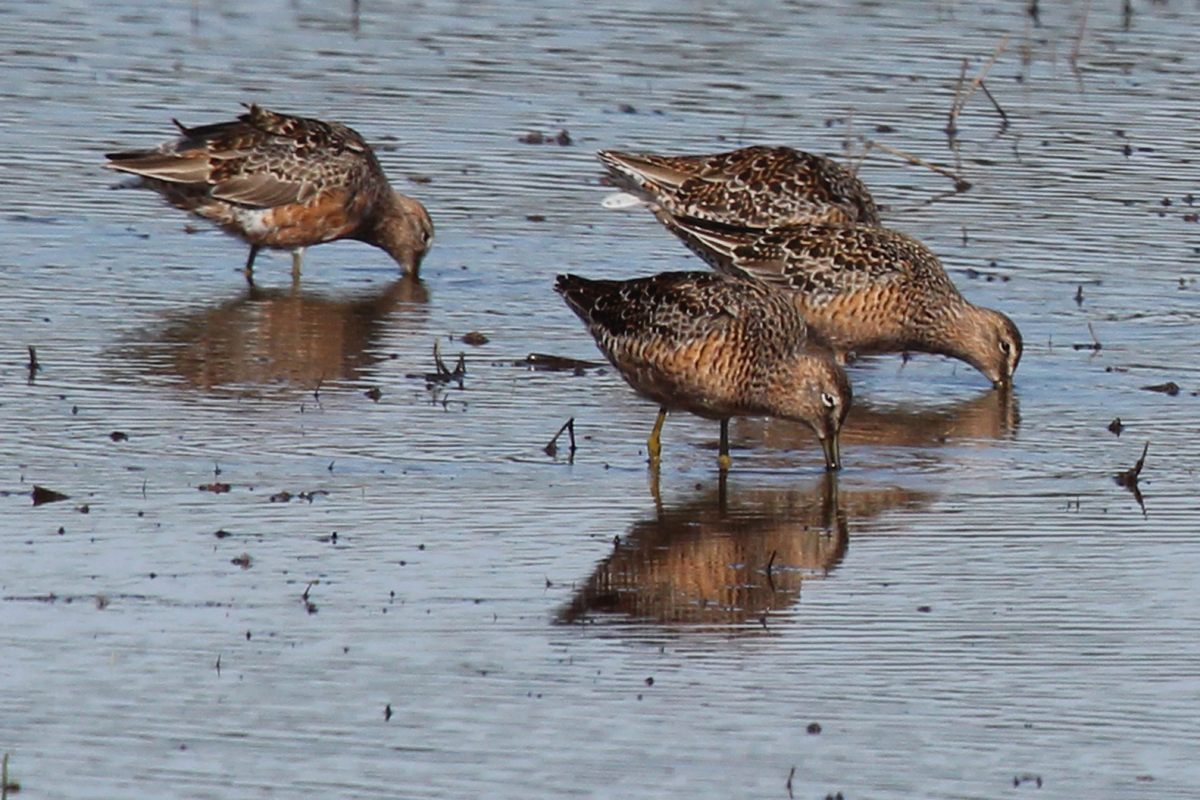
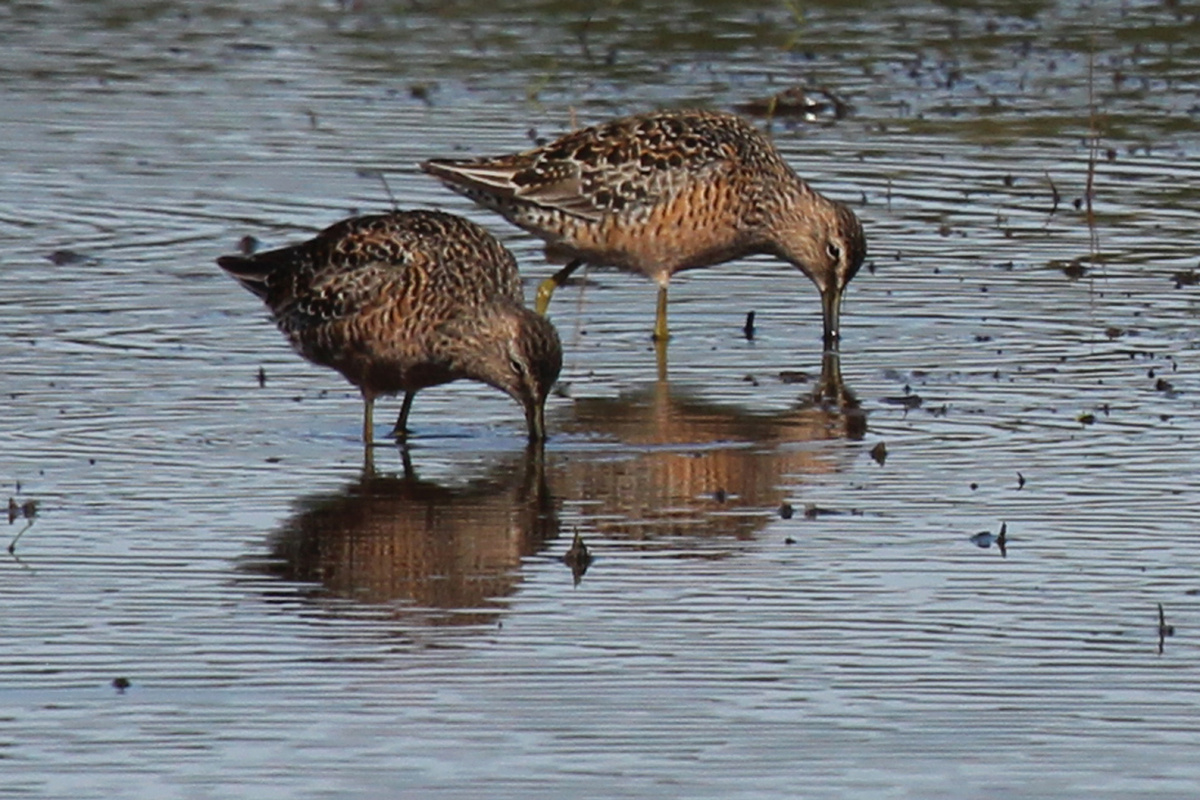
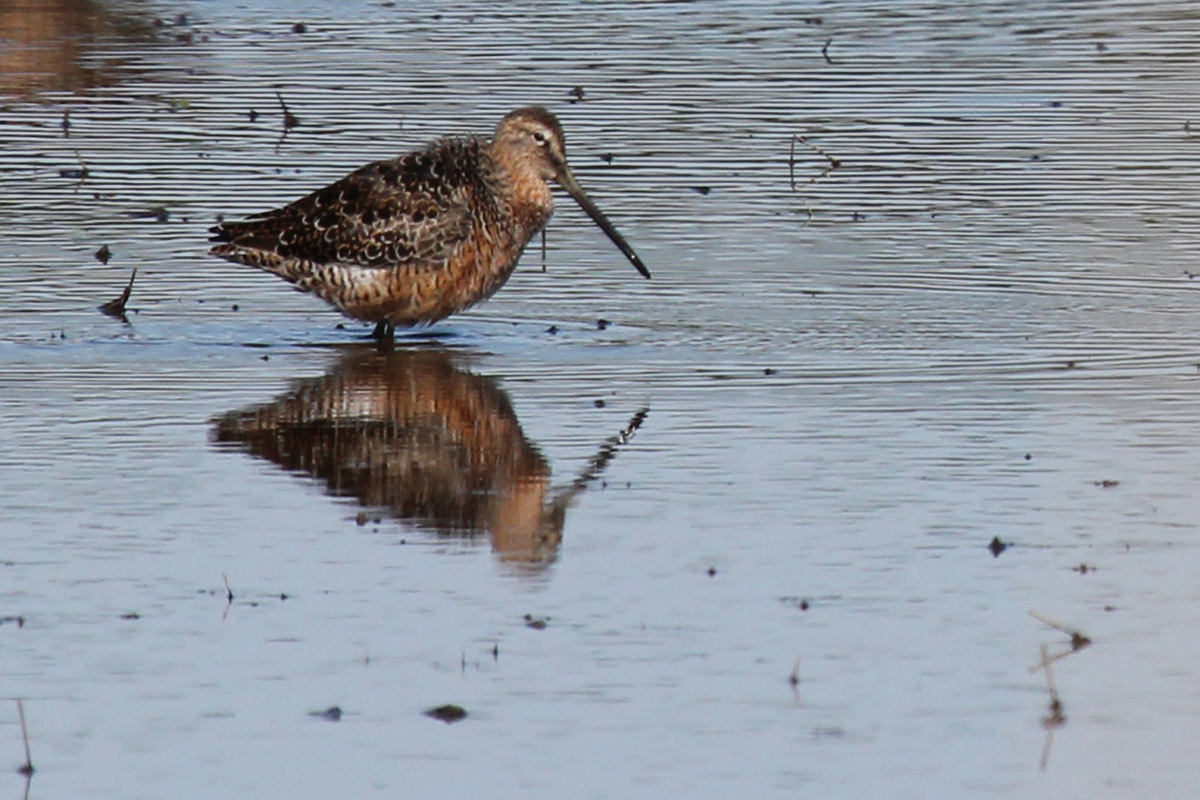
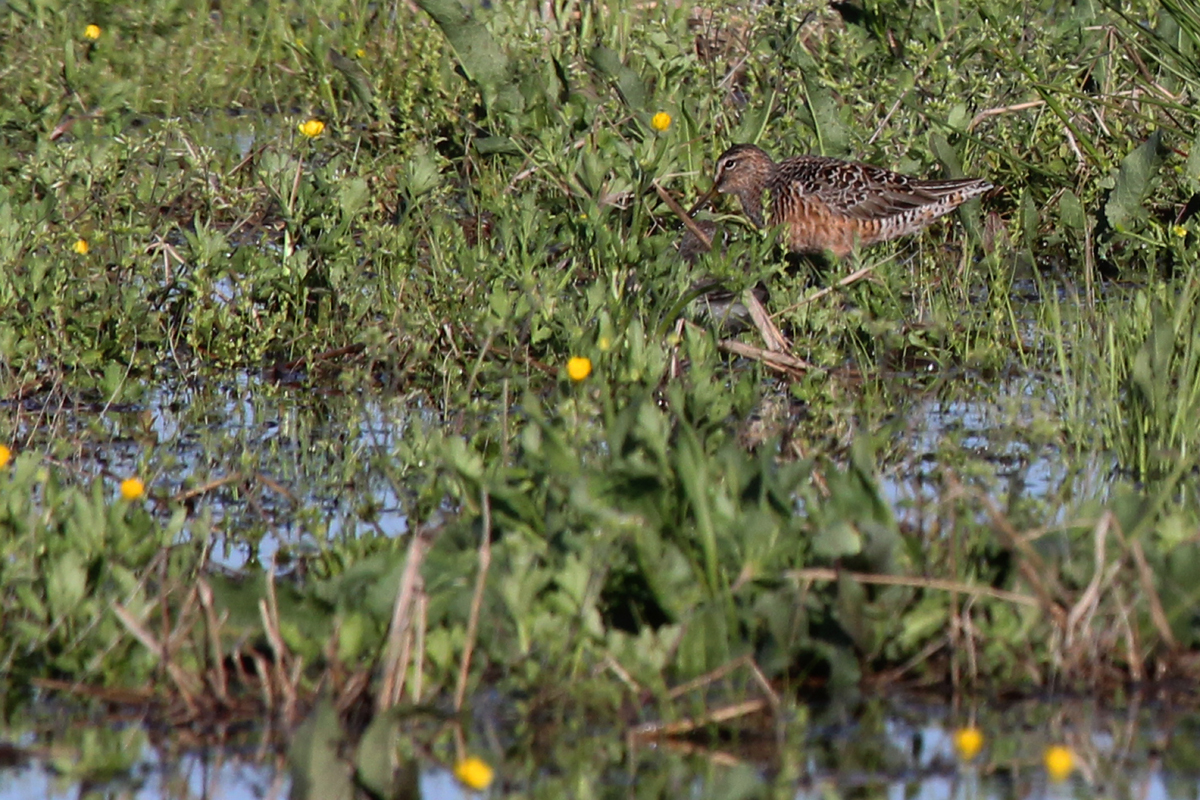
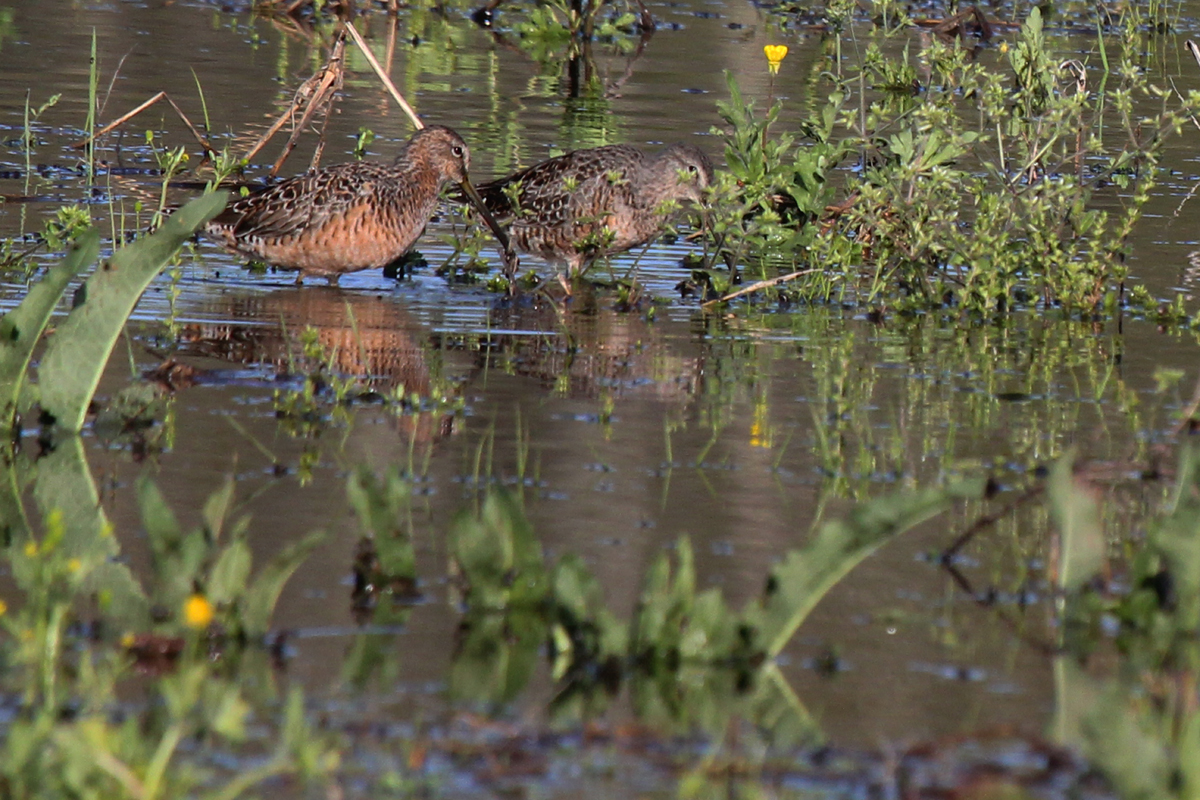
First on the list this period is our first LONG-BILLED DOWITCHER record in almost two full years! Observed and photographed on the second impoundment south of Munden Rd. at Princess Anne WMA's Whitehurst Tract on 22 Apr (ph. Rob Bielawski & Lisa Rose), potentially five individuals were noted! The last documented record for this species in Virginia Beach occurred way back on 17 May 2016 at the adjacent Beasley Tract (obs. Robert Ake), during what was an incredible spring shorebird season for that portion of the WMA! The identification of Short-billed vs. Long-billed Dowitchers comes down to much more than simply bill length, and Frank Fogarty notes of these Long-billed Dowitchers: "They are extensively red bellow with minimal white and have broad white tongues that don't connect to the pale margins on the scaps and coverts. They also have heavily marked throats and distinct, white-edged bars on the flank plumage, in addition to that classic 'swallowed a grapefruit body shape". 

A first sight report for the year came in for a single YELLOW-THROATED VIREO this period, that was observed at West Neck Creek NA on 21 Apr (obs. Karen & Tom Beatty). A perfect location for the species to be found this time of year as they enjoy large tracts of deciduous forests with abundant freshwater. West Neck Creek isn’t influenced by the tides, and therefore remains freshwater, mostly functioning a stormwater removal ditch at this point, but historically the natural creek existed through the park. Yellow-throated Vireo is a species that we may see one or two records for each spring in Virginia Beach, and coupled with the difficulty for many birders to properly differentiate between it and the superficially similar Pine Warbler, it flags as rare in eBird even in the somewhat expected months of April & May. In 2017, we didn’t have any records in the latter half of the year, and only two individuals were noted overall. The first, found at Stumpy Lake NA on 1 May (obs. David Clark), continued the following day, but then our only other record was an audio-recorded-individual on Muddy Creek Road on 3 Jun (aud. Karen & Tom Beatty), which was quite a surprise since it was the first Jun record in the city since 1992 in eBird.

Next up on the rarities, was our first WHITE-EYED EASTERN TOWHEE, found along Back Bay NWR’s entrance road on 26 Apr (obs. Karen & Tom Beatty). For those folks who followed this journal last year, there was some mention of this very rare race of Eastern Towhee, which is usually found much farther south of here, but for which Virginia Beach is known to be the most northeasterly location with documented records. As its name suggest, this race is mostly identical to the typical “Red-eyed” race abundantly found throughout Virginia and north of here, but the eye color is very different. Last year, at least one member of this race was present at the park from 28 May (ph. Rob Bielawski) through 29 Jul (obs. Karen & Tom Beatty). Examination of older photographs taken at the park by some observers yielded ever more previous records that had gone unreported. It remains unknown whether or not there is a small population of this race inhabiting the thick, scrubby vegetation of Back Bay & False Cape’s dune line, or if this is a continuing individual. But, if you are visiting the park and see an Eastern Towhee, make sure to double-check the eye color, and report appropriately to eBird!

At least two different WESTERN TANAGERS were reported during late April! The first is represented by a continuing individual that has been visiting a private residence’s feeders in Alanton, most recently on 24 Apr (obs. Michelle Payne) but with sporadic records dating back to 3 Nov 2017, while the second marks a brand new occurrence at a private residence in Kempsville on 22 Apr (ph. Una Davenhill). There’s truly no perfect way to tell just how many members of this species wintered in Virginia Beach this year, but the number of reports seems to be increasing each passing winter. At least two were observed at the Alanton residence, and there has also been records at Pleasure House Point recently, and along the Shore Drive corridor near Northampton Boulevard. In 2017, the final report for the species in spring was on 10 Apr (at the same Alanton residence so likely one of the same individuals that showed up again this year). With this date well behind us, it’ll be curious to see whether we’ve seen the last reports until fall or not.

Last on the docket for rarities this reporting period, one of the two COMMON GALLINULES first found on 15 Apr at Princess Anne WMA’s Whitehurst Tract (ph. Rob Bielawski), persisted through the following Sunday, 22 Apr, and was observed on the same pond during the early morning hours (ph. Rob Bielawski & Lisa Rose). However, by 29 Apr (the next day the park was open to birding) no Common Gallinules were found, though it is quite likely there are still some around since the habitat is perfect for them with impoundments filled with dense vegetation. Notably, Princess Anne WMA’s Whitehurst & Beasley Tracts will open on 1 May to allow for daily access for birders, and we’ll no longer be bound to Sundays-only! Please remember that this is a Virginia Department of Game & Inland Fisheries site, and as such, it requires all individuals present to have either a fishing license or a WMA access permit, either of which can be purchased online.

In terms of our early first-of-season arrivals this period, a northbound MISSISSIPPI KITE over Lake Smith on 27 Apr (obs. Tracy Tate) proved to be the most noteworthy, given that its occurrence was 13 days earlier than the average springtime arrival date of 10 May! This species has become a more frequent visitor along the coast in recent years, though there is only one (perhaps two) known nesting locations where the birds remain through the summer season in the city. Last year, a remarkable flight of Mississippi Kites occurred in Northampton County, with reports of up to 30 individuals in view at the same time. Likely, these birds all passed over us here in Virginia Beach, so certainly, many more than are reported move through undetected. Certainly a species to keep an eye to the sky for heading into May.

Next up on the early arrivals list is a remarkable report for CHESTNUT-SIDED WARBLER, with an individual observed in the canopy behind Buffington House at West Neck Creek NA on 26 Apr (ph. Steve Myers). The earliness (4 days) of this record isn’t what makes it stand out, but simply that one was observed here in springtime, period. This species is one of the more difficult warblers to track down during spring migration along the coast, with the bulk of individuals migrating along the Blue Ridge, with counts decreasing the closer to the coast one goes. By comparison to past springs, only two individuals were reported in 2017 (one at Stumpy Lake NA and one later at Back Bay NWR); in 2016, during our best recent migration season, perhaps as many as five were noted at four different locations in the city. We had one record in 2014 and two in 2013, with the only other eBirded report all the way back in 1996! Many of us local birders haven’t had the pleasure of seeing this species in its full breeding plumage.

Also four days earlier than average, an audio-recorded NORTHERN WATERTHRUSH at West Neck Creek NA on 21 Apr (a.r. Karen & Tom Beatty and Charlie Bruggemann) provided the first record for 2017 and tied the earliness of the previously mentioned Chestnut-sided Warbler. Unlike the superficially similar Louisiana Waterthrush which tends to migrate through the city in late March through mid-April, the Northern is our expected late spring waterthrush. With many subtle field mark differences between the two species, it is best to study up on this one, though their songs are much different. Knowing the typical dates of transience can be very useful also, with Louisianas in May being very rare here, and even at peak passage in the first week of April, that species is hit-or-miss on the coast. We should see more Northern reports moving forward though, as we tend to get a few each year in spring, and a higher volume in the fall.

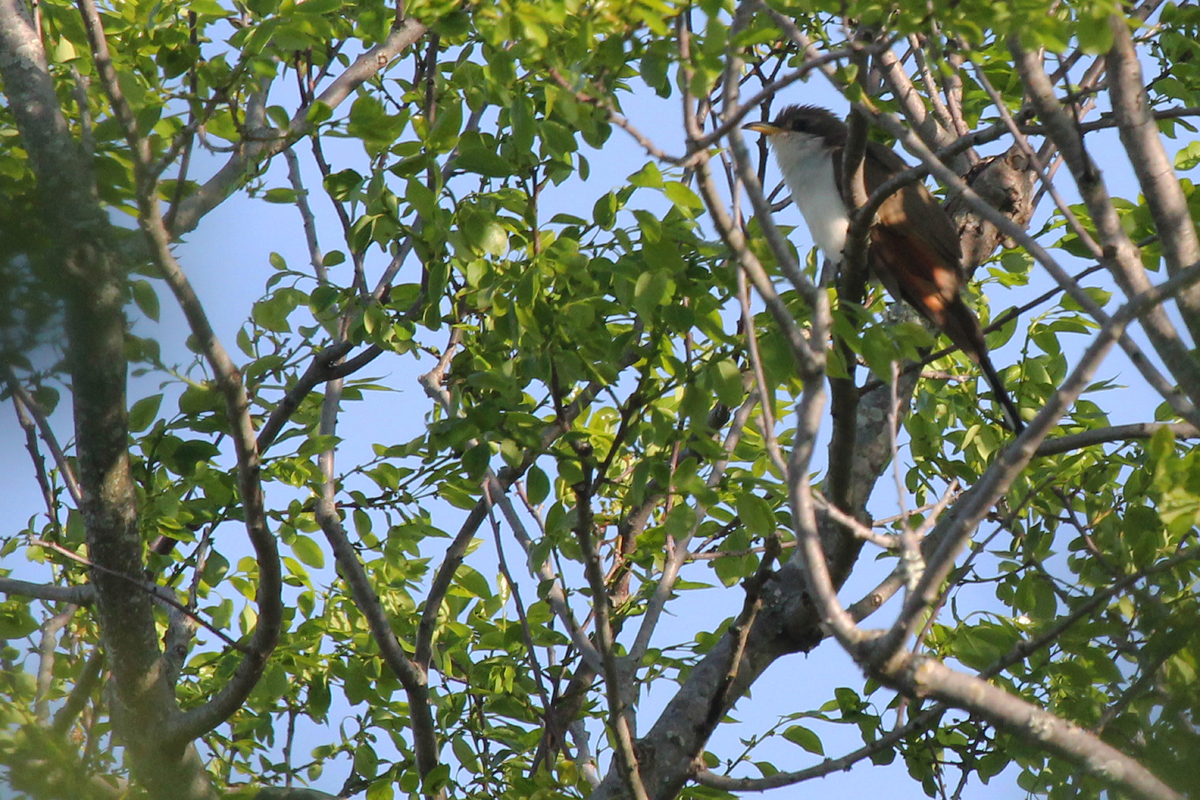
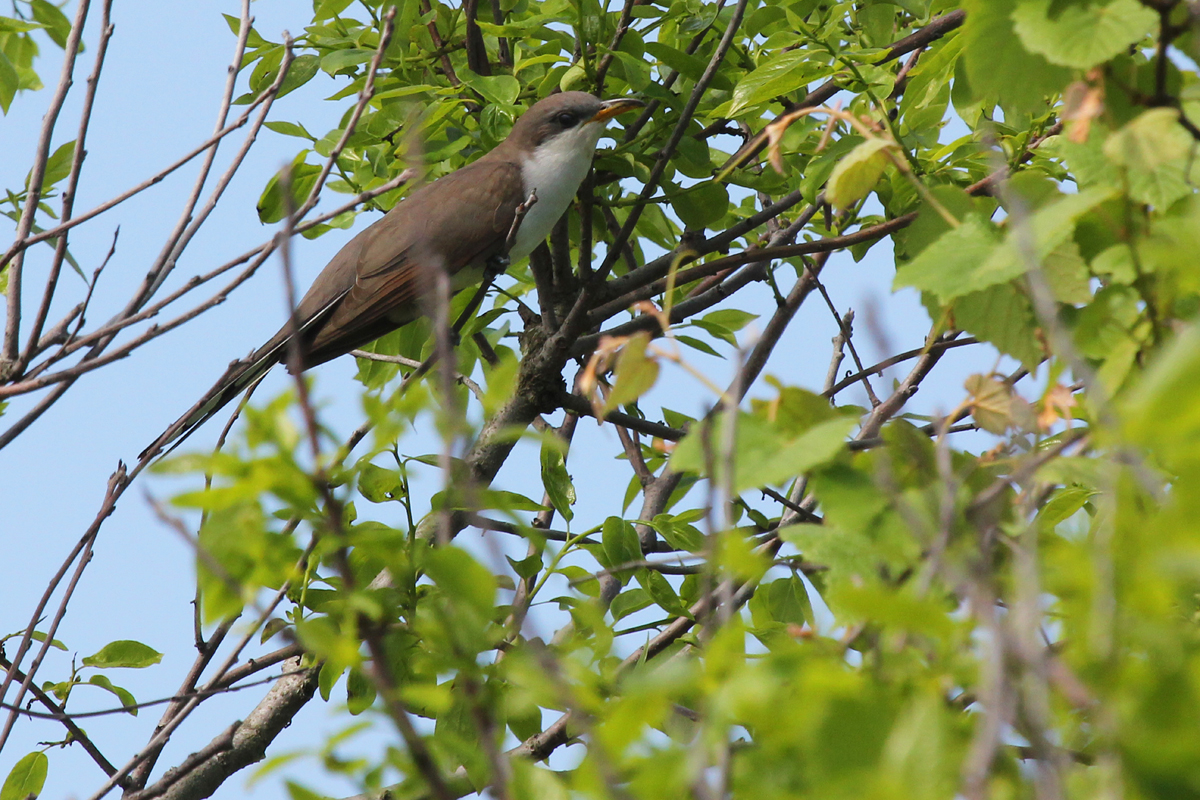
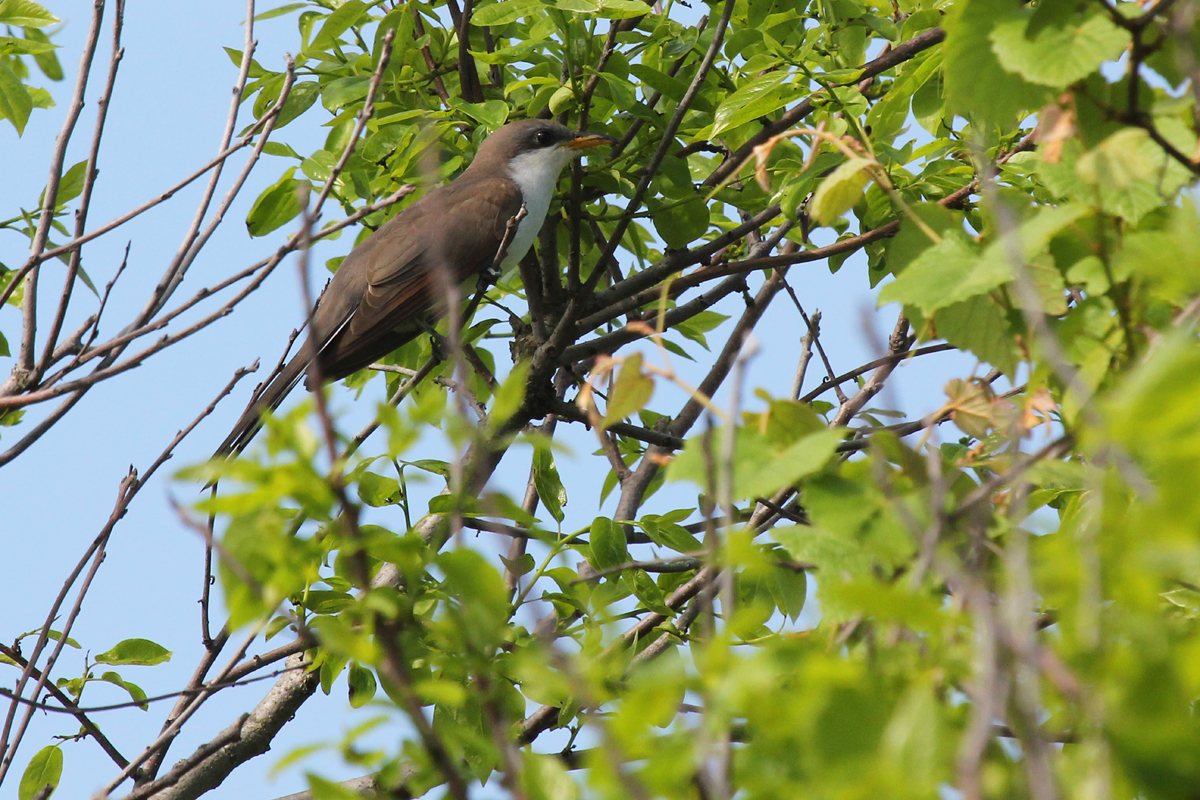
The first YELLOW-BILLED CUCKOO of the season was detected by its vocals at Camp Pendleton SMR (Restricted Access) on 28 Apr (obs. Karen & Tom Beatty), just two days ahead of its average expected arrival date. With individuals reported at Great Dismal Swamp to our west as early as 20 Apr this season, it shouldn’t come as a surprise that this one would also be a bit early to Virginia Beach. Their distinctive ‘cu-cu-cu’ calls can typically be heard at long range, and there are likely more of them scattered across the city already. Back Bay NWR tends to be one of the most reliable places to view them, and often times they’re seen in flight with their long, rufous-colored, tail hanging out behind them.

EASTERN WOOD-PEWEES also returned to Virginia Beach this year two days ahead of schedule, with the first being photographed at Munden Point Park on 28 Apr (ph. David Clark). Very reliable within a day or two of the average 30 Apr date, last year’s first record occurred right on the arrival date, and while this one is early, since arrival dates typically are set for five day periods for the purposes of this journal, and for our eBird setup in Virginia Beach, any record within two days (give or take) is considered right on time.

Following suit with the previous entry, two more species were technically early arrivals, but were essentially right on time of their 30 Apr expected arrival dates. The first, a SWAINSON’S THRUSH at Stumpy Lake NA on 29 Apr (obs. Marie & Ron Furnish) marked the first year for this location provided our first record since 2014. Red Wing Park has become the typical location where most birders find the thrushes migrating through in late April and early May, but clearly Stumpy Lake NA, and West Neck Creek NA are also suitable habitat for these birds.

Last for the early birds, also at just one day ahead of schedule, the first BLACKPOLL WARBLER of the season was logged at Back Bay NWR on 29 Apr (ph. Eric Alton & Tamara Conklin). One nice thing about this species is that if it isn’t observed early in migration, we all have plenty of time to find one. In typical years, this is our only transient / non-breeding warbler species that stays here into the first week of June. So, once the excitement of May has died down, we still have a chance to view Blackpolls. The last few years, average dates have held pretty close to average, with 28 Apr, 2 May, 7 May, 1 May and 5 May being the arrivals for the 2016-2013 span.

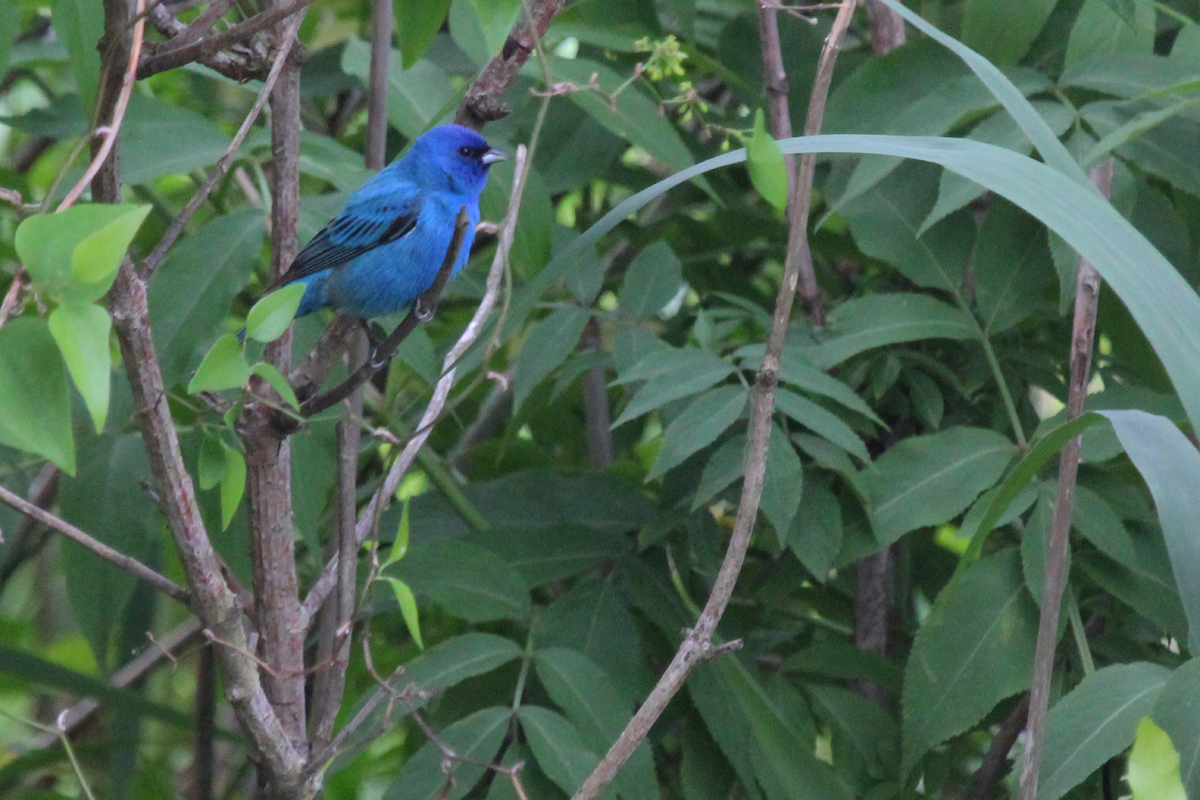
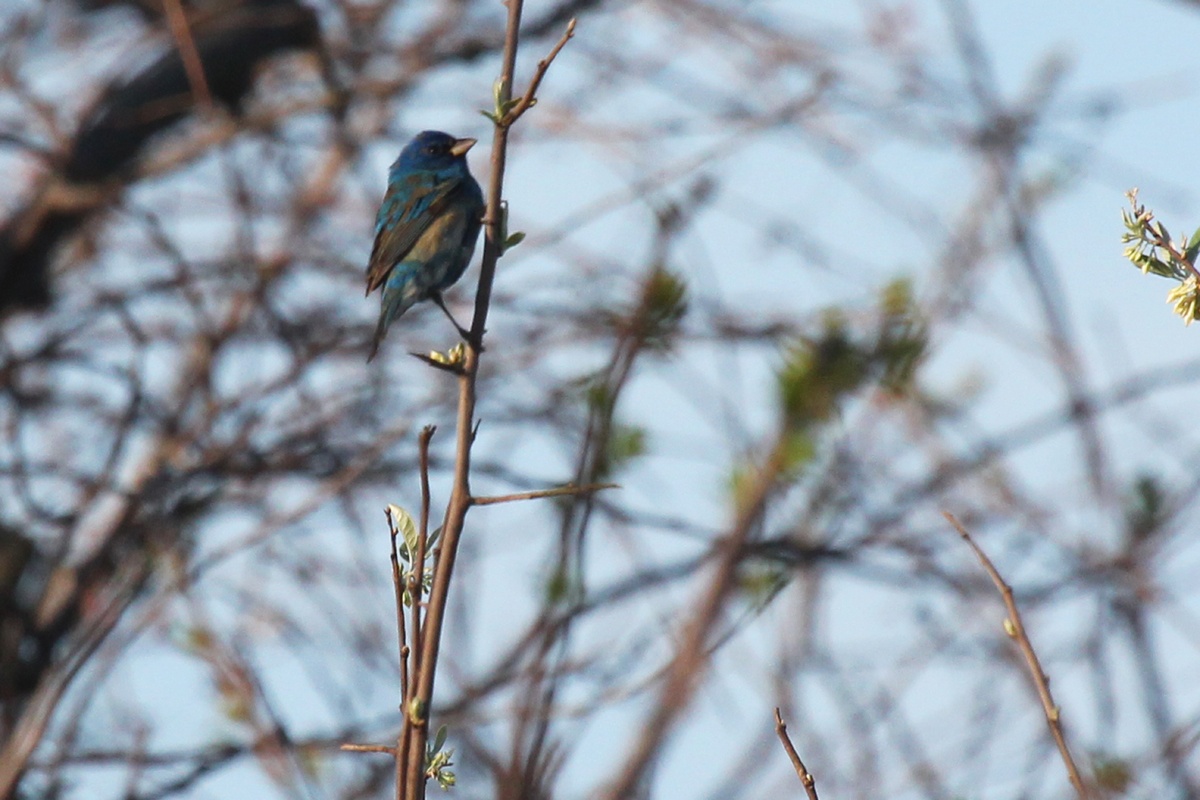
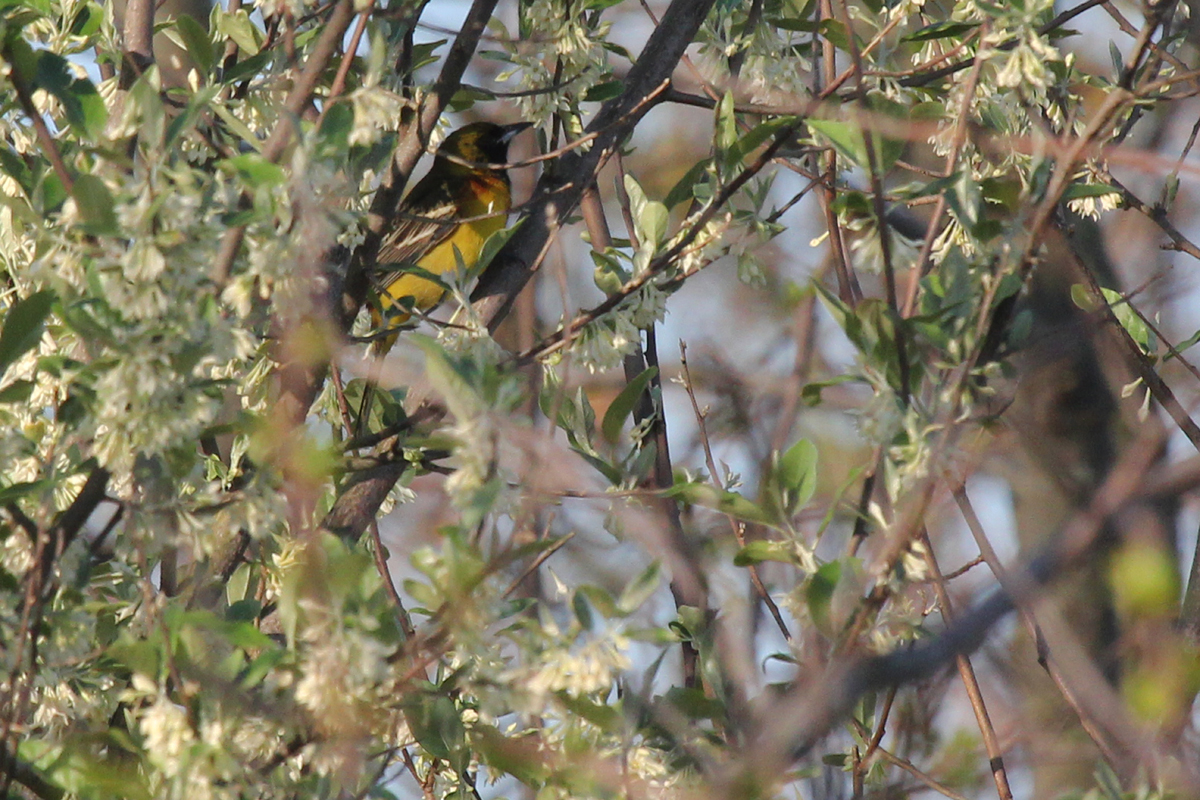
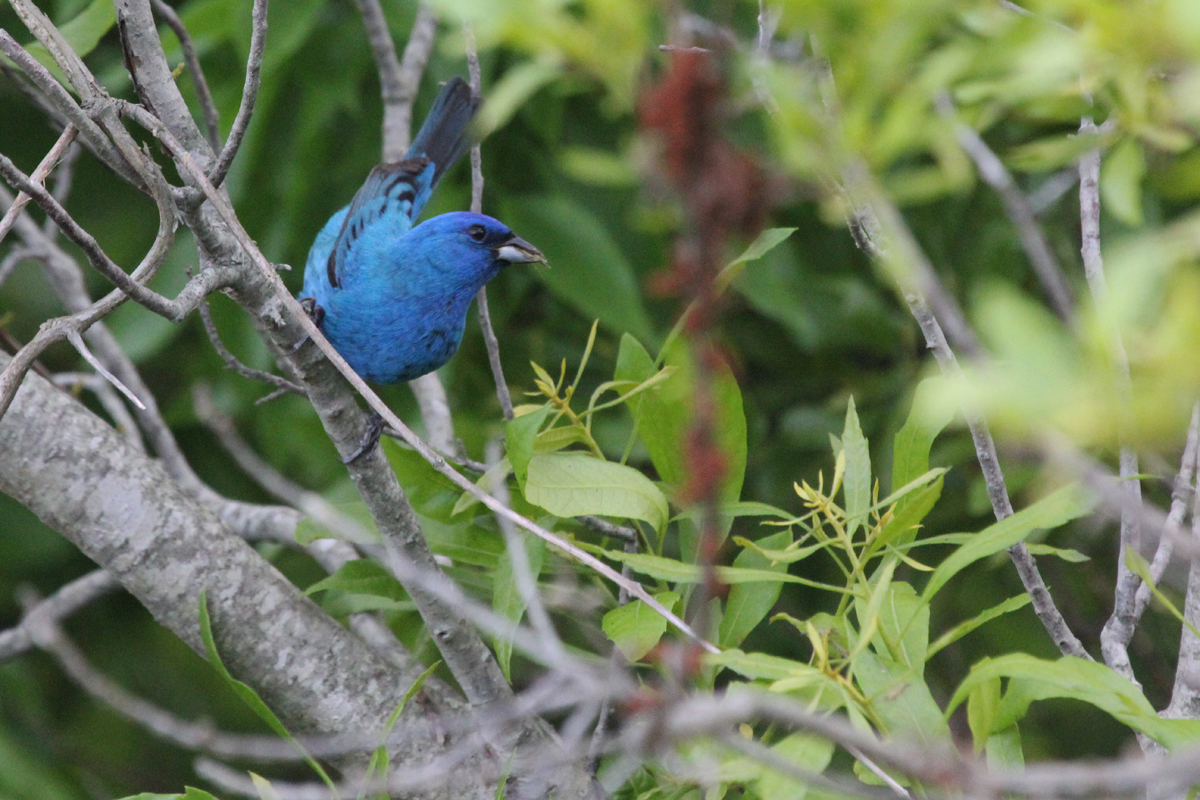
In addition to the early arrivals, we also logged a high volume of first-of-season species arriving on or after their expected dates! In late April, these species included BLACK-THROATED BLUE WARBLER on 26 Apr at Red Wing Park (obs. Kathy Spencer), YELLOW-BREASTED CHAT on 26 Apr at Back Bay NWR (obs. Karen & Tom Beatty), ROSE-BREASTED GROSBEAK on 26 Apr along Salem Canal (obs. Rose Chandler), INDIGO BUNTING on 21 Apr (this and the prior 3 species were all just one day late) at Back Bay NWR (ph. June McDaniels), SCARLET TANAGER on 27 Apr (two days late) at a private residence on Lake Smith (obs. Tracy Tate), ACADIAN FLYCATCHER on 28 Apr (three days late) at West Neck Creek NA (obs. Tamara Conklin), VEERY on 28 Apr (three days late) at West Neck Creek NA (obs. Karen & Tom Beatty and James Marcum), WOOD THRUSH on 21 Apr (six days late) at West Neck Creek NA (obs. Karen & Tom Beatty and Charlie Bruggemann), YELLOW WARBLER on 22 Apr (seven days late) at Dam Neck NA (obs. Karen & Tom Beatty), SEMIPALMATED SANDPIPER on 25 Apr (ten days late) at Back Bay NWR (obs. Robert Ake), AMERICAN REDSTART on 26 Apr (eleven days late) at Red Wing Park (obs. Karen & Tom Beatty), ORCHARD ORIOLE on 25 Apr (fifteen days late) at Back Bay NWR (obs. Tommy Maloney and James Marcum) and SEMIPALMATED PLOVER on 25 Apr (fifteen days late) at Back Bay NWR (obs. Robert Ake & Loretta Silvia). A quick note on the Orchard Oriole. The Gold Book has listed 10 Apr is their average arrival to the Coastal Plain of Virginia, and with all Virginia Beach’s eBird data falling after that date, we’ve used it as the base value in eBird. However, in looking harder at the Virginia Beach data, over the last five years we’ve had arrivals of 25 Apr 2018, 22 Apr 2017, 23 Apr 2016, 24 Apr 2015, and 2 May 2014. In fact, the only record that even precedes 20 Apr, is a single individual from 19 Apr 2005! So it is likely that next year, the arrival date for this will be revised to better suit our data. Though it is certainly intriguing why the disparity exists, as both sources usually align fairly well here. But a date of 25 Apr is likely to take over moving forward.

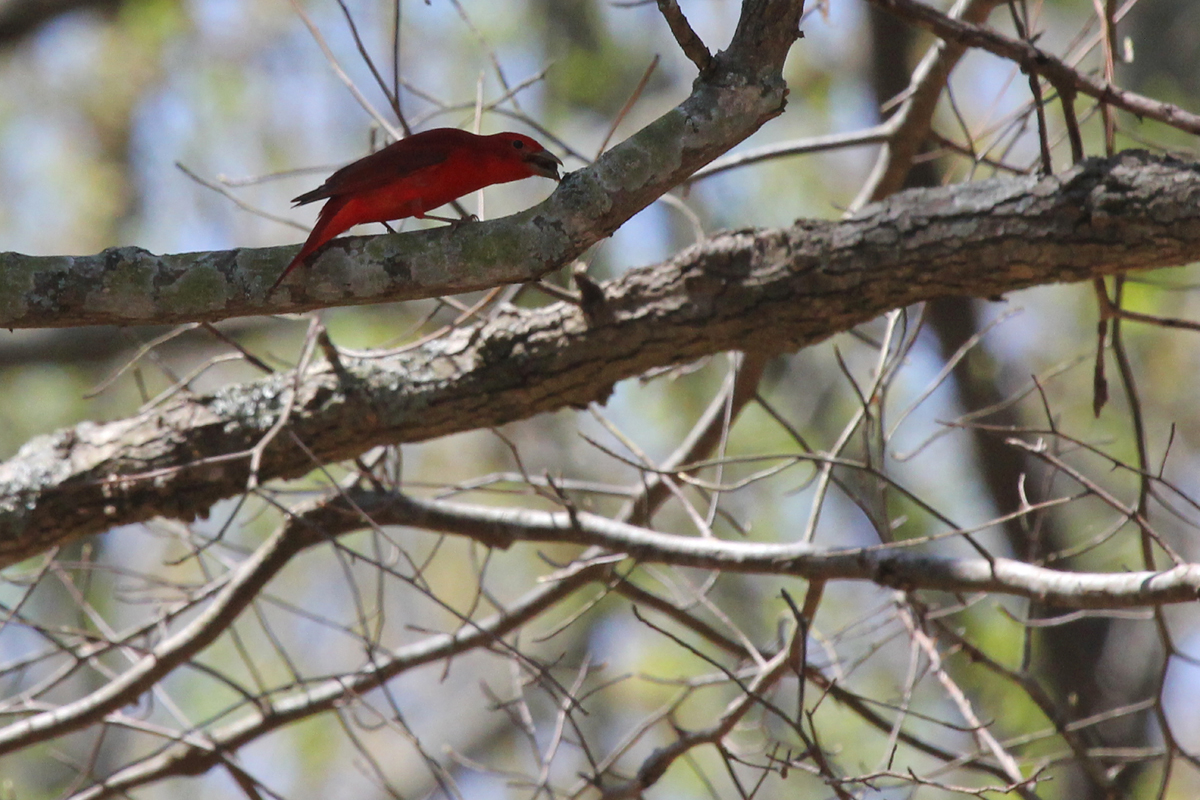
In terms of continuing early arrivals, both WORM-EATING WARBLER and SUMMER TANAGERS were initially reported in mid-April, and continued to be observed until their expected dates were finally reached on 25 Apr. Remarkably, there was a total of 14 eBird reports for Summer Tanager ahead of the set arrival date here in Virginia Beach. The first report, that of an individual at Red Wing Park on 13 Apr (ph. Steve Myers), was the earliest reports we’ve ever had for the city with regard to eBird’s data. With only four reports, Worm-eating Warbler was much scarcer, but with a first record on 19 Apr also at Red Wing Park (ph. Karen & Tom Beatty), it’s still worth mentioning here as a continuing early species.

On the opposing side of the distributional spectrum, we had two species flagging in eBird as late lingerers: ORANGE-CROWNED WARBLER and AMERICAN PIPIT. The former was represented by a continuing individual that has been observed almost daily at a private residence, with the last report occurring on 28 Apr (obs. Carolyn Page). This date is the latest record we have in eBird for Virginia Beach for this species! The latter, a single American Pipit that was first found at Back Bay NWR on 17 Apr (ph. Karen & Tom Beatty) has continued through the entirety of late April (as of this writing it has even continued into May!).

As always, we had some interesting reports that didn’t necessarily “beat” our average arrival or departures dates, but are nonetheless worth mentioning in this report! SEASIDE SPARROWS appear to be moving northward, with several reports coming in from along the Resort Area’s boardwalk! On 26 & 27 Apr, several were photographed (ph. Kelly Krechmer). When this species is on the move, Rudee Inlet and Fort Story often see fallouts of many individuals hanging around on the armored rock jetties, so if interested in seeing this species, those areas are worth viewing. A single WHITE IBIS was photographed in a residential yard in Alanton on 27 Apr (ph. Michelle Payne), which makes for an amazing yard-list-bird! This same yard has been host to Western Tanagers and Baltimore Orioles for at least the last couple of winters, so adding a White Ibis might not seem as crazy, but it truly is bizarre to see one at this location. Lastly, for the first time in the 2nd Virginia Breeding Bird Atlas (now in its 3rd year), a YELLOW-THROATED WARBLER was finally confirmed as a coastal breeder when an individual was observed on 28 Apr at Stumpy Lake NA (ph. Eric Alton & Tamara Conklin, later ph. Jonathan Snyder) carrying nesting material! Stumpy Lake has had prior summer records, but not in any recent years, so this is exciting for both Virginia Beach birders, and for Virginia Atlasers alike!

WEATHER:  Ever-thickening and greening vegetation has blanketed the city now, however, temperatures remained fairly even with those in mid-April, coming in lower than average for this time of season! Average daily high temperatures actually dropped a bit, falling 1.2° from 67.9° F to 66.7° (-4.5° from prior 10-year average), with average daily low temperatures also falling, 0.4° from 49.0° to 48.6° F (also, -4.5° from prior 10-year average). Overall, temperatures ranged from a minimum of 37° F (21 Apr) to a maximum of 78° (28 Apr). A total of 0.74” of rain fell during the period, spread across two days with measurement amounts, with a maximum of 0.53” falling on Tuesday, 24 Apr. Maximum sustained winds at Oceana this period were 22 mph (on 23 Apr) and gusts reached 34 mph (29 Apr). No noteworthy tidal surge events affected the Sewell’s Point tide gauge this period. Sunrise/sunsets varied from 6:22 AM/7:44 PM (21 Apr) to 6:11 AM/7:51 PM (30 Apr), which means we gained 18 minutes of daylight during this period with a total of 13 hours, 40 minutes of ‘Length of Day’ to close the period!
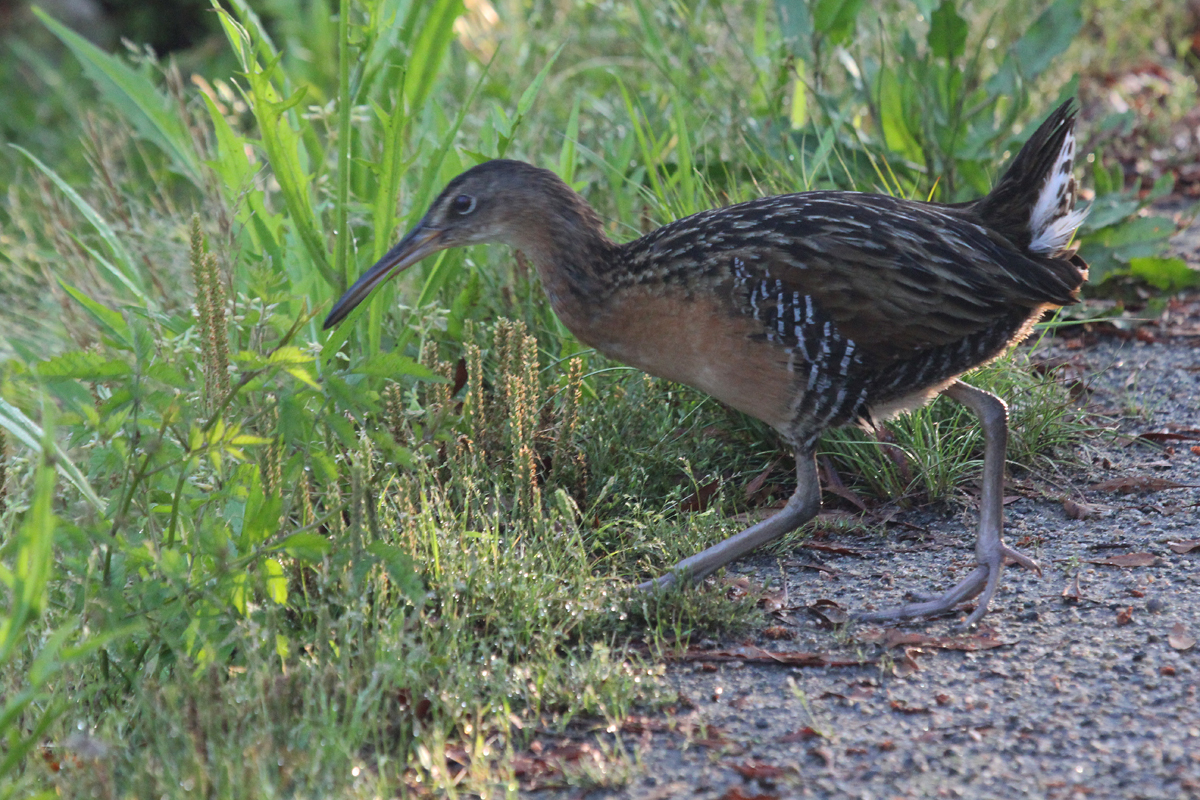
For those hoping to view every photograph submitted for Virginia Beach during this period, please see the complete listing for the month of April located on eBird’s Media explorer by clicking here! Please remember, anyone with an eBird account also has the ability to rate these photographs (1-5 stars), and based on the average rating, this is how eBird populates anything media-driven on the website, particularly the Illustrated Checklists! So, if you're one of the many folks who enjoy looking at photographs of birds, take some time to click them all and rate them, it helps make eBird better and better each day!

LOOKAHEAD: In late April, we bid farewell to Brant, Green-winged Teal, Yellow-bellied Sapsucker & American Pipit (25 Apr) and Northern Shoveler, White-winged Scoter, Bufflehead, Hooded Merganser, Ruddy Duck, Red-breasted Nuthatch & Purple Finch (30 Apr), though the last two were not observed here this winter due to their irruptive nature. Any records for these species moving forward will flag in eBird as ‘rare’, but really they are flagging for being found past their usual date of departure. In early May, we have typical departure dates for Gadwall, Merlin, Ruby-crowned Kinglet, Hermit Thrush, Palm Warbler, Nelson’s Sparrow & Pine Siskin (5 May) and Blue-winged Warbler, Broad-winged Hawk, Blue-winged Teal, American Wigeon, Sharp-shinned Hawk, Wilson’s Snipe, Bonaparte’s Gull, Blue-headed Vireo, Sedge Wren, White-throated Sparrow & Savannah Sparrow (10 Apr). So, make sure to try for your last sightings of the season on these species while you can! If you observe any of these species near or after those dates, please try to document their occurrence to the best of your ability; it helps make eBird data & filters more accurate! For annually expected spring arrivals, as of the reporting period close date, we have not yet logged arrivals for Bank Swallow (15 Apr), Bobolink & Gull-billed Tern (25 Apr), Magnolia Warbler, Gray-cheeked Thrush, Common Nighthawk & White-rumped Sandpiper (30 Apr) and Red Knot (10 May). As with the departures mentioned at the start of this section, if you observe one of these arrival species before the date listed, please try to document the sightings as best as you can! As always, make sure to report your finds to eBird so the data can be used to adjust the expected arrival dates and to view the full listing of each species’ average expected spring arrival dates, as well as the average expected spring departure dates! LASTLY, for those devoted birders who do follow this journal, please know that a Facebook Group that complements all these sightings has been created, titled the Virginia Beach Bird Sightings & Discussion group. For anyone with a sincere interest in our city’s rich tapestry of bird species, please feel free to check it out, by requesting to join at the link above (and by answering the three questions required for approval).

Next Entry | Entry Index | Previous Entry

For further information regarding this thrice-monthly, online publication, please visit the Journal Overview Page which provides an in-depth explanation of the format, layout and composition of the journal. As always, thank you for reading, and please leave me a comment below (you may use your Facebook, Gmail or other accounts to easily do so), or just click the Heart icon to the lower right of this post to let me know you stopped in!

Mid-April 2018 (11th-20th)

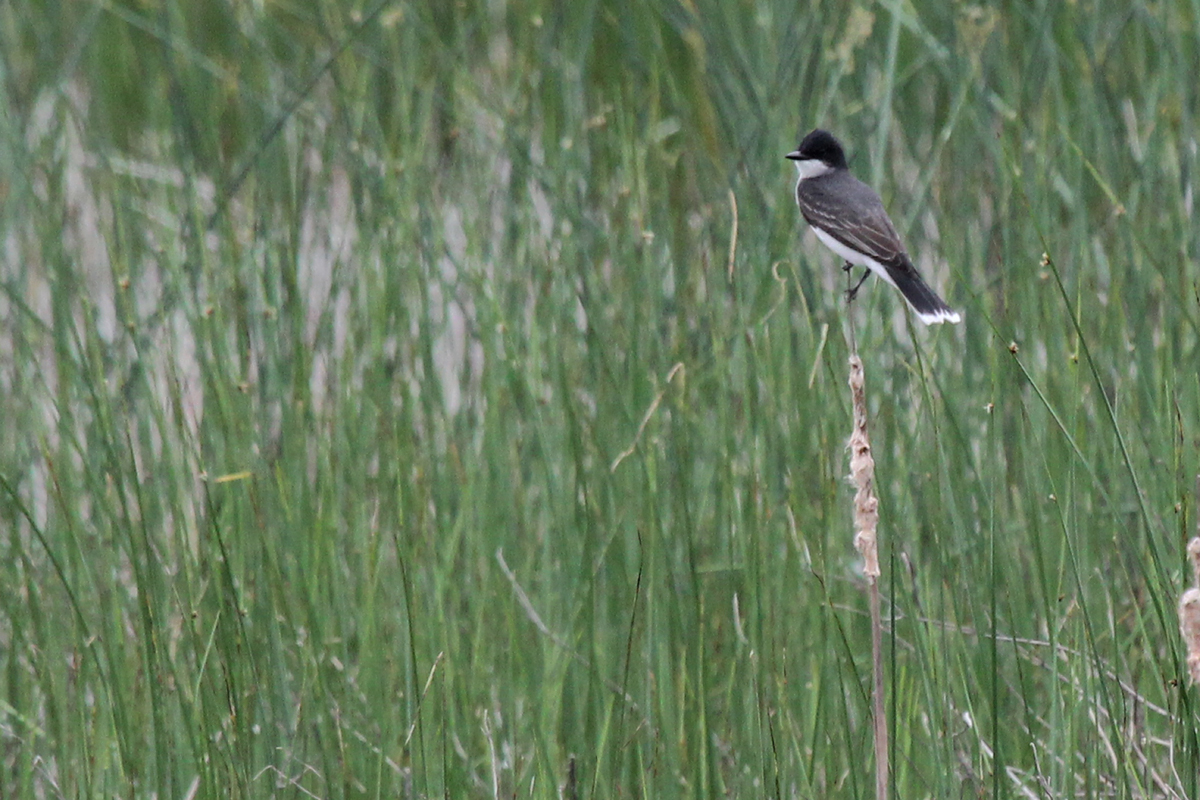
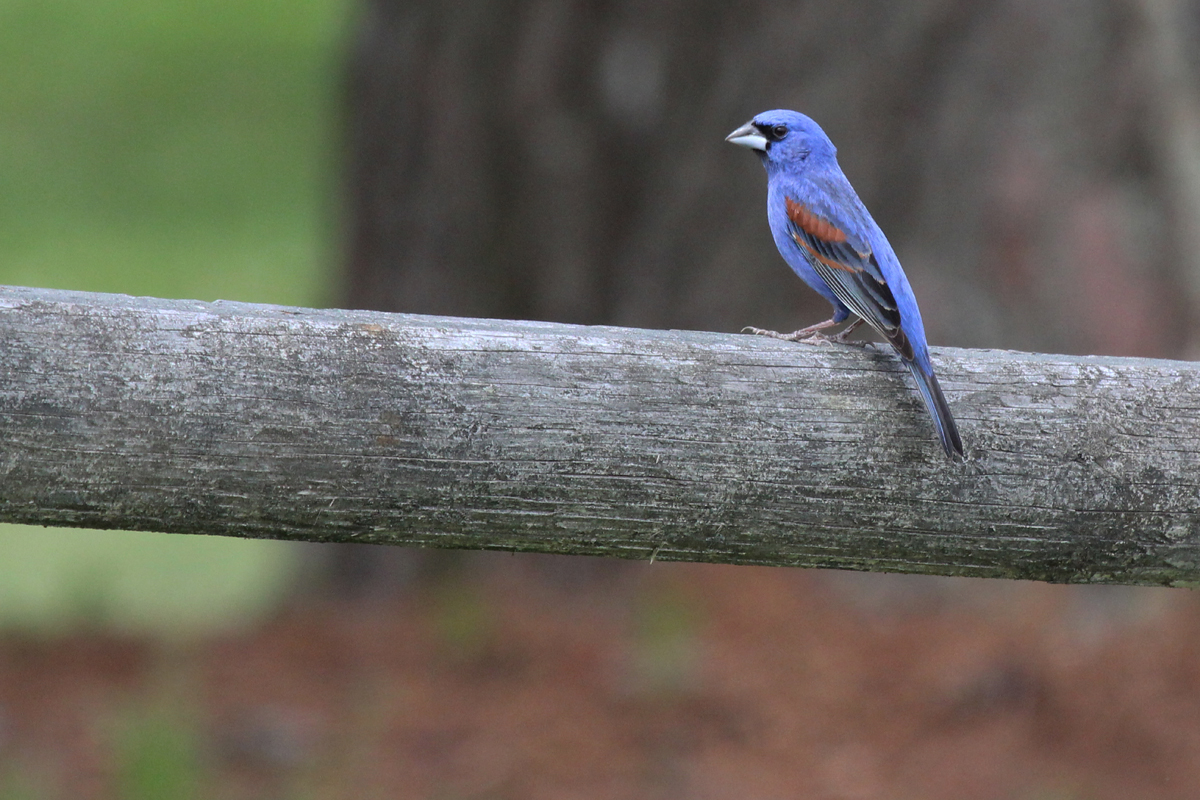
Temperature remained below average yet again, but over the weekend of 14-15 Apr, thanks in part to warmer temperatures and some earlier rain storms, the vegetation across Virginia Beach finally became noticeably green! Along with the popping of the leaves came a great number of interesting bird reports. Top records for this reporting period in Virginia Beach included new rarity reports for CLIFF SWALLOW, VESPER SPARROW, COMMON GALLINULE, PARASITIC JAEGER, ANHINGA, ICELAND GULL & WHITE-CROWNED SPARROW, along with continuing rarity reports for WESTERN GREBE! In addition to these species, expected spring migrants were reported in great diversity during the reporting period, and we saw early first-of-season (FOS) records for SUMMER TANAGER (12 days early), WORM-EATING WARBLER (6 days early), LEAST TERN (5 days early), SANDWICH TERN (4 days early), RED-EYED VIREO & BLUE GROSBEAK (both 1 day early) as well as springtime arrivals on or after average expected dates for EASTERN KINGBIRD (2 days late), SPOTTED SANDPIPER (2 days late), WHIMBREL (3 days late), HOODED WARBLER (4 days late), BROAD-WINGED HAWK (14 days late) & COMMON TERN (14 days late). Early records continued to be logged for BLACK-THROATED GREEN WARBLER, and our only late species this period was ORANGE-CROWNED WARBLER!

First off on the list of new rarities, was our first documented CLIFF SWALLOW report in the city dating all the way back to 11 May 2016. A single individual was observed 17 Apr (8 days ahead of the average Coastal Plain arrival date) feeding over a flooded field along Back Bay Landing Road (ph. Rob Bielawski). While this species is an expected transient and summer resident further inland, it is noted even in the Good Book as being ‘relatively rare on the outer coast in spring.” Records in Virginia Beach as a whole are very scarce, and it has not been annually logged here during the spring season in eBird. Unfortunately, by the next day, the field had dried up considerably and this swallow had moved onward.

Ironically, the previous bird was only found due to the occurrence of the next species on the list. Earlier in the day on 17 Apr, a VESPER SPARROW was found along Grimstead Road (ph. Andrew Baldelli), and like the swallow, only one observer was able to view the bird though others did make the attempt. Strong winds kept the sparrows mostly in the thick vegetation along the road, and this sadly was another ‘one hit wonder’. The last documented record for this species in the city occurred on 3-4 Dec 2016 when two were observed at First Landing SP’s beach. Prior to that, one has to go back to 29 Oct 2015 when an individual was photographed along the dunes of 85th Street’s beach. For a species that is a rather uncommon, but annual transient inland of here, it is always a surprise still when one pops up in the city, even in appropriate habitat during the right timeframe.

Another first record for the year, two COMMON GALLINULES found at Princess Anne WMA’s Whitehurst Tract on 15 Apr (ph. Rob Bielawski), provided the first record of more than one individual in the state dating back to 11 Jul 2016 when two were observed at Dam Neck NA (restricted access). This is a species that is likely present somewhere in Virginia Beach at any date in the year, but is very secretive, typically sticking to dense vegetation in freshwater marshes. This time of year, the populations here are likely bolstered by migrants passing through, which makes the odds of finding one a bit better.

Yet another first record for the year in Virginia Beach, at least three PARASITIC JAEGERS were observed from Little Island Park (obs. Andrew Baldelli) on 17 Apr after a cold front passed offshore. This jaeger species, listed in the Gold Book as an ‘uncommon to rare transient (1 May-5 Jun, 25 Aug-15 Nov) offshore and, more rarely, in ocean along coast and in Chesapeake Bay mouth.’ Put on quite a show back in November as many migrants were observed locally. Since then however, no other documented reports have come in. Days with onshore winds are best if seeking out jaegers, as they’ll help push the birds closer to shore where we might be able to view them. However, onshore winds also provide difficult viewing conditions here, so finding a location with cover is helpful.

While up to two ANHINGA have been reported recently at Stumpy Lake NA (most recently 13 Apr, ph. Karen & Tom Beatty), an individual found 19 Apr at West Neck Creek NA (ph. Charlie Bruggemann) is likely a new arrival to the city. This long-necked, long-tailed, long-billed species frequents freshwater marshes with abundant tall trees to nest in, so it is no wonder one was finally picked up along West Neck Creek, which provided just that habitat. Migrants of this species might be detected soaring high up on thermals as they pass north, and last year a high count of six occurred in April, so now is the time to find them. Unfortunately there haven’t been any confirmed breeding attempts by the species locally, but that might solely be due to no one kayaking around the North Landing River or Stumpy Lake shorelines looking for nest sites.

Potentially a separate individual from those having been reported earlier in the year, a first cycle ICELAND GULL was a surprise on the sandbars at Pleasure House Point NA on 13 Apr (ph. Andrew Baldelli). This could potentially be the same individual that was observed off and on around the north end of the resort area, or at Rudee Inlet, or at Lynnhaven Pier…or around the Chesapeake Bay Bridge-Tunnel islands. Unfortunately, we’ll never know just how many of these birds were around the city this winter, but we had at least one first cycle bird, and one full adult for certain.

The first chase-able WHITE-CROWNED SPARROW of the year was found on 15 Apr in the vegetated fence line along Firefall Drive near the HRSD Atlantic Wastewater Treatment Plant (obs. Karen & Tom Beatty, later ph. Rob Bielawski). Typical for Virginia Beach, this was yet another immature bird, since we even more rarely get the adults here on the coast. The only other occurrences of this species so far in 2018 here have been on military bases, or single report birds that disappeared shortly after the initial find. Usually the species becomes somewhat reliable in Sep/Oct when sparrows as a whole are more on the move, but it is one to watch for in the spring as well.

The WESTERN GREBE first found on 6 Apr near the Horn Point Road Boat Ramp (ph. Karen & Tom Beatty and Kathy Louthan) was observed on only one day during mid-April (15 Apr to be exact), but it could potentially be out there! Like a lot of rarities, once the folks most interesting in seeing them have had their looks, the species might still be present, but no one is likely to be at the location seeking it out. For rarities of this level though, it should really be looked for just to see how long it makes it stay here in the city.

Early first-of-season arrivals occurred for a high number of species during mid-April, with the most notable find being our first SUMMER TANAGER at Red Wing Park on 13 Apr (ph. Steve Myers). A full twelve days ahead of its average arrival date of 25 Apr, this marked the earliest record ever known (as far as eBird goes) for Virginia Beach for this species. In fact, it was the earliest record in by a full week, with the previous early date being 20 Apr 2017 (obs. Tracy Tate). Initially, it appeared like this might be quite an outlier, however, the following morning, another Summer Tanager was photographed at Stumpy Lake NA (ph. Rob Bielawski). With records alternating between these two locations, and a first record at West Neck Creek NA on 19 Apr (obs. Karen & Tom Beatty), it became obvious that the species (not just a random individual) arrived very early this season.

Next up in terms of how much earlier than expected the first record was, was a WORM-EATING WARBLER found also at Red Wing Park on 19 Apr (ph. Karen & Tom Beatty). Not quite as drastically early as the Summer Tanager, but this arrival was still six days ahead of the expected 25 Apr date. The earliest record currently in eBird is that of one on 17 Apr 2011 (obs. Tony Wood) at First Landing SP.

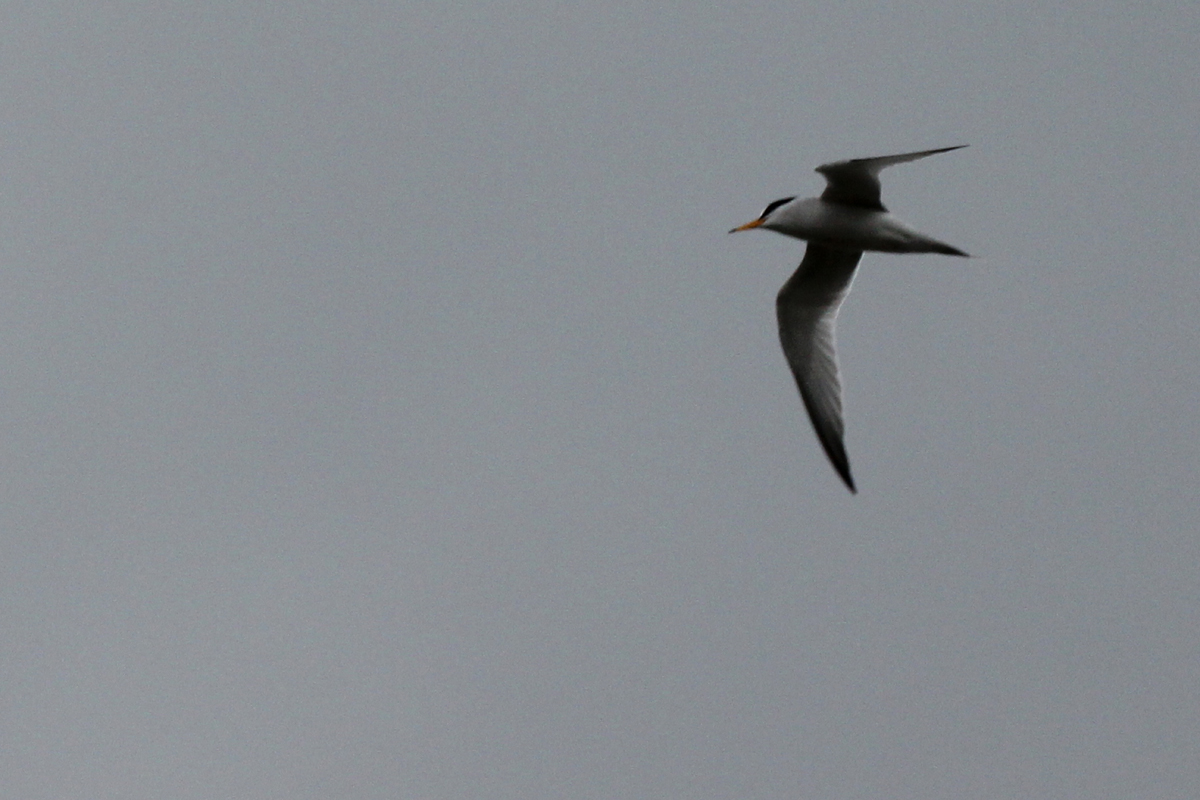
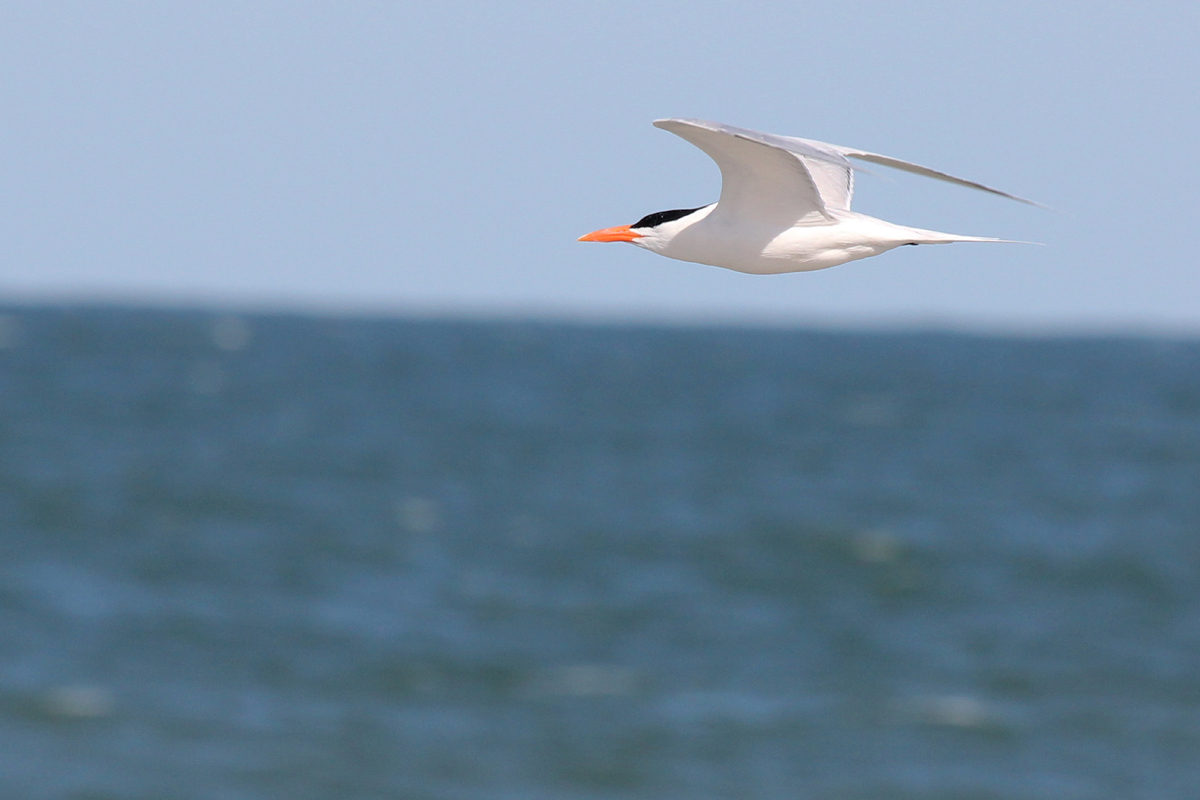
LEAST TERNS made another early arrival this season, five days ahead of schedule, with a report at Lake Windsor on 15 Apr (ph. Lisa Rose). This marked the earliest record for the species in eBird for the city with a photograph, and was second only to Virginia Aquarium tour boat records from 14 Apr 2017 in terms of earliest record overall. Adding to the level of interest here, the count of 8 observed is the highest count logged to eBird that predates 25 Apr in any year here!

Another species of tern made for an early arrival as well, that being SANDWICH TERN, which arrived four days early to Back Bay NWR on 16 Apr (obs. Robert Ake). The remaining early arrivals both occurred just one day ahead of schedule, with a RED-EYED VIREO reported 14 Apr at Stumpy Lake NA (ph. Rob Bielawski) with another at Red Wing Park later in the morning (ph. Rob Bielawski), and a BLUE GROSBEAK on 19 Apr in Lago Mar (ph. Mary Catherine Miguez).

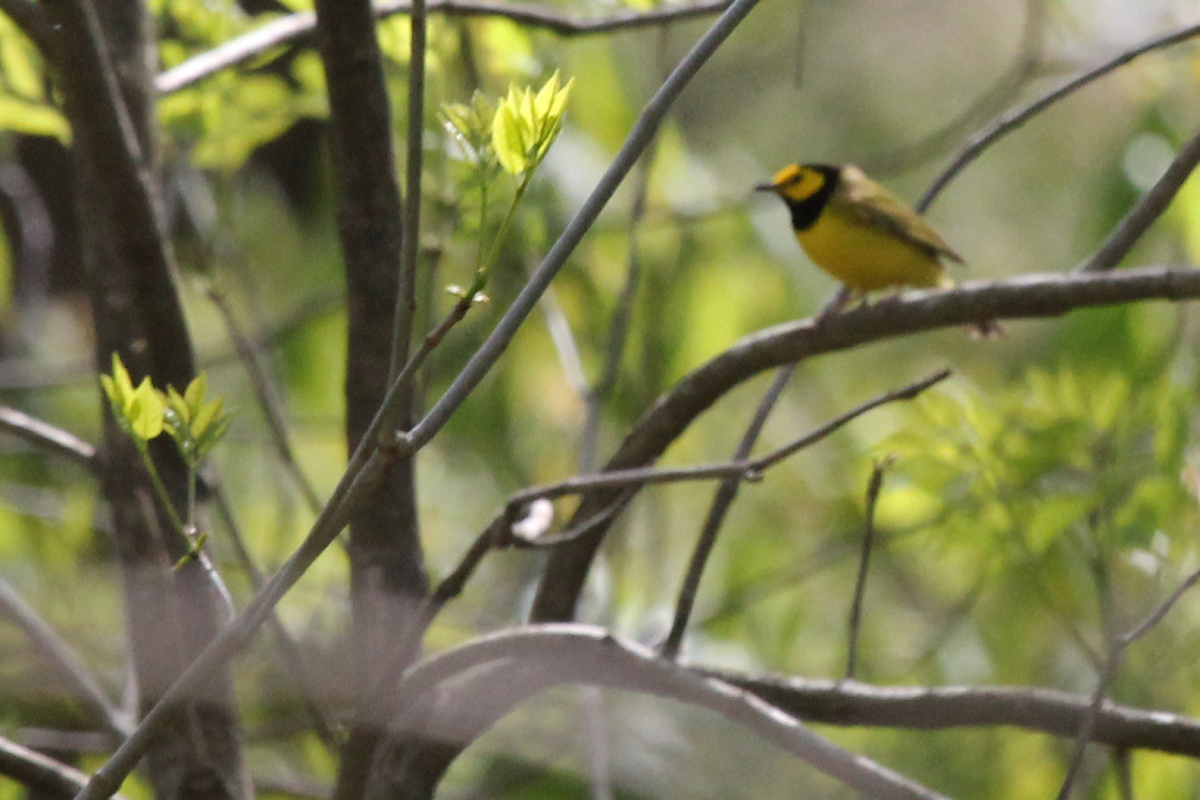
In addition to the early arrivals, we also saw a few species arriving after the expected date. These included EASTERN KINGBIRD on 12 Apr at Mirror Lake (ph. Loretta Silvia), SPOTTED SANDPIPER on 17 Apr at Stumpy Lake NA (obs. James Marcum), WHIMBREL on 18 Apr at Back Bay NWR (obs. Robert Ake), HOODED WARBLER on 14 Apr at Camp Pendleton SMR (ph. Karen & Tom Beatty), BROAD-WINGED HAWK on 13 Apr flying across central Virginia Beach and being observed by different parties over a few minute span (obs. Karen & Tom Beatty, then obs. Mary Catherine Miguez), and lastly, COMMON TERN on 19 Apr at Pleasure House Point NA (obs. Jeffrey Marcum). Respectively, each of these species were first reported two, two, three, four, fourteen, and fourteen days after their average expected arrival date.

Of particular interest in terms of early birds, BLACK-THROATED GREEN WARBLERS occurred at several locations during mid-April, after already having been reported in the prior period as well. Single individuals were noted on 11 Apr at First Landing SP (obs. Andrew Baldelli), on 14 Apr at Red Wing Park (obs. Karen & Tom Beatty) and on 19 Apr at Back Bay NWR (ph. Steve Myers). As we head into late April, the species is now on the expected list of warblers that should be found around the city.

Only one species popped up this period as a late, or lingering species, ORANGE-CROWNED WARBLER. Interestingly a continuing individual visited a backyard feeder at a private residence every single day in mid-April (last ph. Carolyn Page on 19 Apr). Another individual was observed elsewhere in the city on 18 Apr (obs. James Marcum), so perhaps the first’s occurrence isn’t so irregular after all, though it still seems quite late, given the 10 Apr typical departure date for the species here in the city. It remains to be seen just when the final report will occur, but more on that in the next journal entry.

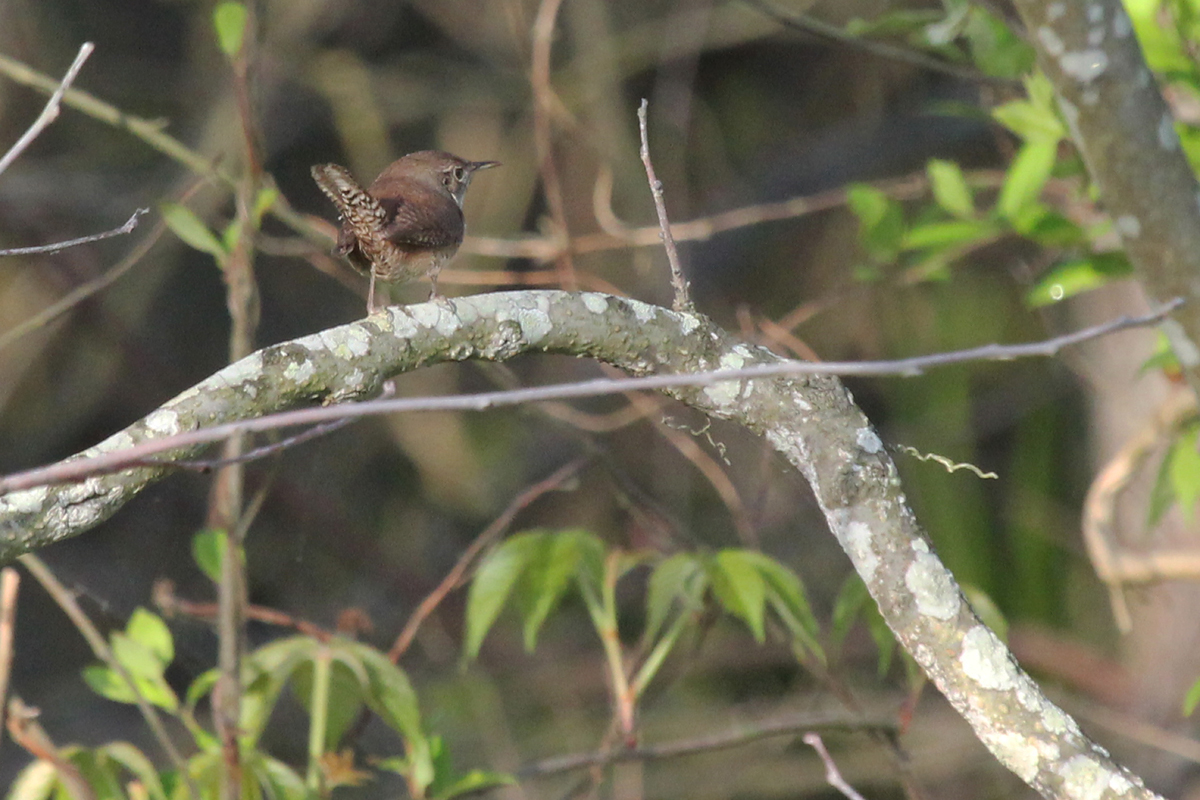
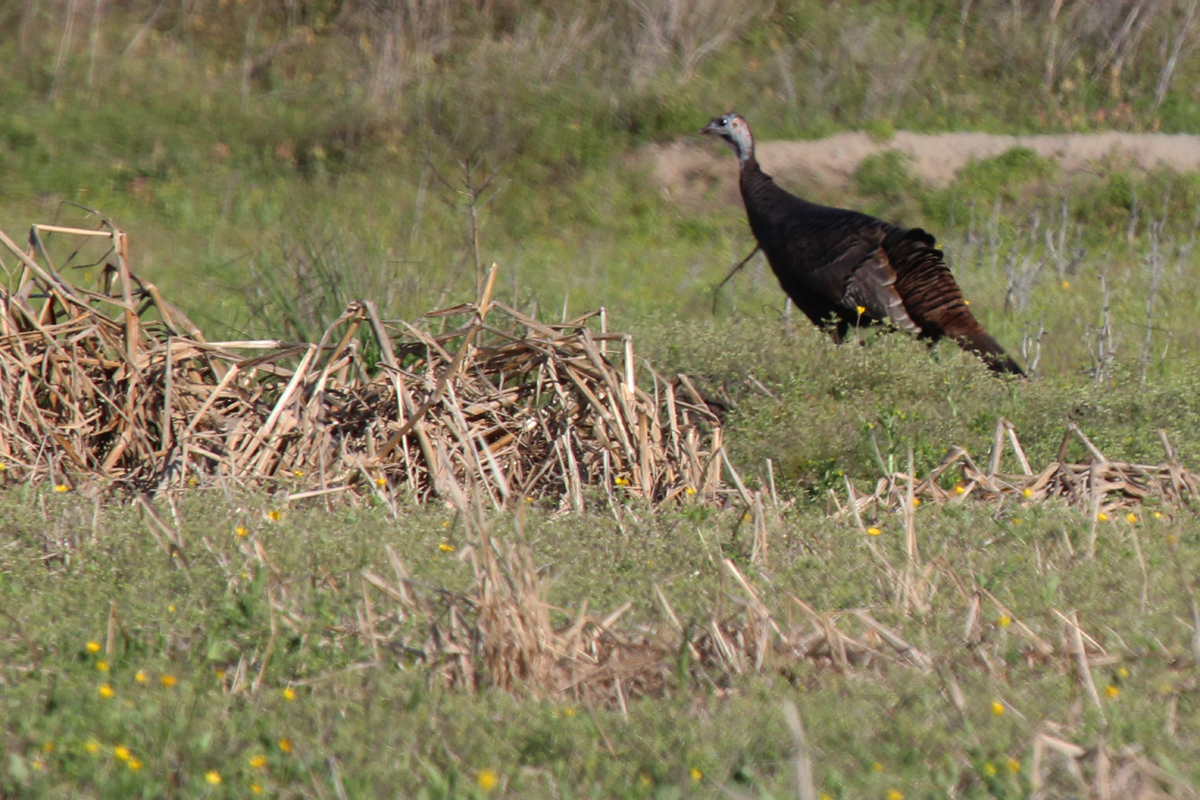
In addition to all of the above, we had quite a few interesting records that warrant mention this period! WILD TURKEYS have been popping up at unusual locations recently, with some being found at Marshview Park, and a report on 12 Apr from Camp Pendleton SMR (obs. Chris Michels) which is the first for this area of the oceanfront portion of the city. Most past records for this species have been centered around the Blackwater portion of southwestern Virginia Beach, with reports every now and then south of Indian River Road in Pungo. An adult BLACK-CROWNED NIGHT-HERON found on 15 Apr at Princess Anne WMA’s Whitehurst Tract (obs. Rob Bielawski) was a first eBird record for the hotspot. Our first photographed record of a HOUSE WREN came finally on 15 Apr at a private residence in Lago Mar (ph. Mary Catherine Miguez). With Jan/Feb being so frigidly cold, this species was incredibly not documented at all until springtime this year. In a typical year, there are at least some winter records here. While our first LEAST BITTERN report of the spring occurred very early in April, a record on 19 Apr at Back Bay NWR (obs. Karen & Tom Beatty) was the first within expected dates for the city. Lastly, an AMERICAN PIPIT was found foraging around the main parking area at Back Bay NWR on 17 Apr (ph. Karen & Tom Beatty). Over the last several days of the reporting period, the bird continued to be logged, and some great photographs of it can be seen in this pair of checklists (ph. Karen & Tom Beatty and ph. Mary Catherine Miguez). Usually observations of this species are in large fields, and views typically aren’t so desirable. So seeing photographs of this caliber this late in the season (with the bird actually starting to show some breeding colors) is quite unique!

WEATHER:  The story continued to be the same here in mid-April, with strong winds most days, and slightly below average temperatures when comparing to the past ten years. Average daily high temperatures did rise a bit again, increasing 4.5° from 63.4° F to 67.9° (-2.5° from prior 10-year average), with average daily low temperatures also increasing, 6.9° from 42.1° to 49.0° F (-2.0° from prior 10-year average). Overall, temperatures ranged from a minimum of 39° F (17 Apr) to a maximum of 82° (14 Apr). A total of 1.48” of rain fell during the period, spread across three days with measurement amounts, with a maximum of 1.09” falling on Monday, 16 Apr. Maximum sustained winds at Oceana this period were 33 mph and gusts reached 44 mph (16 Apr) as a strong front passed over the region. No tidal surge events affected the Sewell’s Point tide gauge this period, though we did rise above 4 feet thanks to being on the high side of expected astronomical tide cycle. Sunrise/sunsets varied from 6:35 AM/7:35 PM (11 Apr) to 6:23 AM/7:43 PM (20 Apr), which means we gained 20 minutes of daylight during this period with a total of 13 hours, 19 minutes of ‘Length of Day’ to close the period!
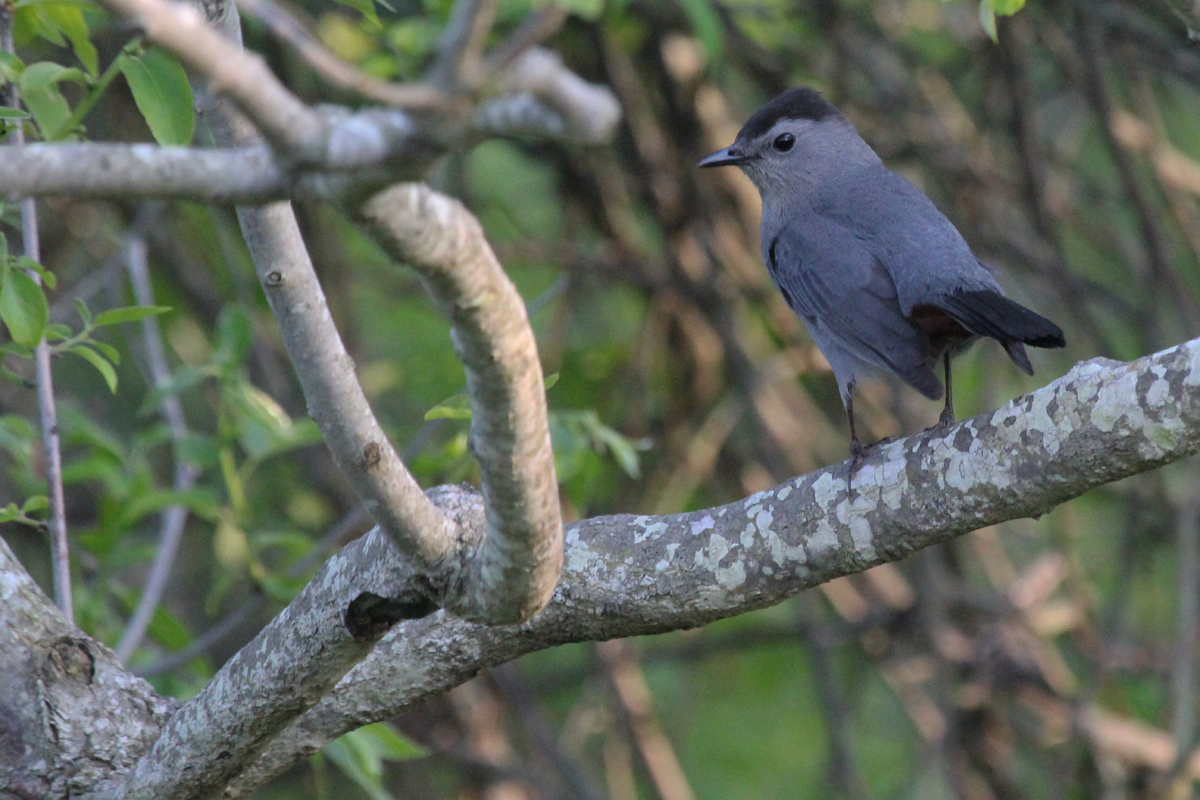
For those hoping to view every photograph submitted for Virginia Beach during this period, please see the complete listing for the month of April located on eBird’s Media explorer by clicking here! Please remember, anyone with an eBird account also has the ability to rate these photographs (1-5 stars), and based on the average rating, this is how eBird populates anything media-driven on the website, particularly the Illustrated Checklists! So, if you're one of the many folks who enjoy looking at photographs of birds, take some time to click them all and rate them, it helps make eBird better and better each day!

LOOKAHEAD: In mid-April, we bid farewell to Northern Pintail, Redhead, Ring-necked Duck, Long-tailed Duck, Great Cormorant, Brown Creeper, Golden-crowned Kinglet & Dark-eyed Junco (15 Apr) and Greater Scaup, Lesser Scaup, American Woodcock & Winter Wren (20 Apr). Any records for these species moving forward will flag in eBird as ‘rare’, but really they are flagging for being found past their usual date of departure. In late April, we have typical departure dates for Brant, Green-winged Teal, Yellow-bellied Sapsucker & American Pipit (25 Apr) and Northern Shoveler, White-winged Scoter, Bufflehead, Hooded Merganser, Ruddy Duck, Red-breasted Nuthatch & Purple Finch (20 Apr), though the last two were not observed here this winter due to their irruptive nature. So, make sure to try for your last sightings of the season on these species while you can! If you observe any of these species near or after those dates, please try to document their occurrence to the best of your ability; it helps make eBird data & filters more accurate! For annually expected spring arrivals, as of the reporting period close date, we have not yet logged arrivals for Semipalmated Plover & Orchard Oriole (10 Apr), Bank Swallow, American Redstart, Yellow Warbler, Wood Thrush, Semipalmated Sandpiper (15 Apr), Indigo Bunting (20 Apr), Black-throated Blue Warbler, Rose-breasted Grosbeak, Veery, Bobolink, Northern Waterthrush, Scarlet Tanager, Gull-billed Tern, Acadian Flycatcher & Yellow-breated Chat (25 Apr) and Chestnut-sided Warbler, Magnolia Warbler, Gray-cheeked Thrush, Swainson’s Thrush, Common Nighthawk, Blackpoll Warbler, White-rumped Sandpiper, Eastern Wood-Pewee & Yellow-billed Cuckoo (30 Apr). As with the departures mentioned at the start of this section, if you observe one of these arrival species before the date listed, please try to document the sightings as best as you can! As always, make sure to report your finds to eBird so the data can be used to adjust the expected arrival dates and to view the full listing of each species’ average expected spring arrival dates, as well as the average expected spring departure dates! LASTLY, for those devoted birders who do follow this journal, please know that a Facebook Group that complements all these sightings has been created, titled the Virginia Beach Bird Sightings & Discussion group. For anyone with a sincere interest in our city’s rich tapestry of bird species, please feel free to check it out, by requesting to join at the link above (and by answering the three questions required for approval).
Next Entry | Entry Index | Previous Entry

For further information regarding this thrice-monthly, online publication, please visit the Journal Overview Page which provides an in-depth explanation of the format, layout and composition of the journal. As always, thank you for reading, and please leave me a comment below (you may use your Facebook, Gmail or other accounts to easily do so), or just click the Heart icon to the lower right of this post to let me know you stopped in!