Late June 2018 (21st-30th)

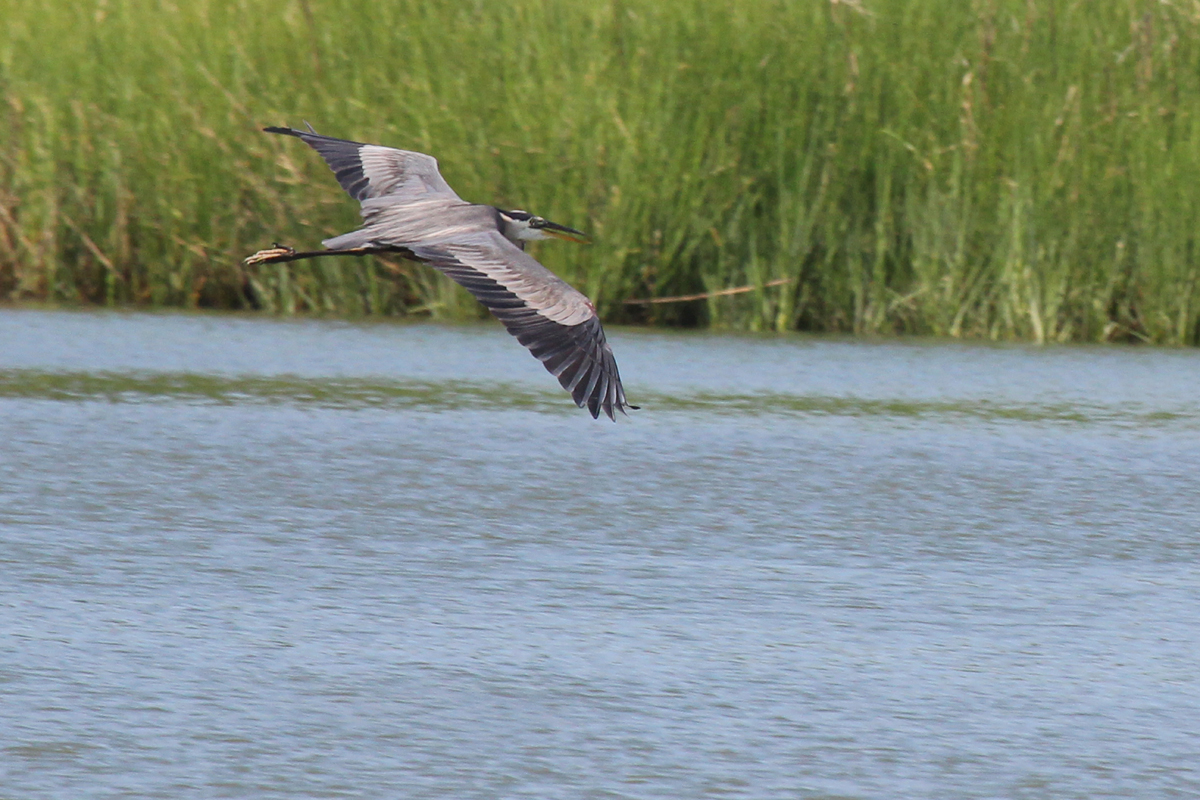
Extreme heat and humidity permeated the region throughout late June, easily notching a new high mark for the average of daily high temperatures for a thrice-monthly period this year. Pop-up thunderstorms were common, occurring most evenings, with torrential downpours and impressive lightning storms noted along with high winds on several occasions. The unstable weather didn’t appear to dampen the efforts of local birds however, as the number of eBird submissions did rise over the doldrums of mid-June. Unusual finds were hard to come by, as expected during this time frame, but, knowing fall migration for shorebirds is about to begin, it’s hard to feel anything other than anticipation. Top records for late June in Virginia Beach included continuing rarity reports for the Ashville Park WARBLING VIREO as well as unseasonal occurrences for RUDDY DUCK, PIED-BILLED GREBE and TUNDRA SWAN. Only one late species was noted, with a single report for RED-BREASTED MERGANSER to kick off the period.
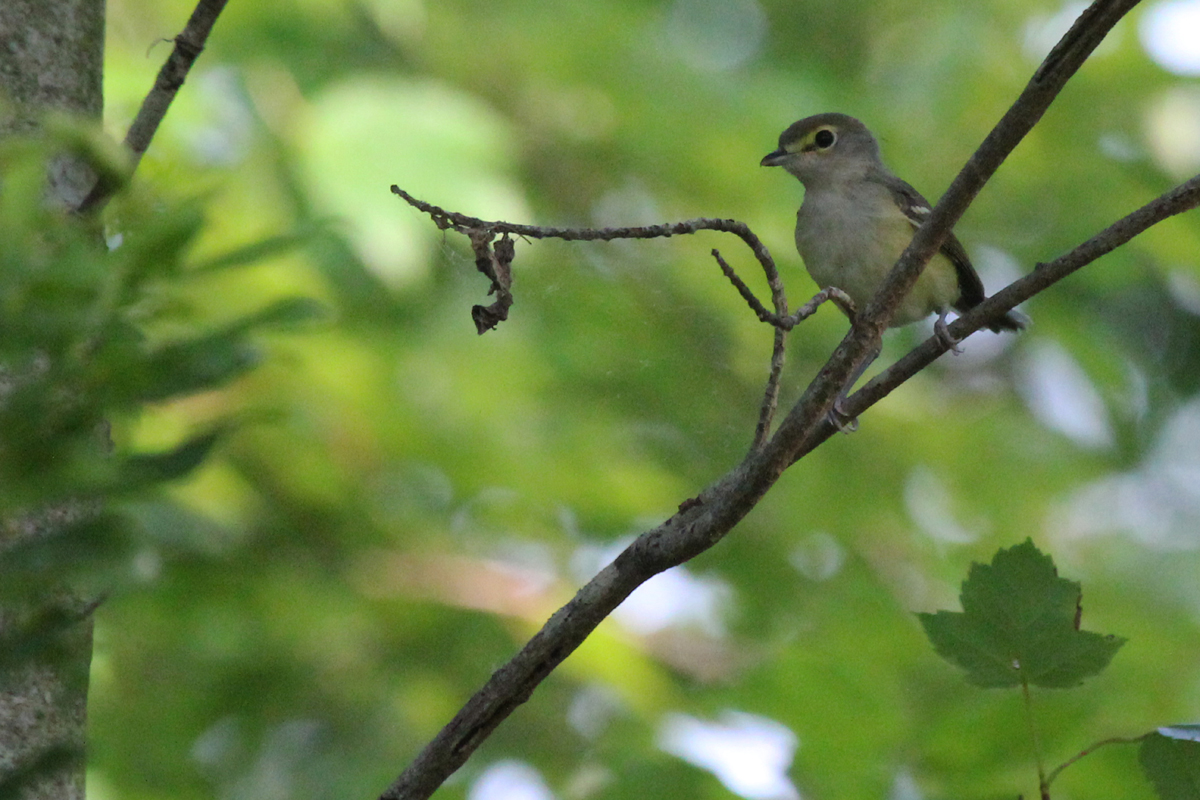
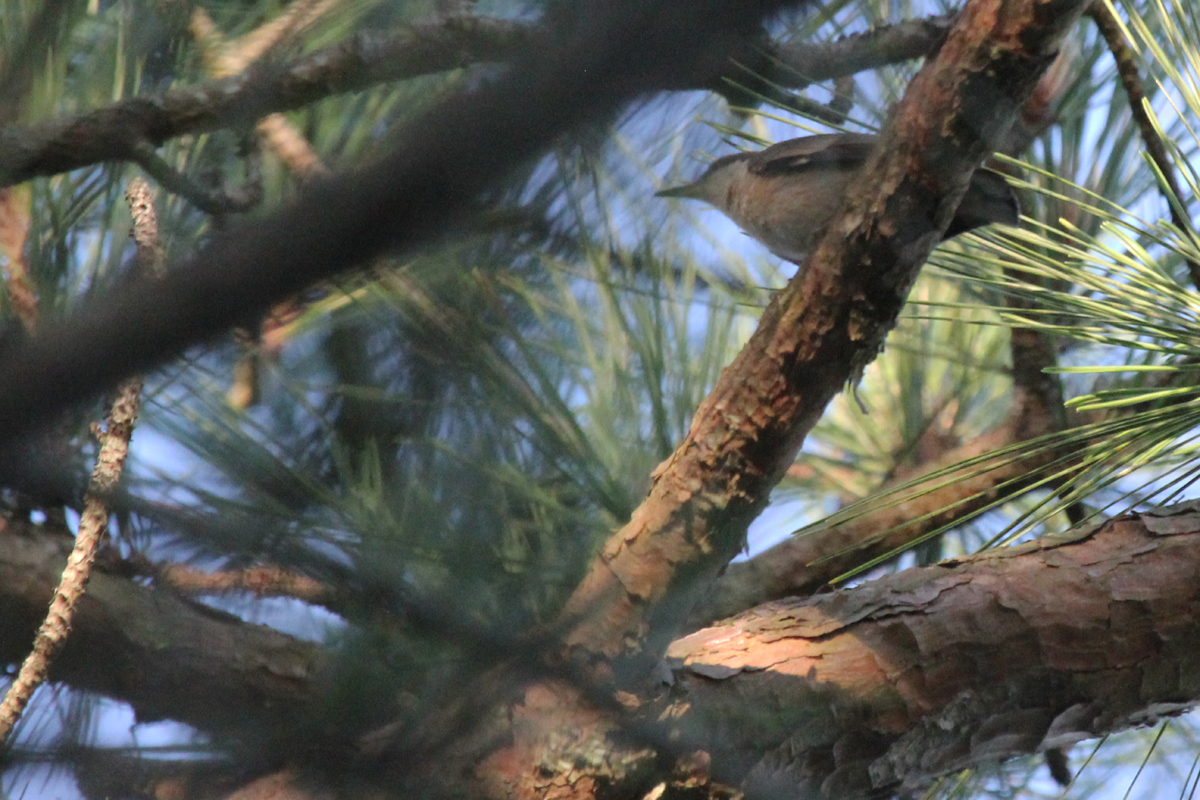
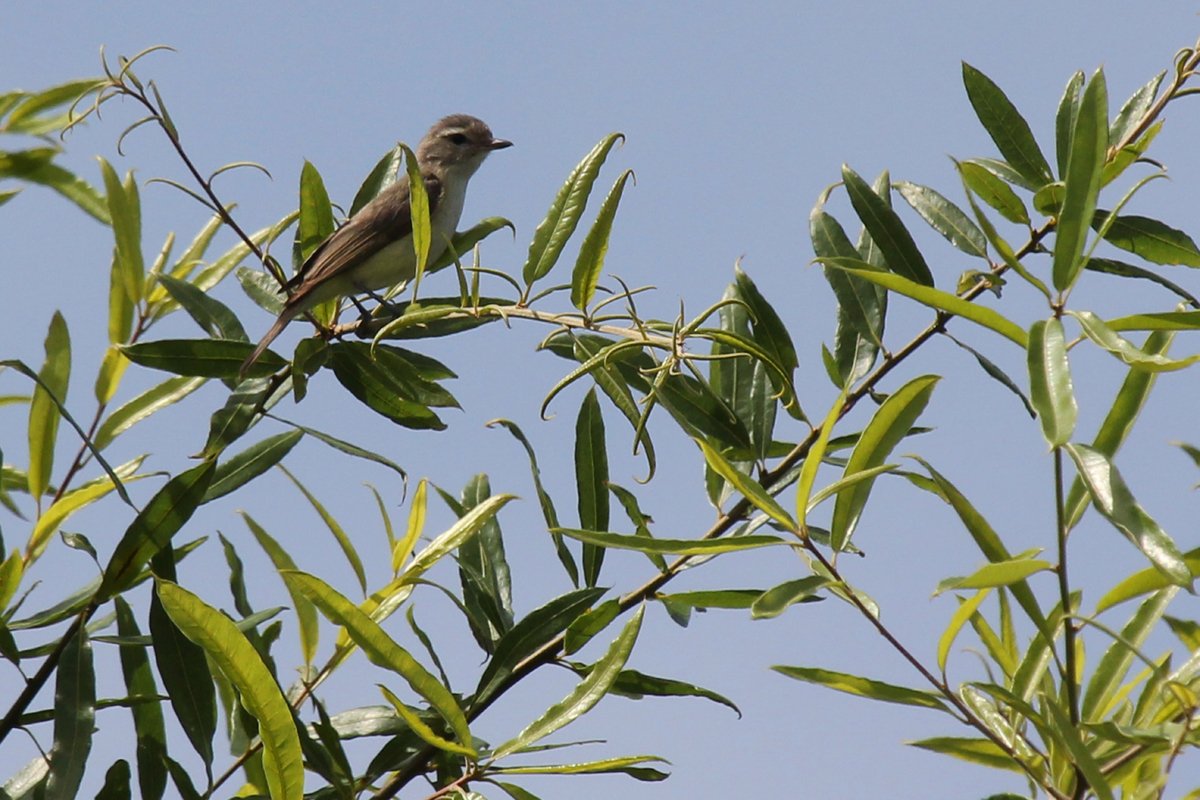
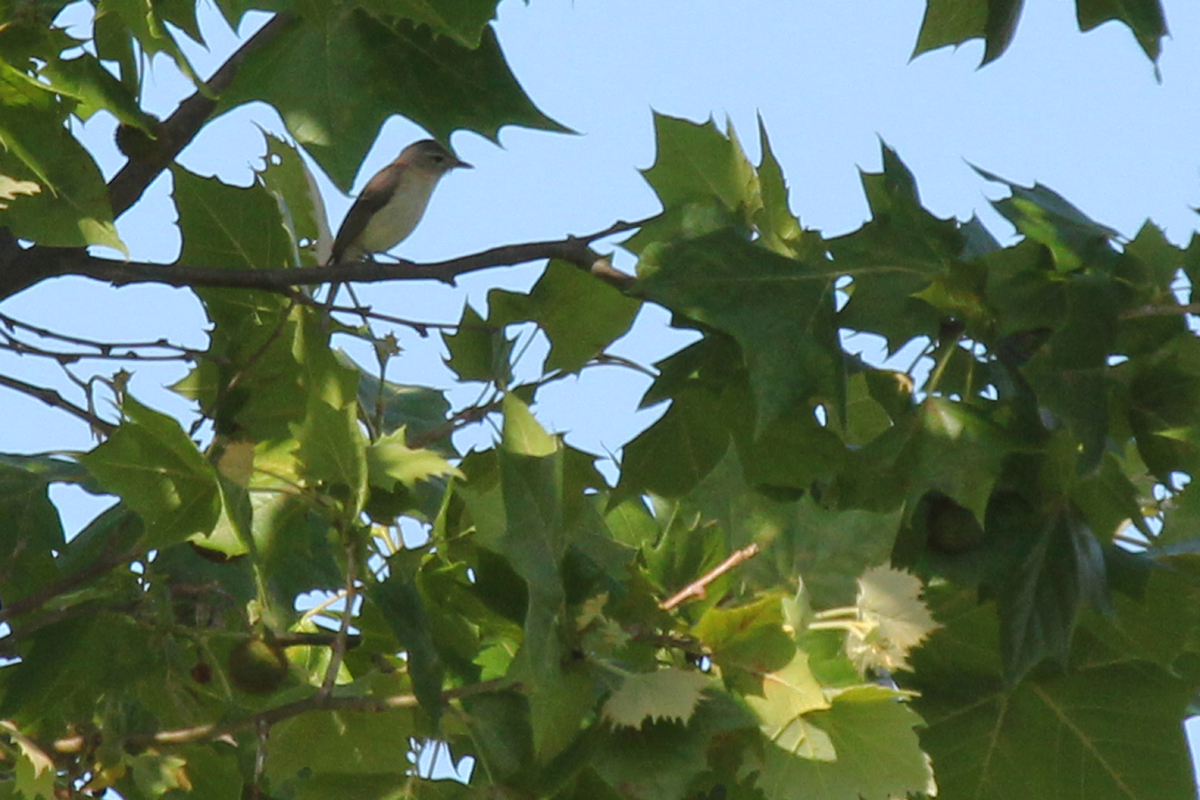
Continuing from the mid-June reporting period, the WARBLING VIREO first detected along Ashville Park Boulevard on 14 Jun (a.r. Michael Linz & Patty McLean), managed to stay in the same general area all the way through 26 Jun (obs. Karen & Tom Beatty). All observations of this remarkable individual have occurred in the willow oak trees just east of the clock tower roundabout (the first traffic circle east of Princess Anne Road). While the bird has, at times, been observed in flight crossing the storm water pond on the north side of the road, it hasn’t spent much time in the sycamore trees there before returning to the boulevard’s tree-lined edges. Given this remains the only summer individual of its kind so far noted in eBird on the coast south of Delaware, it seems highly worth the effort of continuing to track its presence. Virginia Beach has never had a July record for Warbling Vireo, and come Sunday, we may have our first legitimate shot at one!

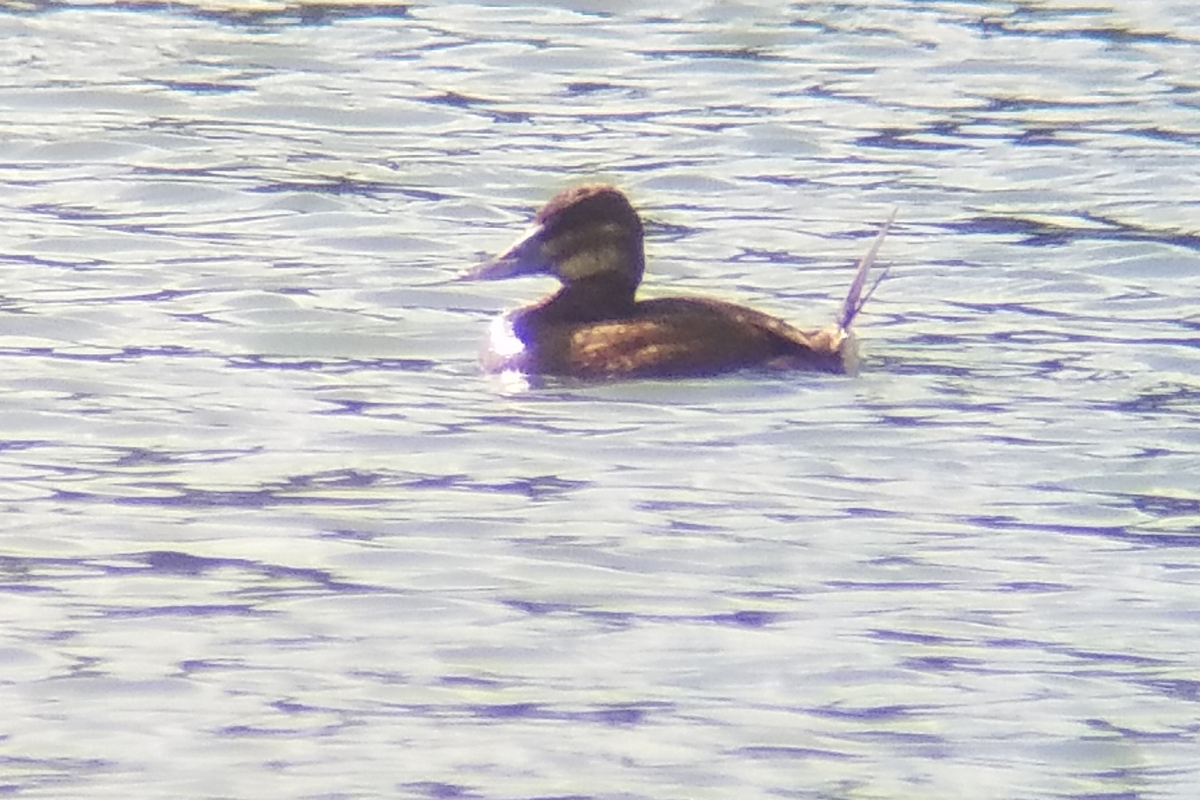
A big surprise this period was the emergence of a report from Mt. Trashmore Park detailing a single RUDDY DUCK present on the lake on 27 Jun (obs. Kent Millham; later ph. Rob Bielawski). Highly unusual this time of year, with the last records for this species in the city occurring way back on 18 Apr (obs. Steve Myers). Interestingly, the last few spring reports all originated at this same location, and it makes me wonder if this individual actually stayed here all this time and was just never noticed. The other explanation would be that it is a dispersal bird from perhaps Craney Island in Portsmouth or Chincoteague NWR in Accomack, as these two locations see summer reports of individuals almost annually. Whatever the case, it is certainly a waterfowl species that we don’t expect to find here in summer, with the last Jun/Jul record occurring back in 2014, and the only others in 2002. Perhaps like the Warbling Vireo mentioned above, we’ll see this bird linger into July at this location.

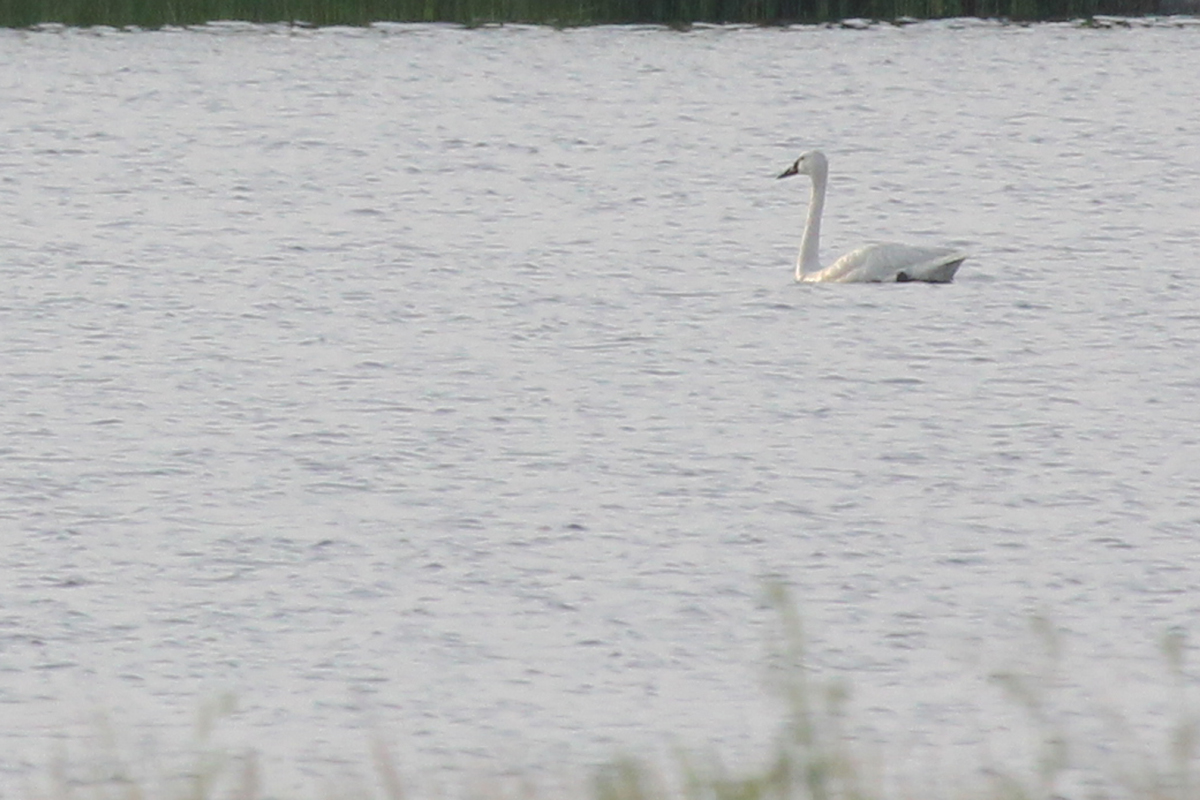
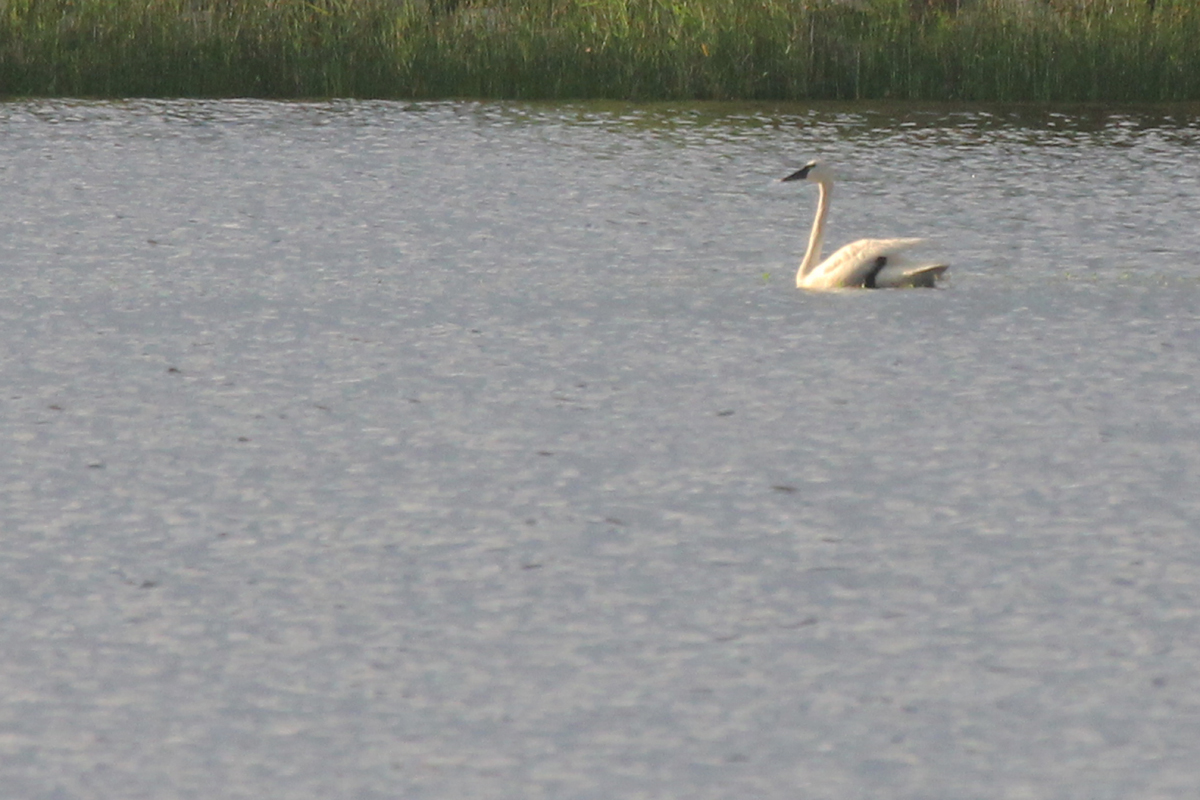
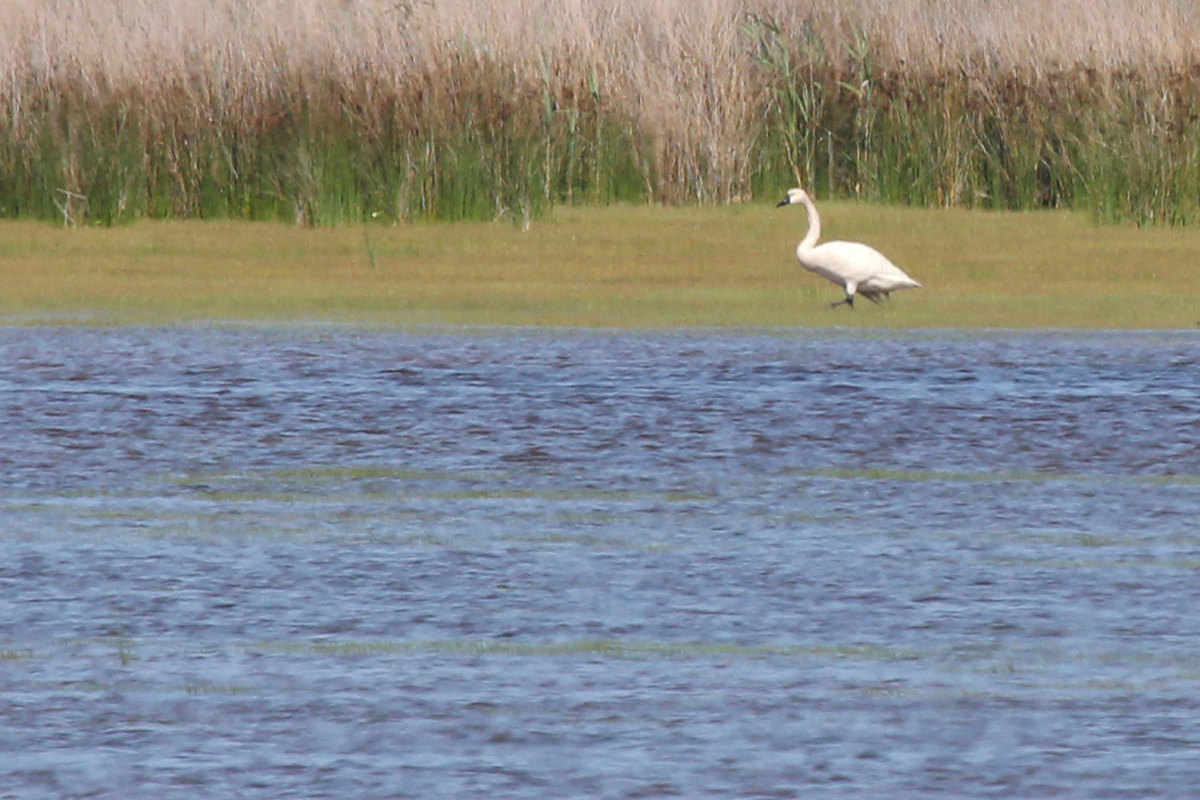
During the late June impoundment survey at Back Bay NWR, a pair of waterbirds turned up that really shouldn’t be present at this point in the year. The first, a true surprise, was a single PIED-BILLED GREBE noted on the Back Bay NWR eBird account as being identified by Bob Ake. June records are difficult to come by for this species, but Back Bay surely provides the best habitat we have in the city for one to over-summer or attempt to breed. Usually by mid-to-late July, we’re starting to see these popping up again in the region, but this record stands out for being the only late June record since 2014. Additionally, the (likely) injured TUNDRA SWAN that has been present at Back Bay for about a month now appears to continue, having showed up also in the impoundment survey report. Just a couple of more days, and we could be documenting the first occurrence of this species here in the month of July.
At least one RED-BREASTED MERGANSER persisted into late June in Virginia Beach, while as many as three were noted in the early part of the month. The Gold Book notes the summer month distribution of this species as, “Small numbers often linger into late May and early June; relatively rare summer visitor along the coast (very rare inland)”, so given we’re now about to hit July, if one pops up again, it will be noted here as an unseasonal occurrence rather than simply a late bird, because at this point, it’s like the bird is going to attempt summering rather than simply being a late straggler. While the only report of a single female occurred at Pleasure House Point NA on 21 Jun (ph. Andrew Baldelli), it’s possible that we’ll see this one, or other again moving forward…there’s a lot of water out there, and even more vegetation to hide among. In an average year, we don’t typically see this species returning to the area until late October, so any reports between now and then will certainly be noted.

Now that we’re in the heat of summer, it feels important to remind all birders in Virginia Beach that the 2nd Virginia Breeding Bird Atlas is moving full-steam ahead into its third season of data collection. For those folks who aren’t familiar, this five year project is aimed at mapping out the breeding ranges for every bird species that nests within the state of Virginia. It is intended to provide a comparison with data from the 1st Virginia Breeding Bird Atlas, which took place in the 1980s, to identify species whose populations have deteriorated, and to use this knowledge to build plans on how these species-in-need might be better assisted by federal agencies and conservation organizations. Co-sponsored by the Virginia Department of Game & Inland Fishers, the Virginia Society of Ornithology and the Conservation Management Institute at Virginia Tech, this project relies heavily on volunteers for data input using eBird, so if you’re already an eBird user, this project is a great way to help make your checklists potentially count for more than just numbers on your personal life list, by helping document the shifting distributional patterns of species that can directly benefit from your observations! A large array of information regarding the project is available online, with the Atlas Website being a great starting point for anyone who might be interested, as well as the Atlas eBird Portal News Page. Additionally, I help run the Atlas’ Public Facebook Page (where information is shared to the broader community of those folks who have shown an interest in the project), as well as the Atlas’ Facebook Group (where active Atlasers can share their sightings and discuss various aspects of the project with one another).

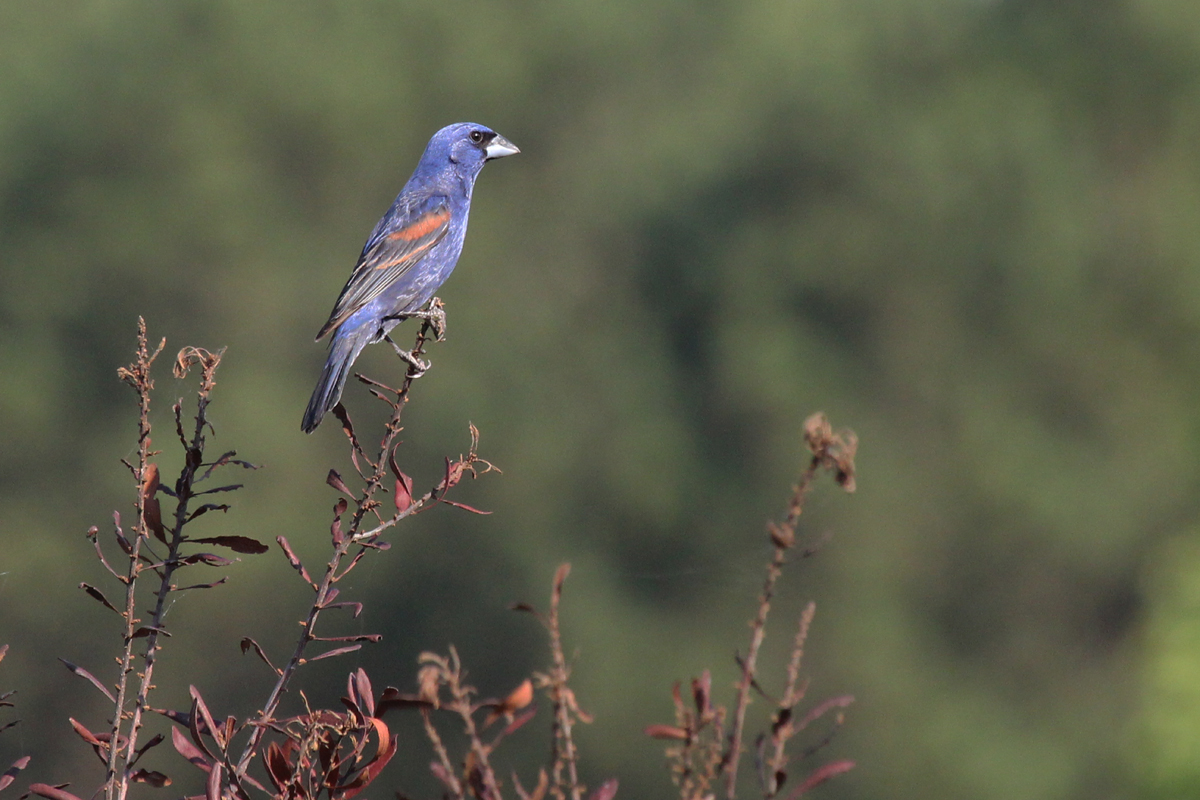
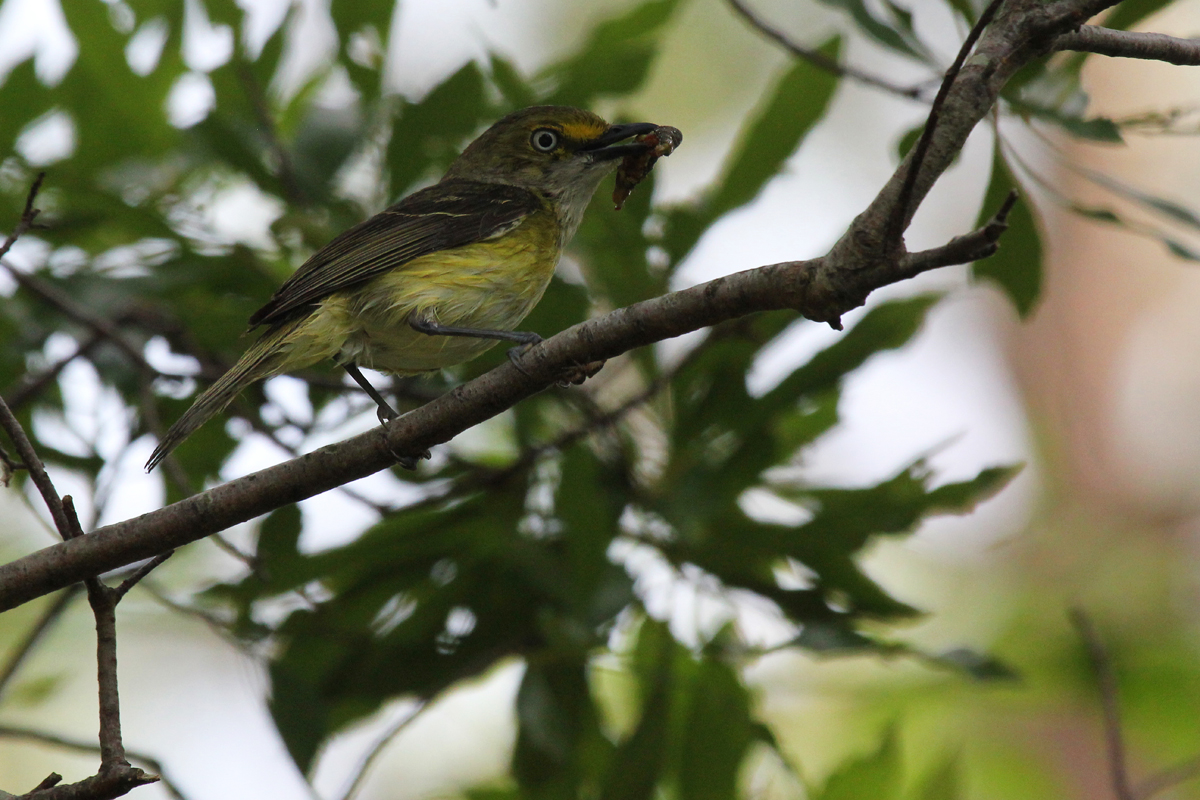
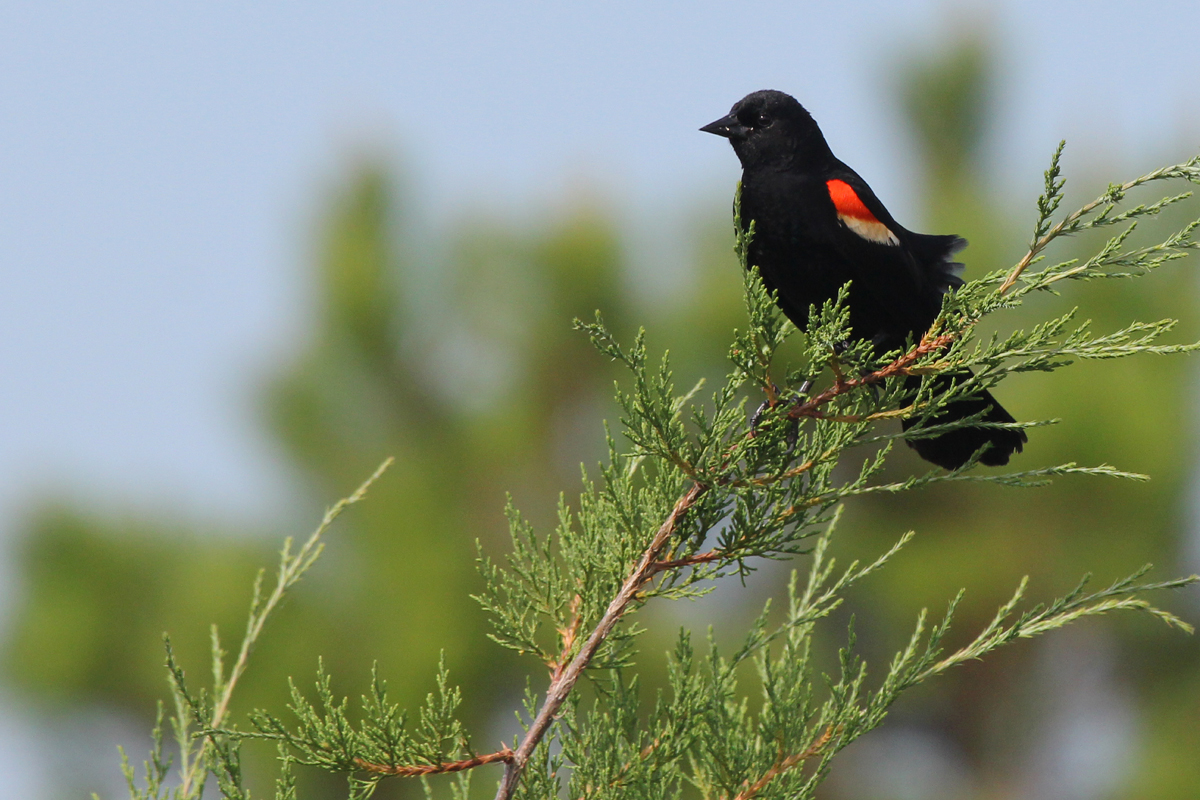
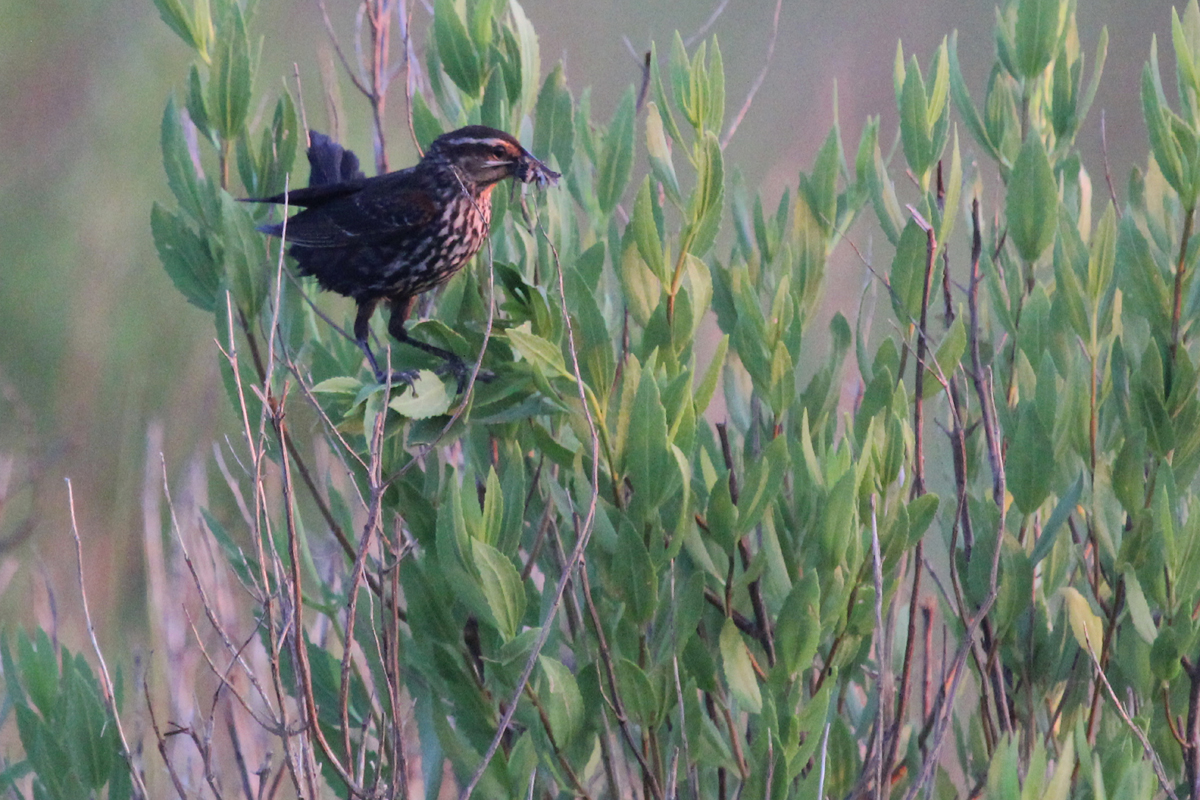
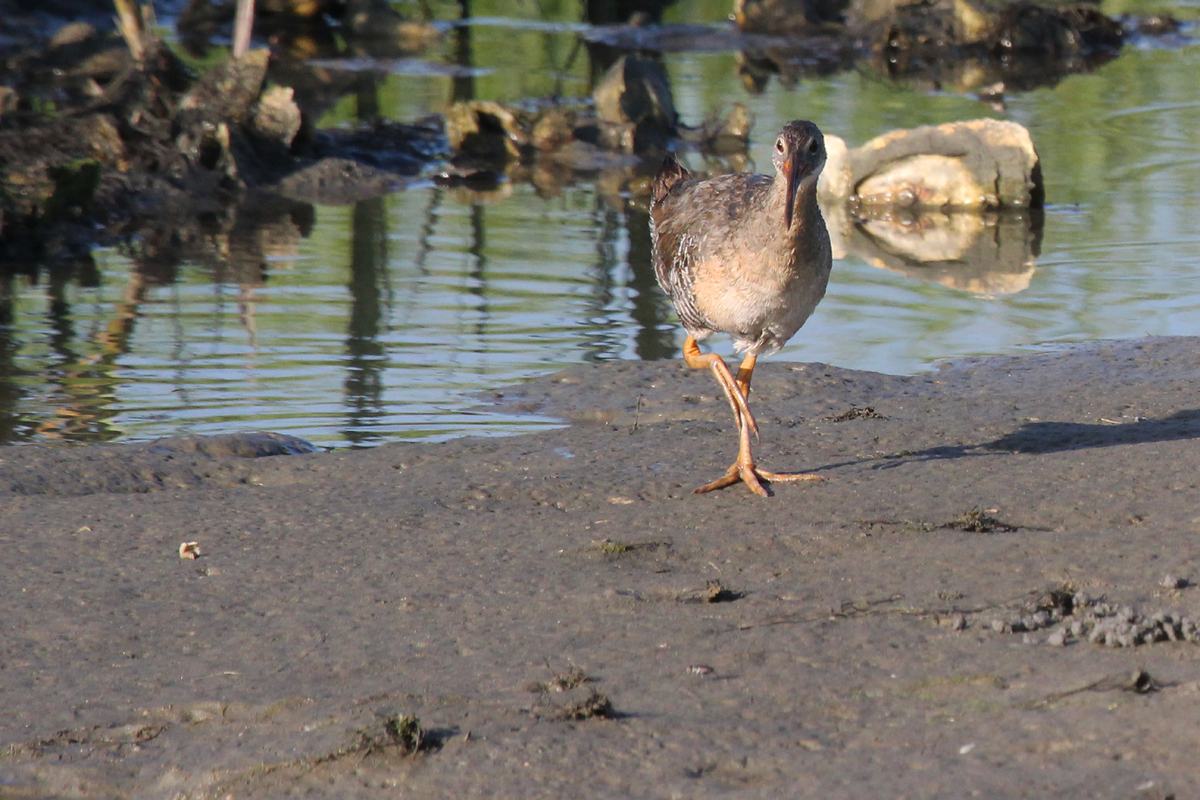
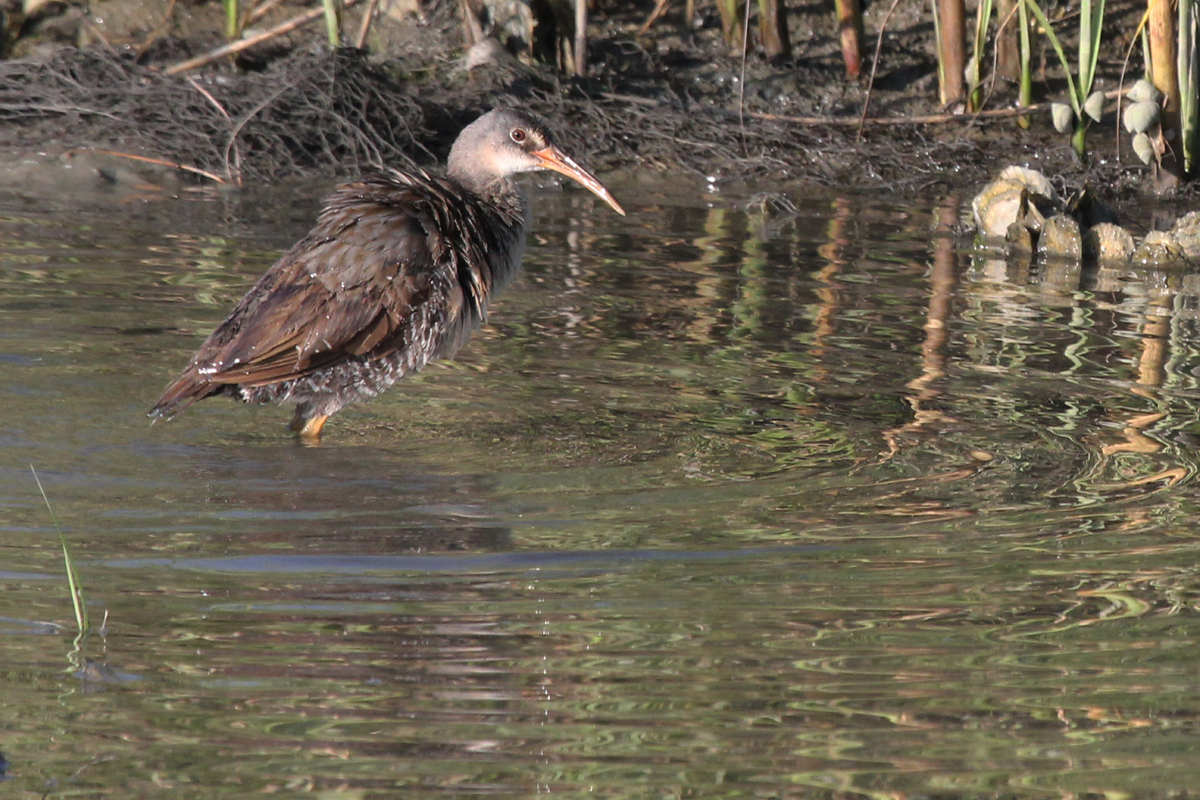
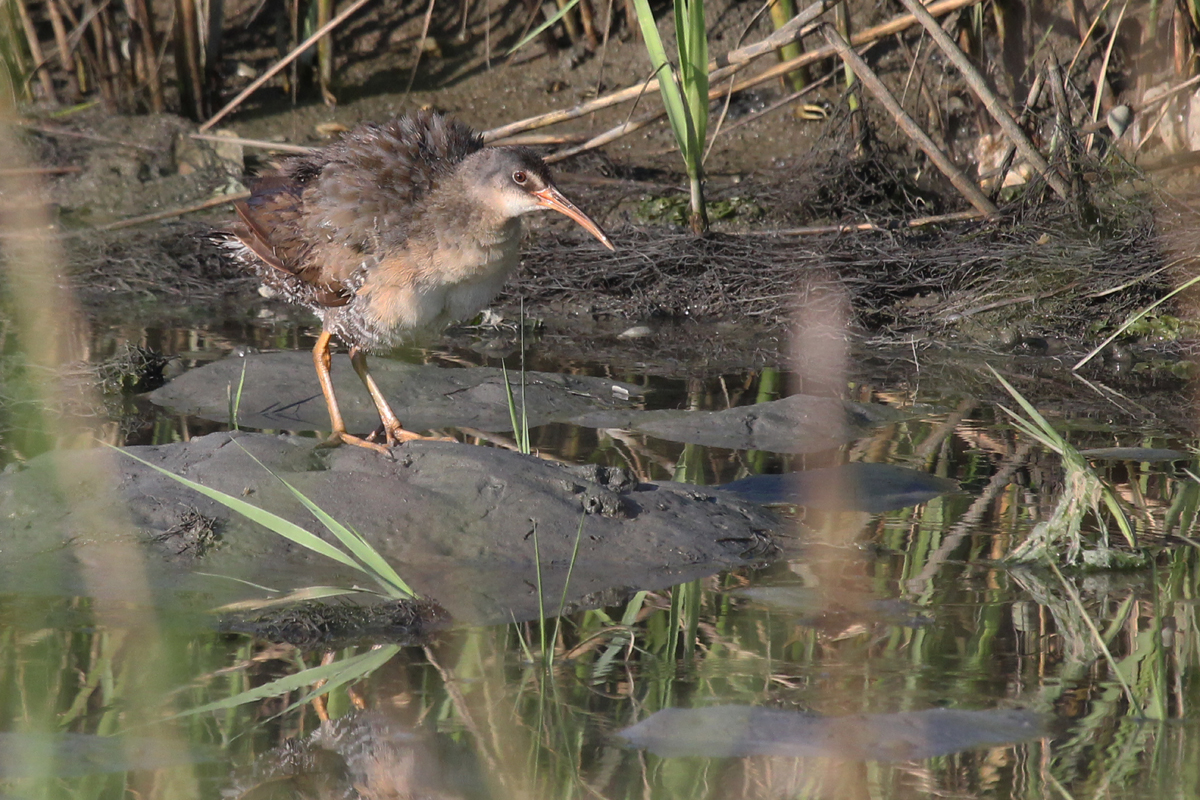
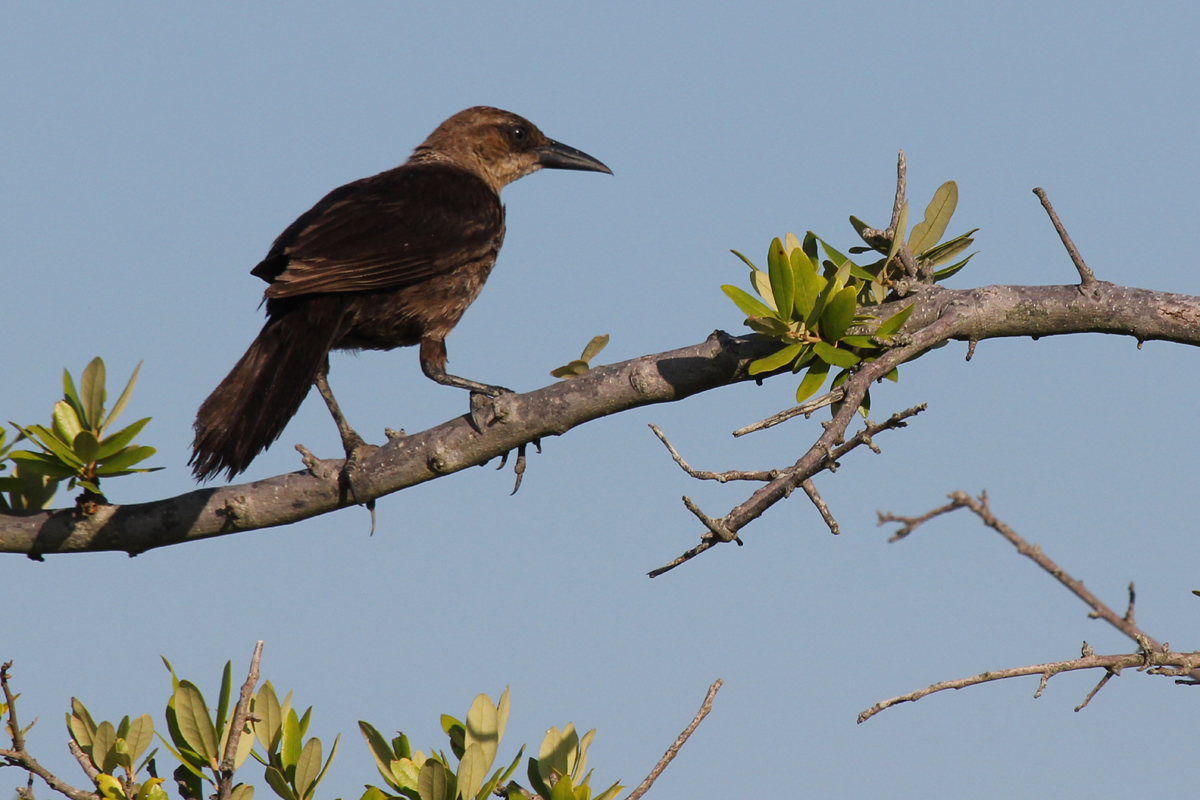
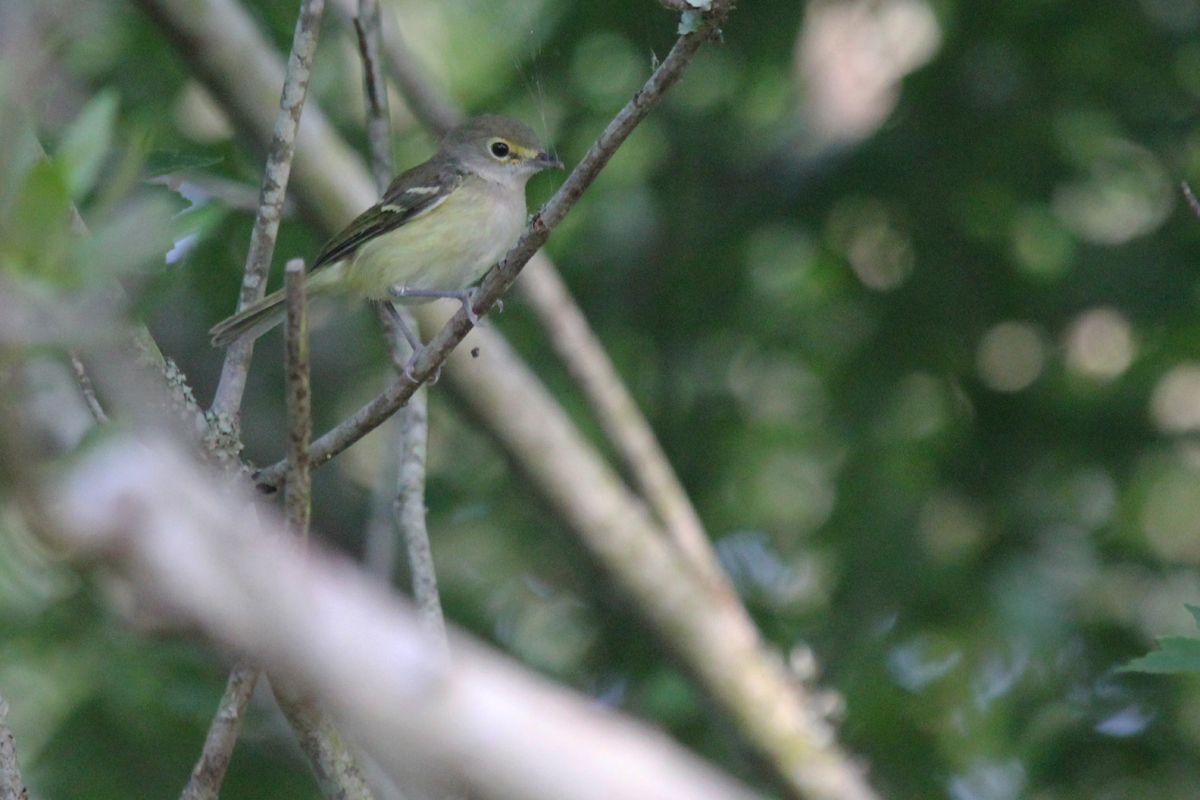
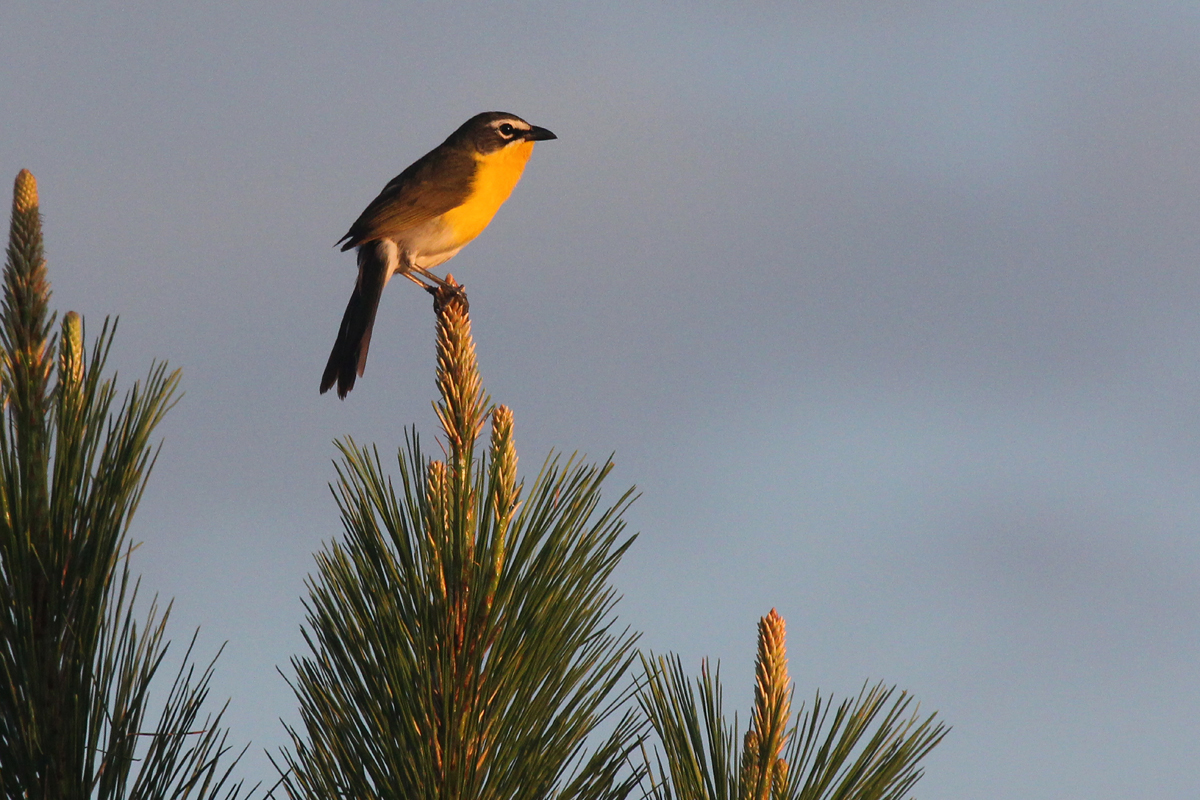
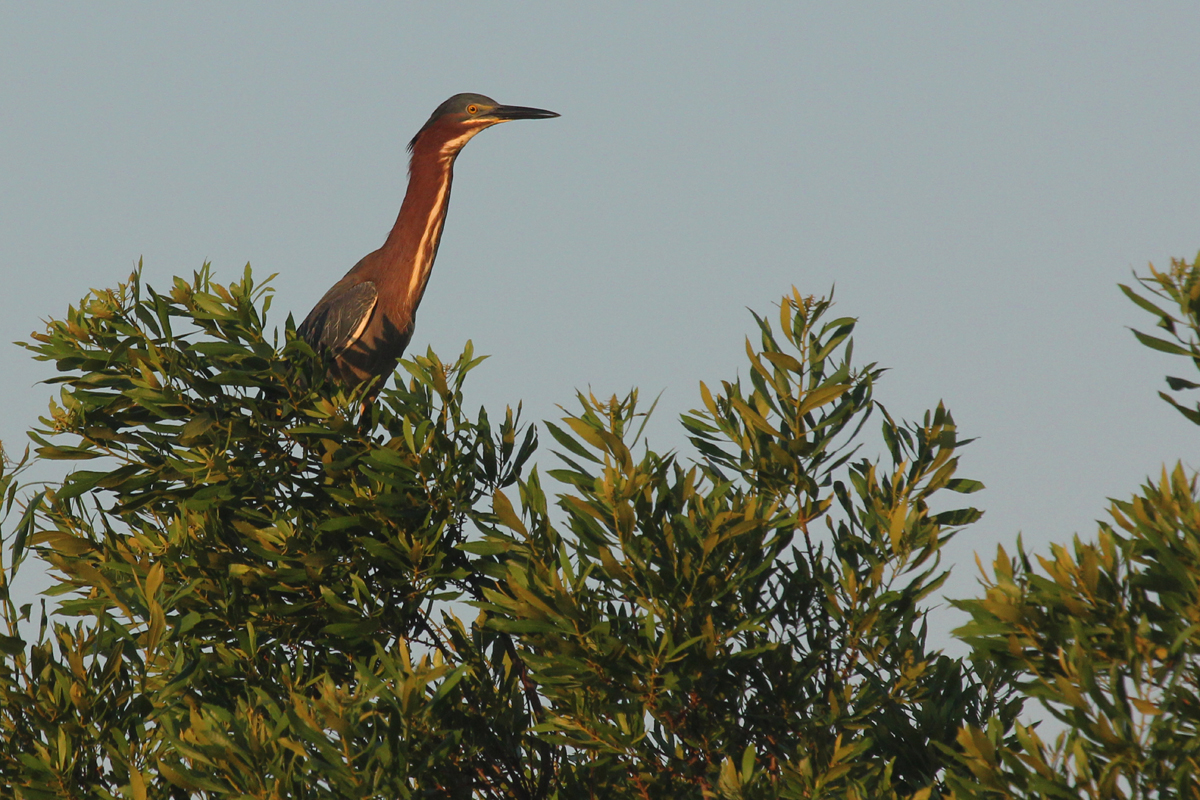
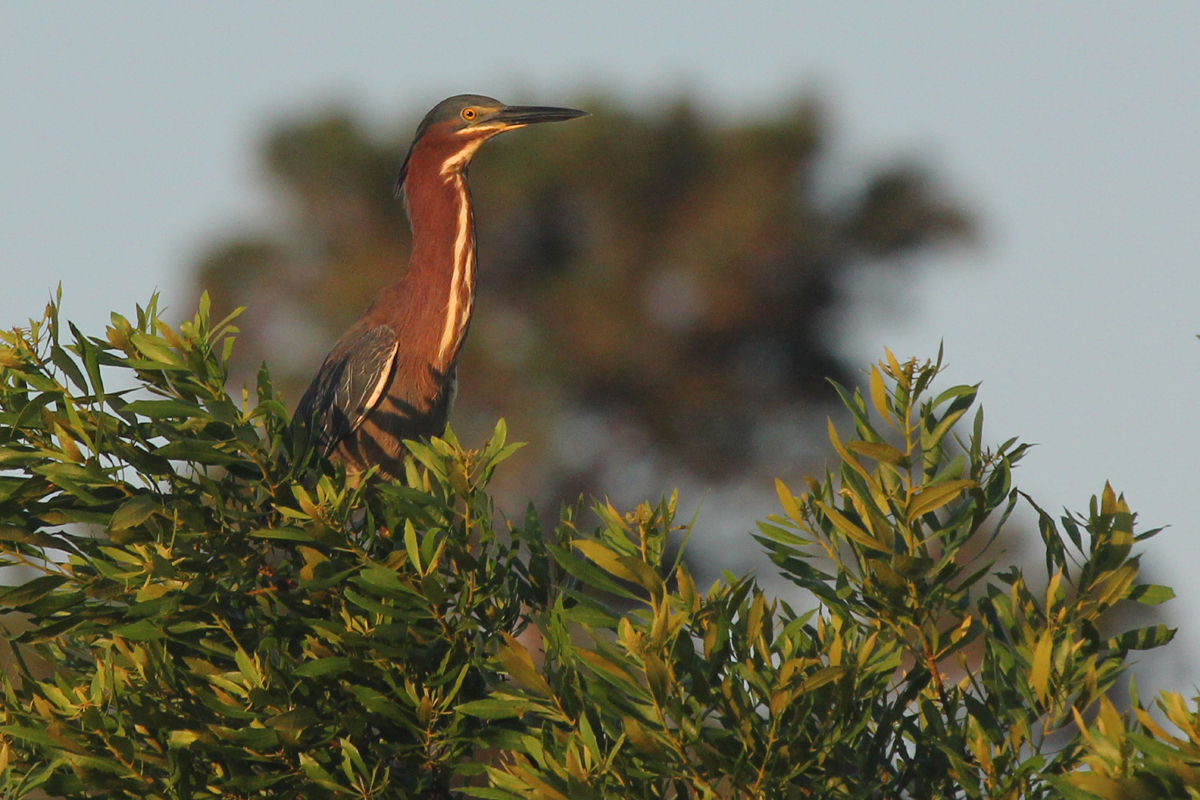
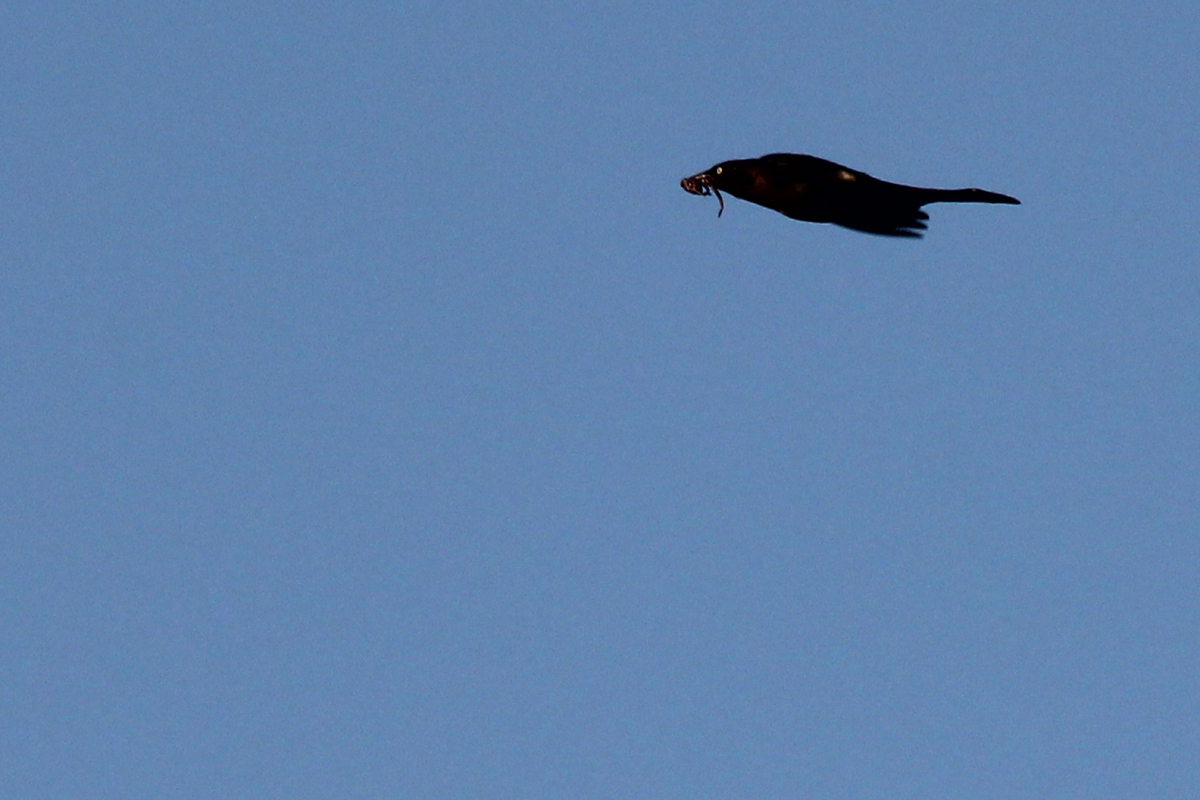
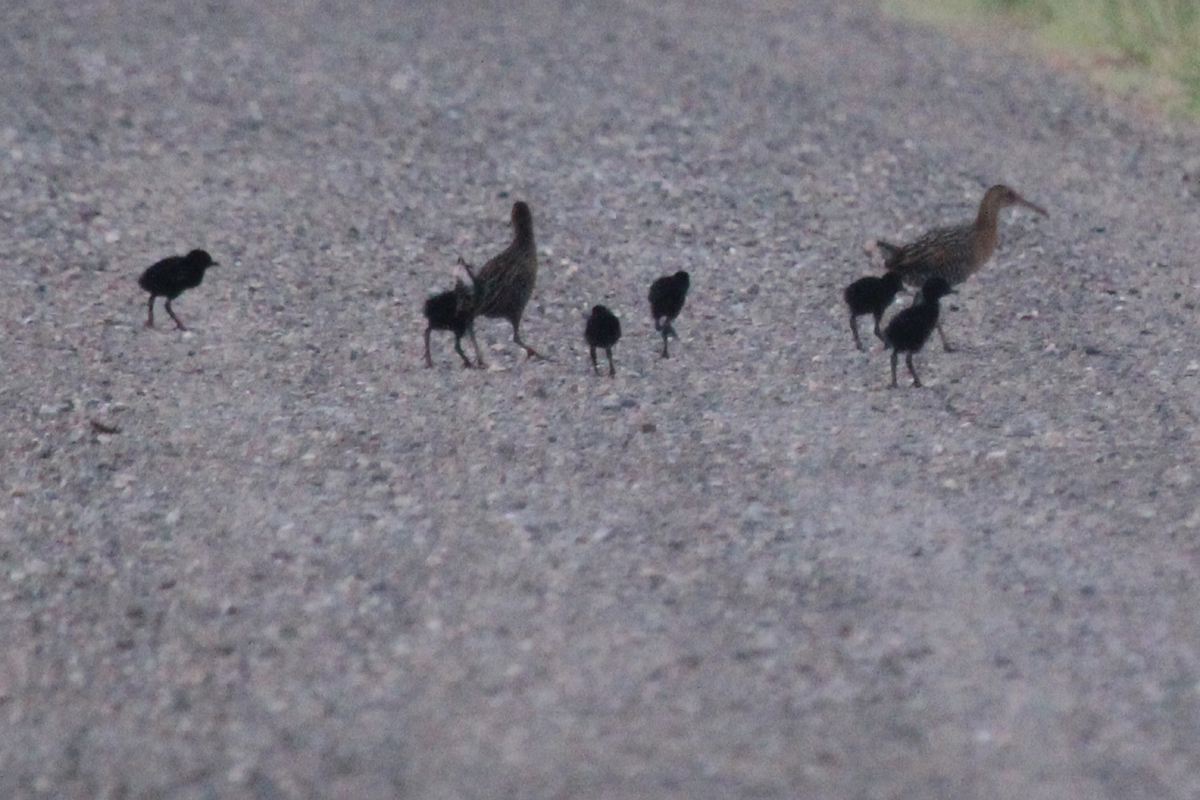
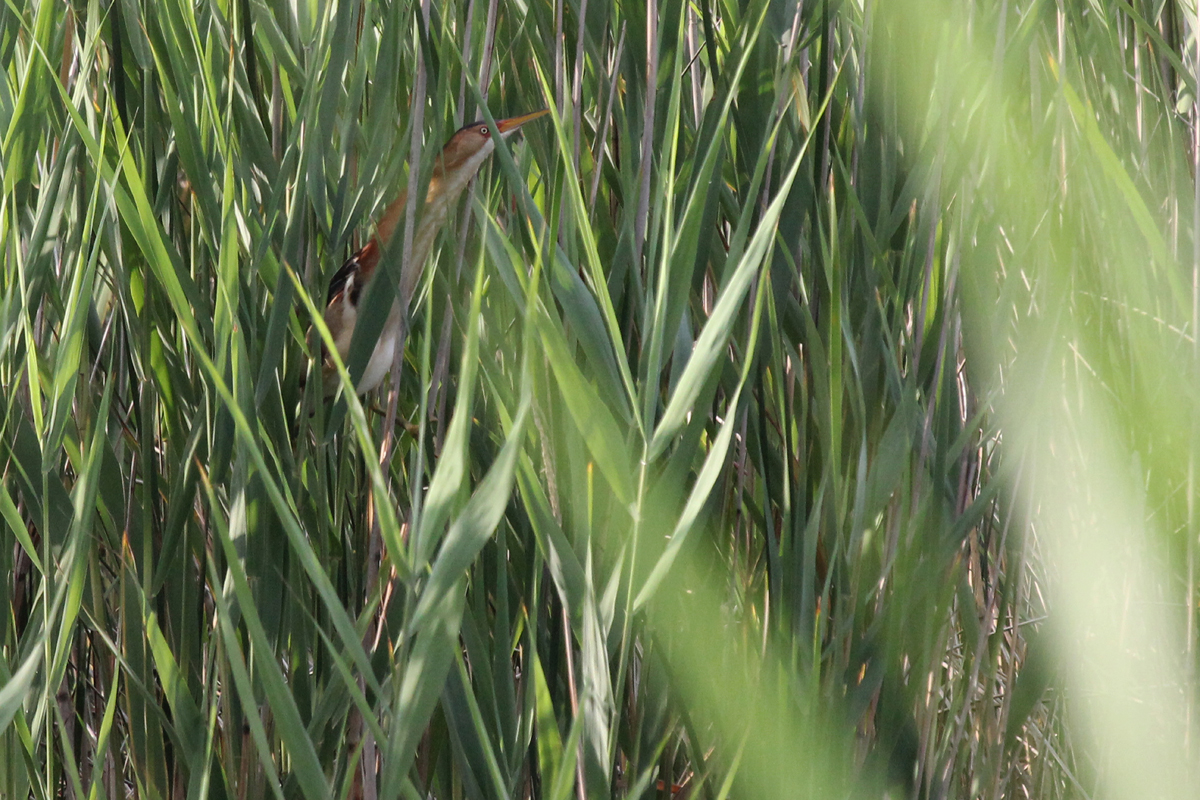
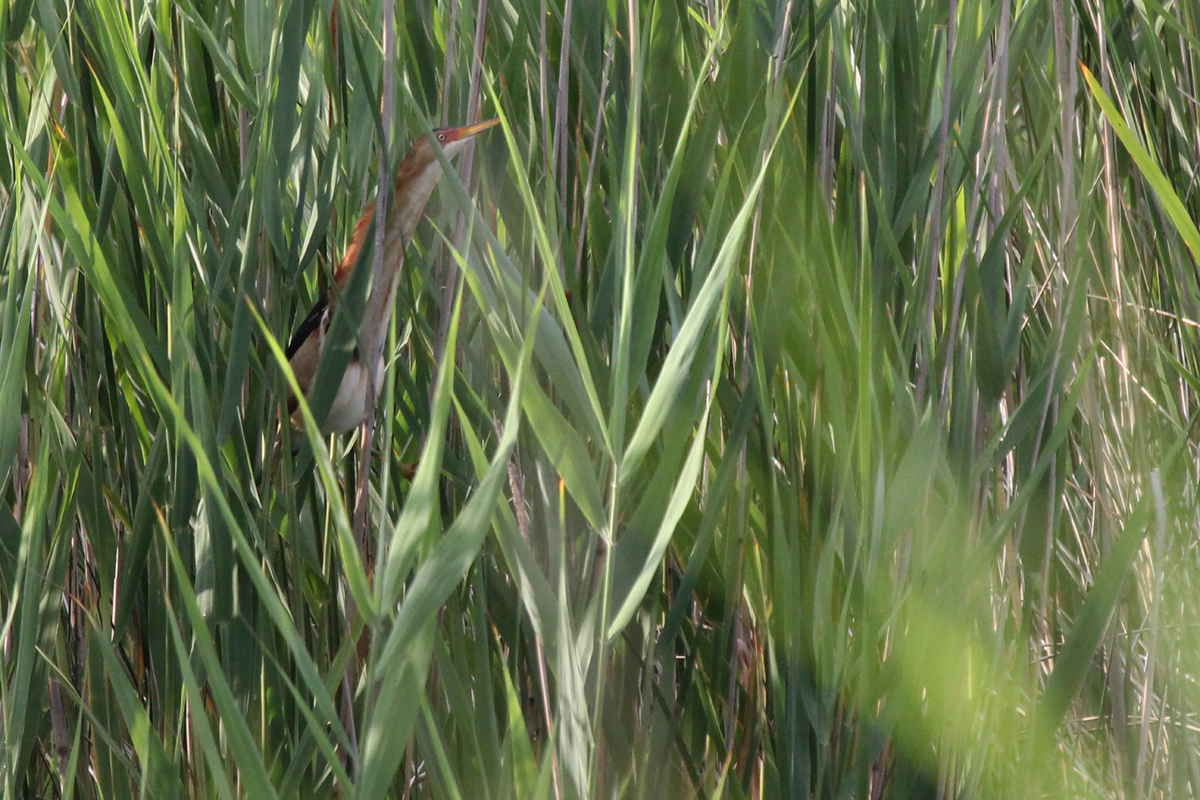
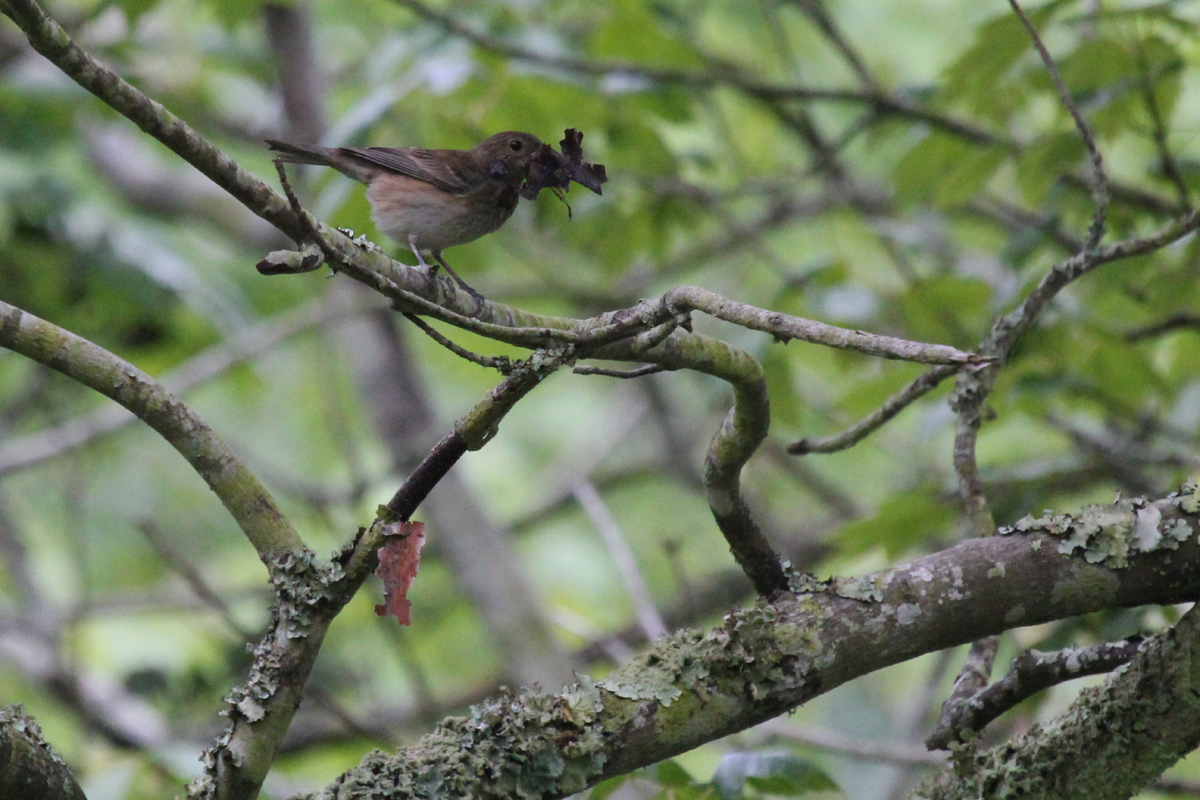
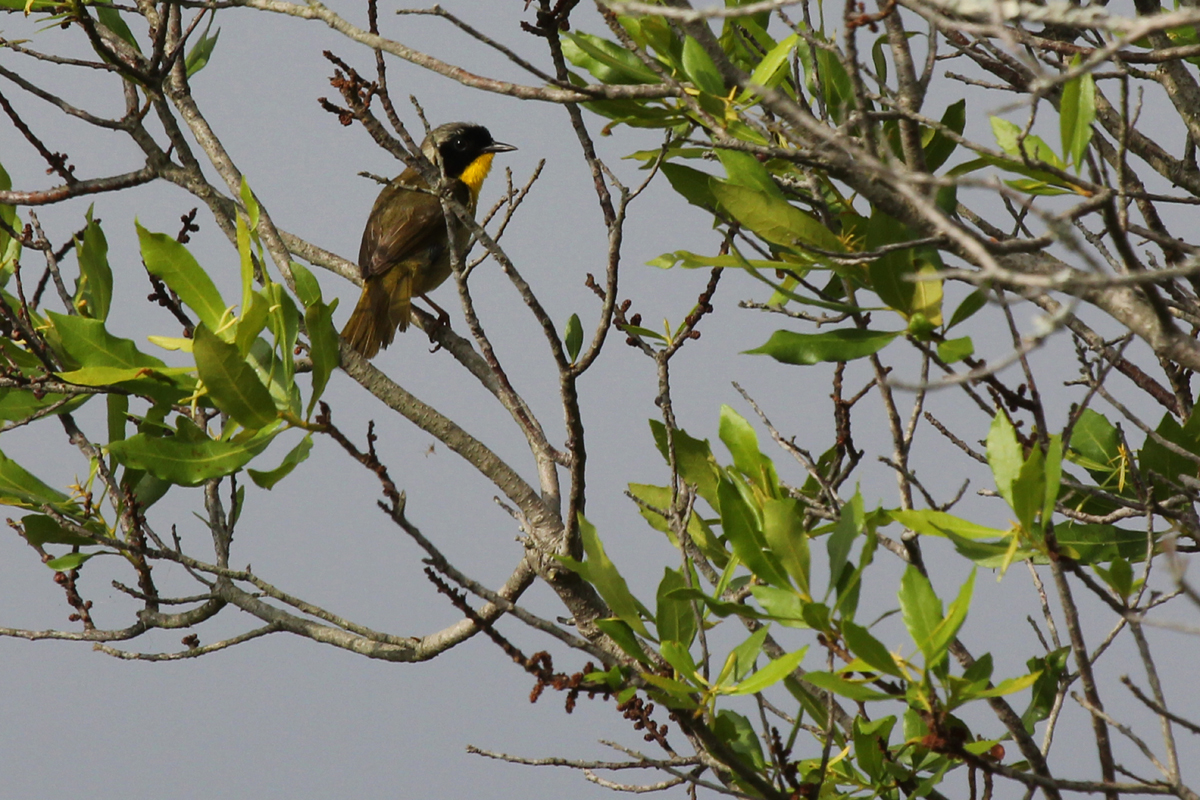
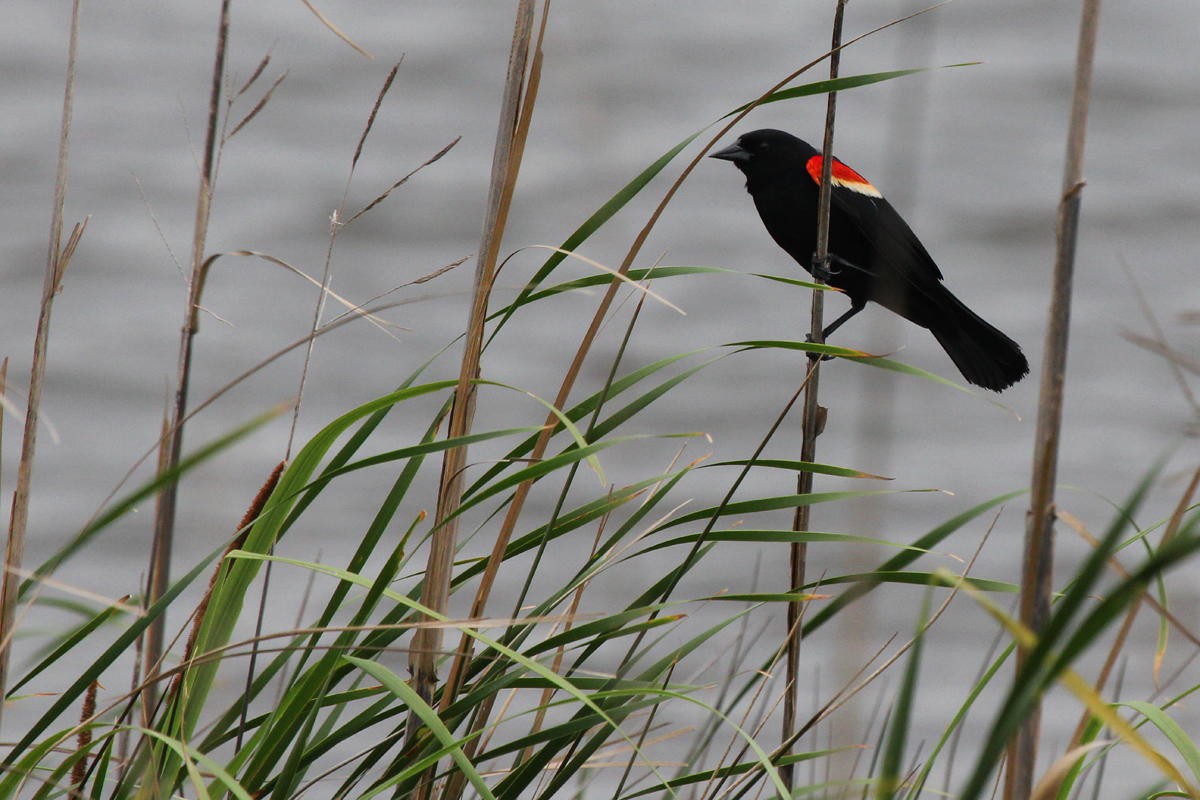
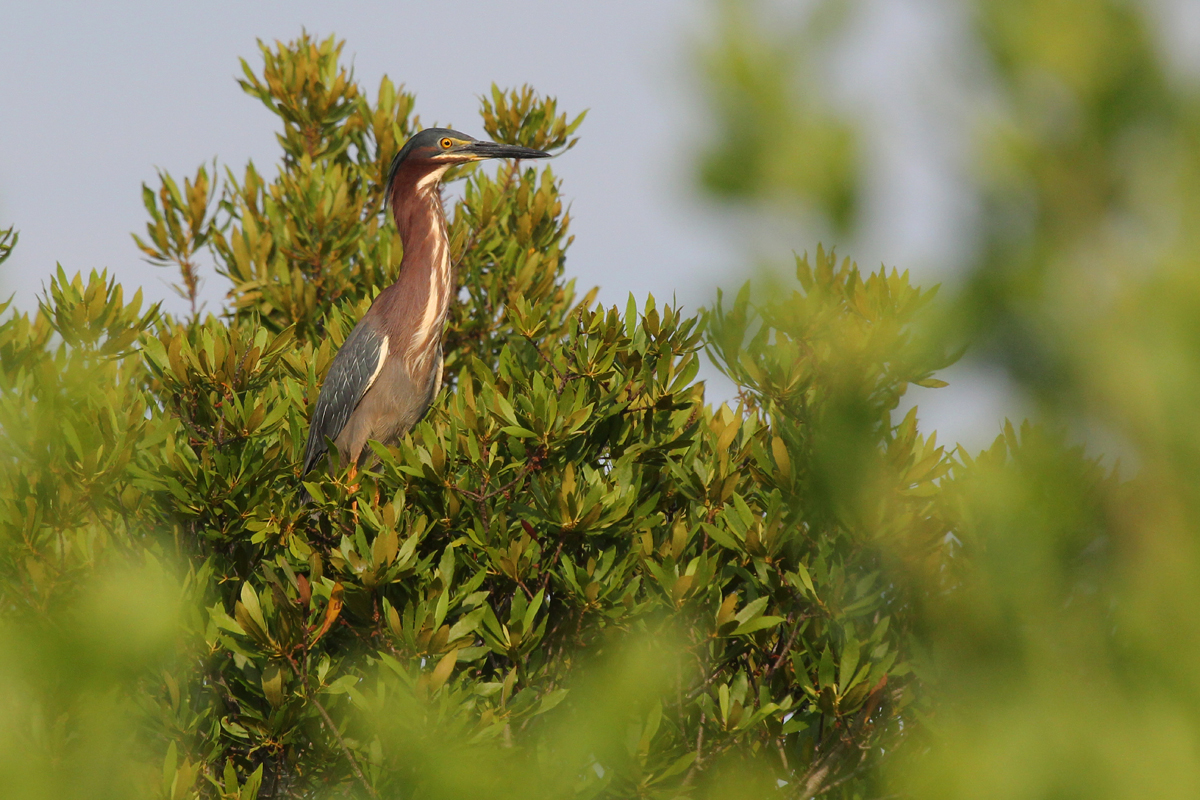
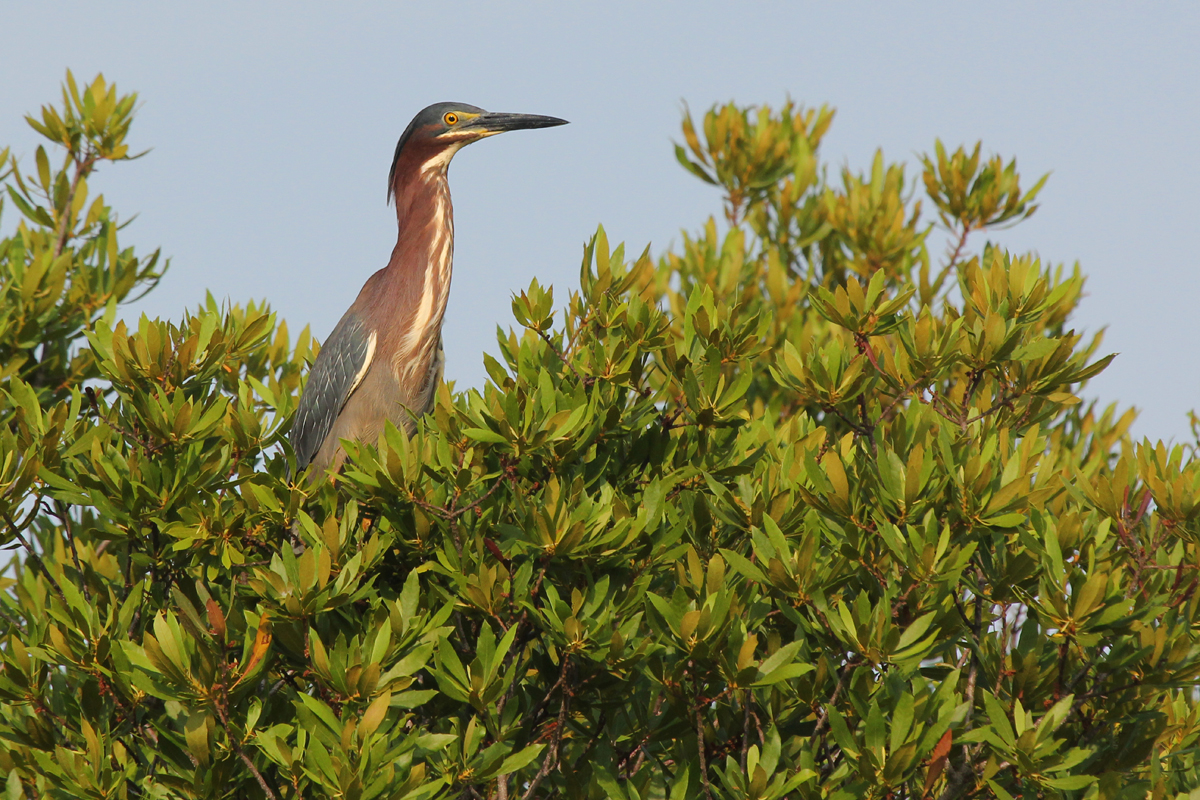
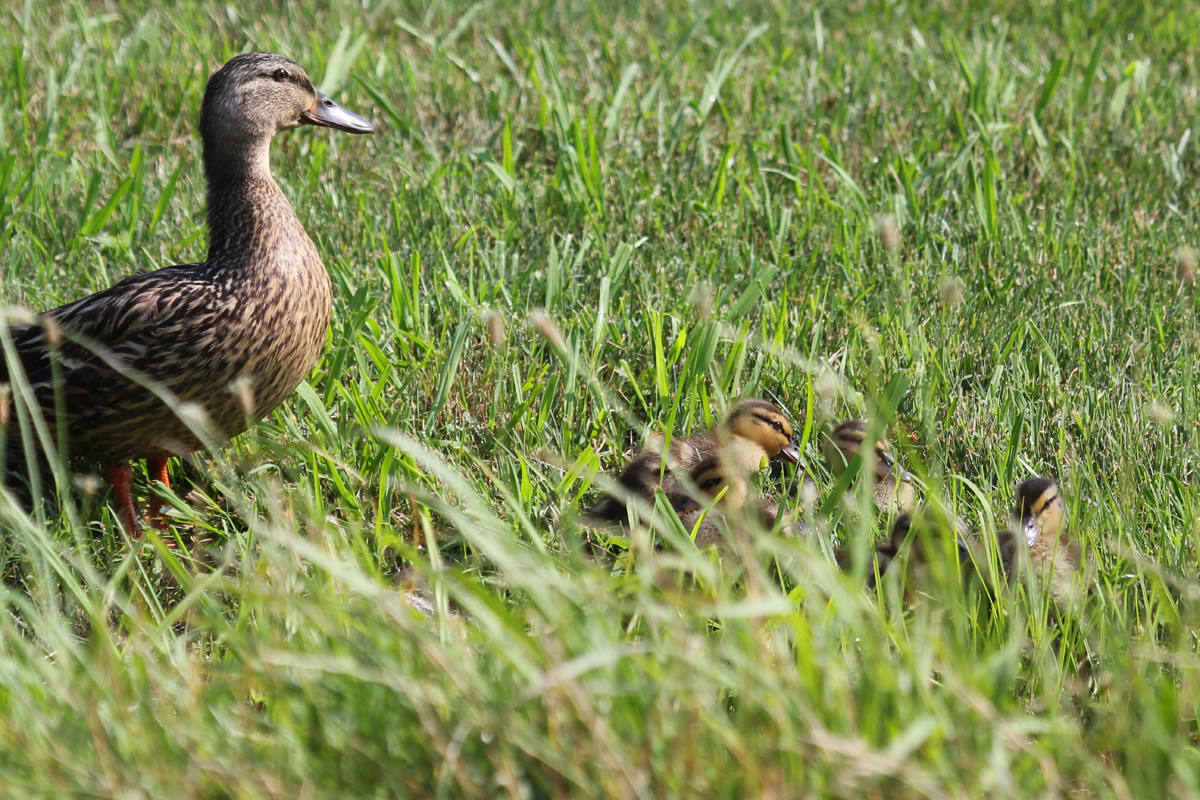
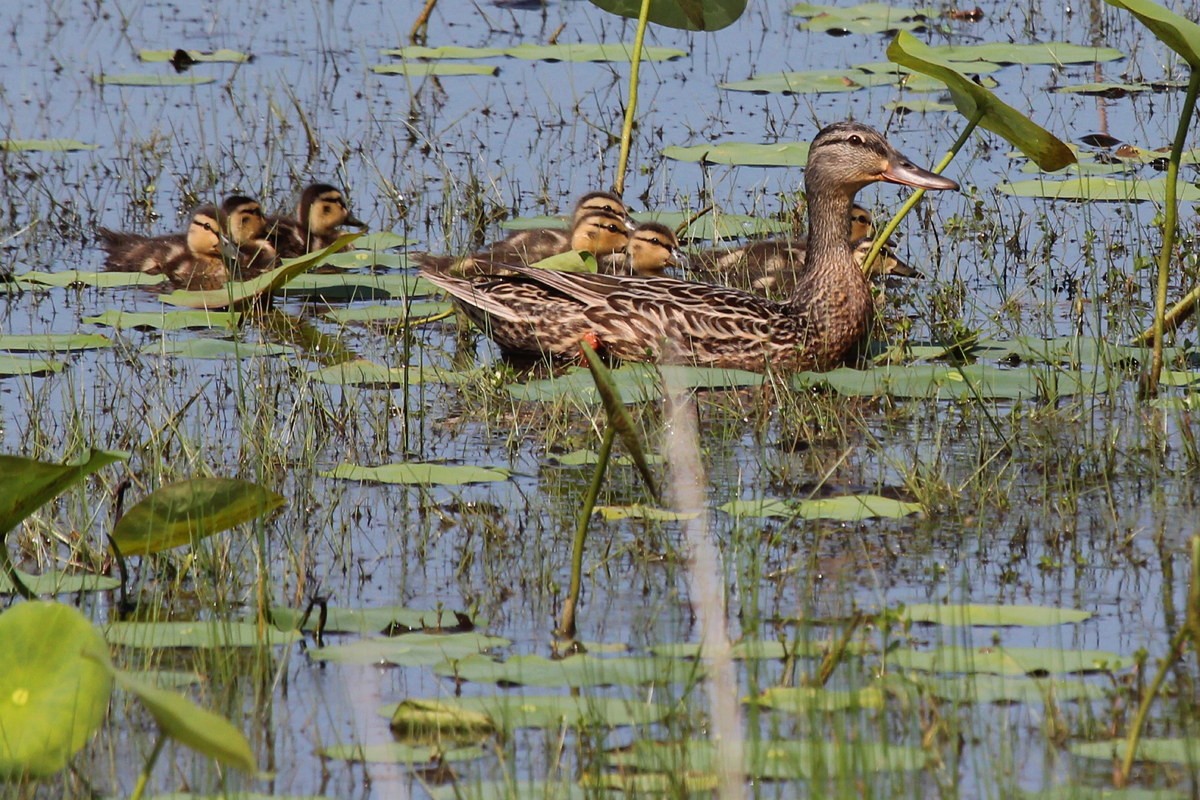
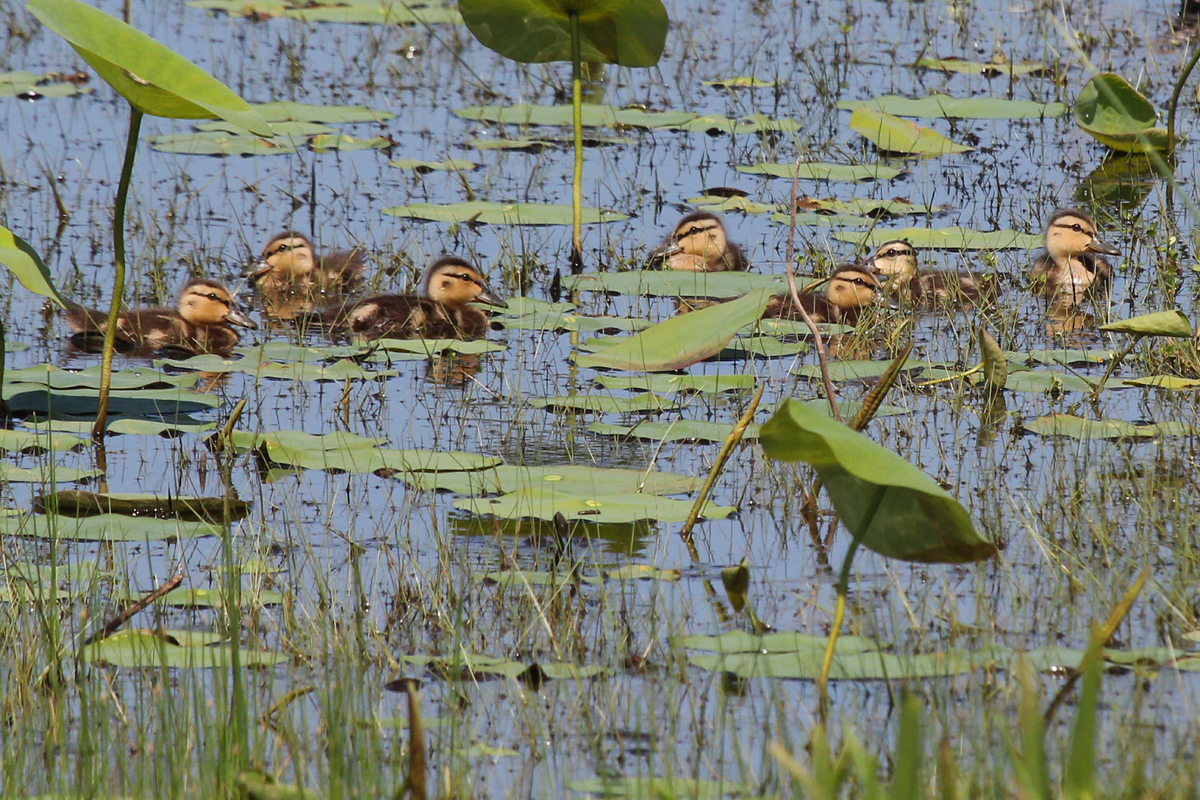
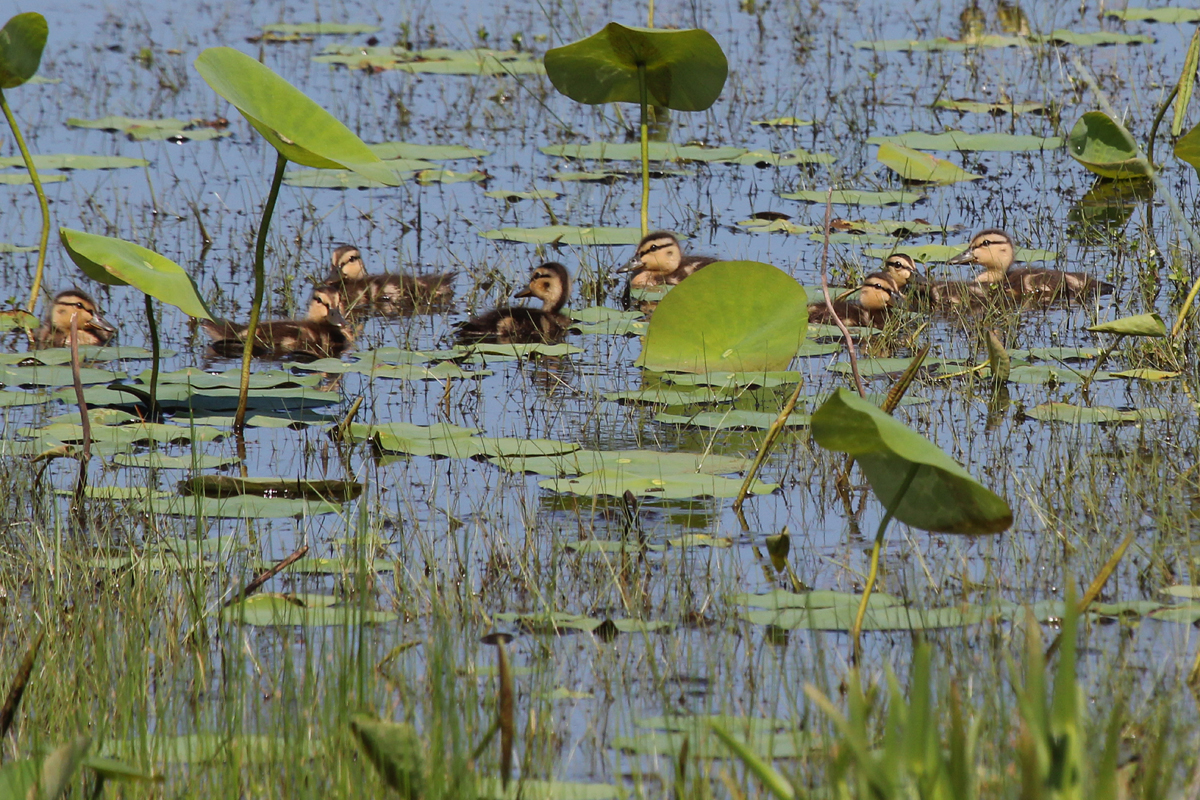
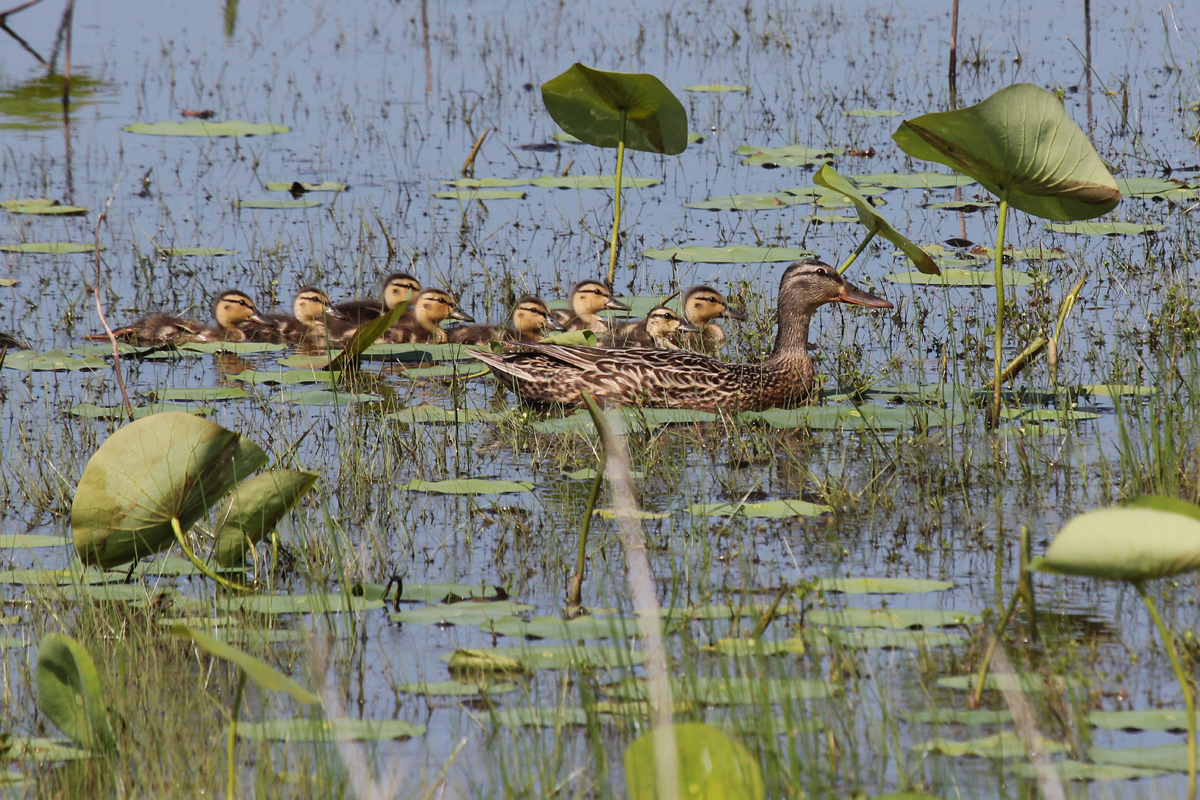
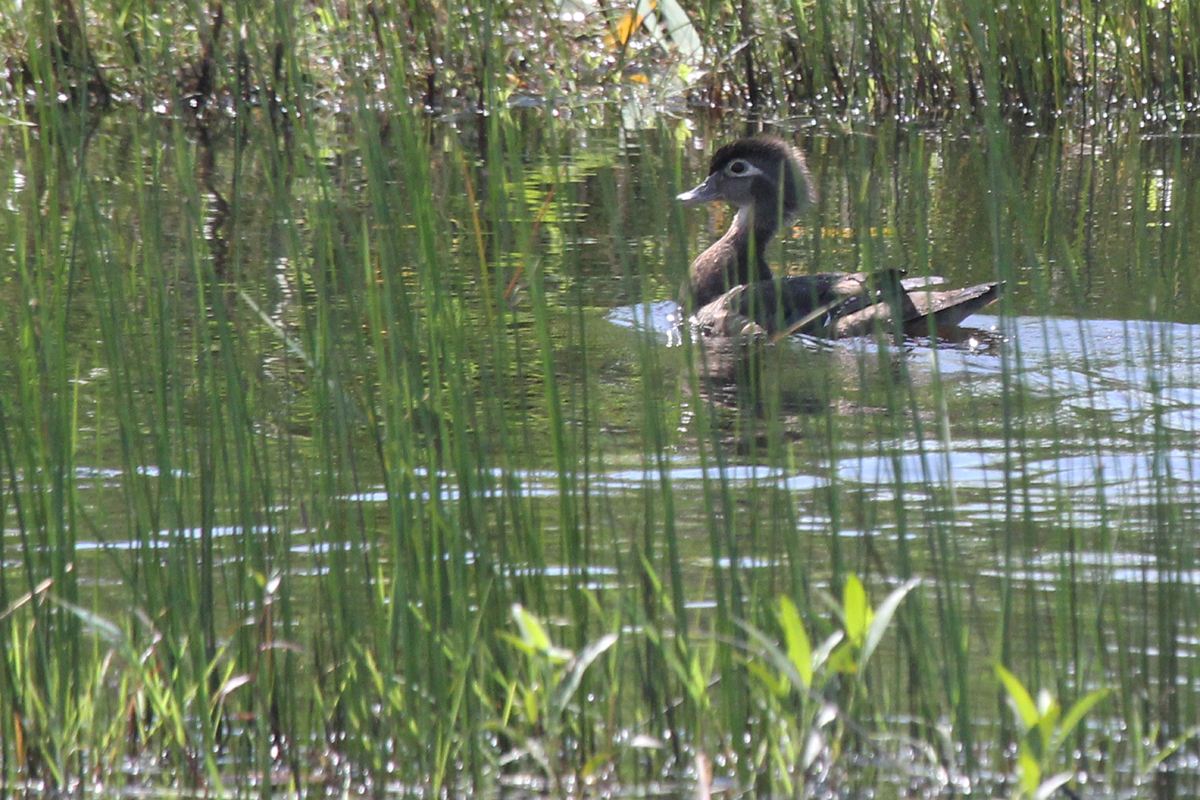
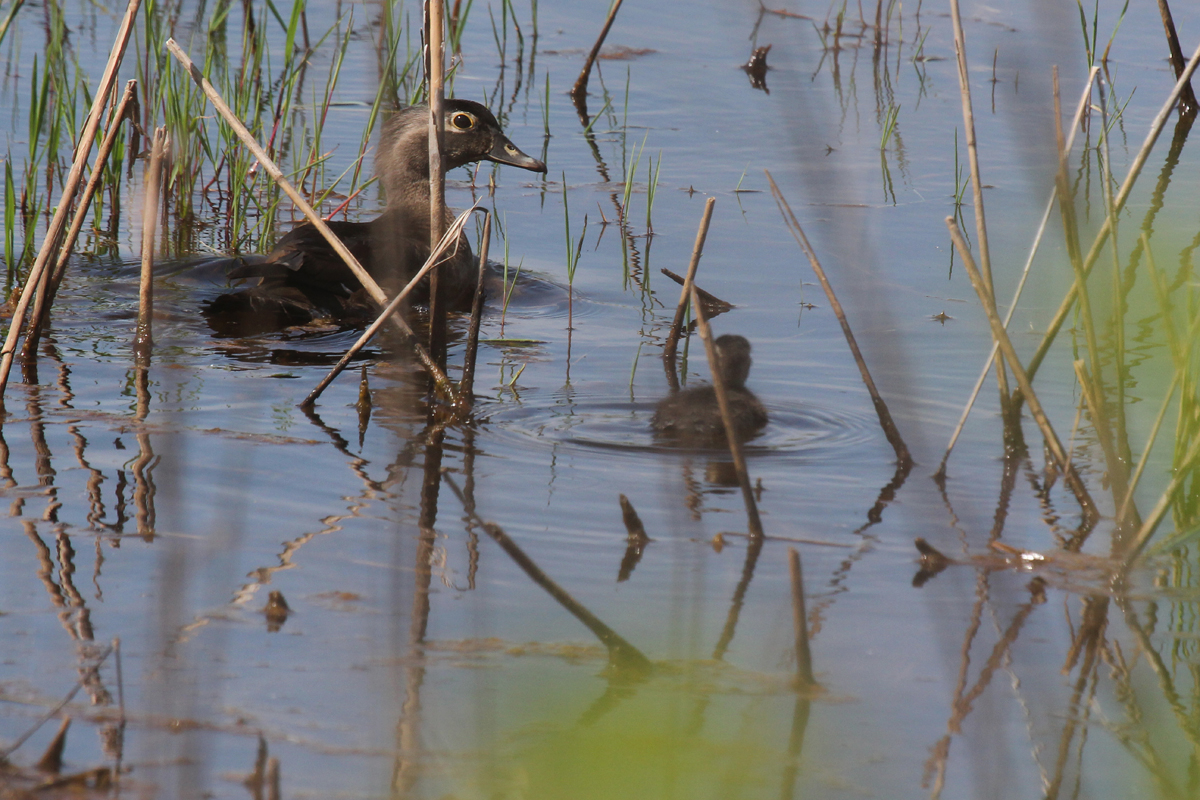
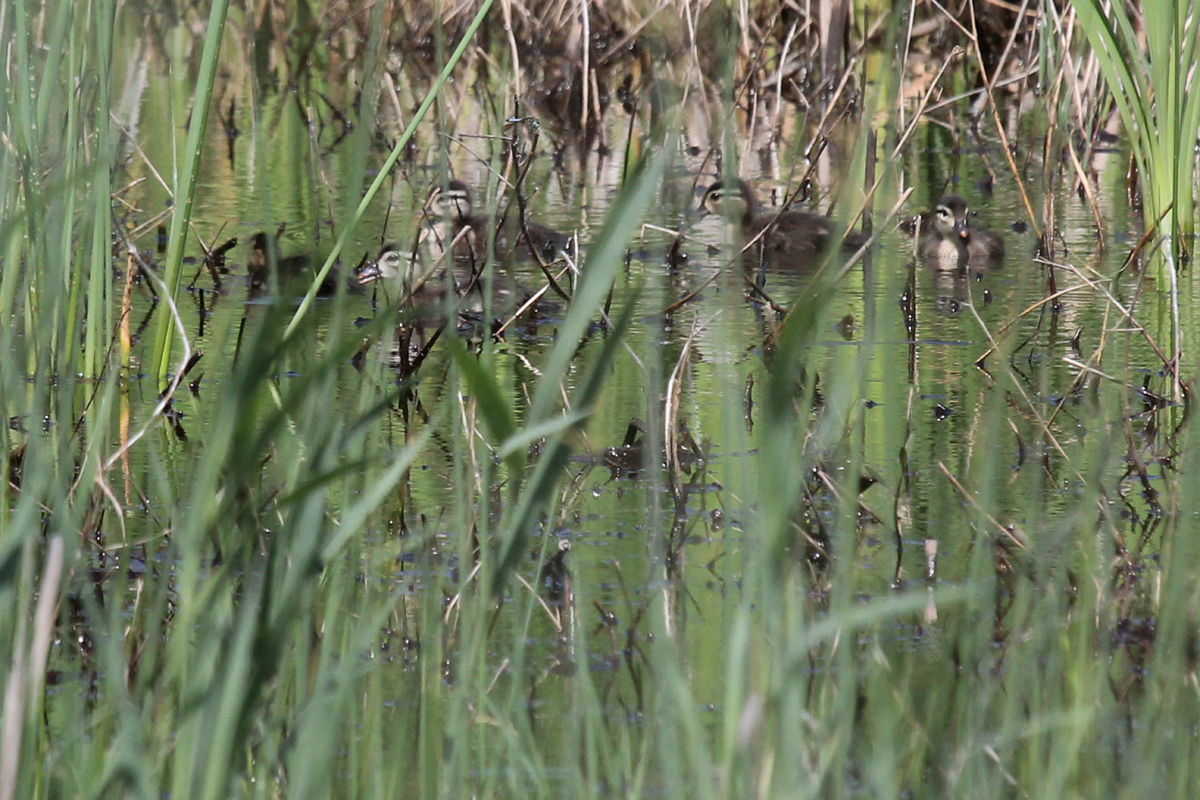
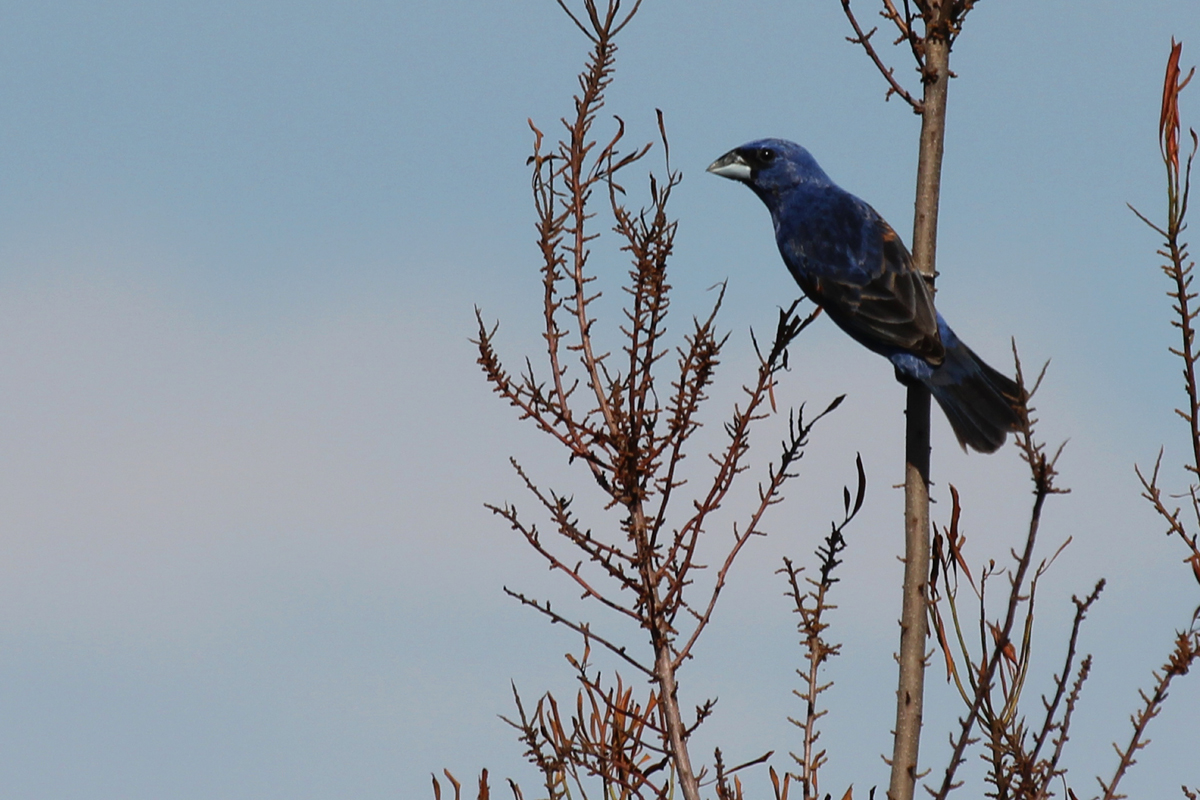
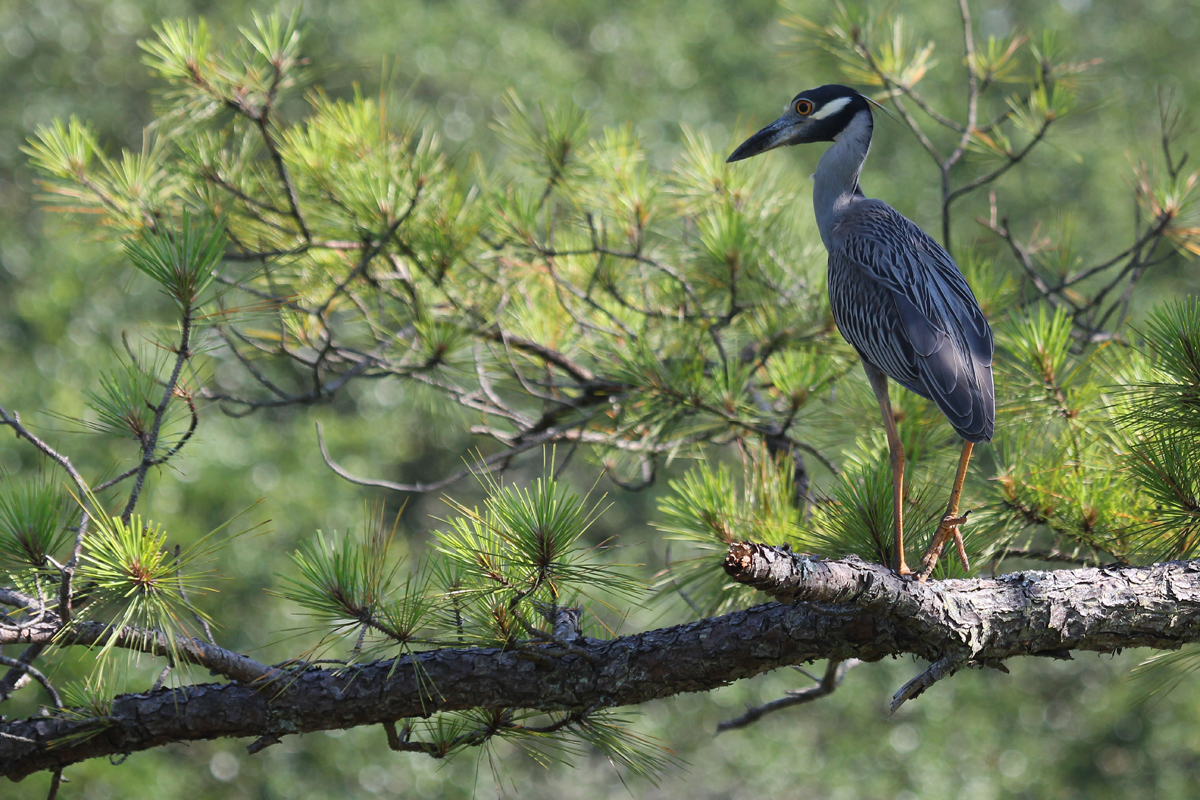
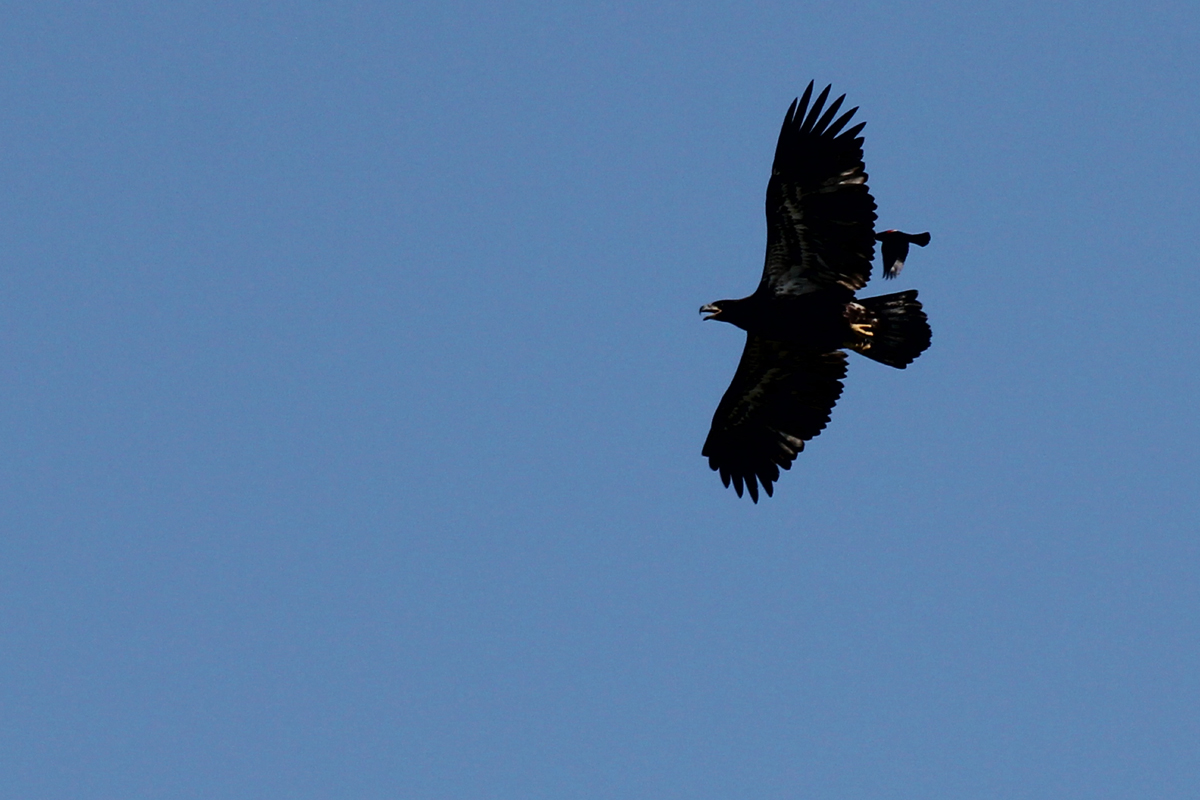
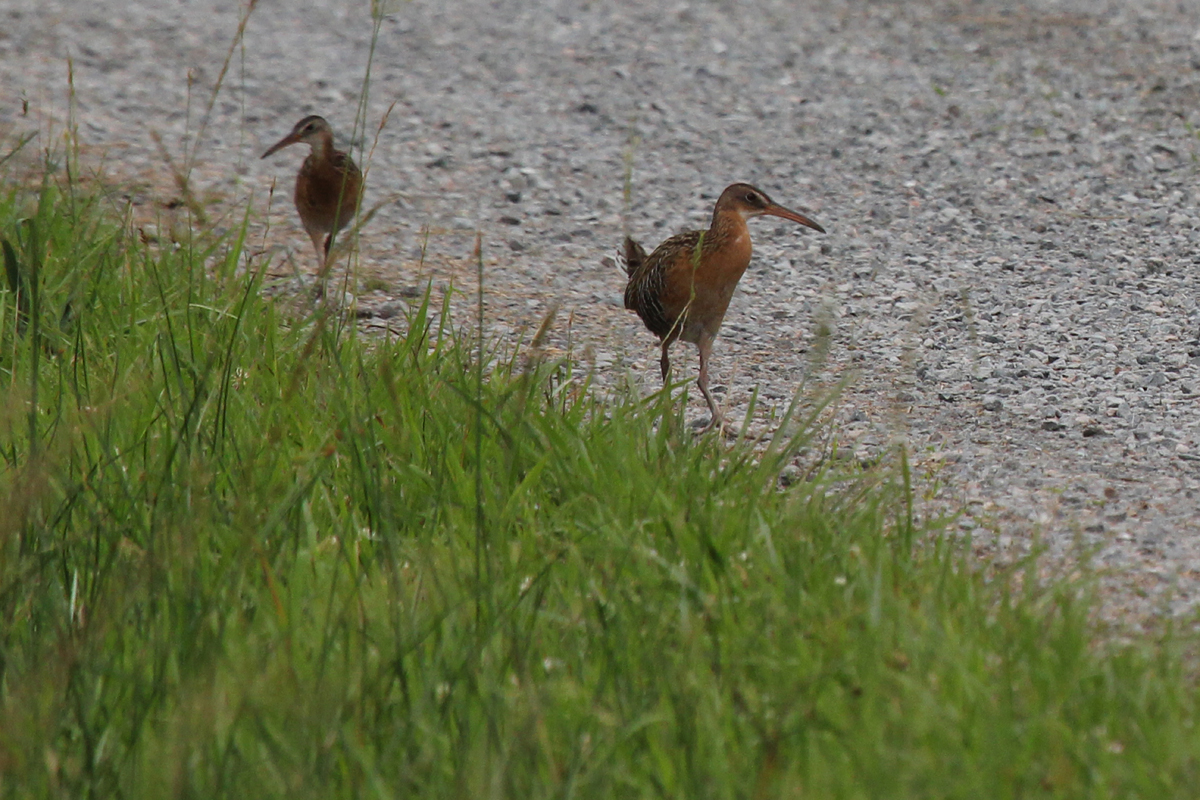
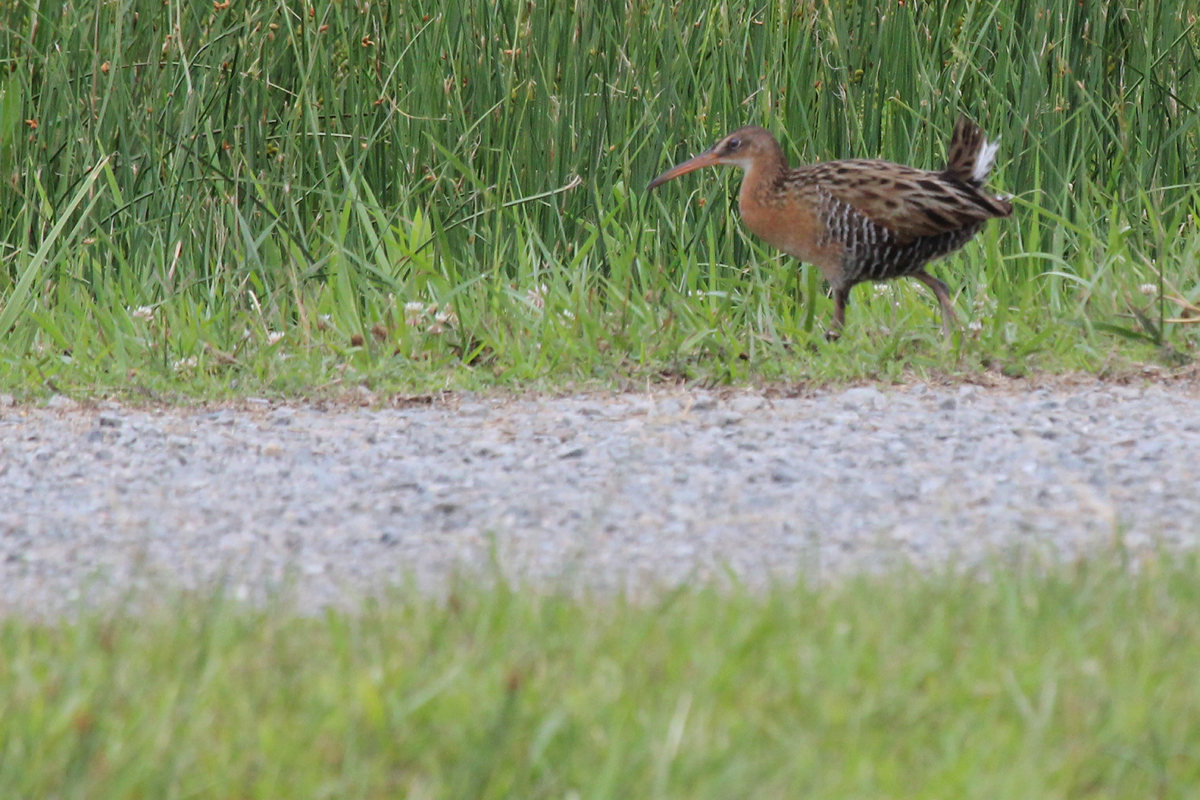
All that said, we had some great confirmations documented for the project during late June in Virginia Beach. Most notable was the that of a highly interesting record submitted for a species rarely seen outside of an expected portion of the city. While birding-by-kayak in the Lynnhaven Estuary just south of Pleasure House Point NA on 21 Jun, Andrew Baldelli discovered an adult LEAST BITTERN vocalizing from one of the marshy-vegetated islands that are inaccessible by any other means. While searching for the bird, it flushed along with a juvenile, which was then fed by the adult, allowing for the first confirmed breeding record for this species in the city for the 2nd Virginia Breeding Bird Atlas! Least Bittern is a species known to inhabitat the marshes that surround Back Bay, but it is very rarely reported away from the southern portion of the city. To not only get a positive sighting documented by an audio recording, but to then get a breeding confirmation at this location is nothing short of incredible. Additionally, other scattered breeding bird confirmations were photographically documented around the city this period as follows: recently fledged WOOD DUCKS and MALLARDS in Southgate on 22 Jun (ph. Karen & Tom Beatty); an adult WHITE-EYED VIREO carrying food at Princess Anne WMA’s Whitehurst Tract on 23 Jun (ph. Rob Bielawski); an occupied nest of OSPREY, recently fledged KING RAILS, and an adult BLUE GROSBEAK carrying food at Back Bay NWR on 25 Jun (ph. Charlie Bruggemann); recently fledged KILLDEER at Camp Pendleton SMR on 26 Jun (ph. Mary Catherine Miguez); an occupied GREEN HERON nest in Kings Grant on 29 Jun (ph. Pamela Monahan); a female RED-WINGED BLACKBIRD carrying food at Pleasure House Point NA on 30 Jun (ph. Rob Bielawski) and lastly, a recently fledged RED-BELLIED WOODPECKER at Dam Neck NA on 30 Jun (ph. Karen & Tom Beatty). Keep up all the great work Atlasing folks!
WEATHER:  Easily our warmest reporting period for 2018 so far, and perhaps expectedly so as temperatures are typically on the rise from February through July, before dropping from August through January. The Summer Solstice occurred on 21 Jun, being our longest day and shortest night in the northern hemisphere. That said, we’re now on a path that will have us losing precious minutes of daylight until we reach the Winter Solstice in late December. Over all, average daily high temperatures rose 2.6° from 84.5° F to 87.1° (-0.1° from prior 10-year average), with average daily low temperatures also increasing, 4.4° from 68.0° to 72.4° F (+1.7° from prior 10-year average). Daytime temperatures ranged from a minimum of 70° F (26 Jun) to a maximum of 91° (23, 24 & 30 Jun). A total of 2.06” of rain fell during the period, spread across seven days with measurement amounts, with a maximum of 1.41” falling on Saturday, 23 Jun. Maximum sustained winds at Oceana this period were 29 mph and gusts reached 37 mph (24 Jun) as a strong front passed over the region. No significant tidal surge events (2’ or greater) impacted the Sewell’s Point tide gauge during this reporting period. Sunrise/sunsets varied from 5:46 AM/8:27 PM (21 Jun) to 5:49 AM/8:28 PM (30 Jun), which, for the first time in 2018 means we lost 2 minutes of daylight during this period (due to the Summer Solstice occurring) with a total of 14 hours, 39 minutes of ‘Length of Day’ to close the period.

For those hoping to view every photograph submitted for Virginia Beach during this period, please see the complete listing for the month of June located on eBird’s Media explorer by clicking here! Please remember, anyone with an eBird account also has the ability to rate these photographs (1-5 stars), and based on the average rating, this is how eBird populates anything media-driven on the website, particularly the Illustrated Checklists! So, if you're one of the many folks who enjoy looking at photographs of birds, take some time to click them all and rate them, it helps make eBird better and better each day!

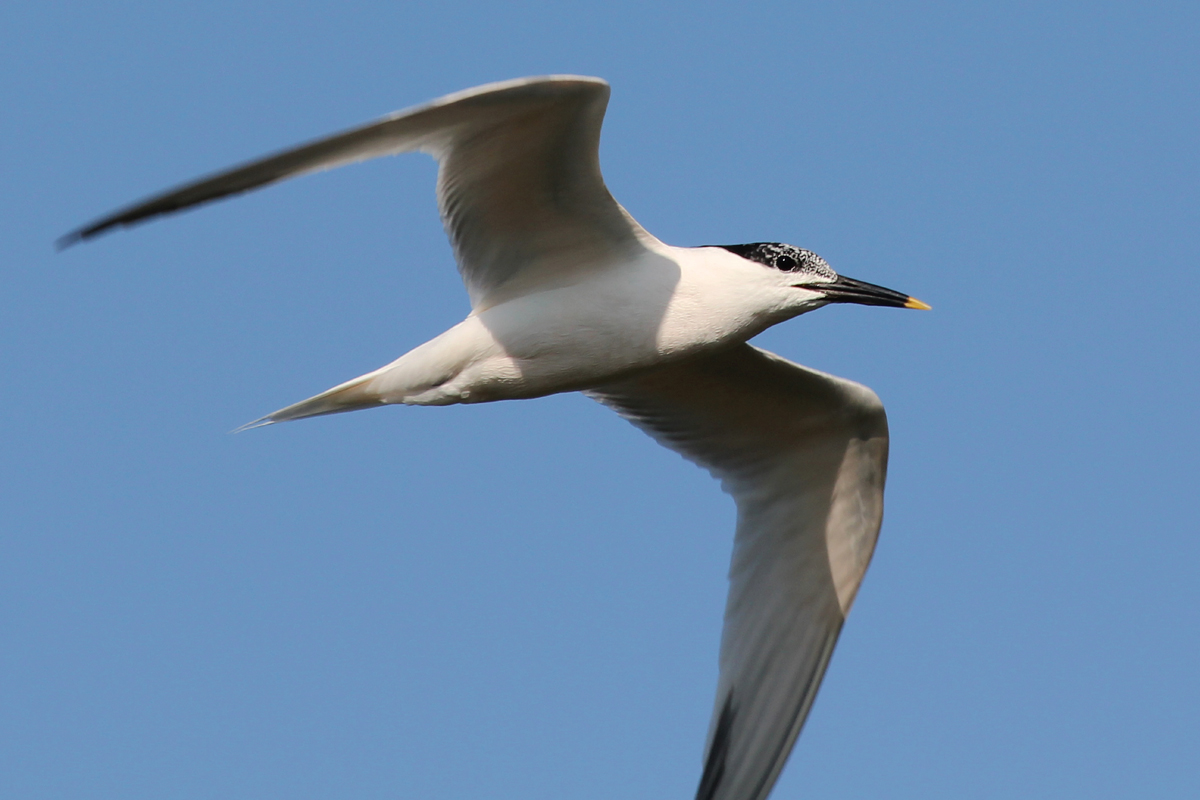
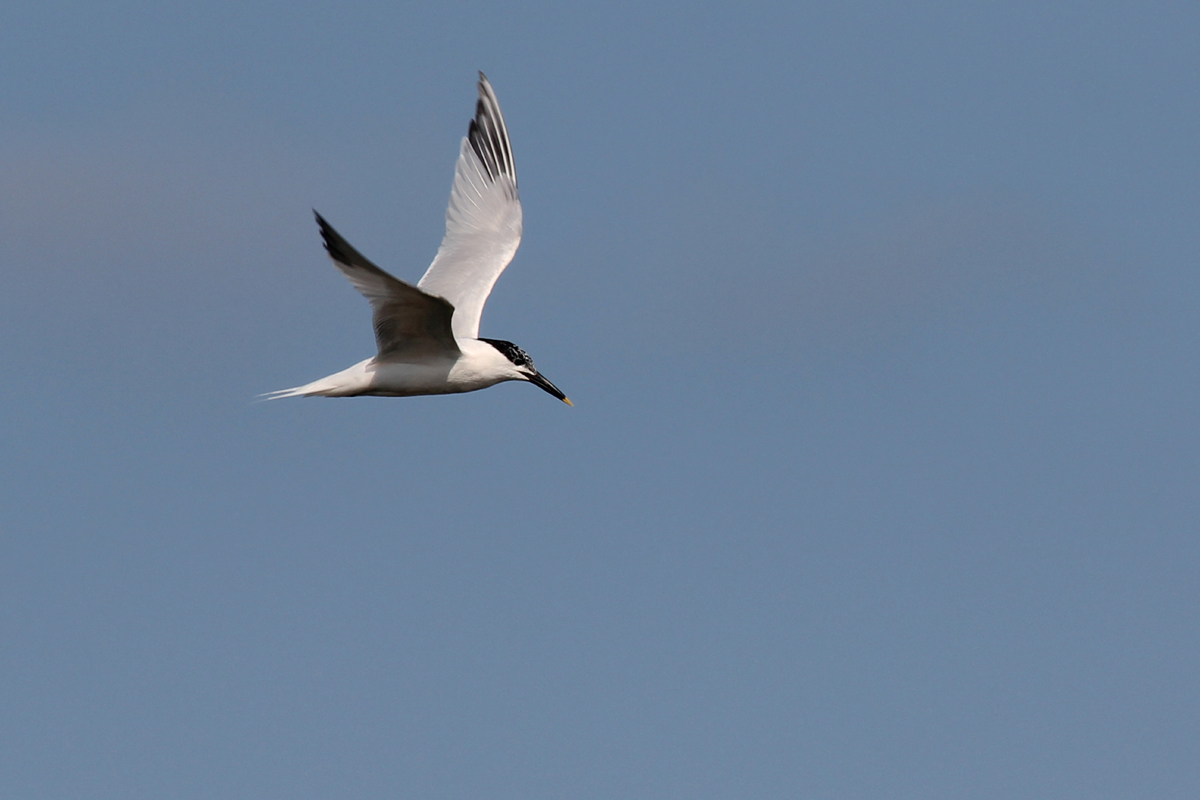
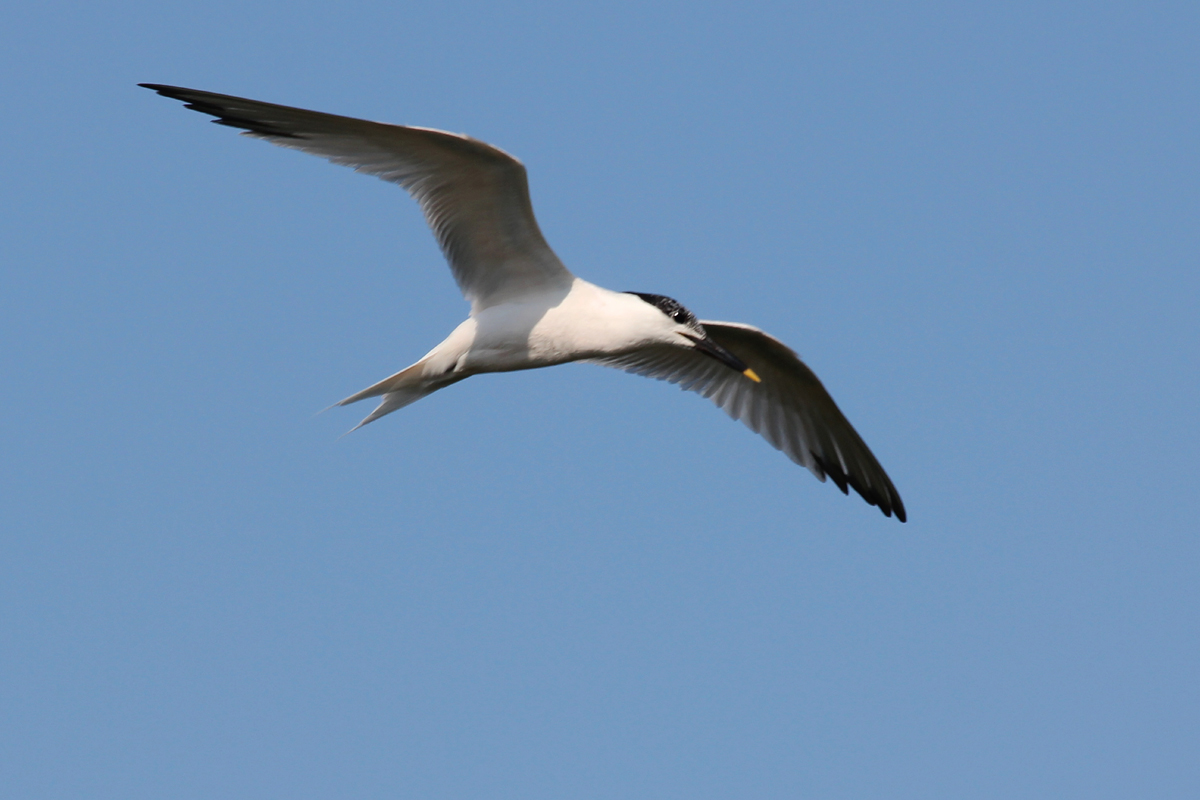
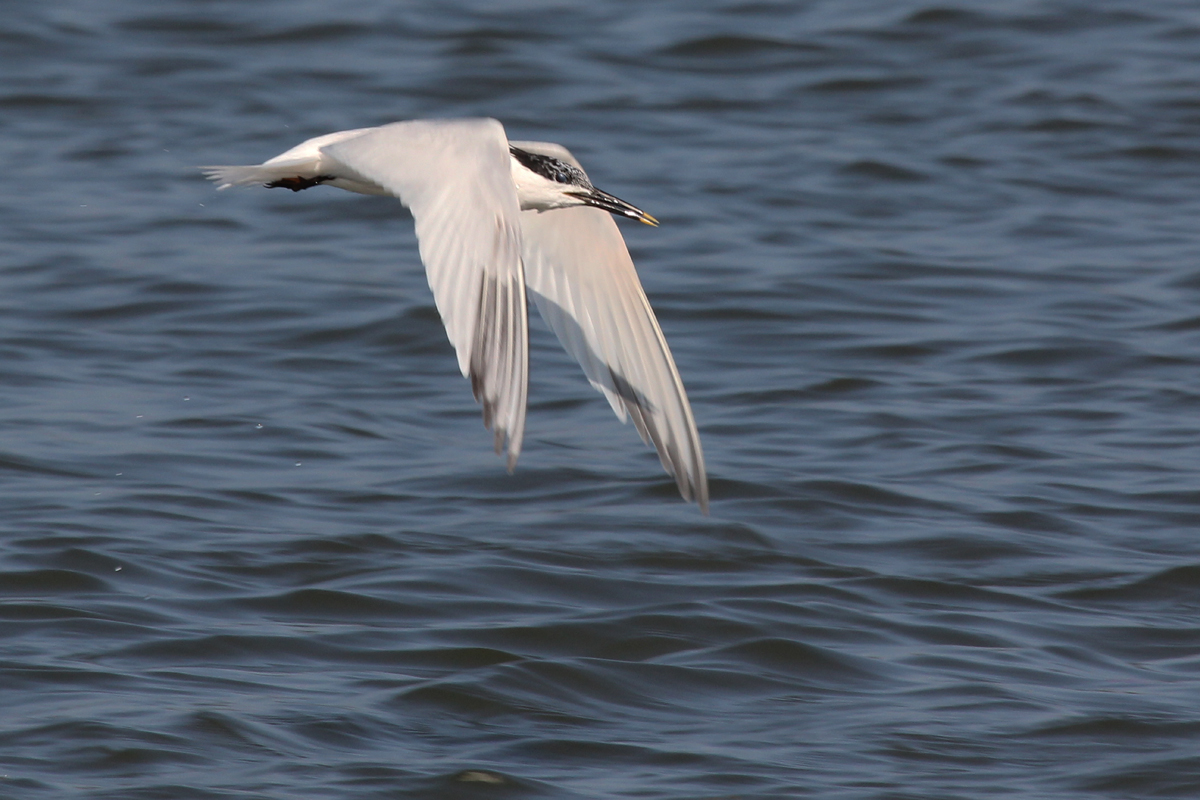
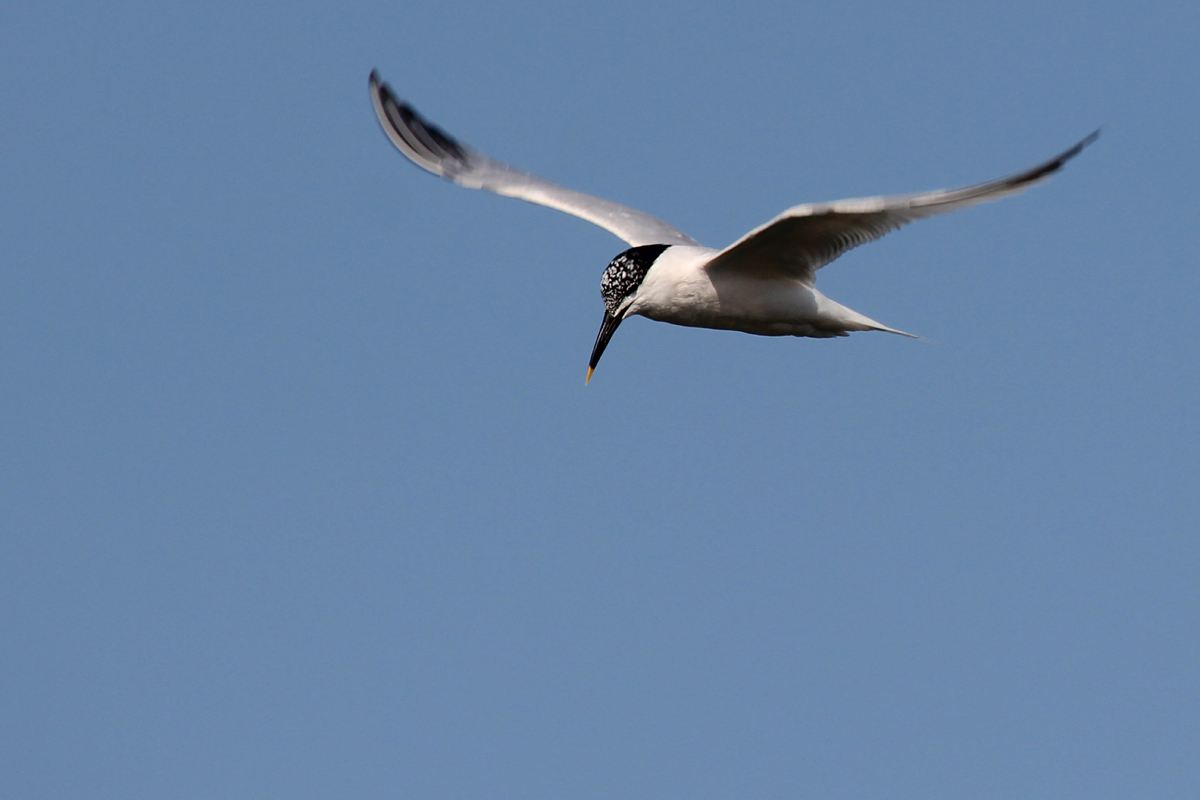
LOOKAHEAD: Ironically, what makes late June such an exciting period, is that it officially ends the periods lacking in excitment! Moving forward, we finally have fall arrivals to look forward to from early July all the way through November. The month of July is typically dominated by observations of arriving shorebirds, which have already started departing from their breeding grounds in the Canadian tundra. Technically speaking, SPOTTED SANDPIPER is set as a 30 Jun arrival (our only June arrival for that matter), and while we did have two records for the species in June, we should expect far more moving forward into July. Additionally, during early July we have expected arrivals for GULL-BILLED TERN, SHORT-BILLED DOWITCHER & LEAST SANDPIPER (5 Jul average expected arrival date) and WESTERN SANDPIPER, WHIMBREL, BLACK TERN, LESSER YELLOWLEGS & RUDDY TURNSTONE (10 Jul). The coastal beaches, as well as any low-tide marshes and flooded fields will become highly sought after locations to search for shorebirds during July. So, please pay close attention to the weather, and to the status of crops in fields throughout southern Virginia Beach, as fall migration is now almost upon us!

Next Entry | Entry Index | Previous Entry

For further information regarding this thrice-monthly, online publication, please visit the Journal Overview Page which provides an in-depth explanation of the format, layout and composition of the journal. As always, thank you for reading, and please leave me a comment below (you may use your Facebook, Gmail or other accounts to easily do so), or just click the Heart icon to the lower right of this post to let me know you stopped in!
Mid-June 2018 (11th-20th)

The mid-June reporting period typically tends to be one of, if not, the most challenging periods of the year for birders here on the coast. Perhaps it can be blamed on many of us still being worn out from the extra effort put forth into finding good birds during the spring migration window of late March to late May. However, with no expected departures after early June, and no expected arrivals until late June, species diversity truly reaches its lowest point for the year. The breeding season has taken control, and many species aren’t as vocal as they were a few weeks ago, camouflaged well within the dense summer vegetation. Despite all this however, there is a major silver lining to be noted: that we’ve made it through the tough times, and species diversity will again start to rise soon! All that said, great birds still managed to be found in the city over the past ten days, and a remarkable third WARBLING VIREO for the year was even discovered! Like last period we had no expected arrivals/departures, but we had a number of unseasonal occurrences including records for HOODED MERGANSER, TUNDRA SWAN, RED-BREASTED MERGANSER, RUDDY TURNSTONE, AMERICAN COOT, BLACK-BELLIED PLOVER, SPOTTED SANDPIPER!

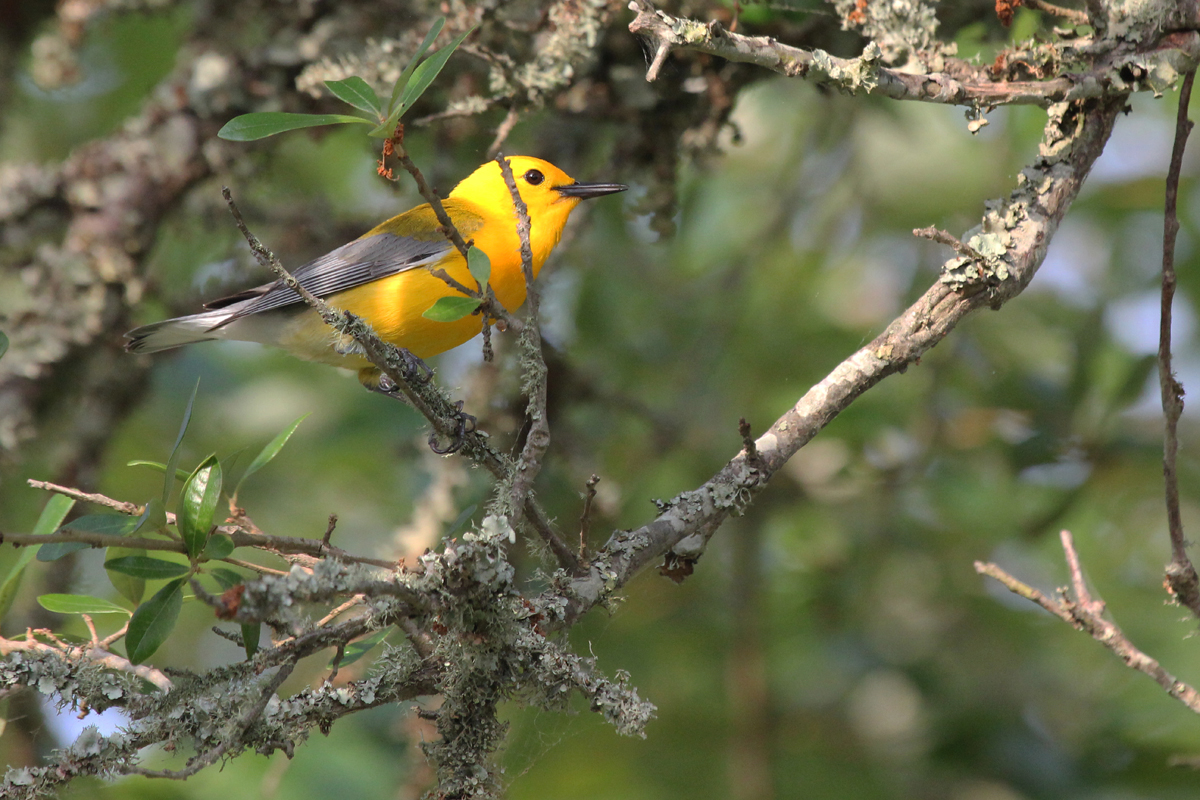
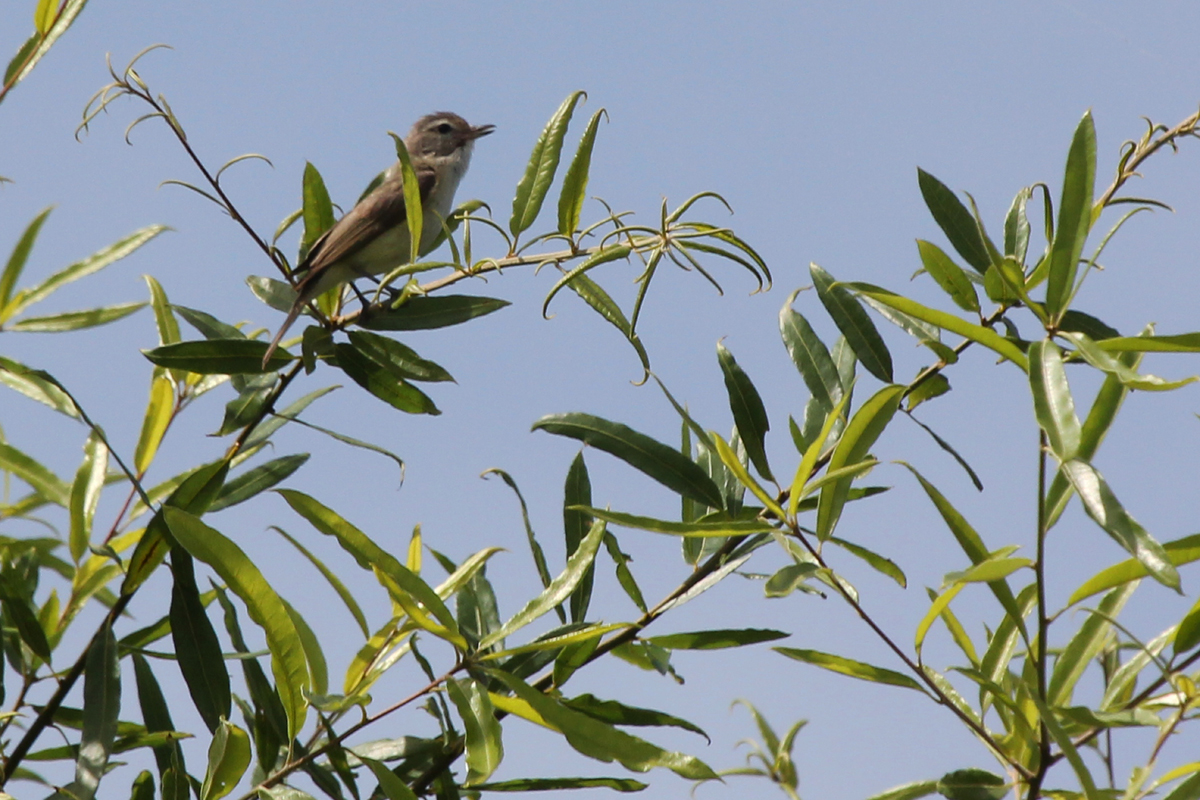
Leading the way this period, a remarkable WARBLING VIREO was documented in the Ashville Park neighborhood on 14 Jun (a.r. Michael Linz & Patty McLean). Incredibly, this is the first summer (Jun-Jul) record of this species in Virginia Beach, and according to eBird, it is also the first coastal summer record south of Sussex County, Delaware! This has been a truly banner year for this species locally, with other individuals noted previously at Back Bay NWR from 6-11 May (ph. Andrew Baldelli & Rob Bielawski) and in northern Knotts Island on 27 May (obs. Andrew Baldelli & Tracy Tate). In all years prior, combined, we had a total of four individuals noted in eBird, with one at First Landing SP, two at Back Bay NWR and one at Carolanne Farms Parks, so to note three individuals in the same year is shocking to say the least. Throughout the remainder of the period, the Ashville Park individual was observed by many locals and several times by the visiting birders who first found it! It has stayed within the same general area, roaming from the clock tower (which sits in the first roundabout east of Princess Anne Rd. on Ashville Park Blvd.) towards the forested tree line to the east, and across the storm water pond to the sycamore trees along Emelita Dr. With the last report for the period occurring 20 Jun (ph. Michael Linz & Patty McLean), it is very possible this bird will stay into late June (and potentially warrant a ‘probable’ breeding code for the Virginia Breeding Bird Atlas if heard singing). Certainly a bird to keep tabs on as we near July!

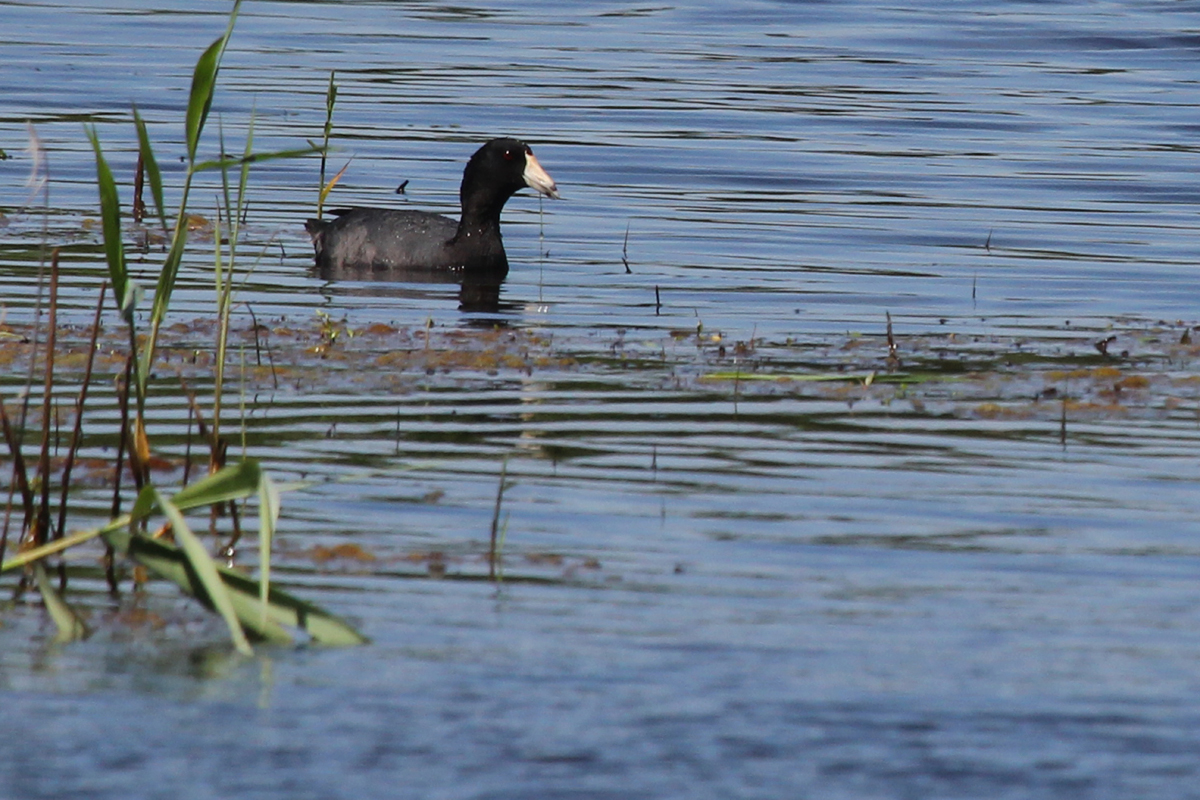
While the Warbling Vireo was the only true rarity observed during mid-June, we had a number of unseasonal occurrences for species that are expected at other times of the year, but rare when it comes to mid-June records. Most unusual, a female HOODED MERGANSER was photographed on a cypress lagoon at First Landing SP on 19 Jun (ph. John Aguiar). Though eBird lists this as the only summer record for the species in the city, it was mentioned by Robert Ake that a female with fledglings was observed in this park perhaps 30 years ago. Knowing this, it seems possible that breeding may have occurred this summer at the park, and it might be worth a walk through the park’s Osmanthus Trail (and adjacent areas) to see if there is indeed a well concealed collection of youngsters near an adult female. Also unusual in the heat of June, a RUDDY TURNSTONE was photographed on the Chesapeake Bay’s beach at First Landing SP on 11 Jun (ph. June McDaniels), and this site also held one of the lingering RED-BREASTED MERGANSERS through 12 Jun (also ph. June McDaniels). The presumed injured TUNDRA SWAN at Back Bay persisted through at least 17 Jun (ph. Rob Bielawski) on the C Storage Pool, distantly visible from the West Dike. Back Bay also held several other unusual finds, as the thrice-monthly impoundment survey on 15 Jun yielded a very late AMERICAN COOT, a surprise SPOTTED SANDPIPER and also a single BLACK-BELLIED PLOVER (obs. Robert Ake & David Hughes). The coot is excessively late, with the last prior record this year having occurred on 27 May (ph. Rob Bielawski) at Princess Anne WMA’s Whitehurst Tract. Spotted Sandpipers typically start showing up around 30 Jun, but it is possible that this one, and another observed 20 Jun at Rudee Inlet (obs. Andrew Baldelli) may have oversummered, or they departed their breeding grounds north of here very early.

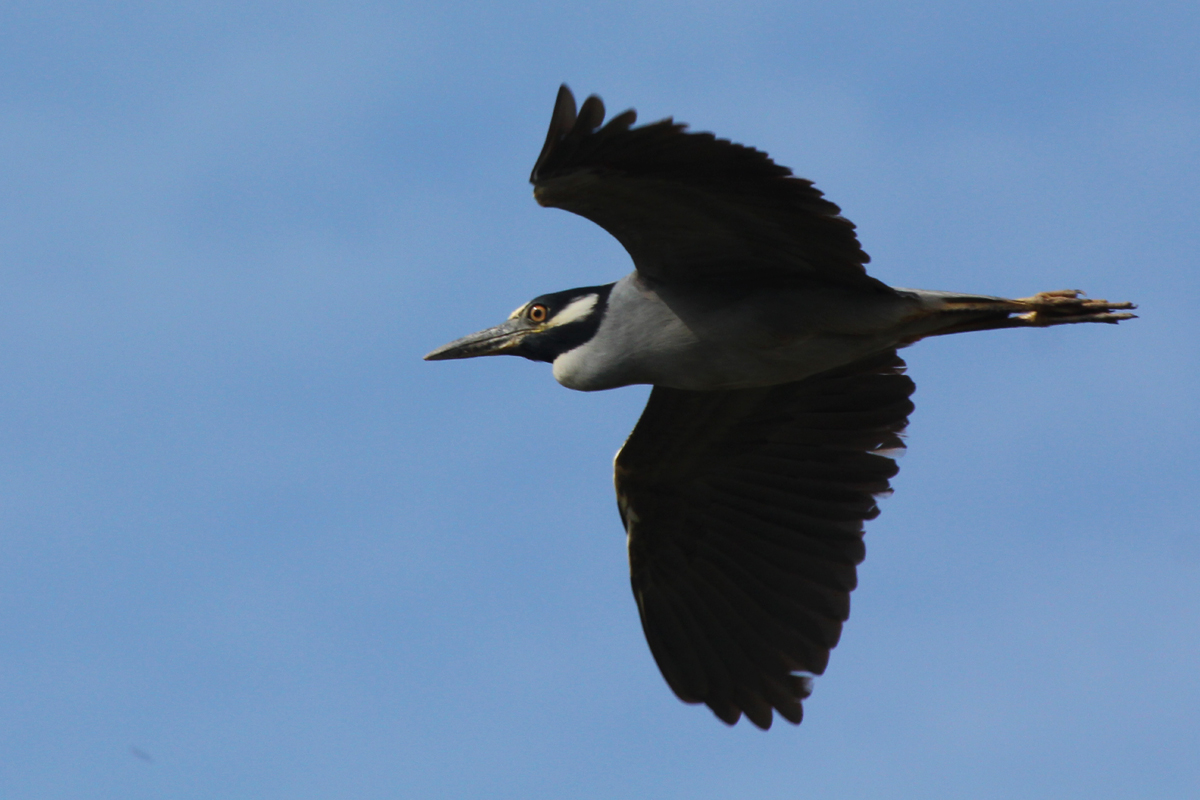
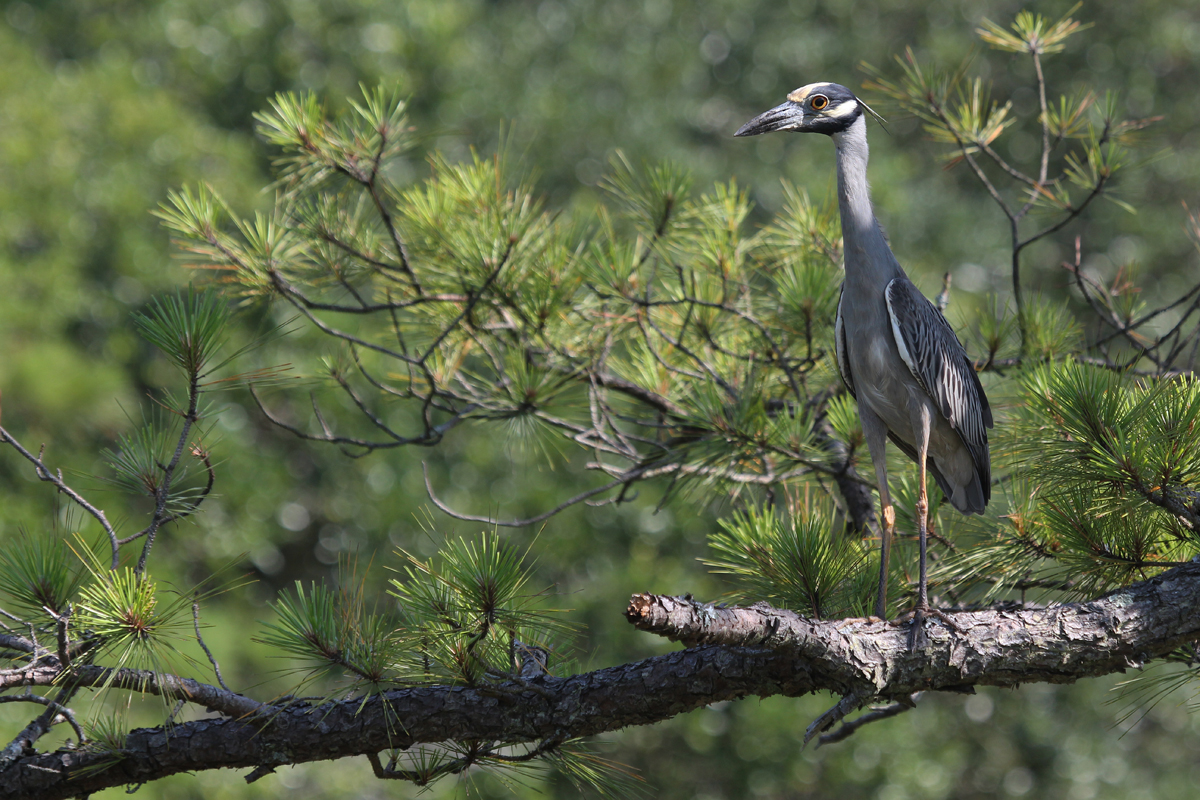
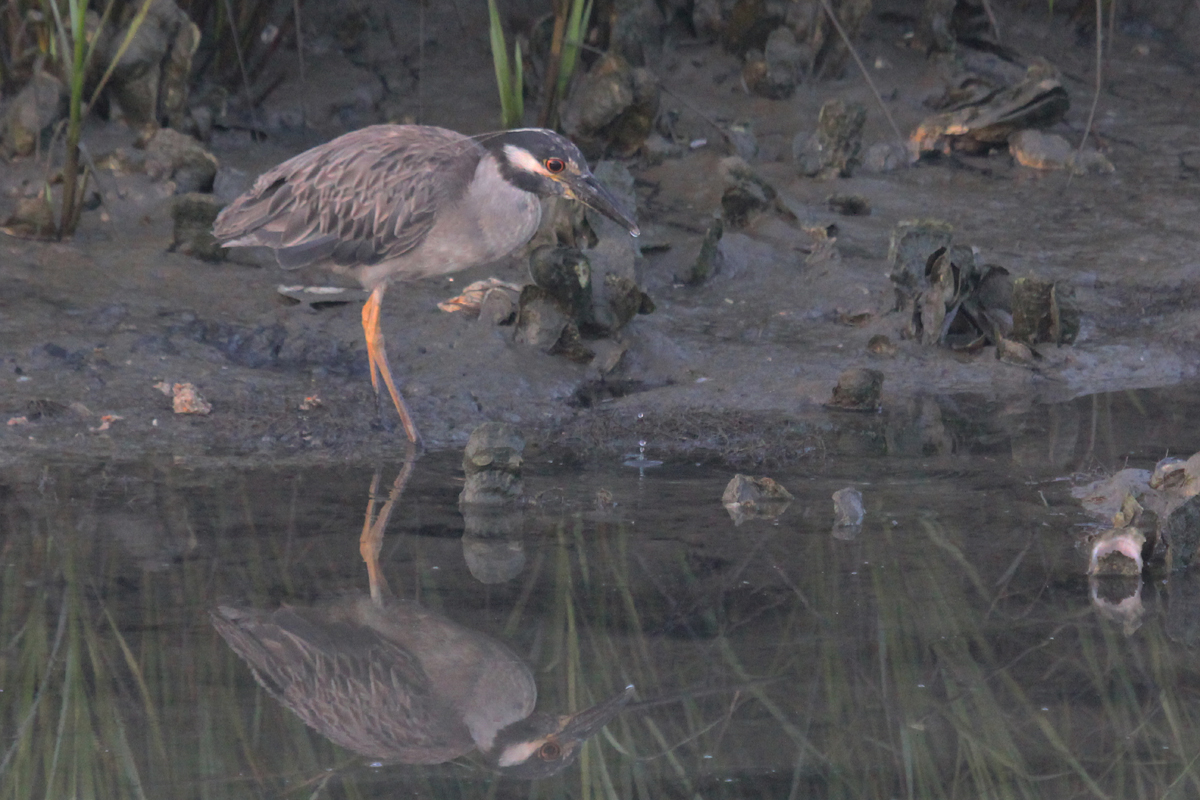
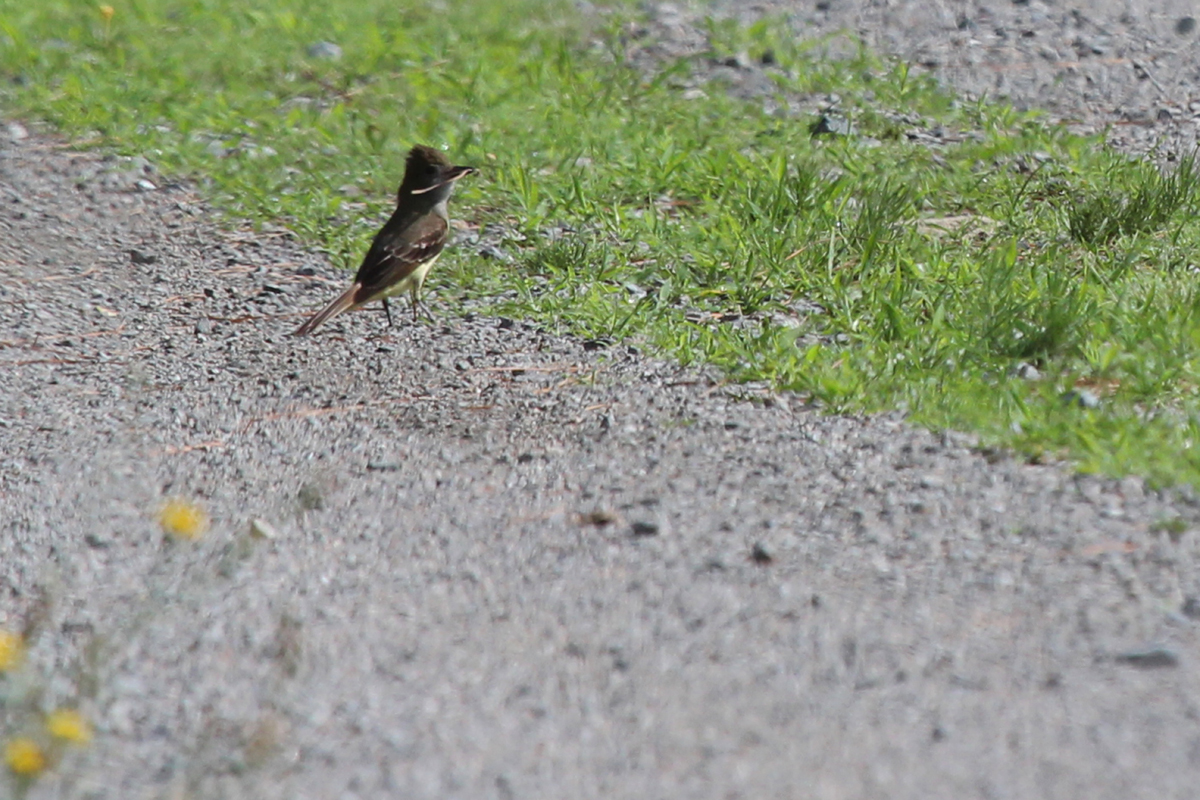
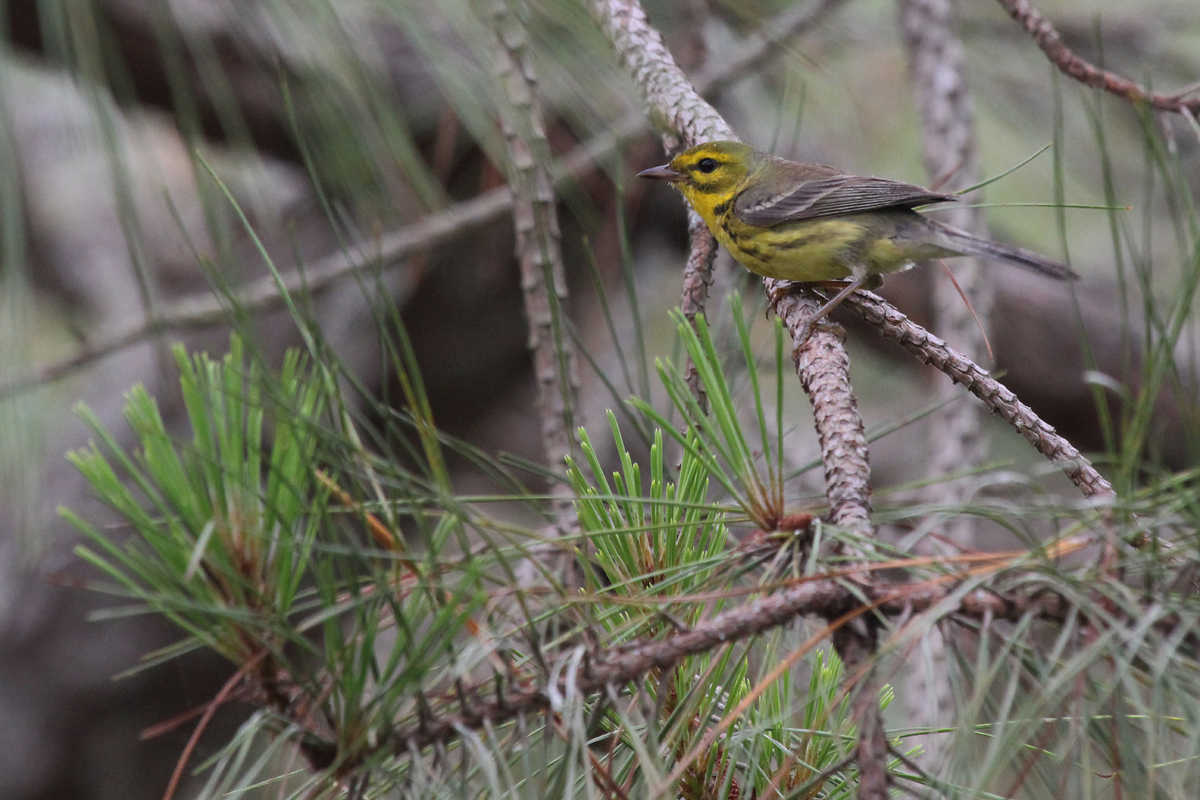
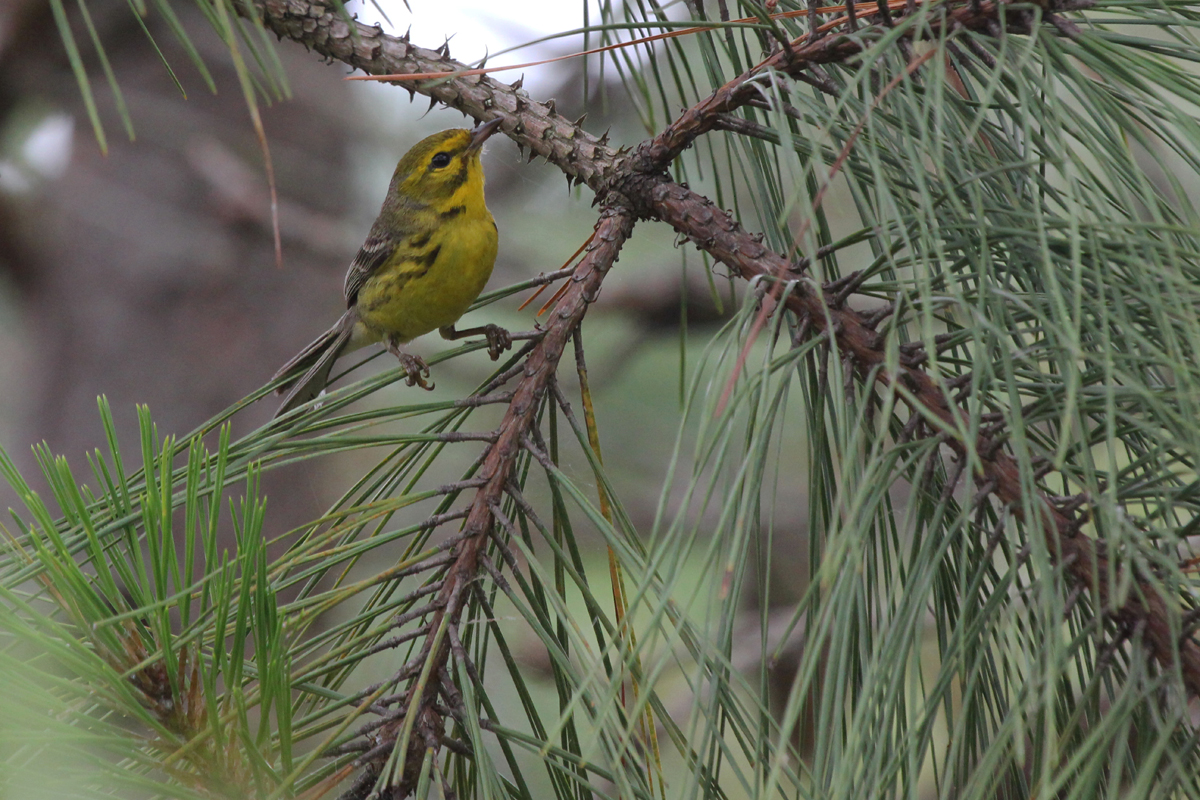
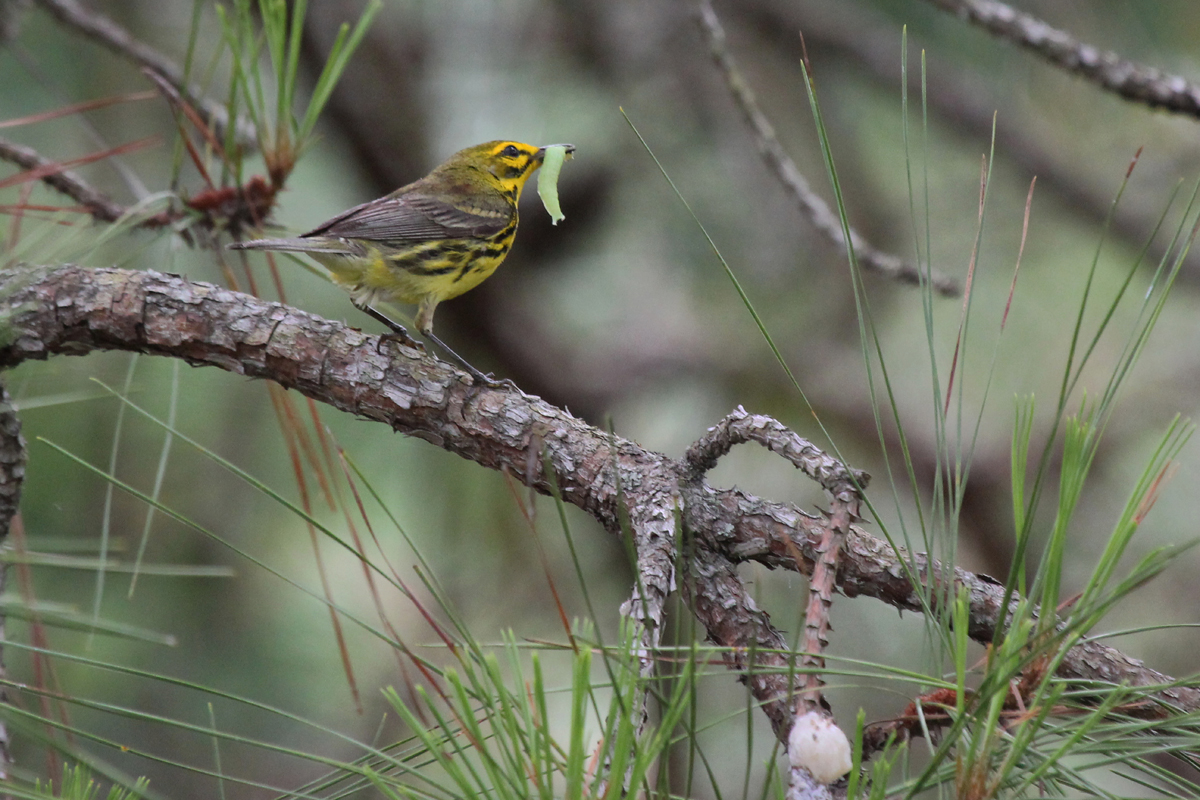
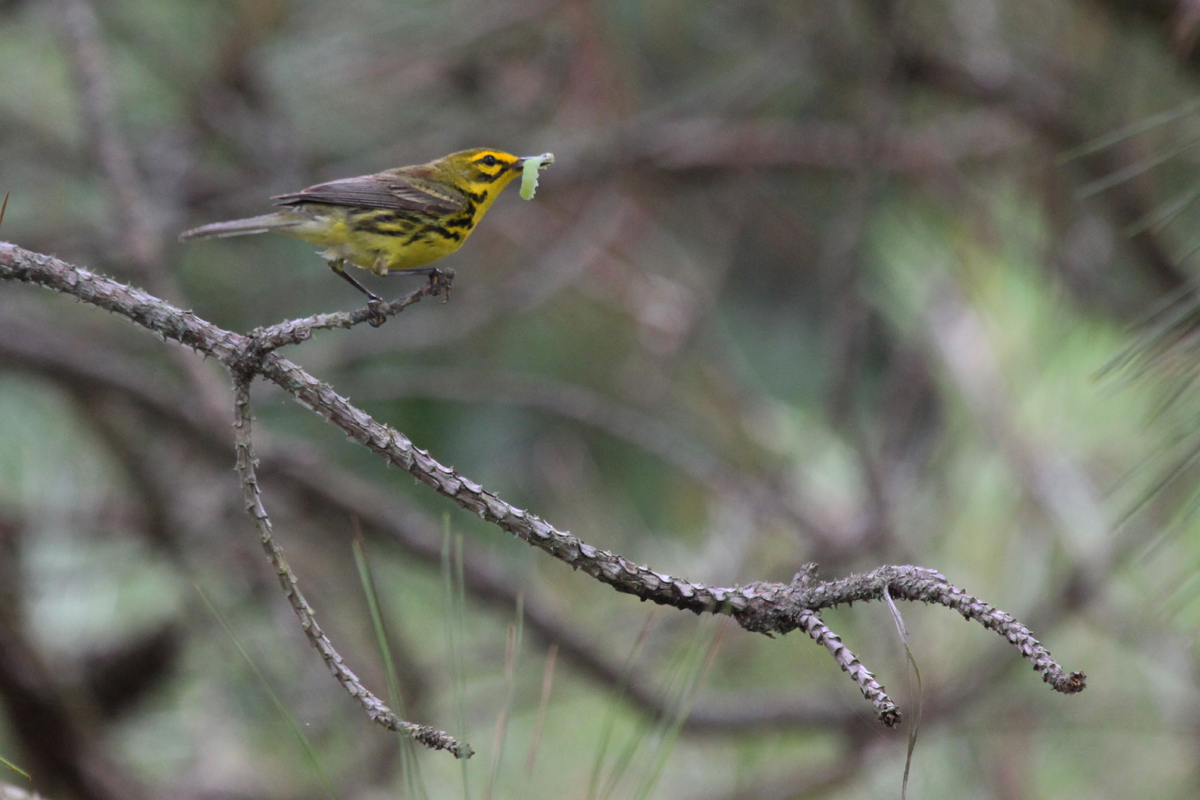
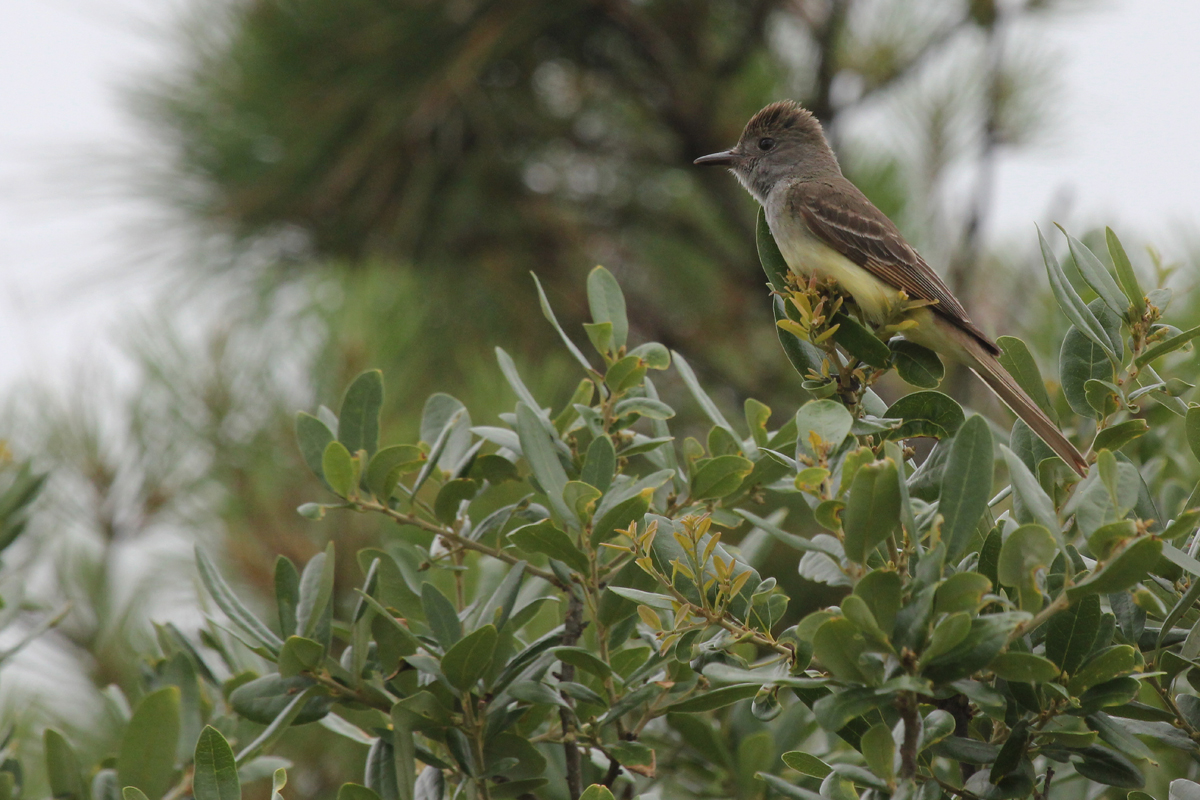
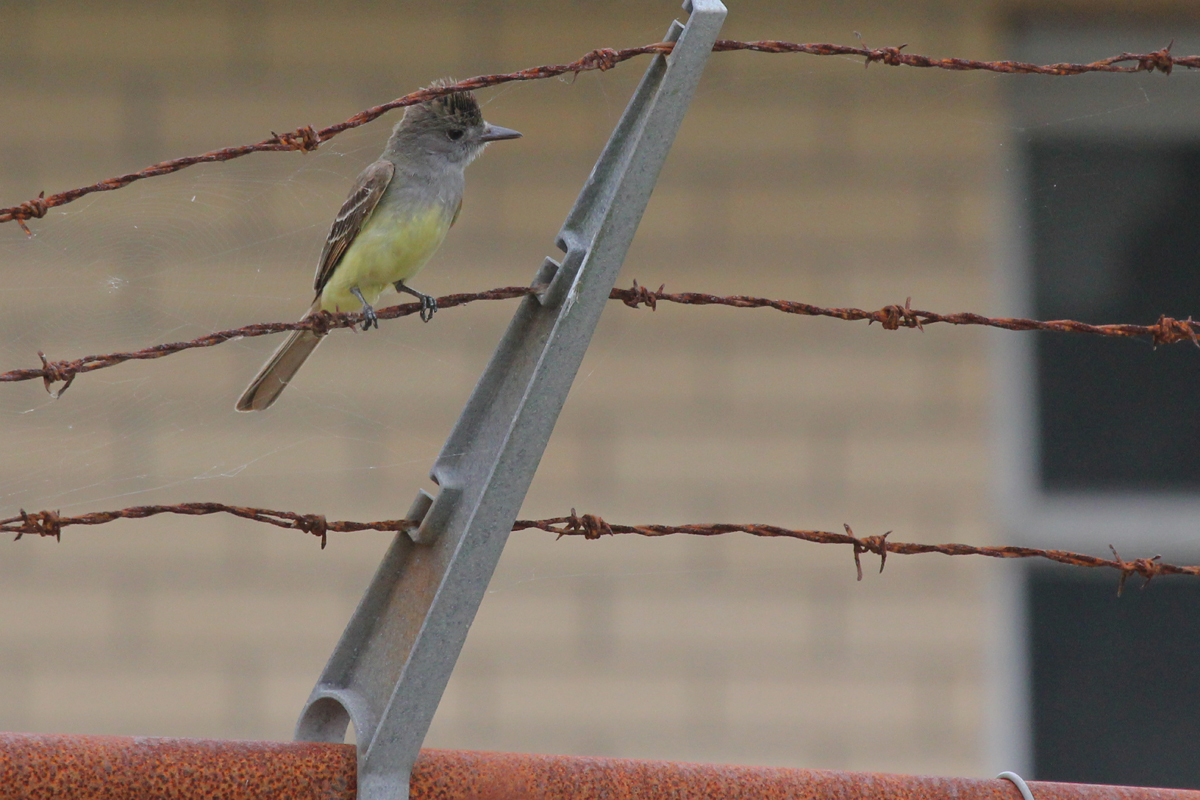
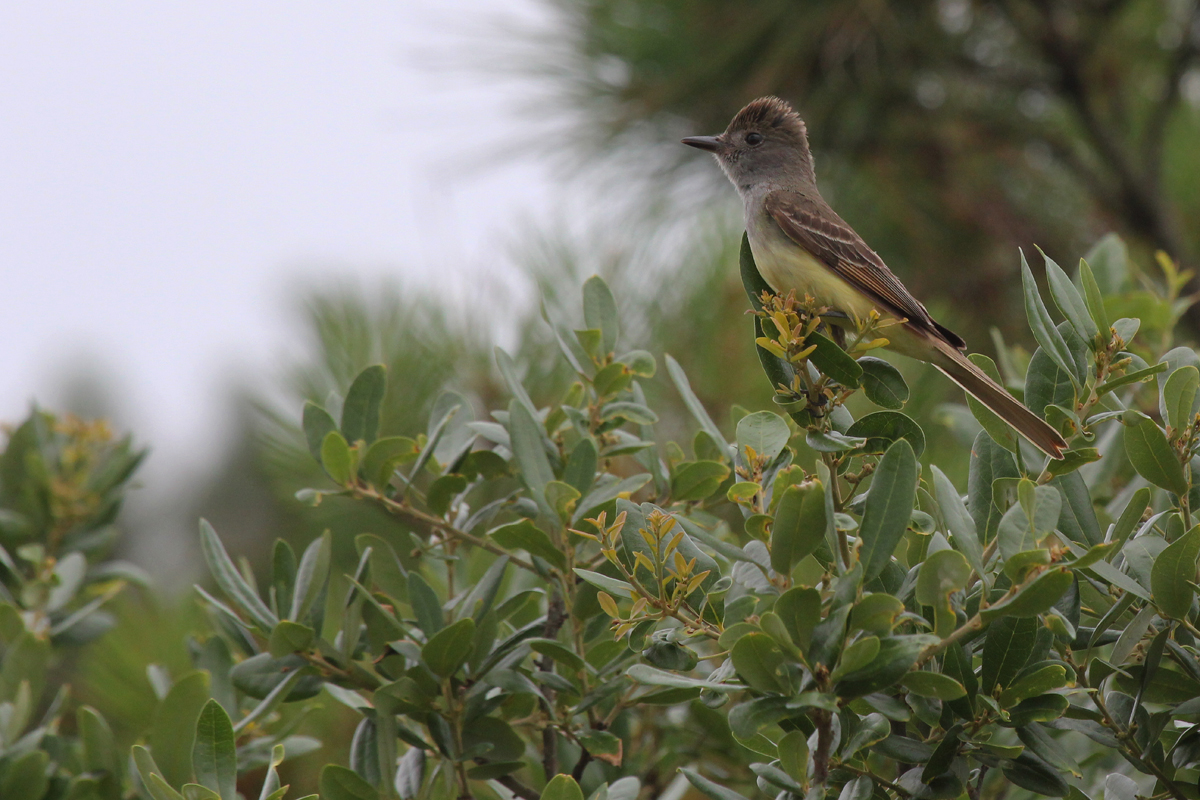
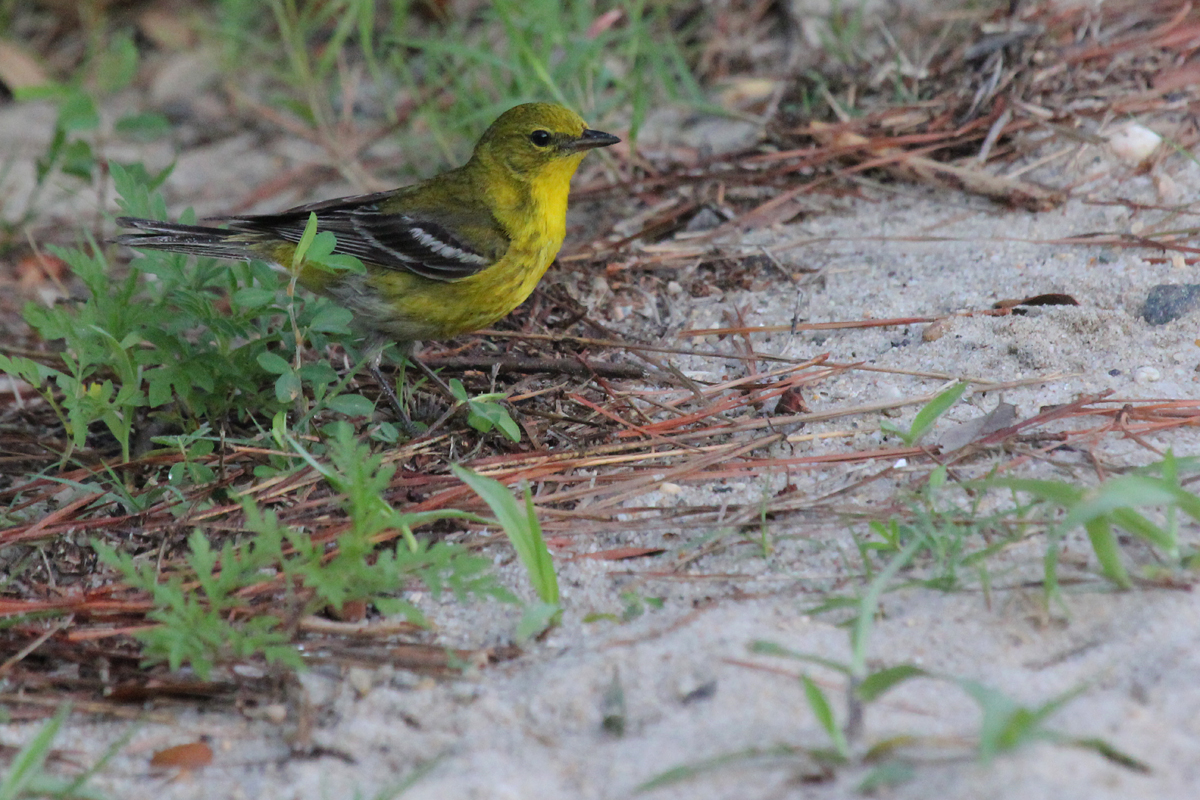
Some other interesting reports came in this period, with a pair of KING RAILS found at Princess Anne WMA’s Whitehurst Tract on 12 Jun (obs. Andrew Baldelli); those being the first of their kind observed away from the main refuge area of Back Bay NWR. A vocalizing CHUCK-WILL’S-WIDOW was observed on 15 Jun (obs. Bill Oyler) and 19 Jun (a.r. Karen & Tom Beatty) along Colechester Rd., marking the second heard-record of one in the city this year (one previous early April record from False Cape SP). The only other 2018 record in Virginia Beach pertains to a surprisingly seen-only bird that was found at Marshview Park on 30 Mar (ph. Andrew Baldelli). During a seawatch at 85th Street Beach, a BLACK SCOTER and a JAEGER SP. Were observed on 17 Jun (obs. Andrew Baldelli & Tracy Tate). The 2nd Virginia Breeding Bird Atlas also received some confirmations of breeding birds during this period, including: Great Crested Flycatcher at Sandbridge on 13 Jun (ph. Mary Catherine Miguez), a Prairie Warbler carrying food & a recently fledged White-eyed Vireo at Back Bay NWR on 17 Jun (ph. Rob Bielawski), as well as a Yellow-crowned Night-Heron carrying nesting material and an Osprey feeding young at Carolanne Farms Park on 18 Jun (ph. Charlie Bruggemann).

WEATHER:  Mid-June expectedly proved to be the hottest reporting period thus far for the year. The 97° F high on 19 Jun dethroned the former 2018 high temperature of 90° F set way back on 12 May! Average daily high temperatures were higher as a whole from early June, increasing 2.3° from 82.2° F to 84.5° (-0.7° from prior 10-year average), with average daily low temperatures following suit, rising 1.6° from 66.4° to 68.0° F (-0.7° from prior 10-year average). Overall, temperatures ranged from a minimum of 63° F (12 & 16 Jun) to a maximum of 97° (19 Jun). During the period, 1.19” of rain fell, spread across four days with measurable amounts, with a maximum of 0.63” falling on Monday, 11 Jun. Maximum sustained winds at Oceana this period were 24 mph and gusts reached 33 mph (19 Jun). The passage of a front and associated winds on 11 Jun produced a storm surge of just over 2 feet at the Sewell’s Point tide gauge in Norfolk, which caused a preliminary storm tide of 4.71 feet (the highest achieved since the 4.96 foot mark on from 11:54 PM on 20 Mar to 12:00 AM on 21 Mar. Sunrise/sunsets varied from 5:44 AM/8:23 PM (21 May) to 5:45 AM/8:26 PM (20 Jun), which means despite losing a minute off sunrise as we near the Summer Solstice on 21 June, we still gained 2 minutes of daylight during this period with a total of 14 hours and 41 minutes of ‘Length of Day’ to close the period!

For those hoping to view every photograph submitted for Virginia Beach during this period, please see the complete listing for the month of June located on eBird’s Media explorer by clicking here! Please remember, anyone with an eBird account also has the ability to rate these photographs (1-5 stars), and based on the average rating, this is how eBird populates anything media-driven on the website, particularly the Illustrated Checklists! So, if you're one of the many folks who enjoy looking at photographs of birds, take some time to click them all and rate them, it helps make eBird better and better each day!

LOOKAHEAD: With mid-June completed, we can once again look forward to arriving birds, as the “fall” migration season begins soon for shorebirds. In late June, we lead off with Spotted Sandpiper’s expected 30 Jun, though there was already a pair of reports this period. In the next report, we’ll be truly back in business with expected arrivals for numerous shorebird species, so stay tuned!

Next Entry | Entry Index | Previous Entry

For further information regarding this thrice-monthly, online publication, please visit the Journal Overview Page which provides an in-depth explanation of the format, layout and composition of the journal. As always, thank you for reading, and please leave me a comment below (you may use your Facebook, Gmail or other accounts to easily do so), or just click the Heart icon to the lower right of this post to let me know you stopped in!
Early June 2018 (1st-10th)

The summer reporting season has now begun, and birders across the city began to focus their attention towards our breeding species now that the spring migration has officially ended. Fear not though, by the end of June, we should once again begin seeing returning species (mostly of the shorebird variety) as their average “fall” migration begins as early as 30 Jun (Spotted Sandpiper). For the next several weeks though, it’s a good time to seek out summer rarities. Last year we were all kept busy by the Fork-tailed Flycatcher at Back Bay NWR; who knows what might steal the show this summer. For the first reporting period though, top records in Virginia Beach included new rarity reports for ROSEATE SPOONBILL and continuing rarity reports for WHITE-EYED EASTERN TOWHEE! New arrivals were nonexistent as expected, but we had quite a few unseasonal occurrences (species that aren’t typically observed during the summer here) including TUNDRA SWAN, RING-NECKED DUCK, GADWALL & PEREGRINE FALCON. Additionally, there were several reports perhaps more appropriately labelled as late occurrences for SURF SCOTER, YELLOW-THROATED WARBLER & RED-BREASTED MERGANSER that eclipsed the expected departure date for the species.

For the second reporting period in a row, we find ourselves highlighted by the discovery of a large, pink, wading species: the ROSEATE SPOONBILL! This time however, two individuals were observed together, foraging in the shallow waters of the Lynnhaven estuary at adjacent to Pleasure House Point NA on 3 Jun (ph. Hugh Davenhill). Incredibly, this now makes potentially three individuals for the year that have been observed in Virginia Beach (it is possible that one of these may have been the Back Bay bird (ph. Charlie Bruggemann), or that both were present at Back Bay, and only one was observed; unfortunately no way to be certain). For a species that was only recorded once in Virginia Beach prior to last year (one was photographed at Back Bay NWR on 12 Jun 1996 by refuge staff), it is utterly astonishing that we’ve experienced back-to-back years that mirror reports in an eerie fashion. In 2017, a pair was observed at Pleasure House Point on 25 Aug (obs. Eric & James Marcum), and then a single individual was found at Back Bay NWR from 3-5 Sep (ph. Timothy Burnett). We’ve apparently received the reverse situation in 2018, down to the counts and locations. A single bird was seen later in the week in a flooded field in the City of Fredericksburg, and of course, we’re left to wonder if this might be one of the Virginia Beach birds, or yet another individual that was pushed outside its normal range. Farther away, an individual was noted in Indiana (an apparent second state record), and one was also fond in New Jersey. Whatever the reasons for their dispersal (some suspect a link to sub-tropical storm Alberto could exist), it certainly means we as birders need to scrutinize every group of distant waders we come across moving forward. Who knows when the next one might show up at this rate?

Also rare for Virginia Beach, and only the second of its kind reported so far this year, a vocalizing DICKCISSEL was observed at the north tip of Knotts Island on 7 Jun (obs. Tracy Tate). The northernmost 0.7 miles of Knotts Island Road sits within the state of Virginia, and is a part of Virginia Beach, in contrast to the remaining bulk of the island which is part of Currituck County, North Carolina. This stretch of road also yielded a Warbling Vireo last period, and perhaps it benefits from geography as being a peninsula jutting out into Back Bay. Maybe northbound migrants stop here before deciding whether to head inland, or cross to the outer coast? Interestingly, a Dickcissel was reported a few days later on the NC side, near the Mackay Island NWR visitor center and one has to wonder if this is the same bird. Perhaps it’ll move back to the Virginia Beach side of the state line in the near future.

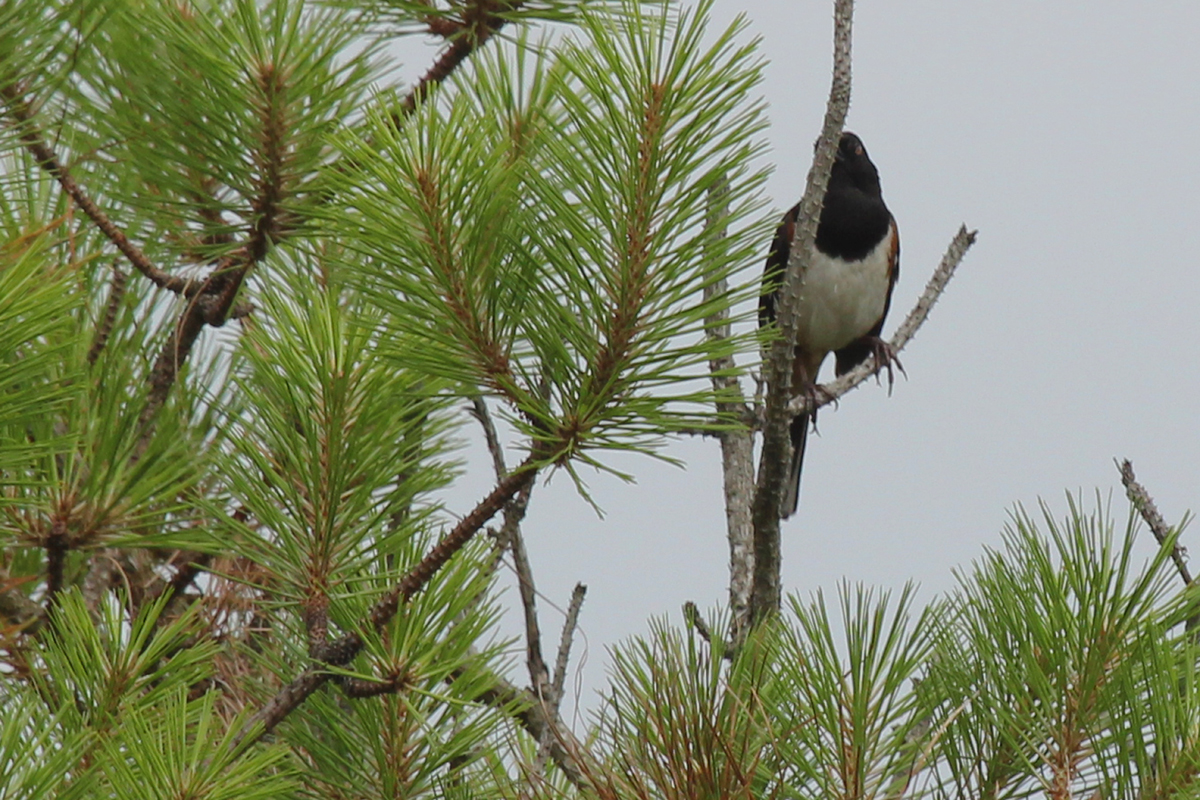
Aside from the spoonbills & the Dickcissel, the only other rarity logged this period was the continuing WHITE-EYED EASTED TOWHEE that has been present at Back Bay NWR (a hundred yards or so north of the waterfowl blind) since 12 May. The latest occurrence, 3 Jun (ph. Rob Bielawski), yielded an audio recording of the bird (perhaps the first audio of this race in Virginia?) and also a “possible” breeding code for the 2nd Virginia Breeding Bird Atlas. If this individual is observed again singing in this location, it can be bumped up to a “probable” code, which would be exciting! To date, there is only one known record for this race of Eastern Towhee away from Back Bay NWR in Virginia, so it is certainly worth investigating every towhee that is heard to see what color eye it might have!

As mentioned above, we had quite a few records for species that aren’t typically observed in the summer season, and while a couple of these species are simply lingering a bit late, some were true surprises. The presumably injured TUNDRA SWAN first noted at Back Bay NWR on 19 May (ph. Andrew Baldelli & Tracy Tate) continued to be observed throughout early June on the C Storage Pool. Last sighted 8 Jun, this marks the first time a Tundra Swan has been logged to eBird in Virginia Beach during the summer season. Additionally, a pair of in-flight Tundra Swans were reported over Sandbridge Beach on 1 Jun (obs. Mary Catherine Miguez). That record is even more incredible, given the birds were healthy enough for flight. During the Back Bay NWR thrice-monthly impoundment survey on 5 Jun a female GADWALL and a female RING-NECKED DUCK were discovered (obs. Robert Ake & David Hughes). Both were first records here in the summer months, though a male/female pair of Gadwall also present at Eastern Shore NWR in Northampton County provides some additional context for this local find. There’s a lot of water and marsh around Back Bay, and not a lot of access, so it’s very possible that some of these have lingered in other years as well. Several weeks beyond its usual 15 May departure date, a PEREGRINE FALCON was reported over Lake Smith on 4 Jun (obs. Tracy Tate). This species nests on the Eastern Shore, and there are occasional summer reports from downtown Norfolk as well, so this is another that might possibly breed somewhere in the city; certainly one to watch for this summer around Town Center or the resort area’s tall buildings.

In addition to these truly unseasonal finds, several species lingered a bit beyond their typical departure dates. With an average late date of 25 May, an adult male SURF SCOTER found in the waters off 85th Street Beach on 8 Jun (obs. Andrew Baldelli) provided a nice summer record. Yet another species of waterfowl stayed late this year, with up to three RED-BREASTED MERGANSERS documented well at First Landing SP’s beach through 4 Jun (ph. June McDaniels), with one individual straggling through at least 7 Jun (ph. June McDaniels), and potentially a different individual at Pleasure House Point NA on 3 Jun (obs. Tracy Tate). Lastly, a beautiful YELLOW-THROATED WARBLER was photo-documented via kayak in the swampy vicinity of Lake Tecumseh on 2 Jun (ph. Mary Catherine Miguez). That record provides only the second likely area in the city where the species might breed, having been confirmed carrying nesting material at Stumpy Lake NA earlier this spring. It’s very possible that the flooded forests along West Neck Creek and the North Landing River hold this species throughout the summer, but access is severely limited, with private property lining the watershed.

WEATHER:  Early June was surprisingly a bit cooler than the previous two periods. Average daily high temperatures dropped slightly from those in late May, 1.6° from 83.8° F to 82.2° (-1.0° from prior 10-year average), with average daily low temperatures following suit, 0.8° from 67.2° to 66.4° F (+0.7° from prior 10-year average). Overall, temperatures ranged from a minimum of 62° F (4 & 8 Jun) to a maximum of 89° (2 Jun). During the period, 0.45” of rain fell, spread across two days with measurement amounts, with a maximum of 0.43” falling on Saturday, 2 Jun. Maximum sustained winds at Oceana this period were 17 mph (3 Jun) and gusts reached 26 mph (10 Jun). No noteworthy tidal surge events (>2’) affected the Sewell’s Point tide gauge this period. Sunrise/sunsets varied from 5:46 AM/8:17 PM (1 Jun) to 5:44 AM/8:22 PM (10 Jun), which means we gained 7 minutes of daylight during this period with a total of 14 hours and 38 minutes of ‘Length of Day’ to close the period!

For those hoping to view every photograph submitted for Virginia Beach during this period, please see the complete listing for the month of June located on eBird’s Media explorer by clicking here! Please remember, anyone with an eBird account also has the ability to rate these photographs (1-5 stars), and based on the average rating, this is how eBird populates anything media-driven on the website, particularly the Illustrated Checklists! So, if you're one of the many folks who enjoy looking at photographs of birds, take some time to click them all and rate them, it helps make eBird better and better each day!

LOOKAHEAD: With early June completed, we have now bid farewell to Red Knot, Blackpoll Warbler, Gull-billed Tern, Spotted Sandpiper, Short-billed Dowitcher, Black-bellied Plover & Ruddy Turnstone (5 Jun expected departure) and White-rumped Sandpiper & Semipalmated Plover (10 May). Any records for these species moving forward will flag in eBird as ‘rare’, though techinically they are flagging for being found past their usual date of departure. If you observe any of these species near or after those dates, please try to document their occurrence to the best of your ability; it helps make eBird data & filters more accurate! From now through late June, we will not have any expected species arrivals, but from there moving forward, fall arrivals will be listed here each period (so stay tuned).

Next Entry | Entry Index | Previous Entry

For further information regarding this thrice-monthly, online publication, please visit the Journal Overview Page which provides an in-depth explanation of the format, layout and composition of the journal. As always, thank you for reading, and please leave me a comment below (you may use your Facebook, Gmail or other accounts to easily do so), or just click the Heart icon to the lower right of this post to let me know you stopped in!
Late May 2018 (21st-31st)

A sharp decline in both diversity of species and counts of individual birds occurred after the spring’s major coastal migration movement on 11 May. As a result, late May provided a bit of a burn-out effect for most birders in Virginia Beach as the realization that the season had reached its peak and the sheer volume of birds arriving to the city quickly tapered off. Additionally, high temperatures and unstable weather helped to define this reporting period, and the overall number of eBird checklists was down a bit from that of recent periods (despite the Memorial Day holiday weekend which can often bring many vacationing birders to Virginia Beach). However, as we’ve all become accustomed to, there is always something interesting to find in the city, and top records for late May in Virginia Beach included new rarity reports for ROSEATE SPOONBILL, BARN OWL, DICKCISSEL, BLACK-NECKED STILT & WARBLING VIREO and continuing rarity reports for at least two separate COMMON GALLINULES! Once mid-May passed, expected spring arrivals became non-existent since each of these species had already been logged, paving the way for late lingerers to take their place in the spotlight. With that in mind, during late May we saw records for TUNDRA SWAN, BUFFLEHEAD, WHITE-WINGED SCOTER, BONAPARTE’S GULL, BLUE-WINGED TEAL, PEREGRINE FALCON, BALTIMORE ORIOLE, RED-BREASTED MERGANSER, RED-THROATED LOON & LEAST SANDPIPER that eclipsed the departure dates for each species in an average year!

Topping the list this reporting period, and also representing the rarest bird observed so far in 2018 in Virginia Beach, a ROSEATE SPOONBILL was observed flying north over the Dune Trail at Back Bay NWR on 31 May (ph. Charlie Bruggemann)! At present, it appears that the identity of the massive pink bird was also independently arrived at by a park biologist who spotted the (likely) same individual on the C Pool prior to its flight over the Dune Trail. For a species that until last year had been documented only once in Virginia Beach altogether (one at Back Bay NWR on 12 Jun 1996), it is incredible that this 2018 bird now makes for a third recorded individual at Back Bay NWR, which now has hosted more Roseate Spoonbills than any other location in the state of Virginia! In 2017 (during what will be remembered as a major irruption of the species northeast of their normal range) a pair of spoonbills was observed at Pleasure House Point NA (obs. Eric & James Marcum) on 25 Aug, and the ensuing chaos caused by a sudden, torrential rain storm, allowed for a few locals to see the birds before they quickly departed the area (once the storm had subsided). Not long afterwards, a third individual for the year was noted at none other than, Back Bay NWR, from 3-5 Sep (ph. Timothy Burnett). The 2017 irruption also brought records to Shirley Plantation in Charles City, Chippokes Plantation in Surry, Hog Island WMA in Surry, Plum Tree Island NWR in Poquoson, Chincoteague NWR in Accomack and even to the Kiptopeke SP Hawkwatch site in Northampton. Perhaps 2018 will yield more than just this one sighting, but if not, it just makes it all the more incredible!

Every bit as unusual as the Spoonbill within the borders of Virginia Beach, a first-ever-eBird record for BARN OWL was submitted for 31 May at Pleasure House Point NA (ph. Warren Rofe)! This is the first new species to be added to the city's eBird listing since the Least Flycatcher of fall 2017 at Back Bay NWR. Barn Owl is a species almost exclusively associated with, you guessed it, barns. So, having a record in the northern, developed portion of the city is nothing short of incredible. Many of the areas birders have long-thought there may be individuals present in the more rural, southern, portion of the city, but with any available space on private property surveys for the birds are several lacking. The question of whether the bird was displaced, or whether it has been there for some time is also lingering among us unanswered, and subsequent checks have not yielded the owl unfortunately.

Another first for 2018, DICKCISSEL was found at Little Island Park on 23 May (obs. Tom Beatty). This is only the 6th individual to be recorded in Virginia Beach according to eBird reports and additionally, it represents our very first spring record! Past records in the city include an individual at Back Bay NWR on 20 Aug 2011 (obs. Robert Ake), a late winter record at Princess Anne WMA’s Whitehurst Tract on 14 Feb 2016 (ph. Andrew Baldelli & Tracy Tate), a pair of fall migrants at Little Island Park’s kayak launch side on 12 Oct 2016 (obs. James Marcum and ph. Mike Collins), and a possible breeder at Camp Pendleton SMR on 13-14 Jul 2017 (obs. Karen & Tom Beatty). The 2018 individual did not stick around long, and unfortunately no other reports from Little Island showed the bird later in the day. This species has been popping up at a number of locations scattered across Virginia over the last week (with a few even in the coastal plain), so any appropriate habitat around the city needs to be checked. Prime locations for this species would be cut over fields that have several years of shrub growth and dense vegetation beneath; Whitehurst & Beasley Tracts comes to mind, or several fields scattered around southern Virginia Beach.

Yet another first for the year, a BLACK-NECKED STILT was found during the thrice-monthly impoundment survey at Back Bay NWR on 25 May (obs. Robert Ake). Initially found on the ditch south of the C Storage Pool, this individual was observed later in the afternoon at the eastern fringes of the C Storage Pool (ph. Rob Bielawski) and then on the C Pool the following day (ph. Steve Myers), so it appeared to be slowly moving north across the park. Since that time though, no other reports of the bird have come in, and it is likely that it moved out of the area (despite this being potential breeding habitat). April and May tend to be the months where this species shows up here, typically as transient birds are making their way north, and while reports in the city occur annually, we typically only see 1-2 different individuals each spring with most reports at Back Bay NWR. Last year, we were a bit spoiled by having potentially 4 individuals recorded in the city between 26 Apr & 13 May, with one at Back Bay NWR, two in a rainfall-induced puddle along Muddy Creek Rd., and one found in a marsh at Marina Shores.

Last, but certainly not least, an unexpectedly rare, and very late WARBLING VIREO was found in the small portion of Knott’s Island that sits inside Virginia Beach’s border (rather than Currituck County, NC) on 27 May (obs. Andrew Baldelli & Tracy Tate). A second individual for the spring season here in Virginia Beach, this makes 2018 the first year where we’ve had more than one Warbling Vireo logged in the city according to eBird! Singles have been noted in 1996, 2012, 2016 and 2017, with the vast majority of years providing no records for this species which is found typically far west of us in higher elevations of the state. This also exceeds the latest known spring date for a transient of this species passing through Virginia Beach, with the previous date of 17 May 1996 at Back Bay NWR eclipsed by a healthy 10 days. No other reports came in for the current bird though, as this area of the city isn’t one that many birders venture too. Geographically, it probably gets some overshooting birds in spring that hang around for a day or two before either crossing Back Bay or heading back inland. It suffers from a lack of public land however, and any observations must occur from the public road that runs north-south for a relatively short distance.

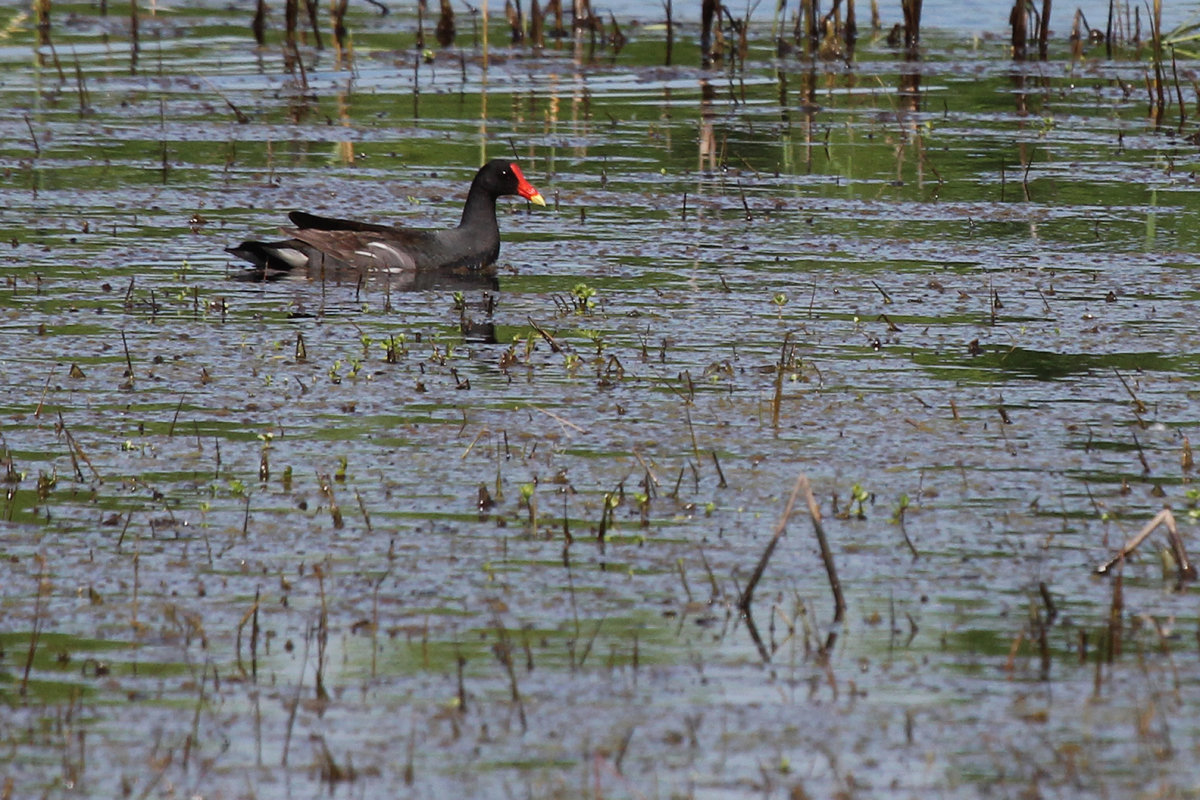
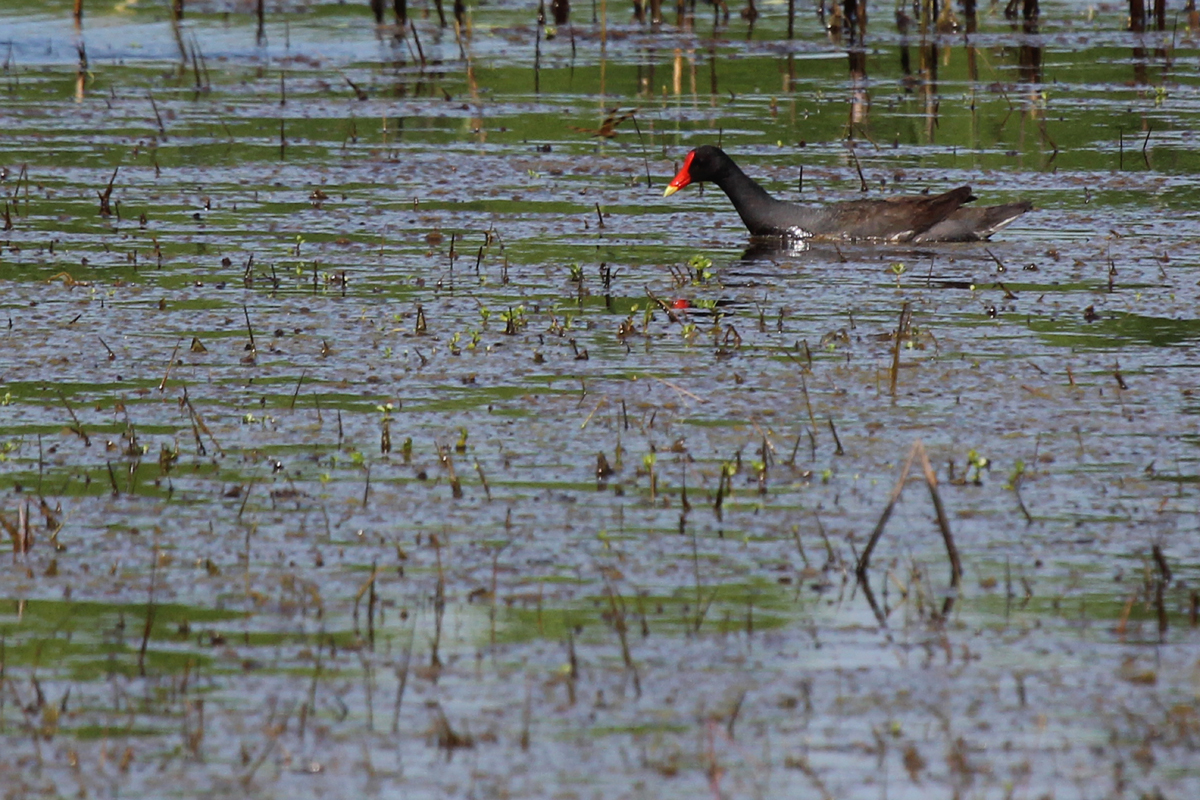
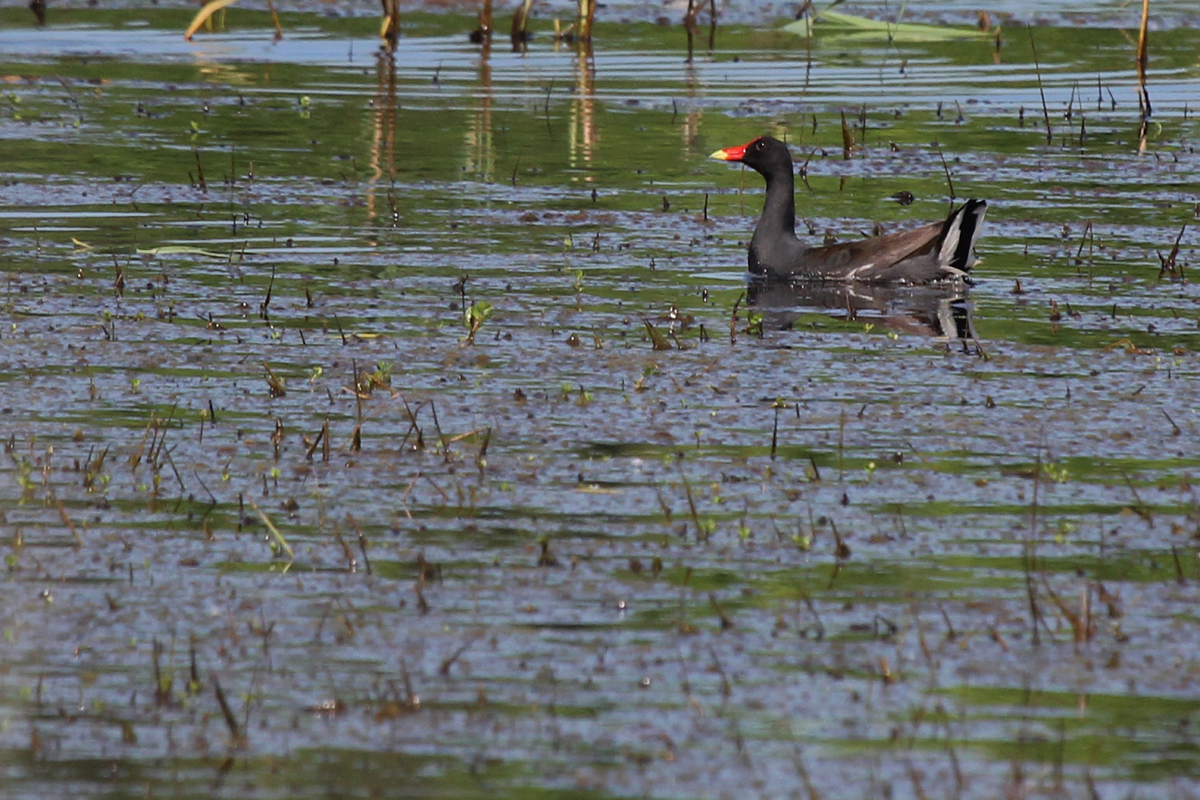
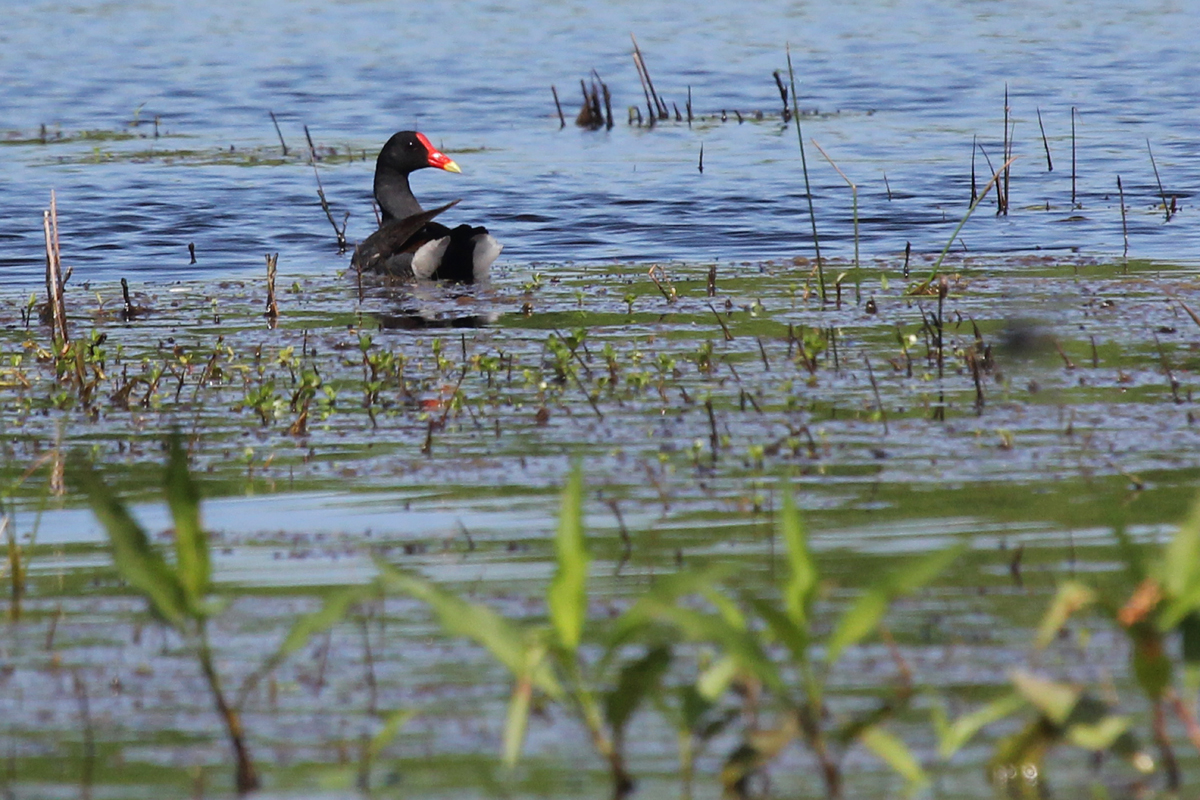
We had a pair of continuing rarities during late May, both of which were COMMON GALLINULES. The first, and more recently discovered, is that of a single individual found at the west end of the Raptor Trail at Back Bay NWR on 14 May (obs. Cindy Hamilton). This individual appears to have persisted at this exact location (give or take 50 feet for most reports) through at least 24 May (ph. Kathy Louthan). Another Common Gallinule, likely one of a pair of birds encountered earlier this spring nearby, was photographed at Princess Anne WMA’s Whitehurst Tract on 27 May (ph. Rob Bielawski). This individual was observed in close proximity with an American Coot on the third impoundment south of Munden Road. What makes both of the sightings interesting, is that so far in the state of Virginia as a whole, there has only been one record of a Common Gallinule that was outside of Virginia Beach. So, with at least three individuals logged here this spring, and the potential for more through the summer if any of these decide to breed locally, it has been an excellent year for the species in the city.

While we’ve finally reached the tail end of the spring season, which means we had no new arrivals to report (at least for expected species), we did have quite a few species linger past their average spring departure dates. Most notable among the group, a single TUNDRA SWAN continues to be observed on the C Storage Pool at Back Bay NWR (observed by many but last reported 31 May, obs. Tommy Maloney & Jason Schatti), and it has become increasingly clear that this must be an injured individual, now about 6-7 weeks beyond this species’ typical date of departure from the city. Very late as well, by roughly a month behind the average departure date of 30 Apr, a female BUFFLEHEAD found on the beach at First Landing SP on 30 May (obs. June McDaniels) almost certainly represents another injured individual. An astonishing 26 days late, a WHITE-WINGED SCOTER was photographed about a quarter mile off the Oceanfront beach on 26 May (ph. Justin Fuller). It will be interesting to see if this individual lingers, as summer scoter records are usually dominated by Black Scoters, with Surf Scoters next in line. Records for White-winged Scoters in Jun are nearly absent from this part of the coast. A BONAPARTE’S GULL photographed on the mudflats at Pleasure House Point NA on 18 May (ph. Rob Bielawski) appears to have continued at this location through 22 May (obs. Robert Ake & Edward Brinkley, and later by Andrew Baldelli). Perhaps this same individual was reported on the beach nearby at First Landing SP on 30 May (ph. June McDaniels) & again on 31 May (obs. June McDaniels), a remarkable 21 days beyond the average departure date of 10 May. At 14 days beyond the average departure date, a male BLUE-WINGED TEAL observed on the impoundments at Back Bay NWR on 24 May (obs. Andrew Baldelli) represents an interesting record, given that the latest report prior to this one occurred way back on 5 May!

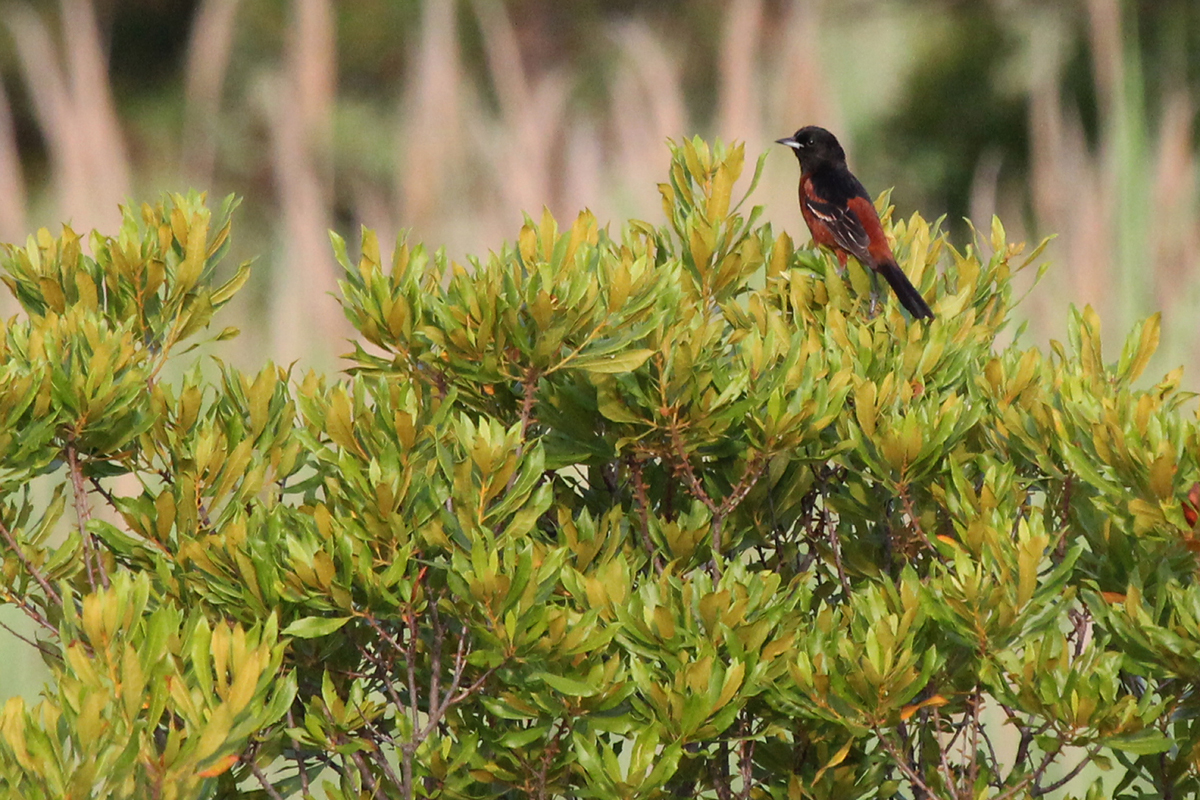
A singing male BALTIMORE ORIOLE on Knott’s Island’s Virginia Beach portion found 27 May (obs. Andrew Baldelli & Tracy Tate) and likely the same individual observed 31 May (obs. James Marcum) exceeded this species usual departure date by 11 days. At seven days beyond average, a PEREGRINE FALCON in Thoroughgood on 22 May (obs. Tracy Tate) was a great late May record. Three late RED-BREASTED MERGANSERS were noted, with an adult female at Rudee Inlet on 28 May (obs. Andrew Baldelli), with likely the same individual observed later in the day (obs. Logan Anderson) and a separate pair of females was found at First Landing SP on 30 May (ph. June McDaniels) and again on 31 May (obs. June McDaniels) the latest being six days beyond the expected 25 May departure date. At least two RED-THROATED LOONS persisted into late May (though only a maximum of two days beyond typical), with one individual in the central resort district on 21 May (obs. Corey Entriken) and a second individual photographed inside of Rudee Inlet on 22 May (ph. Robert Ake & Edward Brinkley). Lastly, a single LEAST SANDPIPER was photographed on the beach at Back Bay NWR on 31 May (ph. Charlie Bruggemann), just one day past the expected 30 May departure date, but late nonetheless!

One interesting report that garners mention here is that of a MISSISSIPPI KITE observed flying north over Back Bay NWR on 26 May (ph. Steve Myers). While this species does not flag as a rarity in eBird for Virginia Beach anymore, it was once very scarce. In recent years, a pair of birds was noted as breeding in the Thoroughgood section of the city, and since then, the population of returning kites has increased each year. However, most have already arrived to this northern portion of the city going back to the early part of May, so this report of a transient bird passing through Back Bay is especially interesting, and if we had sub-county data filters in eBird, this species would like flag as rare anywhere away from Kings Grant & Thoroughgood just due to the unlikelihood of catching one passing through. This is similar to how Clapper Rails don’t flag as rare, but anywhere away from saltmarshes in the city, they’re certainly unexpected. King Rails by association, are truly rare anywhere away from the freshwater of Back Bay and its tributaries. Great Cormorants away from the Chesapeake Bay Bridge-Tunnel are exceedingly rare as well, though they’re locally common at that site. Anyway, you get the point, the eBird data quality filters have had a great deal of thought put into them, but there are geographical issues that have not yet been overcome, yet!

With the next reporting period (early June) beginning the ‘ornithological summer’ season, it feels important to remind all birders in Virginia Beach that the 2nd Virginia Breeding Bird Atlas is now moving fully ahead into its third season of data collection. This five year project is aimed at mapping out the breeding ranges for every species of bird that nests within the state of Virginia. It is intended to provide a comparison with data from the 1st Virginia Breeding Bird Atlas, which took place in the 1980s, to identify species whose populations have deteriorated, and to use this knowledge to build plans on how these species-in-need might be better assisted by federal agencies and conservation organizations. Co-sponsored by the Virginia Department of Game & Inland Fishers, the Virginia Society of Ornithology and the Conservation Management Institute at Virginia Tech, this project relies heavily on volunteers for data input using eBird, so if you’re already an eBird user, this project is a great way to help make your checklists potentially count for more than just numbers on your personal life list, by helping document the shifting distributional patterns of species that can directly benefit from your observations! A large array of information regarding the project is available online, with the Atlas Website being a great starting point for anyone who might be interested, as well as the Atlas eBird Portal News Page. Additionally, I help run the Atlas’ Public Facebook Page (where information is shared to the broader community of those folks who have shown an interest in the project), as well as the Atlas’ Facebook Group (where active Atlasers can share their sightings and discuss various aspects of the project with one another).

All that said, I wanted to point out some interesting observations that were submitted to the project via eBird during late May! On 23 May, right in a residential yard, a Tufted Titmouse fledgling was beautifully documented (ph. Mary Catherine Miguez), thereby confirming the species in this particular Atlas Block as a breeder. Later that same day, a Killdeer was observed tending to a nest with several eggs in it, and a Brown Thrasher was observed feeding a younger individual at Little Island Park (ph. Mary Catherine Miguez). A very difficult species to confirm in Virginia Beach, a nest of Green Herons was observed in central Virginia Beach on 25 May (ph. Pamela Monahan). Lastly, a pair of waterfowl confirmations came in this period when a female Mallard was observed with 8 fledglings in tow at Back Bay NWR on 25 May (ph. Rob Bielawski), and a female Wood Duck at Princess Anne WMA’s Whitehurst Tract was noted with a matching set of youngsters on 27 May (ph. Rob Bielawski). On each of these checklists, you’ll notice that a ‘breeding code’ has been assigned for the applicable entries, and this information is the life blood of the project. The idea is to confirm as many species as possible during the five year project, but there are many different codes ranging across three main groups: Possibles, probables, and confirmations. The only other difference from a normal eBird checklist is apparent at the top left corner of these checklists. Note that the logo does not simply show the standard eBird symbol of a bird in flight; instead it state Virginia Breeding Bird Atlas 2, and shows the Loggerhead Shrike symbol to the right of the text. In order to make any eBird checklist into an Atlas checklist, all one needs to do is navigate to the list, simply click the “Change Portal” button that appears on the bottom right panel, select Virginia Breeding Bird Atlas from the drop-down menu that pops up, and click the big green button that also says “Change Portal”. Add in some breeding codes for what was observed, and that’s it, nothing to it!

WEATHER:  Late May 2018 turned out be the warmest comparable period since 2011 in Virginia Beach, and while the 90° high on 12 May still holds the top notch for 2018, this period as a whole was our warmest so far. Average daily high temperatures rose slightly from those in mid-May, 0.7° from 83.1° F to 83.8° (+3.7° from prior 10-year average), with average daily low temperatures barely dropping, 0.1° from 67.3° to 67.2° F (+4.2° from prior 10-year average). Overall, temperatures ranged from a minimum of 57° F (25 May) to a maximum of 89° (27 May). During the period, 2.21” of rain fell, spread across four days with measurement amounts, with a maximum of 1.65” falling on Monday, 28 May. Maximum sustained winds at Oceana this period were 18 mph (27 & 31 May) and gusts reached 26 mph (31 May). No noteworthy tidal surge events affected the Sewell’s Point tide gauge this period. Sunrise/sunsets varied from 5:52 AM/8:09 PM (21 May) to 5:46 AM/8:17 PM (31 May), which means we gained 14 minutes of daylight during this period with a total of 14 hours and 30 minutes of ‘Length of Day’ to close the period!

For those hoping to view every photograph submitted for Virginia Beach during this period, please see the complete listing for the month of May located on eBird’s Media explorer by clicking here! Please remember, anyone with an eBird account also has the ability to rate these photographs (1-5 stars), and based on the average rating, this is how eBird populates anything media-driven on the website, particularly the Illustrated Checklists! So, if you're one of the many folks who enjoy looking at photographs of birds, take some time to click them all and rate them, it helps make eBird better and better each day!

LOOKAHEAD: With late May completed, we have now bid farewell to Gray-cheeked Thrush, Swainson’s Thrush, Veery, Bobolink, Stilt Sandpiper, Surf Scoter, Red-breasted Merganser, Horned Grebe, Northern Gannet & Purple Sandpiper (25 May expected departure date) and Common Nighthawk, Worm-eating Warbler, Northern Waterthrush, Scarlet Tanager, American Redstart, Yellow Warbler, Hooded Warbler, Least Sandpiper, Pectoral Sandpiper, Lesser Yellowlegs, Yellow-throated Warbler, Pied-billed Grebe, American Coot & Dunlin (30 May). Any records for these species moving forward will flag in eBird as ‘rare’, though techinically they are flagging for being found past their usual date of departure. In early June, we have typical departure dates for Red Knot, Blackpoll Warbler, Gull-billed Tern, Spotted Sandpiper, Short-billed Dowitcher, Black-bellied Plover & Ruddy Turnstone (5 Jun) and White-rumped Sandpiper & Semipalmated Plover (10 May), which will wrap up our spring migration season! So, make sure to try for your last sightings of the season on these species while you can! If you observe any of these species near or after those dates, please try to document their occurrence to the best of your ability; it helps make eBird data & filters more accurate! From now through late June, we will not have any expected species arrivals, but from there moving forward, fall arrivals will be listed here each period (so stay tuned). As always, make sure to report your finds to eBird so the data can be used to adjust the average expected spring departure dates!
Next Entry | Entry Index | Previous Entry

For further information regarding this thrice-monthly, online publication, please visit the Journal Overview Page which provides an in-depth explanation of the format, layout and composition of the journal. As always, thank you for reading, and please leave me a comment below (you may use your Facebook, Gmail or other accounts to easily do so), or just click the Heart icon to the lower right of this post to let me know you stopped in!