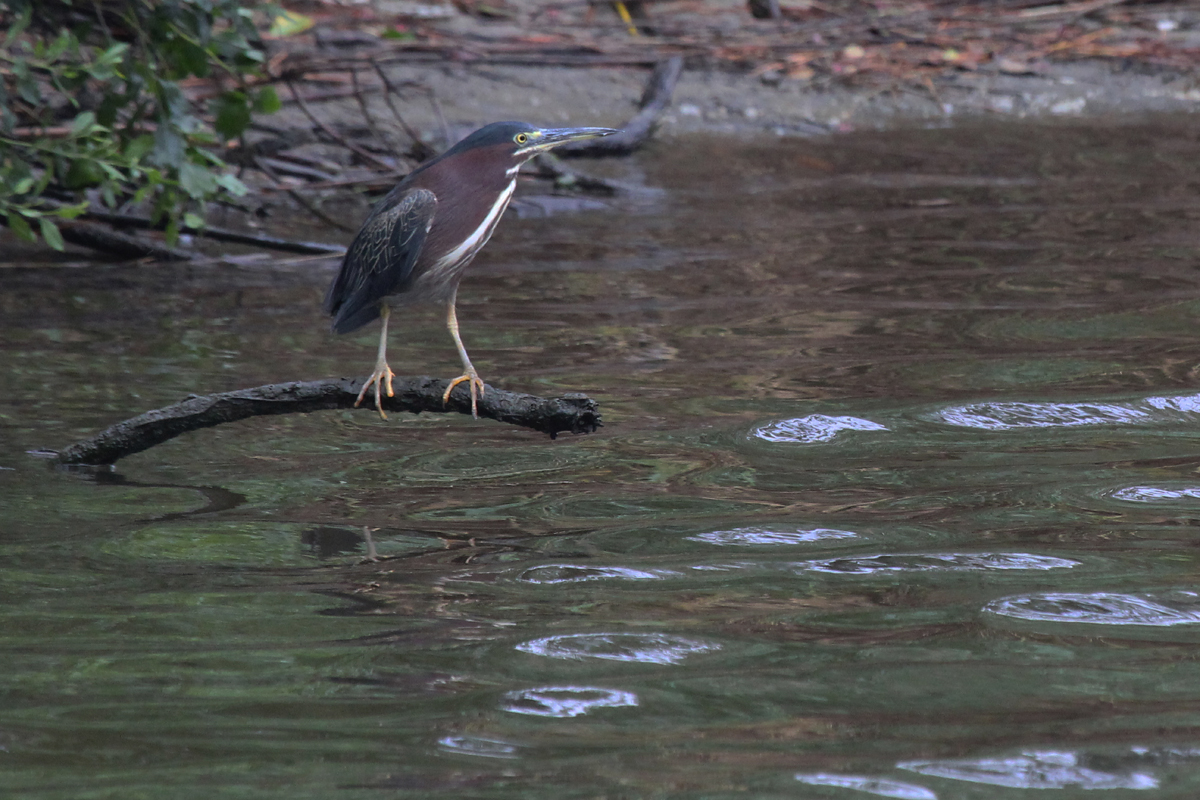
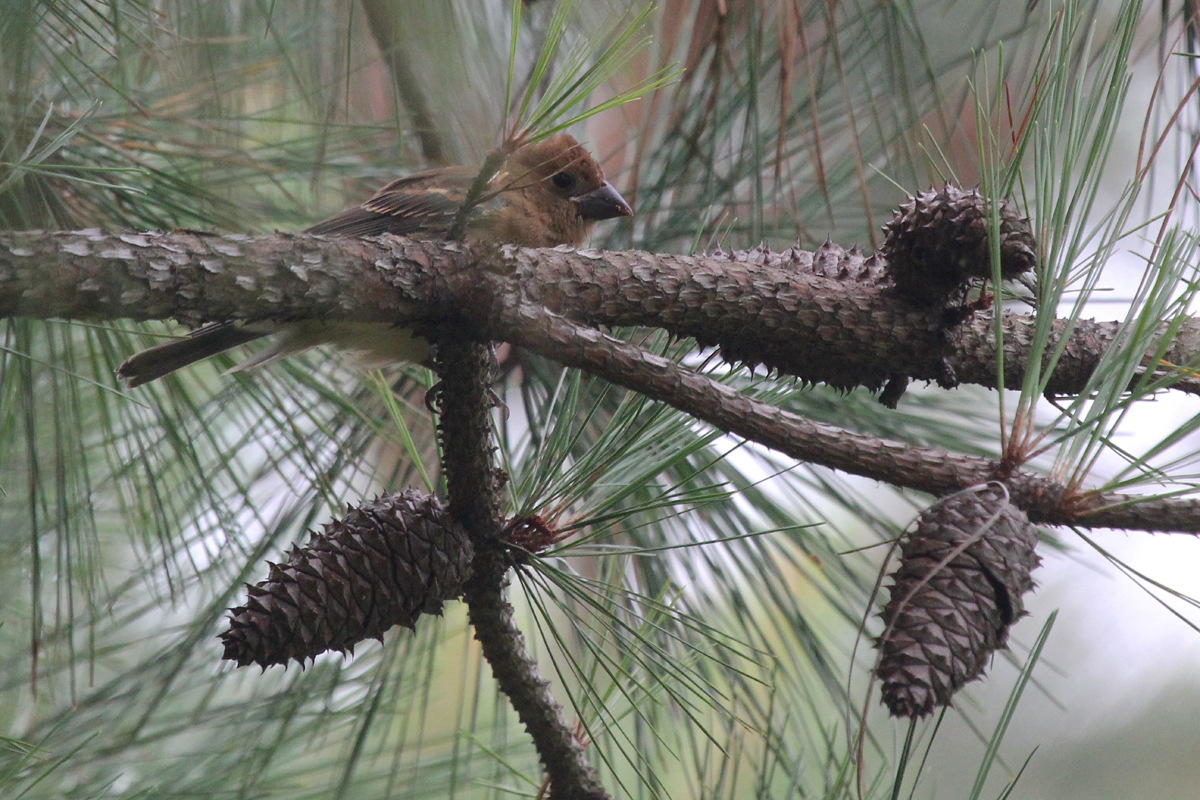
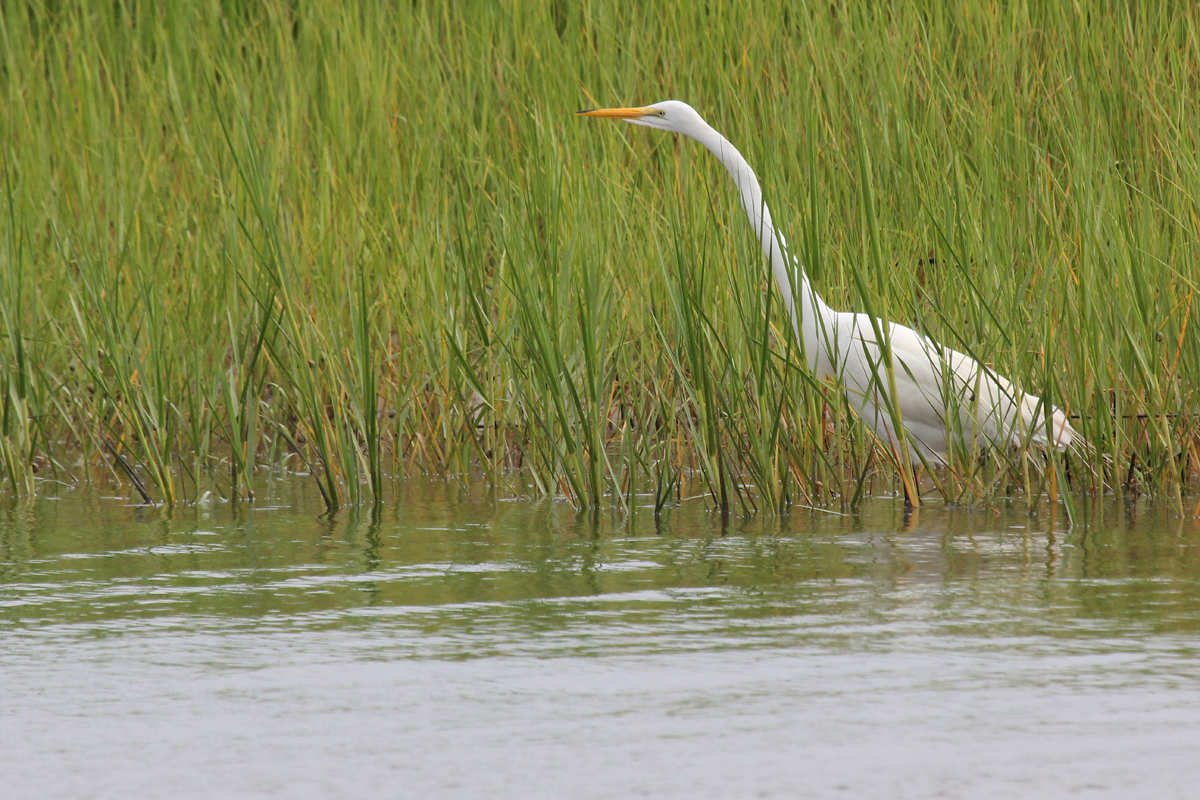
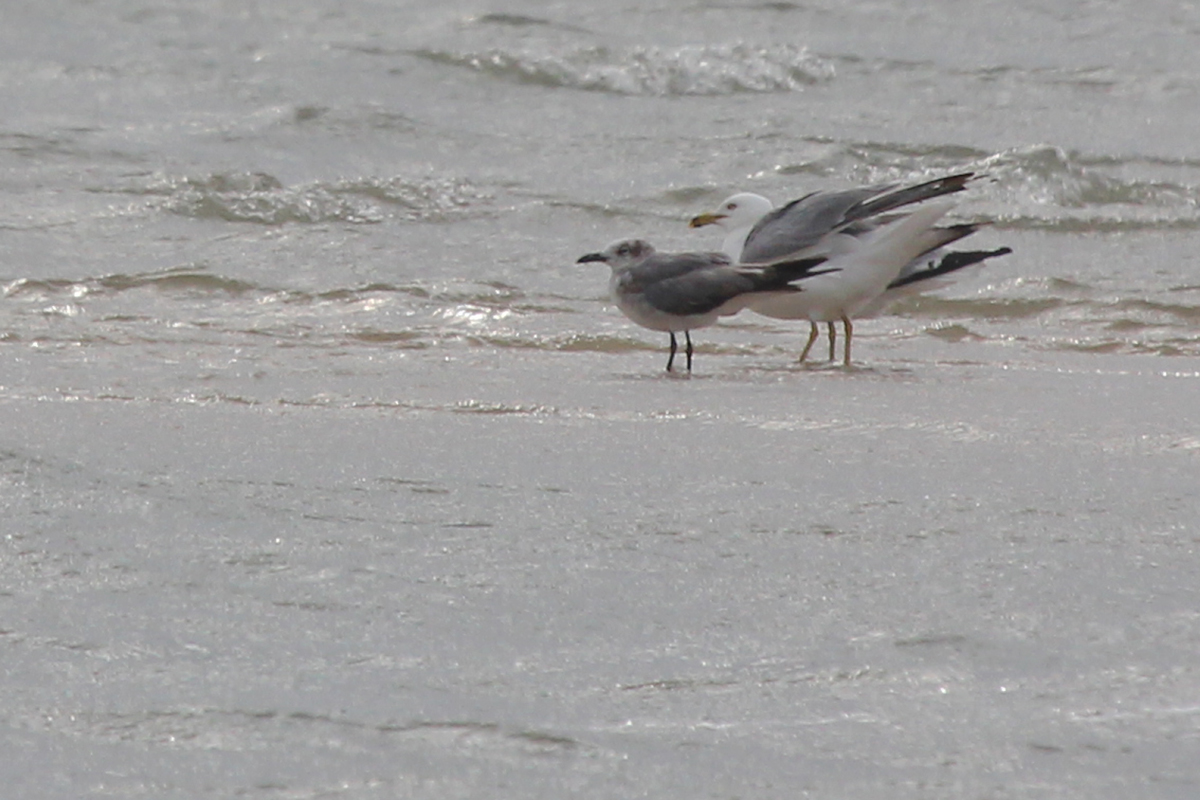
Early August 2018 (1st-10th)

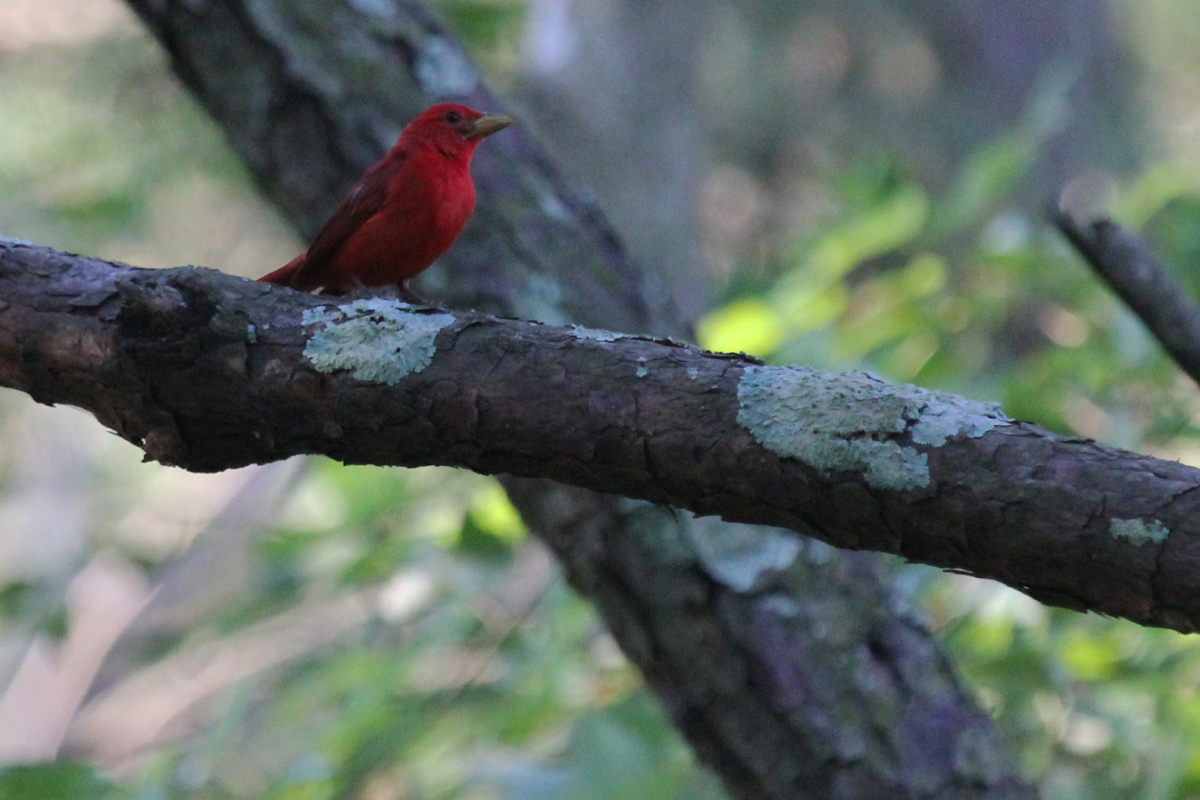
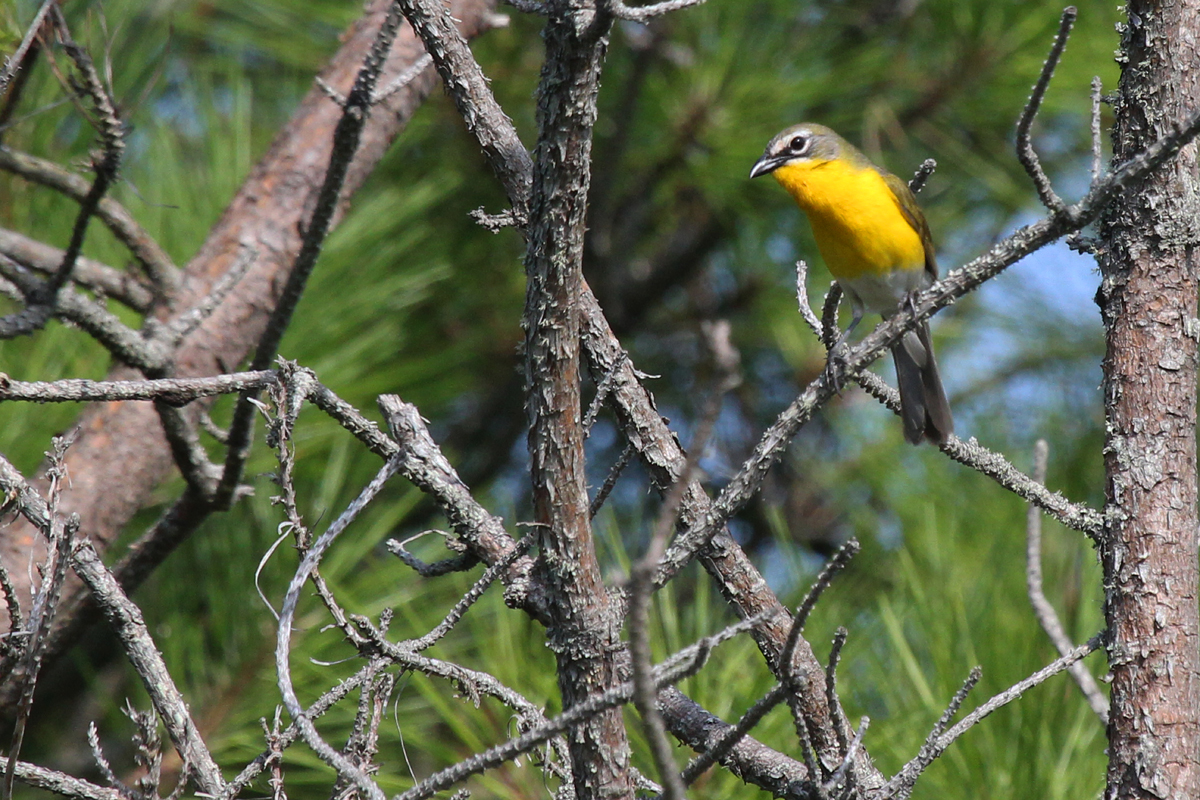
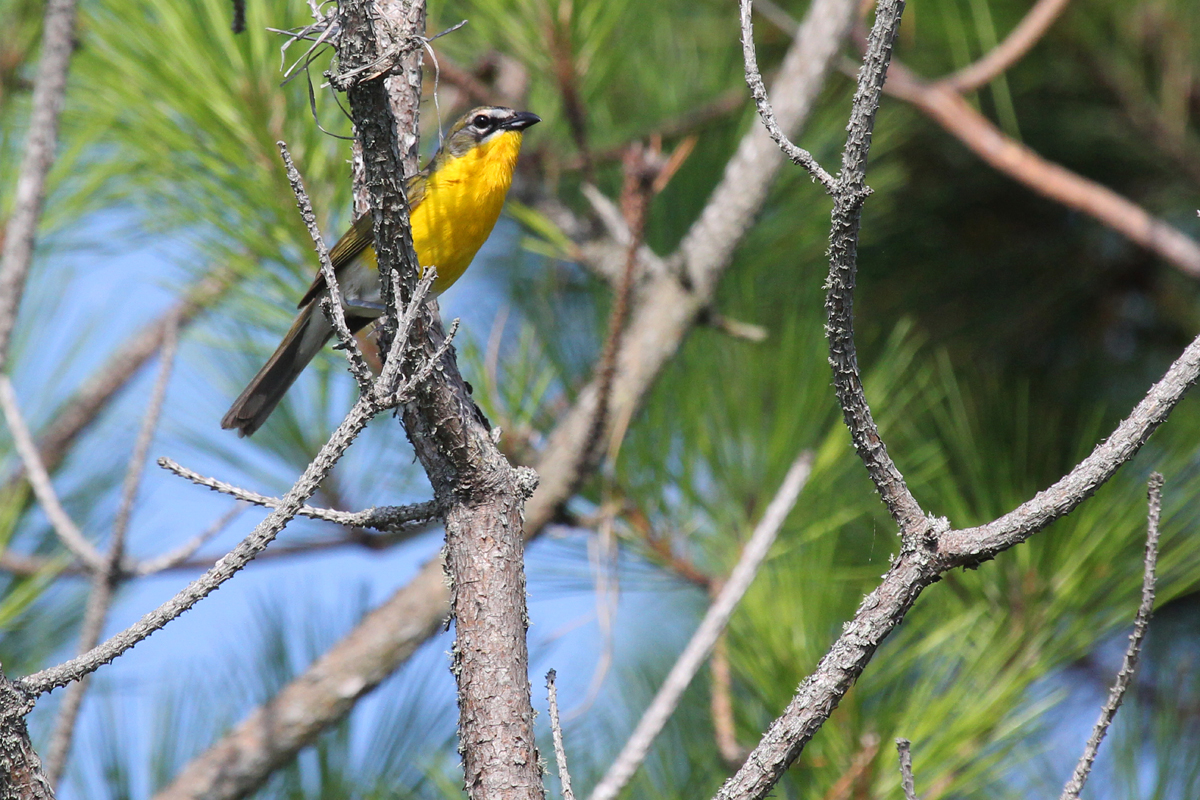
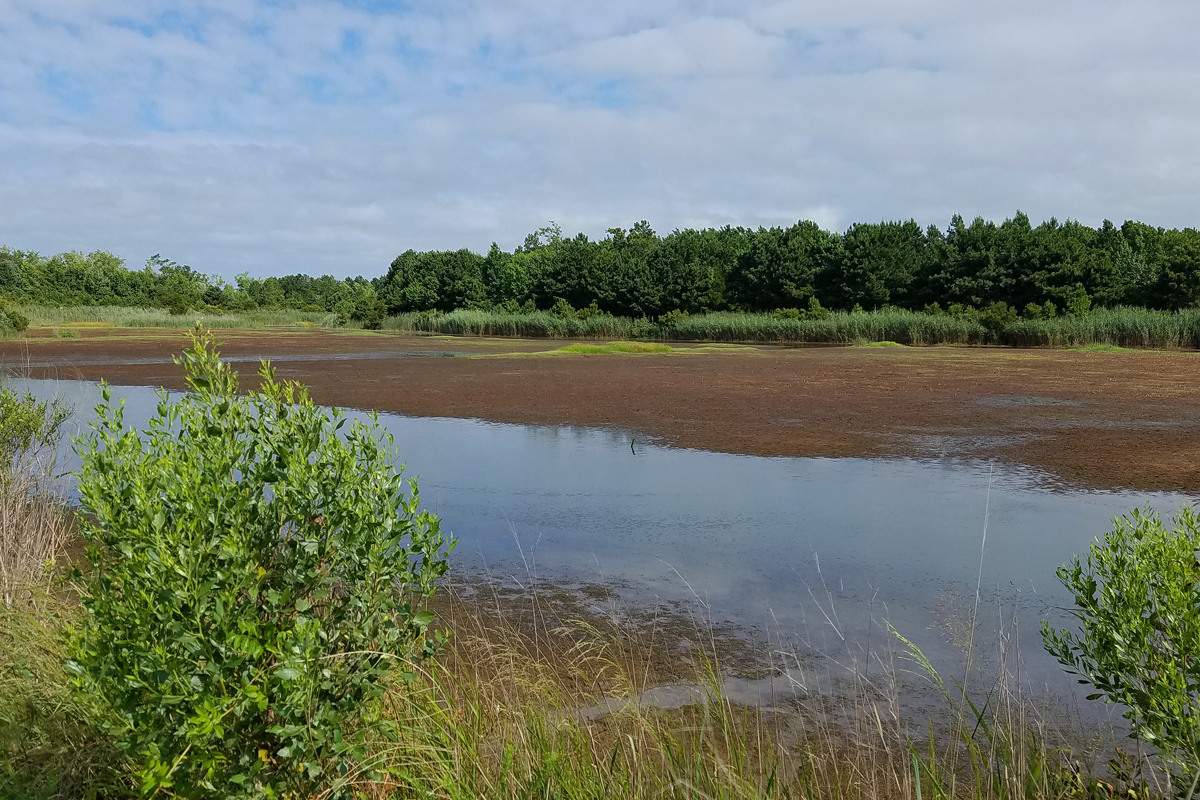
During the early August period, observers in Virginia Beach tallied three new rarities including potentially up to three different ANHINGA at Stumpy Lake NA from 1 Aug (ph. Charlie Bruggemann) through the period’s end, a single MARBLED GODWIT at Back Bay NWR that lingered from 6 Aug (obs. David Hughes & Lauren Mowbray) also through the end of the period, and an adult LARK SPARROW at Marina Shores to close the period out on 10 Aug (ph. June McDaniels).  In addition to the rarities, we also saw early first-of-season arrivals for YELLOW WARBLER at Stumpy Lake NA on 1 Aug (ph. Charlie Bruggemann), followed by a second individual on 10 Aug at Marina Shores (ph. Rob Bielawski), SCARLET TANAGER at Stumpy Lake NA (obs. Doug Graham), BANK SWALLOW at Little Island Park on 2 Aug (obs. Andrew Baldelli & Tracy Tate), HOODED WARBLER in a Kempsville backyard on 8 Aug (ph. Una Davenhill), and an arrival within expected dates for COMMON NIGHTHAWK at Marina Shores on 10 Aug (obs. Andrew Baldelli). We also saw our second AMERICAN REDSTART report of the season after a bit of a lapse from the first in late July, with this individual found in a Hunt Club Forest backyard on 10 Aug (ph. Karen & Tom Beatty).

Lark Sparrow / 10 Jul / Marina Shores

For those hoping to view every photograph submitted for Virginia Beach during this period, please see the complete listing for the month of August located on eBird’s Media explorer by clicking here! Please remember, anyone with an eBird account also has the ability to rate these photographs (1-5 stars), and based on the average rating, this is how eBird populates anything media-driven on the website, particularly the Illustrated Checklists! So, if you're one of the many folks who enjoy looking at photographs of birds, take some time to click them all and rate them, it helps make eBird better and better each day!

LOOKAHEAD: With regards to annually expected fall arrivals, as of the reporting period close date, we have not yet logged first arrivals for DUNLIN (30 Jul average expected arrival), YELLOW-THROATED WARBLER, NORTHERN WATERTHRUSH & WHITE-RUMPED SANDPIPER (5 Aug), NORTHERN HARRIER, PEREGRINE FALCON & BALTIMORE ORIOLE (15 Aug) and BLUE-WINGED WARBLER, WORM-EATING WARBLER, CHESTNUT-SIDED WARBLER, BOBOLINK, BLACK-THROATED BLUE WARBLER & SORA (20 Aug). If you observe one of these species before the date listed, please try to document the sighting as best as you can! Please also remember that every species’ expected fall arrival date can be viewed in table format by Clicking Here!

Next Entry | Next Year | Entry Index | Previous Year | Previous Entry

For further information regarding this thrice-monthly, online publication, please visit the Journal Overview Page which provides an in-depth explanation of the format, layout and composition of the journal. As always, thank you for reading, and please leave me a comment below (you may use your Facebook, Gmail or other accounts to easily do so), or just click the Heart icon to the lower right of this post to let me know you stopped in!
Late July 2018 (21st-31st)

During the late July reporting period, we saw a continuing rarity report for WHITE-EYED EASTERN TOWHEE at Back Bay NWR on 27 Jul (ph. Karen & Tom Beatty), as well as an early/unseasonal occurrence for AMERICAN REDSTART at a private residence in Hunt Club Forest on 28 Jul (ph. Karen & Tom Beatty). Other first-of-season arrivals included: WESTERN SANDPIPER at Back Bay NWR on 22 Jul (obs. June McDaniels), RUDDY TURNSTONE also at Back Bay NWR on 22 Jul (obs. Marlee Morris), STILT SANDPIPER in a flooded field north of Pleasant Ridge Road on 26 Jul (obs. Andrew Baldelli) and lastly, RED KNOT flying south past Back Bay NWR on 29 Jul (obs. Rob Bielawski).

Tricolored Heron / 29 Jul / Muddy Creek Rd.

For those hoping to view every photograph submitted for Virginia Beach during this period, please see the complete listing for the month of July located on eBird’s Media explorer by clicking here! Please remember, anyone with an eBird account also has the ability to rate these photographs (1-5 stars), and based on the average rating, this is how eBird populates anything media-driven on the website, particularly the Illustrated Checklists! So, if you're one of the many folks who enjoy looking at photographs of birds, take some time to click them all and rate them, it helps make eBird better and better each day!

LOOKAHEAD: With regards to annually expected fall arrivals, as of the reporting period close date, we have not yet logged first arrivals for DUNLIN (30 Jul average expected arrival), YELLOW-THROATED WARBLER, COMMON NIGHTHAWK, YELLOW WARBLER, NORTHERN WATERTHRUSH, AMERICAN REDSTART, SCARLET TANAGER & WHITE-RUMPED SANDPIPER (5 Aug) and BANK SWALLOW (10 Aug). If you observe one of these species before the date listed, please try to document the sighting as best as you can! Please also remember that every species’ expected fall arrival date can be viewed in table format by Clicking Here!

Next Entry | Next Year | Entry Index | Previous Year | Previous Entry

For further information regarding this thrice-monthly, online publication, please visit the Journal Overview Page which provides an in-depth explanation of the format, layout and composition of the journal. As always, thank you for reading, and please leave me a comment below (you may use your Facebook, Gmail or other accounts to easily do so), or just click the Heart icon to the lower right of this post to let me know you stopped in!
Mid-July 2018 (11th-20th)

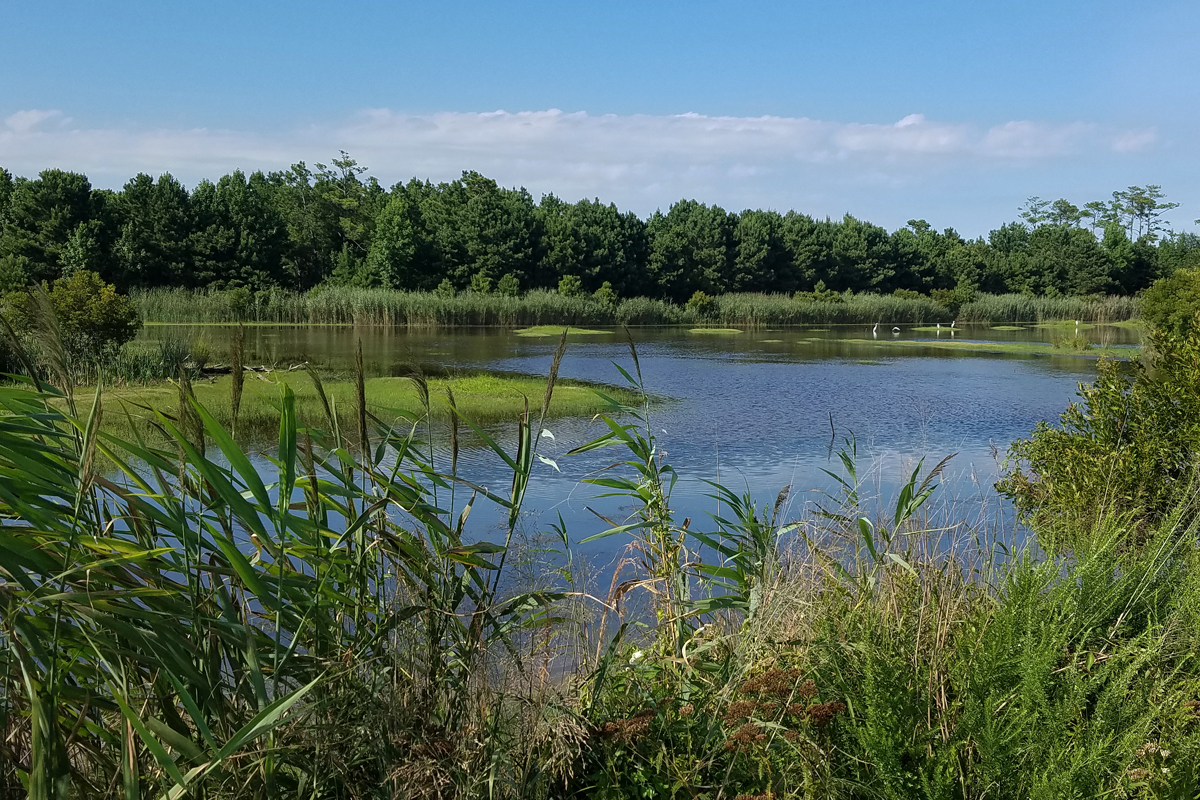
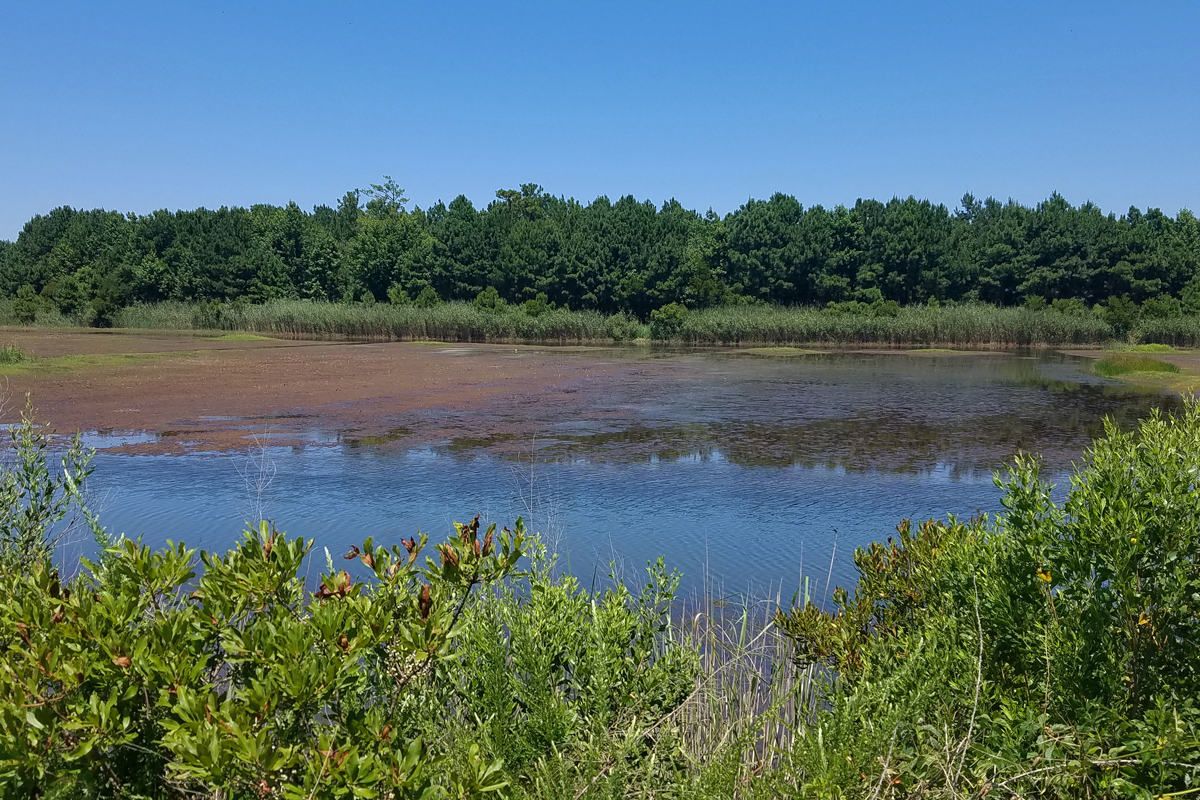
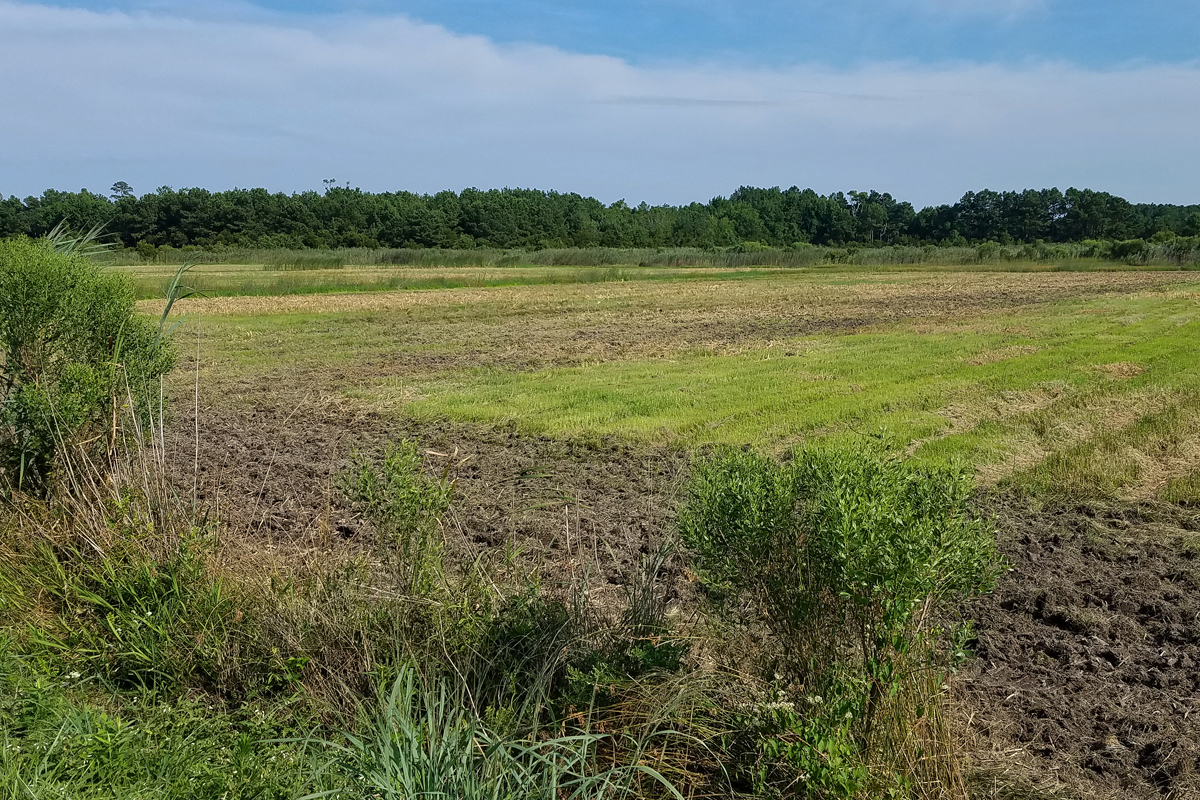
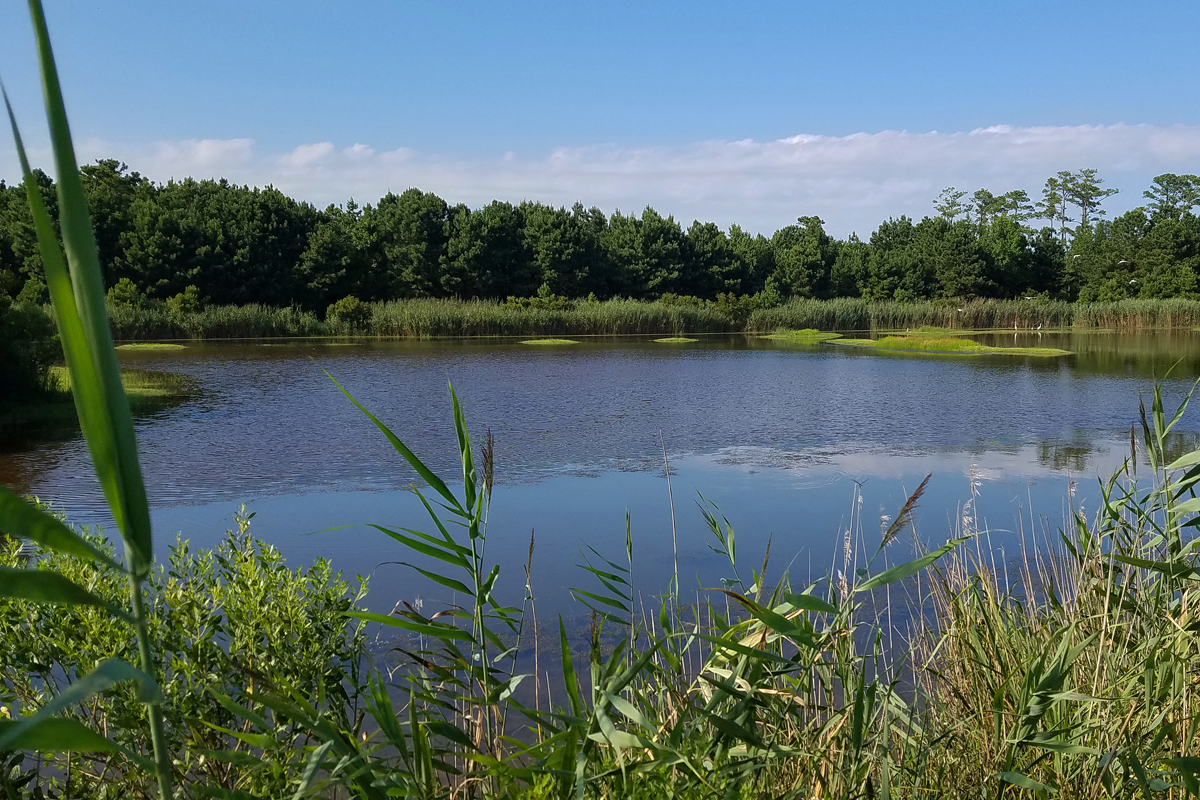
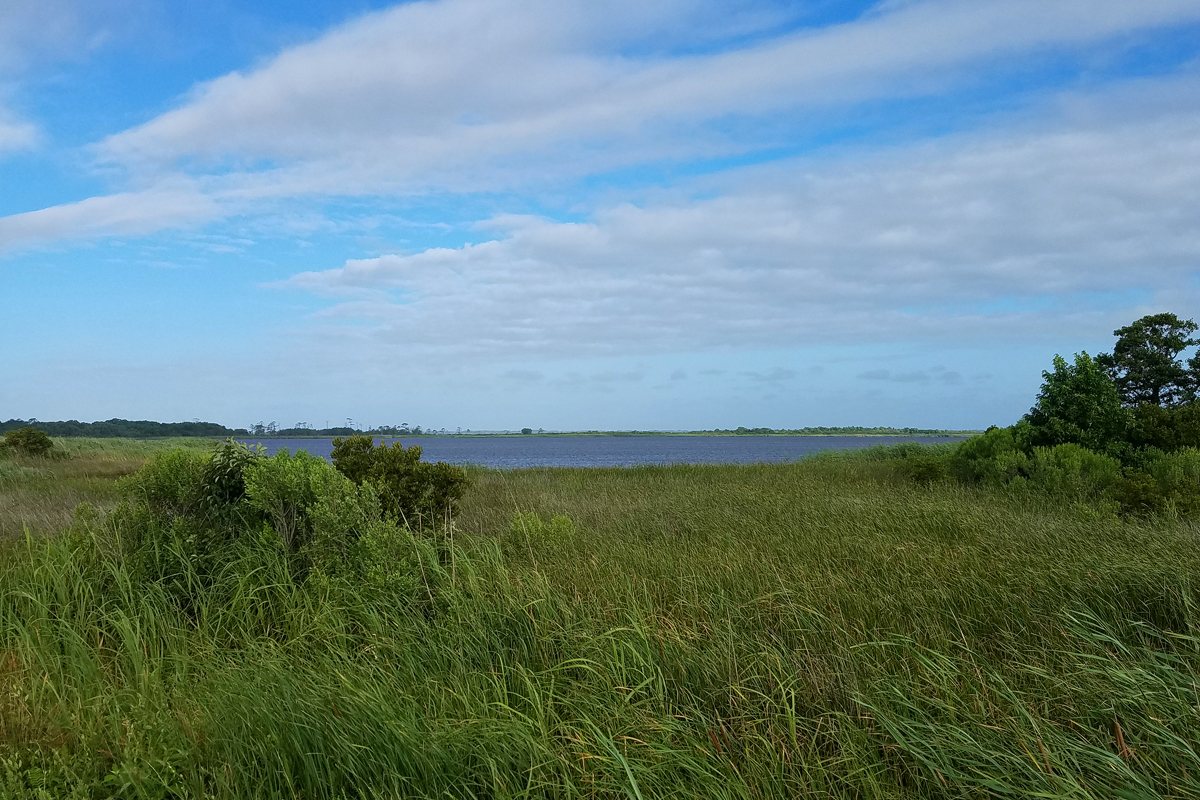
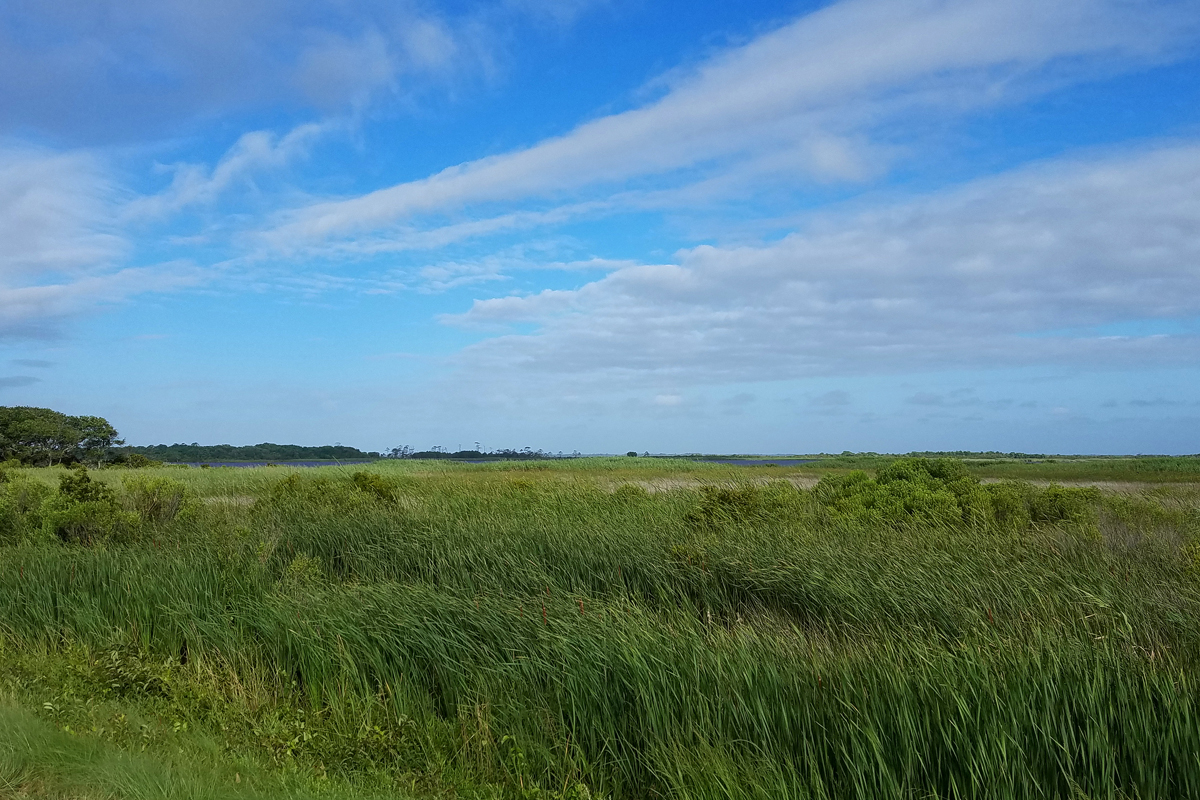
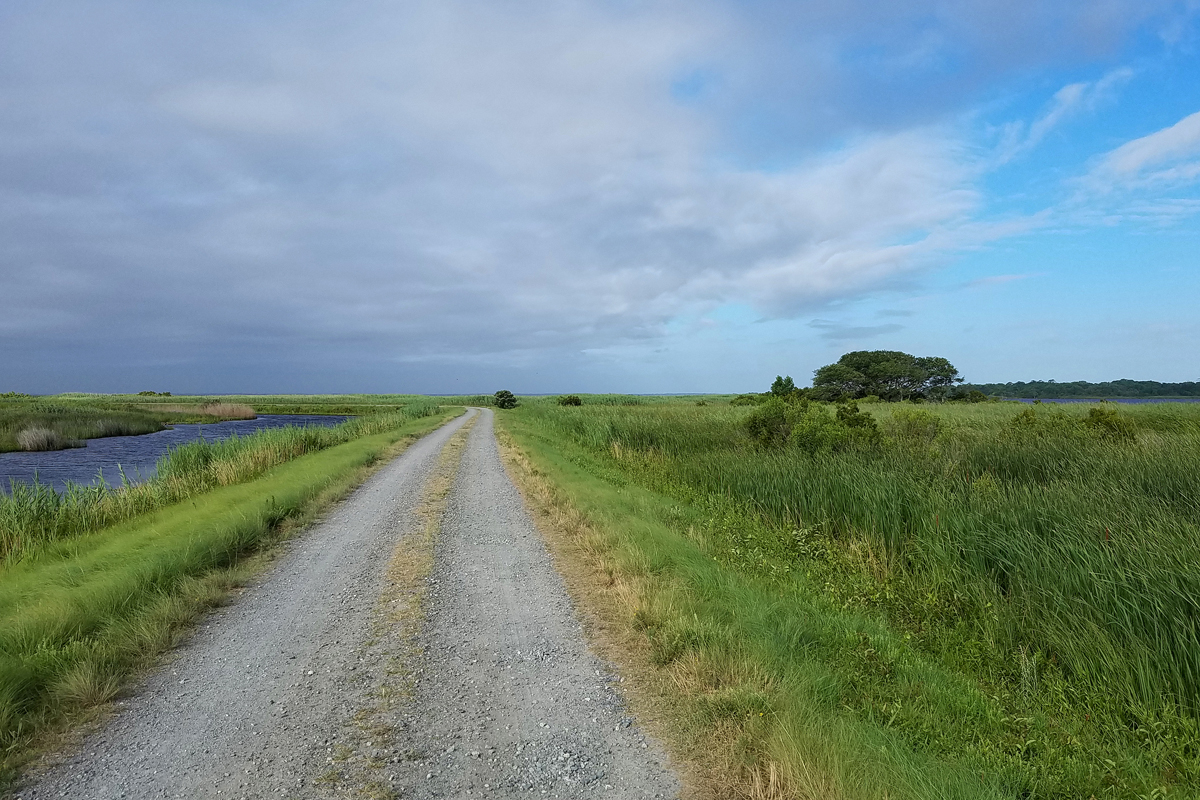
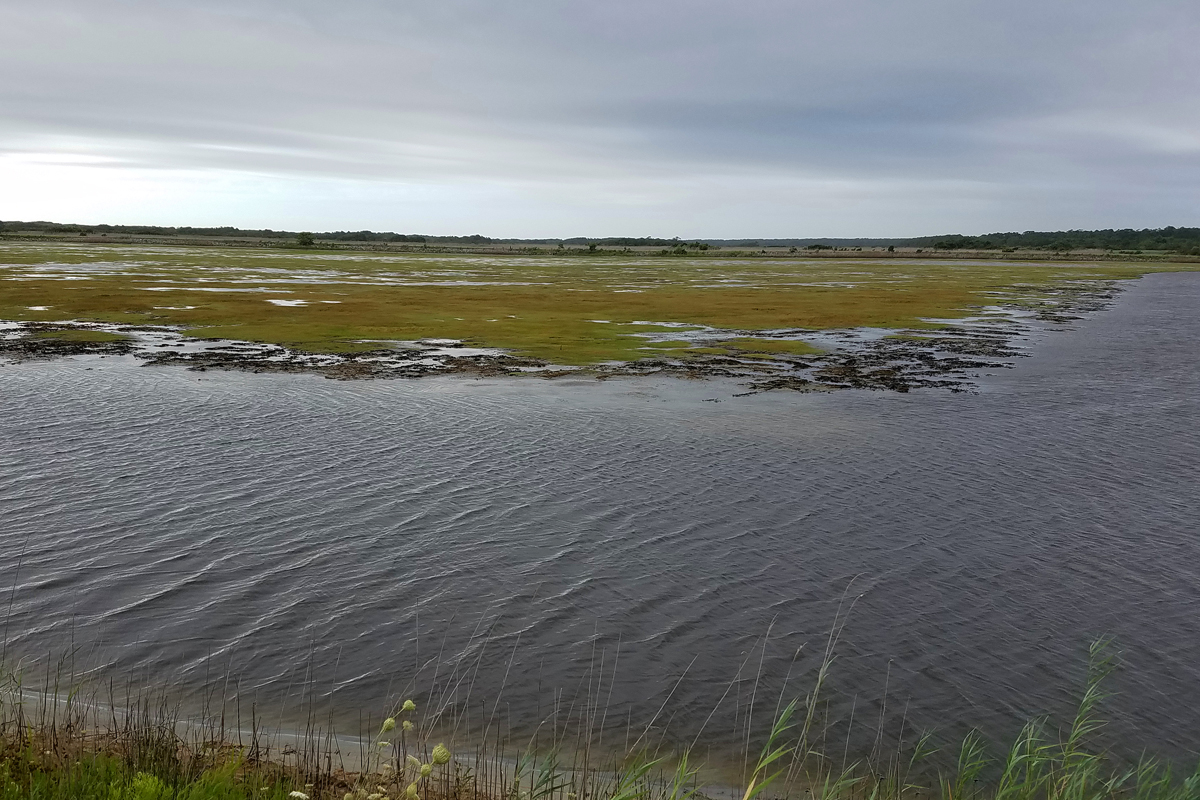
Temperatures stayed cooler than normal throughout the period, following the bar we set in early July quite consistently. Fall shorebird migration expectedly kicked it up a notch in mid-July, but unfortunately, the West Dike at Back Bay NWR was closed at the end of the day on 15 Jul. Consequently, the East Dike was opened on 16 Jul, which sadly does not afford views of the prime shorebird habitat of the C Storage Pool. Last year it wasn’t until early August when the switchover occurred, so there was certainly some disappointment in losing access as we head into peak shorebird season. Compounding the frustration, the impoundment at Princess Anne WMA’s Whitehurst Tract that had been holding shorebirds was flooded on 18 Jul. The mudflats featured in many of the photographs below have now unfortunately vanished beneath the water’s surface. However, we Virginia Beach birders are nothing if not resilient, and a great many birds were still found, despite our habitat issues! Top records for mid-July in Virginia Beach included new unseasonal reports for BLUE-WINGED TEAL & PEREGRINE FALCON, early first-of-fall arrivals for SOLITARY SANDPIPER & PECTORAL SANDPIPER, and first-of-fall arrivals at or after expected dates for SEMIPALMATED PLOVER, LESSER YELLOWLEGS, PIED-BILLED GREBE, BLACK TERN, PIPING PLOVER & WHIMBREL.

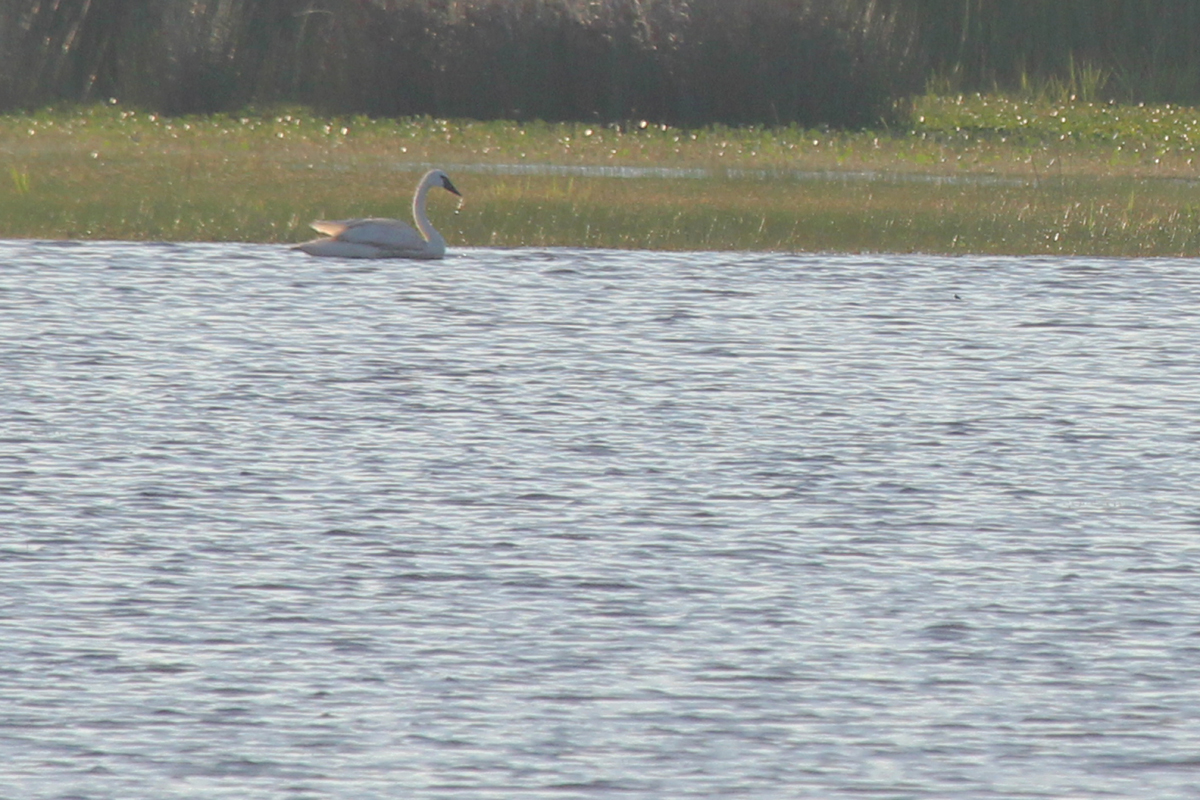
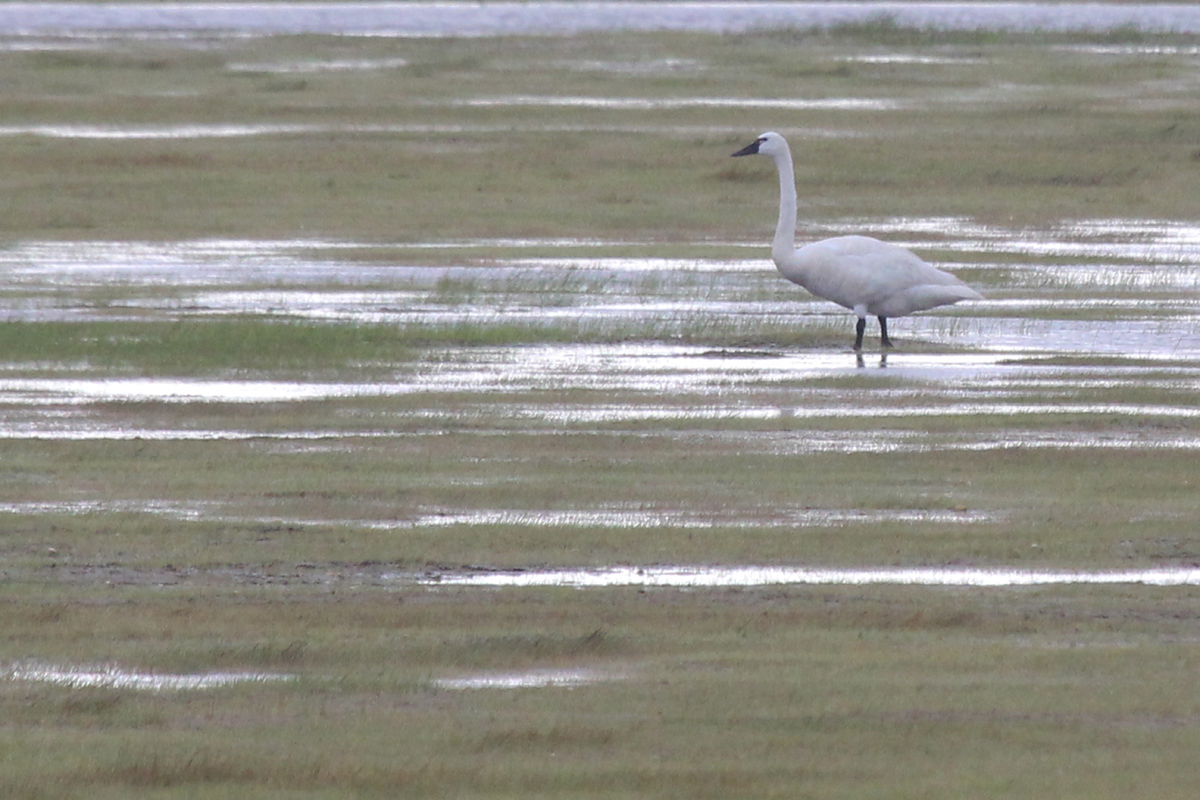
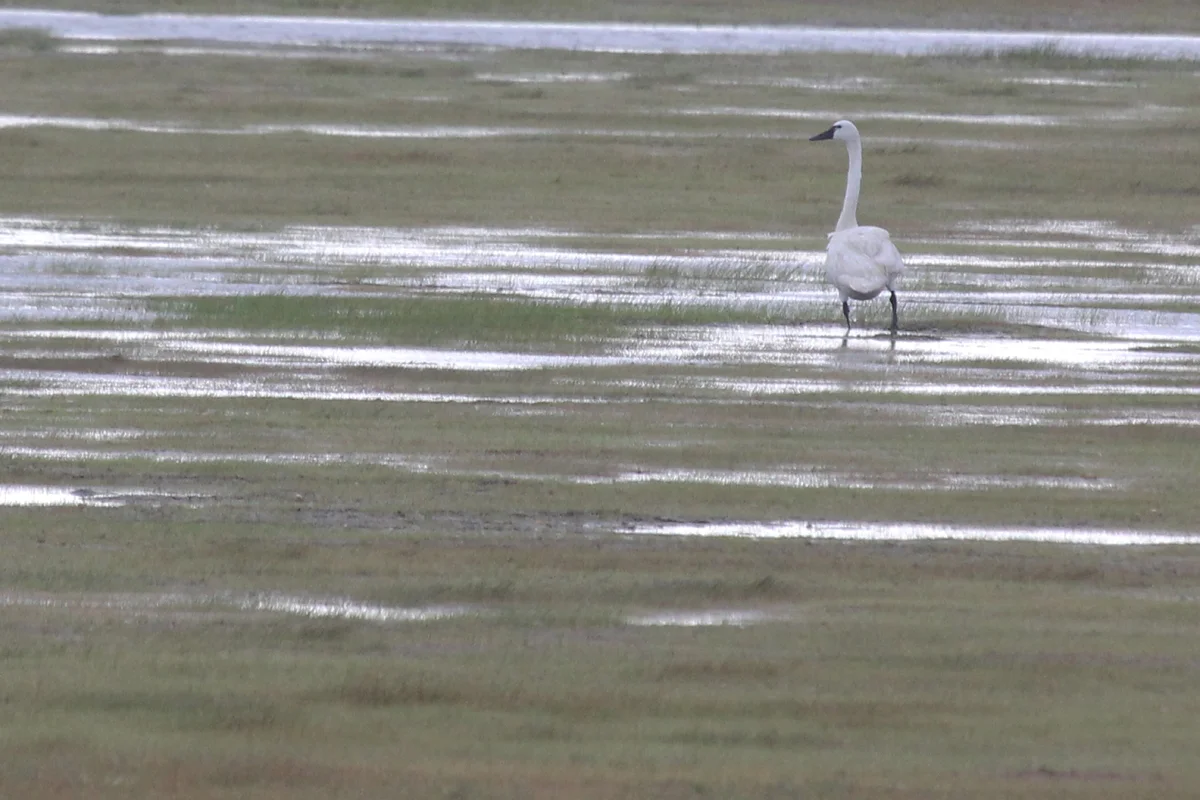
While we’ve spent the last few periods making mention of the lingering, unseasonal, Tundra Swan at Back Bay NWR, it appears that 9 Jul (obs. Andrew Baldelli) will mark the last record for this individual as it has not been observed since. When the persistent north winds pounded the coast throughout the latter half of early July, the waterways that protected this bird from would-be predators dropped markedly, likely allowing for a coyote or fox to move in. Or, perhaps it found a hiding spot further back in one of the impoundments? In either case, it hasn’t been reported as of this writing. In its place, a new waterfowl species took up the position of being an unseasonal occurrence this period, that being a single BLUE-WINGED TEAL at the park on 16 Jul (obs. Robert Ake). With an expected spring departure date of 10 May and an expected fall arrival date of 25 Aug, it would be more likely that this is a very early fall migrant, but it’s always possible this bird could have over-summered somewhere in the impoundments at the park. A single male was observed at the park on 24 May (obs. Andrew Baldelli), so perhaps it stayed? Whatever the case, it’s a great late summer record for the area, and it’ll be interesting to see just how long we have to wait for the next record of this species.

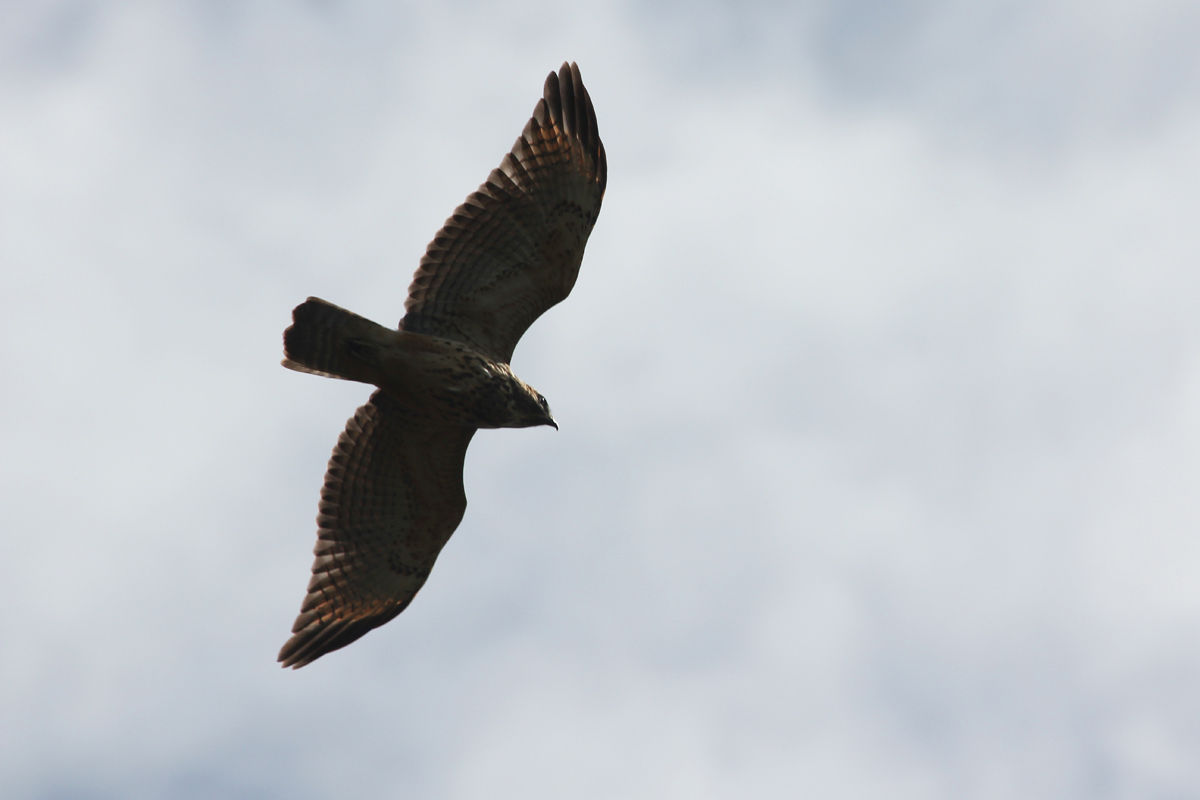
Also unusual for the summer months in Virginia Beach, a female PEREGRINE FALCON was observed bombing the mudflats at Pleasure House Point NA on 18 Jul (obs. Andrew Baldelli) during a shorebird-watch. This species has an expected spring departure date of 15 May, an expected fall arrival date of 15 Aug, and only one other summer record for 2018, being a single flyover on 4 Jun of Lake Smith (obs. Tracy Tate). There is a summering population on the Eastern Shore, and there may be one or two hanging around the taller buildings of Town Center, and in nearby downtown Norfolk, but summer sightings are tough to come by nonetheless for this species.

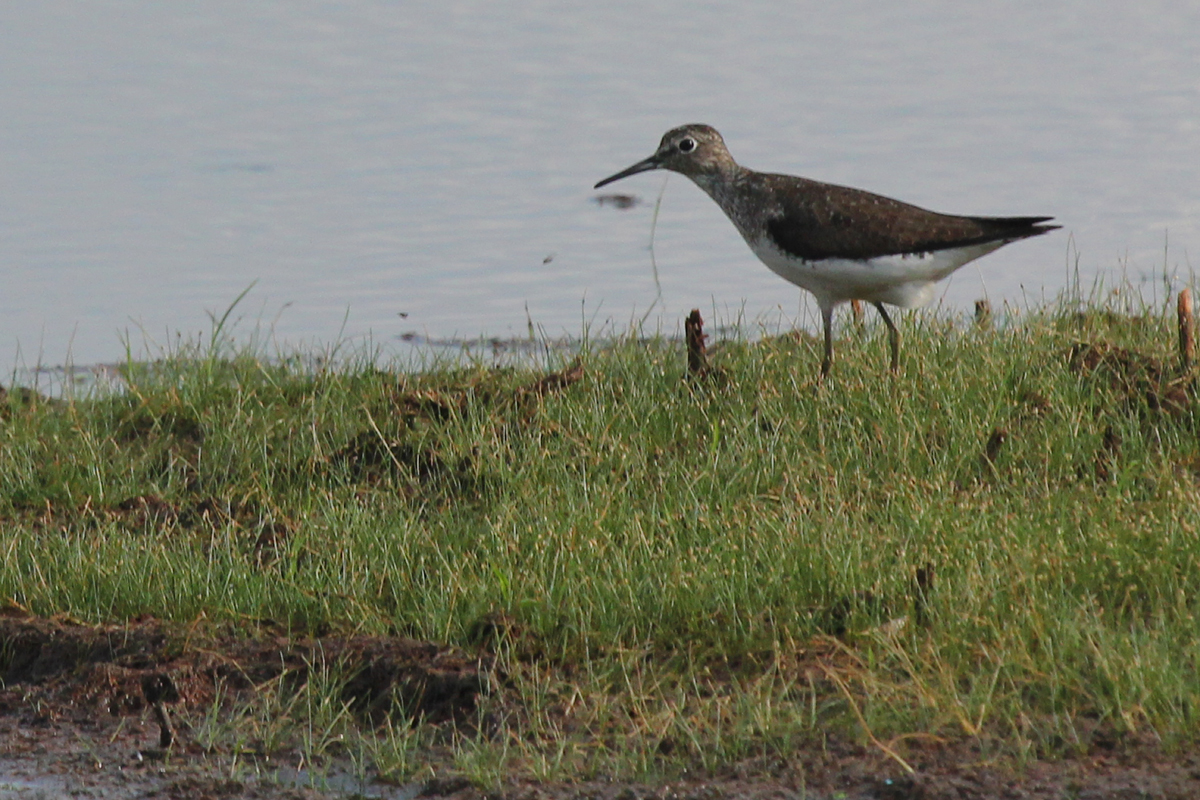
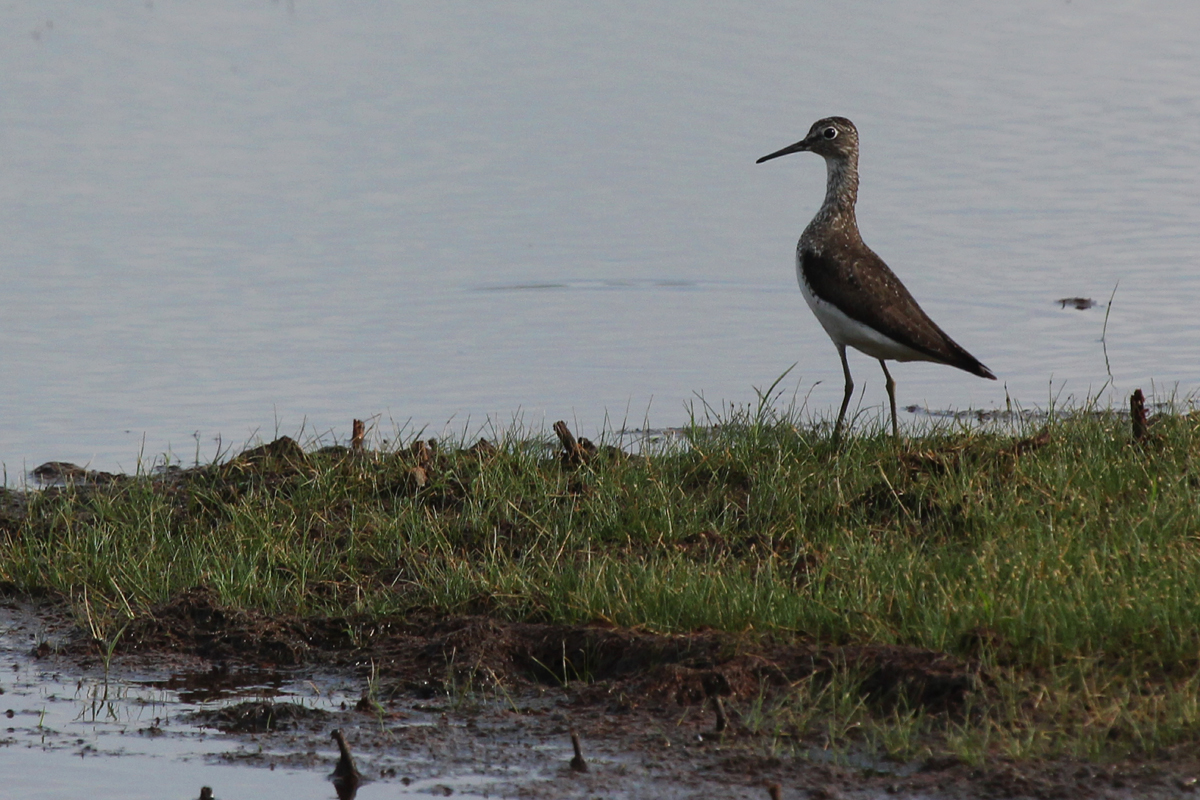
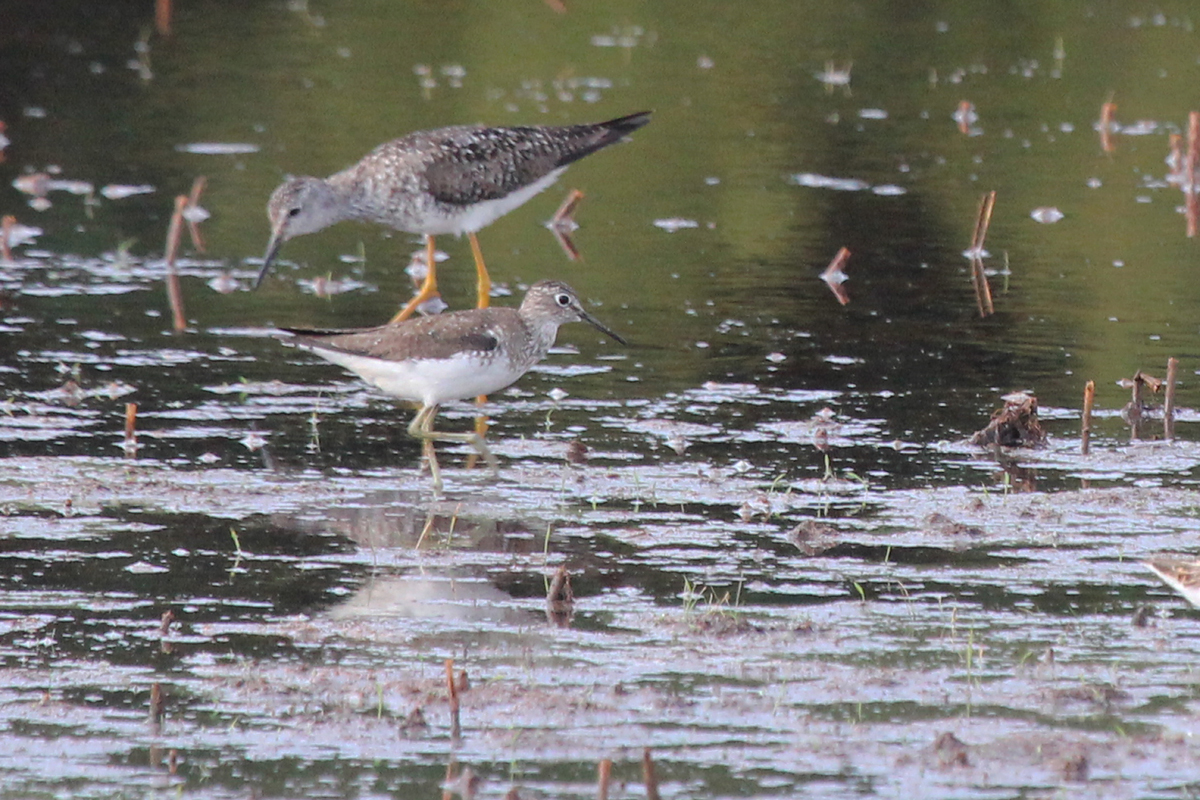
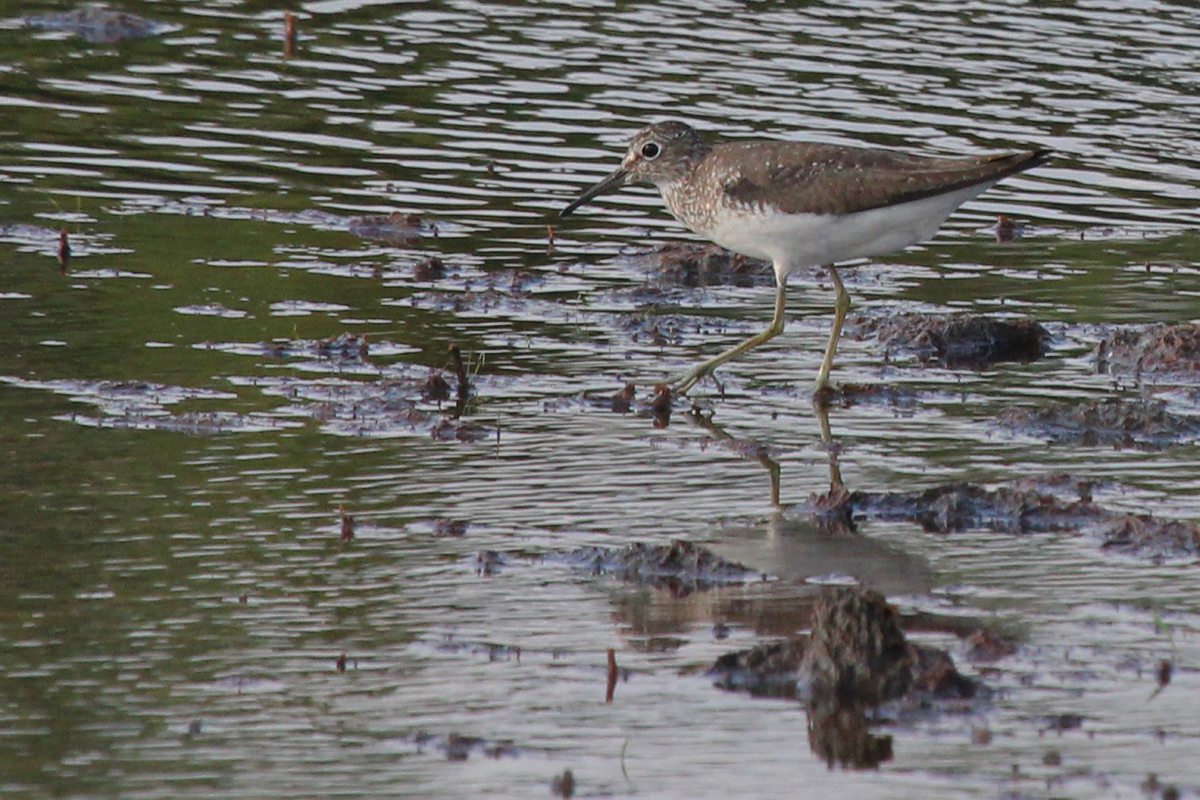
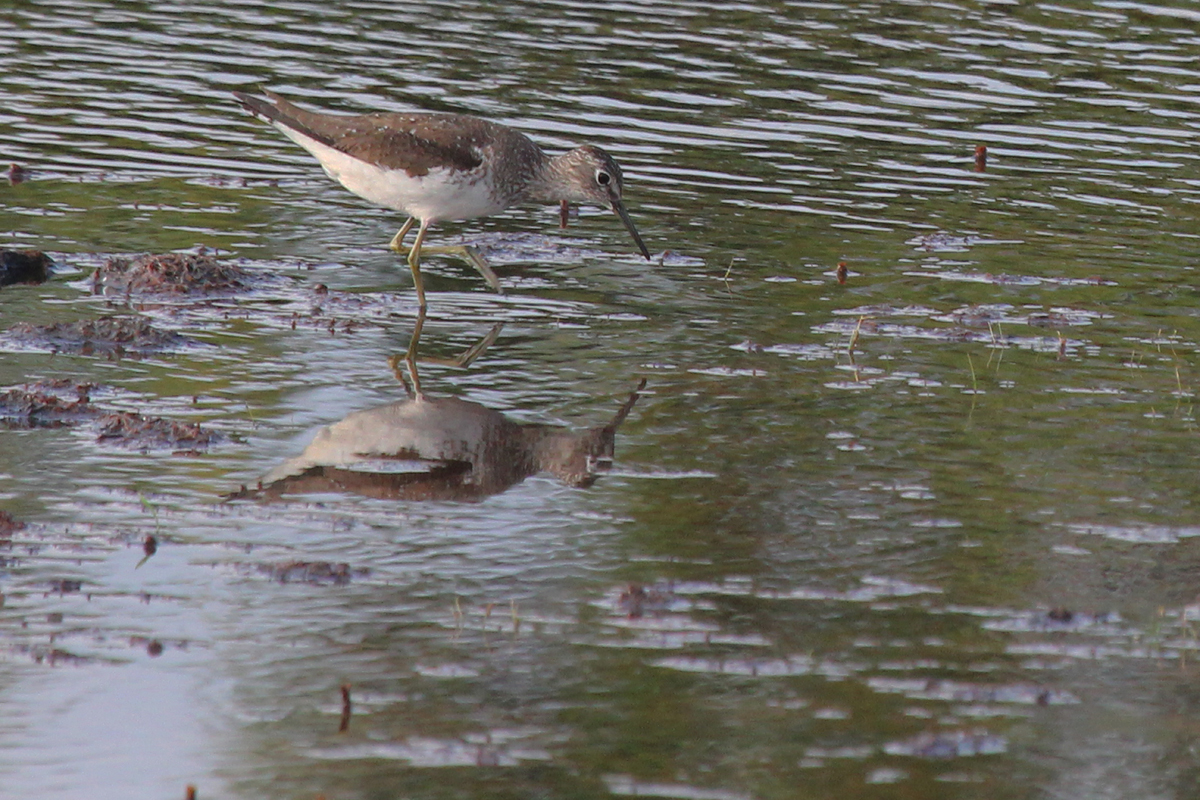
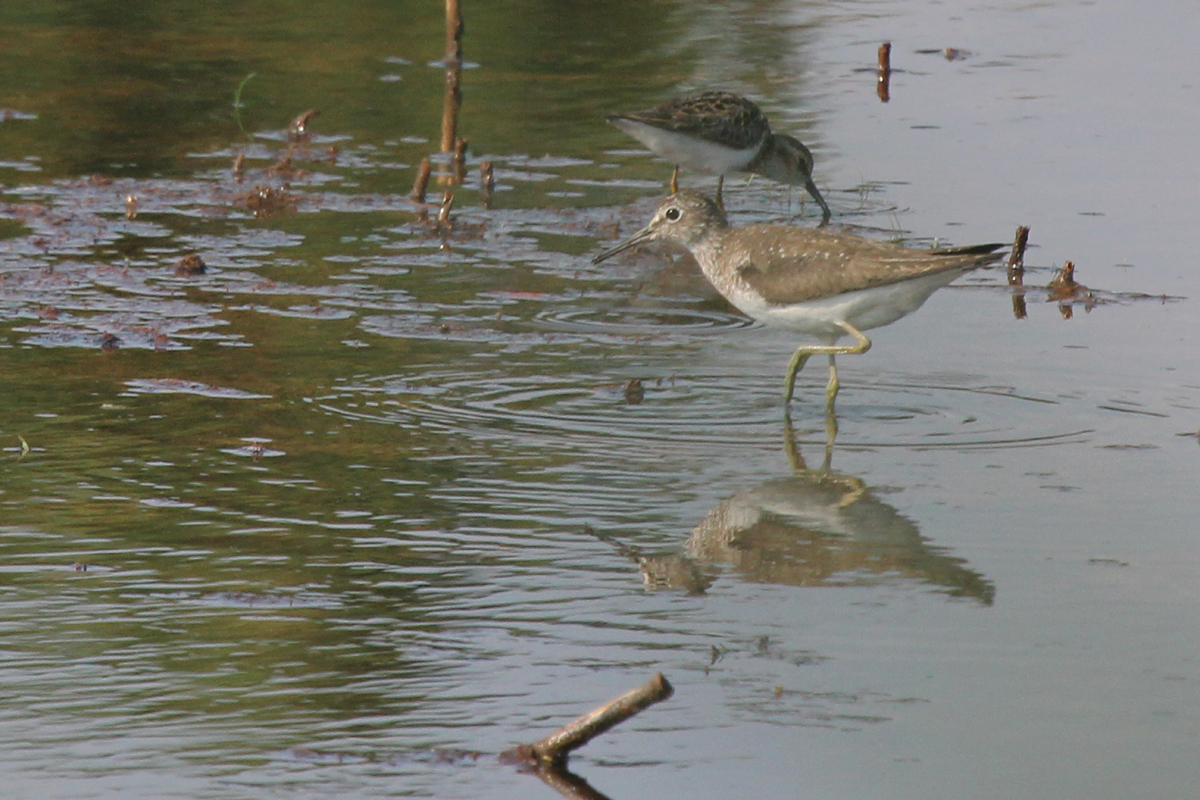
Continuing the arrival that were noted for shorebirds in early July, our first SOLITARY SANDPIPER of the fall season was detected 12 Jul at Princess Anne WMA’s Whitehurst Tract (ph. Rob Bielawski). Interestingly, the Gold Book lists the average fall arrival for this species to the coastal plain of Virginia as 25 Jul, and more recent eBird data specific to Virginia Beach has seemed to show that 20 Jul is a bit more accurate to our part of the coast in a typical year. Last year, an individual logged 15 Jul made for our earliest eBird record in the city, and this 2018 record now eclipses that mark as the earliest documented arrival in the system. The Gold Book does mention “Straggling northbound migrants have been recorded as late as 9 Jun, and the first southbound migrants have appeared as early as 1 Jul (with multiple records from the first few days in July), but there are no records between 9 Jun and 1 Jul.” So, if you’re one of the folks who have observed this species during early July, make sure to get those reports input to eBird. With this very early record, a bit of time passed before a second individual was observed, that being a pair observed on 19 Jul at Back Bay NWR (ph. Andrew Baldelli), also ahead of that expected 20 Jul arrival date!

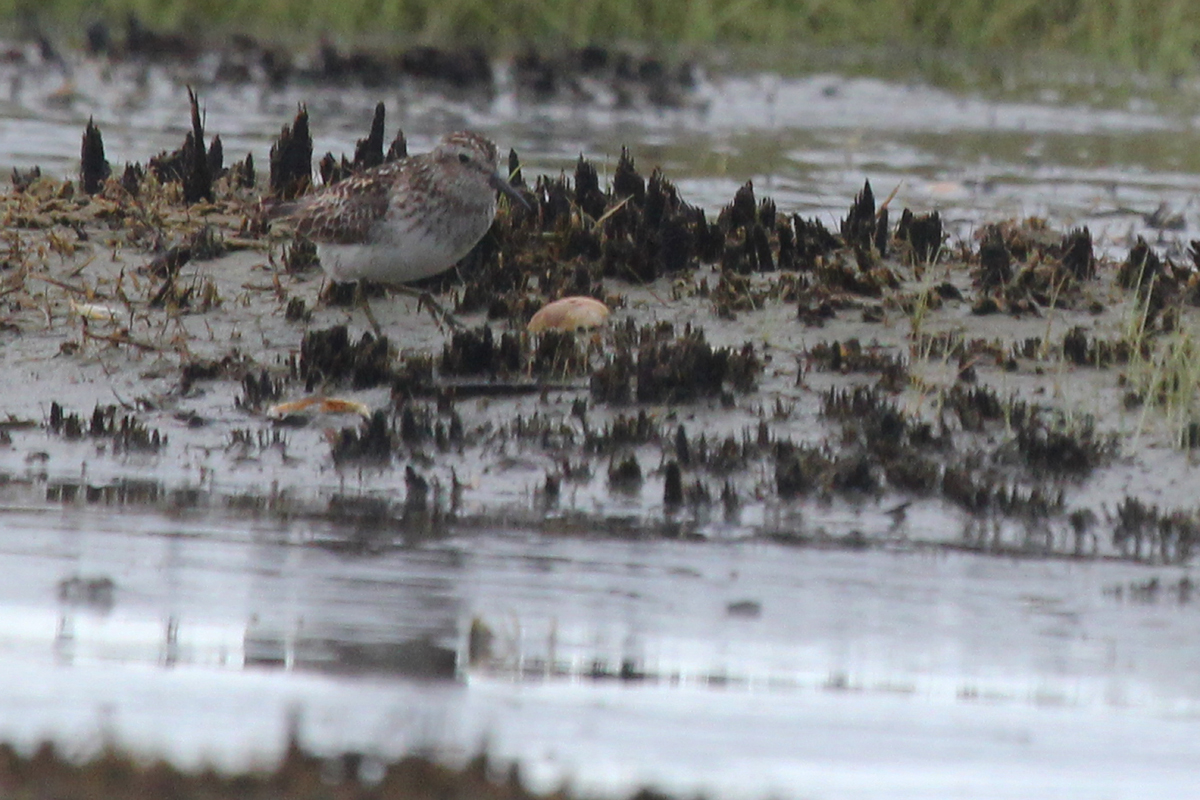
Another early shorebird arrival occurred when four PECTORAL SANDPIPERS were observed at Back Bay NWR on 16 Jul (obs. Robert Ake). A single bird was photographed at adjacent False Cape SP on 18 Jul (ph. Steve Myers) and a pair was observed again at Back Bay NWR on 19 Jul (obs. Andrew Baldelli) ahead of the expected fall arrival date of 20 Jul. In recent years, first records for the fall season for Pectoral Sandpiper occurred as follows: 14 Jul 2017, 16 Jul 2016, 4 Aug 2015 & 28 Jul 2014. The Gold Book provides a 20 Jul average date for the coastal plain, though recent years appear to paint the picture of being closer to a 15 Jul average.

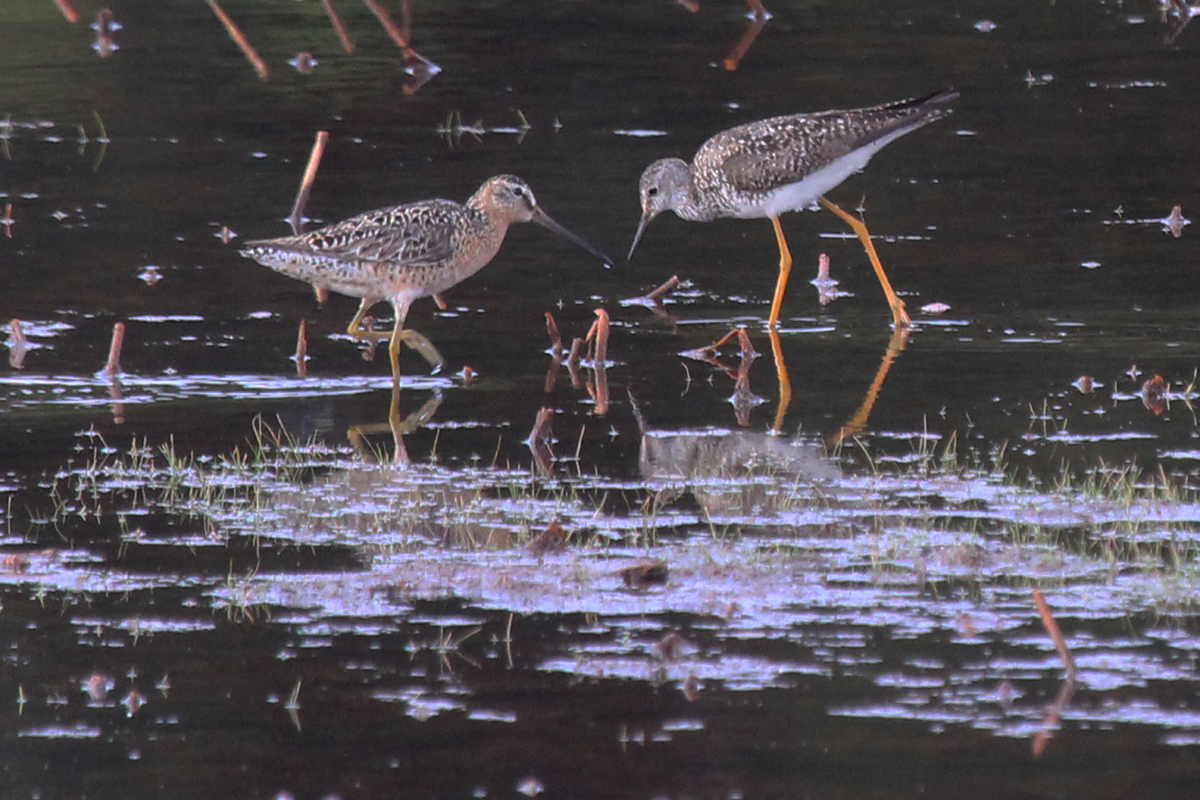
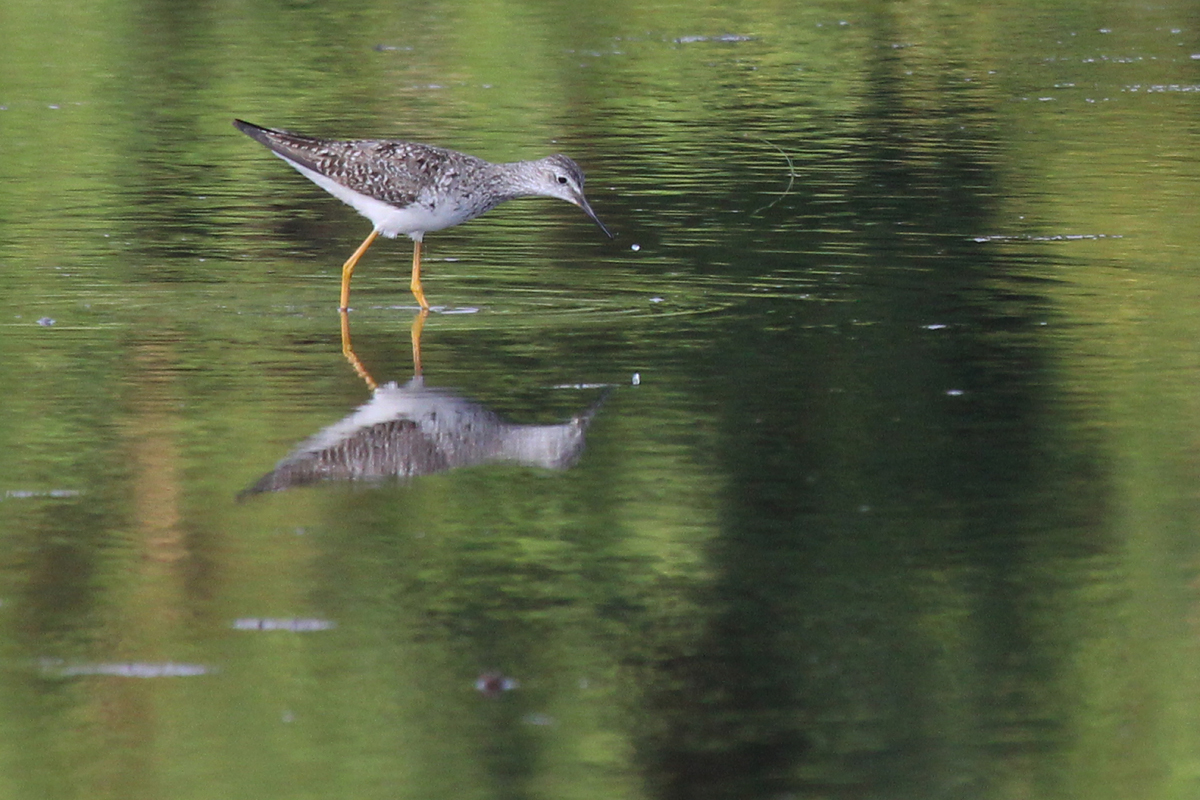
Quite a few other species made for first fall records in mid-July, at or after their expected arrival dates. A single SEMIPALMATED PLOVER was observed as it moved around the C Storage Pool at Back Bay NWR on 15 Jul (obs. Andrew Baldelli), matching the expected 15 Jul arrival date for the species. A group of eight LESSER YELLOWLEGS was observed on 12 Jul at Princess Anne WMA’s Whitehurst Tract (ph. Rob Bielawski), falling just two after the expected date of 10 Jul. While we did have a couple of summer records, a single PIED-BILLED GREBE photographed at Back Bay NWR on 18 Jul (ph. Steve Myers) is more in-line with what would be considered a first arrival at three days after the 15 Jul set date (the others could potentially have summered). Our first BLACK TERN for the season was observed flying over the impoundments at Back Bay NWR from the West Dike on 14 Jul (obs. David Clark), being four days after the expected 10 Jul arrival date. Also four days after the expected date, a group of five PIPING PLOVERS was photographed on the beach at False Cape SP on 19 Jul (ph. Andrew Baldelli). This species breeds both north and south of us on the coast, but due to our beach habitat being compromised by vehicles and beach-goers, it exists only as a transient here, typically passing through in spring from 15 Mar-15 May, and again in fall from 15 Jul-15 Oct. Lastly, a single WHIMBREL was observed during the mid-July beach survey at Back Bay NWR on 16 Jul (obs. Robert Ake), six days after the expected 10 Jul arrival date. One Whimbrel was photographed at Back Bay NWR on 19 Jul (ph. Andrew Baldelli) and four additional were also observed at Pleasure House Point later that same day (obs. Andrew Baldelli).

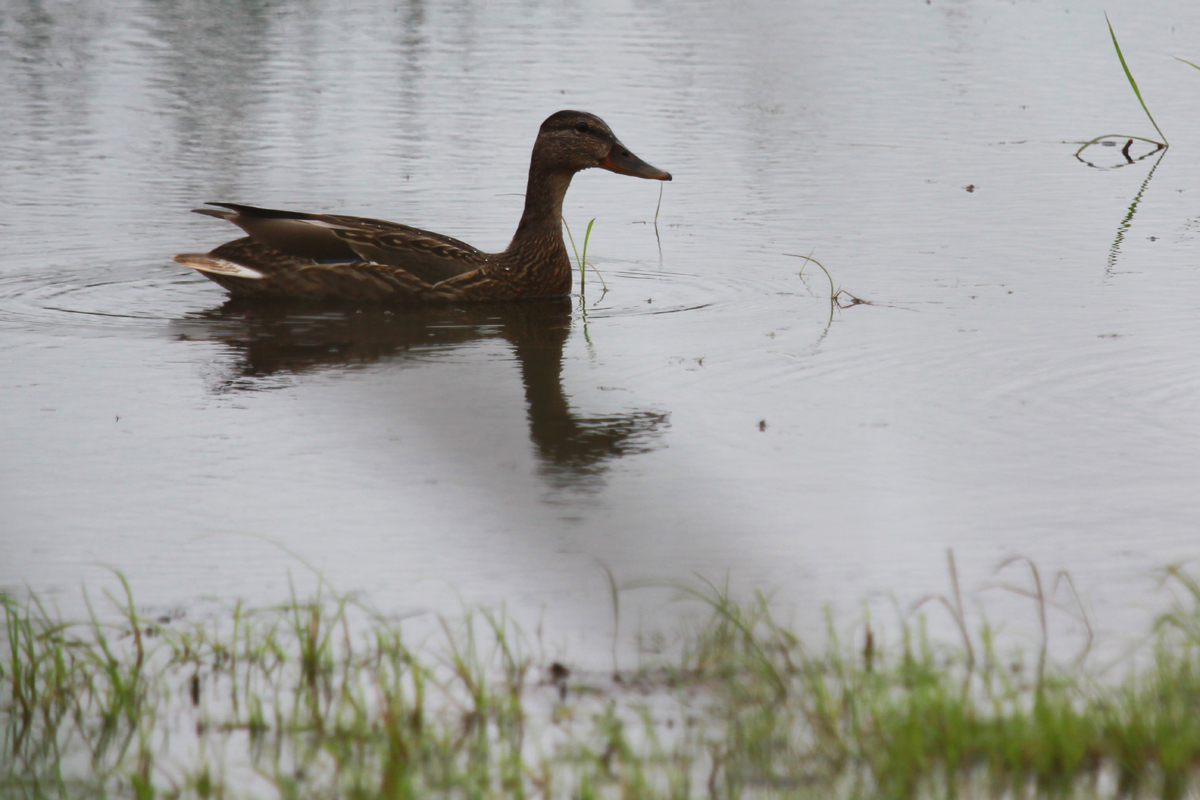
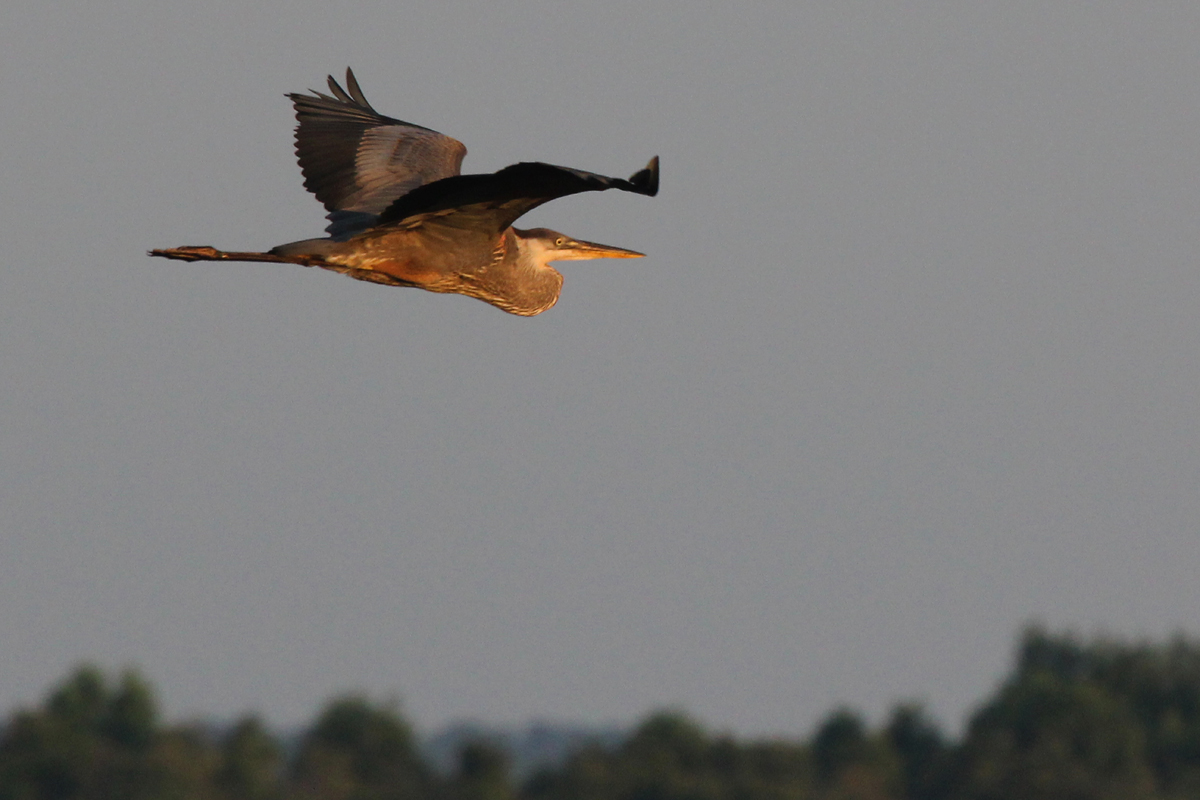
Some interesting but not necessarily ‘noteworthy’ observations that occurred this period included a pair of AMERICAN BLACK DUCK reports out of Back Bay NWR. One individual was observed on 14 Jul (obs. Andrew Baldelli) and a pair were found on the mid-July impoundment survey on 16 Jul (obs. Robert Ake). This species is highly sought-after in the summer months in Virginia Beach, with most records occurring at the refuge. At this time of season, sometimes eclipse-plumaged Mallards can cause identification confusion, so it is worth examining the field marks that help differentiate the two species closely. PURPLE MARTINS appear to be amassing into groups along the coast ahead of their southbound fall migration, and high counts have popped up across the region. In similar fashion, the counts of waders skyrocketed during mid-July, with 118 GREAT EGRETS observed in view simultaneously on the C Pool of Back Bay NWR on 15 Jul (obs. Rob Bielawski). Not one, but two GREAT HORNED OWLS were observed out and about during the daytime hours of 18 Jul near the intersection of Nanney’s Creek & Mill Landing Roads (ph. Karen & Tom Beatty), and shortly thereafter, a vocalizing NORTHERN BOBWHITE was photographed perched atop a power line at Morris Neck and Munden Roads (ph. Karen & Tom Beatty); something that I’ve never heard of, much less seen out here. Being a first photographed record for this species in the city this year, our collective total of species documented by photos in 2018 has now rised to 247, with 270 observed!

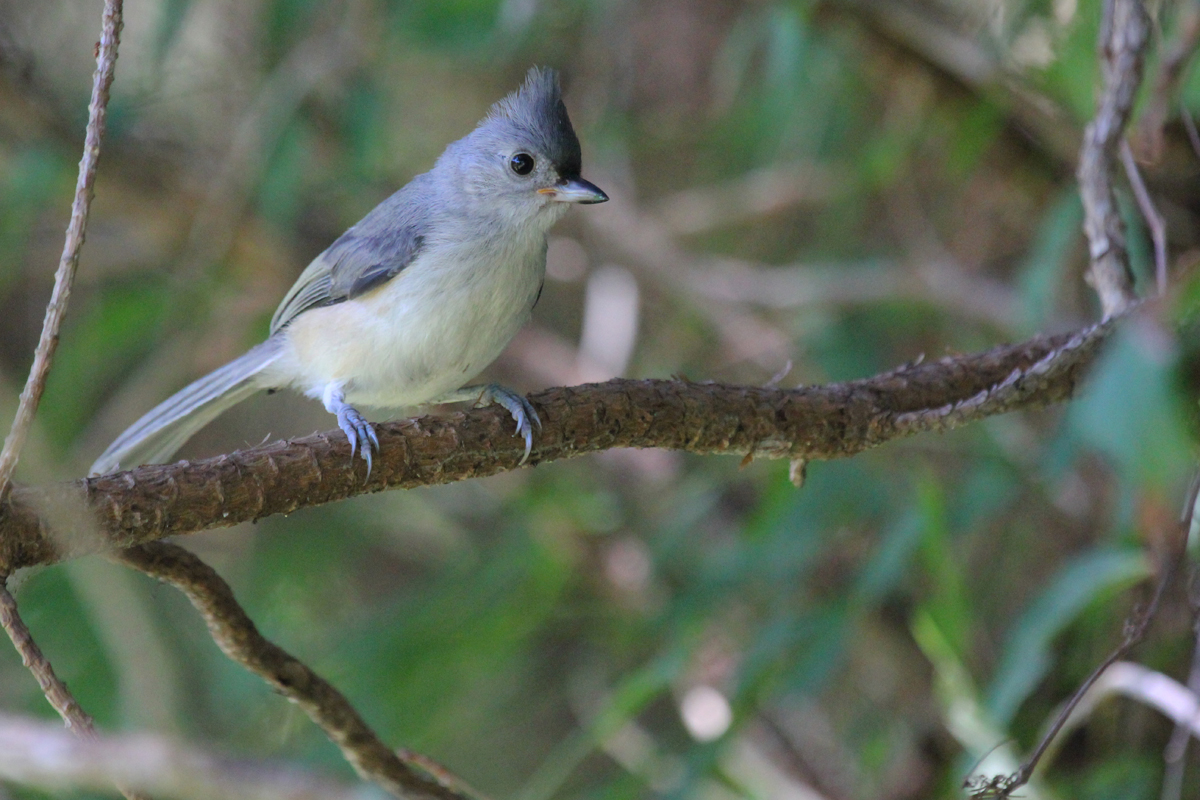
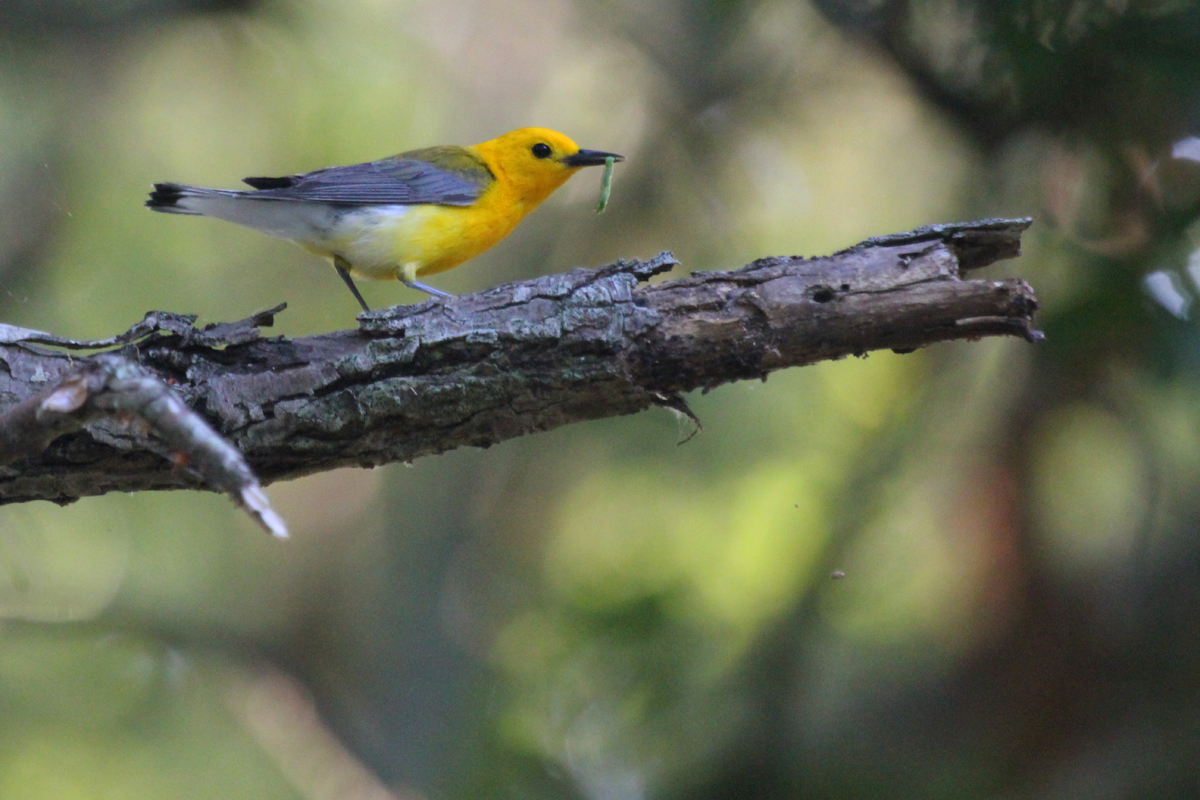
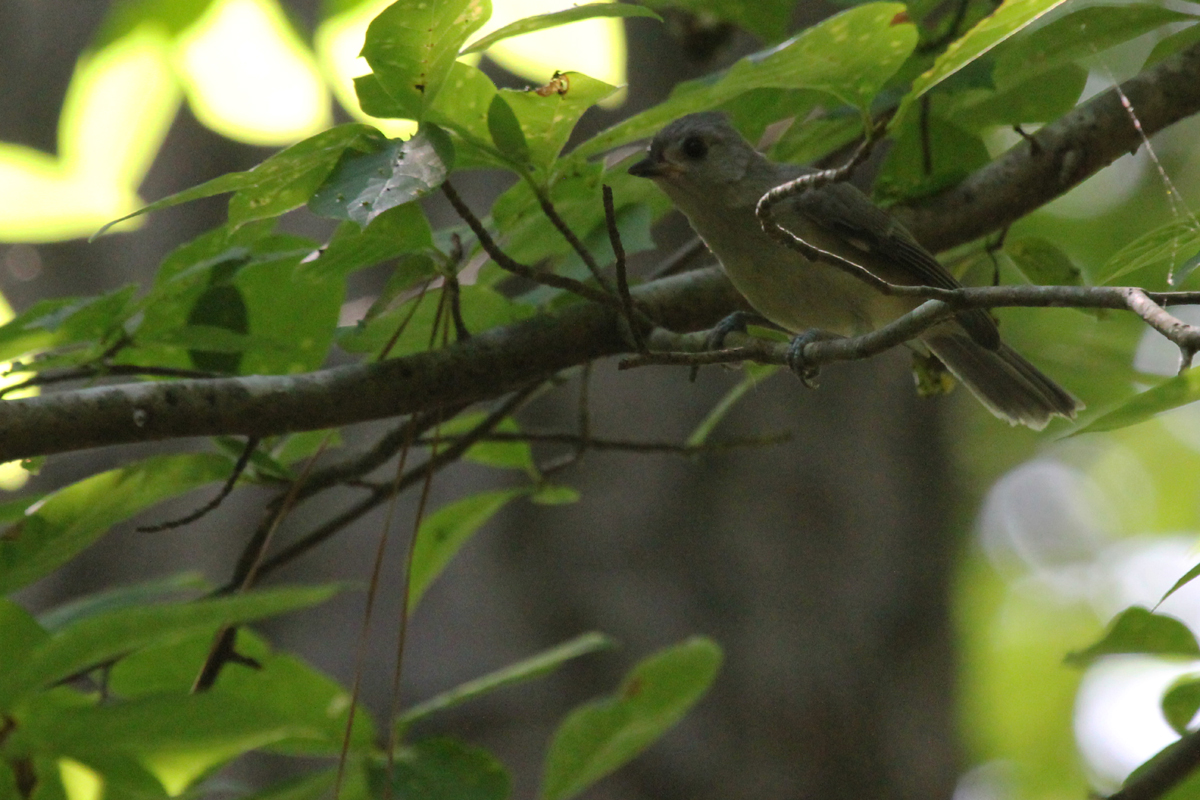
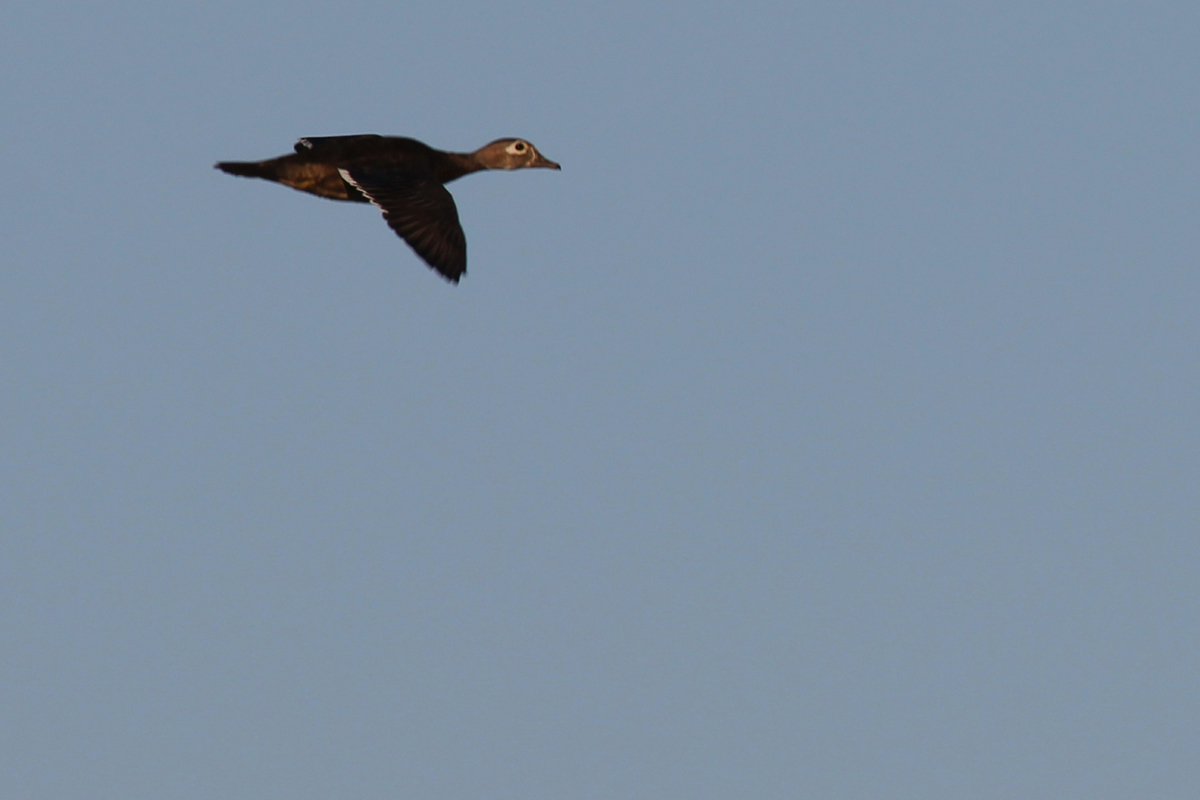
Breeding bird observations expectedly began to slow a bit in mid-July but the 2nd Virginia Breeding Bird Atlas has continued to bring in a great number of checklists! Scattered breeding bird confirmations were photographically documented around the city this period as follows: a recently fledged TUFTED TITMOUSE at Princess Anne WMA Whitehurst Tract on 14 Jul (ph. Rob Bielawski); a PROTHONOTARY WARBLER carrying food at West Neck Creek on 15 Jul (ph. Charlie Bruggemann); an OSPREY nest with young at Pungo Ferry Landing Park on 16 Jul (ph. Karen & Tom Beatty); a HOUSE WREN nest with young in a residential backyard on 19 Jul (ph. Carolyn Page) and an OSPREY nest with young in Kempsville on 20 Jul (ph. Laura Mae). Keep up all the great work Atlasing folks, and please remember, if you have any questions regarding the project, please check out the 2nd Virginia Breeding Bird Atlas Website, the official Atlas Facebook Page, or the Facebook Group for more information!

WEATHER:  Over all, average daily high temperatures rose 0.6° from 85.6° F to 86.2° (-1.6° from prior 10-year average), with average daily low temperatures falling, 1.2° from 70.5° to 69.3° F (-3.0° from prior 10-year average). Daytime temperatures ranged from a minimum of 64° F (14 & 19 Jul) to a maximum of 93° (11 & 17 Jul). A total of 1.04” of rain fell during the period, spread across three days with measurement amounts, with a maximum of 0.81” falling on Wednesday, 11 Jul. Maximum sustained winds at Oceana this period were 17 mph and gusts reached 24 mph (17 Jul). No significant tidal surge events (2’ or greater) impacted the Sewell’s Point tide gauge during this reporting period. Sunrise/sunsets varied from 5:55 AM/8:26 PM (11 Jul) to 6:01 AM/8:21 PM (20 Jul), which means we lost 11 minutes of daylight during this period with a total of 14 hours, 20 minutes of ‘Length of Day’ to close the period.

For those hoping to view every photograph submitted for Virginia Beach during this period, please see the complete listing for the month of July located on eBird’s Media explorer by clicking here! Please remember, anyone with an eBird account also has the ability to rate these photographs (1-5 stars), and based on the average rating, this is how eBird populates anything media-driven on the website, particularly the Illustrated Checklists! So, if you're one of the many folks who enjoy looking at photographs of birds, take some time to click them all and rate them, it helps make eBird better and better each day!

LOOKAHEAD: As mentioned in the introduction up top, Back Bay NWR’s East Dike is now open, but sadly the West Dike is unfortunately now closed. The East Dike provides a nice view of the H Pool, which often has shorebirds on it in Jul/Aug, so long as the water levels are proper. The impoundments at Princess Anne WMA are all flooded now, so it may not prove worth checking for shorebirds, but something else could pop up here (Spoonbill?). With regards to annually expected fall arrivals, as of the reporting period close date, we have not yet logged first arrivals for WESTERN SANDPIPER & RUDDY TURNSTONE (all 10 Jul average expected arrivals), RED KNOT & STILT SANDPIPER (20 Jul) and DUNLIN (30 Jul). We’re still early for passerine/songbird/landbird migration which is more of an Aug/Sep/Oct occurrence, so shorebirds should remain the focus in late July. The coastal beaches of First Landing SP, the Resort Area & North End, Little Island Park and Back Bay NWR, as well as any low-tide marshes like those at Pleasure House Point NA and flooded fields will become highly sought-after locations to search for shorebirds as we move deeper into July. With a lack of impoundment habitat publicly accessible at this juncture, the beaches and tidal mudflats are really all we have going for us with regards to shorebirds. Make sure to get out early and late in the day, and try to work around the beach crowds is my only advice at these locations.

Next Entry | Entry Index | Previous Year | Previous Entry

For further information regarding this thrice-monthly, online publication, please visit the Journal Overview Page which provides an in-depth explanation of the format, layout and composition of the journal. As always, thank you for reading, and please leave me a comment below (you may use your Facebook, Gmail or other accounts to easily do so), or just click the Heart icon to the lower right of this post to let me know you stopped in!
Early July 2018 (1st-10th)

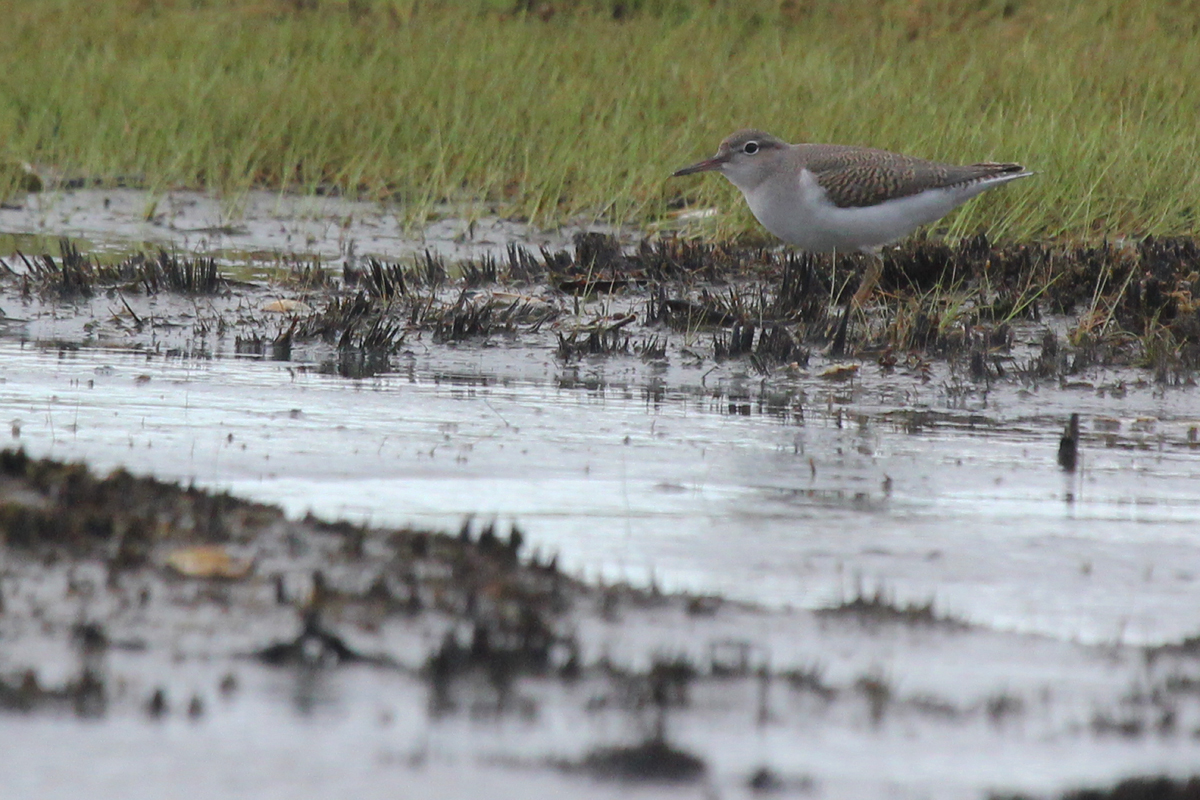
Carrying over from June, high temperatures and extreme humidity brought this expectedly uncomfortable weather into early July, but thanks primarily to a tropical system, we did experience a lovely cooldown for the latter half of the reporting period. On 7 Jul, strong northeast winds began buffeting our coastline as a low pressure cell churned counterclockwise to the south of Cape Hatteras, being quickly upgraded to Tropical Depression #3, then temporarily to Tropical Storm Chris on 8 Jul before attaining hurricane status on 10 Jul. The associated winds brought a much-needed cooldown to the region, keeping daily high temperatures in the 70s through the remainder of the period. Additionally, the direction of airflow provided for some suitable shorebird habitat, and we started to see the rudimentary beginnings of the fall migration, right on time! Top records for early July in Virginia Beach included first-of-year reports for WILSON’S STORM-PETREL, new unseasonal reports for PIED-BILLED GREBE and continuing reports for TUNDRA SWAN and AMERICAN COOT. Additionally, we saw early first-of-season arrivals for BLACK-BELLIED PLOVER, as well as on-time arrivals for SPOTTED SANDPIPER, GULL-BILLED TERN, SHORT-BILLED DOWITCHER & LEAST SANDPIPER.

Two reports of WILSON’S STORM-PETRELS surfaced early on this period, with the first occurring 3 Jul off the coast of Cape Henry (obs. Andrew Hawkins), and an additional record the following day in the same general area during one of the Virginia Beach Aquarium boat trips (ph. Justin Fuller). This time of year, Wilson’s Storm-Petrels are annually observed entering the mouth of the Chesapeake Bay, but are much more easily viewed while at sea. Shore-based observations are much more difficult to come by and given that the vast majority of eBird checklists in Virginia Beach come from land-based observers, this species needs to flag as a rarity to ensure only those in proper habitat are validated into the public database. Essentially, the farther offshore one goes during the summer, the more members of this species likely to be encountered. Many of our land-based records come from the first island of the Chesapeake Bay Bridge-Tunnel, however, that formerly public space has been closed to construction since the end of October 2017. Fort Story JEB, and the beaches of the North End (roughly 80th Street and north) tend to produce a couple of records each summer, so these are worthwhile stops if you can’t find a boat to get you offshore. Usually, records line up pretty well with easterly or southeasterly winds that help drive these tiny seabirds in closer to land. Of course, birding the coastline in the wake of tropical cyclones tends to be the best setup for finding them. Lacking that weather phenomenon though, the aquarium’s dolphin tours seem to be a productive, and cost effective, means to get into the proper habitat for this species, so it’s nice to have a public option to try for this species.

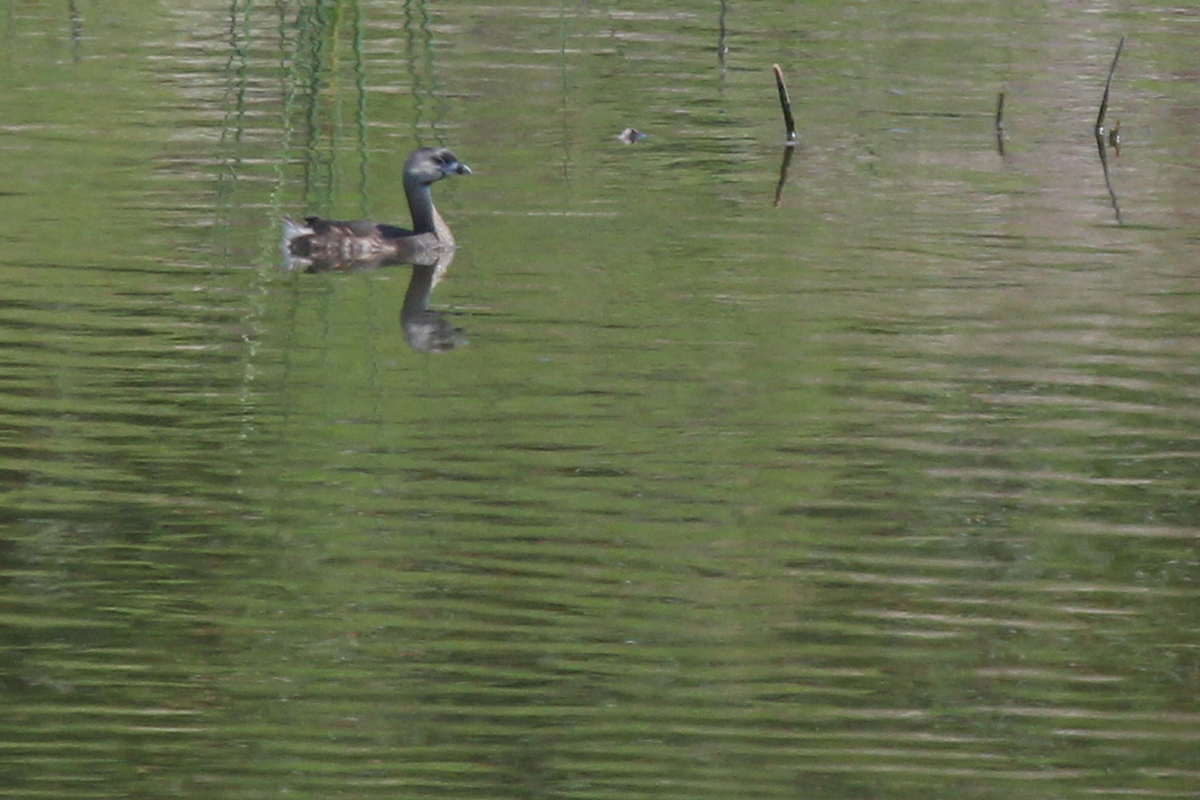
Unusual for early July, a single PIED-BILLED GREBE was discovered near Marina Shores in northern Virginia Beach on the third (ph. June McDaniels). This is a species that could potentially breed here in proper habitat, like the impoundments of Back Bay NWR, but tends to be very shy in the summer months and thus, difficult to record. Ironically, a Pied-billed Grebe was found 11 Jul 2016 at this exact location (obs. Andrew Baldelli) and one wonders if this could somehow be the same individual returning for a quick July stop. It appears likely that the 2018  individual was simply an early migrant rather than a breeder, as it was only observed through 4 Jul (obs. June McDaniels, ph. Rob Bielawski) at this location and no mate, or fledglings were observed unfortunately. Another individual was present on 25 Jun at Back Bay NWR, but otherwise, the last records for this species occurred all the way back on 7 May when an individual was viewed at Princess Anne WMA’s Whitehurst Tract. While we may have a stray record in the summer months, this is certainly a species that requires tracking in eBird, and requires well-documented records as a result.

Making for a first ever July occurrence here for the species (according to eBird at least), the continuing TUNDRA SWAN at Back Bay NWR was detected throughout the reporting period, with documented photographs on 1 Jul (ph. Rob Bielawski) and on 8 Jul (also ph. Rob Bielawski), and a most recent observation on 9 Jul (obs. Andrew Baldelli). Since this individual continues to inhabitat the eastern fringe of the C Storage Pool, it has remained too distant from the public viewing area along the West Dike to confirm if an injury exists. However, it has long been presumed that it has a wing injury as Tundra Swans typically depart the region by early April, and if it were healthy enough to fly, it surely would have left long ago. Fortunately, the C Storage Pool has provided several grassy islands and deep water on the edges to keep this bird safe from would-be-predators, but with the strong northeast winds beginning 7 Jul, the waters of Back Bay, and by extension those of the pool, receded and left much of the area dry. With the water levels expected to stay low until the winds switch to southerly, it might allow for a predator to move in, but we’ll know more next period as to whether it has continued to linger or not. Interestingly there are no eBird records for this species between the period close date and 1 Sep in any past years, so each day this bird persists makes a small bit of history for those of us who obsess over such trivialities. Also nearby at the refuge, an AMERICAN COOT was reported during the early July impoundment survey on the 5th, but there is no detail provided regarding the identification details or the specific location where was observed. It’s possible, or even likely that the observation occurred on a non-accessible portion of the A, B, or C Pools given their habitat is perfect for an individual to summer within, but that’s just a guess on my part.

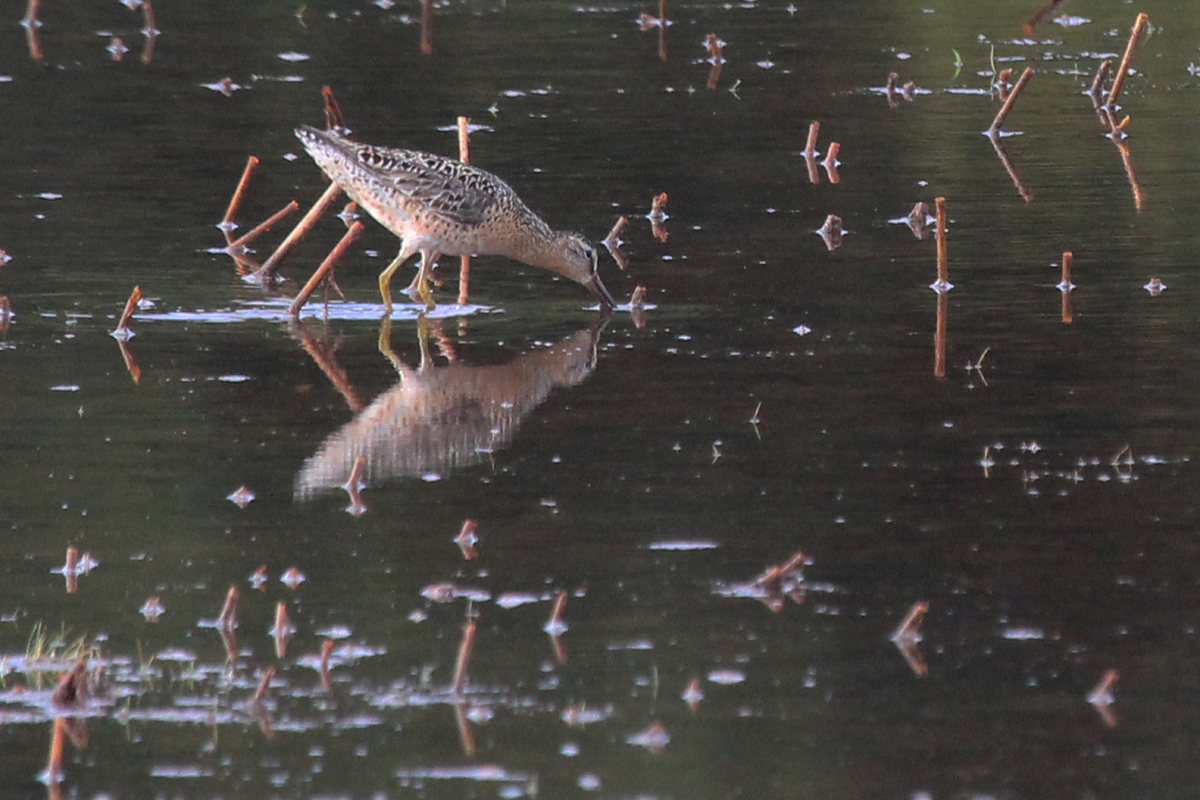
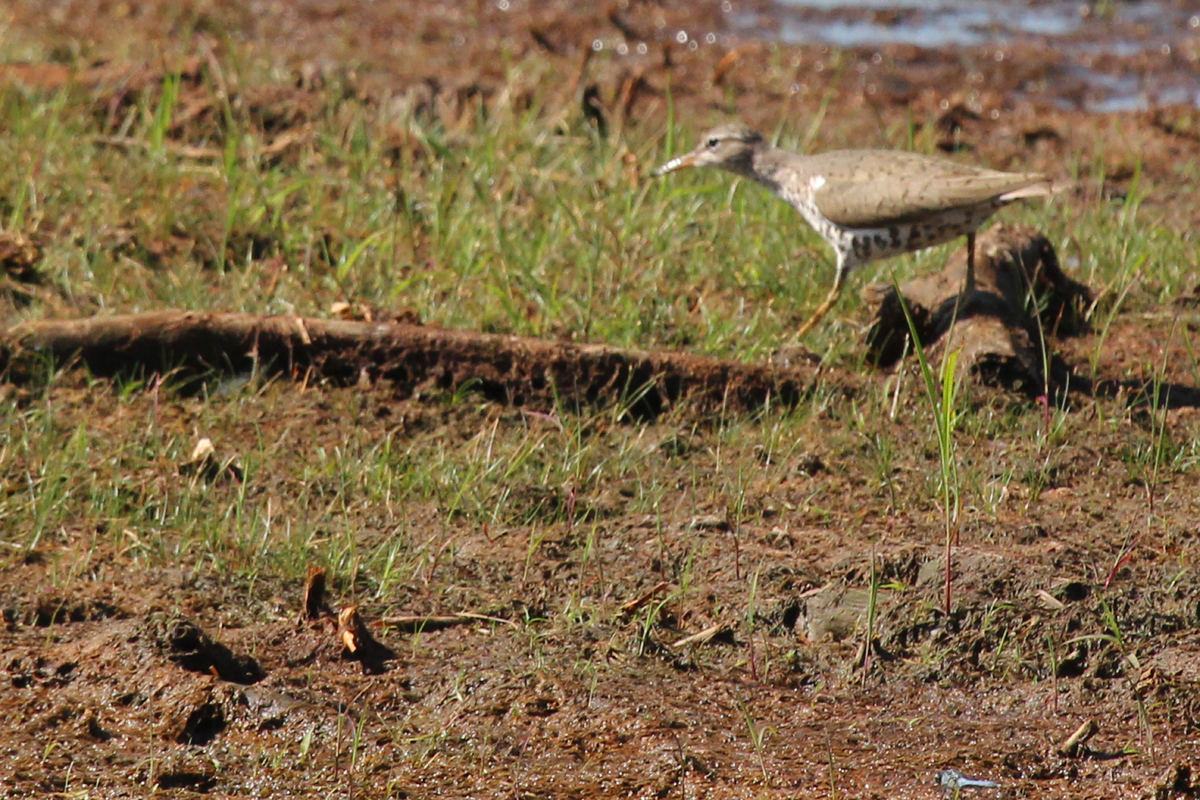
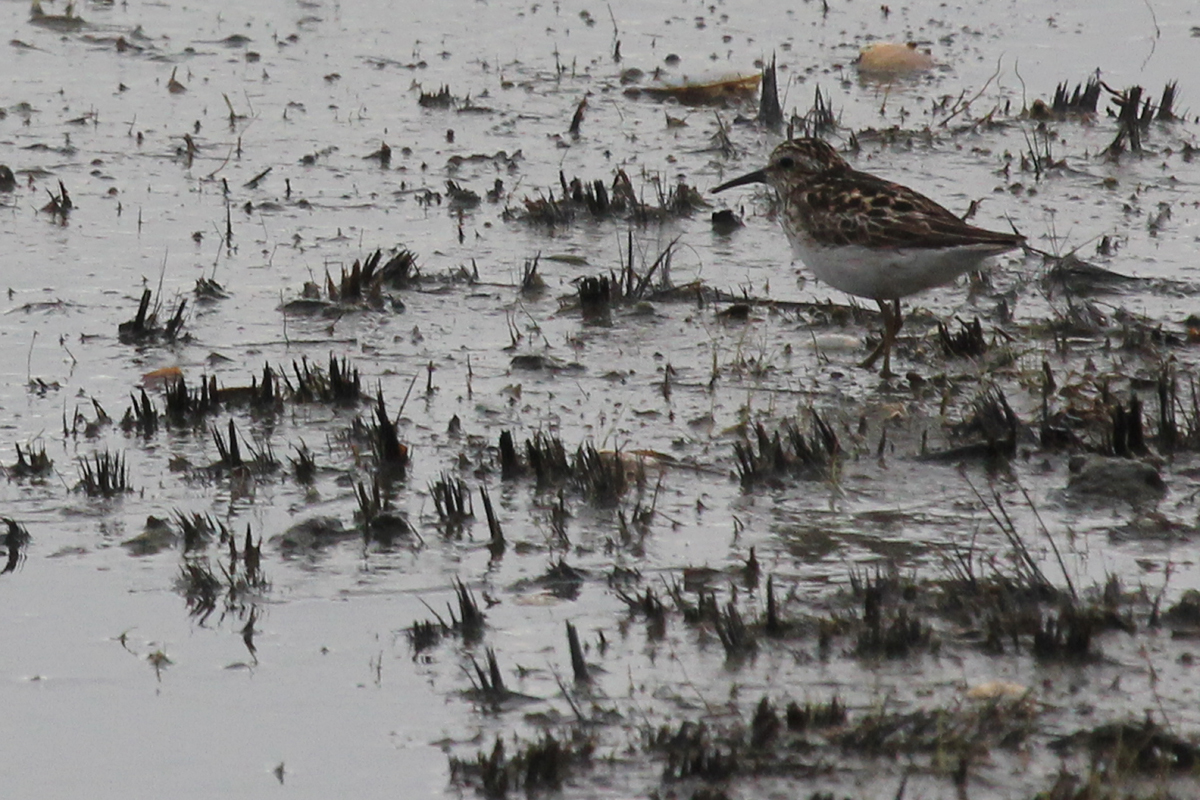
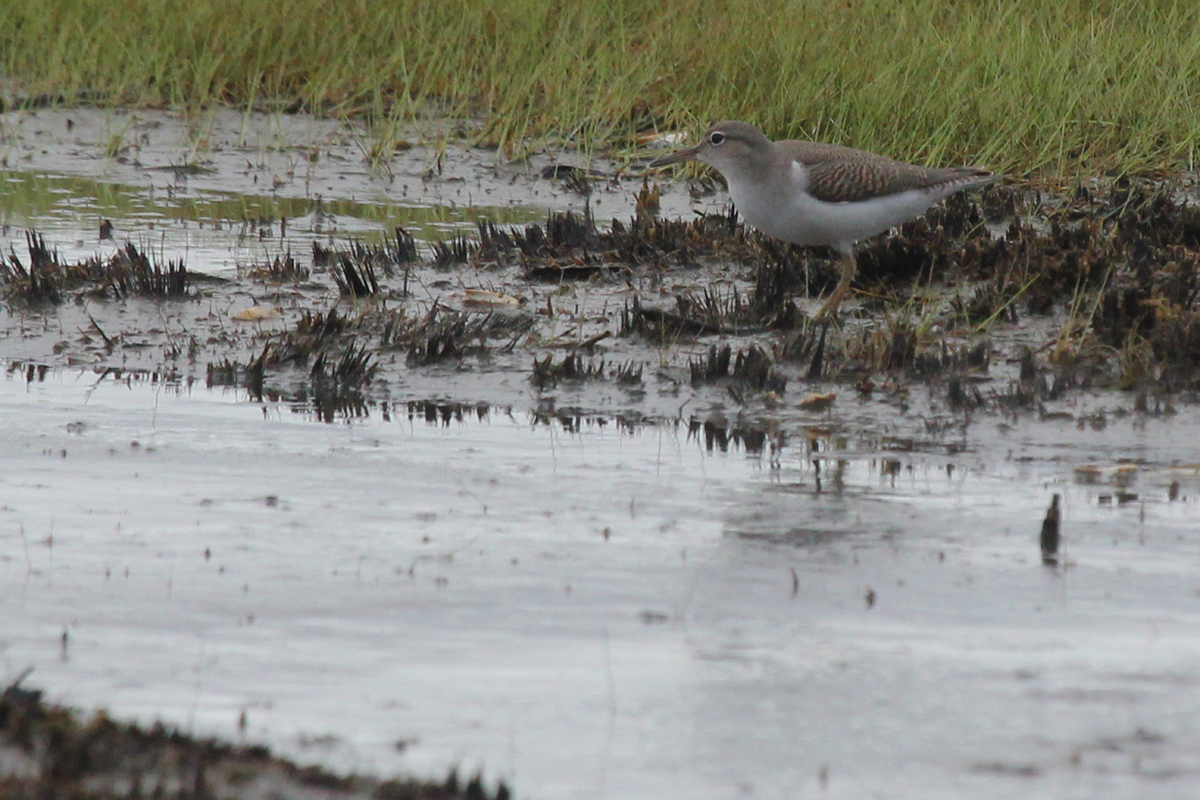
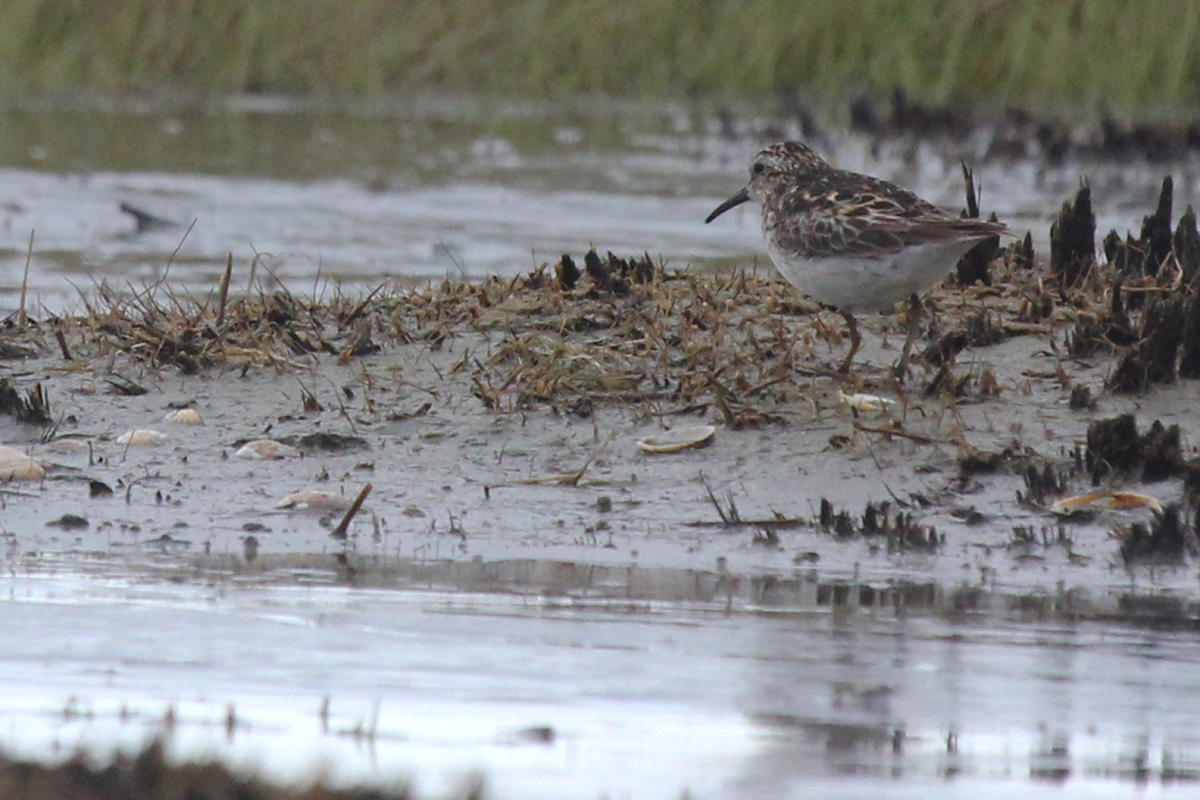
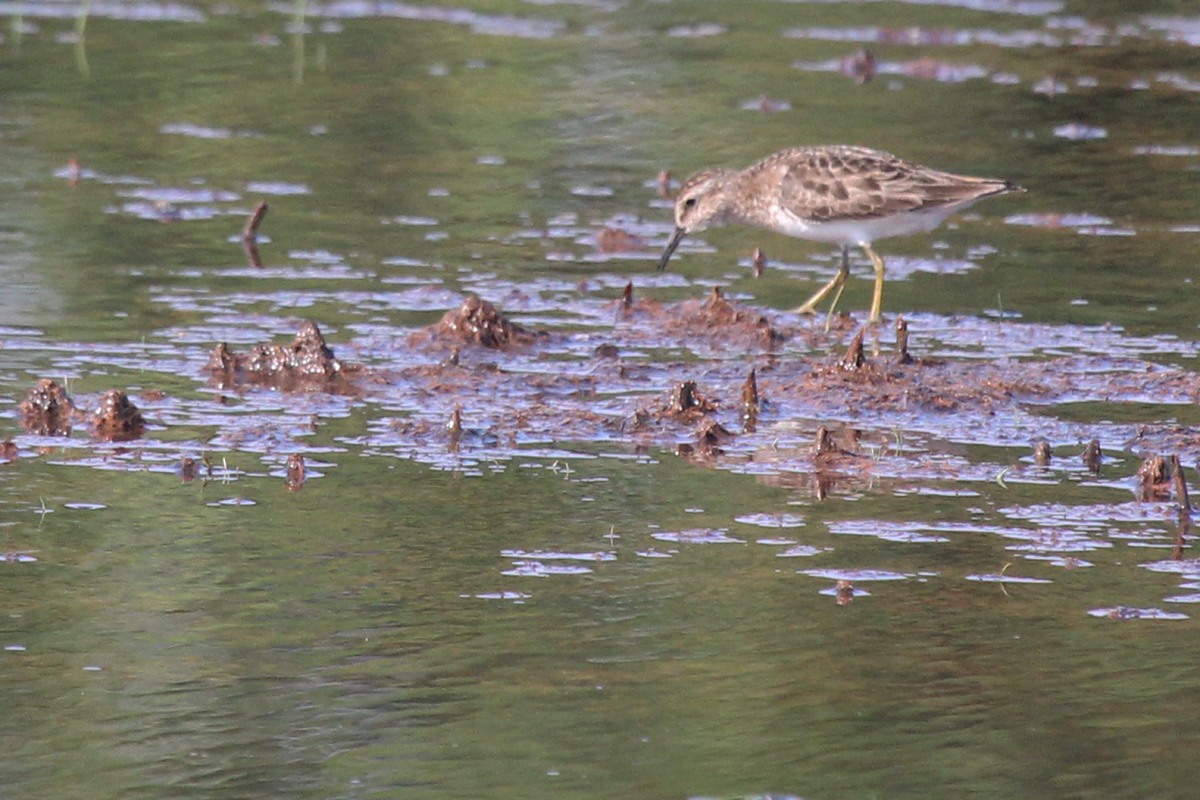
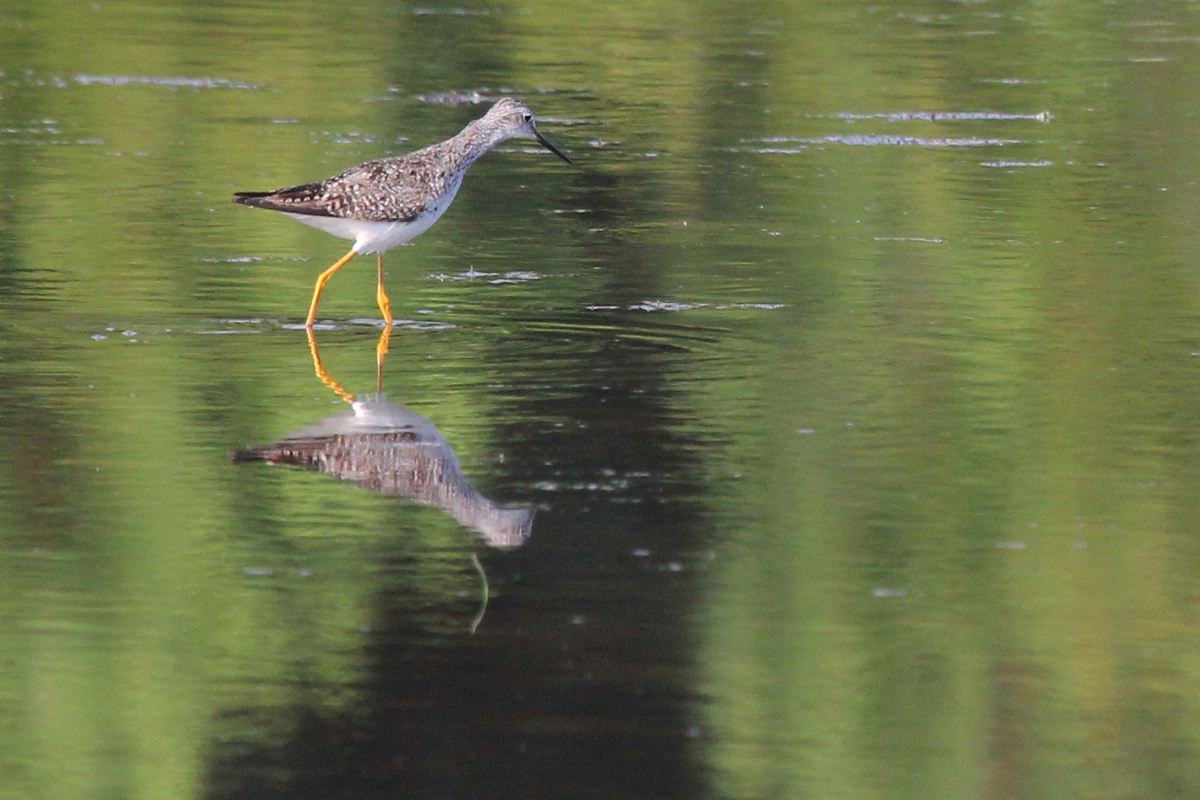
With north winds, and several areas of suitable habitat suddenly available, the shorebird fall migration got off to a grand start this period with several exciting arrivals! The first SPOTTED SANDPIPER of the fall was photographed on 1 Jul near a dock on Lake Tecumseh (ph. Mary Catherine Miguez) during a kayak outing. While we did have two individuals recorded during June, these were likely birds that stayed put rather than late spring or early fall migrants. By the very end of June, we start seeing the true southbound migrants, so this fellow was right on time. The next to be observed occurred a few days later, also a first year bird, at Back Bay NWR on 7 Jul (ph. Rob Bielawski). Early for the species, three BLACK-BELLIED PLOVERS were also observed at Back Bay NWR on the freshly drained C Storage Pool on 7 Jul (obs. Andrew Baldelli). With an average arrival date of 15 Jul, this was the only of our truly early arrivals for the period. With typical arrival dates of 5 Jul, GULL-BILLED TERNS observed over the ocean from 85th Street Beach on 5 Jul (obs. Andrew Baldelli) were exactly on time. Showing very thick black bills, and a fully black cap, these birds are often confused with distant Sandwich Terns, so it is important to note these features while viewing. The yellow tip of a Sandwich Tern’s bill often becomes invisible at a distance, and the ‘missing’ tip can make the bill appear shorter and stockier than it truly is. Just a word of caution when it comes to separating the two species! Two other first-of-fall arrivals occurred inside their average expected arrival date of 5 Jul, with two flocks of SHORT-BILLED DOWITCHERS total 13 individuals observed on the mudflats off Pleasure House Point NA on 7 Jul (obs. Rob Bielawski) and individual LEAST SANDPIPERS popping up on 8 Jul at Back Bay NWR (ph. Rob Bielawski) and also at Princess Anne WMA’s Whitehurst Tract later in the morning (also ph. Rob Bielawski).

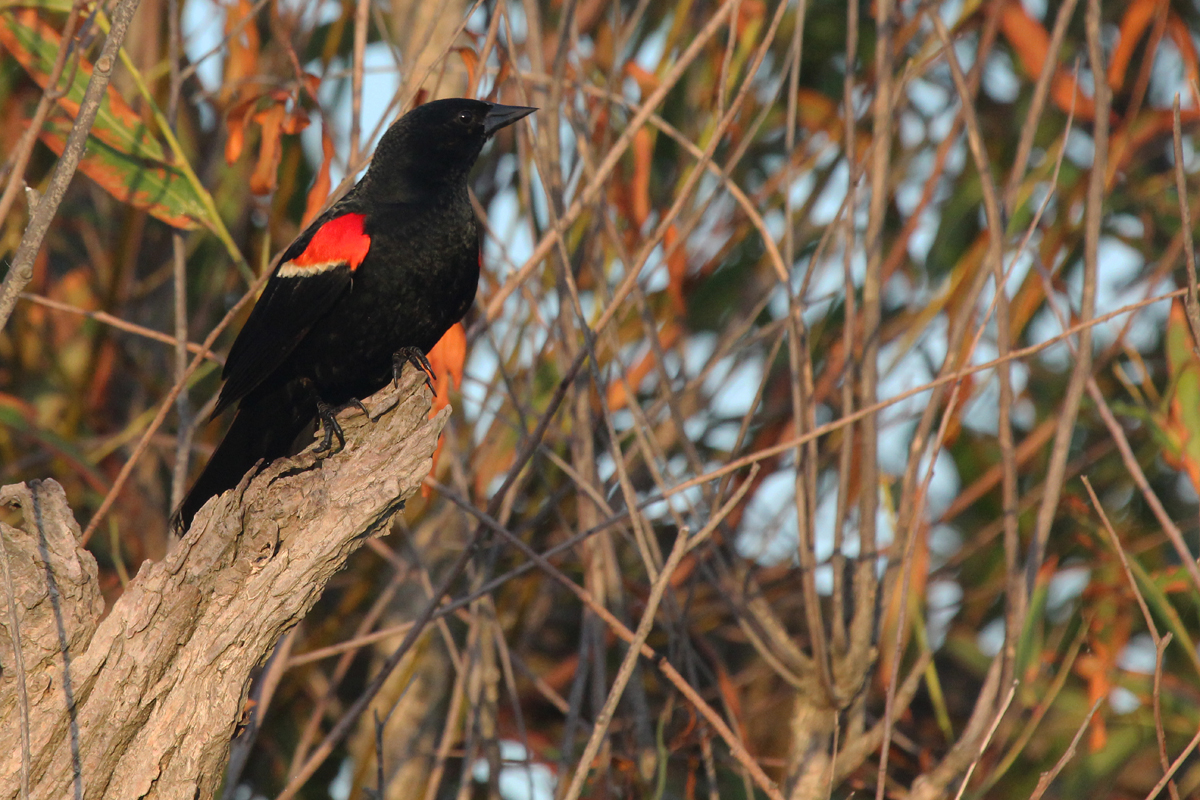
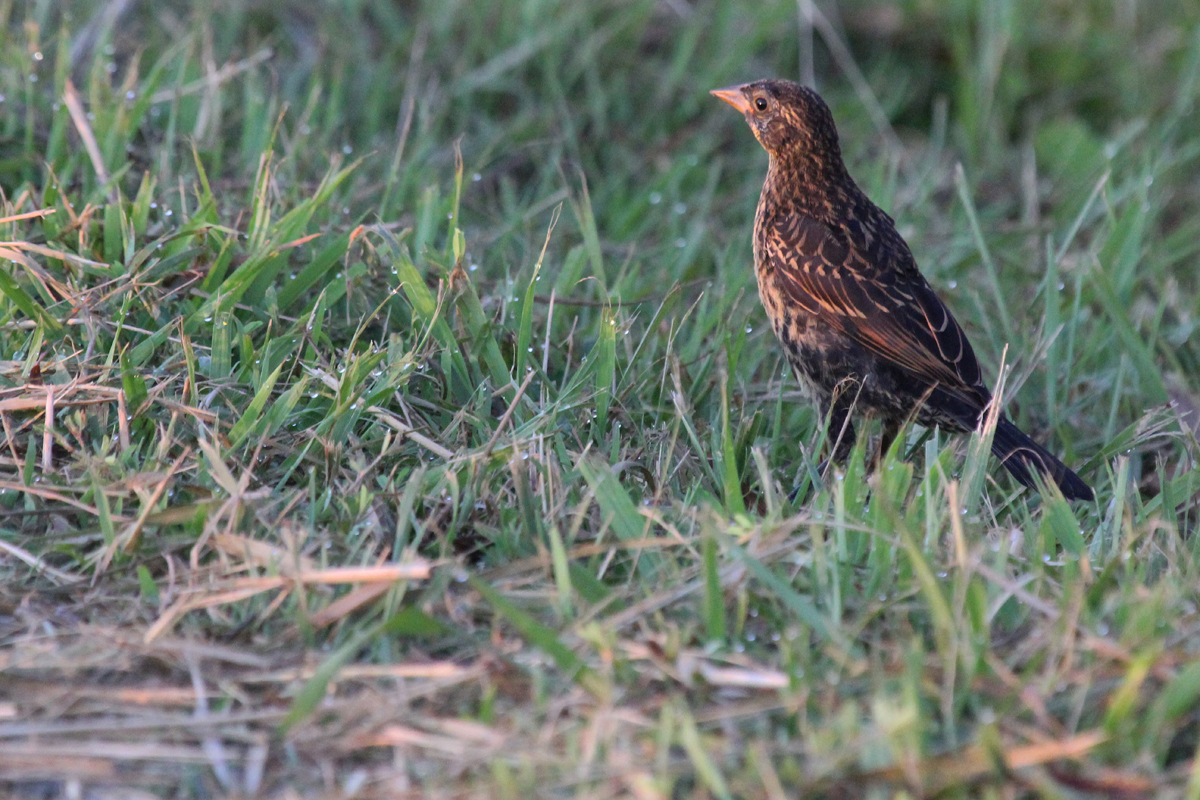
Breeding bird observations were still going strong through early July and the 2nd Virginia Breeding Bird Atlas has continued to steam ahead with full momentum! Scattered breeding bird confirmations were photographically documented around the city this period as follows: a recently fledged RED-WINGED BLACKBIRD at Back Bay NWR on 1 Jul (ph. Rob Bielawski); an adult EASTERN BLUEBIRD feeding young at Ashville Park on 1 Jul (ph. Cindy Hamilton & June McDaniels); recently fledged TUFTED TITMOUSE at Stumpy Lake NA on 1 Jul (ph. Rob Bielawski); an adult NORTHERN CARDINAL carrying nesting material at Back Bay NWR on 2 Jul (ph. Charlie Bruggemann); recently fledged MALLARDS at Marina Shores on 2 Jul (ph. June McDaniels); recently fledged PROTHONOTARY WARBLER at First Landing SP on 4 Jul (ph. June McDaniels); recently fledged CLAPPER RAILS at Pleasure House Point NA on 5 Jul (ph. Charlie Bruggemann); an adult NORTHERN MOCKINGBIRD carrying food on Dinwiddie Dr. on 7 Jul (ph. Rob Bielawski); adult PURPLE MARTINS feeding young on 8 Jul at Back Bay NWR (ph. Mary Catherine Miguez) and a nest with young OSPREYS on 10 Jul at Seatack North Park (ph. Laura Mae). Keep up all the great work Atlasing folks, and please remember, if you have any questions regarding the project, please check out the 2nd Virginia Breeding Bird Atlas Website, the official Atlas Facebook Page, or the Facebook Group for more information!
WEATHER:  Picking up right where late June left off, extreme heat and humidity blanketed the early half of the reporting period, but thanks to a cold front and our proximity to a tropical cyclone (Hurricane Chris as of this writing), the latter few days of the period boasted much cooler than average temperatures and very dry air, a true blessing at this point in the summer season. Over all, average daily high temperatures dropped 1.5° from 87.1° F to 85.6° (-2.5° from prior 10-year average), with average daily low temperatures also falling, 1.9° from 72.4° to 70.5° F (-1.6° from prior 10-year average). Daytime temperatures ranged from a minimum of 57° F (10 Jul) to a maximum of 91° (1, 2 & 6 Jul). Interestingly, the low temperature of 60° F on 9 Jul was a new record low temperature on this date at Oceana NAS’ weather station. A total of 0.71” of rain fell during the period, spread across three days with measurement amounts, with a maximum of 0.63” falling on Friday, 6 Jul. Maximum sustained winds at Oceana this period were 35 mph and gusts reached 49 mph (6 Jul) as a very strong cold front passed over the region. No significant tidal surge events (2’ or greater) impacted the Sewell’s Point tide gauge during this reporting period. However, the extended period of strong northeasterly winds associated with Hurricane Chris pushed a large volume of water into the Lynnhaven River and caused localized flooding. Additionally, the same windfield pushed a significant percentage of Back Bay’s water southward, revealing expansive mudflats and allowing for the draining of the C and C Storage Pools. Sunrise/sunsets varied from 5:49 AM/8:28 PM (1 Jul) to 5:54 AM/8:26 PM (10 Jul), which means we lost 7 minutes of daylight during this period with a total of 14 hours, 31 minutes of ‘Length of Day’ to close the period.

For those hoping to view every photograph submitted for Virginia Beach during this period, please see the complete listing for the month of July located on eBird’s Media explorer by clicking here! Please remember, anyone with an eBird account also has the ability to rate these photographs (1-5 stars), and based on the average rating, this is how eBird populates anything media-driven on the website, particularly the Illustrated Checklists! So, if you're one of the many folks who enjoy looking at photographs of birds, take some time to click them all and rate them, it helps make eBird better and better each day!
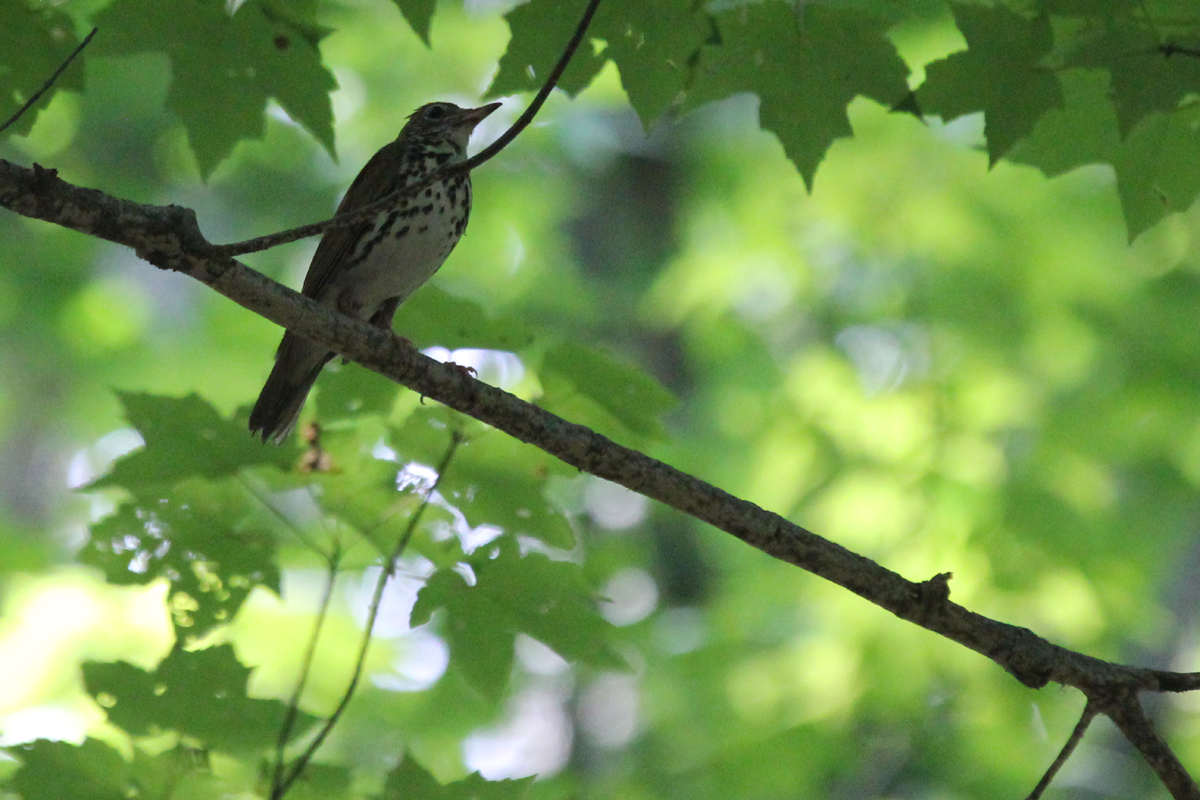
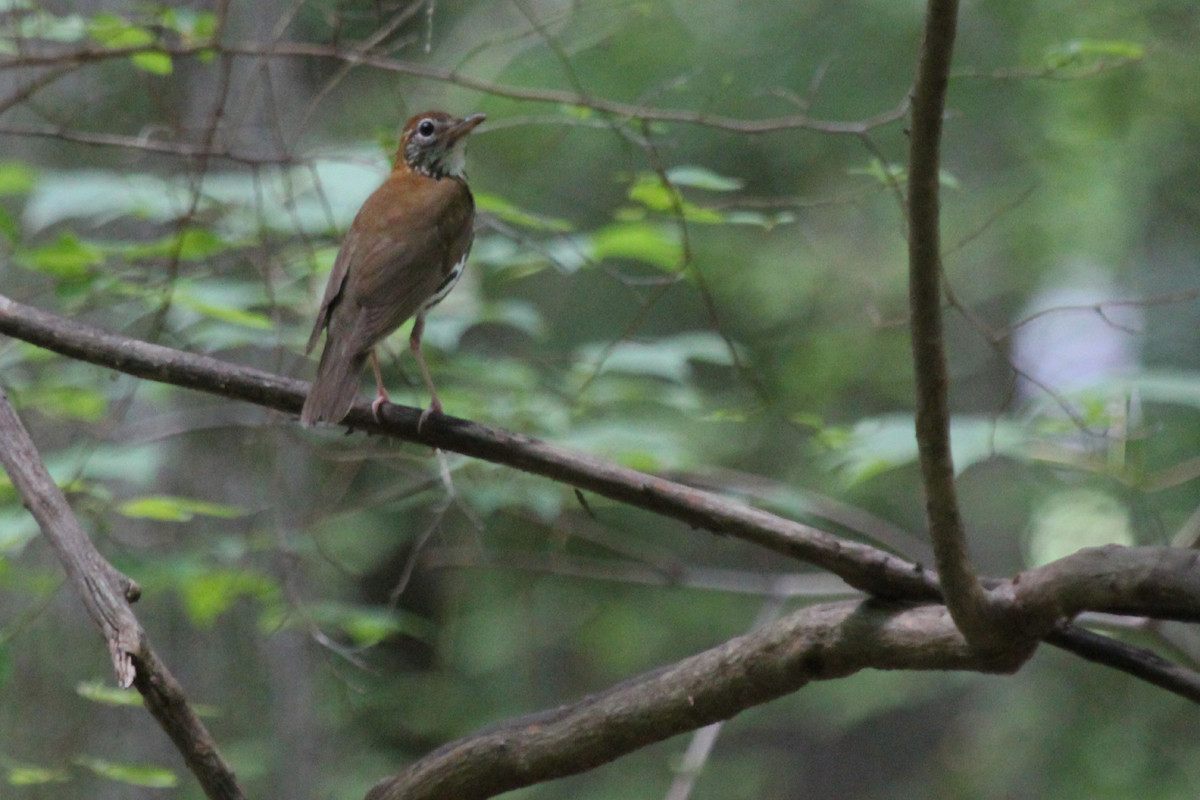
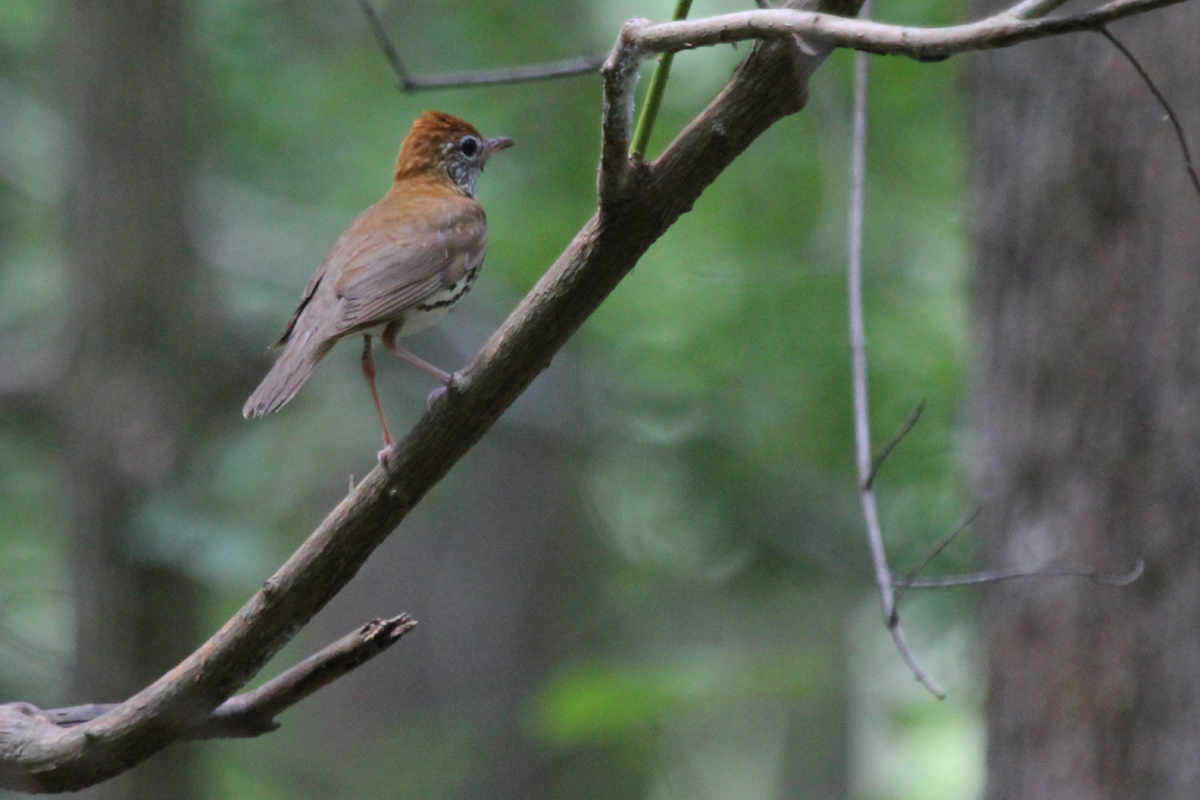
LOOKAHEAD: With the start of shorebird migration underway, we have new arrivals to look forward to each period from now through November and given we won’t start seeing species depart for a while, the overall diversity of birds will continue to rise moving forward. All of our summer breeding species are still present, but keep in mind that many of the songbirds will likely stop singing fairly soon (if they haven’t already) so it is best to try and log observations for birds like Acadian Flycatcher and Wood Thrush while you still can; they’re much harder to locate in the thick summer vegetation when they’re silent! With regard to annually expected fall arrivals, as of the reporting period close date, we have not yet logged first arrivals for WESTERN SANDPIPER, WHIMBREL, BLACK TERN, LESSER YELLOWLEGS & RUDDY TURNSTONE (all 10 Jul average expected arrivals), PIPING PLOVER & SEMIPALMATED PLOVER (15 Jul), RED KNOT, SOLITARY SANDPIPER, STILT SANDPIPER & PECTORAL SANDPIPER (20 Jul) and DUNLIN (30 Jul). Since passerines aren’t yet on the move, this month is truly dedicated to a search for shorebirds! The coastal beaches of First Landing SP, the Resort Area & North End, Little Island Park and Back Bay NWR, as well as any low-tide marshes like those at Pleasure House Point NA and flooded fields will become highly sought-after locations to search for shorebirds as we move deeper into July. Following days and nights with sustained northerly winds, the water levels in Back Bay NWR’s C Storage Pool will afford a perfect landing ground for shorebirds, and the northern cell in Princess Anne WMA Whitehurst Tract’s southern half is presently prime habitat (just remember to wear rubber boots here due to thick vegetation on the trails and a healthy population of Eastern Cottonmouths in the area).

Next EntryEntry Index | Same Period Previous Year | Previous Entry

For further information regarding this thrice-monthly, online publication, please visit the Journal Overview Page which provides an in-depth explanation of the format, layout and composition of the journal. As always, thank you for reading, and please leave me a comment below (you may use your Facebook, Gmail or other accounts to easily do so), or just click the Heart icon to the lower right of this post to let me know you stopped in!