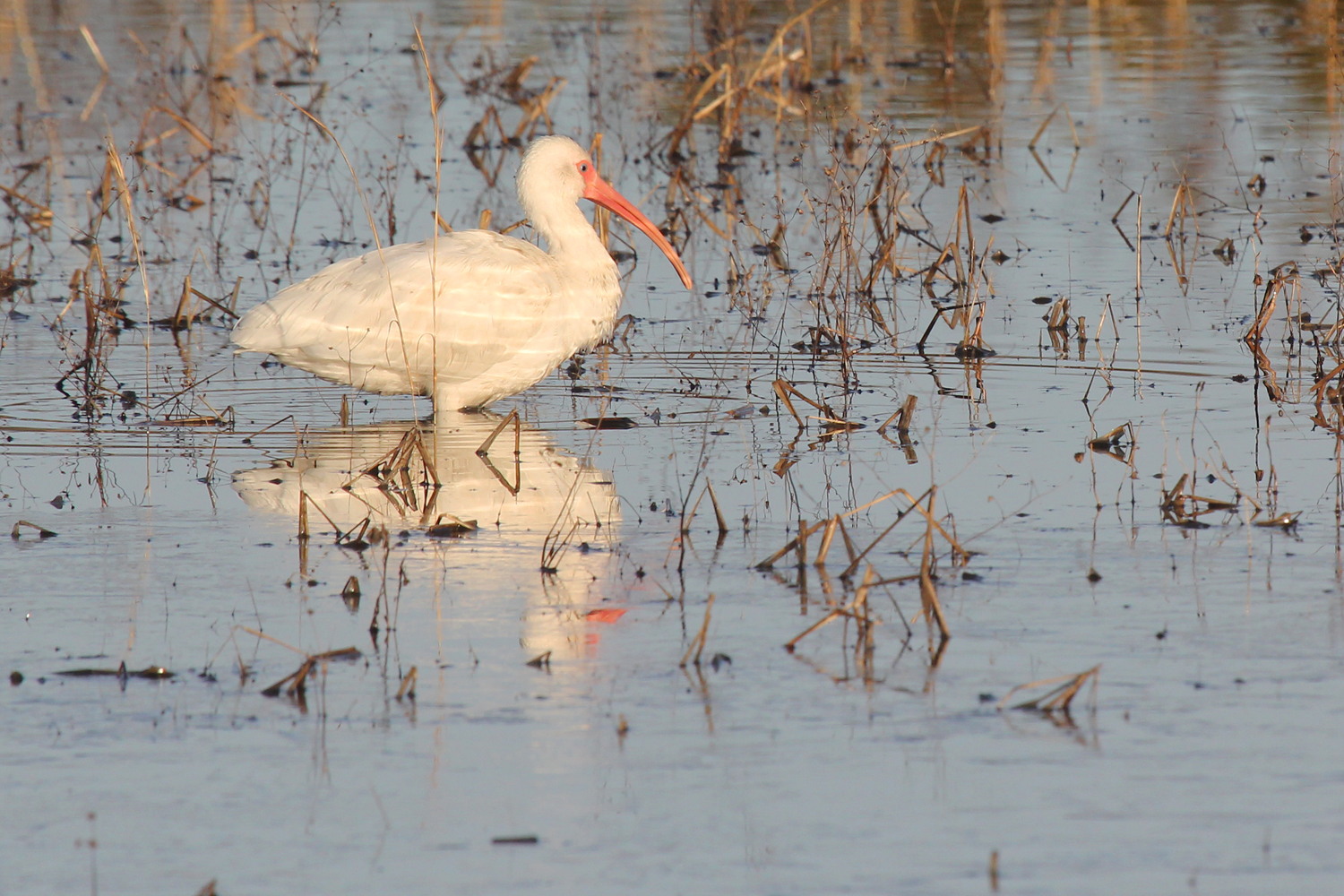
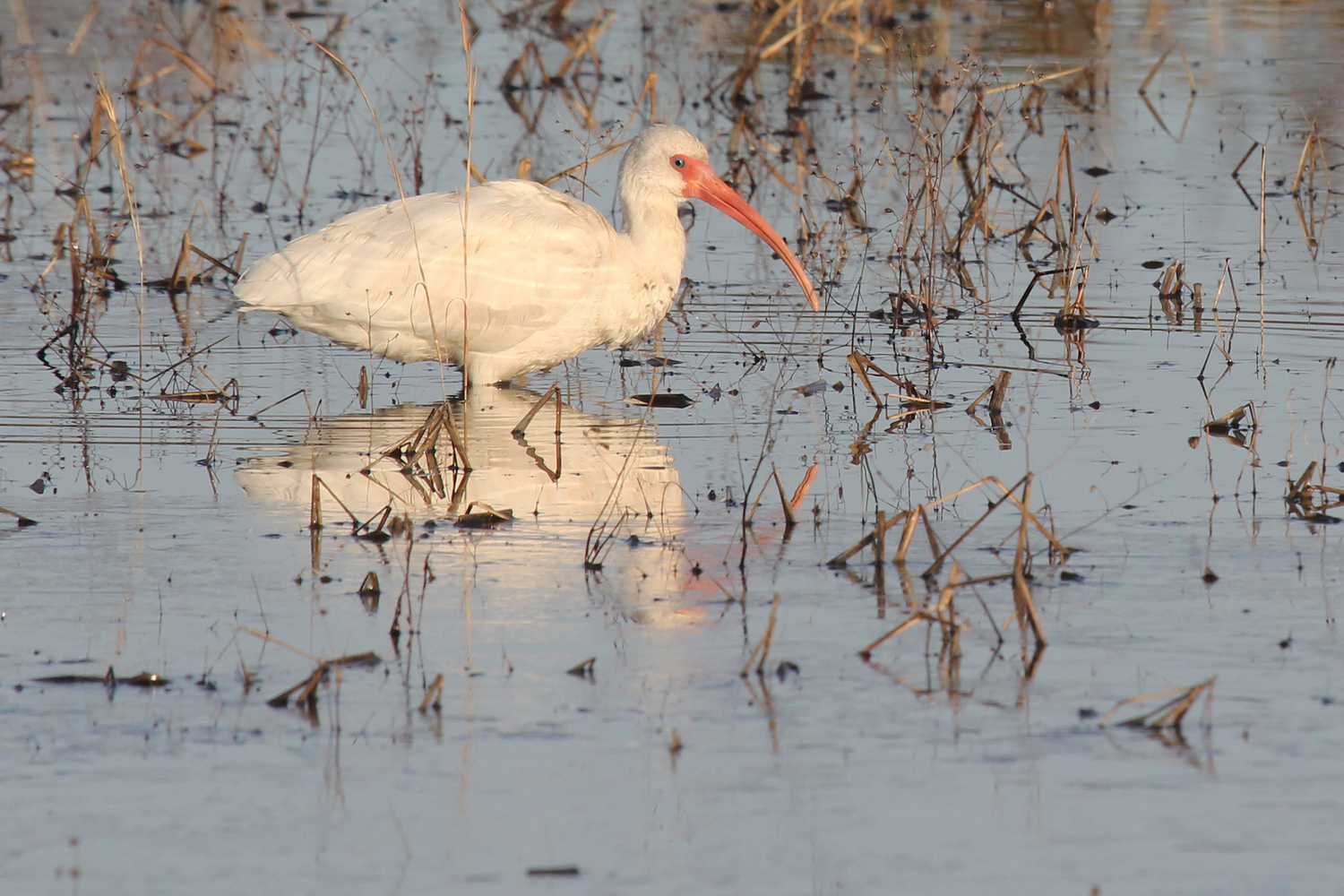
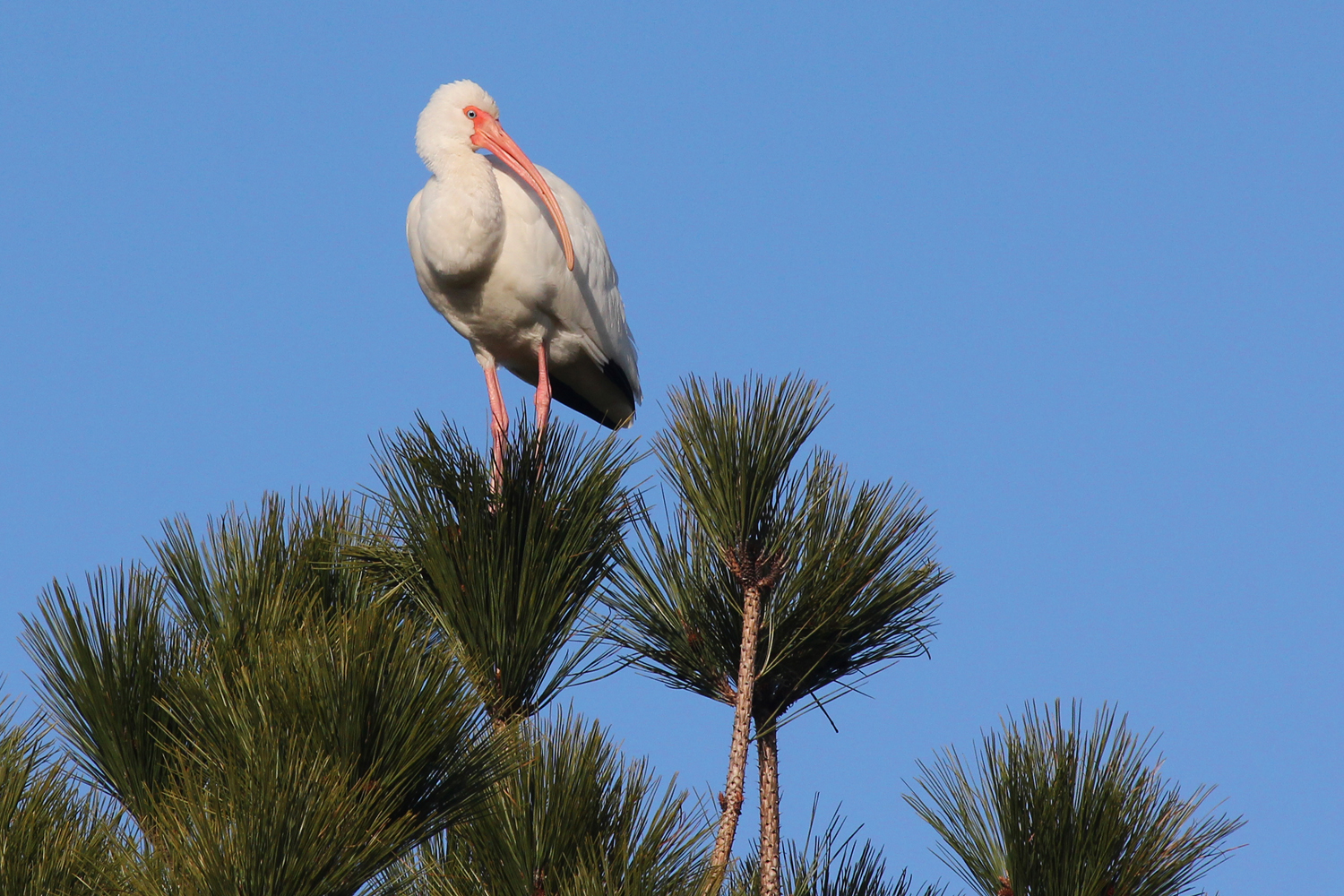
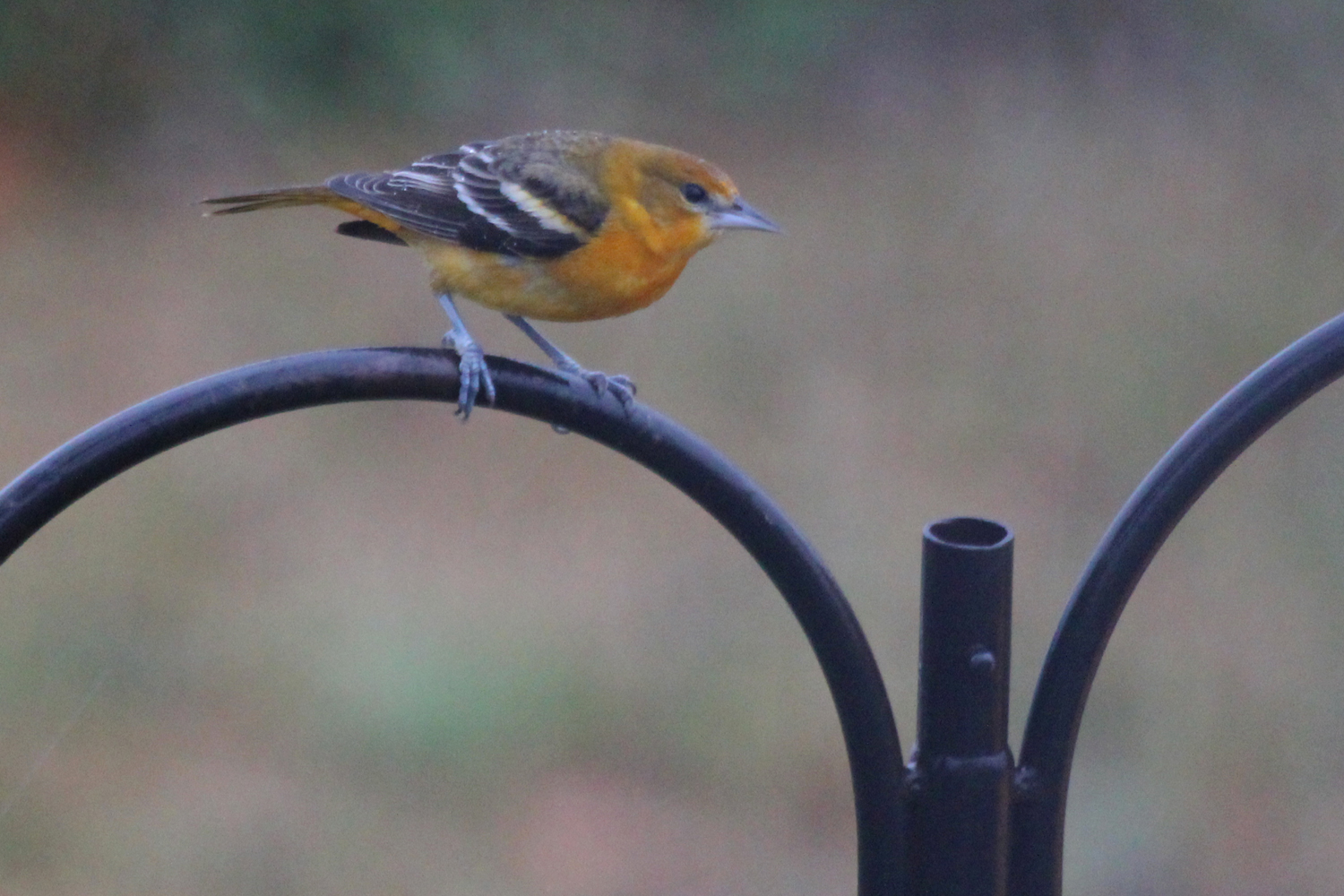
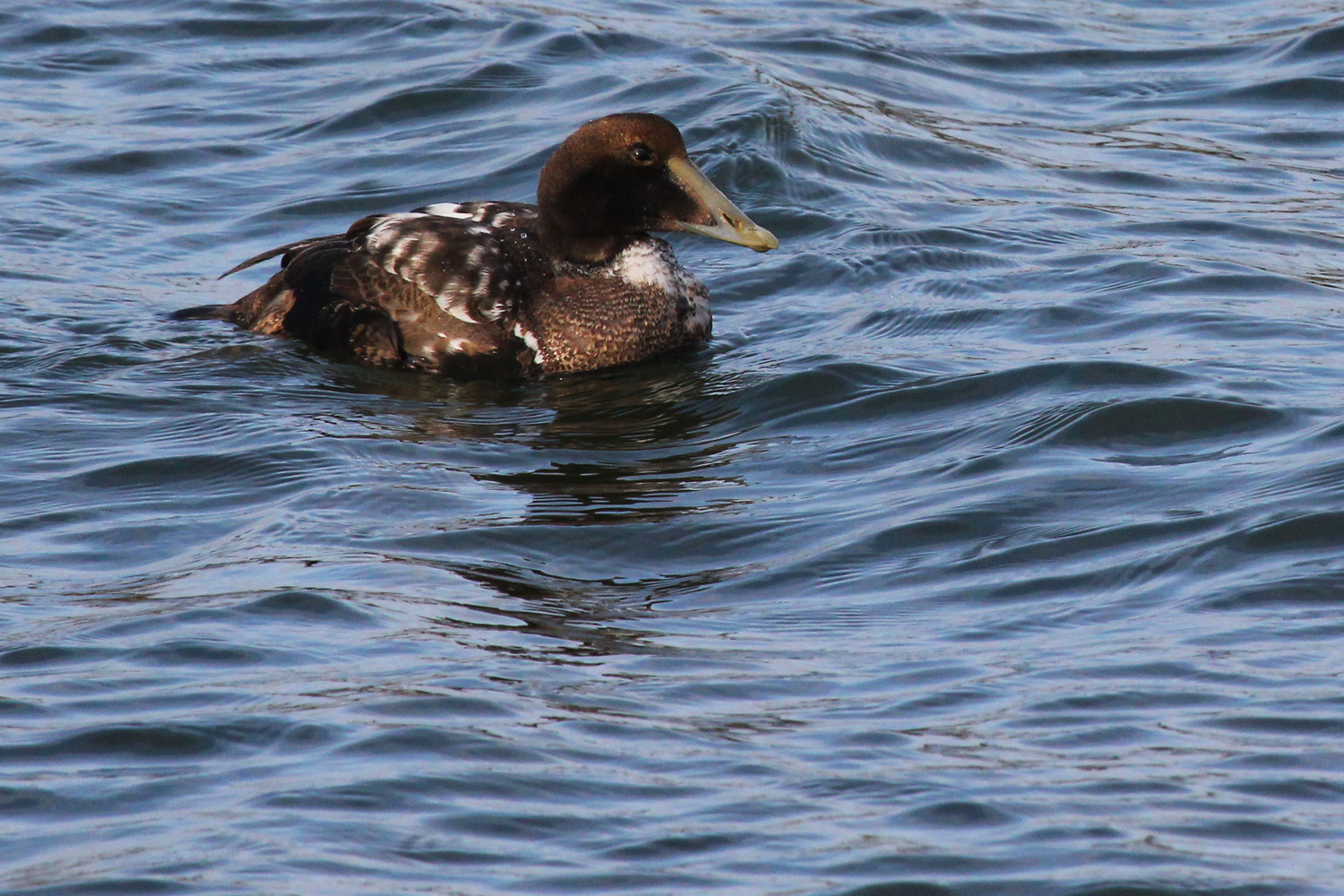
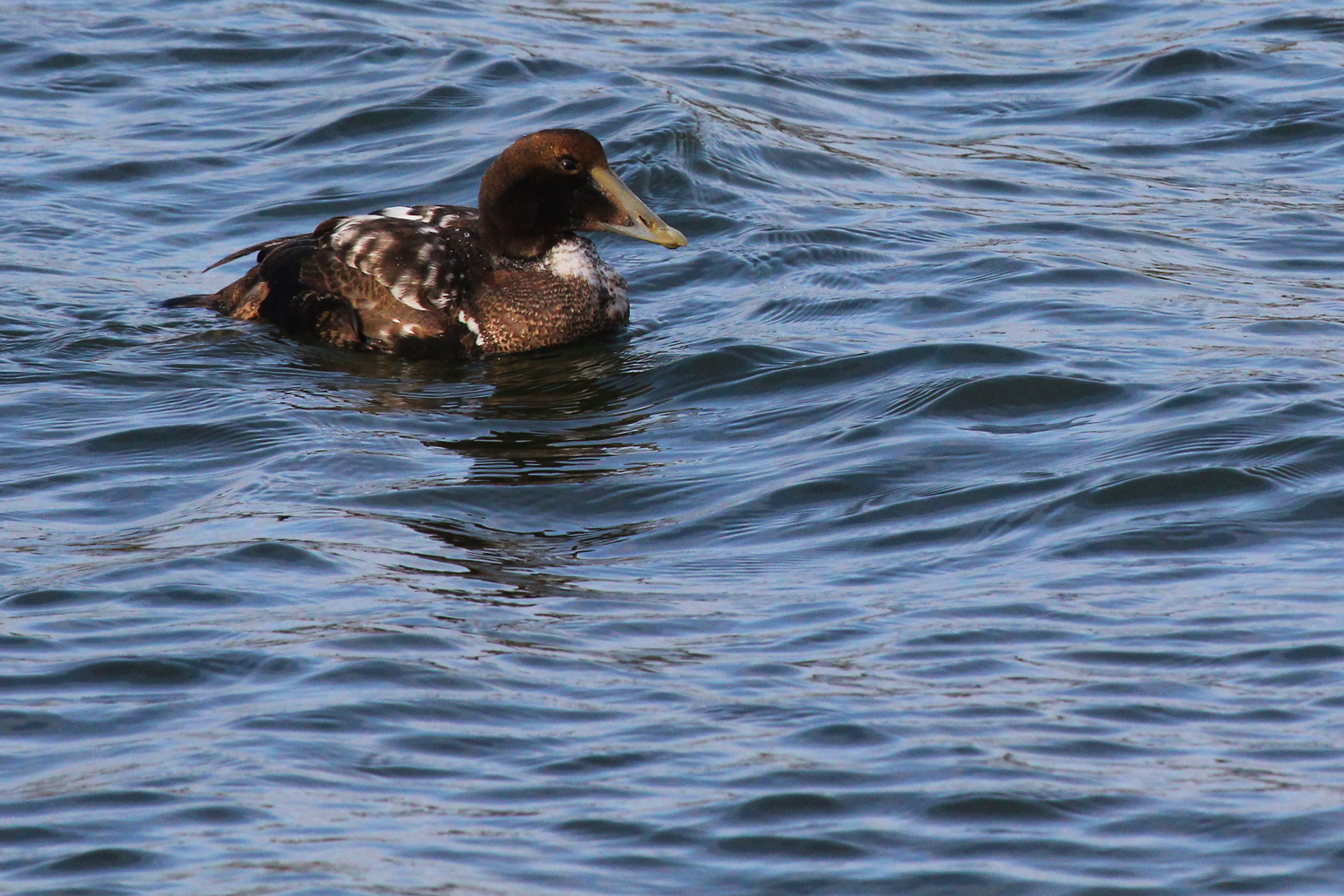
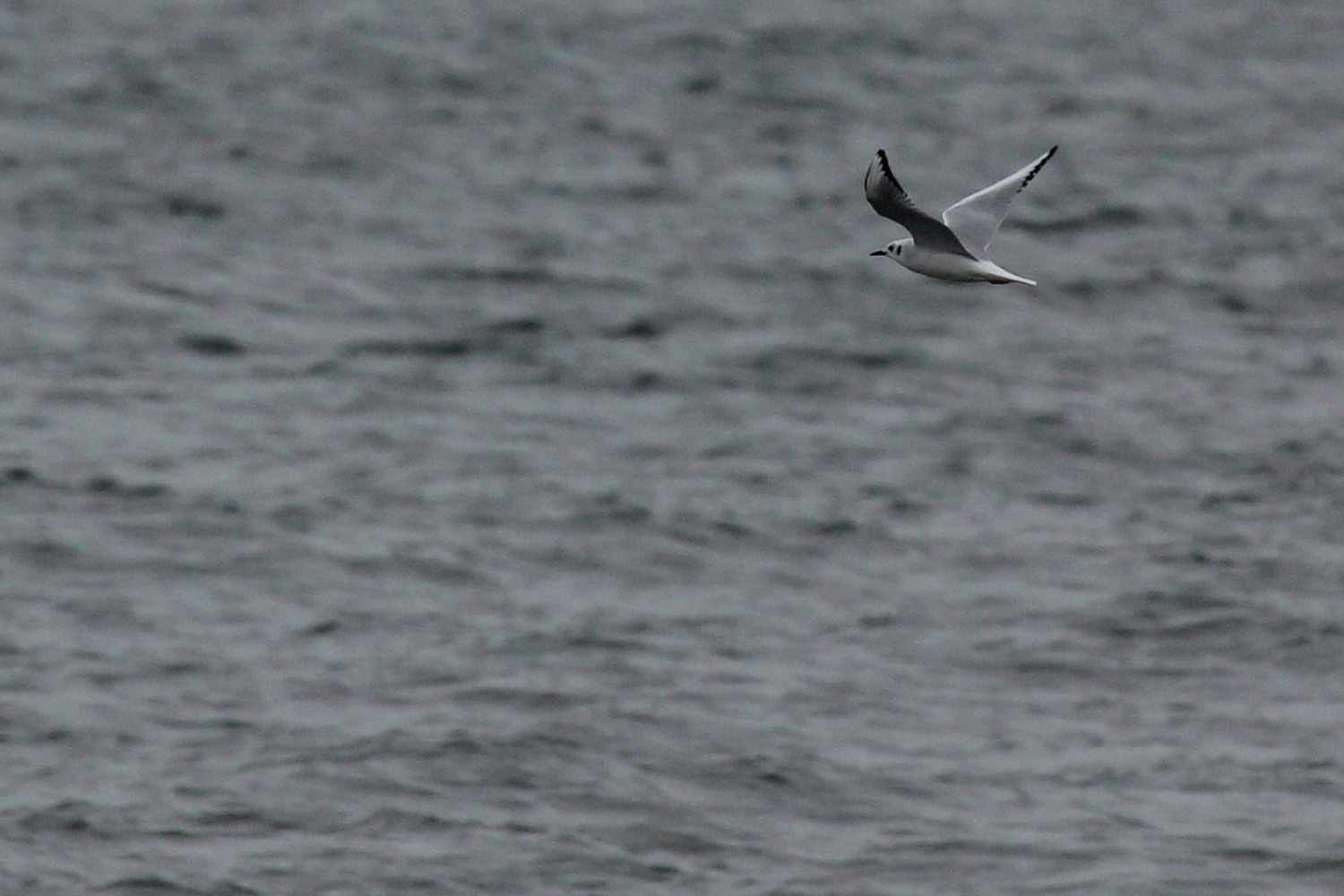
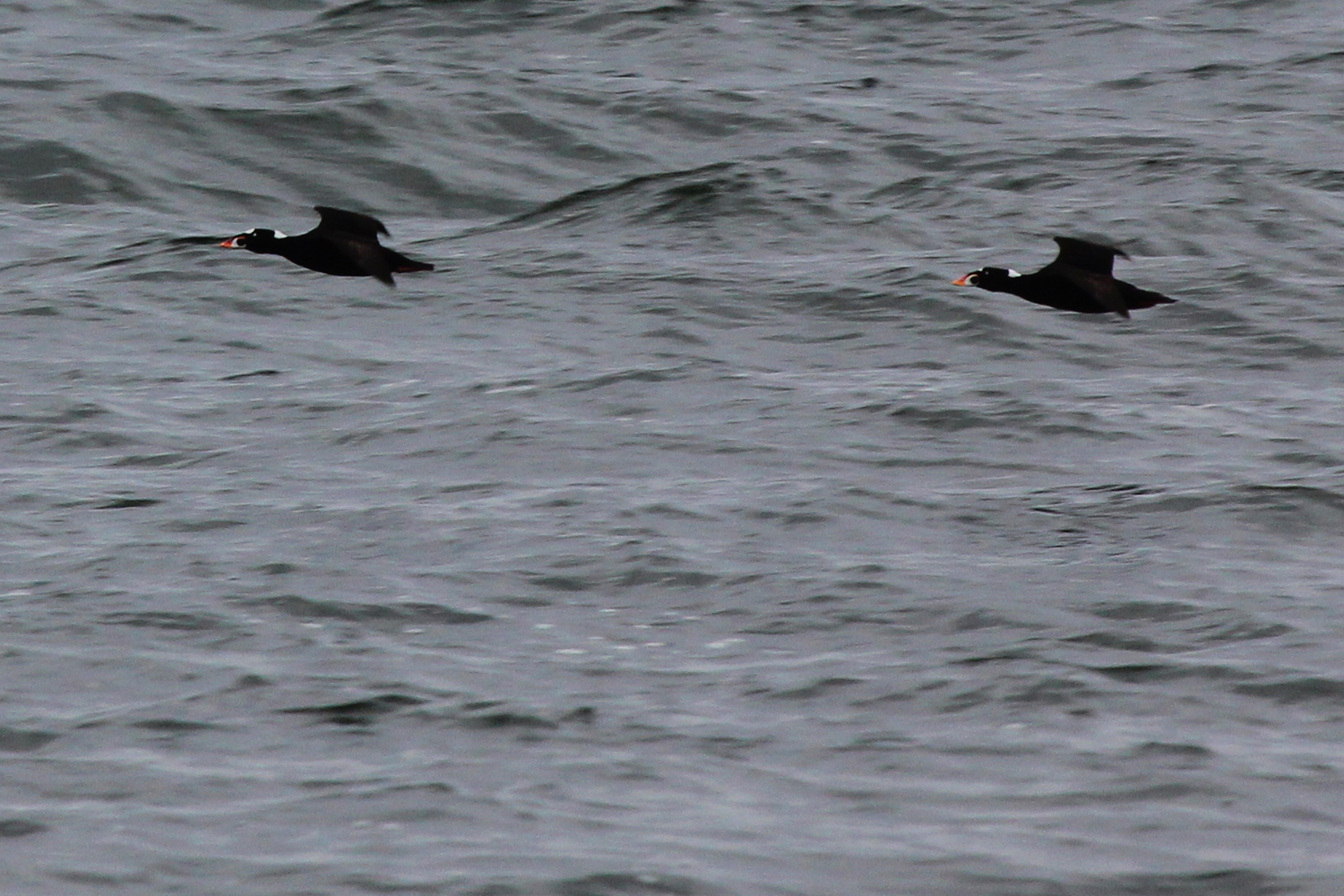
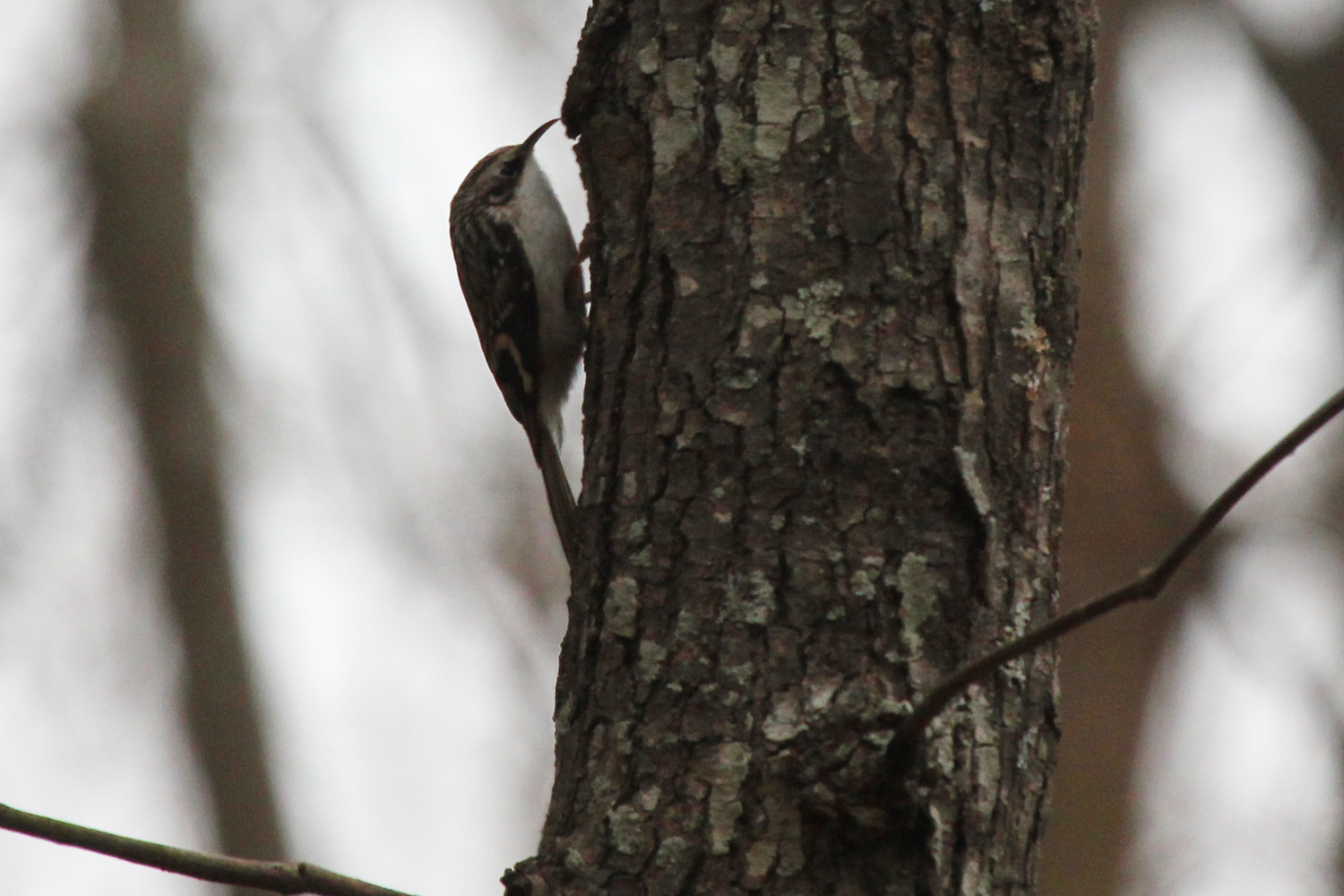
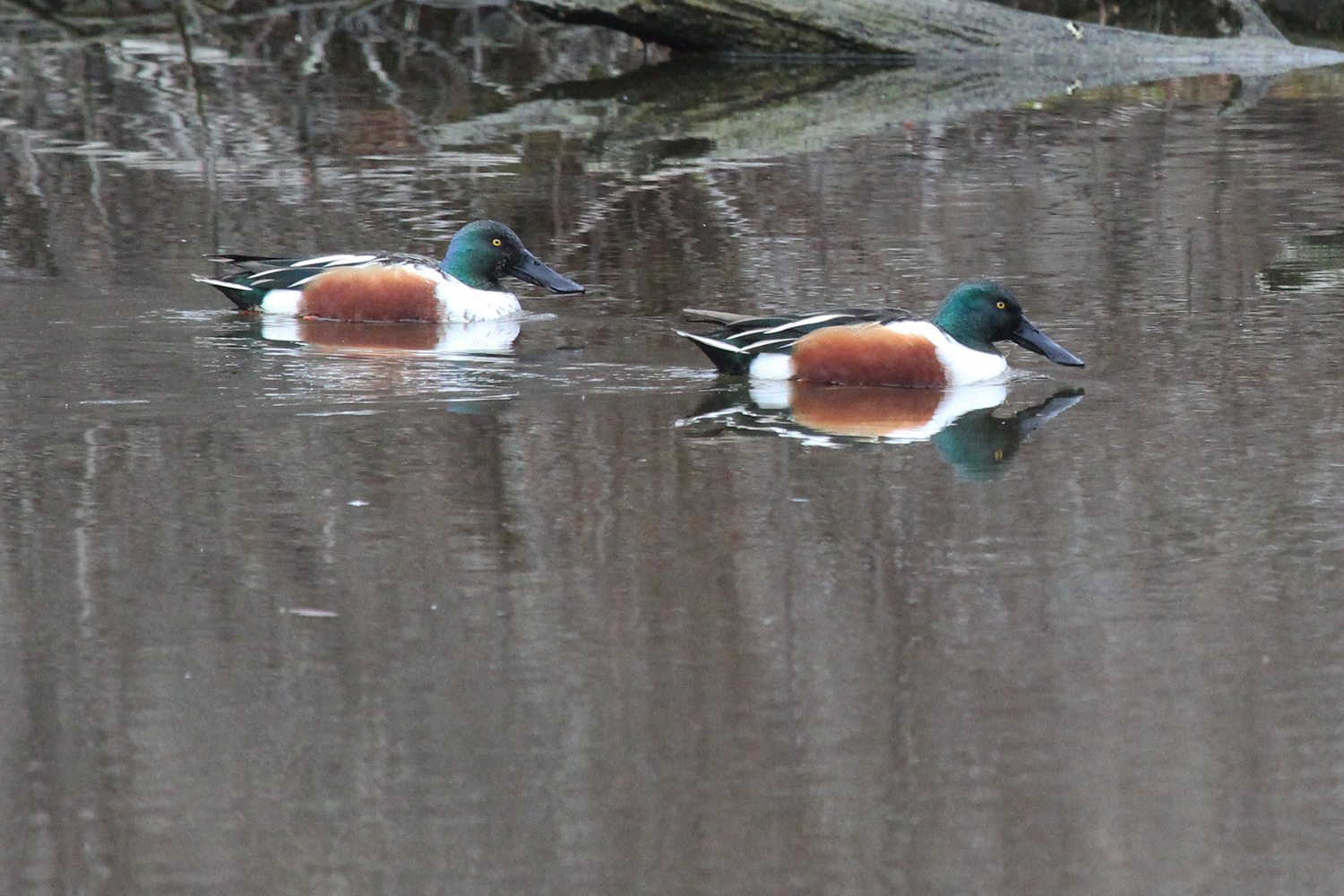
Mid-February 2019 (11th-20th)

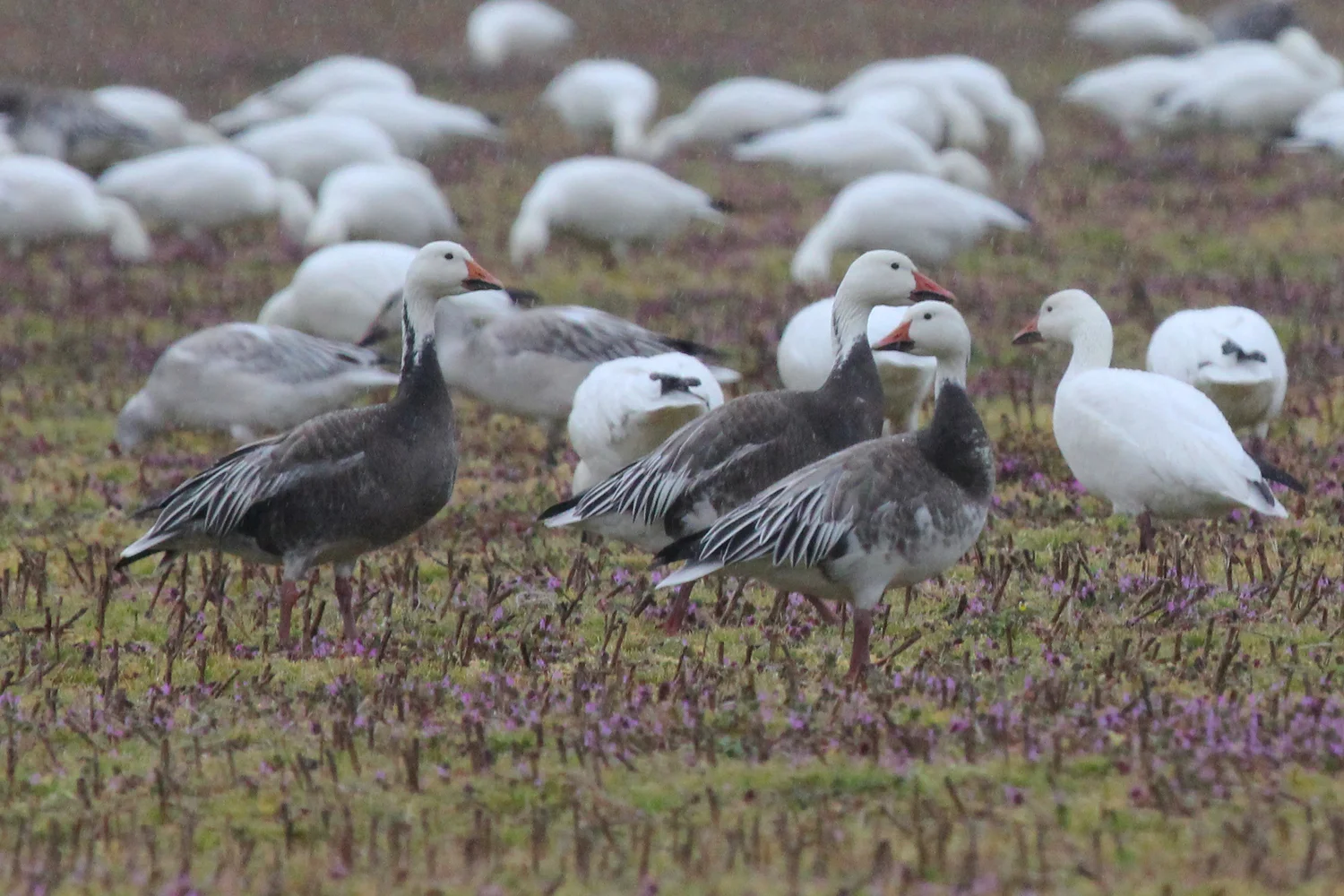
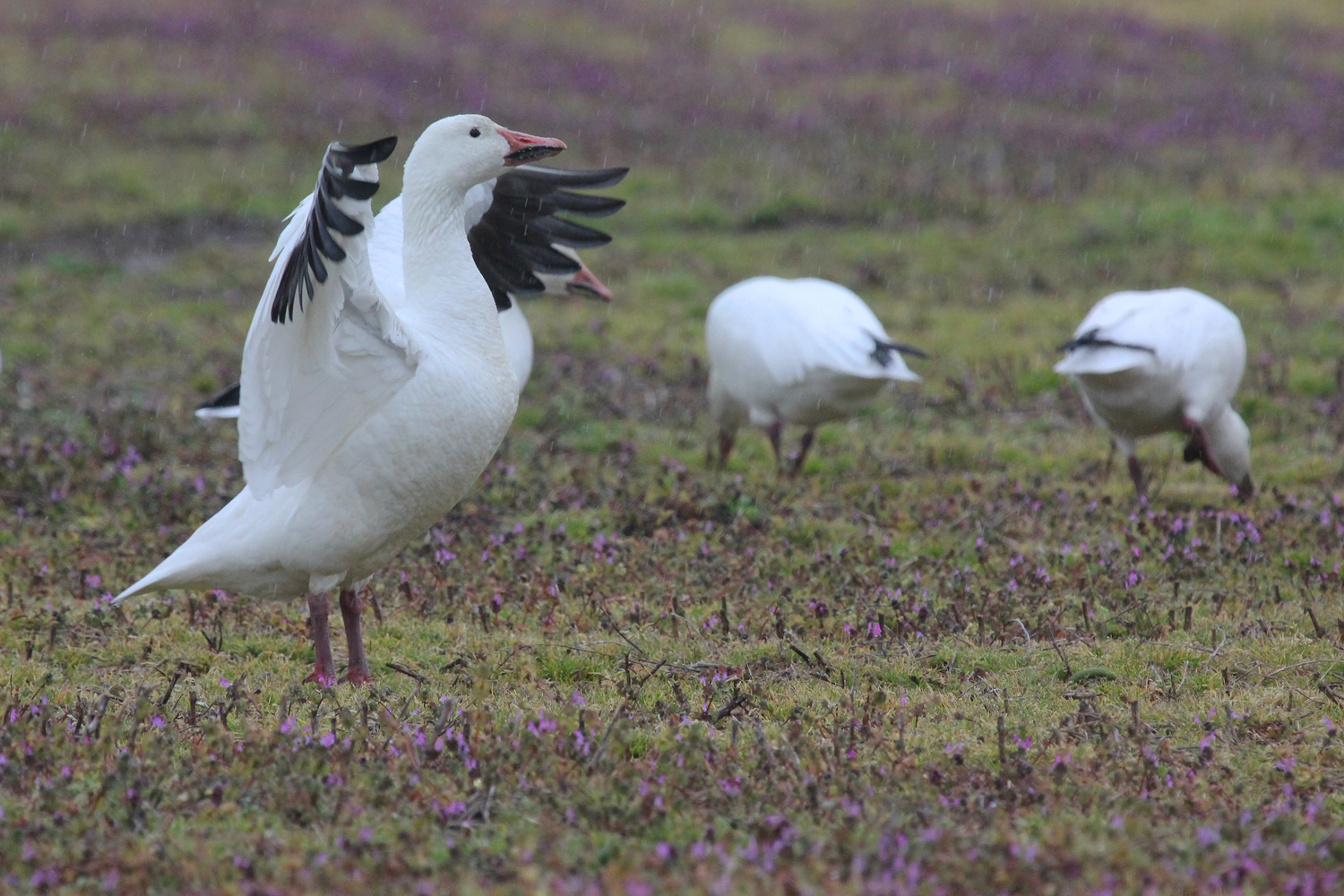
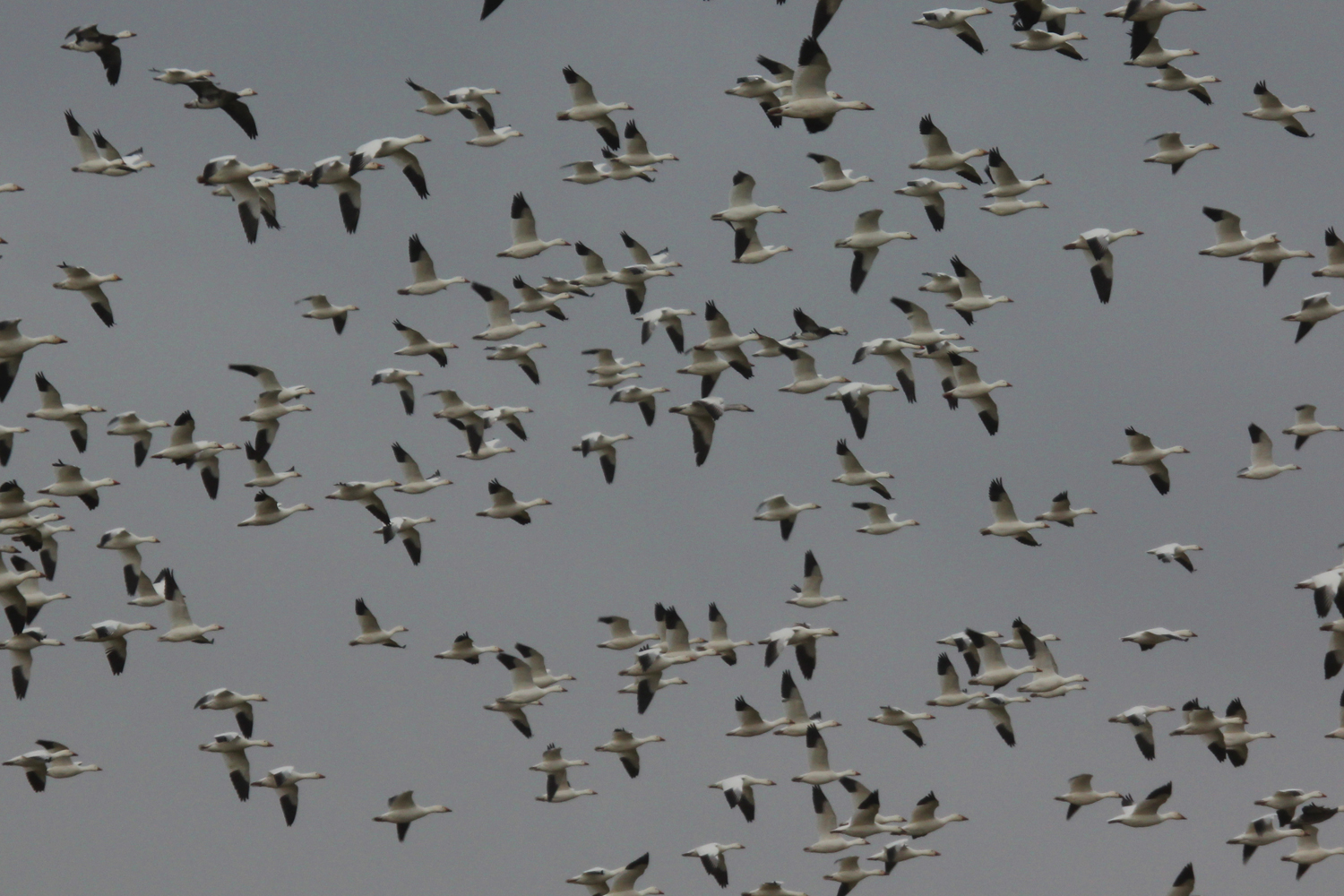
The fields are purple with clover and white with Snow Geese, the early blossoming trees (Bradford Pears, Tulip Trees & Redbuds) are already showing flowers, daffodils are starting to pop, and we logged a remarkable new species for Virginia Beach this period! Mid-February produced a total of 144 species reported to eBird in the city, including four new species for the Virginia Beach calendar year list, which now sits at 177 species! An astonishing number of eBird checklists were submitted this period, bolstered heavily by the Great Backyard Bird Count event sponsored by the National Audubon Society, as well as by field trips in the city hosted by the Hampton Roads Bird Club & Richmond Audubon Society. Highlights this period included new rarity records for TUFTED DUCK (the very first record for Virginia Beach!), AMERICAN WHITE PELICAN & RUSTY BLACKBIRD, continuing rarity records for HARLEQUIN DUCK, COMMON MERGANSER, DOVEKIE & PAINTED BUNTING, new unseasonal records for SANDWICH TERN & BLACK-AND-WHITE WARBLER, continuing unseasonal records for BLUE-WINGED TEAL, an early first of season record for LAUGHING GULL and a first-of-year record for AMERICAN WOODCOCK!
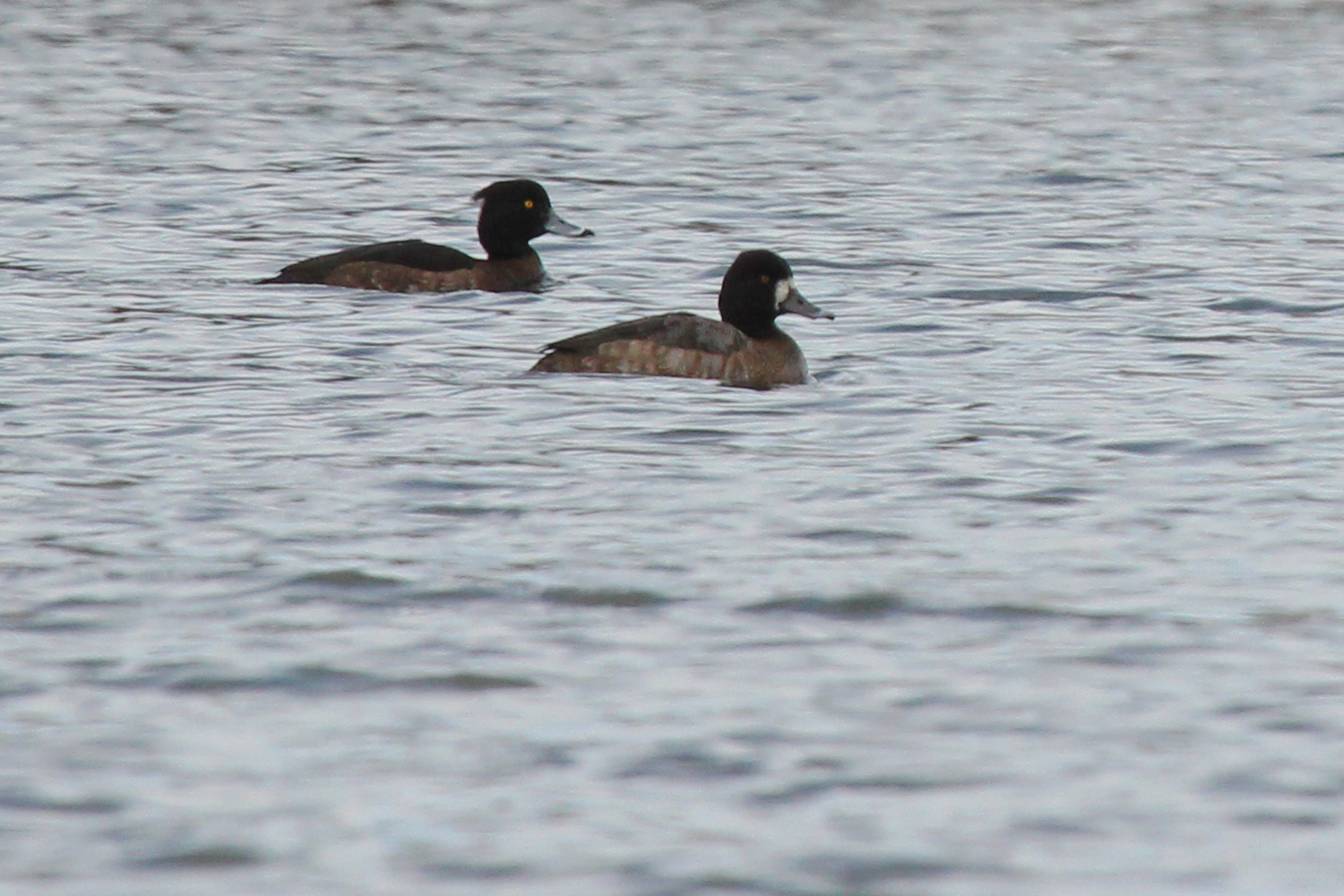
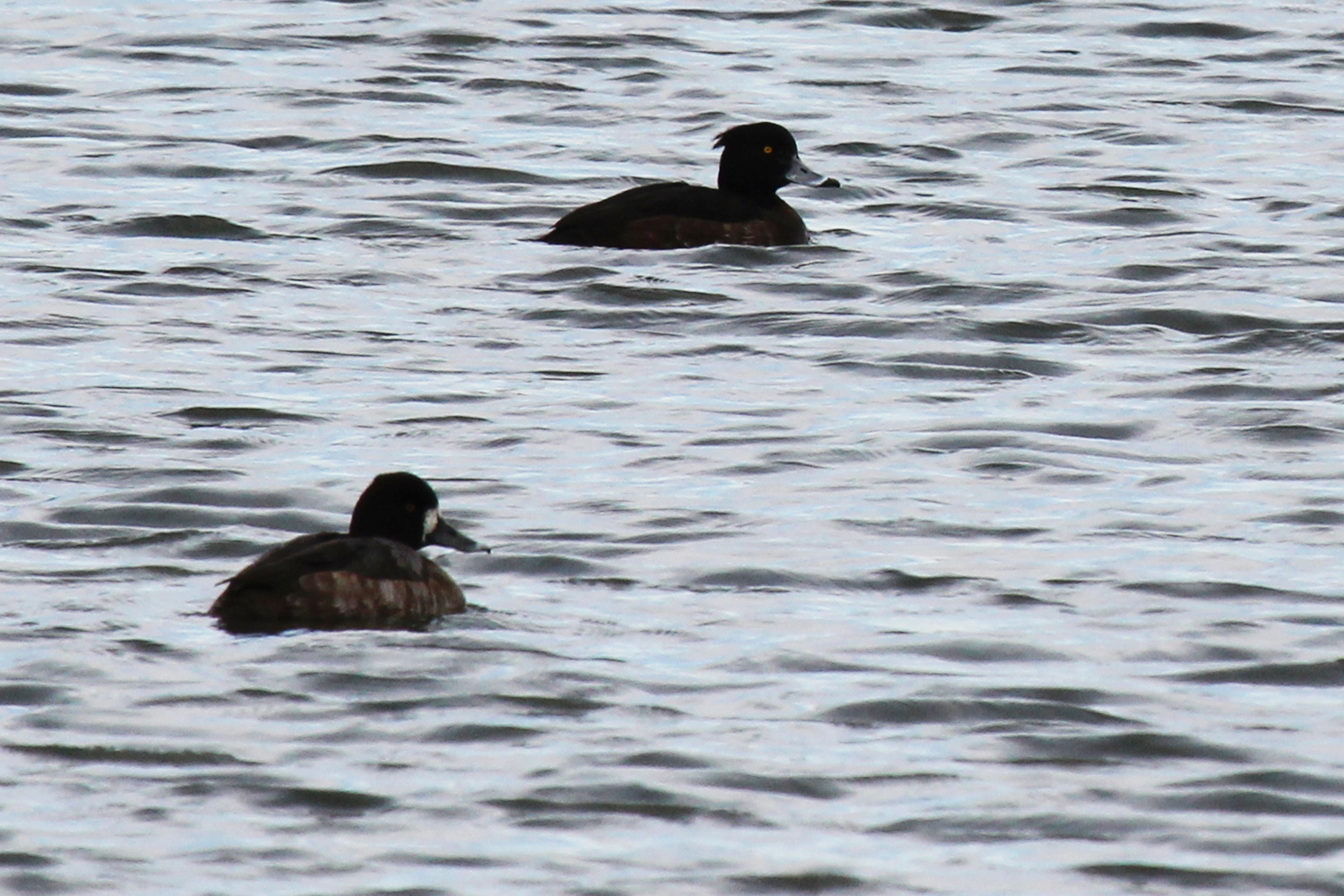
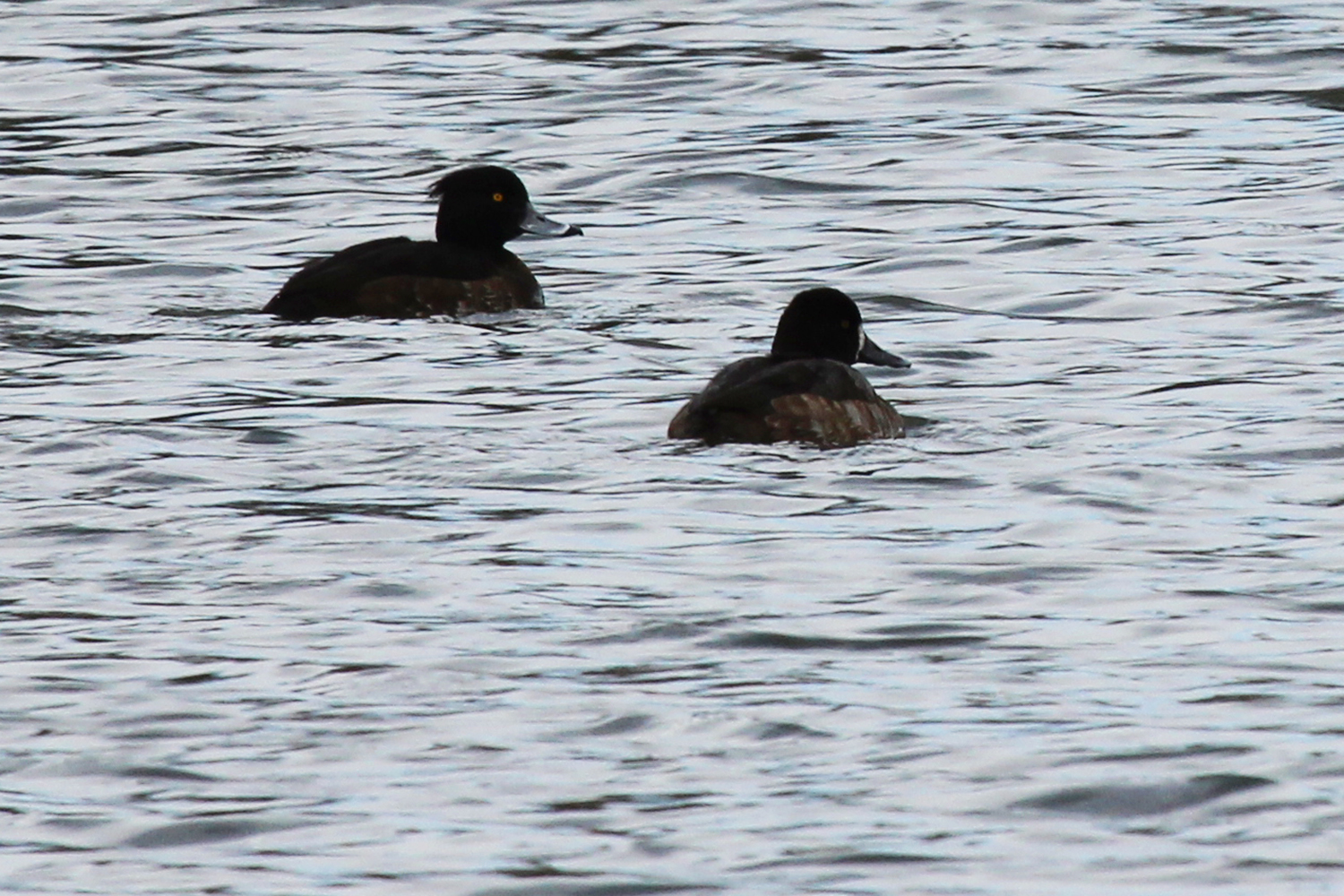
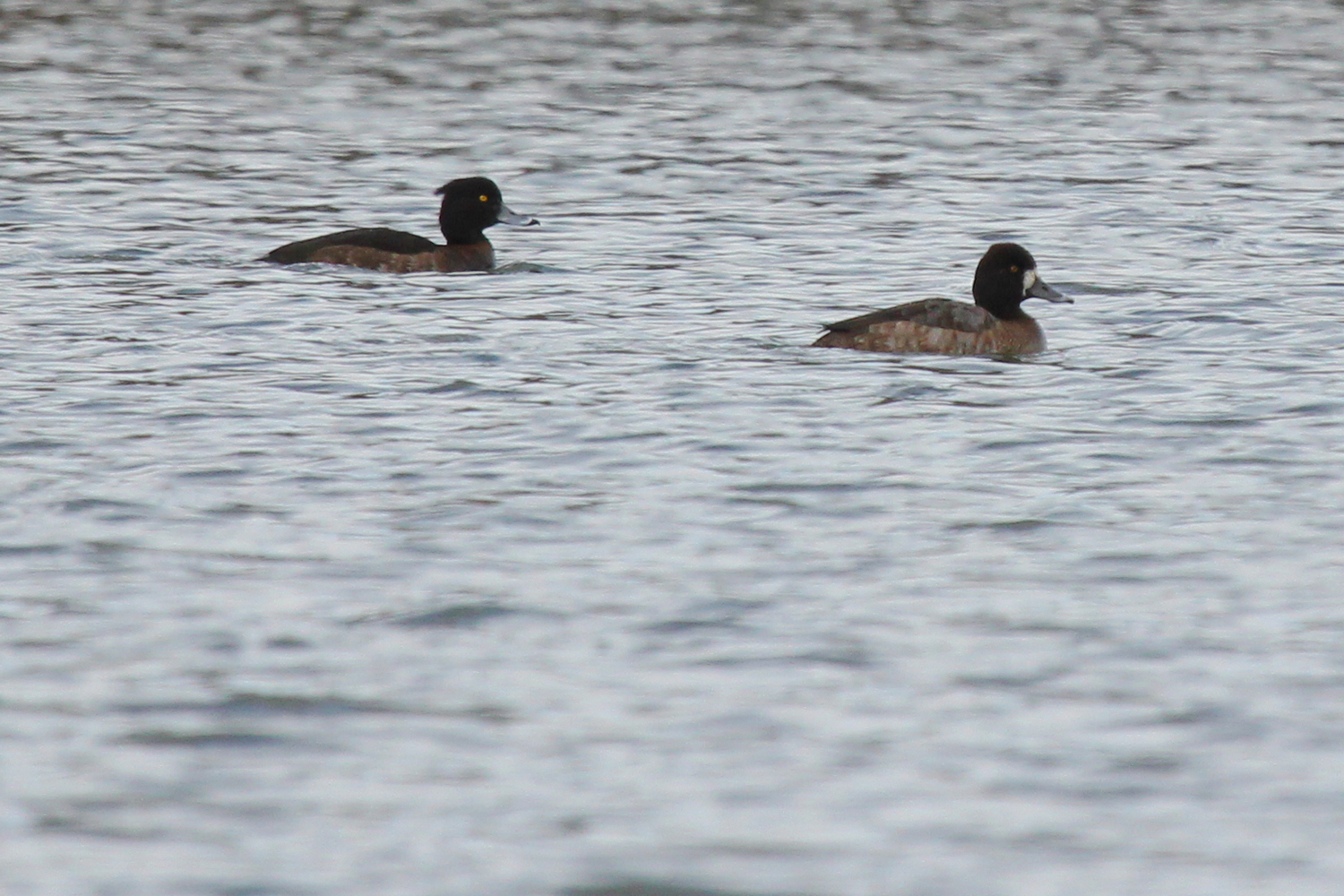
First off, the headliner: TUFTED DUCK! Found during the late morning hours on the lake behind Chartway Federal Credit Union’s headquarters on Cleveland Street on 19 Feb (ph. Andrew Baldelli & Tracy Tate), this represents the first ever record for the species in Virginia Beach. In fact, this is such a rare find that there are only three prior records in the state of Virginia as a whole, with one at Lake Anna in 1994, one at Chincoteague in 1996 and one in Fauquier County in 2006. So, it has been almost 13 years since one was observed in the state, but we were fortunate enough to have it show up here, and even more fortunate that birders checked this location, were able to find and identify it, and put the word out very quickly. It was observed again throughout the day on 20 Feb, so appears to be staying in the area (who knows just how long it’s been present, but simply unnoticed). Given how rare of a find this is, and the volume of birders who are likely to come to see it, please remember to be respectful of the property and anyone you encounter at this site. The grassed areas are marked with ‘no trespassing’ signs, so please do not wander across them.

Typically, in these journal entries, all the new rarities get run through prior to the unseasonal finds. However, this next one is such an incredible out-of-season record that it needs to be mentioned up here alongside the Tufted Duck. An incredible SANDWICH TERN was photographed from the beach at Back Bay NWR on 17 Feb (ph. June McDaniels), making for what appears to be the first winter record in Virginia for the species! Currently, eBird shows no prior winter records for this species north of North Carolina, making this one all the remarkable. With all the excitement of the Tufted Duck, many birders probably missed the initial eBird alert for this tern, but it is possible it might be lingering around Back Bay NWR, especially given gulls & terns often roost on the ‘north mile’ of the park. It certainly means we birders need to scrutinize every single Forster’s Tern we see along the coast, in the hopes that one will turn out to be a (the?) Sandwich Tern.

Back to the new rarities, a group of four AMERICAN WHITE PELICANS was observed flying past the Virginia Beach Fishing Pier at the Oceanfront on 11 Feb (vis. Jessica Klotz). This species has been difficult to catch in Virginia Beach so far in 2019, with all the reports so far being coastal, but with all the individuals being in flight and not lingering around. Last winter we were fortunate to have an individual set down on Sherwood Lakes, where it stayed for a little over 24 hours, allowing looks by many locals. While we’ve had no truly chase-able American White Pelicans yet this year, we still have some time to get lucky. Last year we had records going into May for this species.

RUSTY BLACKBIRDS, rare in Virginia Beach though more common west of us at places like Great Dismal Swamp, were reportedly heard at two locations this period during the Richmond Audubon Society field trip to Back Bay NWR and False Cape SP. Thus far, there still remains only one single photographic record for this species in the city (Stumpy Lake NA in 2017), so anyone hearing (or seeing) Rusties should try their best to document with a photo. It is truly remarkable that more photographs don’t exist, especially given the number of us here who take pride in photo-taking while out birding.

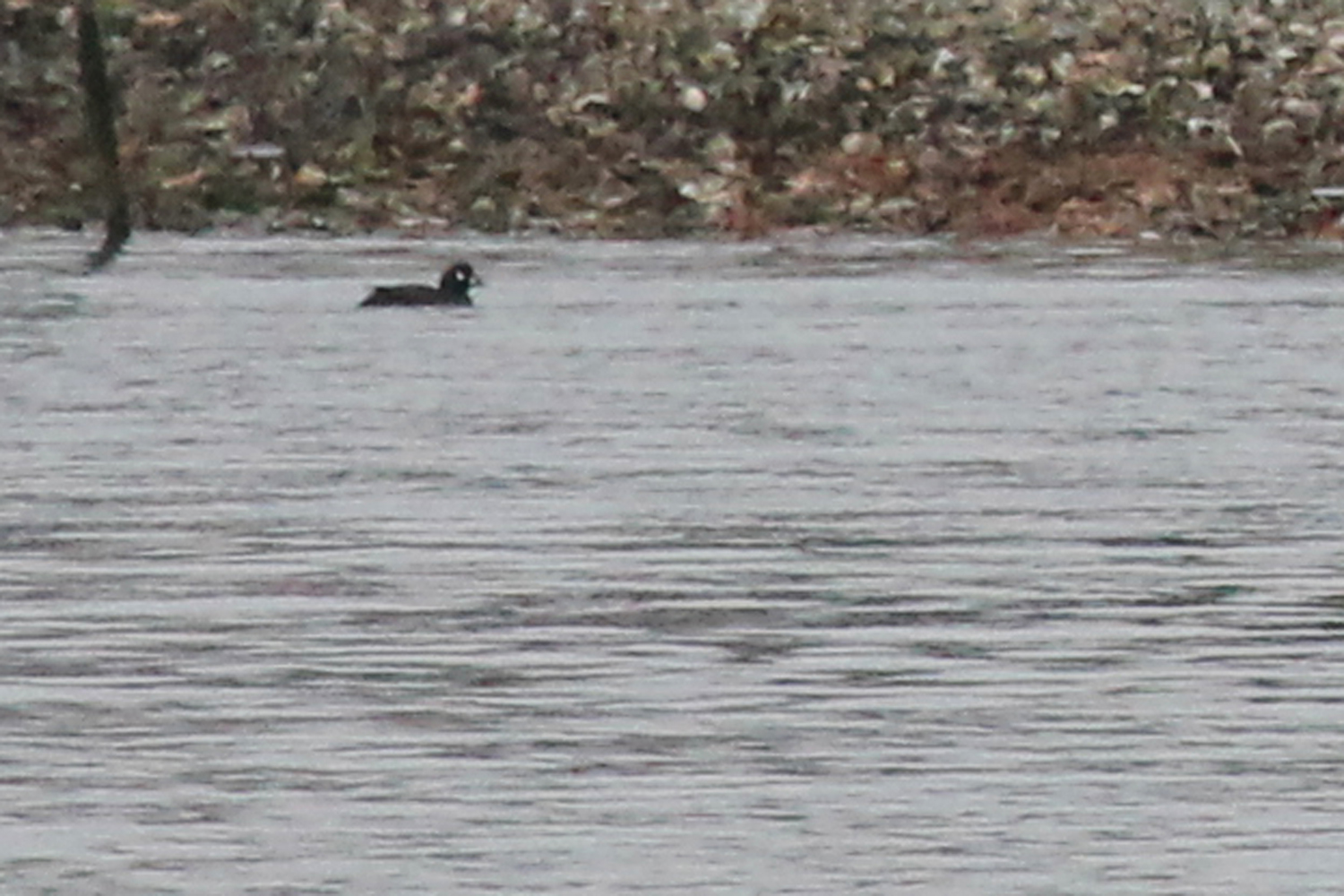
The immature male HARLEQUIN DUCK present since the Little Creek CBC on 31 Dec 2018 was logged quite a few times this period, with the most recent record occurring at Dockside Seafood & Fishing Center just before lunchtime on 20 Feb (vis. Rob Bielawski). This individual has been lingering along the bulkheads and piers along the north shore of Long Creek from Chic’s Oyster Bar and westward to Lynnhaven Inlet. It has also been observed foraging around the oyster reef and small island visible from behind Dockside. It will likely persist in the area for a while, until longer term warm weather sets in and it heads back north along the coast.

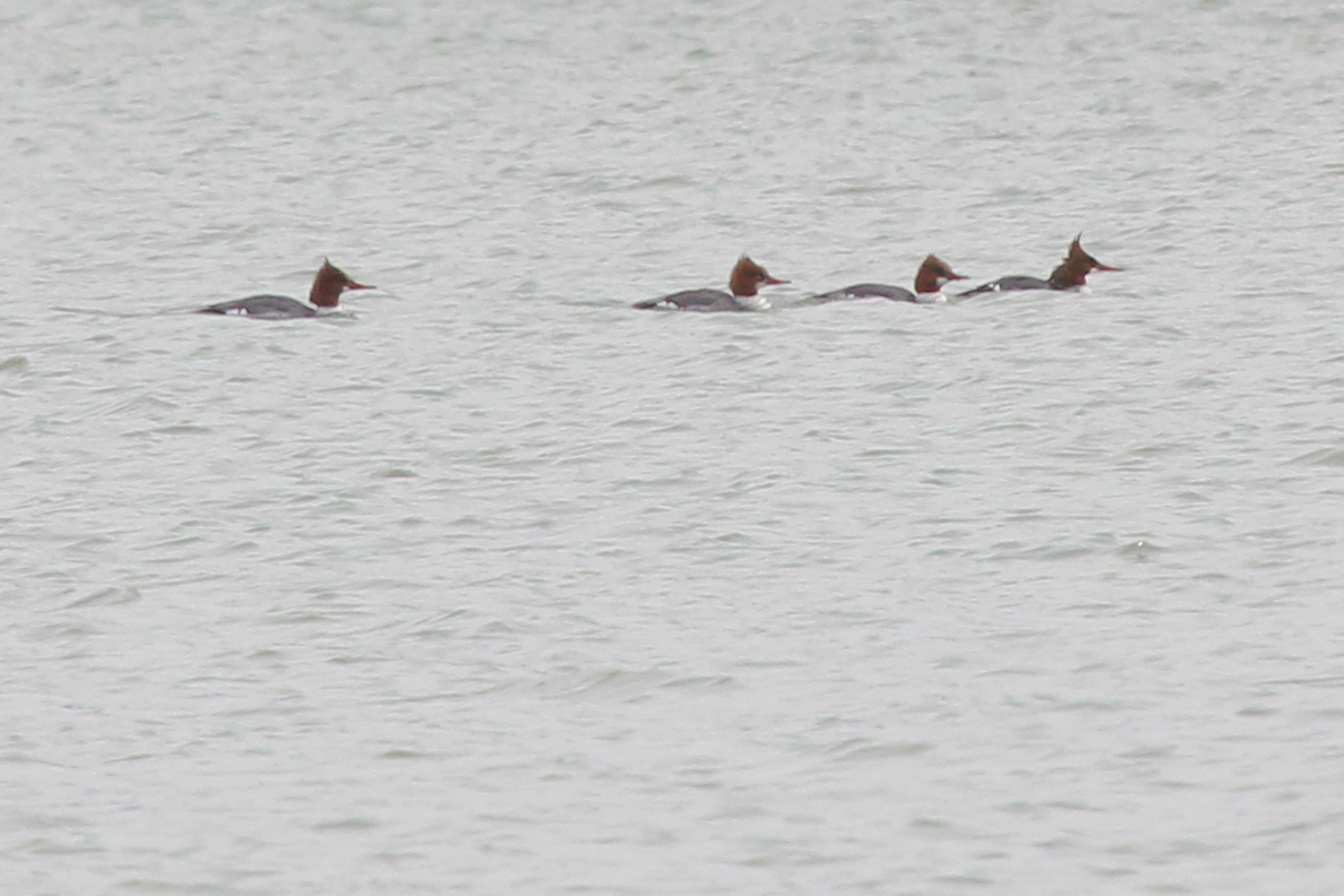
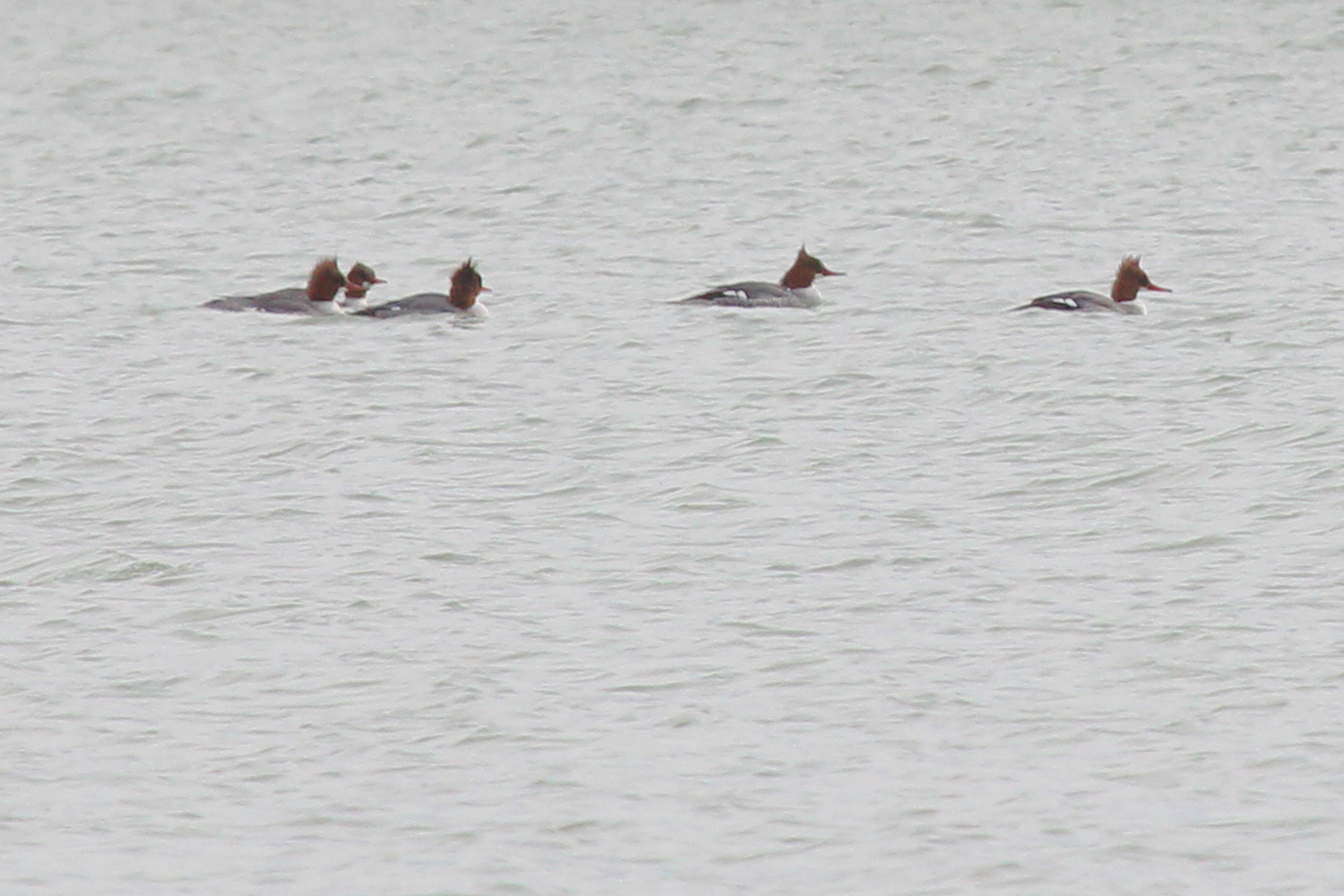
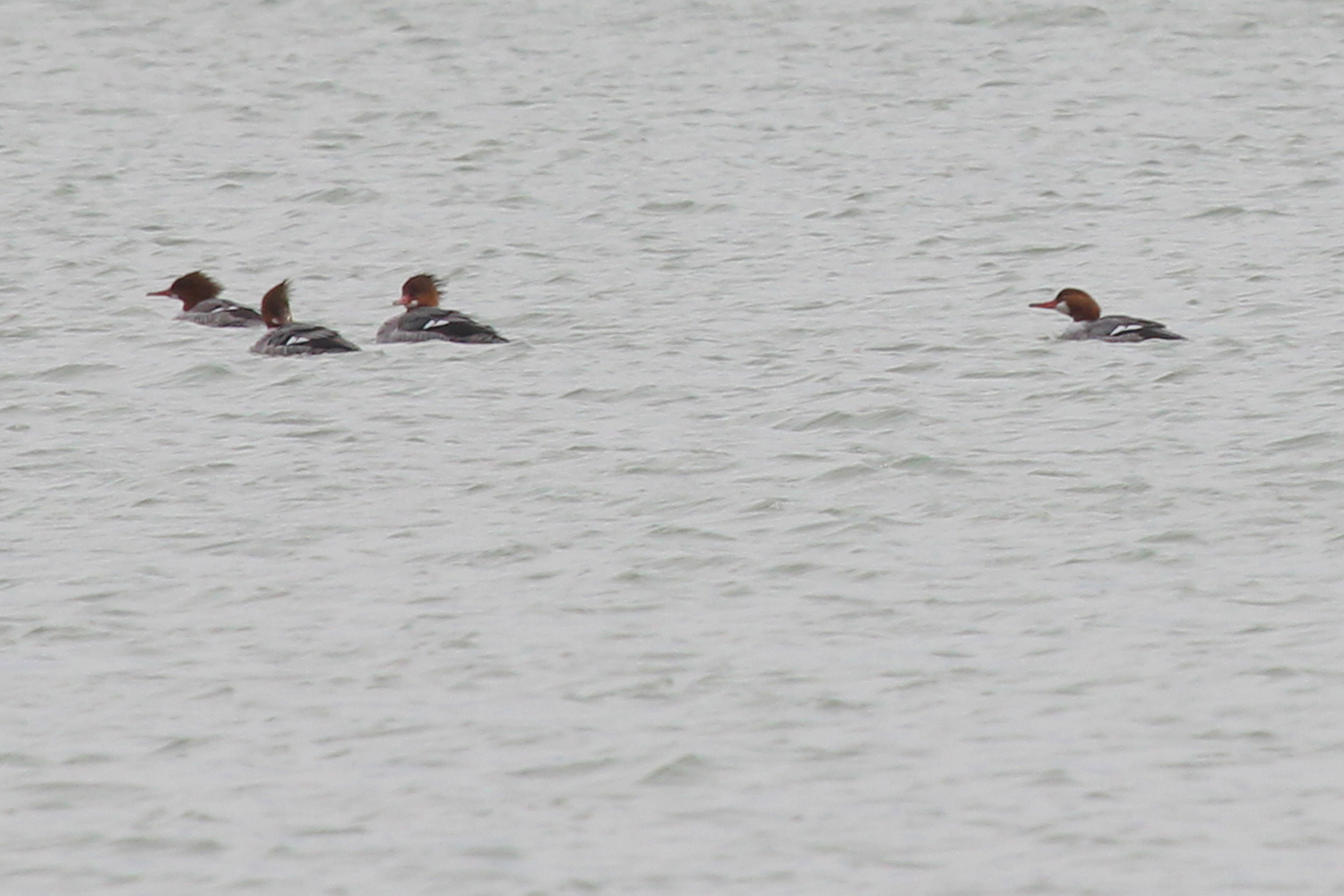
COMMON MERGANSERS continued at two separate location this period, around Lynnhaven Inlet and at Sherwood Lakes. Last period, a single female Common Merganser was noted on Pleasure House Creek, and this period, a group of three females was observed nearby at Lynnhaven Inlet on 11 Feb (ph. June McDaniels). Additionally, the group of female Common Mergansers at Sherwood Lakes persisted through at least 17 Feb (ph. Rob Bielawski, vis. Jacob & James Flynn, vis. June McDaniels). It’s likely that these Sherwood mergansers are still present, and that the ducks mentioned above perhaps have drawn more birders to different portions of the city, allowing these to go unnoticed for a couple of days. Certainly, still worth looking for into late February.

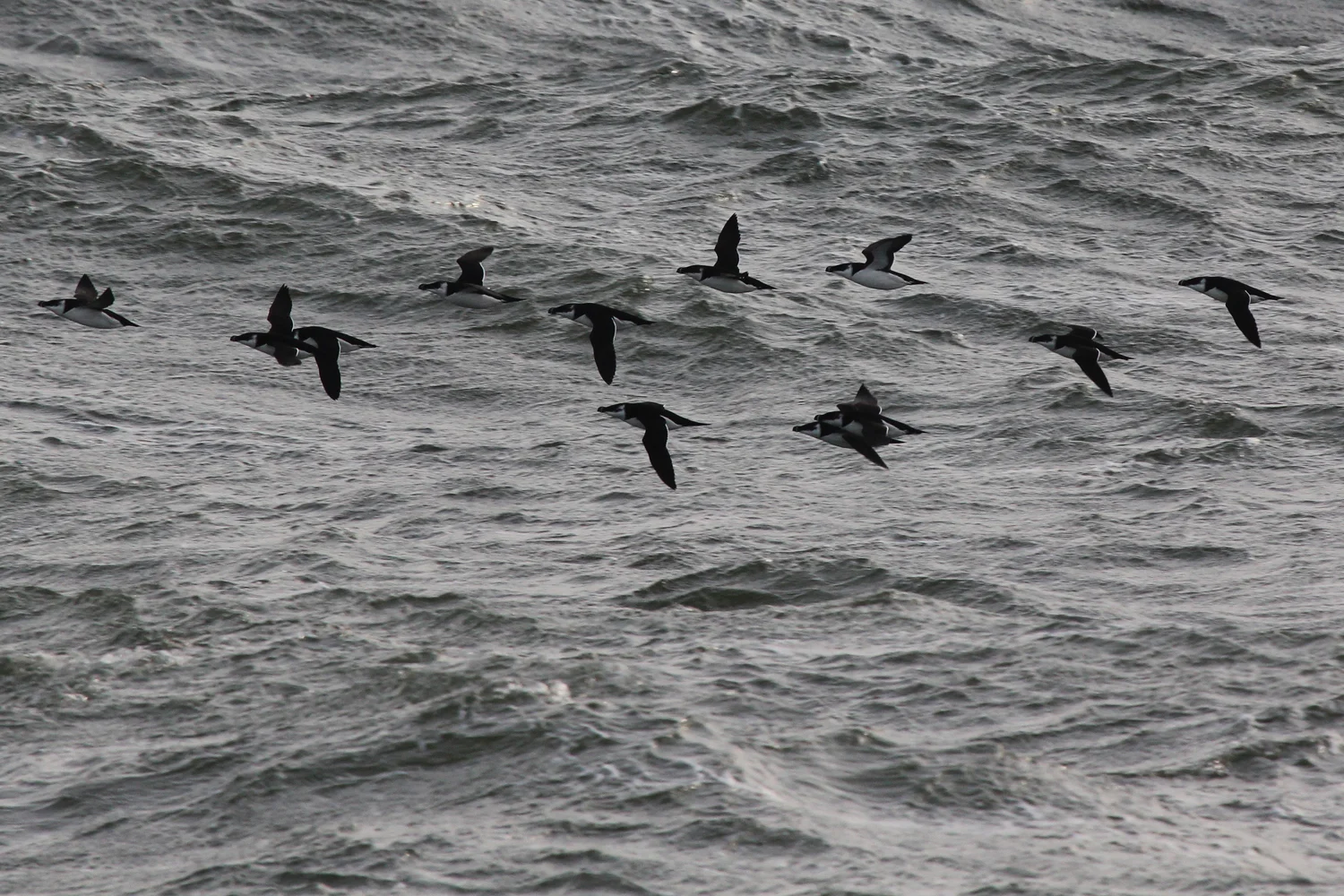
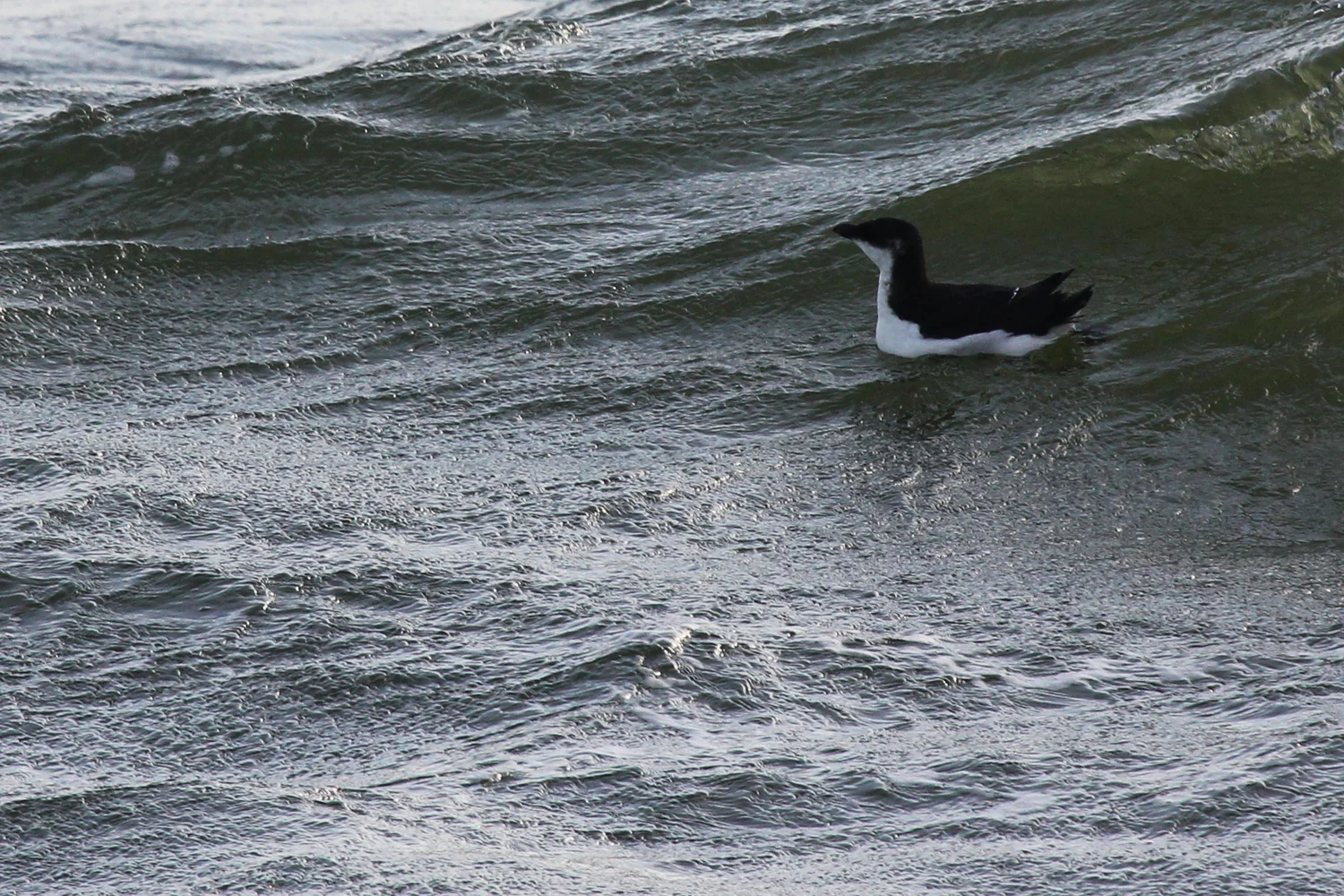
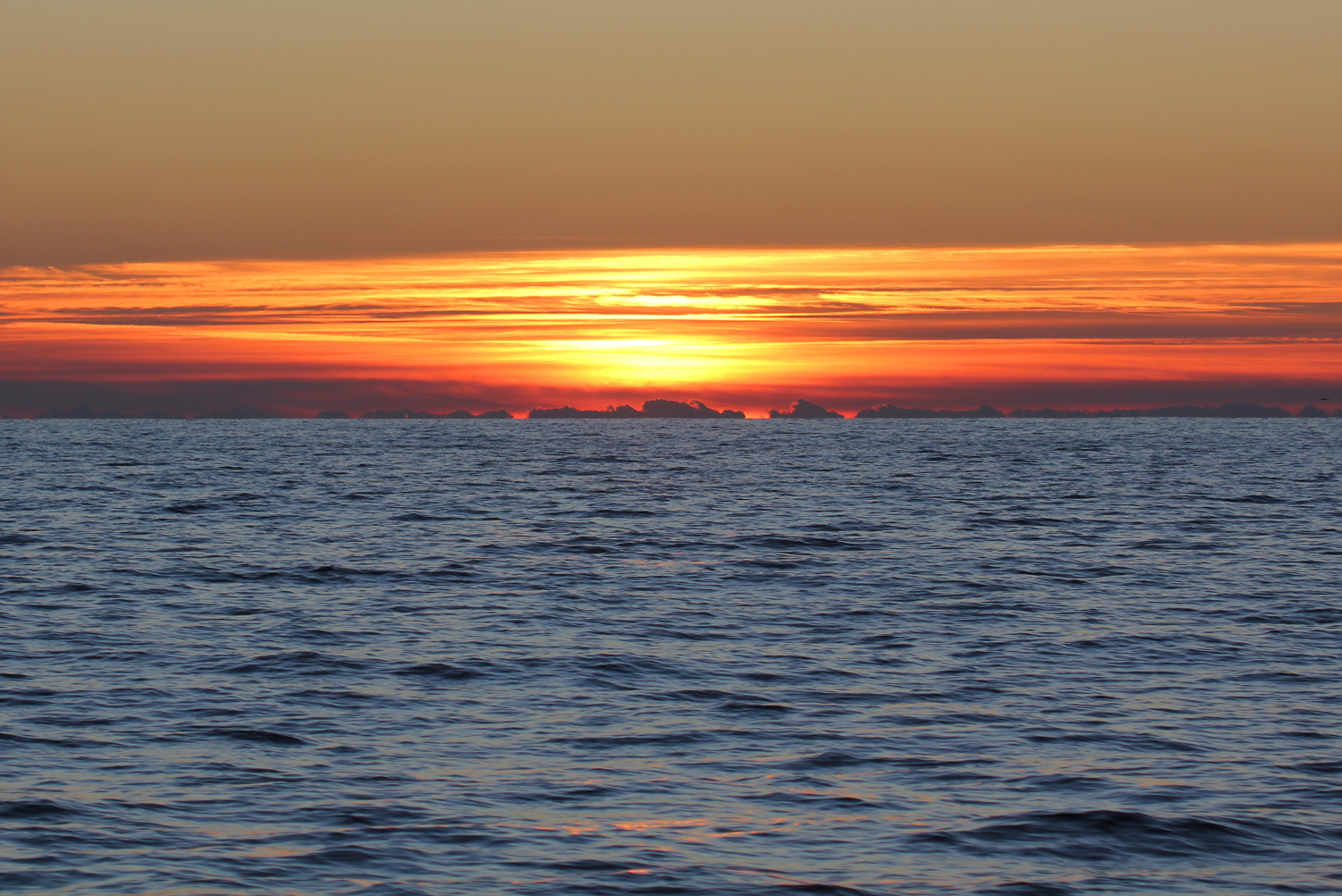
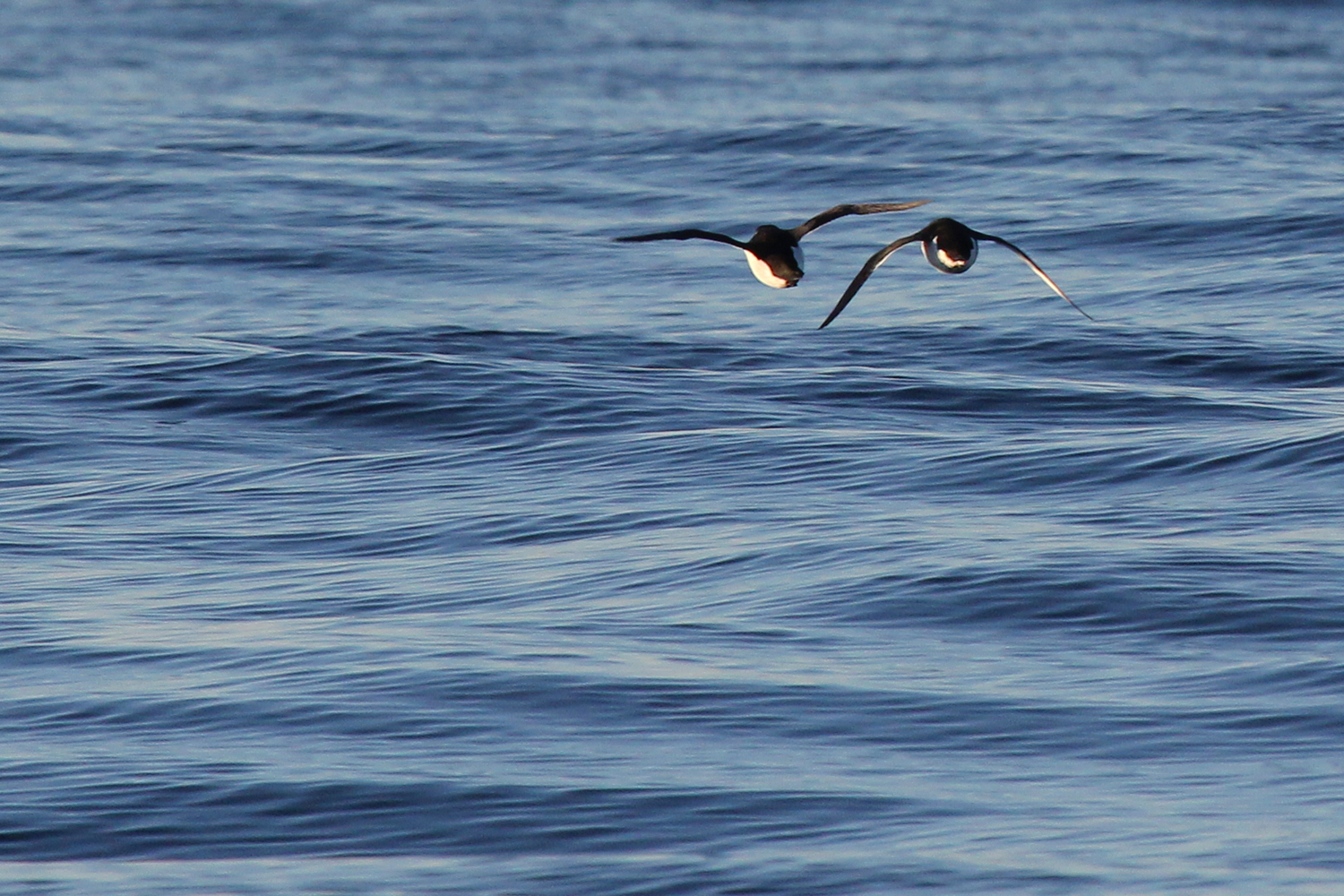
During a massive, record-setting, movement of Razorbills (7,000+ individuals) past Little Island Park on 19 Feb, an incredible four DOVEKIE were observed mixed in with the flocks (vis. Andrew Baldelli & Tracy Tate). Another individual was seen under similar, yet smaller scale, circumstances on 15 Feb at the same location (vis. Andrew Baldelli). With two prior individuals reported here in January, Little Island has solidified itself as the most reliable spot to attempt spotting this species. Though, it seems to require massive movements of Razorbills to provide the proper backdrop to picking one of these tiny alcids out, and mid-February is the peak season for those movements here on the coast. Changes still exist that heading into late February, one could be found though.

At least one continuing PAINTED BUNTING was recorded this period, with a female/immature type individual visiting a residential feeder in Kempsville on 15 Feb (ph. Teresa Conlon). Though it wasn’t reported again after this, it has been present for several months, so it could return. Elsewhere in the city, there are likely to be quite a few other Painted Buntings hanging around, though there have been none reported from publicly viewable locations this season.

In mid-February we had both a continuing, and a new record for BLACK-AND-WHITE WARBLER, making this a record-setting season for this species in Virginia Beach. According to eBird, there had only been two prior Jan/Feb records for the species here, but in 2019, these two months have provided at least four individuals being logged. Of course, there are probably records that exist and aren’t entered in eBird, but, there’s no way of knowing. A newly reported individual was found at Back Bay NWR on 14 Feb (ph. Cindy Hamilton & June McDaniels), while a continuing individual in Great Neck Estates was last logged on 18 Feb (vis. J.A.). Other individuals reported previously at Pleasure House Point NA and Stumpy Lake NA were not observed during this period, but are likely to still be present at their respective parks.

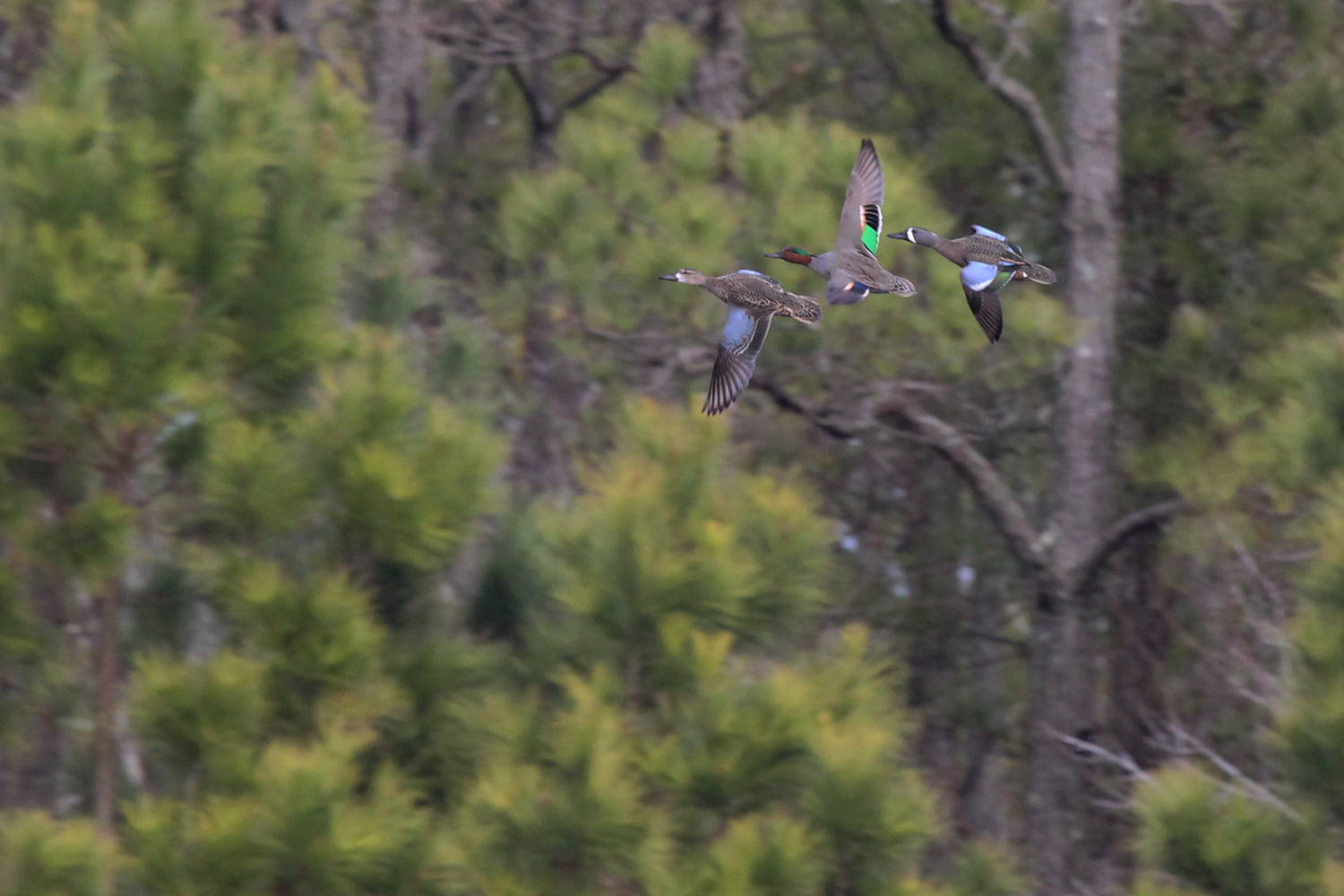
Another noteworthy species of waterfowl continued to be recorded this period, with BLUE-WINGED TEAL reports coming in from Back Bay NWR & False Cape SP during the impoundments survey on 15 Feb, as well as during the Hampton Roads Bird Club field trip to the park on 16 Feb. The latter outing also produced a record for five Blue-winged Teal at False Cape SP (ph. Andrew Rapp), the first to be recorded at the park this year. Additionally, a drake/hen pair was recorded at Princess Anne WMA’s Beasley Tract on 17 Feb (ph. Rob Bielawski), the first there since early January. With an expected spring arrival date of 5 Mar, we’re heading into the time when Blue-winged Teal reports will start to become not-noteworthy, though reports through 25 Feb will still get logged to the Noteworthy Observations Page on this website.

With an expected spring arrival date of 20 Feb, we had an early arrival for LAUGHING GULL when one was reported on the flats at Pleasure House Point on 15 Feb by a portion of the Richmond Audubon Society (vis. Kathy Louthan, Len Smock & Wes Teets). This species has a narrow window during most winters where they can’t be found, currently set as 10 Jan-20 Feb in eBird. During harsher winters, they’ll leave earlier and return later though, so year to year it is always interesting to see how they react to the weather. Another good example of this is Black Skimmer, typically departing 20 Jan and returning 5 Apr. This year, one skimmer did linger late, but there were no reports this period for this individual.

In addition to the Tufted Duck, Rusty Blackbird & Sandwich Tern mentioned above, AMERICAN WOODCOCK was also recorded this year for the first time in Virginia Beach. Three sightings came in during mid-February, with the first being logged at Back Bay NWR on 11 Feb (vis. Tracy Tate), one at Princess Anne WMA’s Beasley Tract on 17 Feb (vis. Rob Bielawski) and another at First Landing SP on 20 Feb (vis. J.A.). This could be a sign that the species is already on the move and more individuals are showing up here. This mid-to-late winter has been starkly different than last year’s with regard to Woodcocks. The heavy snowfall events of last Jan/Feb made this species a much easier target as the snow tends to push them to parking lot edges and any other open patches where they can continue to forage. With no snow so far this winter, they’re been much harder to find given their perfect camouflage.

Heading into late February, the coastline should continue to be watched closely for large-scale movement of Razorbills. Snow Geese should continue to move through in large numbers, with massive flocks descending on agriculture fields in southern Virginia Beach to forage. Outside of Laughing Gull, there are no other expected spring arrivals during this period, but starting in early March, we’ll have expected species arrivals each period through May. The Tufted Duck is certainly one not to miss, given there’s never been one logged in Virginia Beach before, so if you’re looking for a bird to go see, that’s the one!

For those hoping to view every photograph submitted for Virginia Beach during this period, please see the complete listing for the month of February located on eBird’s Media explorer by clicking here! Please remember, anyone with an eBird account also has the ability to rate these photographs (1-5 stars), and based on the average rating, this is how eBird populates anything media-driven on the website, particularly the Illustrated Checklists! So, if you're one of the many folks who enjoy looking at photographs of birds, take some time to click them all and rate them, it helps make eBird better and better each day!

Next Entry | Entry Index | Previous Year | Previous Entry

For further information regarding this thrice-monthly, online publication, please visit the Journal Overview Page which provides an in-depth explanation of the format, layout and composition of the journal. As always, thank you for reading, and please leave me a comment below (you may use your Facebook, Gmail or other accounts to easily do so), or just click the Heart icon to the lower right of this post to let me know you stopped in!

Early February 2019 (1st-10th)

Record-setting heat arrived in early February across southeast Virginia, which made this a rather interesting first period for the late winter season. Early on, frigid temperatures in the Midwest and Northeast states continued to push waterfowl into much of Virginia, and while we did benefit a bit here on the coast, it seemed to be the drastic rise and drop of temperatures later in the period that really boosted our sightings locally. All told, the Early February period produced a total of 153 species reported to eBird in the city, including two additions to the Virginia Beach calendar year list which now sits at 173 species! Most reports this period originated along the immediate coast, with the Williamsburg Bird Club’s boat trip to the islands of the Chesapeake Bay Bridge-Tunnel greatly aiding in the number of lists submitted. Highlights this period across the city included new rarity records for COMMON MERGANSER, AMERICAN WHITE PELICAN, PAINTED BUNTING, PURPLE FINCH & LINCOLN’S SPARROW continuing rarity records for HARLEQUIN DUCK, WESTERN GREBE, PARASITIC JAEGER, BLACK-HEADED GULL & SNOW BUNTING, new unseasonal records for BLUE-WINGED TEAL, continuing unseasonal records for BLACK-AND-WHITE WARBLER, late records for lingering BLACK SKIMMERS, first-of-year records for BLACK-BELLIED PLOVER and interesting records for SNOW GOOSE, BRANT, WHITE-WINGED SCOTER, RAZORBILL & ORANGE-CROWNED WARBLER!

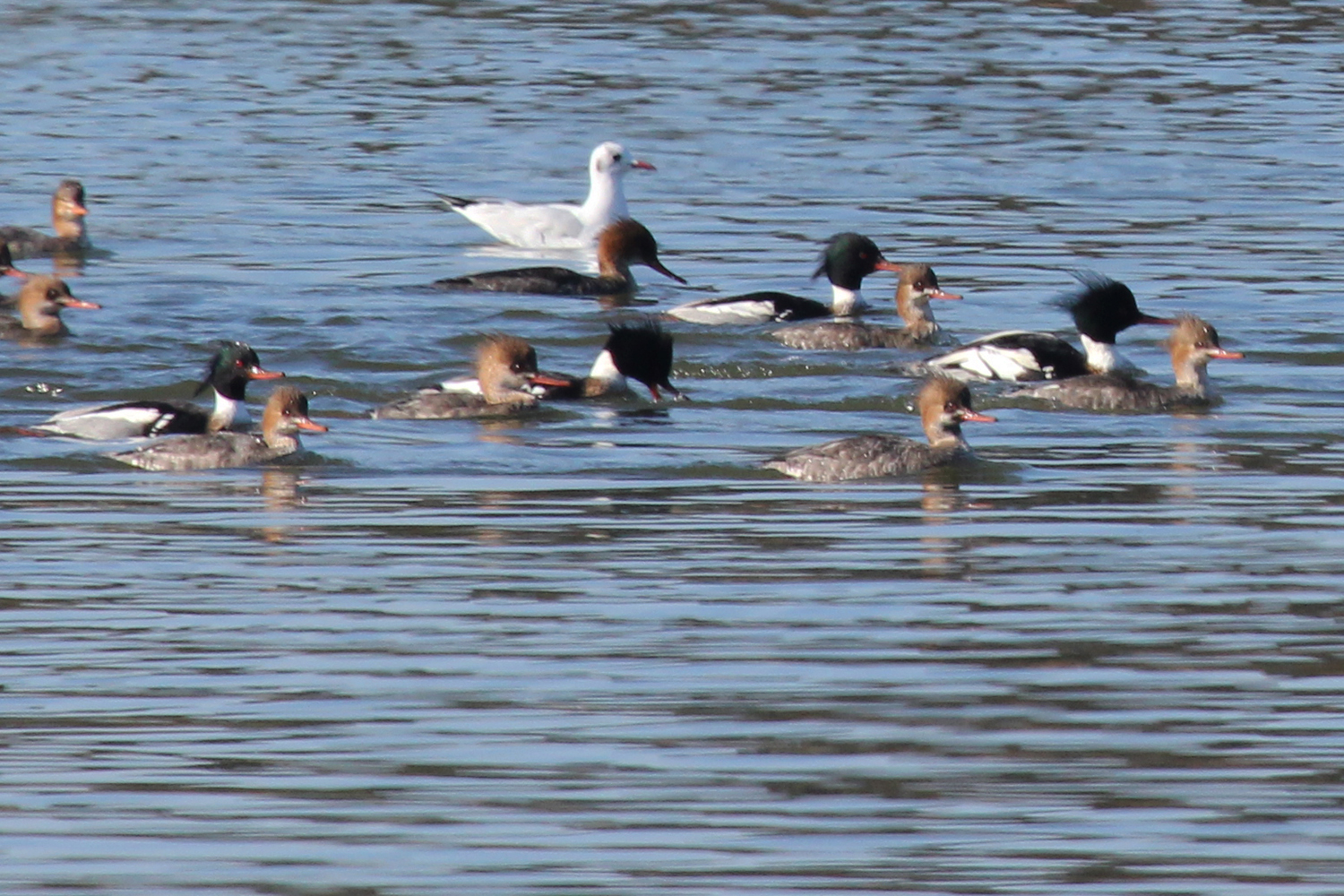
Kicking things off, we notched our fourth location of the year (and fifth for the winter season) to produce a record for COMMON MERGANSER when a single female was observed with a group of Red-breasted Mergansers at Pleasure House Point NA on 2 Feb (ph. Rob Bielawski). This group of mergansers was observed foraging along Pleasure House Creek, moving upstream into the portion of the creek that sits just south of Shore Drive and east of the Bayville Golf Club. Also relating to Common Merganser, Sherwood Lakes continued to support a group of all females with a peak count of ten being observed this period with the last records appearing on 10 Feb (ph. Nancy Barnhart [7], vis. Tommy Maloney [6]). This group was originally found back on 27 Jan (ph. Prashant A.), with the most recent record occurring 5  Feb (vis. Robert Ake). With other records of single females last period occurring at Little Island Park on 22 Jan (vis. Andrew Baldelli) and on the North Landing River on 26 Jan (ph. Steve Coari & Laura Mae), all waterways seem worth checking for this species, though they tend to prefer clear, freshwater as opposed to brackish/saltwater (the Pleasure House Point individual being an obvious exception)!

Only the second record for the year, a pair of AMERICAN WHITE PELICANS were photographed in flight from Rudee Inlet on 2 Feb (ph. Greg Moyers, vis. David Bridge, Paul Sumner & Matt Wangerin). Back on 20 Jan, a flock of 15 American White Pelicans was observed at Back Bay NWR (ph. Keith Roberts, vis. Clark Olsen), and likely this same group was then later viewed from Rudee Inlet the same day (vis. Tracy Tate). It is possible some of them may have set down on Lake Rudee or another body of water nearby, but it seems more likely that this more recent pair might be separate individuals, perhaps moving from Pea Island NWR in NC to Blackwater NWR in MD, or to Hog Island WMA in Surry County, VA. These are the three locations nearest to us that seem to hold the species as residents rather than catching birds solely passing through like we’re accustomed to.

While there are several known locations (all at private residences) where PAINTED BUNTINGS have been observed this year so far, a new location did pop up during early February when a female/immature type bird was logged in Lynnhaven on 2 Feb (ph. Catherine Johnson). Another female/immature was observed at a private residence in Kempsville on 3 Feb (ph. Teresa Conlon). Though this individual has likely been present since it’s first report date of 7 Nov 2018, it hadn’t been observed since 15 Dec 2018 so it was nice to see another report come in from this location. Adult males have been harder to find in the city, though several are present in at least one undisclosed location in central Virginia Beach. Unfortunately, there are just no public locations known where this species winters in the city.

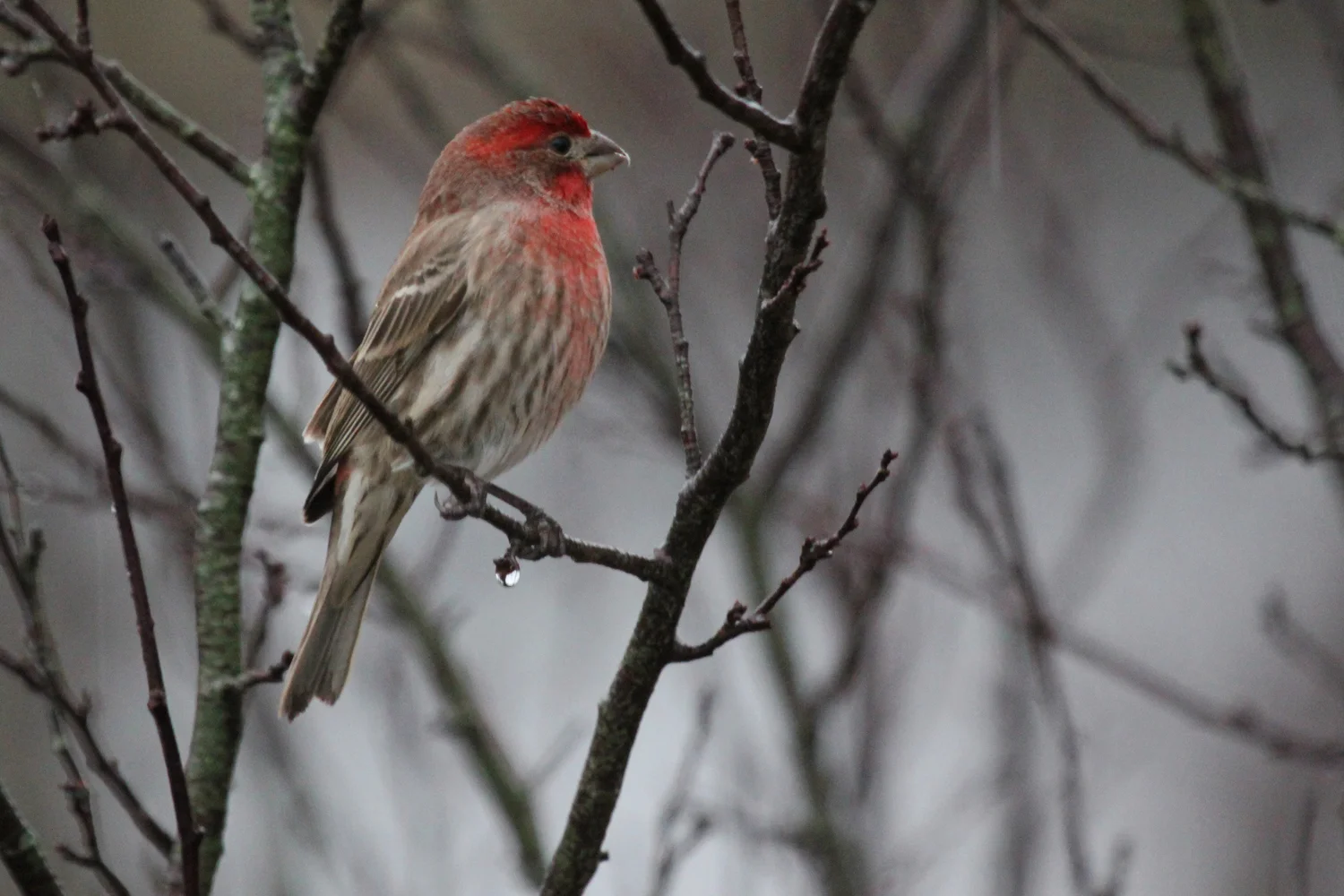
Following suit with Painted Buntings, PURPLE FINCHES were picked up at a new location, found again at a continuing location, and unfortunately not observed anywhere on public property this period! A private residence in Laurel Cove had recently been visited by a male Purple Finch back on 27 Jan, but this period yielded a female visitor on 4 Feb (ph. Loretta Silvia). Two additional records of ‘new’ Purple Finches occurred during early February, with single males being photographed at First Landing SP on 8 Feb (ph. June McDaniels) and at a private residence in Larkspur on 10 Feb (ph. Steve Myers). As far as continuing Purple Finches go, a group of three was reported in South Shore Estates on 4 Feb (vis. James Marcum), and individuals have been observed off-and-on at that residence dating back to 28 Nov 2018. It really has been a banner season for Purple Finch in Virginia Beach, though records on public land have been very difficult to come by. The upcoming Great Backyard Bird Count might help ferret out some additional reports next period.

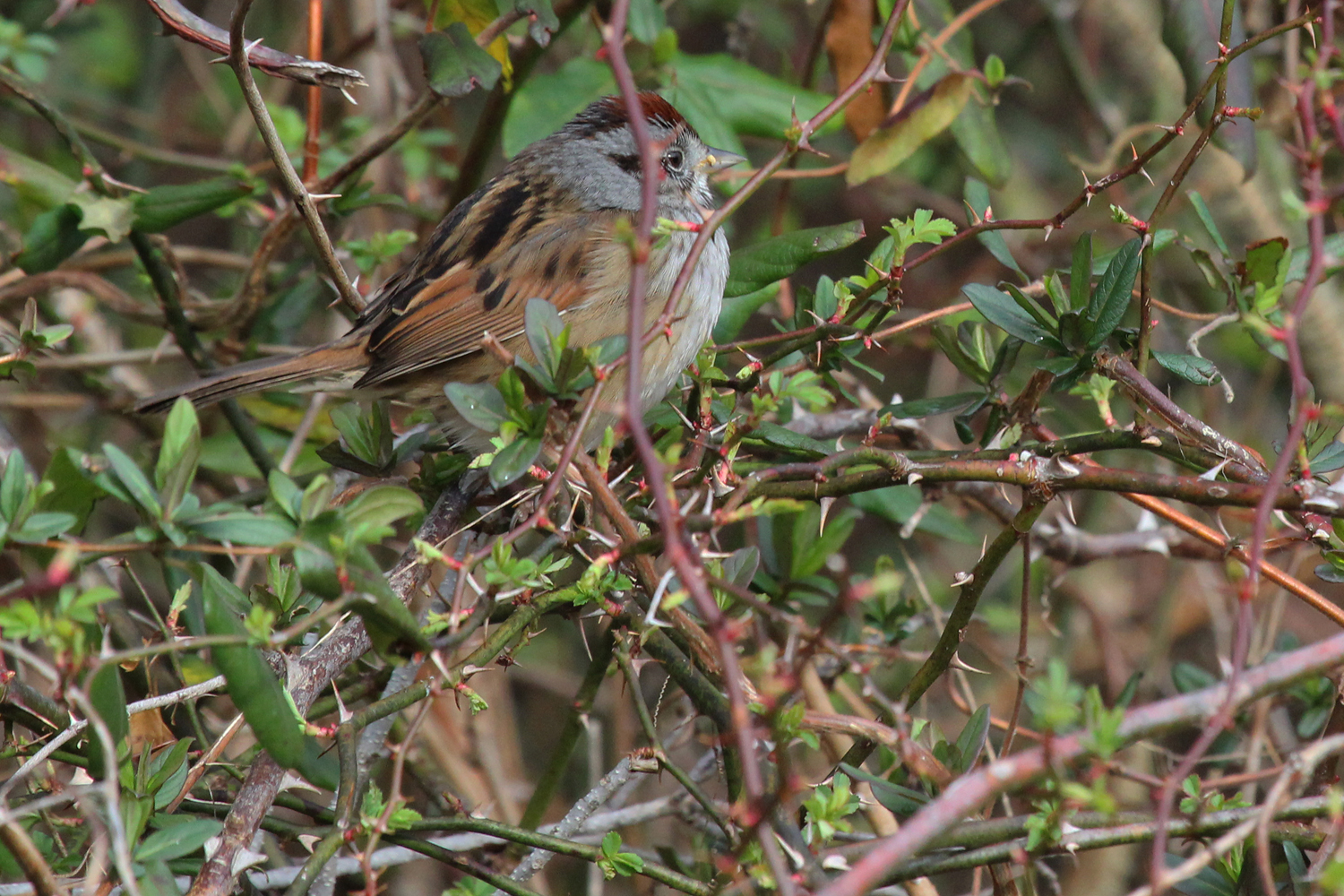
We added our 13th species of sparrow (not including Eastern Towhee, but including Dark-eyed Junco) for the calendar year this period when a single LINCOLN’S SPARROW was discovered at Princess Anne WMA’s Whitehurst Tract on 10 Feb (ph. Rob Bielawski). Winter records for this species throughout Virginia area difficult to come by, though wintering individuals are slightly more expected to occur here in the southeastern portion of the state (like with most species) due to our milder climate during Dec-Feb. However, there has only been one other individual noted in the city this winter season, that being the single bird found at Taste on Shore Drive from 3-14 Dec 2018 (vis. Andrew Baldelli; later photographed on 8 Dec, ph. Rob Bielawski, Lisa Rose & Jason Strickland). Aside from these two records, the last one known in the city was way back on 9 Jan 2018 at Ashville Park (ph. Mary Catherine Miguez). Surprisingly, none were found here during fall migration, which is typically the peak movement for this species (early October specifically).

The immature male HARLEQUIN DUCK lingering around Lynnhaven Inlet since at least 31 Dec 2018 (Little Creek CBC) was again observed this period, on 3 Feb (ph. Andrew Rapp & Matt Wangerin, and observed by a great many others on the Williamsburg Bird Club boat trip), also on 7 Feb (vis. Sahas Barve, William Muhic & Russell Winter; later vis. Cindy Hamilton) and then extensively photographed on 10 Feb (ph. Prashant A.). This has been a hit-or-miss bird for many, though it seems to move into Long Creek with the incoming tide, then probably moves out as the tide falls. It has mostly been observed from the creekside of Dockside Restaurant, and other adjacent properties as it forages along the hardened/bulkhead shoreline and offshore tidal reefs. Interestingly, despite the Williamsburg Bird Club boat trip heading out to the four islands of the Chesapeake Bay Bridge-Tunnel (two in Virginia Beach, two in Northampton), this was the Harlequin Duck to get logged. Typically, it is the reverse, with most boat trips finding at least one around the islands, but not seeing any inshore. In fact, aside from this individual, there is only one other report so far this winter season in the state as a whole, with two observed on North Chesapeake Island of the CBBT in Northampton on 26 Dec 2018 (vis. Edward Brinkley) during an annual Boxing Day seawatch. That said, there was also a single record at Little Island Park on 9 Nov (vis. Tracy Tate), and an individual logged from 10-13 Nov at Rudee Inlet (ph. Mark Sopko, Stuart Sweetman & Elizabeth Wilkins as part of a Hampton Roads Bird Club outing) though these would both be considered fall records by ornithological journals, but still should be counted as part of this ‘winter season’.

The miraculous WESTERN GREBE first found at Back Bay NWR way back on 3 Dec (ph. Diane Hinch & Maggee Smith; later ph. Charlie Bruggemann) was again observed this period from the Little Island Park pier on 5 Feb (ph. Dixie Sommers). Given there has not been a single other Western Grebe reported on the entire East Coast since this one, it seems ‘reasonably’ safe to assume this is the same individual moving along the coastline. Also, it seems pretty likely that this could be the same bird that has been found near here the past pair of winters. Of course, it is difficult to say for certain and maybe we even have more than one present in the area. However, we’ll never know until more than one gets observed at the same time (or very near to it). This ‘individual’ was observed at Back Bay NWR only from 3-6 Dec, then was first picked up at Little Island Park during the Back Bay CBC on 29 Dec, lingering into this period with only one other record, back on 5 Jan.

A single PARASITIC JAEGER was noted harassing gulls off the Little Island Park pier in the late morning of 9 Feb (vis. Robert Ake). A first at this location dating back to 5 Jan when another individual was noted, the only other record(s) so far in the city this year have been a single jaeger viewed from the VA Aquarium Whales & Wildlife boat trips offshore of the oceanfront resort area in mid-and-late January (see those entries for more information). As we get closer to spring, this species could start popping up along the coast with more frequency, given that most records occur during transitional months and individuals in true winter are tougher to observe. Though, the fall migration in early November seems to still be the best time of year to observe jaegers from shore with 2017’s migration standing out as the season to beat in terms of sheer numbers of jaegers that passed by our coastline.

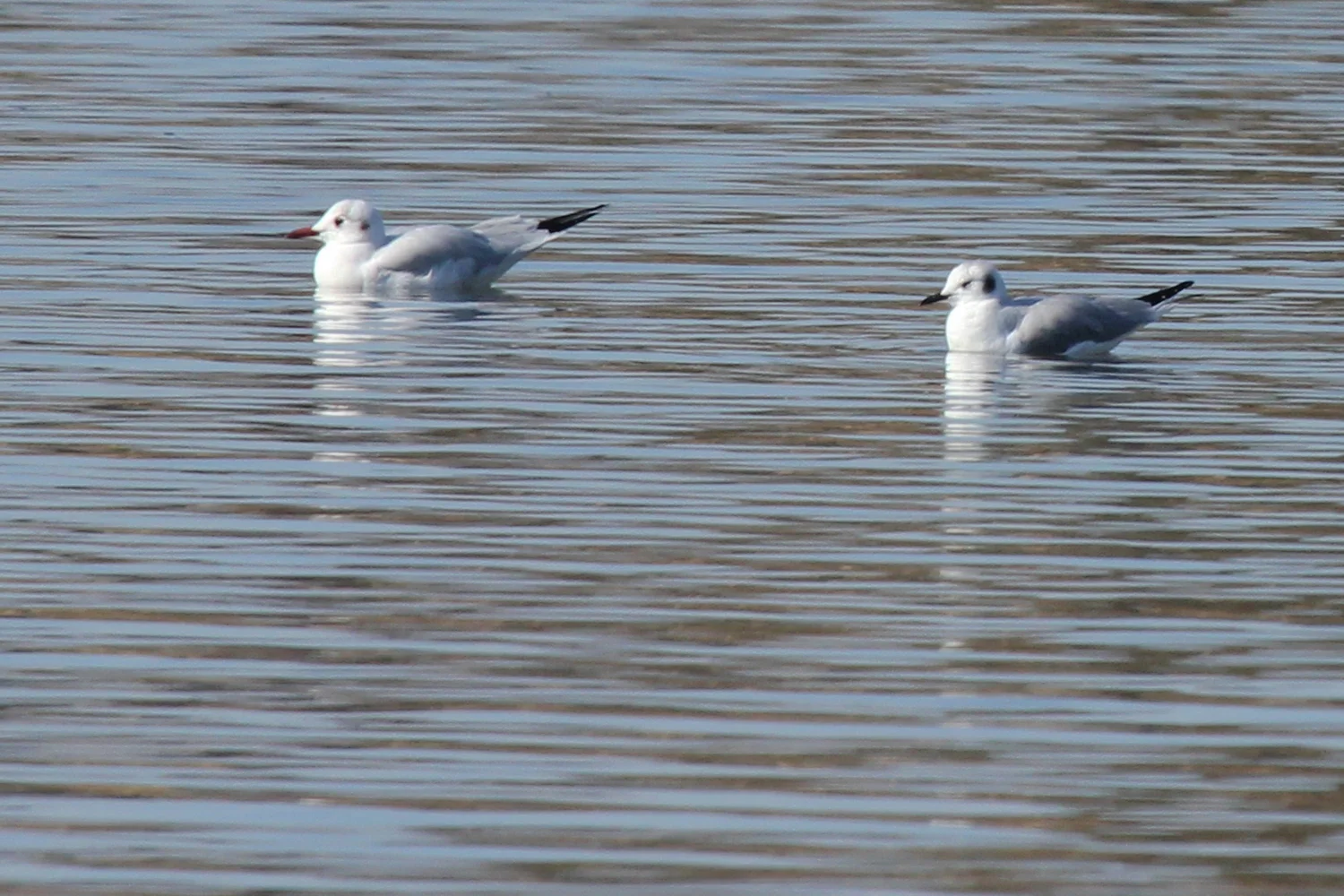
An adult BLACK-HEADED GULL, likely the same individual that had been reported on the Lynnhaven Inlet tidal flats on 13 Jan (vis. Andrew Baldelli), was observed at Pleasure House Point NA on 2 Feb (ph. Rob Bielawski; later ph. Steve Myers). This individual was observed dip-feeding with a group of five Bonaparte’s Gulls over the same school of fish that the Common Merganser female & Red-breasted Mergansers mentioned earlier were chasing/feeding on along the upstream tidal reaches of Pleasure House Creek. A separate report at Rudee Inlet on 4 Feb (vis. Tom Beatty) could pertain to this same individual if it is moving around with the tide cycle between the Lynnhaven Estuary and the inlet; or we could have more than one present in the city, which wouldn’t be that out of the ordinary for southeast Virginia in terms of recent years’ records.

Last of the continuing rarities, the small flock of SNOW BUNTINGS that took up residency starting on 12 Dec 2018 (ph. Stephen Keith) on the dune/beach line of the oceantfront’s north end was again picked up this period starting on 2 Feb (ph. Allen Bryan) after an absence of almost a month! The peak count for the flock this winter was 16 back on 26 Dec (ph. Susan Remmie), with a peak of 14 observed this period from 4 Feb (ph. Andrew Baldelli & Cindy Hamilton) through 5 Feb (vis. Cathy Williamson). Reports thus far have all ranged from 88th to 82nd Street, though the same habitat continues south to 58th Street so there is a good chance they’re using that whole stretch of vegetated dunes and being missed frequently as a result.

We had a pair of unseasonally-occuring species noted again this period, with BLUE-WINGED TEAL leading things off since they were reported from a new location for the year. Three individuals were first observed at Little Island Park on 1 Feb (vis. Andrew Baldelli), with additional reports for two individuals on 4 Feb (vis. James Marcum) and on 5 Feb (vis. Andrew Baldelli). Previously, the only other winter records in the city occurred at Back Bay NWR on 29 Jan (vis. Robert Ake) & 2 Dec 2018 on the Virginia Society of Ornithology outing, and at Princess Anne WMA’s Beasley Tract on 6 Jan (ph. Rob Bielawski). The species is likely present each winter somewhere around Back Bay, but getting to them is likely the problem.

Two separate records for continuing BLACK-AND-WHITE WARBLERS popped up this period, with singles at Pleasure House Point NA and in Great Neck Estates. The former was first observed back on 6 Jan off of Dinwiddie Drive (ph. Nathaniel Abrahams, Logan Anderson, Carson Lambert, Andrew Rapp, Garrett Rhyne, Sam Simon & Robert Wood) and then amusingly found by two members of the same group again on 3 Feb following the Williamsburg Bird Club boat trip (ph. Carson Lambert & Andrew Rapp). The Great Neck Estates individual was observed first on 11 Jan (vis. J.A.) and then re-found at the same site on 5 Feb (vis. J.A.). A third wintering individual that had been recorded throughout January at Stumpy Lake NA ended up being reported right at the close of the period on 10 Feb (ph. Reuben Rohn), so we still have at least three Black-and-whites being seen within the city this winter which is quite remarkable!

As mentioned in the late January journal, with an expected departure date of 20 Jan in an average year, lingering BLACK SKIMMERS managed to continue to best the eBird filters this season. Though wintering is rarely observed in the state, Lynnhaven Inlet tends to be the most expected site for this to occur. A single individual has persisted at the inlet, visible from Pleasure House Point NA through at least 9 Feb (vis. Anonymous), though the last photo record (thus far) occurred on 7 Feb (ph. Cindy Hamilton). This is the only Black Skimmer still being reported in the state as a whole, and thus far Virginia Beach & Norfolk are the only cities/counties with records in Virginia during 2019. Perhaps given the unseasonal heat we experienced in early February we’ll see this individual linger all the way through to the spring season?

Having logged 171 species in Virginia Beach to eBird during January, there wasn’t much left out there in the city to be added during early February. However, a single BLACK-BELLIED PLOVER observed on the tidal flats where Long Creek hits the Lynnhaven on 4 Feb (vis. Andrew Baldelli) did provide a first-of-year record, for species #172 on the year in the city and the Lincoln’s Sparrow mentioned in more detail above provided a second new species this period, allowing us to close out with 173 species on the calendar year in Virginia Beach. Black-bellied Plover is similar to Willet (which also showed up on that particular checklist), in that it is a common species during winter both north and south of Virginia Beach. However, finding one within the city is quite a struggle, so anytime one pops up it is exciting.

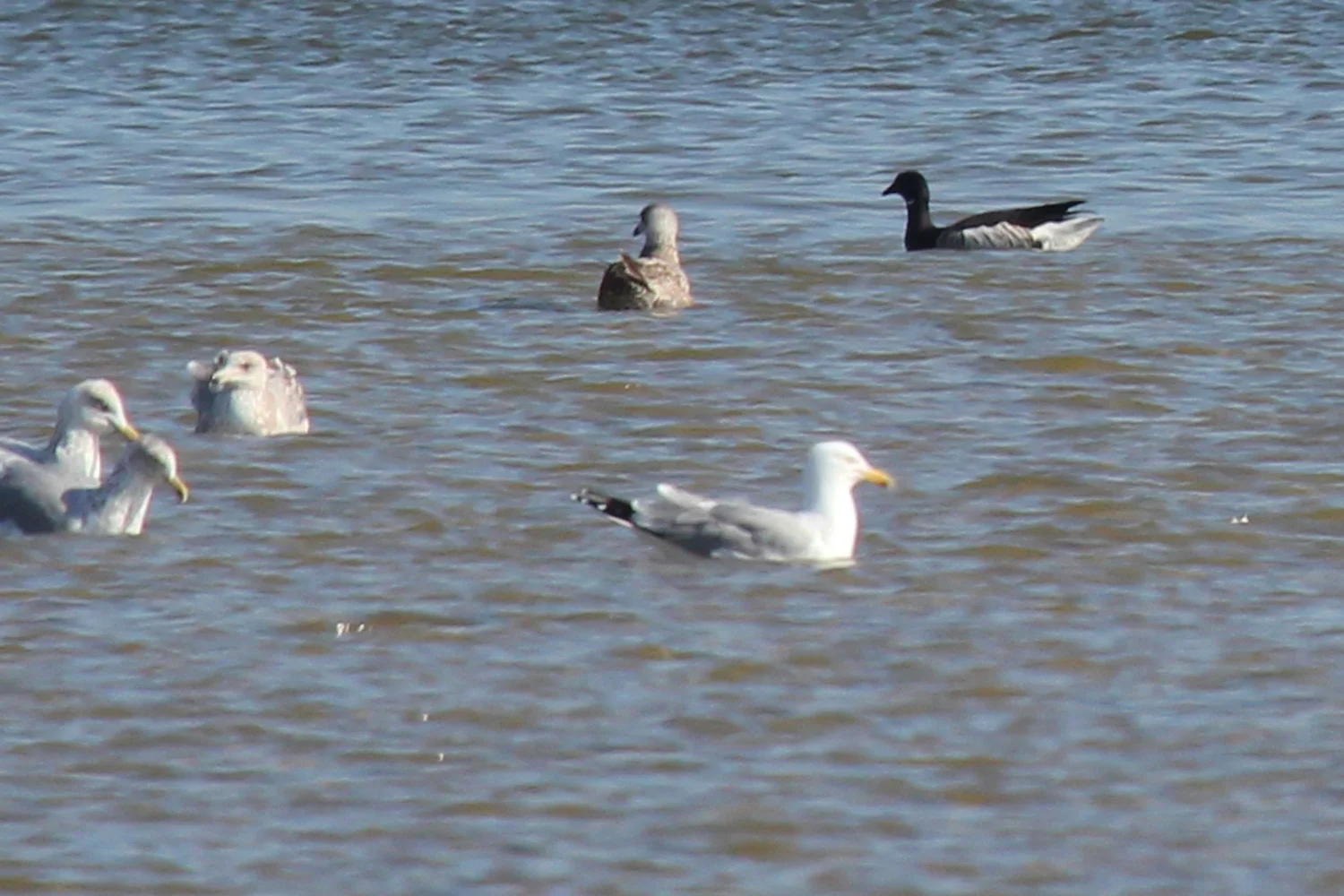
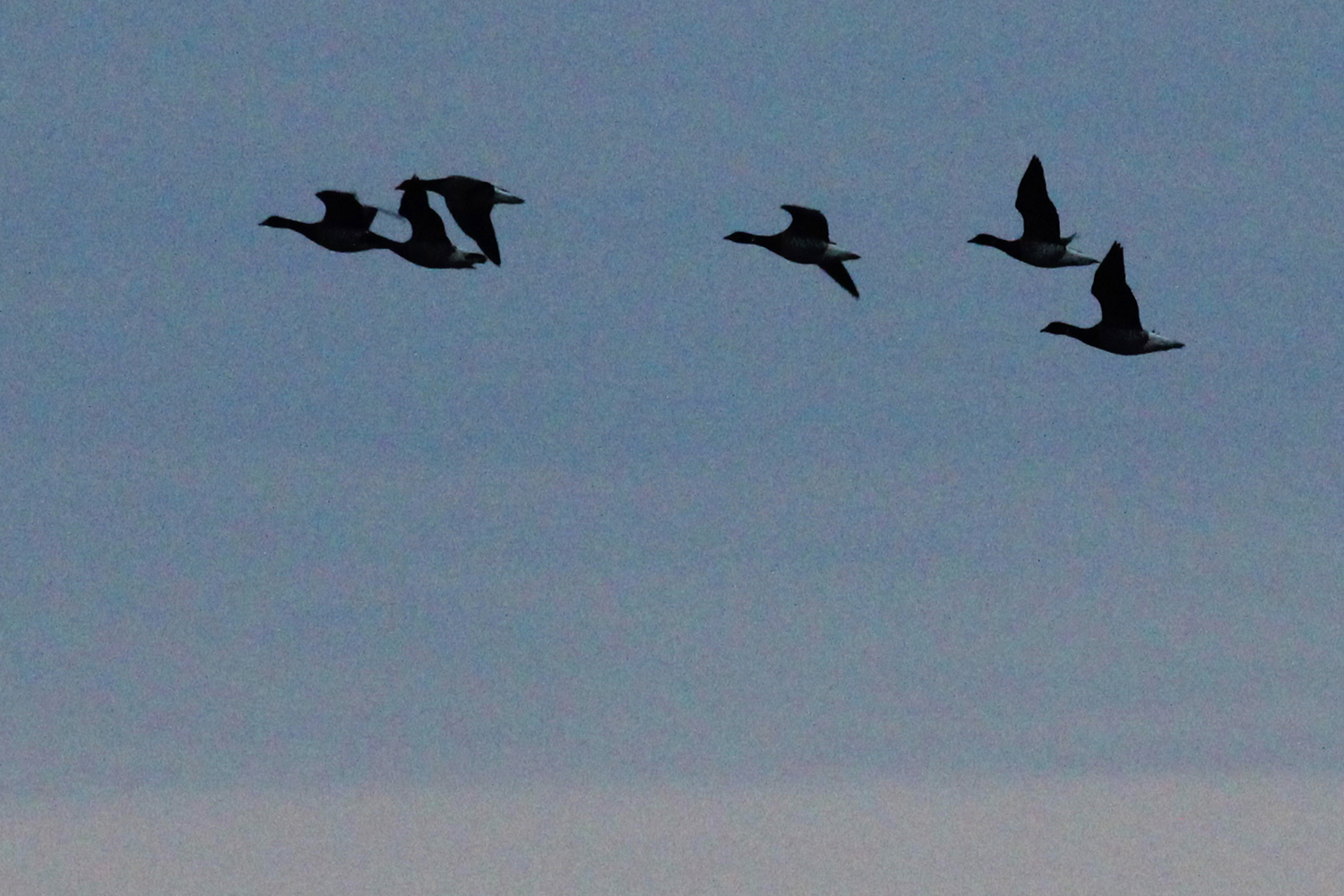
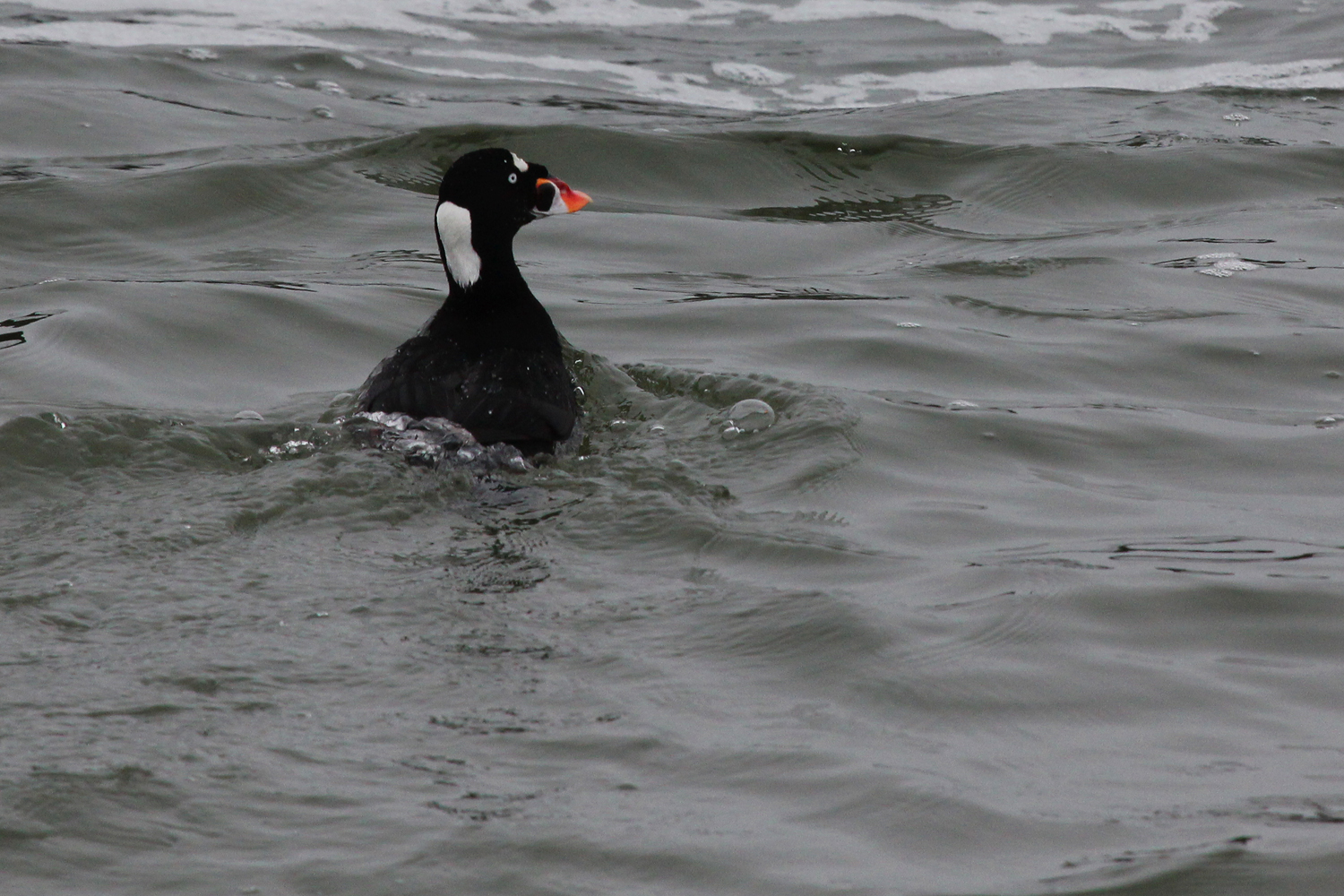
Additionally, we had a few other not-necessarily-noteworthy, but still interesting observations this period. SNOW GEESE have begun flocking up in the fields of southern Virginia Beach, and a massive group was foraging along Muddy Creek Road just north of Nanney’s Creek road  on 9-10 Feb (ph. J Sherwood, ph. Laura Mae, ph. Karen & Tom Beatty, ph. Rob Bielawski). A single BRANT was observed in flight over Lake Smith on 5 Feb (vis. Tracy Tate), and likely originated at Oliver’s Point where an out-of-place group had been reported during January by the same observer. Another individual of an out-of-place waterfowl species, WHITE-WINGED SCOTER, was observed on the north pond at Sherwood Lakes on 2 Feb (ph. Charlie Bruggemann). This made for the very first record of the species at this location and also the first record not along the immediate coastline within Virginia Beach (at least as far as eBird records go)! Amusingly, the scoter was likely observed as a result of the Common Mergansers being present on the lake, but is actually a much rarer find at this site. Another interesting White-winged Scoter record occurred during the Williamsburg Bird Club boat trip when an adult male was photographed (ph. Andrew Rapp; observed by many). Adult males are quite rare in the city so this is an exciting one, and the only photographed so far this winter season in the city.

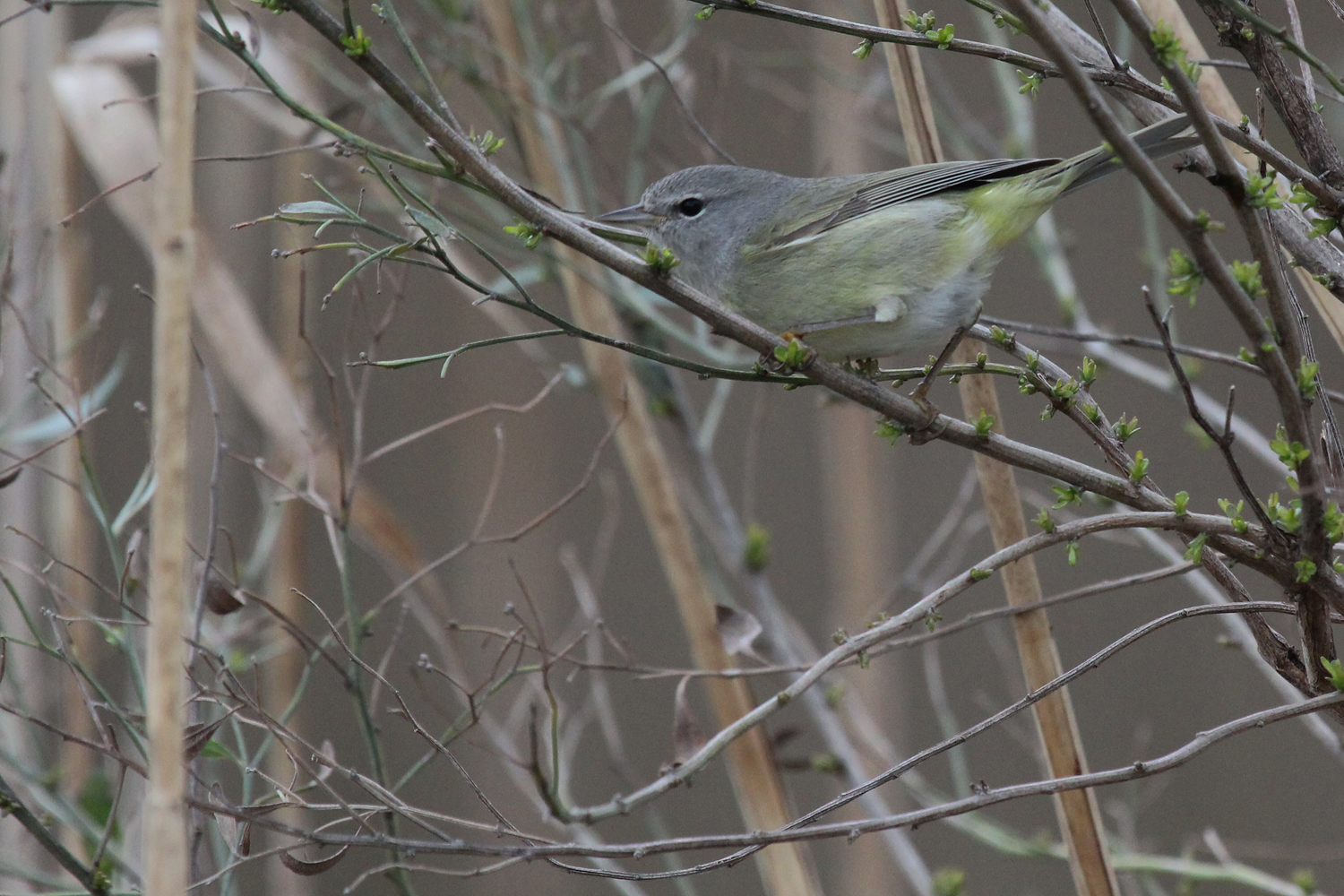
Early February saw a massive spike in the number of RAZORBILLS whizzing by along the coast, with a remarkable flight of 1,456 observed on 9 Feb from the Little Island Park pier (ph. Andrew Baldelli & Rob Bielawski). Groups and individuals were continuously streaming northbound past the pier for the first two hours of daylight before the flight died down. If hoping to see these lovely alcids, now is the time to watch, especially on days with onshore or northerly winds. The highest tally earlier this year was just over 300, and this is the first flight that has come close to rivaling what was observed in Feb 2017 (the historic, record-breaking season). Moving on to passerines, an ORANGE-CROWNED WARBLER photographed at Stumpy Lake NA on 1 Feb (ph. Rob Bielawski) provided only the second record for this species at the park in eBird (with the last record in mid-March 2012), and was the first eBird record here with a photograph. Though the species is an uncommon winter resident elsewhere in the city, the habitat at the park isn’t really a fit, which makes this quite an out-of-place record during the winter (it might be more expected here during migration when birds tend to not be so habitat-picky). On that same outing, a pair of female COMMON/RED-BREASTED MERGANSERS were also observed but frustratingly not able to be narrowed better to species given the lighting conditions at sunset hit (ph. Rob Bielawski). Either species would be quite out of place at this location, with Red-breasted holding only three prior records at the park in eBird, and Common with only two prior records (the last one was in 1995).

Heading into mid-February, it seems likely that we might pick up our first-of-season Laughing Gulls given they have a typical arrival of 20 Feb. Also, the Great Backyard Bird Count takes place from Friday, 15 Feb through Monday, 18 Feb, which should bolster the number of eBird checklists being submitted and also has the potential to unveil some exciting birds that have so far escaped the public’s eye! For more information on that event, the dedicated GBBC Website has all everything you’d need to get involved. Typically, February feels like a slower month than January, but a lot of this is simply the fact that we’re all seeing new ‘year birds’ during January, and aren’t as excited when we keep seeing the same species into February. However, February can be peak movement time for alcids and also is the beginning of spring migration for many waterfowl species (White-winged Scoter, Snow Goose, etc.) and also for Red-necked Grebes. Coastal seawatching will continue to be the best means of observing the best variety & counts of these species, but birding the woodlands of the city could always produce something interesting. All this said, it will be interesting to see what folks are able to find next period!

For those hoping to view every photograph submitted for Virginia Beach during this period, please see the complete listing for the month of February located on eBird’s Media explorer by clicking here! Please remember, anyone with an eBird account also has the ability to rate these photographs (1-5 stars), and based on the average rating, this is how eBird populates anything media-driven on the website, particularly the Illustrated Checklists! So, if you're one of the many folks who enjoy looking at photographs of birds, take some time to click them all and rate them, it helps make eBird better and better each day!

Next Entry | Entry Index | Previous Year | Previous Entry

For further information regarding this thrice-monthly, online publication, please visit the Journal Overview Page which provides an in-depth explanation of the format, layout and composition of the journal. As always, thank you for reading, and please leave me a comment below (you may use your Facebook, Gmail or other accounts to easily do so), or just click the Heart icon to the lower right of this post to let me know you stopped in!


Late January 2019 (21st-31st)

Late January proved itself to be yet another period jam-packed with birding excitement! Heavily bolstered by the Virginia Beach Parks & Recreation department’s Winter Wildlife Festival, hundreds of eBird checklists poured in over the last eleven days, producing records for 154 species, including 8 new additions to the city’s 2019 list, which now sits at a remarkable 171 species! Among the vast array of species observed, highlights this period included new rarity records for EURASIAN WIGEON, COMMON MERGANSER, DOVEKIE, PURPLE FINCH & CLAY-COLORED SPARROW, continuing rarity records for CACKLING GOOSE, HARLEQUIN DUCK, ICELAND GULL, PARASITIC JAEGER & WESTERN TANAGER, new unseasonal records for BLUE-WINGED TEAL, continuing unseasonal records for YELLOW-THROATED WARBLER & BLACK-AND-WHITE WARBLER, late records for lingering BLACK SKIMMERS, first-of-year records for WILSON’S SNIPE, GREAT CORMORANT, RUDDY TURNSTONE, TREE SWALLOW & NORTHERN BOBWHITE and out-of-place records for BRANT & LONG-TAILED DUCK!

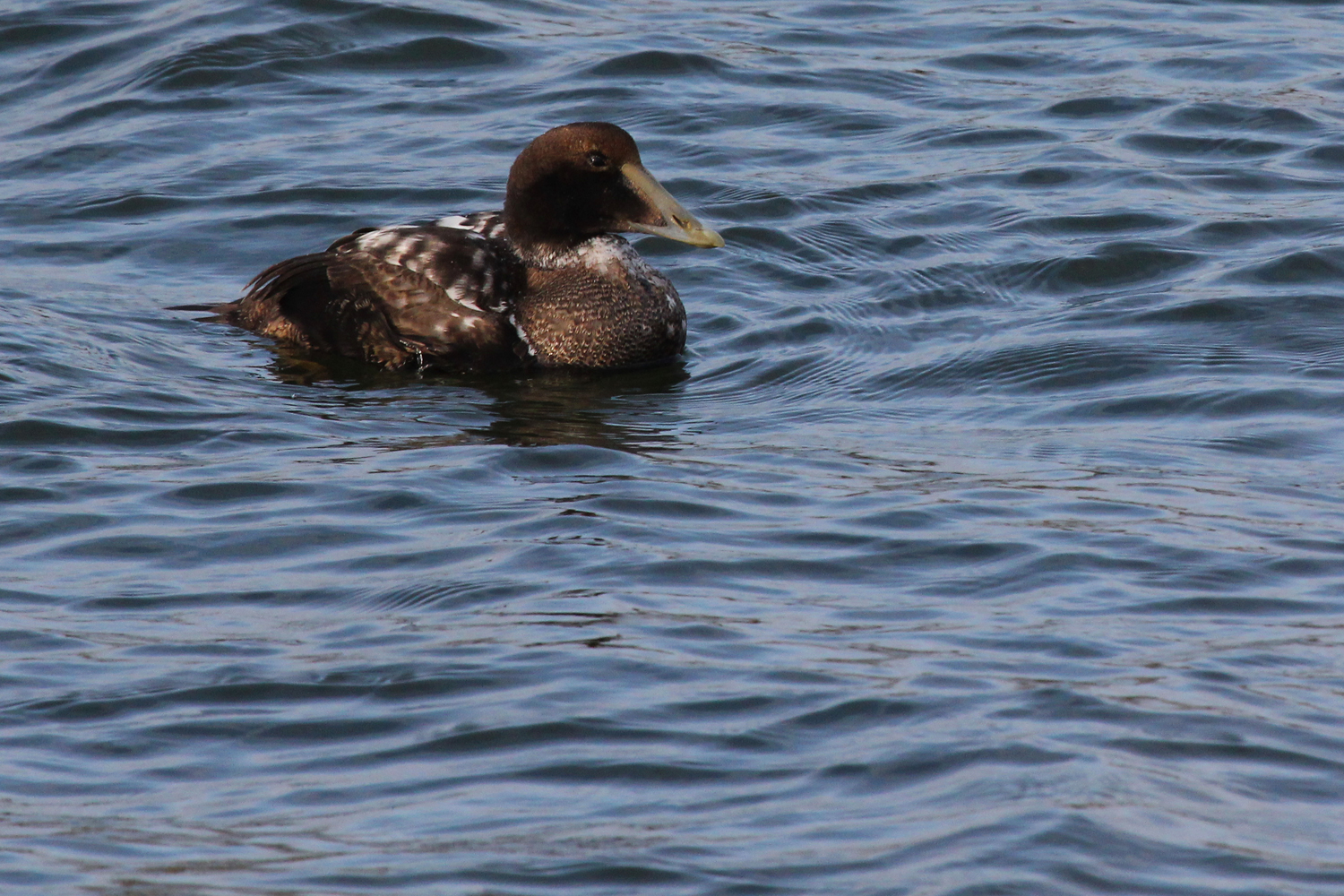
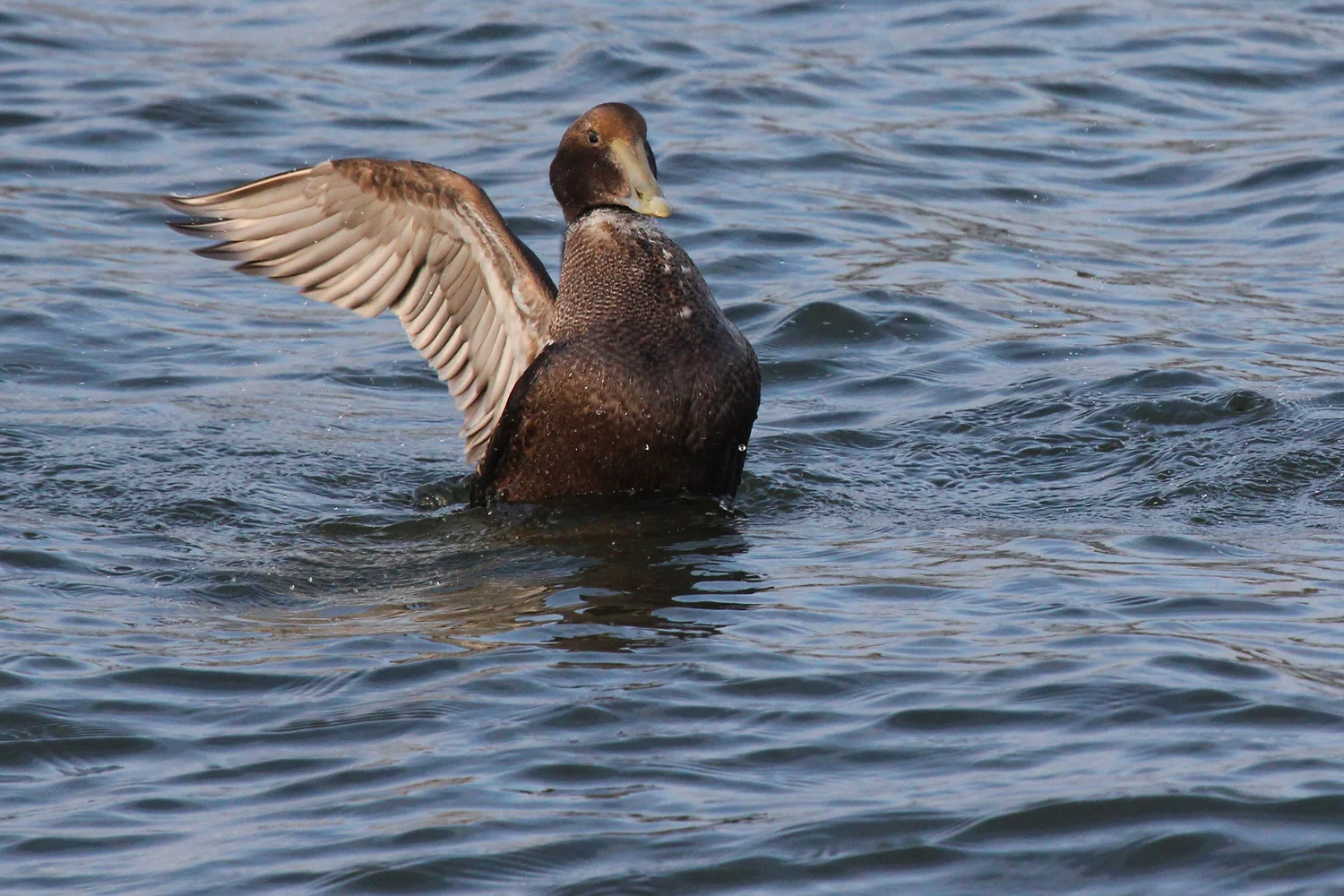
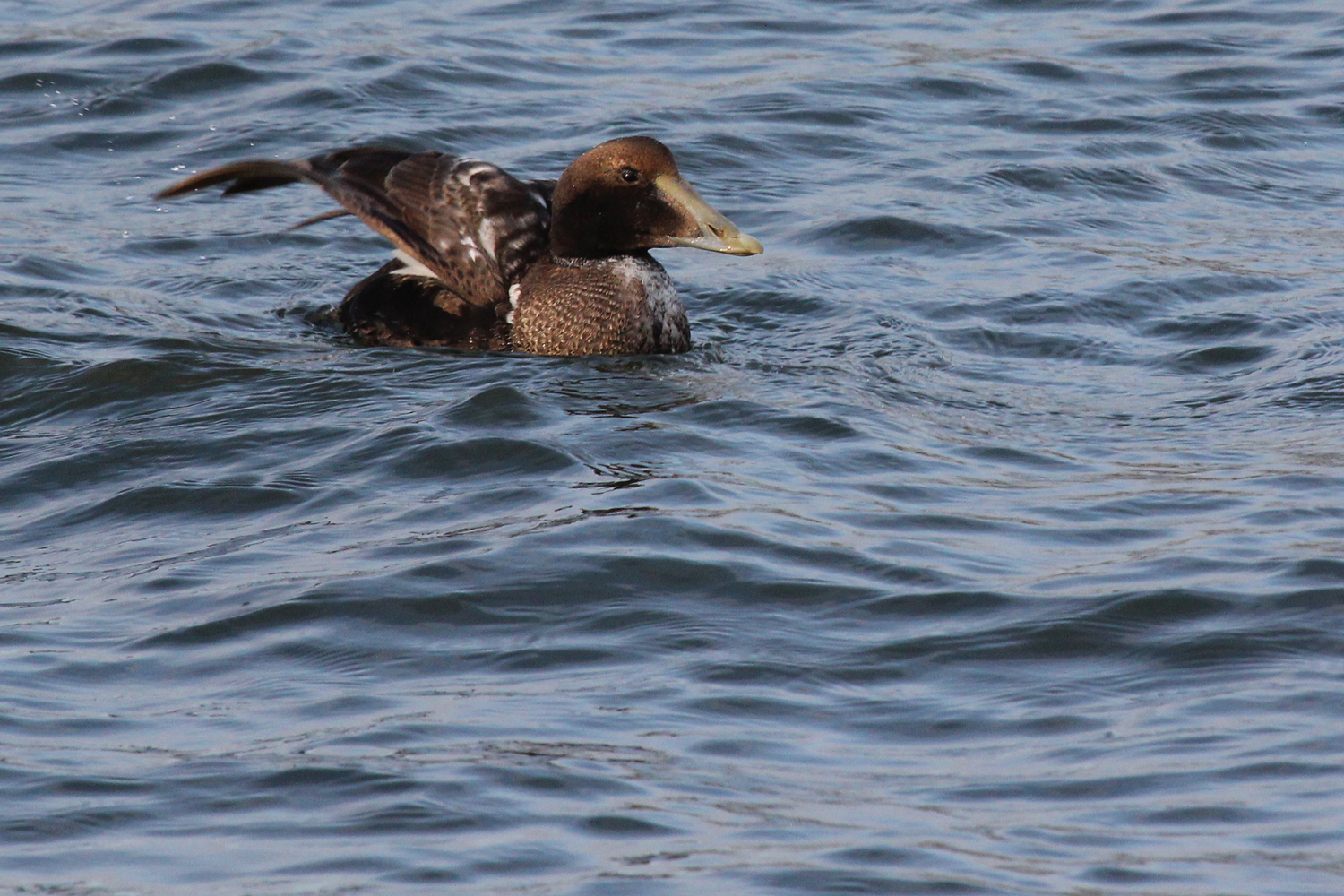
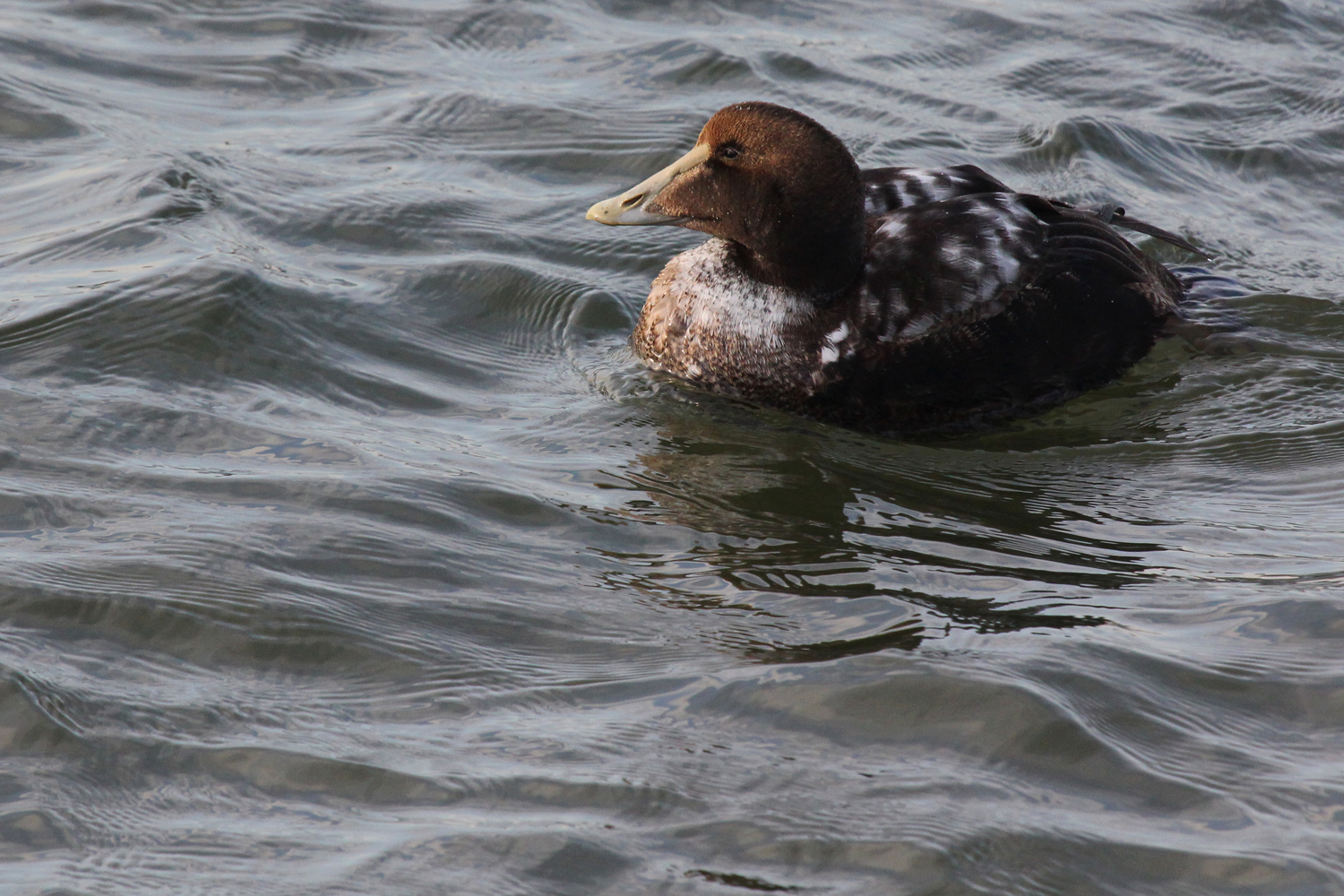
Starting off with the newly found rarities, a drake EURASIAN WIGEON was observed along Long Creek near the Great Neck Road bridge on 27 Jan (ph. Michelle Payne), marking a first record for this species in Virginia Beach this year! Thus far, it has not been re-located, but there are a plethora of locations along the waterway where it could be hiding out, and not as many public places for birders to view from unfortunately. This section of Long Creek has held some great birds this winter, with an adult female Common Eider near here on the Little Creek CBC at the end of December, and an immature male Harlequin Duck not too far way to the west towards Lynnhaven Inlet. Last winter, Common Goldeneye were also seen on this creek, which is fast flowing and therefore makes sense that divers and sea ducks would enjoy the habitat. A dabbling duck species like Eurasian Wigeon seems out of place here though! It seems each winter season we have at least one Eurasian Wigeon known in the city, and it’d be deeply intriguing if we could ever fully know how many are around.

With no records through the first 21 days of the year, a female COMMON MERGANSER flying southbound past the Little Island Park pier on 22 Jan (vis. Andrew Baldelli) made for another 2019 first in the city. At least two females had been present on the large pond off North Witchduck Road back in early-to-mid December, but that was the only other record this winter up until now. Ironically, it wasn’t long before another record occurred, with another female being found on the North Landing River on 26 Jan during a Winter Wildlife Festival boating trip (ph. Stephen Coari & Laura Mae). The very next day, 27 Jan, Sherwood Lakes saw its first report for the winter (and the calendar year) when a group of 7 females was discovered (ph. Prashant A). A peak count of 13 females was tallied on 28 Jan (ph. Steve Myers), and numbers ranged widely over the next several days up until the end of the period. In past winters, Sherwood has been the only reliable place to find Common Mergansers in the city though sporadic reports occur elsewhere (most aren’t well documented). Males of this species seem to be quite difficult to come by in the city, which is truly unfortunate given how striking they are. If you do make an effort to see these birds, please remember to be respectful of the neighborhood residents, many of whom are interested in what we’re finding on the ponds.

Along with loads of Razorbill reports this period, we also acquired our second land-based DOVEKIE report for the year when one flew past the Little Island Park pier on 25 Jan (vis. Karen & Tom Beatty). This winter is shaping up to be quite stellar for alcids, and perhaps as we head into February we’ll start to see more Dovekies mixed in with the larger flocks of Razorbills. Two years ago, in February 2017, we had our largest alcid movement on record, and with that movement we also had record for Ancient Murrelet, Manx Shearwater, Great Shearwater, Little Gull and even a Magnificent Frigatebird. Time will tell if we’re in for similar treats this year.

In what has continued to be one of the best winters for PURPLE FINCH in recent memory, individuals were logged at three separate locations in the city and reported to eBird (who knows how many backyard feeders are actually seeing them visiting). The first record for the period was of a single female, which occurred in Thoroughgood on 21 Jan (vis. Tracy Tate). The second record was of a male & female pair observed in Bay Colony on 23 Jan (vis. Tommy Maloney), and the final record was that of a photographed male in Laurel Cove on 27 Jan (ph. Loretta Silvia). Thus far, there doesn’t seem to be anywhere on public property where this species is being observed, so seeing one is truly a matter of keeping your feeders filled and hoping for the best!

Last of the newfound rarities this period, a remarkable record for CLAY-COLORED SPARROW occurred in the Indian River section of Virginia Beach’s western fringe on 31 Jan (vis. George Harris). That marks the first known occurrence for the species in 2019 in the city and only the second individual documented in the state thus far (the other being at Laurel Hill Equestrian Center in Fairfax County). Typically observed during the fall season, winterers are tough to come by even here in the southeastern part of the state. Last winter, we had just a single record as well, also in January, so it is certainly one of the rare sparrows to be on the lookout for along with Lark, Lincoln’s & White-crowned.

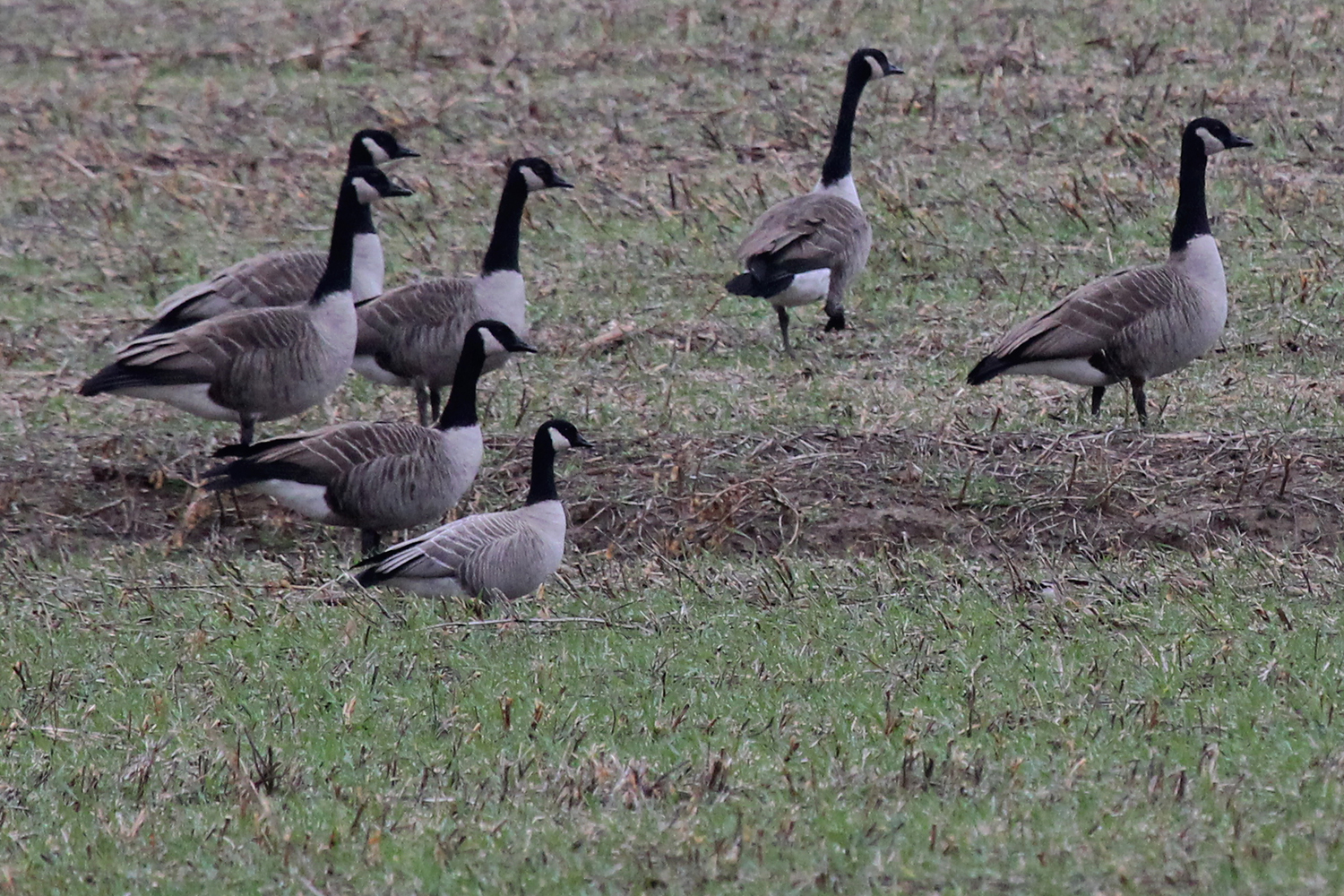
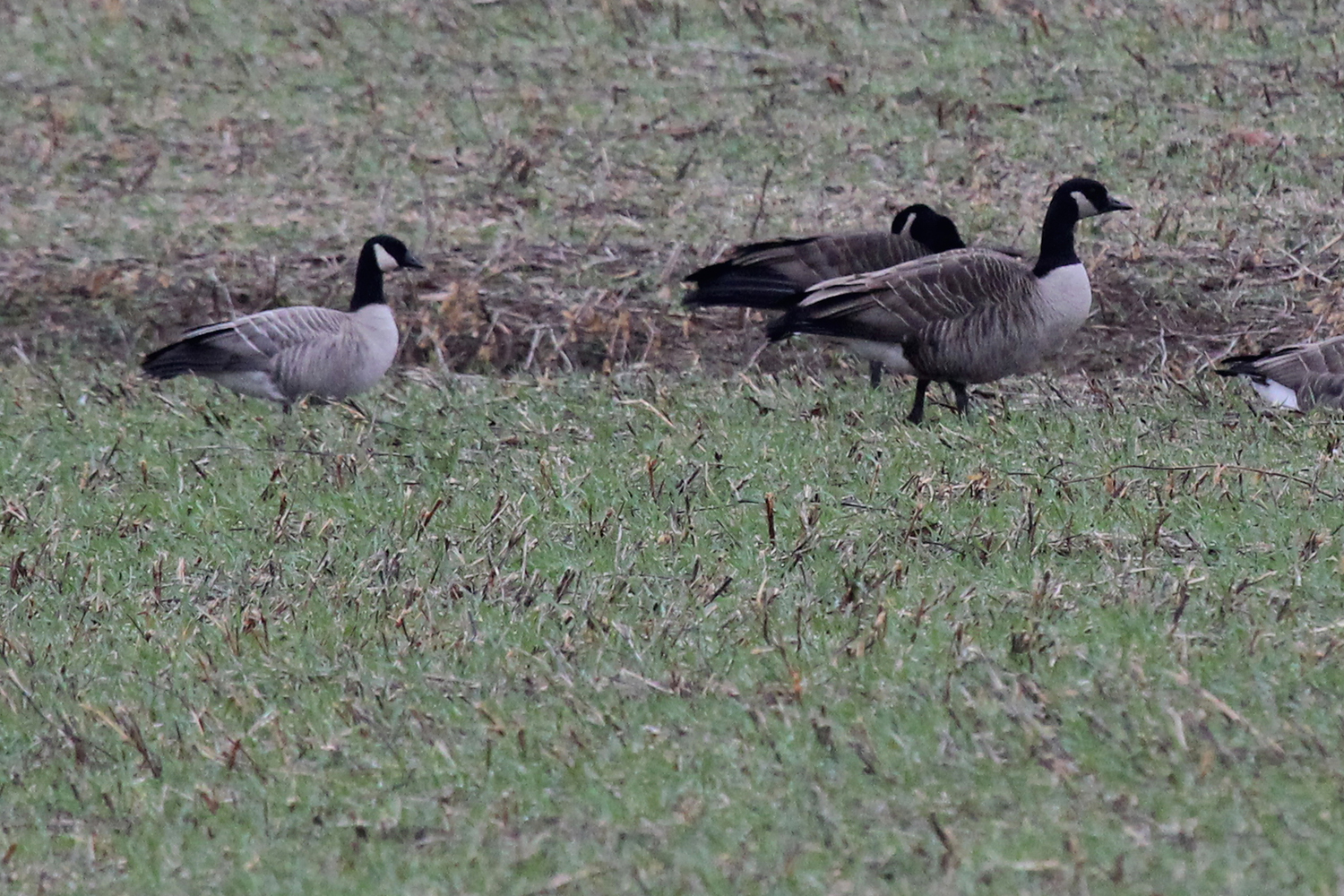
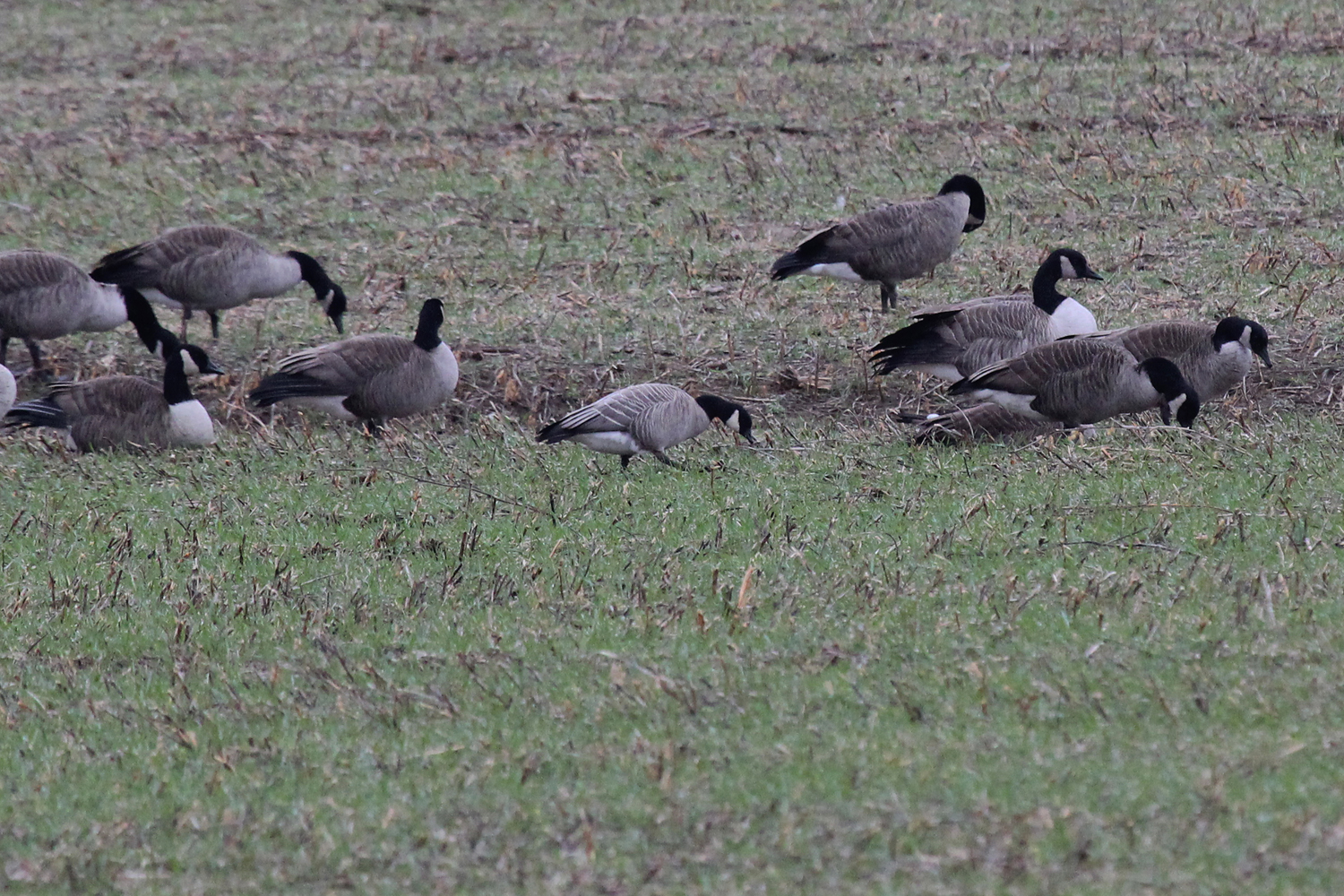
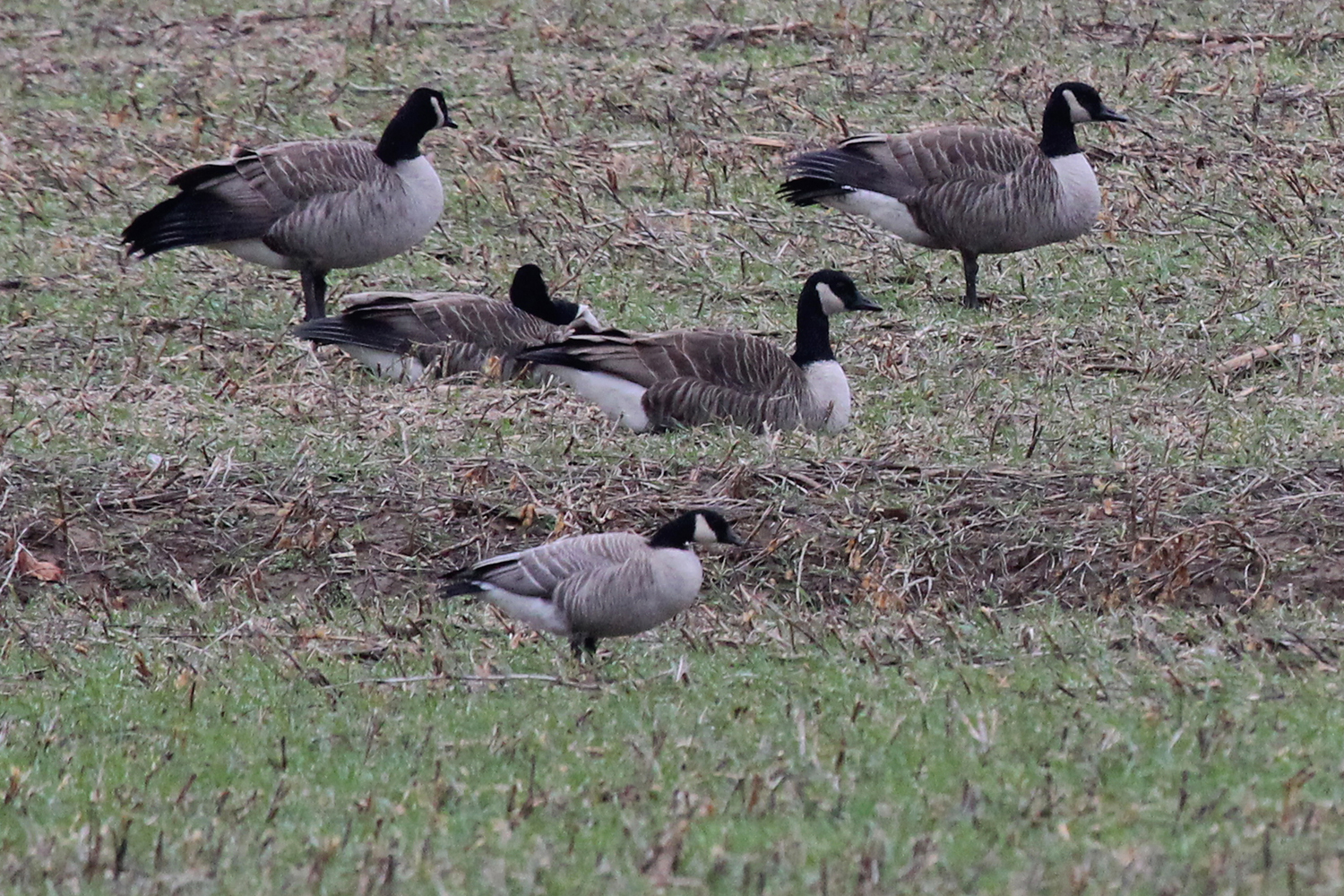
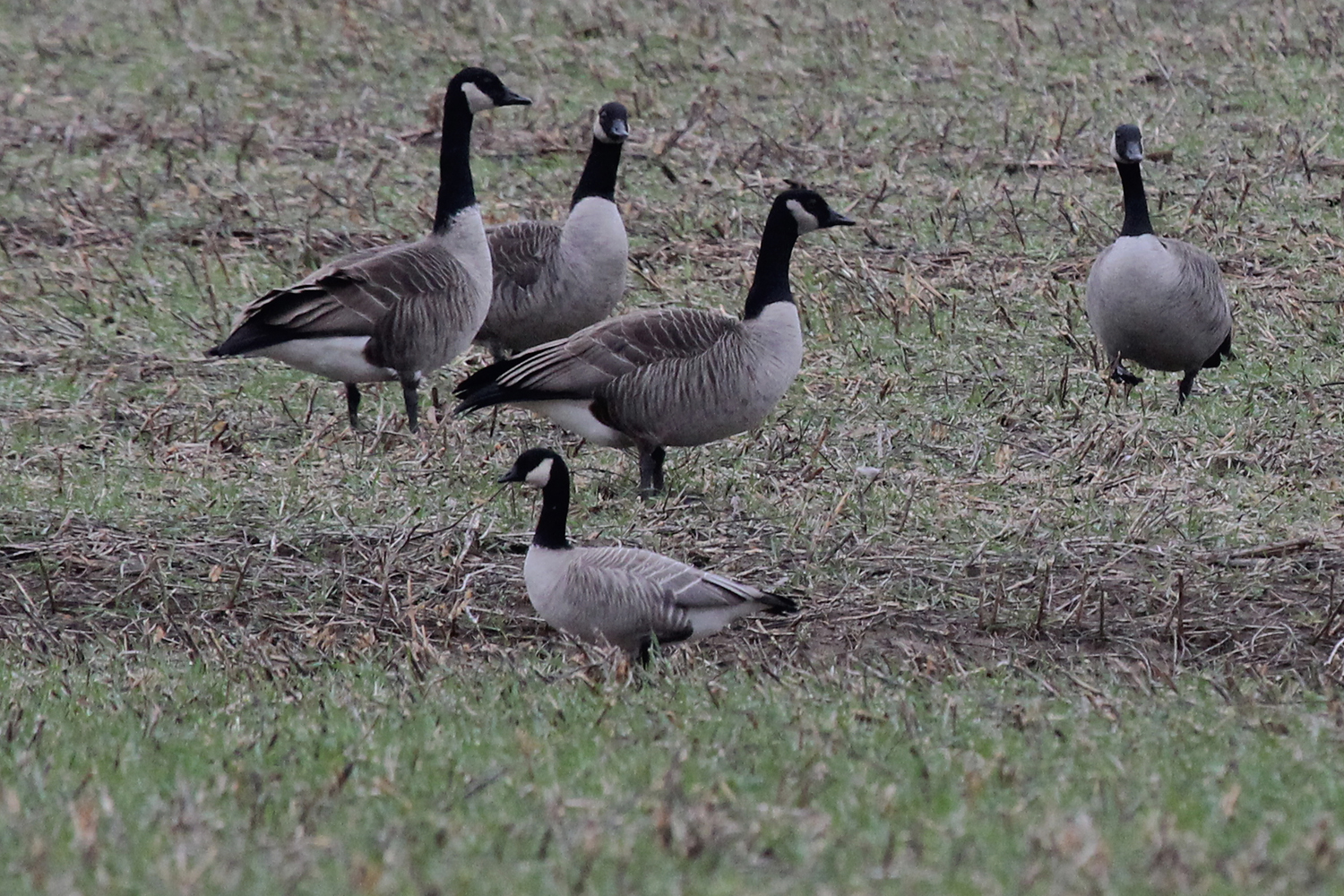
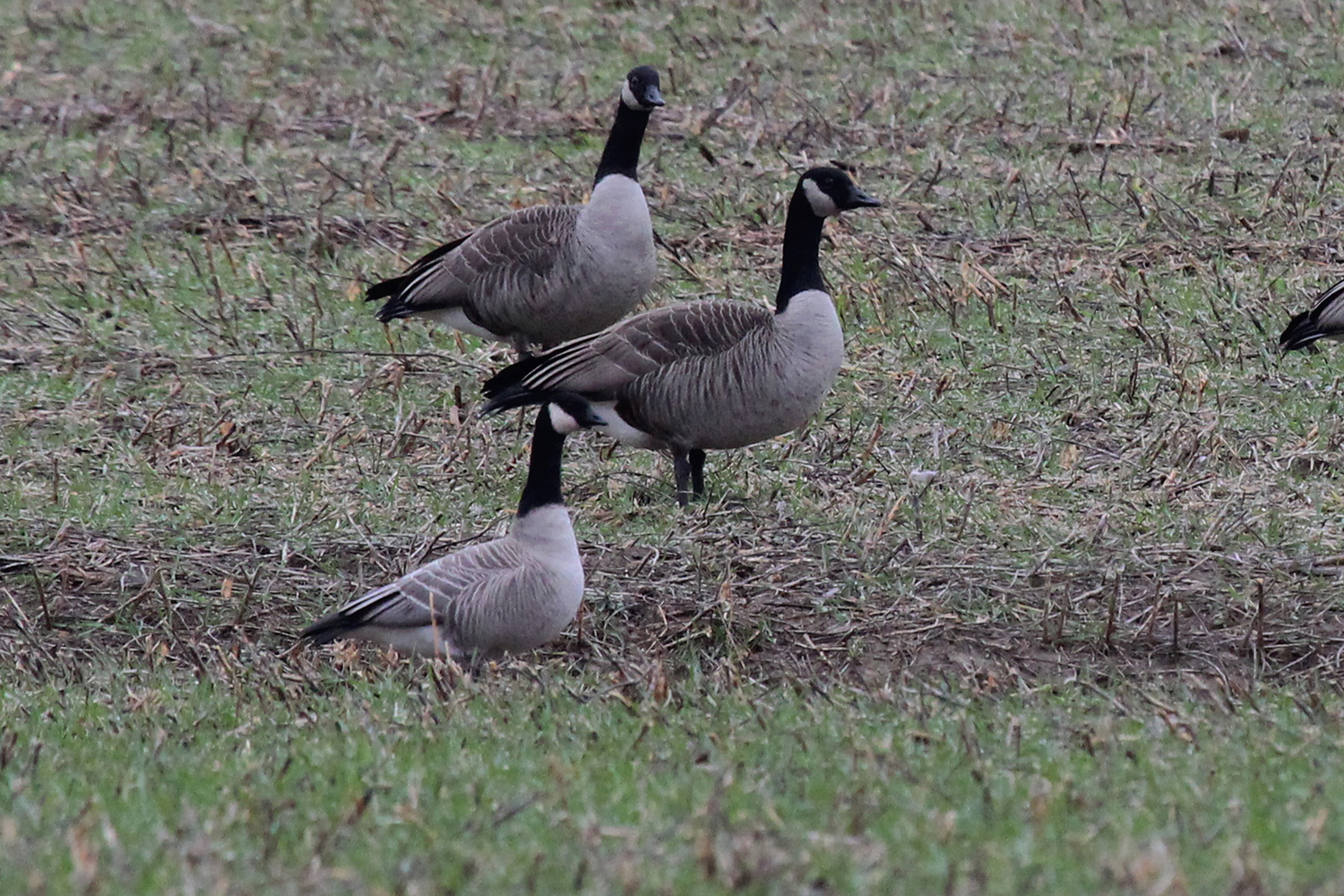
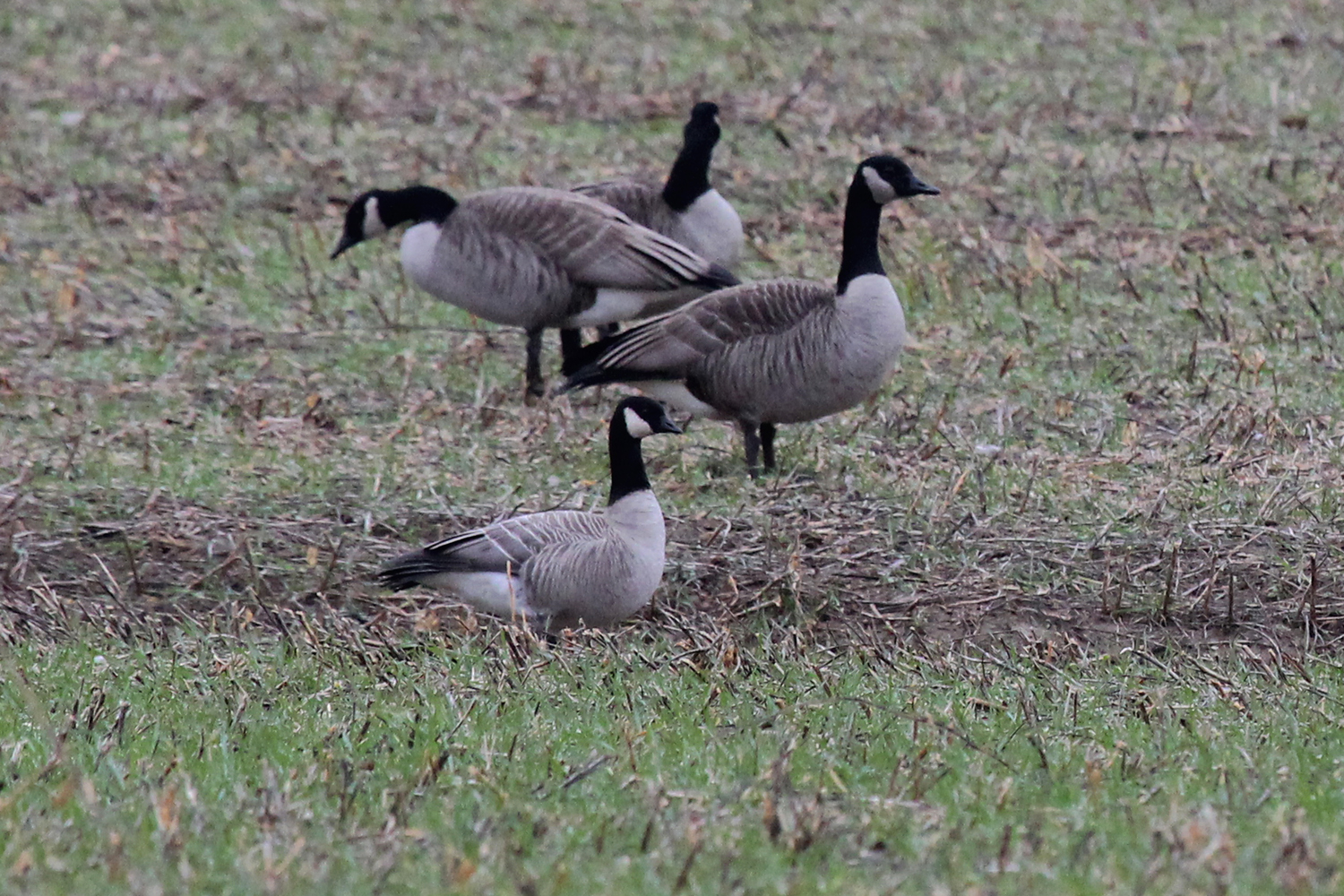
In terms of rarities continuing from prior periods, the single CACKLING GOOSE that has been mixed in with the Canada Goose flock north of Pungo was again observed on 22 Jan, this time on (and later over) the north pond of Sherwood Lakes (vis. Andrew Baldelli, later vis. Tom Beatty). The goose flock tends to move around between the ponds here, the fields to the east and along Princess Anne Road to the south, as well as the large fields east of Ocean Lakes High School and the pond surrounded by Haviland Drive. Careful study of this flock has not yet produced any other rare geese this winter, but with frigid winter weather impacting the Midwest and the Northeast this week, perhaps we will get a shot at a Greater White-fronted or Ross’s Goose in February.

The immature male HARLEQUIN DUCK first detected on the Little Creek CBC on 31 Dec (vis. Andrew Baldelli, Linda Chittum & Lisa Rose) continues to be observed around Lynnhaven Inlet with the most recent record occurring on 26 Jan (ph. Guy Babineau) in conjunction with the Winter Wildlife Festival boat trip to the islands of the Chesapeake Bay Bridge-Tunnel. “Chaseable” Harlequin Ducks are difficult to come by in Virginia Beach, even moreso now that South Thimble Island is no longer accessible to public while construction of a new tunnel is performed over the next few years. So, the fact that this one appears to be lingering around the inlet should be exciting for all birders in the city. Harlequins love fast moving water surrounded by hardened shorelines and the areas east of the inlet where Long Creek runs into the Lynnhaven is ideal habitat for this bird. Viewing from the restaurants along the north side of the channel is probably the best position to search from, though it has been scoped from as far away as Pleasure House Point NA to the west as well.

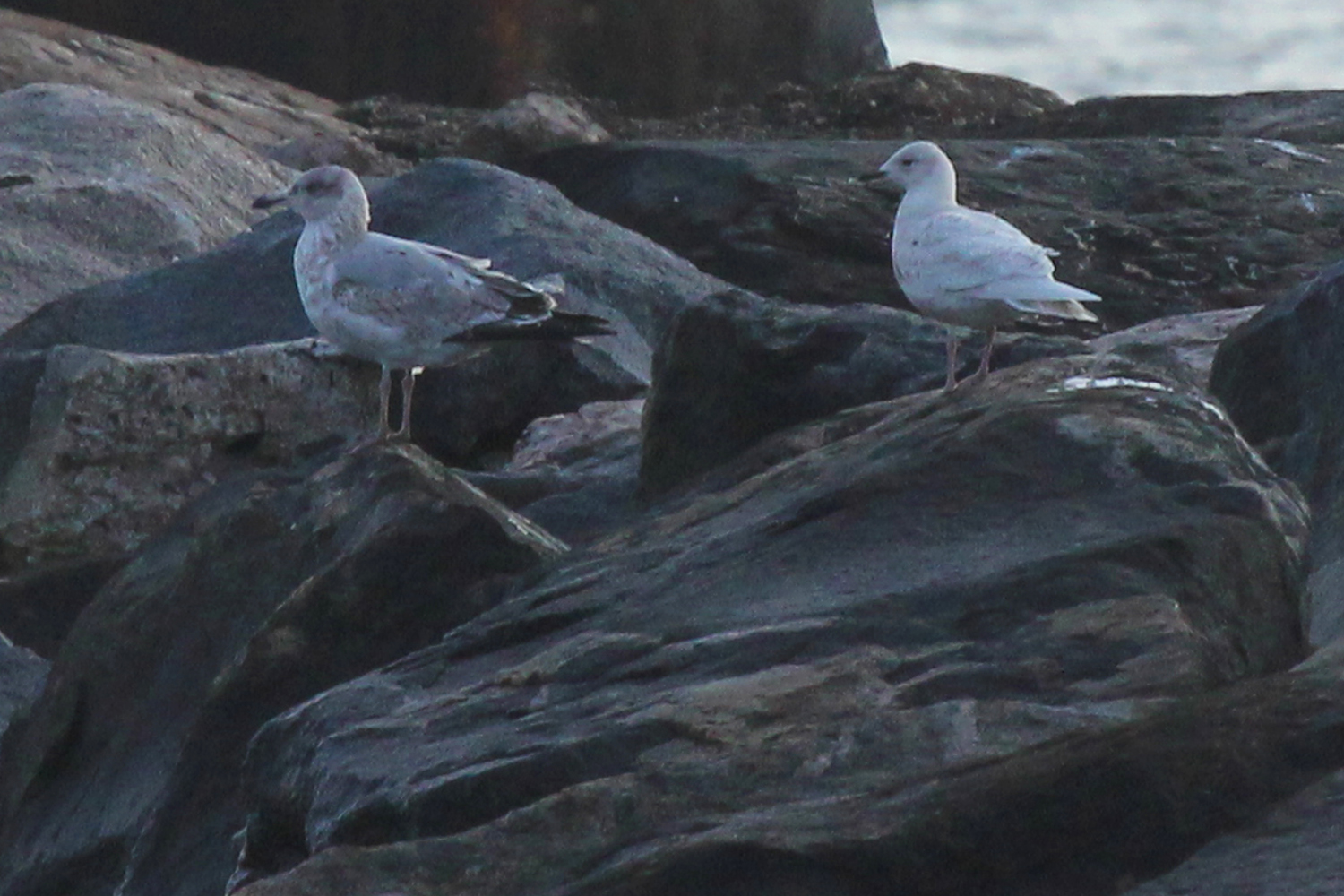
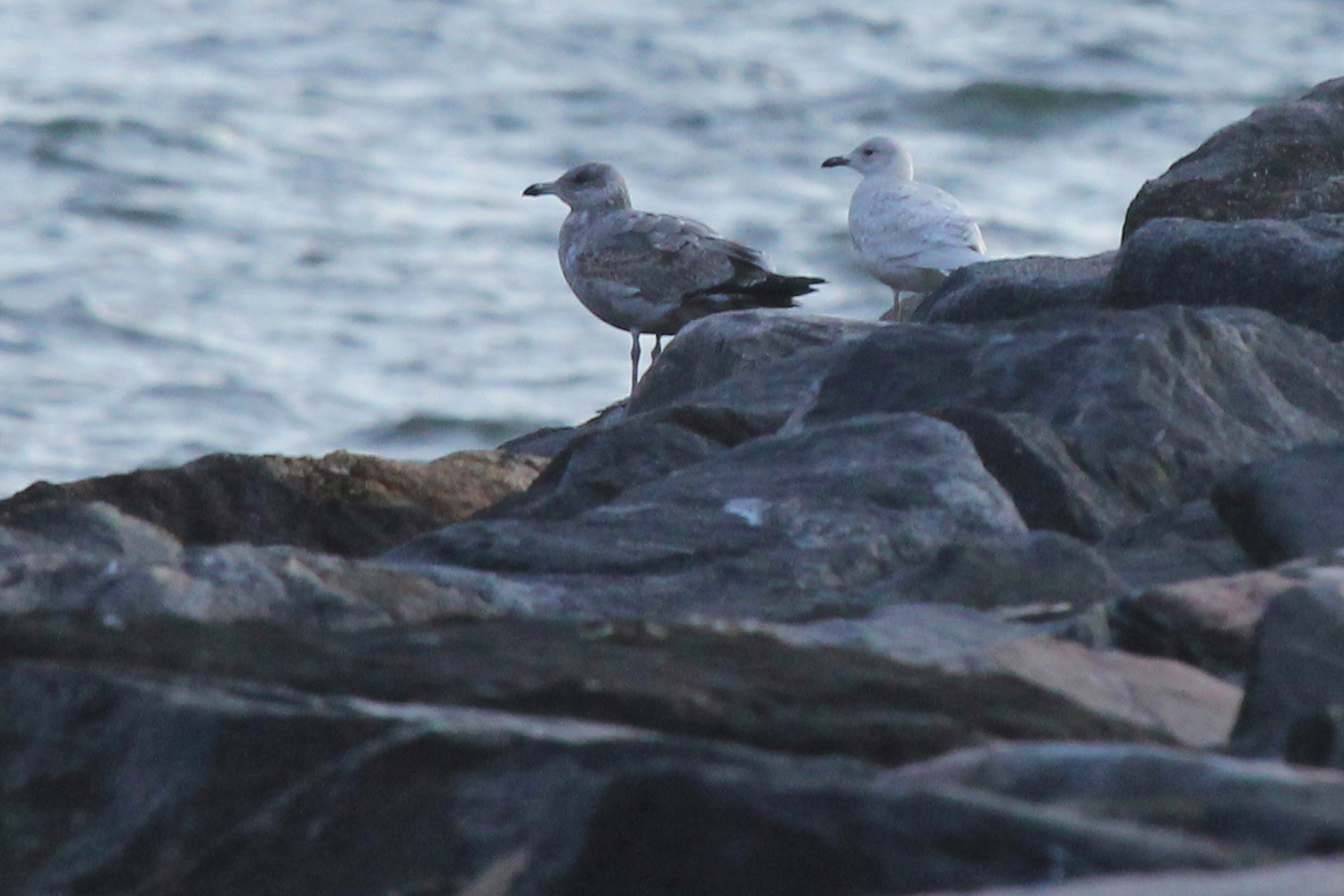
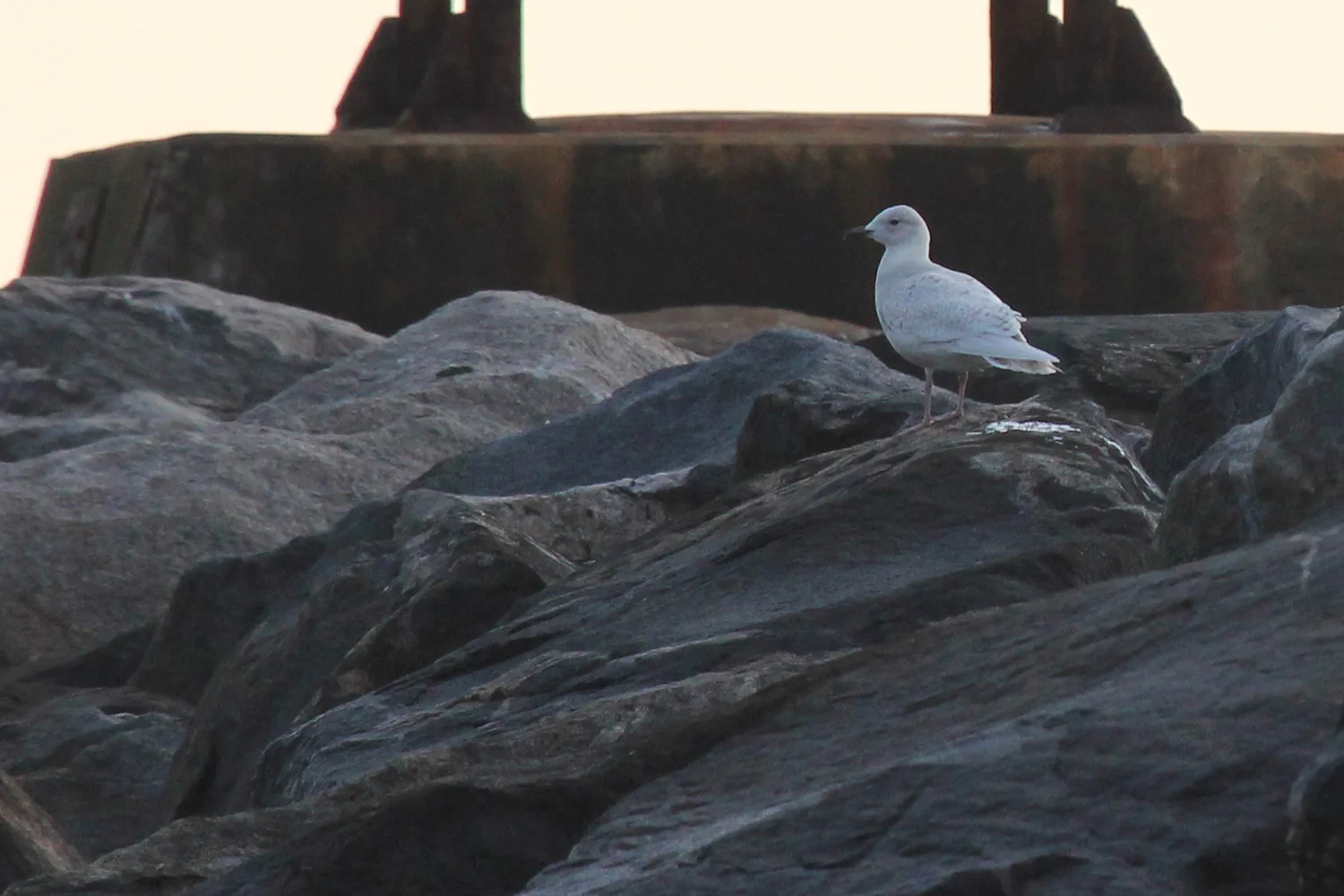
The adult KUMLIEN’S ICELAND GULL first found on the 39th Street Beach of the Oceanfront Resort Area back on 27 Dec (ph. Linda Chittum & Ada Jones) continues to linger along the coastal beaches. Most recently, it was photographed a little further to the north at 85th Street Beach on 26 Jan (ph. Kathy Richardson). This represents the farthest north that the individual has been observed, and reports have ranged as far south as Rudee Inlet, though most records have been at the source, 39th Street. The dredge spoils pipe at 6th Street Beach is also a good spot to look for this and other gulls when the dredge is operating and spewing sediment and water onto the beach.

Another PARASITIC JAEGER was observed this period offshore of the oceanfront from the Virginia Aquarium & Marine Science Center’s Whales & Wildlife boat trip on 22 Jan. These excursions have picked up a number of great birds so far this winter, this being the second jaeger after one was photographed last period (ph. Jason Sosebee), and of course the incredible inshore Common Murre early in the month (ph. Alexis Rabon). Loads of Razorbills and sea ducks have also been viewed from the boat, and the harsh winter weather north and west of us this week should only increase the wintering populations of these species along our coastline. For more information regarding these boat trips, be sure to consult the Aquarium’s official website!

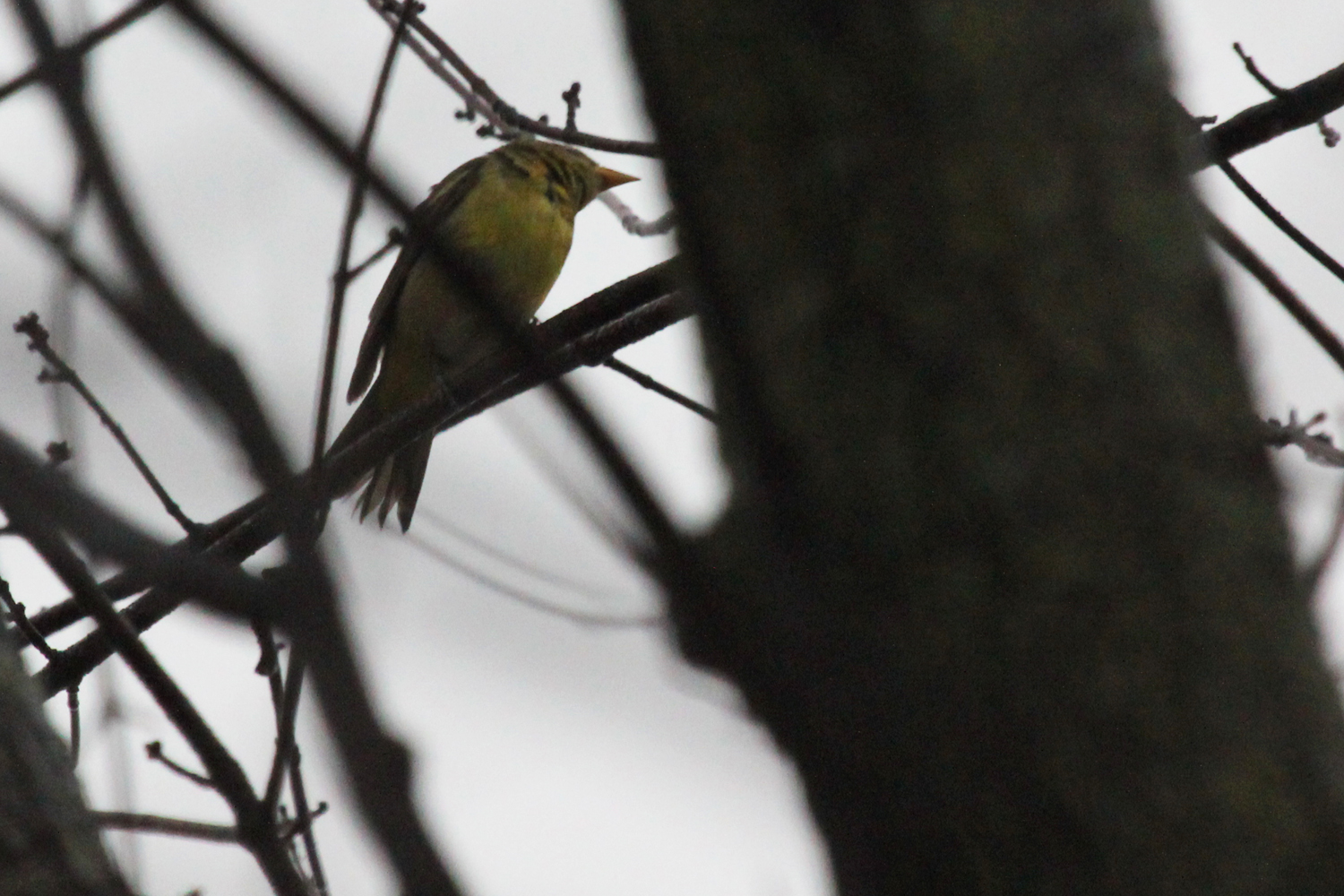
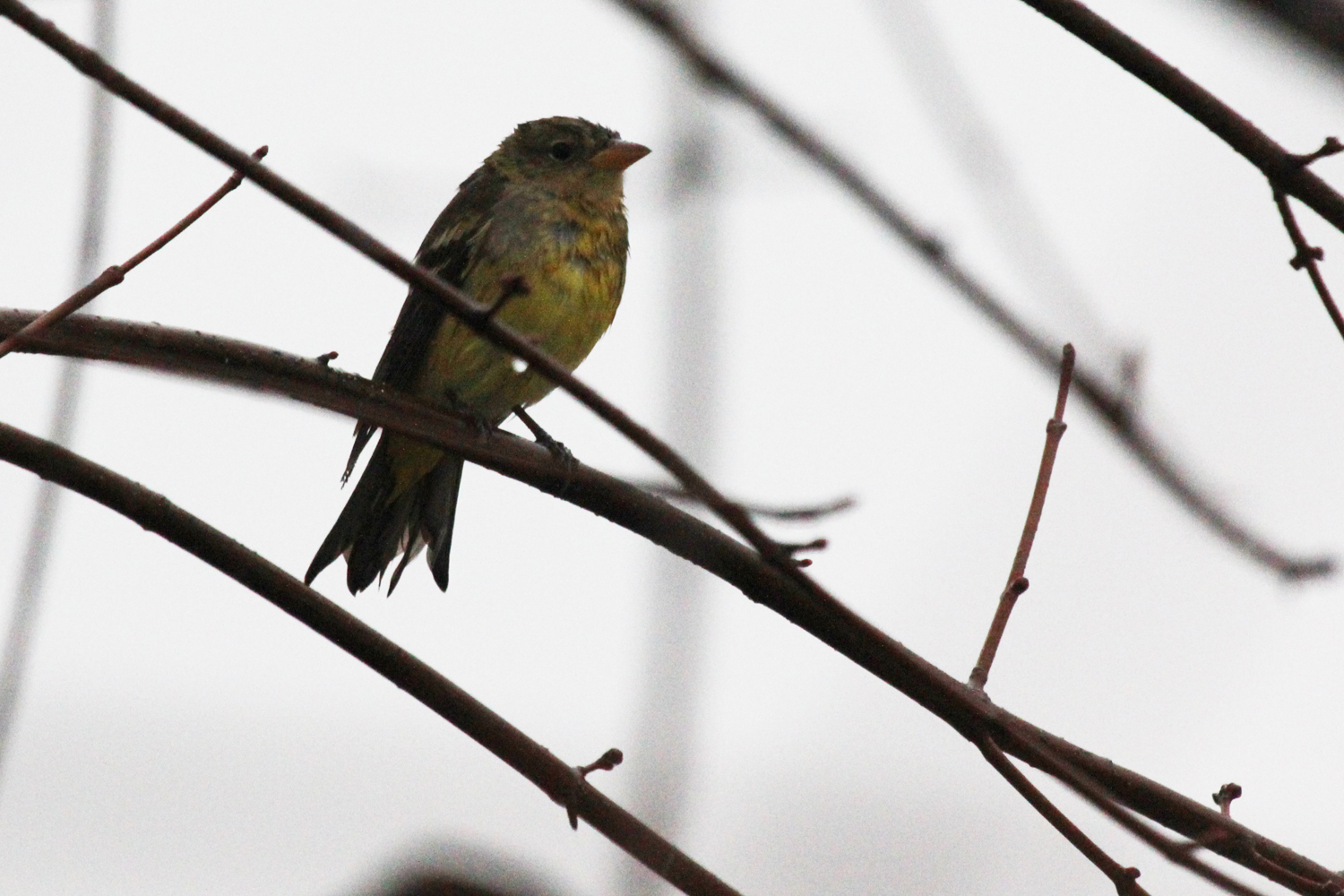
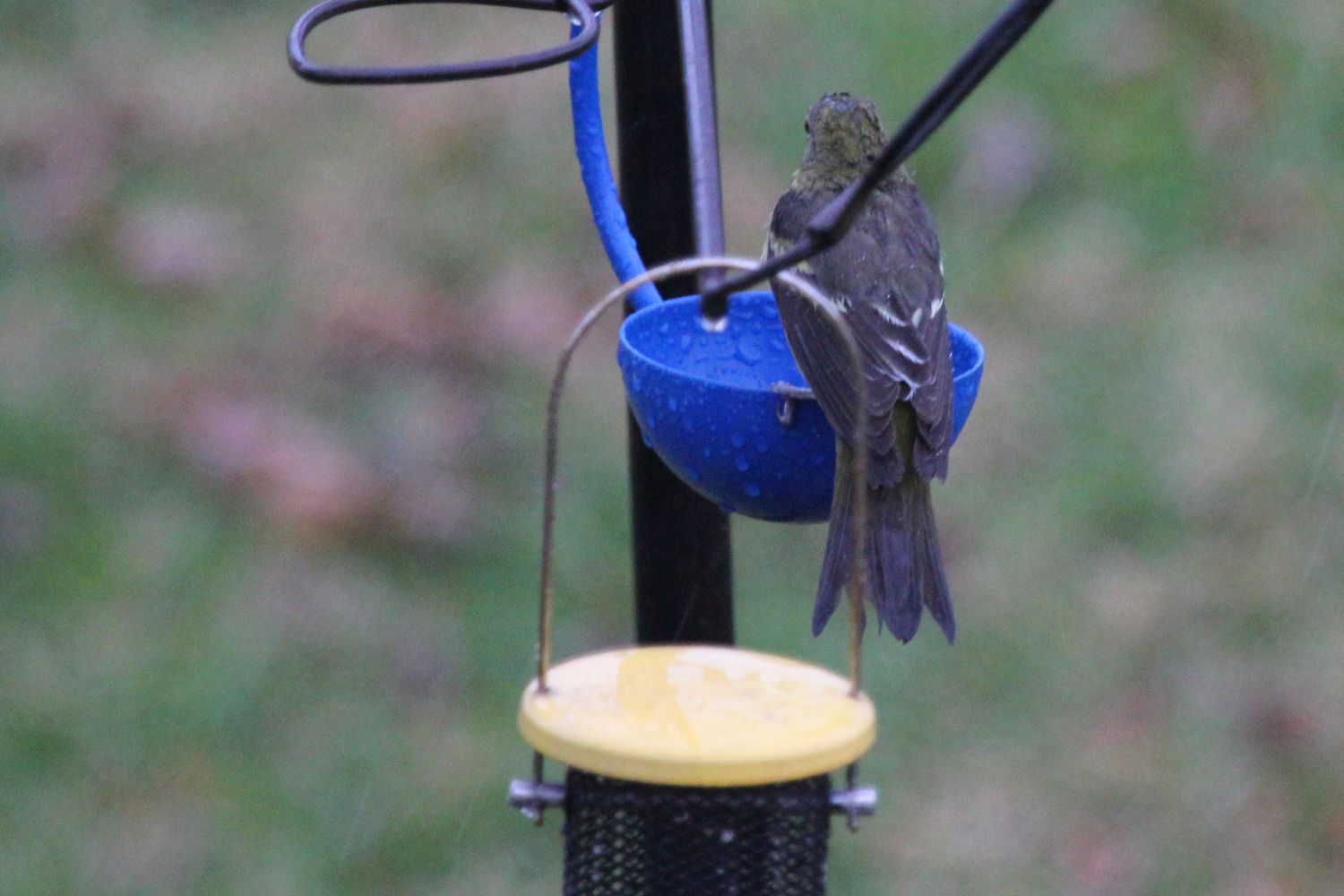
Our final continuing rarity record for late January goes to the WESTERN TANAGER that has persisted at the backyard feeders of a private residence in the Windsor Woods neighborhood, last recorded on 22 Jan (ph. Lisa Rose). This eBird checklist offers a remarkable comparison of this species with a superficially similar female Baltimore Oriole, highlighting both the color and bill differences extremely well. If more people view these photographs and study them, my bet is we’ll find out there are more Western Tanagers than we think in the city during winter; it’d be easy to catch a glance of one and think it was an oriole. This particular tanager has been present since at least 13 Dec, and it seems likely that it’ll continue until springtime, hopefully.

We had our second record of the year for BLUE-WINGED TEAL when a female was detected at Back Bay NWR during the park’s thrice-monthly impoundment survey on 29 Jan (vis. Robert Ake). Unfortunately, the impoundments at the refuge are off limits to the public but it is good to see another winter record for this species in the city regardless. Since mid-November, only one other record for this species has occurred away from the refuge, with three (two males & a female) photographed at Princess Anne WMA’s Beasley Tract on 6 Jan (ph. Rob Bielawski). Return visits to that site on Sundays when it is open have not yielded additional sightings, but it is certainly a species to keep looking for as we head into February.

In terms of continuing, unseasonal, species, the YELLOW-THROATED WARBLER that has been frequenting at least a pair of residential feeder setups in Bellamy Manor was most recently observed 22 Jan (ph. Reuben Rohn). At this point, we have far more winter records for this species than we do summer records, and that should shock anyone reading this. A common breeder in counties west of Virginia Beach, this has been a shockingly difficult species to find here during Jun/Jul, though nestbuilding activities at Stumpy Lake NA last spring helped confirm this species as a breeder, none were observed at that location into the summer months. Perhaps it will take some avid kayakers traveling along the shorelines of the lake hoping to hear one singing. Until then, we can enjoy our winter reports though, and this is typically the earliest arriving warbler, in late March, along with another warbler about to receive mention next.

Unseasonal records continued also this period for BLACK-AND-WHITE WARBLER, with a single record at Stumpy Lake NA on 26 Jan (ph. Alexandra Munters & Tim van der Meer) in the same general vicinity of where one has been observed going back to 15 Jan (ph. Steve Myers). Though this species isn’t reported here every January, it is quite possible there are one or more present each winter that manage to go undetected. Along with Yellow-throated, Prairie and perhaps Nashville, these are the most ‘expected’ warbler species to winter here in addition to the dedicated winterers (Yellow-rumped, Pine, Orange-crowned, Palm & Common Yellowthroat). Hopefully this individual continues to be picked up along the first trail loop from the parking area as we head into February.

With an expected departure date of 20 Jan in an average year, lingering BLACK SKIMMERS managed to best the eBird filters this season. Though wintering is rarely observed in the state, Lynnhaven Inlet tends to be the most expected site for this to occur. Three individuals were observed there on 30 Jan (vis. William Parkin), resting on the low tide mudflats. Additionally, another record of two skimmers occurred at Little Island Park’s pier on 26 Jan (vis. Nancy Barnhart, Jan Lockwood & Joyce Lowry), making for an exciting report both in terms of the late date and the unexpected location for lingerers to be found! This has been a strong winter for this species in Virginia Beach, and is in stark contrast to the winter of 2017-18 where we didn’t have a single record for the species in the city between 27 Dec and 6 Apr! In fact, the 6 Apr record was the very first for the calendar year in the entire state. This just goes to show how much the weather plays a role in which species we’re seeing. During the frigid January last year, all the Skimmers seemed to have departed a few days ahead of our first snow event. So, when we stop seeing them this year, we know we’re in for some rough weather ahead.

In addition to the Eurasian Wigeon, Common Mergansers & Clay-colored Sparrow discussed above, we also had five other species which were new additions to the city’s 2019 calendar year list in eBird! Miraculously, WILSON’S SNIPE managed to evade birders for the first twenty days of the year, but patience paid off when a group of nine snipe were found along Drum Point Rd. on 21 Jan (ph. Eric Alton & Tamara Conklin). Next up, GREAT CORMORANT and RUDDY TURNSTONE were added on 26 Jan by loads of birders, courtesy of the Winter Wildlife Festival boat trip to the Chesapeake Bay Bridge-Tunnel islands. The CBBT is truly the only reliable location in the state to find Great Cormorants, so it is unsurprising that this was a new addition to the list with no other means of access to the islands and no other boat trips reaching them earlier this month. However, it is truly shocking how our loss of access to the first island has limited our ability to find Ruddy Turnstones in winter! For a species that used to be one of our most commonly reported species in winter, it’s just incredible that we can’t seem to find them elsewhere in the city (Rudee Inlet, Ft. Story, Little Creek Inlet all seem likely spots but just don’t seem to produce them). Additionally, our very first TREE SWALLOWS for the year were reported at Pleasure House Point NA on 26 Jan (vis. Tracy Tate), and lastly, the first NORTHERN BOBWHITE of the year was reported at Back Bay NWR (or possibly False Cape SP given the checklist distance) on 27 Jan (obs. Scott Hartley).

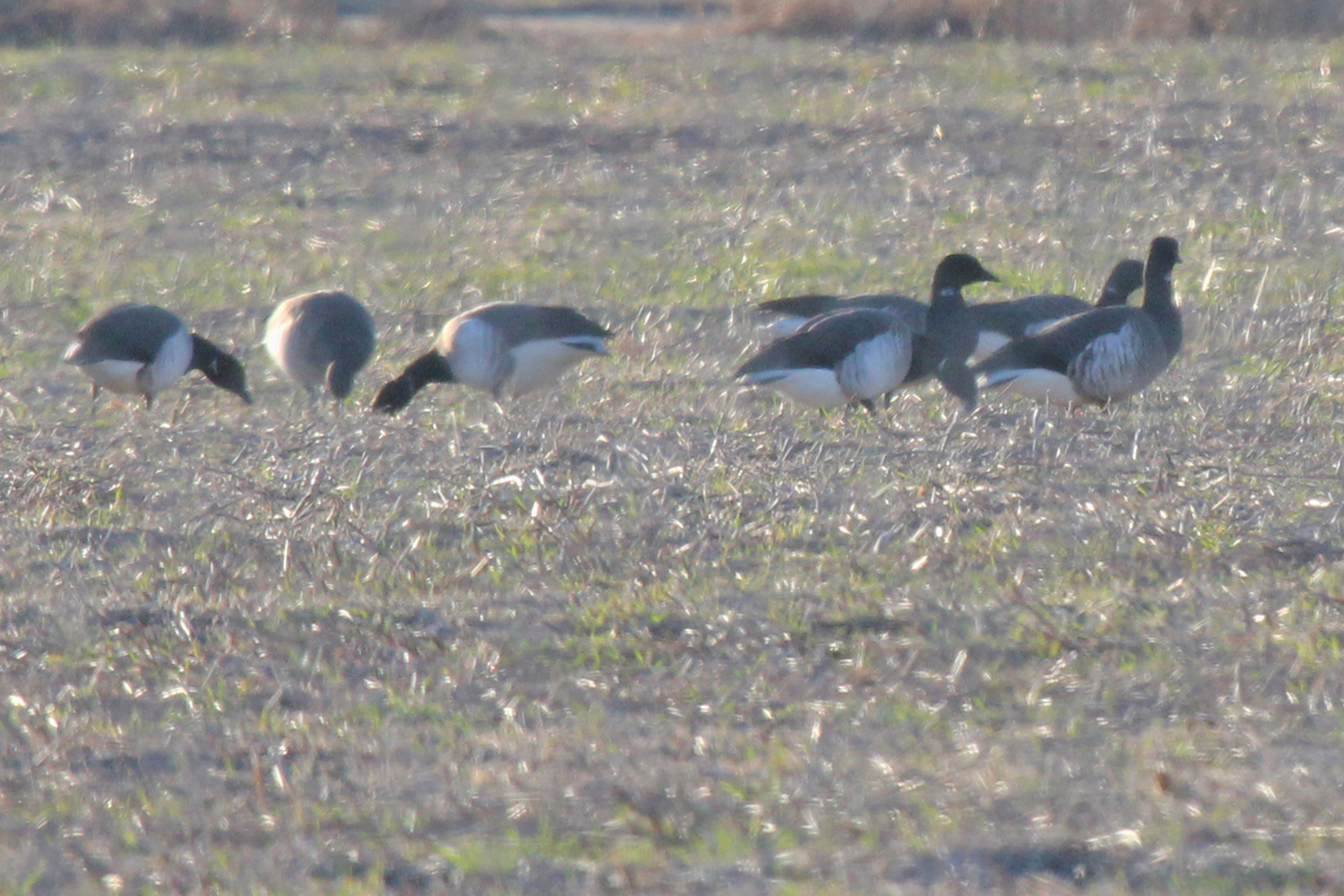
Out-of-place records for BRANT continued to come in this period, with the flock along Ocean Boulevard originally reported back on 11 Jan (ph. Stephen Keith) ballooning into a larger grouping of 72 on 29 Jan (ph. Karl Suttmann). It really is bizarre to be seeing these numbers on inland agricultural fields, and while it isn’t unheard of in Virginia Beach, it has not been known to occur the past few winter seasons. Another bizarrely out-of-place record came in this period, also of the waterfowl variety. A single adult male LONG-TAILED DUCK was photographed in a Wawa parking lot at the corner of Virginia Beach Boulevard and Oceana Boulevard on 26 Jan (ph. Lisa Kirkman). This is actually the only eBird record for a grounded individual in Virginia Beach, with every other record occurring along the immediate coastline. Bizarre indeed.

As we head into February, also known as ‘late winter’ in the birding community, we should continue to see rises in the waterfowl numbers along the coast, as well as with alcids. Laughing Gull and Black Skimmer are the only species to expectedly depart the city during the month of January, and either species would be exciting to see in the new couple of periods (though Laughing Gulls will start returning typically in late February). Snowy Egrets & Ospreys should continue to hang around Lynnhaven Inlet and Pleasure House Point NA is the most reliable place in the state to observe both during this time of year. As this report is being typed up, a major freeze event is occurring across the Midwest and Northeast portions of the country, which could force wintering water birds to head towards the coast and south in search of open water. Loons, grebes, cormorants, waders and waterfowl could all potentially be affected by this and it will be interesting to see what shows up in early February. Also, the Williamsburg Bird Club has a boat trip to the CBBT scheduled for Sunday, 3 Feb, so we could see some interesting species getting report, perhaps even a Thick-billed or Common Murre, but at the very least, loads of ducks and Razorbills!

For those hoping to view every photograph submitted for Virginia Beach during this period, please see the complete listing for the month of January located on eBird’s Media explorer by clicking here! Please remember, anyone with an eBird account also has the ability to rate these photographs (1-5 stars), and based on the average rating, this is how eBird populates anything media-driven on the website, particularly the Illustrated Checklists! So, if you're one of the many folks who enjoy looking at photographs of birds, take some time to click them all and rate them, it helps make eBird better and better each day!

Next Entry | Entry Index | Previous Year | Previous Entry

For further information regarding this thrice-monthly, online publication, please visit the Journal Overview Page which provides an in-depth explanation of the format, layout and composition of the journal. As always, thank you for reading, and please leave me a comment below (you may use your Facebook, Gmail or other accounts to easily do so), or just click the Heart icon to the lower right of this post to let me know you stopped in!

Mid-January 2019 (11th-20th)

The warmer than normal winter continued into mid-January, but we did finally begin to see a drop in temperatures at the period close. After early January afforded records for 150 species in Virginia Beach, which essentially covered most of the expected winter and permanent residents present this time of year, we did tally an additional 13 species to that list in the middle third of the month. Rarity records continued to flow into eBird this period and were highlighted by new finds for DOVEKIE, BLACK-HEADED GULL, AMERICAN WHITE PELICAN, WHITE-CROWNED SPARROW & PARASITIC JAEGER . Continuing rarities from prior periods included CACKLING GOOSE, HARLEQUIN DUCK, BREWER’S BLACKBIRD, WESTERN TANAGER & ICELAND GULL and unseasonal occurrences for BLUE-GRAY GNATCATCHER, BLACK-AND-WHITE WARBLER & YELLOW-THROATED WARBLER also occurred. We also saw some out-of-place records for BRANT and SNOWY EGRET as well!

Kicking things off, we had our first record of the 2018-19 winter season for DOVEKIE when an individual was noted in flight with a group of five Razorbills off the Little Island Park pier on 16 Jan (vis. Andrew Baldelli)! This species is annually present off the coast of Virginia, but is difficult to observe from shore. During the winter of 2016-17 however, Dovekie were observed during a mass movement of alcids off the coast on many days during February, so perhaps we’re starting to see some good signs that another major movement is underway. To that note, a seasonal high count (thus far) of 320 Razorbills off Little Island Park on 19 Jan (vis. Nick Newberry), so we’re certainly seeing a rise in alcid numbers. Combine that with the photographed Common Murre in early January and it makes it likely that we will have other encounters with similar species in the coming month, even from shore.

A first for the calendar year BLACK-HEADED GULL was briefly observed on the Lynnhaven River tidal flats from Pleasure House Point NA on 12 Jan (vis. Andrew Baldelli) until the gull flock flushed and headed upriver. Black-headed Gull falls into a similar category with Iceland and Glaucous Gulls here on the coast, being that they’re all rare birds, but we have some suspicion that one or more will be observed during a given winter season in the city. Perhaps another individual was reported from Little Island Park later in the period (vis. Karen & Tom Beatty), and one had also been reported to close out December at Rudee Inlet (vis. Tom Beatty). During the last winter season in 2017-18, an immature Black-headed Gull stayed at Rudee Inlet for some time, and was observed by many birders during it’s stay. Perhaps there will be more records for the (at least) one individual hanging around the city. All flocks of gulls seeking shelter on beaches and/or mudflats should be heavily scrutinized for this species, and the deep red bill & legs should be apparent while at rest, with the extensive black underwing present in flight (less black than Little Gull, more than Bonaparte’s).

At the close of the period, we also had our first record(s) of 2019 for AMERICAN WHITE PELICAN when a flock of 15 was observed heading northbound over the ocean from Back Bay NWR on 20 Jan (vis. Clark Olsen, ph. Karen & Keith Roberts). Another annually recorded rarity, small flocks are often expected during Jan/Feb, though last year records continued as late as May! Interestingly, a group of 15 birds heading southbound over Rudee Inlet was observed nearer to sunset the same day, and it seems pretty likely that this was the same flock (vis. Tracy Tate). Given the back-and-forth movement, perhaps they found a nice spot to set down. Last winter, one stayed on Sherwood Lakes for a couple of days, and in the past, we’ve had records of flocks on the water at Back Bay as well as on the flats at Pleasure House Point NA. Make sure to scrutinize all group of pelicans you encounter, and the white bodies, black wingtips and large orange/pink bills should swiftly help eliminate the much more common Brown Pelican from contention!

Yet another first the year, an immature WHITE-CROWNED SPARROW was observed along the edge of Stuart Road in southern Virginia Beach on 14 Jan (vis. Karen & Tom Beatty). Later pursuits the following day were unable to turn up the bird but it may still be lingering there with a flock of White-throated Sparrows as it was reported to have been with. Immatures always dominate the records here for some reason, and in 2018, there was only two adults recorded in the city.

The Virginia Aquarium & Marine Science Center came through again this period with a great record for PARASITIC JAEGER occurring during their Whales & Wildlife boat trip offshore of the Oceanfront on 19 Jan (ph. Jason Sosebee). This makes two periods in a row with jaeger observations, a species difficult to find in the winter months here, while it remains more expected during spring and fall transitional periods. For land-based birding, Little Island Park’s pier seems to be best for this species, but typically viewing with a scope is required, and the views are often fleeting when they do occur. November seems to be the best month to invest time into spotting jaegers from shore, but, there’s probably a lot that can be learned this time of year by having more folks looking for them.

At least one of the CACKLING GEESE known to be wintering in the city with the large flock of Canada Geese was recorded this period along Princess Anne Road on 13 Jan (ph. Rob Bielawski). While up to two Cackling Geese were reported during November on Sherwood Lakes, only a single bird  has been observed during Dec/Jan thus far. The goose flock tends to move around during the day between Sherwood Lakes, the fields adjacent to Princess Anne Road east of the lake and also south of Ashville Park, the HRSD fields along Firefall Drive and lastly on the pond encircled by Haviland Drive nearby. Each of these location is capable of producing a good goose record as we move headlong into the deep of coastal winter in late Jan/Feb. While no records for Greater White-fronted or Ross’s Geese have surfaced this winter in the city, both should continue to be searched for, and frankly there is no better way to do this than to scan all Canada Goose flocks for Cacklings…if you can pick that species out of the flock, the other two species are much easier to find.

The female/immature male HARLEQUIN DUCK first observed during the Little Creek Christmas Bird Count on 31 Dec near the Lesner Bridge (ph. Andrew Baldelli, Linda Chittum & Lisa Rose) was found again this period nearby on 12 Jan (ph. Andrew Baldelli & Rob Bielawski). This time around, it was first scoped from the back porch of the Brock Environmental Center at Pleasure House Point NA, then observed “closer” (800+ vs. only 400 yards away) up from the east side of Lynnhaven Inlet looking south towards the visible oyster beds along Long Creek where it was feeding in the fast-moving currents. Though it has not been observed again since, it is likely nearby, and without heading out on a boat trip to the islands of the Chesapeake Bay Bridge-Tunnel, this is the best shot at observing this species in the city, where chase-able individuals have been very tough to come by over the past few years.

An immature (first cycle to be specific) ICELAND GULL was again noted this period, this time at Rudee Inlet early in the morning on 17 Jan (vis. Andrew Baldelli, later ph. Rob Bielawski). With records having popped up this winter at  numerous locations from Fort Story JEB to Back Bay NWR, it seems likely that this is the same immature bird moving around the coastal beaches. “It” was first observed this winter back on 26 Nov (ph. Mike Collins) at Back Bay NWR and has popped up rather unpredictably along the Oceanfront, though the 17 Jan records were the last so far to be put into eBird. That same date, an adult Iceland Gull was reported at Rudee Inlet (vis. Karen & Tom Beatty), which may pertain to the same adult (a Kumlien’s race individual) that frequented the 39th Street Beach in late Dec/early Jan (first observed 27 Dec, ph. Linda Chittum & Ada Jones). That said, at least two individuals are known to be occurring near the resort area of Virginia Beach, and any flocks on the beaches could be holding them or others. The dredge pipe that outlets to 6th Street Beach is also worth checking when the pumps are going since gulls flock there to forage in the mix of sediments being pumped out of the inlet.

At least a dozen BREWER’S BLACKBIRDS continued to be observed on the private Breeze Farms property in Blackwater, most recently viewed during heavy rains and wind on 13 Jan (vis. Andrew Baldelli & Rob Bielawski). This flock has set up here in each of the past three winters, and so long as folks continue to scan the ground from the public roadway right-of-way of West Gibbs Road, they’re likely continue being reported.

The only WESTERN TANAGER publicly known so far this winter in the city continued to be reported and photographed at a private residence in Windsor Woods, with records occurring 12 Jan (vis. Brandon Holland) and on 13 Jan (ph. Andrew Baldelli, Rob Bielawski & Lisa Rose). This female/immature male type individual has been frequenting the backyard feeders at this residence since at least 13 Dec (ph. Lisa Rose), and it is quite possible that it’ll linger on into Mar or Apr as others have in the city over the past few winters. Surprisingly, the Shore Drive corridor has not yet produced a record for this species, while it has been the hotbed for records in past winters. Though, not every birder uses eBird, and not every birder likes to make their private backyard bird observations public, so perhaps there are more out there than the birding community is simply aware of.

In terms of ‘unseasonal occurrences’ we had three species pop up this period which are not expected, annual winter residents. This season, with much warmer than normal temperatures, has produced a considerable amount of linger records as species that normally depart earlier or die-off during the onset of winter storms. With no snowfall or ice-up events having occurred to this point in the city, it seems a bit more expected that we would see our first calendar year BLUE-GRAY GNATCATCHER record at Back Bay NWR on 11 Jan (vis. Daniel Patrick). With three mid/late Nov records and one Dec record this winter, it’s possible there are still other gnatcatchers hanging around, and lingerers have persisted even as far inland as Richmond where at least one continued into Jan at Ancarrow’s Landing.

A continuing YELLOW-THROATED WARBLER in Bellamy Woods continued to visit the feeders of a private residence through at least 19 Jan (ph. Reuben Rohn). Not too far away in Bellamy Manor, likely the same individual was observed in another yard and photographed (ph. Una Davenhill) on 20 Jan. With the overall scarcity of this species as a winterer this far north, it seems likely that any record near this area is referring to the same bird moving around, though it remains unclear if the records earlier this winter in Pembroke Manor pertain to this same individual or another. Perhaps we have more Yellow-throated Warblers hanging around than anyone suspects. Amazingly, we’ve had far more individuals logged in the city during the past few winters than we have during the past few summers, which makes little sense when considering their distribution throughout the rest of Virginia.

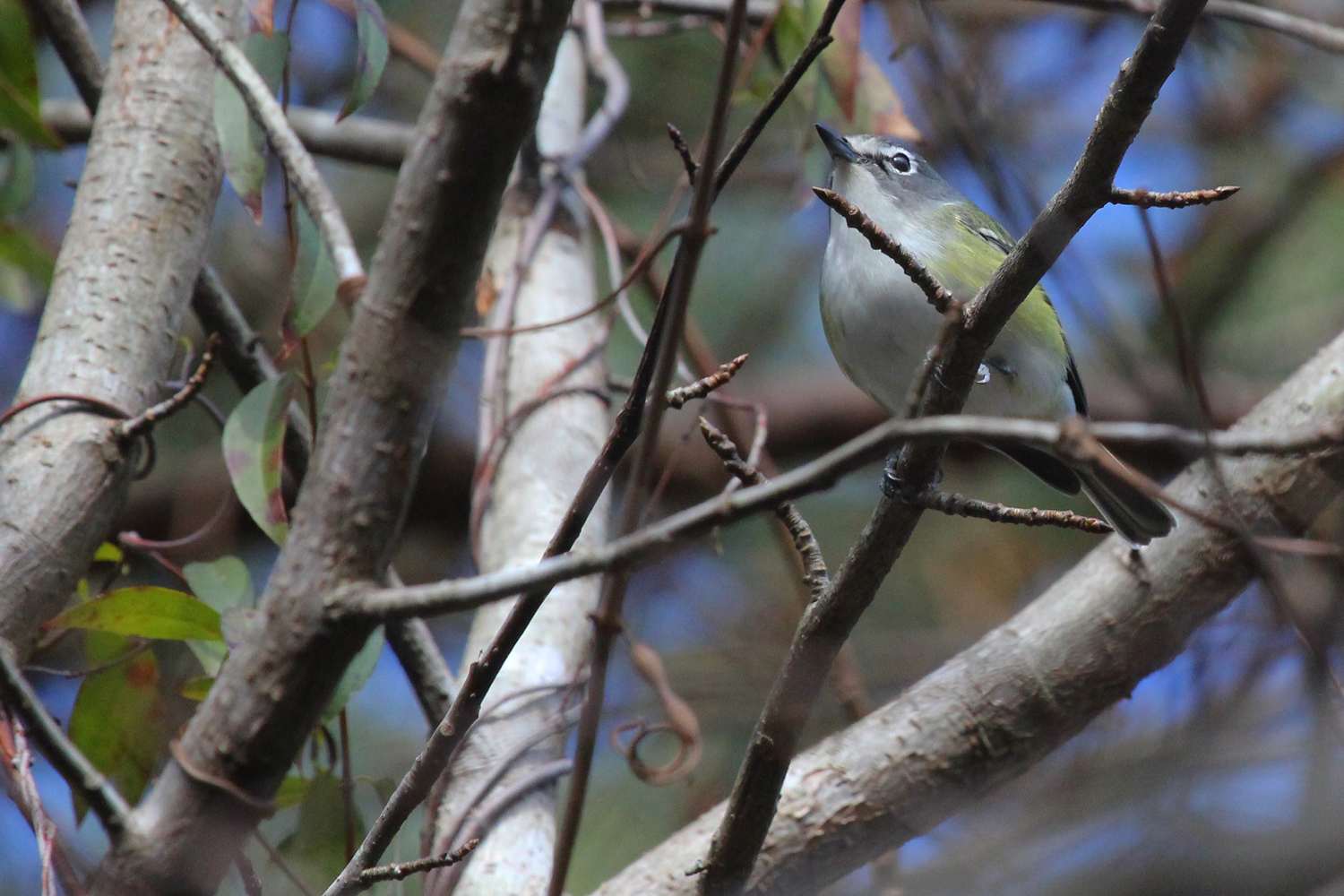
At least two BLACK-AND-WHITE WARBLERS were observed during mid-January, with a single individual observed in Great Neck Estates at a private residence on 11 Jan and the second occurring at Stumpy Lake NA from 15 Jan (ph. Steve Myers), through 16 Jan (ph. Karen Beatty) & 17 Jan (vis. Tom Beatty). In recent winters we might see one or two records for this species in the city, so this has surely been one of the best winters to try and see them in months they aren’t typically found in. The individual at Stumpy Lake NA has been observed mainly on the trails nearest the parking area, so a long walk isn’t even necessary. Combine that with the Pine Siskins and Blue-headed Vireos that folks have been finding in that same area and it’s certainly worth a check when time warrants.

For some reason this winter, BRANT seem to be departing their usual habitat of brackish marshes (mostly in the Lynnhaven) and have been showing up in fields and on freshwater lakes elsewhere in the city. A group ranging in size from 16-41 Brant was observed along Oceana Boulevard from 11 Jan (ph. Stephen Keith) through 14 Jan (vis. Karl Suttmann). Also, a flock of 58 was observed at Oliver’s Pond near Lake Smith on 16 Jan (vis. Tracy Tate), and were also later observed flying overhead towards the Lynnhaven.  

A pair of slightly out-of-place SNOWY EGRETS also occurred this period, with one spotted 14 Jan on Wishart Lake (ph. Rob Bielawski) and another found at Lake Lawson & Lake Smith NA on 16 Jan (vis. Jeffrey Marcum). Typically during the winter season (Dec-Feb) this species is only observed in the area surrounding Lynnhaven Inlet and Pleasure House Point NA, with many roosting up Pleasure House Creek towards Shore Drive. Though it is probably expected that individuals will move outward during the day to forage, it is still interested when they’re recorded away from that immediate area during winter. In fact, aside from a single bird in Hampton’s Grandview NP these are the only records in the state as a whole for Snowy Egret so far this winter, and there have not been any records in state’s to our north either.

In addition to what’s already been mentioned above, we did also add DUNLIN & AMERICAN OYSTERCATCHER to our city year list on 12 Jan at Pleasure House Point NA (vis. Andrew Baldelli & Rob Bielawski), as well as BARRED OWL on 12 Jan along Indian River Rd. (aud. Tracy Tate), PURPLE SANDPIPER on 16 Jan at Rudee Inlet (ph. Reuben Rohn), COMMON GOLDENEYE on 17 Jan at Little Creek Inlet (vis. Tracy Tate), HORNED LARK on 18 Jan at Ashville Park (obs. Karen & Tom Beatty), and lastly COMMON YELLOWTHROAT on 19 Jan at Back Bay NWR (vis. Nick Newberry). So as of the end of 20 Jan, we sat at 163 species for the year, with 118 of them being photographically documented in 2019!

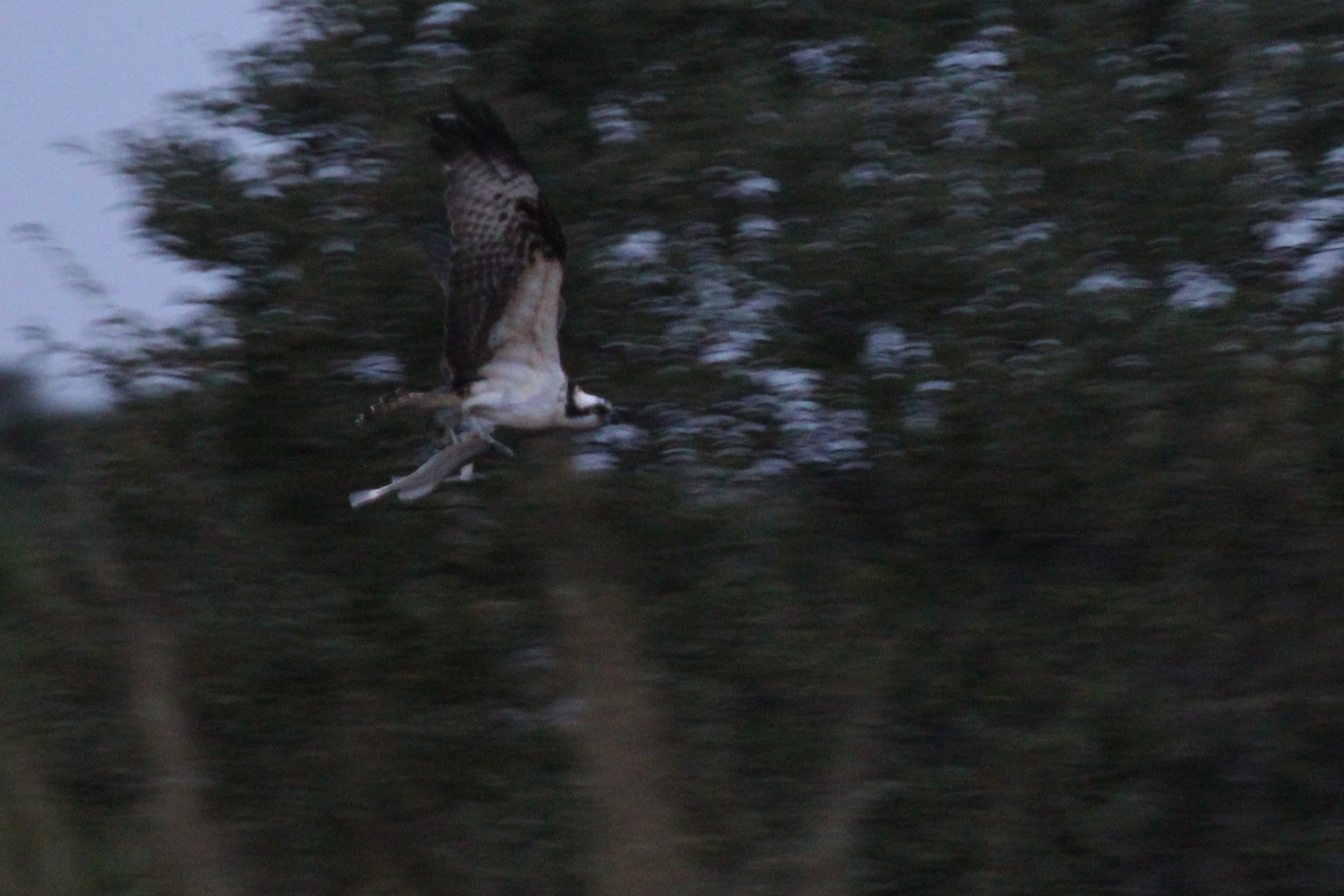
Also, it is worth mentioning to those who might be interested that a first year male COMMON EIDER has been lingering around Rudee Inlet for a week or more, and LONG-TAILED DUCKS have been observed here lately as well. BLACK SKIMMERS have continued to be recorded at Pleasure House Point NA, mostly at low tide when they’re resting on the mudflats with various other gull and shorebird species. These skimmers are the northernmost to stay this late into the season, and they could disappear until Apr whenever our first frigid batch of real winter weather arrives. Last year for example, there was no records during Jan-early Apr in the city, so it’s neat to see them still around this year. OSPREYS and NELSON’S SPARROWS continue to be observed at Pleasure House Point NA as well, with this being the only reliable place in the city for both species this time of year, and also the only place in the state for Ospreys to be readily found. BLACK-CROWNED NIGHT-HERONS continue to be observed around the pond at Bayville Farms Park, on Lake Joyce, at Pleasure House Point NA and on Middle & North Lake Holly at the Oceanfront. Aside from that, there’s plenty of other species to be excited for, so get out and find some in late January!

For those hoping to view every photograph submitted for Virginia Beach during this period, please see the complete listing for the month of January located on eBird’s Media explorer by clicking here! Please remember, anyone with an eBird account also has the ability to rate these photographs (1-5 stars), and based on the average rating, this is how eBird populates anything media-driven on the website, particularly the Illustrated Checklists! So, if you're one of the many folks who enjoy looking at photographs of birds, take some time to click them all and rate them, it helps make eBird better and better each day!

Next Entry | Entry Index | Previous Year | Previous Entry

For further information regarding this thrice-monthly, online publication, please visit the Journal Overview Page which provides an in-depth explanation of the format, layout and composition of the journal. As always, thank you for reading, and please leave me a comment below (you may use your Facebook, Gmail or other accounts to easily do so), or just click the Heart icon to the lower right of this post to let me know you stopped in!