Mid-August 2017 (11th-20th)

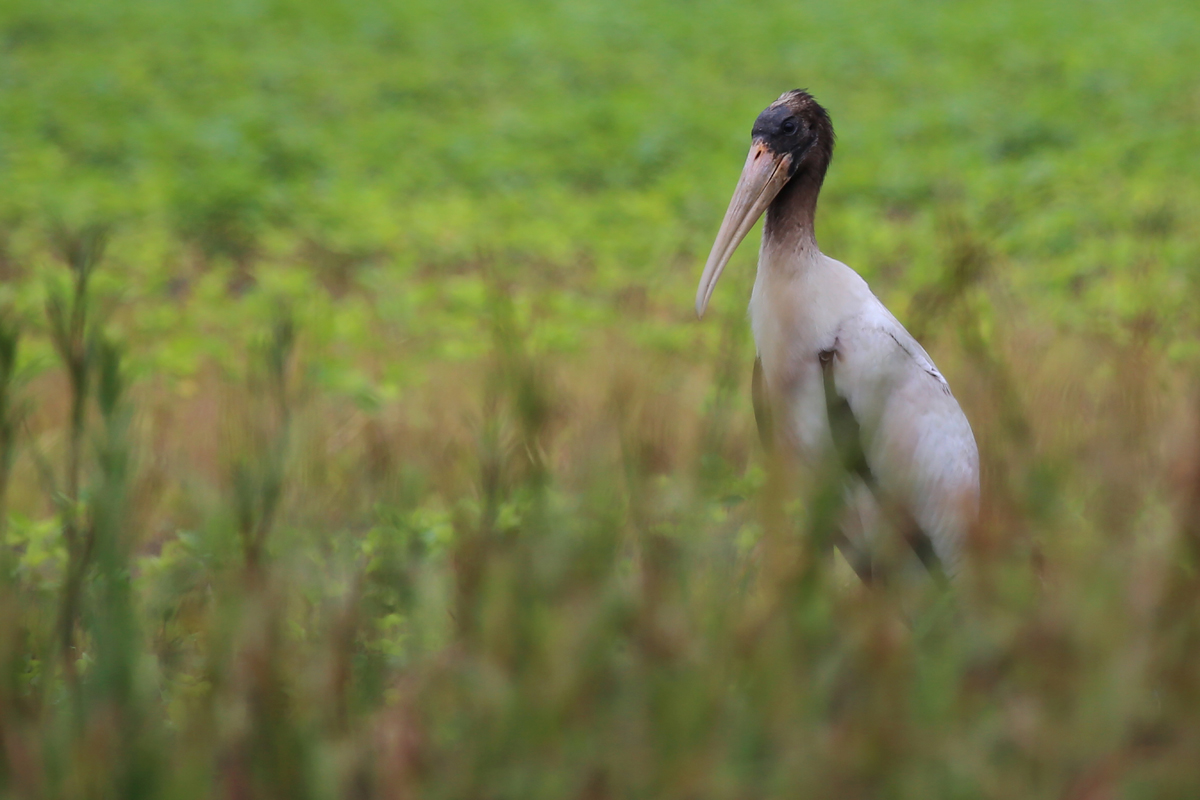
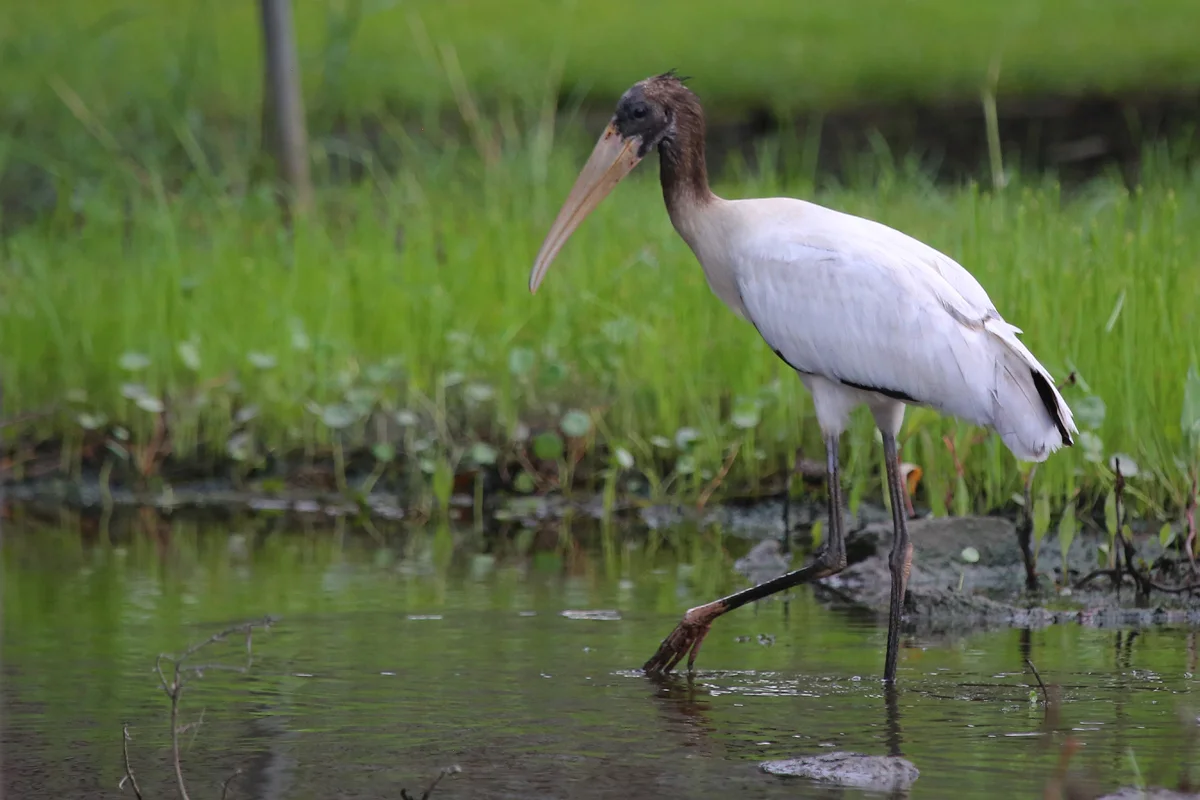
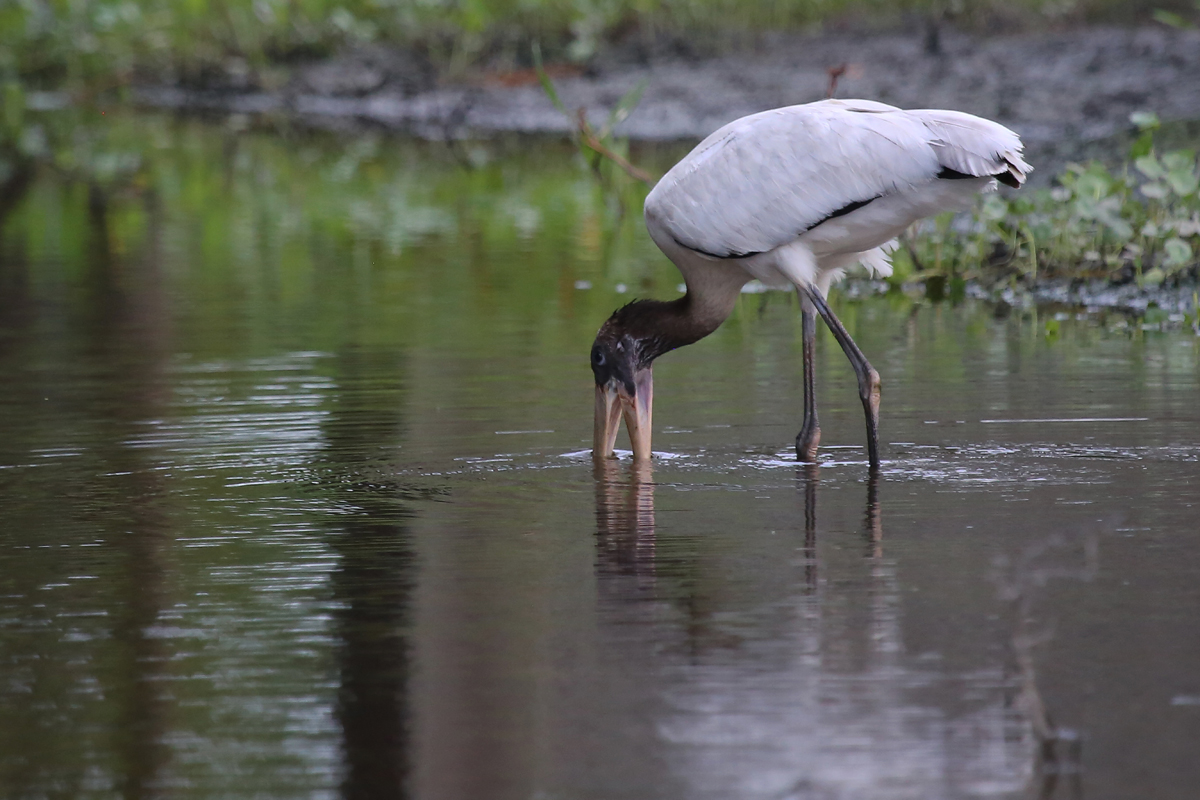
While mid-August began with comfortable temperatures, the mercury spiked upwards towards the end of the period and heat indices rose over 100 degrees F for what is hopefully the last time in 2017. Top birds during this period in Virginia Beach included the continuing WOOD STORK (which was present every day of the period), an early first-of-fall arrival for Northern Harrier (11 Aug) as well as first-of-fall arrivals within expected dates for Yellow Warbler (13 Aug), Northern Waterthrush & Peregrine Falcon (15 Aug), Dunlin (16 Aug) & Common Nighthawk (18 Aug). WEATHER: Due primarily to the heat wave over the latter half of the period, mid-August’s average daily high temperatures managed to rise over those in early August (and amazingly, over late July’s as well), reaching 85.3 degrees F (+2.5 degrees from early August); average daytime lows unfortunately followed suit, rising to 72.6 degrees F (+4.1 degrees). The previous 10-year average daily highs & lows for the mid-August period were 86.4 & 71.1 degrees F, respectively which puts this period in 2017 at -1.1 and +1.5 degrees when comparing to the previous 10-year average. During that time frame, the maximum average daily highs & lows were a scorching 96.9 & 81.0 degrees F (2017) thanks to an incredible three days reaching 100 degrees F! We had 6 days with measurable precipitation during this period, which amounted to a total of 3.72 inches, with most falling 12 Aug to the tune of 2.39 inches!
OBSERVATIONS: Heavy rains throughout mid-August dampened our hopes for finding shorebirds in locations that were better suited at this same time last year, such as Back Bay NWR’s E & H Pools. However, on a positive note, passerine migration seemed to get a bit of a start this period. Unfortunately, and somewhat surprisingly given our recent track record locally, no new rarities were found during this period in Virginia Beach, but this in no way prevented birders from getting out into the field. The WOOD STORK (ph. Karen & Tom Beatty) that was found 8 Aug in an agricultural ditch running perpendicular to Pleasant Ridge Road in the southern portion of the city continued to be observed, and was actually reported every single day from 11-20 Aug by an incredible number of birders! To date, 83 beautiful photographs of this wayward southerner have been submitted to eBird, and for those who don’t wish to browse through every single report, please click here to view all of them on the same screen! Also, to see the individual reports for everyone who has submitted an eBird checklist containing this continuing Wood Stork (and all other unusual finds within Virginia Beach for that matter), remember to check the Noteworthy Observations page here on the website!

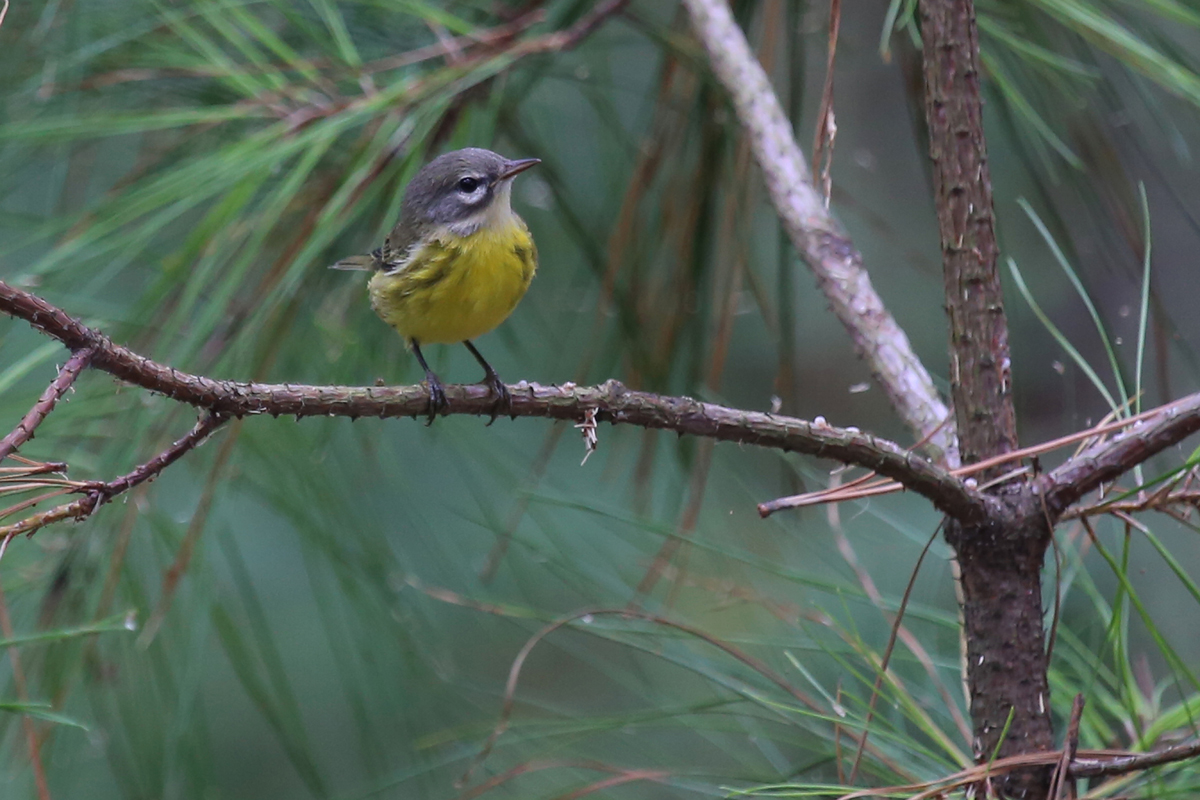
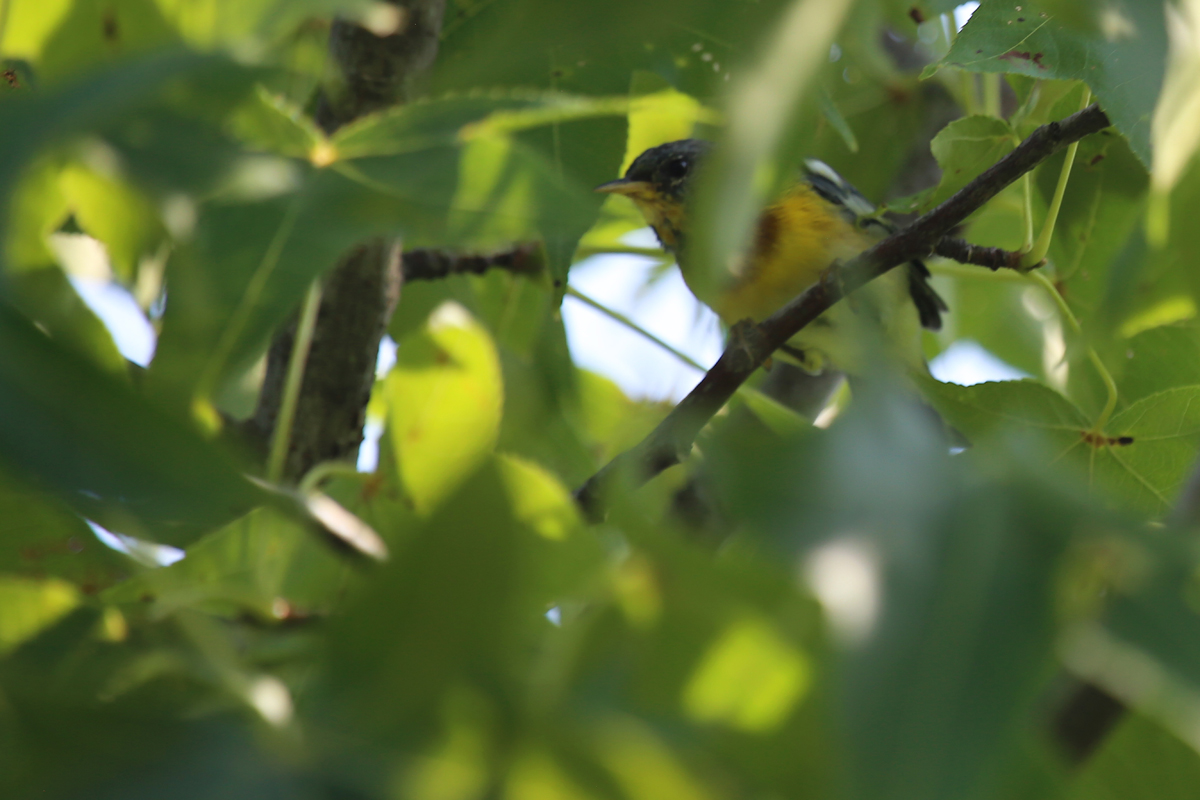
First-of-fall arrivals continued to be picked up during mid-August, starting off with an early report for Northern Harrier (ph. Lisa Rose) at Back Bay NWR on 11 Aug. The average arrival date for harriers to Virginia Beach is 15 Aug, so this was a good find at that time. Also found at Back Bay NWR, though a couple of days later on 13 Aug, a pair of first-of-fall Yellow Warblers (expected 5 Aug arrival) were noted (obs. Tommy Maloney & Jason Schatti) just a hundred yards or so south of the visitor contact station’s parking lot near the first hammock of trees prior to the fishing structure that sits adjacent to the West Dike. In keeping with warbler arrivals, a Northern Waterthrush (expected 5 Aug arrival) was found on South Thimble Island (obs. David Clark). Often during migration, the rocky area immediately behind the restaurant on the west side of the island holds songbirds that have flown south across the mouth of the Chesapeake Bay, and hunkered down on the first available spot they can find. Some vegetation grows here as well, and can house a variety of passerine species during fall migration movements, so if you head up to the Chesapeake Bay Bridge-Tunnel, be sure to look and listen for a few minutes at this spot. Sadly, the first island (South Thimble) will only remain open through 30 Sep of this year before construction shuts the island down for the next few years. Peregrine Falcon was next on the arrivals list, with one being observed 15 Aug at Back Bay NWR (obs. Karen & Tom Beatty). This one was right on time, as 15 Aug is the expected arrival date. We did have at least one summer record for this species as well, but they aren’t expected to be seen annually in the summer months here, though breeding has been confirmed for the species on the Eastern Shore to our north. Our last regularly occurring shorebird finally arrived during mid-August also, when a single Dunlin (expected 30 Jul arrival) was observed on South Thimble Island (obs. Bill Nelson). Last on the arrivals list for mid-August was a group of Common Nighthawks (expected 5 Aug arrival) that flew over Hunt Club Forest 18 Aug (obs. Karen & Tom Beatty). In past years, this seems to be right in line with their typical flyway during migration as Karen & Tom had 13 individuals fly over 9 Sep 2016 as well! Thus far, this species has not been identified as a breeder anywhere around Virginia Beach, so we’re likely seeing northern individuals migrating back south along the coast, though they are known to breed as close as Craney Island in Portsmouth.

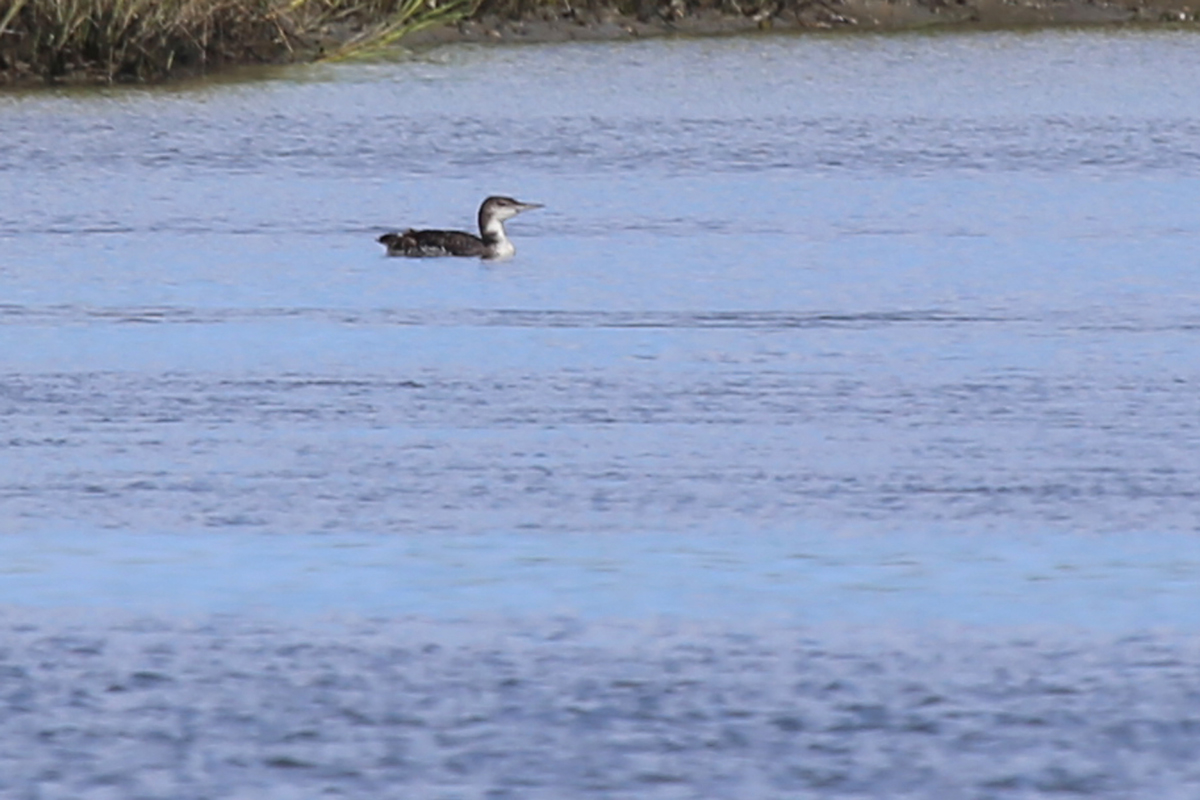
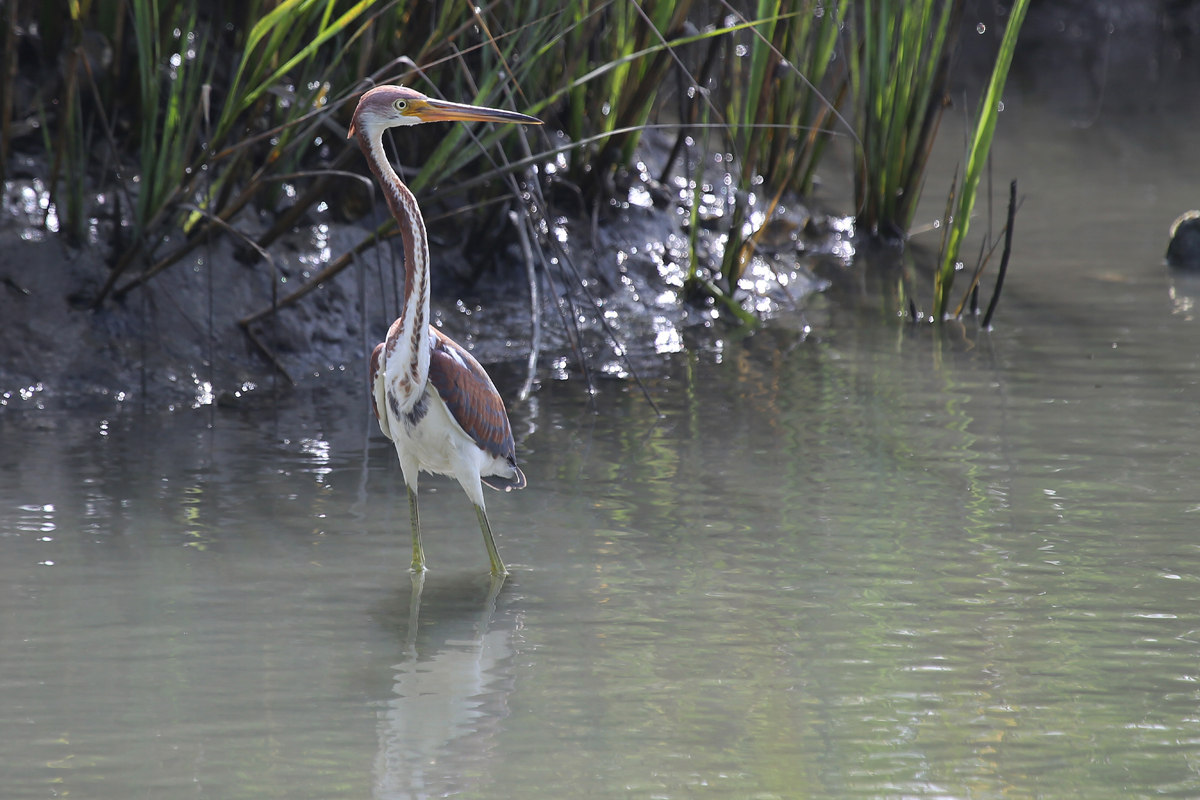
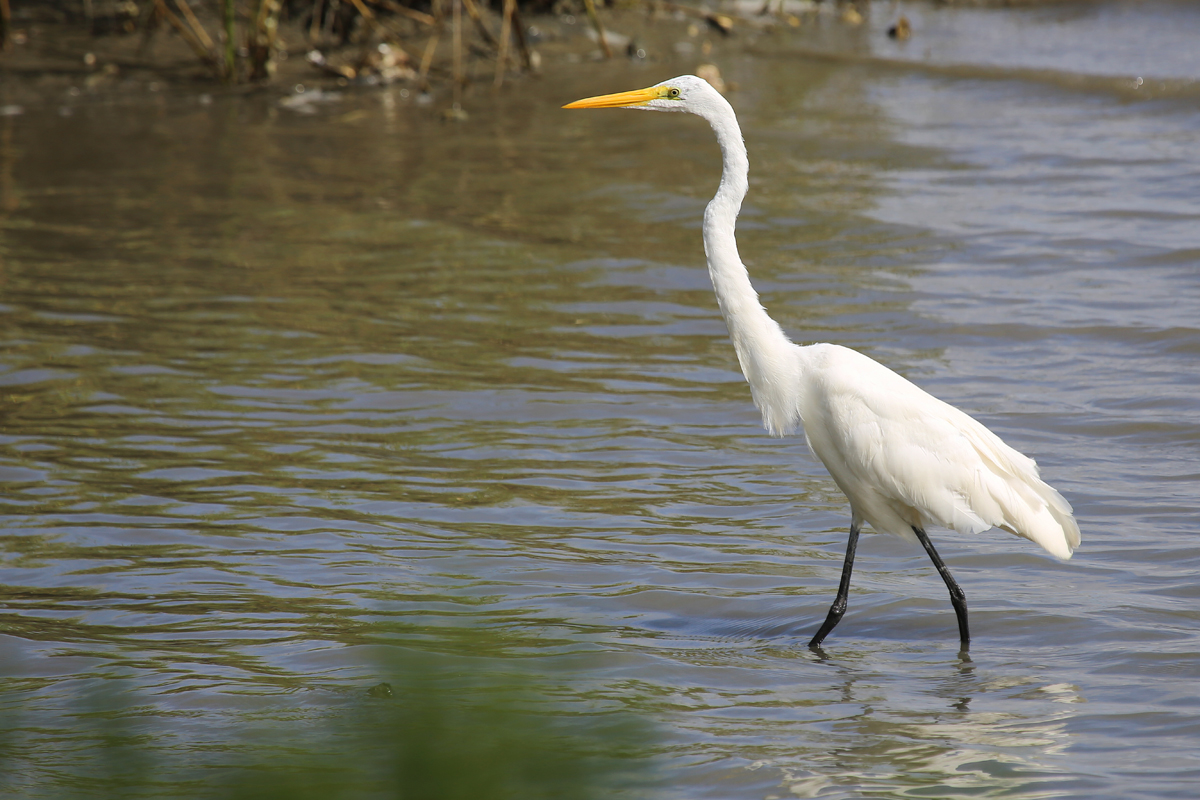
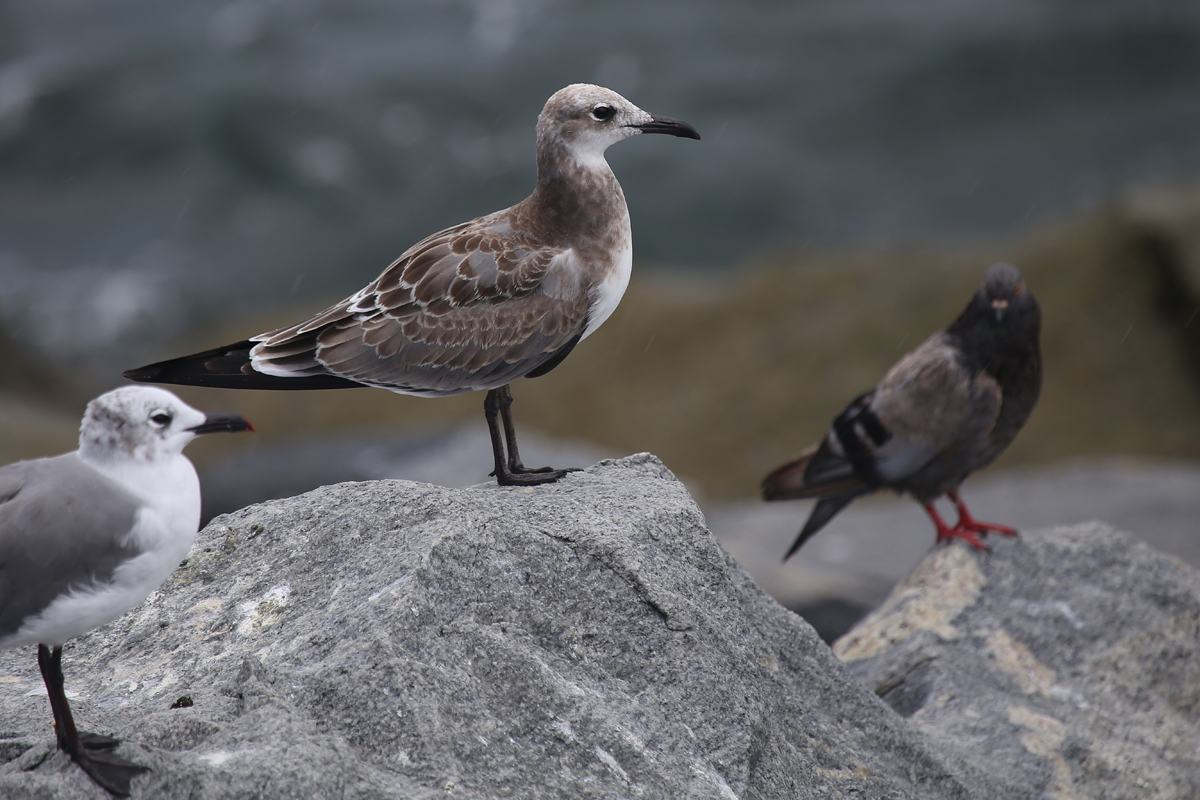
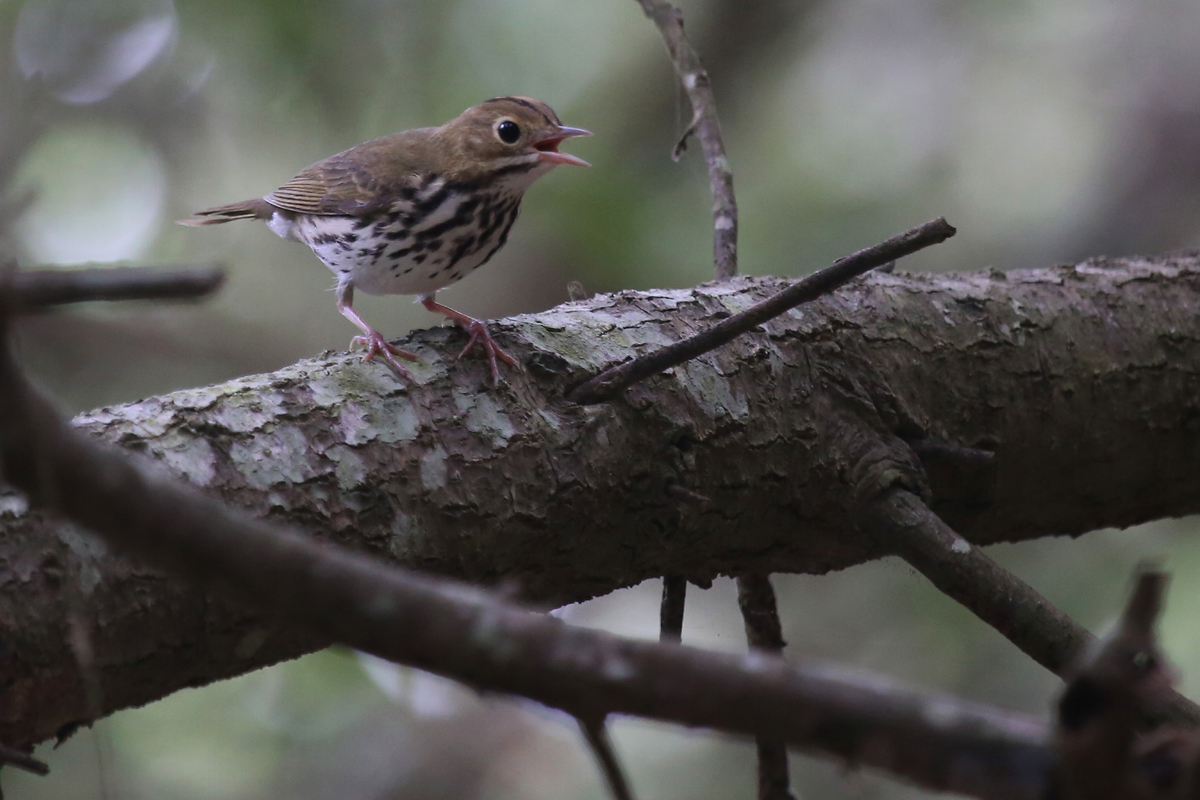
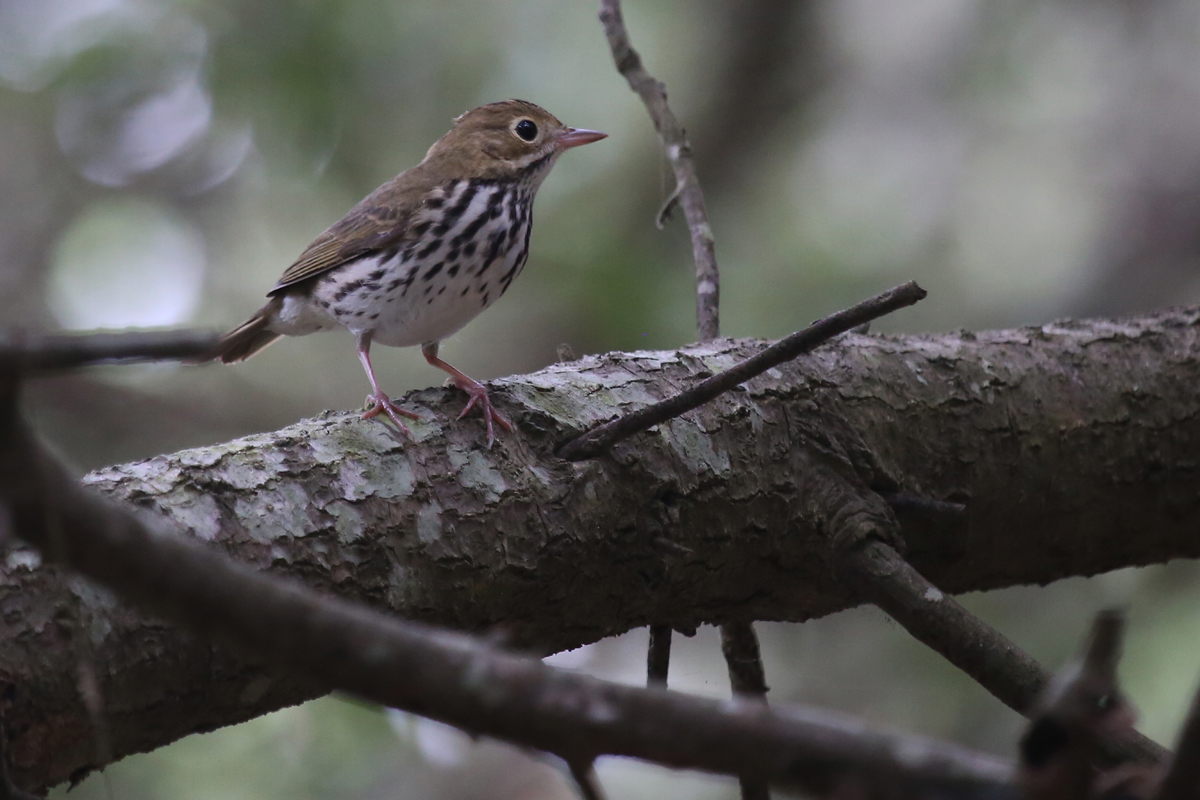
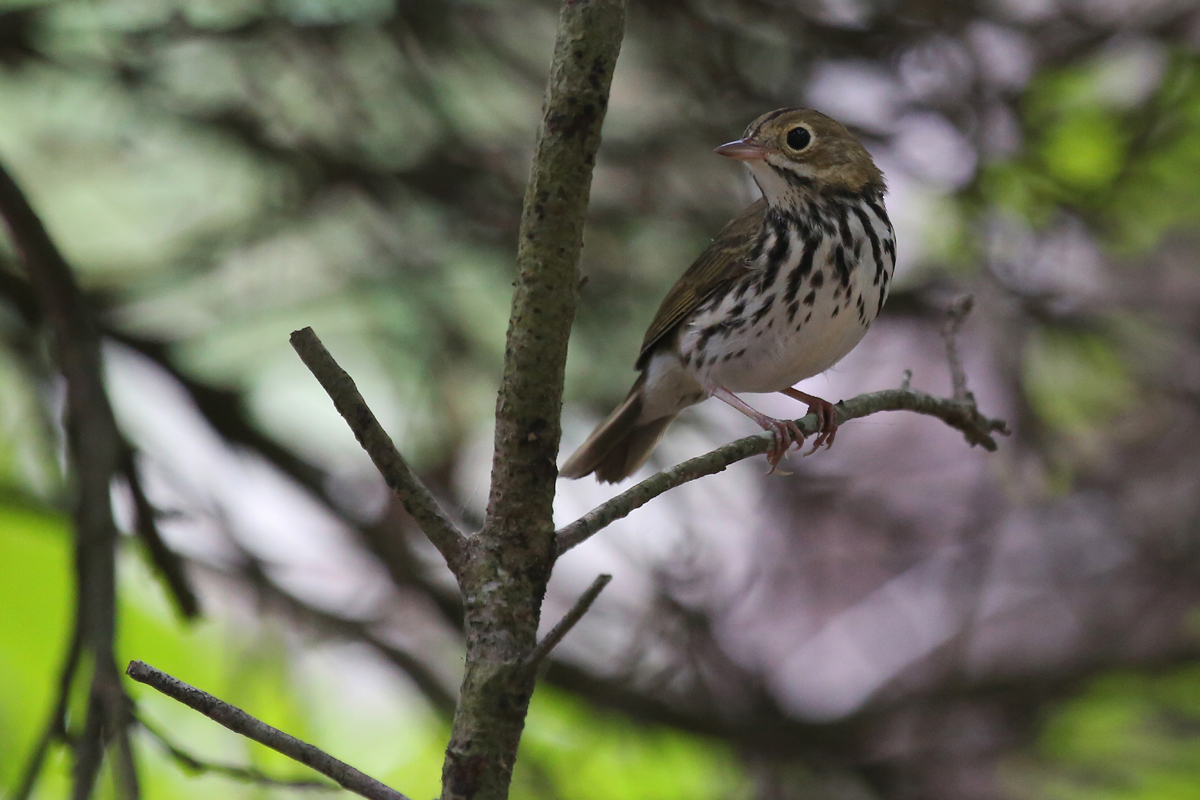
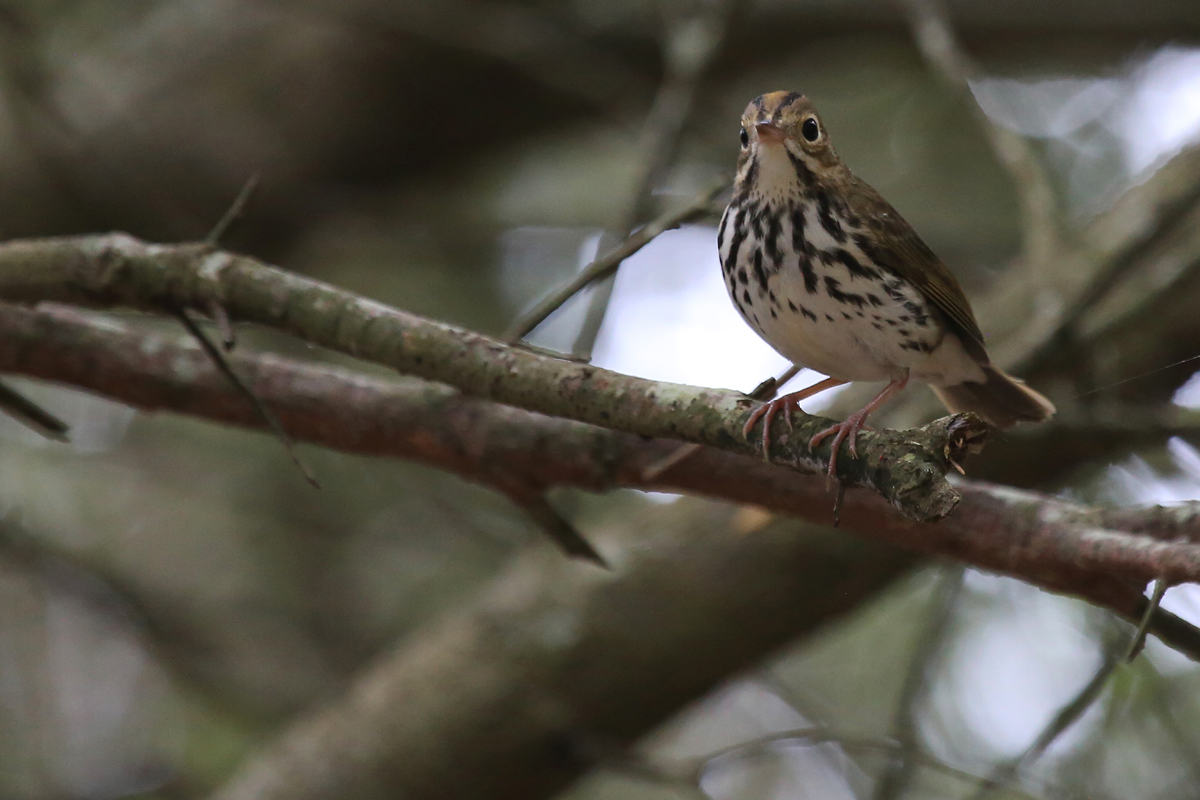
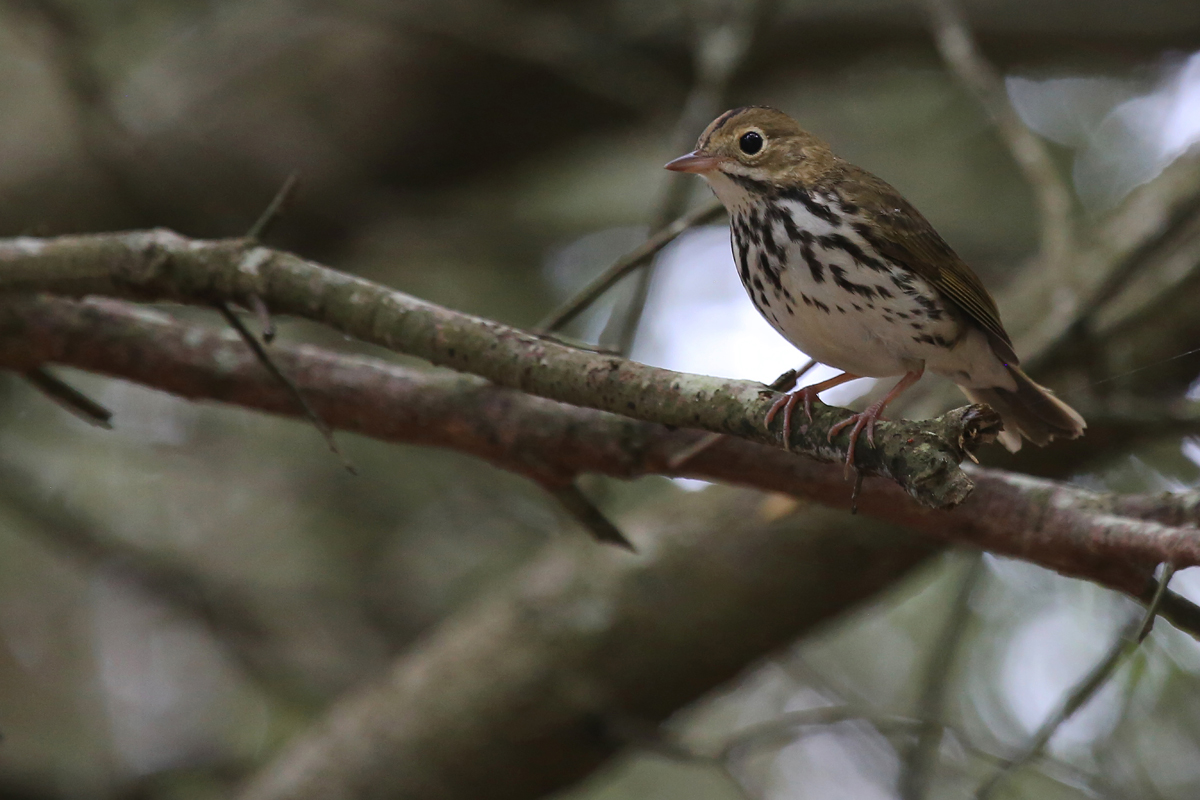
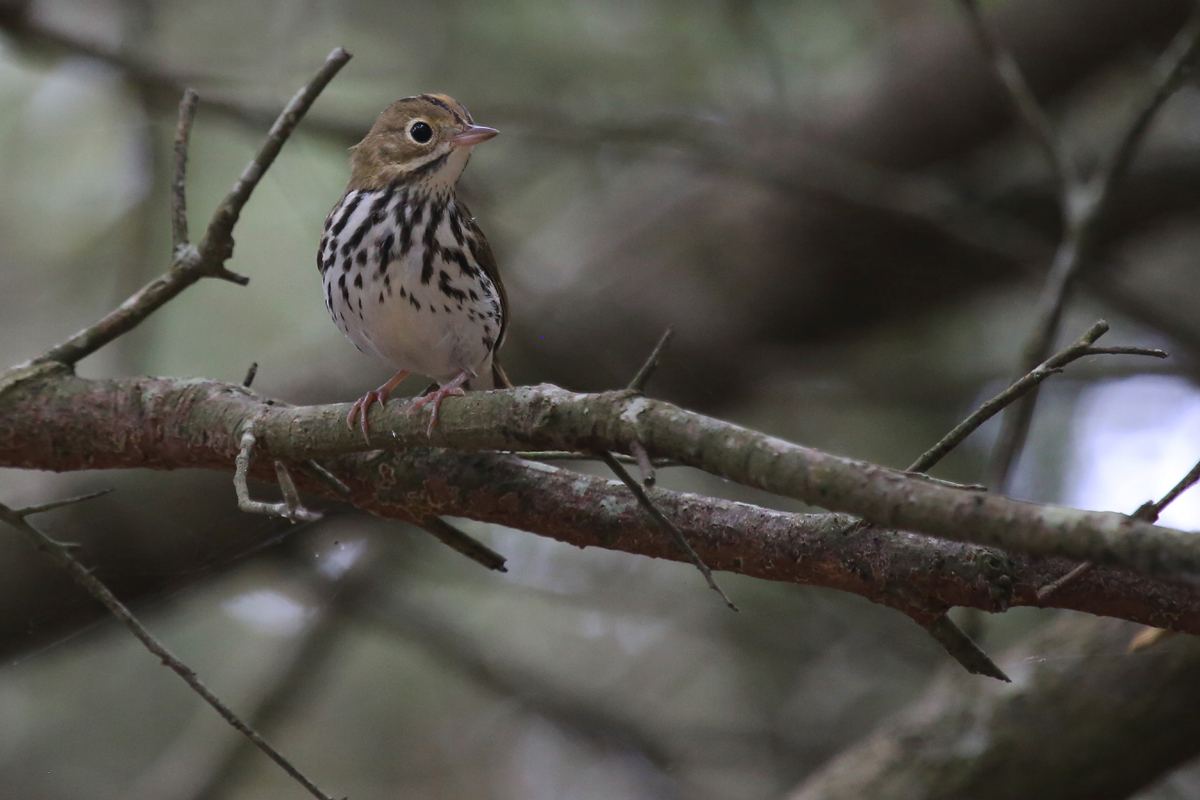
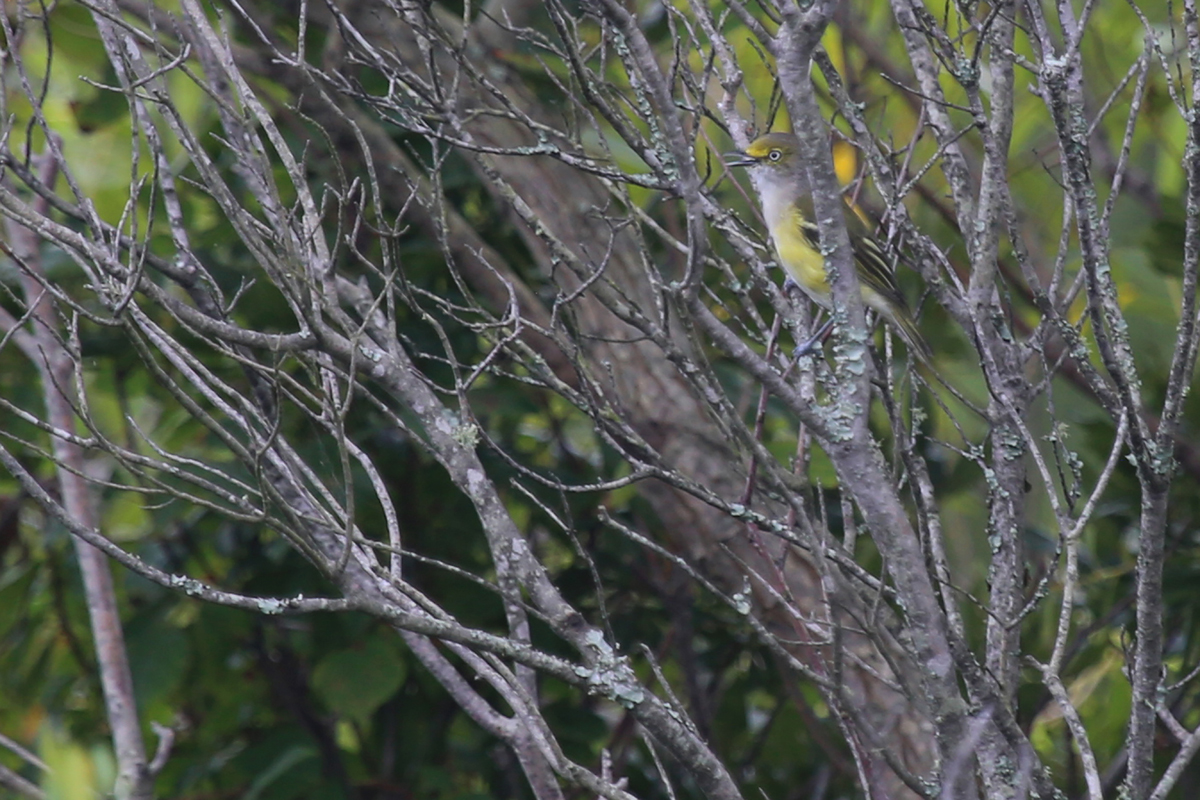
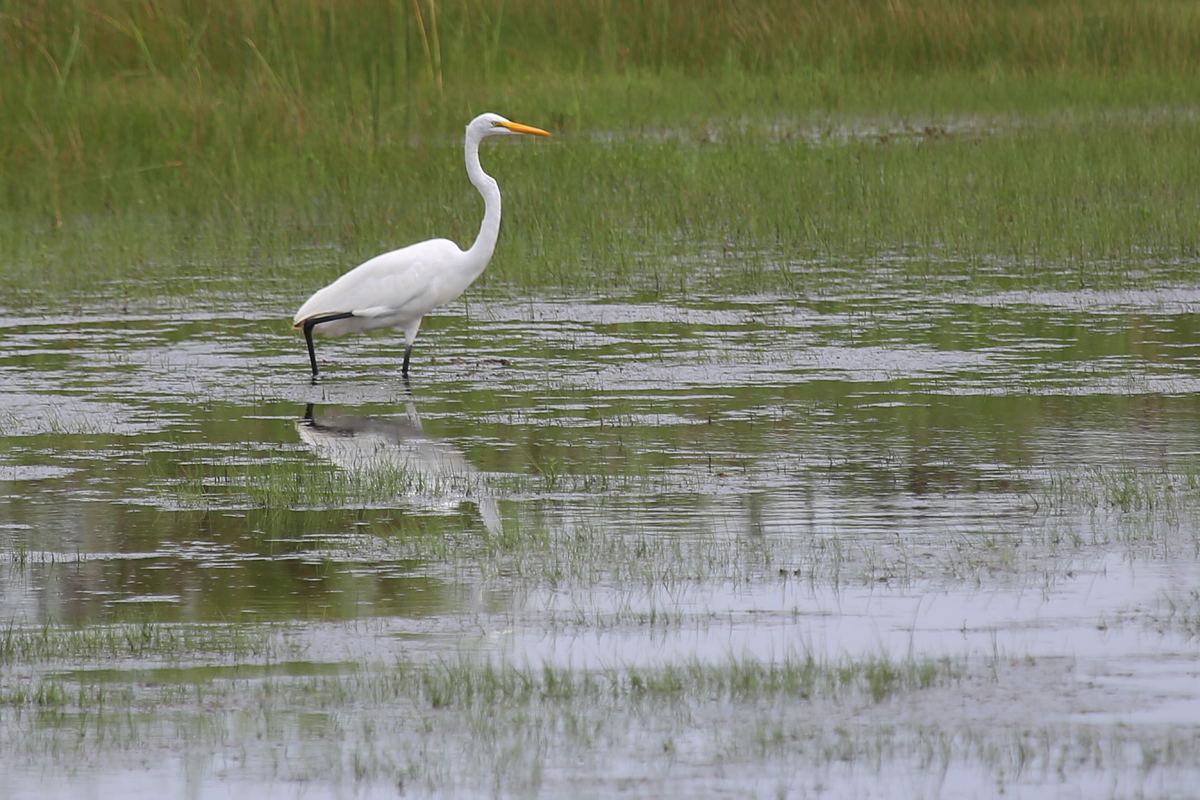
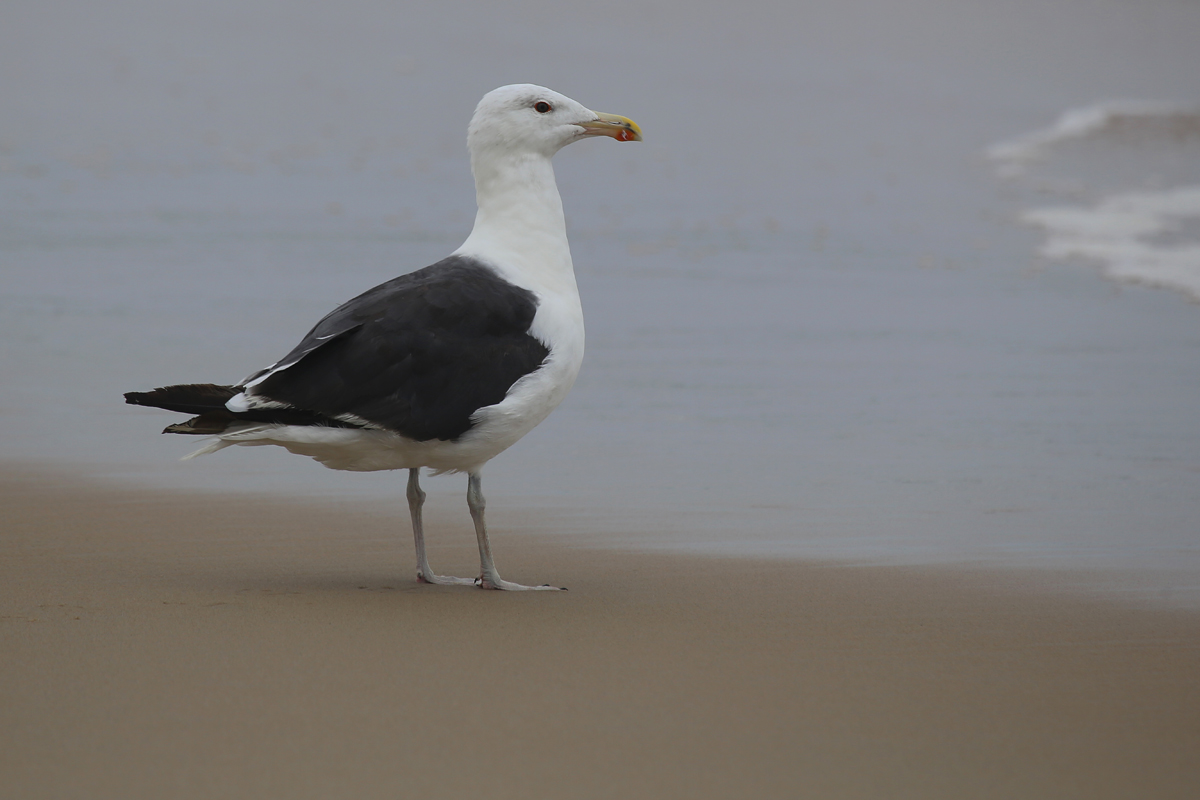
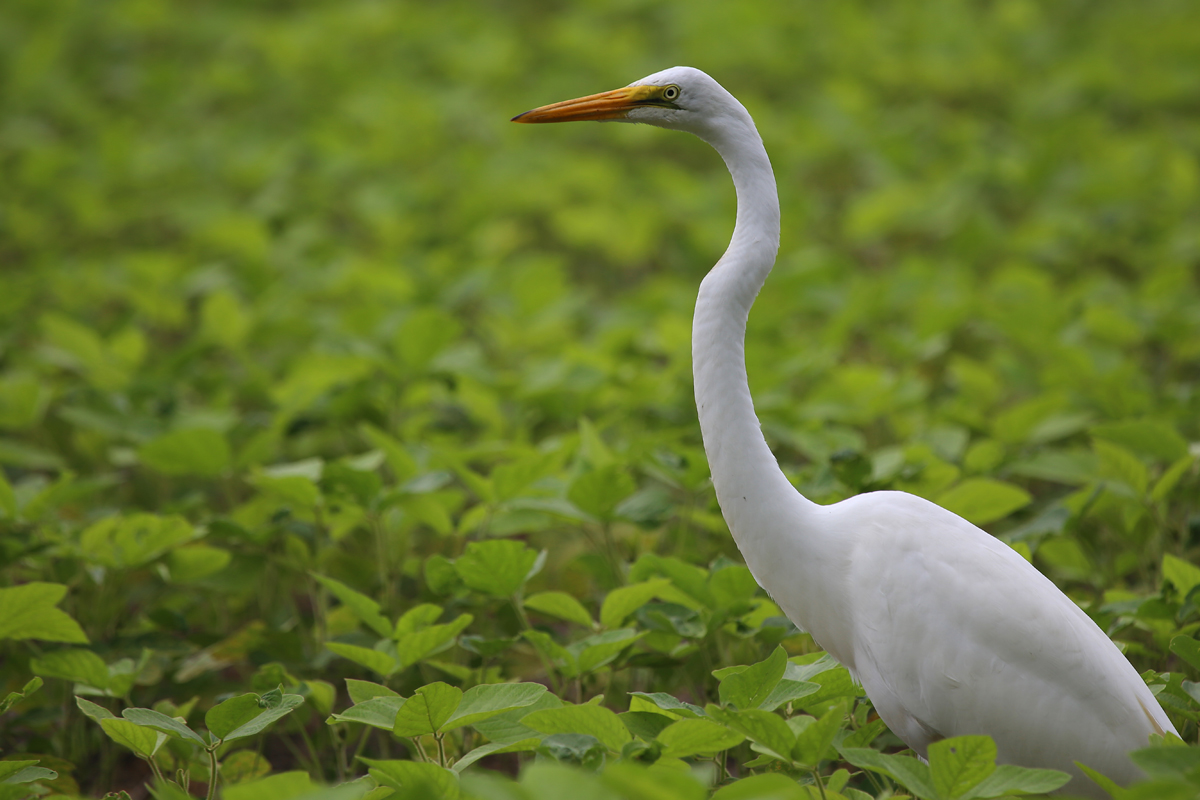
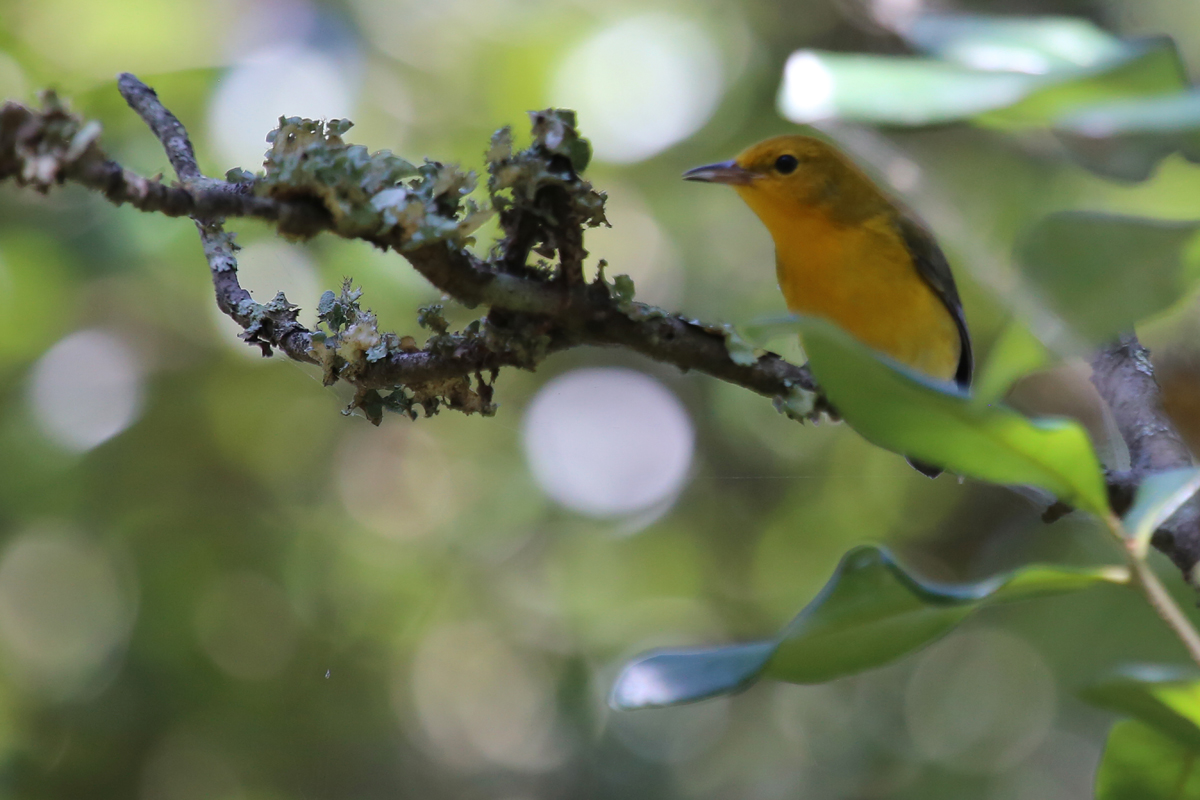
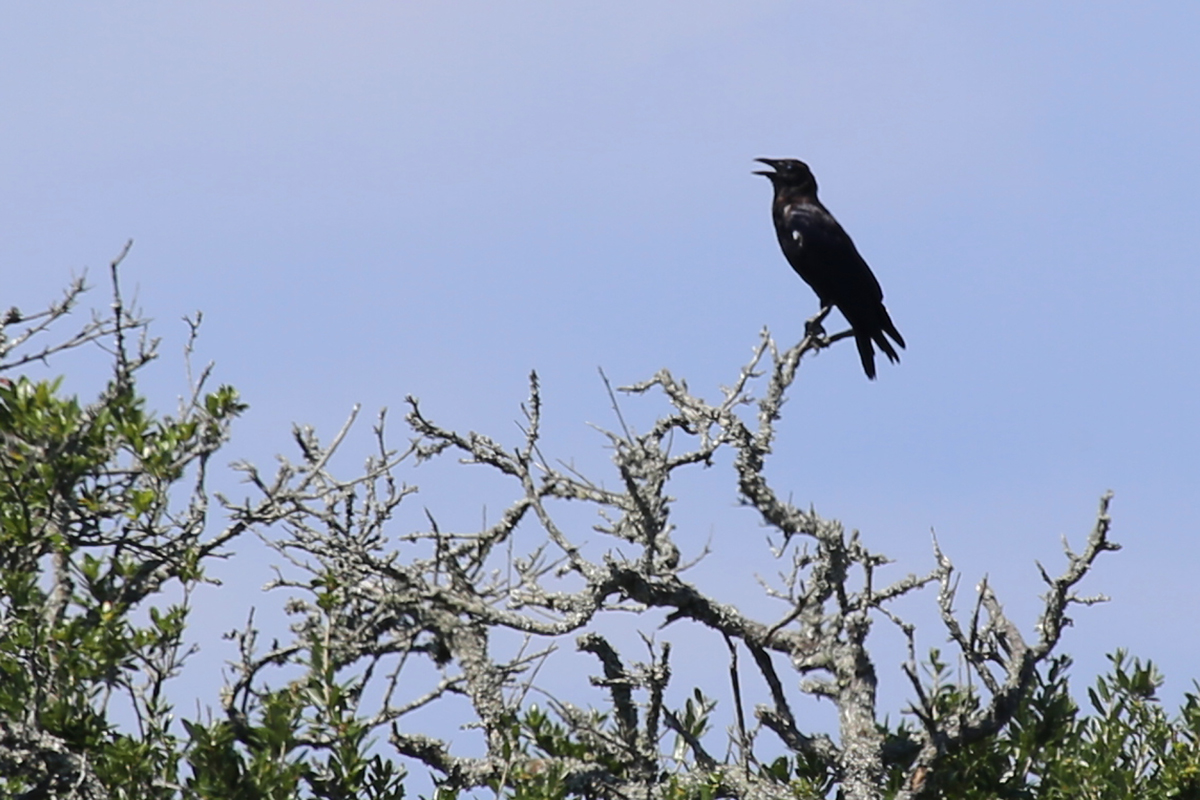
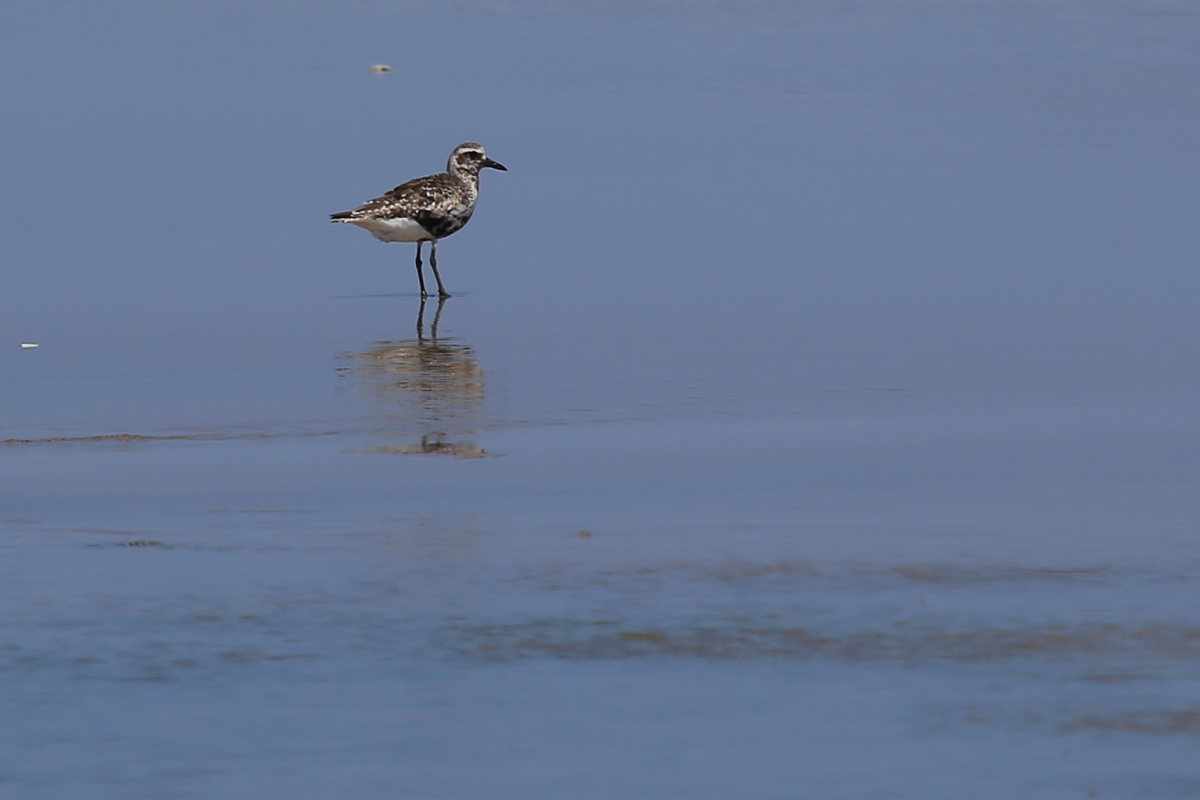
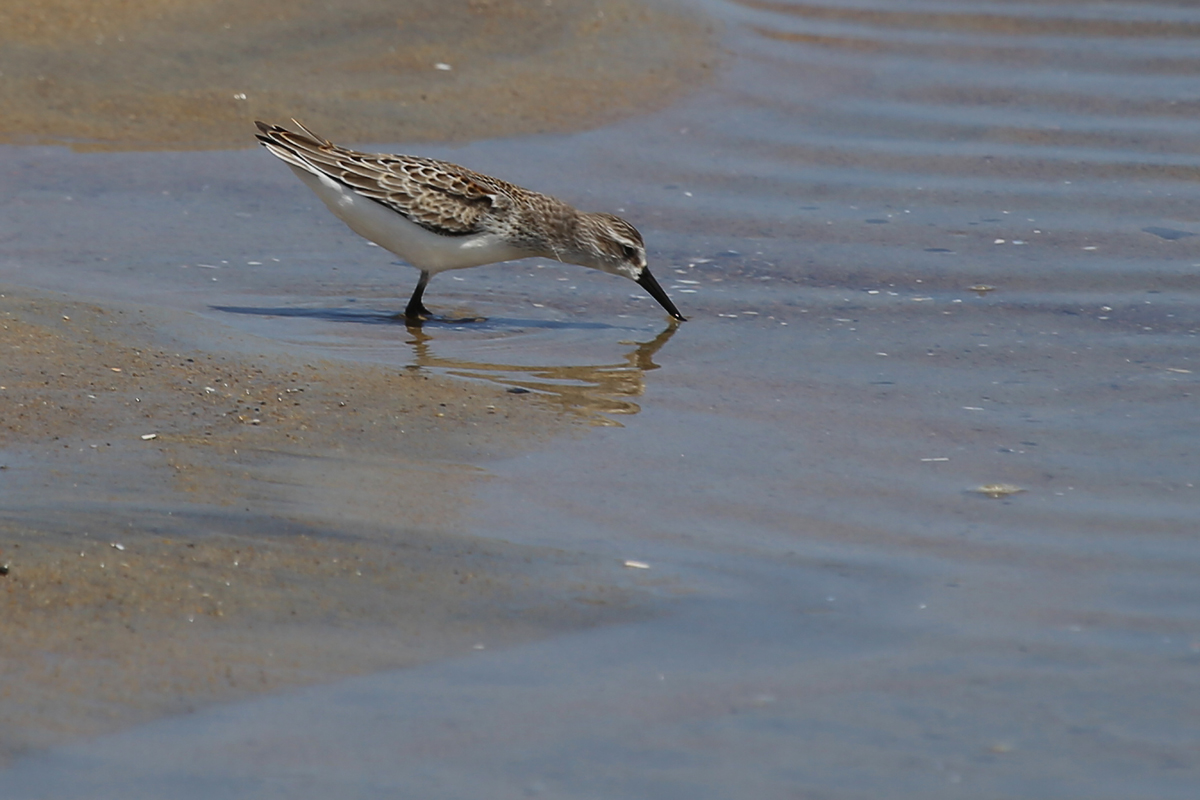
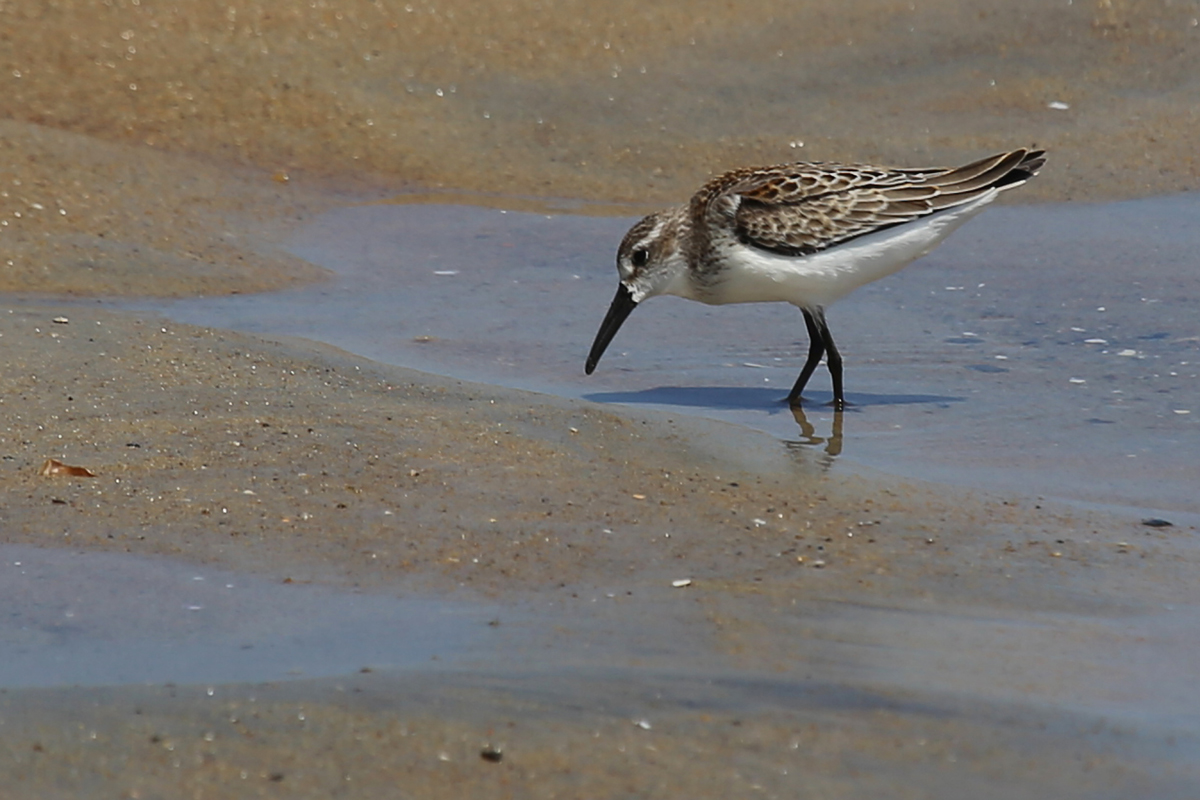
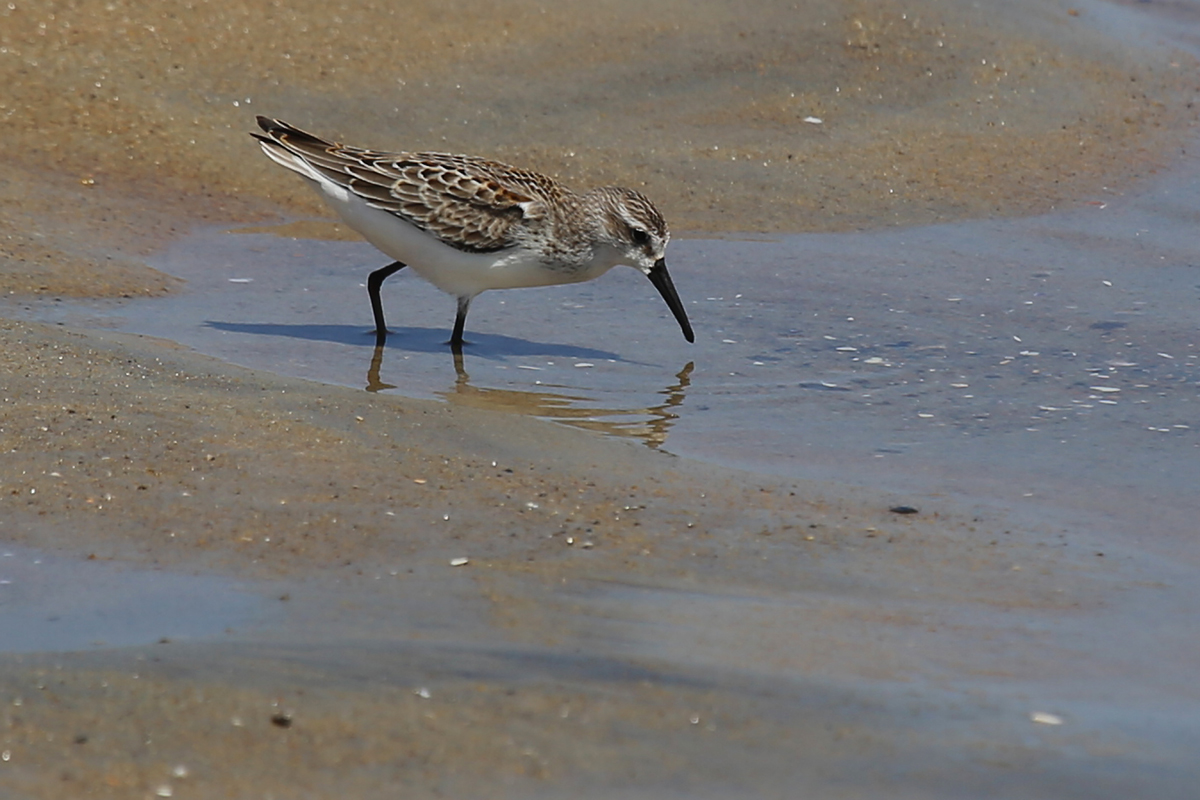
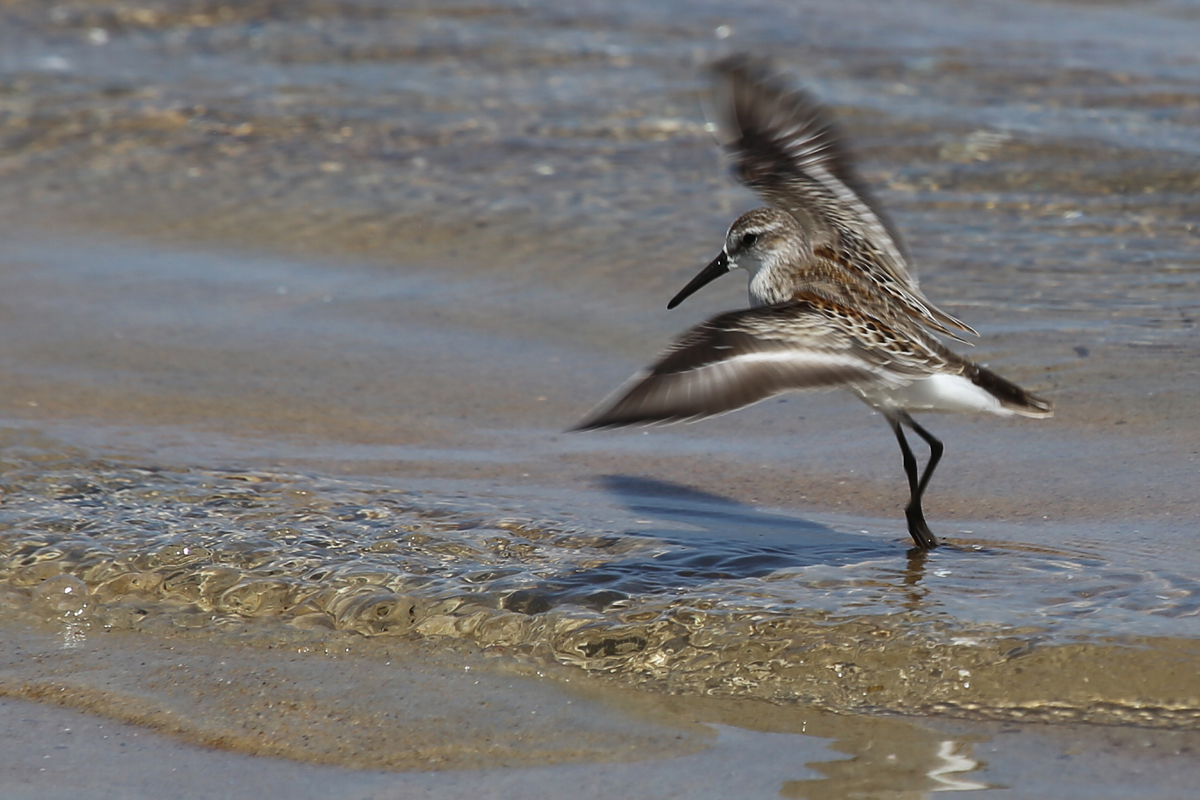
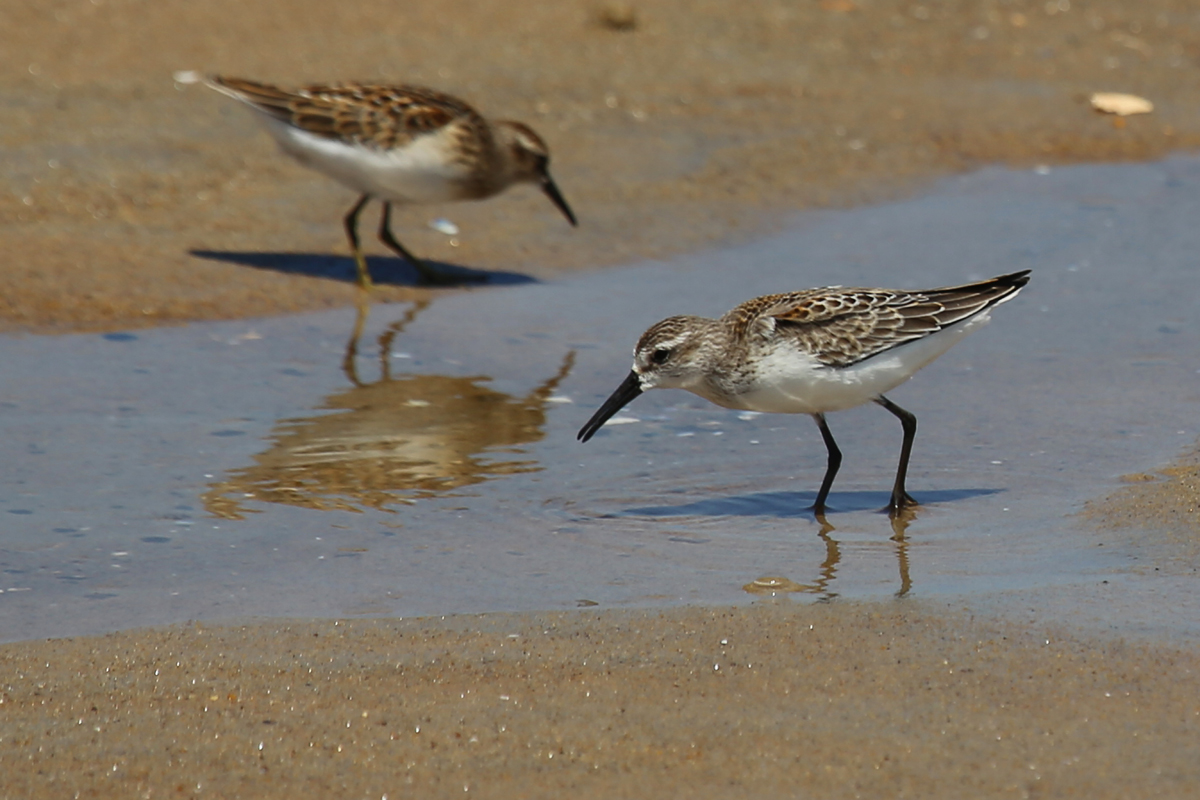
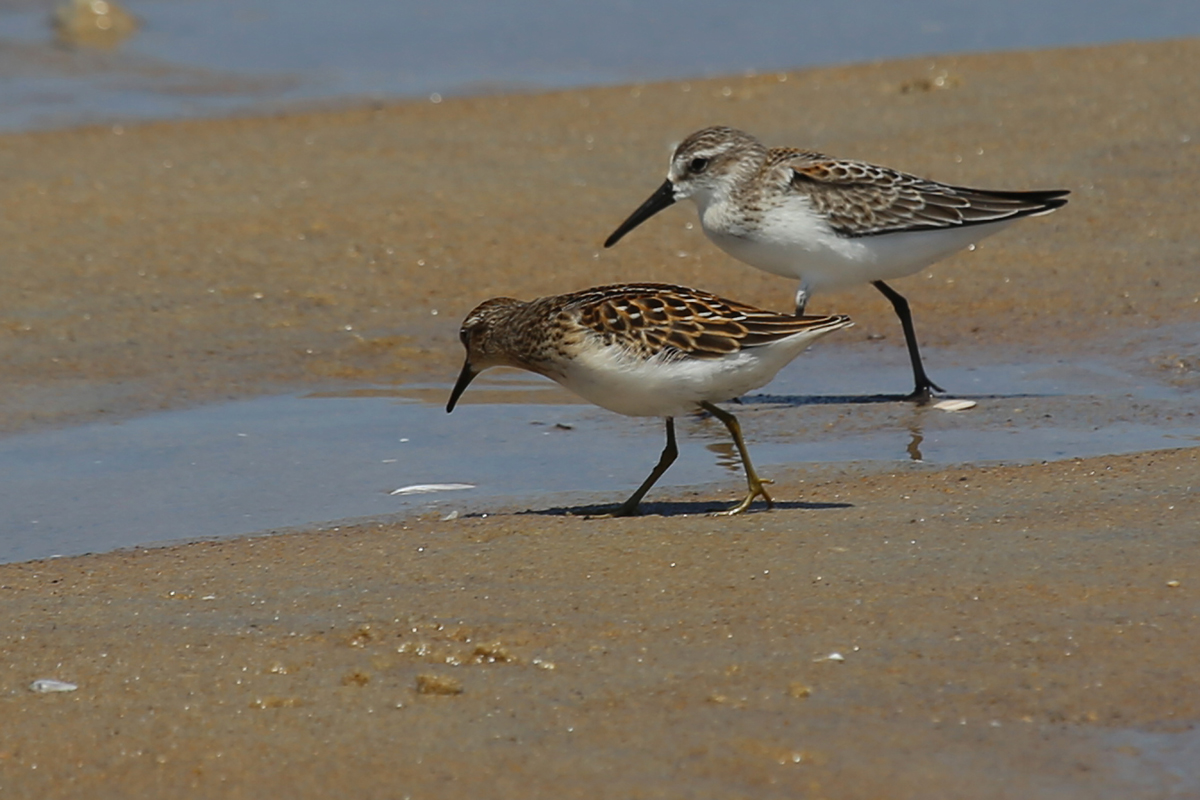
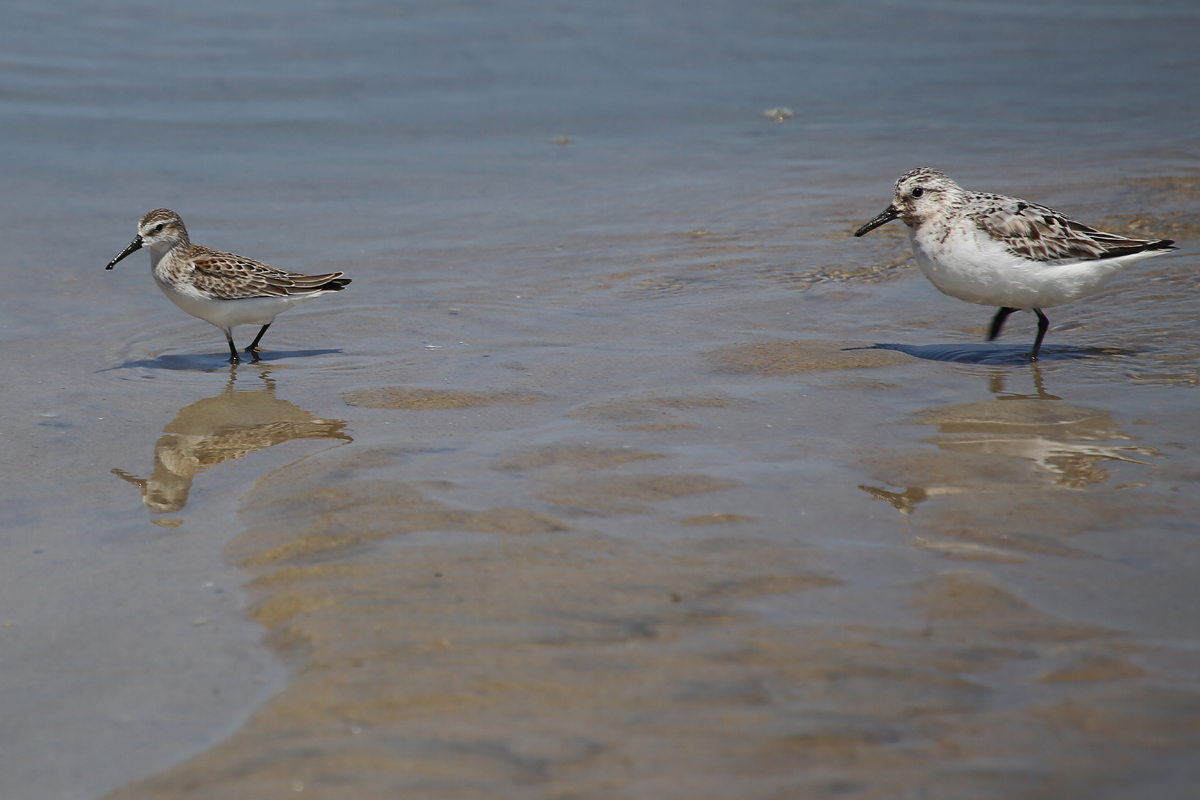
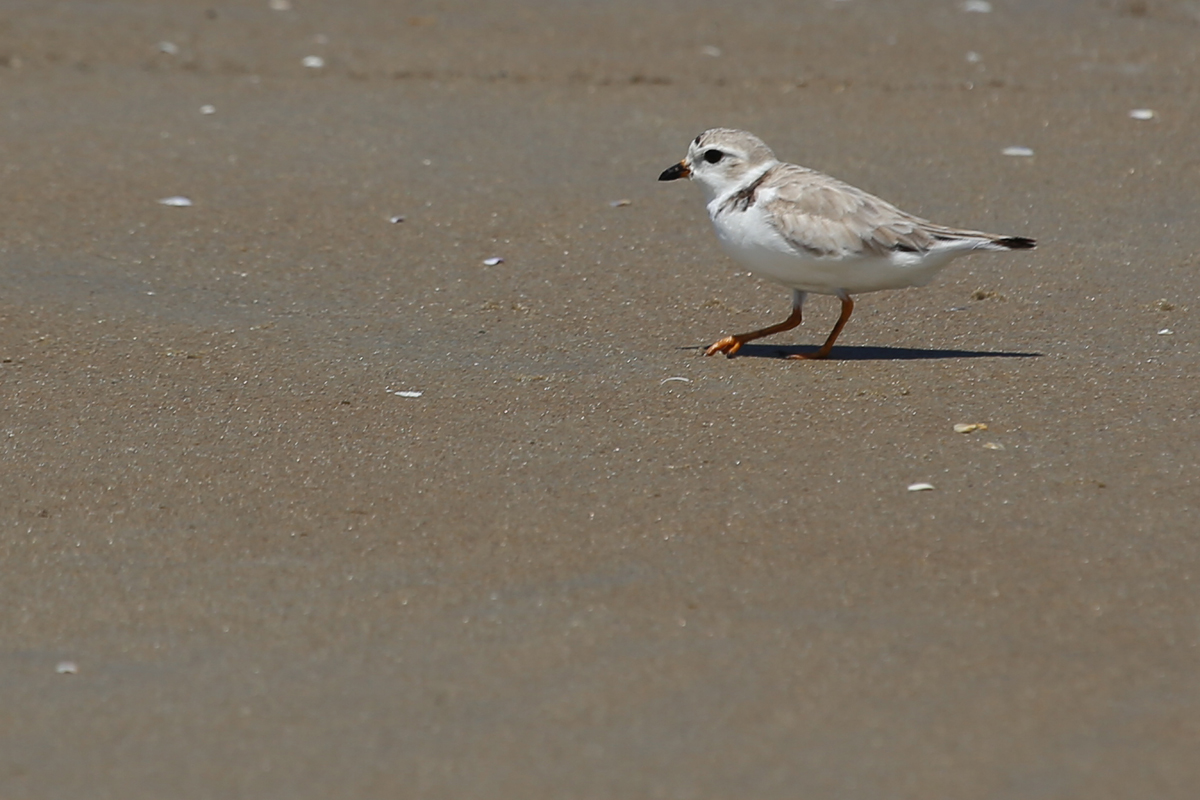
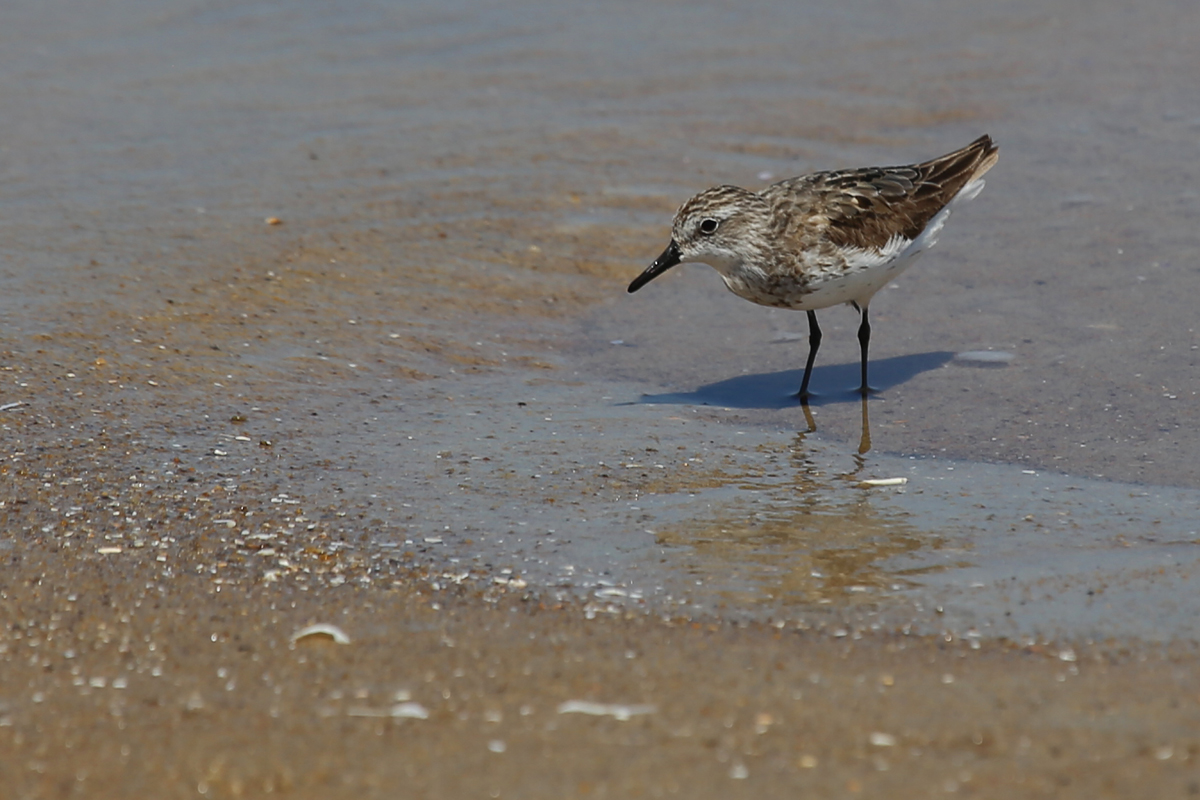
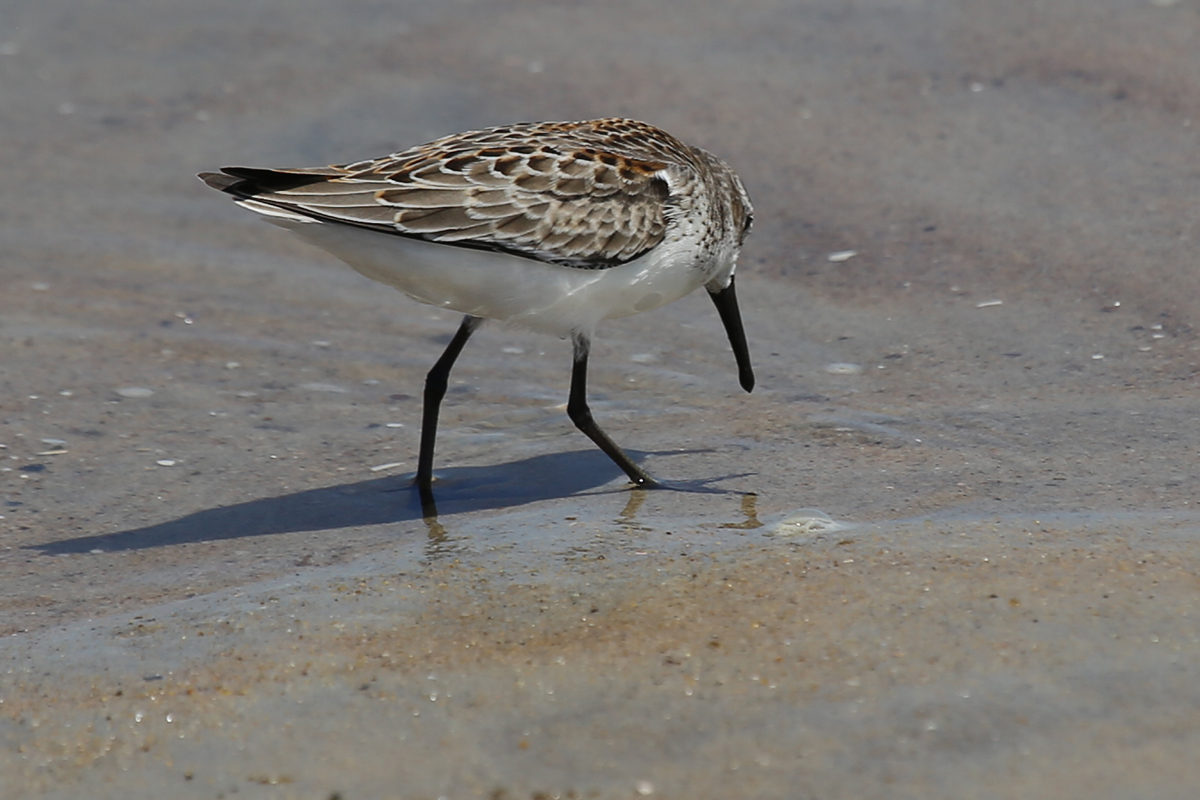
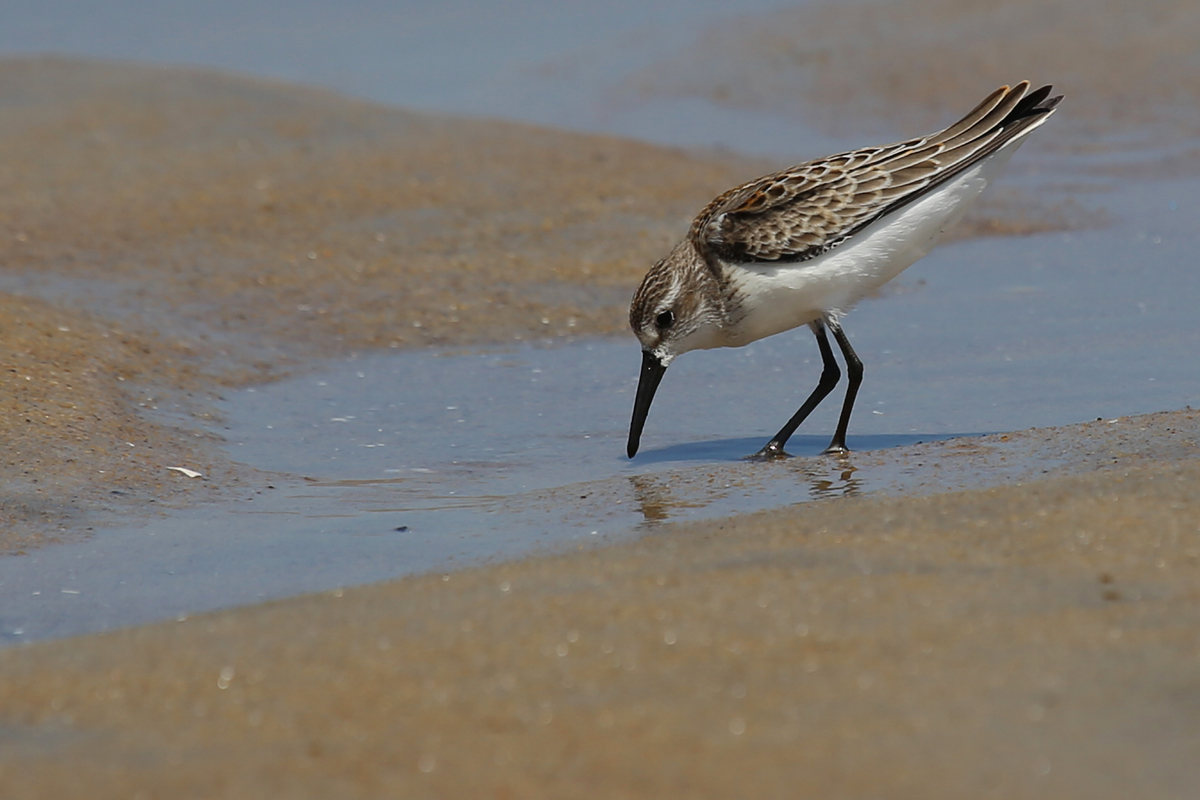
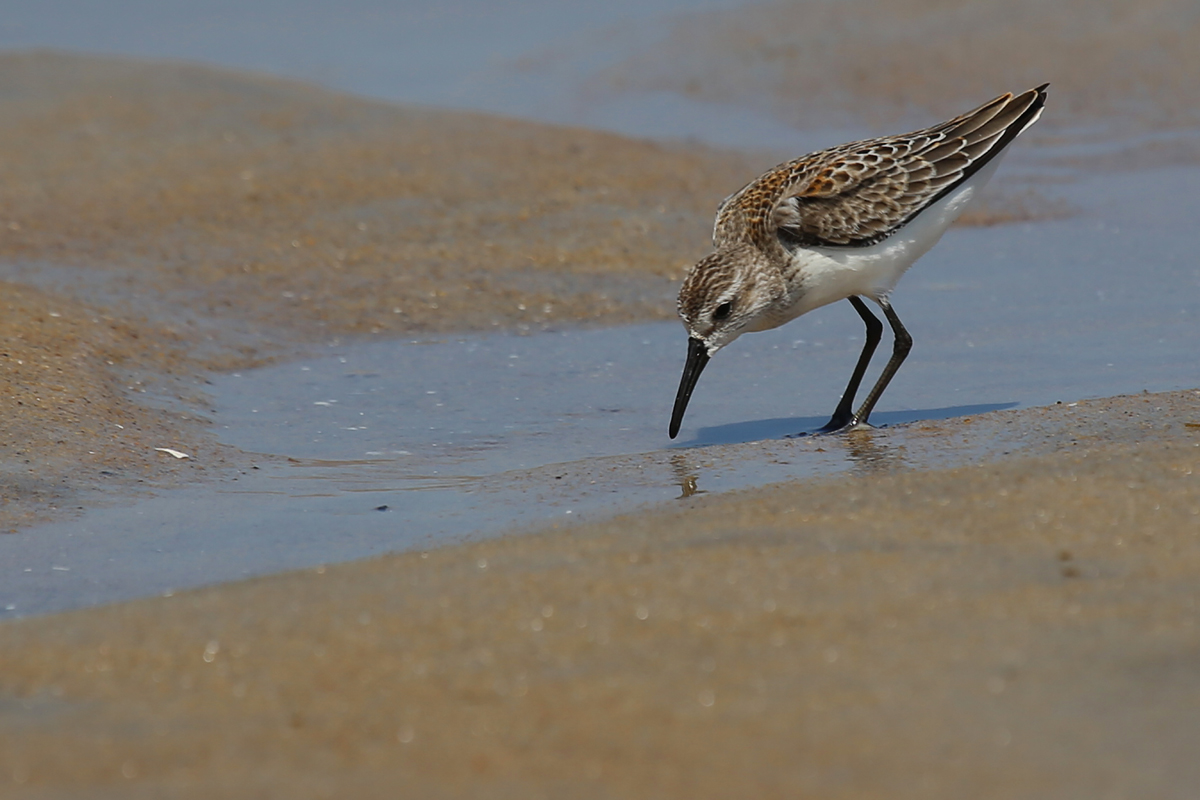
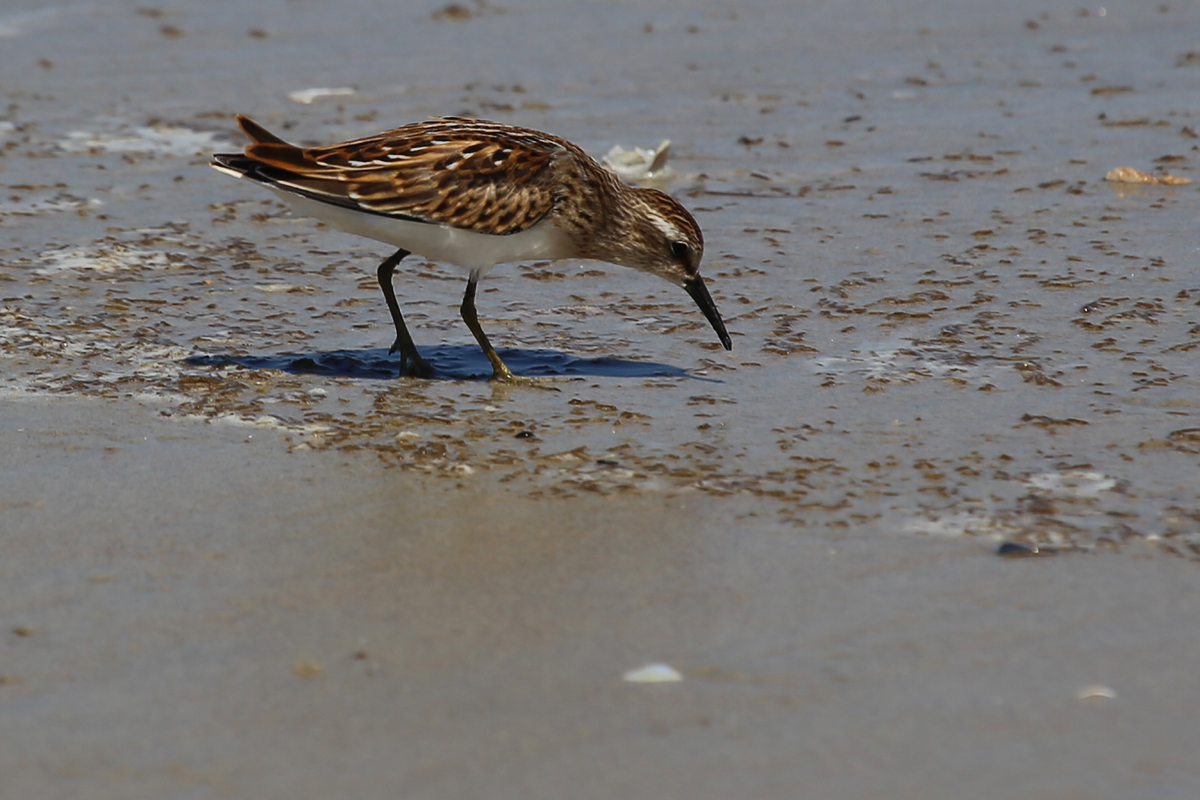
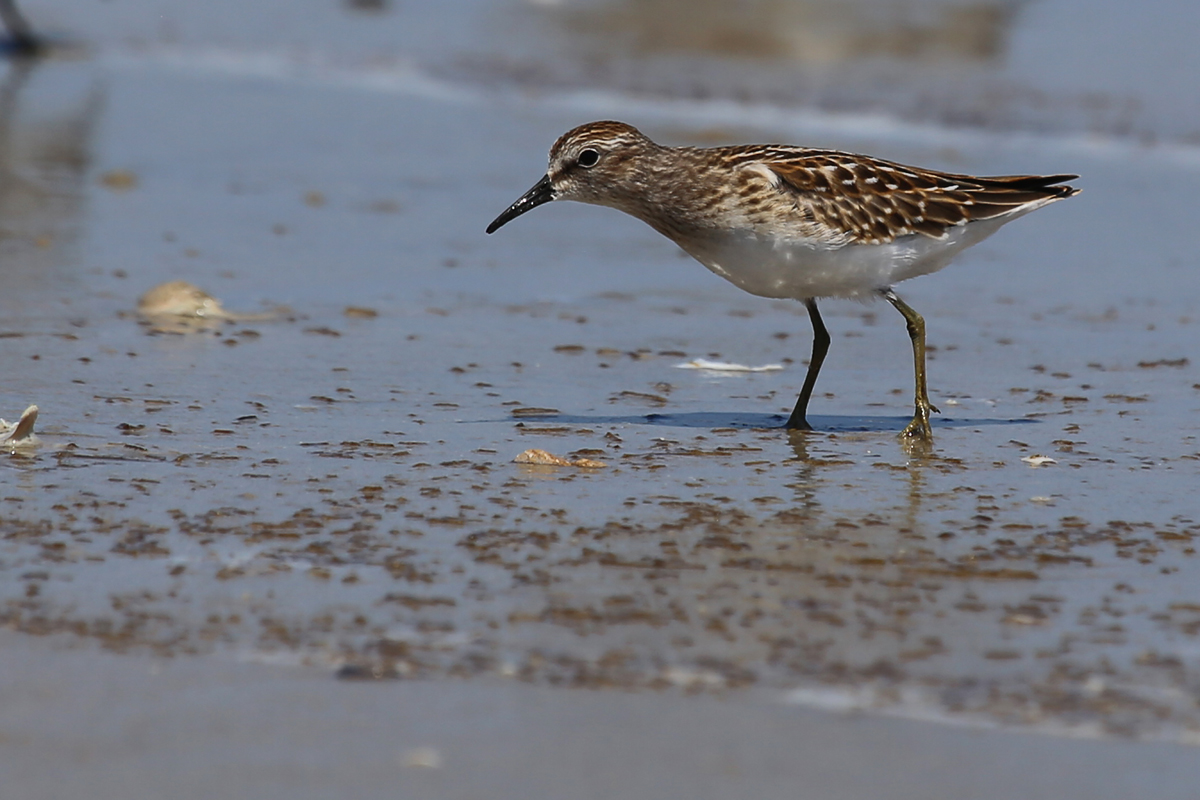
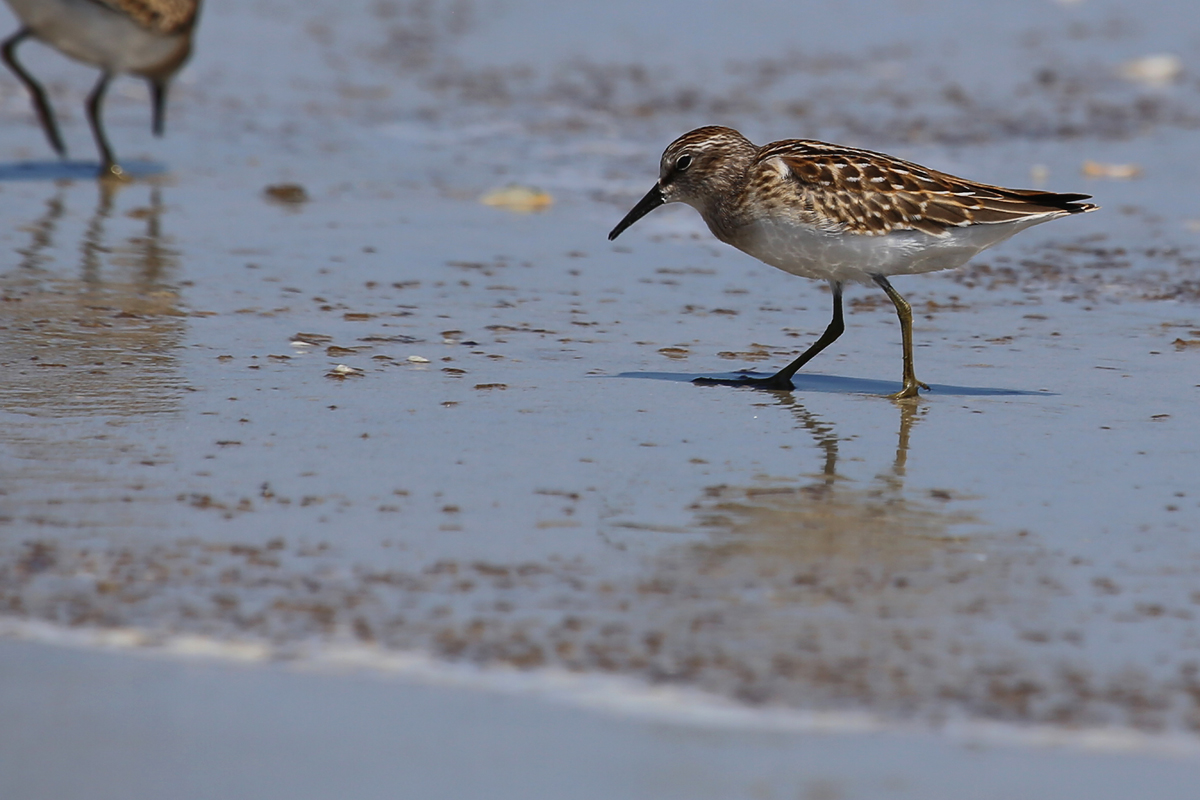
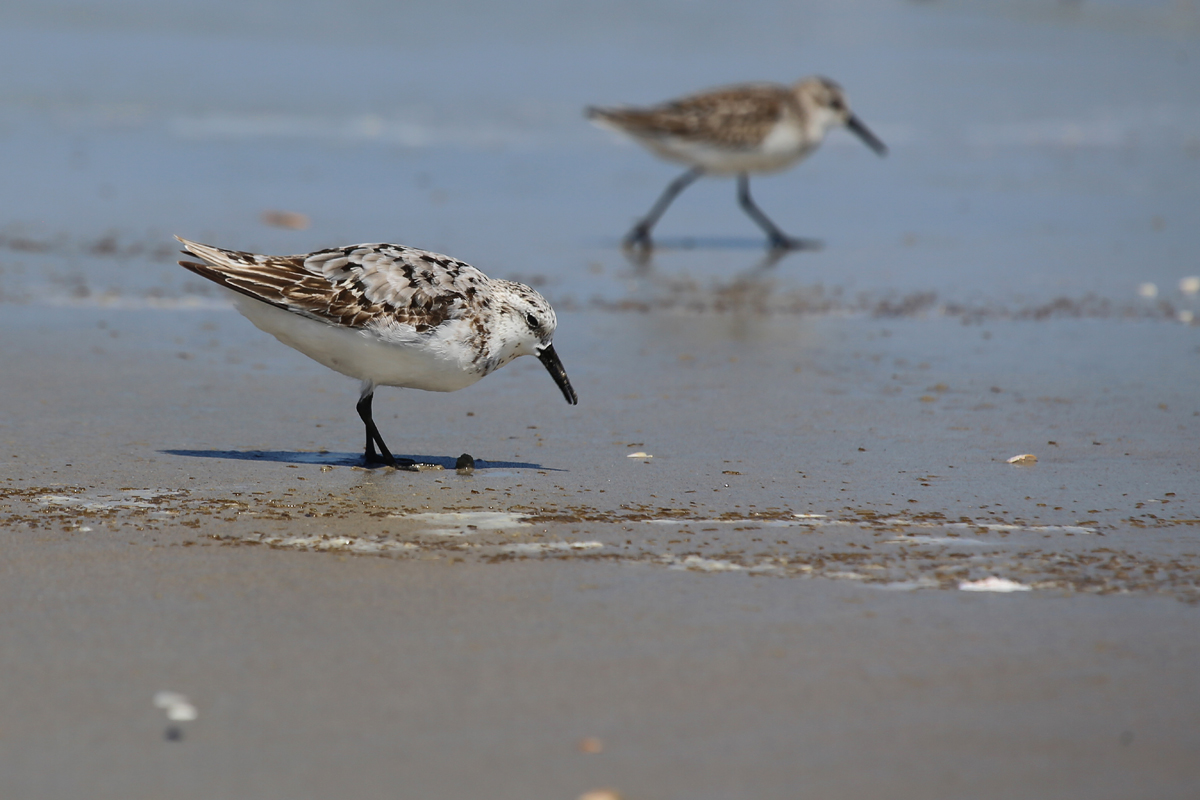
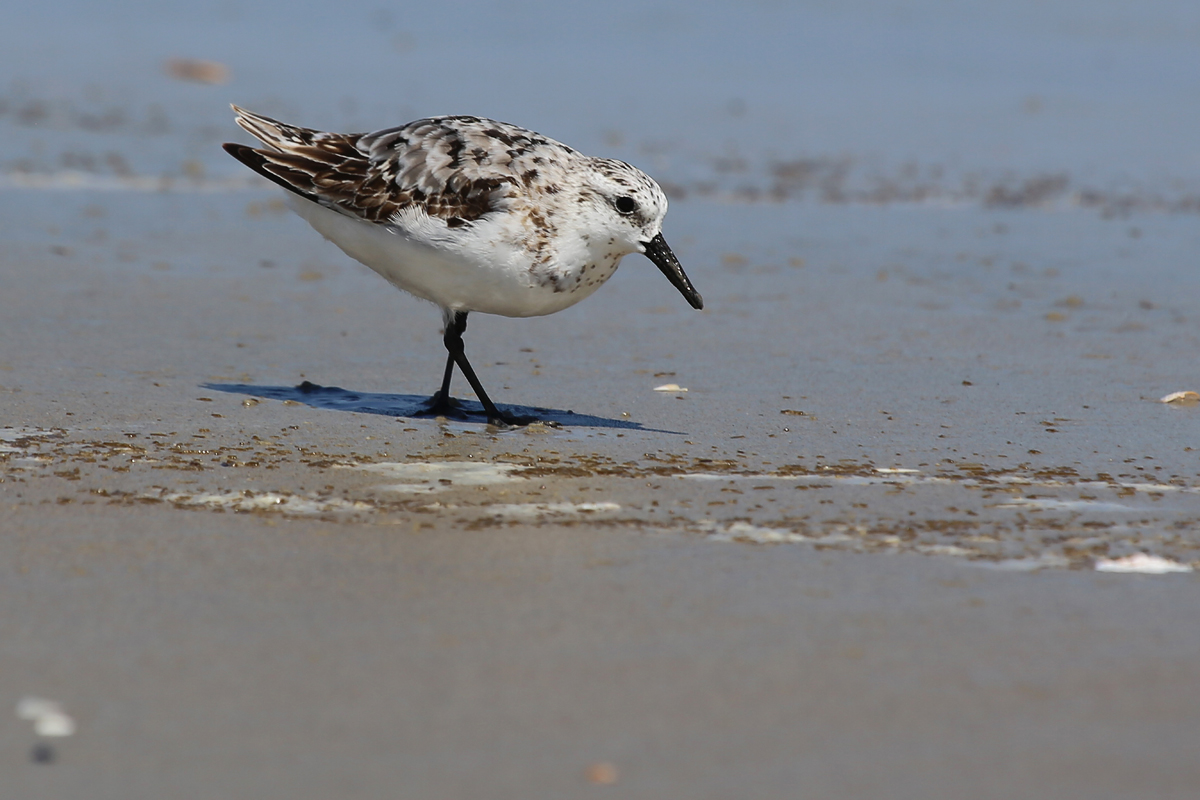
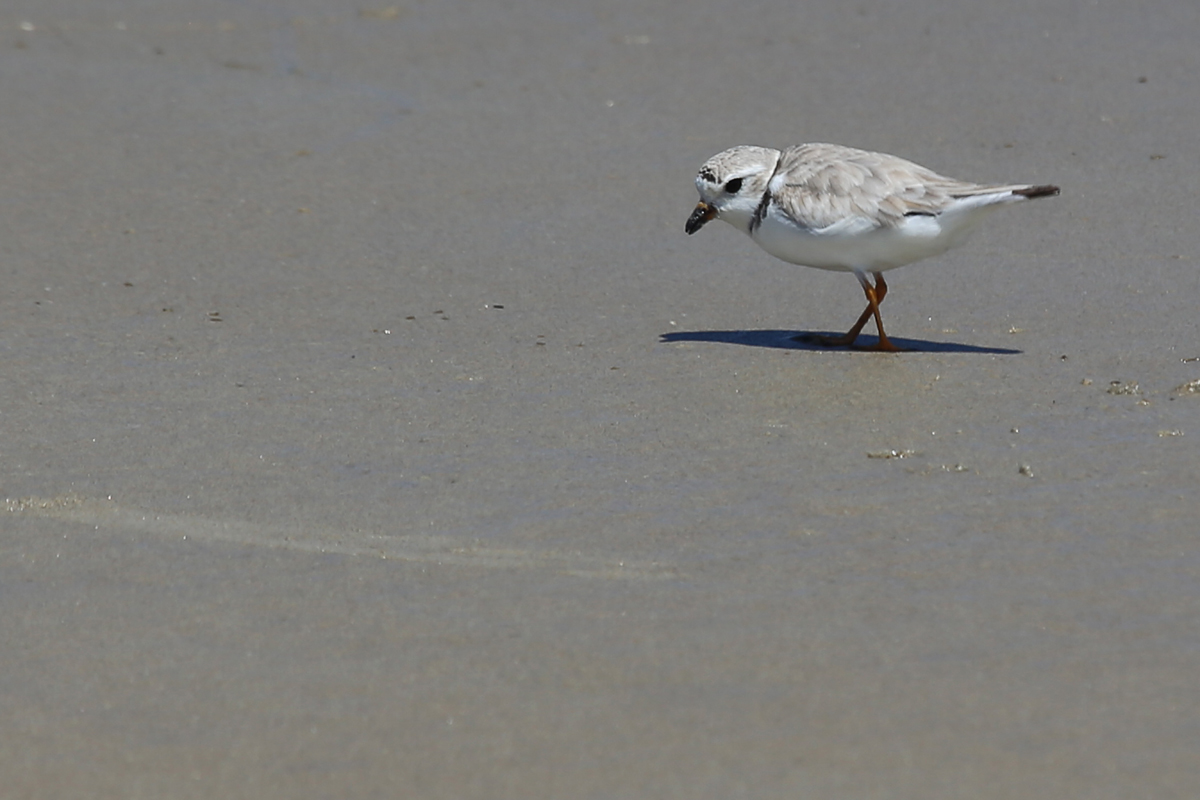
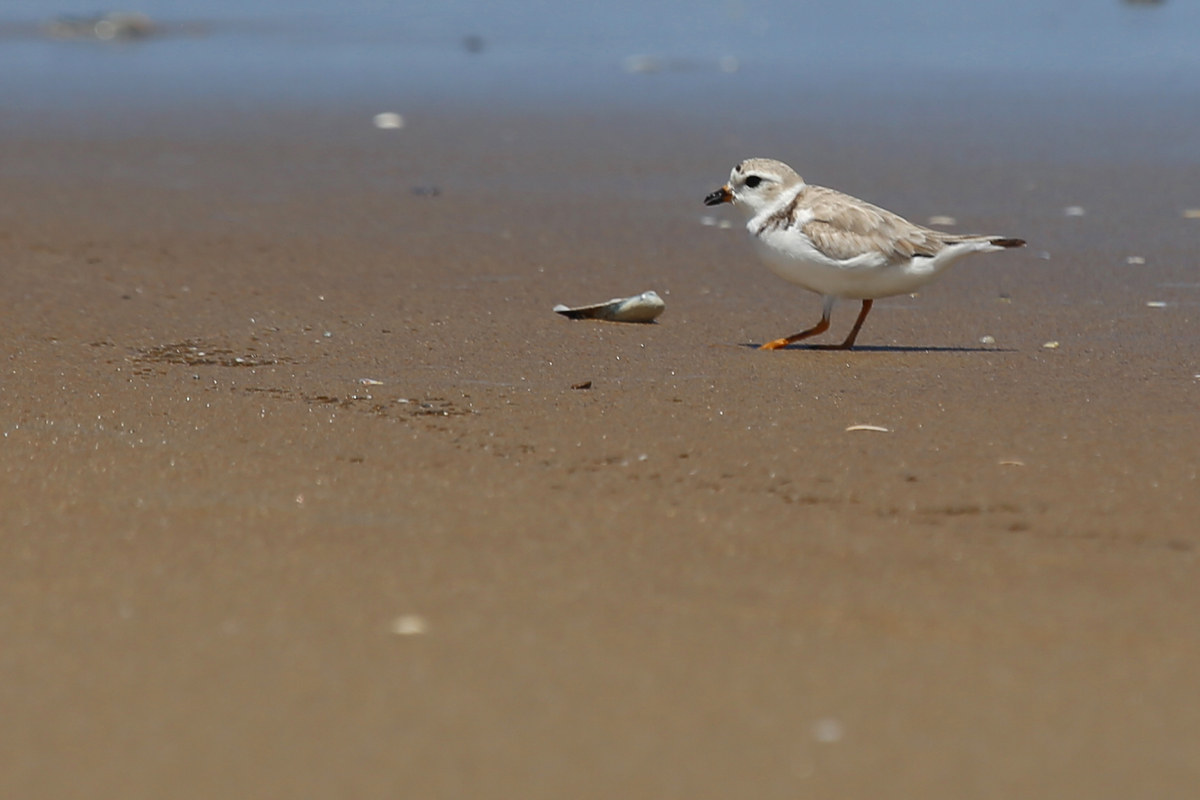
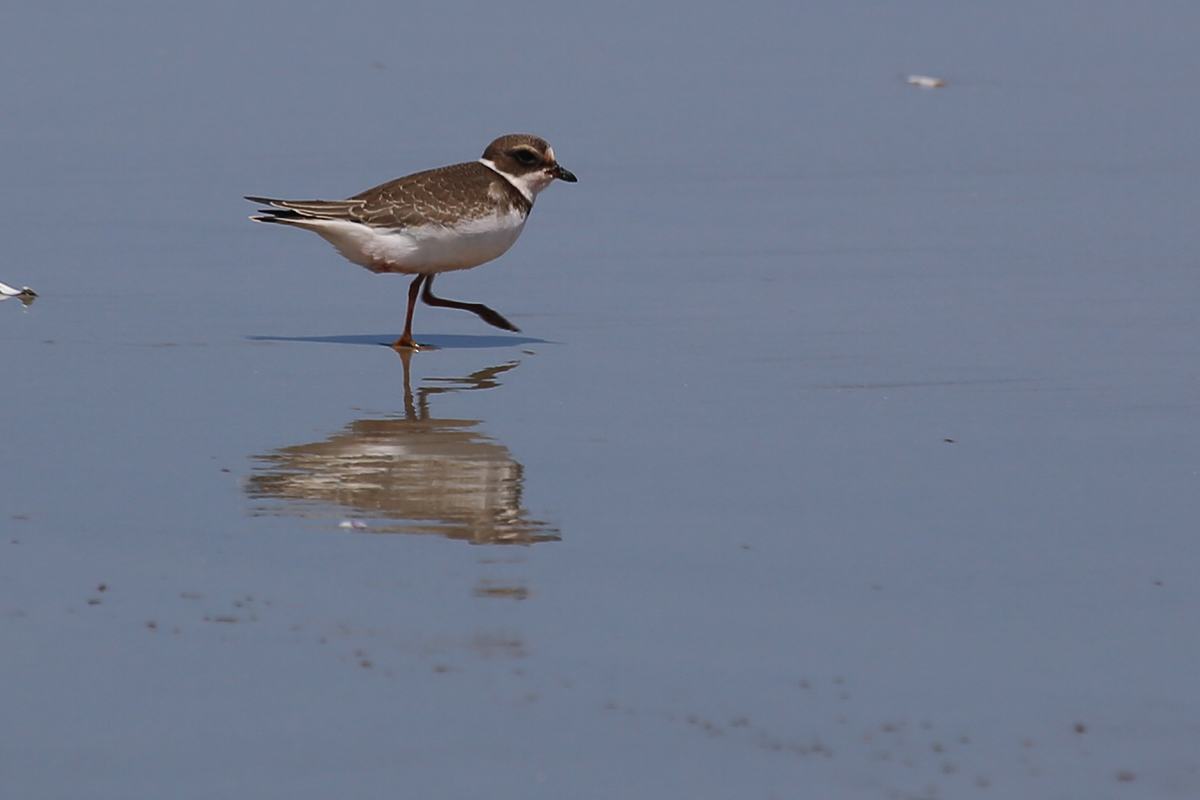
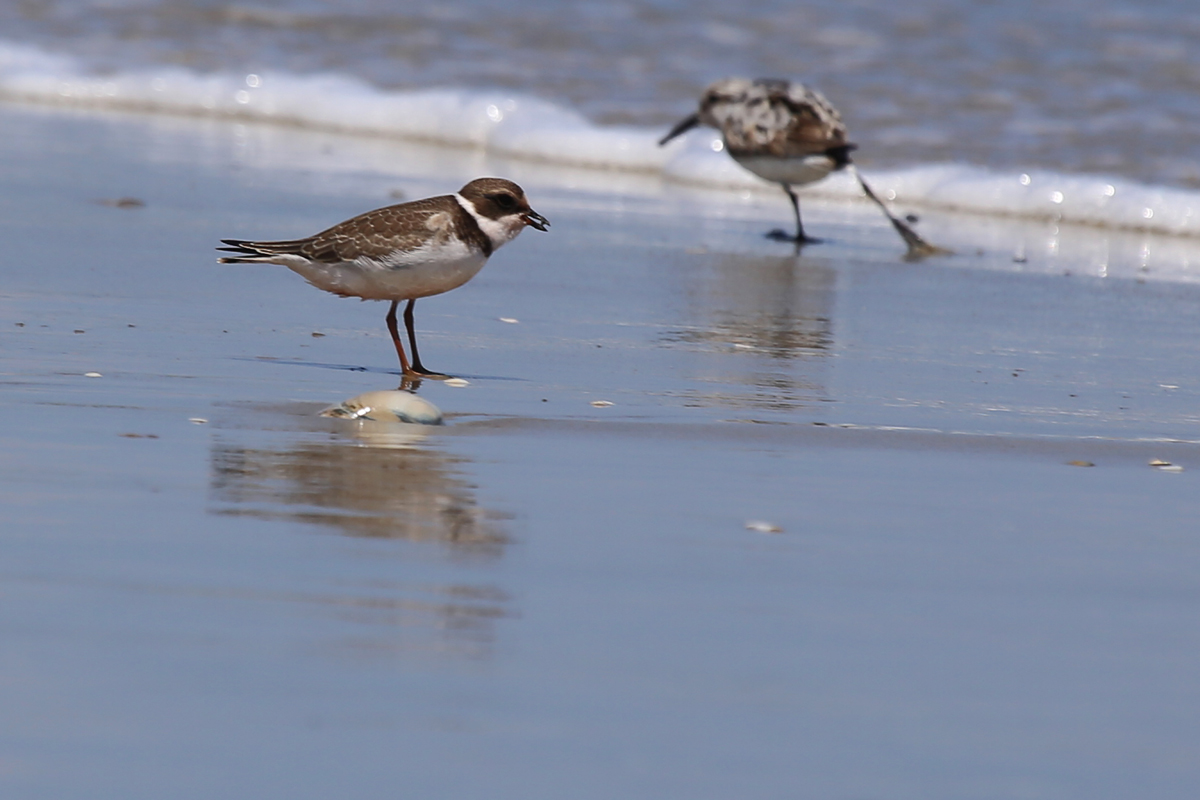
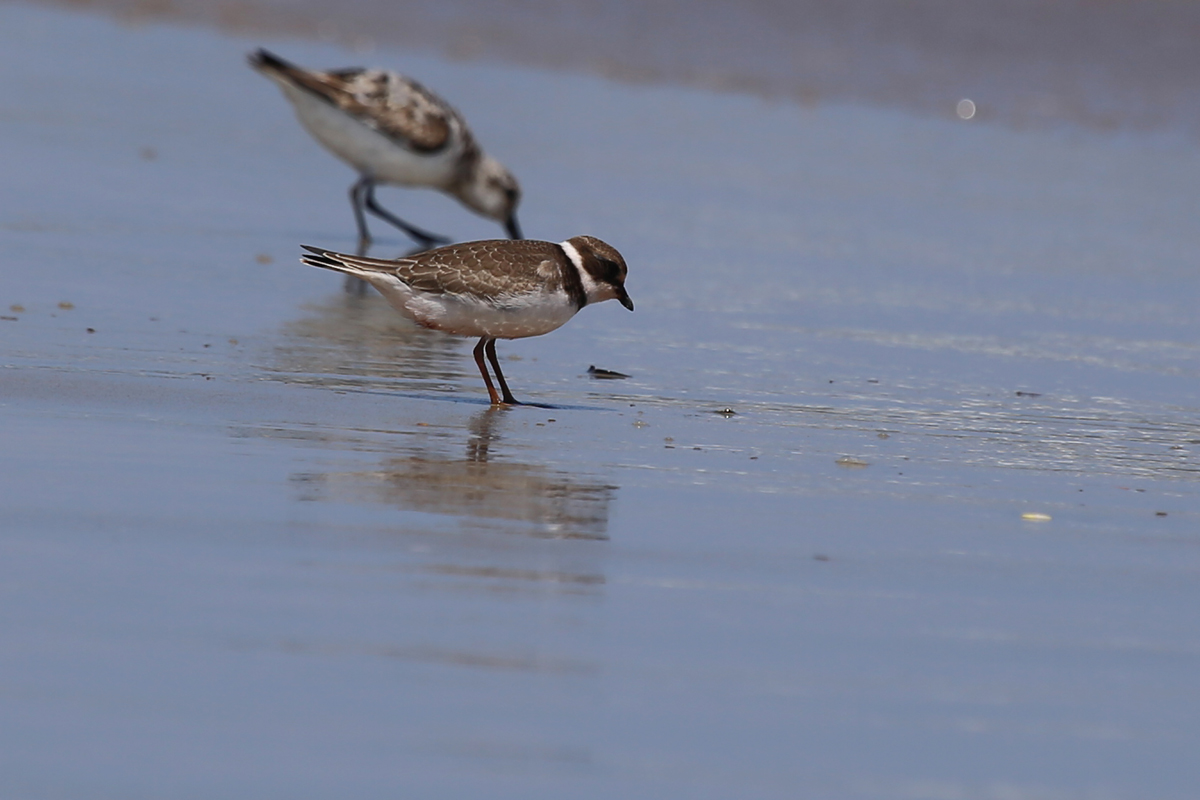
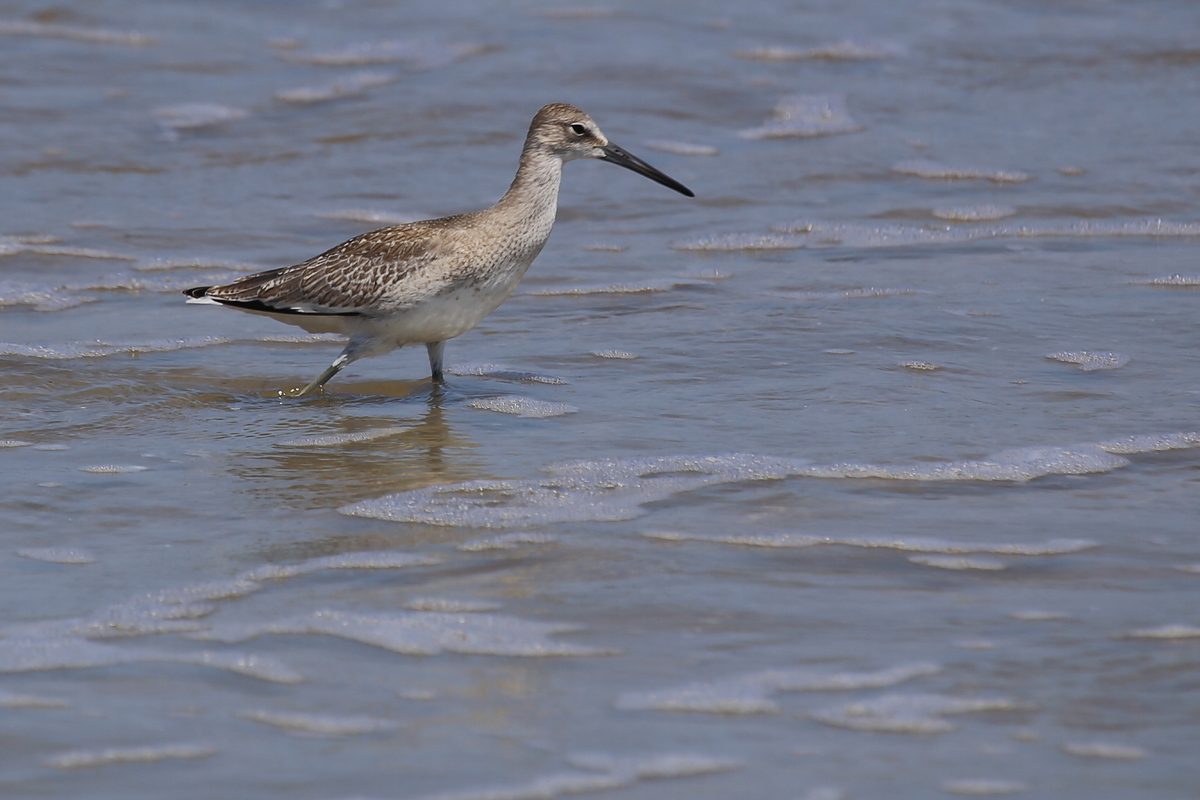
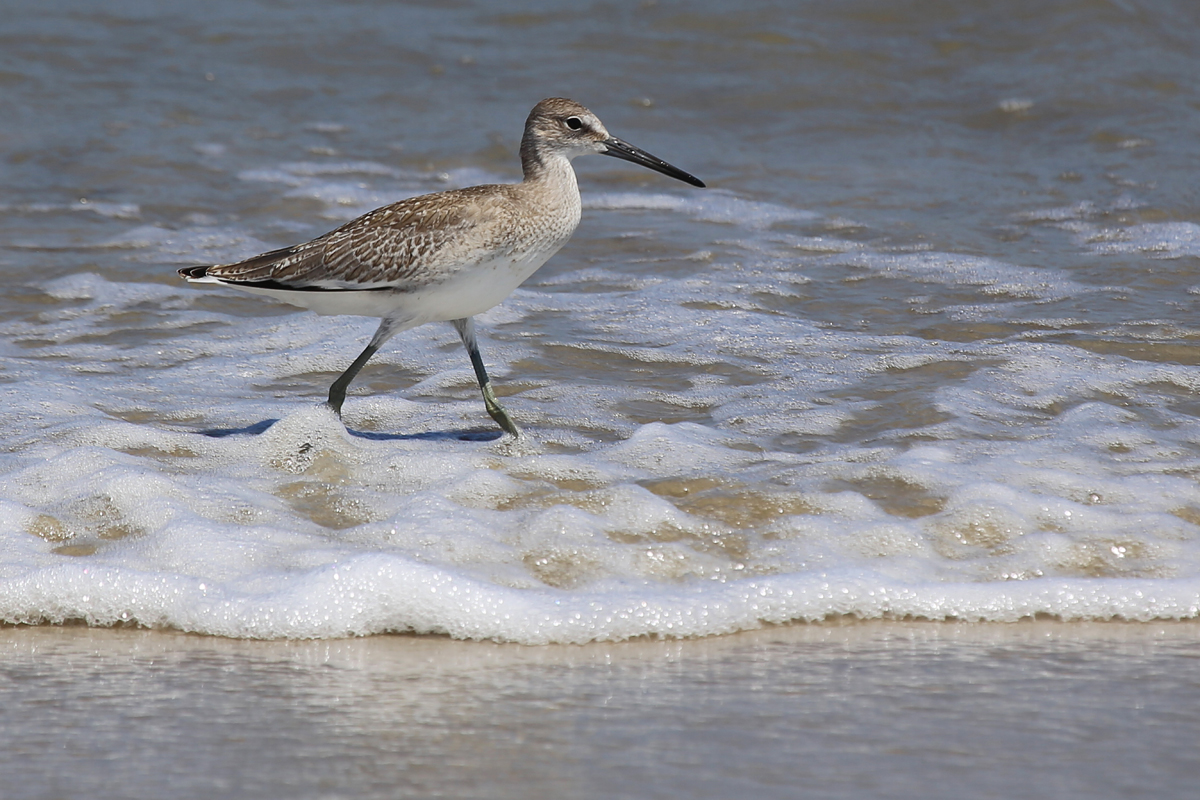
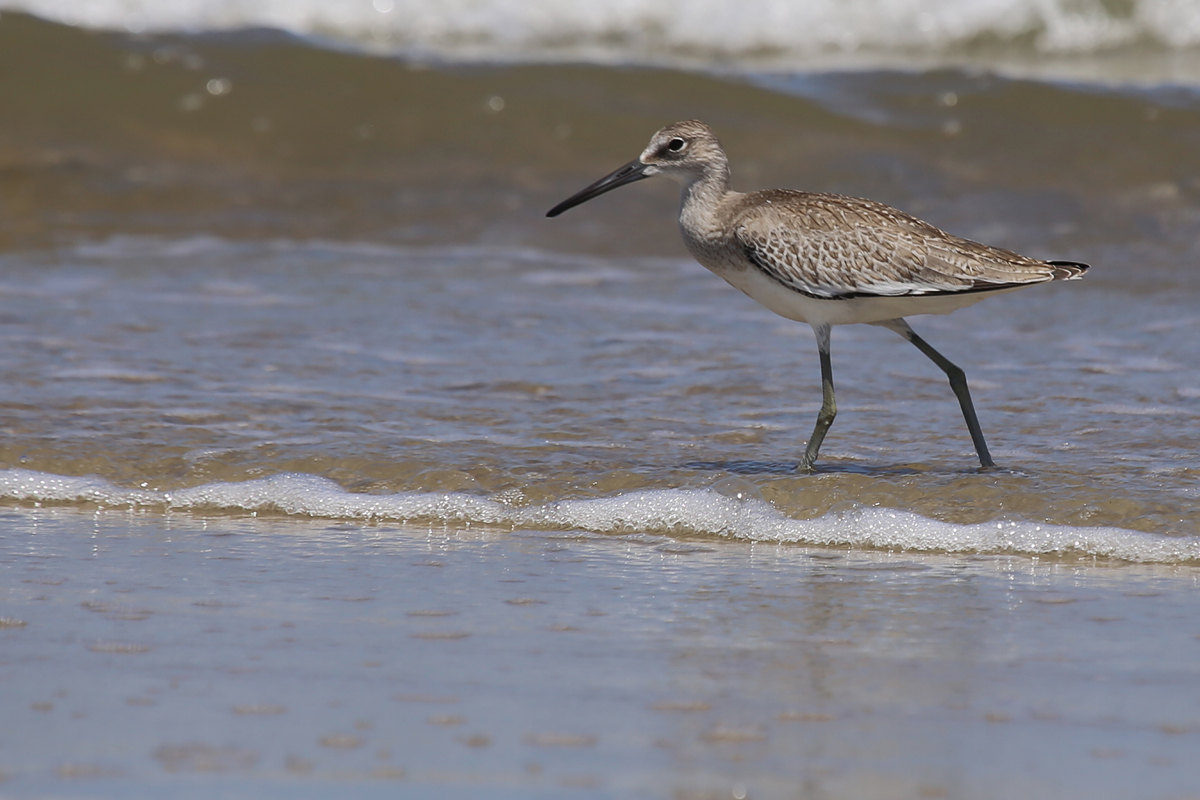
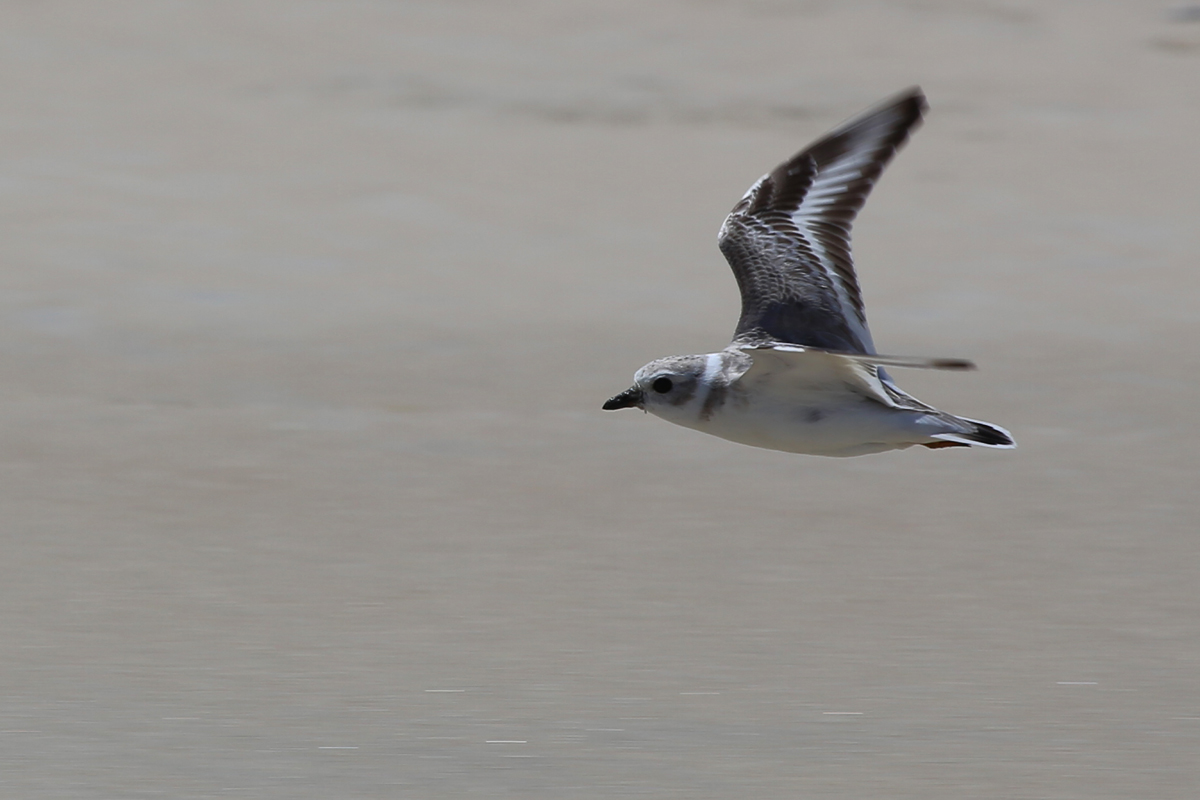
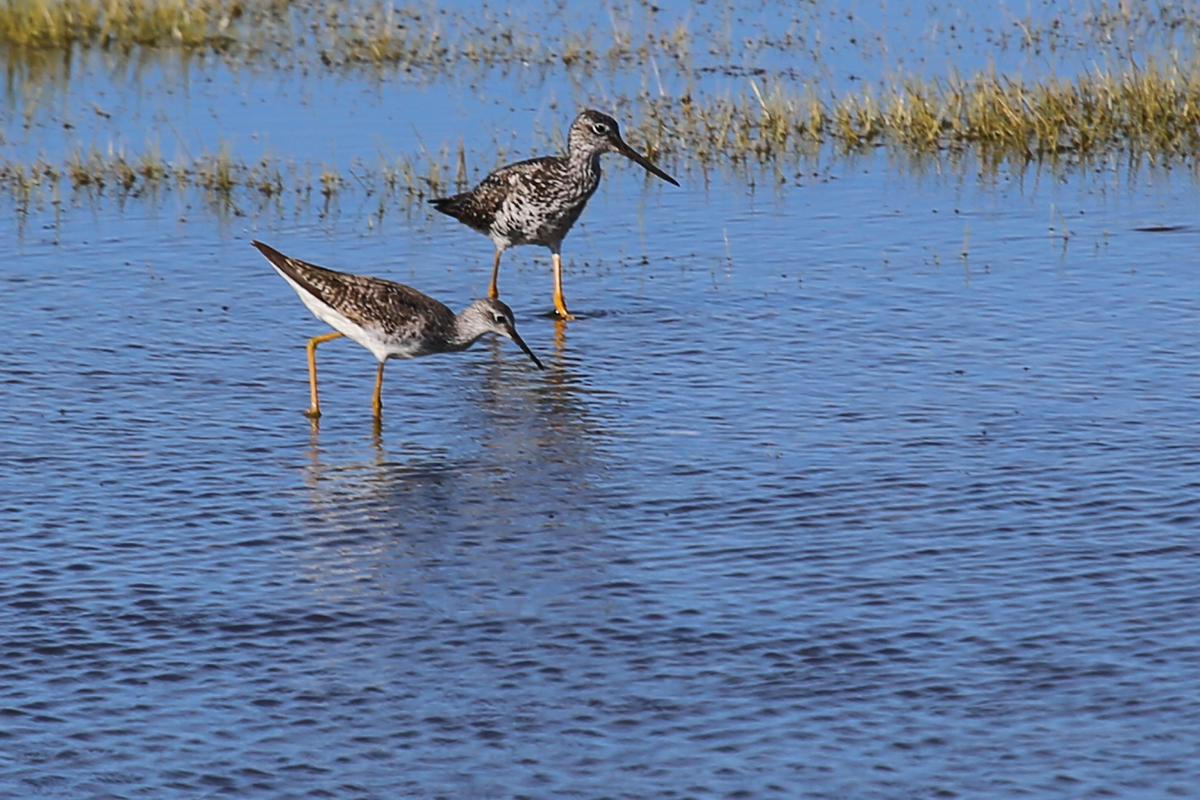
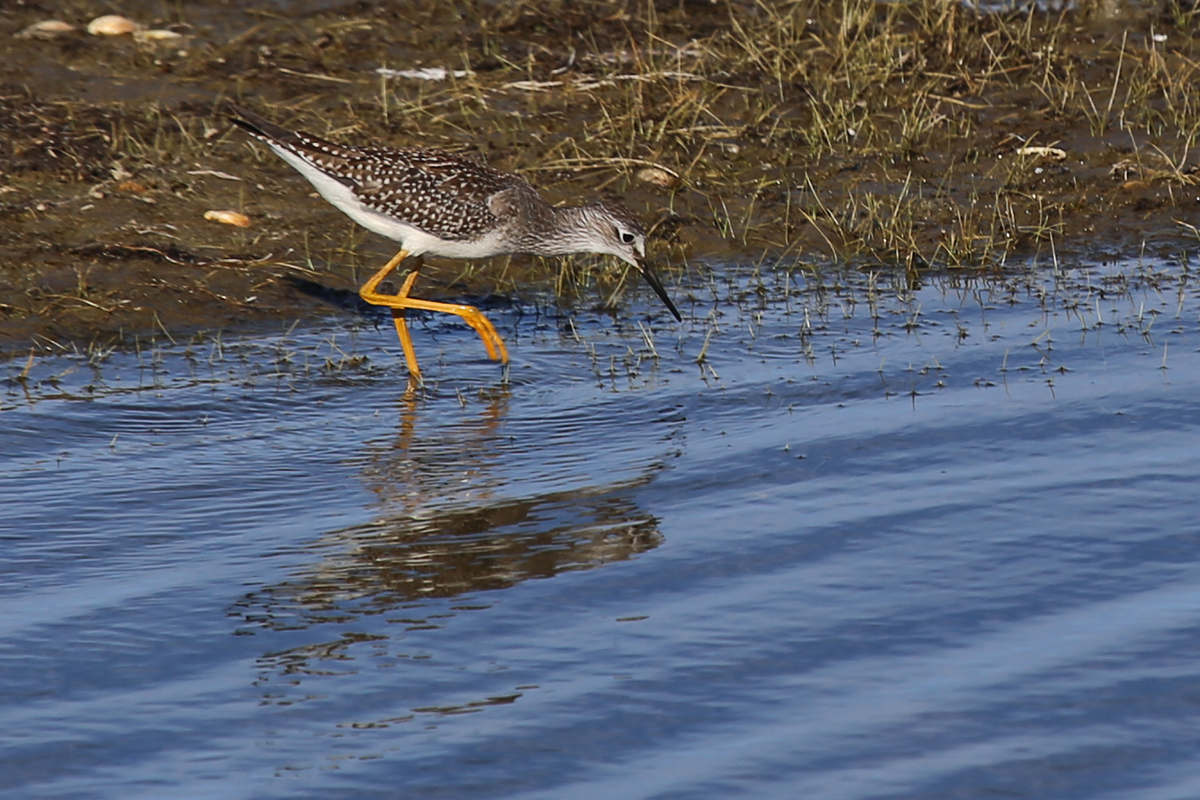
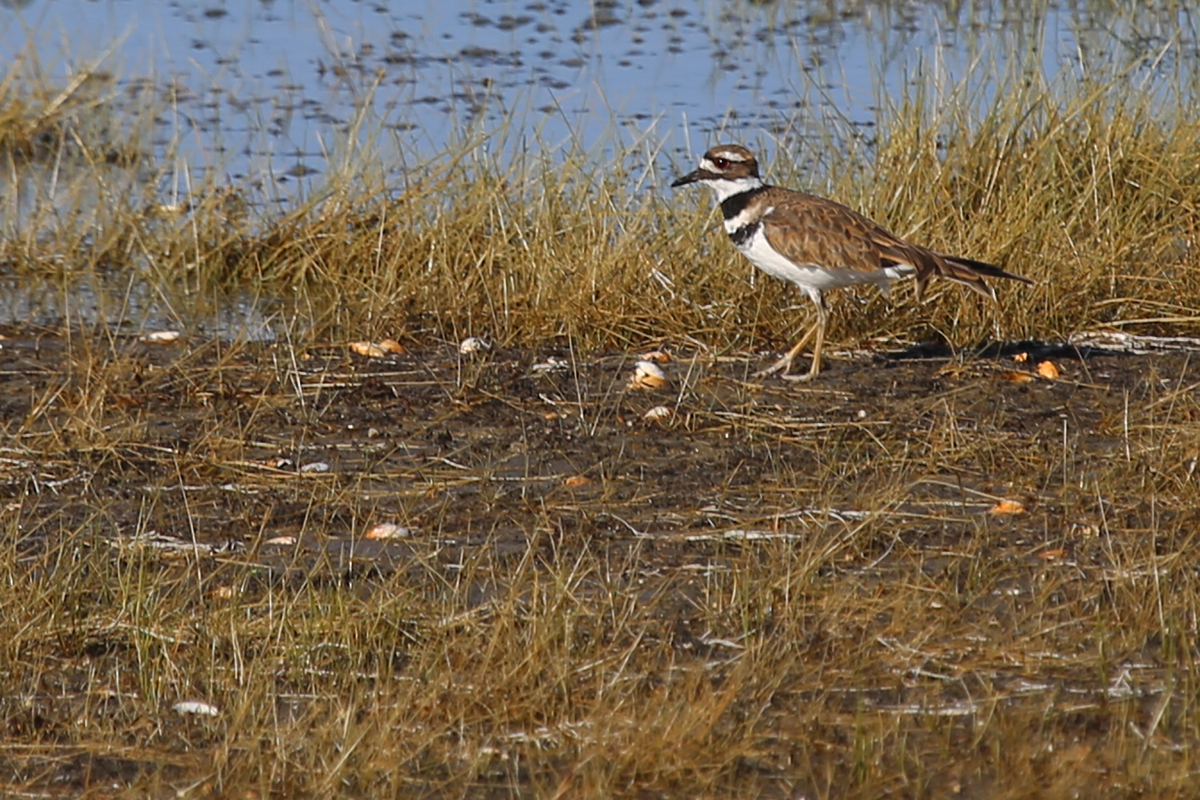
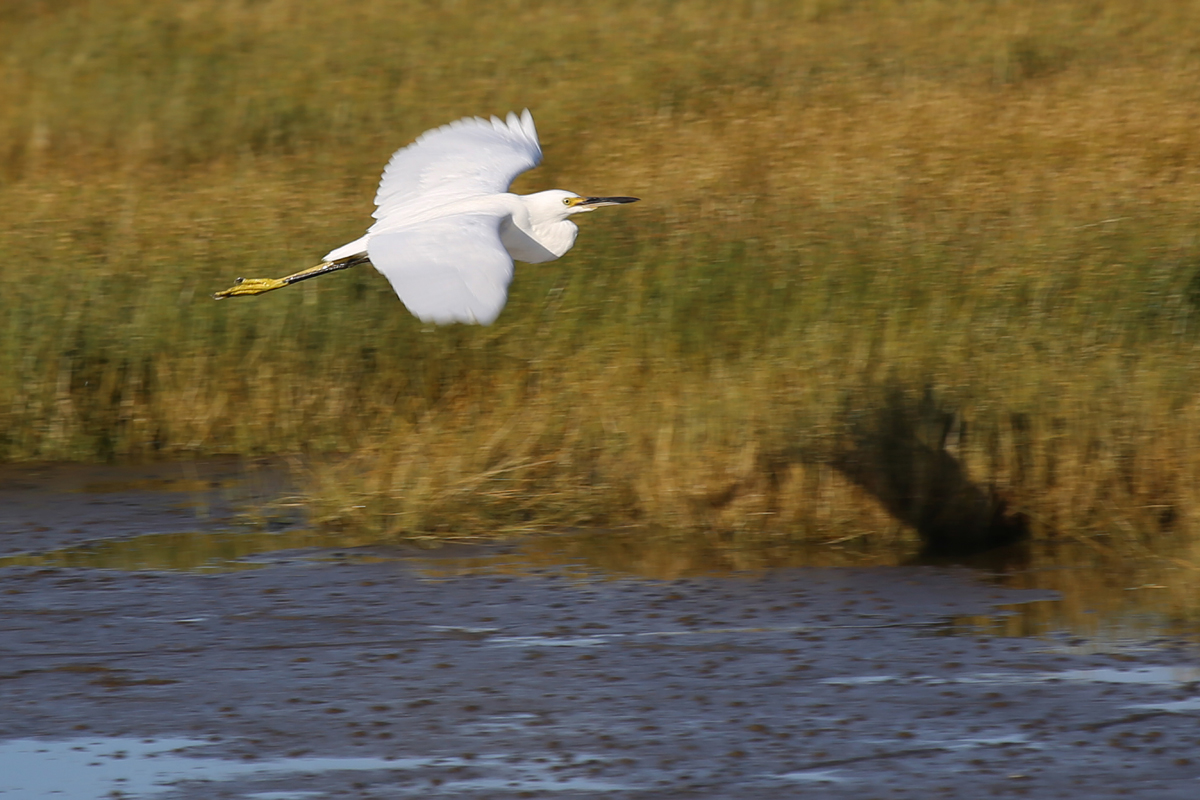
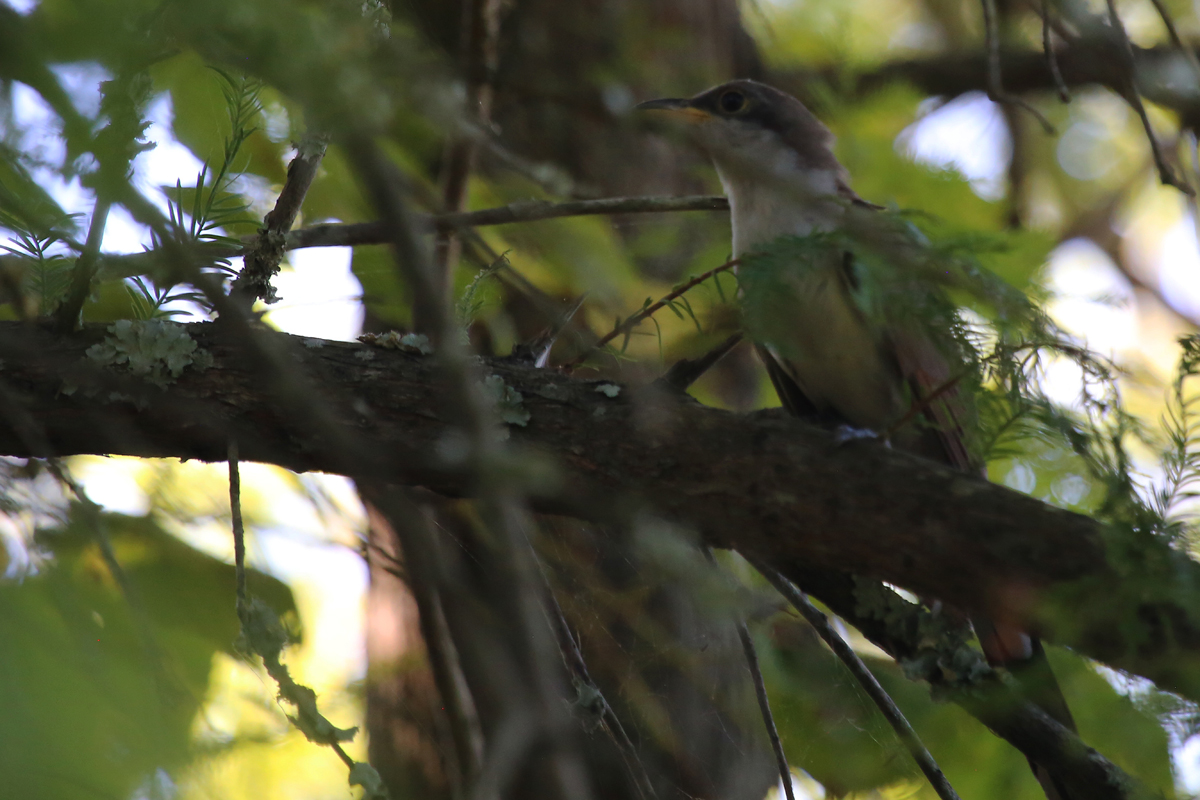
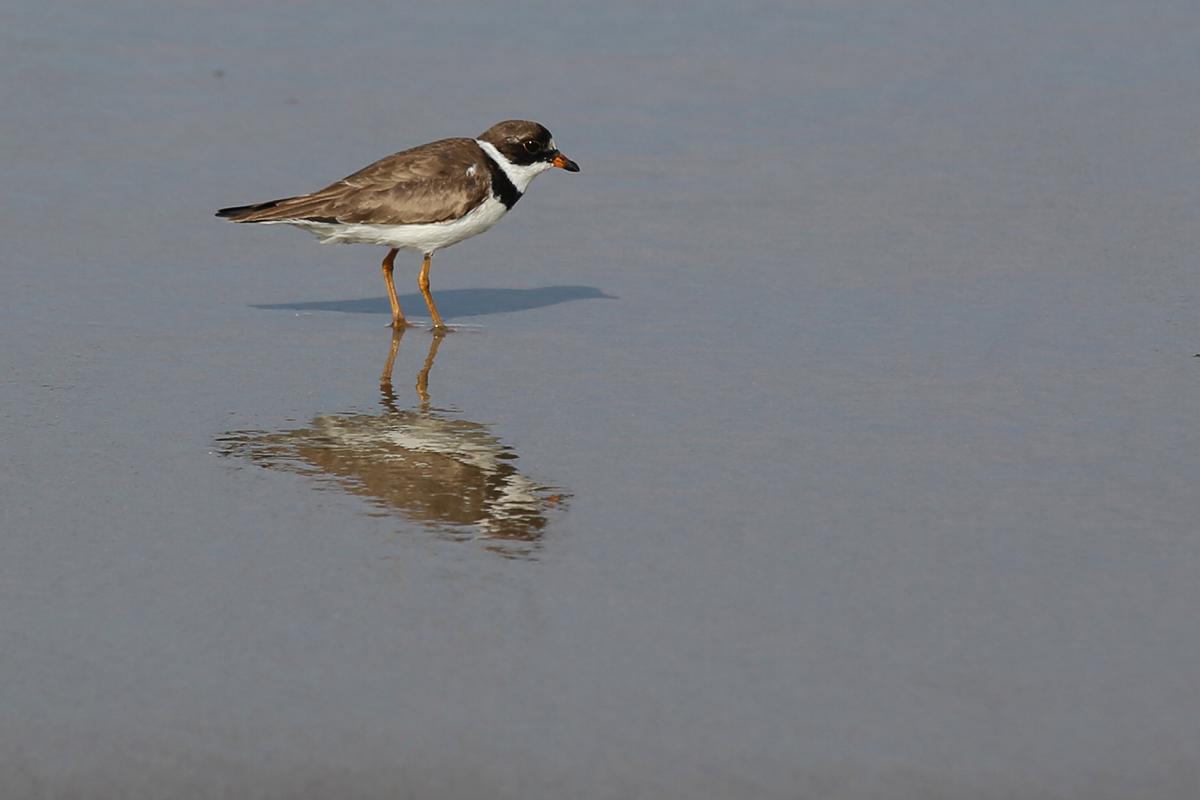
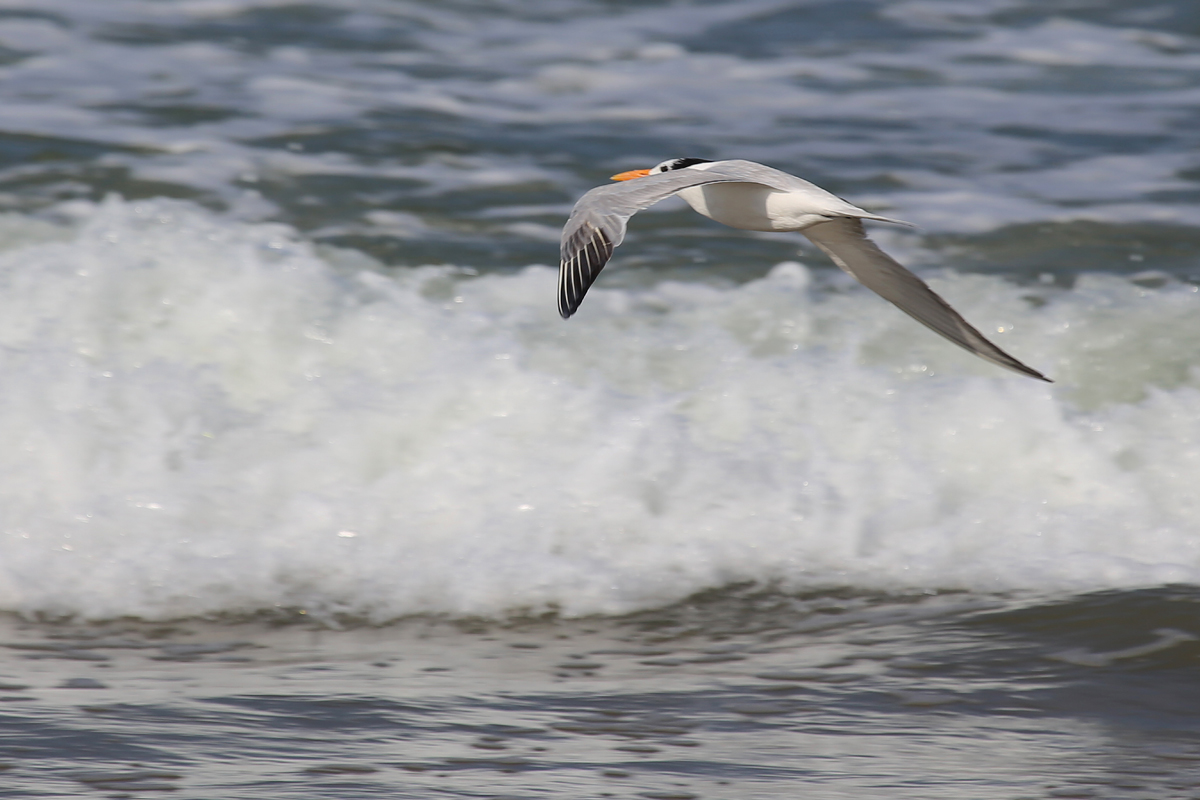
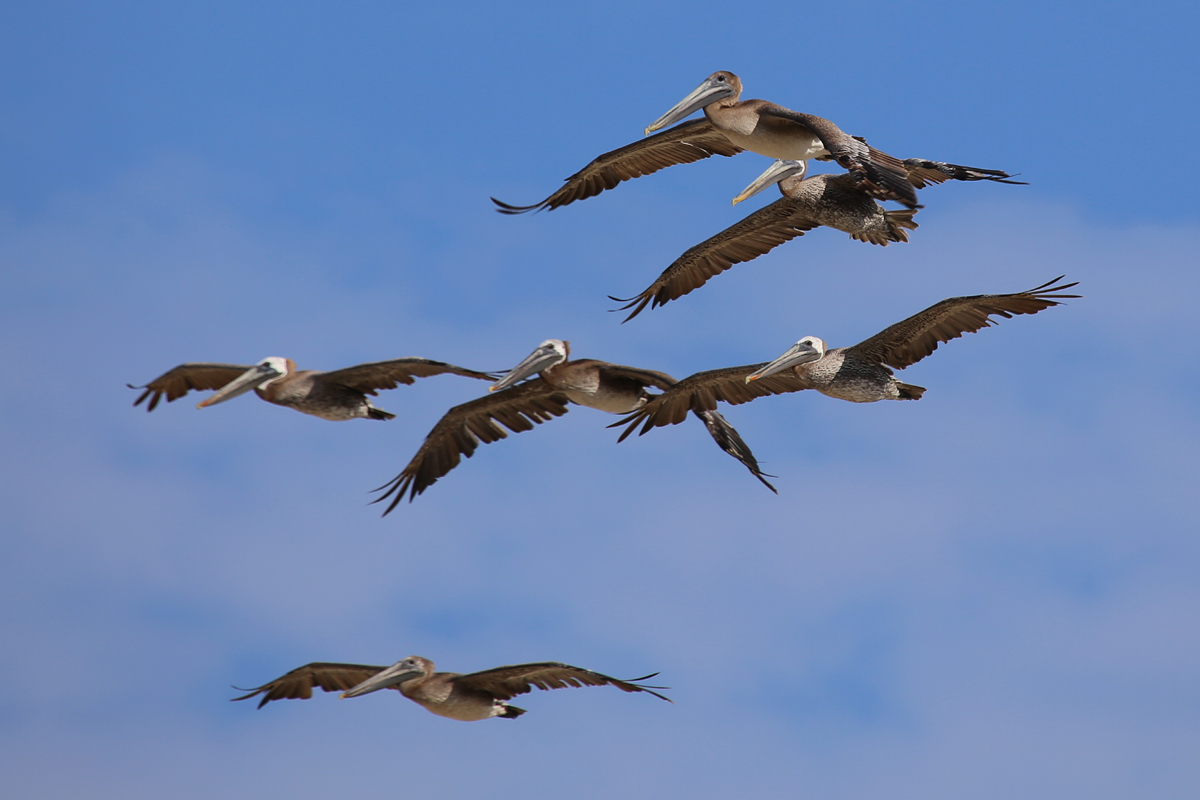
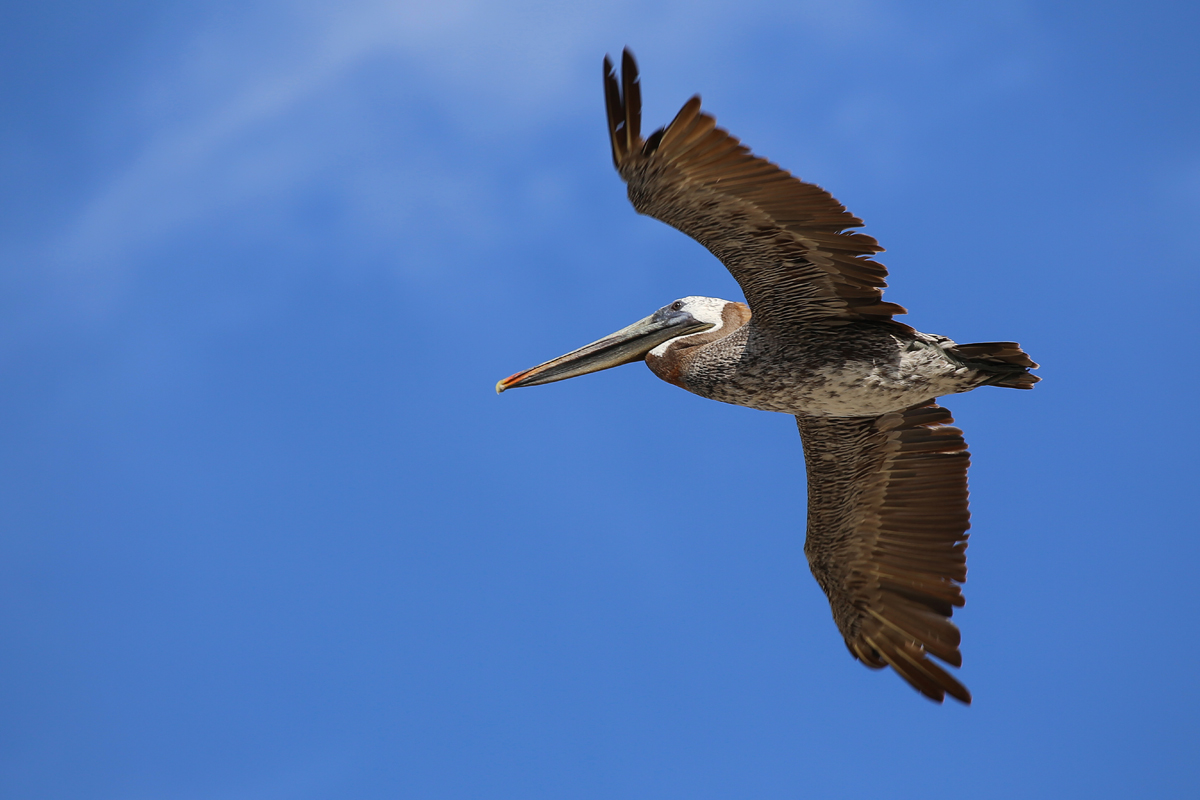
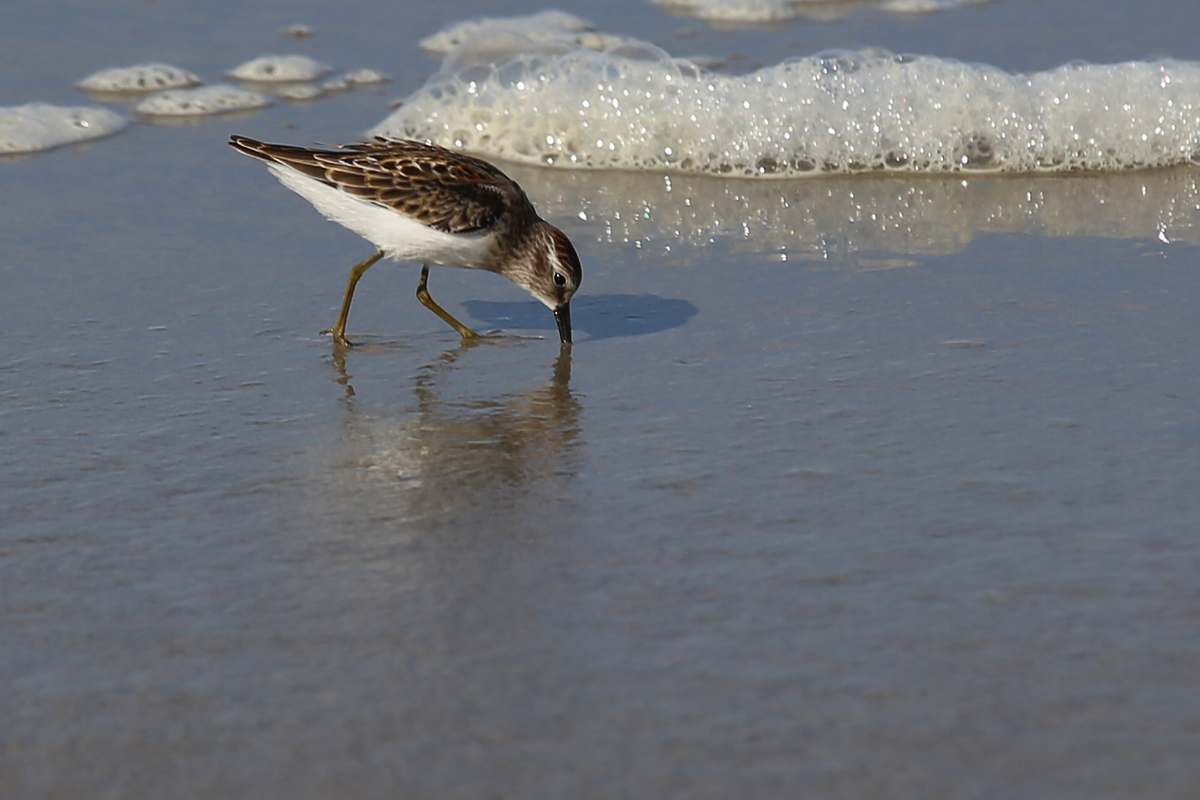
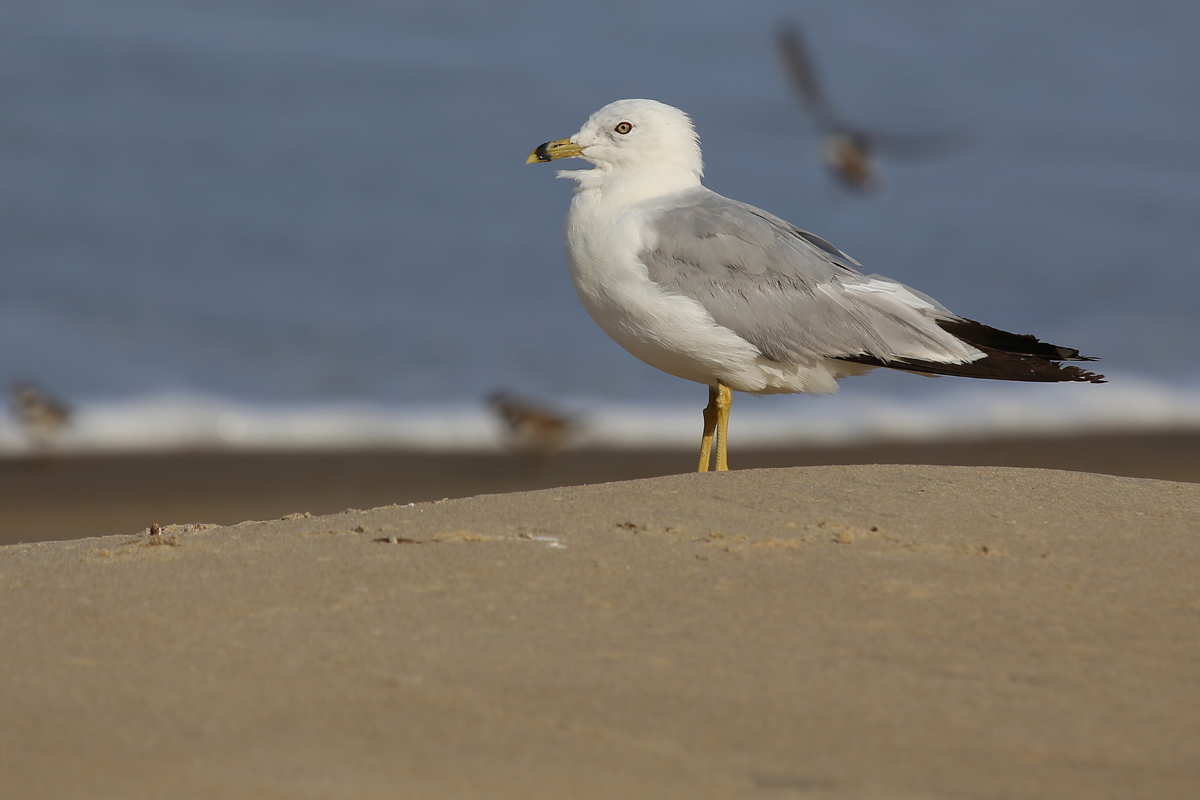
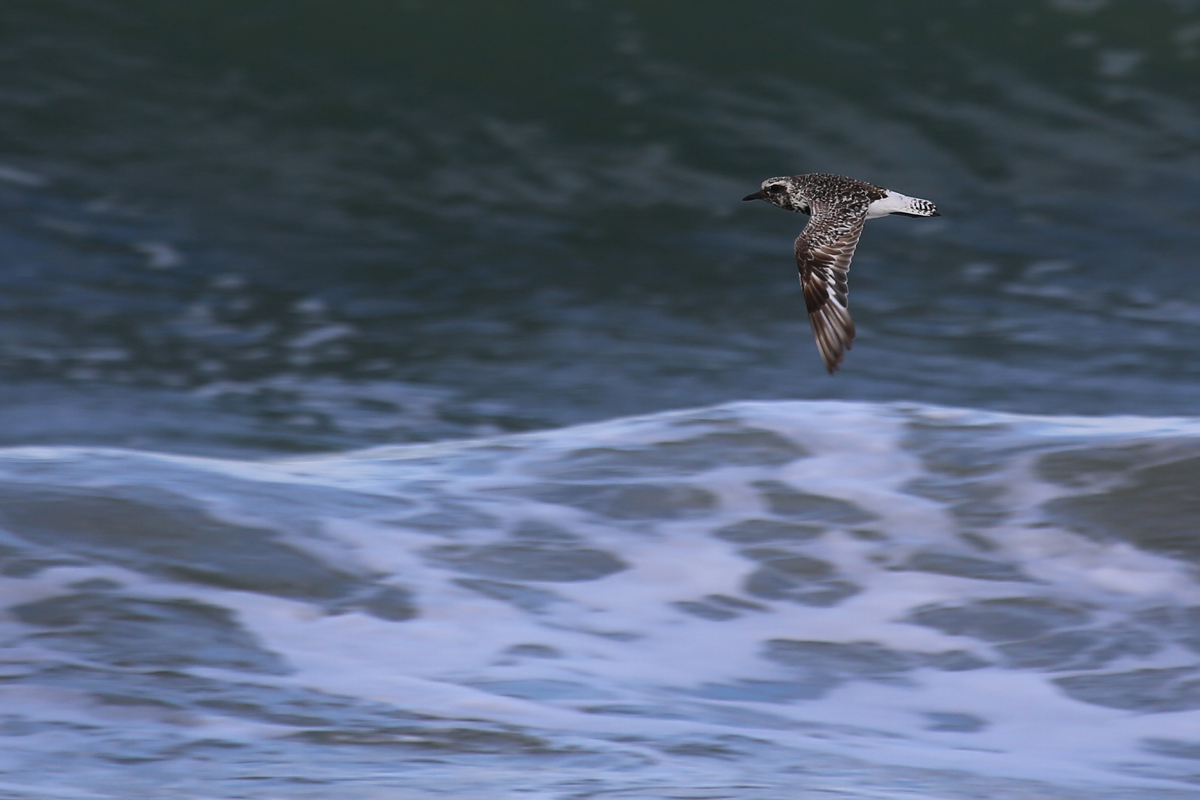
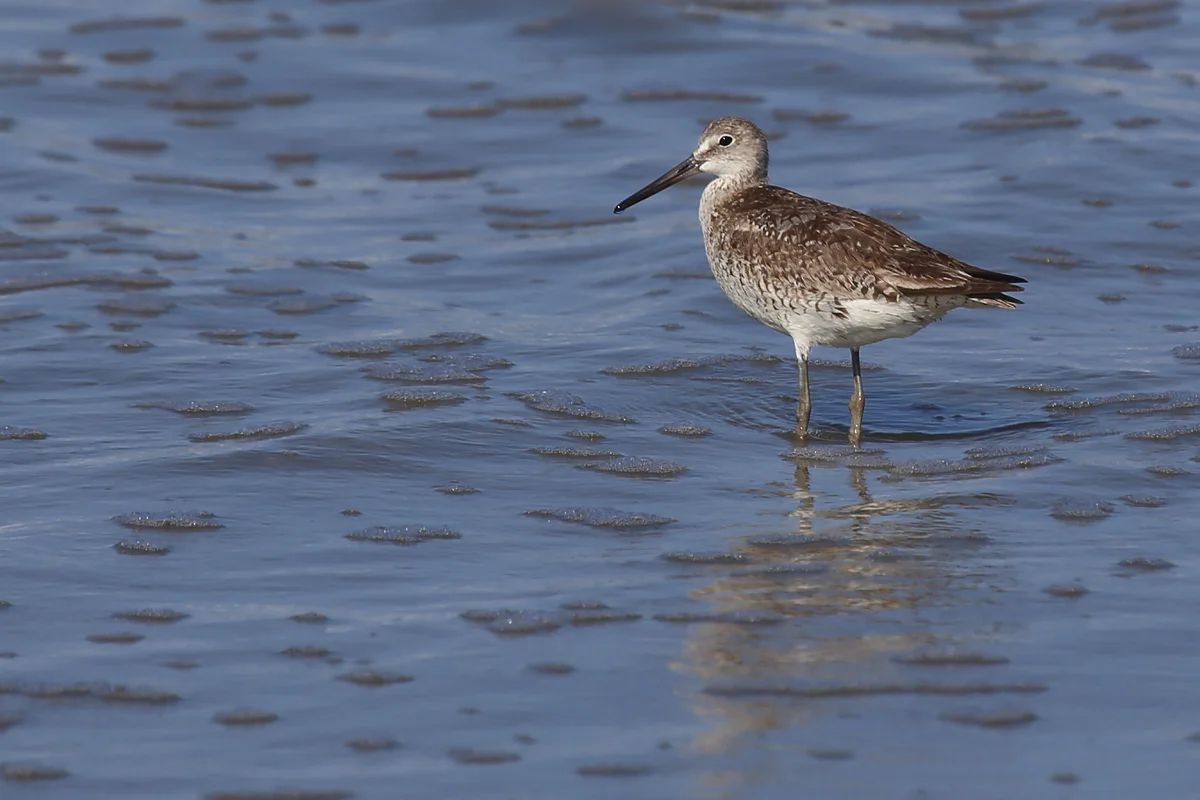
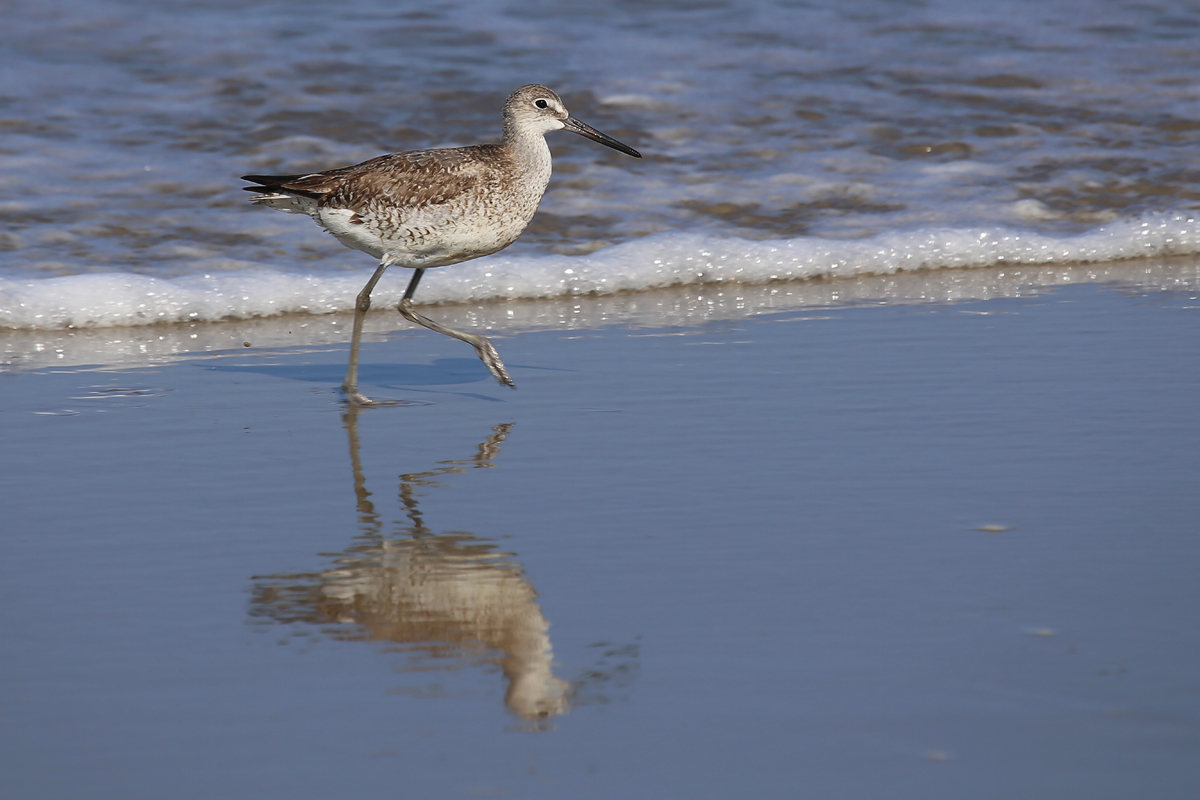
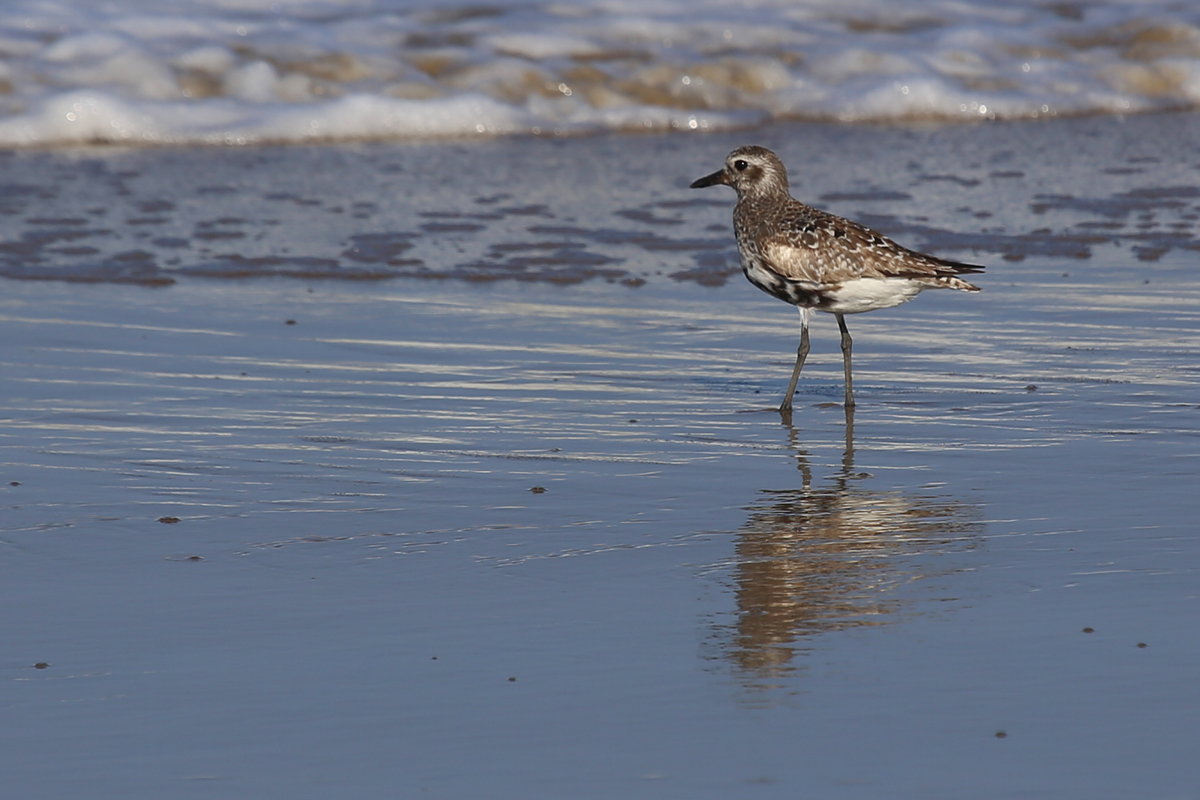
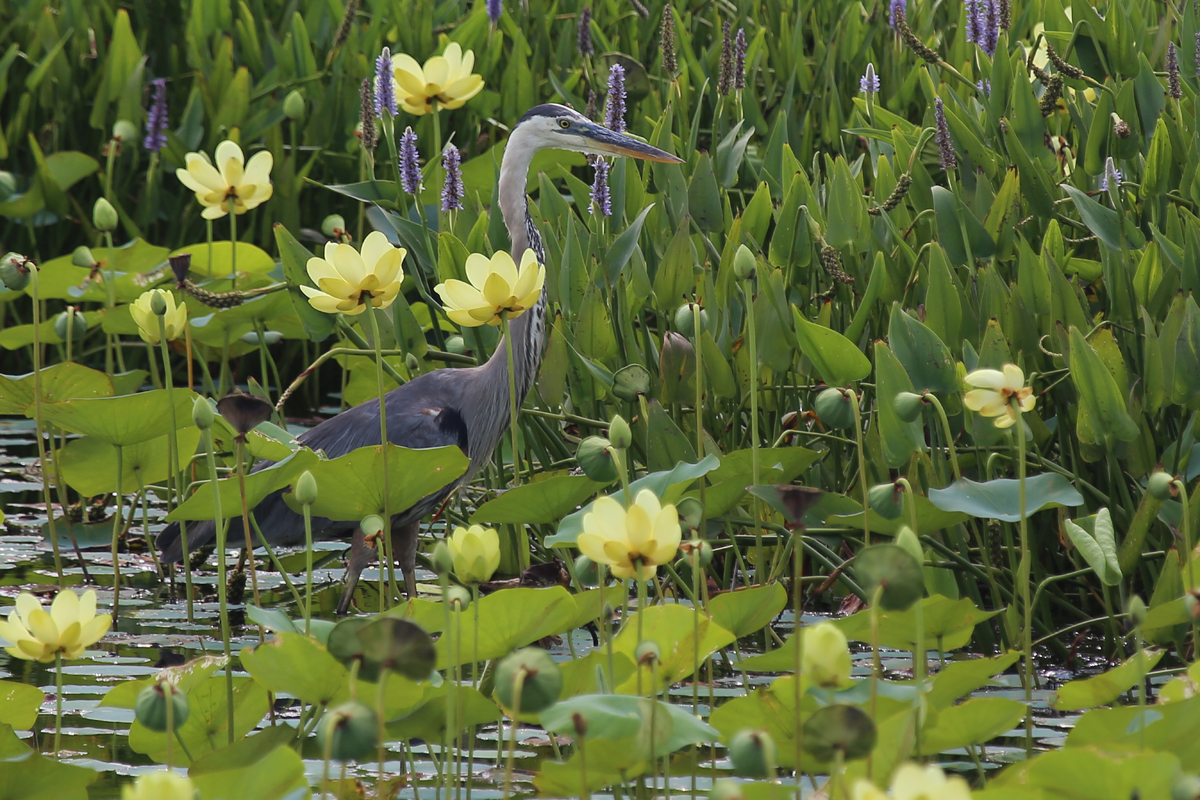
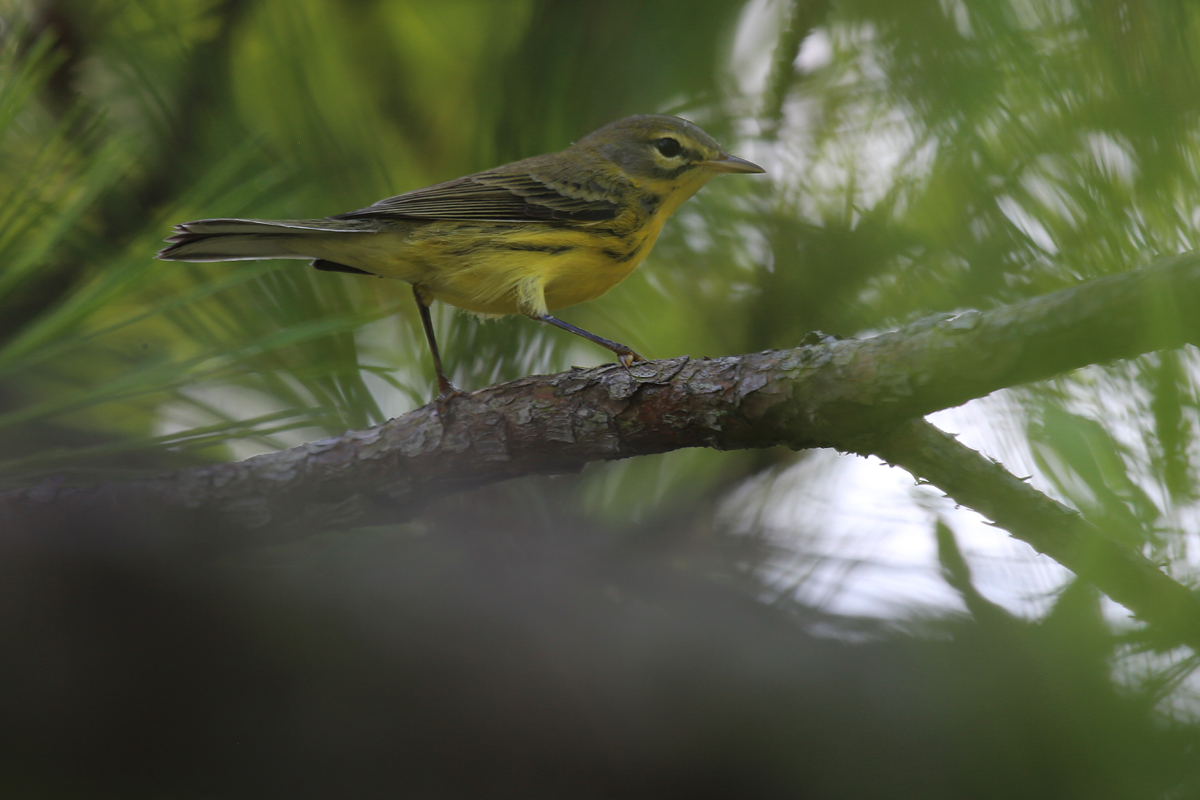
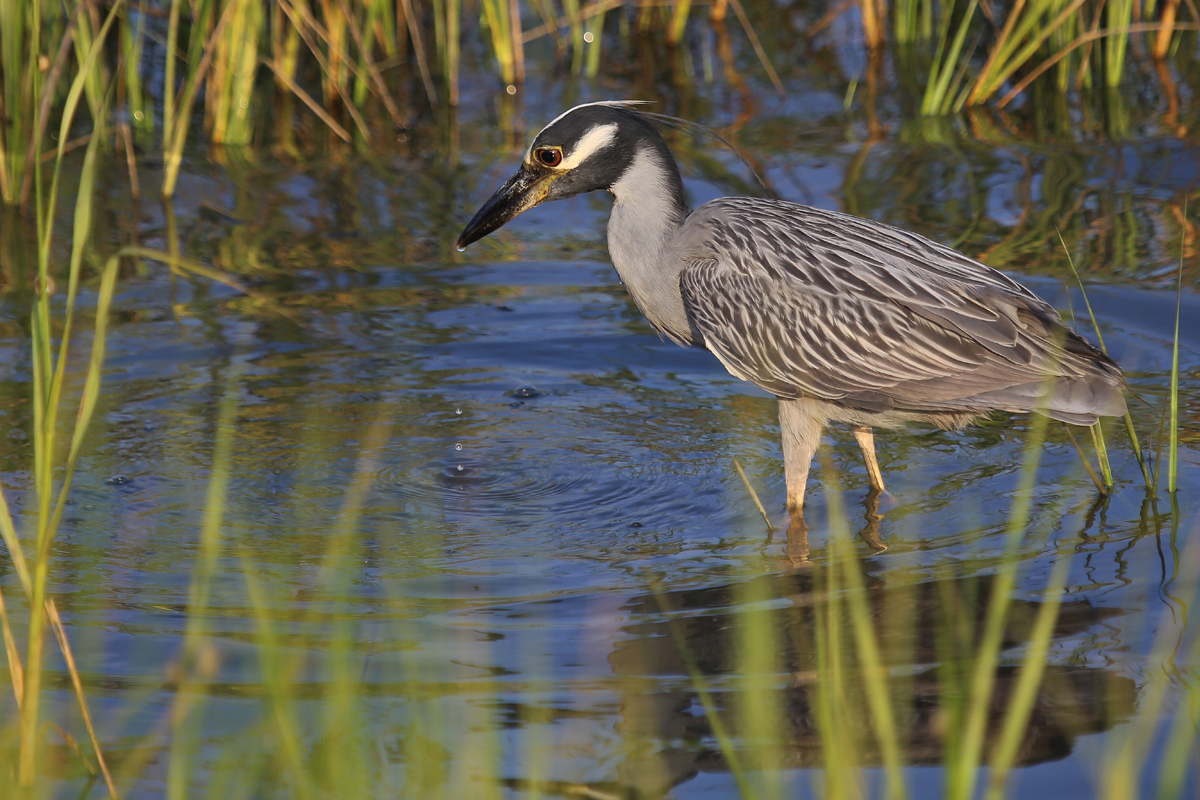
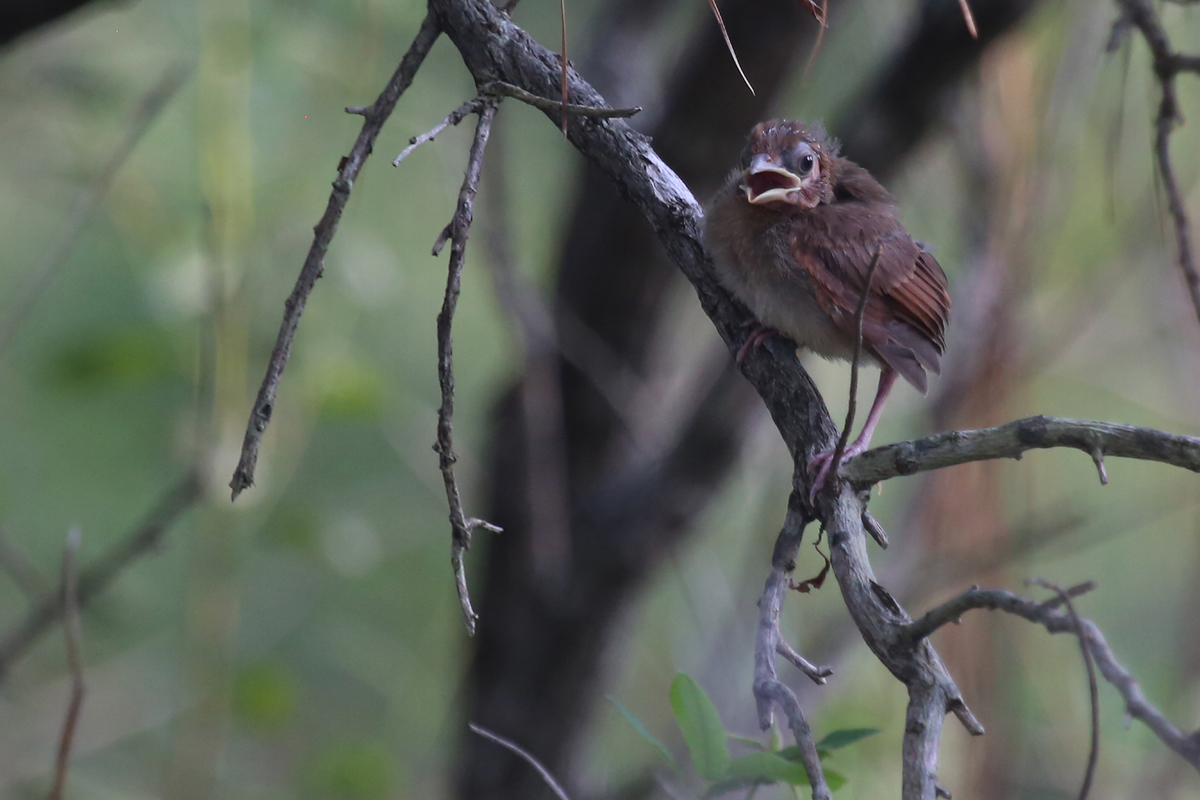
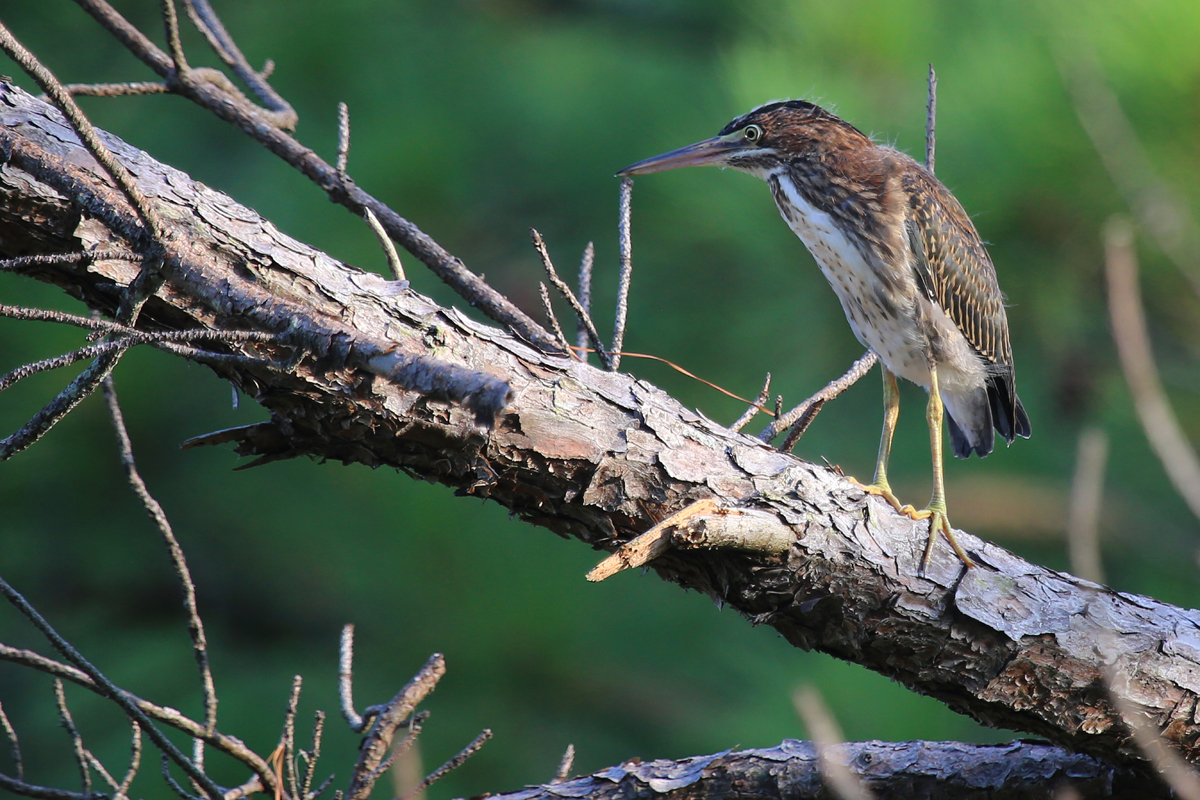
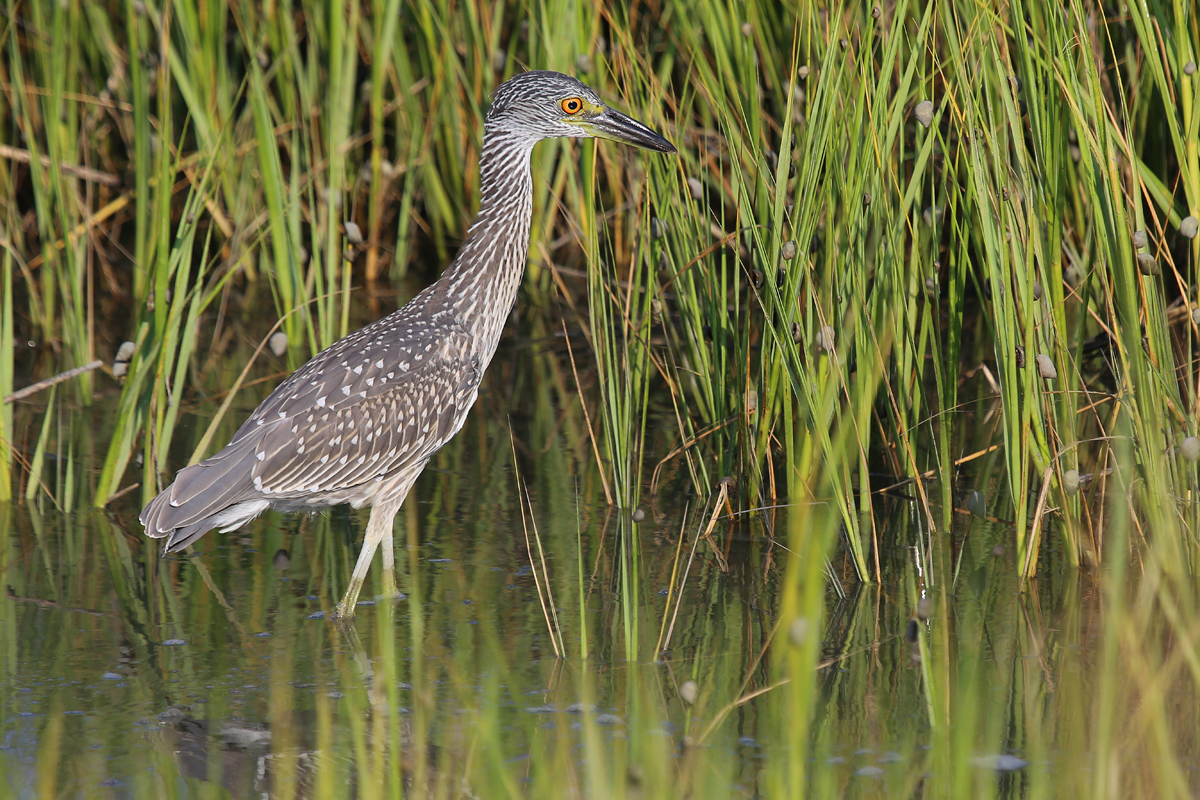
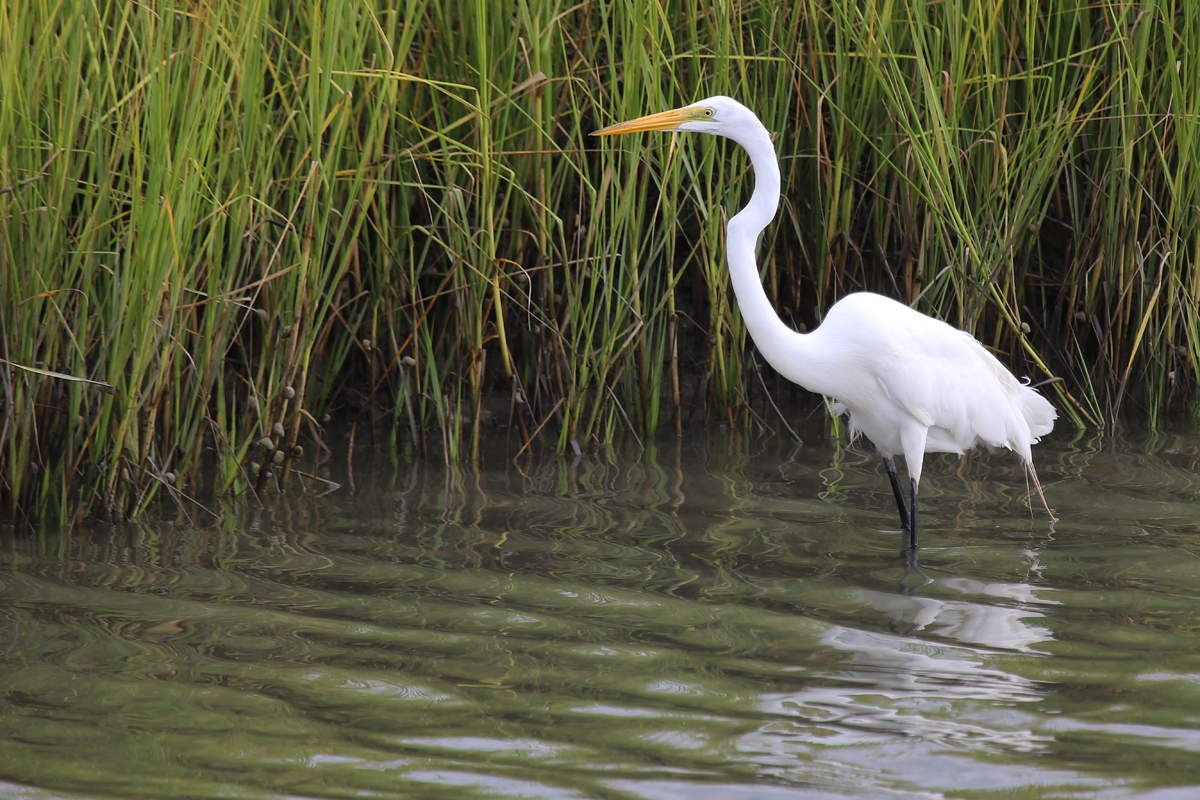
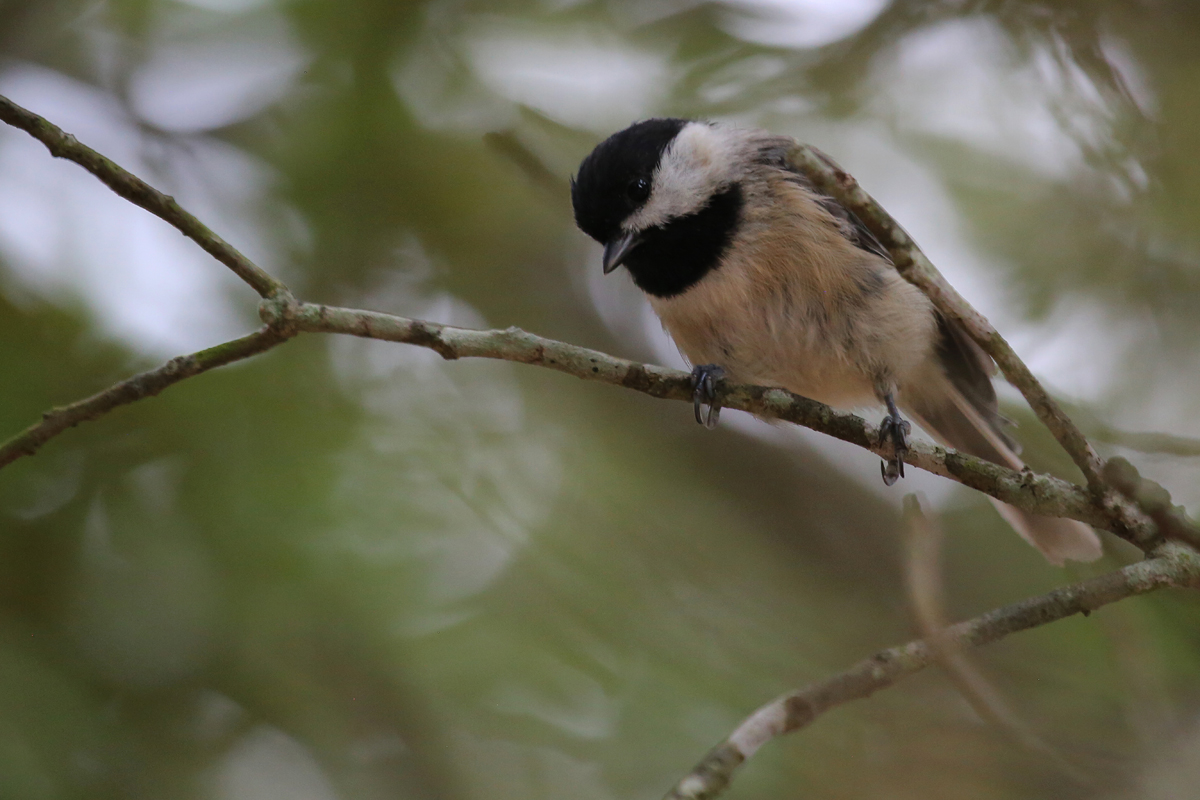
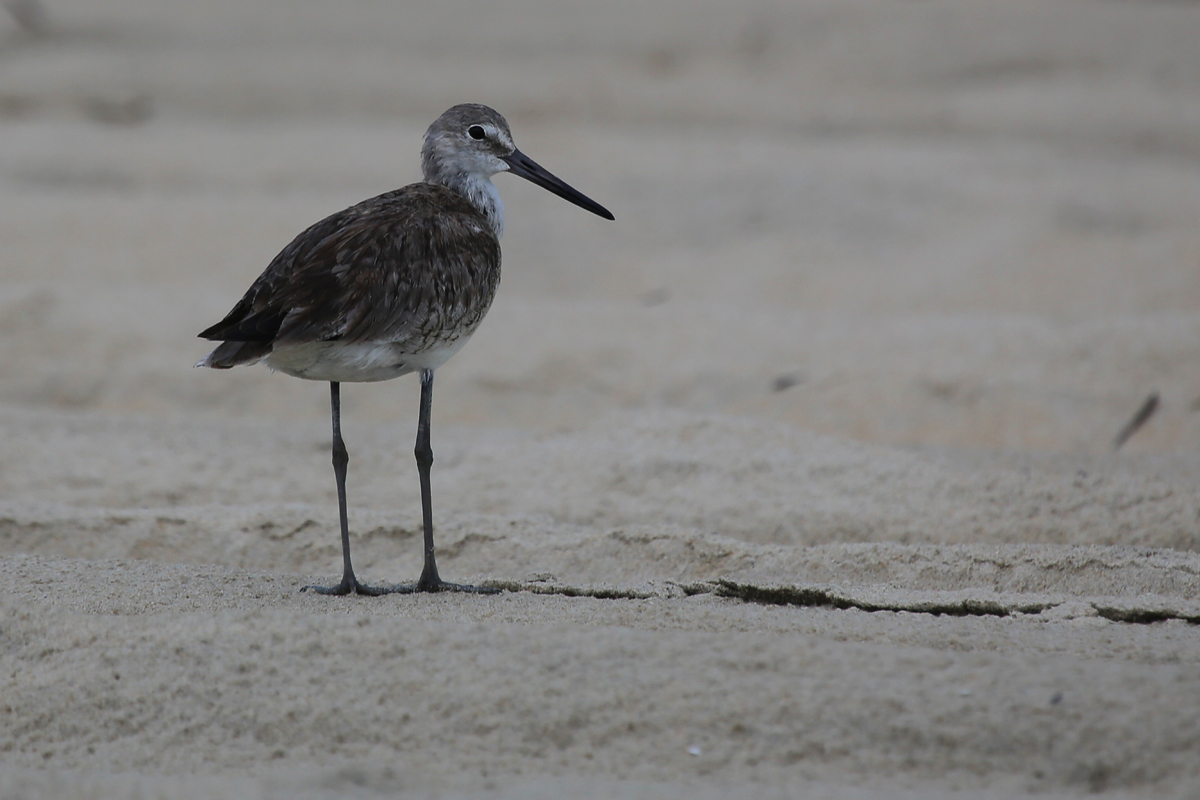
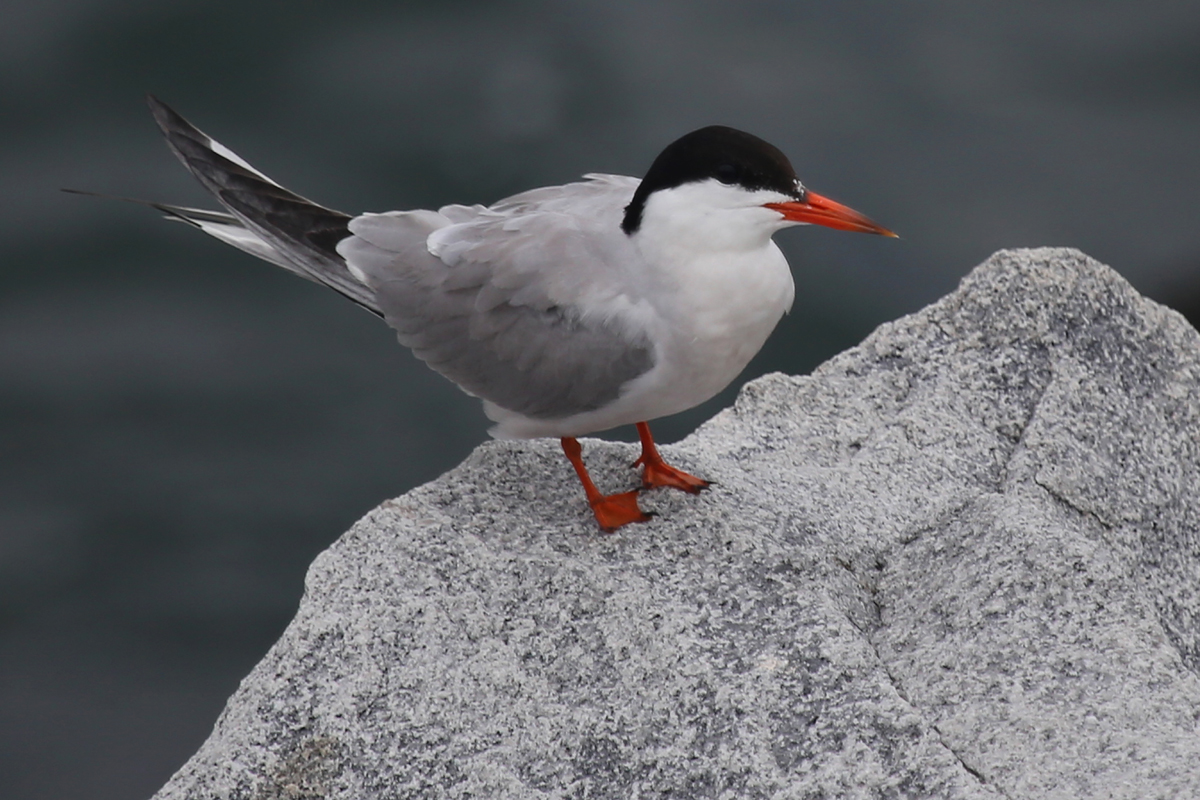
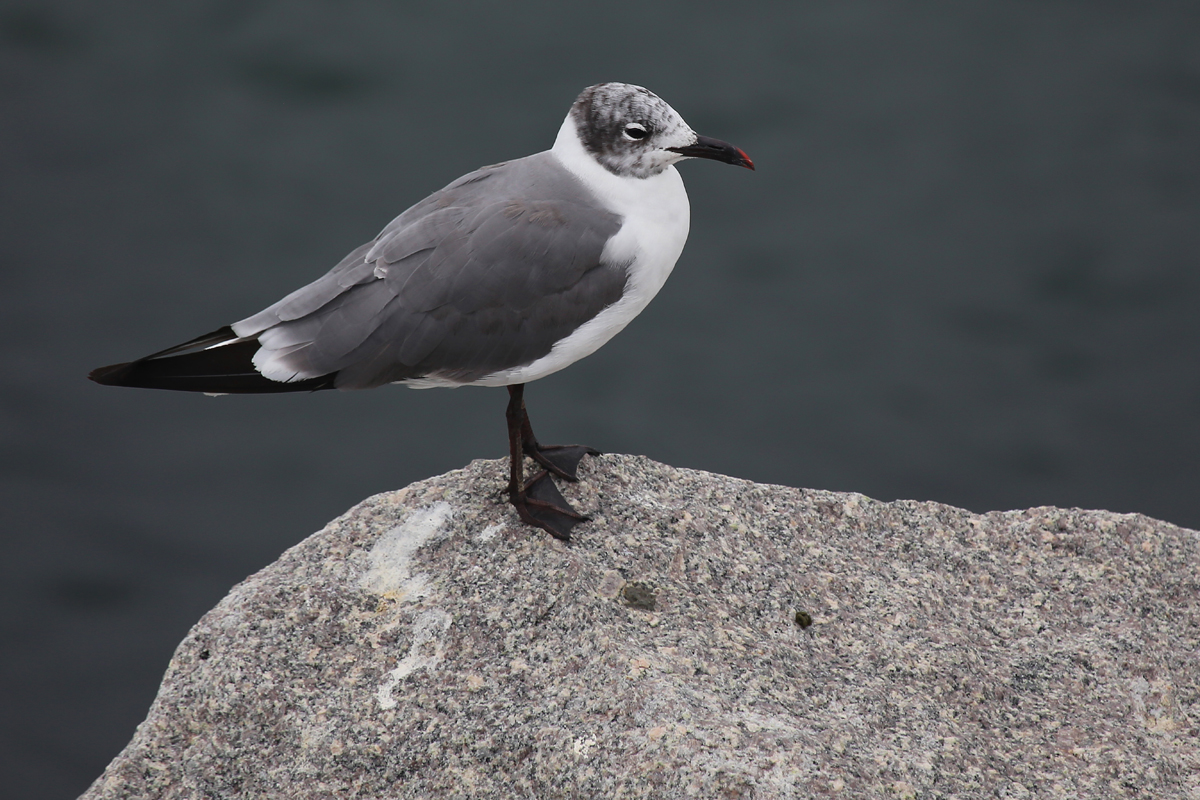
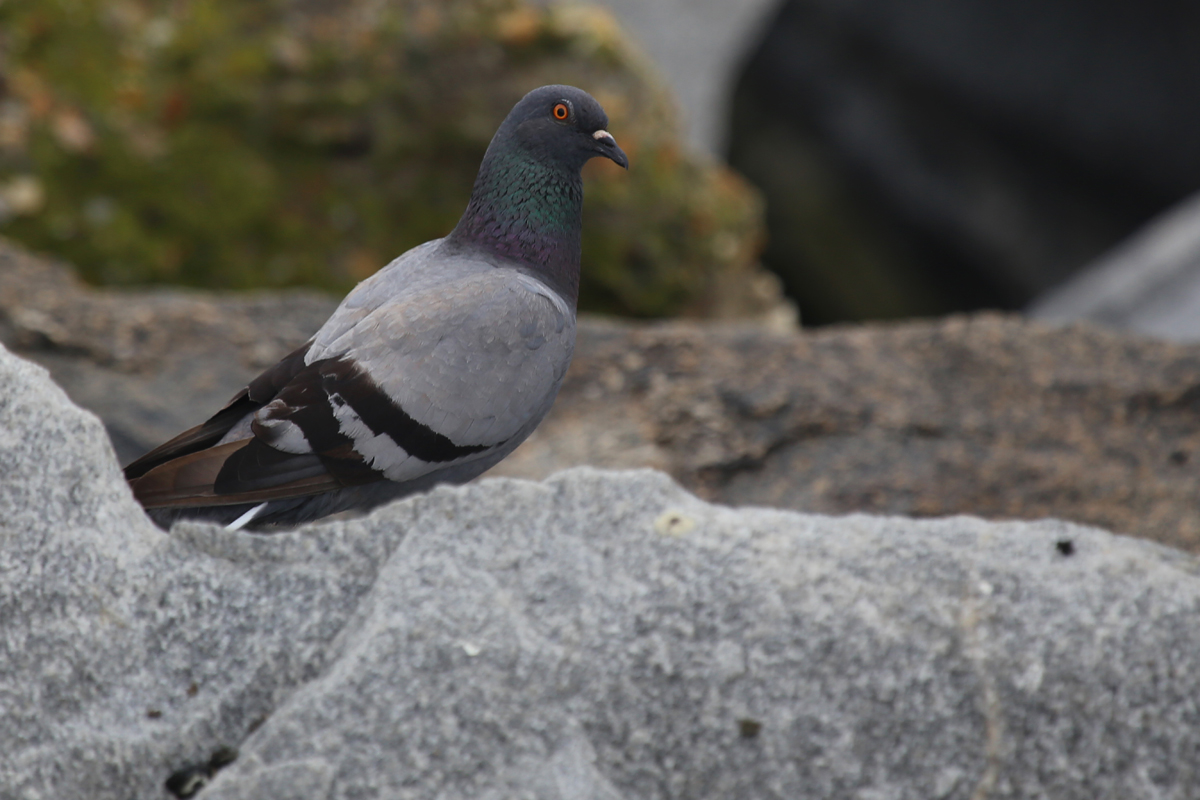
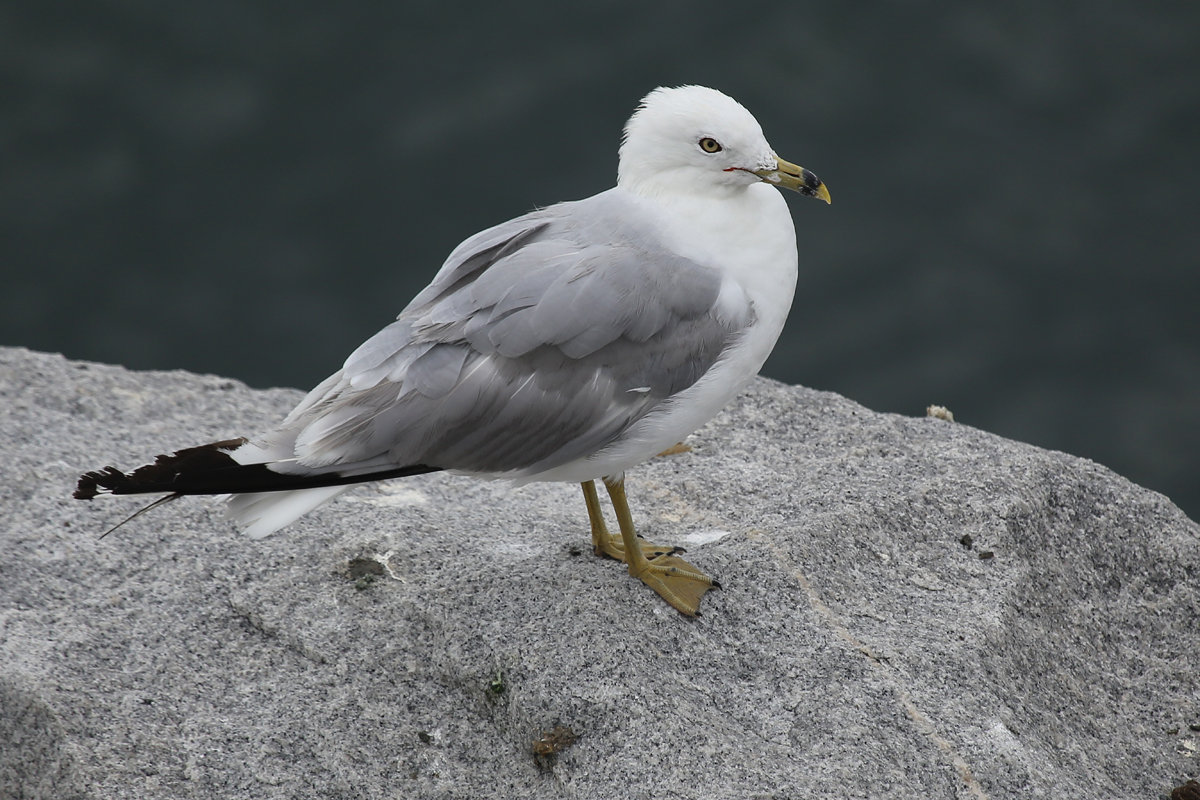
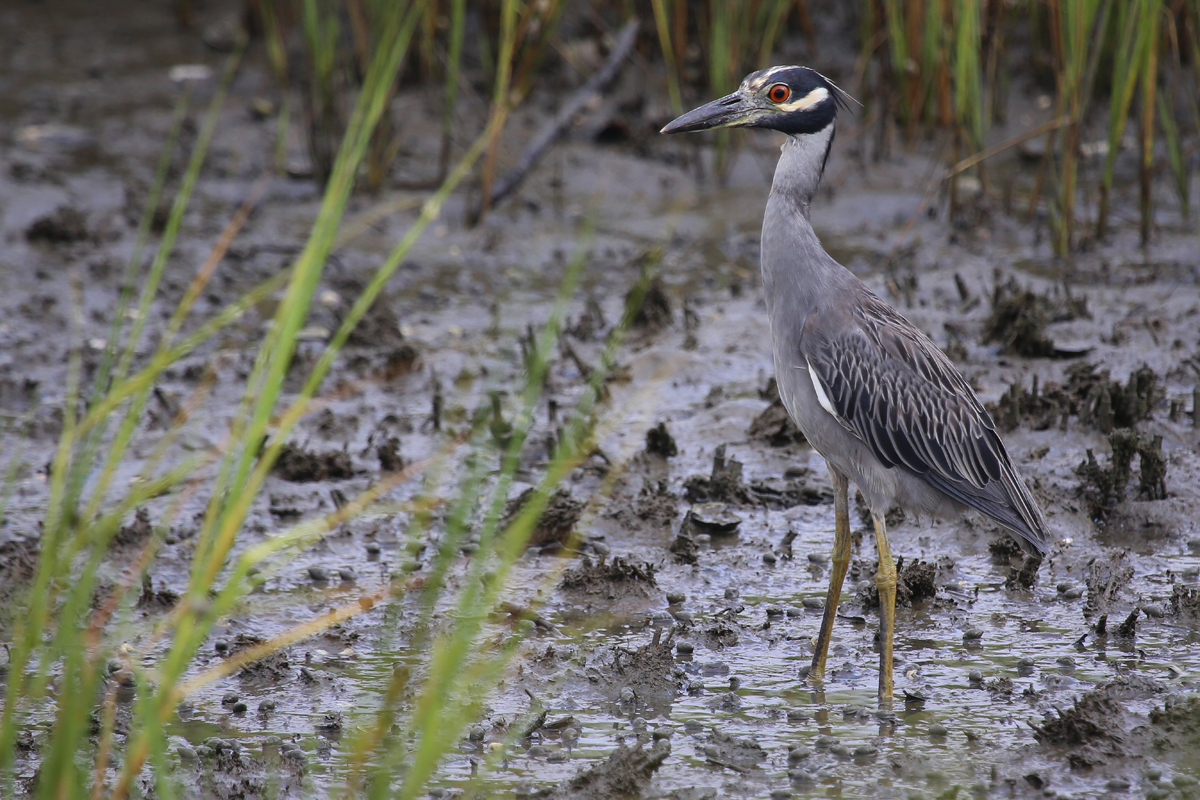
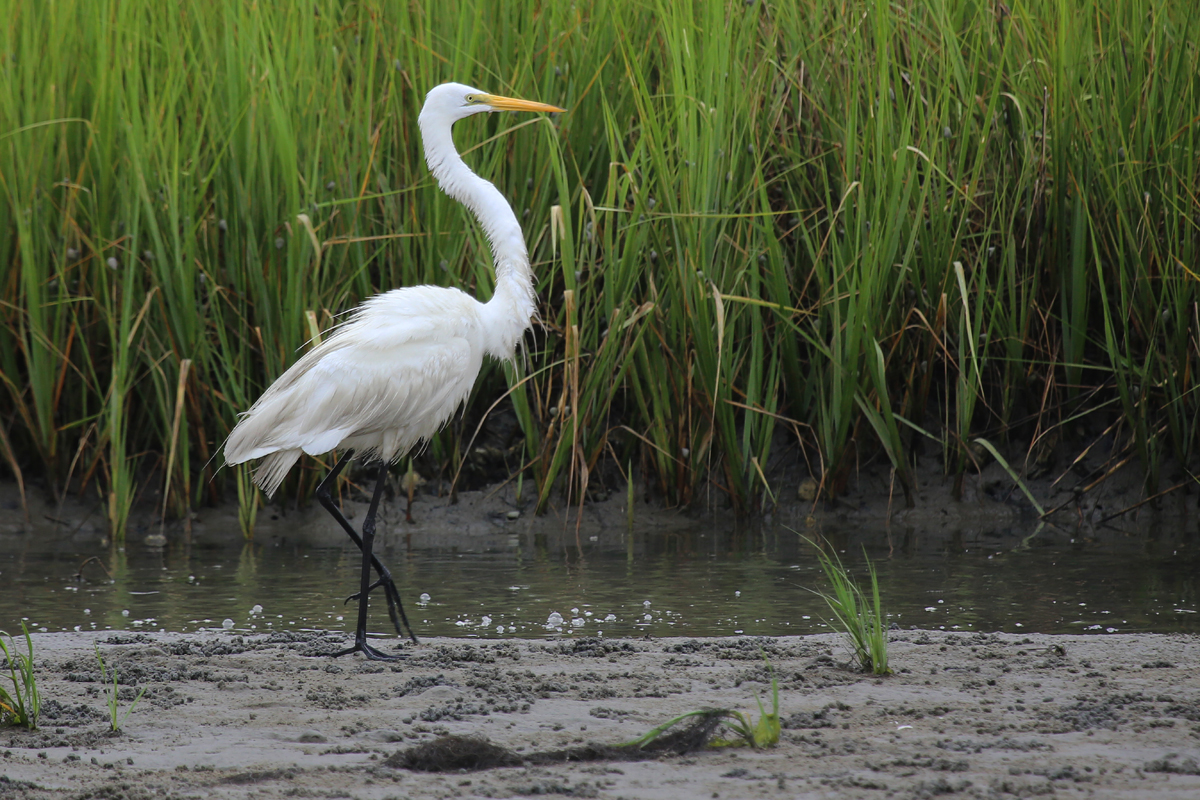
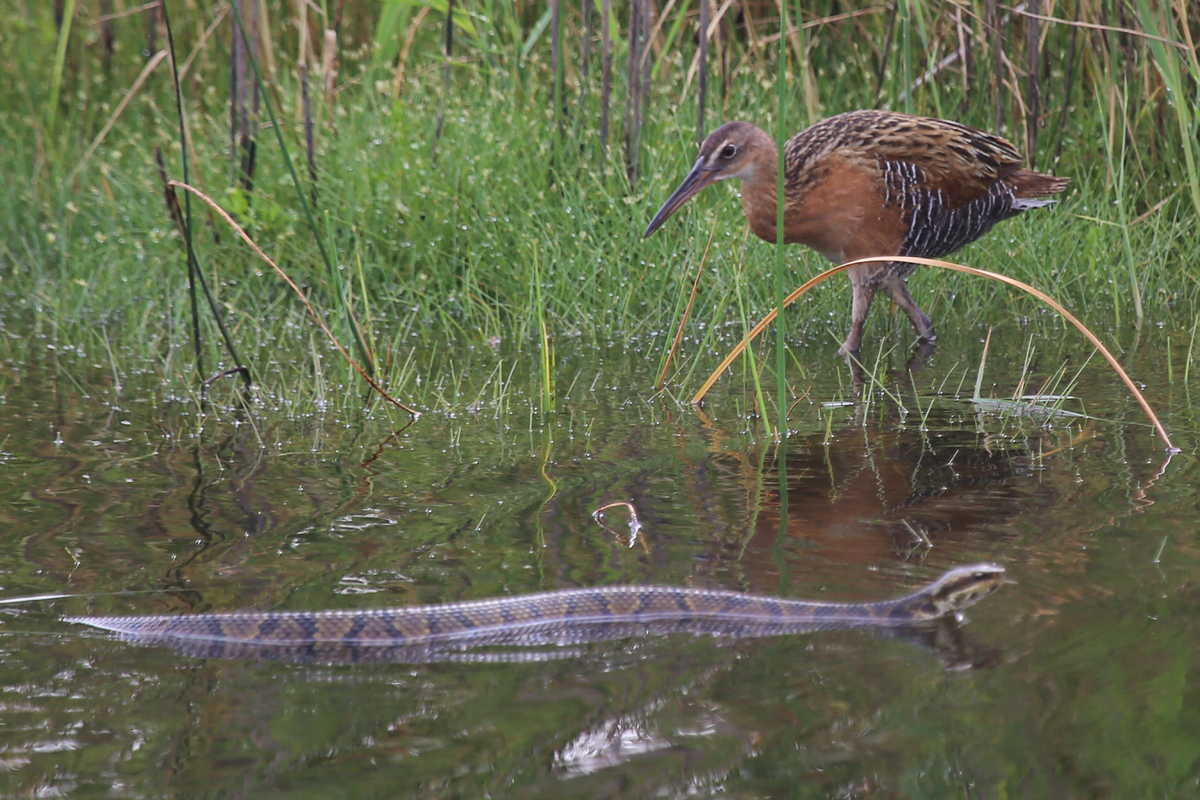
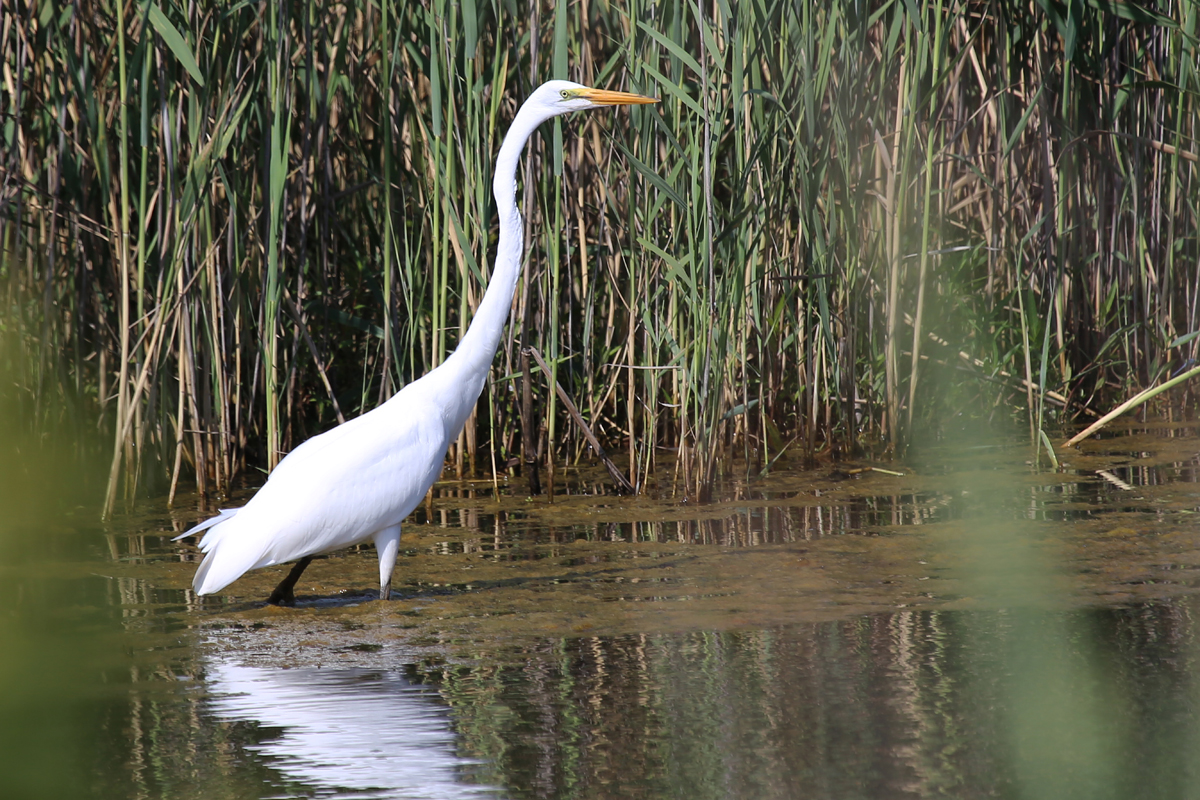
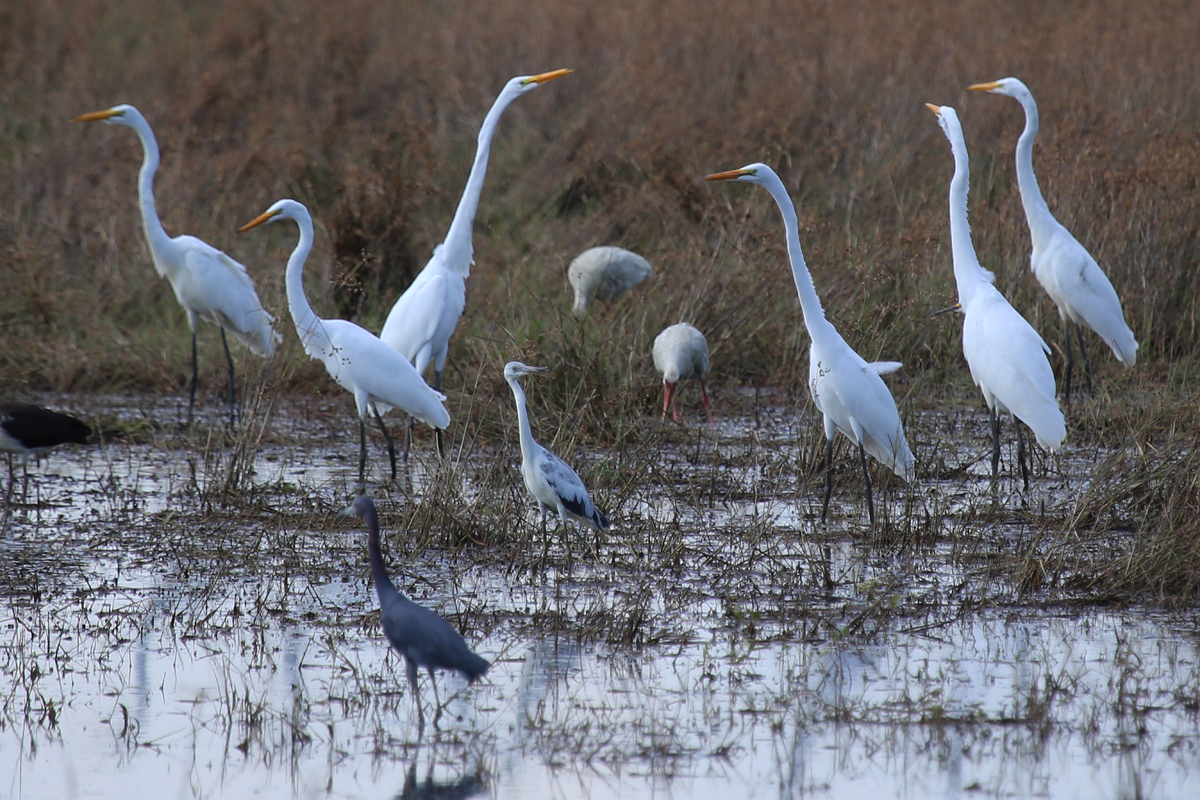
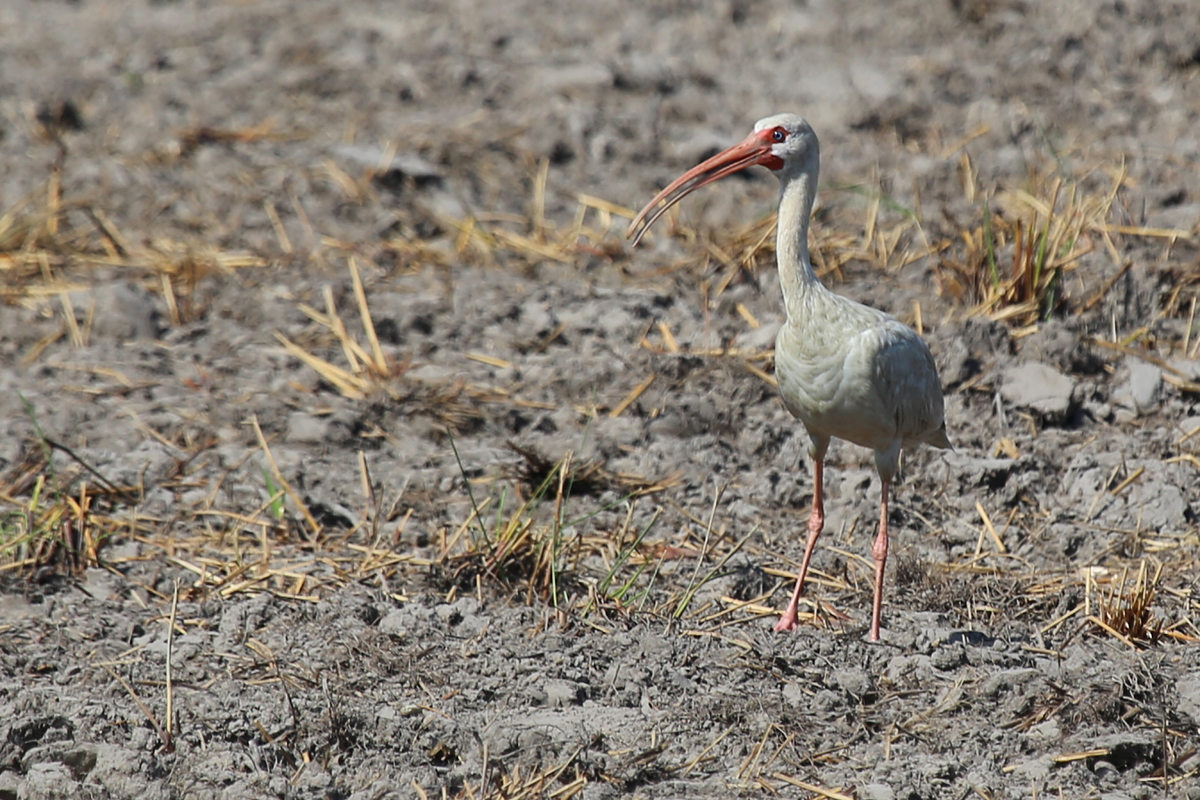
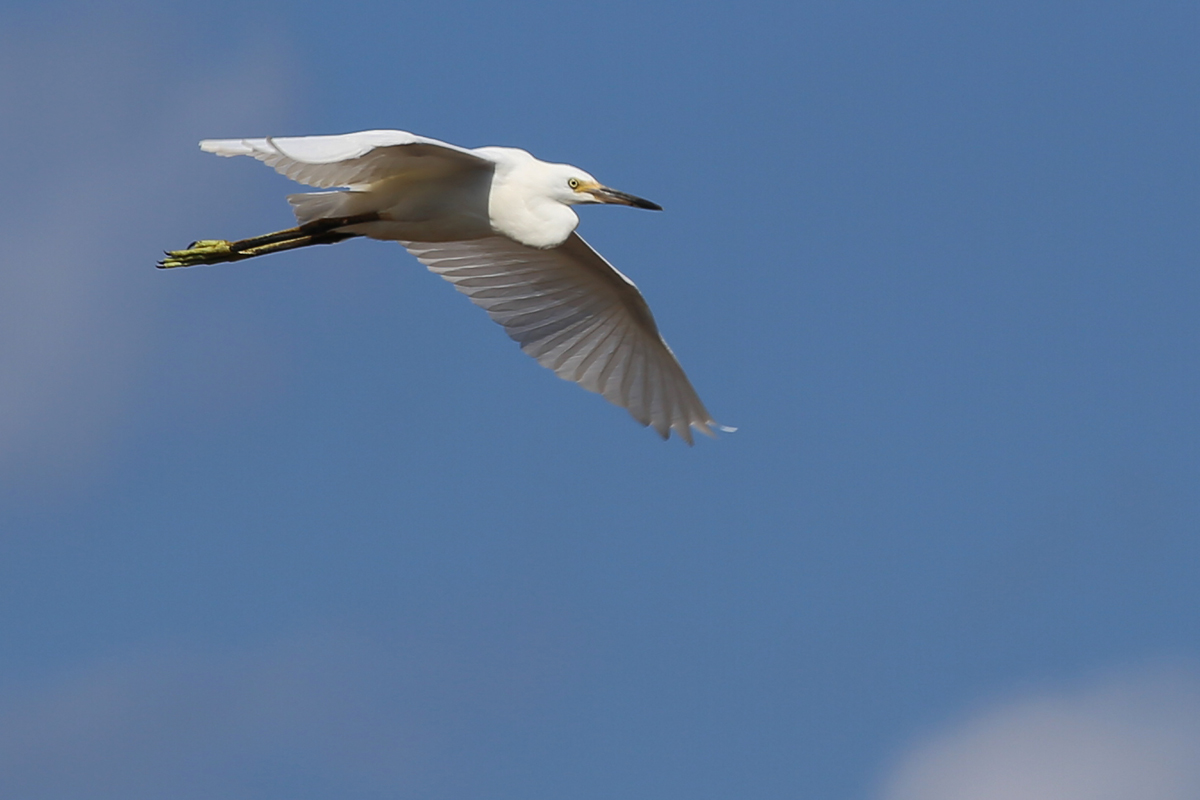
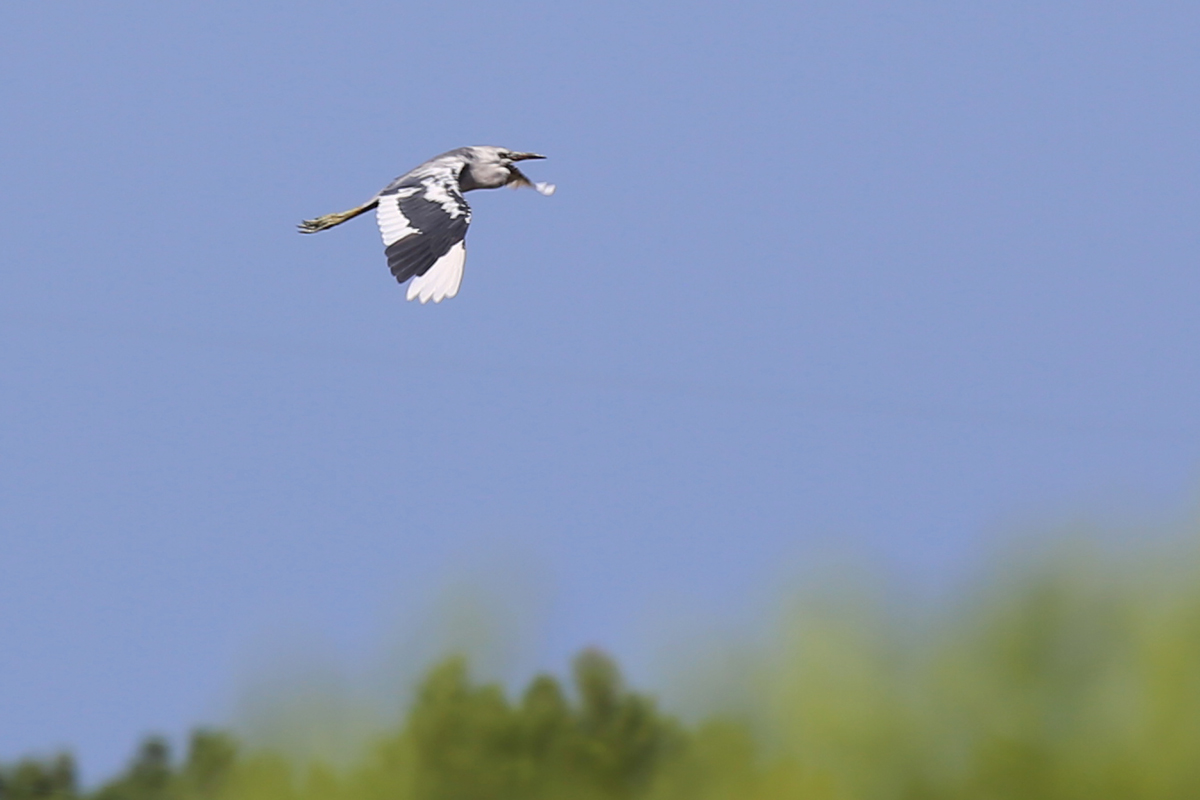
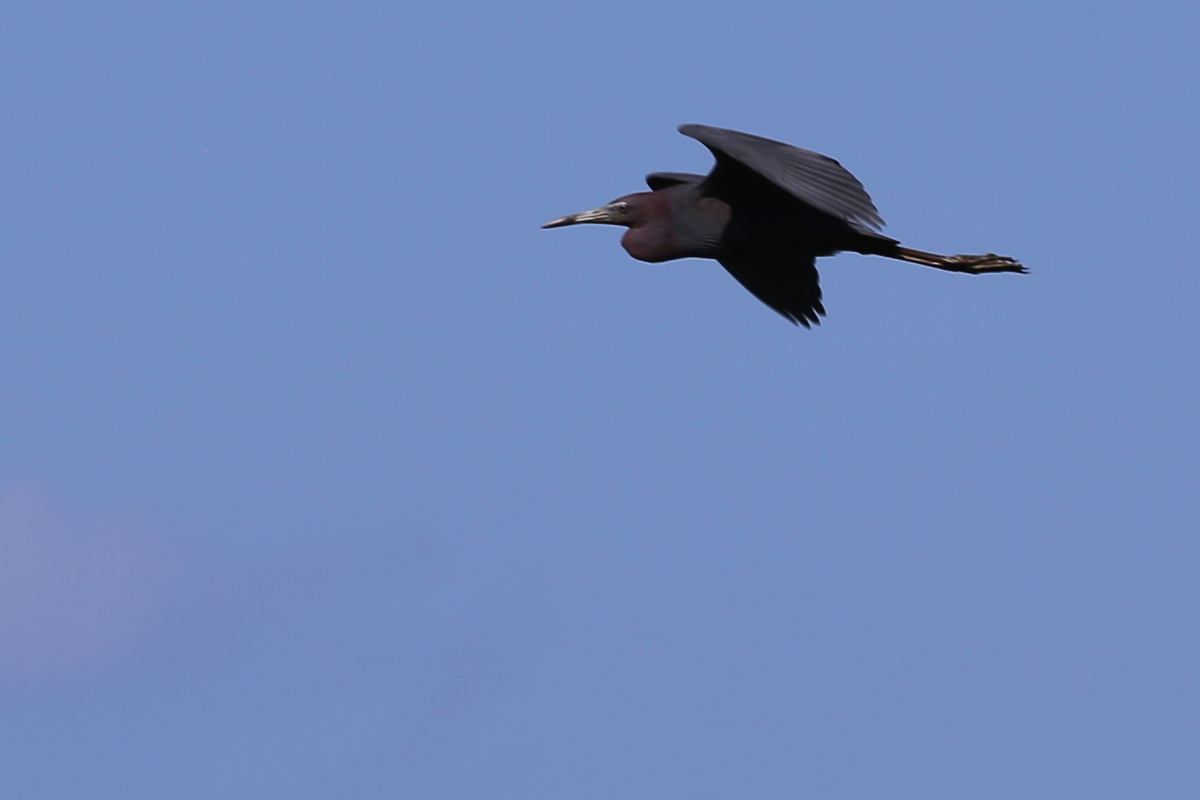
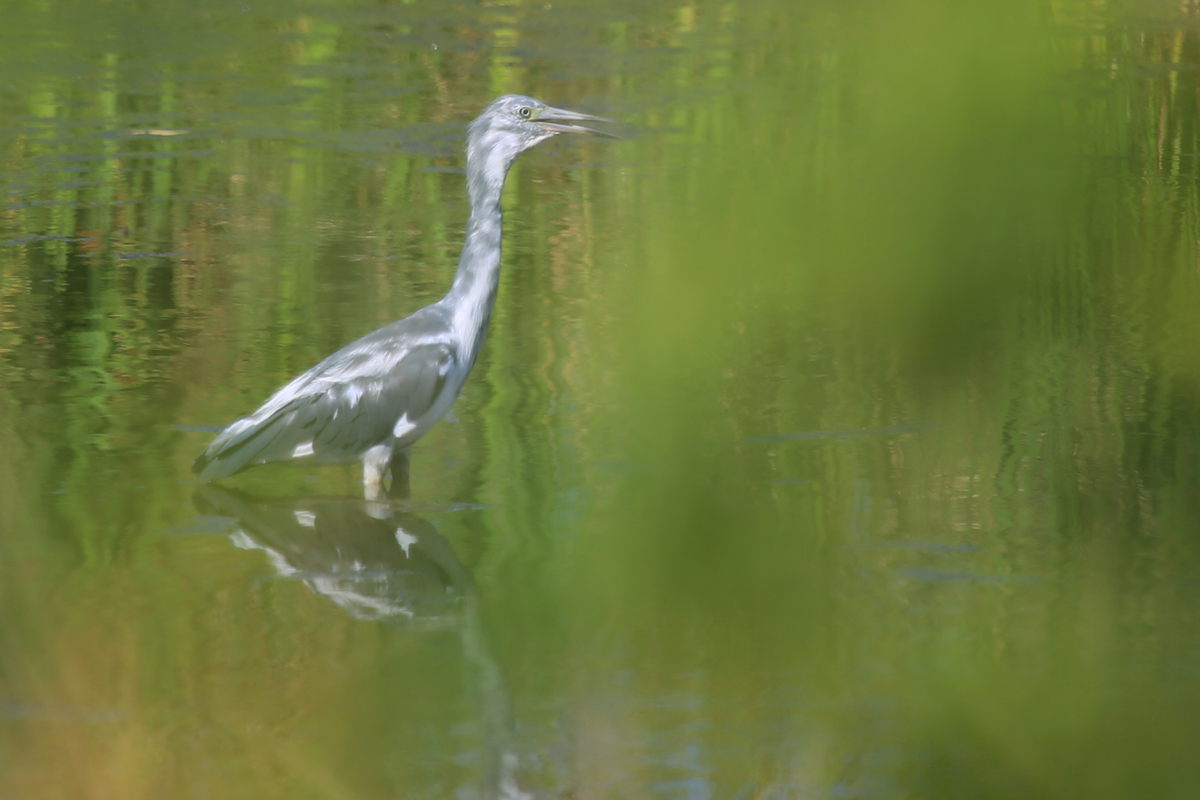
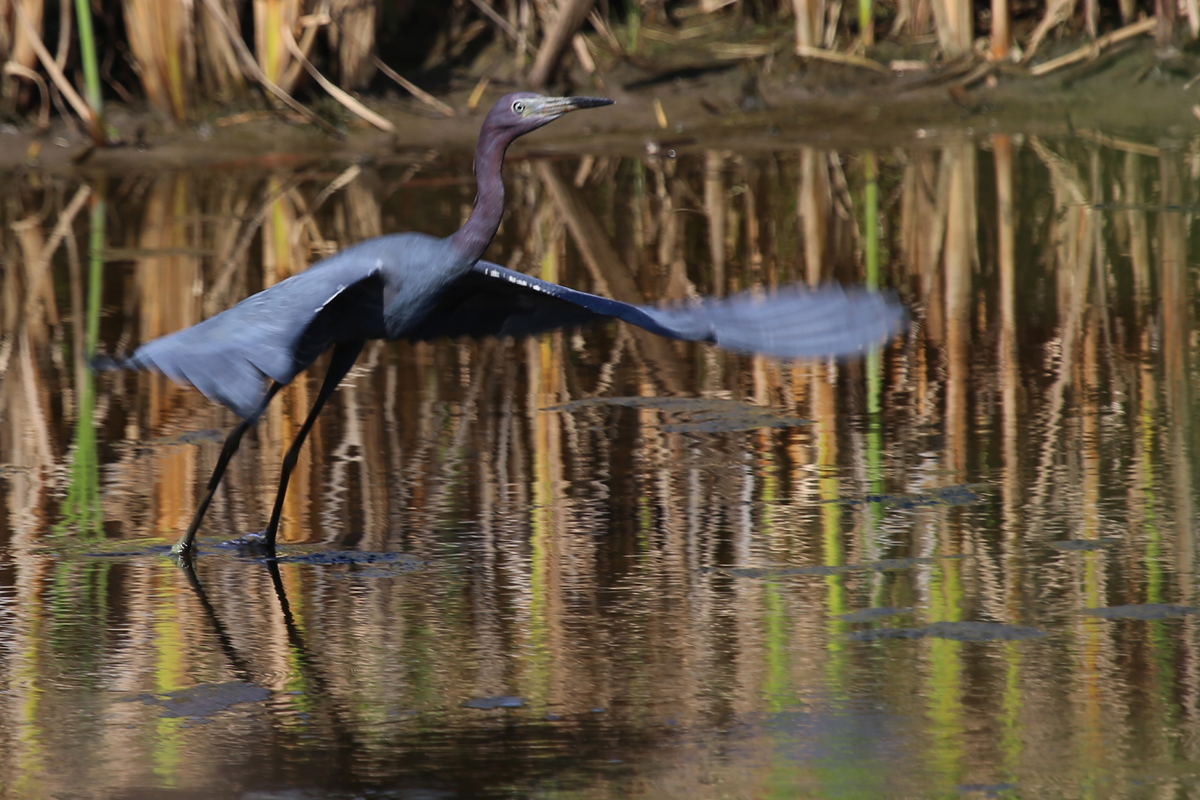
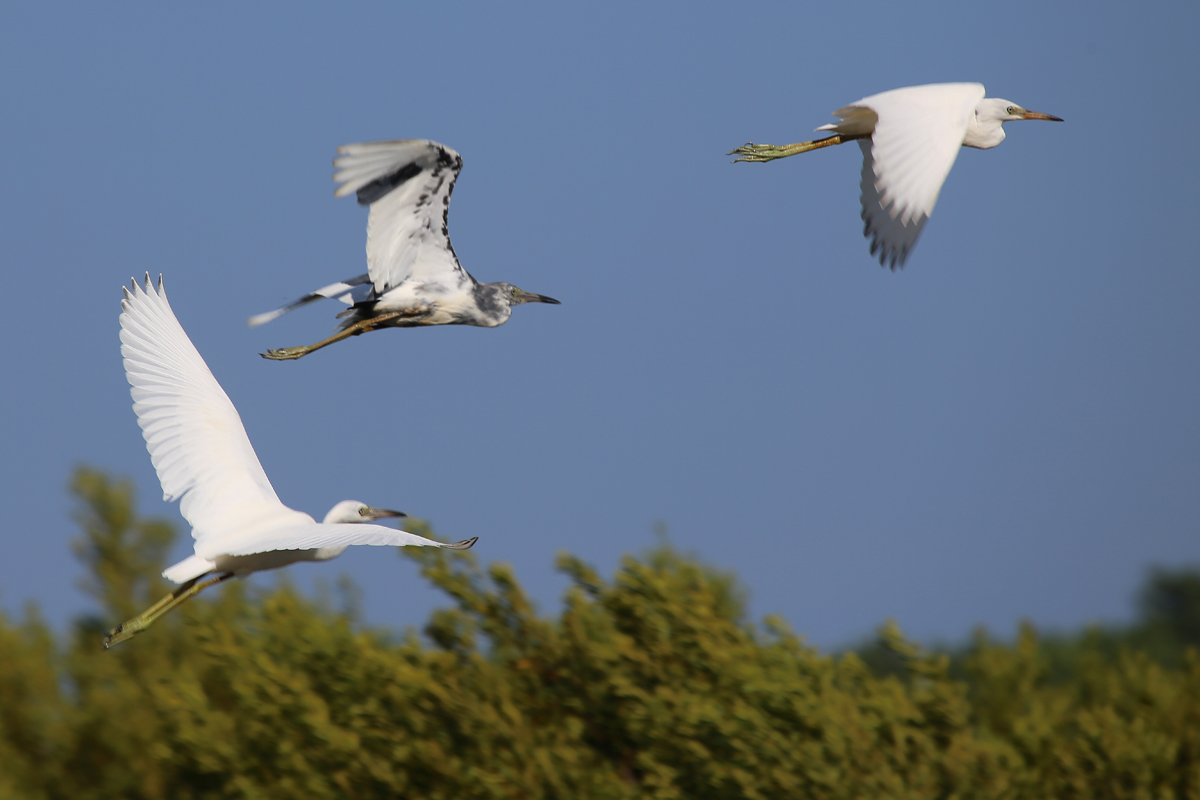
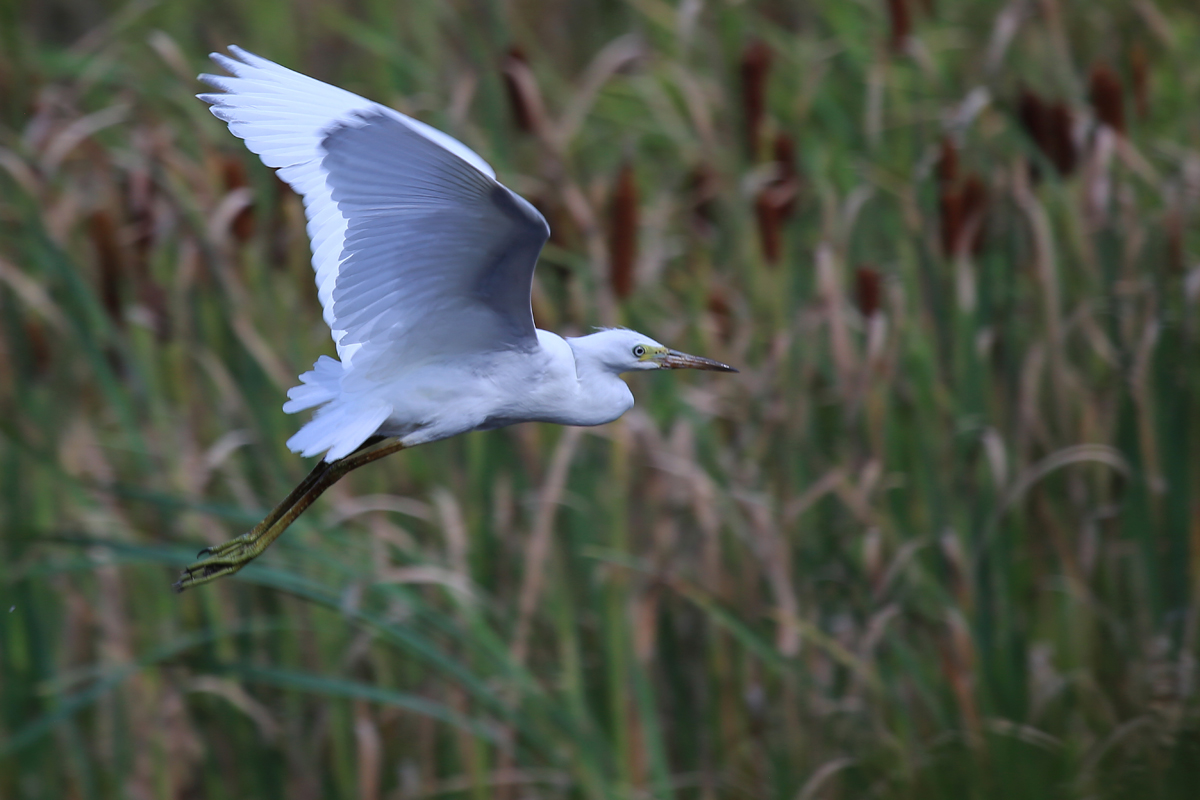
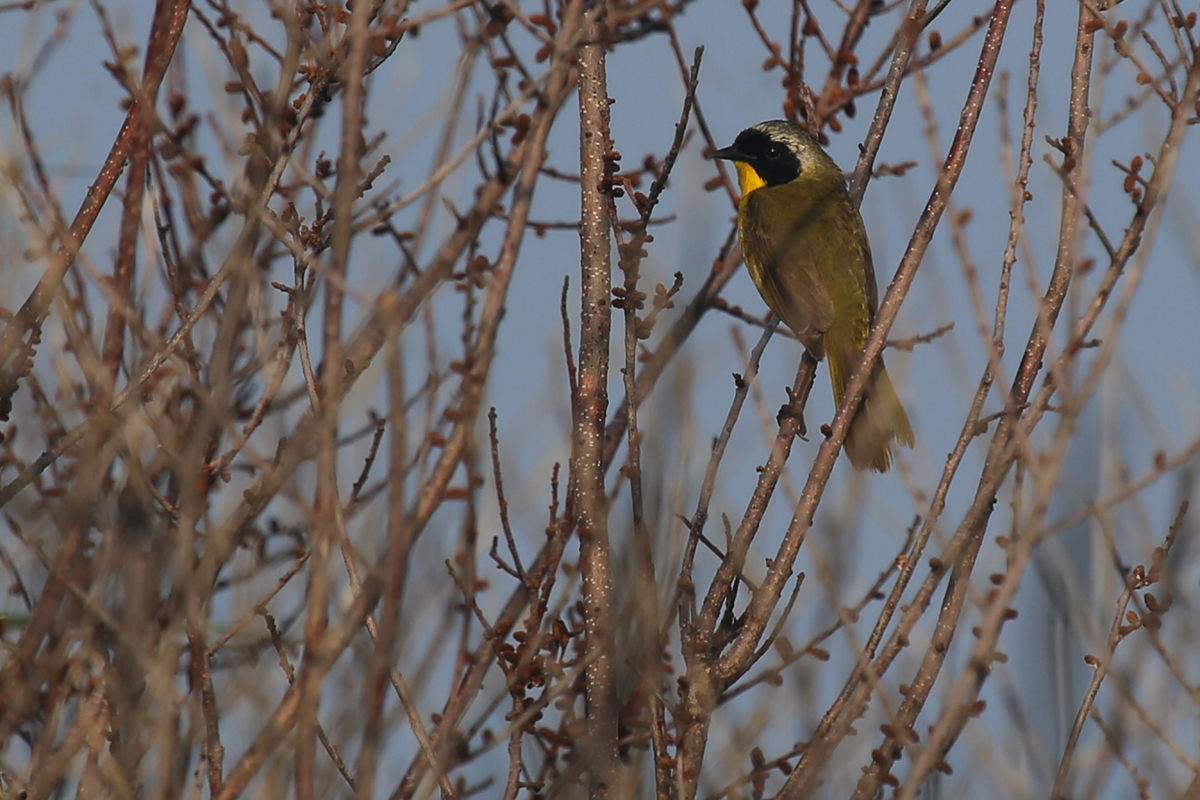
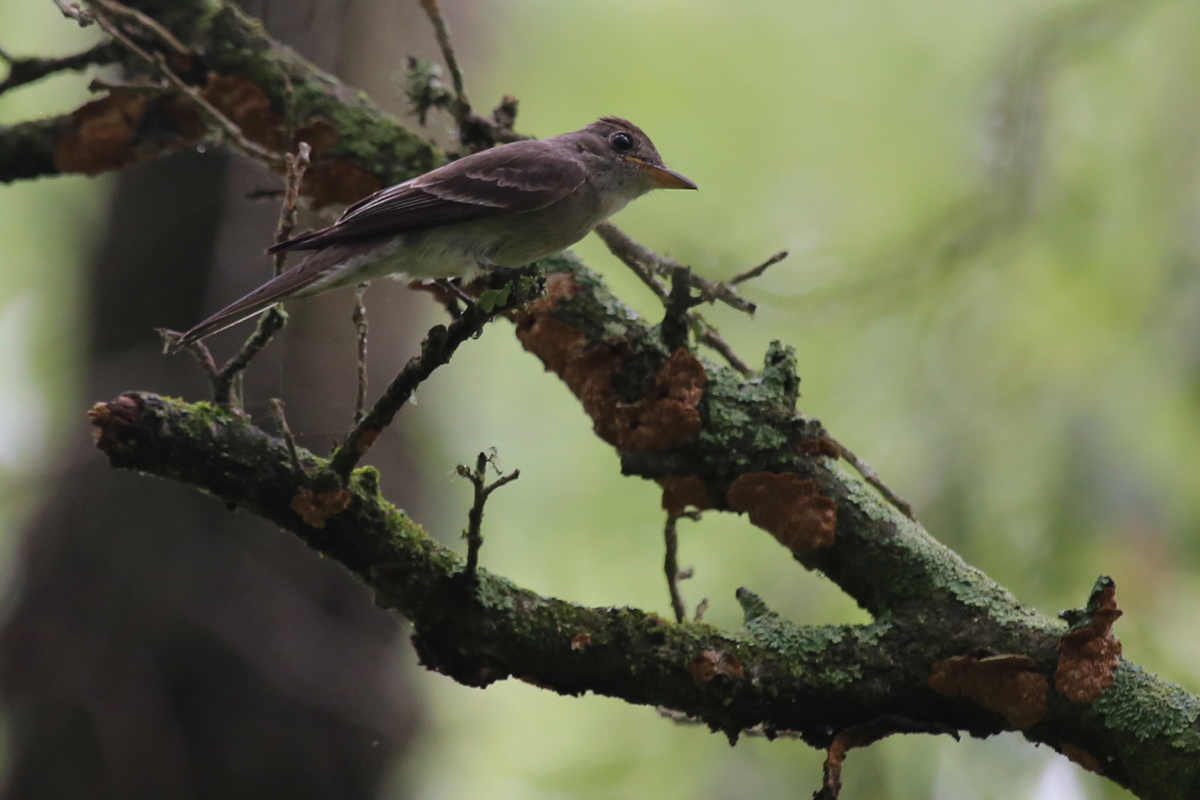
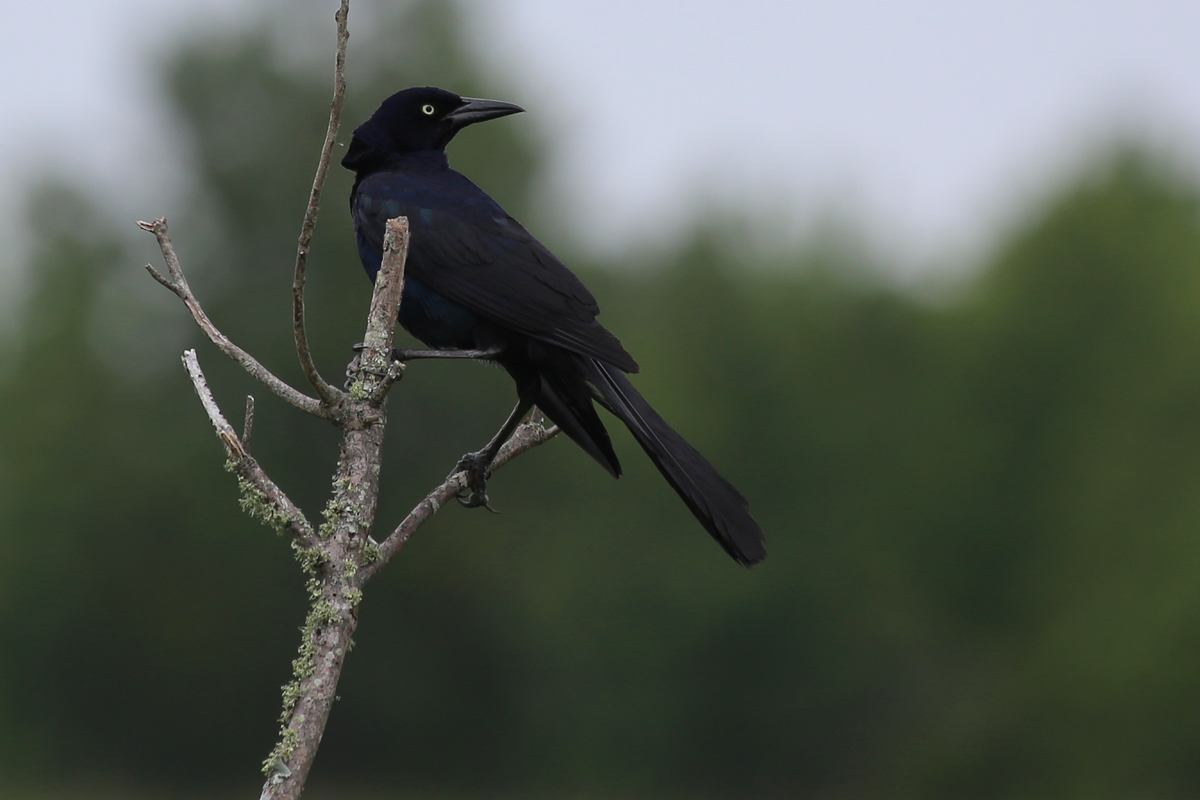
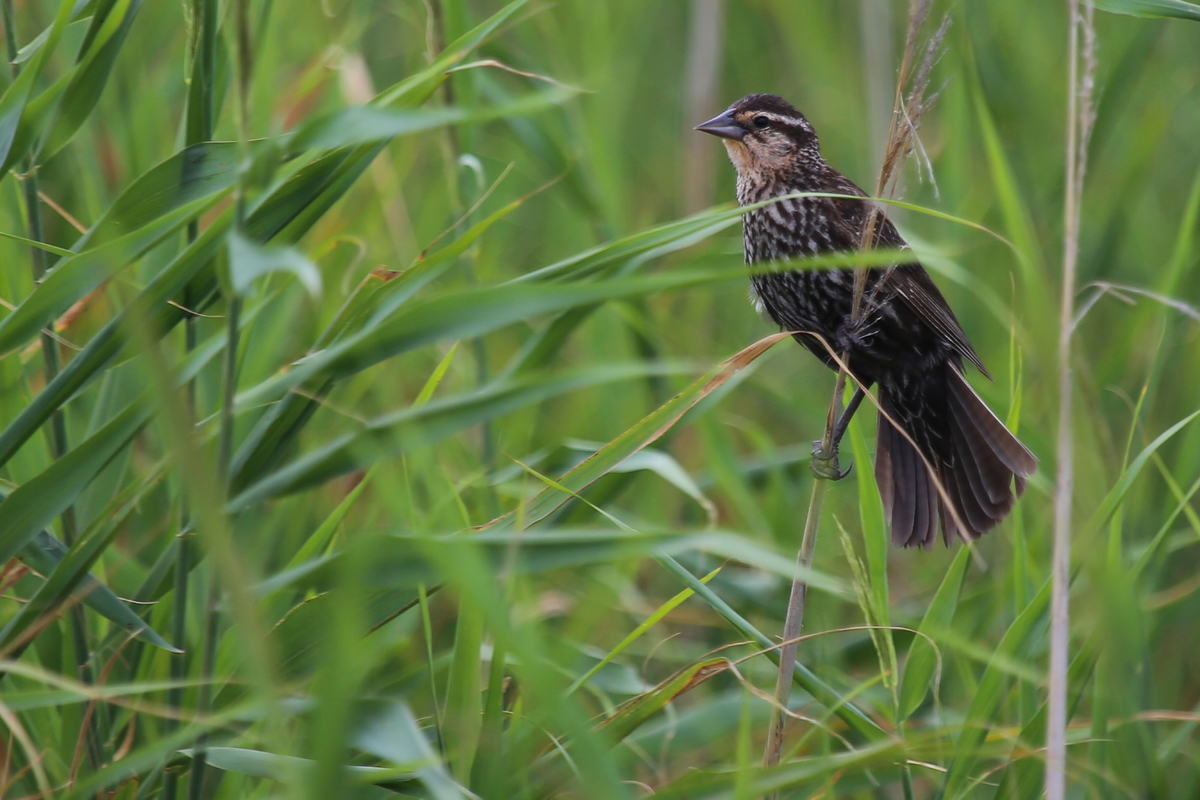
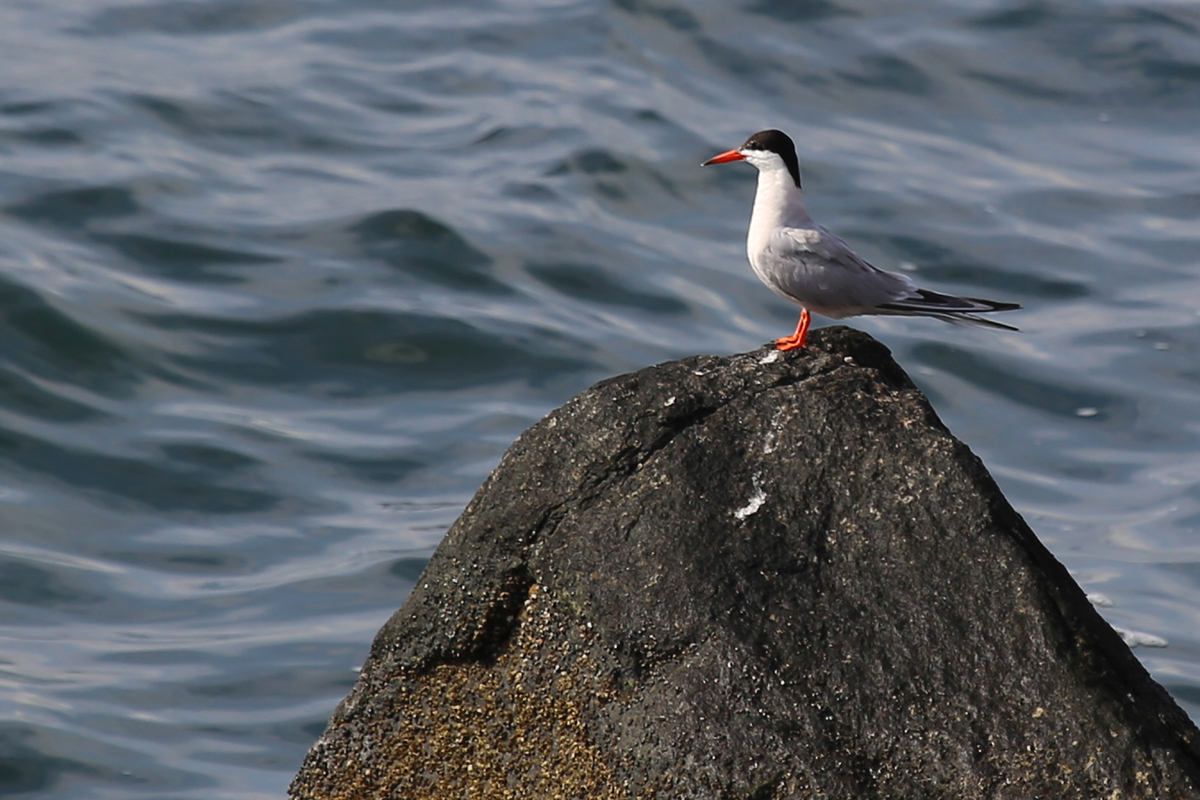
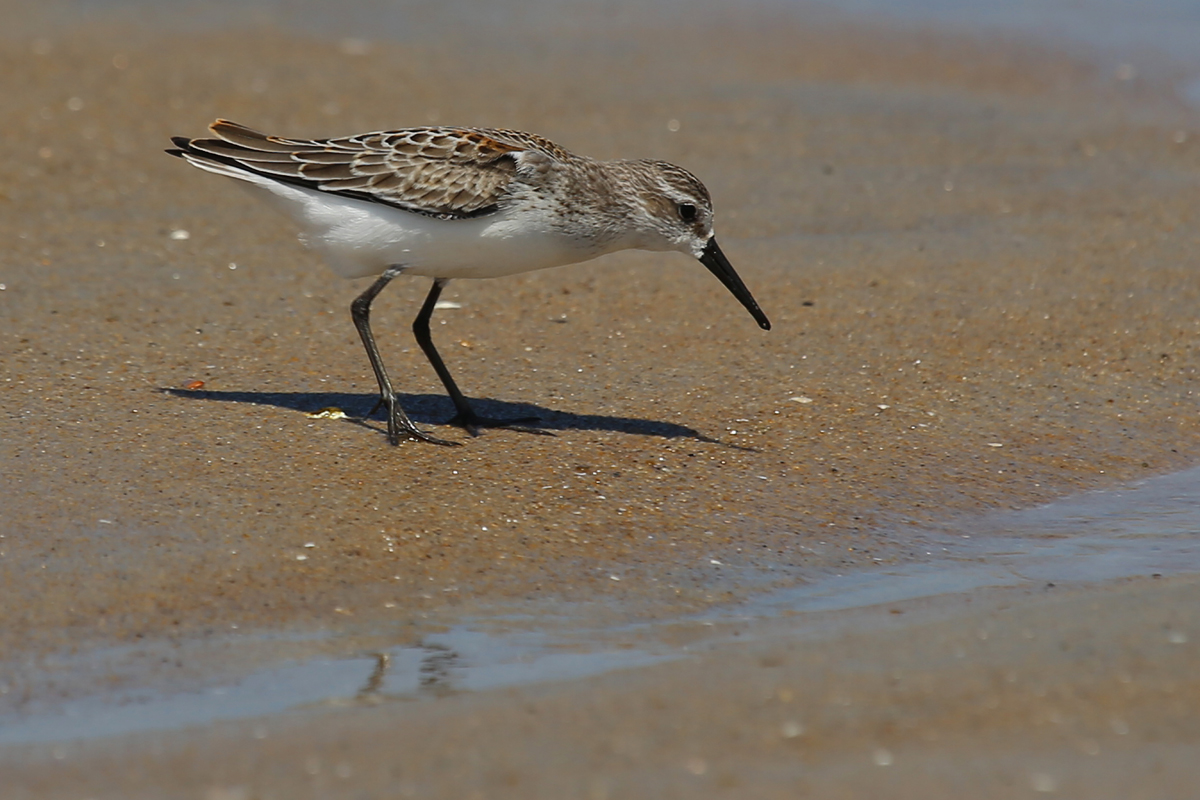
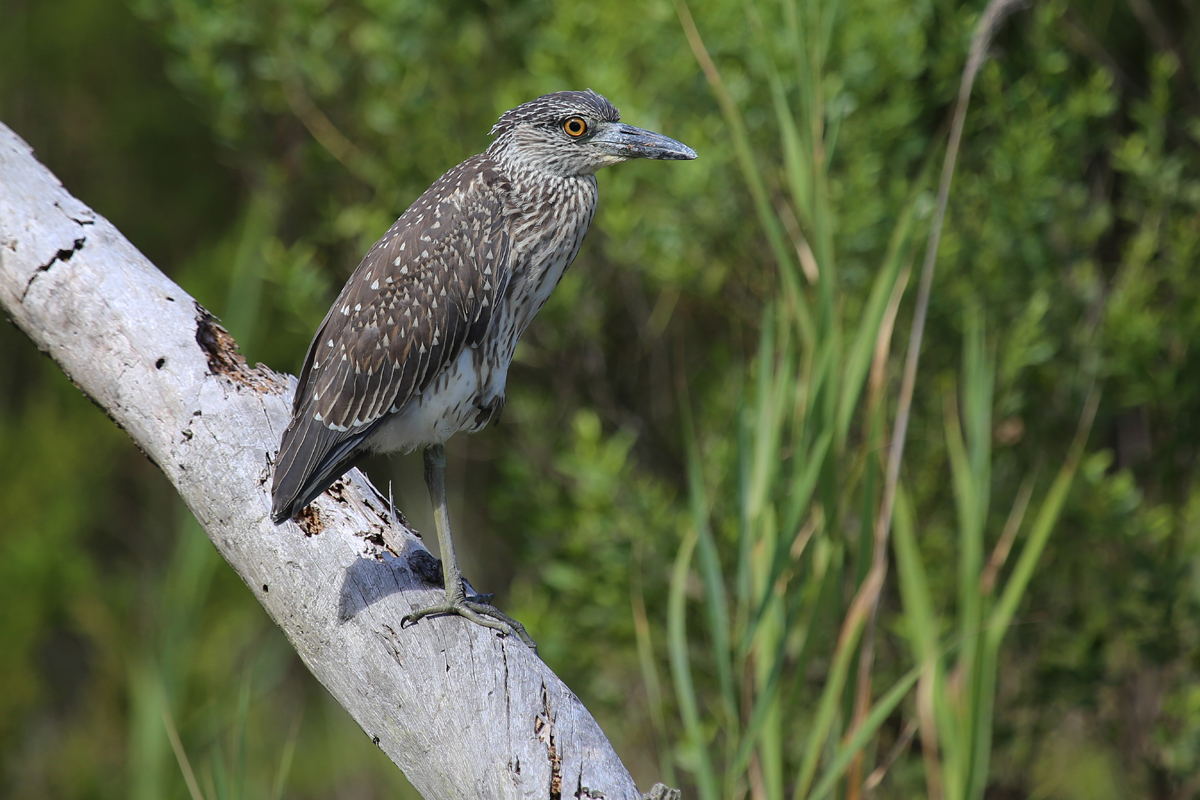
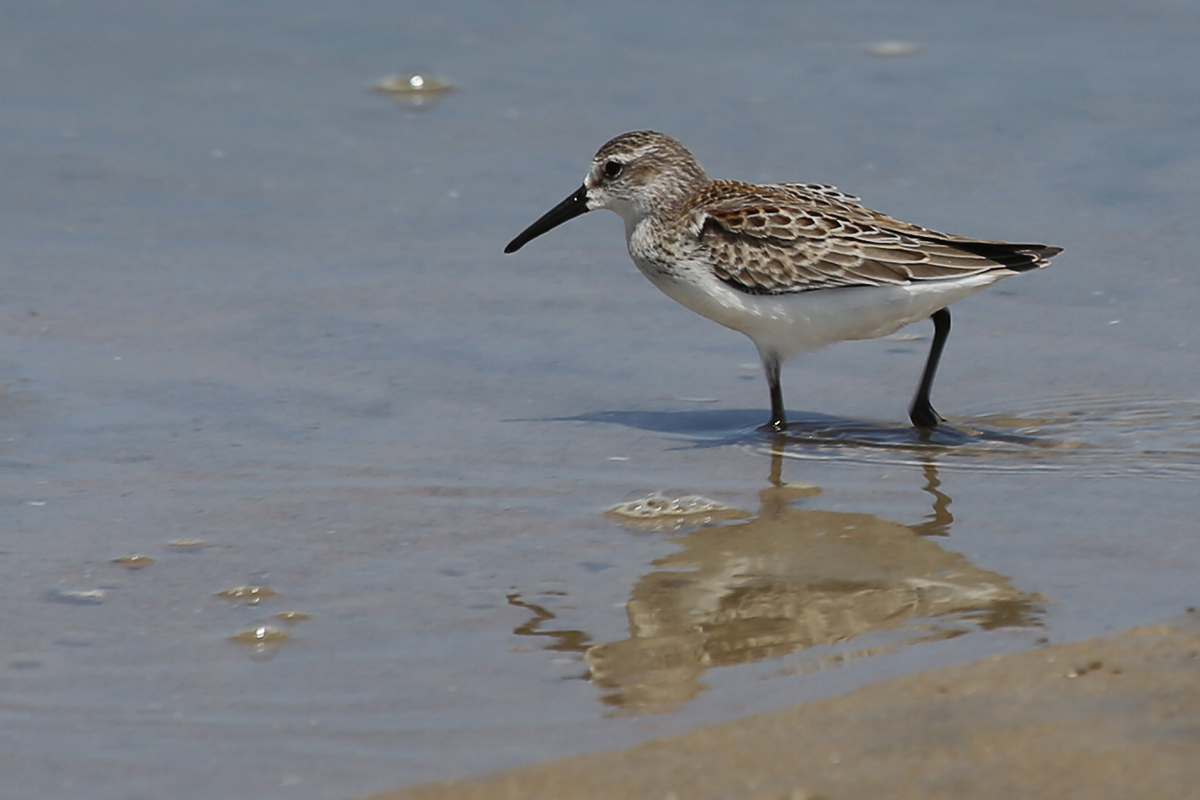
SPECIES DOCUMENTED BY MEDIA and submitted to eBird for Virginia Beach during this period included: 11 AUG – Northern Harrier, Willet, Lesser Black-backed Gull, Common Tern & Royal Tern (Back Bay NWR / Lisa Rose); Brown Pelican, Common Tern, Forster’s Tern & Sandwich Tern (JEB Fort Story / Karen & Tom Beatty); Common Loon, Great Egret, Tricolored Heron & Yellow-crowned Night-Heron (Pleasure House Point NA / Rob Bielawski). 12 AUG – WOOD STORK (Pleasant Ridge Rd. / Andrew Baldelli); WOOD STORK (Pleasant Ridge Rd. / Louis Rajnys); WOOD STORK (Pleasant Ridge Rd. / Betty Sue Cohen); White Ibis, Laughing Gull & Herring Gull (South Thimble Island / Rob Bielawski); WOOD STORK (Pleasant Ridge Rd. / Cindy Hamilton); WOOD STORK, Great Blue Heron & Cattle Egret (Pleasant Ridge Rd. / Ron Furnish); WOOD STORK (Pleasant Ridge Rd. / David Clark); WOOD STORK (Pleasant Ridge Rd. / Clark Olsen); WOOD STORK (Pleasant Ridge Rd. / Jonathan Snyder). 13 AUG – WOOD STORK (Pleasant Ridge Rd. / Jeffrey Blalock); WOOD STORK (Pleasant Ridge Rd. / Eric Alton); WOOD STORK (Pleasant Ridge Rd. / Rose Chandler); WOOD STORK & Great Egret (Pleasant Ridge Rd. / Matt Anthony); Osprey (Camp Pendleton SMR / Karen & Tom Beatty); Great Egret, Great Black-backed Gull, Yellow-billed Cuckoo, White-eyed Vireo, Blue-gray Gnatcatcher, Ovenbird & Prairie Warbler (Back Bay NWR / Rob Bielawski); Eastern Wood-Pewee & Chipping Sparrow (West Landing Rd. / Karen & Tom Beatty). 14 AUG – WOOD STORK (Pleasant Ridge Rd. / Pamela Monahan); Northern Mockingbird (English Ct. / Randy Kimmett); WOOD STORK (Pleasant Ridge Rd. / Mike Stinson); WOOD STORK (Pleasant Ridge Rd. / Randy Kimmett); WOOD STORK (Pleasant Ridge Rd. / Nancy Barnhart); WOOD STORK (Pleasant Ridge Rd. / Kathy Spencer). 15 AUG – Brown Pelican, Black-bellied Plover, Semipalmated Plover, Least Sandpiper, Willet & Royal Tern (Back Bay NWR / Karen & Tom Beatty); American Oystercatcher (South Thimble Island / Dan Haas); WOOD STORK (Pleasant Ridge Rd. / Betty Sue Cohen). 16 AUG – WOOD STORK (Pleasant Ridge Rd. / Jonathan Snyder); Blue Grosbeak (Muddy Creek Rd. / Laura Mae); WOOD STORK (Pleasant Ridge Rd. / Laura Mae). 17 AUG – Sanderling, Common Tern, Forster’s Tern, Royal Tern, Sandwich Tern, Blue Jay, Purple Martin, Carolina Wren & Blue-gray Gnatcatcher (Camp Pendleton SMR / Karen & Tom Beatty). 18 AUG – Seaside Sparrow (Camp Pendleton SMR / Betty Sue Cohen); Sanderling, Forster’s Tern & Seaside Sparrow (Camp Pendleton SMR / Karen & Tom Beatty); WOOD STORK (Pleasant Ridge Rd. / Nancy Barnhart); WOOD STORK (Pleasant Ridge Rd. / Jan Lockwood); WOOD STORK (Pleasant Ridge Rd. / Tucker Beamer); WOOD STORK (Pleasant Ridge Rd. / L. Kelly); WOOD STORK & Great Blue Heron (Pleasant Ridge Rd. / Karen & Tom Beatty); American Crow, Prothonotary Warbler & Prairie Warbler (Back Bay NWR / Rob Bielawski); Black-bellied Plover, Semipalmated Plover, Piping Plover, Sanderling, Least Sandpiper, Semipalmated Sandpiper, Western Sandpiper & Willet (Back Bay NWR / Rob Bielawski). 20 AUG – Rock Pigeon (South Thimble Island / Tamara Conklin).

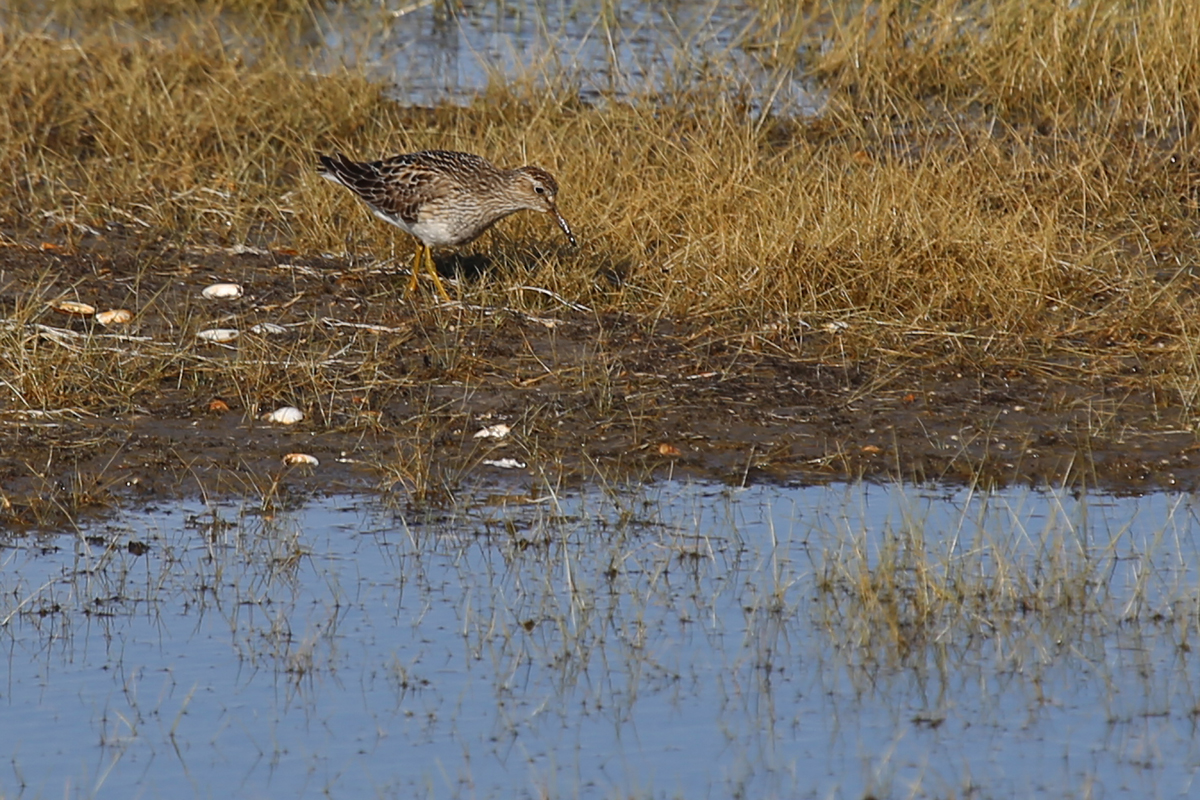
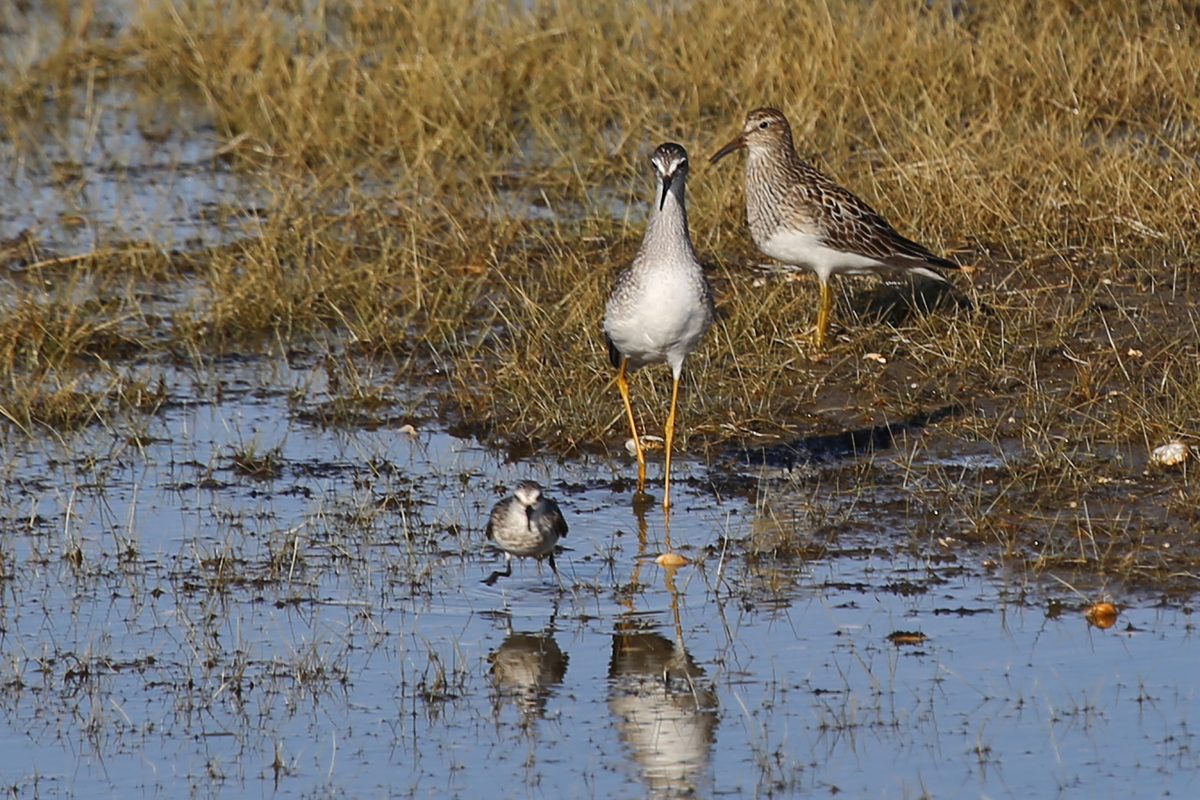
LOOKAHEAD: As with the prior lookahead, the WOOD STORK appears to be continuing, so again, if you haven’t been out to Pleasant Ridge Rd. to see it, now would be the appropriate time. Just be sure to stay on the roadway, as all the land outside the road is private property and the poor decisions of even one birder tend to make us all look bad, so please abide this request! Black Terns have been picked up a few more times since the last journal entry, with the immediate coastline producing them, mostly at Back Bay NWR. Shorebirds will continue moving through, but some of the focus will be shifting away from them starting in late August. Unfortunately, habitat along the East Dike at Back Bay NWR and throughout Princess Anne WMA’s Beasley & Whitehurst Tracts simply isn’t proper. Mid-August’s nearly 4 inches of rainfall didn’t help matters, with the E & H Pools at Back Bay NWR simply too filled to support shorebirds. Beaches and tidal flats along the immediate coast from Back Bay NWR to Pleasure House Point NA are likely the best places to find shorebirds. Additionally, the agricultural fields along Muddy Creek Road have begun sprouting vegetation which will now obscure shorebirds from view. Fields off of Crag’s Causeway have been reported as potential places for some of the rarer species that we hope to find in late August/early September (Buff-breasted / Upland / Baird’s Sandpipers & American Golden-Plovers) and the fields did support a healthy number (38) of Pectoral Sandpipers (obs. Andrew Baldelli). Passerine migration is now showing signs of being underway, with some excellent finds having popped up on the Eastern Shore already. Thick vegetation with a freshwater source nearby are ideal locations to catch migrant songbirds, though I can’t point to any locations specifically at the moment aside from thick Live Oak stands along the south shore of the Chesapeake Bay and Shore Drive corridor. Lastly, regularly occurring (used synonymous with annually-occurring here) species that are likely during late July and have not been observed yet this fall include Cliff Swallow (10 Jul expected arrival date), Kentucky Warbler, Hooded Warbler & Yellow-throated Vireo (5 Aug), Bank Swallow (10 Aug), Canada Warbler & Baltimore Oriole (15 Aug), Worm-eating Warbler, Chestnut-sided Warbler, Bobolink, Black-throated Blue Warbler & Sora (20 Aug), Willow Flycatcher, Veery, Wilson’s Warbler, Magnolia Warbler, Blackburnian Warbler, Blue-winged Teal & Green-winged Teal (25 Aug) and Bay-breasted Warbler, Tennessee Warbler, Cape May Warbler & Black-throated Green Warbler (30 Aug). As always, make sure to report your finds to eBird so the data can be used to adjust the expected arrival dates and to view the full listing of each species’ “average expected arrival dates!
Next Entry | Entry Index | Previous Entry | Same Period Last Year

For further information regarding this thrice-monthly, online publication, please visit the Journal Overview Page which provides an in-depth explanation of the format, layout and composition of the journal. As always, thank you for reading, and please leave me a comment below (you may use your Facebook, Gmail or other accounts to easily do so), or just click the Heart icon to the lower right of this post to let me know you stopped in!

Early August 2017 (1st-10th)

With July coming to a close, the summer birding season also reached its ending. August is generally regarded as the beginning of fall birding, though many species (shorebirds in particular) begin their actual fall migration during early July. With the highest temperatures now behind us here on the coast, birders were able to spend more time out and about, with some great birds being found thanks to the increase in coverage. Top birds during this period in Virginia Beach included WOOD STORK, BLACK-BILLED CUCKOO & AMERICAN AVOCET, early first-of-fall arrivals of Gadwall (1 Aug), White-rumped Sandpiper (3 Aug) & Wilson’s Snipe (4 Aug) as well as on-time first-of-fall arrivals for American Redstart (5 Aug) & Scarlet Tanager (10 Aug). WEATHER: Overall, early August’s average daily high temperatures were able to drop from those in late July due to a couple of cold fronts in the latter half of the period, reaching 82.8 degrees F (-2.2 degrees from late July); average daytime lows dropped as well, to 68.5 degrees F (-0.9 degrees). The previous 10-year average daily highs & lows for the early August period were 87.4 & 72.6 degrees F, respectively which puts this period in 2017 at -4.6 and -4.1 degrees when comparing to the previous 10-year average. During that time frame, the maximum average daily highs & lows were 92.6 (2007) & 78.5 degrees F (2016). We had only 2 days with measureable precipitation which amounted to a total of 0.93 inches, with most falling 7 Aug to the tune of 0.67 inches.

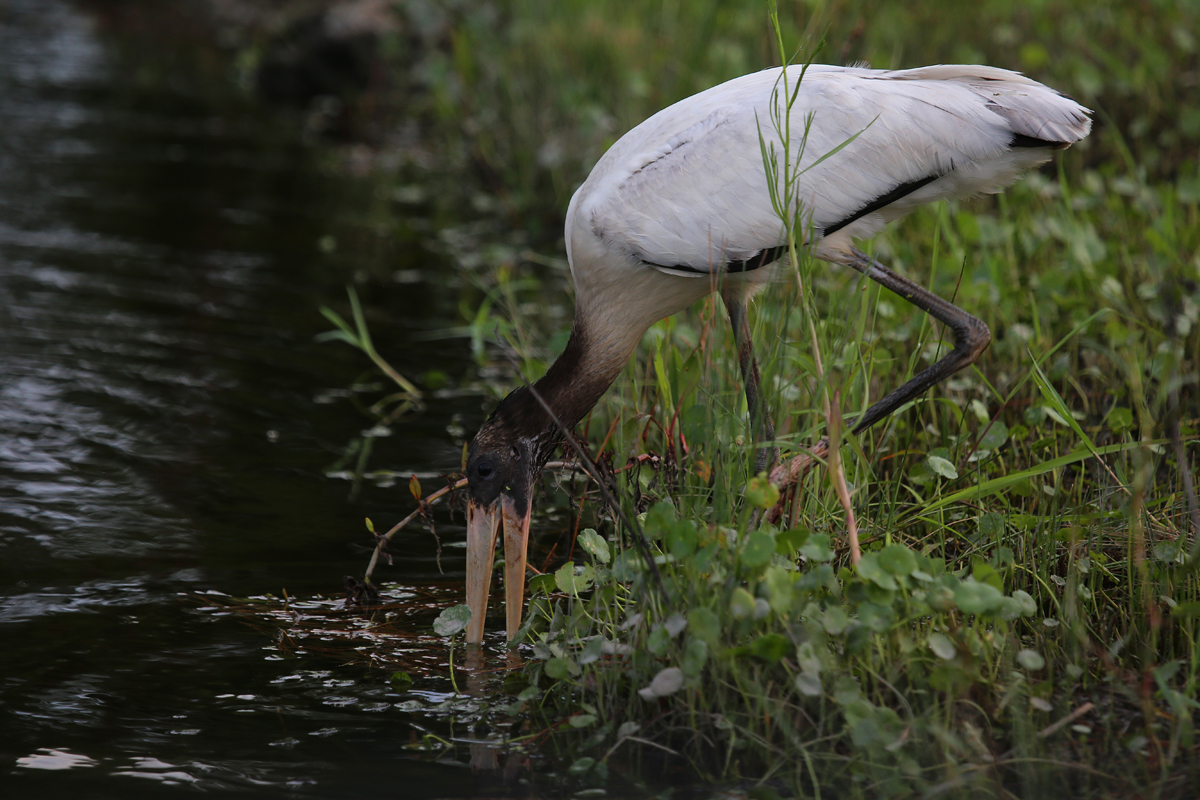
OBSERVATIONS: While Late July was a quiet period here in Virginia Beach, early August was quite the opposite. The top find of the period was most certainly the WOOD STORK (ph. Karen & Tom Beatty) that was found 8 Aug in an agricultural ditch running perpendicular to Pleasant Ridge Road in the southern portion of the city. First seen around 11:15 AM, it was viewed shortly thereafter (ph. Mary Catherine Miguez, then Andrew Baldelli) before it took flight around 11:33 AM and moved south/southeast over the tree tops. Many local birders spent the late morning and afternoon attempting to re-find the bird to no avail, but at 3:42 PM, (obs. Tommy Maloney & Jason Schatti) it was re-located right back at the initial spot. From 5:02 to 5:38 PM the stork continued to be viewed (ph. Rob Bielawski, obs. Andrew Baldelli, obs. Karen Roberts & obs. James Marcum) with each observer arriving a few minutes after one another once word got out. The following morning, 9 Aug, it was found to still be at the same location (ph. Lisa Rose & Jason Strickland) shortly after daybreak, though, located on the south side of the road near a brick house with a freshwater canal running next to the private property and away from the road. Throughout the remainder of the day it was not observed, until 7:15 PM (ph. Rob Bielawski), when it was found again on the south side of the road. The bird was not observed 10 Aug, and many of us thought it had departed the region, however, sightings continued the following day (more on that in the next journal entry). For those wondering just how unusual Wood Storks are in our area, this individual represents only the third record currently in eBird for Virginia Beach, with one having occurred at First Landing SP and vicinity in 2007, and another in 2009 at Back Bay NWR (obs. John Spahr). Only two other Wood Storks have popped up in Virginia as a whole this year (so far), with an individual sighted in Augusta County back in May, and another occuring on a private farm in Northampton County on the same day as the initial Virginia Beach sighting. As mentioned a couple of journal entries back, the ABA posted an article online indicating that the dispersal of Wood Storks, Roseate Spoonbills, Limpkin and other southern waders is linked to ongoing drought conditions in the core range for these species. Birders would be wise to continue looking in any likely habitat where these southern waders might be taking refuge locally. Purple Gallinule and Black-bellied Whistling-Ducks are also noted in the article as potential species affected by the same conditions, and these should be kept in mind as well.

Another species which has very few records in Virginia Beach was observed 6 Aug when a BLACK-BILLED CUCKOO made a brief showing at Back Bay NWR (obs. David Clark) in the early morning hours. So far this fall, there hasn’t been a single other report along the coast south of New Jersey for this species, and the closest records in Virginia have all occurred west of the Blue Ridge, which puts this individual very far away from its expected range. Unfortunately, this individual was not able to be re-located. One important note which David’s eBird checklist mentions in quick detail is that observers should be warned this time of year in the difficult of separating out juvenile Yellow-billed Cuckoos from Black-billed Cuckoos. Seeing the red orbital ring around the eye is essential, as both will show black bills. Also, the spotting on the underside of the tail is diagnostic between species, so make sure to study those pair of marks if hoping to pull one of these out in Virginia Beach where the Yellow-billed is much more expected.

Also at Back Bay, which is basically our hotspot for unusual and rare birds, a pair of AMERICAN AVOCETS was found 3 Aug out on the C Storage Pool (ph. Karen & Tom Beatty), as viewed from the West Dike. While there was a report in July of a single Avocet at this location, this is the first report to be documented in full, with photographs provided. This pair stayed for only the day however, but several other observers made it out in time for a viewing (obs. Robert Wood, obs. Mike Collins, ph. Andrew Baldelli). The last reports of this species occurring at Back Bay in eBird are from fall of 2014, and Virginia Beach has only been host to individuals in 2015 & 2016, both of which appeared at Pleasure House Point NA also in fall. So far in 2017, American Avocets have also popped up at Chincoteague NWR, Hog Island WMA, Craney Island (where they are expected throughout the year), and amazingly, up in Loudoun County at the Leesburg, VA airport).

As with the prior period, first-of-fall arrivals continued making their presence known across Virginia Beach. Most notable among this grouping was a Gadwall (obs. Andrew Baldelli) found up at Pleasure House Point NA on 1 Aug, which is significantly ahead of that species’ expected 5 Sep arrival date! No other Gadwalls have shown up in coastal Virginia yet for the season, though there are a couple of reports in Fairfax & Alexandria that might pertain to an over-summering Gadwall seen as recently as 31 Jul. White-rumped Sandpipers also made for an early arrival (expected 5 Aug), when reports began 3 Aug (obs. Karen & Tom Beatty) at the same location the American Avocets were observed at Back Bay NWR. Water levels on this C Storage Pool maintained the perfect height for shorebirds through 6 Aug which was the final day the West Dike remained open for the season. With the switchover to the East Dike occurring 7 Aug, the C Storage Pool is no longer visible in the same regard, though a sliver of it can be seen from the “dog-leg” bend near the H Pool. As a result of the switchover, White-rumped Sanpdipers weren’t observed beyond that date but were likely still present, just out of view. Also found at the C Storage Pool (obs. Mary Catherine Miguez, ph. Robert Wood) on 4 Aug was an extremely early Wilson’s Snipe! In fact, with an average arrival date of 25 Aug, this individual was quite a ways before that. It also matched the earliest known fall record for Virginia as a whole, tieing the same date in 2015 when Robert Ake observed 3 Wilson’s Snipe, also at Back Back Bay NWR. A perfectly on-time, first-of-fall arrival of American Redstart was detected when a female was observed 5 Aug at Pleasure House Point NA (obs. Bob Swiader). Redstarts are the most common transient warbler species to move through Virginia Beach during the fall season, though they aren’t all the easy to find in the springtime. Soon enough, large numbers should start getting reported, though a bit later as we cross into September. Lastly, a Scarlet Tanager was found at False Cape SP (obs. Bob Swiader), and fell just a few days after the expected 5 Aug arrival for the species.

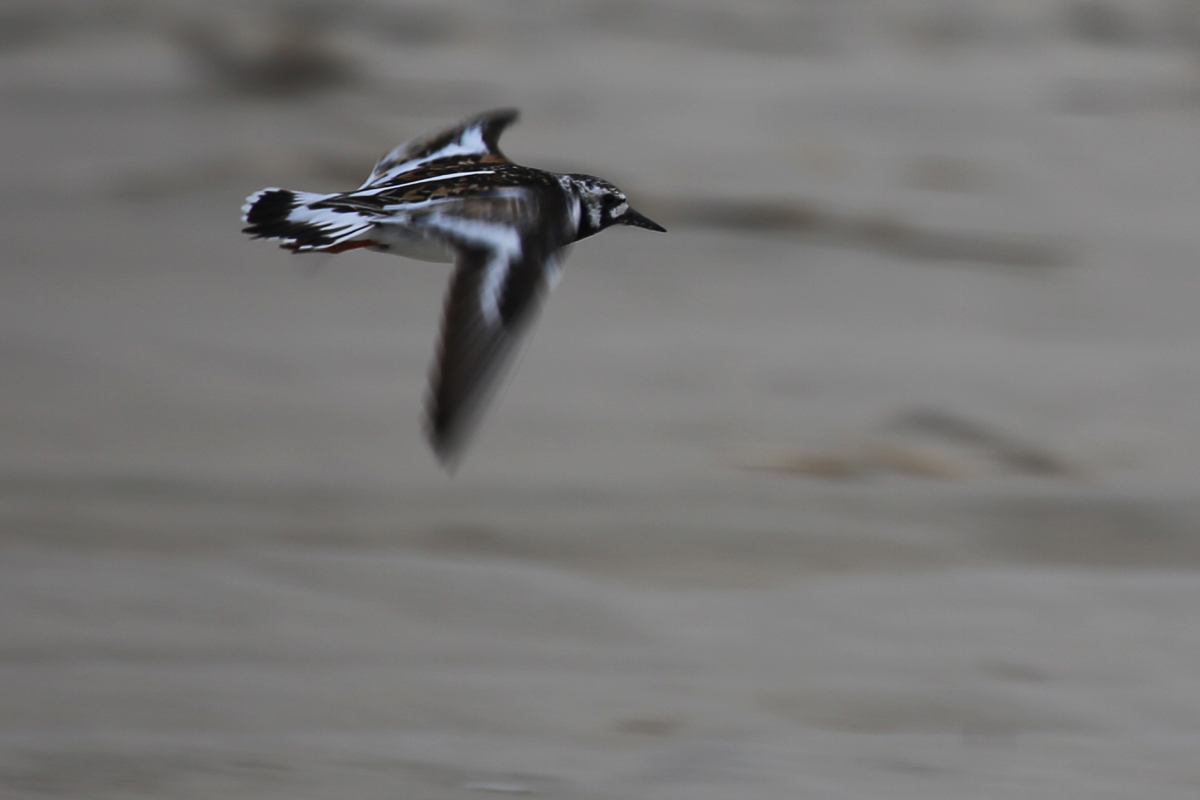
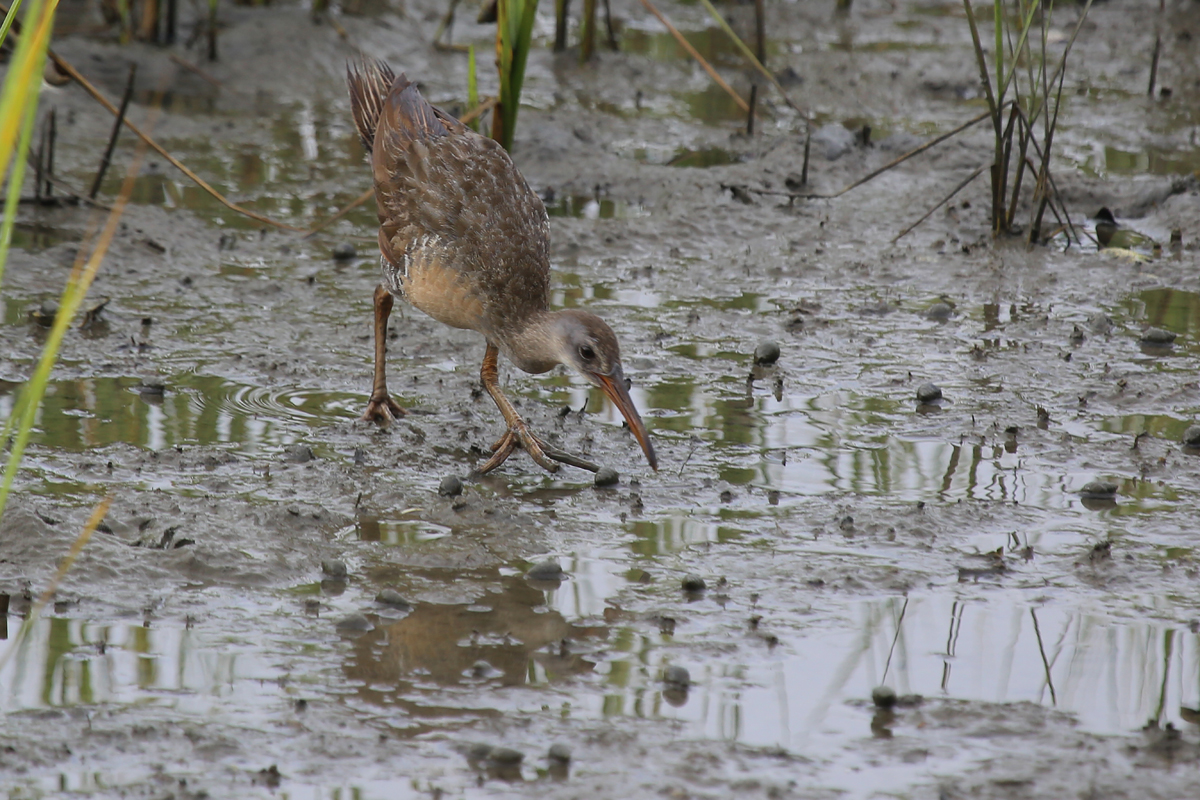
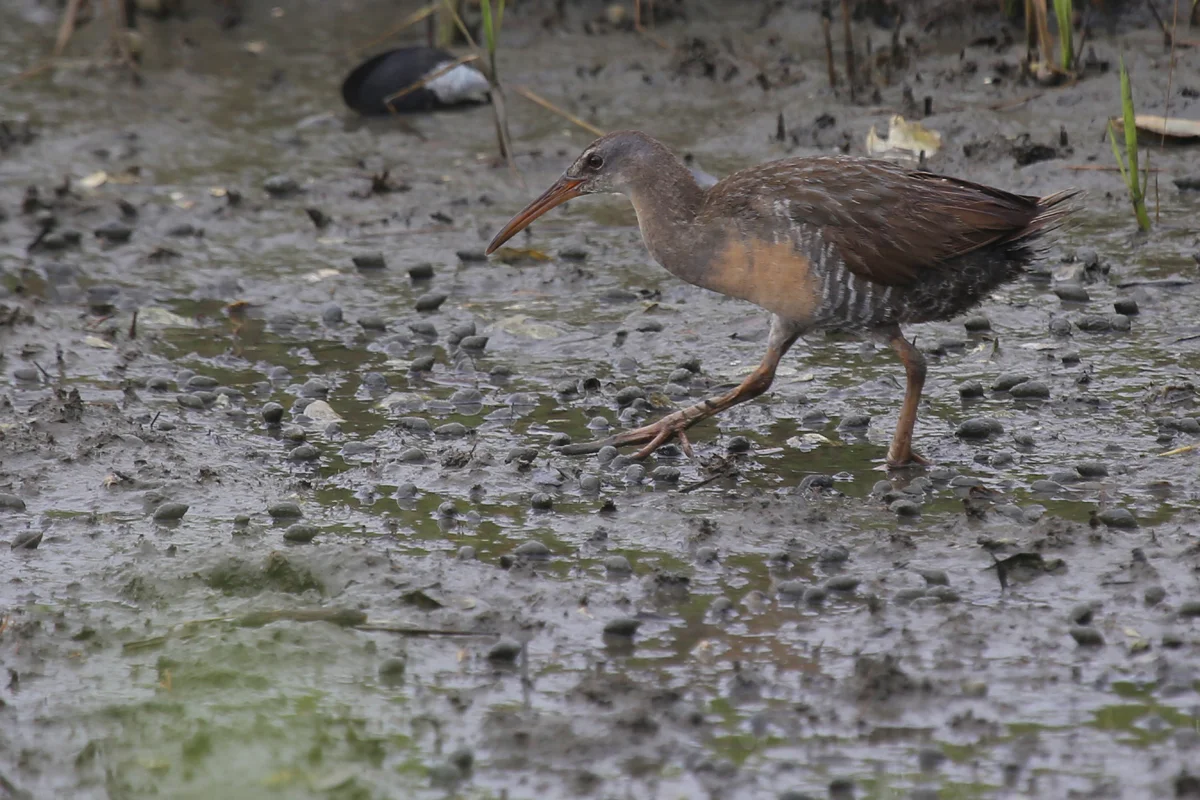
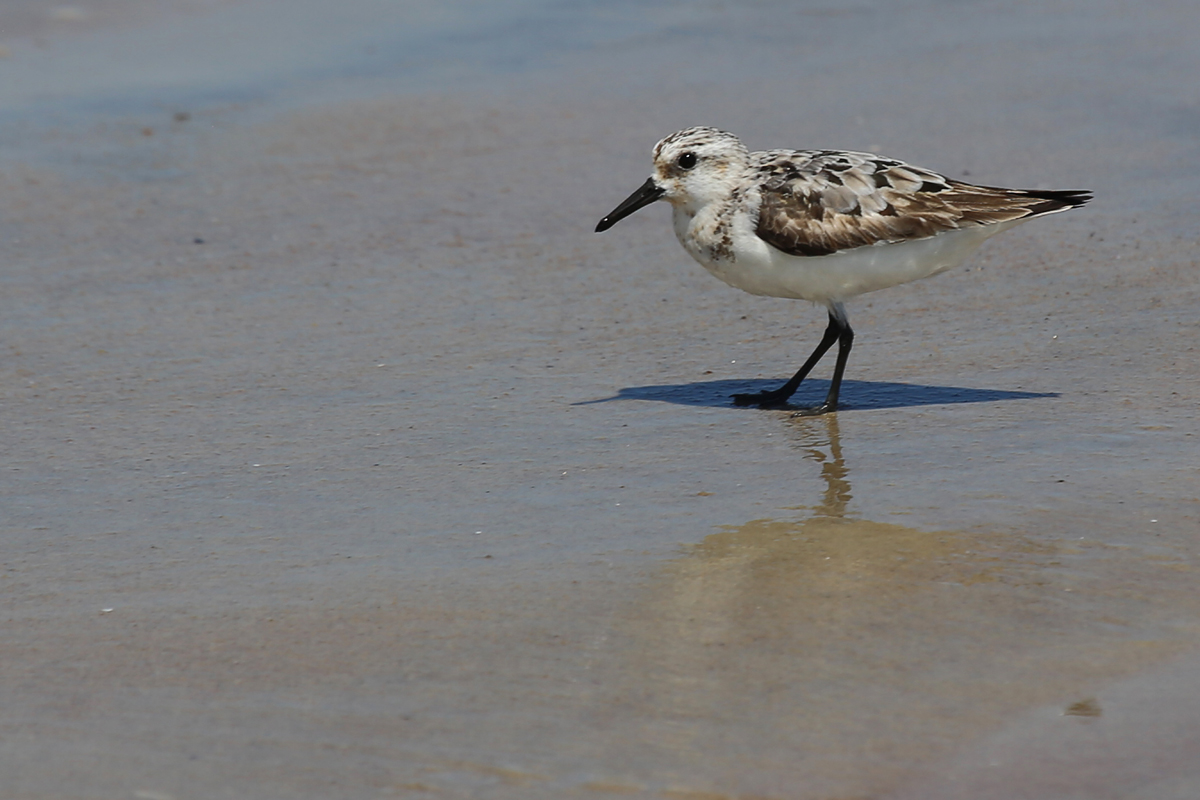
SPECIES DOCUMENTED BY MEDIA and submitted to eBird for Virginia Beach during this period included: 1 AUG – Great Blue Heron, Green Heron, Yellow-crowned Night-Heron & Mourning Dove (Pleasure House Point NA / Loretta Silvia); Green Heron, American Oystercatcher & Semipalmated Plover (Shore Dr. / Karen & Tom Beatty); Great Egret, Yellow-crowned Night-Heron, Clapper Rail & American Oystercatcher (Pleasure House Point NA / Karen & Tom Beatty); Spotted Sandpiper & Royal Tern (JEB Fort Story / Karen & Tom Beatty). 2 AUG – Stilt Sandpiper (Back Bay NWR / Robert Wood); Ruby-throated Hummingbird, White-breasted Nuthatch, Carolina Wren, Song Sparrow & Northern Cardinal (Prince Phillip Dr. / Ron Furnish). 3 AUG – AMERICAN AVOCET, Solitary Sandpiper, & Willet (Back Bay NWR / Karen & Tom Beatty); AMERICAN AVOCET (Back Bay NWR / Andrew Baldelli). 4 AUG – Cattle Egret & Wilson’s Snipe (Back Bay NWR / Robert Wood); Snowy Egret, Little Blue Heron, Tricolored Heron, Semipalmated Plover, Killdeer, Pectoral Sandpiper, Semipalmated Sandpiper, Spotted Sandpiper, Greater Yellowlegs, Lesser Yellowlegs & Yellow-billed Cuckoo (Back Bay NWR / Rob Bielawski); Pileated Woodpecker, Great Crested Flycatcher & Carolina Chickadee (First Landing SP / Anthony Vicciarelli). 5 AUG – American Oystercatcher & Spotted Sandpiper (South Thimble Island / Rob Bielawski); Double-crested Cormorant, Laughing Gull, Forster’s Tern & Royal Tern (JEB Fort Story / Karen & Tom Beatty). 6 AUG – Pied-billed Grebe & Yellow-billed Cuckoo (Back Bay NWR / Rob Bielawski); Tree Swallow (False Cape SP / David Clark). 7 AUG – Carolina Wren (Princess Anne WMA Beasley Tract / Rose Chandler); Cattle Egret (Gum Bridge Rd. / Karen & Tom Beatty); Semipalmated Plover, Killdeer & Least Sandpiper (Muddy Creek Rd. / Karen & Tom Beatty); Semipalmated Plover, Killdeer, Least Sandpiper & Chipping Sparrow (Landing Rd. / Karen & Tom Beatty). 8 AUG – Snowy Egret, Osprey & Least Sandpiper (Muddy Creek Rd. / Karen & Tom Beatty); WOOD STORK (Pleasant Ridge Rd. / Karen & Tom Beatty); WOOD STORK (Pleasant Ridge Rd. / Mary Catherine Miguez); Green Heron (Rudee Inlet / Gale Janiszewski); Great Egret (Shadowlawn / Gale Janiszewski); WOOD STORK (Pleasant Ridge Rd. / Rob Bielawski). 9 AUG – WOOD STORK (Pleasant Ridge Rd. / Jason Strickland); WOOD STORK (Pleasant Ridge Rd. / Lisa Rose); Brown Pelican, Osprey, Whimbrel, Royal Tern & Sandwich Tern (Back Bay NWR / Anthony Vicciarelli); Sanderling, Caspian Tern, Common Tern, Forster’s Tern, Royal Tern & Sandwich Tern (Camp Pendleton SMR / Karen & Tom Beatty); Brown Pelican, Sanderling, Willet, Ring-billed Gull, Common Tern, Forster’s Tern & Royal Tern (Camp Pendleton SMR / Mary Catherine Miguez); Brown Pelican, Black-bellied Plover, Semipalmated Plover, Least Sandpiper, Ring-billed Gull, Lesser Black-backed Gull & Royal Tern (Back Bay NWR / Rob Bielawski); WOOD STORK (Pleasant Ridge Rd. / Rob Bielawski). 10 AUG – Cattle Egret (Pleasant Ridge Rd. / Anthony Vicciarelli); Double-crested Cormorant, Osprey, Royal Tern & Sandwich Tern (JEB Fort Story / Karen & Tom Beatty); Cattle Egret, Red-headed Woodpecker (Muddy Creek Rd. / Karen & Tom Beatty); Black Tern (Back Bay NWR / Nancy Barnhart); Semipalmated Plover, Ruddy Turnstone, Willet, Lesser Black-backed Gull, Great Black-backed Gull, Least Tern & Royal Tern (Back Bay NWR / Mary Catherine Miguez); Great Blue Heron (Pleasant Ridge Rd. / Matt Anthony); Black-bellied Plover & Willet (Back Bay NWR / Rob Bielawski).

LOOKAHEAD: First off, the WOOD STORK continues as of this writing (13 Aug), so if you haven’t been out to Pleasant Ridge Rd. to see it, now would be the appropriate time. Just be sure to stay on the roadway, as all the land outside the road is private property. As with July, shorebirds will be the birds most folks focus their efforts on finding. With the West Dike at Back Bay NWR having been closed for the season, the East Dike is now open. Unfortunately, because of the rains we recently had, the H Pool (located about midway to False Cape SP) and the E Pool near the visitor contact station are each filled with water. The habitat is therefore not suitable for shorebirds at the moment, and we’ll need drought conditions over the next couple of weeks to get back on track, which doesn’t seem likely. As before, the bulk of Princess Anne WMA’s Whitehurst and Beasley Tracts remain overgrown, or full of water. Fields along Muddy Creek and Nanney’s Creek Road are now sprouting vegetation and will quickly obscure any resident shorebirds from view. The immediate coastline and the sand flats at Pleasure House Point NA seem the best locations for shorebirds at the moment, given the unfortunate conditions elsewhere. Black Terns should be looked for on any day with easterly winds, which would help make these terns easier to find in close to shore. Early movements of passerines/songbirds might start to occur soon and dispersals form breeding grounds should start popping up as well throughout August. Sunrise & sunsets during mid-August will range from 6:18 AM & 7:59 PM on the 11th to 6:25 AM & 7:48 PM on the 20th, which means our length of day will drop from 13 hours, 41 minutes down to 13 hours, 23 minutes (-18 minutes overall) during this upcoming period. Also worth a mention here even though it technically occurs in late August on the 21st, (I will not get a chance to mention it in time with the next entry). A Partial Solar Eclipse is set to begin at 1:21 PM, reach a maximum at 2:47 PM and then end at 4:06 PM, so make sure to get protective glasses in preparation! Lastly, regularly occurring (used synonymous with annually-occurring here) species that are likely during late July and have not been observed yet this fall include Cliff Swallow (10 Jul expected arrival date), Dunlin (30 Jul), Kentucky Warbler, Hooded Warbler, Common Nighthawk, Yellow Warbler, Yellow-throated Vireo & Northern Waterthrush (5 Aug), Bank Swallow (10 Aug), Canada Warbler, Northern Harrier, Peregrine Falcon & Baltimore Oriole (15 Aug) and Worm-eating Warbler, Chestnut-sided Warbler, Bobolink, Black-throated Blue Warbler & Sora (20 Aug). As always, make sure to report your finds to eBird so the data can be used to adjust the expected arrival dates and to view the full listing of each species’ “average expected arrival dates!
Next Entry | Entry Index | Previous Entry | Same Period Last Year

For further information regarding this thrice-monthly, online publication, please visit the Journal Overview Page which provides an in-depth explanation of the format, layout and composition of the journal. As always, thank you for reading, and please leave me a comment below (you may use your Facebook, Gmail or other accounts to easily do so), or just click the Heart icon to the lower right of this post to let me know you stopped in!
Late July 2017 (21st-31st)

The extreme temperatures of mid-July continued through the first half of this period, but fortunately, cooler weather found its way into the region during the latter half, providing some much needed relief to coastal birders! Shorebirds continued to be the primary focus for most eBirders, with increasing counts of most species continuing since early July, and the number of immature birds passing through continues to rise as well. Top birds during this period in Virginia Beach included a continuing WHITE-EYED EASTERN TOWHEE, an unseasonal occurrence of Peregrine Falcon, and first-of-season arrivals which included our first-of-fall Piping Plover (24 Jul) & Black Tern (26 Jul). WEATHER: Overall, late July’s average daily high temperatures were able to drop from those in mid-July due to a couple of cold fronts in the latter half of the period, reaching 85.0 degrees F (-4.7 degrees from mid-July); average daytime lows dropped as well, to 69.4 degrees F (-4.1 degrees). The previous 10-year average daily highs & lows for the mid-July period were 89.0 & 72.6 degrees F, respectively which puts this period in 2017 at -4.0 and -3.2 degrees when comparing to the previous 10-year average. During that time frame, the maximum average daily highs & lows were 97.1 & 80.6 degrees F (both occurring in 2016). We had 5 days with measureable precipitation which amounted to a total of 1.96 inches, though most of which fell during downpours on Saturday, 29 Jul as a highly unusual summer Nor'easter moved off the coast to our north, dumping 1.21 inches of rainfall. Typically, these coastal low pressure systems aren't seen outside of the winter season on the East Coast, but, thanks to the associated downpour and northeasterly winds, agricultural fields in southern Virginia Beach again became temporarily inundated, providing good habitat for migrating Shorebirds to forage which helped lead to some interesting checklists with nice photographs provided!

OBSERVATIONS: Late July proved to be a fairly quiet period in terms of unusual bird observations, but at least one continuing rarity did get observed again, that being the WHITE-EYED EASTERN TOWHEE that has been seen on and off at Back Bay NWR along the Entry Road and Loop Road (the split gravel roadway leading south from the visitor contact station to the east & west dike gates). Observed 29 Jul (obs. Karen & Tom Beatty), this makes for yet another report of what seems likely to be the same individual that has taken up summer residence at the wildlife refuge. Additional information on the previous sightings can be found in the early July posting from last period.

Typically unexpected in Virginia Beach during the summer (Jun/Jul) months, a Peregrine Falcon at Dam Neck Naval Annex observed 26 Jul (obs. Harry & Rochelle Colestock) was a good find. Peregrines are an uncommon winter resident around the city, being most often seen at the Oceanfront where several individuals are often present due to the abundance of prey birds like European Starlings and Rock Pigeons. Typically though, the species departs by 15 May and then arrival in fall averages somewhere around 20 Aug, so any records this far from either of those dates is noteworthy. In fact, the only other summer report of one within Virginia Beach this year occurred 15 Jun at Back Bay NWR (obs. Mary Catherine Miguez) as part of the initial chase effort of the now-infamous Fork-tailed Flycatcher that had been found earlier that very day (ph. Karen & Tom Beatty)!

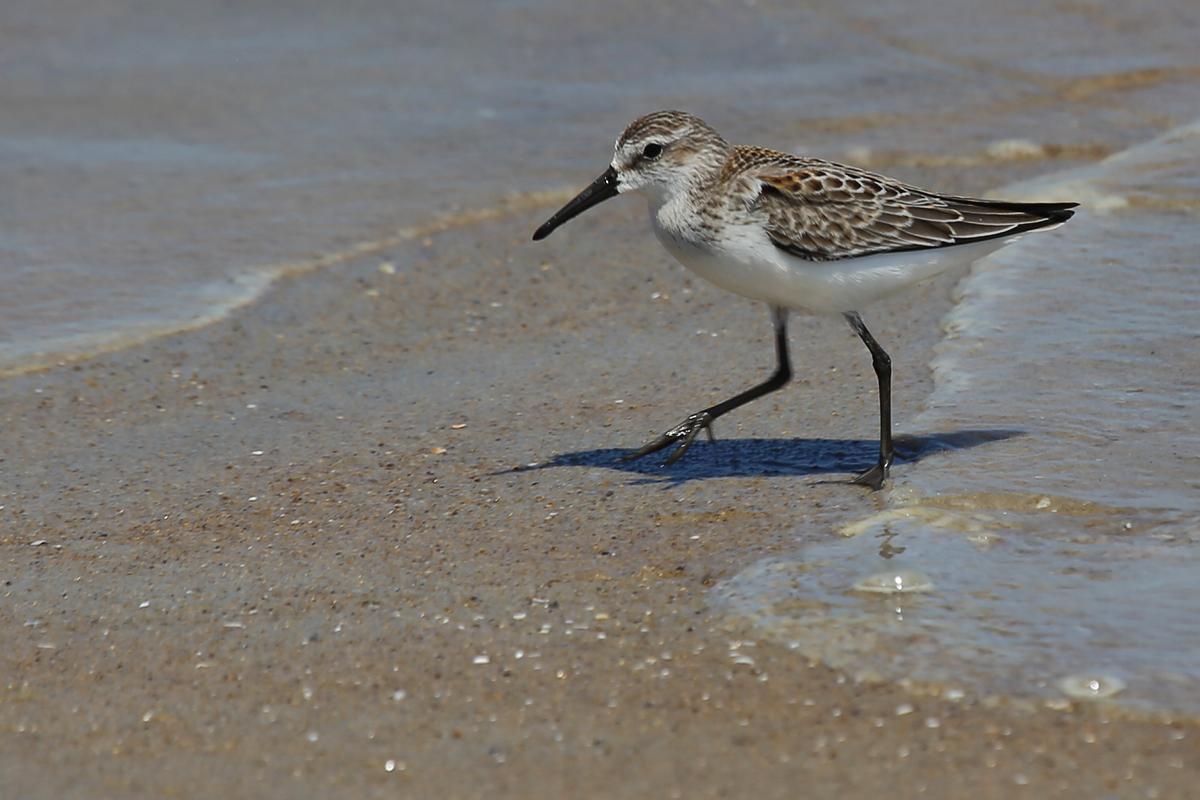
While first-of-season arrivals slowed expectedly in late July, with the bulk of shorebirds species reaching our region earlier in the month, we did manage two new additions to the list. With a typical arrival date of 15 Jul, we finally had our first report of Piping Plover occur 24 Jul (Back Bay NWR / obs. Alexander Clifford). The following day at the park, 3 individuals were observed on the beach (obs. Robert Ake) and on 30 Jul, another individual was found and photographed up at Joint Expeditionary Base Fort Story (ph. Christine Peters). In addition to the plovers, the first Black Tern of the season was found 26 Jul, also at Fort Story (obs. Tom Beatty). Average expected date of arrival for Black Terns is 10 Jul, but, with these lovely terns, better late than never!

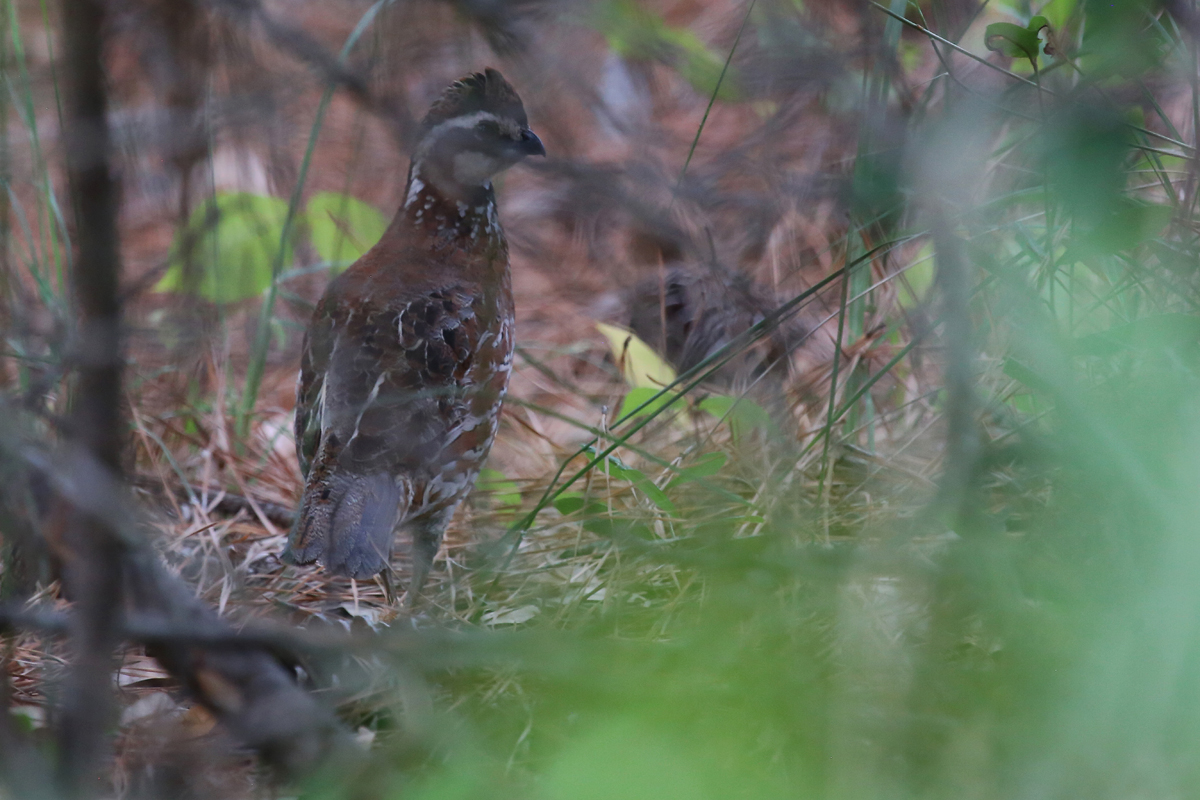
Large numbers of recently fledged terns and gulls continued to disperse from breeding colonies to our north & northwest and as a result, the sandbars at Pleasure House Point and the beaches at JEB Fort Story and Back Bay NWR have yielded some interesting checklists. Dispersing waders are being found in abundance anywhere proper habitat exists, with the C Storage Pool at Back Bay NWR being a prime location right now. Warblers and various other songbirds are starting to disperse as well, and a single Northern Parula photographed at Back Bay NWR 22 Jul (ph. Rob Bielawski) is testament to that as the species doesn’t breed at that location, though First Landing State Park in northeastern Virginia Beach is teeming with them during the summer months. Also of interest as a report of 3 Wilson’s Storm-Petrels being found (and photographed!) off South Thimble Island at the Chesapeake Bay Bridge-Tunnel complex 31 Jul (ph. Logan Anderson & Sam Miller). Typically, observers reporting Wilson’s Storm-Petrels during the summer months here along the coast are viewing through scopes, and catching these birds at extreme distances on days where the wind has helped sweep them in closer to shore. Due to their size, erratic flight, and the usual distances involved, Storm-Petrels are rarely photographed from shore, so it was a treat to see these photographs! Perhaps their presence was helped along by the coastal Nor'easter that slid offshore on the 28th & 29th, highly unusual for this time of year, and more often encountered during the winter here on the Atlantic coastline. Lastly, the Northern Bobwhite first reported in the vicinity of Pleasure House Point Natural Area on 4 Jul (obs. Timothy Barry), and first noted at the park itself 8 Jul (obs. Bill Oyler and Natalie & WS Barbour) was finally photographically documented 27 Jul (ph. Rob Bielawski), and again heard 29 Jul (obs. Shawn Callahan). The individual did not have any bands on its legs, which would quickly indicate a captive bird that had been released, so it seems at least plausible that this is a wild bird that found its way to the park and decided to set up a breeding territory. The last time a Northern Bobwhite occurred in this part of the city (according to eBird at least) was in 1990, reported by Bob Swiader). Certainly, this is a bird worth going to see, even if they are fairly common year-round in the southern half of Virginia Beach. It is likely a bird many folks do not have on their Pleasure House Point hotspot lists!

SPECIES DOCUMENTED BY MEDIA and submitted to eBird for Virginia Beach during this period included: 21 JUL – Little Blue Heron (Princess Anne WMA Whitehurst Tract / Rob Bielawski). 22 JUL – Wood Duck, Great Blue Heron, Osprey, Whimbrel, Caspian Tern, Northern Parula, Prairie Warbler, Indigo Bunting & Red-winged Blackbird (Back Bay NWR / Rob Bielawski); Red-winged Blackbird (Back Bay NWR / Rob Bielawski). 23 JUL – Tricolored Heron, Green Heron, Yellow-crowned Night-Heron, Northern Cardinal, Blue Grosbeak & Red-winged Blackbird (Pleasure House Point NA / Rob Bielawski); Laughing Gull, Gull-billed Tern, Common Tern, Forster’s Tern, Royal Tern & Sandwich Tern (Dam Neck NA / Karen & Tom Beatty). 24 JUL – Killdeer & Least Sandpiper (Muddy Creek Rd. / Karen & Tom Beatty); Brown Pelican, Green Heron, Osprey, Sanderling, Willet, Royal Tern, Sandwich Tern, Purple Martin, Cedar Waxwing & Northern Cardinal (Back Bay NWR / Karen & Tom Beatty). 25 JUL – Osprey (Indian River Rd. / Laura Mae). 26 JUL – Yellow-crowned Night-Heron, Osprey, Spotted Sandpiper, Forster’s Tern, Fish Crow, Northern Mockingbird, Eastern Towhee & Blue Grosbeak (JEB Fort Story / Karen & Tom Beatty); Yellow-crowned Night-Heron, Osprey & Mourning Dove (Pleasure House Point NA / Karen & Tom Beatty). 27 JUL – Northern Bobwhite, Great Egret, Green Heron, Yellow-crowned Night-Heron, Cooper’s Hawk, Clapper Rail, Semipalmated Plover & Carolina Chickadee (Pleasure House Point NA / Rob Bielawski). 28 JUL – Lesser Yellowlegs & Tree Swallow (Nanney’s Creek Rd. / Karen & Tom Beatty); Semipalmated Plover, Killdeer, Tree Swallow & Barn Swallow (Landing Rd. / Karen & Tom Beatty); Semipalmated Plover, Least Sandpiper, Semipalmated Sandpiper & Barn Swallow (Landing Rd. / Mary Catherine Miguez); Ruddy Turnstone & Willet (Back Bay NWR / Rob Bielawski). 29 JUL – Clapper Rail (Pleasure House Point NA / Shawn Callahan); Yellow-crowned Night-Heron, Laughing Gull, Ring-billed Gull, Common Tern & Rock Pigeon (South Thimble Island / Rob Bielawski); Great Egret, Yellow-crowned Night-Heron, Clapper Rail, Caspian Tern & Black Skimmer (Pleasure House Point NA / Rob Bielawski); Least Sandpiper (Back Bay NWR / Karen & Tom Beatty); Osprey (Integrity Way / Laura Mae); Osprey (General Booth Blvd. / Laura Mae). 30 JUL – Eastern Bluebird & Chipping Sparrow (Lago Mar / Mary Catherine Miguez); Brown Pelican, Osprey, Semipalmated Plover, Piping Plover, Sanderling, Spotted Sandpiper, Willet & Royal Tern (JEB Fort Story / Christine Peters); Snowy Egret, Little Blue Heron, Least Sandpiper & Pectoral Sandpiper (Muddy Creek Rd. / Karen & Tom Beatty). 31 JUL – Northern Flicker, Blue Jay & Carolina Wren (Glenmore Hunt Trail / Karen & Tom Beatty); Eurasian Collared-Dove (Sandbridge / Logan Anderson); Sanderling, Lesser Black-backed Gull & Great Black-backed Gull (Back Bay NWR / Logan Anderson); Brown Pelican (Back Bay NWR / Sam Miller); Wilson’s Storm-Petrel, American Oystercatcher & Herring Gull (South Thimble Island / Logan Anderson); Wilson’s Storm-Petrel (South Thimble Island / Sam Miller); Herring Gull (South Thimble Island / Logan Anderson).

LOOKAHEAD: In a typical year, early August tends to be the start of the decline in daily high temperatures, with late July usually boasting the worst of what summer has to offer. Hopefully the trend of the last week or so will continue, and temperatures will remain below the 10-year averages as we head into August. Throughout this upcoming period, and the month of August as a whole, shorebirds will continue to be the primary focus for most birders who venture out along the coast. Water levels have apparently dropped in the C Storage Pool at Back Bay NWR, allowing for suitable habitat to both wading species and shorebirds alike. In fact, as I’m writing this, a report of an AMERICAN AVOCET just showed up at this location (3 Aug), but that’ll get discussed in the next Journal Entry. The West Dike is set to close after this weekend as I heard from another birder, so it would be best to check this spot each day until then to make sure no good shorebirds slip through the cracks. Once the East Dike is open, the H Pool will need to be investigated in full! The bulk of Princess Anne WMA’s Whitehurst and Beasley Tracts remain overgrown, or full of water, however, the southernmost cell of the Whitehurst Tract has recently been tilled up and cleared of vegetation. After rain showers, this might be a place worth keeping tabs on for shorebirds, especially in the higher part of the tidal cycle when shorebirds tend to disperse inland to feed. Fields along Muddy Creek and Nanney’s Creek Road continue to supply shorebirds with areas to put down and forage, as evidenced by a number of recent checklists, so these remain good places to check as well, so long as people understand that these fields are all private property and to view them, one must stay on the public roads. The beaches of Back Bay NWR & False Cape SP will remain excellent for shorebirds hugging the coast, as well as for Black Terns as they head south; a day with easterly winds would help make these terns easier to find in close to shore. Early movements of passerines/songbirds might start to occur soon and dispersals form breeding grounds should start popping up as well throughout August. Lastly, regularly occurring (used synonymous with annually-occurring here) species that are likely during late July and have not been observed yet this fall include Cliff Swallow (10 Jul expected arrival date), Dunlin (30 Jul), Kentucky Warbler, Hooded Warbler, Common Nighthawk, Yellow Warbler, Scarlet Tanager, Yellow-throated Vireo, Northern Waterthrush, American Redstart, Black-and-white Warbler & White-rumped Sandpiper (5 Aug) and Bank Swallow (10 Aug). As always, make sure to report your finds to eBird so the data can be used to adjust the expected arrival dates and to view the full listing of each species’ “average expected arrival dates”, please click Here!

Next Entry | Entry Index | Previous Entry | Same Period Last Year

For further information regarding this thrice-monthly, online publication, please visit the Journal Overview Page which provides an in-depth explanation of the format, layout and composition of the journal. As always, thank you for reading, and please leave me a comment below (you may use your Facebook, Gmail or other accounts to easily do so), or just click the Heart icon to the lower right of this post to let me know you stopped in!
Mid-July 2017 (11th-20th)

Oppressive heat permeated the region during mid-July, yielding the hottest period thus far in 2017. Shorebirds arrivals continued more or less on time, and some other notable birds were found despite the heat! Top birds during this period in Virginia Beach included the continuing WHITE-EYED EASTERN TOWHEE, a newly found DICKCISSEL, and an unseasonal occurrence of Black-and-white Warbler! Additionally, mid-July continued the trend started last period with first-of-season arrivals pouring through, including our first-of-fall Stilt Sandpiper & Pied-billed Grebe (11 Jul), Pectoral Sandpiper (14 Jul), Black-and-white Warbler, Solitary Sandpiper & Western Sandpiper (15 Jul), Whimbrel (16 Jul) and Red Knot (17 Jul). WEATHER: Overall, mid-July’s average daily high temperatures continued to rise from those in early July, reaching 89.7 degrees F (+1.1 degrees); in contrast, average daytime lows actually dropped slightly, to 73.5 degrees F (-0.2 degrees). The previous 10-year average daily highs & lows for the mid-July period were 88.2 & 72.2 degrees F, respectively which puts this period in 2017 at +1.5 and +1.3 degrees when comparing to the previous 10-year average. During that time frame, the maximum average daily highs & lows were 94.1 & 76.8 degrees F (both occurring in 2016). We had 4 days with measureable precipitation which amounted to a total of 1.84 inches, most falling overnight from 14-15 July (a Friday/Saturday) with 1.82 inches accumulating (0.33 Friday/1.49 Saturday). Thanks to this downpour, agricultural fields in southern Virginia Beach became temporarily inundated, providing good habitat for migrating Shorebirds to forage which helped lead to some first-of-season finds.
OBSERVATIONS: As mentioned in the previous posting, the Fork-tailed Flycatcher that afforded views for 24 days from 15 Jun-8 Jul has now surely moved onward, as not a single report occurred in mid-July. Additionally, the Scissor-tailed Flycatcher that made a showing 1 Jul never turned up again either. However, one continuing rarity did get observed & photographed during the 11-20 Jul period, that being the WHITE-EYED EASTERN TOWHEE that has been seen on and off at Back Bay NWR along the Entry Road and Loop Road (the split gravel roadway leading south from the visitor contact station to the east & west dike gates). Observed 12 Jul (ph. Kim Harrell & Katharine Louthan) this makes at least the 5th report for this rarely occurring form of Eastern Towhee in Virginia. Additional information on the previous sightings can be found in the early July posting from last period.

New to the rarities listing this period was the occurrence of a DICKCISSEL (obs. Karen & Tom Beatty) at Camp Pendleton SMR, 13 Jul. This individual stayed in the area at least through 14 Jul when it was again found by Karen & Tom, as well as Andrew Baldelli. Please note, however, that this site is a restricted access military installation so it is not publicly accessible. While no reports appeared after the 14th, it is possible for this bird to still be in the area. This is the first record for 2017 in Virginia Beach with more than one observer. In late May, a Dickcissel was reported off Princess Anne Road at Cullipher Farms, but the checklist-mentioned photograph has never been added, and unfortunately, no other written notes were provided.

Highly unusual here in the summer months (June/July), an unseasonal-occurring Black-and-white Warbler was found gleaning insects from a patch of Live Oak in the maritime forest of Back Bay NWR’s West Dike on the morning of 15 Jul (ph. Rob Bielawski). What makes this noteworthy is the last June or July record for this species within Virginia Beach dates all the way back to 28 Jul 2005! This lack of reports could potentiallybe chalked up to a lack of birders heading into heavily forested areas looking for these small songbirds during the heat & humidity of summer here on the coast, or it could represent a lack of actual records being entered to eBird, so if anyone reading this does have local summer records for Black-and-white Warbler, make sure to get them entered to eBird!

First-of-season observations this period included a Stilt Sandpiper (early, with a 20 Jul average arrival) observed 11 Jul by Andrew Baldelli on Back Bay NWR’s C Storage Pool. Also, our first Pied-billed Grebe since springtime was found also at Back Bay NWR on 11 Jul (early, 15 Jul average arrival) by Chris Compton. A single Pectoral Sandpiper was observed 14 Jul on the shoreline of a flooded field off Muddy Creek Road by Andrew Baldelli, then the following day at least 4 were found at the same site by Mary Catherine Miguez. Typically, Pectorals have an arrival date of 20 Jul, so these first-of-season birds are a few days on the early side. Overnight on 14/15 Jul, heavy rains and winds pounded the region, and when the sun rose, it was evident that many agricultural fields, rivers and ponds had become swollen with rainwater. Back Bay NWR’s C Storage Pool had risen a few inches, making it less useful to smaller shorebirds that were just starting to show up, though making it ideal for the array of waders that have taken up residency at the site over the last few weeks. Thanks to these rains, 15 Jul proved to be the arrival date for Solitary Sandpiper (early, 20 Jul average arrival) when Andrew Baldelli found one at the same site along Pleasant Ridge Road in a flooded field. Another Solitary was observed and photographed later in the day by Mary Catherine Miguez off Muddy Creek Road. A Western Sandpiper (on time, 10 Jul average arrival) was also tallied at this same location off Muddy Creek Road by Andrew Baldelli. Whimbrel were spotted 16 Jul (on time, 10 Jul average arrival) for the first time of the season when a group of 9 was logged by Tommy Maloney & Jason Schatti at Back Bay NWR. A final new shorebird arrival occurred 17 Jul (also at Back Bay NWR) when Mary Catherine Miguez photographed 3 Red Knots (early, 20 Jul average arrival) along the beach not far from the visitor contact station parking lot!

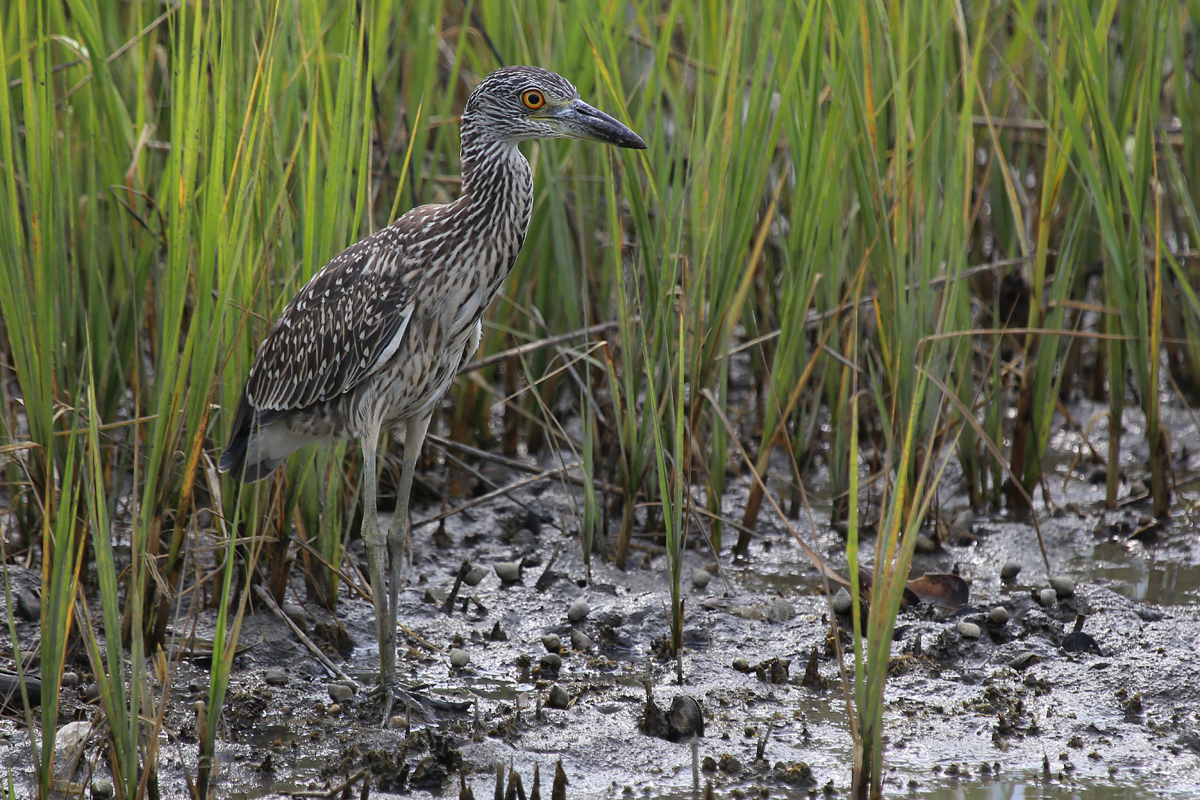
Large numbers of recently fledge terns and gulls have begun dispersing from breeding colonies to our north & northwest and as a result, the sandbars at Pleasure House Point and the beaches at JEB Fort Story and Back Bay NWR have yielded some interesting checklists. Yellow-crowned Night-Herons continue to pop up in unusual locations as well, with observations occurring anywhere from the Chesapeake Bay Bridge-Tunnel to an office complex off Lynnhaven Road. Outside of Virginia Beach, a pair of ROSEATE SPOONBILLS was found at Shirley Plantation, Charles City County, 16 Jul by Arun Bose (NOTE: As of 22 Jul 2017, access to this site has been revoked by the landowner due to the volume of people trespassing on area’s which were explicitly noted in Arun’s eBird checklist & subsequent postings to social media as off limits. Do not attempt to visit this location under ANY circumstances!). This represents the third species of southern US waders to appear in Virginia as a vagrant in the last couple of months, with LIMPKIN (3 Jun / James City County / Dan Cristol) and WOOD STORK also having occurred in August County, 27 May. Additionally, a photograph appeared on Facebook of presumably another pair of Roseate Spoonbills, taken from a kayak by Forrest Short at Poquoson’s Plum Tree Island NWR. Birders in Virginia Beach should be aware of this trend, and should seek out any suitable habitat nearby that could potentially hold one of these extreme rarities! Lastly, a LONG-BILLED CURLEW was observed 16 Jul on a boat trip out of Wachapreague, Accomack County with Broadwater Bay Eco-Tours (ph. Andrew Baldelli, Rob Bielawski, Rick Kellam, Lisa Rose & Jason Strickland). This is a species that is logged annually nowadays within the barrier island lagoon system in winter, with July records being hard to come by. Most notable, so far in 2017 this is the only record for the species northeast of Edisto Beach, South Carolina, some 400+ mile away! Perhaps one of these years someone will pick up a transient flying past (or stopping at) Back Bay NWR, for a first record in Virginia Beach!

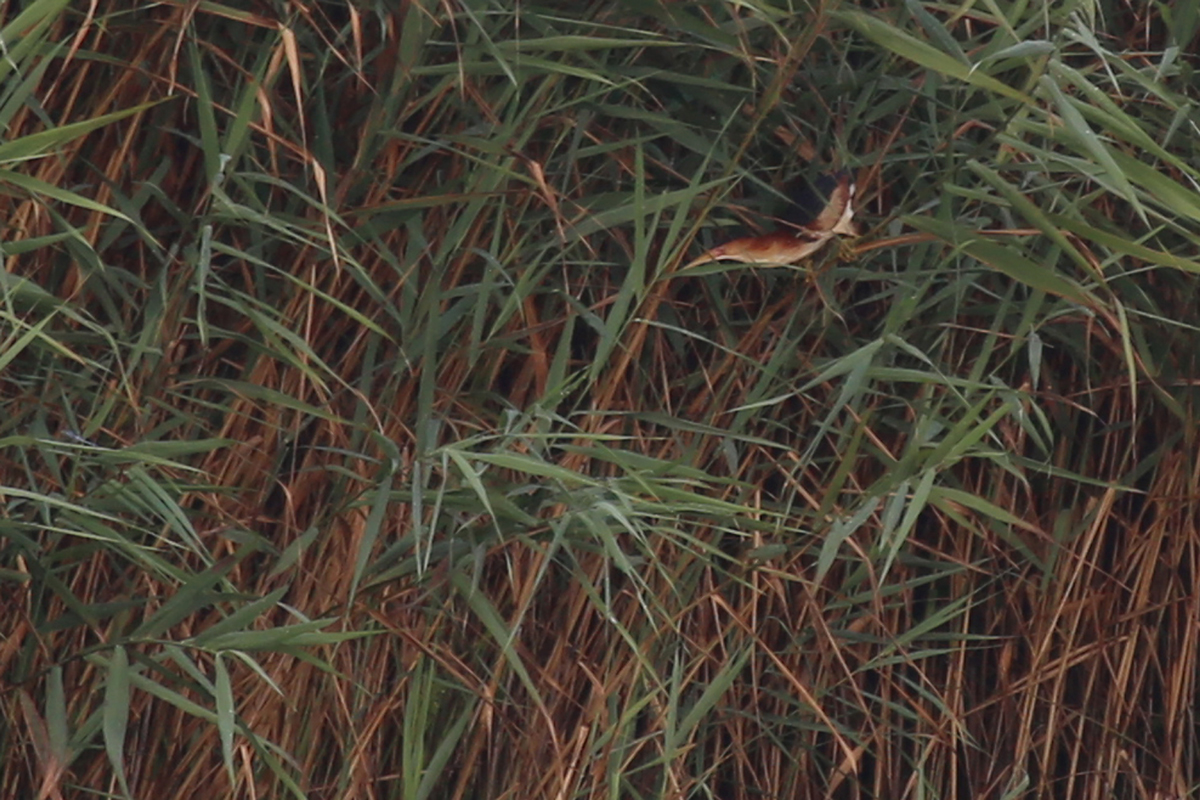
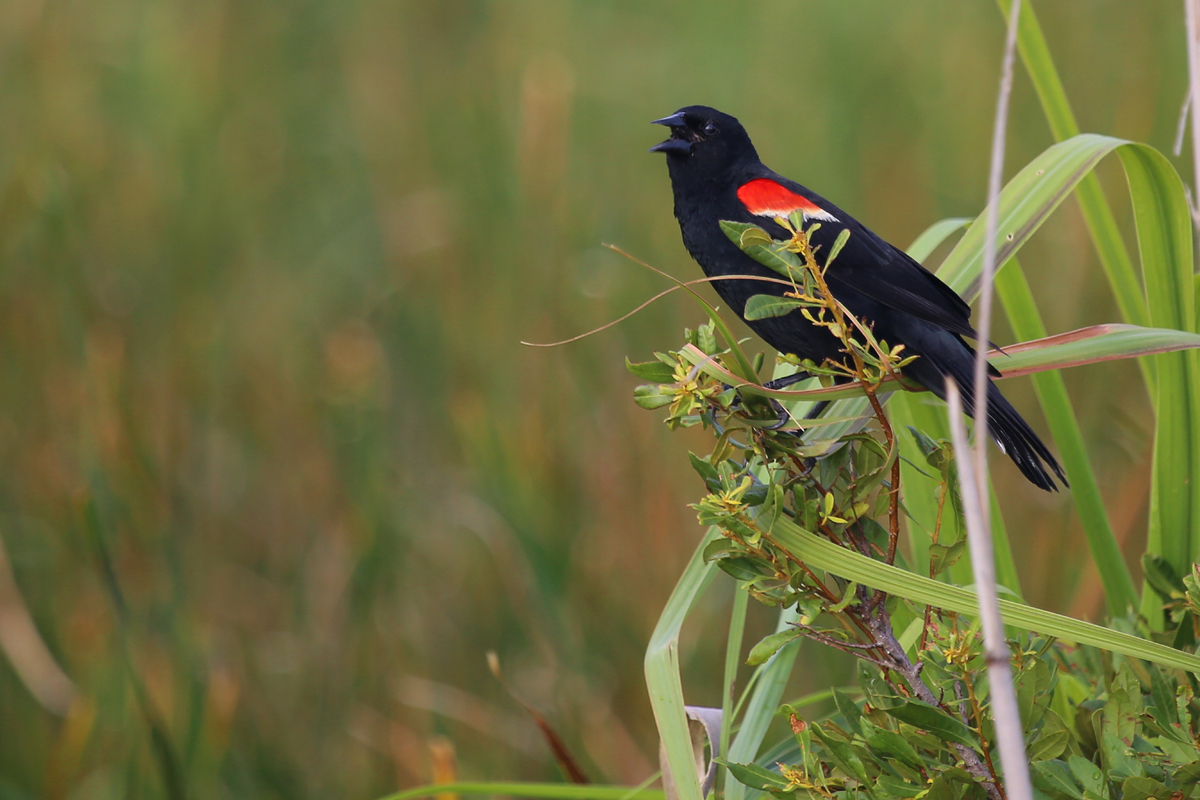
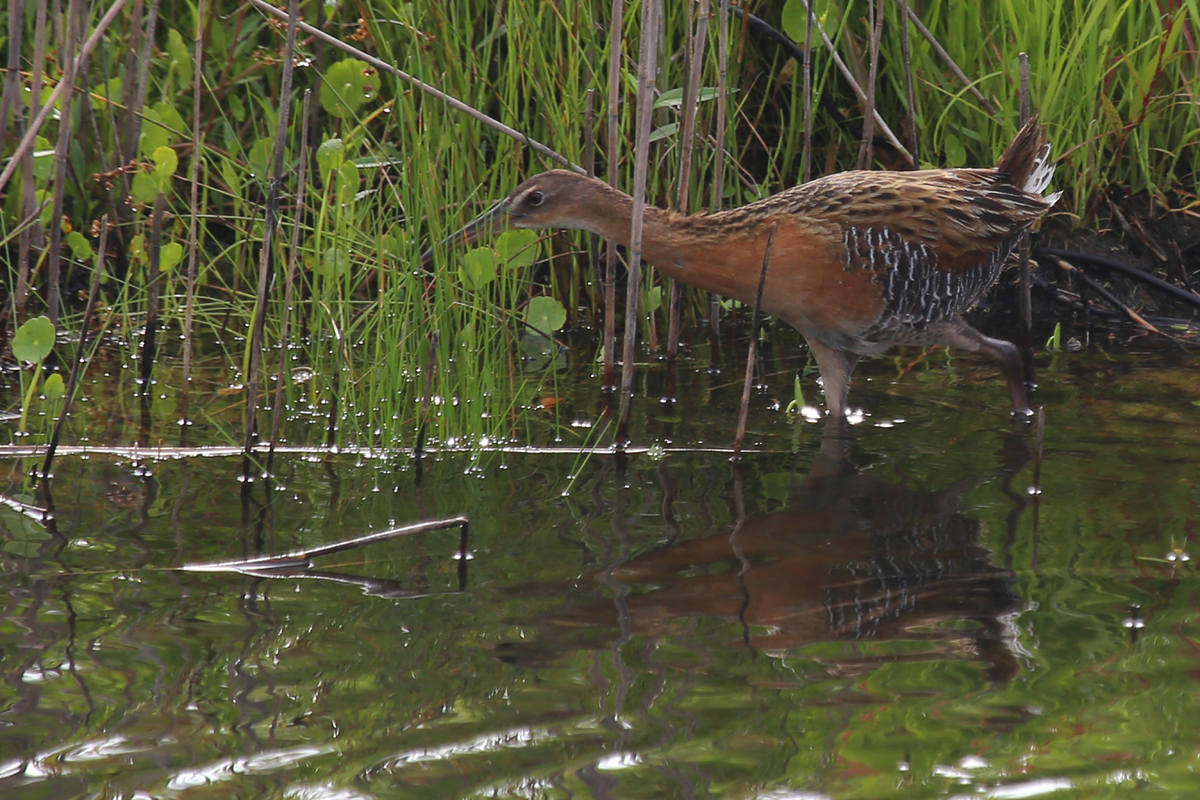
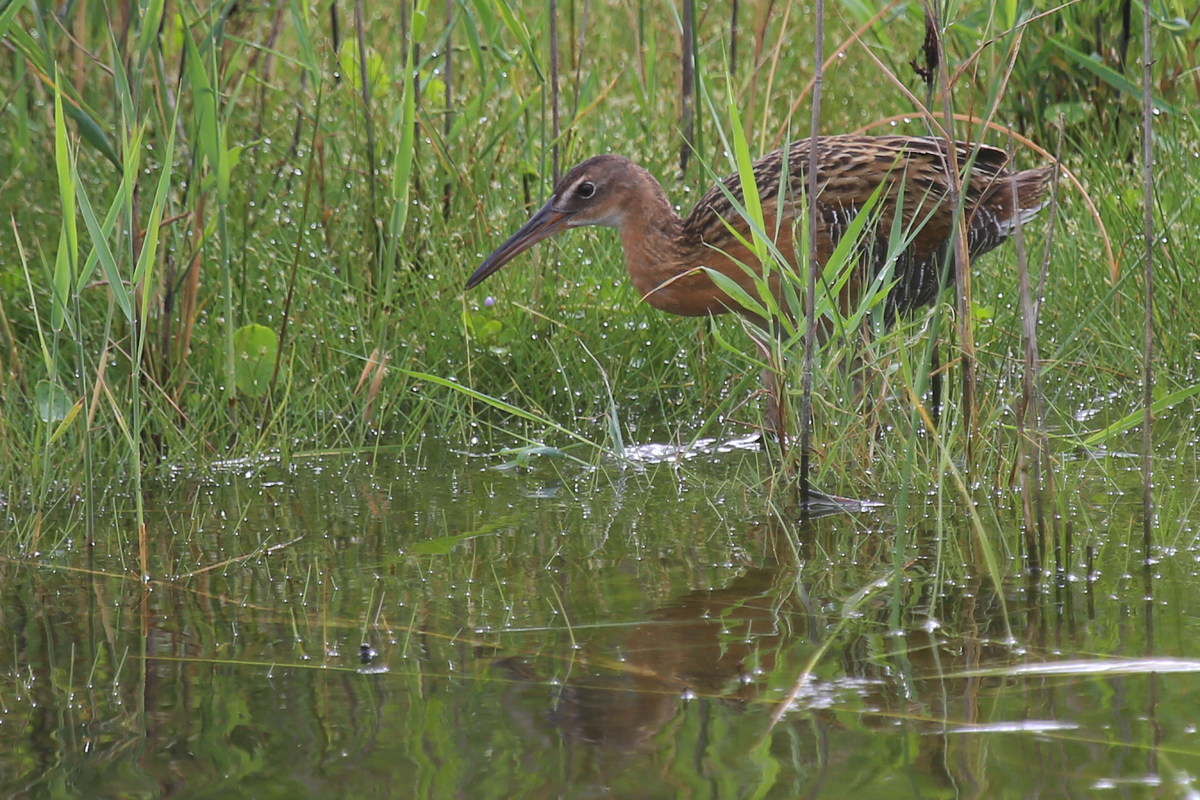
SPECIES DOCUMENTED BY MEDIA and submitted to eBird for Virginia Beach during this period included: 11 JUL – Summer Tanager (Virginia Aquarium / Pamela Monahan). 12 JUL – EASTERN TOWHEE (WHITE-EYED) (Back Bay NWR / Kathy Louthan); Glossy Ibis (Pleasure House Point NA / Kathy Louthan); Great Blue Heron, Little Blue Heron, Green Heron, White Ibis, Glossy Ibis, Purple Martin & Northern Cardinal (Back Bay NWR / Karen & Tom Beatty). 13 JUL – Royal Tern (South Thimble Island / David Clark); Great Black-backed Gull, Royal Tern, Sandwich Tern, Eastern Phoebe, Great Crested Flycatcher, White-eyed Vireo, American Crow, Blue-gray Gnatcatcher, Eastern Bluebird & Northern Mockingbird (Camp Pendleton SMR / Karen & Tom Beatty); Cattle Egret (Muddy Creek Rd. / Karen & Tom Beatty). 14 JUL – Osprey, Eastern Phoebe & Great Crested Flycatcher (Camp Pendleton SMR / Karen & Tom Beatty); Great Egret, Snowy Egret, Little Blue Heron & White Ibis (Princess Anne WMA Whitehurst Tract / Rob Bielawski). 15 JUL – Common Yellowthroat (Back Bay NWR / Rob Bielawski); Least Bittern, King Rail, Eastern Wood-Pewee, Eastern Kingbird, Black-and-white Warbler, Red-winged Blackbird & Boat-tailed Grackle (Back Bay NWR / Rob Bielawski); Killdeer, Pectoral Sandpiper & Solitary Sandpiper (Muddy Creek Rd. / Mary Catherine Miguez). 16 JUL – Yellow-crowned Night-Heron, Common Tern & Royal Tern (South Thimble Island / Rob Bielawski). 17 JUL – Brown Pelican, Red Knot, Sanderling, Willet, Royal Tern & Sandwich Tern (Back Bay NWR / Mary Catherine Miguez). 18 JUL – Brown Pelican, Yellow-crowned Night-Heron, Osprey, Sanderling, Ring-billed Gull & Red-winged Blackbird (Back Bay NWR / Karen & Tom Beatty); Tricolored Heron, King Rail & Common Yellowthroat (Back Bay NWR / Mary Catherine Miguez); Gull-billed Tern, Royal Tern & Sandwich Tern (Camp Pendleton SMR / Karen & Tom Beatty). 19 JUL – Black Scoter, Spotted Sandpiper, Royal Tern & Sandwich Tern (JEB Fort Story / Karen & Tom Beatty); Osprey, Bald Eagle, Least Tern, Royal Tern & Sandwich Tern (Camp Pendleton SMR / Mary Catherine Miguez); Willet, Laughing Gull, Least Tern, Royal Tern & Sandwich Tern (Camp Pendleton SMR / Karen & Tom Beatty).

LOOKAHEAD: In an average year, the Late July period boats the highest temperatures, and this is likely to hold true in 2017. The southbound migration of Shorebirds will continue to the focus for the next few weeks for most birders in southeast Virginia. Seawatching from beaches for passersby, or walking the beaches looking for groups of shorebirds feeding should yield additional sightings of interesting species. Mudflats and sandbars at Pleasure House Point Natural Area should be checked between high and low tide for both shorebirds and for terns & gulls, of which both Arctic & Roseate Terns would be the rarities hoped for. The rains of the 14/15th left the C Storage Pool at Back Bay NWR a bit high for large volumes of shorebirds, but this needs to be checked often as well since the water levels will drop steadily if no rain occurs. Agricultural fields in southern Virginia Beach are worth keeping tabs on, especially after heavy rain storms, and at high tide when coastal shorebirds will seek foraging grounds inland. For this style of birding though, please ensure you do not set foot on private property, and view only from the public right-of-way in the roadway itself! As mentioned above, the apparent dispersal of Roseate Spoonbill, Limpkin & Wood Storks over the past few weeks from their more southerly home ranges (possibly due to drought conditions according to this ABA article) will make any small waterway or pond capable of holding them worth checking (Princess Anne WMA’s Beasley & Whitehurst Tracts comes to mind). Lastly, regularly occurring (used synonymous with annually-occurring here) species that are likely during late July and have not been observed yet this fall include Cliff Swallow & Black Tern (10 Jul expected arrival date), Piping Plover (15 Jul), and Dunlin (30 Jul). As always, make sure to report your finds to eBird so the data can be used to adjust the expected arrival dates and to view the full listing of each species’ “average expected arrival dates”, please click Here!

Next Entry | Entry Index | Previous Entry | Same Period Last Year

For further information regarding this thrice-monthly, online publication, please visit the Journal Overview Page which provides an in-depth explanation of the format, layout and composition of the journal. As always, thank you for reading, and please leave me a comment below (you may use your Facebook, Gmail or other accounts to easily do so), or just click the Heart icon to the lower right of this post to let me know you stopped in!